


 Claim Ownership
Volts
Subscribed: 999Played: 95,867
Subscribe

© David Roberts
Description
Volts is a podcast about leaving fossil fuels behind. I've been reporting on and explaining clean-energy topics for almost 20 years, and I love talking to politicians, analysts, innovators, and activists about the latest progress in the world's most important fight. (Volts is entirely subscriber-supported. Sign up!)
www.volts.wtf
www.volts.wtf
451 Episodes
Reverse

This is a public episode. If you'd like to discuss this with other subscribers or get access to bonus episodes, visit www.volts.wtf/subscribeVerrus is building data centers designed to address every objection the public has raised: they use batteries instead of diesel generators, which makes them grid assets that help hold down power prices; they use closed-loop cooling, which uses a tiny fraction of the water; their equipment is quieter; and as a bonus, they squeeze more servers into the same grid connection. Yet both of Verrus’s proposed sites, in Michigan and Oregon, are mired in fierce local opposition. In this episode, CEO Nelson Abramson walks through the engineering — and the politics that the engineering hasn’t quite solved.Chapters:00:00 – Introduction02:43 – Three decades in data centers05:05 – What a Verrus data center looks like07:39 – The medium voltage power plane12:13 – UPS batteries vs. the big LFP battery17:27 – Priority aware capping and provisioned utility capacity22:31 – Why not buy the pieces off the shelf?25:42 – Duration: what happens when four hours runs out34:28 – Diesel backup and what customers ask for37:15 – How flexible is compute, really?42:37 – Noise, fans, and the sound studies48:42 – Water use and the 12 million gallon question52:19 – Industrial land and by-right zoning56:07 – Public opposition, recall petitions, and community benefits1:00:07 – Oregon, Salem, and the moratorium1:03:56 – Ride-through, NERC, and losing the moat1:07:11 – What V2 looks like

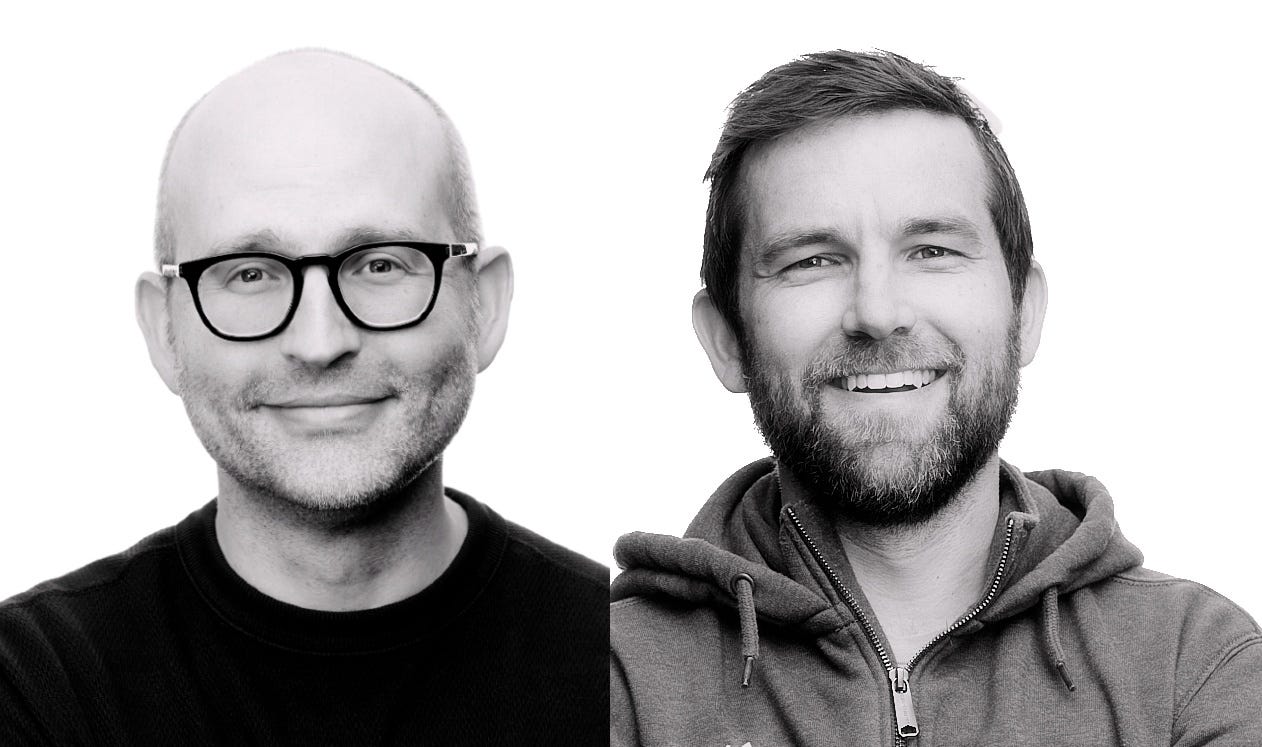
This is a public episode. If you'd like to discuss this with other subscribers or get access to bonus episodes, visit www.volts.wtf/subscribeJane Flegal has worked inside philanthropy at the Hewlett Foundation, industrial emissions policy at the Biden White House, and carbon-removal market development at Frontier; she's now a senior fellow at the Searchlight Institute, writing some of the smartest climate policy analysis around. We cover a lot of ground: industrial policy versus market approaches, what the IRA got right and wrong, philanthropy's proper role, data centers and the case for an infrastructure fund, and behind-the-meter gas, among other things. This is a long one, and spicy!Chapters:00:00 – Introduction03:11 – Flegal's thesis: building a clean grid fast enough to power growth06:29 – Why she rejects degrowth09:27 – The Roosevelt essay: climate as more than a market failure13:30 – Why clean energy underuses its political muscle15:24 – Industrial policy and the green spiral theory of change20:40 – Was IRA the right approach?22:12 – Lily Bermel's paper and the fight over what survived23:21 – What she would have done differently under IRA30:11 – Philanthropy, Silicon Valley, and what government is for33:29 – The epistemic crisis inside environmental NGOs39:09 – The abundance movement and what each faction misses44:16 – What establishment Democrats get wrong on climate46:06 – Why issue polling misleads50:34 – Republicans and the Cold War analogy52:47 – Data centers and the American Grid Infrastructure Fund59:13 – Affordability politics and who pays for the grid1:08:14 – Emissions, behind-the-meter gas, and flexible load1:13:57 – The clean firm debate: storage plus transmission?1:20:14 – Capacity markets, ERCOT, and the case for planning1:24:32 – Utility incentives, public power, and affordability fixes1:35:55 – Permitting reform and the land footprint asymmetry1:41:05 – NEPA reform and the political window1:48:21 – Where fresh policy thinking comes from
This is a public episode. If you'd like to discuss this with other subscribers or get access to bonus episodes, visit www.volts.wtf/subscribeZanskar argues that the US is badly underestimating its conventional geothermal resources — that there are far more undiscovered hydrothermal systems, and that each one can produce far more power, than people think. They think AI can help find those resources, and they have drilled three sites to back it up, including a “blind” discovery in Nevada with no surface signs and no prior exploratory wells. If they're right, terawatts of firm, carbon-free power are reachable with off-the-shelf drilling technology. Co-founders Carl Hoiland and Joel Edwards make the case.Chapters:00:00 – Introduction03:29 – Heat, permeability, and how resources have been found04:49 – Why conventional geothermal stalled, and why the estimate is stale09:22 – Applying AI to old exploration data11:10 – The data Zanskar works with13:09 – Models, field testing, and the feedback loop15:02 – How much more resource is really out there20:22 – Lightning Dock: reviving a written-off field22:14 – What has changed in drilling technology28:37 – Pumpernickel and the permeability question31:08 – Natural permeability vs. enhanced geothermal34:21 – Big Blind, the first blind discovery in 30 years37:09 – Improving the models to keep getting better40:51 – Financing exploration: the development capital facility44:38 – The NV Energy PPA and data center demand47:42 – The skeptical case and geographic limits54:20 – Policy dependence and public lands58:11 – What's next for Zanskar
This is a free preview of a paid episode. To hear more, visit www.volts.wtfVolts published eight conversations in August — with two Idaho state legislators, a grid cybersecurity expert, the architect of Uruguay's energy transition, an EV charging exec, and more — which is a lot for anyone to listen to. We've rounded up the highlights into a single hour. Enjoy!Chapters:00:00 – Introduction and how the best-of series works01:59 – Saleem Chapman on why every market design fails ratepayers the same way07:51 – Patrick Miller on Chinese inverters and commodity boards12:22 – Ben Toews and Megan Egbert on how Idaho's housing bills happened18:34 – Seth Cutler on why an IONNA site is technically a bakery22:52 – Ramón Méndez Galain on getting every Uruguayan party to sign one plan28:00 – Quinn Nakayama on why a utility would adopt something that saves money34:16 – Varun Sivaram on workload tiers and who pays when flexing goes wrong38:44 – Todd Tucker on the Defense Production Act precedent44:20 – Closing note and what to send in
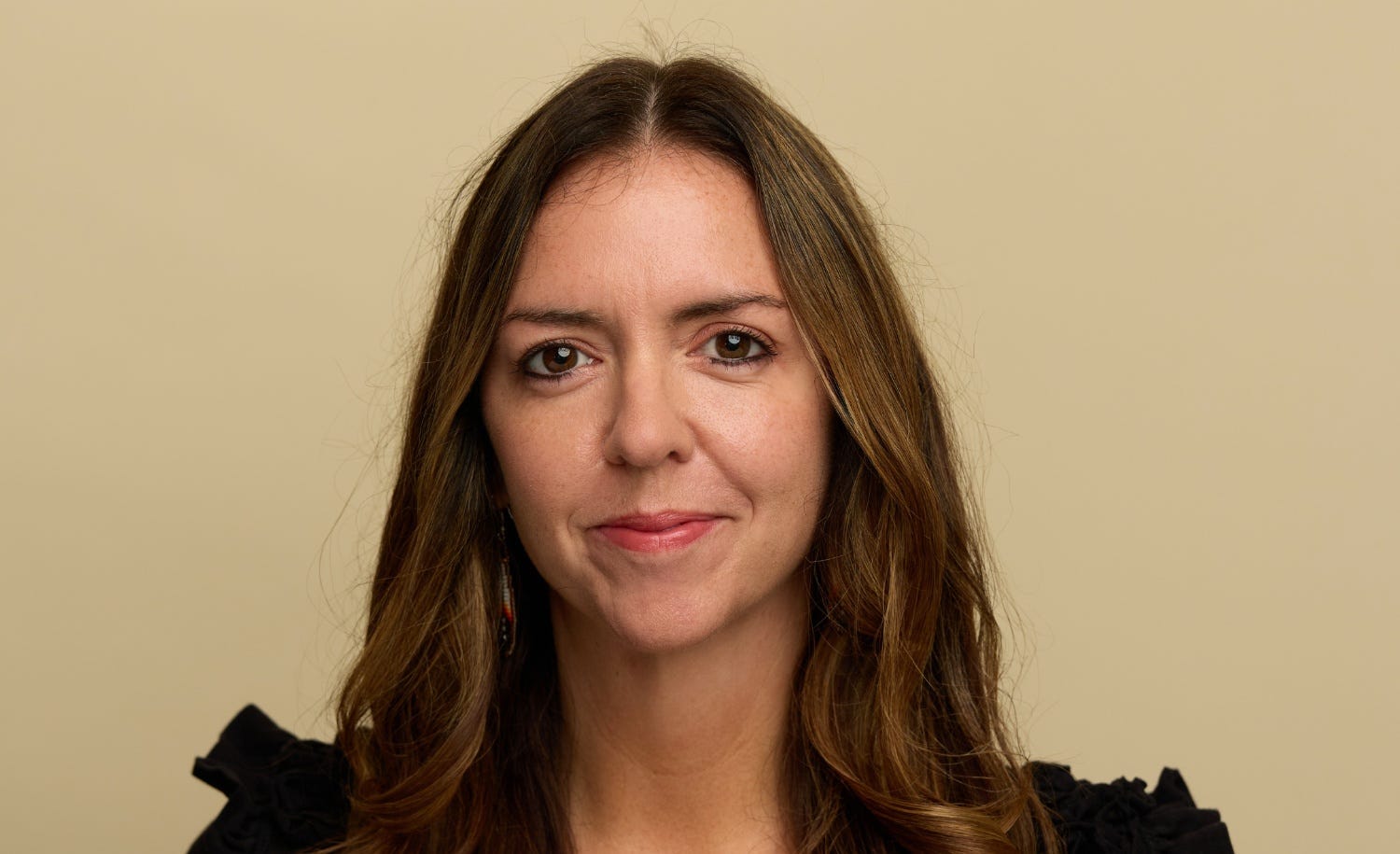
This is a public episode. If you'd like to discuss this with other subscribers or get access to bonus episodes, visit www.volts.wtf/subscribeDisinformation about clean energy is showing up everywhere — online after every blackout, at county commission meetings about siting new projects, in regulatory dockets stuffed with fake comments. GoodPower, which combines a C3 education arm with a C4 advocacy arm, is trying to fight back with a network of thousands of content creators, rapid-response campaigns around storms and grid failures, and an AI tool that detects manufactured public comments. I talk with CEO Leah Qusba about what they've tried, what they've measured, and what actually works.Chapters:00:00 – Introduction03:06 – What the disinformation claims, and who spreads it05:57 – From Action for the Climate Emergency to GoodPower08:38 – Building a creator network in non-political verticals14:17 – Competing with talk radio and Fox News18:26 – Winter Storm Fern and the rapid response system23:26 – Measuring whether a deployment actually worked27:24 – Pre-bunking and the 80-county experiment33:18 – Getting people off the couch and into the room38:10 – AI agents and where human judgment sits42:05 – Keeping the C3 and the C4 distinct47:13 – Battery fires, Moss Landing, and talking to fire chiefs50:54 – TrueVoice and manufactured public comment56:13 – Whether AI will overwhelm the comment process58:11 – The best messages that actually land1:04:22 – Super PACs, budgets, and what comes next

Comments

Download from Google Play

Download from App Store
 United States