


 Claim Ownership
PAWSitively Petland Show
Subscribed: 0Played: 4
Subscribe

© Ron Solsrud
Description
Ron, with all his Petland Iowa City experience and knowledge, discusses all sorts of pet-related topics. You'll find episodes on pet training tips, pet products, pet food reviews, breed fun facts, and more. If you're a current or soon-to-be pet owner or someone who just plain loves pets, listen in to learn the latest tips and tricks to help you and your little one have an even better life! 🧡
Petland Pets Make Life Better!
Petland Pets Make Life Better!
50 Episodes
Reverse

Fish keeping is more than a decorative hobby—it’s a proven way to create a calmer, healthier living environment while connecting with nature indoors. Whether you’re new to aquariums or looking to refine your setup, understanding proper fish care is essential for both your well-being and the long-term health of your aquatic pets.At Petland Iowa City, our aquatic specialists help hobbyists succeed by focusing on four essential areas of care: behavioral, environmental, nutritional, and maintenance needs. When these are met, aquariums become what we like to call living ecosystems, not just tanks with water.The Health Benefits of Fish KeepingAquariums are often described as “living art,” but their benefits go far beyond aesthetics. Studies have shown that watching fish swim can help reduce:Blood pressureHeart rateStress and anxiety levelsThe rhythmic movement of fish and the gentle sound of circulating water promote relaxation and mindfulness, making aquariums a popular addition to homes, offices, and healthcare settings.1. The Science of a Healthy Aquarium: Understanding the Nitrogen CycleOne of the most common reasons fish don’t survive their first few weeks is an incomplete or misunderstood nitrogen cycle.Tap water contains chlorine and chloramines, which are safe for people—but toxic to fish. Without proper conditioning and biological filtration, fish waste quickly converts into ammonia, which can become deadly in small environments.How the Nitrogen Cycle WorksFish produce waste → ammoniaBeneficial bacteria convert ammonia → nitritesMore bacteria convert nitrites → nitratesNitrates are removed through water changes and live plantsTo establish this cycle safely, we recommend:Using a quality water conditionerAdding beneficial bacteria supplementsIncorporating live aquarium plantsLive plants help with:Natural water filtrationOxygen exchangeStress reduction and shelterSupporting healthy bacteria colonies2. Behavioral & Environmental Needs: Fish Are Social CreaturesFish are not decorations—they have behaviors, social structures, and environmental preferences.Many popular species are schooling fish, meaning they feel safest in groups. If one fish appears aggressive or stressed, the issue is often too few tank mates, not too many.Creating a Stress-Free EnvironmentA healthy aquarium should include:Plants (live or artificial)Driftwood or rock structuresDecorative elements that break up sightlinesThese features act as underwater “breakwaters”, helping fish navigate their environment and reducing stress-related behavior3. Nutrition: More Than Just FlakesWhile flakes and pellets are a solid staple, a varied diet keeps fish healthier, more colorful, and more engaged.Enhancing your fish’s diet can include:Frozen foods (thawed before feeding)Bloodworms or brine shrimpSpecies-specific treatsRotational feeding schedulesA varied diet mimics natural feeding habits and often results in:Increased activityBrighter colorationStronger immune systems4. Maintenance: Think of Your Aquarium as an Indoor GardenAn aquarium thrives with consistent, simple care—much like a garden.Routine Aquarium Maintenance Includes:Pruning plants to prevent overcrowdingMonthly gravel cleaning using a siphon to remove debrisPartial water changes, never full tank replacementsAlways conditioning new water before adding it to the tankAvoid over-cleaning—beneficial bacteria live on surfaces like gravel, filters, and decorations.Visit Petland Iowa CityReady to start or upgrade your aquarium? Visit us at the Lower Muscatine Road Marketplace Mall, where our aquatic experts are happy to help.Store Hours:Monday–Saturday: 10:00 a.m. – 9:00 p.m.Sunday: 12:00 p.m. – 6:00 p.m.

The Italian Greyhound is a breed that effortlessly blends elegance, affection, and simplicity. Often described as the smallest member of the Sighthound family, Italian Greyhounds are distinct from their larger relatives—the Greyhound and Whippet—yet they share the same graceful build and deep devotion to their humans.For pet owners seeking a low-maintenance, indoor-friendly, and emotionally connected companion, the Italian Greyhound may be the perfect match.A Regal History Rooted in AntiquityThe Italian Greyhound boasts an ancient lineage that dates back over 2,000 years. Archaeological evidence suggests early versions of the breed appeared in the Mediterranean region, with some historians tracing their ancestry to Africa. Others note their frequent appearances in Greek art and mythology, including associations with the goddess Artemis, protector of animals.By the Middle Ages, Italian breeders intentionally refined the dog to a smaller size, increasing its popularity throughout Southern Europe. By the 17th century, the Italian Greyhound became a favored companion of royalty and nobility in Italy, England, Prussia, Denmark, and Russia.While 19th-century attempts to make the breed even smaller led to health concerns, modern breeding standards emphasize balance, health, and sound structure.The American Kennel Club (AKC) recognizes the Italian Greyhound as one of the oldest toy breeds still in existence.🔗 External source: https://www.akc.org/dog-breeds/italian-greyhound/Temperament: A Devoted “Velcro Dog”Italian Greyhounds are best known for their deep emotional bonds with their owners. Within their family, they are affectionate, gentle, and loyal. Around strangers, however, they may appear shy or reserved—making early socialization especially important.Despite their delicate appearance, Italian Greyhounds often surprise owners with a bold, “big dog” bark, which makes them excellent alert dogs.At home, they are famously affectionate and love warmth. Many owners describe them as “velcro dogs” who burrow under blankets, curl up beside their humans, and follow them from room to room.Training and Exercise NeedsTraining StyleItalian Greyhounds are intelligent but can have short attention spans. Training is most successful when:Sessions are short (5–10 minutes)Positive reinforcement is usedCommands are practiced consistentlyOnce a behavior reaches long-term memory, Italian Greyhounds tend to retain it well.As sighthounds, they are natural sprinters, not endurance runners. They enjoy quick bursts of energy—often called “zoomies”—but tire quickly.Recommended daily exercise: 20–40 minutesSecure outdoor space is ideal, as they are fast and instinctively chase movementExercise Requirements🔗 External veterinary guidance:https://vcahospitals.com/know-your-pet/italian-greyhoundGrooming and Daily CareOne of the biggest appeals of the Italian Greyhound is its minimal grooming needs.Very short coatLight sheddingNo professional grooming requiredA simple wipe-down with a damp cloth removes loose hair. Bathing can be done as needed, and due to their small size, many owners find it easiest to bring them into the shower.Because of their thin coats and low body fat, Italian Greyhounds are sensitive to cold and often benefit from sweaters during cooler months.Quick Facts for Potential OwnersDiet: Eats significantly less than larger breedsLifespan: Approximately 12–15 years with proper careLiving Space: Ideal for apartments and small homesEnvironment: Strictly indoor dogs; sensitive to cold and rough terrain

The Boxer dog breed is one of the most recognizable and beloved dogs in the world — known for its athletic build, expressive face, and unwavering loyalty. Ranked among the top 10 most popular dog breeds globally, Boxers are often described as fearless protectors with the hearts of devoted family companions.But owning a Boxer means understanding more than just their playful charm. This guide explores the history, temperament, health considerations, and lifestyle needs of the Boxer, helping prospective owners make an informed, responsible decision.A Brief History of the Boxer BreedThe Boxer originated in 19th-century Germany, developed from the now-extinct Bullenbeisser (a mastiff-type hunting dog) and English Bulldogs. These dogs were bred for strength, agility, and courage, primarily used to hunt large game such as deer and boar.By the late 1800s, formal breeding standards were established by early German Boxer clubs — standards that still influence modern breed guidelines today.During World War I, Boxers served as military working dogs, acting as messengers, guards, and pack carriers. Their intelligence and loyalty made them invaluable. After the war, soldiers brought Boxers home, where the breed transitioned into the family companion and show dog we recognize today.According to the American Kennel Club, the Boxer remains one of the most versatile working and companion breeds.🔗 External source: https://www.akc.org/dog-breeds/boxer/Why Are They Called “Boxers”?One of the most widely accepted theories behind the breed’s name comes from their playful behavior. Boxers often stand on their hind legs and bat with their front paws, resembling a boxer sparring in a ring.While historians still debate the exact origin of the name, this distinctive behavior is something most Boxer owners witness firsthand — especially during playtime.Boxer Temperament: Fighters Turned Family DogsDespite their working-dog history, modern Boxers are known for being:Exceptionally loyalHighly energeticGentle and patient with childrenStrongly bonded to their familiesBoxers thrive on human interaction and do best in homes where they are treated as true companions — not left alone for long periods.Experienced trainers often describe Boxers as “forever puppies” due to their playful nature well into adulthood.Health Considerations and LifespanLike many larger breeds, Boxers have specific health considerations that owners should understand before committing.Average Lifespan10–12 years, depending on genetics and careCommon Health ConcernsHip dysplasiaHeart conditions (such as cardiomyopathy)Certain cancers, including leukemiaSensitivity to heat due to short muzzlesRoutine veterinary care, proper nutrition, and responsible breeding play a critical role in a Boxer’s long-term health.🔗 External source (veterinary reference):https://vcahospitals.com/know-your-pet/boxerGrooming, Shedding, and Daily CareBoxers are not hypoallergenicThey have short coats but shed year-roundWeekly brushing helps manage sheddingHigh-quality food is essential — Boxers are known for having big appetitesOwners should also be prepared for high energy needs, including daily walks, playtime, and mental stimulation.Is the Boxer the Right Dog for You?A Boxer may be the perfect fit if you’re looking for:A loyal family protectorA playful, high-energy companionA dog that thrives on human connectionHowever, Boxers are not ideal for low-activity households or owners who cannot commit to training, exercise, and consistent care.Visit Petland Iowa CityLocation: Marketplace Mall, 1851 Lower Muscatine Road, Iowa CityHours:Sunday: 12:00 p.m. – 6:00 p.m.Monday – Saturday: 10:00 a.m. – 9:00 p.m.
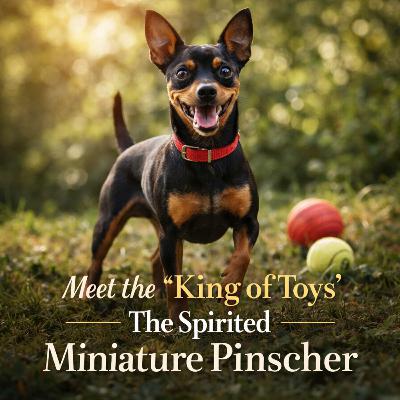
The Miniature Pinscher. Often misunderstood but always entertaining, the Mini Pin is a big personality in a very small package.Not Just a “Mini Doberman”A common misconception is that the Miniature Pinscher is simply a shrunken-down Doberman. While they share a sleek appearance, they are distinct breeds.Historically, the Miniature Pinscher likely predates the Doberman and hails from Germany. Experts suggest their lineage includes:Dachshund: Contributing to the classic black-and-tan coloringItalian Greyhound: Giving them their elegant, spindly legsUnlike the Doberman’s substantial head, the Mini Pin has a delicate, wedge-shaped head, reflecting its refined and agile frame.Expert Insight: According to AKC breed standards, the Miniature Pinscher is one of the oldest toy breeds in Germany, celebrated for both its hunting skills and spirited temperament.A Personality That Commands AttentionKnown as the “King of Toys,” Miniature Pinschers are spirited, confident, and highly intelligent. Living with one has been compared to living with a toddler—they are energetic, curious, and always exploring.Key personality traits include:The Detective: Mini Pinsers observe their surroundings carefully, noticing movements long before their owners do.The Watchdog: Small but alert, they bark at any perceived intrusion, making them excellent watchdogs.The Escape Artist: With their flexible bone structure, they can slip through tiny gaps in fences, requiring careful escape-proofing in the home.Is the Mini Pin Right for Your Home?While Miniature Pinschers are excellent family and apartment dogs, their high energy and curiosity require preparation:Escape-Proofing: Ensure high, secure fences with no gaps.Clutter-Free Living: Avoid homes with small objects lying around; Mini Pins may play with items that could be choking hazards.Training is Key: Early, consistent training is essential to shaping their temperament.Grooming and CareOne of the biggest perks of owning a Miniature Pinscher is low-maintenance grooming. Their short, fine coat sheds minimally. A simple grooming tool, like a Furminator, is usually all that’s needed to keep their coat smooth and clean.Check out our Miniature Pinscher Grooming Tips for more detailed instructions.Visit Petland Iowa CityIf you’re ready for a “little pinch” of excitement, Petland Iowa City currently has a unique red Miniature Pinscher available for meet-and-greets.Location: Marketplace Mall, 1851 Lower Muscatine Road, Iowa CityHours:Sunday: 12:00 p.m. – 6:00 p.m.Monday – Saturday: 10:00 a.m. – 9:00 p.m.

breeds: the Maine Coon. Far from being "just a cat," these "fabulous felines" possess a unique history and physical presence that sets them apart from your average pet.Mysterious Origins: Vikings, Queens, and MythsThe Maine Coon’s history is shrouded in fascinating legends. Some myths suggest they are a crossbreed between a raccoon and a bobcat—a theory largely discounted by science—while others are even more cinematic. One theory claims they were brought over by Viking ships, while another says they were the beloved pets of Marie Antoinette. According to this legend, the Queen of France sent six of her favorite cats to America while attempting to flee the French Revolution; though she didn't make it, her cats supposedly did.Scientifically, Maine Coons are traced back to European descent, likely arriving via Northern trade routes.A "Solidly Built" Gentle GiantOne of the most striking things about a Maine Coon is its sheer size. Often described as a "solidly built" predator, they have a sturdy, boxy face and large, almond-shaped eyes.Weight: Males typically weigh between 18 and 22 lbs, while females range from 12 to 15 lbs.Height: They stand about 10 to 16 inches tall at the shoulder.Sensory Fur: Their thick, silky coats and tufted ears aren't just for show; their fur and whiskers act as sensory receptors, helping them navigate their environment.Personality: The "Kittenlike" CompanionDespite their imposing size, Maine Coons are renowned for being affectionate, loyal, and playful. They are highly sociable and tend to remain "kittenlike" even as they age. Interestingly, unlike most cats, many Maine Coons actually enjoy water. They are also elite hunters with a unique quirk: they can mimic sounds to attract rodents and other prey.Grooming and CareWith such a thick, luxurious coat, Maine Coons are not "low maintenance." Owners should expect some shedding and are encouraged to use tools like a Furminator or seek professional grooming to keep the fur manageable. It is also important to check their ears regularly. While generally a very healthy breed, potential owners should speak with breeders about spinal muscular issues, which can occasionally affect Maine Coons due to their broad body structure.Visit Petland Iowa CityAre you ready to welcome a Maine Coon into your family? You can find more information and see these beautiful cats for yourself at Petland Iowa City, located in the Marketplace Mall.Store Hours:Monday – Saturday: 10:00 a.m. to 9:00 p.m.Sunday: 12:00 p.m. to 6:00 p.m.

If you’re looking for a small dog with a big personality, meet the Dorky. This adorable designer mix is an intentional cross between a Yorkshire Terrier (Yorkie) and a Dachshund. Unlike an accidental mixed breed, the Dorky is thoughtfully bred to create a companionable, affectionate, and delightfully unique pet.What Makes a Dorky Special?The Dorky blends some of the best traits of both parent breeds. From the Dachshund side, you get the ultimate lap dog—one that’s happiest curled up under a blanket beside you. From the Yorkie side comes a touch of sass and playful energy.While they enjoy bursts of activity, Dorkies are not high-exercise dogs. Most of their daily movement comes from playing and exploring around the house, which makes them an excellent choice for apartment living or smaller homes.Size, Coat, and GroomingOne of the Dorky’s biggest appeals is its manageable size. Most weigh between 7 and 13 pounds, making them easy to handle and travel with.Their appearance can vary depending on which parent they favor:Coat: Yorkies have hair rather than fur and are known for minimal shedding, while Dachshunds tend to shed more. A Dorky usually falls somewhere in between—often low-shedding, especially if the coat is longer and wavy like a Yorkie’s.Grooming: A shorter, Dachshund-like coat benefits from regular baths (about once a week) to control shedding and any hound-style odor. If the coat is longer or curlier, professional grooming may be needed more frequently.Health and Care Tips: Keeping a Dorky healthy is fairly simple with the right care:Weight Management: While Dachshunds are prone to back issues due to their long bodies, Dorkies are generally less at risk. Still, maintaining a healthy weight is crucial, as excess weight is the leading cause of back problems.Feeding: Adult Dorkies typically do well with two small meals per day. Because of their size, they eat very little—often around ½ cup of food per day—making them a budget-friendly pet.Chewing Needs: Like all dogs, Dorkies love to chew. Providing a variety of small chew toys with different textures and flavors helps protect your furniture and keeps them happily occupied.Visit Petland Iowa CityReady to meet a Dorky in person? Visit Petland Iowa City, located in the Marketplace Mall on 1851 Lower Muscatine Road.Store Hours:Monday–Saturday: 10:00 a.m. – 9:00 p.m.Sunday: 12:00 p.m. – 6:00 p.m.You can also browse available puppies, including the popular Dorky, at petlandiacity.com.Choosing a Dorky is like ordering a custom-blended coffee—combining the bold, spirited energy of a Yorkie with the smooth, comforting charm of a Dachshund. The result? A perfectly balanced companion for your home.

Taylor Swift is trending again—but this time it’s not about a surprise album drop or a stadium tour. News of her engagement has reignited a familiar cultural fascination: how do people find the “right” lifelong partner?While celebrity relationships may seem worlds away from everyday decisions, the underlying principle is surprisingly universal. Whether you’re choosing a human partner or welcoming a puppy into your family, the history, health, and care behind that decision matter far more than impulse or aesthetics.A Partnership 15,000 Years in the MakingThe relationship between humans and dogs is one of the longest and most well-documented interspecies partnerships in history. Archaeological and genetic evidence suggests that dogs began living alongside humans more than 15,000 years ago, long before agriculture or permanent settlements.Out of the thousands of animal species on Earth, only about a dozen have been truly domesticated—and dogs were among the first. Early domestication depended on specific traits:A willingness to approach humansThe ability to live and reproduce in human environmentsTemperaments compatible with cooperation rather than aggressionOver generations, the friendliest wolves gradually evolved into dogs that were safer, more predictable, and better suited to human life. While modern fascination with wolf-dogs still exists, history shows that selective breeding—not proximity to the wild—created reliable companions.The Evolution of Purpose-Bred DogsAs societies became more complex, humans began breeding dogs with intention and expertise.Ancient Egypt: Dogs were bred for hunting, guarding, and companionship, often depicted in art and buried alongside their owners.Ancient Rome: Large molosser-type dogs were bred for protection, warfare, and sport.Ancient China: The Pekingese was carefully bred as a companion animal exclusively for royalty.By the 19th century, dog breeding became more standardized. Physical traits—such as coat type, stature, and ear shape—were codified into formal breed standards. While this era brought consistency, it also exposed risks when breeding prioritized appearance over health.That concern ultimately led to the formation of organizations like the American Kennel Club (AKC), which introduced record-keeping, breed standards, and guidelines designed to promote healthier, more predictable dogs.Modern Ethics: Where Science Meets ResponsibilityToday, responsible dog breeding is rooted in animal welfare science, not just tradition or aesthetics.In the United States, the Animal Welfare Act (AWA)—enforced by the USDA—sets baseline standards for housing, care, and breeding practices. However, reputable breeders often exceed these requirements voluntarily.One example is the Canine Care Certified™ program developed by Purdue University, which applies evidence-based research to breeding operations. This program evaluates:Physical and psychological well-being of breeding dogsEarly socialization practices for puppiesHealth testing, veterinary care, and living conditionsBreeding under these standards prioritizes temperament stability, genetic health, and long-term quality of life, benefiting both puppies and the families who welcome them.Addressing a Common MisconceptionThe phrase “adopt, don’t shop” is well-intentioned and rooted in compassion for shelter animals. However, it often oversimplifies a complex reality.Responsible breeders serve a distinct and important role, especially for families who need:Finding Your Perfect MatchJust as lasting human partnerships are built on compatibility, trust, and shared values, choosing a puppy should be a thoughtful, informed decision.At Petland Iowa City, breeder partnerships are evaluated against rigorous standards, including participation in science-based programs like Canine Care Certified™. When breeders fail to meet these benchmarks, partnerships are discontinued—no exceptions.

1. Seek Professional Help Early (and Commit to the Process)One of the most important takeaways from the show is this: reactive dog training is not a quick fix.Ron Soulsrude emphasizes that meaningful change often requires a 15-day, 90-day, or even six-month commitment, depending on the severity of the behavior. Professional trainers bring structure, timing, and accountability—elements most owners struggle to provide consistently on their own.Professional help today is more accessible than ever:In-person local trainersVirtual sessions via ZoomEducational platforms like YouTube and online coursesInvesting in training now often prevents far more costly outcomes later—emotionally and financially.2. Identify Your Dog’s Specific TriggersReactive behavior doesn’t come out of nowhere—it’s almost always trigger-based.Common triggers include:The front door openingVisitors entering the homeOther dogs on walksLoud or sudden noisesRon describes the moment of reaction as when a dog “turns sideways”—a physical and emotional shift signaling overstimulation.Understanding what triggers your dog allows you to:Anticipate reactionsControl the environmentBuild targeted desensitization plansWithout identifying triggers, training becomes guesswork.3. Use Positive Reinforcement the Right Way (Timing Matters)Positive reinforcement is the foundation of effective, ethical dog training. According to Ron, 80% of your communication with your dog is through rewards.The Three Primary Reinforcers:Verbal praise – “Good dog”Physical touch – calm petting or jowl scratchesTreats (often called “tweets”)⚠️ Timing is critical Your dog associates the reward with whatever behavior occurred within the last three seconds. If the reward is late—or mistimed—you may accidentally reinforce the wrong behavior.Reward the behavior you want while it’s happening or immediately after.4. Set Clear Boundaries—and Be Consistent Every TimeDogs thrive on predictability. Inconsistent boundaries create confusion and anxiety, which fuels reactivity.Doug shared a real-world example with his senior dog, George. When George becomes overstimulated and spins wildly instead of entering calmly, Doug:Closes the doorWalks away brieflyReturns once George is calmerOnly when George enters calmly does he receive praise or treats.The lesson?Calm behavior unlocks rewards. Excitement pauses progress.Consistency teaches dogs cause and effect: “When I do this, good things happen.”Why This Approach Works (Trust & Expertise)Doug Wagner and Ron Soulsrude bring years of hands-on experience working with dogs and pet owners through Petland Iowa City. Their methods align with modern veterinary and behavioral science, emphasizing humane, reward-based training proven to reduce fear and aggression.This isn’t theory—it’s real-world application backed by:Professional experienceEstablished animal welfare organizationsConsistent, repeatable resultsVisit Petland Iowa City📍 Located at the Marketplace on Muscatine Road, Iowa CityStore Hours:Sunday: Noon – 6:00 p.m.Monday–Saturday: 10:00 a.m. – 9:00 p.m.📞 Phone: 319-351-9451 🌐 Website: petlandiowacity.com

The shift from fall into the holiday season—starting with Halloween and carrying through Thanksgiving and the New Year—brings excitement, decorations, and family gatherings. It also introduces seasonal hazards that can put pets at risk if owners aren’t prepared.Halloween Pet Safety: Candy, Costumes, and Doorbell ChaosKeep Candy Out of Paw’s ReachHalloween candy may be fun for kids, but it can be dangerous—or even fatal—for pets.Common hazards include:Chocolate, which is toxic to dogs and catsXylitol, a sugar substitute found in gum and candyRaisins and grapes, which can cause kidney failureCandy wrappers, which pose choking or intestinal blockage risksStore all candy in sealed containers and elevated cabinets. Cat owners should be especially cautious—cats are curious climbers and skilled investigators.Costume Safety for PetsPet costumes can be adorable, but not every pet enjoys wearing them. If you choose to dress up your dog or cat:Avoid tight, restrictive, or heavy costumesWatch for small pieces that could be chewed or swallowedChoose costumes your pet can easily move out of if stressedSome pets tolerate simple accessories like bandanas or capes better than full outfits. If your pet shows signs of anxiety, remove the costume immediately.Managing Doorbell and Trick-or-Treat TrafficRepeated doorbell ringing can trigger anxiety, barking, or escape attempts.Helpful strategies include:Training: Teach your dog to go to a bed or mat when the doorbell ringsContainment: Place pets in a quiet room or kennel during peak trick-or-treat hoursExercise: A long walk or play session earlier in the day can help reduce excess energyAdding background noise like soft music can also help drown out repeated doorbell sounds.Candle and Decoration AwarenessHoliday decorations introduce new fire and injury risks. Open flames, especially candles in pumpkins or centerpieces, can be knocked over by wagging tails or curious cats.If possible:Use battery-operated candlesPlace decorations well out of reachNever leave pets unattended around open flamesFall Weather Hazards and Seasonal Health ConcernsYard Safety and Outdoor HazardsAs leaves fall and vegetation decays, yards can become hiding spots for mold, mushrooms, and pests. Dogs may be tempted to sniff or taste things they shouldn’t.Regularly:Rake and remove fallen leavesClear branches and debrisInspect your yard for mushrooms or standing waterFlea and Tick Prevention in FallContrary to popular belief, fleas and ticks are most active in fall. Pets can easily pick them up from unkempt yards or wooded areas.Veterinarians recommend:Staying current on flea and tick prevention year-roundChecking pets after outdoor playTreating both indoor and outdoor environments if neededSeasonal Allergies in PetsPets can suffer from fall allergies just like humans.Common symptoms include:Dogs: coughing, itching, paw lickingCats: watery eyes, sneezing, skin irritationIf symptoms persist or worsen, consult your veterinarian for proper diagnosis and treatmentSweaters, Jackets, and Cold Weather ComfortDogs with thin coats, seniors, and small breeds may benefit from sweaters or jackets during colder weather. A simple rule of thumb: If you’re bundling up, your dog may need to as well.Breeds with thick coats, such as Huskies or Akitas, often thrive in cooler temperatures and may not need extra layers.Thanksgiving and Holiday Food Safety for PetsSharing food during holiday meals may feel generous, but table scraps can disrupt your pet’s nutrition and digestive health.Risks include:Pancreatitis from fatty foodsToxic ingredients like onions, garlic, and seasoningLong-term weight gain and nutrient imbalancePet food is formulated to meet specific nutritional needs. Stick to balanced meals and veterinarian-approved treats.

The Akita is a breed known worldwide for its unwavering loyalty, quiet confidence, and fearless spirit. With a lineage dating back over a thousand years, this powerful Japanese dog has earned its place as both a revered working companion and a deeply devoted family protector.At Petland Iowa City, we believe responsible ownership starts with education. If you’re considering adding an Akita puppy to your home, here’s everything you need to know—from history and temperament to training and maintenance—so you can decide if this noble breed is right for you.A History of Fearless LoyaltyThe Akita’s origins trace back to ancient Japan, where it was originally known as the Mataginu, a medium-sized landrace dog used by hunters to track and hold large game such as wild boar and even bears.Akitas were prized for:Exceptional courageStrong hunting instinctsDeep loyalty to their handlersThis loyalty is famously exemplified by Hachikō, an Akita remembered for waiting nearly a decade for his owner to return—a story that cemented the breed’s reputation worldwide. According to the American Kennel Club, the Akita remains a symbol of loyalty, health, and good fortune in Japanese culture. 👉 External source: https://www.akc.org/dog-breeds/akita/Akita Personality and the Critical Need for SocializationAkitas are often mistaken for Huskies due to their thick double coat and strong build, but they have several distinctive traits:A curled tail that rests over the backDark pigmentation around the eyes, lips, and tongueA dignified, almost cat-like demeanorTemperament OverviewAkitas are:Extremely loyal to their familyProtective and alertCalm and affectionate at homeReserved or aloof with strangersWhile they make excellent watchdogs, Akitas are not a beginner-friendly breed. Without early and consistent socialization, their natural protectiveness can turn into suspicion or reactivity.Socialization teaches Akitas that:New people are not threatsPublic environments are safeCalm behavior is expected outside the homeAt Petland Iowa City, we partner with breeders who prioritize early socialization, producing parent dogs with friendly, stable temperaments. These positive traits are passed on to their puppies, giving new owners a strong foundation from day one.👉 Internal link suggestion: https://petland.com/information-center/best-ways-to-socialize-your-new-puppy/Training and Family SafetyAkitas thrive with:Confident, consistent leadershipPositive reinforcement trainingClear boundariesWhile they are generally affectionate with their immediate family and older children, their size and protective instincts mean:They should not be left alone with infants or toddlersProper supervision and training are essentialEvery puppy from Petland Iowa City goes home with lifetime training support, ensuring owners have ongoing access to professional guidance—whether you’re a first-time Akita owner or an experienced dog handler.What to Know About Akita MaintenanceSize and LifespanAkitas are large, powerful dogs:Height: 24–29 inchesWeight: 70–100 poundsLife expectancy: 10–12 yearsMeet Akita Puppies at Petland Iowa CityInterested in meeting an Akita in person? Petland Iowa City typically carries only one Akita puppy at a time, due to their size and specialized care requirements.Visit Petland Iowa City TodayStop by and explore our selection of pets, expert guidance, and seasonal fun—including our Halloween costumes, tricks, and treats!📍 Location: Marketplace Mall, 1851 Lower Muscatine Road, Iowa City Website: https://petlandiowacity.com 📞 Phone: 319-351-9451🕒 Store HoursSunday: Noon – 6:00 PMMonday–Saturday: 10:00 AM – 9:00 PM

If you’re searching for a loyal, affectionate, and beginner-friendly dog breed, the Shih Tzu deserves a spot at the top of your list. Known affectionately as the “little lion,” this ancient breed is beloved for its easygoing temperament, charming personality, and deep devotion to its people.Whether you’re looking for a first-time family pet or a small companion dog for apartment living, the Shih Tzu might be the perfect fit.Temperament: A Truly Easygoing CompanionNew dog owners often worry that training will feel like an uphill battle. With the Shih Tzu, the experience is much closer to a downhill stroll.Shih Tzus are naturally:FriendlyAffectionatePeople-orientedNon-aggressiveTraining Tip for SuccessThey were quite literally “made to love”, thriving in homes where they can soak up attention. Unlike some breeds bred for guarding or chasing, Shih Tzus typically prefer cuddles over confrontation. While they aren’t known for chasing small animals, they will alert you to unfamiliar sounds or strangers — just enough to be helpful without being disruptive.Early socialization and training are essential. Like all dogs, Shih Tzu puppies benefit most when you start before habits form. Their gentle, eager-to-please nature makes training smoother compared to more energetic or stubborn breeds.⭐ A Royal History Rooted in Ancient ChinaThe name “Shih Tzu” loosely translates to “little lion” in Mandarin — an amusing contrast to their sweet, gentle demeanor.According to the American Kennel Club (AKC), the breed’s origins trace back to ancient China, where Shih Tzus served as treasured palace companions. Royal households favored them for their calm nature and beautiful coats. Tibetan monks also reportedly gifted similar small dogs to Chinese emperors, helping shape the early breed. ➡️ Learn more from AKC: https://www.akc.org/dog-breeds/shih-tzu/Shih Tzus are also recognized as one of the world’s oldest dog breeds, sharing ancestry with other ancient Asian breeds such as the Lhasa Apso and Pekingese.⭐ Care & Logistics: Small Size, Big BenefitsShih Tzus are small but sturdy dogs, usually weighing 8–18 pounds. Their compact size comes with several lifestyle advantages:Long life expectancy, often living well into their teensLower food costs compared to medium or large breedsIdeal for apartments, condos, or small homesShih Tzus are content with brief play sessions and short walks, making them perfect companions for families, seniors, and busy professionals alike.Grooming: A Commitment to BeautyOne of the most distinct features of the Shih Tzu is its luxurious, non-shedding coat. Because their hair grows continuously, regular grooming is required.Grooming Needs Include:Daily brushing (especially in longer cuts)Cleaning around the eyesProfessional grooming every 4–6 weeksKeeping ears and facial folds cleanExercise Needs: Low-Maintenance and Apartment-FriendlyShih Tzus don’t require extensive exercise. In fact, most of their daily activity can take place indoors. A short walk and some light play are usually enough to keep them happy and healthy.This makes them an excellent match for:Small-space livingOwners with mobility limitationsBusy households with limited outdoor timeTraining sessions are most effective when the dog is calm, such as after a short walk or playtime.Find Your Shih Tzu at Petland Iowa CityIf the Shih Tzu sounds like the right match for your family, Petland Iowa City often has this wonderful breed available.📍 Location: Marketplace Mall on 1851 Lower Muscatine Road, Iowa City 📞 Phone: 319-351-9451 🕒 Hours:Sunday: Noon – 6:00 p.m.Monday–Saturday: 10:00 a.m. – 9:00 p.m.
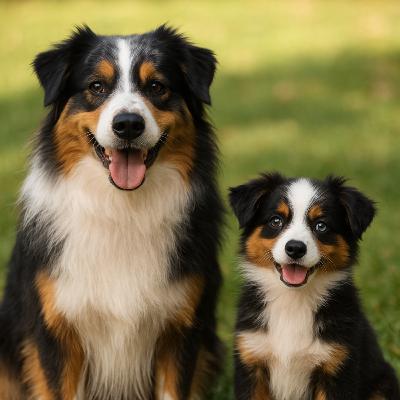
Breed Spotlight: Unleashing the Power of the Australian Shepherd and American ShepherdBy Positively Petland – Expert Insights on Happier, Healthier PetsThe herding group is filled with hardworking, intelligent, and athletic dogs—but few breeds embody this reputation more than the Australian Shepherd and its miniature counterpart, the American Shepherd. At Petland, we work hands-on with these breeds daily, allowing us to confidently guide families in choosing the right dog for their lifestyle.A Tale of Two Names: Australian Shepherd vs. American ShepherdDespite its name, the Australian Shepherd is an American original. Developed during the mid-1800s Gold Rush, these dogs were bred to work long days moving livestock across rugged terrain.To learn more about breed standards, visit the 👉 AKC Australian Shepherd Overview: https://www.akc.org/dog-breeds/australian-shepherd/ 👉 AKC Miniature American Shepherd Overview: https://www.akc.org/dog-breeds/miniature-american-shepherd/Athleticism at Its FinestAustralian Shepherds and American Shepherds are built for movement. They excel in agility sports, herding, and obedience work. If you're looking for a dog who can keep up with running, hiking, or outdoor adventures, this breed is a top choice.Learn more about dog agility and training from trusted organizations: 👉 USDAA – Dog Agility Resource: https://www.usdaa.com 👉 AKC Agility Training Guide: https://www.akc.org/sports/agility/Temperament: Smart, Loyal, and Strong-WilledThese dogs are highly intelligent and easily trainable—but they also test boundaries. They thrive with structure, consistency, and an experienced owner.For training support and positive reinforcement tips: 👉 Fear Free Training Resources: https://fearfreepets.com/resources/Environment & Care RequirementsAustralian Shepherds do best in homes with ample space to run. A fenced yard is ideal for their energy level and natural wanderlust tendencies.If you need help preparing your home for an active dog, check out: 👉 PetMD Home Safety Checklist for Dogs: https://www.petmd.com/dog/care/household-hazards-dogsNutrition for an Active BreedHigh-energy dogs need premium nutrition to support muscle development, stamina, and overall health.For expert nutrition insights: 👉 AAFCO Nutritional Guidelines: https://www.aafco.org Is the Australian or American Shepherd Right for You?These breeds require dedication—but they reward active homes with loyalty, intelligence, and endless enthusiasm.Visit or Contact Petland Iowa CityLocation: Marketplace Mall, 1851 Lower Muscatine Road, Iowa City Hours:Sunday: 12:00 p.m. – 6:00 p.m.Monday–Saturday: 10:00 a.m. – 9:00 p.m. Phone: 319-351-9451 Website: https://petlandiacity.comPetland Iowa City is here to help you determine whether the Australian Shepherd or American Shepherd is your perfect match.

The Inspector’s Eye: Transparency from the StartPetland’s commitment to transparency is shaped in part by the unique background of one of the speakers: a former state inspector and mechanical engineer who once evaluated pressure vessels, boilers, and air tanks. His experience in asking “pinpointed questions” and performing meticulous inspections now informs his weekly work with breeders—often exploring details others might overlook.Petland emphasizes that the foundation of their mission is animal welfare. Their goal is simple: happy puppies and, therefore, happy parents. This means complete openness with customers, including documented locations and visual proof. When you walk into Petland Iowa City, you’ll know more about where your puppy came from than you likely know about the origin of the shirt on your back.Strict Compliance: Raising Standards Beyond Government RequirementsPetland Iowa City’s breeder selection begins with a basic requirement: all breeders must be USDA-licensed (APHIS) and compliant with the federal Animal Welfare Act.But Petland doesn’t stop there. They raise the standard significantly:• K9 Care CertificationBreeders must be K9 Care Certified through Purdue University. This involves regular inspections, ongoing education, strict compliance, and independent third-party reviews—using an inspection group based in Iowa. K9 Care standards also ensure that adult dogs receive lifelong care and are never sold for research.• Science-Based Wellness PlansBreeders must follow comprehensive physical and behavioral wellness programs grounded in Purdue-supported science, not just intuition.• Veterinary ExcellenceBreeders must provide top-tier veterinary care for both adults and puppies, with multiple annual checkups and strict adherence to vaccination standards. Any surgical procedures must be performed exclusively by licensed veterinarians.• Genetic Screening and Environmental QualityGenetic screening is mandatory to ensure continual improvement of the breeding program. Dogs must also have access to safe enrichment environments and outdoor spaces.Petland Iowa City often exceeds even these elevated requirements. In one case, a breeder who passed all K9 Care inspections was ultimately dropped because old social media content—some more than 15 years old—didn’t “pass the sniff test.” Petland is willing to walk away from a breeder relationship whenever something feels off.The Breeder’s Life and Ethical DecisionsThe daily life of Petland-approved breeders is demanding. They handle feeding, exercise, enrichment, whelping, and overall care—leaving little room for vacations. Many live in peaceful, beautiful rural settings, one even overlooking a lake—“living in what most of us take vacations into.”Petland’s transparency policy ensures customers can see these environments for themselves. When you visit the store, they can provide the breeder’s exact address, along with photos, videos, and even drone footage. Full health records for each puppy are also available.This commitment to ethics was recently underscored during a formal breeder tour involving multiple Petland stores. A longtime breeder, David, shared that he was transitioning from Huskies to Boxers. When asked about rehoming the retired Husky parents, he admitted it wasn’t going well—even his sweetest mom had “bounced back” to him.David explained that he was considering ending his Husky program altogether: “Rather than do it wrong, I’m just not going to do it.”His honesty about a less-than-ideal outcome—and his willingness to stop a successful program for the sake of the dogs—exemplifies the ethical values Petland Iowa City champions.Visit Petland Iowa CityPetland Iowa City is located on 1851 Lower Muscatine Road in the Marketplace Mall.Store Hours: • Sunday: Noon – 6:00 p.m. • Monday–Saturday: 10:00 a.m. – 9:00 p.m.Visit their website at petlandiacity.com.

The Bernese Mountain Dog—affectionately known as the “Berner”—is one of the most iconic and cherished breeds in the world. Their striking tri-colored coats, calm nature, and deep loyalty make them exceptional family companions. To help owners understand this remarkable breed, we’ve gathered detailed insights from Ron Solsrud, co-proprietor of Petland Iowa City and a trusted authority in responsible pet care.A Thousand Years of Heritage: The Berner’s Swiss OriginsThe Bernese Mountain Dog comes from the farmlands of Bern, Switzerland, where it served as a versatile working dog for over a millennium. Historically, Berners worked as draft dogs, cattle herders, and property guardians throughout the rugged Alpine region.For readers interested in historical documentation, the breed’s Swiss lineage is outlined by the Swiss Kennel Club (SKG) and the international federation FCI: 🔗 External Resource: https://fci.be/en/nomenclature/BERNESE-MOUNTAIN-DOG-45.htmlModern recognition came after preservation efforts in the late 1800s, which eventually led to the breed’s export to the U.S. following World War I. Today, Berners are fully recognized by the American Kennel Club (AKC): 🔗 External Resource: https://www.akc.org/dog-breeds/bernese-mountain-dog/Temperament: A Gentle Giant with a Devoted HeartBernese Mountain Dogs are loved for their intelligence, sensitivity, and deep loyalty. They thrive when involved in family life and are known for forming strong bonds with their people.Key Temperament TraitsHighly affectionate and family-centeredIntelligent and responsive to trainingGentle with childrenAlert but not aggressiveOften shy with strangers—making early socialization essentialIf your website has a training page or puppy-care guide, link it here as an internal source. 💡 Example internal link: 👉 How to Socialize Your Puppy https://www.petlandiowacity.com/home-training-your-dog/ Essential Care: Grooming, Diet & Exercise RequirementsBerners are large, high-maintenance dogs that require dedicated care throughout their lifetimes.Size & LifespanFemales: ~80 lbsMales: 100+ lbsLifespan: 6–9 yearsThe breed’s lifespan is influenced by genetics, orthopedic risks, and rapid growth—topics studied by veterinary institutions such as the Morris Animal Foundation: 🔗 External Resource: https://www.morrisanimalfoundation.orgExercise Needs: 90 Minutes of Activity a DayYoung Berners are energetic and benefit from a structured daily routine.Recommended Exercise:90 minutes of vigorous activity2–3 structured walks or runsMental engagement through training or puzzle toysOwners living in apartments can meet these needs with consistency and commitment.For exercise enrichment ideas: 🔗 External Resource (AKC Training & Enrichment): https://www.akc.org/expert-advice/training/Diet & Nutrition: Preventing Unhealthy Weight GainBecause Berners love to eat, controlled feeding is critical.Best Practices:No free-feedingMeasured portionsSplit meals into 2–3 feedingsUse high-quality large-breed food formulasFor credible nutrition guidance: 🔗 External Resource – Veterinary Partner Nutrition Articles: https://veterinarypartner.vin.com/Grooming: Managing Heavy Year-Round SheddingBerners shed constantly and may require professional grooming support.Grooming essentials:Professional Furminator treatments 3–6× yearlyRegular brushing at homeOptional summer trims to help with heatOccasional professional coat resetsVisit Petland Iowa City for Trusted ExpertiseWhether you want to meet Berners, Bernedoodles, or other pets like cats, fish, and parakeets, Ron and Wendy Solsrude welcome you to Petland Iowa City.📍 Marketplace Mall, 1851 Lower Muscatine Road, Iowa City 📞 319-351-9451Hours:Sunday: 12 PM – 6 PMMonday–Saturday: 10 AM – 9 PM

Dog owners often focus on nutrition, training, and grooming—yet one of the most important areas of health is the one most frequently overlooked: dental care. Research shows that up to 80% of dogs currently have some form of dental disease, many without their owners realizing it.As a team with years of experience helping families raise healthier, happier pets, the staff at Petland Iowa City continues to emphasize a simple truth: dental health is whole-body health. Drawing on insights from the Petland Positively Petland podcast and established veterinary dental practices, this guide explains why oral care matters, how to recognize problems early, and the steps you can take to support your dog’s long-term wellbeing.Why Dental Health Is Essential for Your Dog’s Overall WellnessExperience & ExpertiseAfter working closely with thousands of puppies and adult dogs, the Petland team has seen firsthand how easily dental issues can be missed—and how dramatically a dog’s energy, comfort, and longevity improve when dental care becomes part of the routine.The Real Dangers of Ignoring Dental CareWhile many pet owners assume “dog breath” is normal, persistent bad odor is one of the earliest and most reliable signs of oral disease. Left untreated, bacteria do not remain isolated in the mouth—they enter the bloodstream and can damage vital organs.Untreated dental disease can lead to:Chronic oral painGum infections and abscessesTooth lossHeart diseaseLiver complicationsKidney issuesBecause dogs are small, these problems progress faster than in humans. Proper oral care is not cosmetic—it is lifesaving.Clear Signs Your Dog Has Dental DiseaseKnowing what to look for can catch problems early, before they become expensive or dangerous.Common Symptoms Include:Bad breath (the biggest red flag)Red, swollen, or bleeding gumsBrown or yellow tartar buildup, especially on back teethDifficulty chewing or dropping foodLoose or missing teethPawing at the mouth or faceIf one or more of these signs appear, your dog likely already has periodontal disease and needs immediate dental attention.How to Introduce Brushing the Right Way A Vet-Recommended Approach:Day 1: Put dog-safe toothpaste on the brush; let your dog lick it off.Next 2–3 days: Gently touch the toothbrush to their teeth—no brushing yet.Within a week: Most dogs comfortably transition to real brushing.Additional At-Home Tools That Support Dental HealthDental chews and toys: Choose items that allow a fingernail to make a slight indent—firm but not rock hard.Healthy, crunchy foods: Kibble and raw veggies like celery and Brussels sprouts help naturally scrape plaque.Water additives: A simple, effective preventive step for dogs of all ages.Combining these strategies builds a strong, protective dental routine.Petland Iowa City: Your Local Partner in Canine Dental HealthWhether you’ve never brushed a dog’s teeth before or simply want product recommendations, the trained pet counselors at Petland Iowa City can show you exactly how to get started.Address: Marketplace Mall, 1851 Lower Muscatine Road, Iowa CityPhone: 319-351-9451Hours:Sunday: 12 p.m. – 6 p.m.Monday–Saturday: 10 a.m. – 9 p.m.

The Shetland Sheepdog—affectionately known as the Sheltie—is a remarkable blend of intelligence, sensitivity, and spirited athleticism. If you’ve ever watched an AKC agility trial, you’ve seen firsthand how this small powerhouse dominates the course with precision and enthusiasm. For families looking for a bright, loyal, and trainable companion, the Sheltie is an exceptional choice—and you can often meet this beloved breed at Petland Iowa City.Origins and the Naming DebateThe Sheltie traces its roots back to the remote, windswept Shetland Islands of Scotland. According to the AKC, “the Sheltie originated on the Shetland Islands… the breed has in recent years come into its own as a distinguished, popular breed.” American Kennel Club Early Shelties were originally referred to as “Shetland Collies,” a name that drew pushback from Rough Collie breeders who felt it misrepresented the lineage. The modern breed was officially recognized under the name “Shetland Sheepdog.” Modern Shelties were developed through crosses between smaller working collies and various mainland herding breeds. To achieve their petite size, breeders historically incorporated Rough Collies and even Pomeranians—an approach documented in detailed breed-history accounts.A Powerhouse of IntelligenceIf you're seeking a dog that excels in training, the Sheltie is among the top contenders. Canine intelligence expert Dr Stanley Coren ranks the Sheltie (Shetland Sheepdog) 6th among the world’s brightest breeds. Many Shelties can learn a new command in five repetitions or fewer and reliably obey on the first attempt—metrics that reflect high working & obedience intelligence. This extraordinary mental acuity explains why Shelties thrive in:AgilityObedience & rallyHerding eventsTrick training. Their eagerness to please, paired with their quick comprehension, makes them a joy to train for both beginners and seasoned dog handlers. Understanding the Sheltie’s Unique SensitivityFor all their brilliance, Shelties are also known for being emotionally perceptive. This sensitivity is part of what makes them endearing, but it also requires the right home environment.Shelties are highly attuned to sound and tone. Frequent yelling—whether from excitement or frustration—can be overwhelming. Some sources suggest that persistent loud voices can lead to behavior issues like submissive urination in sensitive dogs. While I didn’t find a peer-reviewed study specific to Shelties and yelling, the general consensus among professional dog trainers and breed experts supports this caution.Activity Level, Grooming Needs, and SizeSize: 15–23 inches tall at the shoulder, about 20–25 lbs.Lifespan: 12–14 years.Energy Level: High and enthusiastic.Shelties are spirited workers with a strong desire to move. They need:At least one hour of daily exercise, preferably split between mental and physical activity. Daily engagement through training, games, or agility tasks.A secure fenced yard to run in (if possible), as their herding instinct can translate into chasing moving objects.If not mentally and physically stimulated, Shelties may develop nuisance behaviours. Their intelligence means they will invent their own jobs—and you may not like them!They have a beautiful double coat that sheds—regular brushing is important. Tools like the Furminator help manage loose fur, and a professional trim once or twice a year can ease the workload. Find Your Next Companion at Petland Iowa CityIf the energetic, sensitive, and intelligent Sheltie sounds like the perfect companion for your quiet, loving home, consider visiting Petland Iowa City to meet one in person.Store Hours:Sundays: 12:00 p.m. – 6:00 p.m.Monday–Saturday: 10:00 a.m. – 9:00 p.m.Location: Marketplace Mall, 1851 Lower Muscatine Road, Iowa City Owners: Ron Solsrud & Wendy Solsrud Phone: 319-351-9451

From History to Advocacy: Our Annual Trip to Washington D.C.Washington, D.C. remains one of Ron’s favorite destinations—where you truly feel like you’re walking in the steps of history. The city’s grand scale is breathtaking, from the massive Treasury Department to the surprisingly largest building in D.C.—the Department of Agriculture. During past extended stays, Ron even obtained a Library of Congress card to explore the incredible resources housed just across from his lodging.Each year, Ron and Wendy return to D.C. not as lobbyists, but as advocates—meeting with legislators to share their experiences as small business owners of Petland Iowa City. They describe it as a uniquely American privilege to sit down with representatives and provide “the real deal” about life and work in their community. Lawmakers, they note, genuinely want to hear from constituents.Advocating for Canine Care and Consumer ChoiceThe heart of their visit is simple: tell the story of Petland Iowa City and its commitment to responsible pet ownership. Ron and Wendy emphasize their mission of matching customers with the right breed while maintaining the highest standards of care and compliance. Petland Iowa City proudly upholds Canine Care Certification through Purdue University, ensuring their breeders meet rigorous, science-based welfare standards.Over the past two decades, breeder facilities have been transformed—today resembling high-end spaces with warmth, comfort, and enrichment for dogs. Ron and Wendy’s vision has always been to eliminate puppy mills and continue raising the bar for breeder excellence. Every Petland Iowa City puppy is microchipped and registered in a national database as part of their ongoing pledge to quality and accountability.Supporting Bipartisan LegislationDuring their recent trip, Ron and Wendy championed three bipartisan legislative priorities:Healthy Dog Importation Act – Requires all puppies imported into the U.S. to be vaccinated, vet-checked, and transported humanely, addressing the growing issue of unregulated, unhealthy imports.Rural Veterinarian Access – Supports veterinarians in remote areas, ensuring pets in rural communities receive necessary care.Pet Health HSA/FSA Inclusion – Proposes allowing pet health expenses to qualify for tax benefits through Health Savings and Flexible Spending Accounts, helping pet owners make better use of funds that often go unused.Some of these bills already have support from Iowa legislators and are advancing through Congress.Why Advocacy MattersEvery trip reminds us how important it is to speak up — not just for our business, but for our industry, our pets, and our customers.Petland Iowa City remains committed to transparency, education, and the highest standards of animal care. We’re proud to be part of positive change — helping legislators understand what responsible pet care truly looks like.Our annual Washington D.C. visit is more than just a business trip; it’s a reaffirmation of our belief in community, collaboration, and civic responsibility.Petland Iowa City: 1851 Lower Muscatine Road, Iowa City.Visit petlandiacity.com or call 319-351-9451

If you’ve ever met a Chihuahua, you know that this tiny dog packs a big personality. With roots that trace back to ancient Mexico and a heart full of courage, the Chihuahua is proof that greatness can come in the smallest packages.🌎 Ancient Origins and Feisty TemperamentsThe Chihuahua has one of the most intriguing histories in the dog world. Believed to descend from the Techichi, a small companion dog kept by the ancient Toltec civilization, the Chihuahua is among the oldest dog breeds in the Americas.Some historians even suggest that this little breed retains a hint of its wild ancestry — possibly tied to a small Mexican fox species — giving it that spark of “wildness” and confidence we see today.Despite standing only 5 to 8 inches tall and weighing around 6 to 10 pounds, Chihuahuas often act like they’re ten times their size. In fact, Iowa City Animal Control reports that Chihuahuas are the area’s most frequent biters — a statistic that speaks more to their spirited nature than to aggression.With early socialization and consistent training, these pint-sized pups become loyal, affectionate, and confident companions.Petland Tip: To help a Chihuahua puppy learn good behavior, gently cradle them belly-up like a baby. This helps teach them comfort in a submissive, trusting position — a great start to lifelong confidence.🐕🦺 The “Hypoallergenic” Shedding SurpriseOne of the biggest misconceptions about Chihuahuas is their shedding. While they do shed, they are considered relatively hypoallergenic — not because they lack fur, but because their small size means less surface area and therefore fewer allergens released into the environment.Their grooming routine is refreshingly simple:Shorthaired Chihuahuas need only occasional brushing.Bathing once a week is enough to keep their coats shiny and their skin healthy.Because of their minimal shedding and size, you’ll rarely notice fur around your home.💸 Economical, Long-Lived, and Easy to LoveLooking for a low-cost, low-maintenance pet? The Chihuahua might just be your match.Food costs: Less than half a cup per day!Vet bills: Generally lower than large breeds.Exercise needs: Easily met indoors with playtime and exploration.And when it comes to lifespan, these little dynamos shine — living an average of 12 to 15 years, with many reaching their early 20s.Their intelligence makes them medium in trainability, which is ideal for first-time dog owners who want a learning curve without frustration. Just be sure to watch their weight, as overfeeding is a common issue.❤️ Loyal Hearts in Tiny PackagesChihuahuas are more than just cute — they’re devoted companions who thrive on affection and family connection. They’ll happily curl up in your lap, follow you from room to room, and stand guard with unwavering loyalty.If you’re looking for a breed that’s equal parts courage, charm, and companionship, the Chihuahua is a true original.🐶 Find Your Chihuahua at Petland Iowa CityReady to meet your new best friend? Visit Petland Iowa City, located in the Marketplace Mall on 1851 Lower Muscatine Road.Store Hours:Monday–Saturday: 10:00 a.m.–9:00 p.m.Sunday: Noon–6:00 p.m.📞 Call: (319) 351-9451🌐 Visit: petlandiacity.comDiscover the joy of bringing home a loyal, feisty, and loving Chihuahua today!

🦴 Why Do Dogs Chew?Chewing is one of those dog behaviors that’s both natural and, let’s face it, occasionally destructive. Whether you’ve come home to a shredded shoe or a mysteriously missing TV remote, you’re not alone. Dogs chew for many reasons — and with the right approach, you can turn that behavior into something healthy and positive.Chewing is a normal canine instinct. It’s part of how dogs explore the world, relieve tension, and have fun. While puppies chew during teething, adult dogs often continue chewing for reasons such as:Boredom or lack of stimulationAnxiety or stress reliefPlay and enjoyment — many dogs simply find chewing fun!Some dogs, like George — a 12-year-old senior chewer we’ve known — even continue the habit into their golden years. George once gnawed on the inside of his crate so much that he dulled his canines. It’s not misbehavior; it’s instinct.🚫 Myth: A Chewing Dog Is a “Bad Dog”One of the biggest misconceptions we see as pet care specialists is the belief that a chewing dog is a “bad dog.” In truth, your dog isn’t being defiant — they’re communicating a need. Dogs need mental and physical outlets. Without appropriate chews, they’ll make their own (like your couch leg or sneakers).The solution? Replace frustration with redirection. By giving your dog safe and stimulating chews, you protect your belongings and support your pet’s well-being.Chewing does more than just occupy your dog — it has genuine health benefits:Promotes dental health by cleaning teeth and massaging gumsStrengthens jaw musclesProvides stress relief and mental satisfactionReduces boredom and destructive tendenciesRegular chewing is part of a happy, balanced canine lifestyle.he Best Chew Options for Every Dog1. Rope ToysDogs are individuals, and the best chew depends on your dog’s age, size, and chewing style. Here are some expert-recommended favorites available at Petland Iowa City:2. The Bionic BoneDurable, affordable, and great for tugging and fetching. Large ropes (around 3 feet long and 2.5 inches thick) provide excellent exercise and mental stimulation.3. Rubber Puzzle ToysEngineered for extreme durability, this bright orange chew toy has survived blender tests! Available in multiple sizes, it’s perfect for both small and large dogs. You can even stuff it with treats to engage your dog mentally.4. Muscle TendonsInteractive toys like the purple Goat Sport Bone feature scent-attracting rubber and treat holes. They keep your dog busy problem-solving — ideal for mental enrichment. (And don’t panic if your pup swallows a tiny piece; these toys are designed to be inert.)5. Yak ChewsA safer alternative to rawhide, muscle tendons come off in small pieces and are rich in collagen for healthy skin and joints.Made from Himalayan yak cheese, these hard treats are like “ice cream for dogs.” Because they flake into small pieces, supervise and remove them after extended chewing sessions.6. Lickety MatsNeed a long-lasting distraction? Spread sugar-free peanut butter or wet food on a lickety mat, and your dog will stay entertained (and calm) for up to an hour.✔ Rotate chew toys to keep your dog interested.✔ Supervise new toys to ensure safety.✔ Provide mental stimulation — puzzle feeders, enrichment games, and regular playtime reduce destructive chewing.✔ Address separation anxiety if chewing happens mainly when your dog is alone.Consistency, redirection, and positive reinforcement are key to managing this natural behavior.If you’re ready to redirect your dog’s chewing the healthy way, visit us at Petland Iowa City, located in the Marketplace Mall on Lower Muscatine Road.🕒 Store HoursMonday–Saturday: 10:00 a.m. – 9:00 p.m.Sunday: Noon – 6:00 p.m.At Petland Iowa City, our goal is to strengthen the human-pet bond through education, care, and quality products. Our experienced pet care team is always ready to help you choose the right toys, treats, and training solutions for your furry family member.
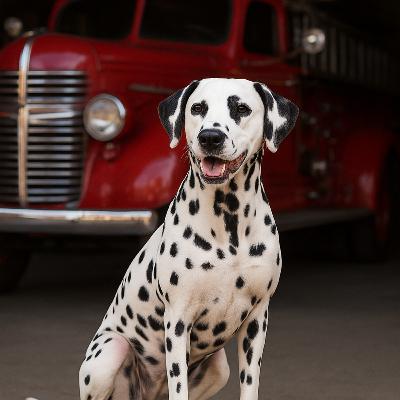
🐾 The Dalmatian: More Than Just a Firehouse DogFew breeds are as instantly recognizable as the Dalmatian, famous for its striking black-and-white spots and long-standing connection to firehouses. But beyond the spots and history lies a dog full of intelligence, energy, and loyalty — qualities that make the Dalmatian both fascinating and challenging.Origins and History:The Dalmatian’s roots trace back to Croatia’s Dalmatia region, where its ancestors are believed to have included spotted Great Danes and certain pointers. Known for their endurance and intelligence, these dogs once ran alongside horse-drawn fire coaches, clearing the way and guarding equipment when the firefighters were busy. This historical role is what cemented their image as the “firehouse dog.”Temperament and Training:Dalmatians are highly intelligent and eager to learn, which makes them trainable — but only for owners who commit the time and structure they need. A Dalmatian without proper guidance can easily become the one doing the training instead of the other way around!Their deep loyalty makes them natural protectors of their family. However, this protective nature means socialization is critical. A Dalmatian that isn’t introduced early and positively to new people, environments, and situations can become overly cautious or reactive.While Dalmatians are affectionate with their family, new additions — such as babies or visiting children — should always be introduced carefully. As with any breed, supervision is essential; no child should ever be left alone with any dog, regardless of temperament.Care and Activity :Dalmatians are medium-sized, typically standing around 22 inches at the shoulder. They’re lean, muscular, and built for stamina — meaning they thrive on daily exercise. Long walks, runs, or interactive play sessions are key to keeping them mentally and physically balanced.Their coats are short but dense, and they shed year-round, with heavier shedding occurring twice a year. Tools like the Furminator can help manage their coat. Fortunately, Dalmatians have low oil production, so they don’t get that “doggy odor” easily. A bath every four to five weeks, along with a light conditioner, keeps their coat sleek and healthy.A well-cared-for Dalmatian can live between 12 to 14 years, bringing years of devotion and personality to the right home.Is the Dalmatian Right for You?:This breed shines with active families who love being outdoors and have the time to train and socialize their pets. They’re not ideal for apartment dwellers or first-time dog owners who prefer a low-maintenance companion. But for those ready to invest time, structure, and love, the Dalmatian will return that effort with unshakable loyalty and intelligence.If you’re curious to meet this incredible breed up close, Petland Iowa City currently has a Dalmatian available for adoption. Visit them at the Marketplace Mall on 1851 Lower Muscatine Road to play with one in their private playrooms and learn more about the breed’s personality and needs.📍 Store Hours:Monday–Saturday: 10:00 a.m. – 9:00 p.m.Sunday: Noon – 6:00 p.m.📞 Contact: 319-351-9451

Comments

Download from Google Play

Download from App Store
 United States