


 Claim Ownership
Applied Buddhist Therapy
Subscribed: 0Played: 0
Subscribe

© Copyright 2025
Description
Applied Buddhist Therapy
11 Episodes
Reverse
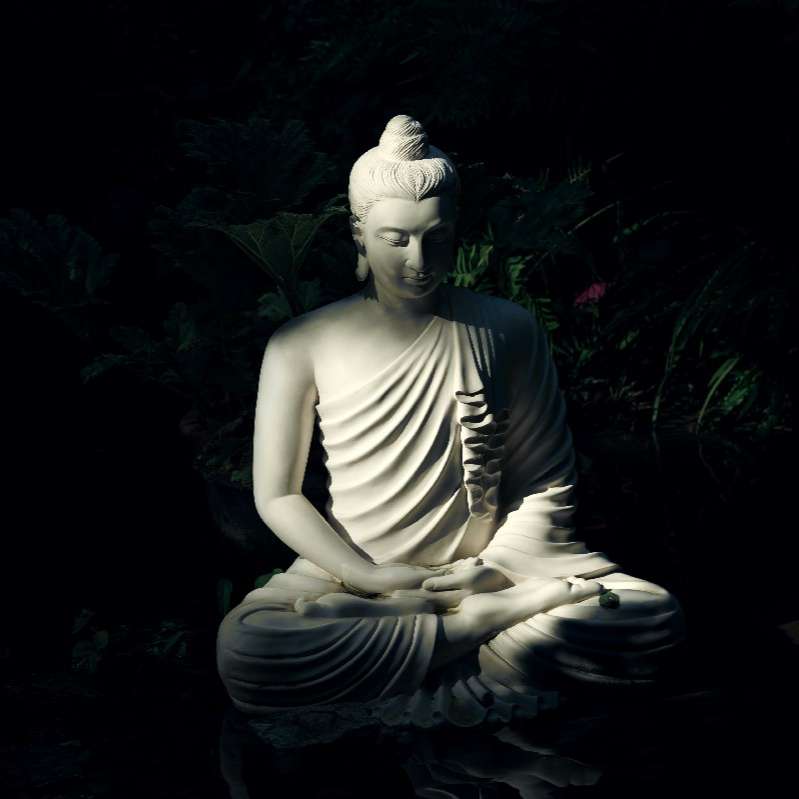
NHỮNG YẾU TỐ CẦN THIẾT CHO VIỆC HÀNH THIỀN | Đại đức Kumārābhivaṃsa | Cẩn dịch: Bhikkhu Tikkhañāṇa (Tập 9)
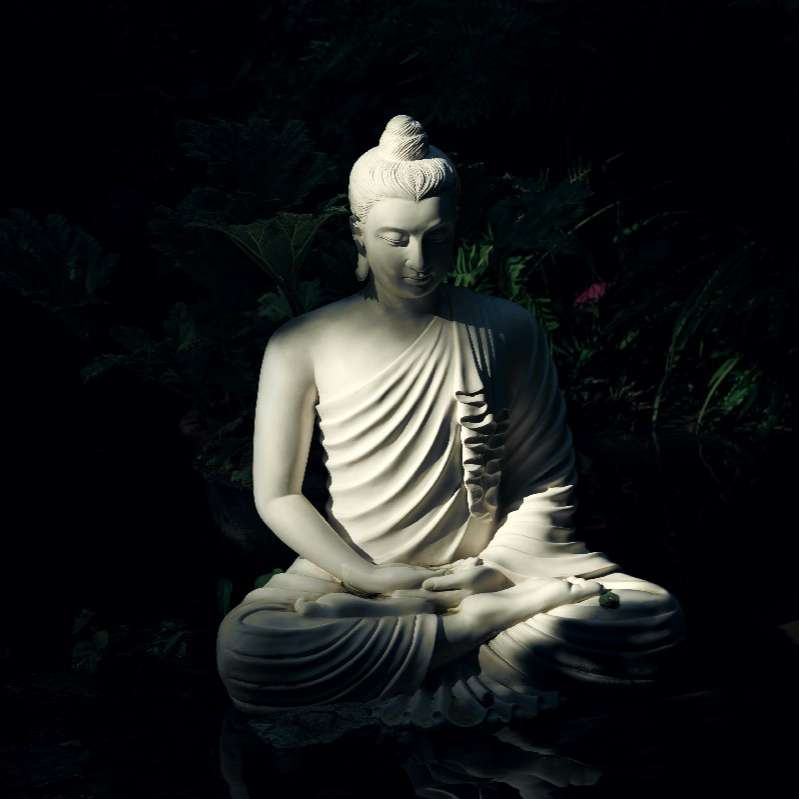
NHỮNG YẾU TỐ CẦN THIẾT CHO VIỆC HÀNH THIỀN | Đại đức Kumārābhivaṃsa | Cẩn dịch: Bhikkhu Tikkhañāṇa (Tập 8)
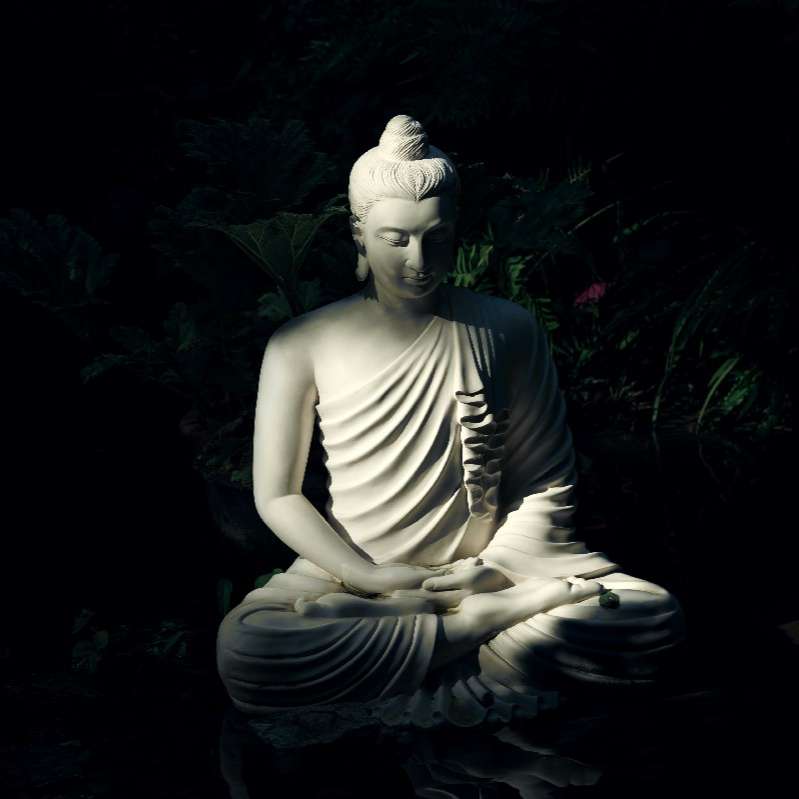
NHỮNG YẾU TỐ CẦN THIẾT CHO VIỆC HÀNH THIỀN | Đại đức Kumārābhivaṃsa | Cẩn dịch: Bhikkhu Tikkhañāṇa (Tập 7)
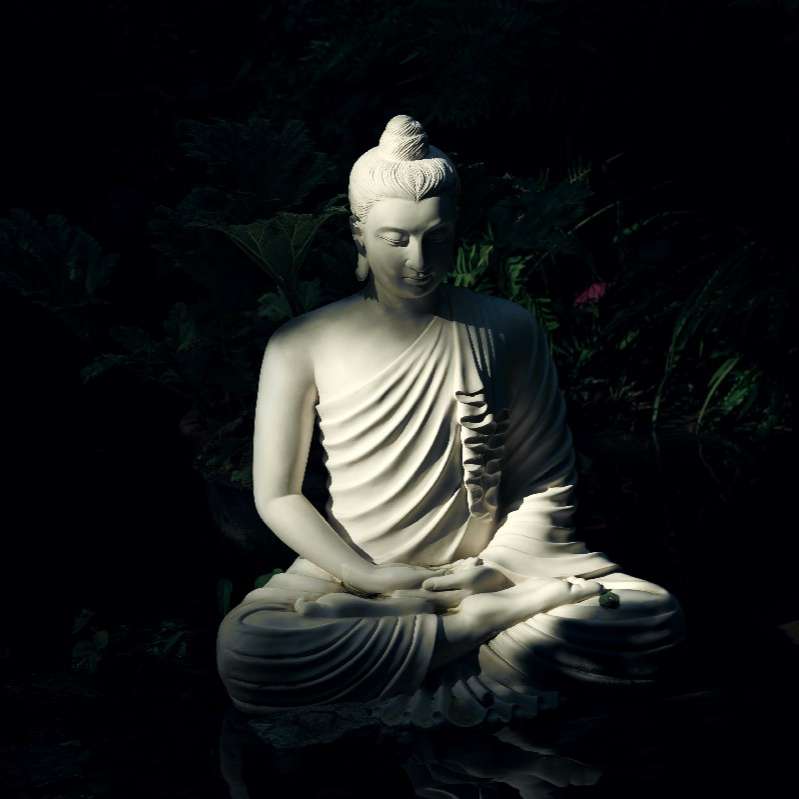
NHỮNG YẾU TỐ CẦN THIẾT CHO VIỆC HÀNH THIỀN | Đại đức Kumārābhivaṃsa | Cẩn dịch: Bhikkhu Tikkhañāṇa (Tập 6)
NHỮNG YẾU TỐ CẦN THIẾT CHO VIỆC HÀNH THIỀN | Đại đức Kumārābhivaṃsa | Cẩn dịch: Bhikkhu Tikkhañāṇa (Tập 5)
NHỮNG YẾU TỐ CẦN THIẾT CHO VIỆC HÀNH THIỀN | Đại đức Kumārābhivaṃsa | Cẩn dịch: Bhikkhu Tikkhañāṇa (Tập 4)
NHỮNG YẾU TỐ CẦN THIẾT CHO VIỆC HÀNH THIỀN | Đại đức Kumārābhivaṃsa | Cẩn dịch: Bhikkhu Tikkhañāṇa (Tập 3)
NHỮNG YẾU TỐ CẦN THIẾT CHO VIỆC HÀNH THIỀN | Đại đức Kumārābhivaṃsa | Cẩn dịch: Bhikkhu Tikkhañāṇa (Tập 2)
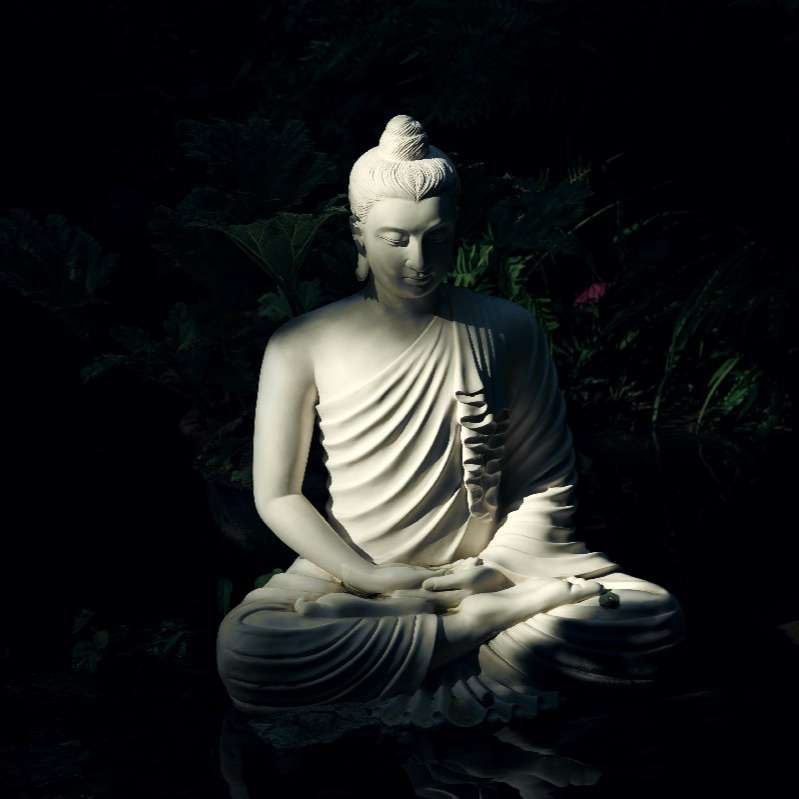
NHỮNG YẾU TỐ CẦN THIẾT CHO VIỆC HÀNH THIỀN | Đại đức Kumārābhivaṃsa | Cẩn dịch: Bhikkhu Tikkhañāṇa (Tập 1)

PART I
This is a series of discussions on how we apply Buddhist insight to deal with
misinformation and fake news. The series contains seven episodes, covering the topic in
detail. Please note that this is not a political podcast channel, so all of the knowledge
presented here is only for mental healing therapy, not for any other purpose, nor political
commentary.
In the modern world where information is highly available, especially via social media
channels, fake news, misinformation or rumor is still a major factor in its dissemination.
While somehow such unofficial and unconfirmed information seems harmless, yet for the
long-term, it is extremely dangerous, like a type of origins for mental impurity.
Buddhism offers ways and insight to cope with this problem, and in today's episode, we
will discuss the first of the seven ways taught by the Buddha in the Sabbāsava Sutta,
Discourse on All the Fermentations. This method is called abandonment of defilement
caused by external objects by seeing through their true nature.
With the development of information technology in particular and the society’s living
standard in general, people are given more opportunities and means to connect to each
other, and to the rest of the world. People are able to easily express their personal
opinions, views, visions, speeches, consent, and opposition for or against any topic or
issue from daily news to scholastic research. Social media, like Facebook, Twitter,
YouTube, Snapchat, Instagram, and others are major contributors to this phenomenon,
in terms of speed, convenience, and circulation.
While there are undeniable advantages for such information dissemination innovation; we
are also facing a numerous, seemingly endless series of boundary-less disinformation
crises without good controls and management. Now, please look at the nature and origin
of all the wrong information. Psychologically, the Abhidhamma says that it is from an
unwholesome mind (akusala-citta) which may associate with greed (lobha), anger (dosa),
or delusion (moha). When people’s minds are overwhelmed by the aforementioned
poisonous mental states, it is completely understandable for them to commit false
speeches, trickery, lies, fraudulent talks, and gossip. People then are not observing their
moral standards and precepts. They don’t care for the result of the kamma that they are
accumulating. This is not a new issue, only in today’s era, the misinformation spreads
quickly and uncontrollably causing terrible outcomes.
As right (or correct and accurate) news may lead to right thought, and wrong news
(misinformation and disinformation), in the same way, may lead to wrong decisions, this
‘wrong news’ needs to be treated as a source of mental impurity called āsava in Pāḷi.
Regarding this, The Sabbāsava Sutta, Discourse on All the Fermentations gives ways to
cope with the problem.
First, it is advised that one should not allow the ideas unfit for attention to arise, and
should develop the ideas fit for attention to become in oneself. In Pāḷi, these are called
yoniso maṇasikāra (wise attention), and ayoniso maṇāsikāra (unwise attention). It means
one should choose proper attitudes when receiving info or data from one of six sense
bases before digesting and reacting to them. A common suggestion is to keep in one’s
mind that everything is never going beyond the nature of impermanence, suffering, and
non-self (aniccā, dukkha, and anattā). Even if the things seem totally correct and
reasonable now, but for sure, they won’t last forever. They are uncertain. So, please be
calm, receive and accept any information coming to us, as it is, without adding any
negative attitude.
Why this is important? The Buddha says that for whatever ideas such that, when one
attends to them, the unarisen fermentation of sensuality, of becoming, and of ignorance
arise in one, and the arisen fermentation of sensuality, of becoming, and of ignorance
increase, one should avoid such ideas and thoughts. In the Abhidhamma, sensuality -
rāga, lobha or taṅhā are called unwholesome mental states (akusala cetasikā), and
ignorance - avijjā or moha are mentioned as one of the universal unwholesome mental
state (akusalasādhāranā cetasikā) that associates with any types of unwholesome or
immoral mind. Once the attachment is present, the delusion is also there, and one is thus
blinded by these unwholesome roots (akusala-mūla). Prompted by such poison, people
tend to create bad kamma to be delivered in the future, and this is the origin of all suffering.
The information itself, regardless of being correct or incorrect, is not yet as harmful as the
defiled mind when it is not skillful keeping tranquil and silent.
Secondly, when the mind is calm, it own has the ability to give an exact evaluation,
decision, and solution for its input data. The Abhidhamma calls this type of mind
mahākusala ñāṇasamppayutta citta which is the great wholesome consciousness that
associates with wisdom. Only by wisdom, one can distinguish which is right, which is not,
which should be done and which should not. To see physical things, we need smart eyes,
but to comprehend things mentally, we need wisdom. A trembling deluded mind tends to
react to its external objects in extreme ways and perceive things as itself: This is I, this is
mine, this is myself. When a so-called self is formed by the unwise attention and by the
lack of insight, there is an object for grasp, clinging, and also suffering.
Last but least, when the mind is calm, one should go further by applying the technique of
developing the ideas fit for attention. What are they? In the same Sutta, the Buddha
explains that whatever ideas that, when one attends to them, the un-arisen fermentation
of sensuality, becoming, and ignorance do not arise in one, and the arisen fermentation
is abandoned. These are the ideas fit for attention and should be cultivated in every single
moment. Ask yourselves whether these information and ideas are really related to me, to
my family, my beloved ones, my community, or not. If they worth for concerns, just
carefully examine them with a background of a calm mind like catching and holding a
cobra with all mindfulness, calmness, and techniques; then make decisions based on that
wise and thorough contemplation. If the information isn't worth the concern, just ignore it,
let it go, keep the mind isolated from it.
All in all, we need to identify the origins of misinformation that is from an unwholesome,
untrained mind following its bad habit and delusion. Seeing so, one should be calm to
let the wisdom arise and based on that, distinguish which ideas should be paid attention
to and which should not. And this is the first Buddhist insight coping with misinformation
and fake news. We will talk about another method – the method of abandon by
restraining in the next episode. Thank you for listening and understanding. May you
realize the Nibbāna with peace and ease. Nibbānassa paccayo hontu.
This podcast is powered by Pinecast.

Buddhists and Mindful Solutions for the Pandemic
The COVID-19 pandemic has a great impact on our physical and mental activities. According to the WHO Director-General's opening remarks at the media briefing on COVID-19, January 2021, the ‘pandemic is still a major public health crisis’. There are a lot of preventive measures recommended by medical experts from keeping social distancing, wearing face masks in public, ensuring safe ventilation and air-filtering, washing hands, covering one's mouth when sneezing or coughing, to self-isolation or quarantine. Buddhists are, on one hand following such recommendations, but on the other hand, seeking protection and healing by turning to traditional religious rituals and practices.
Firstly, Buddhists are aware of the origins of the pandemic that is nothing but the akusala-kamma-vipāka which means the bad kamma's results of the whole community. As one sows the seed, one has to reap its fruits, Buddhists have to accept the circumstances no matter it is sweet or bitter. Saying so doesn’t mean that they surrender and give up all efforts fighting against the crisis, but they, in a smarter way, choose to see things as it really is and find more overall solutions for this problem.
According to the Buddha’s teachings on causes of physical phenomenon in one’s internal and external environment, there is a type of materiality born by temperature which is originally generated by the kamma, and it is called kamma-paccaya-utuja-rūpa. This, while co-existing with other types of materiality, has mutual relation and influence on them. It means that our good or bad kamma in the past constantly give rise to the environment that we are living in. If the kamma we did was wholesome, we may experience pleasant bodily feeling today. And if the kamma was unwholesome, we may face up to various unpleasant experiences, such as diseases, sickness, unemployment, national lockdowns, and so on.
Secondly, as negative mental states never work with the solutions for this problem, Buddhists are needed to stay calm and contemplate with wisdom to find a better way to stay together with the COVID-19. The Dalai Lama, other senior monks, and Buddhist organizations have repeatedly emphasized that this pandemic calls for meditation, compassion, generosity, and gratitude. Ven. Thubten Chonyi says that ‘the coronavirus is a powerful teacher about life, death, change, compassion, and resilience’. It is the right time, not only for Buddhists but also for everyone to turn inward, keep secular practice associated with mindfulness, happiness, and stress reduction. Many people are sharing the hashtag ‘stay home and meditate’. This is a good way to keep social distancing and reduce pressure for the whole society.
Then, there are several meditation techniques to keep one’s mind calm and peaceful that is applicable for everyone, especially for working people. One of them is mettā-bhāvanā or the practice of loving-kindness. To begin, just sit on a cushion, keep your body and back upright. Relax all muscles, bodily tensions, and mental stress. Put aside all worries for the past or plans for the future. Then, silently and calmly repeat in your mind ‘May I be free from dangers’ until you feel you are completely free from any kinds of dangers. After that, practice with the following sentences: ‘May I be free from mental suffering’, ‘May I be free from physical suffering’, and ‘May I be well and happy’. We need to love ourselves before learning to love others. That’s why the Visuddhimagga, a great book in Theravāda Buddhism, suggests us to radiate loving-kindness to ourselves first.
Then directing care and love to a dear respected person, you should practice with the same formula as above: ‘May he or she be free from dangers/ May he or she be free from mental suffering/ May he or she be free from physical suffering/ and May he or she be well and happy’ until there is only love for him or her left in your mind. In the same way, you can continue practicing with neutral people who are neither your dear respected nor hatred ones. Once the mind is trained in such a way, it is ready to open and share its love with enemies or hatred ones. Practice until you find no more mental barriers or limitations between you and each groups of dear respected, neutral, and hatred ones.
In a nutshell, coronavirus is dangerous, yet the frustrating mind is more dangerous as it may mislead to more suffering by the way of bodily, verbal, and mental impurity. Fully understand the situation from different angles, apply the Buddhist way to make better solutions and reactions are highly expected to help out by the way of here and now.
This podcast is powered by Pinecast.
Comments

Download from Google Play

Download from App Store
 United States