


 Claim Ownership
The Drug Science Podcast
Subscribed: 781Played: 26,769
Subscribe

© Drug Science
Description
Professor David Nutt has spent a career making the argument for a rational, evidence-based approach to drug policy and drug use. The scientific evidence still challenges perceived wisdom on drugs and for that reason can appear to be contentious. In this podcast, the Professor explores the actual harms and potential benefits of various drugs, challenging myths surrounding classification and legislation, and exploring the societal impact of poorly informed drug policy. Using evidence in public policy should not be controversial. A podcast for anyone interested in understanding the scientific truth about drugs, free from political or moral concern.
151 Episodes
Reverse
Join us in this episode as Prof Nutt speaks to Prof Mark Solms, a leading expert on Freud and author of the new book The Only Cure. Mark details his early fascination with neuropsychology that led him to study the neurological underpinnings of sleep and dreams. He explains how some of his own research lent more credence to Freud’s claims and deepened his interest in psychoanalysis. Mark concludes by discussing what the only cure symbolizes: talking therapies that address the root causes of psychopathology, as opposed to treatments that mask the symptoms. Links● Prof Mark Solms● The Only Cure● PET Sleep Scan● Dreaming Study● MDMA
★ Support this podcast ★
Join us in this episode as we speak to Dr Harriet de Witt, professor of psychiatry and neuropharmacology at the University of Chicago. She shares how she fell in love with the field, studying the animal model of self-administration, and how that work fed into her later research with human participants. As a leading expert on the pharmacology of MDMA, she explores the subtle differences between amphetamine and MDMA, before talking about the results from both her MDMA and LSD studies. Links● UChicago Profile● Amphetamine● MDMA● LSD● MDMA/Amphetamine/Alcohol Sociality Study● LSD Microdosing & Emotionality Study
★ Support this podcast ★
Join us in this episode as we speak to Dr. Rachel Andrews, an addiction and harm reduction researcher at the University of Bath, and Hannah Dawes, a PSHE teacher and the creator of the podcast The Exchange. The conversation focuses on the prevalence of vaping in schools, particularly exploring the ways in which vapes have been marketed to children and the patterns of use in schools. Rachel provides data from her team’s analysis of that shows what’s really in the vapes students are using, while Hannah lends her perspective within schools, explaining how a supportive approach to students using vapes is more successful than punitive measures. LinksNicotineDrug Science BlogSpiceCannabisTeaching About Nicotine and VapingDaniel Spargo-Mabbs FoundationThe ExchangeSpice Comic
★ Support this podcast ★
In this episode of the Drug Science Podcast, Prof Nutt speaks with Erica Rex, author of the book Seeing What is There, which explores the complex history of psychedelic therapy. She shares her own experiences with psychedelic-assisted therapy, while providing context on the guardrails that are necessary for these treatments to maximize benefits and minimize harms. Viewing psychedelics as therapeutic accelerants, Erica speaks on the current state of mental health treatments and explores how complex trauma and other mental health problems could be better treated.Erica Instagram Erica Substack Links● Seeing What is There● The Culture Is the Poison: Why Psychedelics Are Dangerous Medicine in a Neoliberal Society● Psilocybin● MDMA● 5-MeO-DMT● More From Erica
★ Support this podcast ★
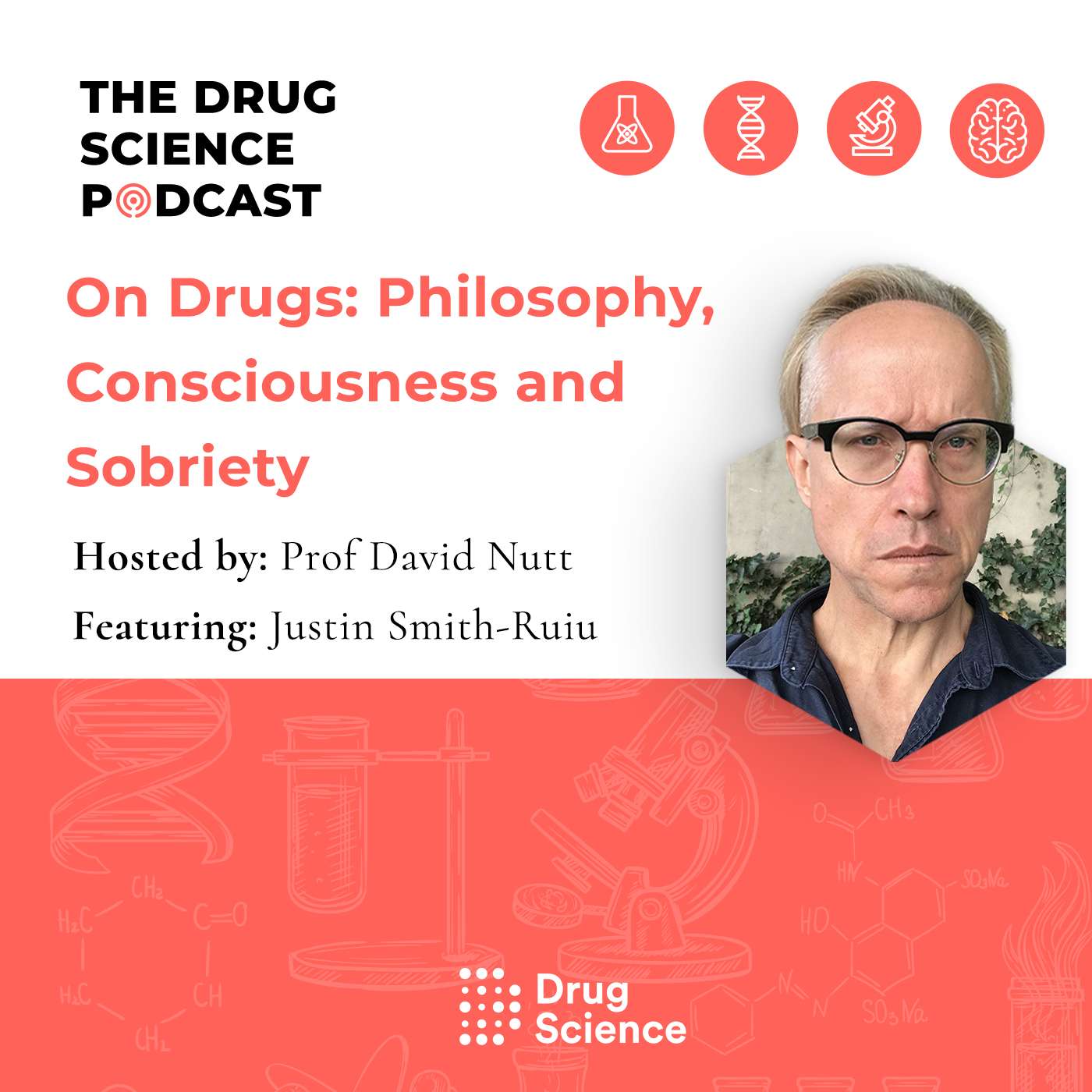
 1
1In this episode, we’re joined by Justin Smith-Ruiu, a philosopher at Université Paris Cité and the author of On Drugs. He discusses his motivations behind the book, rooted in his early experiences with psychedelics and the many cultural roles he has seen them play across different contexts. As the conversation unfolds, Smith-Ruiu reflects on his decision to quit drinking in favor of psychedelics and the profound positive changes that choice has brought to his life. LinksJustin Smith-RuiuOn DrugsPsilocybin
★ Support this podcast ★
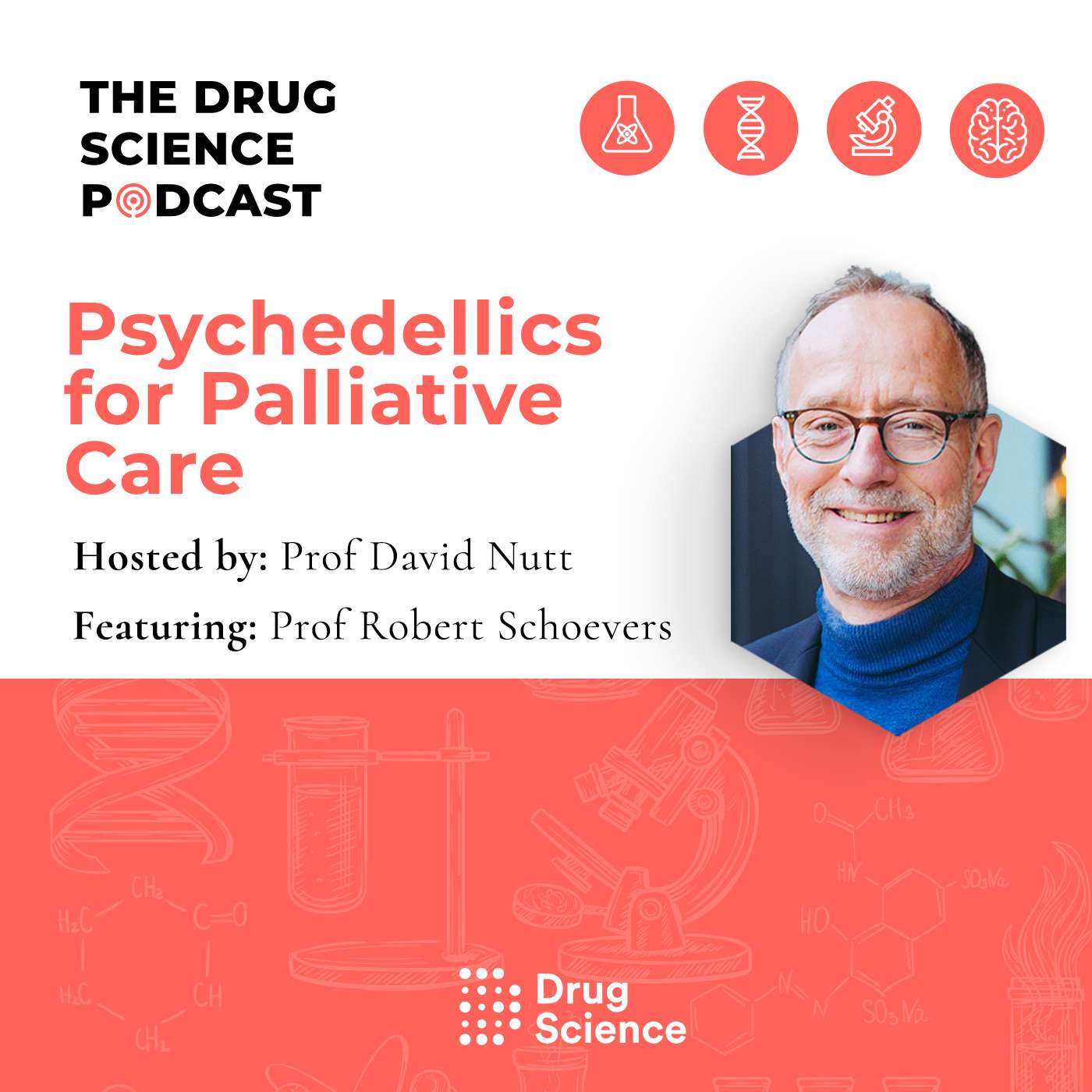
Join us in this episode as we talk to Robert Schoevers, a professor of psychiatry at the University of Groningen and one of the pioneers of psychedelic-assisted therapy. He explains why human complexity led him to psychiatry, begoring discussing how his early psychedelic research into esketamine aimed to meet the unmet needs of treatment-resistant patients. Schoevers goes on to explore the ways in which his approach to ketamine-assisted therapy has transitioned over time and has led him to lead bigger projects, like the EU-funded palliative care project, PsyPal. LinksProfileKetamineCompass PaperPsyPal
★ Support this podcast ★
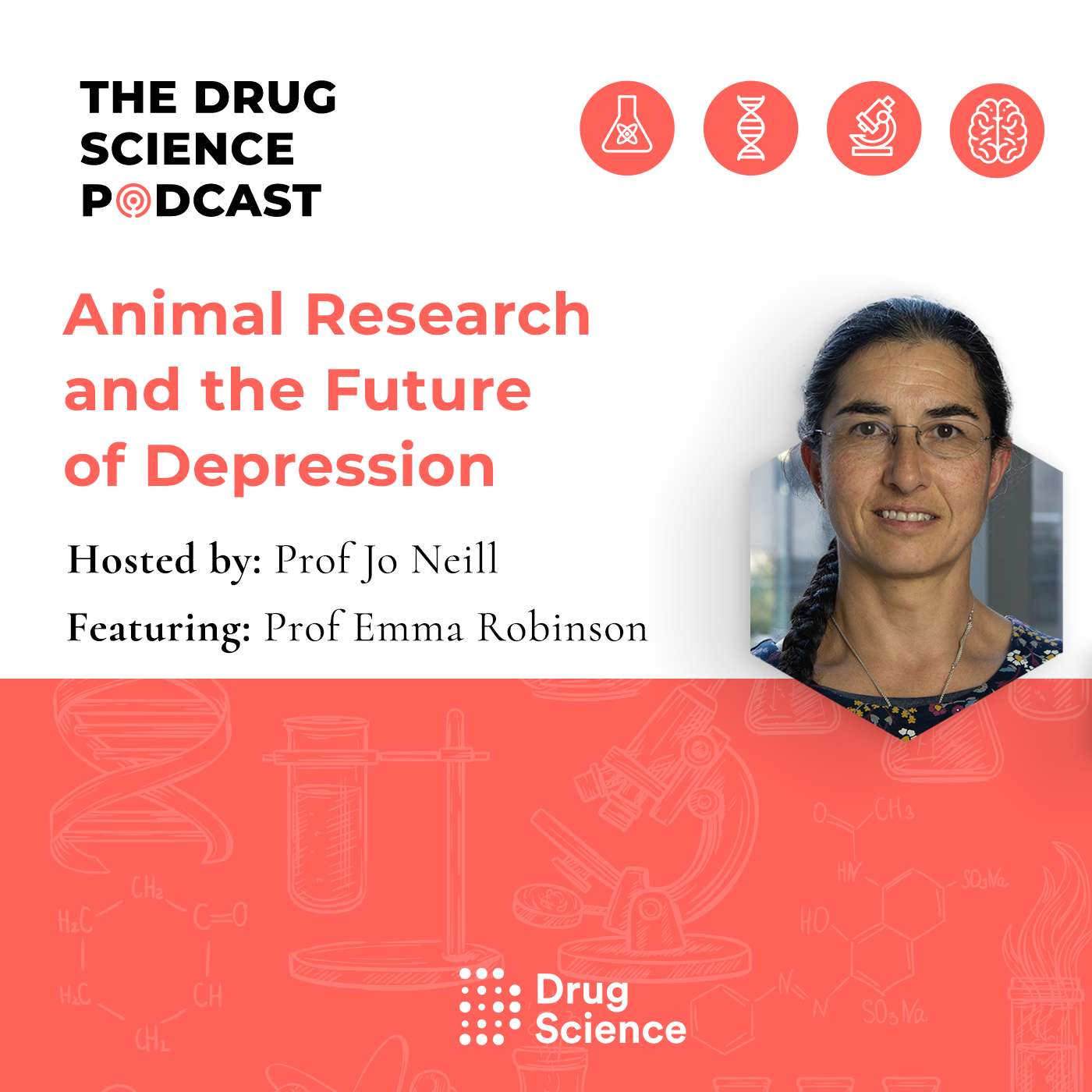
Join us in this episode as we speak with Emma Robinson, a professor of psychopharmacology at the University of Bristol with extensive experience in animal research. She unpacks the regulations surrounding animal research, offering a scientist’s view on animal rights activism, ethical tension, and why this work remains essential. Robinson also delves into the emerging intersection of psychedelics and animal research, describing how these substances are studied and how they might help reshape mental illness. Professor Emma RobinsonUK Government’s Roadmap to Ending Animal TestingPETA ConfrontationCognitive and affective models of psychedelics in rodentsPsilocybinKetamineBritish Neuroscience lecture with Prof Robinson and Prof NuttThe 3Hs Initiative
★ Support this podcast ★
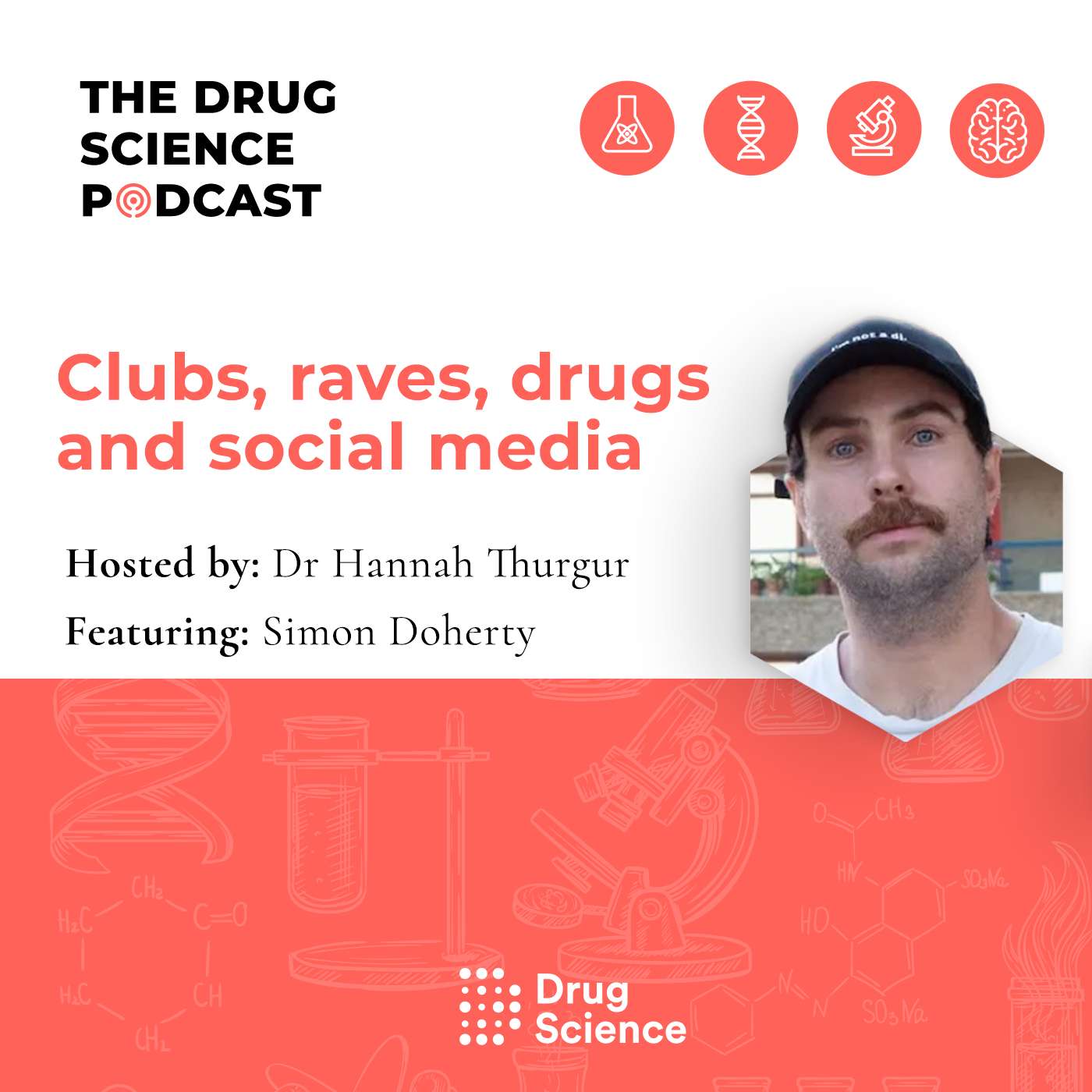
In this episode of the Drug Science Podcast, we talk to Simon Doherty, a journalist and content creator with a focus on harm reduction. He explores how reporting on electronic music and rave culture naturally led to his work on harm reduction. He goes on to dissect Talk to Frank and its flaws in providing accurate, evidence-based information. Finally, by comparing the unique landscape of free parties to the regulated club scene, Doherty discusses why and how clubs avoid common sense harm reduction techniques, endangering clubgoers. LinksSimon’s TikTokInvestigating Talk to FrankCalling FrankThe LoopRave Aid CrewGHB/GHLKetamineNitazenes
★ Support this podcast ★
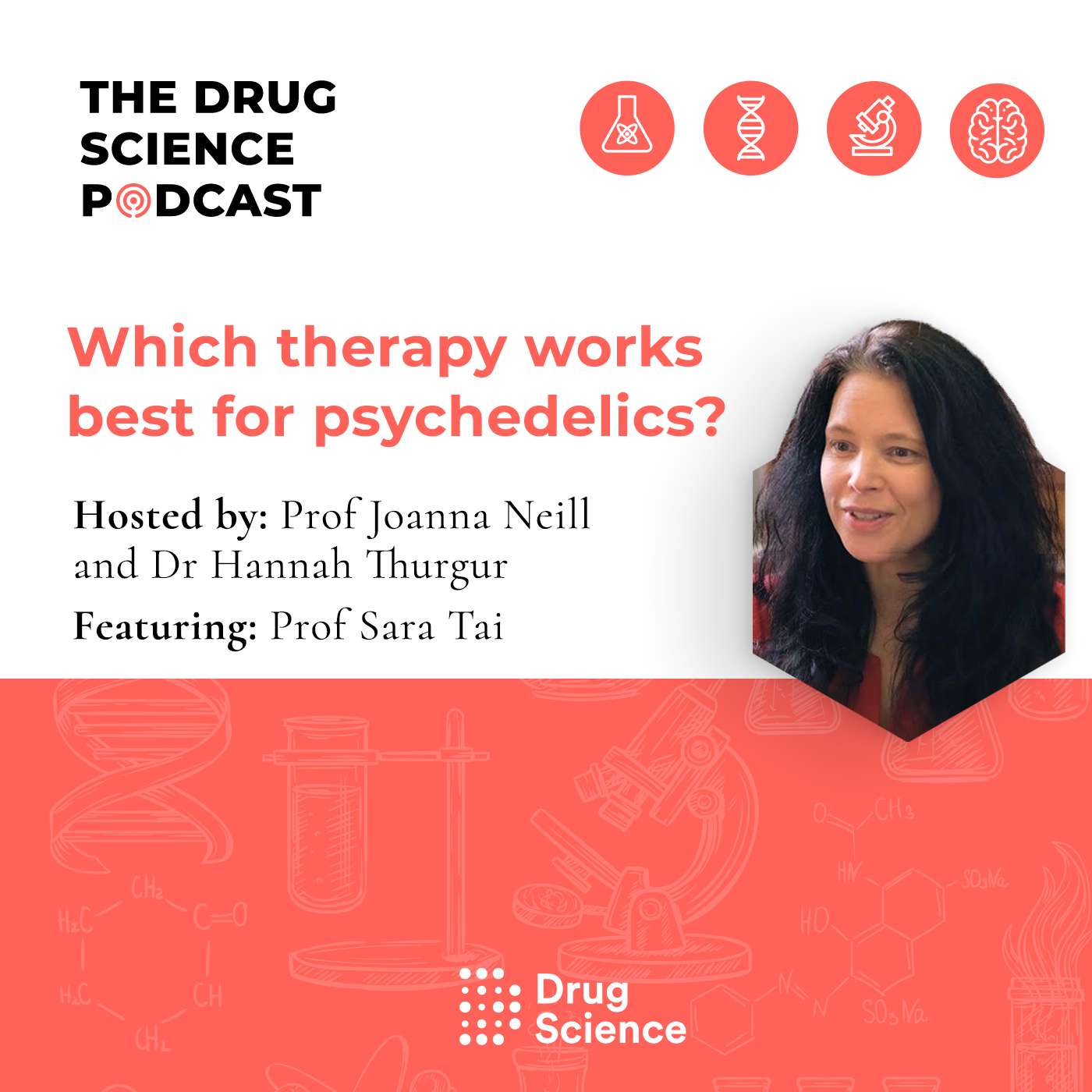
Join us in this episode as we talk to Prof Sara Tai, a professor of clinical psychology at the University of Manchester and an NHS consultant clinical psychologist. Sara’s research is grounded in biopsychosocial frameworks, with a focus on understanding the mechanisms of change that underpin effective psychological therapies. She has extensive experience delivering therapy, and training other clinicians to deliver interventions with individuals, families, and young people across diverse settings, including acute in-patient units, community mental health services, and schools.For many years, Sara has been at the forefront of research into psychedelic-assisted therapies, working collaboratively with academic and industry partners to explore how psychedelics bring about therapeutic change. She has been instrumental in manualising psychological support models that integrate the core effective components shared across evidence-based psychotherapies, helping to define best practice in this rapidly advancing area. An experienced researcher, clinician, and trainer, Sara has led and collaborated on large-scale randomised controlled trials and has played a central role in training psychedelic therapists worldwide. Her work continues to bridge scientific research and clinical practice, advancing safe, effective, and compassionate approaches to mental health care.Sara explores her research into the oft-overlooked role of therapy within psychedelic treatments. She discuses how her work has helped to challenge the notion of psychedelic compounds as medicine in themselves, shifting the focus onto the therapeutic approaches alongside them. Ultimately, Sara underscores the need for more transformative psychedelic experiences grounded in peer support, indigenous knowledge, or therapeutic experience in order to facilitate positive outcomes. Links Prof Sara Tai Cognitive Behavioural Therapy Acceptance and Commitment Therapy Method of Levels
★ Support this podcast ★
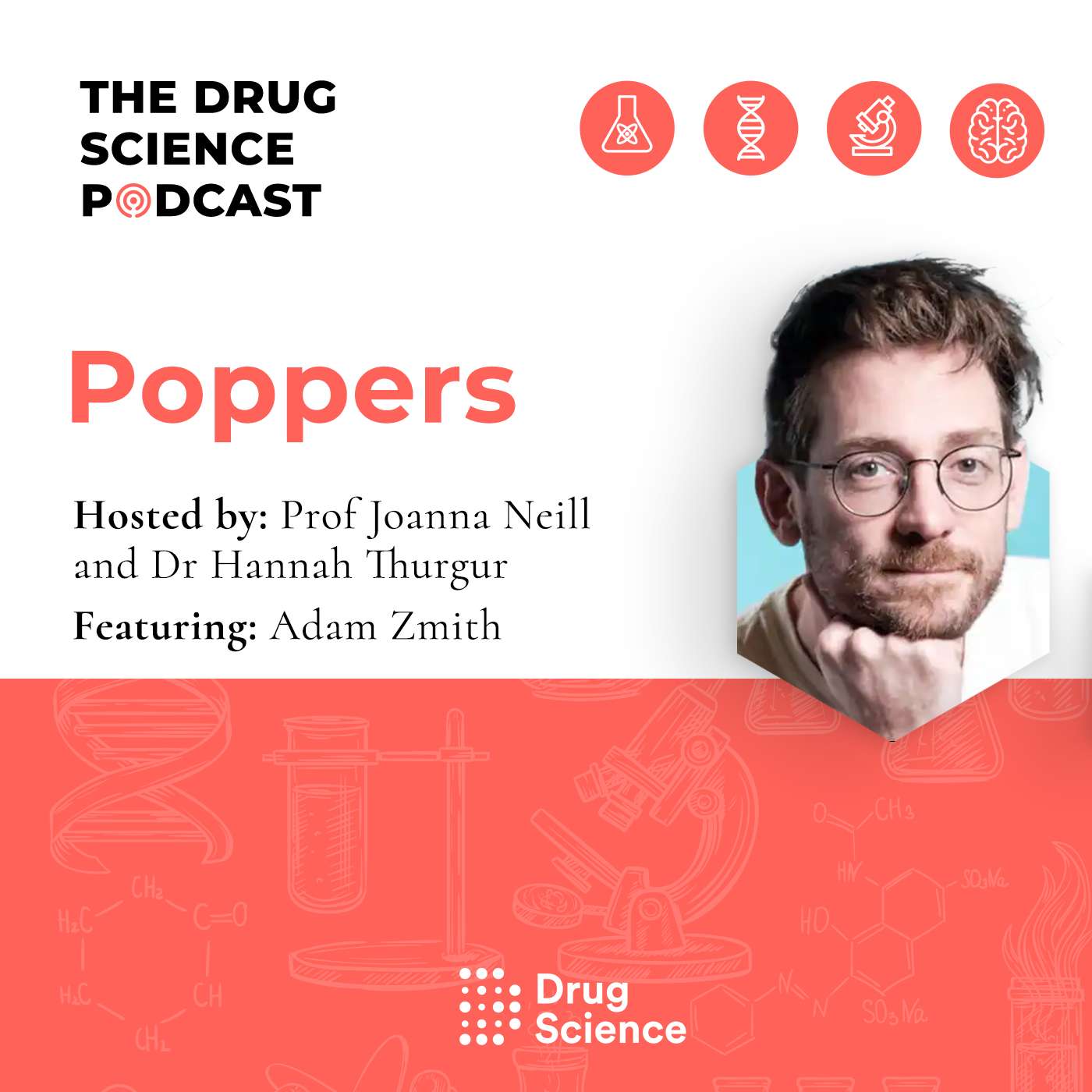
In this episode, we speak with Adam Zmith, podcast producer, writer, and author of Deep Sniff: A History of Poppers and Queer Futures. He describes his motivation behind writing the book, all before diving into the complex history of poppers. By speaking to the policing and regulation of poppers, Zmith explores broader struggles between the queer community and the government, in addition to the necessity for greater harm reduction for poppers. Despite these struggles, he underscores the ways in which queer culture has been shaped by poppers and how, in return, poppers have been shaped by queer culture. Links● Adam Zmith● Deep Sniff● Poppers● The Log Books● Switchboard● Sir Thomas Lauder Brunton● UK Man Consumes Poppers Accidentally
★ Support this podcast ★
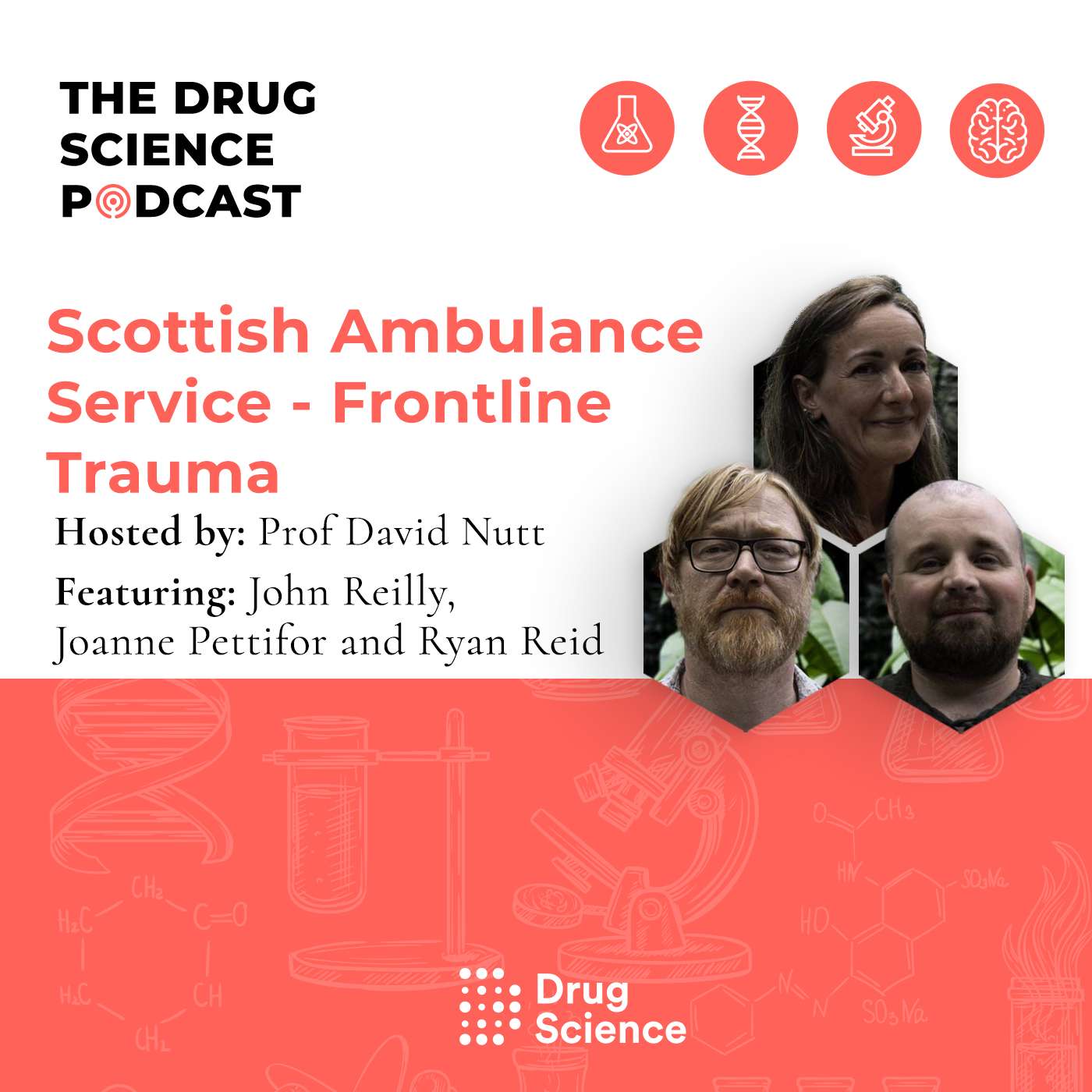
Join us in this episode as Prof Nutt speaks to John, Joanne, and Ryan of the Scottish Ambulance Service in Glasgow. They explore their backgrounds in the Service and how their work exposed them to challenging situations that caused severe detriment to their mental health. After describing the failings of traditional mental health support for emergency workers, they tell their story of travelling to Peru for an ayahuasca retreat, an eye-opening and profoundly heartening experience. LinksScottish Ambulance ServicesAyahuascaHeroic Hearts Project UKThe ShipiboScottish Psychedelic Research Group
★ Support this podcast ★
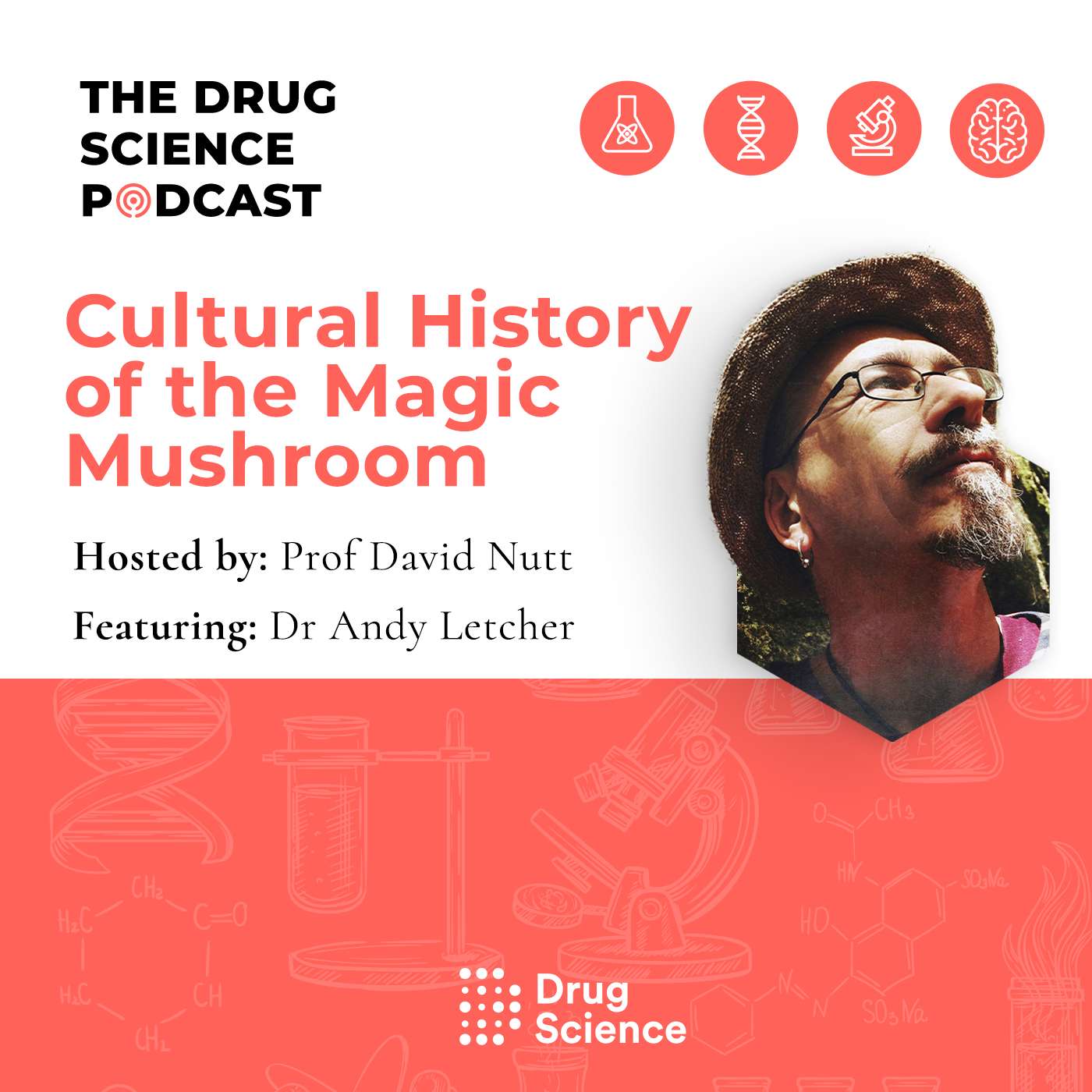
In this episode of the Drug Science podcast, we speak to Dr Andy Letcher, a religious scholar and author of the book Shroom: the Cultural History of the Magic Mushroom. He explores his complimentary background in science and the humanities, depicting how this combination structured his thinking. Noting the religious potential of psychedelic experiences, Letcher links the spiritual with the psychedelic, explaining what he sought to capture in his book and where it has gone since. Finally, he discusses how his interest in transdisciplinary perspectives on psychedelics has coalesced in the University of Exeter’s psychedelic postgraduate courses. PSYCH SYMPOSIUM 2025 LinksShroom: A Cultural History of the Magic MushroomPsychedelics: Mind, Medicine, and CulturePsilocybinSeeking the Magic Mushroom by R. Gordon WassonPsychedelia Britannia: Druids on Drugs
★ Support this podcast ★
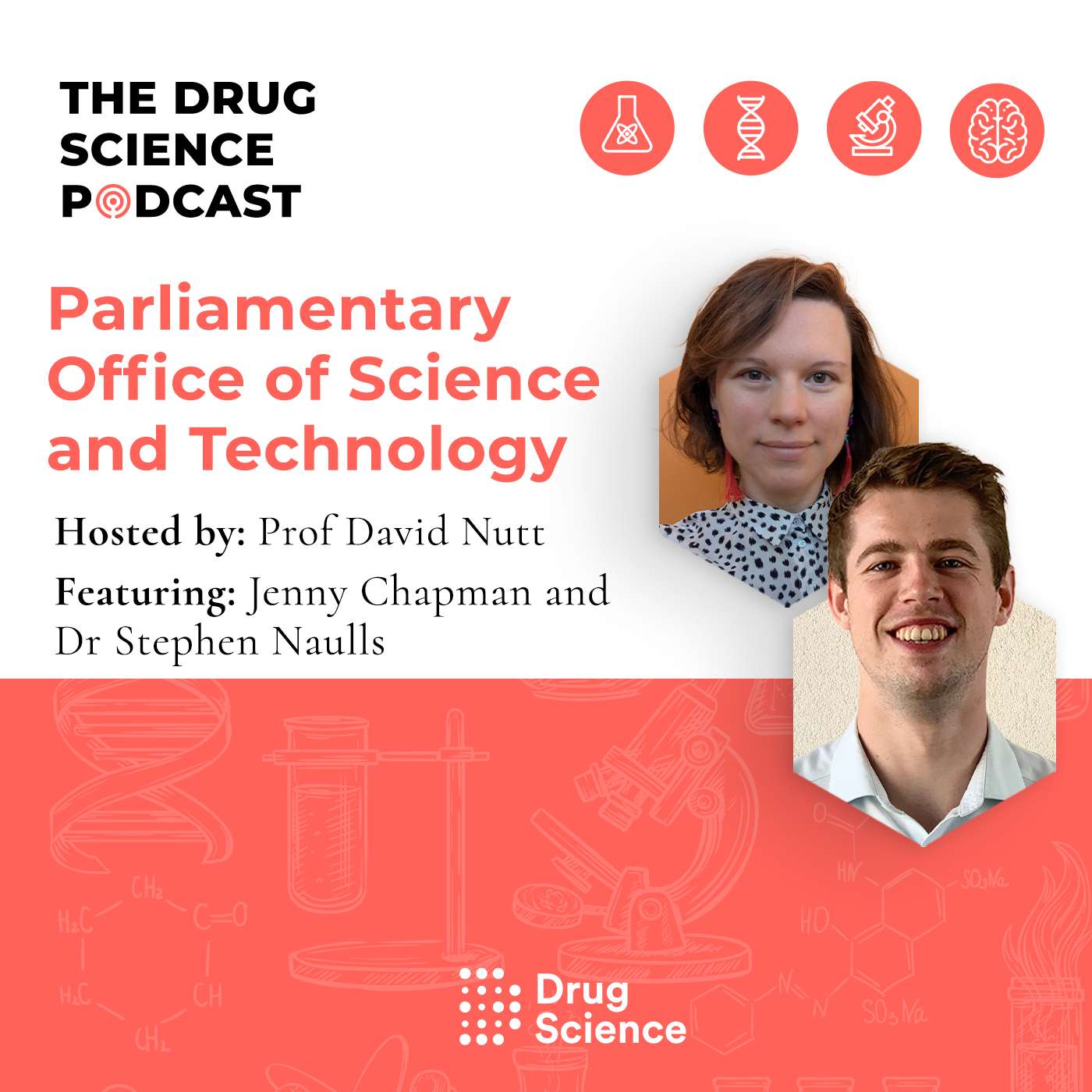
Tune into the latest episode of the Drug Science Podcast, where we talk to Jenny Chapman and Dr. Stephen Naulls, researchers at the Parliamentary Office of Science and Technology (POST) and authors of ‘Psychedelic-assisted therapy for mental health: Policy considerations, a briefing for Parliament’ on the state of psychedelic research. They explore the remit of POST in highlighting objective, emerging scientific research, and how psychedelics have come into their focus. With backgrounds in biology and medicine, both Jenny and Stephen stress the interwoven nature of science and policy. Through this intersection, they highlight the policy levers holding psychedelic researchers back and what Parliament and the greater public can take from the POST brief. Links Parliamentary Office of Science and Technology POST report on Psychedelic-assisted therapy for mental health: Policy considerations, a briefing for Parliament Psychedelic drugs to treat eating disorders Psychedelic drugs to treat post-traumatic stress disorder (PTSD) Psychedelic-assisted therapy to treat anxiety disorders Psychedelic drugs to treat depression Psychedelic-assisted therapy in the treatment of addiction POST Board Fellowship opportunities POST All Reports Knowledge Exchange Unit – KEU Horizon Scanning Ketamine
★ Support this podcast ★
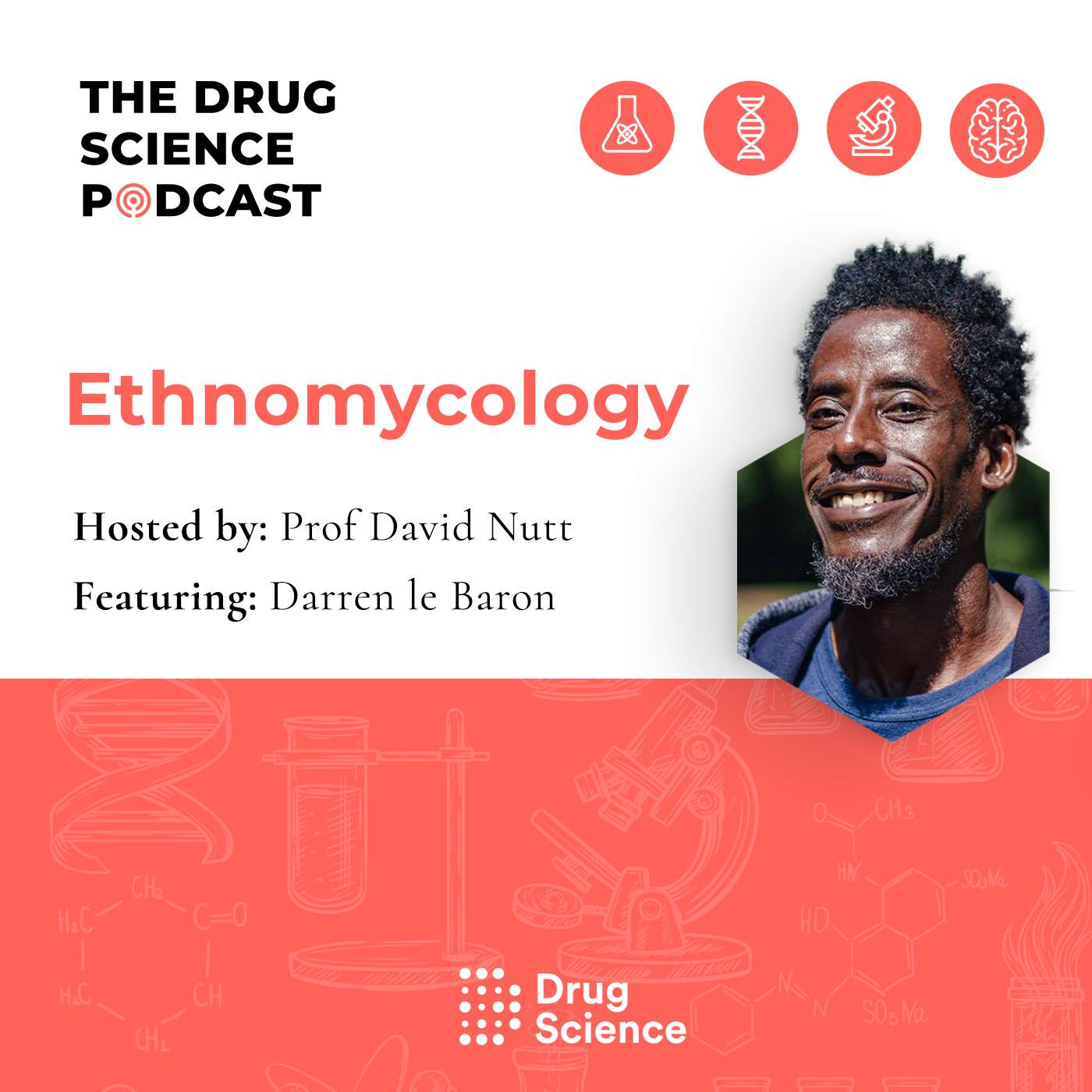
In this episode of the Drug Science Podcast, we speak with Darren Le Baron, an accomplished mycologist and educator. He discusses how his hardships from his upbringing in East London have informed his current work, where he uses horticulture to connect with children at risk of being drawn into crime. He transitions to explore his series Psychedelics in Africa, explaining some of the many links between psychedelics and African culture, both in ancient times and modernity. Throughout, he emphasises the importance of African perspectives and similar indigenous ones, challenging their absence in mainstream psychedelic discourse. LinksDarren Le BaronWho is Darren Le BaronDarren's Instagram We Are Grow Mushrooms Psilocybin About Kilindi Iyi Psychedelics in Africa: The Untold Story Ibogaine
★ Support this podcast ★
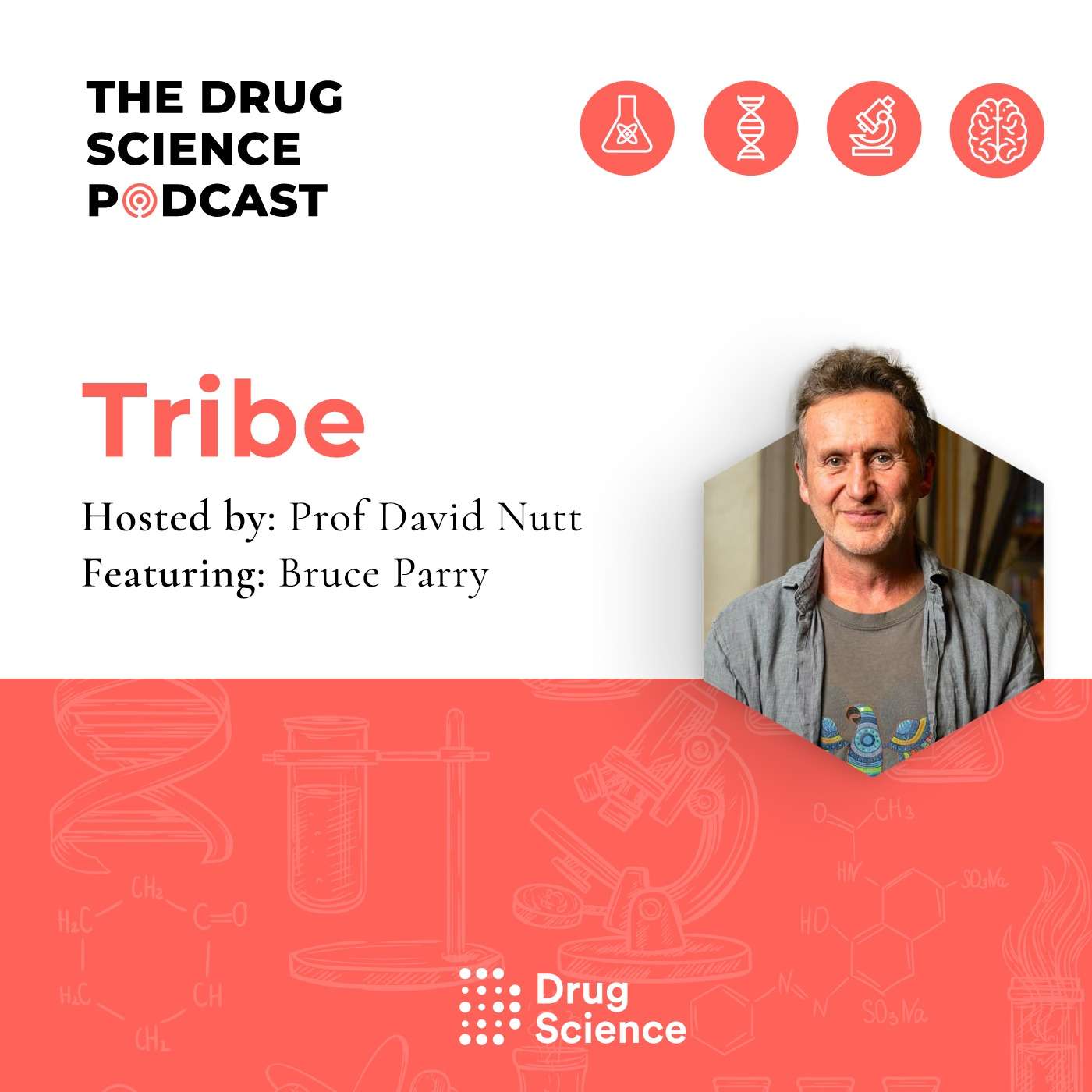
Join us in this episode as we speak to Bruce Parry, the creator and star of the BBC series Tribe With Bruce Parry. He explains his sharp career change from a Royal Marine to an advocate for indigenous rights, where he’s developed a humble approach to learning from indigenous tribes, defined by listening and witnessing. He talks about his experiences of psychedelics in these contexts, namely ayahuasca, which have vastly shaped his outlook on life. Through this lens, he lends his opinions on topics like ayahuasca tourism and capitalist culture in the psychedelic space.Tribe with Bruce Parry Psilocybin Ayahuasca
★ Support this podcast ★

In this episode of the Drug Science Podcast, we speak with Sam Bloomfield, founder of PsyEdu, and Dr. Eddie Jacobs, the first person to complete a doctorate in psychedelic ethics. Drawing on their backgrounds in education and ethics, they explore why these perspectives are essential to the evolving field of psychedelics. They also discuss the role of trials, clinics, and retreats within the broader psychedelic ecosystem, highlighting a major blind spot: the vast majority of psychedelic experiences occur outside of these settings. The conversation additionally examines how understandings of medicine often must adapt to the unique nature of psychedelics. Throughout, they underscore the importance of education in driving long-term policy change that ensures safer, more equitable, and more ethical psychedelic access.Psychedelic Training in the UKPsyEdu Beckley FoundationPsychedelic Ethics Psilocybin MDMA MAPS Public Attitudes to Psilocybin-Assisted Therapy HOPE Statement
★ Support this podcast ★
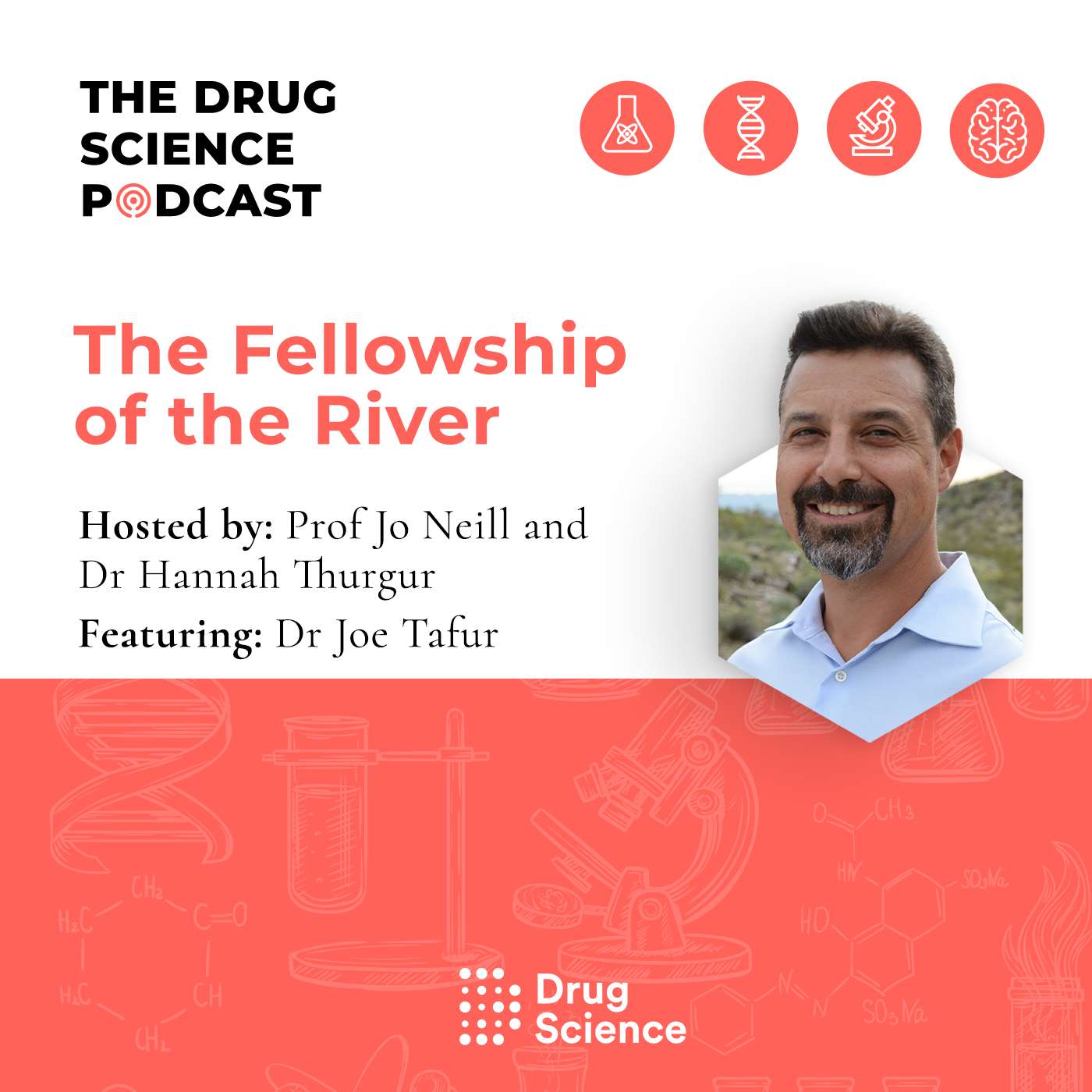
In this episode of the Drug Science Podcast, we meet with Dr. Joe Tafur, MD, an integrative Family Physician, curandero, author and speaker. He discusses his book, The Fellowship of the River, exploring the role of spiritual healing in modern healthcare. Within this episode. Tafur further delves into topics such as biological and psychological links to Generational trauma as well as the relationship between spiritual practice and healing. Dr Joe TafurModern SpiritMedicine SongFellowship of the riverIntro into Therapeutic psychedelicsDepressionPeyoteAyahuascaEmotional dysregulationMamosInner childPsoriasis MigraineAllostatic loadAllostasis EpigeneticsMeditationSupport the Podcast Link
★ Support this podcast ★
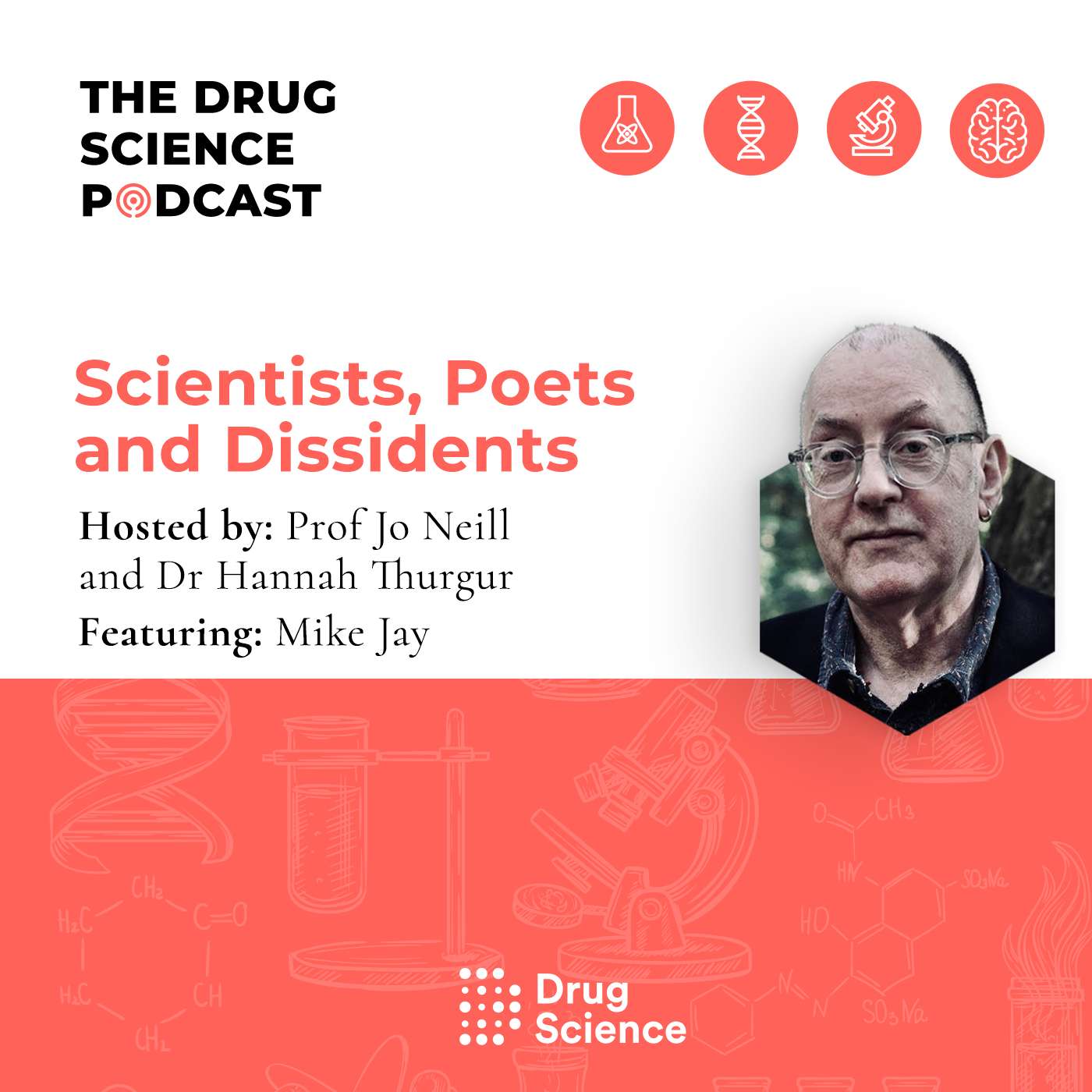
In this episode of the drug science Podcast, we meet with Mike Jay, author and 2024 Cheiron Book Prize winner who has written extensively on scientific and medical history with a special interest in Psychedelics. In this Podcast, he discusses with us his newest book, Free Radicals: How a Group of Romantic Experimenters Gave Birth to Psychedelic Science, which tells the story of early invention and experimentation with Nitrous Oxide (Laughing gas). He discusses various key figures at this time and the work they conducted, including Humphry Davy and Thomas Beddoes as well as discussing early theories into the potential use of gas in medicine which lead to the development of the Pneumatic Institute. Further, they discuss how this 18th-century research links to the psychedelic renaissance Free Radicals: How a Group of Romantic Experimenters Gave Birth to Psychedelic ScienceMike Jay AuthorHumphrey Davy Humphry Davy BookThomas Beddoes Joseph Priestley Davis Giddy Miners lung Tuberculosis Michael Pollan Default mode network Mescaline Drug Science Podcast with Mike JayLink in show notes
★ Support this podcast ★
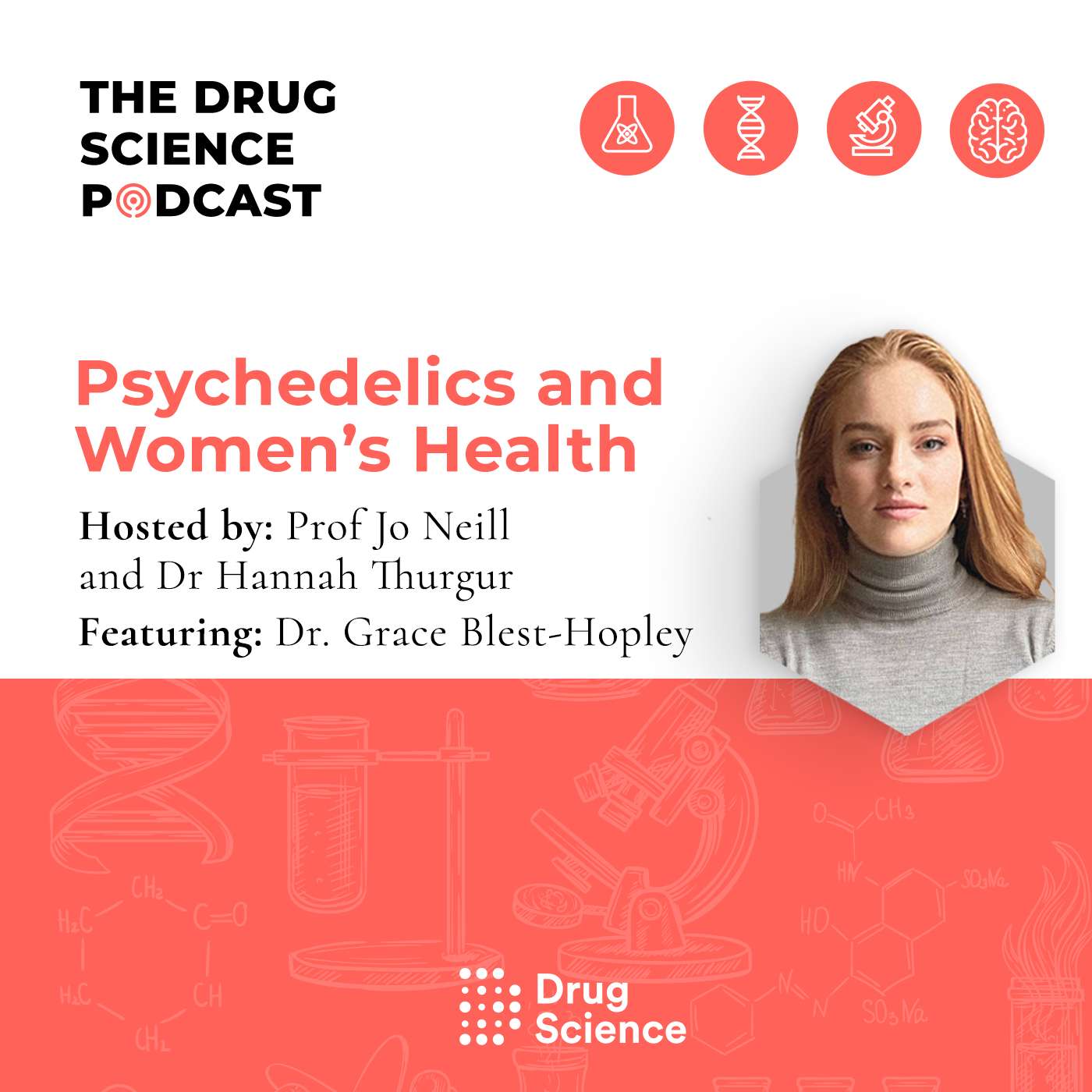
Join us in the latest episode of the Drug Science Podcast, where we talk with Dr. Grace Blest-Hopley, Director of Research for Heroic Hearts Project UK, Chief Scientific Officer of NW PharmaTech, and founder and CEO of Hystelica. In the episode, she explore where psychedelic studies have largely ignored women’s physiology, particularly in failing to acknowledge and control for hormonal fluctuations. Grace particularly emphasises the necessity for greater investigations and understandings around the intersection of psychedelics and the menstrual cycle, explaining how Hystelica attempts to bridge this gap with naturalistic and observational studies. Throughout, the discussion examines how, by researching these unknowns, we can discover new treatment opportunities that better serve women’s health.Heroic Hearts Project UK HystelicaNWPharmaTech MDMAPsilocybin Retreats Study Mothers of the mushroom Microdosing Study
★ Support this podcast ★
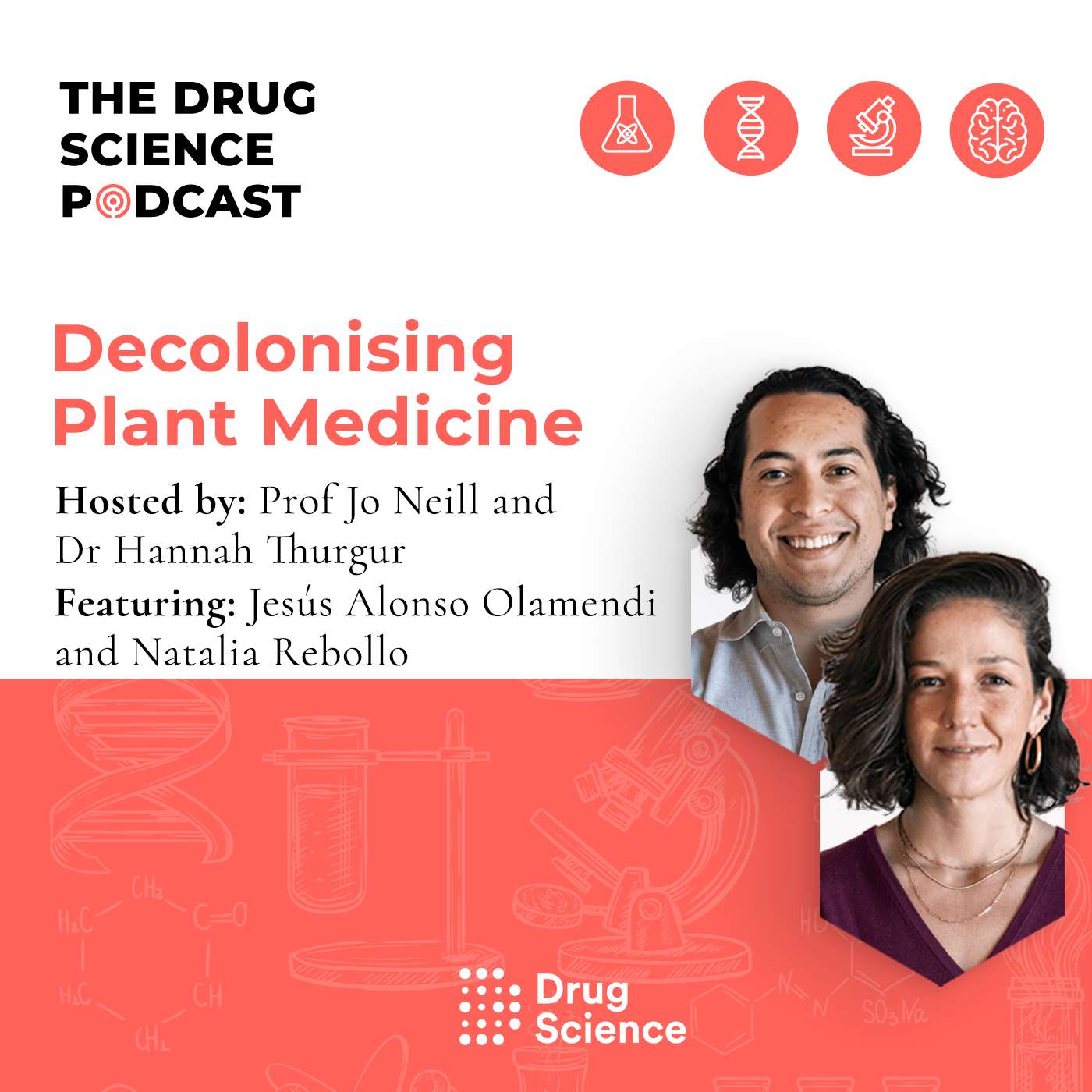
In this latest episode of the Drug Science Podcast, we talk with Natalia Rebollo and Jesús Alonso Olamendi of the International Center for Ethnobotanical Education, Research, and Service (ICEERS). They discuss the lasting legacy of colonialism in the psychedelic culture of indigenous communities, stressing the need for the sacredness of these substances to be uplifted and not commodified. Throughout, they explore their work with ICEER’s Ayahuasca Defense Fund and how it has begun to change the narrative surrounding psychedelics in prohibitionist countries. Operating between indigenous communities and the Western world, they provide a unique perspective that shows how both communities can learn from each other. ICEERSAyahuasca Defense FundAyahuascaDMTAyahuasca Legal Battle in FranceTechnical Report on AyahuascaColombia's CND68 ResolutionIbogaineSpanish Ibogaine TrialContact Email
★ Support this podcast ★


Download from Google Play

Download from App Store
 United States
Neil is just amazing. His book is incredible. Such an important topic.
I really don't think we need such a long intro. 15 minutes to get to the subject on a 50min podcast is to much.
My new favourite Podcast