


 Claim Ownership
The ROCC Pod: Royal Oak Chamber of Commerce
Subscribed: 0Played: 3
Subscribe

© 2022-2026 Royal Oak Chamber of Commerce
Description
We are excited to launch the first ever podcast for the Royal Oak Michigan Chamber of Commerce, "The ROCC Pod!" This will be a unique podcast with an all-star cast of hosts. Join us, as we get to know our Royal Oak Chamber members on a more personal level. Want to be featured as a guest on our show? Email us! [email protected]
118 Episodes
Reverse
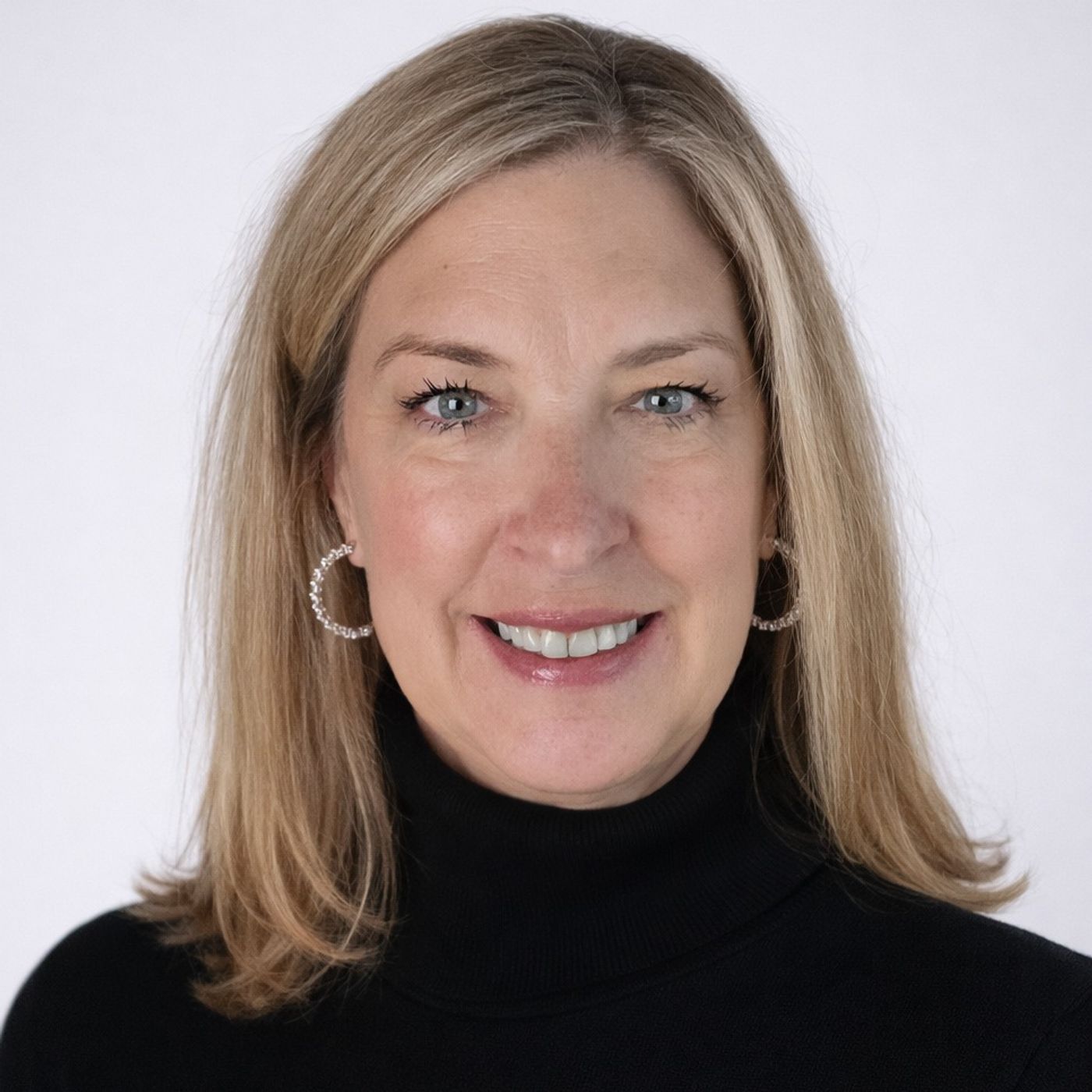
In this episode, we talk with Kristina Guse from the National Multiple Sclerosis Society about multiple sclerosis, the support available for people affected by the disease, and the upcoming MS Taste of Generosity event at the Royal Oak Farmers Market. The National MS Society was founded in 1946 and serves people living with MS as well as their families, caregivers, and friends. MS is an unpredictable disease of the central nervous system that can affect the brain, spinal cord, and optic nerves. Symptoms can vary widely from person to person and can change from day to day. The exact cause of MS is still unknown.
Kristina shares how she first joined the organization early in her career and later returned in 2014. Between both periods, she has spent about 18 years with the National MS Society. What began as a job became a major part of her life. She met her husband through an MS Society golf event, and her daughter now volunteers at events as well. Over the years, Kristina has also met many people living with MS, which has made the mission much more personal.
We also talk about the MS Navigator Program. People living with MS, family members, caregivers, and others can connect with a navigator by phone, email, appointments, or online chat. The program helps people find information, resources, and support.
Kristina then gives us a look at the fifth annual MS Taste of Generosity, happening September 11 at the Royal Oak Farmers Market. The event features 65 Michigan food and beverage vendors, ranging from established brands like Faygo, Better Made, and Ray’s Ice Cream to smaller businesses trying to introduce their products to new customers. The vendors provide samples rather than selling products. Once guests purchase admission, they can sample everything without buying additional tasting tickets.
General admission is $50, while the $100 VIP ticket provides entry an hour early at 5:30 p.m., access to a VIP pavilion, seating, a private bar, swag, and other perks. Kids 12 and under attend free, and the event includes children’s activities. The event raises about $120,000 each year for the National MS Society. Kristina also highlights Red Hatch Chili, Vander Mill Cider, and newcomer Good Energy Protein Bars as examples of participating vendors.
Taste of Michigan Website: https://bit.ly/TOG-MI
National MS Society Website: https://www.nationalmssociety.org/
(00:00) Intro
(00:45) National MS Society and Multiple Sclerosis 101
(02:50) Kristina Guse's Connection to the MS Society
(05:28) Supporting Families and Caregivers
(06:50) The MS Taste of Generosity
(07:10) How Taste of Generosity Started
(08:11) Michigan Food and Beverage Vendors
(08:52) One Ticket Includes All Sampling
(09:23) Family Friendly Admission and Kids Activities
(10:53) What VIP Admission Includes
(11:44) Local Businesses Supporting the Event
(12:29) Favorite and New Vendors
Learn more about the Royal Oak Chamber of Commerce: https://www.royaloakchamber.com/Connect with our host:Jon Gay from JAG in Detroit Podcasts - http://www.jagindetroit.com/ Hosted by Simplecast, an AdsWizz company. See pcm.adswizz.com for information about our collection and use of personal data for advertising.
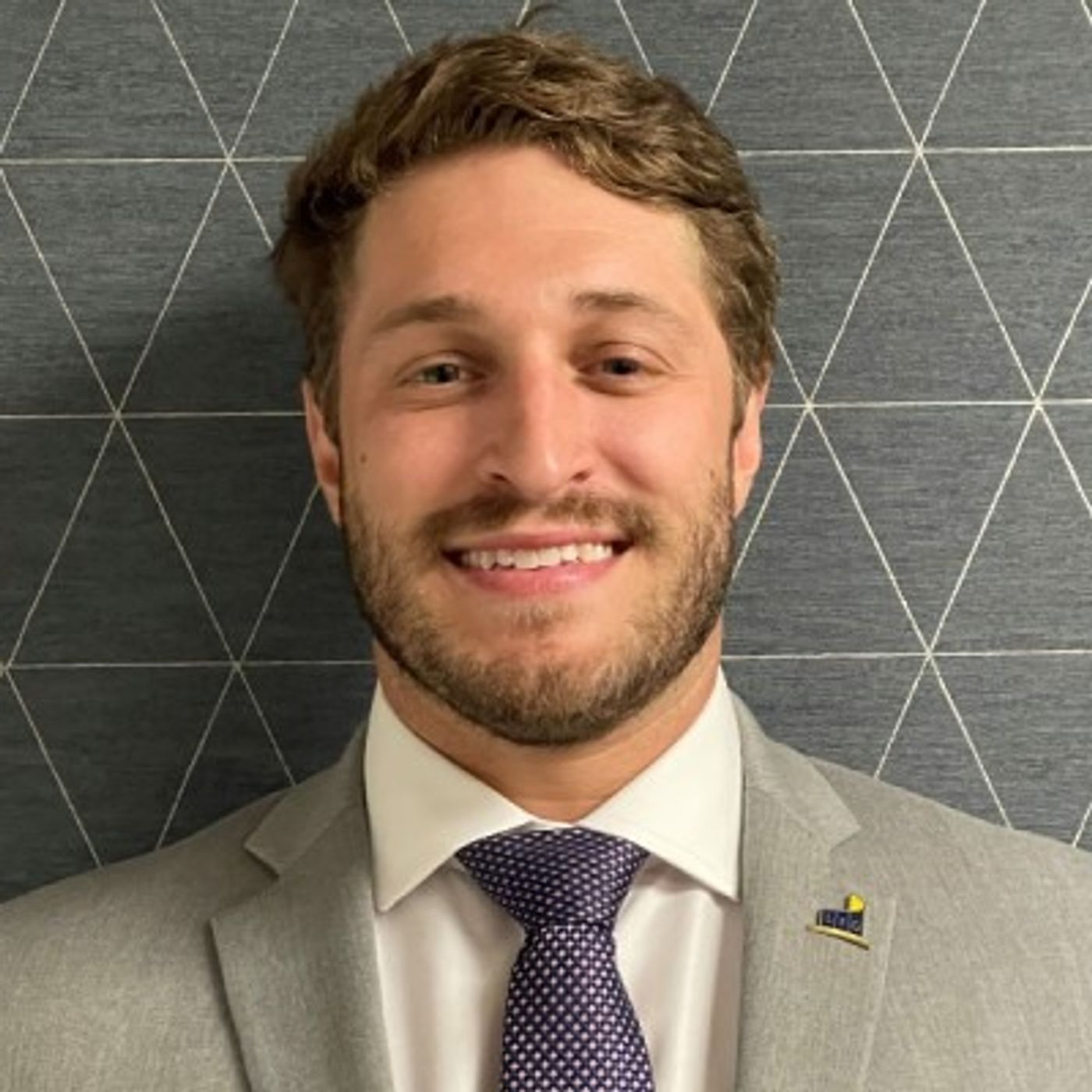
How did a college swimmer and circus acrobat become a financial representative? You're about to find out.
Today, we sit down with Tripp Crosthwaite of Lifetime Financial Growth, to talk about his path into financial planning and the habits that can help people build a stronger financial foundation. Tripp’s background is anything but traditional. He studied biology at the University of Kentucky, competed as a swimmer, worked in medical device sales in Arkansas, and even spent time performing acrobatics with a circus group. He eventually returned home to Michigan and found a new way to use his problem solving skills by helping people with their finances.
Tripp explains the difference between having individual financial advisors and working with a financial planner who sees the full picture. He compares financial professionals to the different people who help maintain a car. One person may handle the tires, another the oil, and another the transmission. In the same way, people may work with insurance professionals, CPAs, attorneys, HR departments, and investment professionals. A financial planner can sit in the middle and help coordinate those relationships.
A major focus of the conversation is creating better savings habits. Tripp recommends what he calls “saving by default and spending by decision.” Instead of waiting until the end of the month to save whatever is left, the goal is to make saving an automatic part of the budget. Once that money is set aside, the remaining income can support bills, lifestyle expenses, and the things we enjoy.
We also talk about balancing long term goals with living life today. Saving does not mean avoiding every purchase or experience. The goal is to place money into the right buckets so there is room for both future needs and current priorities.
Tripp also emphasizes that our ability to earn income may be our most valuable financial asset. A house or investment account may seem like the obvious answer, but those assets still depend heavily on continued cash flow. If an illness or accident prevents someone from working, protecting that income becomes critical.
Finally, Tripp explains the relationship between wealth accumulation and wealth distribution. Building wealth requires putting money into the appropriate short term, long term, investment, and cash buckets. Retirement then requires thinking carefully about how those assets are withdrawn.
Outside of his financial work, Tripp stays involved with the Royal Oak Chamber through its Ambassador Committee and Young Professional Network. His message throughout the conversation is simple: good financial planning starts with education, strong habits, and better conversations.
(00:00) Intro
(00:31) Meet Tripp Crosthwaite
(00:59) Performing With a Circus Group
(03:36) Returning Home to Michigan
(04:49) Financial Advisor vs. Financial Planner
(06:38) Building Better Financial Habits
(08:16) Save by Default, Spend by Decision
(10:03) Balancing Saving With Enjoying Life
(11:52) Your Most Valuable Financial Asset
(13:29) Wealth Accumulation vs. Distribution
(14:39) Tripp’s Michigan Happy Place
(16:32) Royal Oak Chamber Involvement
(17:43) How to Contact Tripp
Learn more about the Royal Oak Chamber of Commerce: https://www.royaloakchamber.com/Connect with our host:Jon Gay from JAG in Detroit Podcasts - http://www.jagindetroit.com/ Hosted by Simplecast, an AdsWizz company. See pcm.adswizz.com for information about our collection and use of personal data for advertising.
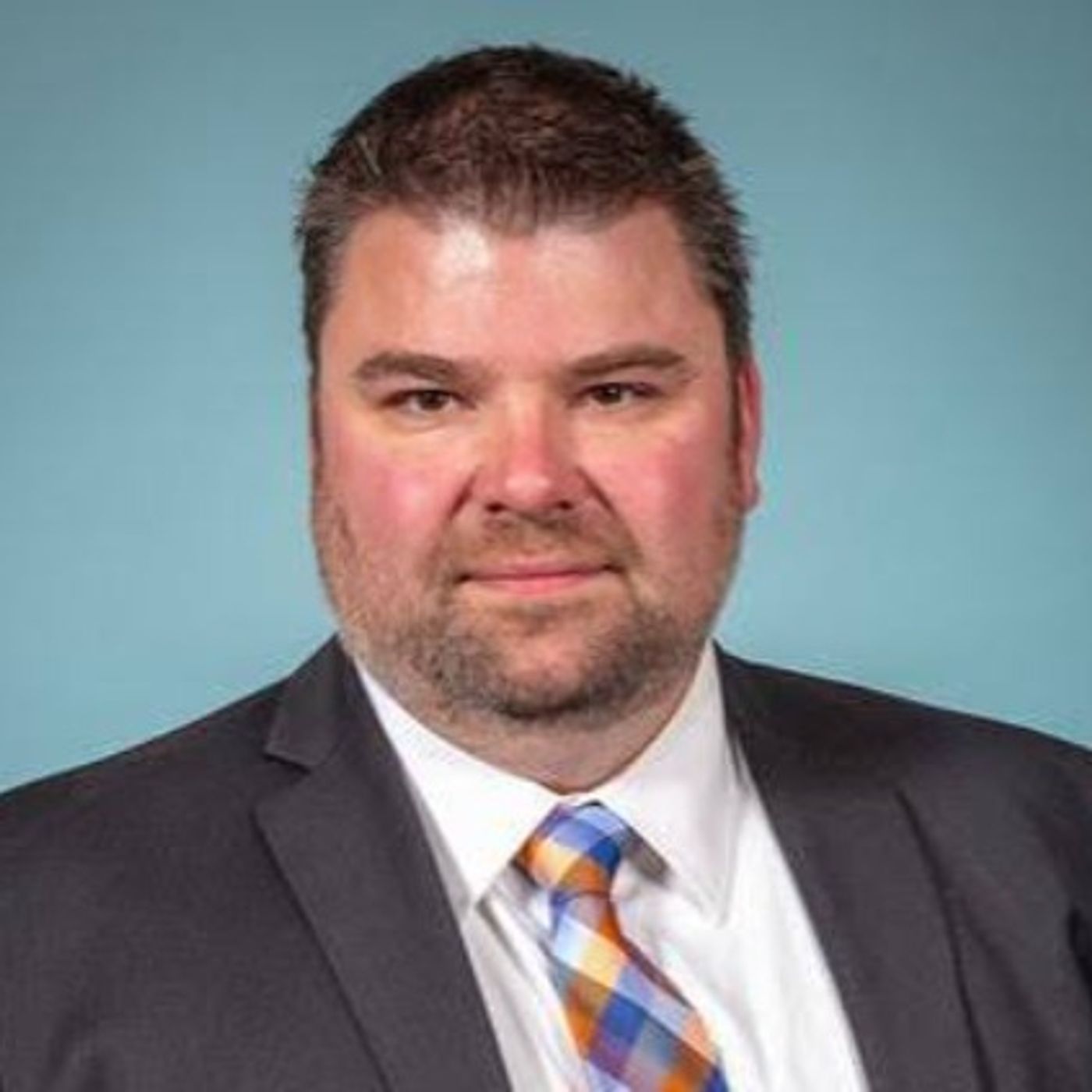
Steve Searles, Chief Technology Officer of Liberty Center One, joins us to explain what data centers actually do, how small businesses can make smarter technology decisions, and where AI fits into the picture. Steve also shares his unusual path from aviation into IT, including years flying hot air balloons for RE/MAX before moving deeper into technology.
We start with Liberty Center One’s Royal Oak facility and why its location made sense for a data center. The building began as a tool and die facility, giving it the heavy concrete construction needed for electrical systems, cooling equipment, batteries, and servers. Steve also explains that not every data center is the same. A local commercial data center serving manufacturers and automotive suppliers is very different from a massive hyperscale facility built for companies such as OpenAI, Google, or Meta. Liberty Center One focuses on efficiency, including cooling systems that can take advantage of Michigan’s cold winter air.
Steve also breaks down what "the cloud" actually means. Data stored in the cloud still lives on physical hardware somewhere. For businesses, the location of that hardware can matter. Manufacturing systems, quality control, and other latency sensitive applications may need servers physically close to the operation. Email and less time sensitive workloads can live farther away. This is one reason more companies are using a multi cloud approach rather than putting everything with one provider.
We also talk about AI and how small businesses should approach it. AI works best when there is a specific problem to solve. Steve points to business intelligence, marketing, image generation, and translation as useful applications. One automotive customer can translate large technical manuals almost instantly for teams around the world. At the same time, AI can become frustrating when businesses force it into customer service situations where a human would provide a better experience. Steve describes AI as a force multiplier rather than a replacement for everything people already do.
Cybersecurity is another key topic. Steve explains how ransomware enters a business, encrypts files, and demands payment for restoring access. The strongest defense is a clean backup that is separate from the infected production environment. Liberty Center One maintains out of band backups and replication so businesses can recover from a known good copy rather than depend on a ransom payment.
Ultimately, Steve comes back to customer service. Small technology companies often use similar hardware and platforms as much larger competitors. Their advantage is responsiveness, flexibility, and the ability for customers to reach an actual person when something goes wrong.
Bonus: You'll also hear about the charity work Liberty Center One's CEO and his wife are doing in Royal Oak.
Liberty Center One: https://www.libertycenterone.com/
Liberty Center One Sales: [email protected]
(00:00) Intro
(00:32) Meet Steve Searles of Liberty Center One
(01:29) Cincinnati, Skyline Chili and Detroit
(02:07) From Aviation and Hot Air Balloons to IT
(04:44) Why Not All Data Centers Are the Same
(07:11) Making Data Centers More Efficient
(08:38) What “The Cloud” Actually Means
(11:06) Why the Physical Location of Your Data Matters
(12:25) Why Businesses Are Leaving Some Big Cloud Providers
(14:23) How Small Businesses Can Use AI
(18:17) Jon's Mom's Real World Scam and the Risks Facing Consumers
(19:28) How a Ransomware Attack Works
(24:09) Should a Business Ever Pay a Ransom?
(26:03) Liberty Center One and the Hand In Hand Foundation
(26:46) Fishbowl Question: Steve’s Favorite Teacher
(28:39) How to Contact Liberty Center One
Learn more about the Royal Oak Chamber of Commerce: https://www.royaloakchamber.com/Connect with our host:Jon Gay from JAG in Detroit Podcasts - http://www.jagindetroit.com/ Hosted by Simplecast, an AdsWizz company. See pcm.adswizz.com for information about our collection and use of personal data for advertising.
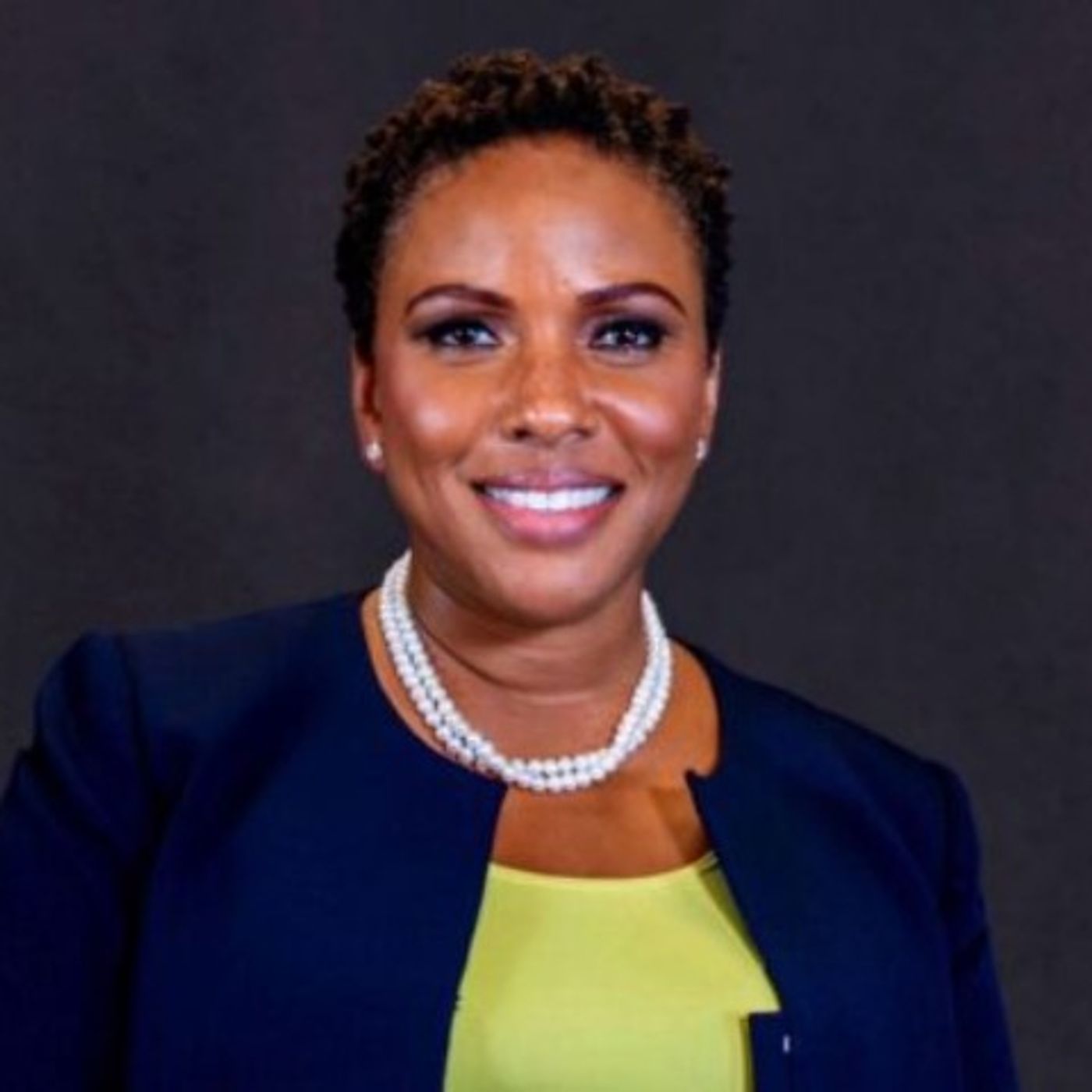
In this episode of the ROCC Pod, Jon Gay talks with Tiffany Gunter, General Manager and CEO of SMART Bus, about the role public transportation plays in Southeast Michigan and how SMART is working to improve service, access, and perception across the region. Tiffany starts by sharing her career path, which began outside of public service in retail and automotive before a job posting for urban planning led her to SEMCOG. That opened the door to transit work, including time with the Regional Transit Authority, city management in Birmingham, and eventually SMART.
SMART (Suburban Mobility Authority for Regional Transportation) serves Wayne, Oakland, and Macomb counties, along with parts of Detroit, through fixed-route buses, paratransit service, community transportation partners, and Flex microtransit. The Flex service works more like Uber or Lyft, giving riders curb-to-curb service through an app. It helps solve the first-mile and last-mile challenge, especially in a region where people may live too far from a bus stop to walk comfortably. Pontiac has been one of the strongest examples, with SMART reaching one million Flex rides across its five pilot zones.
SMART is also launching free rides for students beginning May 1. That includes K through 12 students, college and university students, and apprenticeship programs. Tiffany says the program is not just about giving away service. It helps families, builds ridership, and teaches the next generation how to use public transportation. She also explains that higher ridership helps SMART draw more state and federal funding.
The conversation also covers SMART’s connection to Royal Oak. Tiffany says Royal Oak has long been a strong transit partner, with a major transit center and access to Amtrak. SMART is preparing a facility assessment through an architectural and engineering contract, and Tiffany sees an opportunity to rethink what the Royal Oak Transit Center could become.
Tiffany also talks about the cultural challenge of promoting transit in the Motor City. She says the lack of strong regional transit is not just about car culture or the auto industry. It is also tied to missed political opportunities, regional disagreement, and the fact that Southeast Michigan’s road network gives drivers many options. Still, younger generations are less attached to driving, which creates a chance to build new habits.
SMART is also focused on performance. Tiffany describes the “Down with OTP” campaign, a play on Naughty By Nature, where OTP means on-time performance. SMART improved from 62% to 76%, with a goal of 85%. Drivers now track garage-by-garage leaderboards, and Tiffany says the competition has helped build pride and better service. She also points to Wi-Fi, cleaner shelters, ADA improvements, and a 40% ridership increase on Woodward and Gratiot between February 2025 and February 2026.
The episode closes with Tiffany sharing how martial arts shaped her leadership style, how her mother became her best friend and source of strength, and how SMART is using social media and augmented reality to help more people understand the system before they even step on a bus.
Smart Bus Website: https://www.smartmovesus.org
(00:00) Intro
(03:22) What SMART Bus is and how it serves the region
(05:20) How Flex microtransit works
(07:22) Free rides for students beginning May 1
(09:41) SMART’s connection to Royal Oak
(11:41) Promoting transit in the Motor City
(14:52) Younger generations and changing attitudes about driving
(19:34) SMART’s on-time performance campaign
(26:40) SMART website, social media, and augmented reality
Learn more about the Royal Oak Chamber of Commerce: https://www.royaloakchamber.com/Connect with our host:Jon Gay from JAG in Detroit Podcasts - http://www.jagindetroit.com/ Hosted by Simplecast, an AdsWizz company. See pcm.adswizz.com for information about our collection and use of personal data for advertising.
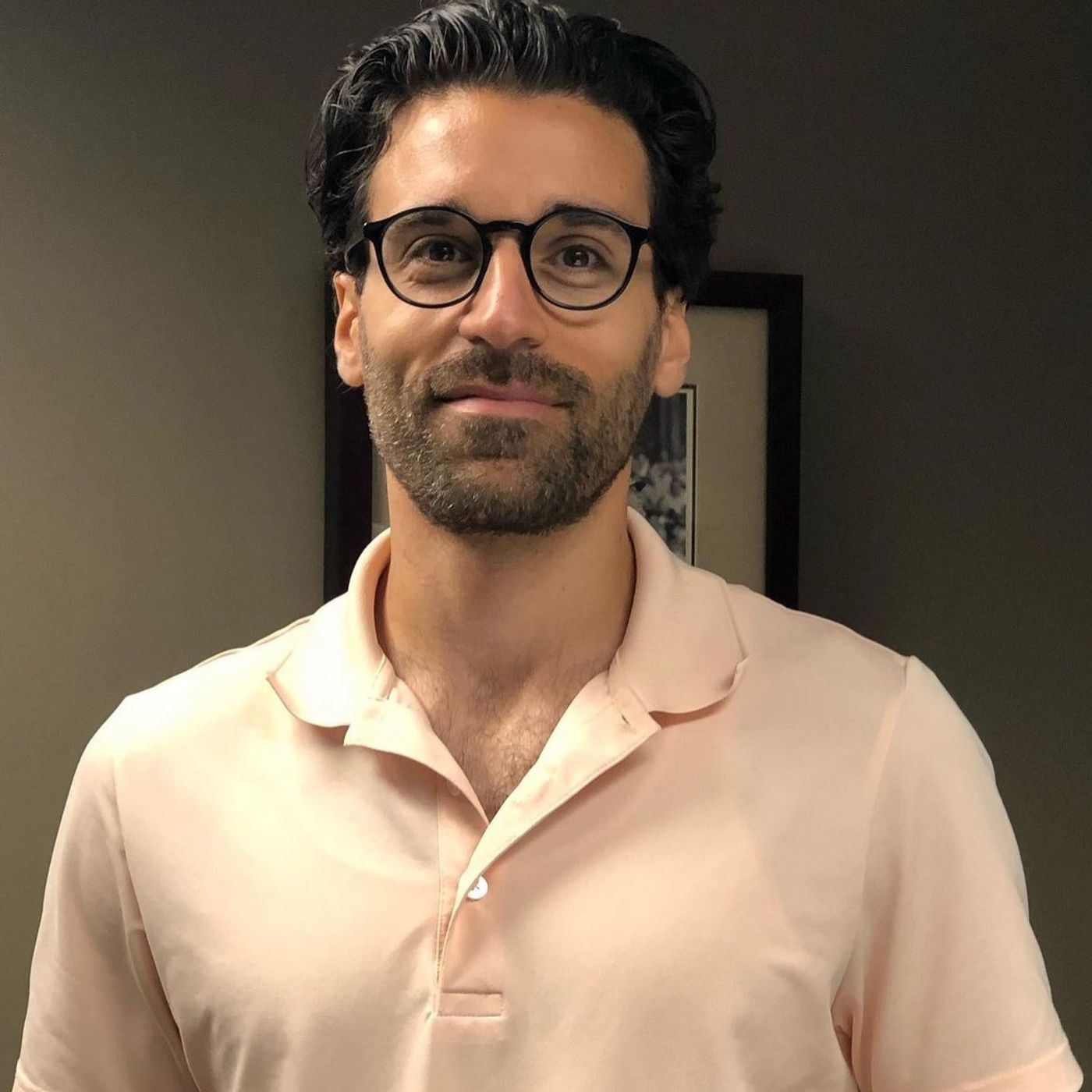
In this episode, we sit down with Michael Fossano from Premier Communications Group and talk about what it really means to market in a technology driven world. We start with a fun look at Mike’s life outside the office, including his passion for gardening and making homemade sauces and jams. From there, we shift into the history of Premier Communications Group, which was founded by his father in 1982 as a graphic design firm and has grown into a full service marketing communications agency. We reflect on the company’s 44 year journey and how it has evolved to serve clients across industries including automotive, healthcare, insurance, real estate, and more.
Working with a wide range of industries keeps the work fresh and forces us to stay curious. We acknowledge the rapid pace of change in marketing, from the early days of websites to the rise of social media, AI, and tools like ChatGPT. While technology plays a major role, it cannot replace genuine human connection. Strong client relationships, thoughtful listening, and tailored strategies remain at the core of effective marketing.
We explore how different platforms serve different purposes. Some clients benefit from Facebook or Instagram, while others in B2B spaces may see stronger results on LinkedIn. We stress the importance of understanding where an audience actually spends time and building a tactical approach around that insight.
A major theme of our conversation is storytelling. We talk about how uncovering a company’s history, milestones, awards, and innovations can humanize a brand. Sharing those stories builds trust, credibility, and connection. In a world full of automation and algorithms, we remind ourselves that people want to be seen, heard, and valued. Personalized outreach and thoughtful communication stand out in ways that automated messages do not.
We also touch on Premier’s deep roots in Royal Oak and long standing involvement with the Chamber of Commerce. We close with a lighter conversation about Detroit sports and lifelong memories with Mike's late dad, built around baseball.
Premiere Communications Group Website: https://premiercg.com/
Mike's Email: [email protected]
Phone Number: 248-544-7383
Address: 612 East Fourth Street, Royal Oak.
Learn more about the Royal Oak Chamber of Commerce: https://www.royaloakchamber.com/Connect with our host:Jon Gay from JAG in Detroit Podcasts - http://www.jagindetroit.com/ Hosted by Simplecast, an AdsWizz company. See pcm.adswizz.com for information about our collection and use of personal data for advertising.

Comments

Download from Google Play

Download from App Store
 United States