


 Claim Ownership
Fugues
Subscribed: 5Played: 89
Subscribe

Description
***New episodes coming soon!***
What is Fugues? The quick answer - it’s The Moth with neuroscience and music (and a bit of sci-fi...)
A fugue, conventionally, is:
(1) a piece of music with multiple melodies played at the same time and...
(2) a trance state where a person experiences amnesia, and loses their sense of self.
Both uses of the word have a beginning, middle and end. Taking a bit of license, each story we tell in this podcast will be called a fugue. And each fugue will illustrate a handful of mental ingredients.
A fugue will also refer to any temporary mental state one is in. For example, you are currently in a podcast description-reading fugue.
Hosted by Gabriel Berezin, some fugues will be autobiographical, others are contributions from special guests.
***Episodes 1, 2, and 5 are great places to start!***
What is Fugues? The quick answer - it’s The Moth with neuroscience and music (and a bit of sci-fi...)
A fugue, conventionally, is:
(1) a piece of music with multiple melodies played at the same time and...
(2) a trance state where a person experiences amnesia, and loses their sense of self.
Both uses of the word have a beginning, middle and end. Taking a bit of license, each story we tell in this podcast will be called a fugue. And each fugue will illustrate a handful of mental ingredients.
A fugue will also refer to any temporary mental state one is in. For example, you are currently in a podcast description-reading fugue.
Hosted by Gabriel Berezin, some fugues will be autobiographical, others are contributions from special guests.
***Episodes 1, 2, and 5 are great places to start!***
19 Episodes
Reverse
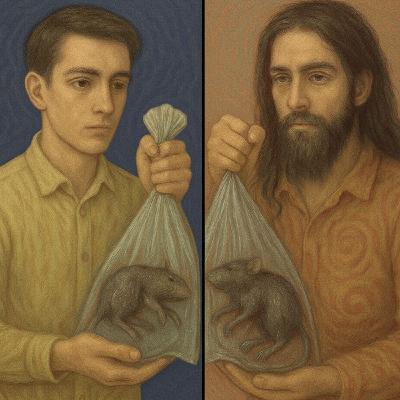
Ever had a little mouse in the house? They can be cute! Some folks I know have actually named them. But rats are not quite so endearing, especially when they’re cat-sized. My college roommates and I faced a full-blown rat infestation in our first NYC apartment in 1999.Twenty-five years later, I was catching up with fellow rat-trauma survivor and old friend Ned Rauch when we started swapping war fugues. But before we went any further, I had an idea: what if we each recorded our versions separately? My memory seemed crystal clear and I assumed his did too.So I listened back and stitched our stories together to see where they aligned and where they diverged. The result is a fun experiment in the Rashomon effect - how two people can experience the same event differently. Seeing the variation made me wonder if we can ever truly see the world as it actually is. All this over some (slightly) oversized rats on West 109th Street.--Written, hosted, and produced by Gabriel Berezin with special guest Ned Rauch.Music and sound design by Grant Zubritsky.Follow Fugues: Substack | Instagram | TikTok--Learn MoreThe Rashomon effect is actually derived from a Japanese movie called Roshomon. Learn about it in this 8-min pod episode.Learn about confabulation (and the Mandela Effect).

Do all bullies stay bullies? Growing up in 80s Lexington, Massachusetts, I was friends with Tyler Brooks - a kid who could terrorize smaller students one moment and charm parents and teachers the next. Something about him was uniquely Boston-coded.I figured my unofficial role as a bully's friend was to use my privilege for good. This episode was inspired by one fugue that I’ll never forget - an act of controversial kindness to save a younger kid from a beat down. My approach, while celebrated by my 80s family, would probably be frowned upon by modern standards. Despite social media tearing apart the fabric of society, it gave me a good opportunity to see if Tyler is still a dick.--Written, produced, and performed by Gabriel Berezin.Follow Fugues: Substack | Instagram | TikTok

The Fugues fiction expedition ventures into romcom territory - or maybe anti-romcom? Remember I Adore You began as a TV pilot my writing partner Natasha Schwartz and I wrote years ago. We loved the script so much we adapted it for audio and produced it ourselves with talented musician and actor friends, recording it live. It’s half table read, half audio drama.Based on a true story, we subverted the "will they/won't they" trope to focus on how relationships can become more meaningful after romance ends - a progressive take on male-female relationships and maybe even a blueprint for bridging divides.Yes, it's a departure from normal Fugues content, but don't worry - there's at least one inappropriate neuroscience joke. Please share if the story resonates!CREDITSWritten and Directed by Natasha Schwartz and Gabriel BerezinProduced by Gabriel Berezin and Monty MontanSound Design by Gabriel BerezinRecorded by Dylan McKinstry at GreenpointRecordingCollectiveMusic by Casual Male, Emily Jackson and MonumentsCASTJoan played by Emily JacksonTom played by Tim LappinArthur played by JD MartinSuzie played by Katie BolandHannah played by Monty MontanCop played by Dylan SchwartzKurt played by Goldie Schwartz & Loxley MatthewsNarrator (2012 timeline) played by Natasha Schwartz Narrator (2022 timeline) played by Gabriel BerezinFollow Fugues: Substack | Instagram | TikTokThis is a fugues media production. All rights reserved.
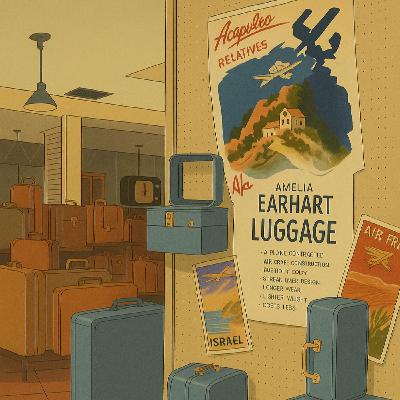
The next evolutionary step of free will?This is an excerpt from a series called Audiocorpse. It's inspired by Exquisite Corpse, a game where participants take turns writing or drawing on a sheet of paper, folding it to conceal their contribution, and then passing it to the next player for the next contribution. It became popular in the 1920s when it was adopted as a technique by artists of the Surrealist (Dada) movement to generate collaborative compositions.In Audiocorpse (sponsored by All The Best Radio), the prompt is to create a 3-minute story based on the last 10 seconds of another creator and must include a particular sound cue. The last 10 seconds of my story seeded someone else's, and on and on. You can hear the whole audiocorpse (#2) here.This excerpt was written, mixed and performed by Gabriel Berezin.--Follow Fugues: Substack | Instagram | TikTokFollow Audicorpse on All The Best Radio
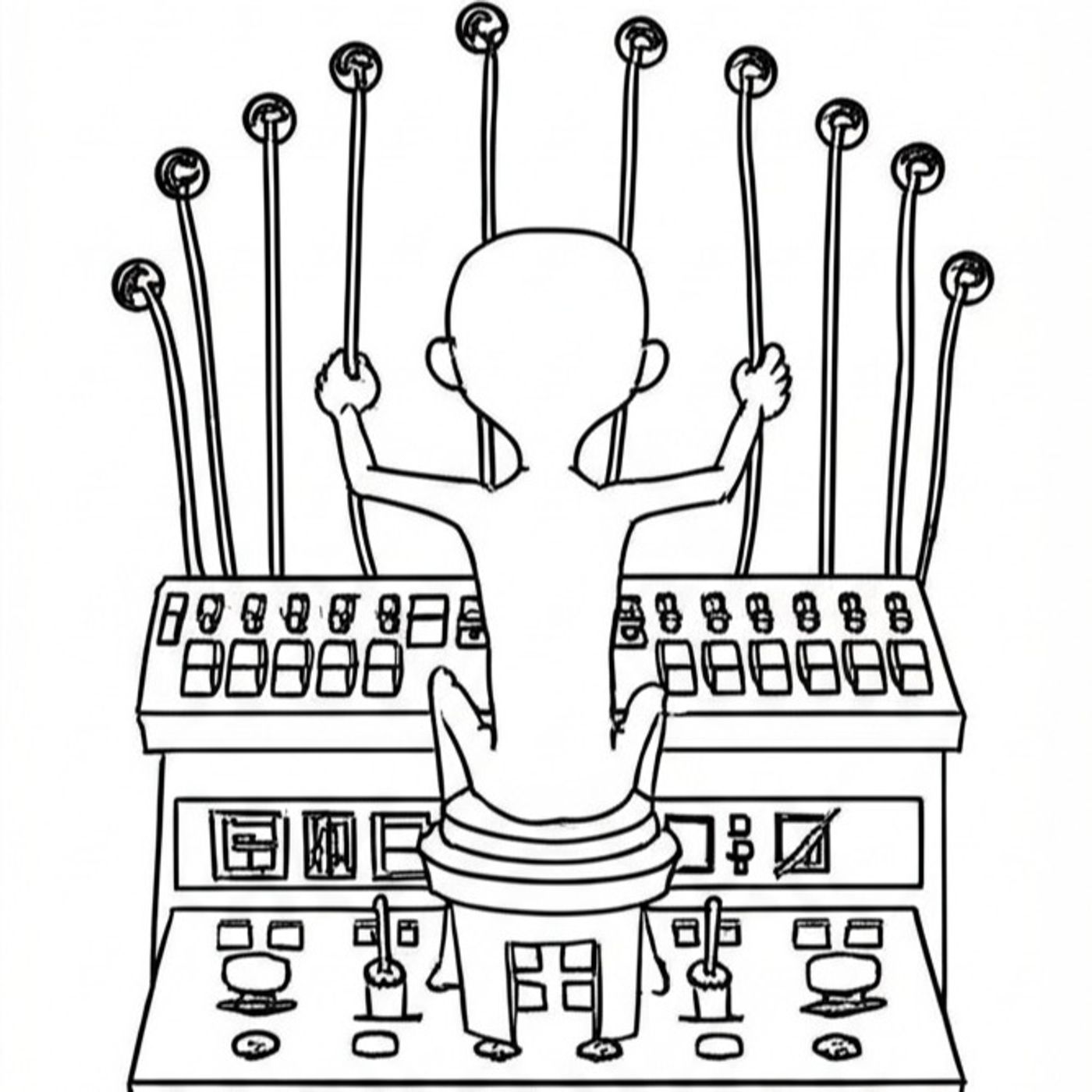
This teacher and her class are learning all about earth in the 50s. --Take a close look at this episode’s thumbnail. This image (cartoonified for the purposes of this post) was the prompt for a recent Fugues submission to Audio Flux. We were challenged to create something in “3-D” audio. In other words, it should make use of spatial audio or stereo to give a sense of the space.Developed, written, and voiced by Gabriel Berezin and CG Foisy.Production, mixing and sound design by Gabriel Berezin.Follow Fugues: Substack | Instagram | TikTokFollow AudioFlux!
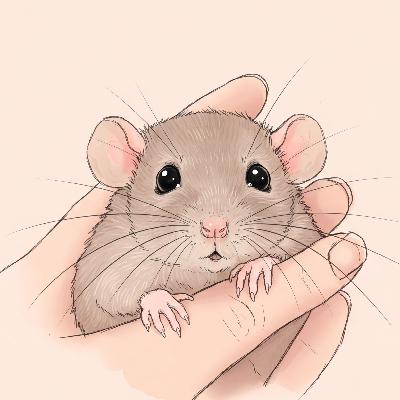
Look I’m not gonna get all gloomcore about the state of things in the world, but it does seem that our appreciation of morality has waned a bit in the last few years. It had me thinking of this one funny (and traumatic) memory from college.Recounting it made me wonder - is it better or worse to have morals? This little tail tale has me reconsidering long held beliefs.(PS - this is basically an audio snuff film, just warning you now, it's...graphic in parts.)--Written and narrated by Gabriel Berezin.Follow Fugues: Substack | Instagram | TikTok
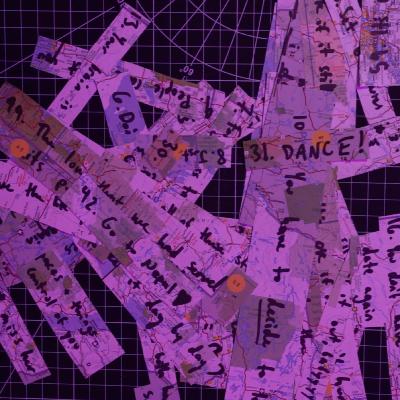
If you’re going through a breakup right now, stop what you’re doing and listen to this, I think it will help. This is Fugues’ first guest contributor, Mae Nagusky. She wrote, produced and performed this great piece of audio - it’s a brilliant series of tips to manage painful breakup fugues. Mae releases her podcast in June, 2025. Keep an eye out!--Follow Fugues: Substack | Instagram | TikTok
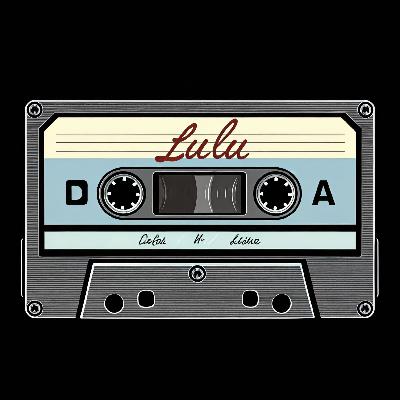
When you have young children, the well-meaning, unsolicited advice flows. "Enjoy the moment, be present!" “It goes by so fast, cherish everything,” but also “don’t worry so much!” It feels like trying to grab a river with your bare hands.This short episode originated from a project I love called AudioFlux, they post open calls for audio submissions with specific prompts (1) focus on “firsts” (2) convey the idea of time passing without a ticking clock (3) keep the length to exactly three minutes. At the time of recording this, our daughter Lulu had just turned one. Lulu’s mother Monty and I like to say “time is a feeling.” This collection of fugues is meant to convey that - how love and fear dilate and contract time. They also asked submitters to show their handwritten work. I apologize in advance, but here it is.CREDITS:Lulu voiced by Louisa “Lulu” Montan-BerezinMonty voiced by Monty MontanGabe voiced by Gabriel BerezinEditing by Gabriel BerezinFollow AudioFlux!Follow Fugues: Substack | Instagram | TikTok

For anyone unsure if a recent memory was a dream or reality - come on down! YOU’re (kind of) the next contestant on…”WAS! I! DREAMING!?”This episode is the crossover between Waking Life (Richard Linklater), The Game (David Fincher) and The Price is Right (Bob Barker) that absolutely no one asked for.In a post-reality world maybe it’s a good idea to test our boundaries a bit more.Odds are you won’t remember this show, but if you do - I sincerely hope you won’t remember whether it actually happened or not.CREDITS:Fugues is written and produced by Gabriel Berezin.Original music composed by Grant Zubritsky.Voiceover for Rod Roddie and Richard Linklater by Michael GieseScript editing and audience voiceover by Monty MontanLogo design by Justin MontanOpening and closing music by Monuments (featuring Grant Zubritsky (bass), Robby Sinclair (drums) and Bryan Murray (saxophone), Gabriel Berezin (guitar)) Follow Fugues: Substack | X | Instagram | Threads | TikTokREFERENCES:The Head Trip: Adventures on the Wheel of ConsciousnessWaking LifeThe Game
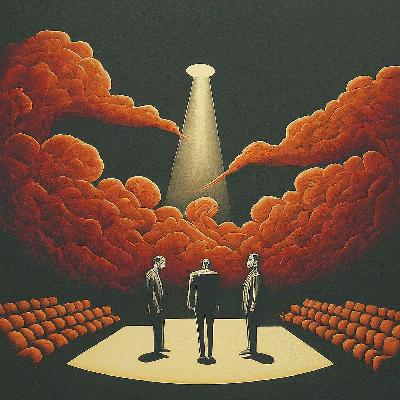
Almost at the same time, my family experienced a loss I feared my whole life and a new addition I’d fantasized about for decades. And I had a dream as it unfolded that was so clear I wrote down every detail after I woke up. Actually it was more like dream theater. And this theatrical production’s imagery and characters were scripted by grief, memory, and anticipation.I’m pretty sure this little one-act was trying to tell me something, or at least Brian Cox was (obviously he was there). A new inner character appeared in this episode to decode what it was. He demystified dreams a bit, and shared how they work.He also helped me understand why celebrities make cameos in dreams so much. And while many think we should leave the metaphors to the artists and songwriters, he explains why dreams prove otherwise.Most oddly and importantly he shared the power of sneezing to cope with grief. So, if you’re grieving the loss of someone - the end of a relationship, the end of a life - maybe this will be cathartic. Maybe it could temporarily fill in for the therapy you've been avoiding, or couldn’t afford.(Just kidding, I am absolutely not saying that last part.)CREDITSFugues is written and produced by Mr. Gabriel BerezinPlaying the role of Gabe, Inner Gabe, Food vendor, Inner Voice and Dr. Hans Bob Zimmerman is....... Mr. Gabriel BerezinPlaying the role of program announcer and script editor.......Ms. Monty MontanPlaying the role of Brian Cox is.......Mr. Tim LappinPlaying the role of the "sneeze paradigm" sneezer.......Ms. Lulu Montan-BerezinIn the orchestra pit, playing original compositions........Mr. Grant ZubritskyArtwork and logo design....... Mr. Justin MontanSpecial thanks to Oliver Turner for extra voiceover and Dr. Robert Berezin for insights based on his book, “The Play of Consciousness in the Theater of the Brain”Follow Fugues: Substack | Instagram | TikTok
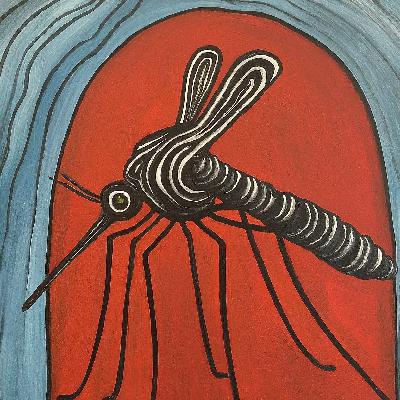
The age old question. Does empathy cure personal beef? Actually from a butcher’s perspective that’s no good. Curing actually preserves beef.Nevermind, nevermind...I had a psychedelic experience with a mosquito that reminded me of an aggressive driver. It may, or may not have, changed my life.Do I have to anthropomorphize EVERYthing?--CREDITS:Written, produced and performed by Gabriel Berezin.Script editing and Lady Inner Mosqutio voiceover by Melissa "Monty" Montan.Opening and closing music by Monuments (featuring Grant Zubritsky (bass), Robby Sinclair (drums) and Bryan Murray (saxophone), Gabriel Berezin (guitar)) Logo design by Justin MontanFollow Fugues: Substack | X | Instagram | Threads | TikTokThe research behind mosquito nocebo here.
The Reveal. Find out how this Mediclub experience ends.The Assholes push the outer limits of the ASS scale. (What geminis!)They stumble on unexpected terrain, questioning the very nature of reality.This is Part 3 of 3.--Credits:Written and produced by Gabriel Berezin.Original music by Santiago Arias-Rozo.Opening and closing music by Monuments (featuring Grant Zubritsky (bass), Robby Sinclair (drums) and Bryan Murray (saxophone), Gabriel Berezin (guitar)) Script editing and voiceover by Melissa "Monty" Montan Logo design by Justin MontanFollow Fugues: Substack | X | Instagram | Threads | TikTokReferences:Does the Multiverse Exist?4-7-8 Breathing TechniqueStudy about why certain people are gullibleEnglish to Ned Flanders translatorJesse IsrealMediclubThe Big Quiet
In part 2 of Assholes, the immersive story of the Mediclub experience continues with three more fugues.The Asshole co-hosts review the similarities between meditation, marijuana and the right hemisphere of your brain.Then you'll see if 12-step programs fit or (don't fit) into the event.Most importantly you'll find out what Elton John’s “Tiny Dancer” has to do with the most under-appreciated part of your brain.All culminating in a new and surprising ASS score.See how deep these assholes go!This is part 2 of 3.--Credits:Written and produced by Gabriel BerezinOriginal music by Santiago Arias-RozoOpening and closing music by Monuments (featuring Grant Zubritsky (bass), Robby Sinclair (drums) and Bryan Murray (saxophone), Gabriel Berezin (guitar)) Script editing by Melissa "Monty" Montan Logo design by Justin MontanFollow Fugues: Substack | X | Instagram | Threads | TikTokReferences:Jill Bolte Taylor TED talk - “My Stroke of Insight”Weed and mindfulness, being presentCarl Sagan on THC and brain hemispheresThe history of 12 step programsSynchrony creates social bonds (Scientific American)Your (Tiny Dancer) CerebellumMore on cerebellum anatomy and functionPrivate Dancer (Tina Turner)Tiny Dancer (Elton John)Audience choir from Jacob Collier
Ever been to a group meditation? How did you feel? Third eye open and a blissful permagrin? Or awkward and self conscious?Fugues is back with a new talk show that measures gullibility and skepticism using a powerful scale. This new spectrum is defined by Larry David, Woody Harrelson, Betty White, Bill Murray and cats (not the musical).Gabe and his Inner voice co-host discuss the neurological and psychological mental phenomena activated during a Brooklyn meditation retreat.Find out what a Burger King Whopper has to do with our experience of time, and why getting picked last on the dodgeball court explains our cultural divide.This is Part 1 of a 3-part series.--Written and produced by Gabriel BerezinOriginal music by Santiago Arias-RozoOpening and closing music by Monuments (featuring Grant Zubritsky (bass), Robby Sinclair (drums) and Bryan Murray (saxophone), Gabriel Berezin (guitar)) Script editing by Melissa "Monty" Montan Logo design by Justin MontanFollow Fugues: Substack | X | Instagram | Threads | TikTokReferences:Thinking about the Future (aka prospection)We aren’t meant to live in the moment (NYT)Guru podcastJames Arthur Ray back at itOprah doesn’t have a great track record on picking gurus (just saying)Physical pain and social rejection studyMediclub
How does increased power impact human minds? It’s almost not someone’s fault if empathy wanes while power accumulates. In fact, it’s basically inevitable. Joe Smarro, one of the subjects of the HBO documentary, "Crisis Cops: Ernie and Joe," is an exception to the rule. Joe is a police officer and trainer who gives a Master Class in how to sidestep fate when encountering people in crisis. We hear a few fugues from Joe illustrating what it's like to be a cop in these situations. And we give it the post-fugue treatment with inner voice, helping us to understand the cognitive effects of power and how to avoid unnecessary conflict.Join us for the third and final part of this series on fate and biology. --Credits:Written and produced by Gabriel Berezin.Original music and sound design by Grant Zubritsky. Additional music courtesy of Sami Jano.Opening and closing music by Monuments (featuring Grant Zubritsky (bass), Robby Sinclair (drums) and Bryan Murray (saxophone), Gabriel Berezin (guitar)) Editorial insight by Melissa "Monty" Montan Logo design by Justin MontanFollow Fugues: Substack | X | Instagram | Threads | TikTok--Relevant Fugues episodes:The Brain's Molotov Cocktail | Fate & Biology | 1Bonding, for Better or Worse | Fate & Biology | 2Why So IrrationalReferences:HBO’s Crisis Cops, Ernie & JoeJoe Smarro’s TEDx talkSolution Point + (Joe & Jesse’s first responder training organization)Follow Joe on TwitterWaco Drama Series PreviewWaco Siege HistoryGary NoesnerDigby, The De-escalating Dog (that prevented a suicide)Jamil Zaki on police empathy and powerCognitive effects of power (Adam Galinksy, Deborah H Gruenfeld, and Joe C. Magee)Power drains empathy (Adam Galinksy)
 1
1Why do we help strangers? And why do we love revenge stories so much? The same thing that connects those questions connects us all - bonding.There’s an invisible line between groups of people - it can be a thin dotted line between acquaintances, a steel girder between mother and child, or a series of chain links between millions of people in the same country.In Part 2 of this series on fate and biology, we identify the brain chemical that plays a central role in how we bond, and explore why certain group behaviors are inevitable. --Credits:Written and produced by Gabriel Berezin.Original music and sound design by Kirk Schoenherr and additional music by Grant Zubritsky.Opening and closing music by Monuments - featuring Grant Zubritsky (bass), Robby Sinclair (drums) and Bryan Murray (saxophone), Gabriel Berezin (guitar).Editorial assistance by Melissa "Monty" Montan.Logo design by Justin Montan.Follow Fugues: Substack | X | Instagram | Threads | TikTokHelp us out - rate and comment on iTunes!Further reading:Part 1 of Fate and Biology: The Brain’s Molotov CocktailCounting to Twelve (the ultimate funk on Sesame Street)Won’t You Be My Neighbor (Mr. Rogers Documentary)Philadelphia greases light posts before 2018 Superbowl“Are we the baddies?” Aka, an existential crisis for nazis (mentioned by Inner Voice)The Science of Kindness (and oxytocin)The Neurobiology of friendshipNasal spray and oxytocin increased male cooperationThe above study debunked (in Vox)Book: Sapiens (by Yuval Noah Harari)Book: The Power of Us (by Jan Van Bavel and Dominic Packer)Paying Mentorship Forward (podcast episode for the NeuroLeadership Institute featuring Josh and Kendrick)Panel in the Vatican celebrating the St. Bartholomew’s Day Massacre
You ever get in a fight? I did. Once. Wearing my Red Sox hat at Yankee Stadium. Me (and two Yankees fans) were basically high on an aggressive cocktail of brain chemicals that forced our collective hand. Stupid, pointless violence with strangers that almost cost me an eye. This episode’s fugue will describe the experience, followed by Inner Voice and I doing a post-fugue analysis. Together we’ll review the ingredients of a lethal cocktail that drove me into a dangerous, seemingly unavoidable situation. This is Part 1 of a three-part series about fate and biology, sharing the experience of situations that find us “stuck in time,” unable to avoid fate.--Credits:Written and produced by Gabriel Berezin.Original music and sound design by Grant ZubritskyOpening and closing music by Monuments (featuring Grant Zubritsky (bass), Robby Sinclair (drums) and Bryan Murray (saxophone), Gabriel Berezin (guitar)) Editorial insight by Melissa "Monty" Montan Logo design by Justin MontanFollow Fugues: Substack | X | Instagram | Threads | TikTokReferences:Study on GABA, serotonin and dopamine and its relation to aggressive behavior(And another study)Pic of my eye post-fightSlaughterhouse Five (the novel by Kurt Vonnegut Jr.)Sneaky Spirits Social Club (website) (instagram)
Why are we so prone to bad logic? We’re going to hear two everyday fugues in this episode: the search for a lost spatula and a spilled beer. The real story here is how easy it is to be irrational. Who is “we” in this episode? It’s me and my inner voice obviously. Inner Voice and I will do some post-fugue analysis to find out what mental phenomena are at play while I make really bad assumptions about events in my surroundings. By the end of the episode maybe you’ll appreciate why we’re actually doing a lot better than we think we are as a society given how mistake-prone our brains are.--Credits: Written and produced by Gabriel BerezinOriginal music and sound design - Grant ZubritskyOpening and closing music: Monuments (featuring Grant Zubritsky (bass), Robby Sinclair (drums) and Bryan Murray (saxophone), Gabriel Berezin (guitar)) Editorial insight - Melissa "Monty" Montan Logo design - Justin MontanFollow Fugues: Substack | Instagram | TikTokReferences:Apophenia in the Queen’s GambitApophenia in Stranger ThingsWacky Conspiracy Theory showing Back to the Future predicted 9/11 How Netflix uses big data to inform its contentThe Brain’s Autopilot (Scientific American)Daniel Kahneman’s System 1 vs 2 Thinking (article)Thinking Fast and Slow (book)Anil Seth’s TED talkHow Much of What You See is Hallucination (TED Ed)Abracadabra! A Classic Magic Trick Fools Expectations, Not EyesMy Special Egg SpatulaEpisode Song Playlist:Delirious - PrinceMemories Can’t Wait - Talking HeadsNot My Own - MonumentsWhere is My Mind - The PixiesCrazy - Gnarls BarkleyThere There - Radiohead

What's a fugue? In this podcast it's a story - a story that sheds light on how our conscious experience of any given moment operates. Find out what each fugue tell us about the basic ingredients of mind. --Credits:Written, produced and hosted by Gabriel Berezin.Music and sound design by Grant Zubritsky and Monuments.Logo and art design by Justin Montan.Follow Fugues on Twitter and Instagram.

Download from Google Play

Download from App Store
 United States
such a funny episode . I appreciate the inner voice and the commentary. what drew me in was there was mention of a special egg spatula and I am to know the story behind that.