


 Claim Ownership
Scale Her Up: Female business stories and expert tips for business growth and success
Subscribed: 7Played: 14
Subscribe

© Copyright 2026 Brenda Hector
Description
If you are a female business owner, self-employed freelancer, or girl boss who wants to build a successful business i.e. work less hours, make more money, and get better results from your staff, then this is the podcast for you. Hosted by Dr Brenda Hector MBA from ActionCOACH UK, this podcast provides relatable and accessible business advice and inspiration from successful businesswomen who have been there and done it before you.
This podcast is where you can
• hear female business stories
• share business success
• learn how to overcome business challenges
• get advice for businesswomen aspiring to success
• find out what needs to change
• discover how we can bring about that business revolution
Only 1 in 3 UK entrepreneurs are female.
UK men are 5 times more likely than women to build a business of over £1million turnover
If UK women matched UK men in starting and scaling businesses, it would add £250 billion to the UK economy (Alison Rose, The Rose Review of Female Entrepreneurship 2018)
As a woman in business, a business coach, and a business growth expert, Brenda’s mission is to help business owners grow their companies, achieve their goals and live the lifestyle of their dreams. She's the help you need to grow your business.
This podcast is where you can
• hear female business stories
• share business success
• learn how to overcome business challenges
• get advice for businesswomen aspiring to success
• find out what needs to change
• discover how we can bring about that business revolution
Only 1 in 3 UK entrepreneurs are female.
UK men are 5 times more likely than women to build a business of over £1million turnover
If UK women matched UK men in starting and scaling businesses, it would add £250 billion to the UK economy (Alison Rose, The Rose Review of Female Entrepreneurship 2018)
As a woman in business, a business coach, and a business growth expert, Brenda’s mission is to help business owners grow their companies, achieve their goals and live the lifestyle of their dreams. She's the help you need to grow your business.
119 Episodes
Reverse

In this episode of Scale HER Up – The Female Entrepreneur Show, I’m joined by Katrina Walker, co-founder of A Flat In Town, a central Edinburgh letting agency that has been “letting with heart” for 20 years. Starting as a temp in a small letting business, Katrina fell in love with the variety, the people and the privilege of being trusted with someone’s home – and eventually decided to build her own agency.Katrina shares how A Flat In Town grew from a simple idea in her mid-twenties into a long-standing business that truly cares for both landlords and tenants. She talks about the joy of seeing tenants turn an empty flat into a home, and why she has always approached letting from the perspective of being both a landlord and a former tenant herself. “Letting with heart” is not just a tagline – it’s how she and her team work every day.We dive into what it really looks like to build a business around the life you want. Katrina and her business partner factored potential children into their very first five-year plan, and she is honest about the juggle of nursery runs, school hours, sick days and being the last parent at pick-up while trying to run a professional service. She shares how business ownership has given her flexibility, and how that has shaped the way she now supports her own team as an employer and mum of two teenagers.Katrina also talks about navigating regulation, doing things to best practice not bare minimum, and the reality of managing people – from brilliant team members to the occasional hire who reveals outdated views about women working. She explains why outsourcing HR and legal support was a turning point, and how a strong business partner, supportive husband and trusted friends have been crucial parts of her support network.After years of relying on word-of-mouth, Katrina has recently stepped into more networking and visibility. She shares how getting out of the office has brought fresh ideas, confidence and a reminder that 20 years in business is an achievement to be proud of. Her message to other women is clear: let your business serve your life, listen to your gut, use your support network and give yourself permission to plan a future you’ll actually enjoy.In this episode, we coverHow Katrina fell into letting after university and why small-business experience was the best possible trainingThe story of A Flat In Town and what “letting with heart” means in practice for landlords and tenantsWhy home and community matter so much to her, and the satisfaction of seeing tenants turn empty flats into real homesBuilding a business in your mid-twenties and consciously planning around future family lifeThe honest reality of the juggle: nursery pick-ups, school hours, sick kids and late-night workHow being a business owner created flexibility – and how that now shapes the policies she offers her staffThe impact of an all-female team, hiring for attitude and fit, and learning to trust your instinct in recruitmentDealing with sexism and unhelpful attitudes, and why bringing in external HR and legal support was so importantWorking in a regulated sector and choosing best practice over bare...
In this episode of Scale HER Up – The Female Entrepreneur Show, I’m joined by Gayle Thomson, Employer Engagement Advisor in the Careers and Employability Service at the University of Aberdeen. Gayle works at the heart of the university’s strategy to expand work-based learning, connecting employers with students through internships, part-time roles, volunteering, mentoring and short-term shadowing opportunities.Gayle explains why real-world experience is so important for students’ employability and confidence – and why it’s a genuine win–win for businesses too. She breaks down the university’s part-time, term-time internship programme: 70 hours over seven weeks, fully funded for SMEs and charities, with all the recruitment admin handled by the university. We talk about the impact on small businesses, using Brenda’s own podcast intern as a live example.We also dive into Gayle’s 25-year career journey in careers and employability – from community careers work and 22 years as a careers adviser at RGU, to a full pivot into employer engagement at the University of Aberdeen. She shares how she went from walking round Granite Expo without speaking to anyone, to becoming a confident networker who now happily works a room and sees value in every conversation.Another big theme in this episode is volunteering. Gayle talks about her long-standing commitment to charities including Befriend a Child, Team Jak, Marie Curie, Maggie’s, Clan, Charlie House and the transformational experience of helping deliver the Tall Ships event in Aberdeen. She shares how volunteering supported her through personal change, why it’s so rewarding, and how business owners and busy professionals can still find realistic ways to get involved. Gayle ThomsonIf you’re a business owner curious about hosting an intern, looking to deepen your talent pipeline, or wondering how to build volunteering into your life and business, this conversation is full of uplifting, practical insight.In this episode, we cover:What an Employer Engagement Advisor actually does and how Gayle works with employers to create opportunities for studentsThe university’s push for more work-based learning: internships, volunteering, part-time jobs, mentoring and shadowingHow the part-time, term-time internship scheme works: 70 hours, 10 hours a week, fully funded and admin-light for employersWhy these internships are especially valuable for SMEs, charities and creative or cultural organisationsThe “win–win” stories: students gaining experience and confidence while employers get real projects delivered and often retain interns afterwardsGayle’s 25-year careers journey across Step Ahead/Skills Development Scotland, the University of Aberdeen, RGU and back to Aberdeen in a new roleHow she transformed her relationship with networking – from wanting to leave an event to confidently talking to every stand in the roomThe power of LinkedIn and long-term relationships between universities, students and employersGayle’s volunteering story: from Sunday school and Brownies to Befriend a Child, cancer...
In this episode of Scale HER Up – The Female Entrepreneur Show, I’m joined by Liz Carnie, director of PWS(formerly Power Washer Services), a second-generation family business started by her dad over 40 years ago. From one man and a van to a team of 28 covering all of Scotland, PWS now supplies and services power washers, compressors, generators, heaters and more – with a reputation built on backup service, not just sales. Liz shares how she went from RAF police and policing in England to “helping dad out for a bit” in 1990, only to discover a whole new world of business, sales and spreadsheets she never imagined herself in. She talks about learning on the job before computers and mobiles, growing the engineer team, and why they chose to service competitors’ machines as a growth strategy.We dive into the realities of running and scaling a family business. Liz works alongside her brother Jim, his three children and now her own son – and she is candid about disagreements, boundaries and succession planning. She explains how they recruit engineers for attitude and problem-solving skills, often from agricultural backgrounds, and why cross-training staff has become essential. Liz also opens up about the most difficult chapter of her life: her partner Colin’s cancer diagnosis, his role in the business, working from home during COVID and eventually losing him. She shares how being forced to step back showed her that the business could run without her – and why building a company that doesn’t rely on one person is so important.Along the way we talk confidence, difficult conversations, “eating the frog”, lists, and how networking through BNI helped her find her voice, ask for help and realise she wasn’t alone in business. Her message to women thinking about starting or scaling is simple and powerful: go for it, and don’t be afraid to ask for support.In this episode, we cover:The story of PWS: from her dad’s redundancy from farming to spotting a niche in power washersHow the business grew from two people to 28 staff, serving customers across ScotlandAdding compressors, generators, heaters and more by listening to existing customers’ needsChoosing to repair competitors’ machines and why service has been their long-term differentiatorLiz’s journey from RAF police and policing to sales, office management and business leadershipLearning accounts, systems and HR on the job – and later investing in courses and self-developmentRecruiting engineers for practical skills, attitude and hobbies, not just formal qualificationsThe reality of managing people: treating everyone differently, playing to strengths and getting the best out of the teamRunning a multi-generational family business with her brother, nieces, nephews and sonHanding over responsibility, succession planning and involving the next generation in management and numbersNavigating her partner Colin’s cancer diagnosis and death, and how the team stepped up in her absence
In this episode of Scale HER Up – The Female Entrepreneur Show, Dr Brtenda Hector is joined by Kim Woolner, an independent HR consultant, founder of Holding Space, certified menopause coach and part-time team member at the Russell Anderson Foundation in Aberdeen. With more than 25 years in HR across energy, construction and other male-dominated industries, Kim brings a powerful mix of professional expertise and lived experience to the conversation.Kim talks about juggling multiple roles – HR consultancy, wellbeing work, a charitable foundation, board positions and professional bodies – while navigating menopause and protecting her own energy. She shares why her motto is “healthy body, healthy mind, healthy business,” and how women so often drop self-care first when life and work get busy.We dig into confidence, intuition and authenticity at work: from masking in tough cultures to learning to trust your own voice, even when it shakes. Kim explains how women can stand in their own way, talk themselves out of opportunities and wait for permission, while men will apply for roles when they only meet a couple of the criteria. She offers practical ideas for owning your worth, building a trusted circle and using your network well.With her HR hat on, Kim shares honest insight into menopause in the workplace – what it really costs businesses when experienced women leave, and how leaders and line managers can respond better. From flexible working and simple physical adjustments to normalising conversations about feelings and energy, she shows how small, thoughtful changes can transform retention, performance and culture.We also explore Kim’s entrepreneurial journey with Holding Space: combining Bach flower remedies, essential oils, emotional wellbeing, meditation and mindfulness. She talks about learning not to over-give, setting boundaries, charging properly and recognising that “failure” is usually just information that shapes your next step.In this episode, we cover:Kim’s 25+ year career in HR and why she moved into independent consultancyHow she juggles HR work, Holding Space, the Russell Anderson Foundation, board roles and professional commitmentsWhy “healthy body, healthy mind, healthy business” underpins everything she doesThe internal stories women tell themselves, and how they can block confidence and progressWorking in male-dominated industries and the pressure to wear a “mask” at workIntuition as a business asset – learning to listen to your gut before hindsight kicks inThe gender difference in applying for jobs and opportunities, and what women can learn from itMenopause in the workplace: symptoms, stigma, loss of confidence and the real cost to organisationsPractical ways businesses can support menopausal employees: awareness, flexible working, line manager training, small environmental changes and real policy in actionEmotional culture at work – why feelings drive behaviour, actions and ultimately business resultsThe role of...
In this episode of Scale HER Up – The Female Entrepreneur Show, I’m joined by Paula Paterson, Founder and Solutions Director at FidesOak, a consultancy specialising in organisational cultural transformation in high-hazard industries. Paula explains how FidesOak helps leaders build high-performing teams that act like a “high-performing virus” inside an organisation – spreading better habits, psychological safety and performance from the inside out. Paula Paterson EditedWe talk about measuring culture rather than guessing, why diagnostics matter more than scattergun initiatives, and how FidesOak’s habits framework turns good intentions into repeatable, sustainable behaviour. Paula shares the idea of cultural architects vs cultural assassins, the science behind the “3.5% tipping point” for big shifts, and why cultural change usually takes three to five years – even when leaders are impatient for quick fixes. Paula Paterson EditedPaula also opens up about her own “chequered” career journey: from office junior and beauty therapist, to mature social sciences student, to learning and development specialist, to co-founding a company three months before the first lockdown. She talks about driving the length of the country during COVID, going underground in mines and offshore to really understand clients’ worlds, and what she’s learned about courage, self-belief and “feeling the fear and doing it anyway” as a woman leading in male-dominated, high-hazard environments. Paula Paterson EditedIn this episode, we cover:What FidesOak actually does and why cultural change starts with high-performing teams, not slogansThe “high-performing virus” metaphor – and how to spread positive habits through an organisationCultural architects vs cultural assassins, and how to empower the right 3.5% of your peopleWhy cultural change takes years, not months, and how to show progress with real measurementFidesOak’s habits framework and the difference between a behaviour you try once and a habit that sticksPaula’s journey from beauty therapy to social sciences, L&D and high-hazard industriesFounding a company on the eve of a global pandemic – and what resilience really looked like in practiceHer advice to women in leadership: lean into your eminence, mine your past successes, and be a “diva” in the best possible way
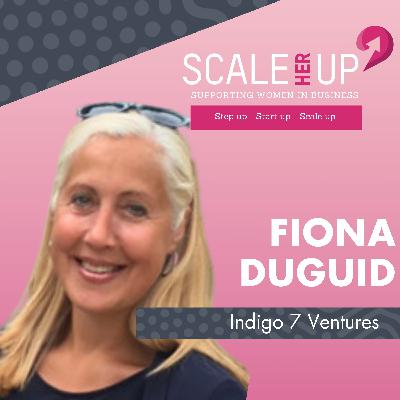
In this episode of Scale HER Up – The Female Entrepreneur Show, I’m joined by Fiona Duguid, co-founder of Indigo Seven Ventures, Chief Information Officer at Aurora Energy Services, and the portfolio lead for Expo Design – a business creating sustainable exhibition and display solutions using engineered fibreboard made from recycled cardboard. Fiona describes how Indigo Seven Ventures invests with a focus on sustainability and “doing good in the world,” while she splits her time between fast-growth energy services and a greener alternative to traditional MDF exhibition builds. Fiona’s career path is anything but linear. She started in medicine, switched to mechanical engineering at the University of Cape Town, worked in the nuclear industry, then pivoted into software development and technical sales in London – eventually becoming a senior account manager at Halliburton, working across Latin America, Europe and Houston before making Aberdeen home. Through each change she’s been one of very few women in the room, learning how to negotiate pay, hold her own in male-dominated spaces and back herself. We dive deep into the gender pay gap, why women often wait to be “noticed” while men actively negotiate, and how language, body language and “knee-capping” ourselves with constant apologies holds us back. Fiona shares why coaching, mentors and honest feedback are so powerful for women – and why we have to stop assuming good work will automatically be rewarded. From an investor’s perspective, she explains what Indigo Seven Ventures looks for in opportunities: values-aligned people, authenticity, realistic plans and a clear understanding that things will take longer and cost more than you think. We also talk about the funding gap for women-led businesses, how to aim higher when you’re raising money, and why asking for help on LinkedIn or in your network is often the most underused strategy. Above all, this is a conversation about self-belief. Fiona is candid about underestimating herself early on, and the mindset shift that came when she realised she was “so much more able” than she’d ever given herself credit for. Her message to younger women – and to all of us – is clear: trust yourself, reach higher, and be the master of your own destiny. In this episode, we cover:What Indigo Seven Ventures does and how Fiona and her husband involve their (adult) children in learning about investmentFiona’s portfolio roles: CIO at Aurora Energy Services and leading Expo Design, using recycled cardboard honeycomb board for sustainable exhibitions and activationsA non-linear career journey: medicine to mechanical engineering, nuclear industry, software development, technical sales and global account managementBeing “the only woman in the room” in engineering, tech and energy – and the reality of the gender pay gapWhy women often stay too long in roles, expecting good work to be recognised, while men tend to move and negotiate for higher salariesThe concept of “knee-capping” ourselves in emails and meetings with apologetic language – and how Fiona now edits her words to show she belongs at the tableHow coaching, mentors and good courses can transform women’s confidence around money, negotiating and career progressionWhat early-stage businesses often underestimate: the sheer number of hats you wear and the importance of knowing your strengths and weaknessesAdvice for women seeking...
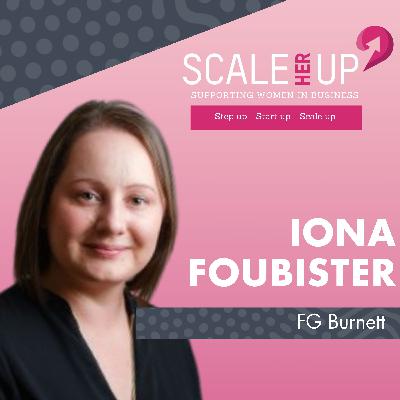
In this episode of Scale HER Up – The Female Entrepreneurs Show, I’m joined by Iona Foubister, Director and Building Surveyor at FG Burnett, a long-established firm of chartered surveyors and commercial property consultants based in Aberdeen. Iona lifts the lid on what FG Burnett actually does – from those “For Sale” and “To Let” boards you see around town, to building surveys, schedules of condition, property management, valuations and rating advice. If you’ve never leased or bought commercial space before, this conversation is a must-listen. Iona explains why taking professional advice before you sign a lease or purchase agreement can save you tens of thousands of pounds later, and why a schedule of condition is so important for protecting your business at the end of a lease. She also talks honestly about being a woman in a traditionally male-dominated profession, her route from graduate to board director, and the realities of running a small professional services firm in a changing Aberdeen market. We also dig into wider industry challenges – from the impact of the oil crash and COVID on office space, to a looming shortage of building surveyors as university courses close and firms pivot to graduate apprenticeships. Through it all, Iona comes back to two big themes: enjoying your work and believing in yourself as your experience grows. In this episode, we cover:What FG Burnett actually does: building consultancy, sales and lettings, property management, valuation and rating – and how these departments work together for clients The big differences between buying/leasing a home and taking on commercial property – and why there’s no “home report” safety net in the commercial worldWhy business owners should always take surveyor advice before leasing or buying, and how a schedule of condition can drastically limit your dilapidations bill at lease end The hidden risk of letting the landlord’s team have professional advice while you try to negotiate on your ownIona’s career journey: RGU building surveying degree, APC, becoming chartered, then progressing through senior surveyor and associate to Director and board member in around 10 years What changes (and what doesn’t) when you join the board – from 5-hour board meetings to being a voice for employees while still being “one of the team” at lunchtimeThe reality of working in a small firm competing with global consultancies – doing your own BD, networking, articles and social media alongside client work How Aberdeen’s oil downturn and COVID have reshaped the office market: remote working, empty buildings, refurbishments and even demolitionsThe challenge of educating landlords that the old days of “do nothing and they’ll still take it” are over – investment and upgrades are now essential to attract tenants A looming skills shortage: RGU closing its building surveying course, the shift to graduate apprenticeships, and what that means for salaries, recruitment and training time in small firms Being a woman in building surveying: expectations vs reality, why she hasn’t personally experienced major barriers, and the importance of visibility for future female surveyorsThe mindset shift from needing constant reassurance to trusting your own professional judgement as your experience growsAbout Iona FoubisterIona Foubister is a Director and Building Surveyor at FG Burnett, an Aberdeen-based firm of chartered surveyors

On this episode of Scale HER Up – The Female Entrepreneur Show, I’m joined by Alana Innes, founder of Rethink Accountancy – a fully digital, remote-first accountancy practice that was paperless and cloud-based long before it became the norm. After 20 years in traditional firms and being told she had to be in the office, Alana walked away from corporate life to design a business that fits the way she wants to live and work. What started as “just enough for travel beer tokens” has grown into a team of around 18, supporting SMEs and e-commerce brands all over the UK with bookkeeping, accounts, payroll, tax and plain-English advice. Alana shares honestly about rapid growth during the pandemic, losing clients when side-hustles closed, closing over 200 companies in two years, and how she’s reset the business so it can scale sustainably again. We talk about what it really takes to build a values-driven, remote team, why she refuses shoeboxes of receipts, and how her mum’s quiet support behind the scenes made it possible for her to go all-in on her business. If you’re a woman who wants more flexibility, freedom and balance – without sacrificing ambition – this conversation will give you a big dose of reassurance and practical insight. In this episode, we cover:How 20 years in traditional accountancy led Alana to create Rethink AccountancyStarting a remote, paperless, cloud-based firm before the pandemic made it trendySupporting SMEs and online/e-commerce businesses with full back-office finance supportWhy Rethink won’t accept boxes of receipts – and what “digital first” really looks like in practiceMaking tax understandable: unlimited email questions and ditching the jargonThe impact of COVID: rapid client growth, then the reality of side-hustles closingClosing 200+ businesses in 24 months – and what that taught her about failure and resilienceMajor legislation changes like Making Tax Digital and what they mean for sole tradersBuilding an 18-strong hybrid team and creating a culture of openness and flexibilityBeing more selective about clients and pricing as the business maturesWhy mindset and work–life balance matter more to her than corporate statusHer advice to women who want to start or scale a business but are scared to take the leap About Alana InnesAlana Innes is the founder of Rethink Accountancy, a remote, cloud-based firm specialising in SMEs and online/e-commerce businesses across the UK. After two decades in traditional accountancy, she launched Rethink nearly eight years ago to create a more flexible, digital-first way of working – for herself, her team and her clients. Today, Rethink provides full finance support from bookkeeping and accounts to personal tax, payroll and advisory, all delivered in plain English and with a strong focus on culture, balance and client relationships
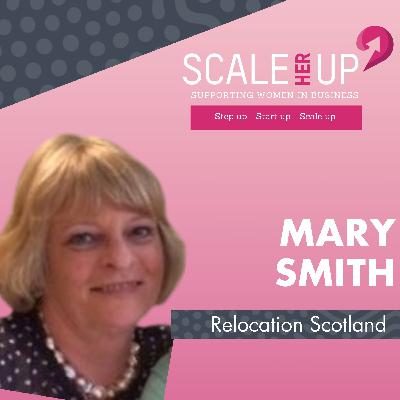
In this episode of Scale Her Up, Brenda Hector sits down with Mary Smith, founder of Relocation Scotland, who has spent 30 years helping individuals and families relocate to Scotland and call it home. From housing and schools to bank accounts and culture shock, Mary and her team support people through every step of a global move. Mary shares how her own experiences living abroad in Zambia, South Africa, Australia and Singapore led her to spot a gap in support for expats and ultimately build a relocation business in Aberdeen. She explains the difference between working for landlords versus tenants, why trust and honesty are crucial in relocation, and how going the extra mile creates lifelong relationships (and holiday invitations all over the world).Mary also opens up about the realities of running a small business in a volatile energy-driven economy, growing a team from just herself to 12 and back to four, and the challenges of recruiting, managing and sometimes letting people go. She talks about the importance of having the right contracts, HR support and external advice when you are building a team for the first time.We also explore the emotional side of entrepreneurship. Mary reflects on losing her mum at 11, growing up quickly, working in her dad’s grocery, delicatessen and wine business, and how his “three options” advice helped her take the leap into business. She shares the message she’d give to her 18-year-old self about confidence, speaking up and not letting self-doubt quietly eat away at you.If you’ve ever considered working internationally, starting a service-based business, or you just want a real and honest look behind the scenes of global mobility, this conversation will give you both practical insights and a powerful reminder to back yourself.In this episode, we cover:How Relocation Scotland supports tenants from first conversation to fully settledWhat really happens behind the scenes of a corporate relocationThe power of empathy, trust and honest communication with clientsRiding the peaks and troughs of Aberdeen’s energy-driven economyGrowing and managing a team in a small, niche industryThe influence of Mary’s entrepreneurial father and early work experienceConfidence, imposter feelings and the importance of having the right networkMary’s dad’s three options for any big decision – and how they still guide her todayAnd as always, Brenda closes by reminding us of the huge untapped potential of female-led businesses: when women start and scale companies to the same extent as men, we can add billions to the UK economy and create millions of jobs.
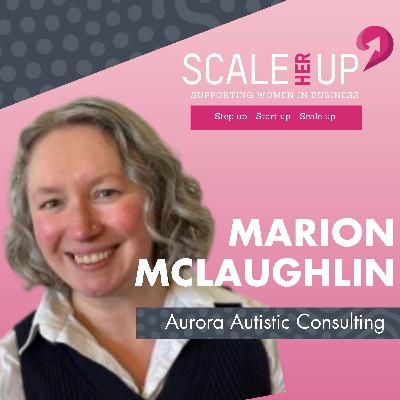
In this powerful episode of Scale HER Up – The Female Entrepreneurs Show, I’m joined by Marion McLaughlin, founder of Aurora – an autistic-led business that supports organisations to better understand and work with autistic and neurodivergent people. After years in the third sector delivering “womb to tomb” services for autistic people, Marion hit burnout trying to juggle passion with an unsustainable workload. Starting a business was never on their to-do list – yet Aurora has become the most aligned, impactful way for them to use their lived and professional experience. Marion is autistic, non-binary and disabled, and brings a deeply intersectional lens to the conversation. We talk honestly about what it really feels like to be autistic in noisy workplaces, in healthcare systems that often don’t listen, and in a political climate that is challenging for trans and non-binary people. They share how concepts like monotropism(interest-based attention and “flow tunnels”) can be a superpower at work – if leaders understand how to support it. This episode is full of practical advice for managers and business owners: how to respond when someone discloses they’re autistic, why “can you just pop into my office later?” can trigger panic, and how to manage change in ways that respect people’s sensory needs, energy levels and humanity. Marion also talks about creating Autistic Pride Aberdeen, developing courses like “My Child Is Autistic – What Now?”, and why good allies and “accomplices” are essential if we want a genuinely inclusive world. If you want your business to be safer and more supportive for autistic, neurodivergent and gender-diverse people – this conversation is a must-listen.In this episode, we cover:Marion’s journey from teacher and third-sector CEO to founder of autistic-led consultancy AuroraMarion McLaughlinWhy disclosing autism at work is an act of bravery – and how managers should respondPractical examples of reasonable adjustments: lighting, noise, sensory needs, flexible dress codes and moreHow not to respond when someone says the environment is difficult for them (“nobody else has a problem with it…” vs “thank you for telling me”) The impact of big life transitions (moving house, pregnancy, menopause, marriage) on autistic support needs and performance at workThe brilliant Star Trek analogy: why you can’t expect staff to operate at “Warp 9.9” all the timeThe quote we all need: “If the most I have to give today is 40%, and I give 40%, I’ve still given 100% of what I’ve got.” Monotropism explained – attention tunnels, deep focus and why constant task-switching is so costlyHow everyone (not just autistic people) can use monotropism principles to get into flow and do better workWhat businesses get wrong – and right – about supporting non-binary and trans team membersWhy inclusive toilets, policies and explicit support for trans and autistic staff really matter right now The story of Autistic Pride Aberdeen, info-dump events, giant bubbles in the park and building joyful autistic community Marion McLaughlin is the founder of Aurora, an autistic-led organisation providing training, consultancy and one-to-one support around autism and neurodiversity. A former primary school teacher and charity CEO, Marion has supported autistic people of all ages in “womb to tomb” services and now works with businesses, schools, universities, charities and healthcare providers to create more neuro-affirming environments. Autistic,
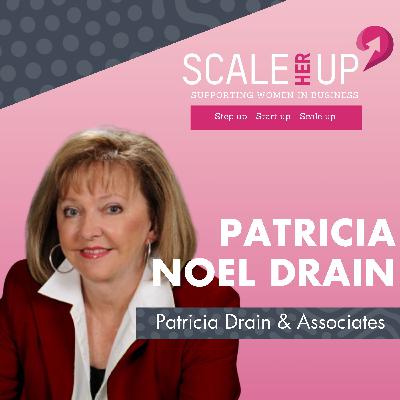
Patricia Noel Drain, founder of Patricia Drain & Associates, author of 14 books, former teacher and executive recruiter turned mentor for women 50+. Patricia helps female entrepreneurs over 50 work less and make more—doing what they love. We talk reinvention, building saleable businesses with systems (she created 27 to step out of day-to-day), and designing life around freedom, not busyness. She shares the health scare that forced a reset, the power of digital productsand high-ticket offers, and why women must give themselves permission to earn well. Expect practical prompts to find your zone of genius, say no to misfit work, and—above all—put yourself on your own calendar.In this episode:Why she mentors women 50+ to work less, earn more—and how reinvention often starts at 50.From brick-and-mortar recruiter to exit: building 27 systems so the business could run (and sell) without her.Health wake-up call → boundaries: freedom is the point; schedule you first.Digital products and packaging expertise; thinking bigger with values-aligned, high-ticket containers.Writing 14 books (including a children’s book about self-worth) after being told she “couldn’t write.”Coaching mindsets: “You can’t sell you,” “Just because you can doesn’t mean you should,” and follow your flow.Advice to her 18-year-old self: think bigger, then bigger again—there are no limits except the ones you set.
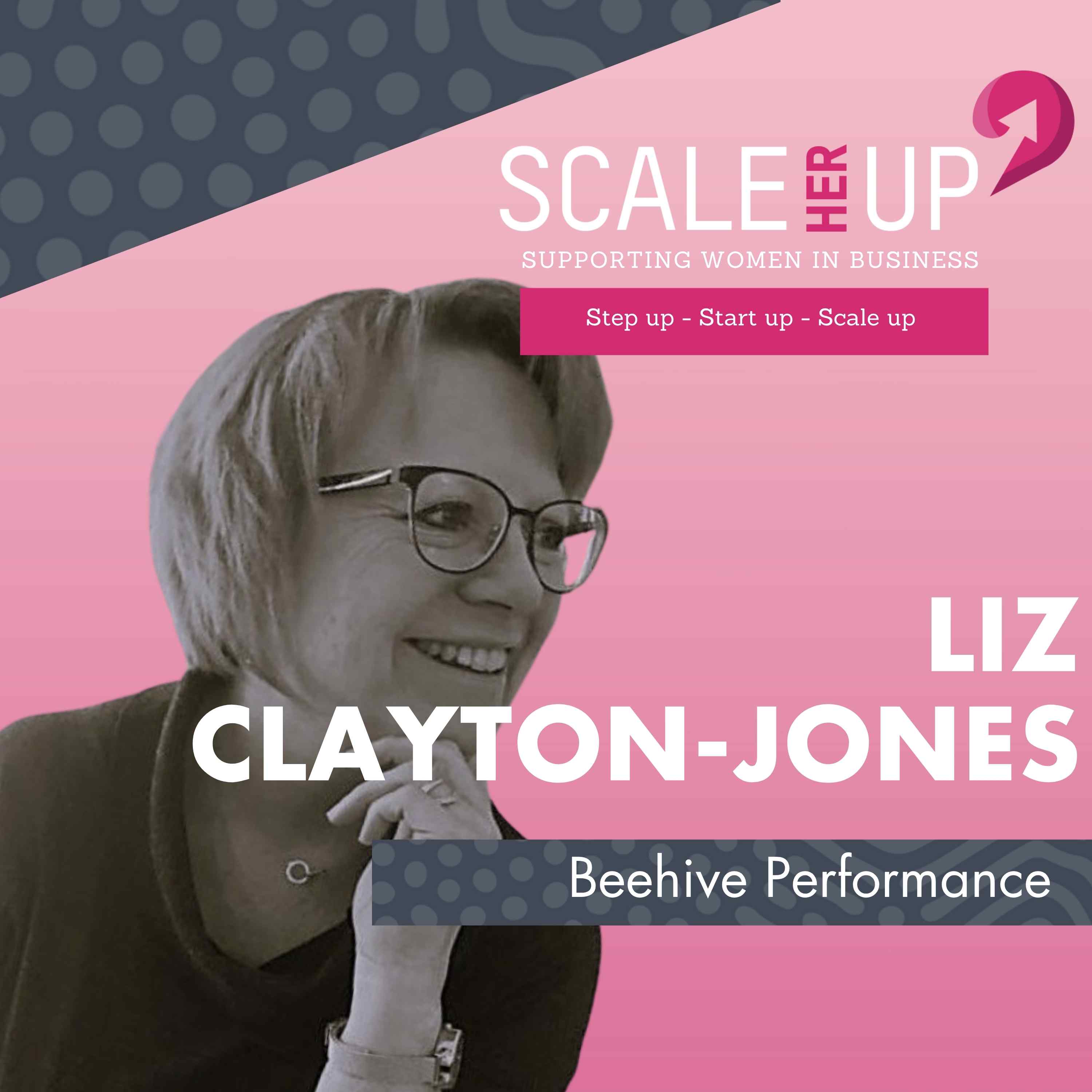
Liz Clayton-Jones, founder of Beehive Performance, advanced strengths coach and former corporate leader. Liz helps science, research and manufacturing teams become truly high-performing by putting people at the heart of every success. She shares her leap from 31 years in corporate to building a business from the heart (not just the head), why she once walked away from a signed contract that wasn’t a values fit, and how an experimentation mindset (“you can’t fail an experiment—you only get unexpected outcomes”) unlocks progress in life and work. We dig into inclusive teams (including neurodiversity), strengths-based leadership, and practical ways to support women through menopause at work—from honest manager conversations to flexible, “reasonable” adjustments that keep great people in the room.In this episode:Building people so people build the business (strengths, engagement, team performance)Leaving corporate: breathing space, ditching the “shoulds,” and designing work your waySaying no to misfit clients and magnetising the right ones through authenticity and referralsMenopause and work: you’re not broken; strengths + small adjustments beat stigmaThe one-month experiment: try, note results, keep what works—applies to health, leadership, and culture
Suz Bird, founder of Bird & Emmy, is a social media strategist working with SMEs across Scotland and the UK. She breaks down how to ditch “post for the algorithm” thinking, build a simple strategy that serves your business goals, and stay sane as a solo founder and single parent. We talk retainer vs project vs training models, why food-and-drink brands spark creative scrappiness, and how to use testimonials, co-mentors and tiny environmental shifts to quiet the inner critic. Suz shares her start-up story (redundancy, separation, first clients from community work), her love–hate with social media, practical networking habits, and plans to expand in-person workshops and DIY-friendly products so time-poor founders can still get results. In this episode:Mindset first: social media as part of marketing, not a separate chore—and why clarity on audience beats chasing virality. Three ways she works: retained strategist, finite projects to build a plan and hand over, and one-to-one or workshop training. Solo doesn’t mean alone: using feedback forms, DMs and local networks to combat isolation and spark referrals. Get out of your own way: change the room, take a walk, then act—perfectionism is the enemy of momentum. What’s next: more live workshops and practical resources for founders without retainer budgets.
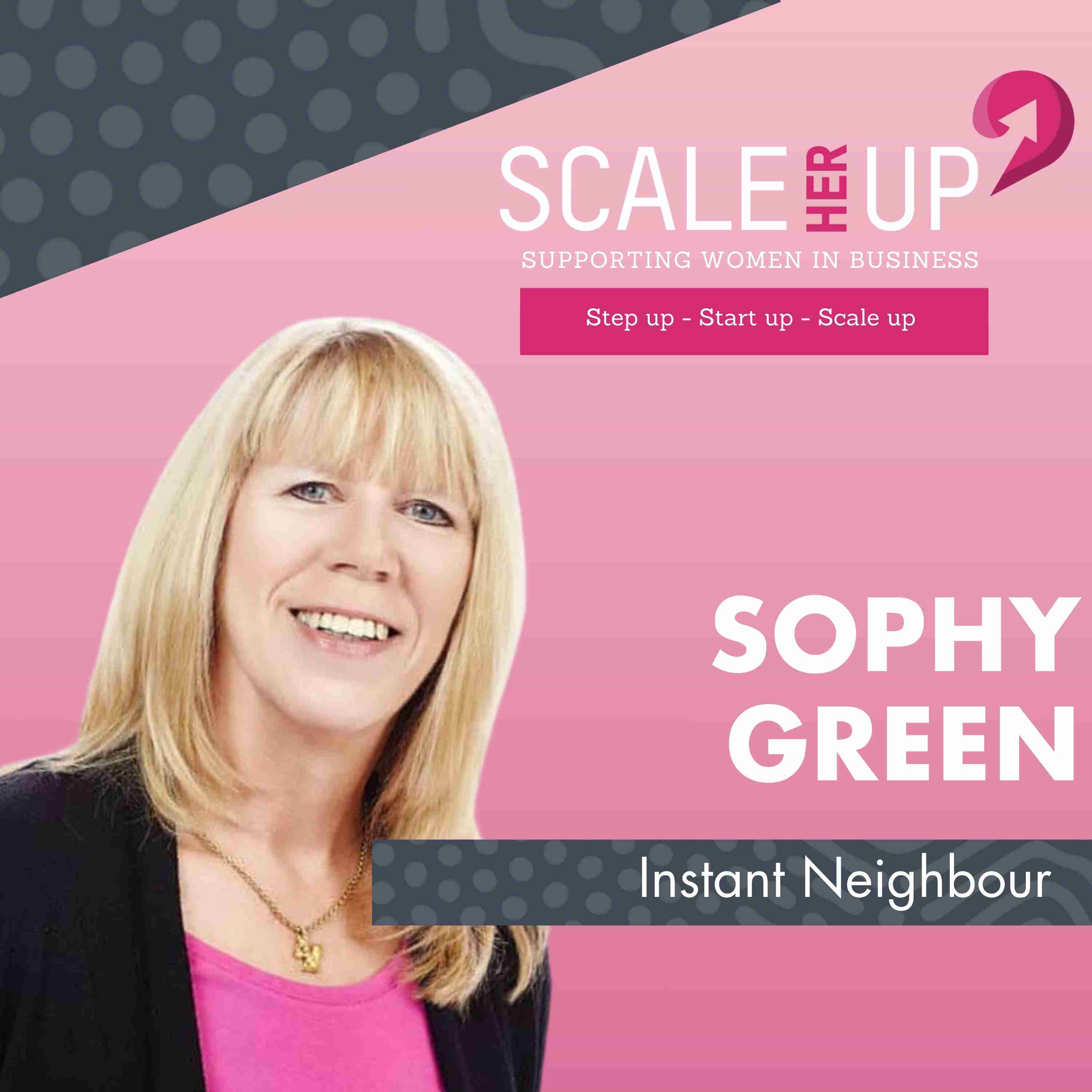
Guest: Sophy Green, Chief Executive of Instant Neighbour, a 40-year Aberdeen charity and social enterprise. Sophy lifts the lid on balancing compassion with commercial discipline: running a food bank and the Giving Tree appeal, generating 85–90% of income through shops, an online store, joinery and carpet services, and delivering council contracts. We talk board governance (“nose in, hands off”), rising demand through the cost-of-living crisis, funding realities, and the tough calls—closing sites, restructuring, and still protecting frontline services. Sophy shares how she future-proofed with e-commerce, avoids “shiny object” projects by staying close to mission, and why leaders must chHead & Heart Leadership: Sophy Green on Running a Modern Charity That Workseck whether decisions are driven by the head or the heart. She credits coaching and regular “helicopter view” pauses for better choices, and ends with practical ways people can help this Christmas—volunteering, donating quality furniture, selection boxes, or money.
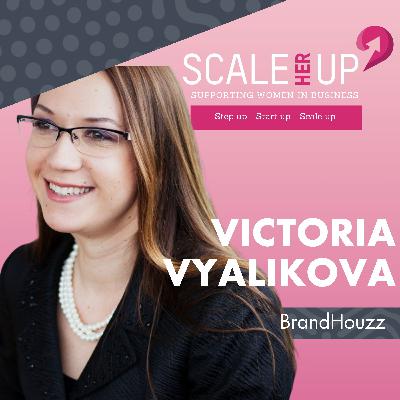
Victoria Vyalikova, founder of Brand House, a digital marketing agency serving B2B and professional services from Aberdeen to international markets. We talk about building a specialist-first team, the associate model, and why honesty and transparency are the ultimate growth levers. Victoria shares her journey from Big Four marketing to launching during downturns, navigating COVID, and treating AI as a productivity booster—not a replacement for human judgment. We dig into people-pleasing, perfectionism, pricing fairly when AI speeds work up, and the real “juggle vs. balance” of a founder’s life. In this episode:From EY/KPMG to founder: spotting the local digital gap and starting as a white-label freelancer before hiring in-house.The associate model: why deep specialists beat generalists, and how to find, test, and keep great partners.Values in action: “hard truth over comfortable lie,” expectation-setting, and saying no to conflicting goals.Resilience through shocks: oil crash, COVID, and today’s uncertainty—what held, what changed, what grew.AI at work: where it helps (analysis, content, reporting), where nuance matters, and why she reduced prices as efficiency rose.Personal growth: recovering people-pleaser, perfectionism, therapy/coaching, and redefining “balance” as intentional trade-offs.Early roots: tutoring at 13, problem-solving as an identity, and choosing a career built on earned autonomy.Timestamps:00:00 Intro & Brand House focus (B2B/professional services) • 05:00 Specialist team & associates • 09:30 Reframing creativity • 11:00 Honesty, expectations, and saying no • 15:00 People-pleasing & perfectionism • 19:00 Riding downturns • 20:30 COVID: mental health, demand spike, onboarding associates • 24:00 AI as opportunity, not threat • 27:00 Pricing with integrity in the AI era • 30:00 Entrepreneur or accident? Problem-solver origins • 33:00 Women as do-ers: “What are we going to do now?”If you’re a female founder aiming for £1m+ turnover by 2030, book a 30-minute coaching chat with Brenda for a practical action plan https://bit.ly/brencares
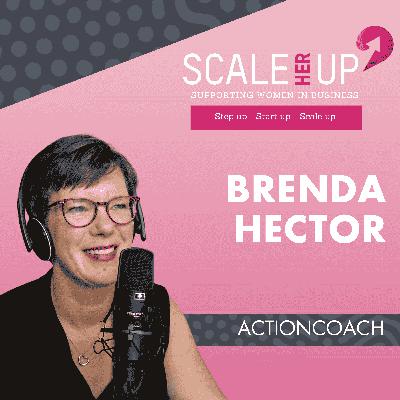
Welcome back to a very special episode of Scale Her Up! After 3 years of podcasts, we’ve officially hit the 100th episode. To celebrate that milestone today, we have Dr. Brenda Hector herself on the podcast. Not only is she the regular host of ScaleHerUp, she's a business development coach with ActionCoach, dedicated to helping business owners grow their business and achieve their dream. Today though, she’ll be in the hot seat, and we'll get a glimpse into her motivations and experiences. We will reflect on the last 100 episodes, the impact it has had for her, and talk about what her career journey has been like up to this point. On this episode we talk about the best advice she's ever been given, how the Rose Review ignited her passion for supporting female entrepreneurs, her Business Excellence Awards win, and how the last 100 episodes have shaped her. Be sure to follow our instagram @scaleherup and also her Linkedin at Brenda Hector for daily motivational updates and exciting future plans.
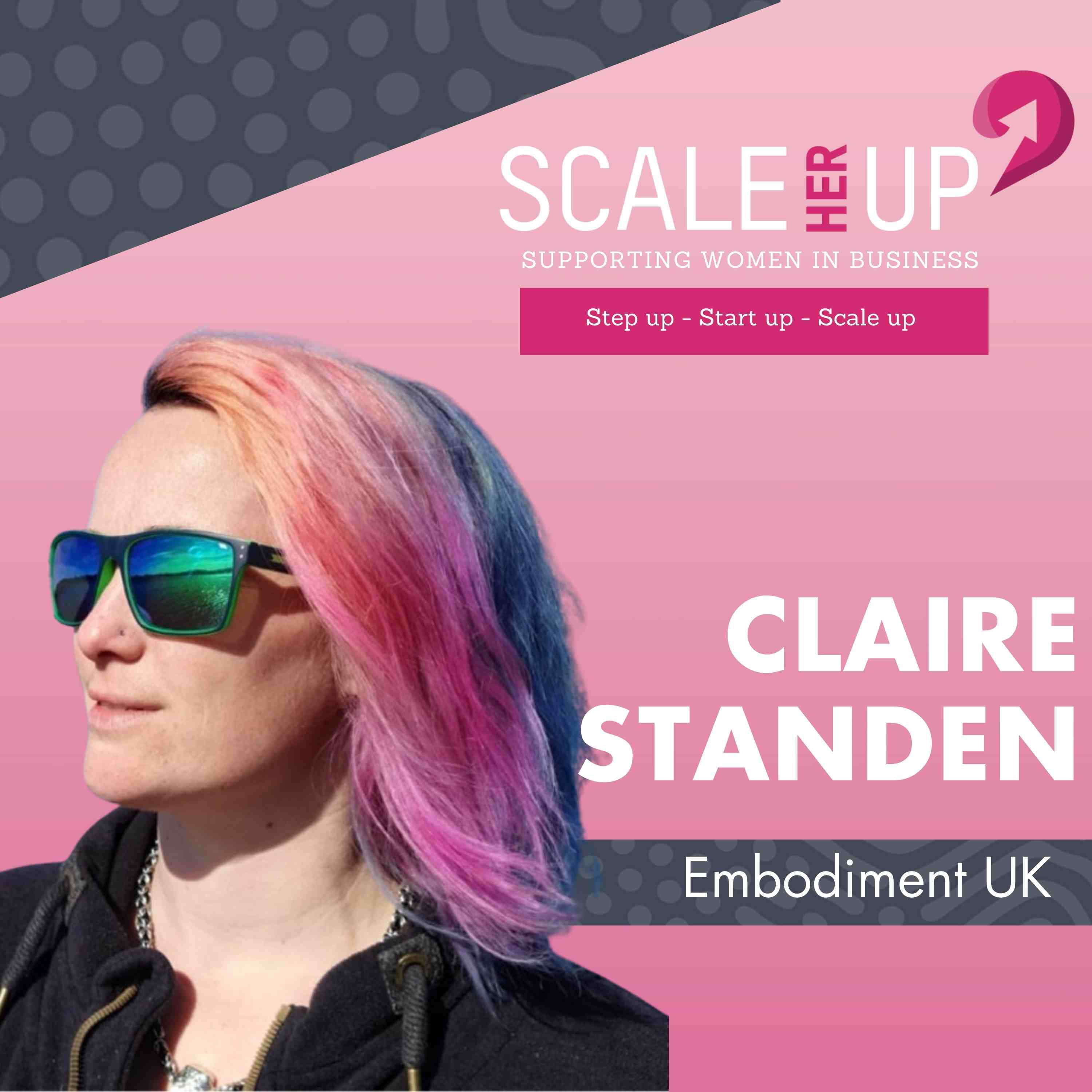
In this Scale HER Up episode, coach and trainer Claire Standen (Embodiment UK) explains how to move beyond Mental Health First Aid into embodied, trauma-informed leadership. We discuss reading behaviour as communication, nervous-system tools for teams, and the realities of leaping from employment to entrepreneurship as a single mum. Includes practical steps for culture change and performance. Chapters:00:00 Intro & who is Embodiment UK 01:00 Why MHFA is just the start 06:00 Behaviour = communication 09:00 Perspective-taking & Poke the Box 13:00 Training vs transformation 15:00 “I am home” insight 28:00 The leap & veterans coaching 31:00 Founder mindset 33:00 Twin support 35:00 Advice to younger self.Book a complimentary coaching call with Dr Brenda Hector https://bit.ly/brencares
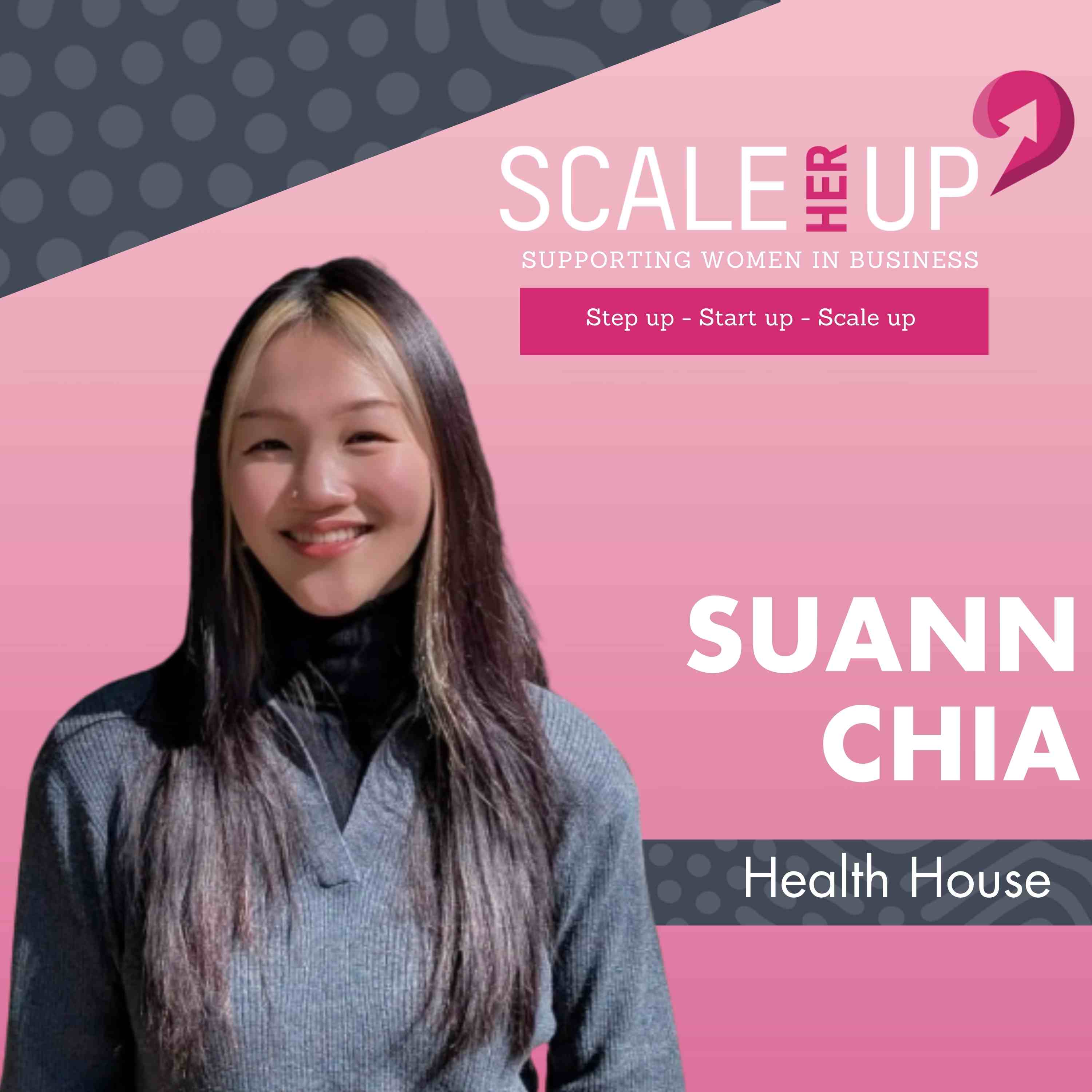
Suann shares why she left employment to create a slower, higher-care model; how small, human touches (yes, a free massage chair!) become talking points; and why most people who take the leap are more likely to succeed than failThe 5 Vs are Vibe, Velcro, Voyage, Visibility and Visceral. Listen to find out what each one represents.Book a free introductory session with Dr Brenda Hector https://bit.ly/brencares
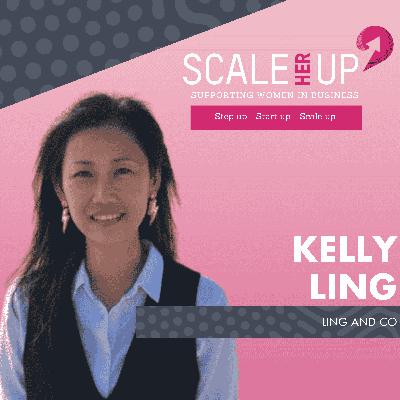
Welcome back to Scale Her Up! Today we have Kelly Ling from Ling and Co joining us. They are a business growth consultancy, all about helping entrepreneurs and business owners simplify their day to day operations and create a strategy that would best help their businesses grow and become more streamlined. She works on everything from brand marketing, to team development and even general operations. In essence she is a master of business problem solving. After training in animations at a university in Singapore, Kelly came to the UK to start her marketing and PR journey. From beginning her career journey in festival producing, to working at the biggest arts festival in the world (the Edinburgh Fringe) to landing a role as an executive at an agency; Kelly is very versed in the world of PR and marketing. In this episode, Kelly speaks about her decision to leave the corporate world and her desire to impact local businesses on a personal level. She goes on to speak about her experience and recovery from burnout, her struggle with perfectionism, the importance of failure, and gender roles in the house and careers. This episode is truly one you won't want to miss, a massive thank you to Kelly for joining us as well. Be sure to follow our instagram @scaleherup and also my Linkedin at Brenda Hector for daily motivational updates and exciting future plans.
Welcome back to Scale Her Up! Today we have Lindsay Conchar from Scots Law Talks with us. They are an educational event and workshop service that sets out to make Scots Law more accessible and understandable. From interactive talks about legal issues, to forensic workshops analyzing blood spatter, their passion is sharing the knowledge to all ages, communities and groups across Scotland. After starting her law traineeship, Lindsay quickly realized soliciting and formal law was not the space she was meant to be in. She still had her passion for justice but didn't know where she'd fit. She took the leap and left, not knowing what her next step was, and fell into education, becoming a lecturer at Dundee and Angus College. There she found her love for teaching and sharing Scots law, which prompted her to start Scots Law Talk during her maternity leave. On today's episode, Lindsay opens up about her advice to those who aren't happy in their current careers and shares how she made the leap. What she's learned since becoming an entrepreneur, the glamorous and not so glamorous sides of business, what it's like working with her husband, and how to deal with the isolation that could come with starting a business. This episode was an absolute delight to film, and a big shoutout to Lindsay for joining us. If you're interested in any of the workshops or events you can find out more at https://www.scotslawtalks.com/. Be sure to follow our instagram @scaleherup and also my Linkedin at Brenda Hector for daily motivational updates and exciting future plans.

Comments

Download from Google Play

Download from App Store
 United States