


 Claim Ownership
The Health In Harlem Podcast
Subscribed: 1Played: 54
Subscribe

© Copyright 2020 All rights reserved.
Description
Hosted by Dr. Maurice Selby, the Health In Harlem Podcast is a weekly talk show that distributes evidence-based information that is vital to healthy living. We discuss everything from hypertension and diabetes, heart disease, mental health and well-being, sexual dysfunction, diet and nutrition and public health and policy that affects the health of everyone here and abroad. Health In Harlem is closely associated with WHCR 90.3FM where the show is broadcast every week Thursday from 7pm to 8pm. Learn more at www.whrc.org.
91 Episodes
Reverse
In this important episode of Health in Harlem, Dr. Maurice Selby and the team are joined by Dr. Arpit Chhabra of the New York Proton Center for a critical conversation on colorectal cancer awareness, prevention, and advances in treatment.
Colorectal cancer remains one of the leading causes of cancer-related deaths in the United States—but it is also one of the most preventable and treatable cancers when detected early. In observance of National Colorectal Cancer Awareness Month, this episode explores the science behind screening, risk factors, and the life-saving impact of early detection.
Dr. Chhabra provides expert insight into:
The importance of routine screening, including colonoscopy and stool-based tests
Risk factors and disparities, particularly in underserved and minority communities
Evidence-based strategies for prevention and lifestyle modification
The evolving role of precision radiation therapy, including proton therapy, in the treatment of colorectal cancers
This episode reinforces a key public health message: screening saves lives, and improving access and health literacy is essential to reducing disparities in outcomes.
Resources & Learn More
Health in Harlem & WHCR 90.3FM
Health in Harlem (WHCR): https://www.whcr.org
Health in Harlem Podcast (Podbean): https://healthinharlem.podbean.com
WHCR 90.3FM (The Voice of Harlem): https://www.whcr.org
Colorectal Cancer Awareness & Screening
CDC – Colorectal Cancer: https://www.cdc.gov/cancer/colorectal
National Colorectal Cancer Awareness Month (CDC): https://www.cdc.gov/colorectal-cancer/screening/?CDC_AAref_Val=https://www.cdc.gov/cancer/colorectal/basic_info/screening/index.htm
American Cancer Society: https://www.cancer.org/cancer/colon-rectal-cancer.html
U.S. Preventive Services Task Force (USPSTF) Screening Guidelines: https://www.uspreventiveservicestaskforce.org/uspstf/recommendation/colorectal-cancer-screening
New York Proton Center
New York Proton Center: https://www.nyproton.com/
Why This Episode Matters
Improving awareness and access to colorectal cancer screening is a critical step toward closing the gap in cancer outcomes, especially in communities historically affected by health inequities. This episode equips listeners with the knowledge needed to take action, advocate for their health, and support loved ones in doing the same.

In this episode of Health in Harlem on WHCR 90.3 FM, Dr. Maurice Selby and Reid Vero explore an often-overlooked pillar of cardiovascular health: sleep. In recognition of American Heart Month, the program examines how both sleep duration and sleep architecture—the structure and stages of sleep—play a critical role in maintaining heart health and overall well-being.
Listeners will learn how the body cycles through stages of non-REM and REM sleep, why these stages are essential for physiologic recovery, and how disruptions in sleep patterns can contribute to increased risks of hypertension, metabolic disease, and cardiovascular events. The episode also discusses how certain medications, sleep disorders, and lifestyle factors can alter sleep architecture and affect long-term health outcomes.
Importantly, the conversation connects sleep health with the American Heart Association’s Life’s Essential 8, a science-based framework for improving and maintaining cardiovascular health through eight key lifestyle and health metrics—including sleep.
As always, Health in Harlem aims to promote evidence-based health literacy, helping listeners better understand the science behind health recommendations while dispelling common myths and misconceptions.
Learn More
Health in Harlem
Health in Harlem (WHCR 90.3 FM):
https://whcr.org
Health in Harlem Podcast:
https://podcasts.apple.com/us/podcast/the-health-in-harlem-podcast/id1522090996https://open.spotify.com/show/5PpTWeGSQHHAP5QHFWAyTW
Cardiovascular Health Resources
American Heart Association – Life’s Essential 8:
https://www.heart.org/en/healthy-living/healthy-lifestyle/lifes-essential-8
American Heart Association – Sleep and Heart Health:
https://www.heart.org/en/healthy-living/healthy-lifestyle/sleep
Centers for Disease Control and Prevention – Sleep and Heart Disease:
https://www.cdc.gov/sleep
National Heart, Lung, and Blood Institute – Why Sleep Matters:
https://www.nhlbi.nih.gov/health/sleep
About Health in Harlem
Health in Harlem is a weekly radio show and podcast on WHCR 90.3 FM dedicated to improving health literacy and community health awareness through reliable, evidence-based medical information. Hosted by Maurice Selby, the program features expert guests and discussions on public health, prevention, and emerging medical research.
For this episode of Health In Harlem, Dr. Maurice Selby sits down with Lili Barouch, cardiologist at Johns Hopkins University and the Director of the Sports Cardiology Program, for an in-depth and empowering conversation about heart health, physical activity, and heart disease prevention during American Heart Month 2026.
February is recognized nationally as American Heart Month, a time to raise awareness about cardiovascular disease—the leading cause of death in the United States. In this episode, Dr. Barouch explains:
Why heart disease remains the #1 killer of both men and women
How hypertension, diabetes, obesity, and sedentary lifestyles disproportionately affect minority and marginalized communities
The critical role prevention plays in reducing long-term cardiovascular risk
Dr. Barouch highlights how even modest increases in physical activity can significantly lower blood pressure, improve cholesterol levels, enhance insulin sensitivity, and reduce overall cardiovascular mortality.
One of the central themes of this episode is that movement is medicine. Dr. Barouch reviews the evidence behind:
The recommended 150 minutes per week of moderate-intensity aerobic activity
The importance of strength training for cardiovascular and metabolic health
How physical activity reduces inflammation and improves vascular function
Practical strategies to incorporate movement into busy schedules
Importantly, the discussion addresses common misconceptions—such as the belief that exercise must be intense or gym-based to be beneficial. Walking, dancing, gardening, and community-based activities all count.
For communities like Harlem and similar urban environments, the episode also touches on structural barriers to exercise—including safety, access to green space, and time constraints—and offers realistic, culturally relevant solutions.
Resources for Listeners
American Heart Month
https://www.heart.org/en/american-heart-month
https://www.heart.org/en/healthy-living/healthy-lifestyle/lifes-essential-8
Physical Activity and Heart Health
https://www.heart.org/en/healthy-living/fitness/fitness-basics/aha-recs-for-physical-activity-in-adults
🎙 About Health In Harlem
Health In Harlem is a public health–focused radio program and podcast dedicated to improving health literacy and combating misinformation with evidence-based, expert-led discussions.
Learn more and listen:
WHCR 90.3 FM (The Voice of Harlem): https://www.whcr.org
Health In Harlem Podcast (Spotify, Apple Podcasts, Podbean, Amazon Music)
Follow updates and episode releases via WHCR programming listings
In observance of American Heart Month 2026, Dr. Maurice Selby welcomes leading cardiologist and epidemiologist Donald Lloyd-Jones to Health in Harlem** for an in-depth, evidence-based discussion on cardiovascular health, prevention science, and what our community can do right now to reduce heart disease risk.
Heart disease remains the leading cause of death in the United States, disproportionately impacting Black and other marginalized communities. In this powerful and accessible conversation, Dr. Lloyd-Jones breaks down:
The current state of cardiovascular disease in America
Why prevention must begin early and across the lifespan
The science behind the Life’s Essential 8 framework
The critical role of blood pressure control, cholesterol management, diabetes prevention, nutrition, physical activity, sleep health, and tobacco cessation
How community-based education and health literacy can change outcomes
Drawing from decades of research—including data from the landmark Framingham Heart Study—this episode connects foundational science with practical strategies our listeners can implement in their daily lives.
As always, Health in Harlem strives to provide reliable, evidence-based information grounded in public health best practices and evidence-based medicine, while empowering communities with tools to improve long-term health outcomes.
You can listen live on WHCR 90.3 FM or stream the podcast version wherever you get your podcasts.
🔗 Resources & Links
Learn More About Health in Harlem
Health in Harlem Podcast: https://healthinharlem.podbean.com
WHCR 90.3 FM: https://www.whcr.org
American Heart Month 2026
American Heart Month (NIH/NHLBI): https://www.nhlbi.nih.gov/education/american-heart-month
Life’s Essential 8
Life’s Essential 8 Overview (American Heart Association):
https://www.heart.org/en/healthy-living/healthy-lifestyle/lifes-essential-8
In this episode of Health In Harlem, Dr. Maurice Selby is joined by Dr. Marion Nestle, Paulette Goddard Professor of Nutrition, Food Studies, and Public Health, for an in-depth discussion of the 2025–2030 Dietary Guidelines for Americans. Together, they break down what’s new, what’s changed, and why these guidelines matter for everyday health—especially for communities that continue to face disproportionate rates of diet-related chronic disease.
Dr. Nestle helps listeners understand how dietary guidance is developed, the science behind current recommendations, and the ongoing controversies and misconceptions surrounding nutrition policy. The conversation also explores practical, evidence-based approaches to eating patterns that support long-term health and cardiovascular disease prevention, cutting through misinformation that often dominates nutrition discussions.
As always, Health In Harlem focuses on improving health literacy and empowering listeners with reliable, science-based information they can trust.
Dr. Marion Nestle
Food Politics Newsletter: https://foodpolitics.com
Heart-Healthy Nutrition & Cardiovascular Disease Prevention
American Heart Association – Healthy Eating:
https://www.heart.org/en/healthy-living/healthy-eating
Health In Harlem & WHCR 90.3 FM
Health In Harlem: https://www.whcr.org
Health In Harlem Podcast – Lessons Learned from Dry January (2026)
In this episode of Health In Harlem, Dr. Maurice Selby and Reid Vero reflect the lessons learned from Dry January in years past to inform actions regarding alcohol use in 2026. The conversation explores how alcohol use affects physical health, mental well-being, sleep, metabolism, cardiovascular health, and overall quality of life, while also addressing the social and cultural role alcohol plays in many communities.
Listeners will hear an evidence-based discussion on the potential benefits of reducing or abstaining from alcohol, common misconceptions around “healthy” drinking, and practical takeaways for anyone reconsidering their relationship with alcohol—whether for a month or long term. As always, this episode emphasizes health literacy, informed decision-making, and meeting people where they are in their health journey.
This program is for educational purposes only and does not substitute for care from a licensed medical professional.
Learn more and stay connected:
Health In Harlem Podcast: https://healthinharlem.org
WHCR 90.3 FM (The Voice of Harlem): https://www.whcr.org
Listen and subscribe on major podcast platforms by searching Health In Harlem Podcast
For reliable, evidence-based information on alcohol use and health, visit:
CDC – Alcohol and Public Health: https://www.cdc.gov/alcohol
CDC- Check Your Drinking Tool: https://www.cdc.gov/alcohol/checkyourdrinking/index.html
National Institute on Alcohol Abuse and Alcoholism (NIAAA): 6 Tips for Dry January from the NIAAA- https://www.niaaa.nih.gov/about-niaaa/directors-page/niaaa-directors-blog/kicking-new-year-with-dry-january-here-are-six-tips-success

As we look ahead to a new year, Health In Harlem invites listeners to rethink the way we approach New Year’s resolutions—especially when it comes to our health. In this episode, we explore how evidence-based goal setting, realistic expectations, and community-centered strategies can help people make sustainable changes that last beyond January.
Whether your goals involve nutrition, physical activity, stress management, or preventive care, this episode offers thoughtful insights designed to meet people where they are and help them move forward safely and confidently.
Health In Harlem is committed to providing accurate, accessible, and evidence-based health education for the community—on the air, online, and beyond.
Centers for Disease Control and Prevention: Influenza Update
https://www.cdc.gov/fluview/surveillance/2025-week-50.html
Centers for Disease Control and Prevention: Norovirus Information
https://www.cdc.gov/norovirus/about/index.html
National Weather Service: Cold Weather Safety
https://www.weather.gov/safety/cold
In this episode of Health In Harlem, Dr. Moe Selb and Reid Vero get together to bring you tips and strategies that will get you through this holiday season in the healthiest way possible. Everything from how to be more physically active to financial tips to reduce stress during the holiday shopping season. As we round out the 2025 calendar year, the tips in this show serve as a great guide to preparing for 2026 as the information in this program could serve as the on ramp to hitting the ground running with your new year's resolutions!
As a bonus, check out these reliable and high quality health education programs and resources:
Those Nerdy Girls- Check out Those Nerdy Girls! Yes, that is exactly who they are! A collection of incredible public health professionals, epidemiologists, clinicians, and researchers that are dedicated to distributing high quality health education to the masses. Real information coming from real people that are really dedicated to improving peoples' lives and their health through health education.
The Vajenda- Created by Dr. Jen Gunter, the Vajenda is an incredible resource on everything regarding women's health. Whether you like short, fun and whitty articles or in-depth interviews and podcasts, the Vajenda has it all. In addition to that, you can get even more evidence-based and reliable information from Dr. Gunter's books, the Vagina Bible and Menopause Manifesto.
Maintenance Phase- Hosted by Michael Hobbes and Aubrey Gordon, the subtitle for this program says it all: "wellness and weight loss debunked and decoded". If you are looking to laugh and learn at the same time, then add this to your podcast library ASAP! Patrons of the show get access to additional bonus programs that supplement the great information from the show all while supporting the great work of this duo.
In observance of World AIDS Day 2025, check out the information below:
World Health Organization- World AIDS Day 2025
Centers for Disease Control- Preventing HIV with PrEP (pre-exposure prophylaxis)
Centers for Disease Control- Preventing HIV with PEP (post-exposure prophylaxis)
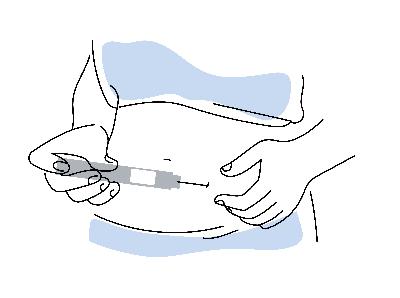
GLP-1 medications like Ozempic, Wegovy, Mounjaro, and Zepbound have exploded into public consciousness as “weight-loss shots”—but what do they actually do inside the body, who are they really for, and what are the risks and benefits beyond the before-and-after photos?
In this episode of Health in Harlem, Dr. Maurice Selby and Reid Vero sit down with Dr. Mary Elizabeth Patti, endocrinologist and physician-scientist at Harvard and the Joslin Diabetes Center, to break down:
How GLP-1 receptor agonists were developed and how they work
Why obesity is a complex, biology-based disease—not a willpower problem
Benefits beyond weight loss, including impact on diabetes, heart health, sleep apnea, kidney disease, and more CDC+1
Real-world barriers to access (cost, coverage, side effects, and equity concerns)
Safety questions around compounded and micro-dosed GLP-1 products Diabetes Journals+1
Where GLP-1s fit alongside lifestyle changes and bariatric/metabolic surgery
The conversation also touches on stigma, body image, and why decisions about GLP-1 therapy should always be individualized and made with a trusted clinician.
Learn more about Health in Harlem & WHCR 90.3FM
Health in Harlem Podcast home: Health in Harlem on Podbean Health In Harlem
Health in Harlem on WHCR 90.3FM: Show page at WHCR 90.3FM WHCR 90.3 FM
Health in Harlem on Apple Podcasts: The Health in Harlem Podcast listing Apple Podcasts
Evidence-based resources on GLP-1 medications
For listeners who want to dive deeper into GLP-1s, diabetes, obesity, and cardiometabolic health:
CDC – Newer diabetes medicines (including GLP-1s): Overview of how GLP-1 medicines lower blood sugar, support weight loss, and protect the heart and kidneys CDC
CDC – GLP-1 injectable use data brief (NHIS 2024): National data on GLP-1 use among adults with diabetes CDC+1
American Diabetes Association (ADA): Guidance on GLP-1 and dual GIP/GLP-1 drugs, including a statement cautioning against non–FDA-approved compounded products American Diabetes Association+1
Endocrine Society – Diabetes treatments & GLP-1 receptor agonists: Patient-focused explanations of how GLP-1s are used, including injectable and oral options Endocrine Society+1
American Association of Clinical Endocrinology (AACE): Updates on GLP-1s in obesity, metabolic dysfunction, and cancer risk reduction AACE+1
American Heart Association (AHA): Professional summaries on GLP-1s and cardiovascular and kidney risk reduction in people with type 2 diabetes professional.heart.org+1
National Library of Medicine (NCBI/MedlinePlus/StatPearls): In-depth clinical reviews of GLP-1 receptor agonists, their mechanisms, benefits, and adverse effects NCBI+2PMC+2
FDA – Safety concerns with unapproved GLP-1 products: Important information on risks of non-approved or compounded GLP-1 drugs marketed for weight loss
In this episode of Health in Harlem, Dr. Maurice Selby is joined by Dr. Judith Prochaska of Stanford University—one of the nation’s leading experts in tobacco addiction and smoking cessation—for a timely discussion in observance of the Great American Smokeout.
Together, they explore the history of tobacco use and research, the evolution of our understanding of nicotine addiction, and the latest evidence-based strategies for quitting smoking. The conversation also tackles myths, misinformation, and stigma surrounding smoking cessation—empowering listeners to take control of their health or support loved ones on their quit journey.
Listeners will learn about:
The health risks of tobacco and nicotine use
Modern cessation tools and treatment options (nicotine replacement therapy, behavioral counseling, and medications)
How to overcome barriers to quitting
The importance of accurate information and supportive community resources
This episode highlights the power of knowledge, compassion, and evidence-based medicine in saving lives and improving public health.
🔗 Learn More & Listen:
🎧 Health in Harlem Podcast – Tips for Quitting Smoking
American Cancer Society: The Great American Smokeout
American Heart Association: Quit Smoking for Good Heart Health
National Library of Medicine: Nicotine Dependence and Treatment Research
Smokefree.gov: Personalized Quit Plans and Resources
Smoking Cessation Hotline: Call 1-800-QUIT-NOW (1-800-784-8669)
Five Reasons Why Calling a Quitline Can Be Key to Your Success: https://www.cdc.gov/tobacco/campaign/tips/quit-smoking/quitline/index.html#:~:text=(1%2D800%2D784%2D8669)&text=If%20you%20are%20thinking%20about,a%20highly%20trained%20quit%20coach.
In this special live episode of Health in Harlem, Dr. Maurice Selby is joined by Dr. Jennifer Braverman (University of Colorado), Dr. Heidi Feldman (Stanford University), and Dr. David O’Banion (Emory University) for an honest, evidence-based conversation about acetaminophen (Tylenol) use in pregnancy and the recent claims linking it to autism.
Together, they unpack the science behind the headlines, explain how to interpret “association” versus “causation,” and emphasize the importance of trust, health literacy, and shared decision-making between patients and healthcare providers. This episode sheds light on misinformation, maternal health, and how to support families navigating developmental diagnoses with compassion and clarity.
✅ Trusted, Evidence-Based Resources:
Centers for Disease Control and Prevention (CDC) – Medication and Pregnancy
American College of Obstetricians and Gynecologists (ACOG) – Acetaminophen Use During Pregnancy
American Academy of Pediatrics (AAP) – Acetaminophen and Children’s Health
National Library of Medicine (NIH/NLM) – Acetaminophen Use and Pregnancy Research
For credible information on autism and child development:
CDC – Learn the Signs. Act Early.
American Academy of Pediatrics (AAP) – Autism Spectrum Disorder Resources
National Library of Medicine (NLM) – Autism Spectrum Disorder Overview
🎙️ Listen, learn, and join the conversation.
At Health in Harlem, we’re not just talking at you — we’re talking with you.
Credits:
The Hill- Trump Tells Pregnant Women 'DON'T TAKE' Tylenol, Contradicting Standard Guidance (https://www.youtube.com/watch?app=desktop&v=ejX-BlTEZTk)
In this powerful episode of Health In Harlem, Dr. Maurice Selby sits down with Dr. Kristin Hsieh, Radiation Oncologist at the New York Proton Center, to unpack the realities of breast cancer—its prevalence, risk factors, early detection, and treatment options.
Dr. Hsieh sheds light on the vital role of proton therapy, an advanced form of radiation that precisely targets tumors while protecting healthy tissue—especially important for patients with left-sided breast cancers or prior chest radiation. Together, they address common myths and misinformation surrounding breast cancer, emphasize the importance of health literacy, and explore ways communities can advocate for equitable access to life-saving care.
This conversation reminds us that awareness must continue year-round—beyond October’s pink ribbons—because early detection saves lives and accurate information empowers communities.
🔗 Learn more:
Health In Harlem: https://open.spotify.com/show/0zR4E9v1K2zjG2vT1IQbnP
📚 Trusted breast cancer resources:
CDC – Breast Cancer Awareness: https://www.cdc.gov/cancer/breast/
American Cancer Society – Breast Cancer: https://www.cancer.org/cancer/breast-cancer.html
National Cancer Institute – Breast Cancer: https://www.cancer.gov/types/breast
National Library of Medicine – MedlinePlus: https://medlineplus.gov/breastcancer.html
New York Proton Center: https://www.nyproton.com/

October is Health Literacy Month, a time to remind ourselves how vital it is to be able to obtain, process, and use health information and services to make informed decisions for better health. In this special episode of the Health In Harlem Podcast, we explore five evidence-based tips for longevity that don’t require fancy gadgets or expensive supplements—just simple, sustainable lifestyle habits that can add years to your life and life to your years.
From the science of movement and nutrition to the power of mindset and sleep, this episode breaks down practical ways to improve your well-being based on credible research, including findings from The New York Times, Sleep Health Journal, and the British Journal of Sports Medicine.
As part of Health Literacy Month, we also highlight the importance of knowing how to find and use trusted and reliable health information—because your ability to understand your health is one of the most powerful tools for longevity.
🎧 Listen now to learn how small, evidence-based actions can lead to a longer, healthier, and more fulfilling life.
🔗 Learn more and explore trusted resources:
🌐 Centers for Disease Control and Prevention – Health Literacy
📖 National Institutes of Health – Clear Communication Initiative
❤️ CDC Healthy Aging and Longevity
📰 The New York Times – Longevity & Wellness
Time for Healing: Health In Harlem Refocused
Health In Harlem is back! In this powerful reboot episode, hosts Dr. Maurice Selby, Reid Vero, Anastasia Deda, and Michael Holmes discuss the renewed mission of Health In Harlem as a not-for-profit organization dedicated to empowering individuals and communities through evidence-based health education.
The team explores the importance of health literacy, the growing threat of health misinformation and disinformation, and the need for credible voices in today’s crowded information landscape. As part of National Immunization Awareness Month, they also celebrate one of humanity’s greatest public health triumphs — vaccines — exploring their history, safety, and the life-saving impact of immunization.
Join us as we refocus our mission to inform, engage, and uplift Harlem and communities everywhere — because health empowerment begins with knowledge.
💡 Learn More and Access Reliable Health Resources:
About Health In Harlem:
Health In Harlem Podcast (insert official link when available)
Trusted Vaccine & Immunization Resources:
Centers for Disease Control and Prevention – Vaccine Basics
World Health Organization – A Brief History of Vaccination
American Association of Immunologists – Vaccine Myths and Facts
New York Times – Vaccines and Autism: What the Evidence Shows
In this special Health in Harlem episode for Prostate Cancer Awareness Month, Dr. Maurice Selby sits down with Dr. Irini Yacoub, Radiation Oncologist at the New York Proton Center, to break down one of the most common cancers affecting men today—prostate cancer.
Together, they explore how early detection and education can save lives, and how modern treatments such as proton therapy are changing the landscape of prostate cancer care. Dr. Yacoub explains how this precise form of radiation therapy can target cancer cells while minimizing side effects and preserving quality of life.
The conversation also dives into health disparities, misinformation, and the stigma that often prevent men—especially Black and minority men—from getting screened and treated early. Tune in for a candid, evidence-based discussion that empowers men, families, and communities to take charge of their health.
🔗 Learn More & Get Involved
Prostate Cancer Foundation Awareness Toolkit: https://www.pcf.org/pcam/toolkit
NCCN Guidelines for Patients – Prostate Cancer: https://www.cdc.gov/cancer/prostate/
New York Proton Center: https://www.nytimes.com/2025/09/02/health/prostate-cancer-rise-reduced-screening.html
#ProstateCancerAwareness #MensHealth #HealthInHarlem #ProtonTherapy #ProstateCancer #EarlyDetection #BlackMensHealth #CancerPrevention #NYProtonCenter #CommunityHealthEducation
In this enlightening episode of Health In Harlem, we’re joined by Dr. Arpit Chhabra, a leading Radiation Oncologist at the New York Proton Center, to explore the cutting-edge world of proton therapy. Dr. Chhabra walks us through how this advanced form of radiation targets tumors with pinpoint accuracy—sparing healthy tissue and reducing side effects for patients battling cancer.
We’ll discuss who benefits most from proton therapy, how it differs from traditional radiation treatments, and what it means for the future of cancer care—especially in pediatric and hard-to-reach tumors.
Located in East Harlem, the New York Proton Center is one of the few centers in the U.S. offering this lifesaving technology. With a commitment to innovation, accessibility, and community outreach, the center is transforming the landscape of radiation oncology in New York and beyond.
🔗 Learn more or refer a patient: www.nyproton.com
📞 Phone: (833) NYPROTON (697-7686)
📍 Address: 225 East 126th Street, New York, NY 10035
📧 Email: info@nyproton.com
Tune in to hear how precision is reshaping hope in cancer treatment.
This week on Health In Harlem, we welcome Rahwa Gebrezghier and Traci Norman of the Addiction Treatment in the Black Community (ATBC) Initiative in Harlem! In partnership with the First Corinthians Baptist Church, the ATBC works to peer support, coping skills, and evidence-based strategies and interventions for Black adults with alcohol-use disorder. The aim of this project is to decrease barriers faced by Black individuals who have alcohol problems or alcohol and other drug problems, and assess whether a computer-based program offered in a Black church is a good way to increase access to care versus standard treatment at a clinic. To learn more or to see if you are eligible to participate, please contact Rahwa Gebrezghier at (917) 873-8109 or email Traci.Norman@nyulangone.org
It sounds ridiculous, but despite the face value of the dictum "physician, heal thyself" doctors need primary care too! In this episode, Health In Harlem's Reid Vero sits with Dr. Moe Selb to talk about his visit to his primary care physician and how to optimize your visit to your primary care provider. Learn why primary care is not only lifesaving, but also a vital part of longevity and living a healthy life.
Weill Cornell- Optimizing Your Care- https://weillcornell.org/news/optimizing-your-care
5 Steps to Optimize Your Doctor's Visit by Dr. Zoe McMillen of LifeScape Premier- https://www.lifescapepremier.com/blogs/5-steps-to-optimize-your-doctors-visit
The Importance of Primary Care- The Economist- https://www.economist.com/special-report/2018/04/26/the-importance-of-primary-care?utm_medium=cpc.adword.pd&utm_source=google&ppccampaignID=17210591673&ppcadID=&utm_campaign=a.22brand_pmax&utm_content=conversion.direct-response.anonymous&gad_source=1&gclid=CjwKCAiA75itBhA6EiwAkho9e1haXhtjagI5eif3qTyswNvlsOt8dKm8X6RpogrFWaM2nD1aX6uUehoC5OUQAvD_BwE&gclsrc=aw.ds
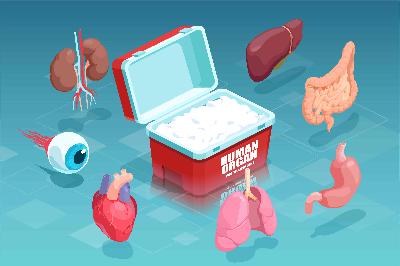
Amidst the miracles of modern medicine that we see in semaglutide, endovascular therapies for stroke, and pandemic ending vaccines, there is one that has been largely overlooked in our day-to-day discourse on what is hot and what is not on the health news scene. LiveOnNY is a non-for-profit organization whose mission is to provide the logistics and infrastructure needed to coordinate successful organ and tissue donation in New york State. In this episode, we sat down with Mr. Leonard Achan, CEO of LiveOnNY to learn about this amazing organization and how we can all save and improve lives through organ and tissue donation.
We are in the midst of a weight loss revolution, and it's not thanks to your local quack-doctor or health guru. Semaglutide, a glucagon like peptide-1 receptor (GLP-1) agonist, is approved by the FDA for weight loss and has been all over the mainstream and social media as a miracle drug that millions are turning to to shed excess weight. But where did this medicine come from and what is the science, and even the risks behind it? That is the topic for this episode of Health In Harlem. As always, we welcome your questions and comments and we hope that you learn from our program and the only thing we ask is that you share what you learn with anyone that will listen. Harlem (aka people of the World), take care of yourself.
Frontiers in Endocrinology: The Discovery and Development of Liraglutide and Semaglutide
https://www.ncbi.nlm.nih.gov/pmc/articles/PMC6474072/
Associated Press: New Guidance: Use Drugs, Surgery Early for Obesity in Kids
https://apnews.com/article/obesity-kids-drugs-surgery-new-guidance-c48d5896114beea7eda31d7b8b25461d
New England Journal of Medicine- Weight and Health
https://www.nejm.org/doi/full/10.1056/NEJMp2214423?query=recirc_curatedRelated_article
New England Journal of Medicine- When Weight Impacts Health
https://www.nejm.org/doi/full/10.1056/NEJMp2215794?query=recirc_curatedRelated_article
Pediatrics: Clinical Practice Guidelines for the Evaluation and Treatment of Children and Adolescents with Obesity
https://publications.aap.org/pediatrics/article/151/2/e2022060640/190443/Clinical-Practice-Guideline-for-the-Evaluation-and?autologincheck=redirected
The New York Times: Ozempic Can Cause Major Weight Loss. What Happens When You Stop Taking It?
https://www.nytimes.com/2023/02/03/well/live/ozempic-wegovy-weight-loss.html

Comments

Download from Google Play

Download from App Store
 United States