


 Claim Ownership
Understanding children and teens by Judy Bartkowiak
Subscribed: 6Played: 18
Subscribe

© Judy Bartkowiak
Description
Understanding Children and Teens is a podcast for parents, educators, coaches and therapists who support the emotional wellbeing of children and teens.
Hosted by Judy Bartkowiak—therapist, author and NLP & EFT trainer—each episode shares practical, gentle tools for helping children manage anxiety, anger, low self-esteem and big feelings.
You’ll hear:
Easy to apply tips for helping your child understand and regulate their emotions
Explanations of NLP techniques and concepts that I believe are super useful for parents
Reflections based on what I am finding in my therapy practice - trends I'm seeing
Chapters from my parenting books to give you a flavour of them and sharing tips and content
Creative ideas using art, metaphor, mindfulness and play
Whether you're raising children or working with them, these short, compassionate episodes will support you and the young people in your care.
judybart.substack.com
Hosted by Judy Bartkowiak—therapist, author and NLP & EFT trainer—each episode shares practical, gentle tools for helping children manage anxiety, anger, low self-esteem and big feelings.
You’ll hear:
Easy to apply tips for helping your child understand and regulate their emotions
Explanations of NLP techniques and concepts that I believe are super useful for parents
Reflections based on what I am finding in my therapy practice - trends I'm seeing
Chapters from my parenting books to give you a flavour of them and sharing tips and content
Creative ideas using art, metaphor, mindfulness and play
Whether you're raising children or working with them, these short, compassionate episodes will support you and the young people in your care.
judybart.substack.com
56 Episodes
Reverse
Learn how to control those unhelpful thoughts and change them to helpful onesSilence the annoying negative words in your head.Learn techniques to manage pre-match nerves, frustration and anger, low self-esteem and feelings that you don’t want. This is a public episode. If you'd like to discuss this with other subscribers or get access to bonus episodes, visit judybart.substack.com/subscribe
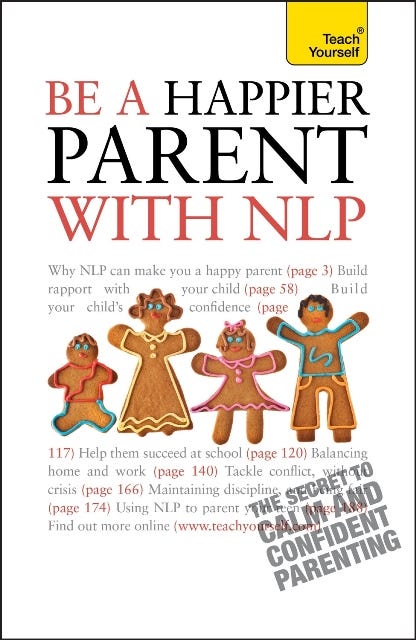
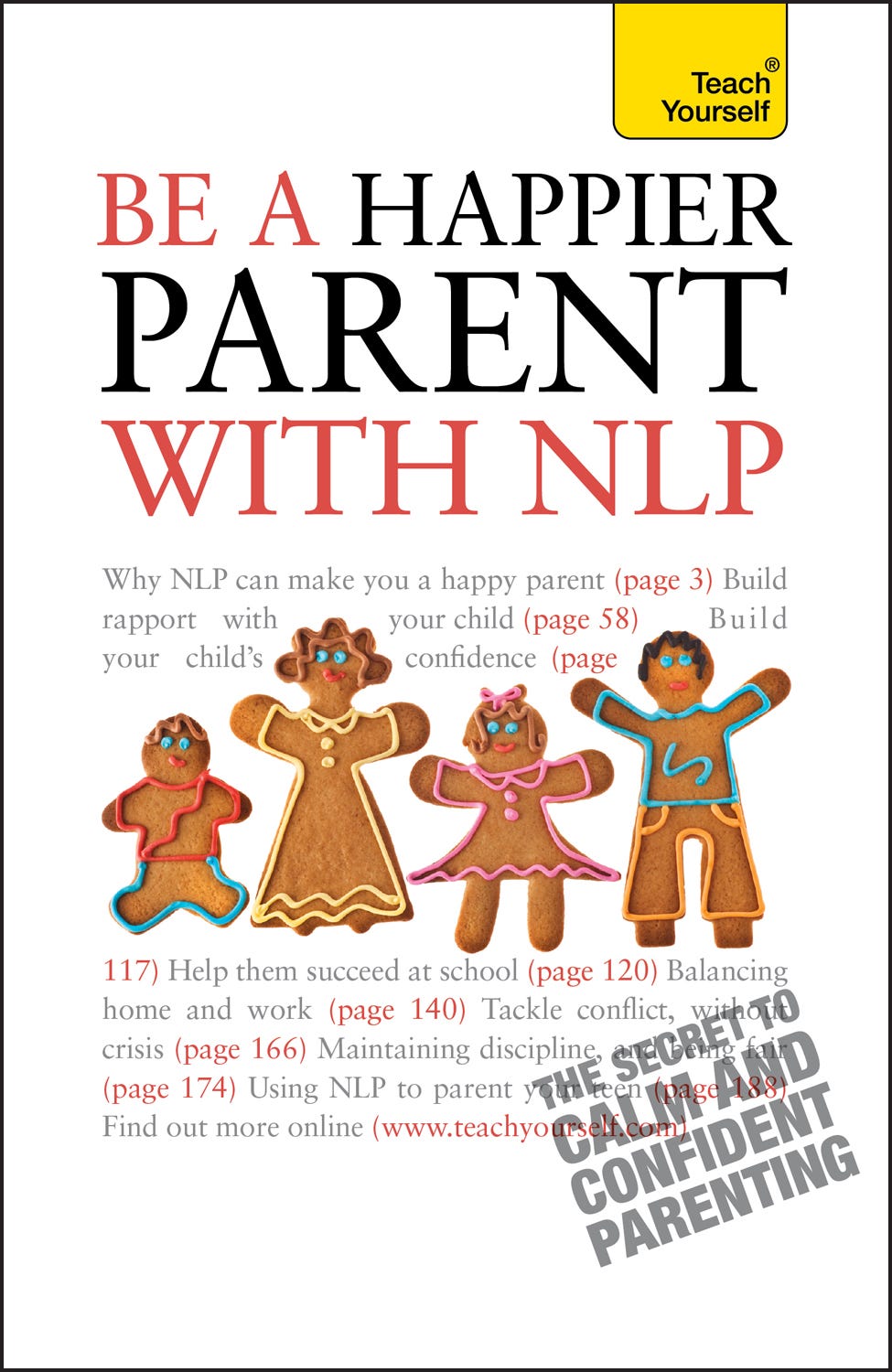
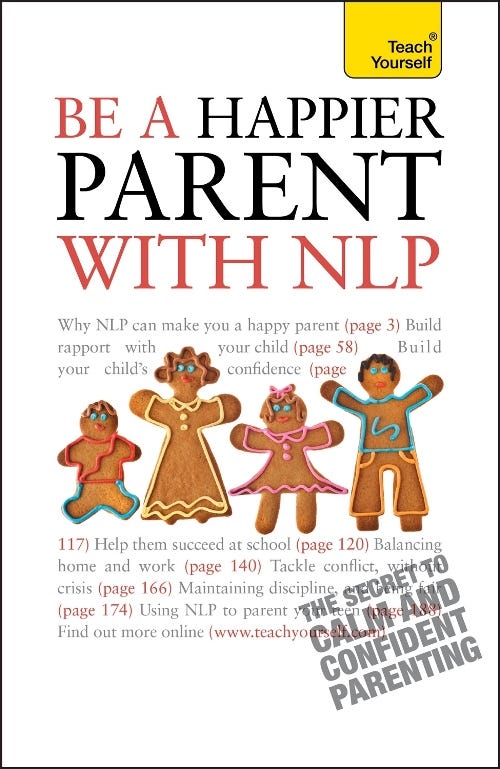
The NLP Beliefs of Excellence form the basis of Neuro Linguistic Programming and a guide for us as humans to help us live in a positive way. I find them essential as a parent and my first book ‘Be a happier parent with NLP’ goes into these beliefs in much detail along with all the other aspects of NLP that can help us communicate better with our children and teens, understand and support them through life. This is a public episode. If you'd like to discuss this with other subscribers or get access to bonus episodes, visit judybart.substack.com/subscribe
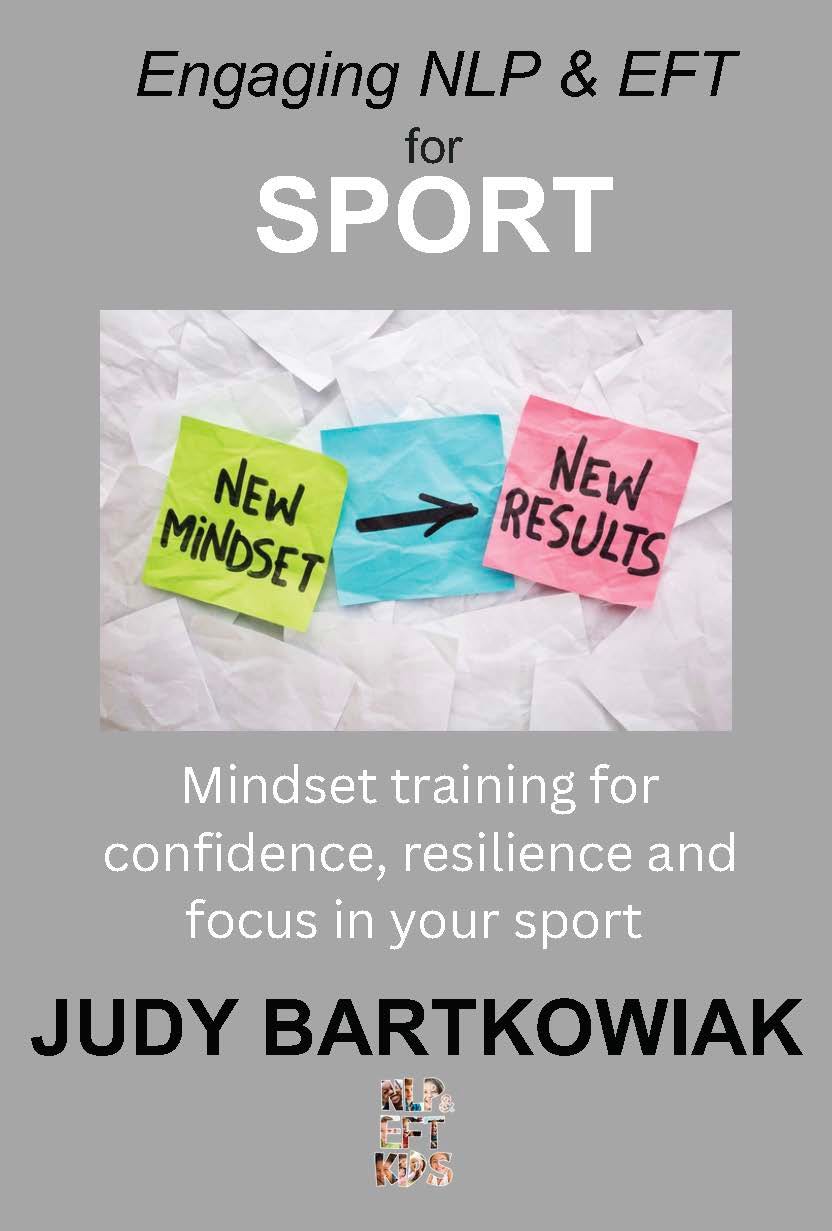
I want to give you a free promotion code for the audiobook of ‘Understanding children and teens’ and I would be hugely grateful for any parents of early years children, especially any starting reception in September to read even one chapter of my next book - Engaging NLP & EFT for Early Years. News too that the next audiobook will be from my first book ‘Be a happier parent with NLP’ so I’m going to share a chapter from there in my next podcast.Reminding you as well that if you have any bored young athletes at home this summer, that my book NLP for Sport, can be purchased on my website. This is a public episode. If you'd like to discuss this with other subscribers or get access to bonus episodes, visit judybart.substack.com/subscribe
Although I’m clearly holding a book, this is a shout out for my first audiobook - ‘Understanding children and teens’. So if you are someone who enjoys listening to books then this is for you.It’s basically the content of the training course I deliver to students and it is essentially the Judy Bartkowiak method of working with children and teens so it is perfect foe anyone working as a professional - coaches, practitioners, counsellors, play and art therapists, social workers, teachers. I think it’s also perfect for the Home Ed market, those working in fostercare or adoption services. If you’d like a copy of your own individual free promo code use the button link below. If you would prefer to buy the book - either the paperback or ebook use the other button to buy from the shop on my website. If you’d like to enquire about training with me, there’s a button for that too! Thanks for reading Understanding children and teens by Judy Bartkowiak! This post is public so feel free to share it. This is a public episode. If you'd like to discuss this with other subscribers or get access to bonus episodes, visit judybart.substack.com/subscribe

Illustration Gus Scott The GuardianThanks for reading Understanding children and teens by Judy Bartkowiak! This post is public so feel free to share it. This is a public episode. If you'd like to discuss this with other subscribers or get access to bonus episodes, visit judybart.substack.com/subscribe
Sharing my writing journey and decisions about publishing. This is a public episode. If you'd like to discuss this with other subscribers or get access to bonus episodes, visit judybart.substack.com/subscribe
This is a public episode. If you'd like to discuss this with other subscribers or get access to bonus episodes, visit judybart.substack.com/subscribe
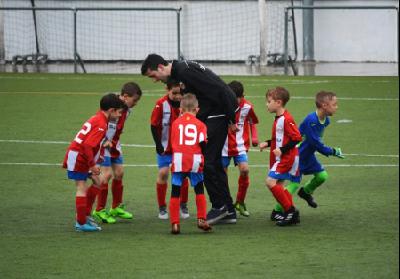
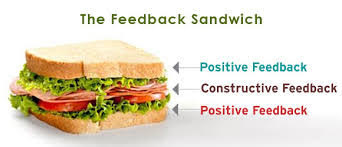
No-one wins every game, every match, every point. Failure is part of the process of winning. It’s an important part because we learn from it. We learn what to do better next time. We learn about choosing other options, being flexible in our thinking, trying another approach. It makes us work harder, strive more.Through failing and working through it, we get stronger, more resilient, but it isn’t easy, especially when you’re young.Many young athletes want to make their parents proud, impress their coach and have their teammates cheer for them and celebrate their triumphs. But doing well to get the approval of others isn’t something we can control. It’s fragile and it can make us vulnerable when that is our aim.Winning isn’t in our control because it depends on others performing less well on the day than you.It can depend on the standard of the competition, the state of the environment – weather, ground, crowd, so many factors beyond our control.Have you heard of the Feedback sandwich?Overall, what went well?What could I have done more of?What could I have done less of?Overall, what was the positive feedback for me?Let’s apply this to your last sports event.This is a bit more like a feedback bap isn’t it?!What went well?What could I have done more and what could I have done less ofOverall, what is the positive feedback for meLet’s learn something about feedback.Who has an ‘inner critic’ who says things like this.“Why do you always do that?”“Why do I never score”“Why is everyone better than me”“No-one passes to me”These are Generalisations and they are never true.The interesting thing about generalisations is actually the exceptions.So write down a generalisation using: always/never, everyone/no-one that you say to yourself.I always …………………………………………….I never………………………………………………Everyone …………………………………………..No-one…………………………………………………..Now change these toSometimes I…………………………………………….Some people……………………………………………Think about those times when that thing did not happen and there you have your ‘model of excellence’.What was ‘the difference that made the difference’ on that occasion? Do this more often!Let’s look at another way we give ourselves feedback. Coaches, teachers, listen up because perhaps you could change the way you give feedback.Deletions are when we delete the detail or the context so for example“That was better”“You didn’t play well today”“That was mean”Ask, how, in what way to get the detail that you can learn from.In order to learn from that feedback we need to know what we did that made the difference so we can do it again.Let me tell you something you may not know. You may sometimes talk about your ‘anxiety’ or ‘anger issue’. These are deletions too. Why? Because they don’t really tell you anything do they? What is missing? The context. You’re not anxious all the time or angry all the time. If this may apply to you, have a go at some of these ways to reframe these deletions to include the context and get more mindset control for your sport.I feel anxious when ………………………………..What worries me is if……………………………………………………………….... makes me anxiousI’m worried about……………………………………I feel angry when………….………………………..…………………………………...makes me angryIf …………………………….……I get really angryNow let’s link these so you can see the connection.I feel angry when……………………………………..and I’m worried that………………………………….So next time you feel angry about something, ask yourself what you were worried about. Then give it a score of 0-10 as to how likely that thing is to happen. If more than 5 do something about it and if less than 5, take some deep breaths and choose to calm down. Control your controllables!Another form of deletion is saying‘I can’t’Again we have deleted the context.When can’t you?Who says?’What if you could?When can you?What ‘can’t’ you do?I can’t…………………………………………………….Now answer those questions above.When can’t you?......................................................Who says this?.........................................................What if you could?...................................................When can you?.........................................................In NLP terms, it is called a modal operator of possibility in that it makes what is possible, impossible in that moment. It is a blocker.What can’t you do in your sport?I can’t…………………………………………………Let me tell you a story.I was training two students at my house a few years ago and we were talking about ‘beliefs of excellence’.I asked N what she’d like to be able to do. She wanted to do a Yoga headstand. “I can do that, said J” and proceeded to show her. N had a go but said “It’s no good, I can’t do it.”She watched again and tried again but still insisted that she couldn’t do it. Each time she just did a little bunny hop and didn’t manage to get her bottom far enough over her head to be able to raise her legs up the wall.We went through the structure with J. What did she do first, then next and so on but N still couldn’t do it.This brings me to the NLP Modelling process whereby you copy someone who can do the thing you want to do OR importantly focus on the time YOU can do that thing, and identify the successful belief. Think about what you were thinking just before you do the thing and it works brilliantly.J said: “Just before I do a Yoga headstand I think ‘this will be fun’”N laughed and said “I’m thinking, ‘I can’t do this’”Of course, we can clearly see that if you think you can’t do something then you won’t be able to do it. We’re literally telling ourselves that we can’t do it and because the mind and body are connected, we won’t be able to do it.N said she could not imagine doing the yoga headstand as ‘fun’ so I asked her to imagine something that she thought was fun, before she attempted the headstand. She did that and she achieved an absolutely perfect yoga headstand straight away.The learning here is that ‘If you always do what you’ve always done (note the generalisation) you’ll always get what you’ve always got.’. Your old way of thinking did not work.Instead, take a different way of thinking that is successful for someone else or for that time when you have successfully done that thing.When you find yourself using a generalisation in your thinking, ask yourself:“Really? Is that really always true. When was it not true? What happened then? What was my thinking? What was my belief about doing that thing?” Now transfer that more effective or resourceful belief to where you need it now.Then lastly we have Distortions. These are mindreads. We are making an assumption about the intentions of another player, team-mate, the coach or teacher or your parent.You cannot read people’s minds. Think about it.He deliberately……………………………………..She made me feel…………………………………They don’t like me………………………………….Give yourself and others feedback that you and they can learn from.This is my latest book. You can buy it for Kindle as an EBook or a paperback where your sporty teen can ‘engage’ with it, underline bits, highlight, make notes and so on. Thanks for reading Understanding children and teens by Judy Bartkowiak! This post is public so feel free to share it. This is a public episode. If you'd like to discuss this with other subscribers or get access to bonus episodes, visit judybart.substack.com/subscribe
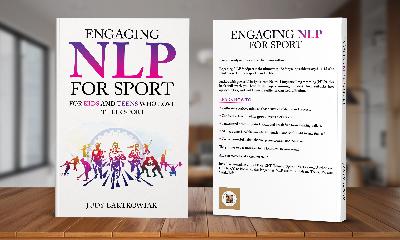
I’m reading the Introduction where I ask you to ‘Control your controllables’ because it can be stressful for young athletes to feel responsible for winning when there are so many things you can’t control. I’m also asking you to think about all the benefits you get from your sport - confidence, resilience and managing feedback and emotions. This is a public episode. If you'd like to discuss this with other subscribers or get access to bonus episodes, visit judybart.substack.com/subscribe

This is a public episode. If you'd like to discuss this with other subscribers or get access to bonus episodes, visit judybart.substack.com/subscribe
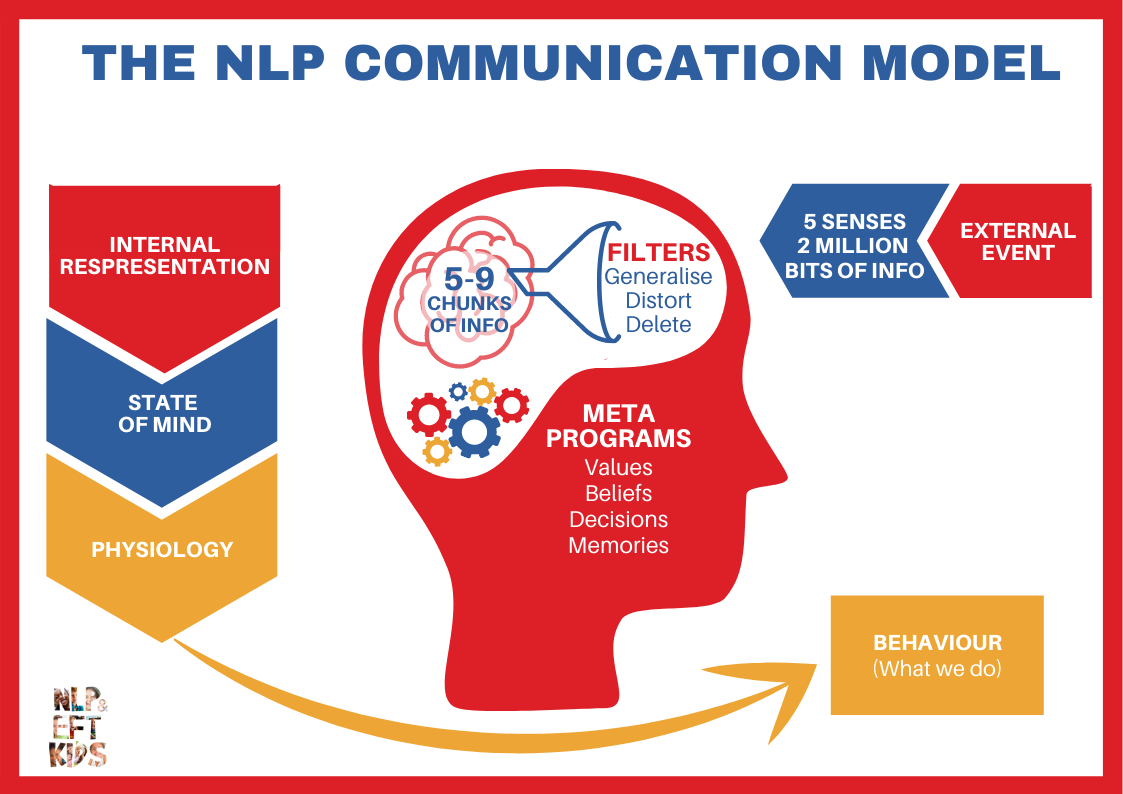
This is how I explain to children how their mind works! I explain that something happens, which we call the activating event. We then send this through all our neuro - our mind thinks about when this last happened, what they believe about this thing and then what it means for them, their internal representation. Then this is expressed through words and body language - linguistic and this results in a behaviour which is the programme. If we want a different outcome we need to change the processing in our mind. We can control this. This is a public episode. If you'd like to discuss this with other subscribers or get access to bonus episodes, visit judybart.substack.com/subscribe
This is a public episode. If you'd like to discuss this with other subscribers or get access to bonus episodes, visit judybart.substack.com/subscribe

I’ve been using creative approaches to understand children and teens and help them express how they feel for many many years. In this podcast I tell you how this started and how it has developed, what it is and what it isn’t. This is a public episode. If you'd like to discuss this with other subscribers or get access to bonus episodes, visit judybart.substack.com/subscribe

Probably the most useful lesson from my NLP training as a mum - how to better manage my teen's angry outbursts! This is a public episode. If you'd like to discuss this with other subscribers or get access to bonus episodes, visit judybart.substack.com/subscribe
This is the introduction to NLP for Sport, the 10th book in the Engaging NLP series of workbooks. This book focuses on the sports' mindset and is for children and teens and also for adults. I hope you'll find it helpful for any sport and also for fitness and gym work. This is a public episode. If you'd like to discuss this with other subscribers or get access to bonus episodes, visit judybart.substack.com/subscribe
This is a public episode. If you'd like to discuss this with other subscribers or get access to bonus episodes, visit judybart.substack.com/subscribe
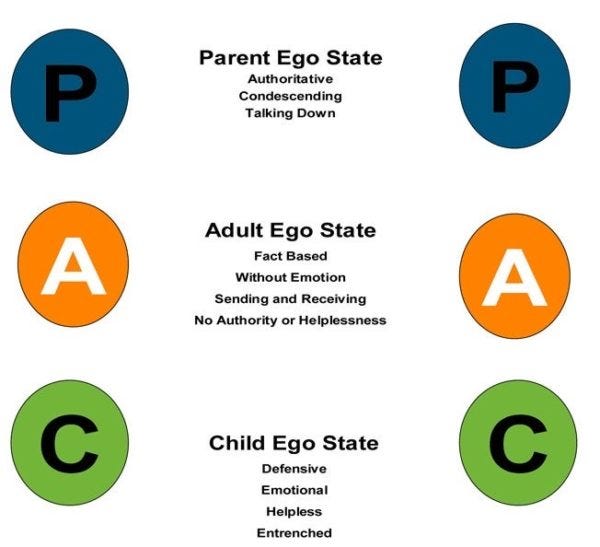
How can NLP help us as parents, what are the concepts from Gestalt, TA, CBT and Jung? This is a public episode. If you'd like to discuss this with other subscribers or get access to bonus episodes, visit judybart.substack.com/subscribe
An exercise to guide you through journaling on aspects of your own childhood experiences to better understand how that has affected you as a parent. This is a public episode. If you'd like to discuss this with other subscribers or get access to bonus episodes, visit judybart.substack.com/subscribe

This is a public episode. If you'd like to discuss this with other subscribers or get access to bonus episodes, visit judybart.substack.com/subscribe

This is a public episode. If you'd like to discuss this with other subscribers or get access to bonus episodes, visit judybart.substack.com/subscribe

Comments

Download from Google Play

Download from App Store
 United States