


 Claim Ownership
Gratitude Through Hard Times
Subscribed: 22Played: 369
Subscribe

Description
Chris Schembra is a dinner host, question asker, and facilitator. He's a columnist at Rolling Stone magazine, USA Today calls him their "Gratitude Guru" and he's spent the last nine years traveling around the world helping people connect in meaningful ways.
As the offshoot of his #1 Wall Street Journal Bestselling book, Gratitude Through Hard Times, he uses this podcast to blend ancient stoic philosophy and modern day science to teach how the principles of gratitude can be used to help people get through their hard times.
By finding the positive benefits from negative situations, and giving gratitude to them, listeners can develop the resilience and optimism needed to get through further trying times. Having used these principles to spark over 500,000 relationships through his workshops and his experiences, this podcast now aims to educate listeners across the world.
As the offshoot of his #1 Wall Street Journal Bestselling book, Gratitude Through Hard Times, he uses this podcast to blend ancient stoic philosophy and modern day science to teach how the principles of gratitude can be used to help people get through their hard times.
By finding the positive benefits from negative situations, and giving gratitude to them, listeners can develop the resilience and optimism needed to get through further trying times. Having used these principles to spark over 500,000 relationships through his workshops and his experiences, this podcast now aims to educate listeners across the world.
282 Episodes
Reverse
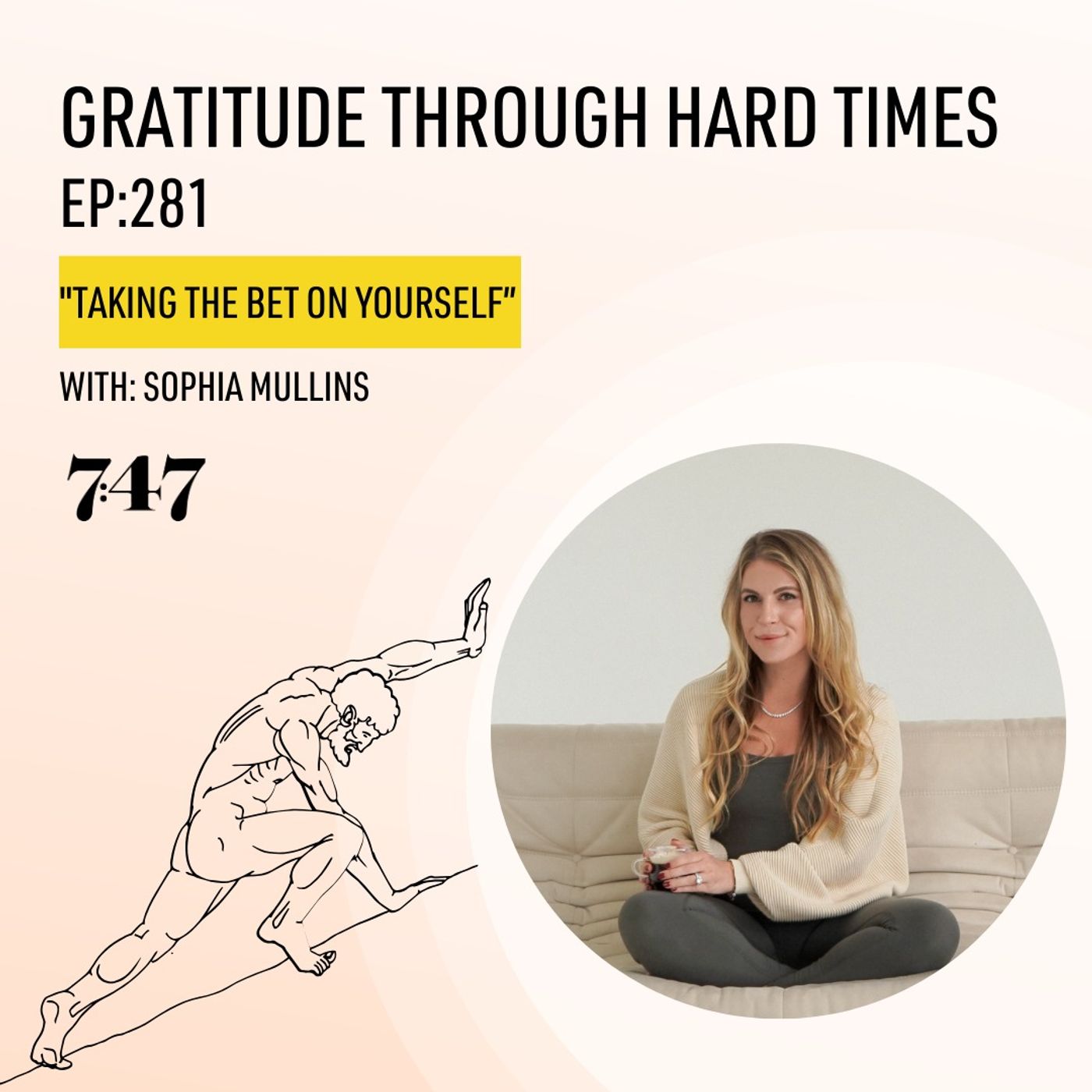
"Success shouldn't come at the cost of your soul—or your health." In an industry built on high-stakes pressure, Sophia Mullins is proving that peak performance and sustainable well-being aren't mutually exclusive; they are deeply interdependent.
In this episode of Gratitude Through Hard Times, Chris Schembra sits down with Sophia Mullins, Founder and CEO of Wall Street Wellness. Recorded live at a UBS conference, this conversation strips away the corporate veneer to explore the "reactive" journey of entrepreneurship. Sophia opens up about the stress-induced autoimmune diagnosis that forced her to pivot from a decade in investment banking and venture capital toward a mission of service.
Together, Chris and Sophia dismantle the myth that you have to choose between a lucrative career and a vibrant life, arguing that the greatest bet you can ever make is the one you take on yourself.
10 Memorable Quotes:
"My life path was to use the things that brought me pain as a purpose of serving others."
"I really backed into the fact that I wanted to be an entrepreneur."
"Success is taking a bet on yourself."
"You have to choose the mission every day."
"My life would not be nearly as vibrant or fun or fulfilling without my support system."
"I want to distill my experiences into something helpful for other people."
"Balance the desire to serve with the practical nature of running a lucrative business."
"I came to the realization of my mission at age 30."
"It’s your world. Go explore."
"If the only thing holding you back is taking the bet on yourself, take the bet."
10 Key Takeaways:
The Reactive Entrepreneur: Understanding how personal crises—like a health diagnosis—can serve as the ultimate catalyst for a professional pivot.
The Daily Choice: Why mission-driven work isn't a "one-and-done" decision, but a commitment you must renew every morning.
Pain as a Compass: How the most difficult seasons of your career often contain the blueprint for your greatest service to others.
The "Bet on Yourself" Philosophy: Overcoming the fear of leaving a traditional "safe" path to build something authentic.
Vibrant Success: Redefining "high performance" to include physical health, emotional vibrancy, and genuine joy.
The Power of Support: Sophia’s tribute to her partner as the "rock" that makes her professional output possible.
Service vs. Scale: The delicate art of balancing a heart for service with the necessity of running a profitable consultancy.
The 30s Realization: Highlighting that finding your true calling and pivoting your career path at age 30 is right on time.
Science-Backed Resilience: How Sophia uses her finance background to create wellness frameworks that speak the language of high-performers.
The Human Heart in Business: A reminder that even in high-pressure financial environments, the most impactful work happens when we lead with humanity.
About our Guest:
Sophia Mullins is the Founder and CEO of Wall Street Wellness, a consultancy and community that empowers high performers to live healthy, vibrant lives. With nearly a decade of experience in investment banking, private equity, and venture capital, Sophia bridges the gap between fast-paced career demands and science-backed well-being. Her work has been featured in Forbes, Fast Company, and PopSugar.
Connect with Sophia:
Website & Substack: Wall Street Wellness
Instagram: @wallstreetwellness
LinkedIn: Sophia Mullins
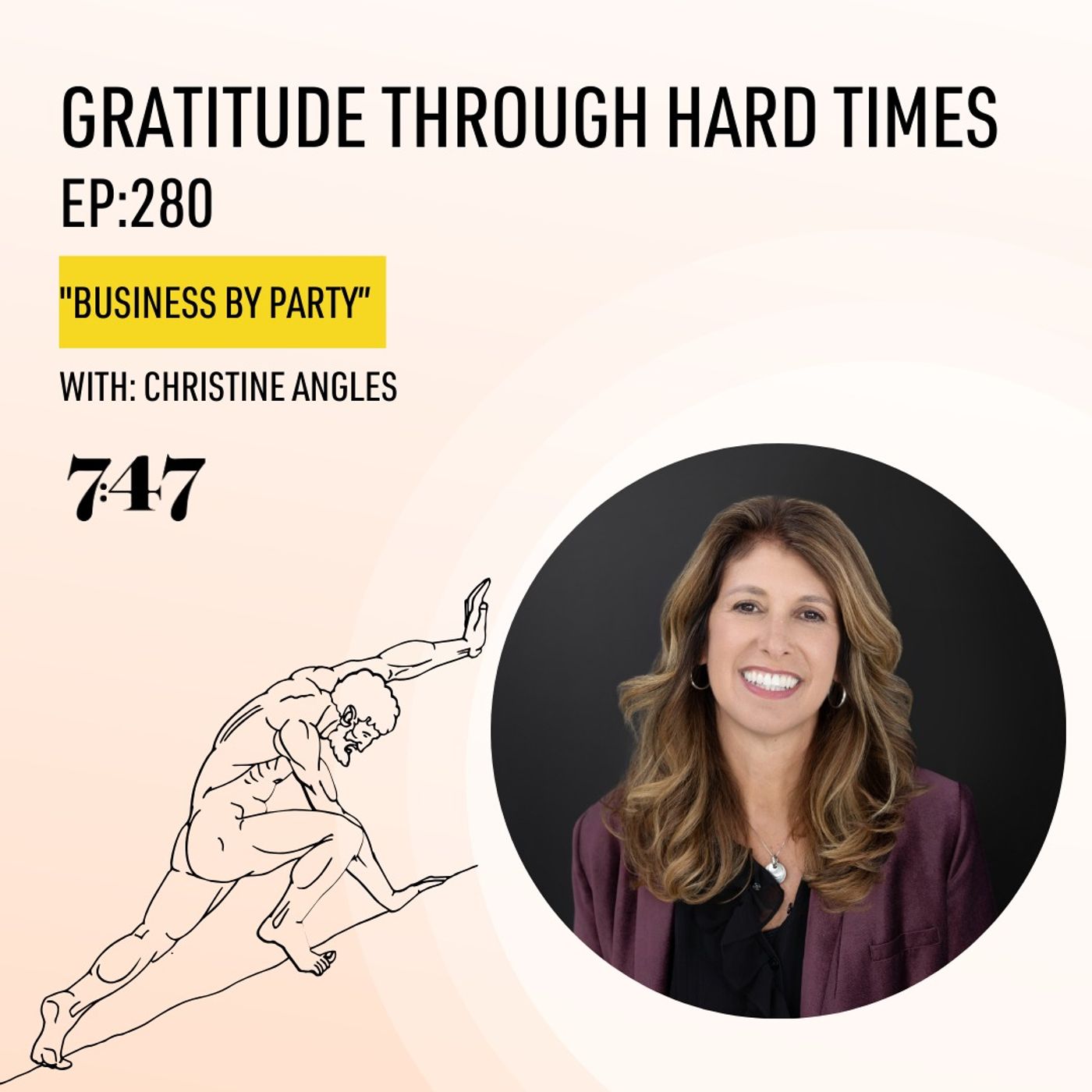
"Do unto others as you want to do unto you." This simple principle, fueled by a "tambourine shake" of high energy, serves as the heartbeat for a life dedicated to high-performance joy. In a world optimized for digital efficiency and "frictionless" isolation, the true currency of a meaningful life remains the "unscalable" power of gathering people together.
In this episode of Gratitude Through Hard Times, Chris Schembra sits down with Christine Angles, a powerhouse Allstate agency owner and community builder from Gainesville, Virginia. While Christine is a leader in the insurance world, this conversation strips away the professional accolades to explore the raw, essential need for fun, wit, and "inconvenient" kindness.
Christine shares a vulnerable and celebratory look at her journey—from the legacy of her mother, Linda, to the intentional "grace" required to navigate a 12-year career gap. Together, Chris and Christine dismantle the myth that technology can replace presence, arguing that the "Business by Party" philosophy and the act of welcoming others into your sacred space are the only real antidotes to our modern epidemic of disconnection.
10 Memorable Quotes:
"I want work to be fun."
"I really do believe that self-care is a form of giving."
"Don’t be a wallflower. Make sure you participate."
"Life's not an 'or,' it’s an 'and.'"
"Business by party."
"You can do a boring job like insurance in a fun way."
"Give yourself some grace."
"I like you because I love you in spite of."
"Find extraordinary in the ordinary."
"If you’ve changed one person’s whole world, you've done enough."
10 Key Takeaways:
The Legacy of Linda: How a single mother working full-time on a school board provided the blueprint for a life of service and visibility.
Business by Party: Why integrating personal joy into professional networking creates deeper, more resilient business bonds.
The ROI of Community Deposits: Reflecting on how a lifetime of showing up for neighbors creates a safety net of support during personal health crises.
The Power of the 12-Year Gap: Validating the choice to prioritize family and proving that "success" doesn't have to happen all at once.
The Connection Venn Diagram: A breakdown of the three pillars of a great life: Fun (energy), Funny (wit), and Nice (kindness).
The "Inconvenient" Host: Why the effort of cleaning your house and buying food to invite people in is the most sacred act of connection.
The 3-Hour Pity Party: A practical lesson in emotional regulation—allowing yourself time to feel disappointment before choosing to celebrate others.
The Intentional "No": Learning to set boundaries so that when you say "yes" to a community project, you can be 100% present.
Anti-Optimization: Why we must trade "frictionless" digital interactions for the meaningful, sometimes messy friction of physical presence.
The "Good Person" Affirmation: Using simple visual cues to combat imposter syndrome and remember your inherent value.
About our Guest: Christine Angles is a dedicated entrepreneur and leader who runs a top-performing Allstate agency in Northern Virginia. Built on the "Business by Party" philosophy, her work proves that excellence is achieved through genuine human connection. A committed volunteer and "connector," Christine advocates for the power of "earned connection" and the vital necessity of leading with kindness and wit in the modern workplace.
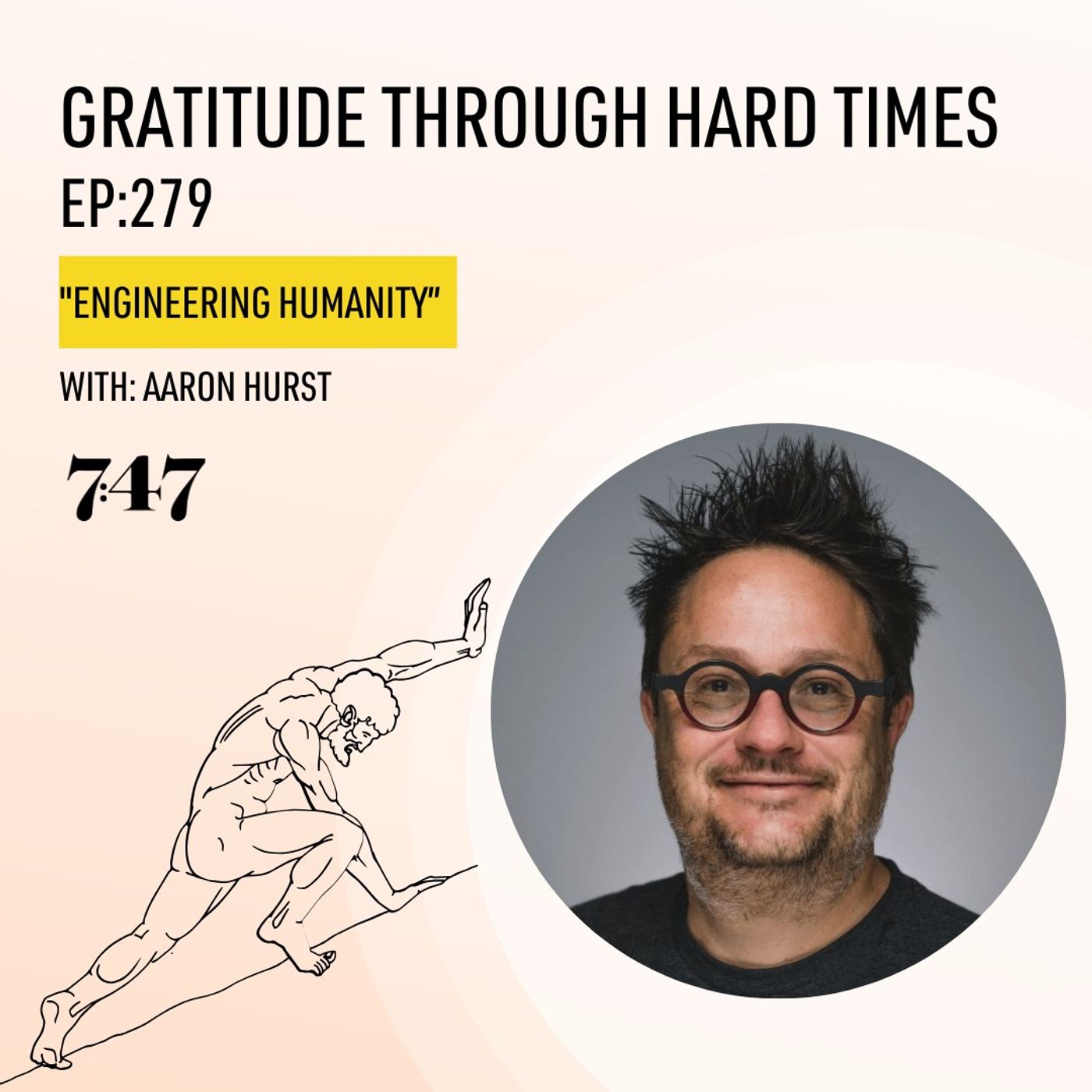
"Whatever it is you want most in the world right now is what you need to give." This simple but profound realization, sparked during a silent meditation retreat, serves as the heartbeat for a movement dedicated to reclaiming our shared humanity. In a world optimized for digital efficiency, the true currency of a meaningful life remains the "un-scalable" power of human connection.
In this episode of Gratitude Through Hard Times, Chris Schembra sits down with Aaron Hurst, the visionary CEO of the US Chamber of Connection and founder of the Taproot Foundation. While Aaron is a titan of the pro bono world, having catalyzed billions of dollars in social impact, this conversation strips away the professional accolades to explore the raw, essential need for friendship and community.
Aaron shares a vulnerable look at his own journey—from the "epiphany of 50" to navigating the profound grief of losing his mother, Bonnie. Together, Chris and Aaron dismantle the myth that technology can replace presence, arguing that the "low barrier to laughter" and the intentional act of welcoming others are the only real antidotes to our modern epidemic of isolation.
10 Memorable Quotes:
"Whatever it is you want most in the world right now is what you need to give."
"Humanity is what binds us. It's what we create together."
"I focus on connection, not conversion."
"The act of welcoming is a fundamental human right."
"Friendship isn't a luxury; it's the infrastructure of a healthy society."
"We have traded meaningful friction for frictionless isolation."
"You can’t scale belonging without shrinking the room."
"My mother had a 'low barrier to laughter,' and that was her greatest gift to the world."
"The modern world is designed for capital, not for people."
10 Key Takeaways:
The Reciprocity of Need: Aaron’s breakthrough realization that if you lack friendship, you must become a friend; if you lack grace, you must extend it.
The 1099 Connection Challenge: Much like the real estate world, building community in a "gig" economy requires creating environments where people choose to belong.
The "Epiphany of 50": A deep dive into Aaron’s personal turning point and how hitting a milestone age forced a re-evaluation of what "success" actually looks like.
Legacy of Service: Exploring Aaron’s family roots—from his grandfather’s blueprint for the Peace Corps to his mother’s spirit of care—and how legacy shapes our mission.
Diffusion of Innovation in Social Change: Why focusing on the "initiators" (the 15-20% who naturally build community) is more effective than trying to convert the cynical.
Low Barrier to Laughter (LBL): The importance of humor and play as tools for resilience, inspired by the life and memory of Bonnie Hurst.
Welcoming as a Design Principle: The philosophy behind the US Chamber of Connection—making "welcoming" a measurable and intentional act in every organization.
The Myth of Digital Community: Why a Zoom call can never replace the "meaningful friction" of physical presence and shared meals.
The Grief of Losing a North Star: Aaron reflects on the "hard time" of losing his mother and how her values continue to guide his work today.
Human-Centric Infrastructure: A call to action for leaders to prioritize social health over mere capital accumulation to ensure a sustainable future for the next generation.
About our Guest: Aaron Hurst, CEO & Founder Aaron Hurst is a social entrepreneur, author, and the visionary leader behind the US Chamber of Connection. As the founder of the Taproot Foundation, he is credited with creating the $15 billion pro bono service market, engaging tens of thousands of skilled volunteers to help nonprofits thrive. Aaron’s work is deeply influenced by his family’s legacy in the Peace Corps and the Aspen Institute, driving his lifelong commitment to civic infrastructure.
A sought-after speaker and executive coach, Aaron is the author of The Purpose Economy. He resides in a world where he continues to advocate for the power of "earned connection" and the vital necessity of prioritizing humanity in the modern workplace. He is a devoted advocate for the "initiators" of the world, helping them build the bridges that keep us all connected.
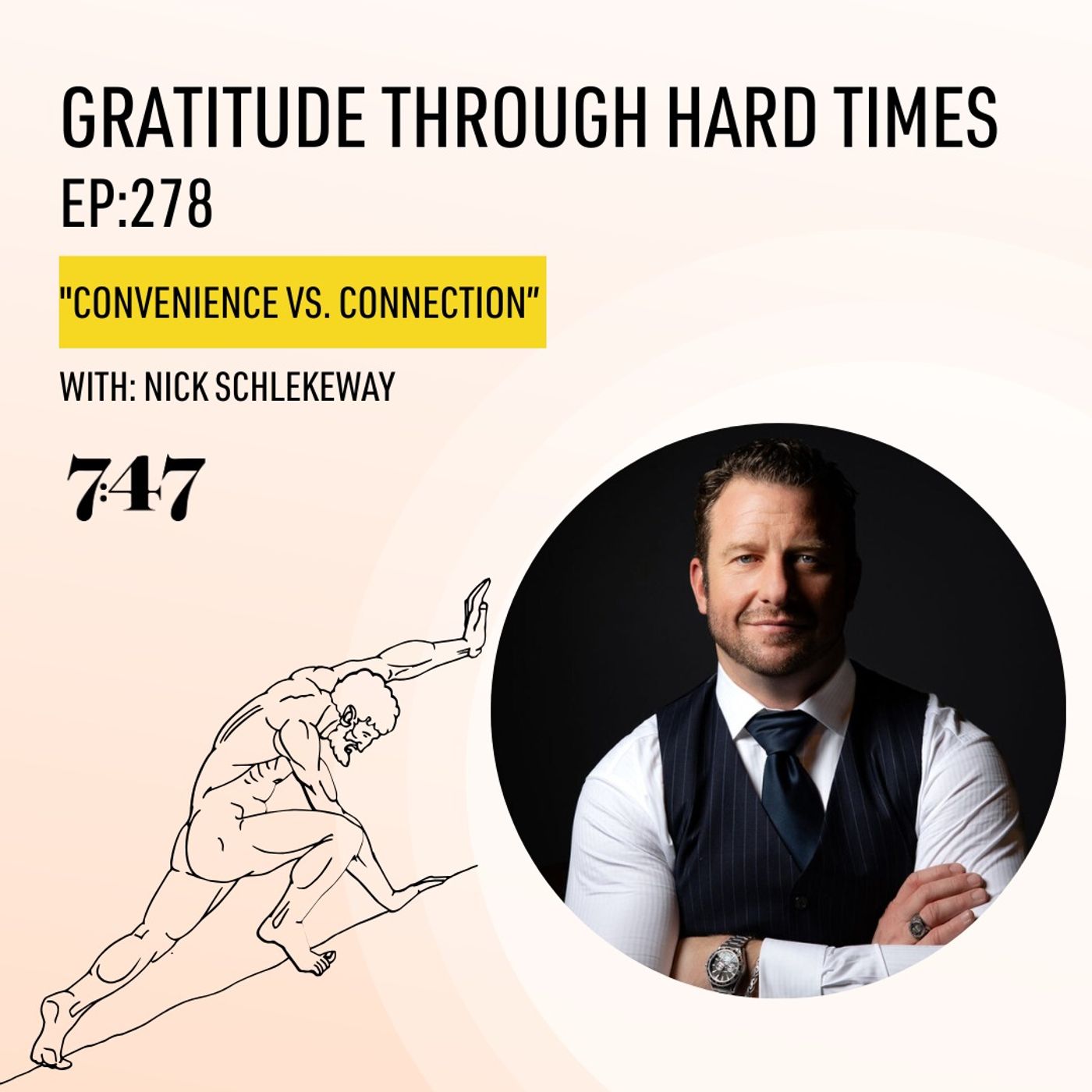
"Culture is defined by how we treat each other when nobody’s watching." This philosophy, forged in the fires of firefighting and high-stakes football, has driven the growth of one of the Pacific Northwest’s most successful independent luxury real estate firms.In this episode of Gratitude Through Hard Times, Chris Schembra sits down with Nick Schleckaway, the CEO and founder of Amherst Madison. While Nick is a titan of the real estate industry, this isn't a conversation about market trends or interest rates. This is a visceral exploration of "Earned Connection"—the intentional effort required to build a sense of belonging in a world that has traded physical presence for digital convenience.Nick shares a vulnerable look at his own "hard week," discussing the weight of leadership when key team members move on and how he leans on the "lifeboat" of his family to stay afloat. Together, Chris and Nick dismantle the myth of hybrid culture, arguing that true innovation isn't found in a Zoom call, but in the friction of being together.10 Memorable Quotes:"Culture is how we treat each other when nobody's watching.""My family is my lifeboat; when the professional waters get choppy, they keep me from sinking.""Hybrid is not where you work. It’s how you work.""Convenience is the enemy of connection.""Culture doesn't happen in a recorded town hall; it happens in the unscripted moments.""You can’t lead a 1099 workforce with a W2 mindset.""The office isn't just a place to work; it’s where trust is traded.""Leadership is defined by what you are willing to put up with.""We are trading meaningful friction for frictionless isolation.""If you want to scale belonging, you have to shrink the room."10 Key Takeaways:The 1099 Culture Challenge: Building culture for independent contractors is fundamentally different from employees; it requires creating an environment people choose to enter rather than one they are paid to stay in.The Performance Gap: There is a direct correlation between physical office presence and professional success; agents who show up in person consistently outperform those who stay remote.Convenience vs. Connection: Companies often mistake "easy" interactions (like virtual happy hours) for real culture. True belonging requires "earned connection," which often involves the effort of physical proximity.The "Lifeboat" Strategy: During professional trials, leaders must identify their personal anchors—for Nick, it is his wife Megan and children Charlotte and Beau—to maintain perspective.The Myth of Hybrid: Hybrid work should not be viewed as a location, but as a methodology. Without intentionality, hybrid often defaults to total disengagement.Friction as a Tool: Meaningful relationships require "friction"—the effort of travel, the risk of face-to-face conversation, and the lack of a "mute" button—to develop depth.Scaling via Intimacy: To impact a large organization, leaders should focus on frequent, intimate, small-group gatherings rather than infrequent, massive corporate events.Trust as Currency: In high-stakes industries like real estate, trust is the primary currency. That trust is built faster through non-verbal cues and "hallway talk" than through digital screens.Leading by Example: A leader's primary job in culture-building is modeling the behavior they want to see, especially when it comes to showing up and being present.Human-Centric Real Estate: Despite the rise of AI and digital platforms, real estate remains a deeply human, referral-based business that relies on local community ties.About our Guest: Nick Schleckaway Founder & CEO, Amherst MadisonNick Schleckaway is an entrepreneur, executive coach, and the visionary leader behind Amherst Madison, Idaho’s top luxury real estate brokerage. A former firefighter and captain of the Boise State University football team, Nick brings a unique blend of "grit and grace" to the corporate world. Under his leadership, Amherst Madison has become one of the fastest-growing independent firms in the United States, known for its high standards and unique culture.Nick’s perspective on resilience is shaped by his background in emergency services and his upcoming book on company culture. He is a devoted father and husband, residing in Boise, Idaho, where he continues to advocate for the power of physical presence and authentic human connection in the modern workplace.
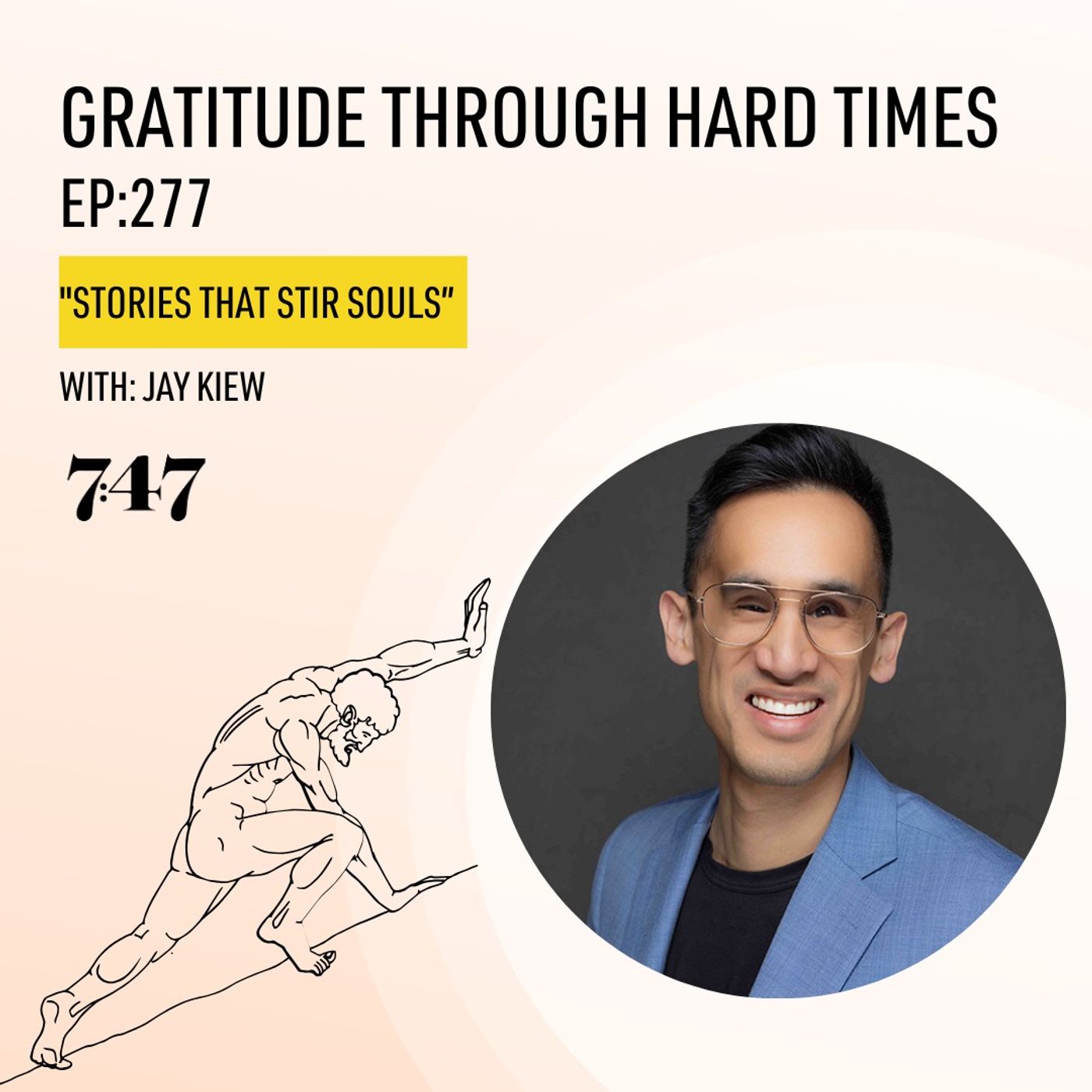
Stats drive scores, but stories stir souls." This philosophy, born in the radio booths of Singapore and driven by a transition from comfort to total disruption, has delivered over $2 billion in transformational impact for global executives.In this episode of Gratitude Through Hard Times, Chris Shambra sits down with Jay Kiew, a world-renowned keynote speaker, author, and change strategist who has navigated the halls of power at firms like Deloitte and TELUS. But this isn't a conversation about corporate efficiency or digital roadmaps. This is a deep dive into "Change Fluency"—the adaptive capacity to translate life’s most difficult disruptions into our greatest opportunities.Jay shares his raw and inspiring journey as a half-blind cancer survivor who "lost it all" before finding his true calling. We explore how change isn't something that happens to you, but something that can happen through you when you move from a mindset of survival to one of co-creation and possibility10 Memorable Quotes:"Stats drive scores, but stories stir souls.""Change fluency is the individual's adaptive capacity to translate challenges into opportunities.""Our greatest innovation isn't what we create, but how we create together.""If you want to go fast, go alone. If you want to go far, go together." "The goal isn't to control change but to sit in it with fluidity.""Transformation doesn't have to be scary or happen to you, but instead it can happen through you.""The language of change is the only language that will matter in an era of AI.""He held space for me when I couldn't hold space for myself.""Shift your focus from what is present to what is possible.""The world is going through a hard time, but you can write the playbook to get through it." 10 Key Takeaways:Defining Change Fluency: It is the "language of change" required as we head into the space of artificial intelligence.The Four Change Mindsets: Your reaction to disruption depends on whether you view change as a threat or opportunity, and whether you are proactive or stuck.Active Presence: True leadership requires leaning in to observe non-verbal cues and naming emotions rather than just being a passive observer.The Power of Co-Creation: Based on the concept of Ubuntu, the episode explores why working together yields superior, more sustainable results despite the time and emotional complexity involved.Strategic Foresight: To discover what is possible, leaders must combine scenario planning with "futurist thinking" to see threats and opportunities from different vantage points.Strategy as Sacrifice: Design thinking requires the courage to say "no" and cut off current business units or emotional attachments to focus on one North Star.The "What If?" Framework: Innovation begins with the ability to ask hypothetical questions that challenge current constraints, a skill Jay learned from his father during difficult times.Relational Gratitude: Jay highlights the importance of individuals like Brian Chang, who provide empathetic space during "dark moments" without being deflective.Sitting in the Tension: Change Fluency isn't about control, but the capacity to sit in complexity and uncertainty with fluidity.Human-Centric Innovation: Digital disruption is a people opportunity; leaders must bridge the gap by helping team members find personal attachment to their mission.About our Guest: Jay KiewFounder & CEO, Change FluentJay Kiew is a multifaceted entrepreneur, keynote speaker, author, and expert in organizational and behavioral change. With 15 years of experience in organizational transformation and innovation strategy, he has driven over $2 billion in transformational impact across hundreds of organizations and top executives. He is the author of Change Fluency: Nine Principles to Navigate Uncertainty and Drive Innovation, which serves as the framework for his global consulting and keynote engagements.Jay’s perspective on resilience and change is deeply rooted in his personal journey as a half-blind cancer survivor; diagnosed with retinoblastoma as an infant, he underwent the removal of his left eye. After immigrating to Canada from Asia and growing up in Vancouver, he became the world's youngest Distinguished Toastmaster at the age of 19. Today, he is a father of two daughters and lives in Brooklyn with his Shiba Inu, Brooklyn. Jay is renowned for his ability to help leaders move from a mindset of certainty to one of curiosity, teaching them to "speak the language of change" in an increasingly complex and uncertain world.
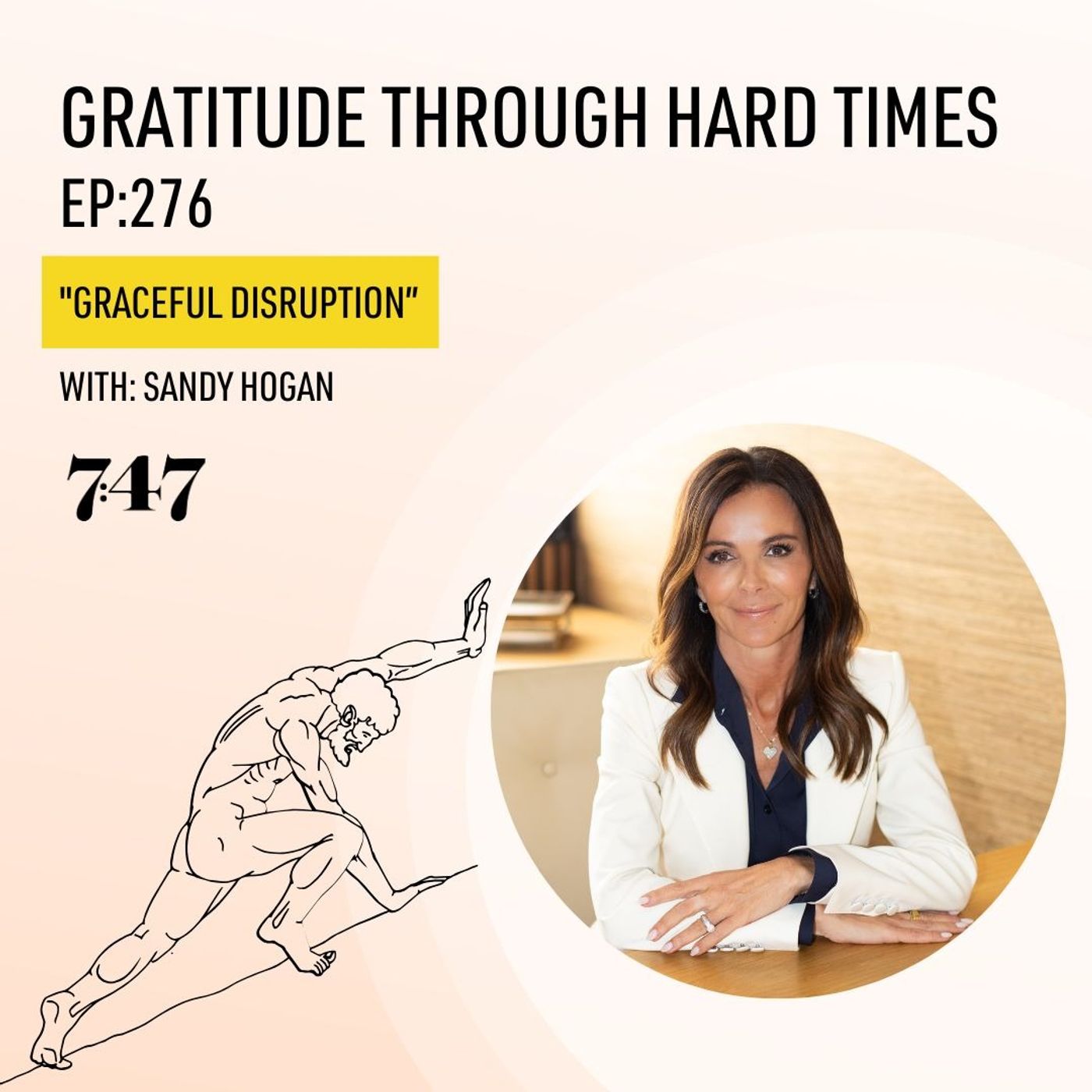
"You’re going to be okay." These five simple words from a 98-year-old grandmother became the cornerstone of a leadership philosophy that has driven over $20 billion in revenue influence.In this episode of Gratitude Through Hard Times, Chris Shambra sits down with Sandy Hogan—a powerhouse revenue leader who has held the helm at tech giants like Cisco, Rackspace, VMware, and LivePerson. But this isn't a conversation about go-to-market strategies or revenue multiples. This is a deep dive into the "Graceful Disruption" of the self.Sandy shares her incredibly raw journey from a childhood as the daughter of Yugoslavian immigrants to a mid-career health crisis that forced her to "bet on herself." We explore how resilience isn't just a buzzword, but a protective layer formed in the fires of hard work and immigrant sacrifice.10 Memorable Quotes:"It’s a protective layer, not a punitive layer that’s unfolding.""You can get through anything your heart and mind determines you truly can.""Progress is the touchdown.""Work ethic and your attitude. Everything falls into place, never perfectly, but those two are everything.""I didn't control the circumstances around me, but I choose every day what I do about it.""Trust is a little overused and undervalued. It has to be earned.""Mindset leads, always—as a leader, as a human.""I need you [Younger Sandy] as a partner to walk with me on the rest of my journey.""What this world needs are... more emotionally regulated adults that aren't running around like little babies.""I can be in pain physically or emotionally... but boy, I get back up very, very quickly."10 Key Takeaways:Reframing the Past: What we often label as "childhood wounds" can be reframed as a "protective layer" that builds the resilience needed for future leadership.The "Elder" Gap: The modern world lacks "maternal/paternal" figures who provide emotional regulation. We need leaders who can say, "You're going to be okay," to calm the collective chaos.Immigrant Work Ethic: Success isn't just about the title; it’s about bringing your best self and knowing you aren't taking shortcuts.Self-Gratitude: We often thank our mentors and families, but rarely think to thank our "younger selves" for the grit they showed during hard times.Moving from Sacrifice to Self: There comes a moment where you must stop working solely to honor the sacrifices of others and start working in honor of yourself.Mindset Over Reactivity: "Graceful Disruption" is the shift from letting change happen to you, to having an intentional impact on the change.Trust via Friction: Meaningful trust isn't built on convenience; it is earned through "inconvenient" moments of friction and accountability.The Power of Intent: In an era of instant gratification, the most powerful tool a leader has is the ability to pause and ask, "Why the heck am I doing this?"Radical Agency: While we cannot control external turbulence (like health crises or market shifts), we have absolute power over our choice of response.Momentum Through Movement: Perfection is the enemy of progress. The goal is "momentum through movement," not waiting for the perfect conditions.About our Guest: Sandy HoganFounder & CEO, BozQSandy Hogan is a passionate, seasoned transformation architect and award-winning executive, renowned for orchestrating strategic go-to-market transformations, delivering more than $20 billion in revenue influence. With more than two decades at the helm of industry powerhouses like Cisco, VMware, Rackspace, and LivePerson, plus agile engagements with high-growth startups, Sandy has earned a reputation for turning hype into measurable results; building Customer for Life revenue engines that deliver tangible, lasting outcomes.Her track record is underscored by multiple industry recognitions, including CRN’s “Top 100 Executives” and “Power 100 Women of the Channel,” as well as accolades for channel leadership and ecosystem innovation. She is known for pioneering frameworks such as the Customer-for-Life GTM model, the Digital Outcomes Approach, and orchestrating multi-billion-dollar ecosystems—initiatives that have been adopted as benchmarks by both Fortune 100s and ambitious startups alike.Sandy’s philosophy centers on "Graceful Disruption," blending operational rigor with empathy to confront hard truths and drive transformation that sticks. Whether leading high-stakes 100-day turnarounds under private equity pressure or steering multi-year industry pivots that redefine entire market landscapes, she brings authentic honesty about the political, emotional, and organizational realities beneath large-scale change.Teams and audiences praise Sandy for her combination of strategic clarity, pragmatic real-world perspective, and the ability to demystify the complexities of transformation through stories that inspire meaningful change. Her workshop sessions are ideal for conferences and forums seeking candid insights into navigating market disruption, cultivating high-impact partner ecosystems, and scaling sustainable Customer-for-Live growth systems that deliver lasting impact.Sandy inspires leaders to tackle transformation with courage, clarity, and the operational discipline to move from vision to execution—and she does it with a grace that makes even the most uncomfortable change possible.
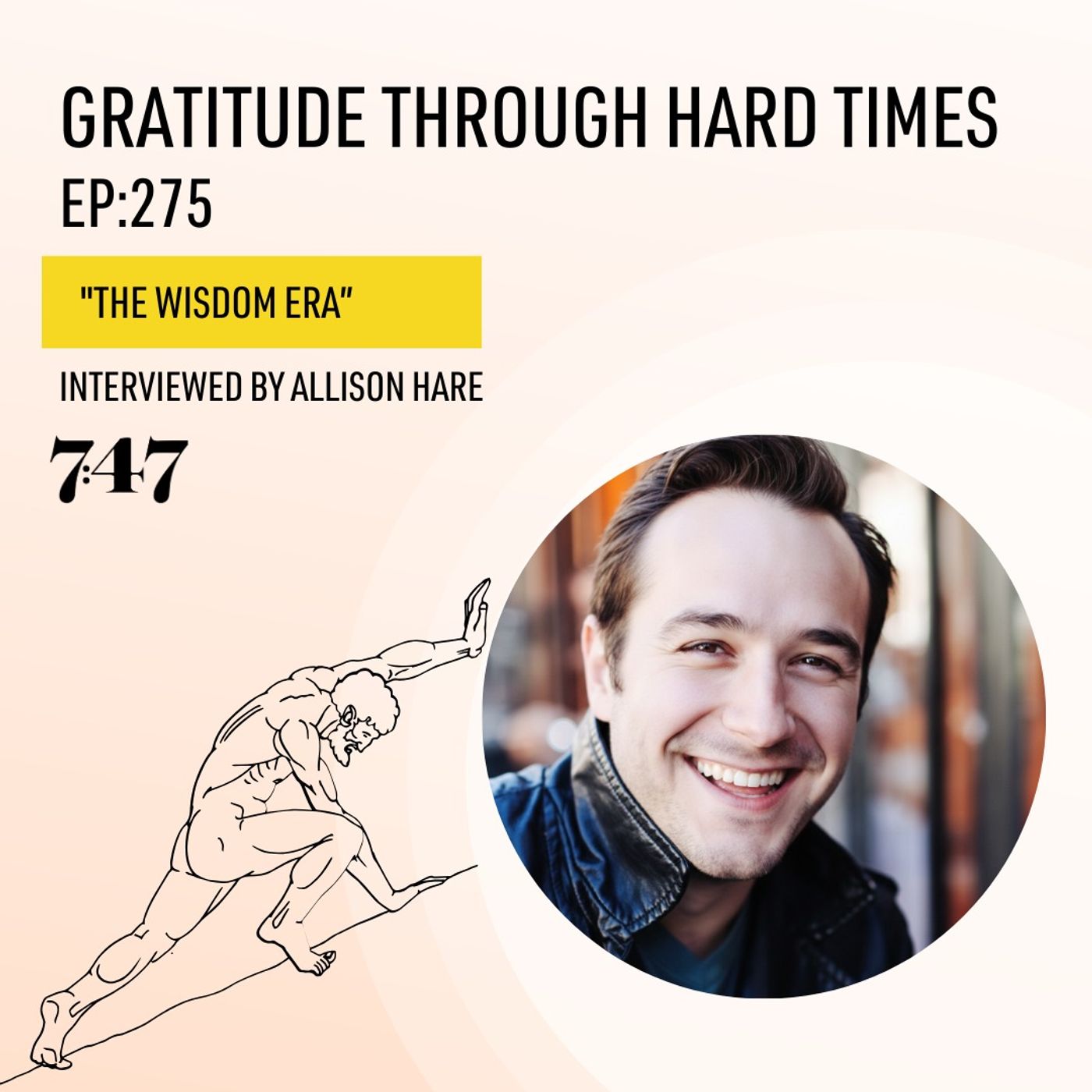
In a special role-reversal episode, host Chris Schembra steps into the hot seat as the interviewee, with award-winning strategist and Culture Changers host Allison Hare leading the conversation. Reflecting on a decade of building human connection, Chris explores why we are entering a new cultural chapter—shifting from the Knowledge Era to the Wisdom Era.The conversation explores the internal shifts required to lead in a world being reshaped by AI. Chris discusses the transition from maternal energy—focused on empathy and nurturing—to a paternal energy that emphasizes resilience, agility, and the strength to face uncertainty. This episode is a deep dive into the friction of human connection, revealing why presence and intimacy are the most valuable currencies we have in an automated world.Chris also shares his personal journey with Dialectical Behavioral Therapy (DBT), offering a raw look at how behavioral skills can help us “go first” into vulnerability. It is a powerful reminder that while technology can provide answers, only human wisdom can provide meaning.Explore more: This conversation builds on three prior Culture Changers episodes where Allison Hare interviewed Chris Schembra on Gratitude, Intimacy & Trust (BDSM and the Boardroom), and Therapeutic Healing (Ketamine Therapy).10 Key TakeawaysThe Shift to the Wisdom EraAs AI takes over the Knowledge Economy, human value will be defined by wisdom—the ability to make sense of lived experiences and apply them to future outcomes.Earned ConnectionReal connection isn’t a given; it is earned through the three pillars of Presence, Coherence, and Intimacy.The Power of “Going First”Presence is inconvenient and often creates friction. Leadership requires the willingness to be the first to step into vulnerability.Maternal vs. Paternal EnergyWhile maternal energy provides comfort, paternal energy provides the resilience and backbone needed to navigate high-stakes uncertainty.DBT as a Leadership ToolDialectical Behavioral Therapy isn’t just for crisis; its skills in distress tolerance and interpersonal effectiveness are essential for modern leadership.The Friction of IntimacyWe often avoid deep connection because it is inconvenient. Overcoming this internal resistance is the key to psychological safety.Moving Beyond the Cult of TraumaConstant focus on past injustice can weaken our willpower muscle. Growth requires agility and forward motion.Coherence in ContradictionSuccess in the new era demands a both/and mindset—the ability to hold opposing truths at once.Social Health as a PriorityIn an era of isolation, prioritizing human connection is a necessary act of cultural and organizational healing.The Value of InconvenienceThe most human acts—showing up, listening deeply, being present—don’t scale, and that’s exactly why they matter.10 Key Quotes“The knowledge economy is dying… what human beings need next is the Wisdom Era.”“Wisdom is the ability to make sense of things and apply experience to future outcomes.”“Presence is inconvenient. It is the friction of the human experience.”“We’ve focused so much on empathy that we’ve lost our agility.”“Intimacy is the opposite of isolation, but it requires courage.”“DBT taught me how to make things go right, not just analyze what went wrong.”“Your answer matters less than your presence.”“You can’t automate wisdom.”“Social health is the great healing opportunity of our time.”“Tomorrow can be better than yesterday if you do it the right way.”
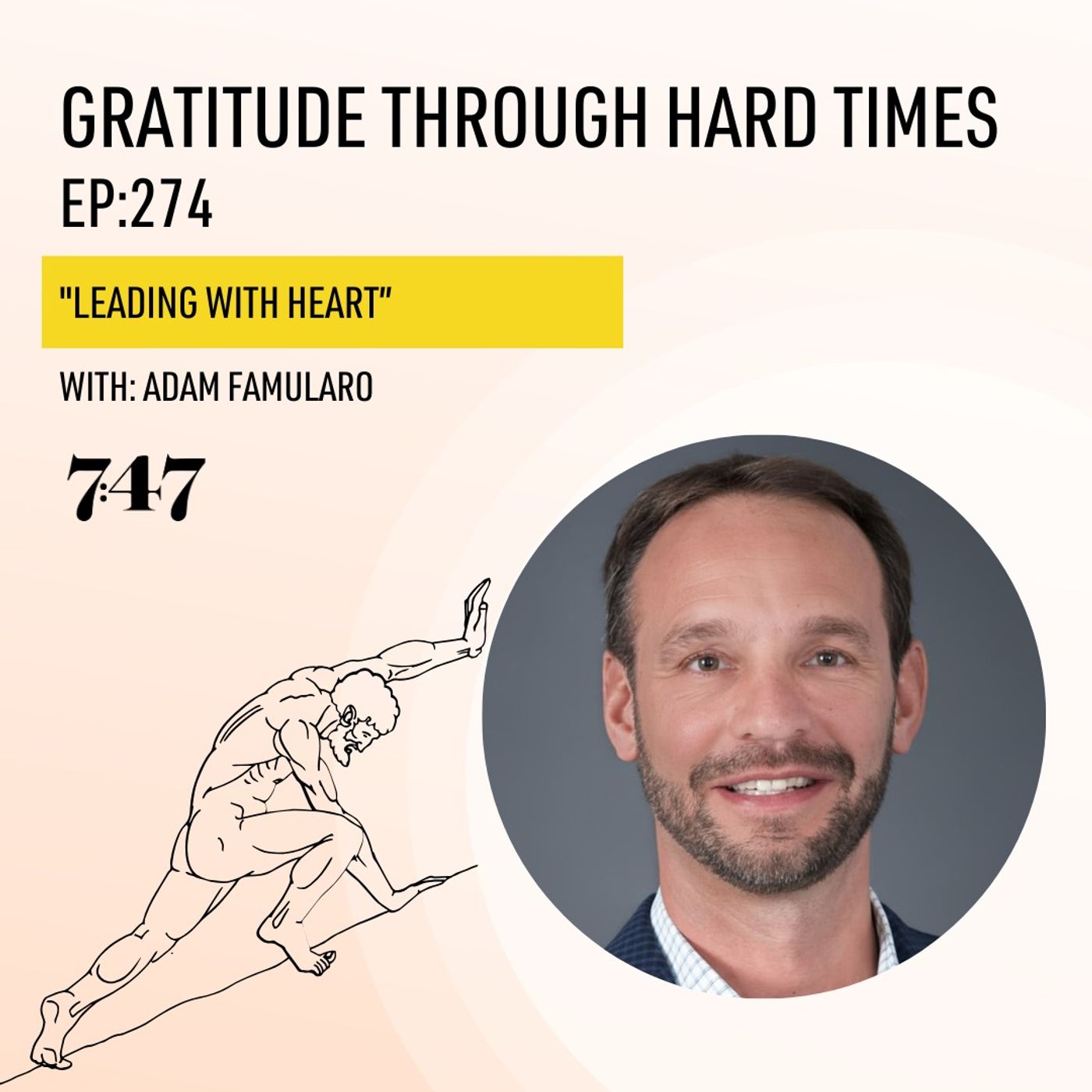
Chris sits down with Adam Famularo, CEO of WorkFusion, in a rainy New York City as the holiday season begins. Adam shares his unconventional path from elite Spartan racer to technology executive, and how endurance, resilience, and gratitude shaped his approach to leadership. His journey is a reminder that meaningful careers are rarely linear—and that growth often comes from overcoming challenges rather than avoiding them.The conversation centers on human-centric leadership in an AI-driven world. Adam explains why technology should exist to elevate people, not replace them, and how a “giver” mindset, genuine curiosity, and gratitude have guided his success. Rather than chasing outcomes, he focuses on helping others thrive—trusting that success follows naturally.Chris and Adam also explore what leadership looks like during times of crisis, including the responsibility to prioritize people over business when it matters most. Adam reflects on using gratitude as a tool for resilience and the importance of acknowledging the support systems—at work and at home—that make high-level leadership possible.This episode is a powerful reminder that everyone matters. From mentors and teammates to the people we encounter every day, Adam reinforces that real impact comes from empathy, appreciation, and leading with humanity—no matter how advanced the technology becomes.10 Key TakeawaysPrioritize People Over Technology: While technology budgets often dwarf human-centric spending, the true value of automation is to empower humans to do more meaningful work.The Power of a "Giver" Mindset: Success often comes as a byproduct of helping others achieve their goals rather than pursuing success directly.Lead with Genuine Curiosity: To build strong relationships and align with others, one must be curious about what drives and motivates people.Gratitude for Support Systems: High-level success, such as running a company and serving on multiple boards, is only possible with a strong support system at home.Gratitude is a Tool for Resilience: Giving and expressing thanks can be used to improve a situation, rather than waiting for circumstances to improve before being grateful.Embrace Obstacles: Career and life paths are rarely straight lines; the ability to overcome challenges and objections is a primary thread of a meaningful life.The Importance of Human-Centric AI: Successful AI adoption involves giving technology human-like traits, such as names and personas, to help employees feel like it is part of the team.Caring for People in Crisis: Leadership means putting business on hold to ensure the safety and wellbeing of employees and their families during global conflicts.Acknowledge Mentors: Success is a journey where influential people—from coaches to business leaders—play critical roles in shaping an individual's path.Value Every Role: Every person, regardless of their job title—from a security guard to a CEO—plays an interesting role in your life and deserves appreciation.10 Key Quotes"Smart people can smell BS a mile away.""Getting human every now and then is a good thing for us.""We talk too much about technology and not enough about the human.""Technology was always about automation... and enabling people to use their minds and doing things that really matter to them.""If you help enough people in this world get what they want, you will ultimately get what you want without of course looking for it.""Everybody is a person at the end of the day. They're all driven by something.""It's very easy to do good by others, even if it's just smiling and saying hi and thank you.""You don't have to wait for things to be good to give. You can use giving as a way of making things good.""Luck is when hard work meets opportunity.""There is no easy path, there's no easy buttoning... [it's] about overcoming major obstacles in career and life."About the Guest: Adam FamularoAdam Famularo is a veteran technology leader and entrepreneur with over 28 years of experience.Current Role: CEO of WorkFusion, a company focused on "ending boring work" by deploying AI digital workers to fight financial crime and money laundering.Previous Experience: Formerly the CEO of Erwin Inc. (acquired by Quest Software) and held executive roles at Verizon and CA Technologies.Background: A former elite Spartan racer who applies an endurance mindset to the boardroom. He is also a dedicated father, son, and friend who prioritizes people above all else
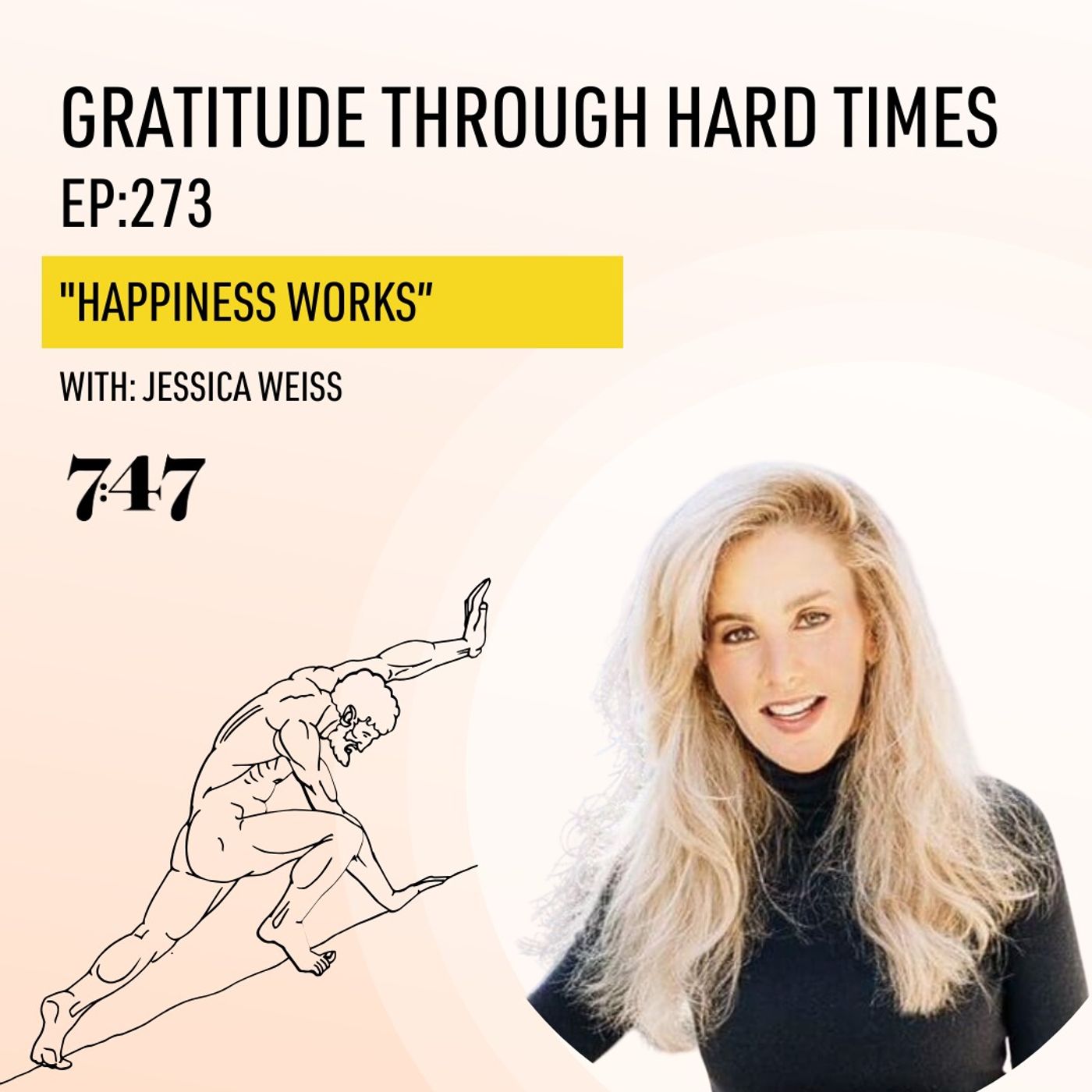
Episode SummaryIn this episode, Chris Schembra sits down with Jessica Weiss to unpack a radical but practical idea: happiness at work isn’t something you wait for in a distant future, it’s something you actively create, even in imperfect conditions. Drawing from Jessica’s book Happiness Works, the conversation reframes happiness not as a fleeting mood or a vague “choice,” but as a set of tangible, science-backed tools anyone can use right now. They explore why the single most powerful first step toward happiness is simply finding a friend at work, how resilience is a muscle built through small, confidence-building decisions, and why “good enough” choices often lead to more satisfaction than endless optimization. Together, they dismantle common myths about happiness, connect gratitude and joy to long-term resilience, and show how depersonalizing failure and using feedback as data can transform setbacks into progress. The episode culminates in Jessica’s five-part framework—connection, resilience, optimism, trust, and progress—offered not as a rigid sequence, but as a buffet of tools listeners can draw from as needed. At a moment defined by burnout, uncertainty, and rapid change, this conversation makes a compelling case that happiness isn’t fluffy or naïve; it’s a strategic advantage for individuals, teams, and organizations alike.10 Quotes“Happiness isn’t something you wait for in the future; it’s something you build, even in imperfect conditions.” “The fastest way to improve your happiness at work is shockingly simple: find a friend.” “Happiness is not the absence of unhappiness; it’s having tools you can rely on when things get hard.” “Resilience isn’t a personality trait. It’s a muscle, and you build it through small decisions.” “Good enough decisions often create more happiness than perfect ones that take forever.” “Happiness isn’t a choice. It’s strategies, tactics, and habits you practice every day.” “Failure is inevitable. The real skill is learning how to depersonalize it and extract the lesson.” “Trust is the foundation of feedback—if you don’t trust the source, the message won’t land.” “Gratitude and joy aren’t just reflections; they’re mindset-shifting tools that build resilience.” “You don’t need to change your entire life to be happier—small, consistent actions change the trajectory.” 10 TakewaysHappiness is actionable.It’s not a vague feeling or personality trait—it’s built through repeatable tools and behaviors. Connection comes first.Having even one genuine friend at work dramatically improves engagement, wellbeing, and performance. Resilience is built in micro-moments.Small, quick decisions create confidence and momentum over time. Perfection kills happiness.“Maximizers” suffer more than “satisficers.” Aim for progress, not perfection. Tools beat willpower.Relying on “choosing happiness” isn’t sustainable. Systems and habits are. Gratitude trains the brain.Practices like joy journaling rewire attention toward presence, meaning, and resilience. Depersonalizing failure is a superpower.Treat setbacks as data, not identity, to grow faster and suffer less. Trust enables honest feedback.Without psychological safety and trust, feedback becomes noise or threat. Progress fuels motivation.Ending the day knowing you moved something forward is essential to long-term happiness. Happiness scales across life stages.From basic security to meaning and purpose, happiness tools apply at every level of Maslow’s hierarchy.
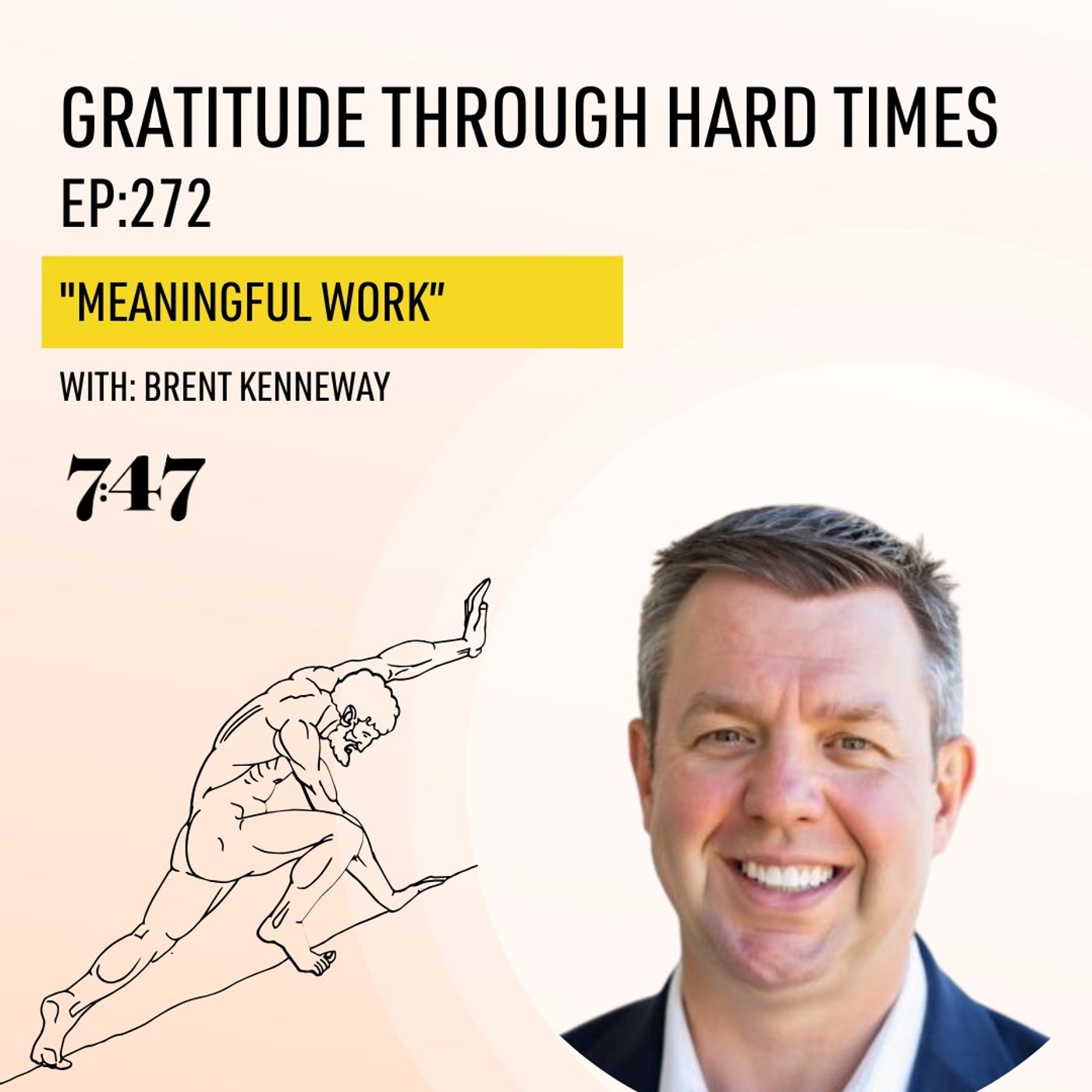
Episode OverviewIn this episode of Gratitude Through Hard Times, Chris Schembra sits down with Brent Kenneway, National Group VP of Sales at UKG, for a conversation about the kind of relationships that aren’t transactional, the kind that actually nourish the soul. Brent opens with the gratitude question and doesn’t hesitate: he gives credit to his wife, Jenny, the person he says made his life and career possible by “holding down the fort” while he built his leadership path. From there, the conversation expands into parenting, identity, and leadership, especially Brent’s lived experience of managing “multiple personalities” at home with four kids and at work with diverse teams. The thread that ties it together is intentionality: Brent wants to be more present when he comes home, more human at work, and more consistent about building culture one interaction at a time.Chris and Brent then go deep on a core leadership shift: moving from blame to radical accountability, and from problem-obsession to solution-finding. They talk about debriefing as a life skill (“What went well? What could have gone better? What will we do differently next time?”), and they challenge the cultural reflex to fix what’s wrong without first helping what’s already right go more right. Brent adds a key leadership balance: culture without systems breaks, and systems without culture underperform, you need both.Finally, they tackle the future: AI, change, and uncertainty. Brent argues for People-First AI—AI as augmentation, not replacement, using the story of the handheld calculator as a reminder that tools can free humans to do more meaningful work. The takeaway is clear: the companies (and families) that win won’t be the ones that move fastest alone; they’ll be the ones who pair speed with depth—building trust, presence, and gratitude at scale.10 key takeawaysGratitude isn’t a “soft” thing—it’s a performance tool for leadership, retention, and resilience in hard moments. Give credit to the people behind your success—Brent names Jenny as the foundation of his career and family stability. Parenting and leadership are the same craft: multiple personalities, different motivations, one mission—learn what makes each person tick. Presence is a transition skill: coming home from “business mode” requires intentional switching into family mode. Radical accountability beats blame: the real shift isn’t “what did I do wrong?” but “how can I be better next time?” Debriefs create growth without shame: “What went well / better / differently” builds learning loops that scale. Culture + systems = results: positivity without structure fails; structure without humanity underperforms. Leaders don’t hand answers—they develop thinkers: Brent mentors by asking, “What do you think we should do?” Standardize first, operationalize second: clarity reduces confusion; consistent process multiplies performance. People-First AI is the way forward: AI should remove the mundane and return time to relationships, creativity, and real human connection.10 Quotes“We’re here to talk about relationships and gratitude—but not the transactional type. The soul needs nourished.” “I’m not at the position I am in my life without [Jenny’s] backing, her support, her guidance.” “All four kids—completely different personalities. That’s the joy of parenting… and leadership.” “If you’re present and recognizing the situation, it’s a lot easier to have that inward focus.” “People are distracted… and that makes it harder to stay solution-oriented.” “Culture without systems breaks—and systems without culture underperform.” “I never give the answers. I ask: ‘What do you think you should do?’” “We’re spending more time at work than we are with our families—so you might as well make it fun and human.” “People-first AI… it’s augmentation. It speeds up the mundane so you can spend more time with people.” “You can never connect the dots forward—only backwards.”
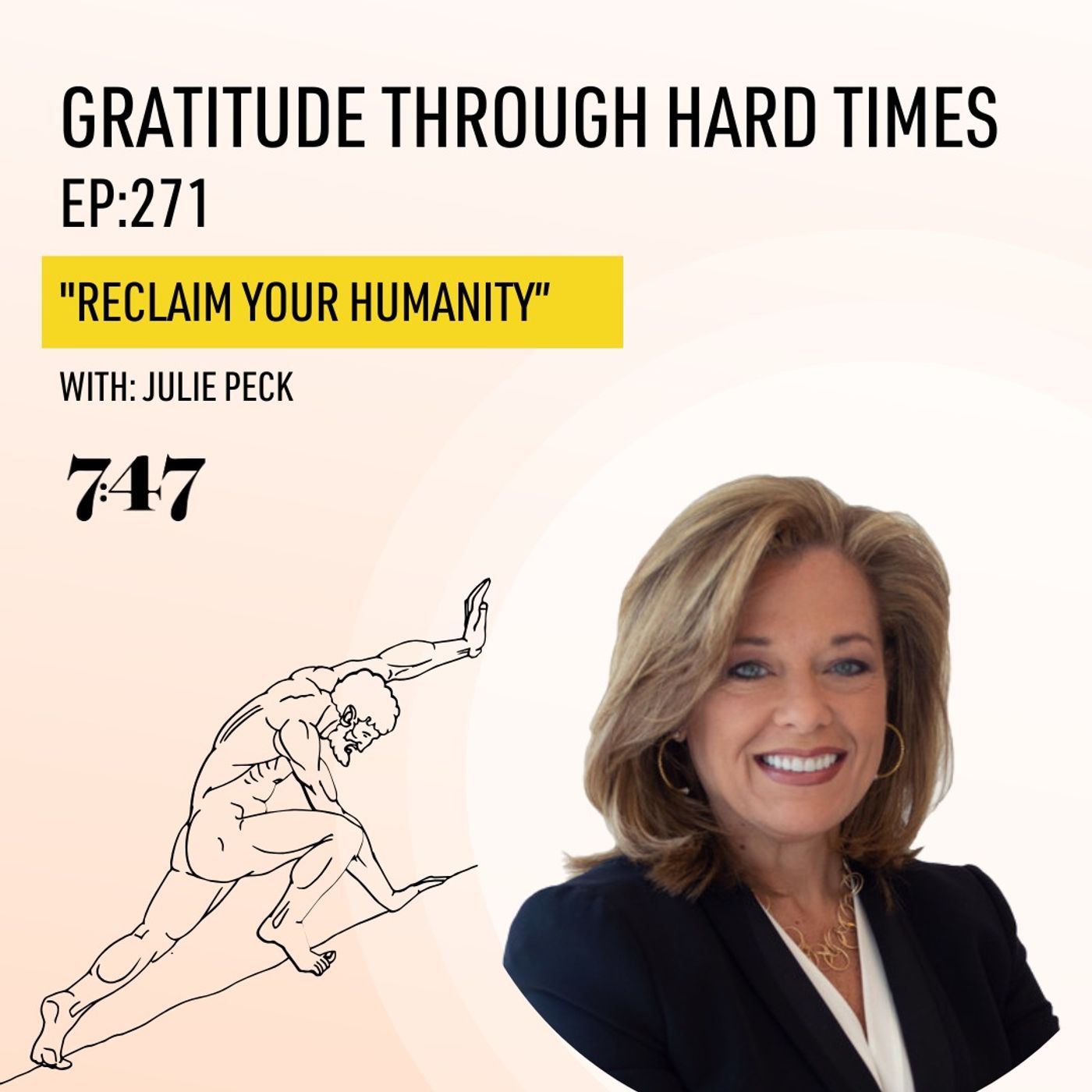
Podcast Show OverviewIn this episode of Gratitude Through Hard Times, Chris Schembra welcomes back Julie Peck—a seasoned tech and growth executive and current CEO of Talent Neuron, a global leader in workforce intelligence. Returning after a powerful first conversation (“The Gift of the Curvy Path”), Julie brings both lived experience and a front-row seat to how AI is reshaping work, leadership, and the talent market.The conversation opens with the show’s signature gratitude thread: Julie re-centers her enduring gratitude for her mother—an “anchor” figure defined by generosity, steadiness, and wisdom. From there, the episode expands into a bigger thesis: we’re moving from a knowledge economy (being paid to “know”) to a wisdom economy (being valued for discernment, context, ethics, and humanity), right as AI accelerates technical capability faster than society’s ability to govern it wisely.Julie explains what she’s seeing in real time—from the lightning-fast evolution of “prompt engineering” (job → skill → everywhere) to the rise of AI agents, “managers of agents,” and even early signals around digital twins / digital clones. The discussion is both exciting and sobering: the future isn’t just humans using tools—it’s organizations learning to coordinate human employees + virtual workers while wrestling with ownership, ethics, and identity.They land the plane with an antidote: in a world speeding up, the advantage is learning to reclaim your humanity—through presence, boundaries, real conversation, and the ancient technology of the dinner table. Chris frames it as “slow food and fast cars” (Emilia-Romagna) and the “AND, not OR” mindset: use AI to amplify impact and protect what makes life meaningful. Key TakeawaysWe’re shifting from “knowing” to “discerning.” AI can produce answers; humans are needed for wisdom, ethics, and context. The pace is the story. Roles like “prompt engineer” moved from nonexistent → hot → embedded in everything in about a year. Soft skills are becoming the real differentiator. Adaptability, learning agility, collaboration, and communication are what survive a fluid world. Digital cloning raises ownership questions. If your work footprint trains a “you,” who owns it—you or your employer/platform? Reclaim humanity through designed friction. Put the phone down, limit your digital exhaust, and build anchor points (like dinners) where real presence returns. Memorable QuotesJulie Peck: “I call that reclaiming your humanity.” Chris Schembra: “The dinner table is truly the last thing that AI can get to.” Julie Peck: “The technical capabilities of AI are evolving far faster than the world’s ability to be wise about how we build it and interact with it.” Julie Peck: “Put the phone down and talk to each other and actually look each other in the eyes.” Julie Peck: “If you’re standing at Lake Geneva and you’re looking at the Alps, don’t try and take a picture of it. Just look at it.” Chris Schembra: “We’re living through the collapse of the knowledge economy… What if we’ve been playing the wrong game all along?” Julie Peck: “We don’t understand the rules of the game… and we’re unprepared for it.”
In a world obsessed with speed, optimization, certainty, and AI-driven answers, this episode of Gratitude Through Hard Times offers a necessary pause. Chris Schembra sits down with Eric Stine, CEO of Sitecore, for a deeply human conversation about leadership, belonging, gratitude, and the courage to say yes before you feel ready. This is not a tactical episode about growth metrics or technology stacks—it’s an exploration of what it means to lead, live, and connect in a time when instinct is being outsourced and humanity is at risk of being optimized away.Eric reflects on a 25-year career across some of the world’s most influential enterprise technology companies, but reframes success through a different lens. Rather than crediting restraint or perfection, he points to saying yes as the defining strategy of his life, yes to unfamiliar roles, yes to reinvention, yes to creativity, fatherhood, philanthropy, and Broadway. Along the way, he opens up about imposter syndrome, those quiet moments of doubt that surface even at the highest levels of leadership, and why authenticity—not certainty—is what ultimately creates trust and psychological safety for teams.The conversation reaches back to Eric’s eighth-grade years, when he felt like an outsider searching for his people. Theater became the place where he learned that difference wasn’t something to hide, but something to bring forward, a lesson that continues to shape how he builds culture today. That theme of belonging becomes especially resonant in today’s age of fragmentation and loneliness, where many people feel disconnected not because they lack opportunity, but because they lack spaces where they can show up fully as themselves.Midway through the episode, Eric answers the signature gratitude question, offering heartfelt thanks to his father, Mark, whose belief in living authentically influenced everything from Eric’s leadership philosophy to a Tony Award win on Father’s Day. The moment grounds the conversation in gratitude, not as sentiment, but as a force that shapes identity, values, and legacy across generations.This episode is especially important now because it confronts a growing cultural tension: while AI can deliver answers at unprecedented speed, it cannot deliver wisdom, belonging, or meaning. Eric draws a clear distinction between systems of record and systems of engagement, arguing that the future belongs to leaders and organizations that pair data with instinct, scale with empathy, and efficiency with humanity. In an era where people are burning out not just from work, but from hiding who they are, this conversation offers a different model, one rooted in community, peer-driven recognition, and shared accountability rather than control.Ultimately, The Power of Saying Yes is a reminder that culture cannot be engineered from the top down and growth cannot be achieved through optimization alone. Culture comes from community. Belonging comes from permission. And the most meaningful paths in life are rarely the safest ones. This episode invites listeners to slow down, embrace impermanence, and choose the more interesting path, not because it’s easy, but because it’s human.10 Key TakeawaysSaying yes creates momentum.Progress, growth, and meaning often come from leaning in before you feel ready—not from waiting for certainty. Authenticity is a leadership advantage, not a liability.When leaders model vulnerability, they unlock psychological safety and better performance across teams. Imposter syndrome doesn’t disappear—it becomes a compass.Doubt is often a signal that you’re stretching into something meaningful. Finding “your people” changes everything.Belonging fuels confidence, creativity, and resilience—whether in theater, business, or family. Gratitude is a strategic tool, not a soft one.Recognizing people for their impact on others builds trust, loyalty, and culture at scale. Culture cannot be built top-down.Leaders can only create the conditions; community does the building. AI needs humans in the loop.Data delivers insight, but instinct and empathy deliver relevance. Impermanence creates meaning.Moments matter more when we know they won’t last—whether on stage, at work, or around the dinner table. Accountability is empowering when framed as ownership.We don’t work in isolation—we work in ecosystems where shared responsibility drives excellence. The best life is an AND life, not an OR life.Passion and profit. Speed and care. Technology and humanity. Both can be true.Eric Stine BioEric Stine is the Chief Executive Officer of Sitecore, driving the company's vision and strategy to unlock business value for clients by empowering them to create compelling digital experiences. Eric was previously Chief Operating Officer, where he led all customer-facing functions.Before Sitecore, Eric was Chief Executive Officer of Elemica. Previously, he was Chief Commercial Officer of Skillsoft and Chief Revenue Officer of Qualtrics. Eric has also held executive roles at companies such as SAP, Ciber, and Blackboard.Eric earned a law degree at Boston University School of Law and a Bachelor of Arts at Northwestern University, where he and his husband are the founders of the Eric and Neil Stine-Markman Scholarships. They are the first permanent endowments at either institution directing funds toward LGBTQ+ students.He is based near New York City.
Episode OverviewIn this rich, sensory journey through the Eternal City, I sit down with food historian, author, and Rome expert Katie Parla, a woman whose love affair with Rome began at sixteen thanks to her mother’s quiet act of generosity. What started as a high school Latin club trip became a lifelong devotion to understanding the flavors, history, and soul of a city that was never meant to exist. Rome began as a malarial, snake-infested swamp, yet somehow became the beating heart of Western civilization.Katie has written, edited, or contributed to more than twenty books and countless articles in publications like The New York Times, Vogue, and The Guardian. Her newest work, Rome: A Culinary History Cookbook and Field Guide to the Flavors That Built a City, is not just another recipe collection. It’s a layered love letter, part history book, part field guide, and part emotional map to the spirit of a city that has endured famine, fire, empire, and rebirth. Together, we explore what Rome can teach us about leadership, gratitude, and the art of being human in an age of acceleration.We begin where all gratitude stories begin, at the table. Katie gives thanks to her mother, “Jojo,” who worked multiple jobs to make that first trip to Rome possible. Through her mother’s sacrifice, Katie learned the essence of perseverance, the same relentless spirit that built the city she now calls home. From there, we wander through the neighborhoods of Rome, from the ancient core to the medieval center, and finally to Testaccio, her favorite district, where modern graffiti meets ancient terracotta ruins. It’s there that Katie goes to meditate on impermanence and the balance between chaos and beauty.As our conversation unfolds, history becomes a mirror for modern leadership. We talk about Rome’s “bread and circuses,” how the government once used food and entertainment to keep citizens loyal, and we draw parallels to today’s corporate perks and engagement programs. We explore the emperors of old and the executives of now, and what it means to “be a Caesar, not an Augustus,” a leader who serves with benevolence and dignity rather than domination and fear. We even touch on the city’s engineering genius, from the 2,700 nasoni fountains that keep Romans hydrated to the grain ships that once fed an empire. Every system, every aqueduct, every loaf of bread carried a lesson about sustaining people, not just power.But Rome’s real brilliance lies in its contradictions, what I call the “and” mindset. It’s a city of war and peace, tragedy and triumph, speed and stillness. It forces us to hold two opposing truths at once: to hate what was violent and love what was beautiful, to accept the brokenness and still celebrate the feast. In our current age of AI and instant answers, Rome reminds us of the value of friction, imperfection, and effort.We wander next into the Roman Forum, where citizens once gathered to argue, trade, eat, and bear witness. It was the original “third place” between home and work, the birthplace of civic belonging, a space for conversation and connection. Katie draws a line from the Forum to today’s trattorias and pizza-by-the-slice counters, where people stand shoulder to shoulder, talking to strangers, sipping espresso, or sharing a quick lunch of supplì or cacio e pepe. These are the modern temples of togetherness.Then comes the food. Not just the postcard dishes of carbonara and amatriciana, but the soulful, often forgotten recipes of Rome’s working class: chicken gizzards with fettuccine, veal intestines simmered in tomato sauce, and involtini, rolled beef stuffed with prosciutto, carrots, and celery, cooked slowly until tender. Katie calls it “one pot, two dishes,” a metaphor for efficiency and abundance at once. Her approach to cooking, and to life, can be summed up in three simple words: just enough.By the end of our conversation, one theme rises above all others: dignity. From her mother’s resilience to the humble Roman bakers who built an empire on grain, from the laborers who carved aqueducts to the chefs who open their kitchens to curious foreigners, Katie’s gratitude is for everyone who never gave up. “Leave so much time in Rome unplanned,” she says, “and dare to have an adventure.” It’s not just travel advice, it’s a philosophy for life. Reflections and TakeawaysRome, like gratitude, is a practice. It reminds us to slow down, to see the sacred in the mundane, and to find beauty in imperfection. Leadership, whether in the Senate or the boardroom, is about giving people both challenge and dignity. Progress and empathy are not opposites, they are partners.Katie’s story reminds us that effort is its own art form. Whether you’re simmering a pot of cacciatore or steering a company through uncertainty, the recipe is the same: patience, precision, and a dash of love. The lesson of Rome is the lesson of humanity, that endurance, generosity, and curiosity will always outlast convenience. Explore FurtherKatie’s independently published masterpiece Rome: A Culinary History Cookbook and Field Guide to the Flavors That Built a City is available at shop.katieparla.com. You can find her Rome travel guides, restaurant recommendations, and food tours at katieparla.com, and follow her everyday adventures on Instagram at @katieparla.To explore more stories of gratitude, connection, and leadership, visit 747club.org and join our growing community.
Episode OverviewIn this deeply personal episode of Gratitude Through Hard Times, host Chris Schembra sits down in person with Sandra Campos, a trailblazing CEO, board advisor, and serial entrepreneur whose story spans global fashion houses, digital transformation, and compassionate leadership.From humble beginnings in her parents’ tortilla factory to leading billion-dollar brands like Diane von Furstenberg and PetMeds, Sandra’s journey is one of grit, grace, and reinvention. Sheopens up about her mother’s influence as an immigrant and lifelong learner, how that shaped her own discipline and drive, and why gratitude remains the throughline of every chapter in her life.Together, Chris and Sandra unpack the difference between knowledge and wisdom, exploring how true leadership comes not from perfection but from experience, the kind earned through risk-taking, failure, and self-belief. Sandra shares how she’s learning to slow down, to truly listen to the sounds around her, from the birds on her rescue horse farm to the people who cross her path, and why presence might be the most powerful skill in business today.They talk about the courage to show up before you’re ready, the importance of respect in partnerships, and how every ending can be the start of a new beginning if you meet it with optimism and curiosity. Sandra’s reflections on authenticity, self-authorship, and purpose offer timeless lessons for anyone navigating change or chasing meaning in modern leadership.This episode is a reminder that you can’t teach wisdom — you live it. It’s a celebration of resilience, risk, and gratitude, and an invitation to believe that, no matter your age or stage, you’re always just beginning.Themes & Highlights● How Sandra’s immigrant mother instilled grit, gratitude, and lifelong learning ● From “knowledge builds confidence” to “experience builds wisdom”● Taking uncalculated risks — and learning to thrive through failure ● The emotional intelligence behind leading through change ● Presence as the ultimate leadership skill● Why reinvention is not a restart, but a continuation of purposeWhy ListenAt a time when leadership often feels defined by speed and perfection, Sandra reminds us that true wisdom comes from slowing down, showing up, and learning through experience. Her journey from small-town Texas to the global stage is proof that success built on gratitude, curiosity, and courage doesn’t just change careers...it transforms lives.“Experience Builds Wisdom” is more than a conversation, it’s an invitation to see every risk, every chapter, and every quiet moment as a teacher.
Episode SummaryIn this deeply human and heartfelt conversation, Chris Schembra sits down with his longtime friend Kirti Naik, a powerhouse brand leader turned soulful storyteller, for an episode that moves beyond titles and accolades into the raw, unfiltered truth of a life well-lived. On this crisp New York City fall day, amid Yom Kippur reflections and the festive spirit of Diwali, Chris and Kirti explore the intertwined forces of fate, love, resilience, and identity.Kirti opens up about her unexpected journey into motherhood and how her daughter, Kiran, became her North Star, pushing her to finish business school while pregnant, guiding her to build a better life, and teaching her lessons in forgiveness and courage. Together, Chris and Kirti unpack the subtle art of pausing in a world obsessed with speed: pausing before responding to an email, pausing to think, pausing to realign with who we are and who we want to become.They delve into the heavy weight and quiet liberation of reputation, how cultural expectations and personal setbacks (like divorce) shape us, and how we can reclaim our own narrative even after painful turning points. Kirti shares how love and partnership with Greg have reshaped her family and her understanding of commitment — beyond paperwork and traditions — into something deeply chosen and resilient.The conversation moves fluidly from practical life strategies (like managing anxiety, editing before you send, embracing imperfection) to profound reflections on destiny (or “amor fati”), legacy, and the humility that comes with decades of personal and professional growth. We hear about parenting in New York City, the courage to let go of perfectionism, and how success is measured not just by business milestones but by the depth of relationships we nurture along the way.This is not a business episode, it’s a blueprint for living with greater presence, courage, and gratitude. Whether you’re navigating big career decisions, untangling old expectations, or learning to pause before reacting, Kirti’s story is an invitation to slow down, reflect, and embrace the beautiful messiness of life.10 Great Quotes“Kids, don’t worry about people knowing you. Make yourself worth knowing.” — Chris (quoting Fiorello LaGuardia) “She was my North Star — the reason I wanted to be a better person, to work harder, and to finish what I started.” — Kirti “Progress comes from movement, not perfection.” — Chris “I’ve shifted from people pleasing to teaching and communicating what I authentically think.” — Kirti “Precision requires pause. Sometimes waiting 15 minutes changes everything.” — Chris “Reputation is hard to rewrite — but it’s not impossible when you lead with honesty and vulnerability.” — Kirti “Material things don’t really matter. We don’t actually need anything but each other and some Netflix.” — Kirti “We have to rise above business success and find success in our personal lives — the world needs that.” — Chris “Love doesn’t have to be defined by societal milestones. Commitment can be something deeply chosen.” — Kirti “It’s humbling to realize we’re still learning — not about tools or tactics, but about ourselves.” — Kirti 10 Key TakeawaysPause Before You React — Writing a draft and waiting before sending helps you edit, clarify, and prevent future missteps. Redefine Reputation — Your past doesn’t have to define you; vulnerability and new actions can reshape how others see you. Parenthood as Catalyst — Unexpected life events, like surprise motherhood, can bring purpose and resilience you didn’t know you had. Move from People Pleasing to Authenticity — Stop avoiding conflict; respectfully communicate your needs and boundaries. Love Beyond Paperwork — Lasting commitment isn’t about traditional milestones but about shared choice and partnership. Cultural Expectations Can Be Rewritten — Even deeply ingrained norms can shift when you choose your own happiness and truth. Imperfection Is Human — Let go of needing to be flawless; aim for 80–90% and move forward. True Success Is Relational — The depth of mentorship, family bonds, and love defines life more than job titles. Anxiety Can Be Managed with Pause — Small intentional habits — like stepping back before acting — can reduce fear and increase control. Fate vs. Coincidence — Sometimes the unexpected (from your child’s name to life detours) is guiding you toward who you’re meant to become.
Episode SummaryIn this special episode of Gratitude Through Hard Times, host Chris Schembra welcomes Drew Sullivan, a purpose-driven dealmaker, speaker advocate, and Senior Vice President at APB Speakers, for a raw and hope-filled conversation about the courage it takes to stop hiding and start living authentically.Drew’s story is both ordinary and extraordinary. Growing up as a middle child with ADHD in a sports-obsessed town, he was labeled as “wrong” more often than he was encouraged to be curious. Teachers told him to be quiet, behavioral charts measured his worth, and well-intentioned parents and doctors tried their best but often focused on what he did rather than why he felt what he felt. Those early messages led to decades of self-doubt, addiction, and feeling “othered.”But Drew’s life didn’t end there. Sobriety became his turning point, not just quitting substances but rebuilding identity from the inside out. He realized the same curiosity and big-heartedness he was punished for as a child had become his superpowers as an adult: the ability to connect deeply, ask better questions, and champion others’ voices.Chris and Drew unpack big ideas that apply to everyone, whether you’re a parent trying to raise emotionally healthy kids, a leader navigating change with your team, or someone working on your own healing. Together, they talk about how to move beyond trauma without ignoring it, how to strengthen relationships through curiosity and vulnerability, and how connection isn’t just nice to have, it’s essential for growth.They dive into practical tools and powerful frameworks:The Military-Style Debrief — After any event or risk, ask three questions: What went well? What could have gone better? What will we do differently next time? From What to Why — Lasting growth comes not from obsessing over what happened but from exploring why it happened and using that insight to break harmful cycles. Ubuntu Philosophy — “I am because we are.” Success is never a solo act. Long-term fulfillment comes from shared humanity and supporting each other’s growth. Inside-Out Living — Stop chasing outside validation (titles, applause, perfection) and build a life anchored in authenticity and personal truth.This episode also wrestles with one of today’s cultural tensions: the “cult of trauma.” We live in a time where looking backward has become a primary mode of healing, therapy, revisiting wounds, and retelling past pain. That work is necessary but incomplete. Chris and Drew challenge listeners to balance reflection with forward momentum, to ask not just what went wrong, but how do we build what’s next?Their conversation is deeply practical yet profoundly human. Drew shares intimate stories — from being excluded at eighth-grade basketball tryouts to the loneliness of early sobriety — and turns them into wisdom for anyone trying to live and lead differently. Chris opens up about his own childhood with ADHD and how empathy and gratitude saved his life and career. Together, they model what it looks like to have brave, healing, and hope-filled dialogue.At its heart, this episode is a call to action: to show up for yourself and others with dignity, curiosity, and presence; to give gratitude in a way that lands; to stop letting shame and isolation write your story; and to embrace connection as the bridge between pain and growth.Whether you’re a parent, an educator, a leader building culture, or someone just trying to live a more wholehearted life, you’ll leave with practical tools and renewed belief that storms don’t last forever, and that you’re not alone in the work of becoming.10 Great Quotes“Not all gratitude given is gratitude received. We have to give in the language others like to receive.” — Drew Sullivan “Solutions are not found in the what; they’re found in the why.” — Drew Sullivan “Every storm has to end at some point — the clouds have to clear.” — Drew Sullivan “Don’t play hide and seek with yourself. Stop letting your thoughts hide.” — Drew Sullivan “If you want to go fast, go alone. If you want to go far, go together.” — Chris Schembra quoting Ubuntu “Without connection, there is no growth. It’s the water and fertilizer for real progress.” — Drew Sullivan “We spend so much emotional energy reliving what went wrong that we forget to dream about what can go right.” — Chris Schembra “Vulnerability 101: be honest about the truth of your life, not just where you are now but where you came from.” — Drew Sullivan “The greatest present you can give is your presence.” — Chris Schembra “When you know better, you do better — but only if you act on what you’ve learned.” — Drew Sullivan 10 Key TakeawaysEmpathy must lead to action — Listening and understanding are powerful, but transformation only happens when you do something with what you’ve learned. Reframe challenges into opportunities — Shift from “what went wrong” to “what can we do differently next time.” Ask “why,” not just “what” — Understanding the why behind behaviors, decisions, and pain creates the foundation for healing and growth. Connection is non-negotiable — Personal and professional growth withers without deep human relationships. Redefine vulnerability — Sharing your real story — even messy parts — builds trust and invites connection. Inside-out living beats outside-in validation — Chase alignment with values and purpose, not just achievements or appearances. Parents and leaders shape futures — Taking one extra step to understand and affirm can change someone’s entire trajectory. Reinvention is always possible — Like the Real Housewives metaphor, we all deserve new eras and second chances. Don’t let your past pilot your future — Carry your “stone,” but build the strength to make it a co-pilot, not the driver. Gratitude is a bridge — When expressed thoughtfully in someone’s love language, it deepens relationships and accelerates healing.
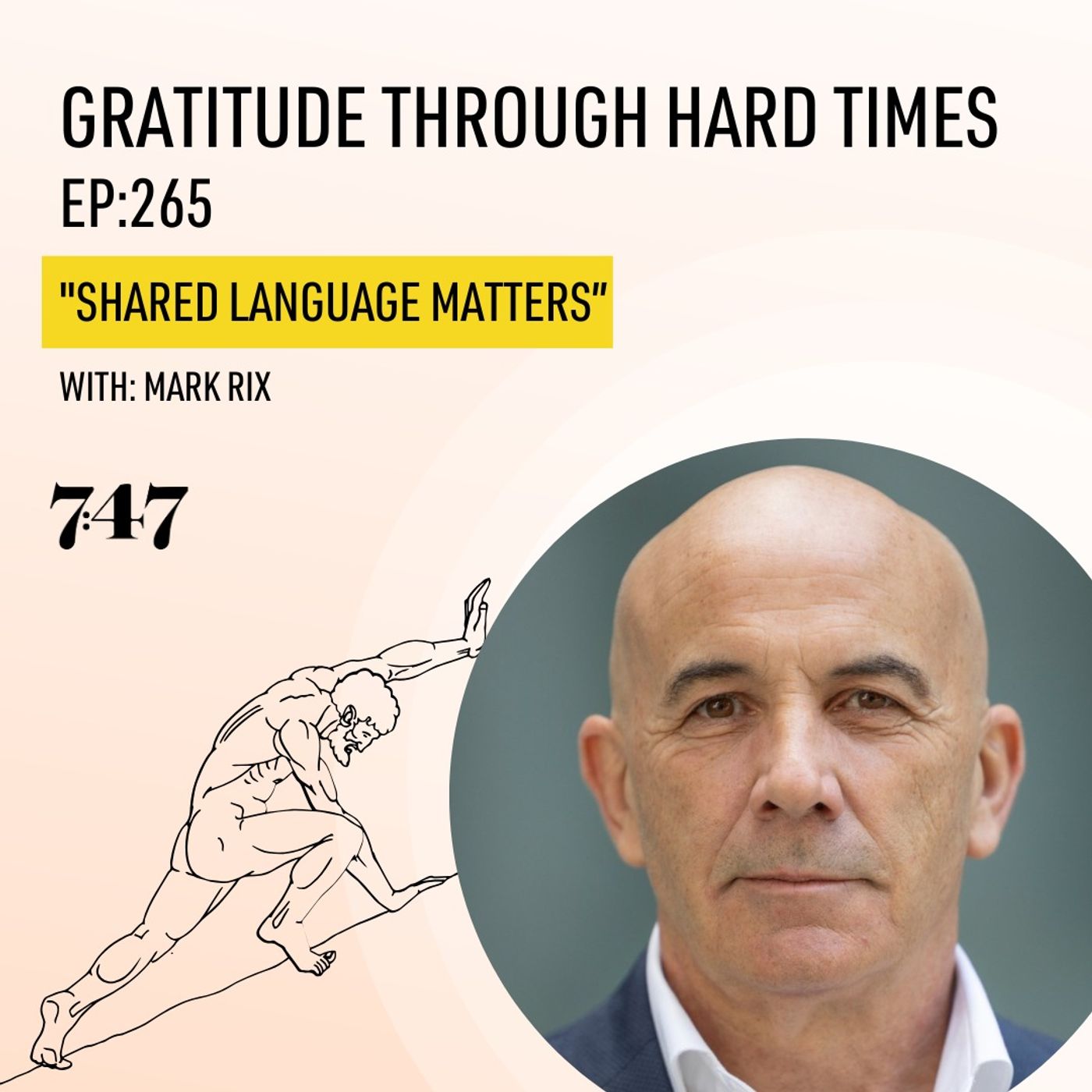
Episode SummaryThis episode of Gratitude Through Hard Times is about one of the most important and misunderstood challenges in business today, how to build workplaces where people truly thrive.Host Chris Schembra welcomes Mark Rix, Group Managing Director of Wellbeing at Work, for an unfiltered conversation on belonging, resilience, and the human side of leadership. What makes this episode powerful isn’t just the frameworks and research Mark shares; it’s the raw, unexpected personal story that shaped his entire mission.At 18 years old, Mark found himself alone in South Africa’s gold mines, working one and a half kilometers underground among hundreds of men who didn’t speak his language. In an early and unforgettable moment, he was literally punched in the face for unknowingly saying something offensive in Afrikaans, a humiliating and dangerous misunderstanding that forced him to confront the difference between “blending in” and truly belonging. It also sparked a lifelong obsession with empathy, psychological safety, and how humans treat one another at work.Fast forward to today, and Mark leads a global movement to help organizations move wellbeing from a “nice-to-have” perk to a board-level strategy that drives engagement, innovation, and bottom-line results. His organization hosts summits on six continents, gathering thousands of leaders to explore the future of mental, social, and emotional wellbeing at work.Throughout the conversation, Chris and Mark explore:Why the next era of corporate wellbeing will be about social health — helping employees feel seen, safe, and connected. How to equip managers (most of whom were promoted without training) to coach with empathy and curiosity instead of simply direct or command. The role of shared language in creating psychological safety, and why your team’s inside jokes, acronyms, and short codes matter more than you think. Why leaders don’t have to rewrite every policy or undo every mandate; often, culture change begins by simply changing how you show up in the next conversation. How investing in employee wellbeing isn’t just ethical but deeply strategic, the highest-performing companies in the world are proving that people-first drives profit. This episode is as practical as it is inspiring. It reminds leaders that while technology and AI will keep reshaping the future of work, human connection remains our greatest competitive advantage.If you’ve been struggling with disengagement, low morale, or the exhaustion of leading through uncertainty, this conversation will give you both a fresh perspective and simple actions to start right away, like carving out time to talk, listen, and ask better questions.Above all, it’s a reminder that resilience and thriving cultures start with a choice: to lead with empathy and authenticity, one conversation at a time. 10 Memorable Quotes“You can blend but not belong. To bond, you have to give something of yourself.” — Mark Rix “Trust is built before it’s tested. If your people don’t feel safe, they won’t speak up when it matters.” — Chris Schembra “I realized after being punched that day — this is not how work should be. No one should feel unsafe simply trying to belong.” — Mark Rix “A shared language can literally save lives underground. In business, it can save culture.” — Chris Schembra “Most managers are promoted without the skills — or the mindset — to coach. And it’s costing engagement.” — Mark Rix “Empathy is listening to understand, then using that data to act differently tomorrow.” — Chris Schembra “Wellbeing isn’t fluffy. Companies investing in their people outperform the market.” — Mark Rix “You don’t have to change the policy to change the culture. Start by changing you.” — Chris Schembra “Connection is still our greatest competitive advantage — AI can enhance it but never replace it.” — Mark Rix “It doesn’t matter how hard you get punched; it’s about how well you get back up and keep leading with heart.” — Chris Schembra 10 Key TakeawaysBonding > Blending — True belonging comes when people feel safe to bring their full selves, not just adapt to fit in. Shared Language Matters — Developing clear, common language within teams builds trust and prevents miscommunication in high-stakes environments. Empathy Is Action-Oriented — It’s not enough to “feel for” others; leaders must use what they learn to lead differently. Managers Need Coaching Skills — Over half of managers aren’t prepared to lead; training them as coaches is one of the fastest ways to improve culture and engagement. Human Connection Fuels ROI — The best-performing companies on the stock market are investing heavily in employee wellbeing. Don’t Wait for Policy — Leaders can start culture change simply by slowing down, listening, and showing genuine interest. Social Wellbeing Is the New Frontier — Loneliness is an epidemic; companies must look beyond physical and mental health to build deep social connection. Technology Is a Tool, Not a Replacement — AI and data can measure and enhance wellbeing strategies but will never replace face-to-face connection. Your Personal Story Shapes Leadership — Early, even painful experiences can become catalysts for empathy-driven leadership. Resilience Is Built, Not Bought — Being “punched” — literally or figuratively — can teach leaders how to bounce back and guide others through adversity.
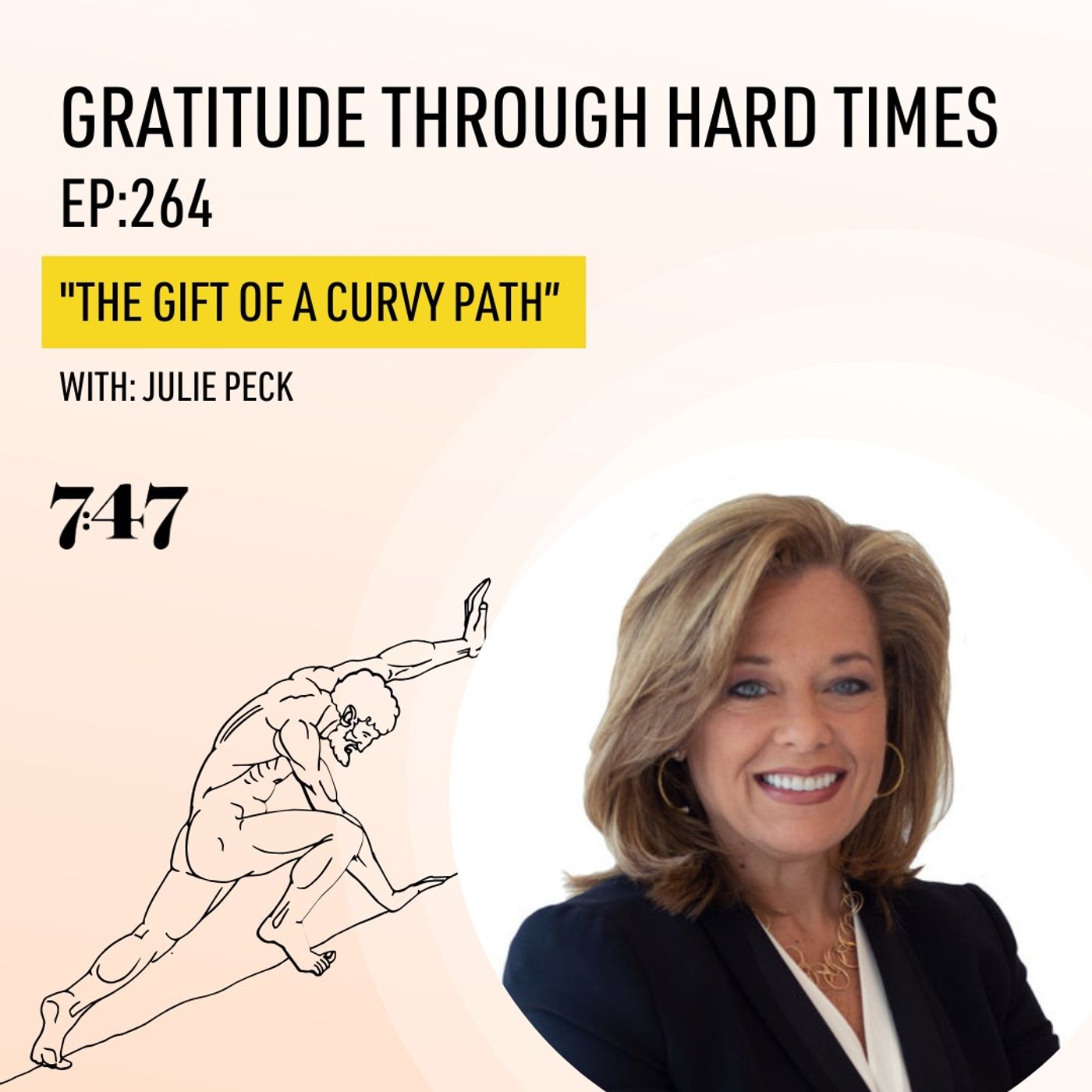
Episode OverviewSometimes the most remarkable leaders don’t arrive at the top by climbing a neatly planned ladder, they stumble, pivot, and rebuild along winding roads. In this deeply personal and unexpectedly funny episode of Gratitude Through Hard Times, host Chris Schembra welcomes Julie Peck, a transformative CEO whose story proves that a “curvy path” is not a flaw, it’s a strength.Julie’s life didn’t begin with obvious momentum. She grew up in a household that didn’t talk about feelings, in the shadow of a brilliant but stoic father and amid early self-doubt that left her with little sense of self-worth. By her twenties, she found herself adrift, unhappy, financially unstable, stuck in unfulfilling relationships, and ultimately failing out of college. She ended up living in a crumbling apartment above a record store, sleeping on a mattress she salvaged from a frat house dumpster. From the outside, it looked like failure; from the inside, it felt like rock bottom.But Julie didn’t stay there. In this conversation, she shares the turning points that changed her trajectory: discovering the courage to face old wounds through therapy and 12-step recovery, deciding to rebuild her education while working full-time, and learning to measure her worth by more than just professional success. Along the way, she tapped into something profound, the ability to take one small action forward even when the long-term plan is unclear.That perseverance reshaped her career. Julie went from customer service to HR innovator to creative director, learning to package her “pile of skills and behaviors” into new opportunities. She took smart risks, like organizing a union drive not to win but to force leadership to listen — and watched those risks lead to promotions and purpose. Ultimately, she rose into C-suite leadership and CEO roles, scaling tech companies, driving triple-digit growth, and building cultures where people thrive. But she never forgot the messy middle or the tools that helped her climb out.Together, Chris and Julie go far beyond résumés and revenue. They unpack what resilience really looks like: the gritty inner work of building self-worth when no one hands it to you, the power of visualizing a future even if you don’t know how to get there, and the discipline of balancing the things you must do, should do, and want to do. They talk about how gratitude rewires imposter syndrome, how thanking those who invest in you is a way of saying, “I believe your belief in me.” They explore why everyone — even highly accomplished leaders — is “winging it” every day, and why that’s not weakness but reality.For anyone navigating uncertainty, Julie’s journey is a masterclass in turning pain into purpose and mistakes into momentum. It’s a reminder that your story doesn’t have to be perfect to be powerful, in fact, the curve is where character is forged.This episode is a warm invitation to pause, reflect, and reconnect with what matters: your own worth, the people who’ve lifted you along the way, and the belief that no setback is final. Whether you’re rebuilding after a career stumble, leading through change, or simply searching for hope in a hard season, Julie’s voice will feel like a steady hand on your shoulder.Stay tuned for part two, where Chris and Julie will dive deeper into leadership in the age of AI, the behaviors that outlast fast-changing technical skills, and how curiosity and gratitude shape the future of work.10 Standout Quotes“I had to organically discover my own self-worth. That’s been a 35-year journey, and I’m not done.” — Julie Peck “Everybody is unqualified for whatever is going to come on this day because they’ve never had this day before. We’re all winging it.” — Julie Peck “Don’t throw the baby out with the bathwater, even in the hardest seasons, you’re good at something. Start there.” — Julie Peck “Imposter syndrome is basically telling the people who invested in you: ‘I don’t trust your judgment.’ Gratitude flips that script.” — Chris Schembra “The impediment to action advances action; what stands in the way becomes the way.” — Marcus Aurelius (quoted by Chris) “Progress comes from movement, not perfection. Just take one small step forward.” — Chris Schembra “The curvy path is a gift, because every detour teaches you something you’ll need later.” — Julie Peck “Skills expire faster than ever; behaviors like curiosity, resilience, and asking better questions endure.” — Chris Schembra “Boundaries are self-worth in action. Saying no is a complete sentence.” — Julie Peck “Connection is the opposite of feeling alone in the world, and it’s built one honest conversation at a time.” — Julie Peck 10 Key TakeawaysThe “Curvy Path” Is Normal: Career and life rarely follow a straight line; detours and setbacks are often where resilience is forged. Self-Worth Can Be Built: Therapy, reflection, and courageous action help rewire old narratives of “not enough.” Everyone Feels Like an Imposter: High achievers quietly doubt themselves — knowing this is freeing and normalizing. Gratitude Combats Self-Doubt: Thanking those who invest in you reframes fear and reinforces your value. Skills Fade — Behaviors Last: Curiosity, learning agility, and empathy outlast technical know-how in an AI-driven workplace. Visualize the Long Game: Thinking 15–20 years ahead helps shape better short-term decisions and career pivots. Boundaries Are Essential: Healthy limits protect time, energy, and self-worth, enabling sustainable success. Use Work as a Launchpad, Not an Escape: Achievements can build confidence but shouldn’t mask personal growth gaps. Take Brave Micro-Steps: Big change starts with one small action; movement matters more than perfection. Connection Breaks Isolation: Vulnerable storytelling, mentorship, and shared humanity turn loneliness into belonging.
In a time when the headlines are bleak and social feeds are filled with outrage, what does it mean to be deliberately optimistic? In this episode of Gratitude Through Hard Times, host Chris Schembra sits down with returning guest Mattan Griffel, two-time Y Combinator–backed founder, award-winning Columbia Business School professor, and longtime startup coach, to rethink optimism from the inside out.This isn’t a conversation about pretending everything is fine. It’s a practical, science-backed exploration of how to keep moving forward when the world tries to convince you to freeze. Chris and Mattan unpack the psychology of negativity, including the brain’s nine-to-one negative memory bias, nostalgia’s hidden trap, and how media algorithms profit from fear, and then turn to the tools that can rewire us toward progress and resilience.Along the way, they revisit some of Mattan’s most powerful ideas: the courage of “naive optimism” that makes founders start companies against impossible odds; serendipity bombs, small outward actions that quietly build networks and opportunity; and the truth that being wrong most of the time is the price of doing something original.The conversation is both personal and practical. Chris shares stories of producing a two-man play in Beverly Hills under the threat of a record-breaking El Niño storm, and how standing in the room with committed collaborators fueled hope despite fear. Mattan reflects on early YouTube criticism that almost derailed him, and how understanding our negativity bias changed his response to rejection and failure.Listeners will also hear how positive emotions aren’t just nice-to-have; they’re powerful mental technology. Chris cites Barbara Fredrickson’s “broaden-and-build” research, showing how gratitude, curiosity, and empathy expand our thought–action repertoire, unlock creativity, and make new solutions visible. Together they argue that optimism isn’t fluffy, it’s a survival skill in an age of AI disruption, social media outrage cycles, and cultural pessimism.By the end of the episode, you’ll have practical habits to invite luck and possibility into your own life: connect generously, say yes early and often, ship ideas at 90% instead of chasing perfection, and create rooms where pessimism can’t dominate. Most importantly, you’ll be reminded that hope is not passive, it’s built one intentional step at a time.10 Quotes“Optimism isn’t blind faith that everything will be fine, it’s the conviction that progress is buildable.” — Mattan“Our brains take in nine bits of negative information for every one bit of positive. That’s biology, not failure.” — Chris“Nostalgia can be beautiful, but it’s often denial, an inability to process the present.” — Chris“Systems are self-healing if we let them. The line of human progress trends up and to the right, even if it wobbles.” — Mattan“Negativity sells. Each negative word in a headline can boost clicks by 2.3%, but positive words get ignored.” — Chris“You have to be wrong most of the time to create something new. Error tolerance is optimism in action.” — Mattan“The stupid way to be selfish is to seek happiness for yourself alone; the intelligent way is to work for the welfare of others.” — Dalai Lama (quoted by Chris)“Say yes early and often because most conversations won’t go anywhere, but the one that does can change your life.” — Mattan“Progress comes from movement, not perfection. Press go at 90%.” — Chris“Positive emotions broaden your thought–action repertoire, gratitude and curiosity literally rewire your brain for resilience.” — Chris (referencing Barbara Fredrickson)10 Big TakeawaysOptimism is a discipline, not a mood. It’s about choosing to believe in forward momentum despite uncertainty.Understand your brain’s negativity bias. We’re wired to remember threats — knowing this can help us reframe and resist doomscrolling.Question nostalgia. Looking back with rose-colored glasses can fuel pessimism about the present.Negativity is profitable — be aware of media incentives. Don’t let clickbait headlines distort your worldview.Design serendipity. Small, outward-focused actions (helping others, showing up, connecting dots) compound over time.Practice error tolerance. Innovation and growth require being wrong most of the time; progress lives in mistakes.Generosity drives returns. Investing in other people — time, knowledge, introductions — creates long-term opportunity and resilience.Say yes more (strategically). Especially early in your journey, embrace exploration; one connection can transform everything.Start before you’re ready. Perfectionism delays progress; ship at 90% and learn in motion.Positive emotions fuel creativity. Simple acts of gratitude, kindness, and curiosity expand your capacity to see solutions and possibilities.On Negativity Bias & Media OutrageAdam Mastroianni & Daniel Gilbert’s Nature paper — The illusion of moral declineSteven Pinker’s The Better Angels of Our Nature (book summary)Tobias Rose-Stockwell — The Outrage MachineUpworthy headline negativity study (Columbia Journalism Review)On Positive Emotion & OptimismBarbara Fredrickson’s “Broaden-and-Build Theory” explainerDalai Lama quote on “intelligent selfishness”Adam Grant’s Give and TakeOn Startup Mindset & SerendipityMattan Griffel’s Medium essay: “You Have to Be Wrong”Mattan Griffel on Designing Serendipity (Forbes)How to Build Serendipity in Your Career (Harvard Business Review)On Connection & GenerosityChris Schembra’s Rolling Stone column archiveIkigai framework explainerPwC research on ROI of well-being programs
Episode SummaryIn this special episode of Gratitude Through Hard Times, host Chris Schembra sits down with Swapnil Shinde, a three-time entrepreneur and the co-founder and CEO of Zeni, the AI-powered finance platform transforming how startups manage their financial operations.Swapnil’s journey is a story of resilience, risk-taking, and relentless alignment with purpose. He shares how his very first startup—an early Bollywood music streaming service—nearly broke him as he faced late-night calls from music label executives, endless licensing negotiations, and the weight of operating in an industry he barely understood. Instead of giving up, those painful years became his greatest teacher, showing him how to manage stress, build courage, and navigate uncertainty. That experience laid the foundation for his second company, Mezi, an AI travel assistant acquired by American Express, and now his third, Zeni, which is reshaping the future of startup finance.But what makes Swapnil stand out is not just his entrepreneurial track record. It’s his deep conviction that true success begins on the inside. He describes gratitude as “strength training for your heart” and insists that life must feel good internally before it can ever look good externally. Meditation, mindfulness, and intentional daily rituals are cornerstones of his leadership. He blocks time every morning to ground himself—through Ayurvedic practices, breathwork, and meditation—before leading his team and scaling a company in hypergrowth.Throughout the conversation, Chris and Swapnil explore how slowing down can actually accelerate growth, why trusting your team and delegating is essential for visionary leadership, and how to separate vanity metrics from what really matters in building sustainable businesses. They also reflect on the dangers of “I’ll be happy when…” thinking, and the freedom that comes when you align with your life’s mission in the present moment.In a deeply moving section of the episode, Swapnil pays tribute to his late mother, Chaya, an artist who taught him and his twin brother to paint from the age of three. Those lessons in creativity and imagination, he says, were really lessons in how to dream and how to create—skills that became the backbone of his entrepreneurial journey. Speaking in front of one of her paintings during the interview, Swapnil shares how her influence continues to shape his life and leadership.This episode is a powerful reminder that behind every startup success story is a human being navigating hard times, rewiring through gratitude, and finding strength in stillness. Whether you’re a founder, leader, or simply someone searching for deeper alignment in your own life, Swapnil’s insights will inspire you to pause, reflect, and take bold steps toward building not just a business, but a meaningful legacy.10 Key Quotes“Gratitude is like strength training for your heart.” – Swapnil Shinde“Slowing down is the best way to run fast.” – Swapnil Shinde“The absence of knowledge teaches you to take risks you’d never take if you knew the pitfalls.” – Swapnil Shinde“If you don’t follow your gut, you will always feel incomplete.” – Swapnil Shinde“Life needs to look good from the inside before it can look good from the outside.” – Swapnil Shinde“The fewer things you have to do, the more time you have to think. The more you think, the more strategic you become.” – Swapnil Shinde“Are you aligned with your life’s mission? If you are, work feels like a hobby.” – Swapnil Shinde“Building sustainable long-term businesses is more important than growth at all costs.” – Swapnil Shinde“My mother taught me to paint at age three—and unknowingly, she taught me how to dream and create.” – Swapnil Shinde“Gratitude journaling and affirmations are a game changer. They rewire your brain toward health and optimism.” – Swapnil Shinde10 Key TakeawaysHard times can be teachers – painful entrepreneurial experiences build resilience and stress tolerance.Ignorance can be an advantage – not knowing all the risks can free you to take bold leaps.Gut as compass – true alignment comes from following intuition supported by meditation and reflection.Slowing down accelerates progress – stillness, meditation, and focus create clarity and expand time.Morning rituals matter – Swapnil’s daily turmeric-honey-lemon drink, breathwork, and meditation ground his leadership.Delegate and trust your team – great CEOs keep their to-do lists short by empowering 10x leaders.Measure what matters, not vanity metrics – focus on revenue, margins, and automation rates, not money raised or employee count.Sustainable businesses > growth at all costs – the startup landscape has shifted away from reckless scaling.Gratitude is proactive power – journaling and expressing thanks outwardly rewires perspective and culture.Legacy of love – Swapnil’s late mother, Chaya, instilled creativity and resilience that continues to guide his entrepreneurial mission.Guest BioSwapnil Shinde is the co-founder and CEO of Zeni, an AI-powered finance platform that automates bookkeeping, bill pay, reimbursements, and CFO-level insights in real time. A three-time entrepreneur, Swapnil co-founded Mezi, an AI-driven travel assistant acquired by American Express, and Dhingana, a Bollywood music streaming service acquired by Rdio. Alongside his identical twin brother Snehal, he has built a reputation as a visionary founder, angel investor, and advisor to AI startups.When he’s not scaling companies, Swapnil is passionate about Bollywood music, painting, meditation, and empowering entrepreneurs to align their work with their life’s mission.Learn more about Swapnil and Zeni:Zeni Official Website Swapnil Shinde on LinkedIn Follow Zeni on LinkedIn

Comments

Download from Google Play

Download from App Store
 United States