


 Claim Ownership
The Silverblood Inn
Subscribed: 1Played: 1
Subscribe

© Storme Silverblood
Description
Welcome to the Silverblood Inn and I'm your host Storme Silverblood. Here we discuss about the various things we came across in our life that shaped us to the ones we are now.
Do leave your valuable feedback on our IG page https://instagram.com/the_silverblood_inn?igshid=1ek4wsq3lf5zg
Do leave your valuable feedback on our IG page https://instagram.com/the_silverblood_inn?igshid=1ek4wsq3lf5zg
20 Episodes
Reverse

The Inn is serving a new drink and it sounds tasty. Pull up a chair and let us serve you a cup of cold brew.

In this new episode after a hiatus we discuss about the various fictional characters that has made good and bad impressions among us. Thank you Ark Saiyan, Joystick Breaker and PlayStation Poraali for making this episode special.
https://open.spotify.com/show/7ecXb1xWqhJAQ9sKB8nViD?si=C5jCzOOqTfWQe7slEvAvuA
https://open.spotify.com/show/6zLTVCSM6yc6Tf39a8u07r?si=GZ4UhpELRMGiGPBAcWy0Kw
https://instagram.com/the_silverblood_inn?utm_medium=copy_link
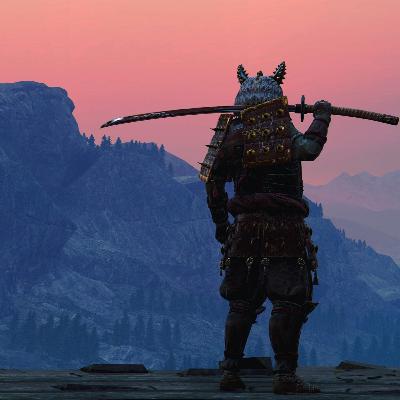
The chapter of history for the samurai is coming to a close. The Three Great Nobles of the restoration have fractured. Saigo Takamori returns to his land and vows not to get involved in politics but that in itself was a very strong political statement. And not a promise he could keep as dissident samurai and other factions flock to his military academy. One final battle will put an end to the last of the samurai. Or will it?
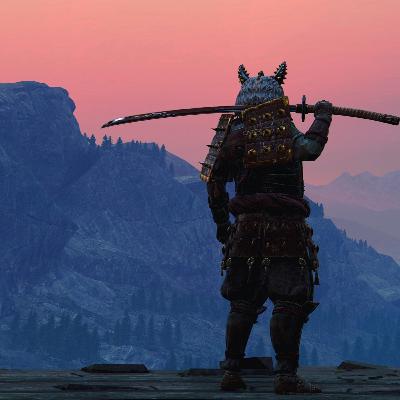
Now that the Boshin War was over, the Meiji Emperor could finally settle into the bloodless revolution and start modernizing Japan. Well... Maybe not so bloodless. It turns out that once in charge, the Emperor believed that the best way forward for the country was to embrace western ideas and begin growing in that direction: the exact opposite position of the factions who fought on his behalf during the Boshin War. And one of those factions was the samurai warrior class who had no place in the society Japan was forming.
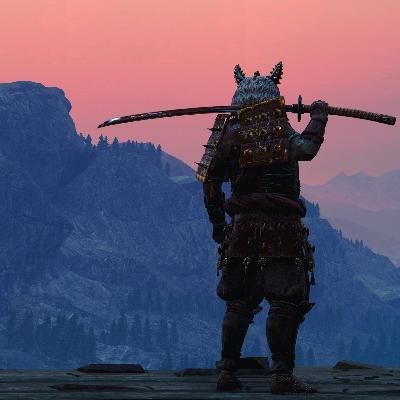
There was an agreed upon transfer of power between the shogun and the emperor but that all quickly broke down. The restorationists wished to strip the shogun clan of their power and their lands, not incorporate them into the new system. And with the assassination of a revolutionary diplomat between the two, there was only one option left. The Boshin War had begun.
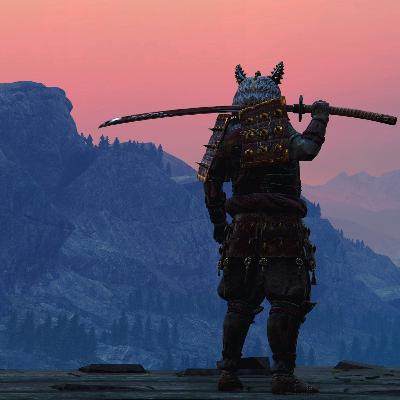
With international pressure to form new (and often unfair) treaties, the political divide in Edo was growing deeper and deeper. The Emperor, a formerly apolitical position, suddenly aligned himself with the Sonno-Joi, the anti-foreign/pro-imperial party. Several rebellions rose up against the shogun and led to the creation of the Shinsengumi - a dreaded police force meant to put a stop to the chaos in the streets of Kyoto. But this is just the beginning of the tinderbox. And all we need now is a match..
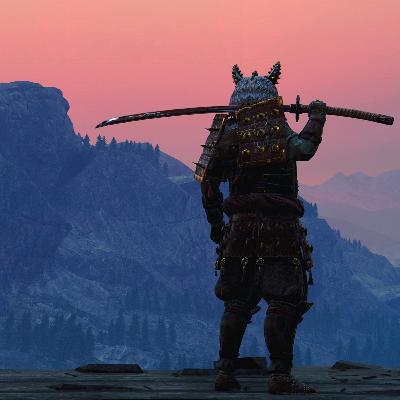
The end of the samurai came as Japan was forced to open its borders to foreign trade and policy, ending a long period of isolation. And that period flipped everything over. Suddenly merchants who had the least amount of social standing found themselves with a huge monetary advantage. New districts with theater and arts rose that paid no heed to the old caste system. And this did not sit well with a faction of the samurai. It's called the Bloodless Revolution by history, but this series will show... it was anything but.
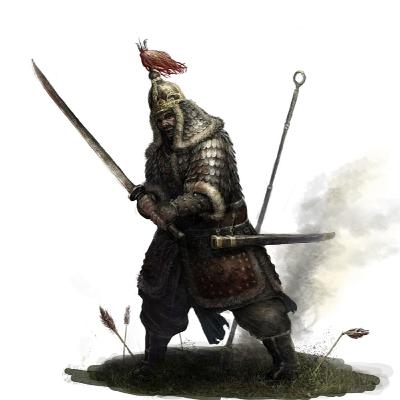
After his success at Myeongnyang, Yi began rebuilding the Korean navy and strengthening his partnership with the Chinese. But then, Toyotomi Hideyoshi died. Japan's new leaders had no interest in continuing the war, but although they sued for peace, Korea now held the upper hand and was determined to punish the people who had committed so many massacres against their people. Yi and the Chinese fleet bottled up the Japanese at the fort in Suncheon. When the Japanese called for reinforcements, Yi interrupted them in Noryang Strait. Again they were outnumbered, 500 to 150, but the Chinese commander did not yet understand Yi's long range style of warfare and immediately closed for close combat. Yi ordered his flagship to rescue their allies, and as soon as the Japanese recognized him, they focused fire on him. This allowed the Chinese, suddenly forgotten, to fire freely on them. The Japanese realized their error and tried to flee, but Yi would have none of it. Beating the war drum himself, he urged his ships to chase the Japanese - to punish them for all the slaughter they brought to Korea. It was then that he was struck by a fatal gunshot. Before he died, he ordered his son and nephew to command the battle for him. They dressed in his armor to hide his death from the troops and continued beating the dream. Together, they carried the day - only for Yi's tragic death to be revealed at the moment of victory. But although Yi did not live to see it, 300 Japanese ships were captured and destroyed that day and the rest of their invading force was rounded up soon after. For his tireless service, his brilliant leadership, and his unwavering devotion to Korea, Yi was given the posthumous title of Chungmugong, the Martial Lord of Loyalty.
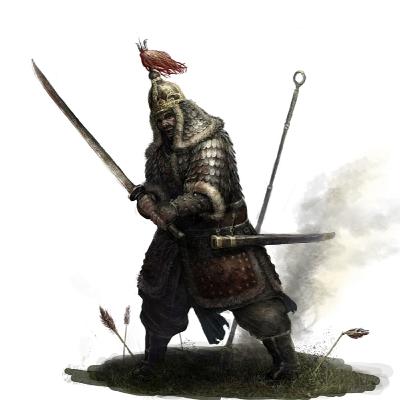
Yi's success had forced the Japanese to give up offensive naval operations, but their huge fleet remained entrenched in Busan harbor. While Yi pinned them down, reinforcements from the Chinese army had finally arrived and helped the Korean army take back the country on land. Yi petitioned for marines to take Busan back from the Japanese, but his requests were ignored. Instead, he focused on making his base on Hansando self-sufficient: he promised protection to refugees in exchange for them working the island, building his equipment, and even researching military technology. But a truce was called with Japan, one that dragged on for years until Hideyoshi broke it by ordering a second invasion. An informant brought word of secret, unprotected Japanese fleet movements, but Yi recognized it as a trap and refused to go. However, his friend Ryu's enemies at court seized on this as an opportunity to put Yi on trial for treason. They demoted him again, and gave his fleet to Won Kyon. Won Kyon fell into the trap Yi had refused, and a coordinated surprise attack from the Japanese resulted in the destruction of all but 12 ships. Yi was quickly re-instated, but ordered to disband the navy. He refused, and planned his counterattack carefully: he would fight at Myeongnyang Strait, where he hoped the natural currents would do what his numbers could not. His plan worked: the reversing tide caught the Japanese by surprise and flung their ships against each other right as he pressed the attack. With 13 ships versus 133, he once again drove back Japan with zero losses to his own navy. Word of his success brought other ships out of hiding and convinced the Chinese navy to ally with him at last.
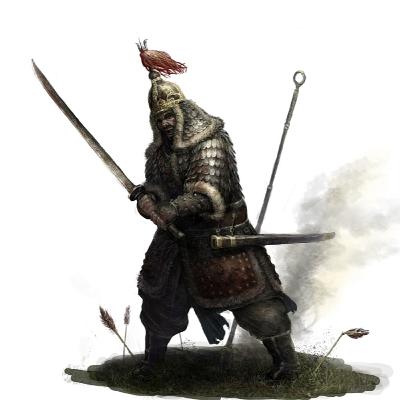
While Yi found success at sea, the Korean land army suffered terrible losses. Yi Il, the man who once accused Yi of negligence, lost one battle after another, until finally the regular forces were annhilated at Chungju. The Joseon court that ruled to Korea fled to Pyongyang, on the verge of being pushed out of their own country. But that same day, Admiral Yi tore through a Japanese fleet at Okpo. He moved on to Sacheon, where he baited the Japanese commander into a trap and debuted his turtle ship. The unstoppable turtle ship carried the day, so he used this tactic again and again he destroyed a Japanese fleet while suffering no losses of his own. Finally, Hideyoshi ordered his naval commanders to take Jeolla, Yi's headquarters. Sadly for him, his general Wakisaka Yasaharu grew too eager and engaged Yi without backup at Gyeonnaeryang Strait, only to find himself lured into an even more sophisticated version of Yi's bait-and-retreat strategy: a "Crane's Wing" of ships that collapsed on the overextended target from all sides. In one of the largest naval battles in history, Yi scored a decisive win and again didn't lose a single ship. He headed to Angolpo to attack Hideyoshi's two remaining generals and seal his victory, but they refused to be baited. He had to settle for a long range exchange of cannon fire, which worked at the cost of many injuries to his own men. In the end, he destroyed all but a few Japanese ships, and those he only spared to give the Japanese some means to escape and stop raiding in Korea. But he had accomplished his goal: Hideyoshi ordered a halt to all naval operations except guarding Busan, and without this control of the sea, Japan could not re-supply their troops nor hope to resume the assault that would have finally pushed Korea's leaders out of Korea.
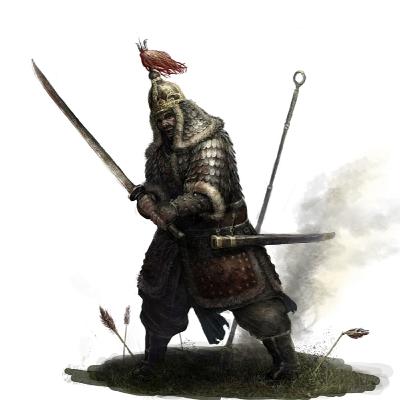
Japan invaded Korea after a series of long civil wars that had finally culminated in Toyotomi Hideyoshi leading a unified Japanese army. Their martial society had trained extensively with weapons like the arquebus, early guns, and the civil war had given them tremendous experience with siegecraft. By contrast, Korea had not been at war for hundreds of years: they were mostly troubled by raiders from without and corrupt government officials from within. However, their unique situation meant that they had great cannons for fighting off pirates and secure if minimal hill-top forts. As a tributary ally of the Chinese, the Koreans were startled and confused when Japan asked permission to march through their territory and make war on China. Many officials thought the Japanese were only bluffing, but Ryu Seong-ryong recognized the threat and made sure his friend Yi was moved to naval service to help defend the country. Yi trained his men and commissioned a new ironside ship design called the Turtle Ship. Unfortunately, other commanders did not take the threat seriously: even when Japanese ships appeared on the horizon, the southern commander convinced himself it was a trade fleet and took no action while the ships docked, then unloaded their soldiers onto Korean soil. The well-trained Japanese army crushed the Korean army and quickly advanced to Seoul. Meanwhile, Yi organized his small fleet of warships and launched quick strikes against the Japanese navy, catching them off-guard and on-patrol. He destroyed 43 enemy ships without losing a single one of his own, and was promoted accordingly to become the new Southern Commander of the Korean navy.
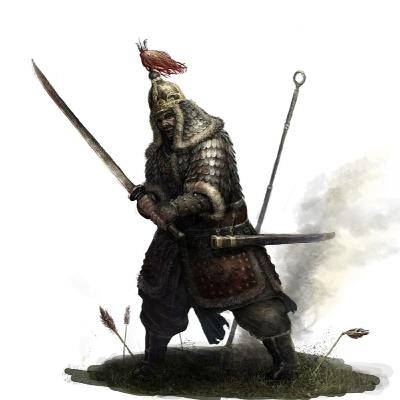
Admiral Yi Sun-sin of Korea began his legendary career with a series of disasters. Fate (and corrupt officials) conspired against him to have him repeatedly knocked down from the success he had earned, often because his insistence on strict military codes and refusal to ignore corruption made enemies of his fellow officers. Even when his superior had him tortured and blamed after a loss to the Jurchen raiders from the north, Yi perservered. Stripped of his rank and now reduced to a common enlisted man, Yi nevertheless served Korea with distinction. Meanwhile his childhood friend, Ryu Seong-Ryong, had risen to become the prime minister of Korea. Ryu recognized the threat of war from Japan looming on the horizon, so when Yi asked to retire in 1588, Ryu convinced him to stay.
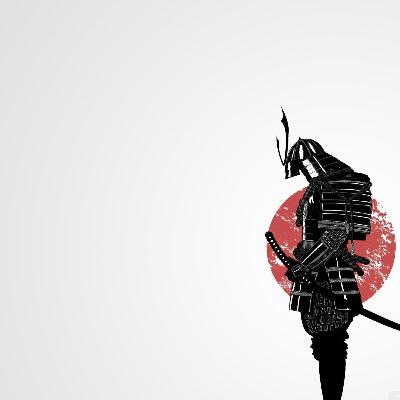
After Toyotomi Hideyoshi passes from old age, control of Japan passes to his young son - or more accurately, to his council of advisors. Tokugawa Ieyasu, the most powerful among them, looks poised to seize power for himself, but a rival named Ishida Mitsunari plots against him. After his first treacherous plot is discovered and foiled, Ishida joins with Uesugi Kagekatsu to mount a campaign against Tokugawa. An old friend, Torii Mototada, gives his life to counter the campaign and buys Tokugawa enough time to defend himself. The defection of the Kobayakawa clan from Ishida broke this opposition once and for all, leaving Tokugawa in uncontested control of Japan. Though he became shogun, Tokugawa ruled for only two years before passing succession to his son, establishing for the first time not only a stable shogun but a stable chain of succession, and bringing Sengoku Jidai period to an end in Japan.
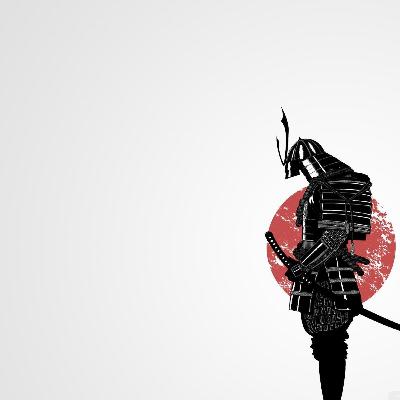
With Oda Nobunaga dead, Japan hangs in the balance. His old retainer, Tokugawa Ieyasu, must flee for his life from the usurper Akechi Mitsuhide. He narrowly escapes with the help of his ninja ally Hattori Hanzo, but Oda's heir is not so lucky: Akechi assassinates him. With power up for grabs, Toyotomi Hideyoshi sweeps into Kyoto and destroys the usurper, then appoints a puppet heir to replace Oda Nobunaga while he truly rules Japan. Toyotomi, today known as a great unifier whose reign is called the Momoyama Period, enacts three policies to reinstate taxes, eliminate banditry, and instill a rigid social caste system. He succeeds in restoring national civil government to Japan, signalling the beginning of the end for the Sengoku Jidai. But Tokugawa Ieyasu waits in the wings...
Oda Nobunaga's control of Japan grows shakier by the day as more rivals emerge to challenge his hold on Kyoto. Join Storme as he narrates how the Shinobi Hattori Hanzo helps Ieyasu out and witness the demises of the Tiger, the Dragon and the Demon himself.
Now that he holds Kyoto, Oda Nobunaga finds himself the focus of enemies on all sides. Even the Shogun, who no longer needs his military assistance, turns against him. Join Storme in this episode as he narrates how all of Japan realize what kind of a man Nobunaga really is as the enemies to the Oda feel his fury.
With his western borders secure, Oda Nobunaga turns his attention east in the direction of the Shogun. Join Storme as the third main character in the Sengoku Jidai joins the foray: Toyotomi Hideyoshi, master diplomat and engineer.
Join Storme as he narrates the iconic Japanese history of the warring states period. The first episode introduces two of the three warlords who unified Japan.

This year Pokémon turns 25. So join Storme in this solo rant of how Pokémon had evolved down the years and how it is starting to frustrate the Pokémon faithful.

Idhu veru trailer tha, stay tuned for more content.
Comments


Download from Google Play

Download from App Store
 United States