


 Claim Ownership
Outliers Project
Subscribed: 1Played: 9
Subscribe

© Molly Hawkins
Description
The Outliers Project was started to highlight individuals, outliers, and dreamers who dared to create and to innovate. From artists and musicians, to action sports athletes and entrepreneurs these individuals are the driving force behind the movements that will inspire and change the way we interact with the world around us. The Outliers Project is about seeing what you see in the world that excites all of us, and diving into issues and topics relevant to our lives. The ideas behind the people, the community—it’s all a part of our culture and that’s what this podcast and blog digs into.
35 Episodes
Reverse
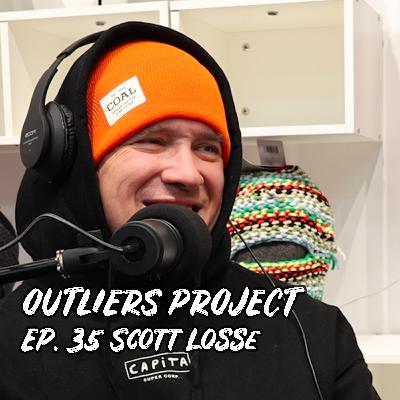
Scott Losse might describe himself as “from the internet,” but his story is a lot more layered than a few viral videos.In this episode, Molly sits down with the Pacific Northwest-based comedian to talk about what happens when your life unexpectedly changes online. From going viral in his 30s to navigating recognition in everyday life, Scott shares what it actually feels like to be known… while still trying to stay true to himself.He shares how a therapist nudged him toward standup, how he built a following by simply saying sharing his every day observations, and he shares how he "really" feels about Ai.The conversation is not just about his comedy, it dives into the reality that sometimes the thing you’re meant to do shows up later than you expected.If you’ve ever wondered if it’s too late to start, or how to stay yourself while the world is watching, this one’s worth a listen.
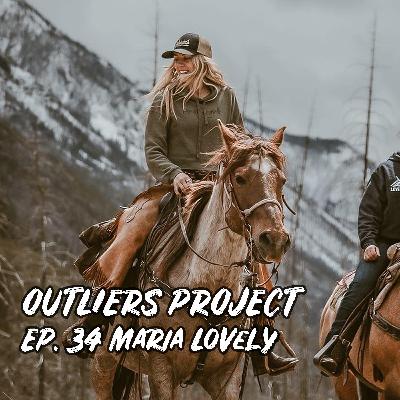
In this episode of The Outliers Project, I sit down with Maria Lovely Daggett, a sixth-generation Montanan, skier featured in Warren Miller, hunter, and founder of Lovely Outdoor Co. Maria grew up in a family of hunters and outfitters, where life revolved around horses, wild places, and a deep respect for the land.We talk about the realities behind Montana’s Western culture, the tension between tradition and growth, and why hunters, ranchers, and recreationists have more in common than people think. Maria also shares her personal journey navigating Lyme disease and the unconventional path she’s taken toward healing.While it seems like a conversation about most 14 year old’s dream, its really about legacy, and the kind of life that can only be built by growing up and living in one of America’s most iconic landscapes.
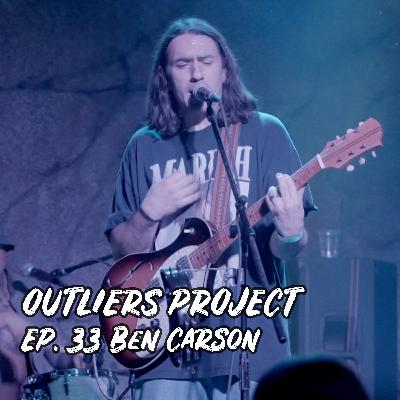
In this episode, Molly catches up with Ben Carson of Seattle band Hot Bodies in Motion for a conversation about creativity, reinvention, and the tension of being both a musician and a tech mover and shaker in Seattle. They talk about how he got into music, the band’s hiatus, return to music, the creative economy and why live music still matters more than ever.
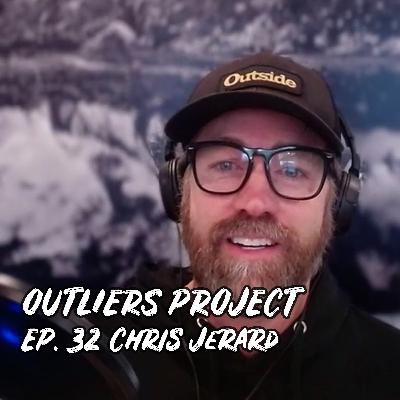
Chris Jerard, Chief Brand Officer at Outside interactive, joins Molly to talk about what it really means to “get outside” in an age of algorithms and polarizing debates about access, ai, the future of public lands and more. From his early days at Freeskier to helping unify 30+ brands under the modern Outside ecosystem, Chris shares how media, events, and storytelling can get people off screens and into the real world making lasting and deep connections. They talk about the evolution of his career, and unpack brand trust, inclusivity in outdoor culture, AI, and why the bigger crisis isn’t overcrowded trails, but people staying indoors.
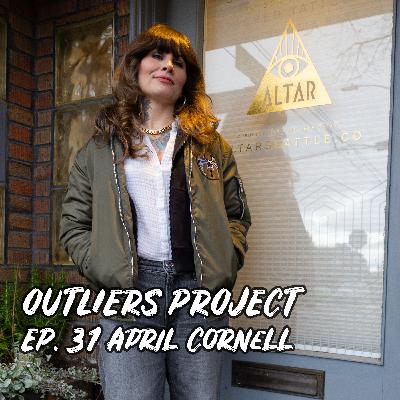
In this episode, Molly sits down with her longtime friend April Cornell, owner of Hidden Hand Tattoo in Seattle. April has been a staple in the tattoo community for so many and has lived through illness, grief, reinvention, and loss. She’s run businesses through turmoil, lost her husband, raised children, and continued to show up for others as an artist, healer, and teacher. I was excited to discuss how she’s carried all of it with the clarity, steadiness and deep empathy that she seems to always maintain.Our conversation is about intuition as a survival skill, about aging truly does give us wisdom and how experience refines you instead of hardening you if you let it. It’s a reflection on grief, creativity, listening to yourself, and why your 40s might not be a decline at all, but a threshold.
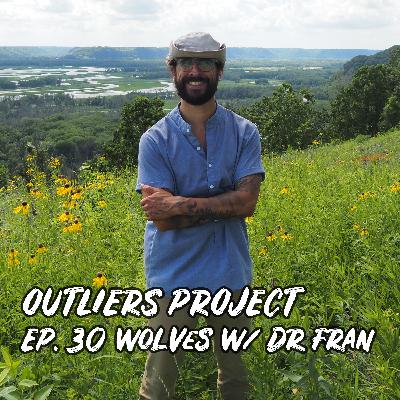
In this episode, Molly dives headfirst into a topic she’s wanted an excuse to explore for a long time: wolves. Sparked by reading American Wolf and going deep on the history of wolf eradication and reintroduction in the U.S., this conversation looks at how we got here and why the debate around wolves feels so charged.Molly sits down with Francisco Santiago-Ávila, Science & Advocacy Director at Washington Wildlife First, to unpack wolves through the lens of science, ethics, and policy. Together they explore what actually happens when wolves return to an ecosystem, where common narratives around ranching, hunting, and conservation fall apart, and how decision-making around public lands often benefits powerful interests while pitting everyday stakeholders against one another.This isn’t a conversation about picking sides or pretending coexistence is easy. Livestock losses are real. People’s livelihoods matter. But we’ve already seen what happens when wolves are erased entirely, and the consequences of that choice still shape our landscapes today.This episode kicks off a broader series focused on asking better questions, talking to people with real stakes in the issue, and slowing the conversation down enough to actually understand what’s at play. Thoughtful, curious, and grounded in lived experience, this is a starting point, not a conclusion.
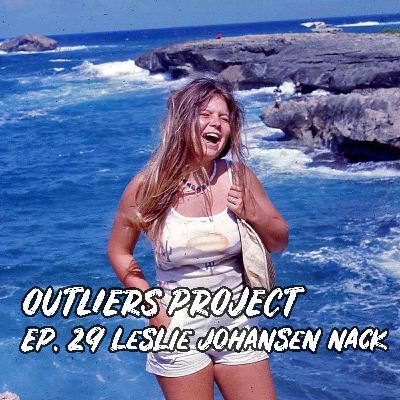
There are ages that pass. And there are ages that stay lodged inside of you. Everyone has them.In this episode of The Outliers Project, Molly sits with Leslie Johansen Nack, author of Fourteen and Nineteen, to talk about what happens on how writing helped heal her.Leslie's life was shaped early by instability, secrecy, and survival. Raised largely without a mother and under the authority of a charismatic, abusive father, she grew up in extreme isolation, first on a remote ranch in Northern California without electricity or running water, then aboard a sailboat where boundaries dissolved entirely. By her early teens, she was navigating oceans alone while living inside a reality she could not escape. Her memoirs, Fourteen and Nineteen, document specific years and lived experiences without softening them, refusing redemption arcs in favor of raw, real truth.If you’ve ever felt like your life can’t be explained cleanly, this episode will feel familiar.
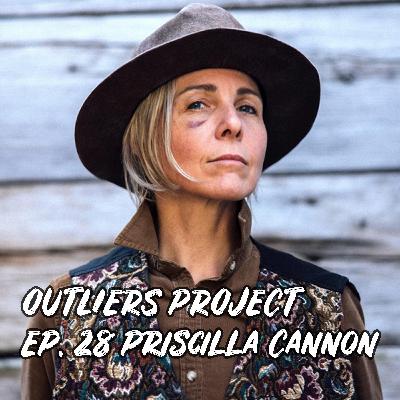
Dropping in three. In this episode of The Outliers Project, Molly sits down with Priscilla Cannon (formerly Levac), a pioneering professional snowboarder from the golden era of the sport who’s gone on to live multiple creative lives: founder of a women’s apparel brand, vegan chef, photographer, mother, and now a "hatter" behind Maven Hat Co, making custom, handmade hats.She talks about what it really takes to choose freedom over comfort, how fear can coexist with bravery, and the loneliness that can come with success when your identity gets tied to staying “on top.” Priscilla shares how snowboarding helped save her as a young person, why she eventually stepped away, and how she now turns pain into art you can wear through slow, labored craft.If you’ve been feeling stuck, overwhelmed, or unsure what’s next, Priscilla’s advice is simple: quiet the noise, get into nature, and stay in your heart.
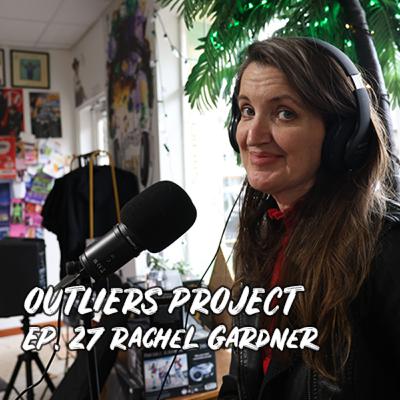
In this episode, Molly sits down with Rachel — someone she’s known for over twenty years — to explore what actually drives people like her. The wiring. The risk tolerance. The audacity. The weirdo energy that most of us tried to bury when we were young.They talk about why outliers do what they do even when it doesn’t make sense on paper, why belonging often only appears after years of searching, and why the success we see from the outside is almost always built on 99 quiet failures no one talks about.Rachel shares how Musicology Co. became more than a record store… it became a third space for misfits, musicians, and anyone looking for a place to land. She opens up about leadership loneliness, creative identity, the collapse of gatekeeping in culture, and why physical music is having a resurgence in a world obsessed with algorithmic surface-level art.If you’ve ever felt out of place, underestimated, too ambitious, or too weird, this conversation is a mirror and a map.This is what it looks like when someone refuses to shrink, builds something from scratch, and creates belonging where none existed.
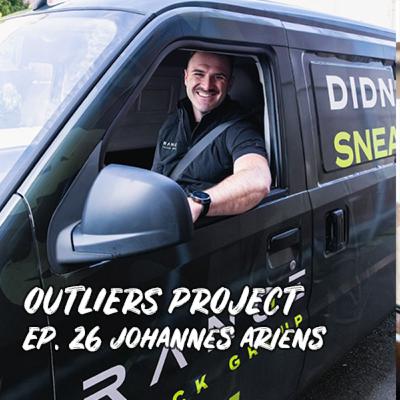
In this episode of The Outliers Project, Molly Hawkins sits down with entrepreneur and systems thinker Johannes Ariens, whose career spans military contracting, hospitality, and now zero-emissions transportation. From transforming forgotten motels into outdoor community hubs with Loge Camps, to reimagining the RV industry through Routeline, to leading Range Zero Emissions mission toward electrified commercial transport, Johannes’s work reflects one core belief: sustainability only matters if it scales.He shares how his upbringing on Washington’s Olympic Peninsula shaped his environmental conviction, the “inevitability thesis” behind his business decisions, and how to stay grounded when building for an uncertain future. This conversation explores timing, resilience, and what it really means to innovate with both purpose and practicality.
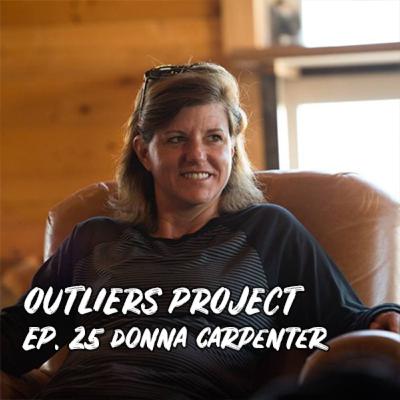
Role model to all women, mentor and CEO of Burton Snowboards, i have always admired Donna Carpenter and finally got a chance to sit down with her for a conversation to dissect the industry and discuss how we get more women into action sports.
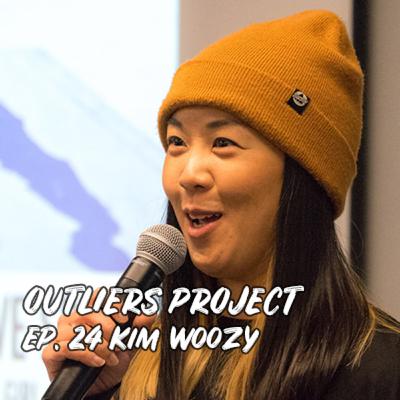
In this episode of The Outliers Project, Molly Hawkins talks with Kim Woozy, founder of MAHFIA, about reshaping the action sports industry through visibility, equity, and storytelling. From early skate videos to leading diversity initiatives, Kim has championed women’s voices in spaces that long excluded them. She shares how representation isn’t just about inclusion—it’s about rewriting the narrative, building community, and making sure the next generation sees themselves in the story.
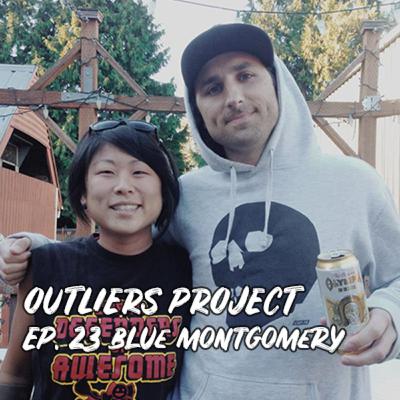
Quitting your job at 26, buying a house, and starting a snowboard company all within a couple months might be a recipe for disaster for most people, but Blue Montgomery has managed to make it work. As the founder and owner of Capita Snowboards, Blue has grown the company from a garage in West Seattle to where it is today. Now on the verge of releasing their newest team movie, Defenders of Awesome 2, Blue talks to Outliers about growing up a snowboarder in Iowa, releasing content in an increasingly digital world, and putting together a team that not only works well together, but respects each other.
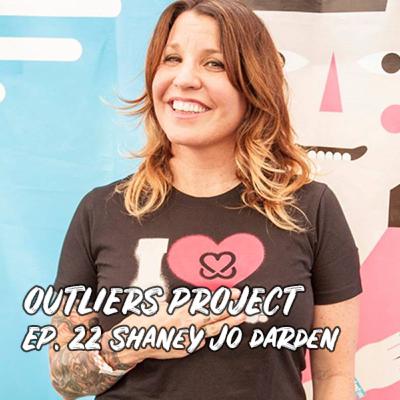
As much as controversy can kill a company, it can also shine a positive spotlight on it. That’s what happened to Shaney Jo Darden’s Keep A Breast Foundation™, thanks to their “I Heart Boobies” bracelets. Since 2000, Keep A Breast has worked raise breast cancer awareness for a group who stereotypically tends to not think about those kinds of things: teenagers. Partnering with some of the biggest names in art and action sports, Keep A Breast has become one of the world’s leading youth-focused non-profits.
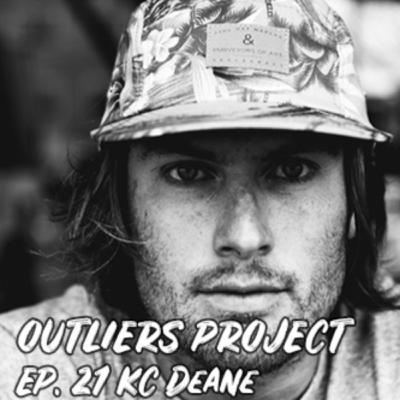
In a world full of professional athletes in all sports, it can be hard to stand out from the rest. Athletes have been constantly moving towards self-promotion on social media as a way to update their fans on their lives, interact with them on a more personal level, as well as reach out to potential new fans. Pro skier and pro mountain biker, KC Deane, was part of a group to use social media early on as a way to promote themselves …. he has built a solid following for himself with around 36,000 Instagram followers. In today’s podcast, we talk to KC about what it takes to stand out and how he balances a pro ski career, pro bike career, managing all his contracts, and squeezing in a personal life when he can. Check out a few highlights from the interview, and be sure to listen to the podcast for more juicy details on KC’s life.
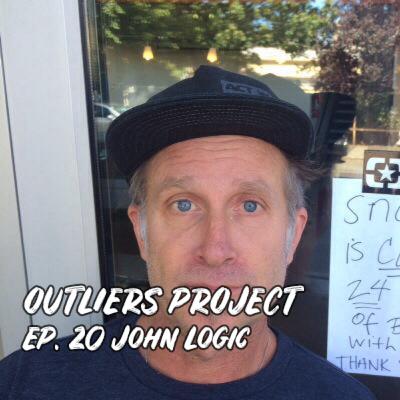
John Logic built a life and lifestyle our 14-year-old selves could have only dreamt of. From a career as a radio disc jockey and opening Seattle’s first snowboard shop, Snowboard Connection, to uniting a community, John helped pioneer an industry that many thought and hoped was just a phase. For those of you who were out of diapers in 1990, you will know that there weren’t a lot of snowboard shops then, and starting a career in the snowboard industry was more akin to setting off to prospect for gold than a job change. There is a cliché saying that with big risk comes big reward, and in John’s case it came true in so many ways. It’s trailblazers like John who really show us that anything is possible, and if someone tells you that it’s not, you should do everything in your power to follow your heart, your 40-year-old self will thank you later.We recently sat down with John over a beer and burger, and if you’ve never met John, remember he was once a radio disc jockey. Imagine the most articulate, booming, interesting ramble you could ever bear witness to. That pretty much described our two-hour meal with John. Coming in with a script and an outline was futile; his stories were full and plenty. Starting at the very beginning, we were able to carve our way through to when doors just opened for Snowboard Connection and the leaps of faith he made in the process. We suspect that this is just the beginning of an epic saga.
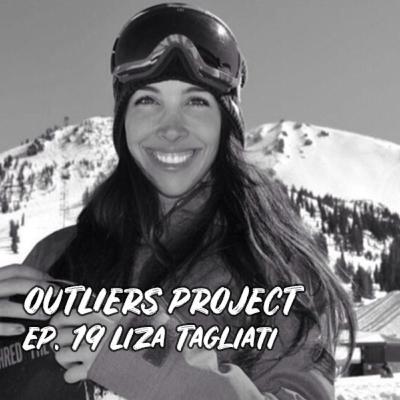
In this episode I sit down with Liza Tagliati of Boarding for Breast Cancer (B4BC) to trace how a 1996 snowboard and music festival grew into a leading youth nonprofit. Liza shares how B4BC keeps authenticity at its core, making real conversations about health accessible through action sports. They talk about sustaining impact, empowering young women, and why meaning goes deeper than a pink ribbon.
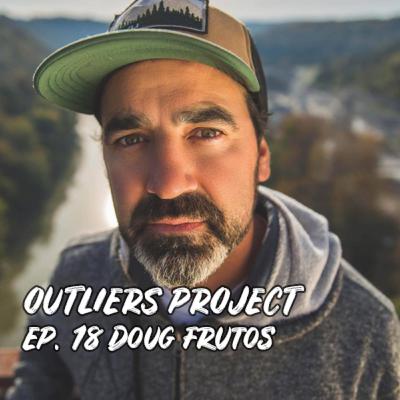
Friend and Seattle fabricator and metal worker by day, base jumper by night, shares his story about this fringe sport and how he got into it.... and what it's like to own a bridge? Owner of Young's High Bridge Vertigo Bungee in Kentucky River Doug Frutos joins me to share his story!
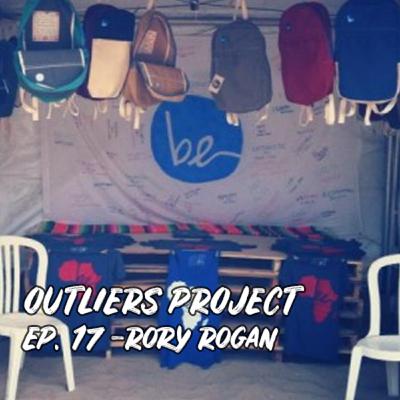
It’s a model we are all familiar with by now thanks to Tom Shoes and we continue to see more and more companies that are about MORE than just sales. Rory Rogan started Be Packs as a senior at the U.S. Merchant Marine Academy. Behind the closed door of his dorm room, Rory designed, sewed, and created the first Be Pack, a simple yet durable backpack that would soon be the base of a company powered by a philanthropic business model aiming for change. Every twenty Be Packs sold provides one child with one year of secondary schooling, one meal a day for a year, and their school uniform.
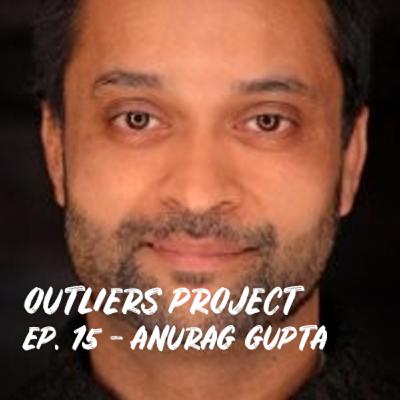
Anurag Gupta, CEO of MyPackage and founder of The Difference Engine, lays out a simple idea with big consequences: give people permission to play, then build a company that actually helps them do it. We dig into how MyPackage turned technical design into life-changing men’s underwear, and how the larger mission is to create the best company on earth by serving humans first. Anurag shares the “Hall Pass” ethos, the culture rituals that keep it alive, and why they’re rolling out empowerment programs for employees, retailers, and customers alike. We talk turnarounds, anti-brand thinking, and the discipline of aligning a business to what makes your heart sing. It’s part product story, part manifesto, and a challenge to build companies that leave people more alive.

Comments

Download from Google Play

Download from App Store
 United States