DiscoverThe Confident Retirement
The Confident Retirement
Claim Ownership

The Confident Retirement

Author: Kris Flammang

Subscribed: 10Played: 24
Share

Description

The Confident Retirement Podcast with Kris Flammang and Mark Picchi aims to empower listeners with simple, common sense financial wisdom. Kris and Mark are the partners of LPF Advisors, a financial services firm in Sarasota, Florida. On the show, they deliver entertaining insight and a wealth of knowledge from experts in the financial world. From time to time, Kris and Mark share their own experiences as financial experts - how to retire in a way that’s aligned with what people seek most - the right advice from the right people at the right time in the right way based on what they value most in life. Each week on The Confident Retirement Podcast, Kris and Mark bring you experts who are in the trenches everyday – assisting people with life’s big decisions and navigating the certainty of uncertainty. Join them for dynamic conversations highlighting tried and tested strategies to feel more confident in your financial journey.

170 Episodes
Reverse
The information we provide is our opinion and not necessarily that of our firm or this platform. We provide general information on the podcast, not any customized investment advice. Nothing should be construed as financial, tax, or legal advice. You should consult with your own professionals about your personal situation. In this episode, Kris Flammang kicks off the first Confident Retirement Podcast episode of 2026 with Colin Habig and Armando Faucy-Smith to break down the new tax laws and what actually matters for real people and real business owners. Tax headlines can feel like noise, so this conversation slows things down, translates the big changes into plain English, and highlights the planning opportunities hidden in the fine print. ➤ What You’ll Learn → The estate tax exemption update and why it matters for long-term wealth transfer → SALT deduction changes and who may benefit → Charitable deduction updates and how strategy matters more than ever → Trump Accounts for kids and why people are paying attention → Retirement contribution changes and why business owners should take note → Bonus depreciation returning and what it means for growing companies → New senior deductions and the income limits to watch 🎯 Bottom Line: The tax law changed, but panic is optional. Listen to understand the updates, spot opportunities, and make decisions with a plan rather than a headline. 📌 Resources & Contact→ Learn more: https://www.lpfadvisors.com→ Connect with Kris: https://www.linkedin.com/in/kristopher-flammang-lpfadv/→ Connect with Colin: https://www.linkedin.com/in/collinhabig/ → Connect with Armando: https://www.linkedin.com/in/armando-faucy-smith/ → Subscribe to the podcast for more retirement and tax planning conversations that keep it clear and practical Learn more about your ad choices. Visit megaphone.fm/adchoices
The information we provide is our opinion and not necessarily that of our firm or this platform. We provide general information on the podcast, not any customized investment advice. Nothing should be construed as financial, tax, or legal advice. You should consult with your own professionals about your personal situationIn this episode, Kris Flammang is joined by guest host Colin Habig to break down the new 401(k) catch-up contribution rules under SECURE Act 2.0—and how they specifically impact high earners and plan sponsors.Starting in 2026, individuals making over $145,000 annually will see big changes in how they can contribute catch-up dollars—and Roth contributions may be the only option. Whether you're a high-income employee or a business owner running a retirement plan, this is your heads-up episode.➤ What You’ll Learn→ The key 401(k) changes coming for earners above $145K→ How Roth-only catch-up rules will affect retirement strategies→ What small business owners and plan sponsors need to do NOW→ Compliance and automation strategies to avoid mistakes→ The timeline for plan amendments and why 2026 matters🎯 Bottom Line:Catch-up contributions aren’t going away—but they are changing fast. Tune in to get ahead of the curve and protect your retirement strategy.📌 Resources & Contact→ Learn more: https://www.lpfadvisors.com→ Connect with Kris: LinkedIn→ Connect with Colin: LinkedIn→ Subscribe to the podcast for more smart money strategies for HENRYs (High Earners, Not Rich Yet)New boost Learn more about your ad choices. Visit megaphone.fm/adchoices
DISCLAIMER:The information I am providing is my opinion and not necessarily that of my firm or this platform. I am only providing general educational information and not any customized investment recommendations. You should consult with your Financial Advisor, Tax Advisor or Attorney on your specific situation. Nothing shall be construed as Financial, Tax or legal advice or recommendations. 🎙️ This Week on The Confident Retirement PodcastKris Flammang is back for Part II of his Jerry Maguire-style perspective on the financial services industry — and this time, he's getting real about transparency, client care, and why the best advisors should act more like agents than salespeople. Kris shares how today’s wealth advisors must go beyond investments and build true relationships rooted in trust, planning, and purpose. He also discusses how regulatory shifts and growing complexity demand a more holistic approach to wealth, and why clients deserve advice that’s always in their best interest — no compromises. 💬 Quote to Remember:"A wealth advisor is not a salesperson. They're your advocate. Someone who walks beside you through life’s financial decisions, big and small." ➤ Hear why Kris believes clients should expect more — and how the industry is finally catching up. 👉 Connect with LPF Advisors:Website ➝ https://www.lpfadvisors.com/👉 Connect with Kris Flammang:LinkedIn ➝ https://www.linkedin.com/in/kristopher-flammang-lpfadv/📅 Schedule a Consultation:Take your “money temperature” and create a personalized wealth-building strategy with Kris and the LPF team.🎧 Subscribe for More:Never miss an episode filled with smart money strategies for HENRYs (High Earners, Not Rich Yet). Learn more about your ad choices. Visit megaphone.fm/adchoices
📌 The information I am providing is my opinion and not necessarily that of my firm or this platform. I am only providing general educational information and not any customized investment recommendations. You should consult with your Financial Advisor, Tax Advisor, or Attorney on your specific situation. Nothing shall be construed as Financial, Tax, or legal advice or recommendations. 🎙️ This week on The Confident Retirement Podcast, Kris Flammang goes solo for a powerful and personal episode inspired by his chapter from a post-recession finance book. Using lessons from the 2008 financial crisis, the pandemic, and his own near-death experience, Kris unpacks the cultural and behavioral mindsets that have shaped our view of money, wealth, and success. It's part motivational manifesto, part financial wake-up call — and totally unforgettable. ➤ Why Kris compares this episode to Jerry Maguire’s “mission statement moment” ➤ The six dangerous mindsets that led to the Great Recession (and still exist today) ➤ A redefined, simplified definition of wealth that moves beyond income and appearances ➤ The difference between income and accumulated wealth ➤ A reflection on purpose, happiness, and how to spend your next 1,500 weeks ➤ Why we can’t control when the next crisis comes — but we can control how we prepare for it 💬 Featured Quote: “Wealth is what one accumulates that allows them to independently enjoy what is most important to them in life.” — Kris Flammang 📲 Connect with LPF Advisors: ➤ Website: https://www.lpfadvisors.com/ ➤ Connect with Kris Flammang: https://www.linkedin.com/in/kristopher-flammang-lpfadv/ ➤ Schedule a consultation to take your "money temperature" and create a personalized wealth-building strategy ➤ Subscribe to the podcast for more Smart Money strategies for HENRYs Learn more about your ad choices. Visit megaphone.fm/adchoices
📌 The information I am providing is my opinion and not necessarily that of my firm or this platform. I am only providing general educational information and not any customized investment recommendations. You should consult with your Financial Advisor, Tax Advisor, or Attorney on your specific situation. Nothing shall be construed as Financial, Tax, or legal advice or recommendations. This week on The Confident Retirement Podcast, Kris Flammang is joined by Colin Habig and Armando Faucy-Smith to walk through the five (and a half!) foundational money habits every young accumulator needs to build long-term wealth. If you're in your 20s or 30s and ready to make smarter money decisions, this episode is your starting line.➤ What’s an emergency fund — and why it shouldn’t be in your checking account➤ The critical difference between good debt and bad debt➤ Why automating your savings could be the best financial habit you build➤ Pre-tax vs. post-tax contributions: which is right for you?➤ The must-have estate documents most people overlook➤ Bonus: the protective power of insurance, even early in your career Whether you’re building your first budget or maxing out a 401(k), this episode simplifies the most important steps to secure your financial future. 📲 Connect with LPF Advisors:➤ Website: https://www.lpfadvisors.com/➤ Connect with Kris Flammang: https://www.linkedin.com/in/kristopher-flammang-lpfadv/➤ Connect with Collin Habig: https://www.linkedin.com/in/collinhabig/➤ Connect with Armando Faucy-Smith: https://www.linkedin.com/in/armando-faucy-smith/➤ Schedule a consultation to take your "money temperature" and create a personalized wealth-building strategy ➤ Subscribe to the podcast for more Smart Money strategies for HENRYs Learn more about your ad choices. Visit megaphone.fm/adchoices
📌 The information I am providing is my opinion and not necessarily that of my firm or this platform. I am only providing general educational information and not any customized investment recommendations. You should consult with your Financial Advisor, Tax Advisor, or Attorney on your specific situation. Nothing shall be construed as Financial, Tax, or legal advice or recommendations.  In this timely episode of The Confident Retirement, Kris Flammang and Collin Habig unpack the new "One Big Beautiful Bill" — a major piece of tax legislation that could shake up your financial plans. From higher estate tax exemptions to new deductions for tips and overtime, this episode breaks down what really matters for retirees, HENRYs, and high-net-worth families. ➤ The Trump-era tax cuts are now permanent, locking in lower income tax rates for many earners. ➤ Estate tax exemption increases to $15 million per person — or $30 million for married couples — providing more flexibility for wealth transfer and legacy planning. ➤ The SALT deduction cap rises to $40,000 for married filers and $20,000 for individuals, offering big tax savings for high-tax states like NY, CA, MA, and NJ — but only through 2029. ➤ A new Senior Deduction gives retirees an extra $6,000 (single) or $12,000 (married) in deductions, shielding more Social Security income from taxes. ➤ Tip-based and overtime workers can now deduct significant amounts — up to $25,000 in tips and $12,500 (or $25,000 for couples) in OT — giving working families rare tax relief. ➤ “Trump Accounts” for minors allow parents to save early for kids born between 2025 and 2028, with government seed money and tax rules similar to traditional IRAs.If you live in a high-tax state, are approaching retirement, or simply want to optimize your 2025 financial strategy, this episode is full of actionable insights. It’s all about smart planning before year-end deadlines hit.📲 Connect with LPF Advisors:➤ Website: https://www.lpfadvisors.com/➤ Connect with Kris Flammang: https://www.linkedin.com/in/kristopher-flammang-lpfadv/➤ Connect with Collin Habig: https://www.linkedin.com/in/collinhabig/➤ Connect with Armando Faucy-Smith: https://www.linkedin.com/in/armando-faucy-smith/➤ Schedule a consultation to take your "money temperature" and create a personalized wealth-building strategy➤ Subscribe to the podcast for more Smart Money strategies for HENRYs Learn more about your ad choices. Visit megaphone.fm/adchoices
What are the smartest ways for HENRYs (High Earners, Not Rich Yet) to save for their child’s future college expenses—and what are the pros and cons of each option?In this episode of The Confident Retirement Podcast, host Kris Flammang and LPF Advisors’ Armando Faucy-Smith and Collin Habig take a deep dive into college planning for HENRYs. They break down the three most popular ways to save for your child’s education—529 plans, custodial accounts, and parent-owned brokerage accounts. The team explains how each account works, key differences in flexibility, tax treatment, and financial aid impact, plus common mistakes to avoid when choosing the right college savings path.5 Key Takeaways→ A 529 plan offers tax advantages for education expenses and is generally the most “financial aid friendly” option for parents. → Custodial accounts (UGMA/UTMA) offer more flexibility but come with fewer tax benefits and count more heavily against financial aid eligibility. → Parent-owned brokerage accounts provide the most control and flexibility but lack tax perks for education and count as parental assets for financial aid. → Tax treatment, account ownership, and how funds are used (or not used for college) can have a huge impact on long-term savings outcomes. → It’s essential to understand your goals, your state’s rules, and to work with a financial advisor to tailor the right strategy for your family.Best Quotes from the Episode “The 529, of all the plans we’re going to talk about today, is probably the broadest one in terms of defining higher education.” “People often underestimate how limited the flexibility is in a 529, and overestimate how free custodial money is—once your kid turns 18 or 21, that account is their money.” LPF Advisors Website: lpfadvisors.com Kris Flammang (LinkedIn): Kristopher Flammang Collin Habig (LinkedIn): Collin Habig Armando Faucy-Smith (LinkedIn): Armando Faucy-Smith Schedule a Consultation: Take your "money temperature" and create a personalized wealth-building strategy. Subscribe: Follow the podcast for more Smart Money strategies for HENRYs. Connect with the Advisors Learn more about your ad choices. Visit megaphone.fm/adchoices
How can HENRYs (High Earners, Not Rich Yet) start building a lasting financial legacy, even before reaching traditional “wealthy” status? In this episode of The Confident Retirement Podcast, host Kris Flammang is joined by LPF Advisors’ Armando Faucy-Smith and Collin Habig for the next installment in their special series tailored to HENRYs. They break down practical, actionable steps for high earners still on their journey to building true wealth, covering everything from foundational planning to mindset, investing, and preparing for life’s significant milestones.5 Key Takeaways → Understand the importance of starting legacy planning before you feel “wealthy.” → Learn how to align your financial strategies with your values and long-term goals. → Discover common mistakes HENRYs make—and how to avoid them. → Get actionable tips for optimizing savings, investments, and tax strategies. → See why working with the right advisor makes a difference in your financial journey.Best Quotes from the Episode “Building a legacy isn’t just about money—it’s about intention, impact, and the life you want to create.” “Even if you’re not ‘rich yet,’ you have the power to make smart decisions today that set up a stronger tomorrow.” LPF Advisors Website: lpfadvisors.com Kris Flammang (LinkedIn): Kristopher Flammang Collin Habig (LinkedIn): Collin Habig Armando Faucy-Smith (LinkedIn): Armando Faucy-Smith Schedule a Consultation: Take your "money temperature" and create a personalized wealth-building strategy. Subscribe: Follow the podcast for more Smart Money strategies for HENRYs. Learn more about your ad choices. Visit megaphone.fm/adchoices
Are you earning more but saving the same? How to avoid the lifestyle inflation trap that keeps HENRYs from building real wealth.In this episode of The Confident Retirement Podcast, host Kris Flammang and advisors Armando Faucy-Smith and Collin Habig from LPF Advisors continue their special series designed for HENRYs (High Earners, Not Rich Yet). They break down why so many professionals who make excellent money still struggle to build wealth, and provide actionable strategies to reverse this common pattern.Key Takeaways:→ Lifestyle inflation is the gradual habit of spending more as you earn more, causing your savings rate to remain flat even as income increases→ HENRYs are particularly vulnerable to lifestyle creep, especially in professions like medicine, law, and tech where income can double in short periods→ Take your "money temperature" regularly by asking: Have fixed expenses increased recently? Are you upgrading just because you can? Would a 20% income drop cause financial trouble? Are you saving a higher percentage than last year?→ Automate your savings first (aim for 20-30% of gross income) and then enjoy spending what remains without guilt→ Focus on controlling the "big rocks" of spending (housing, cars, travel) rather than stressing about small purchases like coffee or takeoutQuotes from the Episode:"You can afford almost anything if you're in that high-income bracket—you just can't afford everything at once." - Collin Habig, Financial Advisor "Take your money temperature, get a clear picture of your priorities, and upgrade intentionally, not automatically." - Armando Faucy-Smith, Financial Advisor Connect with LPF Advisors: Website: https://www.lpfadvisors.com/ Connect with Kris Flammang: https://www.linkedin.com/in/kristopher-flammang-lpfadv/ Connect with Collin Habig: https://www.linkedin.com/in/collinhabig/ Connect with Armando Faucy-Smith: https://www.linkedin.com/in/armando-faucy-smith/ Schedule a consultation to take your "money temperature" and create a personalized wealth-building strategy Subscribe to the podcast for more Smart Money strategies for HENRYs New boost Learn more about your ad choices. Visit megaphone.fm/adchoices
The information I am providing is my opinion and not necessarily that of my firm or this platform. I am only providing general educational information and not any customized investment recommendations. You should consult with your Financial Advisor, Tax Advisor, or Attorney on your specific situation. Nothing shall be construed as Financial, Tax or legal advice or recommendations. Are you a high earner who hasn't built wealth yet? Here's how to strategically invest and grow your money. In this episode of the Confident Retirement Podcast, host Kris Flammang and advisors Armando and Colin continue their HENRY series (High Earner, Not Rich Yet). They tackle the common challenge that many high-income professionals face: having the capacity to invest more but lacking knowledge about where and how to do it effectively. The team explains the three-bucket approach to organizing financial goals based on time horizons, discusses which investment vehicles are appropriate for different goals, and explores the benefits of retirement accounts, including employer-sponsored plans. Key Takeaways: → Understanding your risk tolerance is essential to developing a sound investment strategy that aligns with your financial goals and time horizon. → The "three bucket approach" categorizes your financial goals into short-term (3-5 years), intermediate (5-10 years), and long-term (10+ years) buckets, with appropriate investment vehicles for each. → For short-term goals, focus on principal-protected vehicles like high-yield savings accounts, certificates of deposit, or Treasury bills to ensure your money is available when needed. → Long-term investments (10+ years) can include growth-oriented options like ETFs, mutual funds, and individual stocks since you have time to weather market fluctuations. → Maximize employer-sponsored retirement plans like 401(k)s, especially when matching contributions are available, as they offer higher contribution limits than IRAs and potential tax advantages. Connect with LPF Advisors https://www.lpfadvisors.com/ Connect with Kris Flammang https://www.linkedin.com/in/kristopher-flammang-lpfadv/ Connect with Collin Habig https://www.linkedin.com/in/collinhabig/ Learn more about your ad choices. Visit megaphone.fm/adchoices
The information I am providing is my opinion and not necessarily that of my firm or this platform. I am only providing general educational information and not any customized investment recommendations. You should consult with your Financial Advisor, Tax Advisor or Attorney on your specific situation. Nothing shall be construed as Financial, Tax or legal advice or recommendations. Why is diversification important for managing risks for high income earners? In this episode, we explore effective tax strategies tailored for high earners, including the importance of maximizing contributions to tax-advantaged accounts like 401ks and backdoor Roth IRAs, and implementing tax loss harvesting to efficiently manage tax liabilities. The discussion highlights a diversified investment approach, recommending a balanced portfolio of mutual funds, exchange-traded funds, and real estate to mitigate risk and avoid over-concentration in high-risk assets. Listeners will discover how these financial principles can help prevent lifestyle inflation, manage debt effectively, and ultimately establish long-term financial stability and wealth accumulation, with practical tips on prioritizing saving before upgrading lifestyle and managing investment risks specifically relevant to high-income earners. Key Takeaways Tax-advantaged accounts like 401(k)s and backdoor Roth IRAs are essential tools for high earners to minimize tax liabilities. Tax loss harvesting serves as an effective strategy for managing tax obligations while optimizing investment returns. A diversified investment portfolio including mutual funds, ETFs, and real estate helps mitigate risk for high-income individuals. Preventing lifestyle inflation by prioritizing saving before upgrading your lifestyle is crucial for long-term financial stability. Deliberate debt management combined with strategic investment diversification creates a foundation for sustainable wealth accumulation. Connect with LPF Advisors https://www.lpfadvisors.com/ Connect with Kris Flammang https://www.linkedin.com/in/kristopher-flammang-lpfadv/ Connect with Collin Habig https://www.linkedin.com/in/collinhabig/ Connect with Armando Faucy-Smith https://www.linkedin.com/in/armando-faucy-smith/ Learn more about your ad choices. Visit megaphone.fm/adchoices
The information I am providing is my opinion and not necessarily that of my firm or this platform. I am only providing general educational information and not any customized investment recommendations. You should consult with your Financial Advisor, Tax Advisor or Attorney on your specific situation. Nothing shall be construed as Financial, Tax or legal advice or recommendations. Why should over-diversification be avoided in portfolio management? Diversification in investments is a fundamental strategy akin to spreading bets at a casino to mitigate risk, ensuring that not all financial eggs are in one basket. Kris Flammang articulates that true diversification goes beyond merely owning a multitude of investments; it's about how these investments interact with market changes. He advises focusing on asset classes like stocks, bonds, and alternative investments, and stresses the importance of consulting professionals to create a portfolio that acts as a protective buffer during volatile periods. Similarly, Colin Habig underscores diversification as a pivotal method for risk management and enhancing long-term returns, emphasizing the need to spread investments across various asset classes, industries, and geographies. He warns that over-diversification can complicate portfolio management, highlighting the value of professional guidance to ensure alignment with personal financial goals and time frames. Key Takeaways Diversification in investments is akin to spreading bets at a casino to lower risk Over-diversification should be avoided to prevent complications in portfolio management Balancing asset classes and seeking professional advice can help establish a well-rounded investment strategy Connect with LPF Advisors https://www.lpfadvisors.com/ Connect with Kris Flammang https://www.linkedin.com/in/kristopher-flammang-lpfadv/ Connect with Collin Habig https://www.linkedin.com/in/collinhabig/ Learn more about your ad choices. Visit megaphone.fm/adchoices
The information I am providing is my opinion and not necessarily that of my firm or this platform. I am only providing general educational information and not any customized investment recommendations. You should consult with your Financial Advisor, Tax Advisor or Attorney on your specific situation. Nothing shall be construed as Financial, Tax or legal advice or recommendations. What is the purpose of an emergency fund? Armando Faucy-Smith, a credentialed financial advisor at LPF Advisors, is a fervent advocate for establishing an emergency fund as a cornerstone of personal financial stability. He underscores the importance of having a safety net to handle unexpected expenses, such as car repairs, medical bills, or job loss, without resorting to credit cards or loans. Emphasizing the need to keep these funds separate from regular checking accounts to curb impulse spending, Faucy-Smith suggests placing them in a high-yield savings or money market account. He advises clients to start with modest savings targets, such as $500 or $1,000, and gradually build towards covering three to six months of living expenses, celebrating milestones along the way to maintain motivation. Key Takeaways Having an emergency fund is crucial for handling unexpected expenses and avoiding reliance on credit cards or loans. It is important to distinguish between true emergencies and non-essential expenses when using the emergency fund. Experts recommend saving three to six months of living expenses in the emergency fund, considering individual circumstances like marital status and proximity to retirement. Connect with LPF Advisors https://www.lpfadvisors.com/ Connect with Kris Flammang https://www.linkedin.com/in/kristopher-flammang-lpfadv/ Connect with Armando Faucy-Smith https://www.linkedin.com/in/armando-faucy-smith/ Learn more about your ad choices. Visit megaphone.fm/adchoices
The information I am providing is my opinion and not necessarily that of my firm or this platform. I am only providing general educational information and not any customized investment recommendations. You should consult with your Financial Advisor, Tax Advisor or Attorney on your specific situation. Nothing shall be construed as Financial, Tax or legal advice or recommendations. What is the difference between a will and a living will? Estate planning is essential for individuals of all ages and financial statuses, emphasizing the importance of having the right documents in place to manage one's affairs. These key documents include a will, a living will, a healthcare surrogate, and a power of attorney. Together, they play a crucial role in ensuring that personal wishes regarding asset distribution, medical decisions, and estate management are respected. The will is particularly vital as it allows individuals to designate guardians for minor children and protect assets from default state laws that might not reflect personal intentions. Additionally, a living will can provide significant peace of mind by specifying medical treatment preferences, which helps reduce the emotional strain on family members and offers guidance to healthcare professionals in critical situations. Key Takeaways Will Essentials: A will ensures assets are distributed as desired and allows appointing guardians for minors. It's crucial to prevent state default rules from overriding personal wishes. Living Will Importance: A living will specifies preferences for life-sustaining treatments, guiding both medical professionals and loved ones, thereby avoiding family disputes and ensuring medical decisions align with personal desires. Comprehensive Planning: Colin Habig highlights the importance of having a complete estate plan that includes a will, living will, healthcare surrogate, and power of attorney to manage both assets and personal decisions effectively. Professional Guidance: For complex estate situations, Colin recommends consulting with an attorney to create a tailored estate plan that addresses specific legal and personal needs. Connect with LPF Advisors https://www.lpfadvisors.com/ Connect with Kris Flammang https://www.linkedin.com/in/kristopher-flammang-lpfadv/ Connect with Collin Habig https://www.linkedin.com/in/collinhabig/ Learn more about your ad choices. Visit megaphone.fm/adchoices
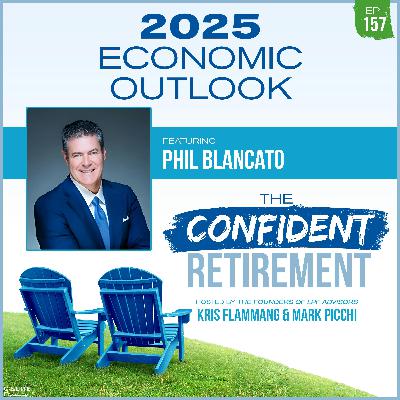
The information I am providing is my opinion and not necessarily that of my firm or this platform. I am only providing general educational information and not any customized investment recommendations. You should consult with your Financial Advisor, Tax Advisor or Attorney on your specific situation. Nothing shall be construed as Financial, Tax or legal advice or recommendations. Phil Blancato, an experienced investment manager and thought leader in macroeconomic theory, offers an optimistic yet cautious perspective on the U.S. economy. Emphasizing the nation's exceptionalism, diversified economy, and strong demographics, Blancato believes that managing debt effectively while fostering economic growth is crucial for the country's long-term prosperity. He notes the unique post-pandemic situation of high interest rates without economic overheating, crediting robust job markets and wage increases with maintaining economic resilience. However, Blancato stresses the importance of transitioning from recent economic stimuli to sustainable growth models and remains vigilant about rising debt levels and their potential impact on fiscal stability.   Here’s what to expect this episode:  Interest rates raised post-pandemic despite the economy not being overheated due to supply chain disruptions. US economy and consumers in good shape with strong job markets and wage increases. Forecasting economic themes based on macroeconomic theory crucial for shaping investment decisions. Top 10% of Americans represent 50% of spending, driving economic activity. Market correction of 10-15% normal, opportunities in mid cap growth stocks. Investment opportunities in energy sector growing due to AI technology and cryptocurrencies.   Connect with Phil Blancato https://www.ltam.com/   Connect with Kris Flammang https://www.linkedin.com/in/kristopher-flammang-lpfadv/ https://www.lpfadvisors.com/ Learn more about your ad choices. Visit megaphone.fm/adchoices
The information I am providing is my opinion and not necessarily that of my firm or this platform. I am only providing general educational information and not any customized investment recommendations. You should consult with your Financial Advisor, Tax Advisor or Attorney on your specific situation. Nothing shall be construed as Financial, Tax or legal advice or recommendations. Moderna's YES Plan offers its employees a unique opportunity to align their annual equity awards with their individual financial goals by choosing between stock options and restricted stock units (RSUs). The 2025 Equity Awards introduce a pivotal change, shortening the vesting schedule from four years to two, which expedites employees' access to equity value. Kris Flammang and Collin Habig, both deeply invested in financial advisory, underscore the importance of this plan as a cornerstone of Moderna employees' financial strategies. They stress the necessity of early decision-making, leveraging educational resources, and consulting with financial advisors to tailor equity awards to personal financial objectives, thus avoiding the pitfalls of hastily made choices. Both Flammang and Habig advocate for a balanced, informed approach, cautioning against the potential risks associated with stock options losing value, and highlighting the benefits of the enhanced flexibility provided by the YES Plan.   Here’s what to expect this episode: Moderna's YES Plan allows employees to customize their equity awards by choosing between stock options and RSUs to align with their financial goals. The 2025 Equity Awards by Moderna have been updated to shorten the vesting schedule from four to two years, providing employees quicker access to the value of their equity awards. Moderna offers resources such as a stock options versus RSUs calculator and educational sessions to help employees make informed decisions about their equity selections.   Connect with Collin Habig https://www.linkedin.com/in/collinhabig/   Connect with Kris Flammang https://www.linkedin.com/in/kristopher-flammang-lpfadv/ https://www.lpfadvisors.com/ Learn more about your ad choices. Visit megaphone.fm/adchoices
The information I am providing is my opinion and not necessarily that of my firm or this platform. I am only providing general educational information and not any customized investment recommendations. You should consult with your Financial Advisor, Tax Advisor or Attorney on your specific situation. Nothing shall be construed as Financial, Tax or legal advice or recommendations. A systematic withdrawal strategy is essential for retirees aiming to manage their finances effectively, ensuring a consistent income stream without depleting their savings. This strategy involves calculated methods such as the 4% rule, bucket strategy, and dynamic withdrawals, each tailored to accommodate factors like spending needs, tax implications, and market performance. Both Kris Flammang and Collin Habig underscore the significance of these structured approaches, drawing from their extensive experience in financial planning to advocate for personalized strategies that mitigate the risk of outliving one's assets. They emphasize the need for adaptability, urging retirees to collaborate with financial planners to craft and continuously refine a strategy that aligns with evolving life circumstances and market dynamics.   Here’s what to expect this episode: A Systematic Withdrawal Strategy is a plan for retirees to draw money from their retirement accounts to provide a steady income while minimizing the risk of running out of money. Popular Withdrawal Strategies include the 4% rule, bucket strategy, and dynamic withdrawals, each with different implications and flexibility. Choosing the right strategy for withdrawing retirement funds is crucial and depends on individual circumstances like income needs, portfolio size, risk tolerance, and tax situation. Connect with Collin Habig https://www.linkedin.com/in/collinhabig/   Connect with Kris Flammang https://www.linkedin.com/in/kristopher-flammang-lpfadv/ Learn more about your ad choices. Visit megaphone.fm/adchoices
The information I am providing is my opinion and not necessarily that of my firm or this platform.  I am only providing general educational information and not any customized investment recommendations. You should consult with your Financial Advisor, Tax Advisor or Attorney on your specific situation. Nothing shall be construed as Financial, Tax or legal advice or recommendations.   Sarasota Memorial Hospital has recently made significant updates to its retirement plan, aiming to enhance investment choices, reduce costs, and better support employees' retirement goals. Kris Flammang highlights that these changes were made with participants' best interests at heart, focusing on improving investment options by introducing new funds and lowering expenses, ultimately providing employees with more beneficial choices. He urges employees to review their allocations and adjust contributions accordingly to align with their retirement goals. Similarly, Collin Habig values the plan's updates, particularly the inclusion of target date funds and the automatic rebalancing feature, as a positive move to keep employees on track with their retirement objectives. He encourages participants to assess their new investments and make necessary adjustments to ensure their portfolios reflect their individual saving goals.   Here’s what to expect this episode: Enhancements to the investment lineup and reduction in investment expenses can significantly impact employees' retirement savings. Automatic redirection of balances from eliminated funds to replacements, rebalancing of accounts, and updates to default investment options contribute to ensuring employees' retirement savings align with their goals. Participants should review their new investments, ensure future contributions align with their goals, and update beneficiaries if needed.   Connect with Collin Habig https://www.linkedin.com/in/collinhabig/   Connect with Kris Flammang https://www.linkedin.com/in/kristopher-flammang-lpfadv/ https://www.lpfadvisors.com/ Learn more about your ad choices. Visit megaphone.fm/adchoices
The information I am providing is my opinion and not necessarily that of my firm or this platform.  I am only providing general educational information and not any customized investment recommendations. You should consult with your Financial Advisor, Tax Advisor or Attorney on your specific situation. Nothing shall be construed as Financial, Tax or legal advice or recommendations.   Choosing the right pension payout option is a critical decision that significantly influences retirement security, with commonly available choices including single life annuity, joint and survivor annuity, lump sum, and term certain. Each of these options comes with its own set of benefits and drawbacks, making it essential to consider factors such as a spouse's needs, age, health, and other sources of income when making a decision. Kris Flammang underscores the importance of taking time to thoroughly evaluate these options in the context of one's overall financial plan and lifestyle goals, often sharing anecdotes of clients who changed their initial decisions after a comprehensive review of their situation. Collin Habig echoes this perspective, emphasizing the need for a detailed understanding of financial aspects like retirement savings and debt, and the importance of using projections to foresee the impact of each option on future income. Both highlight the value of consulting a financial advisor to ensure that the chosen option aligns with individual and family goals, thus avoiding rushed decisions that might have long-term repercussions on retirement security. Here’s what to expect this episode: Consider factors like spouse's needs, age, health, other income sources when choosing pension payout options. Different pension payout options have various implications like income for both parties, better health options, and control and flexibility. Seek advice from financial advisor for informed choices aligning with financial goals and ensuring long-term financial security. Connect with Collin Habig https://www.linkedin.com/in/collinhabig/ Connect with Kris Flammang https://www.linkedin.com/in/kristopher-flammang-lpfadv/ Learn more about your ad choices. Visit megaphone.fm/adchoices
The information I am providing is my opinion and not necessarily that of my firm or this platform.  I am only providing general educational information and not any customized investment recommendations. You should consult with your Financial Advisor, Tax Advisor or Attorney on your specific situation. Nothing shall be construed as Financial, Tax or legal advice or recommendations.   Roth IRA conversions offer a strategic financial maneuver for individuals aiming to optimize their retirement savings by transferring funds from traditional retirement accounts to a Roth IRA. This process allows for tax-free growth and withdrawals during retirement, though it requires paying taxes upfront. Financial experts Kris Flammang and Collin Habig both stress the significance of having a well-thought-out plan before embarking on Roth conversions. Drawing from their extensive experience in financial planning, they advocate for partial conversions over time to manage tax liabilities effectively and to work within current tax brackets, thereby minimizing potential impacts on Medicare premiums and future tax bills. They highlight the necessity of collaborating with financial planners to tailor strategies to individual circumstances, particularly for those with a longer time horizon before retirement or those in lower current tax brackets, ensuring that Roth conversions contribute to a tax-free legacy for heirs.   Here’s what to expect this episode: Strategically converting portions over several years can lock in current tax rates and avoid required minimum distributions in retirement. Working with financial planners to fine-tune the conversion process ensures individuals do not exceed tax thresholds and account for state income taxes. Roth conversions are beneficial for leaving a tax-free legacy to heirs, making them an excellent tool for long-term planning.   Connect with Collin Habig https://www.linkedin.com/in/collinhabig/   Connect with Kris Flammang https://www.linkedin.com/in/kristopher-flammang-lpfadv/   Learn more about your ad choices. Visit megaphone.fm/adchoices
loading
Comments 
loading