


 Claim Ownership
Energy News Beat Podcast
Subscribed: 20Played: 1,294
Subscribe

© Copyright Sandstone Media 2024
Description
Covering the energy markets around the world, one story at a time. Our daily podcast keeps you up to speed on all the latest energy news while our weekly interviews with energy industry experts keep you in the know for all things energy development. Follow us at energynewsbeat.com
1122 Episodes
Reverse
We have a new website rolling out this week, and I am showing off the new template. We also have some huge stories.1. Energy Supply DisruptionsThe transcript extensively covers critical disruptions to global energy supplies, particularly:The Strait of Hormuz closure affecting 20% of global oil and LNG tradeChevron's Wheatstone LNG facility shutdown in Australia due to storm damageIranian missile strikes on Qatar's LNG infrastructureCollective reduction of global LNG supply by up to 35 million tons2. Geopolitical Energy ImpactsU.S.-Israel conflict creating energy market instabilityIndia escorting its own LNG tankers through the StraitSaudi Arabia's strategic pipeline bypassing the Strait (7 million barrels/day capacity)Regional tensions affecting energy infrastructure3. Regional Energy CrisesCalifornia: Facing severe energy crisis with refineries targeted for closure under CARB regulationsVenezuela: U.S. efforts to restore electricity infrastructure by removing China from El Guri hydroelectric dam4. Energy Transition StrategiesU.S. oil majors prioritizing fiscal discipline and core oil/gas growth over low-carbon investmentsEuropean companies taking more aggressive low-carbon transition approachesNations like Japan reversing coal phase-outs and restarting coal plants for energy security5. Sustainability & Environmental ConcernsWind energy supply chain issues (balsa wood sourcing linked to Amazon deforestation and organized crime)Non-recyclable wind turbine blade disposal challenges1.What are the potential timelines for energy disruptions from the Strait of Hormuz2.Saudi Pipeline Hits 7 Million BPD Goal Bypassing the Strait of Hormuz3.Chevron’s Wheatstone Gas and LNG Export Facility in Australia Shut Down Due to Storm Damage4.US Removes China from El Guri Hydro Dam in Venezuela5.California’s Oil and Gas Crisis: Expert Warns of Full Scope of the Potential Danger6.US Oil Majors Leading the Way on Fiscal Responsibility7.Countries Like Japan Are Removing Barriers to Ramp Up Coal Plants Amid Global LNG Crisis8.Wind Energy is Not as Eco Friendly as They Say9.Global Energy Domino is Separating Countries Into Those Who Survive Or NotA shout-out to Steve Reese and the Reese Energy Consulting group for sponsoring the Podcasthttps://reeseenergyconsulting.com/.A shout-out to our New Sponsor, Data2 - We will be running an AI Centered Series and have lots of data rolling out!. https://www.data2.ai/resources/the-decision-lag-reportCheck out the Energy News Beat Substack https://theenergynewsbeat.substack.com/

This was a lot of fun with Ron as we covered his latest earnings reports from Liberty Energy, and the exciting direction for Liberty in the AI and Data Center space.In fact, as we were talking, I got the idea to have Ron on the podcast with Jon Brewton, CEO of Data2. We are starting a new series on AI in oil and gas companies, and we will keep you posted as we schedule this podcast.1. Liberty Energy’s Business TransformationThe company is evolving beyond traditional oilfield services into power generation. A significant highlight is their 1 gigawatt power development agreement with Vantage Data Centers, which includes a 400 MW firm reservation for 2027. This shift represents a strategic diversification that offers more stable and predictable revenue streams compared to the volatile oil and gas sector.2. Global Energy Security and ChallengesThe discussion emphasizes the critical importance of abundant, affordable, and reliable energy globally. The transcript addresses energy security challenges in regions like California, New Zealand, and Australia, highlighting how different energy sources—including coal—play a vital role in ensuring energy stability. North American energy supply and export potential are positioned as valuable assets in this context.3. Philanthropic Impact Through the Bettering Human Lives FoundationLiberty Energy’s foundation is working to improve lives in Sub-Saharan Africa by transitioning households from cooking over open fires to using clean-burning LPG stoves. This initiative demonstrates the company’s commitment to connecting energy access with improved quality of life and economic well-being.4. AI and Technology IntegrationThe company is actively deploying artificial intelligence across multiple business operations, including logistics, equipment maintenance, and hydraulic fracturing job execution. The focus is on achieving cost savings, improving efficiency, and extending equipment lifespan through technological innovation.Check out Liberty Energy https://libertyenergy.com/Watch for Ron Gusek and Jon Brewton on a Future PodcastI have already sent the e-mail to Ron’s Team to help get the next podcast scheduled with Jon Brewton, Founder and CEO of Data2. This will be fantastic to help kick off our series on AI in the oil and gas marketplace.A shout-out to Steve Reese and the Reese Energy Consulting group for sponsoring the Podcasthttps://reeseenergyconsulting.com/.A shout-out to our New Sponsor, Data2 - We will be running an AI Centered Series and have lots of data rolling out!. https://www.data2.ai/resources/the-decision-lag-report
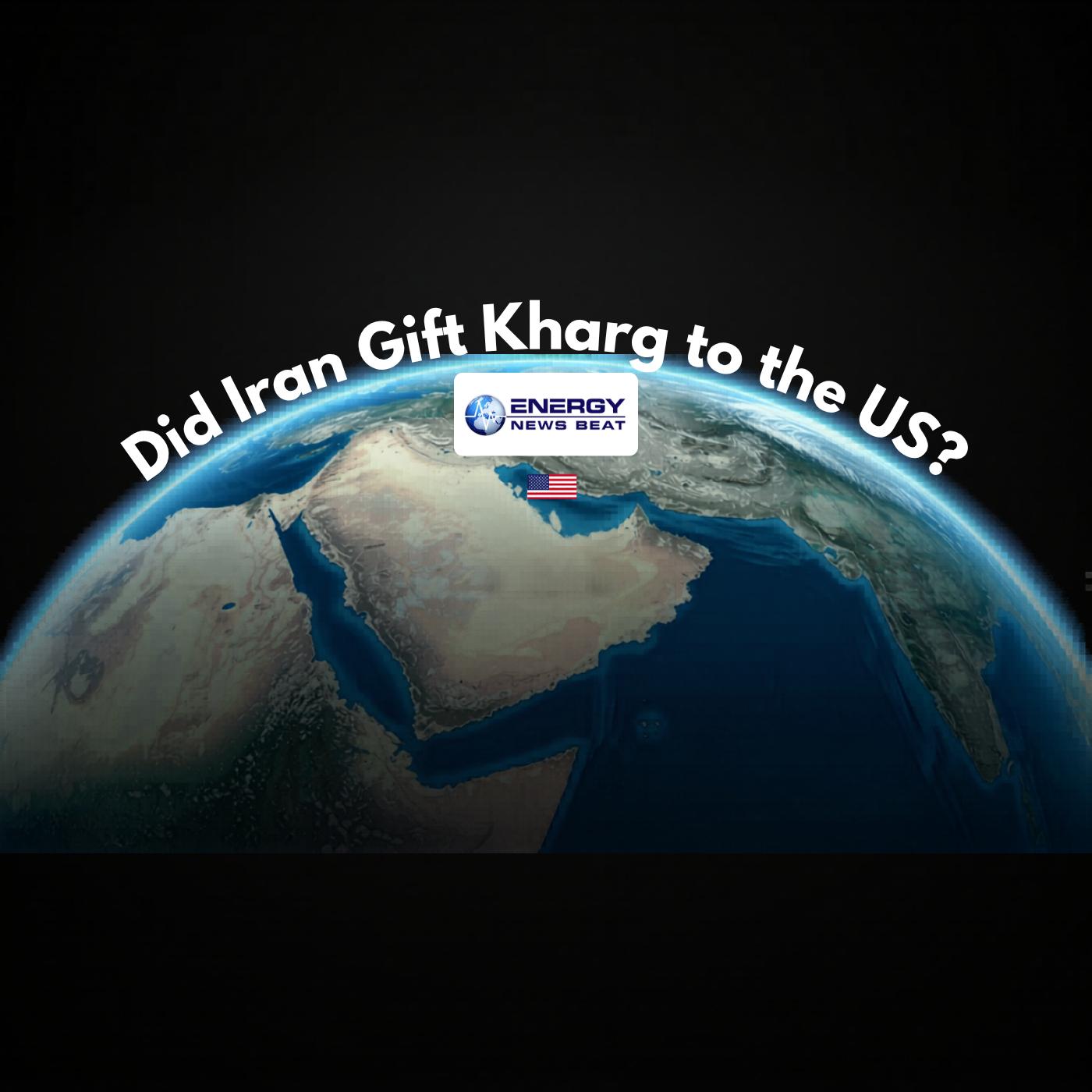
David Blackmon stops by the Energy News Beat Stand Up - and we have way too much fun covering the top 10 Energy Stories.Today’s show has a series of huge stories, and David Blackmon and I have way too much fun covering the wild energy stories going on around the world.1. Potential U.S. Acquisition of Karg IslandThe transcript discusses President Trump’s comments about Iran potentially handing the U.S. a “very big present” related to oil and gas. This appears to reference Karg Island, which is critical to Iran’s economy as it handles nearly 90% of Iran’s crude oil exports. The geopolitical implications of U.S. control over this strategic asset are explored.President Donald Trump dropped a bombshell yesterday in the White House Oval Office: Iran just handed the United States a “very big present” worth a tremendous amount of money. It wasn’t nuclear-related, he stressed. It was “oil-and-gas-related” and tied directly to the flow through the Strait of Hormuz. Trump called it a “significant prize” that proves America is “dealing with the right people” in Tehran — and that Iran “wants to make a deal… very badly.”The timing could not be more explosive. The Strait of Hormuz has been largely shuttered since the U.S.-Israeli campaign began on February 28, sending global oil prices soaring and choking off roughly 20% of the world’s traded crude. Yet Trump’s cryptic “gift” comment has energy markets buzzing with speculation: Did Washington just secure de facto control — or at least a major concession — over Iran’s crown jewel, Kharg Island?Why Kharg Island Changes EverythingKharg Island, a tiny coral outcrop 20 miles off Iran’s coast, handles nearly 90% of Iran’s crude exports — about 1.5–1.7 million barrels per day before the war. U.S. forces already struck military targets there earlier this month, but left the oil infrastructure largely intact. Trump has talked for decades about seizing it. Now, with Marines from the 31st MEU and additional amphibious assets en route, the island sits at the center of every war-gaming scenario.2. Global Refinery Attacks and DisruptionsThere’s extensive coverage of refinery attacks occurring worldwide, affecting fuel supply and production capacity. The discussion includes a country-by-country breakdown of impacts in major oil-producing nations like Saudi Arabia, Russia, and Australia, highlighting how these disruptions ripple through global energy markets.3. Shifting Oil Price NarrativesThe transcript examines how market expectations have fundamentally changed—from predictions of an oil glut and lower prices to forecasts of sustained higher prices. Analysis from major financial institutions like Goldman Sachs and JP Morgan is referenced to support these shifting outlooks.4. Global Fertilizer and Agriculture CrisisThe potential closure of the Strait of Hormuz is discussed as a trigger for LNG supply disruptions, which would severely impact fertilizer production. Combined with Russia’s halt on ammonium nitrate exports, this threatens global food supply chains.5. California’s Energy VulnerabilitiesThe transcript covers Chevron’s warnings about a potential fuel crisis in California, driven by the Iran conflict and the state’s dependence on imported fuels. Legal and regulatory challenges around refinery closures and offshore oil production are also discussed.6. Additional Energy ConcernsBrief mentions of refinery explosions (Valero Port Arthur) and emerging cybersecurity risks related to electric vehicle batteries.1.Iranian War May Have an Off Ramp – Did The US Just Get Kharg Island?2.Refineries Under Attack Globally3.On Oil Prices, Ther Narrative Shifts to ‘Higher for Longer-David Blackmon –Forbes4.Global Fertilizer Crisis Deepens: Strait of Hormuz Closure, Diesel Shortages, and LNG Disruptions Threaten Agriculture and Food Security5.Iran Gas Flow to Turkey Said to Stop After South Pars Strike6.Chevron to Buy Oil from Sable Offshore for Californians7.Chevron Warns California Risks Fuel Crisis Unless Iran War Eases8.Valero Port Arthur Refinery Explosion Shuts Down 435,000 b/d Refinery9.America’s superpower is natural gas.10.Security experts concerned on potential harm of EV batteriesA shout-out to Steve Reese and the Reese Energy Consulting group for sponsoring the Podcasthttps://reeseenergyconsulting.com/.A shout-out to our New Sponsor, Data2 - We will be running an AI Centered Series and have lots of data rolling out!. https://www.data2.ai/resources/the-decision-lag-report
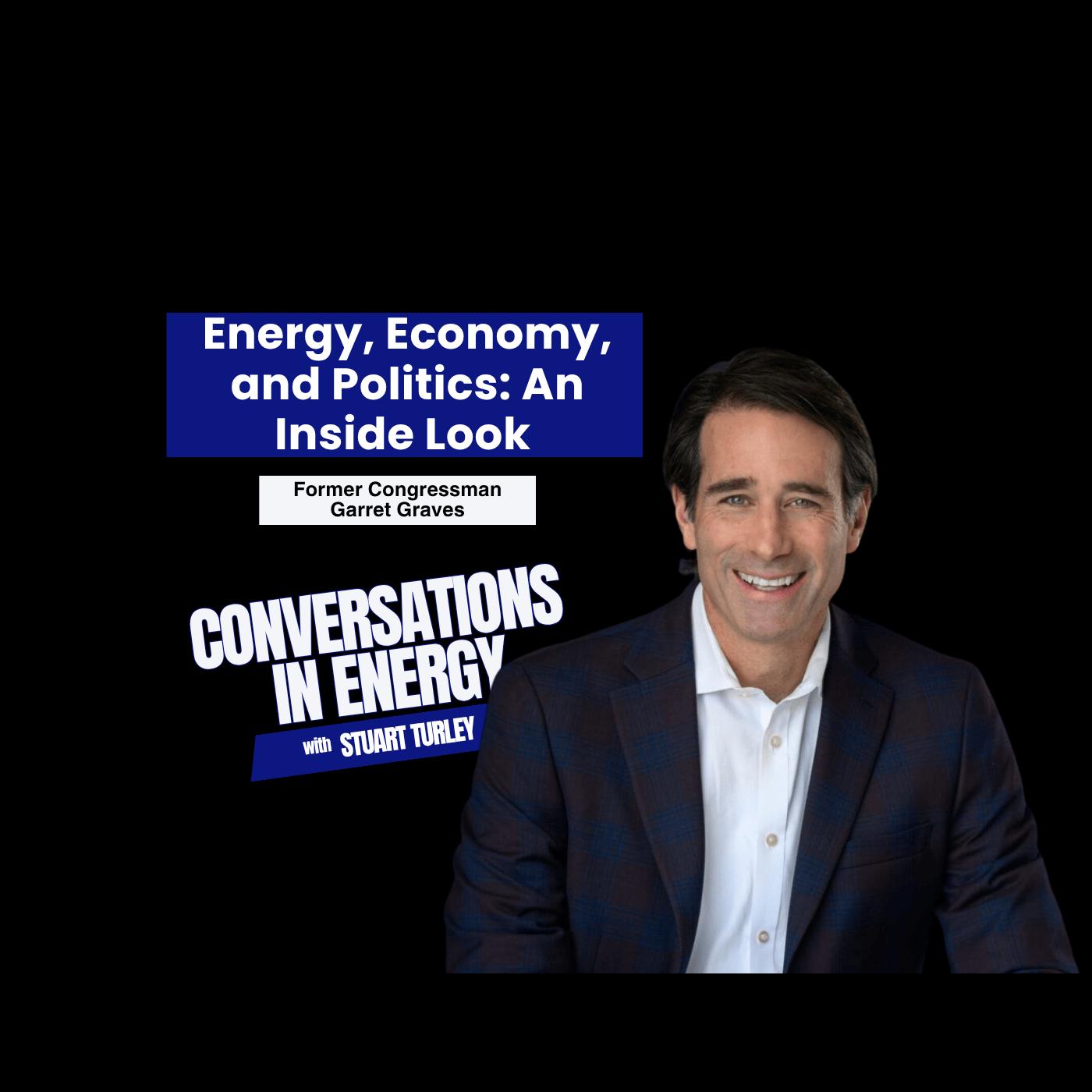
Representative Garret Graves stops by the Energy News Beat Podcast, and we have a great discussion about what goes on in Washington and why we need more leaders like Garret back in Washington. We cover the energy policies and great things going on in Louisiana, and even bring up the Save Act. Very timely, considering it may not pass even with a Republican-controlled Congress. Louisiana, District 6 114th-118th (2015-2025)1. Energy Dominance & Louisiana's Strategic RoleCongressman Graves emphasizes Louisiana's position as a critical energy hub, highlighting the Haynesville Shale and offshore oil and gas production. He argues that Louisiana produces some of the world's cleanest energy and criticizes the Biden administration for shutting down these clean energy sources. The focus is on establishing U.S. energy independence and dominance.2. Energy Affordability & Market PolicyA key concern is how energy policies affect consumer costs. Graves compares energy prices in Democrat-led versus Republican-led states, arguing that policies attempting to artificially manipulate energy markets drive up costs. He contends that higher energy prices benefit competitors like China and harm the broader economy.3. Data Centers & Economic GrowthLouisiana is attracting major data center investments, including one of the world's largest facilities. Graves highlights how abundant, reliable, and affordable energy is crucial for attracting these high-value investments. He notes commitments from companies like Microsoft and OpenAI to protect ratepayers from adverse impacts.4. Venezuela & Geopolitical StrategyThe discussion touches on Trump's approach to opening Venezuela for business development, allowing Venezuelans to benefit from their own resources. Graves criticizes previous policies that enriched cartels and emphasizes the need to counter China's growing influence in the Americas.5. Federal Spending & Government EfficiencyGraves advocates for zero-based budgeting to review federal priorities and spending. He expresses concerns about mandatory spending programs lacking oversight and suggests using AI and data analytics to identify waste, fraud, and abuse in government.6. Bipartisanship & Congressional PolarizationWhile respecting the democratic process, Graves criticizes excessive partisan infighting. He advocates for representatives prioritizing constituents and national interests over party politics and finding common ground.7. Louisiana's Economic FutureThe congressman outlines a vision for leveraging Louisiana's strategic assets—its port system, river network, and competitive electricity rates—to attract investment and create employment opportunities.Thank you, Representative Graves, for stopping by, and we hope to see you in the future! Stu A shout-out to Steve Reese and the Reese Energy Consulting group for sponsoring the Podcast https://reeseenergyconsulting.com/. Check out the Energy News Beat Substack https://theenergynewsbeat.substack.com/
This is a massive supply collapse happening right in front of us, and it has global implications for disasters. With President Trump dropping the 48-hour smackdown warning to Iran, it brings up a lot of related problems and issues that I go through. Everything from timing, price increases, and why there is potential for the oil rubberband price snap-up. We have about 12 hours left in the 28 hours, but we are on Trump time, so we do not know when that may happen. If President Trump does take out the Iranian power plants, it will cause some huge problems that people are not talking about. If we take Kharg Island and implement the Venezuelan-style controls through the Bank of Qatar, we will see peace, but whether the Iranian RGC blows up things on the way out is a huge question. If we take out the Iranian grid, it may take out Iraq as they get 60% of their power from Iran. Between them, that is an estimated 5 million barrels of oil per day that may be delayed back onto the market. Now add into the other fields that have been hit, and my crayon of spare capacity is drawing a pretty thin line of supply once the 200 million barrels of oil on the water are used. That is about a 2.5-week supply in the market. 1. Global Supply Chain DisruptionsThe transcript addresses critical shortages affecting multiple sectors—diesel, water, and fertilizer markets—with particular emphasis on how these disruptions are impacting farmers and the broader agricultural sector.2. Geopolitical Tensions in the Strait of HormuzA significant focus on escalating tensions involving President Trump's ultimatum to Iran, demanding full opening of the Strait of Hormuz within 48 hours, with threats to strike Iran's power plants. This represents a major geopolitical flashpoint.3. Global Oil & Gas Market DisruptionsDiscussion of potential disruptions to crude oil supply from Iran and Iraq, with analysis of how these geopolitical events could affect global oil and gas prices and availability.4. Divergence Between Paper and Physical Oil PricesThe transcript highlights an important market phenomenon—the gap between paper oil prices and physical crude prices in Asian markets—with concerns about potential significant price spikes.5. LNG Market ImpactCoverage of Qatar Energy's force majeure declaration on LNG contracts and its ripple effects on the global LNG market, including opportunities for increased US LNG exports.6. Regional Energy CrisesAnalysis of energy challenges in California and New York, including California's dependence on imported energy and New York's aggressive green policies and their negative economic impacts.7. Alaska Oil & Gas DevelopmentDiscussion of recent bids and lease awards in the National Petroleum Reserve Alaska, with investment analysis.8. Energy Sector Investment AnalysisReview and recommendations regarding various energy company stocks and investment opportunities.1.Diesel, Water and Fertilizer Are on the Front Lines of the News: Global Supply Strains Trigger Fuel and Food Security Alarms2.President Trump Throws Down On Iran – A 48-Hour Notice to Open the Strait or We Hit Your Power Plants3.What is the impact difference to investors between paper oil prices and delivered cost? – Watch for the Ruberband Snap Up to Oil Prices4.QatarEnergy Declares Force Majeure on LNG Contracts to Italy, Belgium, South Korea, and China: Shockwaves for Global Markets and a Major Boost for U.S. LNG Producers5.After Qatar LNG Plant Strike More Buyers Look to US6.California’s Energy Crisis about to get worse. Exporting Energy states and Countries are going to curtail exports7.Gov Hochul Admits the Climate Law is Hammering New York’s Economy8.National Petroleum Reserve–Alaska Has New Bids OpenedCheck out The Energy News Beat Substack: https://theenergynewsbeat.substack.com/If you are looking for a data center spot, give them a call.A shout-out to our sponsor, Reese Energy Consulting:https://reeseenergyconsulting.com/
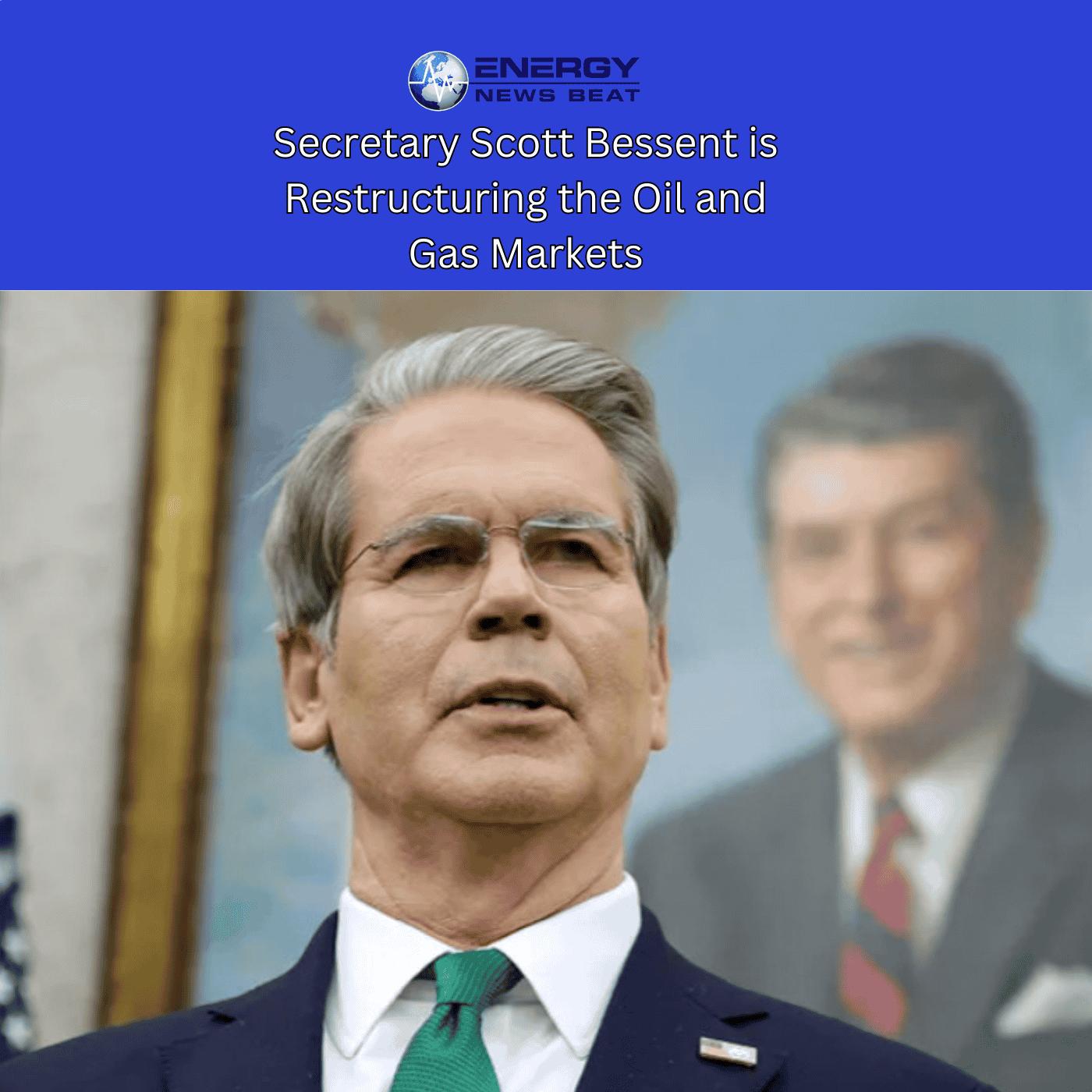
What a wild day on the Energy News Beat Stand Up. We have a special guest, David Blackmon, Forbes, Daily Caller, and Substack Author, and we have a blast. Key points: “Secretary Scott Bessent: President Trump is talking about, and to be clear, he has focused on Karg Island since 1988, before the Shaw fell, that the U.S. Should be focused on that. He is laser focused on it. As I said, there was a bombing campaign last week. The military assets on Karg island were destroyed. And the other thing I can tell you, if you’re an oil worker, you don’t want to work there. So all the oil workers there are being coerced to stay there. And we will see what happens with whether that eventually becomes a U.S. Asset.” - If the US takes control of Kharg Island, the Venezuelan-style controls will be placed on Iran, and this will help bring peace to the Middle East. 1. U.S. Energy Policy & Oil Price StabilizationThe transcript covers Energy Secretary Granholm's efforts to manage oil prices through various policy tools, including sanctions enforcement, strategic energy reserves, and regulatory waivers on Russian and Iranian oil imports.2. Middle East Energy Infrastructure ConflictsA significant focus is on military actions affecting energy infrastructure:Iran's South Pars Gas Field: Discussion of drone attacks by U.S. and Israeli forces targeting Iran's critical gas production facilityQatar's Pearl GTL Complex: Qatar's retaliatory strike on this LNG export facility, leading to force majeure declarations on LNG contracts3. Global LNG Supply DisruptionsThe disruption to Qatar's liquefied natural gas exports is presented as a major concern for global energy markets, with the U.S. unable to quickly fill the supply gap in the short term.4. State-Level Energy TransitionsHawaii's LNG Initiative: Efforts to transition away from fuel oil for power generation by importing LNG from JapanCalifornia Offshore Production: Discussion of restarting offshore oil production and the challenges posed by refinery closures5. Domestic Oil ProductionCoverage of new oil and gas lease bids in Alaska's National Petroleum Reserve as a strategy to increase domestic oil production capacity.6. Global Energy Market DynamicsOverarching concerns about supply shortages, price volatility, and the geopolitical challenges of replacing disrupted Middle Eastern energy supplies.1.Secretary Scott Bessent has levers he can still pull to keep oil prices stable for a few weeks – Key Points from his Interview on Fox2.South Pars Gas Field Strike: US-Israeli Drones Hit Iran’s Energy Lifeline – Production Hit, Markets Spike, and Tehran Targets Gulf Facilities in Retaliation3.QatarEnergy’s Pearl GTL Complex Hit in Iranian Strike: Fires Rage at Ras Laffan – Critical Air Separation Units Likely Destroyed, Multi-Year Outage Expected4.QatarEnergy Declares Force Majeure on LNG Contracts to Italy, Belgium, South Korea, and China: Shockwaves for Global Markets and a Major Boost for U.S. LNG Producers5.Hawaii’s Gas Bid Advances on Japan Plan for Power Plant, Imports – It’s about time6.National Petroleum Reserve–Alaska Has New Bids Opened7.Black gold gushes into California as offshore bill kicks into gear following Trump executive order – But what good will it do?8.Gasoline and Diesel Prices Are Going Up — What Are Trump’s Options to Lower Prices?Check out The Energy News Beat Substack: https://theenergynewsbeat.substack.com/Check out David Blackmon on https://blackmon.substack.com/If you are looking for a data center spot, give them a call.A shout-out to our sponsor, Reese Energy Consulting:https://reeseenergyconsulting.com/
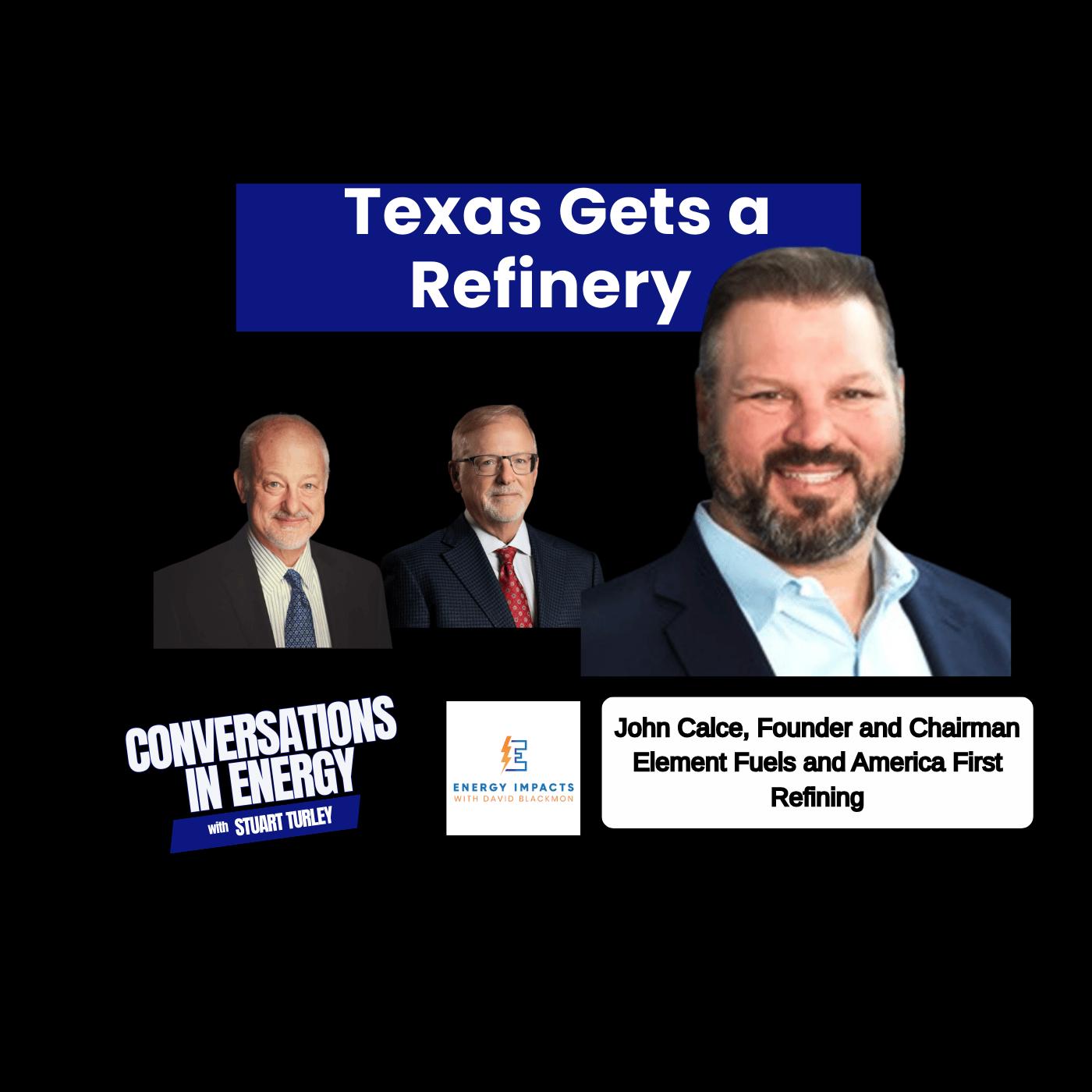
This is a fun discussion with John Calce, Founder and Chairman of Element Fuels and America First Refining. This podcast is hosted by Stu Turley, Energy News Beat Host, and David Blackmon is the host of the Energy Impacts Podcast. Don't kid yourself, with the geopolitical issues around the world right now, this story is HUGE. A new refinery in the United States was built to refine the light, sweet crude oil from the Permian Basin. This is a gigantic win for Energy Security.As the title says, "Texas Gets A Refinery - Energy Security Starts at Home - Energy Dominance is displayed through your exports." John hit it out of the park while talking about how much planning and export capacity are being planned.Thank you, John, for your efforts, hard work, and getting this across the finish line. We will be reporting on this all along the way to help keep the excitement up.1. America First Refining's Brownsville Refinery ProjectThe central focus is John Kelsey's development of a major new oil refinery in Brownsville, Texas. Key aspects include:Background: Kelsey's extensive experience in upstream oil and gas, particularly during the shale oil boomThe Problem: A critical mismatch between the light shale oil produced in the Permian Basin and existing U.S. refining infrastructureThe Solution: Building a new refinery specifically designed to process light shale oilTimeline: A challenging 7-year permitting and approval processPartnership: Collaboration with Indian conglomerate Reliance for financing and operationsFuture Plans: Potential expansions into ammonia and fertilizer production2. U.S. Energy Infrastructure & Market DynamicsThe discussion places the refinery project within the broader energy landscape:Declining refining capacity in the U.S., particularly on the West CoastThe paradox of exporting light shale oil from Texas while importing refined products back into CaliforniaThe role of policy and government support in energy infrastructure development3. Economic & Regional Development ImpactThe project's implications for the Brownsville/Rio Grande Valley region:Job creation and economic growth opportunitiesWorkforce development through partnerships with local universities and technical collegesInfrastructure and logistics challenges related to port expansion and regional growthCheck out the American First Refining Company site: https://americafirstrefining.com/John Calce's LinkedIn: https://www.linkedin.com/in/john-calce-28577014b/Check out The Energy News Beat Substack: https://theenergynewsbeat.substack.com/Check out David Blackmon on https://blackmon.substack.com/If you are looking for a data center spot, give them a call. A shout-out to our sponsor, Reese Energy Consulting:https://reeseenergyconsulting.com/

Doomberg stops by the Energy Impacts and Energy News Beat podcasts to talk about the Global Oil and Gas Markets Update. Hosted by David Blackmon and Stu Turley, they have a rich history of having way too much fun talking about the energy, oil, and gas markets.1. Geopolitical Tensions & Iran-US ConflictThe transcript extensively covers the tensions in the Strait of Hormuz and the broader Iran-US conflict, examining how these tensions could disrupt global oil and gas supplies and reshape international relations.2. Global Energy Markets & Supply DisruptionA significant focus is placed on the potential impact of the conflict on energy markets, including:Risk of oil and gas supply disruptionsPotential market fragmentation and regional energy marketsDevelopment of alternative energy infrastructure to bypass the Strait of Hormuz3. International Power DynamicsThe discussion explores the growing influence of China and Russia in the Middle East, their support for Iran, and how the conflict could shift global geopolitical power structures.4. Media, Propaganda & InformationThe transcript addresses challenges in reporting on the conflict, including:The role of media narratives and propagandaDifficulty in separating fact from misinformationHow information shapes public understanding5. Energy Transition & InfrastructureCommentary on how the crisis might affect the transition to renewable energy, with perspectives that the conflict could actually accelerate investment in traditional energy infrastructure rather than renewables.6. Policy & Strategic Decision-MakingAnalysis of strategies and decisions by key players, including the US government, Trump administration, and energy industry figures.Check out The Energy News Beat Substack: https://theenergynewsbeat.substack.com/Check out Doomberg at https://newsletter.doomberg.com/Check out David Blackmon on https://blackmon.substack.com/
The global oil and gas markets are in turmoil. A major conflict in the Middle East has effectively closed the Strait of Hormuz—a critical chokepoint for global oil shipments—marking what experts describe as the largest oil supply disruption in history. While the U.S. remains relatively insulated with only 2% of its oil transiting through the Strait, California faces an energy crisis of "biblical proportions," hammered by soaring fuel prices due to its heavy reliance on imported refined products and limited refining capacity. As the industry grapples with recovery timelines that could stretch months, experts forecast oil prices could eventually fall to around $70 per barrel by Q4 2026 once the Strait reopens—but not before the global economy feels the full weight of this disruption. In this episode, we explore the geopolitical shockwaves reshaping energy markets, the strategic responses from major players like Saudi Arabia, and what energy security and dominance really mean in a world of supply chain chaos." Energy security starts at home. Energy dominance comes through your exports, but energy dependence is now being defined as the EU and California. "Stu Turley, Energy News Beat Stand Up1. Middle East Conflict & Strait of Hormuz DisruptionThe transcript centers on a major geopolitical crisis affecting global energy markets. The Strait of Hormuz—a critical chokepoint for global oil shipments—has been effectively closed to commercial shipping since late February, creating what experts describe as the largest oil supply disruption in history.2. Impact on U.S. and California Energy MarketsThe U.S. is relatively insulated, with only 2% of its oil transiting through the StraitCalifornia is severely affected due to its limited refining capacity and heavy reliance on imported refined productsThe shutdown of diesel and gasoline exports from China has compounded California's fuel price crisis3. Market Recovery & Price ForecastsThe discussion includes recovery timelines and economic projections:If the conflict resolves soon, it will take months to restore normal operations (repositioning ships, restarting fields, rebuilding insurance)Oil prices could fall to approximately $70 per barrel by Q4 2026 once the Strait reopens4. Strategic Industry ResponsesSaudi Arabia's efforts to bypass the Strait of Hormuz and increase exportsThe White House's National Energy Dominance Council initiatives to secure new energy deals in the Indo-Pacific region5. Oil & Gas Industry TrendsAnalysis of rig counts across U.S. basinsDiscussion of the "sweet spot" for oil prices and industry focus on financial disciplineCommentary on the "fear premium" currently embedded in oil prices1.Oil and Gas Markets are Upended and Recovery will be Months2.If the Strait of Hormuz is Shipping Oil and Kharg Island is Still Operational, Are We Really in an Oil Crisis Yet?3.Two Oil Tankers Seen at Kharg after U.S. Strikes, Satellite Firm Confirms4.Where to find the cheapest gas in California as fuel prices continue excruciating climb5.How Much Diesel, Gasoline, Jet Fuel, and Other Oil Products Are Actually Imported to California?6.White House National Energy Dominance Council Announces Billions in Energy Projects in Tokyo7.DAVID BLACKMON: Oil Price Fear Premium Returns With A Vengeance8.Oil Over $100 and Rig Count Goes UpShout out to Reese Energy Consulting https://reeseenergyconsulting.com/Get your CEO on the #1 Energy Podcast in the United States: https://sandstoneassetmgmt.com/media/Is oil and gas right for your portfolio? https://energynewsbeat.co/invest/
Gavin Newsom has succeeded, and this was one of my most important podcasts. Mike Ariza, a refinery expert who has been working in the industry for decades, stopped by the Energy News Beat podcast, and what a show.Mike has been working with several key people in the state trying to get the story out there. We need federal intervention today. Not Tomorrow - Today.This is a challenge for our great Secretary of Energy, Chris Wright, and our Secretary of the Treasury, Scott Bessent. This is a problem of Venezuelan and Iranian proportions. In fact, California is such a national security crisis that I called out two days ago on the podcast "This California Crisis is just as big as the Iranian conflict," and Tim Stewart of the U.S. Oil and Gas Association said, "Stu, you are right", and today Mike also confirmed, it could bring the entire United States Republic down.1. California's Energy Crisis The transcript centers on an impending crisis involving the potential shutdown of major oil refineries in California, which could severely disrupt the state's energy and fuel supply.2. National Security & Military Implications The discussion emphasizes how refinery closures would threaten national security and military readiness, with consequences extending beyond California to the entire western United States.3. Government Policy & Regulatory Impact There's significant focus on how policies from the California Air Resources Board and Governor Newsom's administration have contributed to refinery closures and increased dependence on imported fuels.4. Geopolitical & Foreign Influence Concerns The transcript raises allegations about Chinese influence on California's energy policies and questions about transparency and potential corruption in decision-making.5. Federal Intervention & Emergency Measures Speakers call for urgent federal action, including potential invocation of the Defense Production Act, to address the crisis.6. Economic & Supply Chain Consequences The discussion explores interconnected factors including global tensions, supply chain disruptions, infrastructure limitations, and the loss of skilled refinery workers.7. Potential Economic Devastation The transcript warns of catastrophic outcomes including skyrocketing fuel prices, food shortages, and potential civil unrest if the situation isn't resolved.You can connect with Mike on X Mike Ariza@MikeAriza4531Shout out to Reese Energy Consulting https://reeseenergyconsulting.com/Get your CEO on the #1 Energy Podcast in the United States: https://sandstoneassetmgmt.com/media/Is oil and gas right for your portfolio? https://energynewsbeat.co/invest/

This was a fun podcast and is going out on both the Energy News Beat channel and the Crude Truth Podcast Channel with Rey Trevino. Former Prime Minister Liz Truss is a breath of fresh air, and I really enjoyed her answers, and Rey hit it out of the park with some great questions as well.We confirmed some key points I have been making: the British deep state has not had the United States' back. PM Truss drives home the fact that Net Zero costs more money and is a method of deindustrialization and control. By moving all of the jobs to China and electrifying everything, the consumers are the losers.The similarities of California, New York, and the UK are frightening. We hope to be a resource for PM Truss as she is trying to save her country.1. British Economy & Energy PolicyLiz Truss discusses the UK's economic challenges, arguing that deindustrialization and over-reliance on renewable energy have driven up energy costs and harmed economic growth. She advocates for alternative energy strategies including fracking, removing windfall taxes on North Sea oil and gas, and positioning Britain as a net energy exporter.2. Climate vs. Economic PrioritiesA central theme is the tension between climate change policies and economic interests. Truss contends that the current government has prioritized climate objectives at the expense of citizens' economic wellbeing, and calls for a rebalancing of these priorities.3. UK-US Political ComparisonsThe discussion draws parallels between left-wing ideological influence in both countries, with references to figures like Alexandria Ocasio-Cortez. Truss praises Trump's "America First" energy approach and suggests the UK needs a similar policy revolution.4. Geopolitics & Energy SecurityTopics include Iran's destabilizing role in the Middle East, the strategic importance of the Strait of Hormuz, and the need for stronger UK-US alignment on energy security and confronting geopolitical threats.5. Media & Public DiscourseTruss criticizes mainstream UK media for insufficient coverage of green energy policy consequences and advocates for alternative media platforms and podcasts to amplify diverse viewpoints.Ten Years to Save the West!Check out her book: https://a.co/d/0e4Z71EmShout out to Reese Energy Consulting https://reeseenergyconsulting.com/Get your CEO on the #1 Energy Podcast in the United States: https://sandstoneassetmgmt.com/media/Is oil and gas right for your portfolio? https://energynewsbeat.co/invest/
A wild day on the Energy News Beat Stand Up. - We even play a short from Former Prime Minister Lizz Truss as I just finished recording her podcasts with Rey Trevinio on a joint podcast with the Crude Truth and Energy News Beat. That episode airs tomorrow, and PM Truss is a class act, and you will love her attitude. The first story covering China, and how it impacts California, is a twist for a National Security Challenge that we will have with our Great Secretary of Energy Chris Wright, and our fantastic Secretary of the Treasury Scott Bessent. 1. Global Energy Supply DisruptionsChina halting gasoline, diesel, and jet fuel exports due to supply constraints in the Strait of HormuzImpact on major fuel importers including Singapore, South Korea, Japan, and Southeast AsiaTanker attacks in the Strait of Hormuz and ongoing "tanker war" concerns2. Saudi Arabia's Strategic ResponseThe East-West pipeline's role in bypassing Persian Gulf disruptionsIncreased exports through the Red Sea port of Yanbu as a mitigation strategy3. U.S. Government Energy PolicyPresident Trump's release of oil from the Strategic Petroleum Reserve (SPR) to stabilize global marketsImplementation of a $20 billion maritime reassurance program led by insurance firm Chubb to protect shipping through the Strait of Hormuz4. Domestic U.S. Energy PoliticsTrump's potential use of the Defense Production Act to override California regulationsPlans to reactivate idle offshore oil platforms in CaliforniaTensions between federal energy goals and California's climate policies5. Energy Security ConcernsCalifornia's energy security challengesQuestions about foreign influence (Chinese research) in state climate policies6. Energy Market AnalysisStock performance analysis of major energy companies (Valero, Venture Global, EQT, Cheniere Energy, Chevron, etc.)7. UK Energy IndependenceInterview with former UK Prime Minister Liz Truss discussing Britain's path to energy self-sufficiency through fracking and North Sea oil and gas resources1.China Halts Fuel Exports Due to Supply Crunch in Strait of Hormuz2.Saudi Arabia’s Pipeline Investment Pays Off3.Two Tankers Struck in the Middle East: Escalating Tensions in the Persian Gulf4.Trump Opens SPR for Emergency Release: A Bold Move Amid Global Oil Turmoil5.U.S. Taps Chubb to Lead Trump’s $20B Insurance Plan for Hormuz Shipping6.U.S. Taps Chubb to Lead Trump’s $20B Insurance Plan for Hormuz Shipping7.Trump to Invoke Emergency Law for Offshore Oil Producer Sable – Can the Feds Intervene to Save the Refineries?8.Why California Has an Oil and Gas Crisis… and China’s InvolvementWe have some new sponsors rolling in and great interviews rolling out.Check out the Energy News Beat Substack: https://theenergynewsbeat.substack.com/Shout out to Reese Energy Consulting https://reeseenergyconsulting.com/Get your CEO on the #1 Energy Podcast in the United States: https://sandstoneassetmgmt.com/media/Is oil and gas right for your portfolio? https://energynewsbeat.co/invest/

Tim Stewart stops by the Energy News Beat and Energy Impacts PodcastsDavid Blackmon kicks off this joint podcast with Tim Stewart, President of the US Oil & Gas Association, and we have a wild discussion.1. Oil and Gas Industry Volatility The speakers examine the current unstable state of the oil and gas sector, focusing on fluctuating oil prices and their impact on companies and workers. They note how the industry is adapting differently than it did during the 1970s oil crisis.2. Middle East Geopolitical Tensions A significant portion of the discussion centers on regional instability, particularly around the Strait of Hormuz, attacks on oil infrastructure, and the U.S. response. Iran’s involvement and international sanctions are also key points of discussion.3. California’s Energy Crisis The speakers address specific challenges in California’s energy sector, including refinery closures, companies relocating out of state, and how state energy policies are affecting the broader national energy landscape." So To my point is that from the national energy policy perspective, it wouldn't surprise me over the next six months if the energy department and department chairs start to become involved in California energy policy. It's going to make federalism a really interesting argument because it's a counterpoint, but it's got to be done. "Tim Stewart, President, US Oil & Gas Association4. Government and Policy Involvement There’s substantial discussion about the federal government’s role in addressing energy challenges, potential federal intervention in state policies, and the relationship between the administration and Congress on energy matters.5. U.S. Energy Dominance and Geopolitical Strategy The speakers explore how current events are reshaping global energy markets, potential shifts in international trading relationships, and America’s strategic positioning based on its energy resources and influence.6. Industry Perception and Policy Challenges The discussion includes the oil and gas industry’s efforts to engage with policymakers, changing Congressional dynamics around energy policy, and the need for improved public understanding of the industry’s role and challenges.01:41 Tim Stewart discusses the "Goldilocks zone" for oil prices21:01 Tim predicts federal intervention in California energy policy30:32 Cool Energy things32:18 New trading blocs based on Energy policies35:30 Tim Tim Stewart makes a strategic point about competing with Lloyd's of LondonWe have some new sponsors rolling in and great interviews rolling out.Check out the Energy News Beat Substack: https://theenergynewsbeat.substack.com/Shout out to Reese Energy Consulting https://reeseenergyconsulting.com/Get your CEO on the #1 Energy Podcast in the United States: https://sandstoneassetmgmt.com/media/Is oil and gas right for your portfolio? https://energynewsbeat.co/invest/
Gavin Newsom has created one of the largest National Security Risks the United States has ever seen.1. California's Declining Oil Refining Capacity The transcript focuses heavily on California's shrinking refining industry. It discusses how Chevron has warned that additional refinery closures could result in extreme fuel prices—potentially reaching $15 per gallon for diesel and gasoline. A key point is that California operates as an "energy island," isolated from the rest of the US and dependent on its own refineries and imports to meet energy demands.2. The Critical Role of Oil Refineries The discussion emphasizes that crude oil has no practical value until it's refined into usable products. Refineries are presented as essential infrastructure, and the conversation highlights how attacks on refineries in places like Iran, Saudi Arabia, and Ukraine can have significant impacts on global fuel supplies. The transcript also notes the substantial time and investment required to build new refineries, making it difficult to quickly replace lost capacity.3. Limitations of Renewable Energy The transcript argues that renewable sources like wind and solar have inherent limitations—they can only generate electricity, not the transportation fuels and oil-derived products that modern industrial societies depend on. It also points out that "green solutions" themselves still rely heavily on oil-based materials.4. Geopolitical Implications of Energy Supply The discussion covers how refineries can become strategic targets in conflicts, and explores the risks of energy dependence, including China's fuel export bans and the importance of the Strait of Hormuz in global oil distribution.We have some new sponsors rolling in and great interviews rolling out.Check out the Energy News Beat Substack: https://theenergynewsbeat.substack.com/Shout out to Reese Energy Consulting https://reeseenergyconsulting.com/Get your CEO on the #1 Energy Podcast in the United States: https://sandstoneassetmgmt.com/media/Is oil and gas right for your portfolio? https://energynewsbeat.co/invest/
The Venezuelan Financial Controls are Moving to Iran Next - and this will help end the war, and give the Iranian people more control. Over 2 billion dollars a year will not be going to proxy fighters, and that could go right back into the Iranian people's interests. Improving their country. Hang on while we go through how. A comprehensive overview of the interconnected geopolitical, energy market, and financial aspects of the current energy crisis, with a particular focus on the Middle East tensions and their global implications.Based on the analysis, here are the main topics discussed in this transcript:1. Middle East Geopolitical Tensions The transcript centers heavily on escalating conflicts involving the US, Israel, and Iran. It covers drone attacks on critical energy infrastructure in the region and discusses how these tensions are destabilizing the area, particularly around the strategically important Strait of Hormuz.2. Global Energy Market Disruptions A significant focus is on how Middle East instability is rippling through global oil and LNG markets. The discussion includes rising oil prices, potential LNG shortages (especially from Qatar), and how major energy consumers like China and India are responding by diversifying their energy sources, particularly increasing purchases from Russia.3. Financial and Hedging Strategies in Energy Sectors The transcript explores the complex financial mechanisms used by oil and gas companies to manage risk. It examines how current market volatility is affecting their cash flows, profitability, and hedging practices during this period of uncertainty.4. US Government Policy and Energy Control There's substantial discussion of US government actions—particularly under the Trump administration—including sanctions, financial controls, and strategic efforts to influence global energy market dynamics and geopolitical outcomes.5. Broader Geopolitical and Economic Consequences The transcript addresses wider implications of the energy crisis, including potential deindustrialization of Europe, shifts in energy trade flows toward Asia, and fundamental geopolitical realignments resulting from these energy market changes.The Stories we covered on today's Podcast on Energynewsbeat.co1.The Oil and Gas Markets are Changing for Peace and Supporting the US Dollar2.Fire Engulfs Shahr-e Rey Oil Refinery in Southern Tehran: Israeli Strikes Target Iran’s Energy Infrastructure3.Iran Conflict Sets the LNG Markets on End: What Does This Mean for the Market, Investors, and Consumers?4.Russia Following the Money: Shifting Gas and Oil Sales to Asia5.The U.S. Merchant Marine Fleet Needs an Update6.Iran-Linked Ships Transit as Others Wait for Insurance7.US Oil Rig Count UP as WTI Moves UP to $92.21Check out the Energy News Beat Substack: https://theenergynewsbeat.substack.com/Shout out to Reese Energy Consulting https://reeseenergyconsulting.com/Get your CEO on the #1 Energy Podcast in the United States: https://sandstoneassetmgmt.com/media/Is oil and gas right for your portfolio? https://energynewsbeat.co/invest/
The Energy News Beat Stand up is on a roll, and we have David Blackmon stop by to cover more of the stories. What a day on the news desk, Qatar shuts down LNG, and it will take a minimum of 4 to 6 weeks to fire back up to volume. The other huge story today is that Ukraine may have been the one to hit a Russian LNG tanker in the Mediterranean. Yes, you read that right - Mediterranean. 1. Cutter's LNG Shutdown and Global Energy Impact The transcript discusses a major disruption in the global LNG market following Cutter's complete shutdown of liquefied natural gas operations after a drone attack on critical infrastructure. This has created significant supply shortages and affected Europe's energy security, with implications for Russia's gas export strategy.2. Middle East Conflict and Energy Infrastructure Attacks There's substantial discussion about escalating tensions in the Middle East, including Iranian missile and drone attacks on Saudi Arabian and Qatari oil refineries and LNG terminals. These attacks have disrupted global energy supplies and raised concerns about the vulnerability of critical energy infrastructure in the region.3. Trump's New Shipping Insurance System The transcript covers President Trump's announcement of a U.S.-backed marine insurance system, which is positioned as a potential challenge to London's traditional dominance in global shipping insurance through Lloyd's of London.4. California Refinery Regulations Chevron's warning to California's Governor Newsom about proposed regulations by the California Air Resources Board is discussed, with concerns that these regulations could effectively shut down the state's remaining refineries.5. Energy Sector Stock Performance and Investment Analysis The transcript includes analysis of various energy-related stocks, including refineries, LNG companies, and oil and gas producers like Valero, Cheniere Energy, Enbridge, and Exxon Mobil, examining their earnings potential and investment timing.1.Qatar Shuts Down LNG: What Does This Mean for Global Markets? What should US Investors look for?2.Gulf Refineries and Terminals Under Fire by Iran: Escalation in the Middle East and Its Ripple Effects on Global Energy Markets3.First LNG Tanker Hit in the Mediterranean: Escalation in Shadow Fleet Warfare4.Chevron Warns of Irreversible Harm to California’s Economy and Energy Security in Letter to gov. Newsom5.Nationwide Gas Prices Jump 11 Cents; California Still Leads with the Highest Gas Prices6.California will be a national security risk for the entire country!Shout out to Reese Energy Consulting https://reeseenergyconsulting.com/Check out David's Substack at https://blackmon.substack.com/Get your CEO on the #1 Energy Podcast in the United States: https://sandstoneassetmgmt.com/media/Is oil and gas right for your portfolio? https://energynewsbeat.co/invest/
This was a wild discussion of the current global oil and gas markets with David Blackmon and Stu Turley. We covered stories from Energy News Beat and David's Substack. If you only have time for one podcast, this may be it, as we cover the markets and critical issues on how long this may last. Oil and natural gas prices:David and I discussed the recent spike in oil and diesel prices, with oil prices increasing by around 14-15% over two days. The hosts analyze the potential reasons and implications of these price increases.Geopolitical tensions in the Middle East:The discussion focuses on the Strait of Hormuz, a critical chokepoint for global oil and LNG trade, and the potential disruptions to shipping in the region due to tensions and conflicts.The transcript covers the involvement of various countries, such as Iran, Iraq, Saudi Arabia, and the UAE, in the regional dynamics and their potential impact on energy markets.Energy security and dependence:We discuss the concept of “energy security starts at home, but energy dominance starts at your exports,” highlighting the energy dependence of the European Union on Russian oil and gas.We also touch on the energy crisis in California and the challenges faced due to the shutdown of refineries and pipelines. And I am interviewing Ronald Stein on Monday to cover the latest crisis in California.U.S. foreign policy and geopolitics:The transcript delves into the Trump administration’s foreign policy actions, particularly in relation to Iran and Venezuela, and their potential impact on global energy markets and China’s influence.The hosts also discuss the shifting geopolitical alliances and the potential for Russia to improve its relationship with the United States.U.S. domestic politics and energy policy:The discussion touches on the upcoming elections in the U.S., particularly the Republican primary race in Texas, and the potential implications for energy policy and regulation.The hosts also criticize the current Republican leadership in the Senate for not taking decisive action on energy-related legislation.Electricity pricing and grid resilience:The transcript delves into the issues surrounding the pricing of electricity, particularly the need to redefine the levelized cost of electricity for renewable energy sources to include the cost of storage and grid resilience.Starmer to Trump: “You Have No Plan.” Trump Replies: “Have You Been Following Venezuela’s Story?”At What Price Will the EU Open Russian Gas and Oil Pipelines?The Price for Oil May Go Up If the Bypass Pipelines Are Hit, and If Ship Insurance Is Not ApprovedHow Long Can China Survive After Losing Venezuela and Iraq’s Discounted Oil Supplies?California will be a national security risk for the entire country!Qatar Halts LNG Production, and the European and Asia Markets RespondCheck out David's Substack at https://blackmon.substack.com/Get your CEO on the #1 Energy Podcast in the United States: https://sandstoneassetmgmt.com/media/Is oil and gas right for your portfolio? https://energynewsbeat.co/invest/
Where is the Glut? The Iran Conflict Exposes the Glut Narrative with High Oil Prices LoomingOur prayers go out to our brave soldiers who have fallen today, and we pray for their families and the wounded for a full recovery. 1. Iran Conflict and Oil Markets The transcript extensively covers how escalating tensions between the US, Israel, and Iran are disrupting the oil market narrative. There's discussion of potential oil price spikes (potentially reaching $100-$120 per barrel for Brent crude) and the impact on regional oil shipments from countries like Saudi Arabia, Iraq, and Iran.2. US Strategic Objectives The discussion explores the geopolitical strategy behind US military actions, suggesting the goal is to gain proxy control over Iran's oil and gas reserves. This is framed as leverage—not just against China, but also impacting the Bank of London and the EU.3. US Oil Production and Investment Dynamics The transcript analyzes the resilience and growth of US oil production despite price volatility and geopolitical tensions. It compares investment returns between traditional oil and gas companies versus renewable energy companies, noting that renewable growth has been heavily subsidized by federal programs.4. California's Refining Capacity There's discussion of regulatory pressure from the California Air Resources Board (CARB) attempting to force closure of the state's remaining seven refineries, which could result in increased imports from China and India.5. Legal Developments in Energy Sector A significant topic is a North Dakota court ruling indicating Greenpeace may owe $345 million in damages related to Dakota Access pipeline protests, suggesting a potential shift in how the energy industry addresses activist litigation.1.The Iran Conflict Exposes the Missing Oil Glut Narrative2.How the Iran Conflict Will Impact Global Oil Shipments by Country3.The US Military Campaign Against Iran Is Part Of Trump’s Grand Strategy Against China4.Resilient U.S. Oil Production Is a Boon to Trump. How Long Will It Last?5.Energy Company Warns CARB on ‘The Stark Reality’ Driving In-State Refining Capacity to Zero of CA’s Remaining 7 Refineries6.Judge Indicates He Will Order Greenpeace to Pay $345 Million in Oil Pipeline Case: A Turning Point in Climate Lawfare?Shout out to our Sponsor, Reese Energy Consulting https://reeseenergyconsulting.com/Check out the Energy News Beat Substack: https://theenergynewsbeat.substack.com/Check out the Energy News Beat Website: https://energynewsbeat.co/Get your CEO on the #1 Energy Podcast in the United States: https://sandstoneassetmgmt.com/media/Is oil and gas right for your portfolio? https://sandstoneassetmgmt.com/invest-in-oil-and-gas/
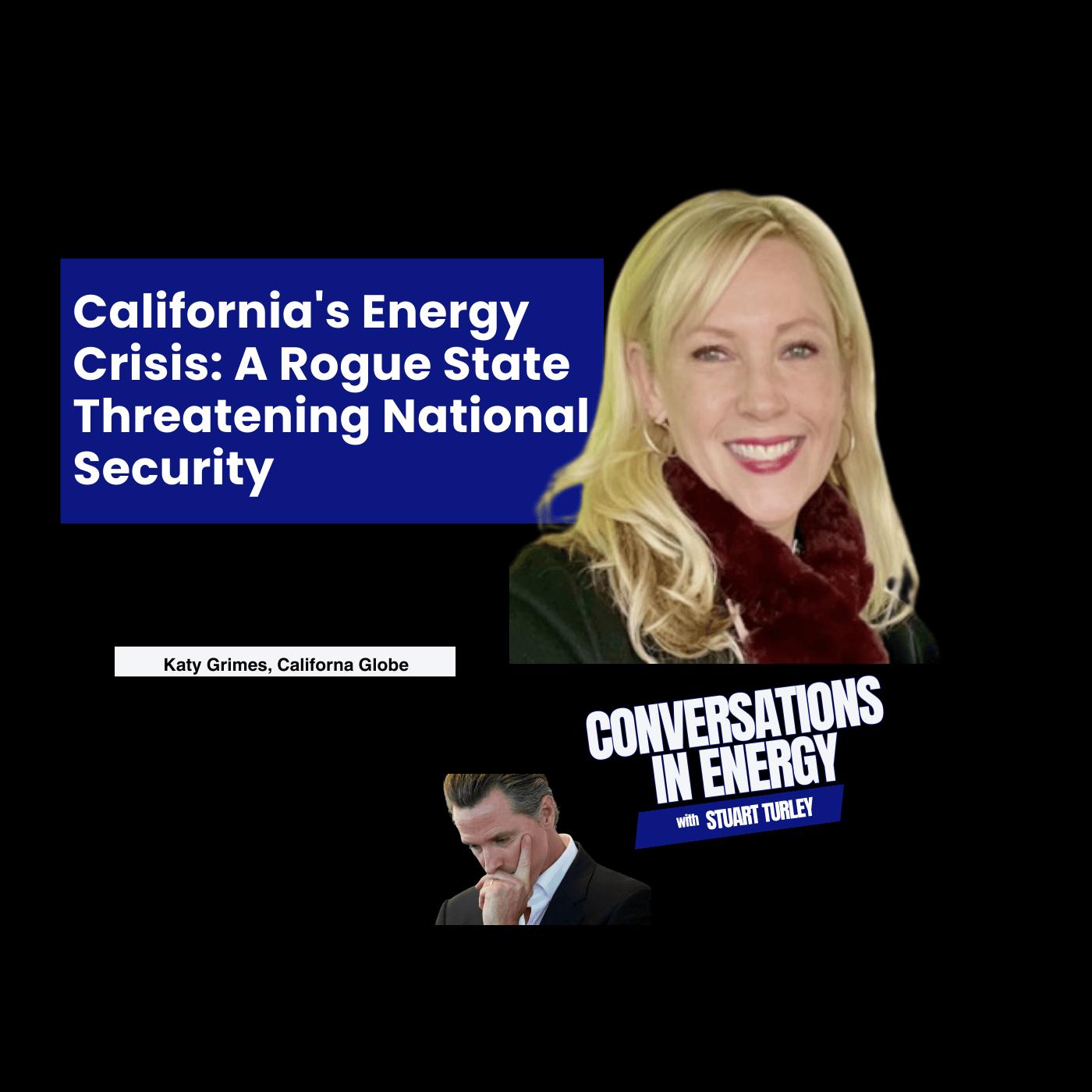
What a wild discussion with Katy Grimes, Editor in Chief of the California Globe. We had a great discussion about the corruption, incompetence, and the future of California. We need more leaders like Katy to take a stance and try to save California and stop the madness.I asked her some tough questions, and she brought the insights only like a true reporter could. We need to fight to save California, and it is worth saving. We talked about other guests who have been on the Energy News Beat podcast, like Steve Hilton and Mike Umbro, and even how Mel Gibson would fit into the Governor's race.The bottom line: California is a National Security Crisis in the making, and as the title says, "A Rogue State Threatening National Security" is a complete understatement. I had to ask, "Is Gov Newsom incompetent or corrupt?"**1. California's Energy Crisis**The discussion extensively covers California's severe energy challenges, including the shutdown of oil refineries and pipelines that have crippled the state's domestic energy production. This has forced California to become heavily dependent on imported oil and gas from countries like Russia and China. The discussion emphasizes how this isn't just a state issue—it has national security implications, particularly affecting jet fuel supplies for military installations across the western U.S.**2. Governor Newsom's Leadership and Policies**There's significant criticism of Governor Gavin Newsom's management of the state, with particular focus on his energy policies and public safety decisions. The transcript mentions controversial decisions like the release of a convicted serial abuser from prison, and suggests that Newsom's political ambitions may be taking priority over addressing California's urgent problems.Our discussion explores reform efforts through organizations like Fix California and Reform California, which are working to address voter fraud and gerrymandering. It also considers potential Republican alternatives for leadership, such as Steve Hilton, and discusses the possibility of federal intervention through agencies like the Department of Energy.**4. Broader Political and Economic Context**Katy touches on the national political divide between Democrats and Republicans, the lack of bipartisanship, and how federal policies—such as economic tools used against countries like Iran and Venezuela—have broader geopolitical implications.Check out all of Katy's great work on the California Globe https://californiaglobe.com/Connect with Katy on X @KATYSaccitizen https://x.com/KATYSaccitizenCheck out the Energy News Beat Substack: https://theenergynewsbeat.substack.com/Check out the Energy News Beat Website: https://energynewsbeat.co/Get your CEO on the #1 Energy Podcast in the United States: https://sandstoneassetmgmt.com/media/Is oil and gas right for your portfolio? https://sandstoneassetmgmt.com/invest-in-oil-and-gas/
We also cover AI, Data Centers, and President Trump's Commitment to lower Energy PricesWhat a wild day on the Energy News Beat Stand Up. We have some great stories for you.What if the United States takes control of the Dark Fleet and Iran’s oil production finances as we did with Venezuela? Do you think regime change could happen peacefully, or do the Iranians need to take control of their country?Also, President Trump is moving on to lowering energy prices with the huge loan to Southern Company, which will impact consumers in a great way, and is inviting Tech Companies to the White House Next Week.Wild times afoot. Tomorrow, we will be releasing the podcast with Katy Grimes, Editor-in-Chief of the California Globe, and we will cover the horrific energy policies of Gavin Newsom and his corrupt impact on California. 1.Iran Rushing Oil Shipments Ahead of Possible U.S. Strike2.Saudi Oil Exports Surge to Three-Year High during Iran Tensions3.Net Zero Is Dead, but How Long Will Renewables Get Subsidies? Energy News Beat Exclusive Analysis4.Trump Follows Up on State of the Union with Request to Meet Tech Companies on Power5.AI Threat Signals Investors Should Shift Bets to Builders — Not Coders, UBS Wealth CIO Says6.$5 Billion on New Nat Gas Pipeline in Gulf Coast7.US Closes $26.5 Billion in Financing for Southern Co. UtilitiesThank you To Steve Reese and Reese Energy Consulting for sponsoring the podcast:https://reeseenergyconsulting.com/Check out the Energy News Beat Substack: https://theenergynewsbeat.substack.com/Check out The Energy News Beat Website: https://energynewsbeat.co/Questions on Investing in Oil: https://sandstoneassetmgmt.com/invest-in-oil-and-gas/

Comments

Download from Google Play

Download from App Store
 United States