


 Claim Ownership
The Fisheries Podcast
Subscribed: 118Played: 4,773
Subscribe

© Copyright 2021 All rights reserved.
Description
A weekly podcast sharing stories of the amazing people and projects that comprise fisheries science and presenting them in a manner that both scientists and the public will appreciate.
343 Episodes
Reverse

What happens beneath the surface of an aquatic system is a world most people never see—but today’s guest is bringing that hidden world to life through science and underwater storytelling.
This week, Conrad had the pleasure of speaking with PhD candidate and underwater videographer Graham Montague from the University of Vermont in a fascinating conversation that explored both his research and creative work beneath the surface. The discussion dove into the intersection of science communication and underwater videography, highlighting how visual storytelling can help audiences connect more deeply with aquatic ecosystems and the life they support. He also shared insights into his current research as a PhD candidate at the University of Vermont, where he studies landlocked Atlantic salmon in Lake Champlain; the perspectives he has gained throughout his career; and the unique challenges and rewards of filming underwater. Blending passion, science, and artistry, this episode offers a compelling look at how creative media can inspire curiosity, understanding, and conservation of aquatic life.
Takeaway: Follow and pursue what you're most passionate about in life.
Email: graham.montague@uvm.edu
Affiliation: PhD Candidate, University of Vermont
Instagram: @grammontague_
“Get in touch with us!
The Fisheries Podcast is on Facebook, X, Instagram, Threads, and Bluesky: @FisheriesPod
Become a Patron of the show: https://www.patreon.com/FisheriesPodcast
Buy podcast shirts, hoodies, stickers, and more: https://teespring.com/stores/the-fisheries-podcast-fan-shop
Thanks as always to Andrew Gialanella for the fantastic intro/outro music.
The Fisheries Podcast is a completely independent podcast, not affiliated with a larger organization or entity. Reference to any specific product or entity does not constitute an endorsement or recommendation by the podcast. The views expressed by guests are their own and their appearance on the program does not imply an endorsement of them or any entity they represent. Views and opinions expressed by the hosts are those of that individual and do not necessarily reflect the view of any entity with those individuals are affiliated in other capacities (such as employers).”
On this episode of The Fisheries Podcast, Alanna hosts Dr. Gretchen McCarthy. The two discuss experiences in oyster farming, Gretchen's time as a Hollings Scholar and her bivalve research, as well as her more recent work into kelp forests, polyculture systems, and the importance of ecosystems for major bivalve resources in New Zealand. We hope you enjoy this episode!
Main point: "People are a part of their biosphere."
Find Gretchen on LinkedIn, ResearchGate, or Facebook.
Get in touch with us!
The Fisheries Podcast is on Facebook, X, Instagram, Threads, and Bluesky: @FisheriesPod
Become a Patron of the show: https://www.patreon.com/FisheriesPodcast
Buy podcast shirts, hoodies, stickers, and more: https://teespring.com/stores/the-fisheries-podcast-fan-shop
Thanks as always to Andrew Gialanella for the fantastic intro/outro music.
The Fisheries Podcast is a completely independent podcast, not affiliated with a larger organization or entity. Reference to any specific product or entity does not constitute an endorsement or recommendation by the podcast. The views expressed by guests are their own and their appearance on the program does not imply an endorsement of them or any entity they represent. Views and opinions expressed by the hosts are those of that individual and do not necessarily reflect the view of any entity with those individuals are affiliated in other capacities (such as employers).
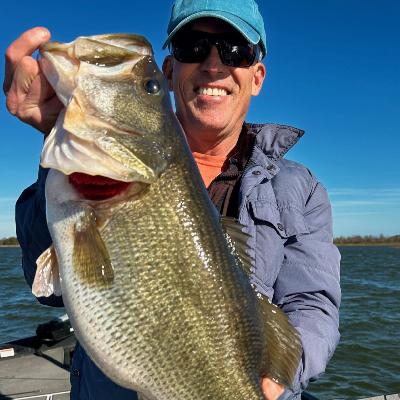
This week, Preston sits down with Dr. Mike Allen from the University of Florida. They discuss just a few of the myriad research projects that Mike has been a part of since getting to Florida, from the impacts of Lionfish to Florida Bass and from forward facing sonar to his current work with snook in the northeastern Gulf of Mexico. We hope that you enjoy this episode!
Main point: "Make your job fun!"
Mike's email address: msal@ufl.edu
Get in touch with us!
The Fisheries Podcast is on Facebook, Twitter, Instagram, Threads, and Bluesky: @FisheriesPod
Become a Patron of the show: https://www.patreon.com/FisheriesPodcast
Buy podcast shirts, hoodies, stickers, and more: https://teespring.com/stores/the-fisheries-podcast-fan-shop
Thanks as always to Andrew Gialanella for the fantastic intro/outro music.
The Fisheries Podcast is a completely independent podcast, not affiliated with a larger organization or entity. Reference to any specific product or entity does not constitute an endorsement or recommendation by the podcast. The views expressed by guests are their own and their appearance on the program does not imply an endorsement of them or any entity they represent. Views and opinions expressed by the hosts are those of that individual and do not necessarily reflect the view of any entity with those individuals are affiliated in other capacities (such as employers).
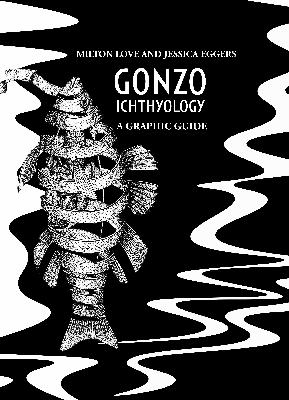
On this weeks episode Brendan is joined by the delightful minds behind Gonzo Ichthyology, A Graphic Guide. This incredibly illustrated book is a hilarious guide on the history of ichthyology, anatomy, behaviour, evolution, and achievements of fish. This book is absolutely filled with illustrations that are both surreal and hilarious. This book is both engaging, funny, and absolutely Gonzo. We dive into what exactly gonzo means and how this passion project came to be, how humor can be used to communicate science, and how the fish in the book would feel about how they've been talked about. From Marlon Brando to Peron parody is on full display in the podcast and the book!
Please check out the Social Media feeds for the podcast for some more images from the Book!
Dr. Milton Love is a research biologist at the Marine Science Institute, University of California, Santa Barbara and wrote most of the words in the book.
Jessica Eggers holds a Masters of Science from Rhodes University in South Africa and has published scientific illustrations, her art can be found at galleries around Europe as well as online, she drew all of the illustrations.
Please note that this podcast has a little bit more profanity and silliness than normal, I think you'll enjoy the ride!
Get in touch with us!
The Fisheries Podcast is on Facebook, X, Instagram, Threads, and Bluesky: @FisheriesPod
Become a Patron of the show: https://www.patreon.com/FisheriesPodcast
Buy podcast shirts, hoodies, stickers, and more: https://teespring.com/stores/the-fisheries-podcast-fan-shop
Thanks as always to Andrew Gialanella for the fantastic intro/outro music.
The Fisheries Podcast is a completely independent podcast, not affiliated with a larger organization or entity. Reference to any specific product or entity does not constitute an endorsement or recommendation by the podcast. The views expressed by guests are their own and their appearance on the program does not imply an endorsement of them or any entity they represent. Views and opinions expressed by the hosts are those of that individual and do not necessarily reflect the view of any entity with those individuals are affiliated in other capacities (such as employers).
You can find the book on Really Big Press - https://really-big-press.myshopify.com/ , as well as Jessica's webstore here: https://www.jessieggers.com/gonzo-ichthyology-a-graphic-guide/.
You can also find the book on Amazon if you get really desperate.
Jessica's Etsy Store: https://www.etsy.com/shop/Roughforradio?ref=seller-platform-mcnav
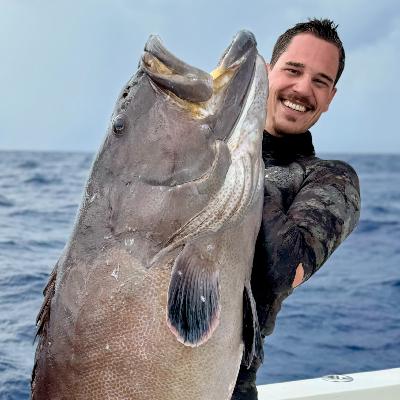
Conrad sat down with Michael Sipos, Florida Sea Grant Agent, to explore his journey from aquarium hobbyist to marine biologist—connecting his passion for science, sustainability, and the sea. From his master’s research on hormonal induction spawning in ornamental fish, advancing sustainable aquaculture practices, to his current work addressing invasive species and fishing education in Florida, Mike blends research with real-world impact. Off the clock, he channels that same curiosity into spearfishing, among many other hobbies, combining skill, respect, and sustainability in everything he does. #FisheriesPodcast #SeaGrant #Spearfishing #Aquaculture #SustainableFishing #MarineScience #StayCurious
Takeaway: stay curious
“Get in touch with us!
The Fisheries Podcast is on Facebook, X, Instagram, Threads, and Bluesky: @FisheriesPod
Become a Patron of the show: https://www.patreon.com/FisheriesPodcast
Buy podcast shirts, hoodies, stickers, and more: https://teespring.com/stores/the-fisheries-podcast-fan-shop
Thanks as always to Andrew Gialanella for the fantastic intro/outro music.
The Fisheries Podcast is a completely independent podcast, not affiliated with a larger organization or entity. Reference to any specific product or entity does not constitute an endorsement or recommendation by the podcast. The views expressed by guests are their own and their appearance on the program does not imply an endorsement of them or any entity they represent. Views and opinions expressed by the hosts are those of that individual and do not necessarily reflect the view of any entity with those individuals are affiliated in other capacities (such as employers).”
This week, Alanna speaks with Janelle Layton, a MS/PHD student at Oregon State University about her multi-faceted research on the famous grouper spawning aggregations of Little Cayman. Listen to this week's episode to hear more about Nassau, Tiger, and Yellowfin grouper, as well as learn about some of the unique methods that Janelle uses in her work, such as heat shock protein analysis and bomb calorimetry.
Main point: "Communication is important."
Find Janelle via her website janellemonetlayton.com, Instagram (@janelle_monet_), TikTok (@janellemonet_) or Bluesky (janellemonet.bsky.social)
Get in touch with us!
The Fisheries Podcast is on Facebook, X, Instagram, Threads, and Bluesky: @FisheriesPod
Become a Patron of the show: https://www.patreon.com/FisheriesPodcast
Buy podcast shirts, hoodies, stickers, and more: https://teespring.com/stores/the-fisheries-podcast-fan-shop
Thanks as always to Andrew Gialanella for the fantastic intro/outro music.
The Fisheries Podcast is a completely independent podcast, not affiliated with a larger organization or entity. Reference to any specific product or entity does not constitute an endorsement or recommendation by the podcast. The views expressed by guests are their own and their appearance on the program does not imply an endorsement of them or any entity they represent. Views and opinions expressed by the hosts are those of that individual and do not necessarily reflect the view of any entity with those individuals are affiliated in other capacities (such as employers).
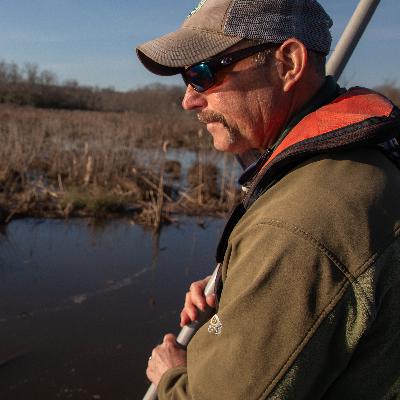
This week, Preston chats with John Odenkirk from the Virginia Department of Wildlife Resources. They discuss John's involvement with the Northern Snakehead introduction into the Potomac River, covering everything from the initial media-driven public hysteria to the current population status and the documented impacts (or lack thereof) of the introduction. They also discuss aquatic species that have been introduced to Virginia that received less publicity, but have shown more negative impacts to Virginia's native populations than what can be attributed to snakeheads. We hope that you enjoy this episode!
Main point: "Don't move fish!"
John's email address: john.odenkirk@dwr.virginia.gov
Get in touch with us!
The Fisheries Podcast is on Facebook, Twitter, Instagram, Threads, and Bluesky: @FisheriesPod
Become a Patron of the show: https://www.patreon.com/FisheriesPodcast
Buy podcast shirts, hoodies, stickers, and more: https://teespring.com/stores/the-fisheries-podcast-fan-shop
Thanks as always to Andrew Gialanella for the fantastic intro/outro music.
The Fisheries Podcast is a completely independent podcast, not affiliated with a larger organization or entity. Reference to any specific product or entity does not constitute an endorsement or recommendation by the podcast. The views expressed by guests are their own and their appearance on the program does not imply an endorsement of them or any entity they represent. Views and opinions expressed by the hosts are those of that individual and do not necessarily reflect the view of any entity with those individuals are affiliated in other capacities (such as employers).

Brendan is joined by Joel Zhang, who is currently working on his PhD with Dr. Steven Cooke and Dr. David Phillip at Carleton University. Brendan and Joel discuss Joel's current work looking at the impact of sanctuaries on local black bass populations, and how they used local angler knowledge to gain more information about how the fishery has performed over time. They also discuss Joel's goals of bringing more social science into the field.
Joel's Paper: Local Angler Knowledge Reveals Declines in Fishing Quality for Black Bass in Lakes of Eastern Ontario
Joel's Profile on the Cooke Lab Website
Main Point: Don't forget to stay humble and keep learning!
Get in touch with us!
The Fisheries Podcast is on Facebook, X, Instagram, Threads, and Bluesky: @FisheriesPod
Become a Patron of the show: https://www.patreon.com/FisheriesPodcast
Buy podcast shirts, hoodies, stickers, and more: https://teespring.com/stores/the-fisheries-podcast-fan-shop
Thanks as always to Andrew Gialanella for the fantastic intro/outro music.
The Fisheries Podcast is a completely independent podcast, not affiliated with a larger organization or entity. Reference to any specific product or entity does not constitute an endorsement or recommendation by the podcast. The views expressed by guests are their own and their appearance on the program does not imply an endorsement of them or any entity they represent. Views and opinions expressed by the hosts are those of that individual and do not necessarily reflect the view of any entity with those individuals are affiliated in other capacities (such as employers).
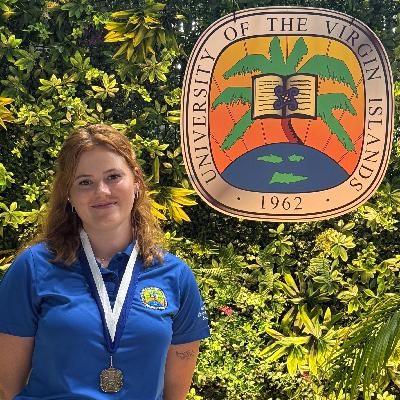
This week, Conrad had the pleasure of speaking with his good friend, Natalie Ritter. Natalie is currently pursuing her master's degree in marine and environmental science at the University of the Virgin Islands. Her research focuses on the biodiversity and taxonomy of Apicomplexan blood parasites that infect coral reef fishes. They speak on the accessibility of scientific information and the benefit of a variety of different media types to spread scientific awareness. We hope you enjoy this week's episode.
Takeaway: Everything is connected.
#reefish #parasites #virginislands
“Get in touch with us!
The Fisheries Podcast is on Facebook, X, Instagram, Threads, and Bluesky: @FisheriesPod
Become a Patron of the show: https://www.patreon.com/FisheriesPodcast
Buy podcast shirts, hoodies, stickers, and more: https://teespring.com/stores/the-fisheries-podcast-fan-shop
Thanks as always to Andrew Gialanella for the fantastic intro/outro music.
The Fisheries Podcast is a completely independent podcast, not affiliated with a larger organization or entity. Reference to any specific product or entity does not constitute an endorsement or recommendation by the podcast. The views expressed by guests are their own and their appearance on the program does not imply an endorsement of them or any entity they represent. Views and opinions expressed by the hosts are those of that individual and do not necessarily reflect the view of any entity with those individuals are affiliated in other capacities (such as employers).”
Joining Alanna on the podcast this week is Dr. Emily Lester, a marine ecologist with an interest in coral reef ecosystems, predator-prey dynamics, and anthropogenic changes to animal behavior. Emily shares her experience working with the whale sharks of Ningaloo and explains the process to becoming a Fulbright researcher. Listeners will get a sneak peak of Emily's newest research on meeting goals in global shark conservation!
Main point: "The best conservation happens when people and nature both win"
Find Emily through instagram @emily_lester or bluesky @emilylester.bsky.social
Get in touch with us!
The Fisheries Podcast is on Facebook, X, Instagram, Threads, and Bluesky: @FisheriesPod
Become a Patron of the show: https://www.patreon.com/FisheriesPodcast
Buy podcast shirts, hoodies, stickers, and more: https://teespring.com/stores/the-fisheries-podcast-fan-shop
Thanks as always to Andrew Gialanella for the fantastic intro/outro music.
The Fisheries Podcast is a completely independent podcast, not affiliated with a larger organization or entity. Reference to any specific product or entity does not constitute an endorsement or recommendation by the podcast. The views expressed by guests are their own and their appearance on the program does not imply an endorsement of them or any entity they represent. Views and opinions expressed by the hosts are those of that individual and do not necessarily reflect the view of any entity with those individuals are affiliated in other capacities (such as employers).
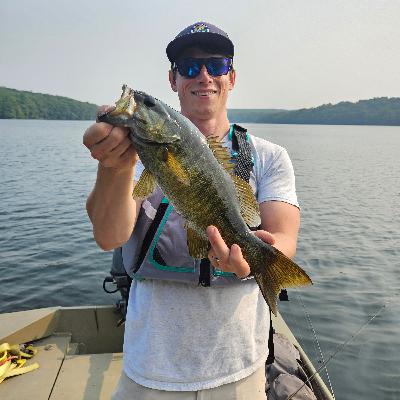
This week, Preston catches up with Andrew Bade, the supervisor of the Warmwater and Coldwater Fisheries Management Programs for Connecticut DEEP. They discuss Andrew's education and career journeys, before diving into the history of introduced Smallmouth Bass in Connecticut. Andrew focuses in and shares the unique and cyclical history of Smallmouth Bass in one of Connecticut's lakes, as well as the current management strategies they are implementing to restore this popular fishery. We hope that you enjoy this episode!
Main point: "Learn the history of your fisheries."
Andrew's email address: Andrew.Bade@ct.gov
Get in touch with us!
The Fisheries Podcast is on Facebook, Twitter, Instagram, Threads, and Bluesky: @FisheriesPod
Become a Patron of the show: https://www.patreon.com/FisheriesPodcast
Buy podcast shirts, hoodies, stickers, and more: https://teespring.com/stores/the-fisheries-podcast-fan-shop
Thanks as always to Andrew Gialanella for the fantastic intro/outro music.
The Fisheries Podcast is a completely independent podcast, not affiliated with a larger organization or entity. Reference to any specific product or entity does not constitute an endorsement or recommendation by the podcast. The views expressed by guests are their own and their appearance on the program does not imply an endorsement of them or any entity they represent. Views and opinions expressed by the hosts are those of that individual and do not necessarily reflect the view of any entity with those individuals are affiliated in other capacities (such as employers).

For the final episode of 2025 The Fisheries Podcast brings you an absolutely delightful conversation between Brendan and Dr. Nicholas Mandrak of the University of Toronto Scarborough on binomial nomenclature, the Committee on Names of Fishes, and most importantly, how and why fish get and keep and or change their scientific and or common names!
Dr. Mandrak is a legendary scientist in Canadian circles, having co-authored over 250 primary publications, over 100 government reports, 40 COSEWIC reports, and five books, including the newly revised Royal Ontario Museum Field Guide to Ontario Fishes. He is Program Director of the Conservation and Biodiversity stream of the professional M.Env.Sci. program at UTSC. Nick is also a Research Associate of the Royal Ontario Museum and South African Institute of Aquatic Biodiversity. He is a member, and former Co-Chair, of the Freshwater Fishes Species Specialist Subcommittee of COSEWIC. His research interests are the biodiversity, biogeography, and conservation of freshwater fishes, with emphasis on endangered and invasive fishes.
You can find more information about Nick's work on his lab website here: https://mandraklab.ca/
Main Point: Freshwater fish conservation matters, get in touch with your local representatives to remind them of this fact!
Here's to a happy New Year and we'll be serving a fresh catch of episodes to your ears in 2026!
Get in touch with us!
The Fisheries Podcast is on Facebook, X, Instagram, Threads, and Bluesky: @FisheriesPod
Become a Patron of the show: https://www.patreon.com/FisheriesPodcast
Buy podcast shirts, hoodies, stickers, and more: https://teespring.com/stores/the-fisheries-podcast-fan-shop
Thanks as always to Andrew Gialanella for the fantastic intro/outro music.
The Fisheries Podcast is a completely independent podcast, not affiliated with a larger organization or entity. Reference to any specific product or entity does not constitute an endorsement or recommendation by the podcast. The views expressed by guests are their own and their appearance on the program does not imply an endorsement of them or any entity they represent. Views and opinions expressed by the hosts are those of that individual and do not necessarily reflect the view of any entity with those individuals are affiliated in other capacities (such as employers).

This week, Conrad speaks with his friend Ryan Burch of @talesofthe48. Ryan is on an inspiring journey, traveling across the lower 48 states in a truck camper with his dog. His mission? To create a documentary about catching a fish on the fly in each state he visits. In the spirit of the holiday season, Ryan reflects on the kindness he's encountered from people across the first 24 states. He shares heartwarming stories that showcase not only the fish he has caught but also the hospitality and generosity of strangers.
Ryan discusses the blend of science and art in his fishing adventures, highlighting remarkable individuals he has met along the way—all with unique tales and wisdom passed down through generations. Throughout his journey, Ryan has found that his interactions with nature celebrate the power of human connection and the joy of discovery. This experience has transformed his perspective on humanity, deepening his appreciation for the kindness he has witnessed and the fortunate experiences he's had.
Join us for this heartfelt episode, where we explore how fishing can foster a deeper understanding of ourselves and the world around us!
Main Point: It's okay to not be the best or super good at things you're pursuing.
Find Ryan through Instagram @talesofthe48 or contact him through email talesofthe48@gmail.com
#TalesOfThe48 #FishingAdventure #FishingDocumentary #RoadTrip #JoyOfDiscovery #CamperLife #FlyFishing #Orvis #OrvisFlyFishing #TroutFishing #OrvisGear #FlyTying #TroutSeason #storytelling
Get in touch with us!
The Fisheries Podcast is on Facebook, X, Instagram, Threads, and Bluesky: @FisheriesPod
Become a Patron of the show: https://www.patreon.com/FisheriesPodcast
Buy podcast shirts, hoodies, stickers, and more: https://teespring.com/stores/the-fisheries-podcast-fan-shop
Thanks as always to Andrew Gialanella for the fantastic intro/outro music.
The Fisheries Podcast is a completely independent podcast, not affiliated with a larger organization or entity. Reference to any specific product or entity does not constitute an endorsement or recommendation by the podcast. The views expressed by guests are their own and their appearance on the program does not imply an endorsement of them or any entity they represent. Views and opinions expressed by the hosts are those of that individual and do not necessarily reflect the view of any entity with those individuals are affiliated in other capacities (such as employers).
This week Alanna chats with Dr. John Mohan, a Conservation Biologist in Protected Resources at the North Carolina Division of Marine Fisheries, about his work using chemical tracers such as trace elements and isotopes in fisheries science. The two chemistry fans talk about applications in species such as striped bass, Atlantic croakers, Pacific bluefin tuna, and a variety of sharks. John provides a crash course in chemical tracers for those interested in using these tools, and gives excellent advice for scientists of all stages.
Main point: "Go with the flow"
Find John through instagram @phdude_fishecology and email at john.austin.mohan@gmail.com
Get in touch with us!
The Fisheries Podcast is on Facebook, X, Instagram, Threads, and Bluesky: @FisheriesPod
Become a Patron of the show: https://www.patreon.com/FisheriesPodcast
Buy podcast shirts, hoodies, stickers, and more: https://teespring.com/stores/the-fisheries-podcast-fan-shop
Thanks as always to Andrew Gialanella for the fantastic intro/outro music.
The Fisheries Podcast is a completely independent podcast, not affiliated with a larger organization or entity. Reference to any specific product or entity does not constitute an endorsement or recommendation by the podcast. The views expressed by guests are their own and their appearance on the program does not imply an endorsement of them or any entity they represent. Views and opinions expressed by the hosts are those of that individual and do not necessarily reflect the view of any entity with those individuals are affiliated in other capacities (such as employers).

This week, a busy 2025, a lack of sleep, and possible procrastination result in Preston having to do a solo episode. He provides updates on his career journey since he was last on the show as a guest in late 2023. He then opens up about some of the personal challenges going on at home and he wraps up by giving out some of his top book recommendations in several science-y categories.
Main point: "Never hesitate to reach out for help."
Preston's Instagram: @hokie_fish_biologist
Get in touch with us!
The Fisheries Podcast is on Facebook, Twitter, Instagram, Threads, and Bluesky: @FisheriesPod
Become a Patron of the show: https://www.patreon.com/FisheriesPodcast
Buy podcast shirts, hoodies, stickers, and more: https://teespring.com/stores/the-fisheries-podcast-fan-shop
Thanks as always to Andrew Gialanella for the fantastic intro/outro music.
The Fisheries Podcast is a completely independent podcast, not affiliated with a larger organization or entity. Reference to any specific product or entity does not constitute an endorsement or recommendation by the podcast. The views expressed by guests are their own and their appearance on the program does not imply an endorsement of them or any entity they represent. Views and opinions expressed by the hosts are those of that individual and do not necessarily reflect the view of any entity with those individuals are affiliated in other capacities (such as employers).
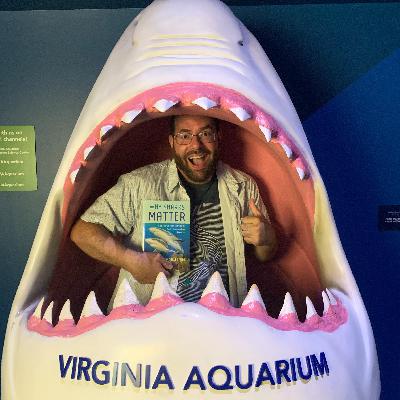
This week, Elise (IG: @elisemobranchii) hosts Dr. David Shiffman (@whysharksmatter), an interdisciplinary ocean conservation scientist whose research focuses on the ecology and conservation of chondrichthyan fishes, to talk about this week's COP20 CITES shark and ray proposals!
David is a public science engagement specialist, an award-winning writer and educator, and author of the book “Why Sharks Matter: A Deep Dive with the World's Most Misunderstood Predator”. He currently works as an ocean conservation policy and communications consultant in Washington, DC, but you can also find him on social media @whysharksmatter, where he’s always happy to answer questions about sharks, careers in marine biology, and ocean conservation.
Main Point: Learn how to write professional emails!
You can learn more about CITES here!:
https://news.mongabay.com/2025/11/for-sharks-on-the-brink-of-extinction-cites-appendix-ii-isnt-protective-enough-commentary/
https://therevelator.org/cites-sharks/
Get in touch with us!
The Fisheries Podcast is on Facebook, Twitter, and Instagram: @FisheriesPod
Become a Patron of the show: https://www.patreon.com/FisheriesPodcast
Buy podcast shirts, hoodies, stickers, and more: https://teespring.com/stores/the-fisheries-
podcast-fan-shop
Thanks as always to Andrew Gialanella for the fantastic intro/outro music.
The Fisheries Podcast is a completely independent podcast, not affiliated with a larger organization or entity. Reference to any specific product or entity does not constitute an endorsement or recommendation by the podcast. The views expressed by guests are their own and their appearance on the program does not imply an endorsement of them or any entity they represent. Views and opinions expressed by the hosts are those of that individual and do not necessarily reflect the view of any entity that those individuals are affiliated in other capacities (such as employers).
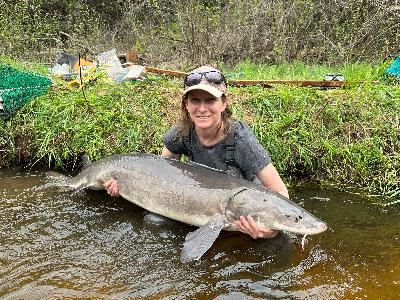
Brendan is joined by Dr. Kathryn Peiman to discuss the history of non-native salmonids in the Lake Ontario, and her current work on an opinion piece regarding the stocking of Chinook salmon in the Great Lakes. Tune in to learn about the history of how long ago these fishes found themselves in Lake Ontario, how many times it's been tried, and the impacts that managing Lake Ontario for these salmonids has had on how we use Lake Ontario. They cover the impacts of stocking, how Alewife have driven Lake Ontario's species assemblage and biodiversity, and some changes Dr. Peiman thinks would be worth trying out to benefit the Lake as a whole.
You can find Dr. Peiman's Instagram page here - https://www.instagram.com/naturetidbits and her youtube page here - https://www.instagram.com/naturetidbits , please check them out!
Remember to be willing to engage with people that have different opinions than yourself! Make the effort to understand where they're coming from.
Get in touch with us!
The Fisheries Podcast is on Facebook, Twitter, Instagram, Threads, and Bluesky: @FisheriesPod
Become a Patron of the show: https://www.patreon.com/FisheriesPodcast
Buy podcast shirts, hoodies, stickers, and more: https://teespring.com/stores/the-fisheries-podcast-fan-shop
Thanks as always to Andrew Gialanella for the fantastic intro/outro music.
The Fisheries Podcast is a completely independent podcast, not affiliated with a larger organization or entity. Reference to any specific product or entity does not constitute an endorsement or recommendation by the podcast. The views expressed by guests are their own and their appearance on the program does not imply an endorsement of them or any entity they represent. Views and opinions expressed by the hosts are those of that individual and do not necessarily reflect the view of any entity with those individuals are affiliated in other capacities (such as employers).
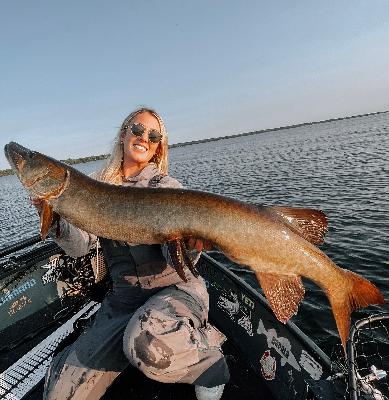
This week's episode showcases the result of when two dedicated fisheries biologists and passionate anglers come together to record a podcast. Conrad had the absolute pleasure of interviewing Erin Wilson, an avid multispecies angler and fisheries biologist. Erin has leveraged her passion and skills in her career, discussing how instrumental being an angler has been for her success in the fisheries world. She shared insights from her remarkable master's studies, highlighting her first chapter on muskie movement ecology, and the second chapter focused on the use of biologgers. Additionally, she touched on the power of communication and the valuable lessons learned from engaging with expert knowledge holders in her field. Erin also emphasized the significance of current technologies and her concerns in the fishing world as we move forward. We hope you learn just as much from this conversation as Conrad did this week.
Takeaway: Follow what you want to do in life, what you're good at, and what you're passionate about, and don't let anyone deter you along the way.
#muskie #muskellung #acoustictelemetry #movementecology #fisheriesbiology #biologgers #muskiefishing #sciencecommunication
“Get in touch with us!
The Fisheries Podcast is on Facebook, X, Instagram, Threads, and Bluesky: @FisheriesPod
Become a Patron of the show: https://www.patreon.com/FisheriesPodcast
Buy podcast shirts, hoodies, stickers, and more: https://teespring.com/stores/the-fisheries-podcast-fan-shop
Thanks as always to Andrew Gialanella for the fantastic intro/outro music.
The Fisheries Podcast is a completely independent podcast, not affiliated with a larger organization or entity. Reference to any specific product or entity does not constitute an endorsement or recommendation by the podcast. The views expressed by guests are their own and their appearance on the program does not imply an endorsement of them or any entity they represent. Views and opinions expressed by the hosts are those of that individual and do not necessarily reflect the view of any entity with those individuals are affiliated in other capacities (such as employers).”
This week Alanna interviews PhD candidate Ali Frey. Ali obtained her Bachelor's degree at the University of Rhode Island where she researched little skates and ichthyoplankton before working at the NOAA National Marine Fisheries Service Northeast Fisheries Science Center. The two discuss Ali's current research into southern New England Atlantic Cod at the University of Massachusetts Dartmouth School for Marine Science and Technology and how she leverages methods like acoustic telemetry to study data-limited stocks within the population.
Main point: "Don't overlook teamwork and collaboration"
Find Ali by email at afrey2@umassd.edu and LinkedIn at Alison Frey.
Get in touch with us!
The Fisheries Podcast is on Facebook, X, Instagram, Threads, and Bluesky: @FisheriesPod
Become a Patron of the show: https://www.patreon.com/FisheriesPodcast
Buy podcast shirts, hoodies, stickers, and more: https://teespring.com/stores/the-fisheries-podcast-fan-shop
Thanks as always to Andrew Gialanella for the fantastic intro/outro music.
The Fisheries Podcast is a completely independent podcast, not affiliated with a larger organization or entity. Reference to any specific product or entity does not constitute an endorsement or recommendation by the podcast. The views expressed by guests are their own and their appearance on the program does not imply an endorsement of them or any entity they represent. Views and opinions expressed by the hosts are those of that individual and do not necessarily reflect the view of any entity with those individuals are affiliated in other capacities (such as employers).

 1
1This week, Preston sits down with Jeremy Risley and Eric Naas from the Arkansas Game and Fish Commission's Black Bass Program. They highlight many of the important projects that the Black Bass Program conducts and their innovative process to formulate their statewide Reservoir Black Bass Management Plan. They also discuss the immense excitement that is building for the upcoming Legacy Lunker Program. We hope that you enjoy this episode!
Main point: "Your fishing stories are immensely valuable and remember to let voices be heard to build stronger relationships."
AGFC Black Bass Program website: https://www.agfc.com/fishing/black-bass/black-bass-program/
Get in touch with us!
The Fisheries Podcast is on Facebook, Twitter, Instagram, Threads, and Bluesky: @FisheriesPod
Become a Patron of the show: https://www.patreon.com/FisheriesPodcast
Buy podcast shirts, hoodies, stickers, and more: https://teespring.com/stores/the-fisheries-podcast-fan-shop
Thanks as always to Andrew Gialanella for the fantastic intro/outro music.
The Fisheries Podcast is a completely independent podcast, not affiliated with a larger organization or entity. Reference to any specific product or entity does not constitute an endorsement or recommendation by the podcast. The views expressed by guests are their own and their appearance on the program does not imply an endorsement of them or any entity they represent. Views and opinions expressed by the hosts are those of that individual and do not necessarily reflect the view of any entity with those individuals are affiliated in other capacities (such as employers).

Comments

Download from Google Play

Download from App Store
 United States