


 Claim Ownership
The Indian Podcast
Subscribed: 19Played: 102
Subscribe

© All rights reserved
Description
The Indian Podcast provides a glimpse into the future by revisiting the past. Join our host, Alisha Anand (ex radio host), as she takes you on a riveting & insightful journey that bares it all on how we have evolved as a society, culturally, politically & socially. As she interview academicians, historians, anthropologists, authors and literary doyens among others, learn from their perspective on issues and stories central to understanding Indian history. These are the stories you 'want to learn' rather than you 'had to learn'.
54 Episodes
Reverse
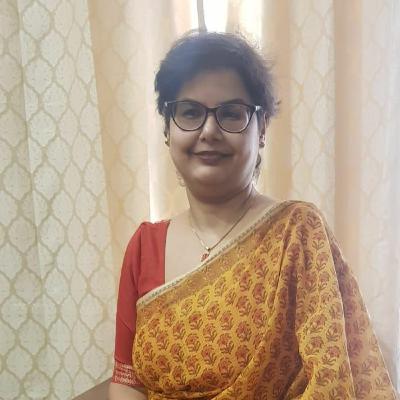
Mark Twain once said, "Benaras is older than history, older than tradition, older even than legend and looks twice as old as all of them put together." Banaras which is called by different names such as Kashi and Varanasi is said to be a timeless city. It is also called Avimuktaka, the sacred space never to be forsaken by Shiva. It is believed to be the original ground created by Lord Shiva and Goddess Parvati. Those who die here are guaranteed liberation from the repeated cycle of birth and death. Manikarnika which is the chief burning ghat on the Ganges bank in Banaras is never to be without a body burning on the pyre. It is said to be every Hindu’s duty to make sure Manikarnika never goes idle! Considered to be one the holiest Hindu cities, this town breathes divine bliss. And today on the Indian Podcast, we will be talking about the living history of Banaras which is one of the oldest continuously inhabited cities in the world with Ms. Pooja Sodhi, who is a seasoned marketing professional and a blogger. She has been studying Indian traditions and is a culture enthusiast and writes about them on her blog poojasodhi.com

I’m sure most of you must have heard of Zardozi embroidery. Today this craft has become a mainstay in couture and bridal costumery and can be afforded by many. But there was a time when only the kings and the royals could adorn garments embroidered in Zardozi as it was made using fine gold, silver and precious stones. This magnificent art of metallic embellishment on fabrics added glitter, glamour, opulence and power to their wardrobe. Though this craft was prevalent in India even in ancient times but Zardoz as a class of artisans along with other artisans came to India only in the twelfth century along with the sultanate conquerors. And by the Mughal period, this craft reached its zenith. There were many times this craft lost its patronage and that led to its decline but it always found patronage somewhere else and again became popular. In this episode, listen to Dr. Charu Smita Gupta talking about the historical development of Zardozi in India and how it’s material was transformed over time to make it affordable for the common man. Dr. Charu Smita Gupta is an anthropologist and museologist with a diverse professional experience in the field of cultural traditions of India. She has also written several books including one on our todays topic - 'Zardozi Glittering Gold Embroidery'.
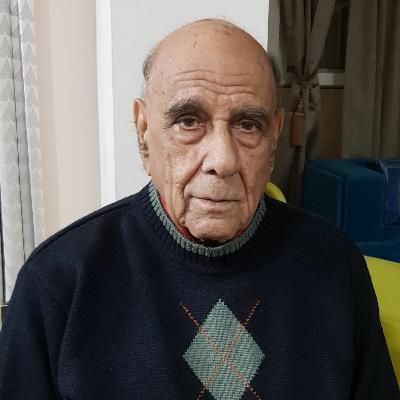
The Harappan Civilization is a culture wrapped in a shroud of mystery.
Who were the Harappans? What language did they speak? How urbanised was the Harappan civilization? How did it decline? In this episode, listen to Prof. I.S. Marwah talking about the marvels and mysteries of the Indus Valley Civilization. He is a social anthropologist who has a vast experience of almost 5 decades in studying a number of tribal and agrarian communities in India and abroad. He has taught at the University of Delhi in the Department of Anthropology. He is also interested in studying ancient civilizations such as the Mayan civilization in Mexico and the Harappan Civilization in India.
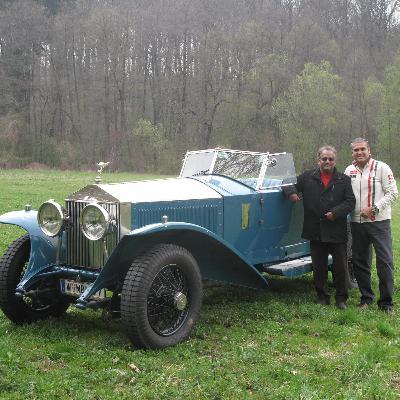
India’s fascination with the Rolls Royce goes back to the days of the Maharajas. Did you know the very first Rolls Royce bought by an Indian Maharaja was the ‘Pearl of the East? It was bought by the Maharaja of Mysore after he saw the car in the Bombay-Kolhapur Motor Trial in 1908. Why was India such an important market for Rolls Royce? What kind of specific body styles people in India asked for when they bought a Rolls Royce? Was it ever used as a garbage collection vehicle in India by a Maharaja? Also why in the post independent era, hardly any Rolls Royce were bought and imported in India? To answer these and many more questions, listen to Mr. Gautam Sen who is a leading automotive consultant and an authority of historic vehicles. He has written several books including a book chronicling the life of a very special Rolls - 17EX.

It was India’s finest hour: when Indian armed forces fought against those of Pakistan to help the Bengali speaking population of East Pakistan from annihilation and give them a new country called Bangladesh. This conflict completely reshaped the sub-continent and today, on the 50th anniversary of the Bangladesh Liberation War, listen to Satyajit Lall who is passionate about military affairs and diplomacy and is writing a book on the 1971 war talking about the reasons and factors which led to India’s greatest victory of all time.
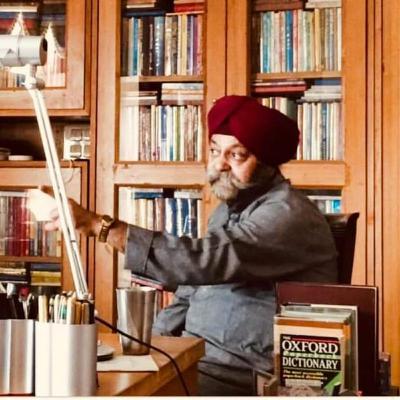
Guru Tegh Bahadur Ji, the 9th of the 10 Sikh Gurus. The first phase of his were years of education, marriage and heroism. The second phase of his life were years of intense meditation at Baba Bakala. The third and the last phase of his life were years of his pontificate on the spiritual throne of Guru Baba Nanak. Guru Tegh Bahadur and his three disciples were executed at Chandni Chowk, Delhi on the order of Aurangzeb for espousing the cause of persecuted Hindus. In this episode of the Indian Podcast, listen to Dr. Anurag Singh from Ludhiana, Punjab who has written 5 books on various aspects of Guru Tegh Bahadur's life. He is the son of late Dr Trilochan Singh who wrote First Authorised Biography of Guru Tegh Bahadur, hailed as First Biography of its genre by Indian as well as western scholars.
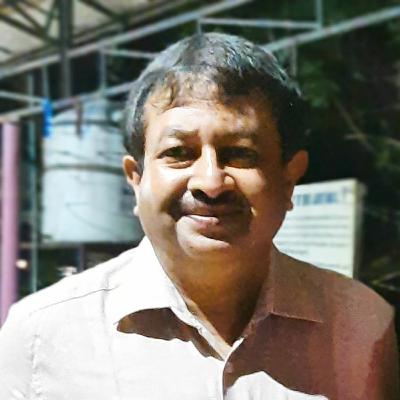
India, with around 500 tribal groups is home to the largest tribal population in the world. Known as Adivasi’s, these tribal communities have an enigmatic culture and continue to practice their own values, traditions and customs which are passed down from generation to generation. Munda tribe is one of the indigenous tribes of India which belongs to the Chota Nagpur plateau and is spread across Jharkand, Chattisgarh, Madhya Pradesh, Odisha, Tripura and West Bengal. Who are the Mundas? Where did they come from? What is unique about their culture? How did tribal leader Birsa Mundas’s role in the Indian freedom struggle changed the course of modern India’s history? To answer all these questions, listen to Dr. Abhik Ghosh, who is an anthropologist and has worked closely with the Munda tribe in this episode of The Indian Podcast with host Alisha Anand.
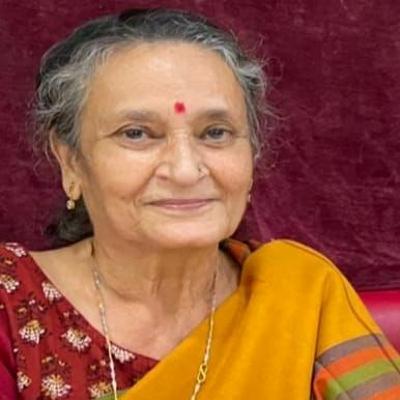
Long before we had the modern and contemporary art, we had the indigenous art which showcased a wide variety and genealogy. Passed down from generation to generation, Indian folk and tribal art is culturally diverse and distinct. It was never indulged in purely for pleasure but was the creative expression of people who lived in harmony with nature. It depicted people’s daily lives. It was made during special occasions and ceremonies. These Painted narratives on various surfaces have today become important sources of knowledge about the past. In this episode of The Indian Podcast, listen to Dr. Charu Smita Gupta talking about how some of the most important traditional folk and tribal art forms like Warli, Madhubani, Phad, Bhil and Gond paintings have evolved over the years and become globally famous. She is an anthropologist and museologist with a diverse professional experience in the field of cultural traditions of India. She has also written several books including one on our todays topic - Indian folk and tribal paintings.
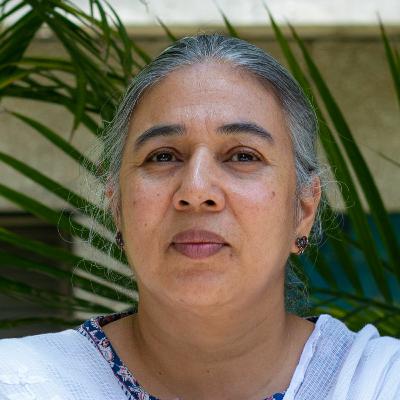
What today is called the Old Delhi or Purani Dilli, was once the imperial capital of the Mughal empire. It was called Shahjahanabad. And at its heart was the famous Qila –e – Mubarak or as we know it today the red fort; which served as the main residence for the Mughal emperors starting from Shah Jahaan. This walled city saw both grandeur and tragedy and even today one does get to see the remnants of it. In this episode of The Indian Podcast, listen to historian, Dr. Swapna Liddle, who has also the authored the book ‘Chandni Chowk: The Mughal City of Old Delhi’ talking about this magnificent city which was build in the 17th century and how it transformed with the passage of time.
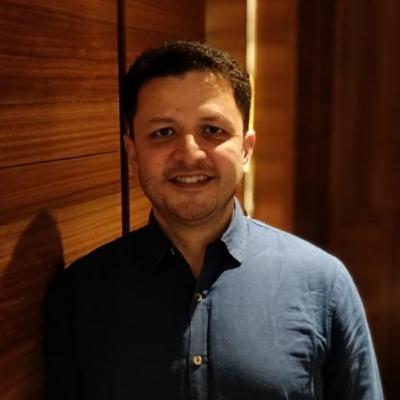
We all know the story of Ramayan, where Raavan abducted Shri Ram’s wife Sita and took her to his kingdom of Lanka. He held her as a prisoner in Ashok Vatika, and also expressed a desire to marry her. Later, Rama, with the support of vanara king Sugriva and his army of vanars, attacked Ravana in Lanka. Raavan was killed and Sriram rescued Maa Sita. This day is celebrated as Dussehra and gives the message of victory of good over evil. But Raavan was he just pure evil or did he also have a streak of goodness in him? How did Raavan turned from a brahmin Shiv bhakt to a demon king who abducted Maa Sita? Were the events that took place in Ramayan predestined? Find answers to all these questions and more in this episode of The Indian Podcast with Mr. Ajay Chaturvedi who is an author, Vedic scholar, Darshnik and an entrepreneur.
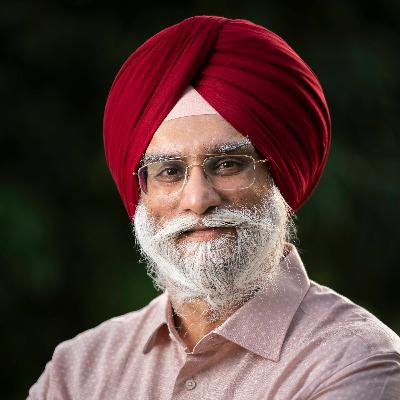
In this episode of The Indian Podcast, listen to Mr. Roopinder Singh talking about the life and teachings of Guru Nanak Dev Ji; the founder of Sikhism and the first of the ten Gurus.
More about Mr. Roopinder Singh:
He is the author of Guru Nanak: His Life and Teachings (2004), MIAF Arjan Singh DFC (2002) and Delhi ’84 (2014). He is co-author of Sikh Heritage: Ethos and Relics (2012). The Chandigarh-based journalist is Senior Associate Editor of The Tribune. In his three decades there, he has written extensively, held many charges and founded the Internet edition. An award-winning
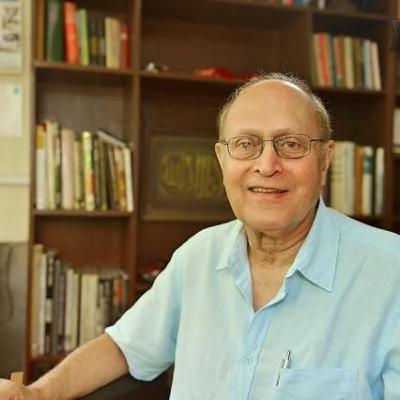
Do you know, measuring time has always been an important endeavor throughout human history. People in the ancient times found different ways and methods to determine the passage of time. Today its quite easy for us to tell the date and time, but for our ancestors it wasn’t easy at all. For them time was written in the sun, moon and the stars. In the day and night. In the change of seasons. In this episode, historian and author Mr. Murad Ali Baig will be talking about the evolution of time keeping through the ages. What were some of the earliest attempts made to produce calendars across various civilizations? How time was calculated through different methods and devices? Why today most of the world follows the Gregorian calendars? Listen to Mr. Baig talking about all of this and much more!
The British landed in India in Surat in the early 1600’s for the purpose of trading. In the hundred years from the Battle of Plassey in 1757 to the rebellion of 1857, the East India Company had transformed from a trading company to a ruling one.
In this episode, listen to historian and author, Dr. Swapna Liddle, talking about how the revolt of 1857 was much more than just a sepoy mutiny. What were the various reasons that caused this rebellion, how was it conducted, how did the east Indian company respond to it and what was the aftermath?
More about Dr. Swapna Liddle
She is a historian with a special interest in Delhi. She wrote a PhD thesis on cultural and intellectual change in Delhi under the rule of the East India Company, and since then has extended her study to the development of Delhi as an imperial capital city, particularly under Mughal and British rule. For many years she has also been closely involved in the movement to preserve historic sites and monuments.
She is the author of Connaught Place and the Making of New Delhi, Chandni Chowk: The Mughal City of Old Delhi, and Delhi: 14 Historic Walks.
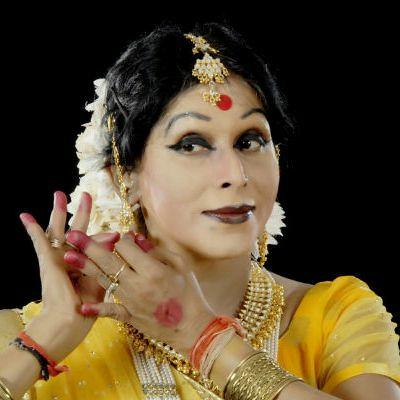
Did you know in ancient northern India, wandering Kathakars or storytellers used to communicate stories from the great epics and ancient mythology through dance, songs and music. In this episode of the Indian Podcast, listen to Padmashri Guru Shovana Narayan talking about the origin of Kathak and how this dance form has survived through various eras of Indian history. She also talks about her life journey as a successful classical dancer, a scholar and a civil servant.
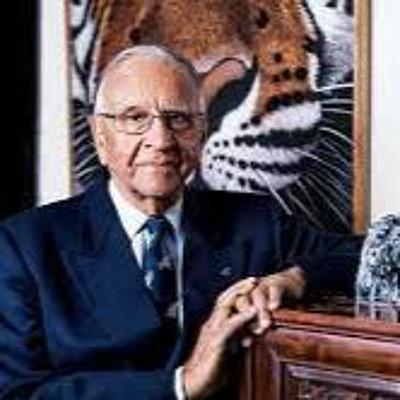
India, one of the mega biodiversity hotspots in the world is unique for its faunal elements which are Gondwanaian, Afrotropical, Oriental and Paleoarctic. It has a rich heritage of wildlife as well as long history and tradition of conservation. Wildlife in India also has deep cultural and religious significance. In this episode of The Indian Podcast, listen to Dr. M K Ranjitsinh who belongs to the royal family of Wankaner and is a living legend of wildlife conservation in India talking about wildlife destruction and protection in Ancient India, Mughal Regime, British India & Independent India. Also listen to his journey of how he became the prime architect of the Wildlife (Protection) Act of 1972 and much more.
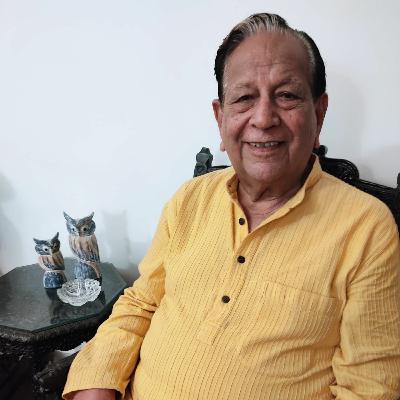
Have you ever wondered what was life like in the 1940’s? In this episode listen to Mr. Peter Chintamani Prasad talking about how one lived in Delhi in those days. What conveniences did people have at home? How did they socialise? Where did they shop or dine? How did they commute? 1940’s was also the decade when India crossed the bridge from colonialism to independence. In this episode Mr. Prasad also shares his memories of the partition and how he got a chance to meet Pandit Jawaharlal Nehru post independence.
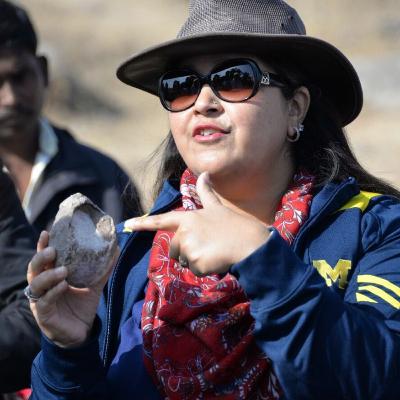
Movies like the Jurassic park have intrigued us. From professional palaeontologists to kids, there are dinosaur lovers of all ages. In this episode of the Indian Podcast, listen to Nawabzaadi Aaliya Sultana Babi of Balasinor fondly known as India’s dinosaur princess talking about how Raiyoli, a village in Balasinor, Gujarat became the third largest dinosaur hatchery in the world and how she has been protecting and raising awareness about the most significant site for dinosaur remains in India.
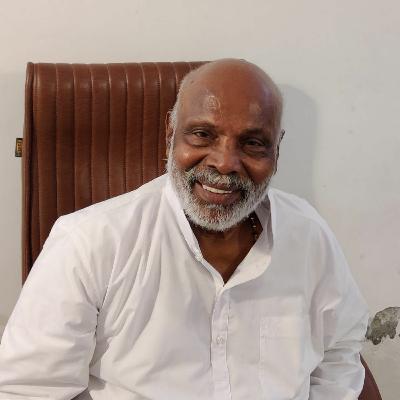
Ayurveda is an ancient science of life since time immemorial. It gives us guidelines on how to raise the quality of every aspect of our life. In this episode listen to renowned Ayurvedic physician with Vaidyaratnam title, Dr. Raghavan Ramankutty talking about how Ayurveda is a way of life that focusses on the health of a person and not the disease. What are the do’s and don’ts’s of healthy living which can prevent the genesis of disease. How Ahaara (food), Nidra (sleep) and Brahamcharya (sexual energy management) become the three pillars of strength in Ayurveda and various misconceptions people have related to these three pillars. Dr. Raghavan will also talk about the significance of pulse examination in diagnosing chronic and critical disorders which do not have an established cure in any system of medicine and how in Ayurveda the patient is treated.
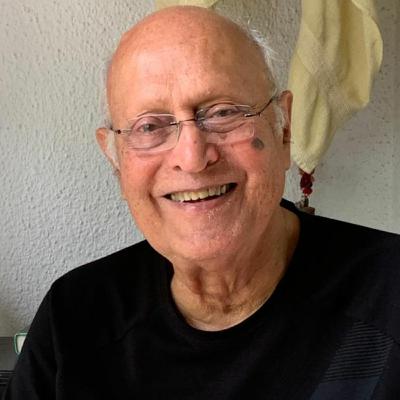
Mr. Murad Ali Baig is a renowned author as well as a motoring and travel journalist. He has written books on history, mythology and religion such as 80 Questions to Understand India, Ocean of Cobras and Rolls-Royce and the Indian Princes to name a few.
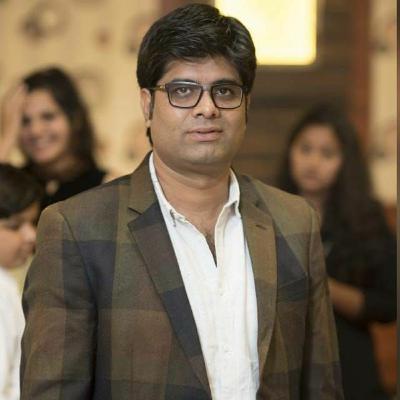
Dr. Ravinder Kaushik MD(Ayu) currently holds the position of Director at Anantya Healthcare and is primarily involved in bringing together the
understanding of the genetic make-up, the overall body functions, activities of various organs and administration of the Ayurvedic Medicine to ensure a healthy state of being. He has established himself as a trained pulse diagnosis expert, serving the HRV based pulse diagnosis industry for over 7 years now.

Comments

Download from Google Play

Download from App Store
 United States