DiscoverYoga Therapy Hour with Amy Wheeler
Yoga Therapy Hour with Amy Wheeler
Claim Ownership

Yoga Therapy Hour with Amy Wheeler

Author: Amy Wheeler

Subscribed: 34Played: 599
Share

Description

Welcome to "The Yoga Therapy Hour Podcast," a harmonious blend of ancient wisdom and modern science, brought to life by Amy's expertise in psychology and public health. With over 100,000 downloads, this podcast delves deep into the principles of yoga therapy, offering expert interviews, practical solutions, and profound insights into real-life challenges.

From its inception, the first four seasons have been instrumental in elevating the domain of yoga therapy, emphasizing the pivotal role of lifestyle medicine in addressing both our mental and physical well-being. As we transition into Season 5, 6 & 7, Amy broadens the horizon, reaching out to the masses. Here, listeners will unravel how yoga therapy, when intertwined with lifestyle engineering, can serve as a powerful tool for holistic healing, touching the realms of the mind, body, and spirit.

Subscribe now and be part of a transformative journey that bridges the essence of embodied mental health with the spirit's depth. Join Amy in redefining mental and physical wellness. Also, leave us a review if you are enjoying the podcast and consider supporting us at the Optimal State & Yoga Therapy Hour Patreon page -https://www.patreon.com/yogatherapyhour


Go to www.TheOptimalState.com for more details on how to improve your mental and emotional health!

234 Episodes
Reverse
In this solo conversation, Amy Wheeler makes a clear case for yoga therapy as a distinct clinical discipline—not a “licensed healthcare modality + a few yoga tools.” She explores why yoga therapy has struggled to define its contribution, and she proposes a steady answer: yoga therapy’s central work is helping people reorganize their inner landscape through a coherent philosophical and practical framework—most clearly articulated in Patañjali’s Yoga Sūtra, with the Eight Limbs as a regulatory pathway for mind, nervous system, body, relationship, and meaning.What you’ll hear in this episodeWhat “regulatory framework” means in this series: regulating mind, nervous system, body, perception, relationships, and connection to the EarthThe “golden thread” Amy feels the yoga therapy field risks losing aA practical comparison of domain-specific problem solving in other professions, including:Physical therapy: movement dysfunction, strength, mobility, pain through biomechanical/neuromuscular modelsOccupational therapy: functional capacity, ADLs, sensory integration, environmental adaptationPsychotherapy/counseling: cognition, emotion regulation, behavior patterns, diagnostic frameworks and treatment modelsSocial work: psychosocial context, systems, resources, advocacy, and the web of supportThe key distinction: yoga therapy does not start with “What is broken and how do we fix it?”Yoga therapy’s starting question: How are you perceiving and relating to your lived experience—and what patterns are shaping suffering or freedom?The clinical emphasis on capacity (what’s available, what can be strengthened) rather than diagnosisYoga therapy as an integrative map across “layers” of the human system (physical, energetic/breath, mental-emotional, relational, and sacred/spiritual)A clinical example: when “back pain” becomes a doorway into insight about life patterning, stress physiology, and meaning—not just mechanicsWhy we don’t need to speak traditional yogic language in medical settings—but we do need to retain the models internally and translate skillfullyHow the guṇa model supports daily self-regulation by tracking fluctuations in mood, energy, motivation, clarity, and reactivityWhy “embodied awareness” becomes essential when people cannot access cognition reliably under stress, pain, or trauma—and why bottom-up regulation mattersA grounded caution: yogic models vary by lineage, can be oversimplified or “whitewashed,” and can be hard to standardize—yet they remain clinically powerful when held with integrityAmy’s argument for where yoga therapy can be sustainable in healthcare: often on the health education / behavioral health / worksite wellness / stress reduction side, while remaining a parallel, adjunctive support to medical careThe call to action: yoga therapy needs a unifying clinical framework and clinical reasoning that stays aligned with its own scope and philosophical foundationThe culminating proposition: Patañjali’s Yoga Sūtra offers a coherent, ethical, clinically applicable framework—especially through Chapter 2 and the Eight LimbsKey concepts and phrases from the episode“Regulatory framework” (broad, layered, relational)“Golden thread” (the essential philosophical lens of yoga therapy)“A different set of glasses” (a different starting question than biomedical/diagnostic paradigms)“Reorganization of the inner landscape” (a tangible way to describe yoga therapy’s deeper aim beyond symptom management)“Translator” and “bridge” (the yoga therapist’s role in interdisciplinary settings)“Whole person over diagnosis” (holistic mapping rather than narrow domain reduction)“Freedom = inner spaciousness” (not escape, but a changed inner relationship to experience)“Clinical reasoning within our framework” (not borrowing another field’s logic to justify our work)Books Amy recommends (mentioned in the episode)T.K.V. Desikachar — The Heart of YogaT.K.V. Desikachar — Reflections on the Yoga Sūtra of PatañjaliRanju Roy & David Charlton — Embodying the Yoga Sūtra (Amy’s strongest recommendation for translating Yoga Sūtra into yoga therapy)What’s ahead in the seriesAmy shares that this year of The Yoga Therapy Hour will stay closely aligned with the Eight Limbs as a regulatory framework, and she’s beginning a longer-term writing project to explicitly translate Patañjali’s Yoga Sūtra into a clinically usable foundation for yoga therapy.Listener reflection promptsWhere in your work (or life) do you notice yourself defaulting to “problem-fixing,” and what changes when you shift to “perception and relationship”?If yoga therapy’s domain is reducing suffering through clarity and self-regulation, how would you describe that in the language of your current setting?What is one way you can strengthen your ability to translate yogic models into interdisciplinary language without losing the model itself?What does “reorganizing the inner landscape” mean for you personally—and how do you recognize when it’s happening?ClosingAmy closes by encouraging listeners to spend time with the Yoga Sūtra—not as an abstract philosophy, but as a practical guide for daily living, clinical reasoning, and long-term change through discernment, self-awareness, and the steady cultivation of freedom.School of Integrative Health at NDMU:https://www.ndm.edu/academics/integrative-health Master of Science in Yoga Therapy at NDMU:https://www.ndm.edu/academics/integrative-health/yoga-therapy Explore NDMU’s Post-Master’s Certificate in Therapeutic Yoga Practices, designed specifically for licensed healthcare professionals:https://www.ndm.edu/academics/integrative-health/yoga-therapy/post-masters-certificate-in-therapeutic-yoga-practices Try our Post-Bac Ayurveda Certification Program at NDMU:https://www.ndm.edu/academics/integrative-health/ayurveda/post-baccalaureate-ayurveda-certification #IntegrativeHealth #HealthcareEducation #InterprofessionalEducation #GraduateSchool #NDMUproud #SOIHproud #SOIHYoga #SOIHAyurveda #NDMUYoga #NDMUAyurveda #SOIHGraduateSchool 
In this thoughtful and grounded conversation, Amy Wheeler is joined by Dr. Lauren Tober to explore two foundational pillars of ethical and effective yoga teaching and yoga therapy: scope of practice and the creation of a safe container.The episode begins with a clear and nuanced discussion of scope of practice—what it truly means, why it cannot be standardized across all practitioners, and how clarity protects both students and teachers. Dr. Tober emphasizes that scope of practice is shaped not only by formal training, but also by lived experience, competence, and confidence. Amy reflects on how her background in educational psychology and kinesiology informs her own scope, particularly in the areas of mental health and nervous system regulation.From there, the conversation moves into one of the most practical and quietly powerful parts of Dr. Tober’s work: teaching yoga teachers how to create a safe container. Together, they explore why safety is not just about what is taught, but how space is held—relationally, predictably, and with nervous system awareness.Dr. Tober names an important reality: no space can ever be 100% safe for every person, given the diversity of lived experience and nervous system histories. Yet there is much teachers can do to increase the likelihood of felt safety—and doing so is foundational for healing, learning, and regulation. Without safety, students are less likely to return, more likely to become dysregulated, and less able to receive the benefits of practice.The discussion highlights how predictability, transparency, and thoughtful environmental choices support nervous system settling. Simple, often overlooked elements—starting and ending on time, explaining the structure of a class, orienting students to exits, maintaining consistent room setup, and letting students know how long a practice will last—can make a profound difference, especially for those who have rarely experienced spaces of welcome, inclusion, and belonging.Amy connects this directly to Polyvagal-informed teaching, emphasizing the importance of clearly naming what will happen during a class. While repeating this structure may feel unnecessary to seasoned students, it offers essential regulation cues to others—and does not limit creativity. Structure, as both Amy and Dr. Tober note, is not the opposite of freedom; it is what allows variation and creativity to land safely.Throughout the episode, a steady throughline emerges: clarity builds trust. Whether we are naming the edges of our scope of practice or the arc of a yoga class, transparency supports safety, integrity, and sustainability—for everyone involved.In This Episode, We Explore:·        What scope of practice means in yoga and yoga therapy·        Why scope is individual, contextual, and evolving·        Mental health awareness versus mental health treatment·        Trauma-informed yoga versus treating trauma·        Referral as an ethical and relational skill·        What a “safe container” actually is—and why it matters·        How predictability supports nervous system regulation·        Simple, practical ways teachers can increase felt safety·        Why structure does not limit creativity, but supports it·        How clarity and humility build student trustKey Takeaway: Safety and scope are not constraints. They are foundations. When we clearly name what we offer, how we hold space, and what students can expect, we create conditions for trust, regulation, and meaningful change.About the Guest:Clinical Psychologist, Yoga Teacher, Author + Host of A Grateful Life Podcastwww.yogapsychologyinstitute.com Host of the A Grateful Life Podcast - Conversations on mental health, yoga & living a good life. About the Host: www.TheOptimalState.com Amy Wheeler, PhD, C-IAYT, is the host of The Yoga Therapy Hour, an educator, yoga therapist, and leader in the integration of yoga therapy, psychology, and nervous system regulation. School of Integrative Health at NDMU:https://www.ndm.edu/academics/integrative-health Master of Science in Yoga Therapy at NDMU:https://www.ndm.edu/academics/integrative-health/yoga-therapy Explore NDMU’s Post-Master’s Certificate in Therapeutic Yoga Practices, designed specifically for licensed healthcare professionals:https://www.ndm.edu/academics/integrative-health/yoga-therapy/post-masters-certificate-in-therapeutic-yoga-practices Try our Post-Bac Ayurveda Certification Program at NDMU:https://www.ndm.edu/academics/integrative-health/ayurveda/post-baccalaureate-ayurveda-certification #IntegrativeHealth #HealthcareEducation #InterprofessionalEducation #GraduateSchool #NDMUproud #SOIHproud #SOIHYoga #SOIHAyurveda #NDMUYoga #NDMUAyurveda #SOIHGraduateSchool Listen & Subscribe: Available wherever you listen to podcasts.
In this inaugural episode of Season 10, Amy Wheeler introduces the guiding framework for the year ahead: exploring the Eight Limbs of Yoga as a practical, integrated regulatory framework for the autonomic nervous system. Rather than offering “tools and tricks” for stress, this season centers a wider view—how yoga shapes the conditions for safety, stability, adaptability, and coherence across daily life. Amy explains why nervous system regulation matters across integrative health contexts. When we support autonomic balance, we support the whole person—how we sleep, digest, think, relate, decide, and recover from chronic stress and burnout. This season also bridges personal practice and professional application, supporting listeners who want yoga to be a private anchor, and those discerning how yoga therapy can responsibly integrate into healthcare, education, and community settings. A key reframe anchors the episode: the Eight Limbs are not a ladder to climb, but a circle with eight doors. Each limb is an entry point, and once you enter, every practice influences the whole system—physiology, perception, behavior, relationships, and purpose. Season 10 also aligns with Amy’s forthcoming book (with Marlisa Sullivan), Applications of Therapeutic Yoga in Integrative Health(anticipated late spring/early summer 2026), designed as a companion guide to help practitioners translate yogic principles into accessible language for real-world settings. In This Episode, Amy ExploresWhy the autonomic nervous system is a shared meeting point between yoga and integrative healthcareThe Eight Limbs as a regulatory framework, not simply a set of techniquesHow regulation affects perception (viveka), behavior, communication, and ethical decision-makingWhy “coherence” matters: aligning life demands with inner and outer resourcesThe Eight Limbs as a circle with eight doors—interrelated, non-hierarchical entry pointsThe yamas and niyamas as the ethics of regulation, not moral perfectionHow yoga therapy differs from fitness-based yoga: assessment, client-centered care, scope, and responsibilityWhy this season includes more solo teaching episodes, with select guests across disciplinesHow listeners can develop simple language and metaphors (like the stoplight model) to explain regulation Invitation for the SeasonAs you listen this year, consider tracking phrases, metaphors, and explanations that help make complex ideas accessible. This season is designed as a shared learning laboratory—supporting personal regulation, while also strengthening the collective capacity to communicate clearly about yoga therapy in integrative health spaces. Host: Amy Wheeler at www.TheOptimalState.comAbout: Chair, Yoga Therapy & Ayurveda Department, Notre Dame of Maryland UniversityAlso Featured: insights informed by Amy’s work with the Polyvagal Institute Subscribe, Share, and Stay ConnectedIf this season supports your personal practice or your professional path, consider subscribing, sharing an episode with a colleague, and following along as the series unfolds across 2026. School of Integrative Health at NDMU: https://www.ndm.edu/academics/integrative-healthMaster of Science in Yoga Therapy at NDMU https://www.ndm.edu/academics/integrative-health/yoga-therapy Explore NDMU’s Post-Master’s Certificate in Therapeutic Yoga Practices  https://www.ndm.edu/academics/integrative-health/yoga-therapy/post-masters-certificate-in-therapeutic-yoga-practices Try our Post-Bac Ayurveda Certification Program at NDMU: https://www.ndm.edu/academics/integrative-health/ayurveda/post-baccalaureate-ayurveda-certification#IntegrativeHealth #HealthcareEducation #InterprofessionalEducation #GraduateSchool #NDMUproud #SOIHproud #SOIHYoga #SOIHAyurveda #NDMUYoga #NDMUAyurveda #SOIHGraduateSchool  Yoga Therapy Hour Podcasthttps://podcasts.apple.com/us/podcast/yoga-therapy-hour-with-amy-wheeler/id1564687158 The Optimal State Mobile Apphttps://optimalstateapp.com
In this episode of The Yoga Therapy Hour, Amy Wheeler is joined by Sara Klute Behn, a yoga therapist and health coach based in Iowa, for a thoughtful conversation about nervous system regulation, sustainable health behavior change, and the deep overlap between yoga therapy and health coaching.Together, they explore why willpower alone rarely leads to lasting change—and why regulation, safety, and support matter far more. Sara shares her personal journey through anxiety, life transitions, and healing, and how those lived experiences shaped her work supporting women who feel overwhelmed, overextended, and stuck in cycles that no longer serve them.This conversation invites listeners to slow down, reconsider how change actually happens, and reflect on what it means to create a regulated life—one small, compassionate step at a time.In This Episode, We ExploreWhy health behavior change is not a motivation problem, but a nervous system issueHow yoga therapy and health coaching naturally complement one anotherThe role of self-regulation in eating, movement, sleep, and emotional resilienceWhy consistency grows from safety, not forceReframing identity as a pathway to sustainable changeLetting go of all-or-nothing thinking around movement and wellnessHow slowing down can actually increase effectiveness and clarityThe importance of creativity, joy, and ritual in healingSupporting women through burnout, anxiety, and overachievement without self-judgmentAbout SaraSara Klute Behn is a yoga therapist and health coach who supports women in reconnecting with their bodies, values, and inner wisdom. Her work integrates yoga therapy, nervous system regulation, and holistic coaching to help clients move out of overwhelm and into steadier, more nourishing patterns of living.She offers individual coaching, group programs, corporate wellness, and seasonal offerings designed to support long-term change with compassion and clarity.Website: https://www.yourwiseselfwithsara.com Closing ReflectionIf you’ve ever felt frustrated by your inability to “stick with” healthy habits—despite knowing what to do—this episode offers a reframing worth sitting with. Regulation precedes change. Support matters. And slowing down may be the most strategic step forward.Contact Amy Wheeler: www.TheOptimalState.comSchool of Integrative Health at NDMU: https://www.ndm.edu/academics/integrative-healthMaster of Science in Yoga Therapy at NDMU: https://www.ndm.edu/academics/integrative-health/yoga-therapyExplore NDMU’s Post-Master’s Certificate in Therapeutic Yoga Practices, designed specifically for licensed healthcare professionals: https://www.ndm.edu/academics/integrative-health/yoga-therapy/post-masters-certificate-in-therapeutic-yoga-practicesTry our Post-Bac Ayurveda Certification Program at NDMU: https://www.ndm.edu/academics/integrative-health/ayurveda/post-baccalaureate-ayurveda-certification#IntegrativeHealth #HealthcareEducation #InterprofessionalEducation #GraduateSchool #NDMUproud #SOIHproud #SOIHYoga #SOIHAyurveda #NDMUYoga #NDMUAyurveda #SOIHGraduateSchoolOptimal State App for iPhone: https://apps.apple.com/us/app/optimal-state/id1604424804
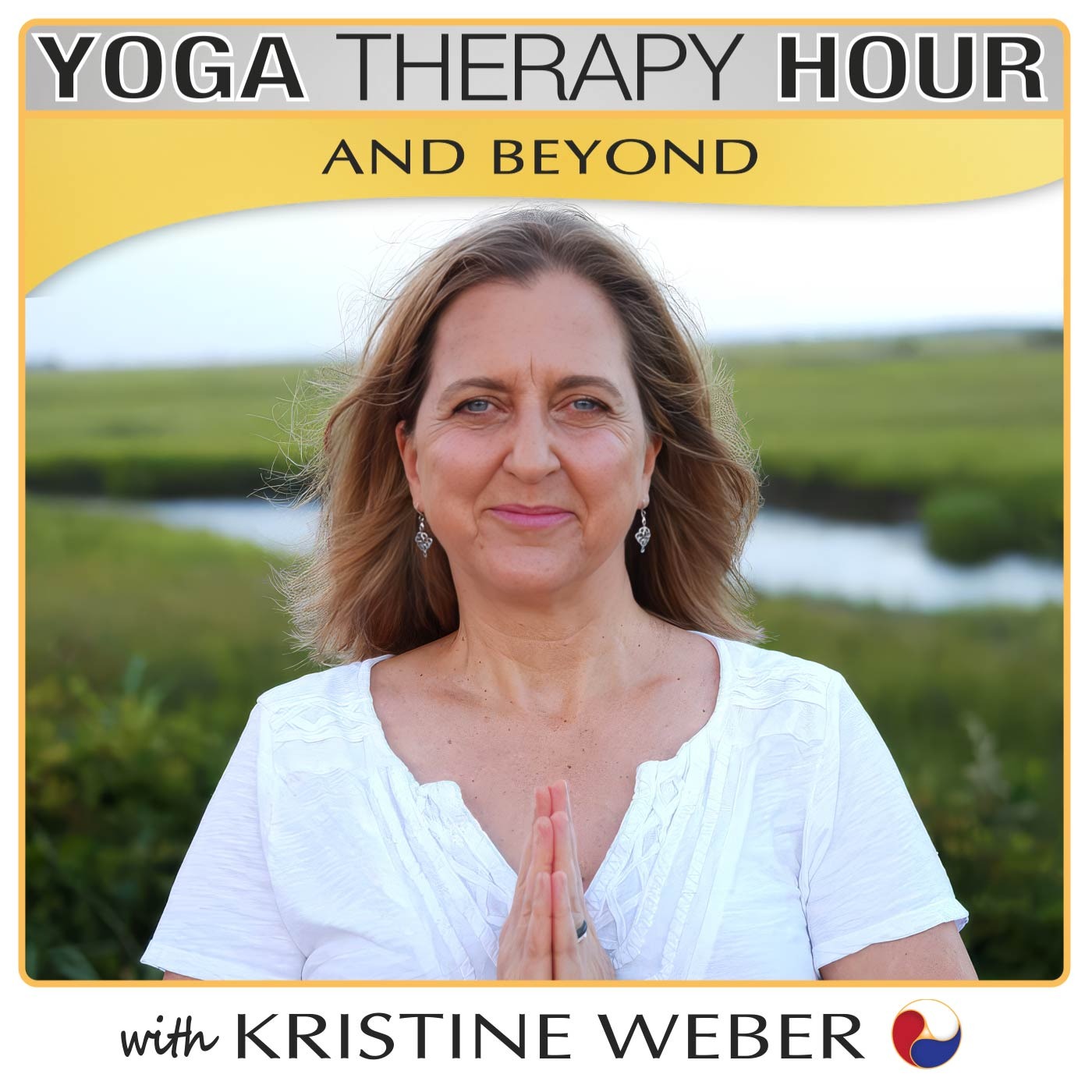
In this episode of The Yoga Therapy Hour, Amy welcomes back Kristine Weber for her third conversation on the podcast. Kristine is known for weaving together yoga philosophy, neuroscience, social justice, and policy in a way that is both grounded and deeply practical. This conversation ranges from marketing and entrepreneurship to self-regulation, somatics, and the future of yoga therapy as a profession.The episode opens with a candid discussion about what it really takes to build a sustainable yoga business in the current landscape. Kristine shares the story of how one comment in a Facebook yoga research group changed her entire approach, leading her to study marketing, hire a digital strategist, and invest consistently in paid advertising—while staying aligned with her values and with authentic, evidence-informed yoga.From there, Amy and Kristine move into the heart of the conversation: yoga as self-regulation and why the vagus nerve is only one piece of a much larger picture. Kristine contrasts Western models of self-regulation and the autonomic nervous system with yogic models that include doṣas, guṇas, the kośas, and ethical frameworks like the yamas and niyamas. Together, they explore how yoga invites us to move beyond mechanistic “fix the machine” thinking toward a biopsychosocial–spiritual, socio-ecological understanding of who we are.They also discuss:How to define self-regulation from both neuroscience and yoga perspectivesThe limits of a purely “vagus nerve–centric” approach and why it’s important to situate the vagus nerve inside broader models of health and meaningThe role of interoception, perception, ethics, and self-study (svādhyāya) in genuine regulation and resilienceWhen devices and vagal stimulators can be helpful, and how worldview shapes whether they support or undermine long-term healingThe emerging tension around somatic therapies in systems like the VA and APA, and why training and scope of practice matterISMETA and other advocacy efforts working on regulation and recognition for somatic modalitiesGrassroots versus federal-level advocacy, and why yoga therapists need to think locally and globallyLicensure, silos, and why it’s both necessary and problematic for yoga therapyKristine’s concept of “yoga in all policy” and the importance of bringing yoga into schools, treatment centers, public health, and beyondAmy also shares about her forthcoming co-authored book with Marlysa Sullivan, Applications of Therapeutic Yoga in Integrative Health: Reimagining Well-Being (Routledge Press Spring 26), which places the vagus nerve and neuroscience inside the larger arc of the eight limbs of yoga—rather than asking yoga to fit into a narrow biomedical frame. Kristine responds with enthusiasm for this more holistic paradigm and calls on yoga professionals to reclaim yoga as a complete system for human transformation and flourishing, not “just stretching” or a series of isolated techniques.Toward the end of the episode, Kristine describes ways to study with her, including:The Science of Slow – an on-demand course on fatigue, depression, anxiety, chronic pain, and body imageNeuroscience of Yogic Meditation – exploring the distinctiveness of yogic meditation practicesHer Subtle Yoga breathwork certification and other nervous-system-focused trainingsWeekly classes through the Subtle Yoga Resilience Society membershipLive workshops in the U.S. and internationallyThis conversation is for yoga therapists, yoga teachers, and integrative health professionals who sense that yoga has far more to offer than “yoga for the vagus nerve” headlines—and who want to align their work with a broader, more humane vision of health, policy, and social change.Find Amy Wheeler on WWW.TheOptimalState.comMaster of Science in Yoga Therapy https://muih.edu/academics/yoga-therapy/master-of-science-in-yoga-therapy/ Explore MUIH’s Post-Master’s Certificate in Therapeutic Yoga Practices, designed specifically for licensed healthcare professionals.  https://muih.edu/academics/yoga-therapy/post-masters-certificate-in-therapeutic-yoga-practices/  Try our Post-Bac Ayurveda Certification Program at MUIH: https://muih.edu/academics/ayurveda/post-baccalaureate-ayurveda-certification/#IntegrativeHealth #HealthcareEducation #InterprofessionalEducation #GraduateSchool #NDMUproud #SOIHproud #SOIHYoga #SOIHAyurveda #NDMUYoga #NDMUAyurveda #SOIHGraduateSchool
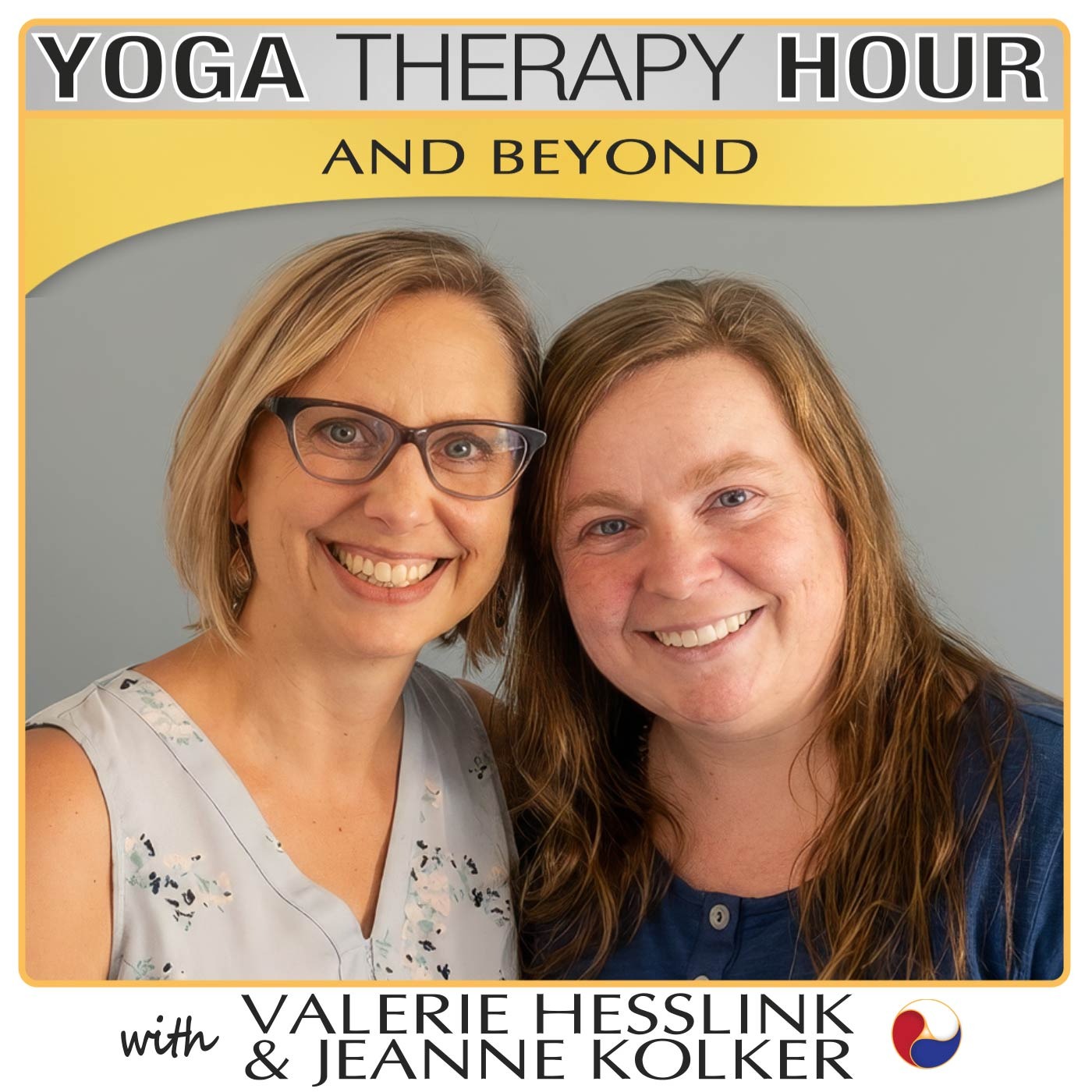
In this episode of The Yoga Therapy Hour, Amy speaks with Valerie Hesslink and Jeanne Kolker, both from Insight Counseling & Wellness, about how yoga therapy has tapped into billing through Wisconsin’s Comprehensive Community Services (CCS) program. Jeanne and Valerie discuss the realities of providing trauma-informed, community-based care, the role of skill building in recovery, and the organizational standards required to deliver CCS services. Valerie also shares her personal journey and how yoga helped her reconnect with herself during a difficult period. The conversation offers a grounded look at the future of integrative mental health and the importance of embodied practices in long-term healing.Valerie HesslinkValerie brings both professional training and lived experience to her work in CCS. She speaks openly about a period in her life marked by emotional struggle and a deep sense of disconnection—an experience that led her to yoga when traditional therapies were not enough. Through sustained breathwork, embodiment practices, and steady support, she found her way back into her body and rebuilt her internal sense of safety and clarity. This personal journey now informs the way she teaches. Valerie’s approach is patient, relational, and grounded in empathy. She understands the courage it takes for clients to begin again and offers tools that help them move through daily life with more steadiness and trust.Jeanne KolkerJeanne is a therapist and yoga teacher with extensive experience in trauma-informed care. She works at the intersection of somatic awareness and mental health, supporting individuals through recovery with clarity and compassion. Jeanne offers insight into how yoga therapy fits into multidisciplinary care and what is needed to ensure clients receive safe, consistent, and high-quality services.Learn more about their work:Insight Counseling & WellnessCounseling Services: https://insightmadison.com/ccsYoga Studio: https://insightmadison.com/yogastudioLearn More about the MS in Yoga Therapy: School of Integrative Health at NDMU: https://www.ndm.edu/academics/integrative-health Master of Science in Yoga Therapy at NDMU https://www.ndm.edu/academics/integrative-health/yoga-therapy Explore NDMU’s Post-Master’s Certificate in Therapeutic Yoga Practices, designed specifically for licensed healthcare professionals. https://www.ndm.edu/academics/integrative-health/yoga-therapy/post-masters-certificate-in-therapeutic-yoga-practices Try our Post-Bac Ayurveda Certification Program at NDMU: https://www.ndm.edu/academics/integrative-health/ayurveda/post-baccalaureate-ayurveda-certification #IntegrativeHealth #HealthcareEducation #InterprofessionalEducation #GraduateSchool #NDMUproud #SOIHproud #SOIHYoga #SOIHAyurveda #NDMUYoga #NDMUAyurveda #SOIHGraduateSchool Contact Amy Wheeler at www.TheOptimalState.com
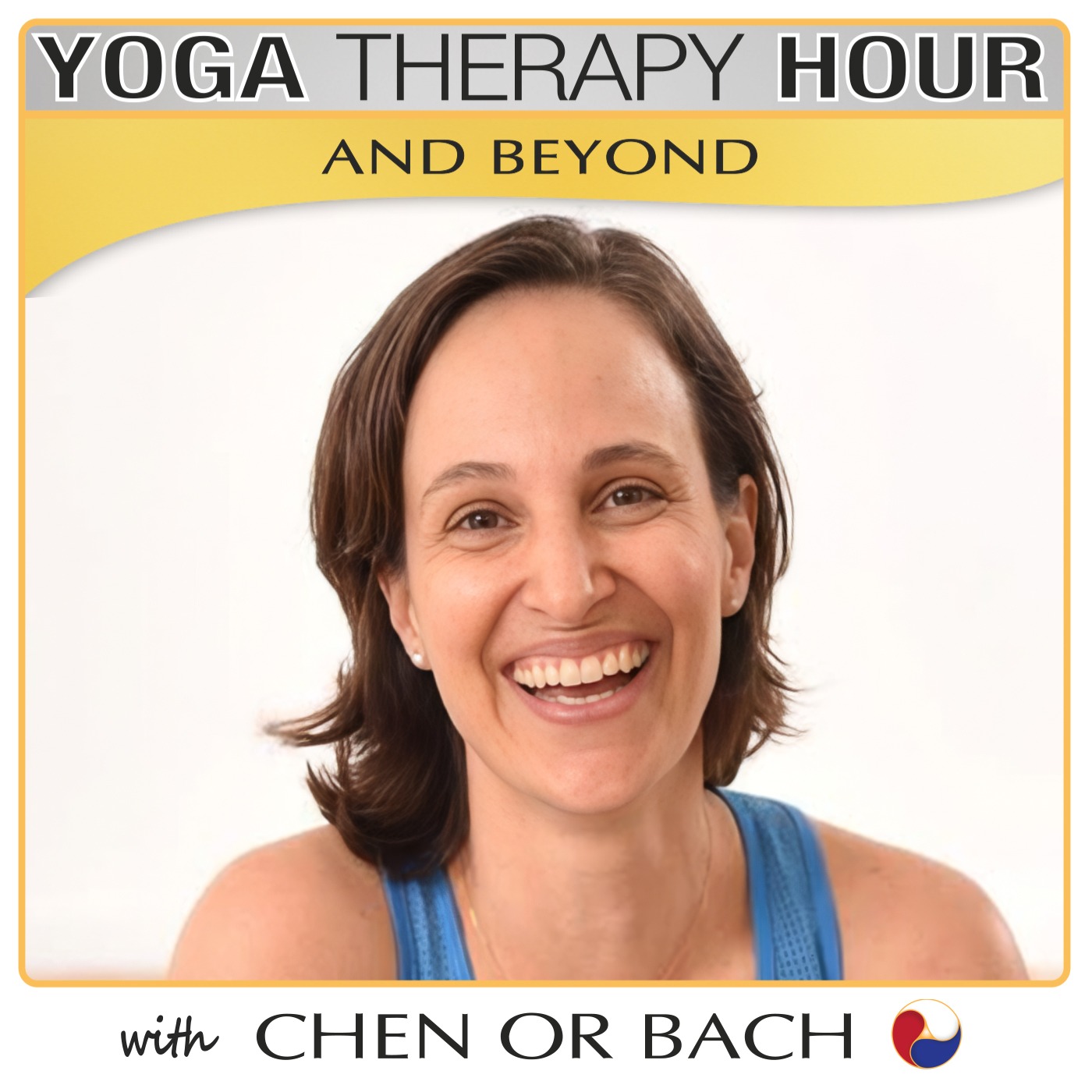
Episode summary Computer-science-turned-cognitive-science researcher and yoga therapist Chen Or Bach joins Amy to share a candid journey from academia to cancer survivorship, from mat-based practice to living yoga moment-to-moment. We trace how the pañca-kośa model reframed her healing, why standards and accreditation helped yoga integrate into Israeli healthcare, and what it means to let go of familiar tools and still remain fully in the path. It’s a forward-looking conversation about bringing steadiness (sthira) and sweetness (sukha) into real life—mountain trails, laundry folding, and all.Listen forNature as practice: Boulder’s mountains as living teachers of stability in change.Pañca-kośa in plain life: tending annamaya, prāṇamaya, manomaya, vijñānamaya, and especially ānandamaya—not as theory but daily design.When the practice stops “working”: giving yourself permission to let go of certain tools (āsana, set routines) and allow yoga to become how you meet each moment.Healthcare integration: how Israel’s modular 1,000-hour training (500 teacher + 500 therapy with specialty tracks) supported hospital uptake.Karma yoga without burnout: serving the field while protecting one’s vitality (tapas with svādhyāya and īśvara-praṇidhāna—Kriyā Yoga in action).Key takeawaysĀnanda is not optional. Many of us optimize the outer layers (food, steps) and starve ānandamaya kośa. Intentionally design joy-creating activities; the outer layers flourish downstream.Your practice can change shape. If a tool stops serving, it’s not failure—it’s viveka (discernment). Let the aim (clarity, compassion, steadiness) stay constant while methods evolve.Standards serve people. Thoughtful accreditation isn’t bureaucracy—it’s ahimsā and satya for clients and health systems: clear scope, reliable skills, safer care.Karma yoga needs boundaries. Service without self-regulation fuels burnout. Pair tapas with rest, supervision, and community—abhyāsa with vairāgya.Practical micro-practices (try today)Joy audit (5 min): List three ordinary tasks. For each, name one sensory element you can savor (temperature of water while washing dishes, sound of leaves on a walk).Kośa check-in (2 min): Ask: What does my body/energy/mind/wisdom/joy need right now? Choose one small step.Walk as yoga (10–20 min): No metrics. Attend to breath cadence, ground contact, and horizon/sky—let attention, breath, and body cohere.Resources mentionedPātañjala Yoga Sūtra (as study companion during illness)Bhagavadgītā (as a source of resilience and meaning)IAYT-inspired standards and Israel’s modular specialty pathways (trauma, oncology, etc.)About our guest — Chen Or Bach Chen Or Bach blends cognitive/neuroscience training with decades of yoga practice and service. In Israel, she helped advance standards that enabled yoga and yoga therapy to integrate into mainstream healthcare, including rehabilitation settings (e.g., TBI). Now based in Boulder, she continues to teach, mentor, and model a life where all life is yoga.Pull quotes“Once your attention, breath, and body are in the same place, the game changes.”“If one tool stops serving you, the tradition still has a thousand doors.”“I stopped ‘doing’ yoga and started being it—moment by moment.”“Standards aren’t red tape; they’re how we protect people.”School of Integrative Health at NDMU: https://www.ndm.edu/academics/integrative-healthMaster of Science in Yoga Therapy at NDMU https://www.ndm.edu/academics/integrative-health/yoga-therapy  Explore NDMU’s Post-Master’s Certificate in Therapeutic Yoga Practices, designed specifically for licensed healthcare professionals.  https://www.ndm.edu/academics/integrative-health/yoga-therapy/post-masters-certificate-in-therapeutic-yoga-practices Try our Post-Bac Ayurveda Certification Program at NDMU: https://www.ndm.edu/academics/integrative-health/ayurveda/post-baccalaureate-ayurveda-certification#IntegrativeHealth #HealthcareEducation #InterprofessionalEducation #GraduateSchool #NDMUproud #SOIHproud #SOIHYoga #SOIHAyurveda #NDMUYoga #NDMUAyurveda #SOIHGraduateSchool
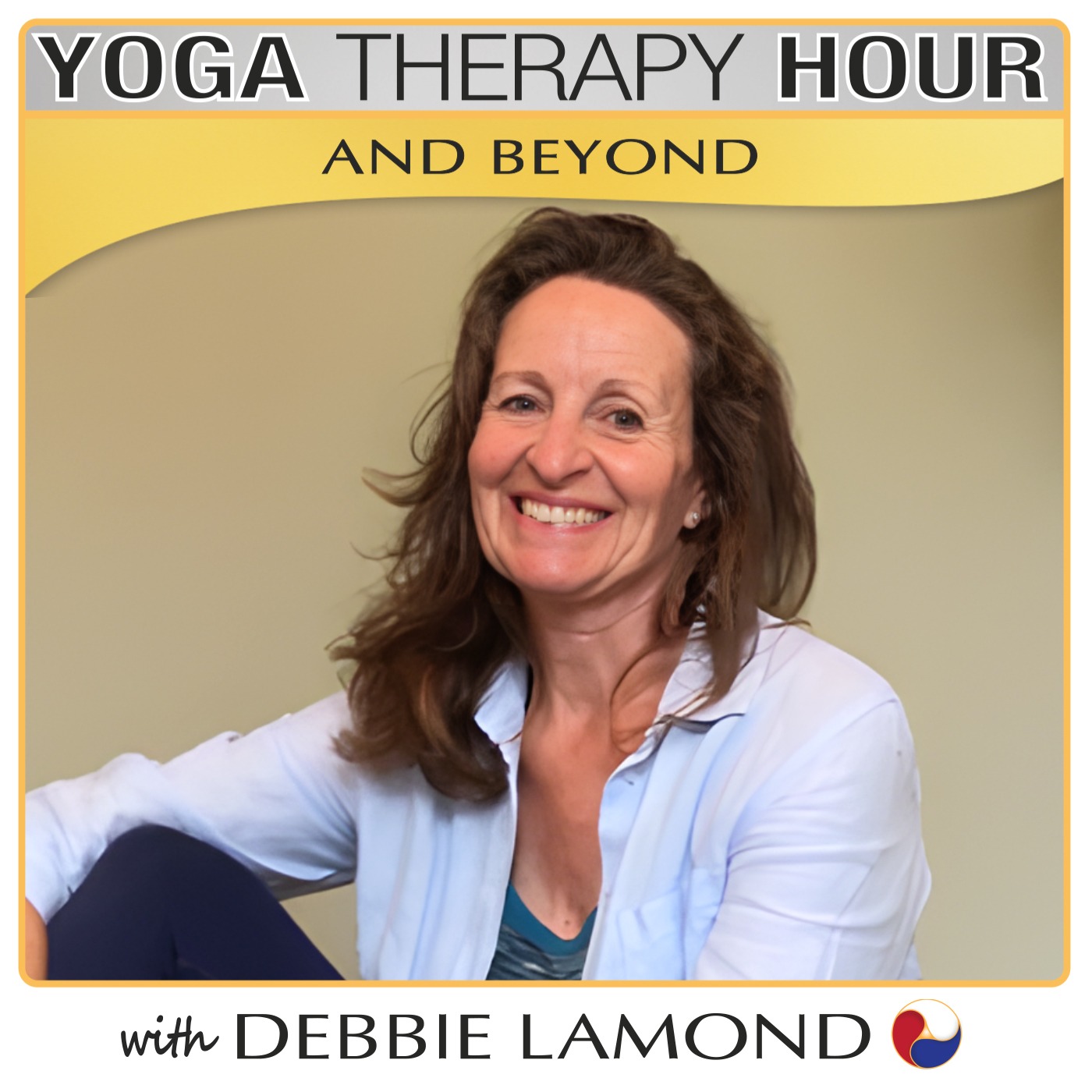
Episode snapshotDebbie Lamond (near London, UK) is a yoga teacher and yoga therapist specializing in support for people living with lymphoedema. After decades of personal practice and training with the British Wheel of Yoga, she blends breathwork, Yoga Nidra, gentle movement, self-care for the lymphatic system, and realistic habit tracking. This conversation feels like tea with a wise friend—practical, hopeful, and grounded in ahiṃsā, svādhyāya, and the steady courage of śraddhā.What we coverDebbie’s path: yoga since 1994, why it offered something team sports and fitness didn’t—time, calm, and coming home to self.Lymphoedema support, plain language: why movement, hydration, skin care, and compression are foundations—and how yoga fits in.Breath changes the body: how diaphragmatic breathing helps down-shift sympathetic overdrive and, anecdotally, can ease night-time swelling enough to return to sleep.Yoga tools that help: slow rhythmic movement, Yoga Nidra for nervous-system recovery, present-moment awareness to interrupt “what-if” spirals.Manual Lymph Drainage (MLD): “open the drains,” then move—pair with water intake and gentle activity.Ayurvedic lifestyle touches: cooling choices when heat aggravates symptoms, morning light, toxin reduction, and a simple habit tracker.Agency and dignity: building a daily routine you’ll actually keep—this isn’t a quick-fix pill.Practical takeaways (save/print)Three-minute reset: recline, elevate legs, one hand on belly; inhale gently through the nose, exhale a little longer; ~15–20 breaths. Notice if sensation and anxiety both dial down.Daily rhythm idea:Brief self-MLD (as taught by a qualified therapist).10–20 minutes of gentle yoga or a short walk.Hydrate and quick skin-check.Yoga Nidra or guided rest later in the day if swelling or fatigue rises.Get support: work with a qualified lymphoedema therapist for compression, self-care education, and monitoring.How yoga philosophy frames this workAhiṃsā (non-harm): move/rest in ways that protect tissue and reduce irritation.Svādhyāya (self-study): track patterns—sleep, flares, foods, stressors—without judgment.Īśvara-praṇidhāna (surrender): accept today’s reality while practicing skillful effort. Together, these form a sustainable sādhana for long-term conditions.Resources mentionedBritish Wheel of Yoga (for teacher standards and CPD)Lymphoedema Support Network (UK)Manual Lymph Drainage (find a qualified therapist)Yoga Nidra recordings for regulation and restWho this episode is forPeople living with primary or secondary lymphoedema; those post-treatment or post-surgery; clinicians curious about integrating breath and gentle movement; yoga therapists seeking condition-specific insights.About our guestDebbie Lamond is a UK-based yoga teacher and yoga therapist focusing on lymphoedema support. She offers one-to-one sessions (including online), small therapeutic groups through a local cancer charity, and a complimentary 30-minute consultation to explore fit.Connect with DebbieWebsite: DebbieLamondYoga.co.uk Initial consultation: 30 minutes, no charge (book via her website)Disclaimer: This episode and show notes are for educational purposes only and are not medical advice. If you have new or worsening symptoms, seek qualified medical care promptly.Plans of Study for NDMU Yoga Therapyhttps://livendm.sharepoint.com/sites/Academics/SitePages/Yoga-Therapy-Plans-of-Study.aspx?csf=1&web=1&share=EeZhGMscDMFOl1Lk0PD6gOsBTxvKkWvbfjhHLmMMuNpLFw&e=ApOX4h&CID=45c542e6-5528-4c68-a8ac-5596fb4fc161 School of Integrative Health at NDMU: https://www.ndm.edu/academics/integrative-healthMaster of Science in Yoga Therapy at NDMU:  https://www.ndm.edu/academics/integrative-health/yoga-therapy  Explore NDMU’s Post-Master’s Certificate in Therapeutic Yoga Practices: Designed specifically for licensed healthcare professionals: https://www.ndm.edu/academics/integrative-health/yoga-therapy/post-masters-certificate-in-therapeutic-yoga-practices  Try our Post-Bac Ayurveda Certification Program at NDMU: https://www.ndm.edu/academics/integrative-health/ayurveda/post-baccalaureate-ayurveda-certification #IntegrativeHealth #HealthcareEducation #InterprofessionalEducation #GraduateSchool #NDMUproud #SOIHproud #SOIHYoga #SOIHAyurveda #NDMUYoga #NDMUAyurveda #SOIHGraduateSchool
Episode Summary: Amy sits down with therapist–author Erin Byron for a candid conversation that moves from Erin’s lived experience of trauma to the practical tools that help people feel safe in their bodies again. They explore how yoga therapy complements mental health care, why personalization matters, and how joy, play, and creativity support nervous system recovery. Midway, they wade into today’s hot topic: scope of practice and the identity of “yoga therapist.” Erin offers a clear, compassionate take on keeping sessions yoga-centered while collaborating across disciplines. They close with concrete, do-today practices and a peek at Erin’s free community gatherings and the Women’s Writers Collective in Yoga Therapy.Guest: Erin Byron, MA — psychotherapist, certified yoga therapist, author of Safety in the Body: Foundations in Mental Health Recovery through Yoga Therapy, Expressive Arts, and Neurophysiology; co-author of Yoga Therapy for Arthritis.Key Topics & Takeaways:Coming home to self: How classical yoga practices (breath, relaxation, attention training) quickly shifted Erin’s stress and sleep in early practice.Neurophysiology 101: Why connection, co-regulation, and prefrontal cortex “thickening” matter for trauma recovery.Judith Herman’s 3-stage model: Safety & trust → reconnection with joy/identity → integration and contribution.Joy is not a bypass: Adding play, beauty, and expressive arts prevents rehearsing trauma and accelerates healing.Personalized yoga works fast: Tailoring asana, breath, mantra, and visualization to the individual often yields quick, embodied results.Scope & language: Keeping sessions yoga-centered (practice-forward) while naming scope clearly; how to redirect talk into practice without overstepping.The profession today: Why holding firm to “yoga therapy” as a distinct, skillful discipline matters—and how collaboration (not dilution) serves clients.Practical nugget: Small “yoga snacks” (e.g., a fear-soothing mantra + mudra) can shift state in minutes when practiced consistently.Memorable Quotes:“Yoga didn’t change who I am; it taught me who I’ve always been.” — Erin“Do the hard work in the presence of joy—otherwise we just rehearse trauma.” — Erin“Bring the yoga only you can bring. No other field has these tools in this context.” — AmyResources Mentioned:Safety in the Body by Erin Byron (info and community updates via her newsletter/IG)Yoga Therapy for Arthritis (co-author Erin Byron)IG: @erinbyron.maNewsletter & free twice-monthly community hour: sign up via her website (link in show notes)Call to Action:Share this episode with a colleague who supports trauma recovery.Join the Women’s Writers Collective author spotlight Leave a rating/review if this conversation helped you—your support grows the reach of yoga therapy.Women’s Writers Collective in Yoga Therapy: monthly author spotlights & free book-club style events: ·        https://happy-back-yoga.teachable.com/p/the-yoga-therapy-book-club   Plans of Study for NDMU Yoga Therapyhttps://livendm.sharepoint.com/sites/Academics/SitePages/Yoga-Therapy-Plans-of-Study.aspx?csf=1&web=1&share=EeZhGMscDMFOl1Lk0PD6gOsBTxvKkWvbfjhHLmMMuNpLFw&e=ApOX4h&CID=45c542e6-5528-4c68-a8ac-5596fb4fc161 School of Integrative Health at NDMU: https://www.ndm.edu/academics/integrative-healthMaster of Science in Yoga Therapy at NDMU:  https://www.ndm.edu/academics/integrative-health/yoga-therapy  Explore NDMU’s Post-Master’s Certificate in Therapeutic Yoga Practices: Designed specifically for licensed healthcare professionals: https://www.ndm.edu/academics/integrative-health/yoga-therapy/post-masters-certificate-in-therapeutic-yoga-practices  Try our Post-Bac Ayurveda Certification Program at NDMU: https://www.ndm.edu/academics/integrative-health/ayurveda/post-baccalaureate-ayurveda-certification #IntegrativeHealth #HealthcareEducation #InterprofessionalEducation #GraduateSchool #NDMUproud #SOIHproud #SOIHYoga #SOIHAyurveda #NDMUYoga #NDMUAyurveda #SOIHGraduateSchool
Episode summaryAfter losing her home, savings, and a 34-year marriage, pharmacist and integrative medicine leader Dr. Lisa Nezneski chose a different path: put herself first, grieve fully, and cultivate joy deliberately. In this candid conversation, we trace the arc from rupture to renewal—restorative yoga twice a week, twice-daily meditation, beach “walking meditations,” and the seven mindful questions that helped her rewire patterns. We also talk relationships after loss, somatic signs of awe, and how to make the “next right step” when you don’t know what’s next. This is a clear-eyed look at resilience, seen through yoga’s lens of abhyāsa (steadfast practice) and vairāgya (non-attachment): effort rooted in discernment, without clinging to outcomes.Dr. Lisa Nezneski — Certified Mindfulness Meditation Teacher; board-certified pharmacotherapist; Reiki Master; poet and author of Grounded in Chaos: Leaning into Adversity, Learning Joy (2020; updated edition forthcoming). Former clinical pharmacist and hospital administrator; taught at Duquesne University; past Chief Clinical Officer at Schatz Clinical Services; founder of Healthy Mindful Self. Website: lisanezneski.comKey takeawaysChoose self-priority without apology. Midlife caretakers often land last on their own list; reclaiming agency is the hinge of recovery.Practice over prediction. Twice-daily meditation + consistent restorative yoga created the conditions for healing—abhyāsa in action.Non-attachment reduces reactivity. “This is this day.” Meet what is, breathe three times, then respond—classic vairāgya.Somatic joy is real data. Tingling, goosebumps, softening—felt sense can signal alignment more reliably than analysis.The “next right step” is enough. Use simple inner tests (Lisa’s “speedometer” method) and adjust course—no catastrophizing.Relational healing is possible. Mutuality, gratitude, and playfulness can re-pattern partnership after grief.Hands calm the nervous system. Repetitive handcrafts (e.g., finger-crochet) function like mudrā/nyāsa—bottom-up regulation.ResourcesDr. Lisa Nezneski — lisanezneski.comBook — Grounded in Chaos: Leaning into Adversity, Learning Joy (1st ed., 2020; updated edition forthcoming)Listener reflection (journal prompts)Where in my week do I practice abhyāsa without clinging to a result?What does my body feel like when a choice is a genuine “yes”?What micro-ritual will I use as my three-breath reset cue?Call to actionIf this episode helped you locate a little joy inside the storm, share it with one person who needs a steady hand. Subscribe, leave a review, and tell us the one practice you’re committing to this week.Plans of Study for NDMU Yoga Therapyhttps://livendm.sharepoint.com/sites/Academics/SitePages/Yoga-Therapy-Plans-of-Study.aspx?csf=1&web=1&share=EeZhGMscDMFOl1Lk0PD6gOsBTxvKkWvbfjhHLmMMuNpLFw&e=ApOX4h&CID=45c542e6-5528-4c68-a8ac-5596fb4fc161School of Integrative Health at NDMU: https://www.ndm.edu/academics/integrative-healthMaster of Science in Yoga Therapy at NDMU https://www.ndm.edu/academics/integrative-health/yoga-therapy  Explore NDMU’s Post-Master’s Certificate in Therapeutic Yoga Practices, designed specifically for licensed healthcare professionals. https://www.ndm.edu/academics/integrative-health/yoga-therapy/post-masters-certificate-in-therapeutic-yoga-practices Try our Post-Bac Ayurveda Certification Program at NDMU: https://www.ndm.edu/academics/integrative-health/ayurveda/post-baccalaureate-ayurveda-certification#IntegrativeHealth #HealthcareEducation #InterprofessionalEducation #GraduateSchool #NDMUproud #SOIHproud #SOIHYoga #SOIHAyurveda #NDMUYoga #NDMUAyurveda #SOIHGraduateSchool 
Episode summaryAt 32, Marcia found a lump she assumed was “nothing.” It wasn’t. In quick succession came diagnosis (May 1998), surgery including mastectomy and reconstruction, and years of hormone therapy. The shock gave way to a long, messy recovery marked by anxiety, tears, and the fierce desire to “be there” for her two young sons. Yoga entered as a lifeline: first disciplined Iyengar classes that rebuilt physical strength and steadiness, then Aṣṭāṅga for rhythm, breath, dṛṣṭi, and mental focus, and eventually yoga therapy informed by the pañcamaya kośa model—meeting herself where she was, day by day.Part two of Marcia’s story is even more tender: years later, her 15-year-old son, Alex, was diagnosed with high-grade osteosarcoma. Eight months of aggressive chemotherapy, limb-saving surgery, infection, and eventual amputation followed. Through sleepless hospital nights and fragile windows at home, Marcia leaned on simple, steady practices—breath, gentle movement, and the sacred ordinary of hanging laundry in the sun. Key themesThe long arc of recovery: Treatment can be quick; integration takes time. Yoga created structure (set sequences, five-breath holds) that translated into emotional steadiness.From outer strength to inner ease: As physical stability returned, so did mental clarity and emotional regulation—sthira-sukham āsanam (PYS 2.46) in action.Rituals of the ordinary: In crisis, simple routines (breathing, gentle stretches, even doing the wash) become anchors of meaning and regulation.Pañcamaya kośa self-check: How am I—body, breath/energy, mind, personality/values, and meaning? Let practice be responsive, not rigid.Caregivers need care: Five minutes of breath can change the nervous system—and the day.Post-traumatic growth: Agency (“this diagnosis won’t define our life”) and community support foster resilience.Yoga therapy in oncology: Practical tools for survivors and families; thoughtful scope of practice and team-based care.Memorable moments“I was angry at the interruption to my life—I didn’t want cancer to stop me from living my dharma.”“The set sequence and five breaths made Aṣṭāṅga meditative; my body knew what came next, and my mind could rest.”“Hospital life means not moving, not sleeping, not eating well. At home, a decent meal, a real bed, and a few breaths on the mat felt holy.”“Supporting my son after amputation, I realized the PT’s ‘Superman’ was Śalabhāsana—the same human body, different language.”Practical takeaways (for listeners)Structure regulates: A consistent class or home sequence can downshift anxiety; predictability is medicine.Five-breath rule: Linger in postures long enough to feel the pose regulate the breath (and vice versa).Honor seasons: Your practice can be Iyengar-precise one season, Aṣṭāṅga-rhythmic the next, and kośa-guided thereafter. That’s yoga.Caregiver micro-practices work: Three minutes of diaphragmatic breathing between scans or consults matters.Who this episode supportsPeople navigating or recovering from cancerParents and caregivers living in medical systemsYoga teachers/therapists seeking oncology-informed, nervous-system-first approachesAnyone rebuilding identity and routine after a health crisisAbout Marcia MercierWebsite: www.marcie.yoga.com Location: North London (UK)Offerings:Weekly online Yoga for Breast Cancer (Wednesdays 09:30–10:30 UK)1:1 Yoga Therapy (online & in person)Haṭha and Vinyāsa classes (online and local studios)Contributor with Get Me Back—a cancer-recovery community offering strength training, yoga, Pilates, and on-demand classes (getmeback.uk)Resources mentionedmarcie.yoga — contact and class scheduleGet Me Back (UK): membership and on-demand support for people post-treatmentHost reflectionMarcia’s story is a fierce testament to the human spirit yoked to practice. In yogic terms, she modeled tapas without self-punishment, svādhyāya without self-absorption, and praṇidhāna without passivity. This is what it looks like when philosophy leaves the page and enters a hospital ward, a nursery, a kitchen, and a yoga mat. Healing is not linear; it is rhythmic—breath by breath, five breaths at a time.Connect with The Yoga Therapy HourWebsite: TheOptimalState.comInstagram & LinkedIn: Optimal State Yoga TherapySubscribe, rate, and share if this helped you or someone you love.Content note & disclaimerThis episode includes personal experiences with cancer and hospitalization. Yoga therapy is complementary and not a substitute for medical care. Please consult your healthcare team before beginning or modifying any practice.
Episode summary Author and teacher Philip Goldberg returns to unpack his new book, Karmic Relief (Monkfish). We cut through pop-karma clichés and ask the hard questions: Why do bad actors prosper? What about innocent suffering? Does “what goes around” really come around—and when? Phil offers a clear, practice-ready model grounded in Yoga and Vedānta: karma as lawful cause-and-effect, refined by intention (saṅkalpa) and awareness (svādhyāya), and lived through skillful action (kriyā/karma-yoga). No sugar-coating—just a compassionate, accountable path forward.About our guest Philip Goldberg is the author of the classic American Veda and many other works on India’s wisdom traditions. He writes, teaches, and speaks internationally about the practical application of yoga philosophy in modern life. More at philipgoldberg.com.What we coverTwo default frames that fail: cynical materialism (“life’s unfair—deal with it”) and a punitive theism that outsources justice—why yoga offers a third way: karma as a law of nature, not a cosmic scorekeeper.Intention matters: why the motivation and quality of mind behind an action shape its consequences—on us and on the field around us.It’s not linear: why “instant karma” is the exception; most effects are complex, delayed, and braided with other people’s actions.Not just the “bad stuff”: noticing beneficial returns—friendship, support, opportunities—as karma, too.Humility as the doorway: we can’t fathom every cause; we can act skillfully anyway.Prevention is practice: building a karmic “balance sheet” through ethical living, steady practice, and timely amends reduces the sting when old debts come due.Forgiveness begins at home: how self-forgiveness and sincere amends interrupt the “slow acid drip of regret.”Prayer, Bhakti & nervous system: prayer as practice for the prayer-giver (bhakti), shifting state and making right action more likely.Yama–Niyama as method, not morals: using the first two limbs practically to uproot harmful samskāras rather than memorize rules.Boundaries are dharma: over-giving and “doormat karma” as the near-enemy of compassion; why healthy limits are part of right action.Practical takeaways Choose skillful action now. You can’t rewrite yesterday’s causes; you can stack better conditions today.Mind the motive. Before you act, ask: What’s my real intention? Adjust there.Make clean amends. Own your slice only, sincerely, and repair what you can. Then change the behavior.Practice = prevention. Daily āsana–prāṇāyāma–dhyāna clears the field (samskāra hygiene) so wise choices come faster.Measure by learning. Treat consequences as feedback, not verdicts. If the same pattern repeats, a lesson is waiting.Selected quotes“Karma is closer to physics than to theology—causes and conditions, not a personality keeping score.”“If you dismiss suffering as ‘their karma,’ that response becomes your karma.”“Humility matters: we can’t trace every cause, but we can choose wisely now.”“Boundaries are part of compassion—virtue misapplied becomes a near-enemy.”Resources & linksKarmic Relief by Philip Goldberg — Monkfish (now available).Philip Goldberg’s site: philipgoldberg.comAlso by Phil: American Veda (context for how Eastern wisdom seeded the West).Related Yoga Therapy Hour episode: Our first conversation with Phil on American Veda (link in feed).Interested in advancing your own studies in Yoga Therapy and Ayurveda?Explore these graduate and certificate programs at Maryland University of Integrative Health (MUIH):Master of Science in Yoga Therapy https://muih.edu/academics/yoga-therapy/master-of-science-in-yoga-therapy/Post-Master’s Certificate in Therapeutic Yoga Practices (for licensed healthcare professionals) https://muih.edu/academics/yoga-therapy/post-masters-certificate-in-therapeutic-yoga-practices/Post-Baccalaureate Certificate in Ayurveda https://muih.edu/academics/ayurveda/post-baccalaureate-ayurveda-certification/Plus, join us on our Optimal State Mobile App for daily check-ins and simple, easy interventions to help you stay in balance.And explore our Online Community, where you’ll receive weekly classes and gain access to a library of classes you can enjoy anytime. Learn more at www.AmyWheeler.com.
Guest: Danielle De Pillis, MS Neuroscience, C-IAYT (12 Petals Wellness)Danielle De Pillis joins Amy from South Minneapolis for a clear-eyed conversation about chronic pain, interoception, and why “sending someone to yoga class” is not the same as yoga therapy. Danielle traces her arc from high-pressure ad agency life into a years-long recovery that rewired her relationship with her body—then back into graduate study in neuroscience at King’s College London to understand the brain networks behind what she and her clients were experiencing. This is a grounded dialogue where ancient yoga maps (kośas, guṇas, abhyāsa/vairāgya) meet modern neuroscience and trauma-informed care.Listen forHow chronic sciatic pain (without injury) resolved through tiny, breath-led movements and attention trainingWhy interoception (insula-based networks) is the missing link across PTSD, anxiety, depression, addiction, and eating disordersThe limits of protocols: why yoga therapy must meet the person—not the diagnosisPractical strategies for “sitting is the new smoking” workplacesUsing Yoga Nidra and micro-practices to “bring a region back online” and rebuild brain–body connectionsTrauma-informed considerations for healthcare and why telehealth lowers barriers for clients with PTSDKey ideas & takeawaysPain is a messenger, not a verdict. When we treat it like data, we can adapt habit loops (workload, sitting time, emotional patterns like anger), not just tissues.Attention before ambition. Danielle’s recovery hinged on “microscopic movements, breath, mudrā, and curiosity”—a living example of abhyāsa (steady practice) and vairāgya (non-grasping).Interoception is foundational. Many clients say “I’m fine” until they close their eyes and notice otherwise. Building interoceptive literacy (Yoga Nidra body scan, slow breath, graded exposure to sensation) is therapy.No one-size-fits-all. Back pain, for example, can stem from different drivers (biomechanical load, overthinking/rumination, shock/trauma, life stress). Assessment across the pañca-maya kośa clarifies which lever to pull first.Healthcare and gym yoga. A doctor’s “try yoga” often misfires; yoga therapy (or therapeutic yoga) individualizes, paces, and is trauma-informed.Maintenance is the path. Bodies require lifelong tending. Danielle uses movement “snacks,” nature walks, and between-client resets—little choices that keep systems regulated.Practical practices mentioned (try these)Micro-movement + breath: Choose one joint/region that feels “offline.” Explore 1–2 minutes of tiny ranges with smooth nasal breath and curiosity. Stop well before pain.Yoga Nidra, targeted: If you consistently “drop out” during a specific body region, create a 10-minute Nidra just for that side/area to rebuild signal.Workday resets: Every 45–60 minutes, stand, walk a block, or do 2–3 shapes while the kettle boils.Green-space therapy: Daily time in nature to shift autonomic state toward safety and restoration.Memorable quotes“Attention is where it’s at. People say ‘mindfulness,’ but what changed me was attention—and curiosity.” —Danielle“What got disconnected along the way? That’s the puzzle yoga therapy helps clients solve.” —Amy“We’re not treating a protocol; we’re meeting a person, this week.” —DanielleAbout our guestDanielle De Pillis is a yoga therapist and neuroscience-informed practitioner based in Minneapolis. She holds a Master’s in Neuroscience from King’s College London and runs a global online private practice focused on trauma, chronic pain, and interoception.Website: danielledepillis.comInterested in advancing your own studies in Yoga Therapy and Ayurveda?Explore these graduate and certificate programs at Maryland University of Integrative Health (MUIH):Master of Science in Yoga Therapyhttps://muih.edu/academics/yoga-therapy/master-of-science-in-yoga-therapy/Post-Master’s Certificate in Therapeutic Yoga Practices (for licensed healthcare professionals)https://muih.edu/academics/yoga-therapy/post-masters-certificate-in-therapeutic-yoga-practices/Post-Baccalaureate Certificate in Ayurvedahttps://muih.edu/academics/ayurveda/post-baccalaureate-ayurveda-certification/Plus, join us on our Optimal State Mobile App for daily check-ins and simple, easy interventions to help you stay in balance.And explore our Online Community, where you’ll receive weekly classes and gain access to a library of classes you can enjoy anytime. Learn more at www.AmyWheeler.com.
In this rich and heartfelt conversation, Amy Wheeler sits down with Canadian yoga therapist and author Leila Stuart to explore her life’s journey through yoga, Ayurveda, chronic illness, and the groundbreaking field of experiential anatomy.Leila shares how yoga first saved her as a 19-year-old in debilitating back pain, again when chronic fatigue and inflammatory arthritis nearly ended her career, and finally when Ayurveda and Panchakarma restored her vitality. Through these challenges, she developed a unique approach to anatomy—one that goes beyond memorization to help people truly feel their bodies from the inside out.Together, Amy and Leila unpack the profound role of interoception (the ability to sense internal states), the therapeutic power of somatics, and the importance of teaching anatomy as a lived experience. They also discuss the “golden thread” that guides each of us toward our dharma—even in times of suffering.This episode is both a personal healing story and a teaching in embodied practice, offering hope, inspiration, and practical insights for yoga therapists, teachers, and anyone seeking wholeness.What You’ll Learn in This EpisodeThe difference between therapeutic yoga and yoga therapyHow yoga and Ayurveda supported Leila through back pain, chronic fatigue, and arthritisThe concept of experiential anatomy and why it’s transformational for students and practitionersHow interoception and somatic awareness rewire the brain-body connectionGentle ways to support people who feel “numb” or disconnected from their bodyWhy beauty, simplicity, and embodiment matter in both healing and teachingThe importance of finding your dharma—and how it can become a pathway to healingAbout Leila StuartLeila Stuart is a yoga therapist, somatic movement educator, and author dedicated to bringing experiential anatomy to the forefront of yoga therapy education. She is the co-author of Pathways to a Centered Body (with Donna Farhi) and author of The Anatomy of Yoga Therapy. Her work blends deep anatomical knowledge with embodied practices that reconnect people with their inner wisdom. Learn more at leilastuart.com.Resources MentionedPathways to a Centered Body by Donna Farhi & Leila StuartThe Anatomy of Yoga Therapy by Leila StuartLeila’s website for workshops, resources, and writings www.leilastuart.comLearn with Amy WheelerMaster of Science in Yoga Therapy – MUIHPost-Master’s Certificate in Therapeutic Yoga PracticesPost-Baccalaureate Ayurveda CertificationStay ConnectedJoin our Optimal State Mobile App for daily check-ins and simple interventionsExplore our Online Community with weekly classes and a growing library at www.AmyWheeler.comFollow The Yoga Therapy Hour podcast wherever you listen
In this heartfelt conversation, Amy Wheeler sits down with Shabana Safdari, yoga therapist, teacher, and founder of Yoga with Shabana, based in Bangalore, India. Shabana’s journey into yoga began with a deeply personal health scare when her mother was diagnosed with breast cancer. Faced with anxiety and fear, she turned to yoga—first for her own healing, and eventually as a lifelong path of service.Shabana shares:How a health crisis transformed her relationship with her body and inspired her to take charge of her wellbeing.Her experience of nesophobia (fear of illness) and how yoga helped her move from anxiety to resilience.The life-changing impact of yoga therapy on her vertigo, and why she committed to making it her profession.The importance of intention in yoga practice and teaching, and how acts of kindness are integral to true healing.Her philosophy of simple, sattvic living—fresh food, fresh breath, and fresh thoughts—as the foundation of wellness.The role of prāṇāyāma as a bridge between ancient wisdom and modern science, and why she believes it is the most powerful tool for transformation.How she combines yoga therapy, prāṇāyāma, and sound healing in her signature Rest Reset Method to help clients manage stress, recover from burnout, and rediscover joy.Throughout the episode, Shabana emphasizes that yoga is not just postures—it is a holistic system of mindset, lifestyle, compassion, and self-regulation. Her clarity, kindness, and lived wisdom shine through, offering listeners a reminder that true yoga begins with simplicity and intention.Connect with Shabana: Find her on LinkedIn at Shabana Safdari (search Yoga with Shabana). Her website will be launching soon, featuring her offerings, including one-on-one yoga therapy, corporate wellness programs, and sound healing.Interested in advancing your own studies in Yoga Therapy and Ayurveda?Explore these graduate and certificate programs at Maryland University of Integrative Health (MUIH):Master of Science in Yoga Therapy https://muih.edu/academics/yoga-therapy/master-of-science-in-yoga-therapy/Post-Master’s Certificate in Therapeutic Yoga Practices (for licensed healthcare professionals) https://muih.edu/academics/yoga-therapy/post-masters-certificate-in-therapeutic-yoga-practices/Post-Baccalaureate Certificate in Ayurveda https://muih.edu/academics/ayurveda/post-baccalaureate-ayurveda-certification/Plus, join us on our Optimal State Mobile App for daily check-ins and simple, easy interventions to help you stay in balance.And explore our Online Community, where you’ll receive weekly classes and gain access to a library of classes you can enjoy anytime. Learn more at www.AmyWheeler.com.
Episode Summary: What does it mean to live in alignment with your soul’s purpose—especially when the world feels upside down? In this powerful and inspiring conversation, Amy sits down with astrologer, intuitive guide, and author Madi Murphy to explore how to harness life’s cosmic curveballs, leave the comfort zone, and step into your fullest, most authentic self.Madi shares how astrology can act as a “GPS for the soul,” guiding us through both personal transformation and collective upheaval. Together, Amy and Madi dive into the themes of Sacred Rage as a catalyst for change, the necessity of setting clear boundaries, and why “quiet revolutions” are already taking root across the globe.You’ll hear about:·        How Pluto in Aquarius marks a 20-year cycle of transformation, innovation, and power to the people.·        Why sacred rage—channeled wisely—can be a force for justice, creativity, and healing.·        The art of saying “no” without over-explaining, and the empowerment that comes from it.·        Why grassroots movements and personal authenticity will shape the next chapter of our collective story.·        Practical ways to plant seeds for the future, even if you’re not the loudest voice in the room.This episode is both an invitation and a call to action: to fortify your values, live authentically, and play your part in shaping a more empathetic and connected future. Whether you’re navigating a personal rebirth or tuning into the shifting tides of our world, this conversation will leave you inspired, grounded, and ready to claim your cosmic zone.About Madi Murphy: Madi Murphy is an astrologer, intuitive, shamanic practitioner, and author of In the Cosmic Zone. With a gift for blending the mystical with the practical, Madi helps clients align with their “divine assignment” through astrology, intuitive insight, and grounded, actionable tools.Resources & Links:·        Connect with Madi Murphy: https://www.instagram.com/thecosmicrx/?hl=en ·        In the Cosmic Zone – https://www.penguinrandomhouse.com/books/782212/in-the-cosmic-zone-by-madi-murphy/  ·        Follow Amy Wheeler and The Yoga Therapy Hour: www.TheOptimalState.com  Plans of Study for NDMU Yoga Therapyhttps://livendm.sharepoint.com/sites/Academics/SitePages/Yoga-Therapy-Plans-of-Study.aspx?csf=1&web=1&share=EeZhGMscDMFOl1Lk0PD6gOsBTxvKkWvbfjhHLmMMuNpLFw&e=ApOX4h&CID=45c542e6-5528-4c68-a8ac-5596fb4fc161School of Integrative Health at NDMU: https://www.ndm.edu/academics/integrative-healthMaster of Science in Yoga Therapy at NDMU https://www.ndm.edu/academics/integrative-health/yoga-therapy  Explore NDMU’s Post-Master’s Certificate in Therapeutic Yoga Practices, designed specifically for licensed healthcare professionals.  https://www.ndm.edu/academics/integrative-health/yoga-therapy/post-masters-certificate-in-therapeutic-yoga-practices Try our Post-Bac Ayurveda Certification Program at NDMU: https://www.ndm.edu/academics/integrative-health/ayurveda/post-baccalaureate-ayurveda-certification #IntegrativeHealth #HealthcareEducation #InterprofessionalEducation #GraduateSchool #NDMUproud #SOIHproud #SOIHYoga #SOIHAyurveda #NDMUYoga #NDMUAyurveda #SOIHGraduateSchool
Episode Summary: In this intimate and empowering conversation, Amy Wheeler sits down with yoga therapist, postpartum doula, and mother of two, Alexi Neal, to explore what happens when the yoga practice you’ve loved for decades no longer serves your body in the same way.Alexi shares her journey from starting yoga at age 12, falling in love with the strength and presence it gave her, to discovering—through chronic pain, pelvic dysfunction, and motherhood—that her hypermobility was both a blessing and a challenge. She opens up about the difficulty of letting go of deep, stretchy poses that felt emotionally nourishing but were damaging her SI joints and pelvic stability.The conversation dives into:How cultural narratives around motherhood and women’s health leave many women without the support they needThe physical and emotional realities of hypermobility and pelvic floor dysfunctionWhy heavy strength training became a surprising but essential part of Alexi’s healing and empowermentHow honoring boundaries in movement is an act of self-respect and long-term sustainabilityThe “village” mindset and how it applies not only to mothering but to self-careAlexi’s story is an invitation to listen deeply to your body, to adapt your practice as life changes, and to recognize that true yoga is not performance—it’s about honoring what supports your wholeness today.Connect with Alexi Neal:Website: soulfulsomatics.com (Soulful with two L’s)Instagram: @soulfullexi Plans of Study for NDMU Yoga Therapyhttps://livendm.sharepoint.com/sites/Academics/SitePages/Yoga-Therapy-Plans-of-Study.aspx?csf=1&web=1&share=EeZhGMscDMFOl1Lk0PD6gOsBTxvKkWvbfjhHLmMMuNpLFw&e=ApOX4h&CID=45c542e6-5528-4c68-a8ac-5596fb4fc161School of Integrative Health at NDMU: https://www.ndm.edu/academics/integrative-healthMaster of Science in Yoga Therapy at NDMU https://www.ndm.edu/academics/integrative-health/yoga-therapy  Explore NDMU’s Post-Master’s Certificate in Therapeutic Yoga Practices, designed specifically for licensed healthcare professionals.  https://www.ndm.edu/academics/integrative-health/yoga-therapy/post-masters-certificate-in-therapeutic-yoga-practices Try our Post-Bac Ayurveda Certification Program at NDMU: https://www.ndm.edu/academics/integrative-health/ayurveda/post-baccalaureate-ayurveda-certification #IntegrativeHealth #HealthcareEducation #InterprofessionalEducation #GraduateSchool #NDMUproud #SOIHproud #SOIHYoga #SOIHAyurveda #NDMUYoga #NDMUAyurveda #SOIHGraduateSchool 
Episode SummaryIn this powerful and intimate episode, Amy welcomes Christi Sims, a yoga teacher from Texas who shares her personal story of recovery after a devastating diagnosis of multiple sclerosis (MS). At one point unable to walk, talk, or process language, Christi was told by doctors that her condition was irreversible. Through faith, deep surrender, and a daily yoga practice guided by Dr. Nydia Darby, Christi slowly rewired her brain and body from the inside out.This is the first time Christi has shared her full story publicly, with no website to promote—just a heartfelt desire to help others find hope and healing. Her journey is a testament to what is possible when the soul says, “Take me or heal me,” and both surrender and disciplined daily practice follow.What You’ll LearnWhat it’s like to be diagnosed with MS and lose basic motor and cognitive functionHow yoga helped Christi rebuild her neural pathways and regain her independenceThe role of prāṇa, breathwork, and the mind-body-spirit connection in neurological healingWhy surrendering control and taking full responsibility are not opposites, but companionsThe power of simple, consistent daily practice—starting with sitting and breathingConnect with ChristiIf you or someone you love is navigating a neurological condition and would like to connect with Christi, you can reach her directly at: cksims1@yahoo.com(Shared with permission. Please be respectful.)Resources & MentionsDr. Nydia Darby – Yoga therapist and mentor to ChristiLaurel Grace Yoga Studio, New Braunfels, TXOptimal State – www.theoptimalstate.comDownload the Optimal State App for daily breath, awareness, and movement practicesSubscribe to the Podcast and share this episode with someone who needs hopeThank You, ChristiYour story is a living example of Yoga Sūtra 2.1 in action—discipline, self-study, and surrender. May your journey continue to inspire others to walk toward healing, even when the path is uncertain.
Episode Overview:In one of the most vulnerable and transformative conversations to date, Amy Wheeler sits down with Naomi Finkelstein, a yoga therapist and founder of The Sanctuary, to explore what it means to reclaim body autonomy, live in alignment with truth, and practice yoga from a foundation of ahiṁsā—non-harming—toward oneself.Naomi shares her deeply personal story of being sent to weight-loss camps as a teen, struggling with disordered eating for decades, and ultimately being diagnosed with anorexia at age 40—all while living in a larger body. She speaks honestly about how societal fatphobia masked her illness, and how yoga became both a site of harm and, ultimately, a path to healing.This conversation redefines what it means to "do yoga." It's not about performance. It's about presence, choice, and radical self-respect.Amy openly reflects on how this dialogue challenged her own internalized body narratives. This is not just a podcast episode; it’s an invitation into deep nervous system work, self-reflection, and community reimagining. Topics Covered:Naomi’s journey through fatphobia, eating disorder recovery, and reclaiming the word “fat” as a neutral descriptorThe harm caused by body-normative yoga spaces—and how to create truly inclusive onesTrauma-informed yoga through the lens of personal choice and body consentHow shifting your internal dialogue during practice changes the entire nervous system responseWhat it means to build a yoga community rooted in safety, autonomy, and interdependenceWhy health cannot be measured by weight alone—and how to practice viveka (discernment) in medical spacesA reframe of tapas and ahiṁsā that honors those recovering from disordered eatingKey Quotes:“I had to relearn what it meant to show up on my mat—from a place of choice, not punishment.” — Naomi Finkelstein“The sensation you’re feeling right now? That’s what healing feels like.” — Naomi Finkelstein“If yoga isn’t here to bring us home to ourselves, what are we doing?” — Amy WheelerLearn More About Naomi:Naomi Finkelstein, C-IAYT, is a certified yoga therapist, trauma-informed educator, and founder of The Sanctuary, an inclusive online community supporting people in larger bodies through movement, mindfulness, and nervous system regulation. Her October courses include:Befriending the Body – An 8-week gentle yoga journey for those beginning or returning to practiceYoga Nidrā for Deep Rest – A 6-week guided series to support nervous system recovery Learn more at NaomiFinkelstein.com Listener Note:This episode may stir deep emotions, especially for those in eating disorder recovery or with long-term body image struggles. We invite you to listen slowly, take breaks, and notice your breath and sensations. Healing is nonlinear. Come back to the episode as needed.
Episode SummaryIn this rich and deeply reflective conversation, Amy Wheeler speaks with Bonnie Buckner, author of The Secret Mind: Unlock the Power of Dreams to Transform Your Life. Together, they explore how dreams—both night dreams and daydreams—can become a powerful path to healing, self-awareness, and transformation. Daydreams and night dreams are not just subconscious wanderings—but powerful tools for healing, insight, and transformation. Bonnie explains how the default mode network of the brain, active during dreaming, holds the key to our creative and emotional intelligence, bypassing the inner critic that often stifles our potential. Together, they unpack the symbolism of animals in dreams, the science behind functional mutuality in the brain, and how re-entering a dream through waking imagery can bring resolution and clarity. Amy even shares a personal dream about a mountain lion, and Bonnie gently guides her to see it not as a mystery to decode, but an energy to honor and heal. This episode offers a fascinating glimpse into the intersection of neuroscience, yoga philosophy, and the art of listening deeply to the inner self.Drawing from both neuroscience and imagery-based therapeutic tools, Bonnie shares how the default network of the brain, often activated during non-linear, imaginative states, plays a crucial role in our inner healing. She explains how dreams reveal our inner blocks, and how we can use waking dream exercises to address unresolved patterns—without needing to overanalyze or “figure it out.”Amy and Bonnie reflect on:The importance of daydreaming as a seed of creativity and visionWhy sleep dreaming bypasses our inner critic and opens access to deeper truthsHow to re-enter dreams to resolve internal conflict and restore inner harmonyWhy images are the language of the nervous system, and more powerful than words aloneHow dreamwork intersects with yoga therapy, and why Patāñjali encourages dream observation as a path to self-knowledgeThe relationship between creativity and blocked energy, especially for performers and professionals who feel stuckAmy even shares one of her own dreams, and Bonnie offers a moving example of how we can tend to the symbolic beings that appear in our subconscious—offering healing not only to the dream, but to the dreamer.About Bonnie BucknerDr. Bonnie Buckner is the founder of the International Institute for Dreaming and Imagery, and teaches globally on the power of dreams and the creative mind. She works with leaders, creatives, and performers to help them access their potential through dreaming, imagination, and intuitive intelligence.She also leads programs like the Dreamer World Artist Lab and Project Dreaming, where participants use dreams as portals into creative breakthroughs and transformational growth. Bonnie teaches at centers like Kripalu, and continues to bridge ancient inner wisdom with modern cognitive science.Connect & Learn More  BonnieBuckner.com – Book, blog, classes, and dream mentoring  Institute for Dreaming and Imagery – Courses, retreats, and training in dreamwork and creativity  The Secret Mind – Available wherever books are soldHost Reflection“I loved Bonnie’s presence—soft yet strong. Her insights reminded me that our deepest transformations often come not through effort, but through stillness, receptivity, and inner listening. As yoga therapists and seekers, this is an essential reminder: we are dreaming ourselves into being every day.”— Amy Wheeler, Ph.D.
loading
Comments 
loading