


 Claim Ownership
FreshEd
Subscribed: 207Played: 8,825
Subscribe

© All rights reserved
Description
FreshEd is a weekly podcast that makes complex ideas in educational research easily understood. Five shows. Three languages.
Airs Monday.
Visit us at www.FreshEdpodcast.com
Twitter: @FreshEdPodcast
All FreshEd Podcasts are licensed under a Creative Commons Attribution-NonCommercial-ShareAlike 4.0 International License.
577 Episodes
Reverse

Play is a foundational element of a child’s life. Yet, how much is play embraced inside schools? My guests today, Pasi Sahlberg and William Doyle, argue play is the fundamental energy of learning. And schools need to embrace play much more than they currently do to support child development.
For Pasi and William, screen time and the global education reform movement that emphasizes standardized tests have reduced the amount of time children are allowed to play in school.
Pasi Sahlberg is a professor of education policy at the Gonski Institute for Education of the University of New South Wales, Sydney, Australia. He is a globally renowned educator, author, speaker, and scholar, and one of the world’s most respected authorities on educational improvement.
William Doyle is New York Times bestselling author and TV producer. Since 2015 he has served as a Fulbright Scholar, a Scholar in Residence and lecturer on media and education at the University of Eastern Finland, and as advisor to the Ministry of Education and Culture of Finland
Their new co-written book is called Let the Children Play, which was published by Oxford University Press in 2019.
--
www.FreshEdpodcast.com/pasisahlberg-williamdoyle
Twitter: @FreshEdpodcast
Facebook: FreshEd
Email: [email protected]
Love the podcast? Become a member to support FreshEd! freshedpodcast.com/support/#join
--
What if a child’s genes could help decide how they’re taught? What if brain scans started shaping education policy as much as test scores do? A new biological paradigm is emerging in education, built on two pillars — educational neuroscience and educational genomics — and it’s already reshaping how we think about learning, equity, and a student’s potential.
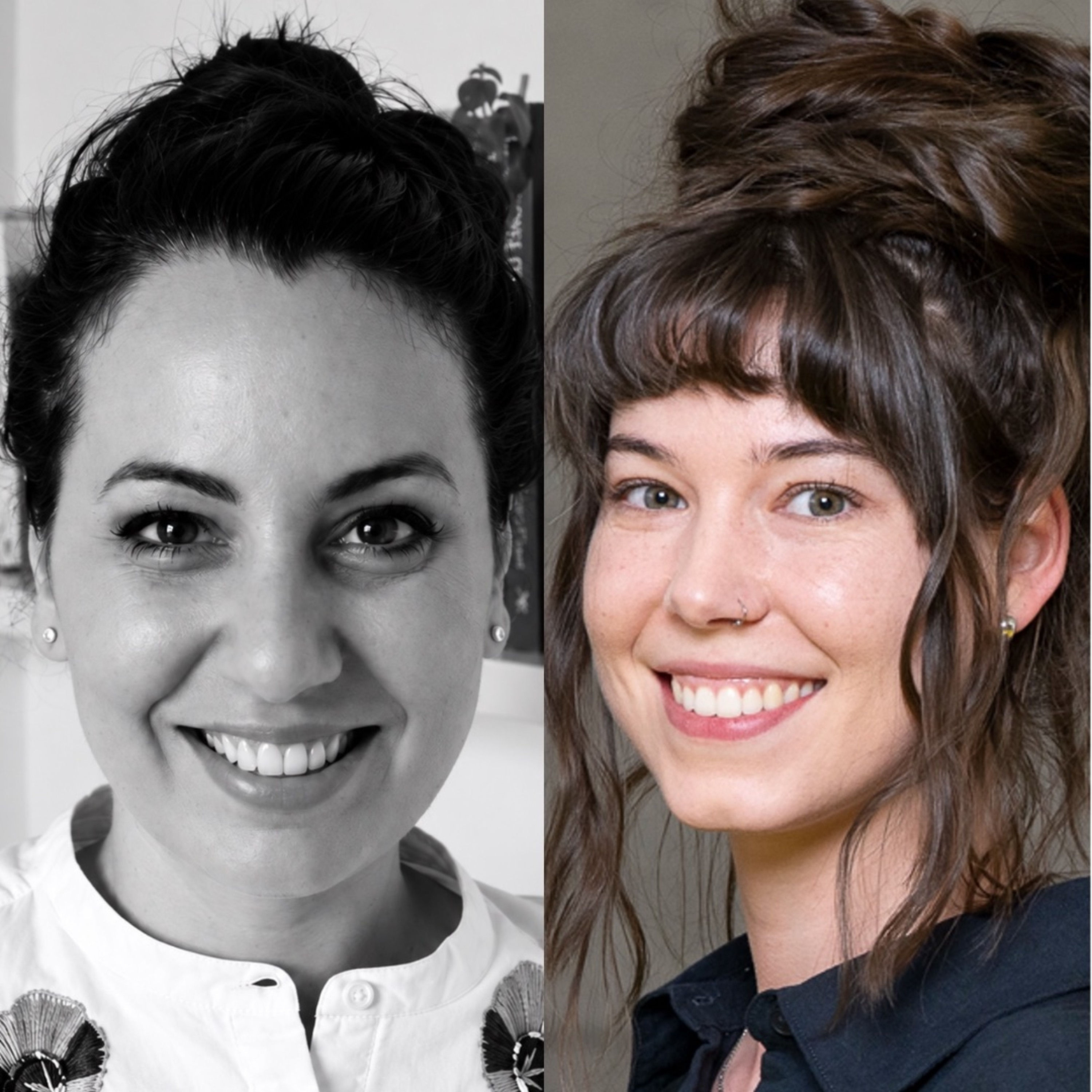
My guests today are Anna Kyriazi and Sophie Stieger, two of the editors behind a new book examining this biological turn.
Anna Kyriazi is an Associate Professor in the Department of Social and Political Sciences at the University of Milan. Sophie Stieger is a Postdoctoral Researcher at the Institute of Education at the University of Zürich. Along with Paola Mattei and Christian Ydesen, they are editors of the new book, The Biological Turn in Education Policy.
--
freshedpodcast.com/Kyriazi-Stieger
--
Get in touch!
LinkedIn: @FreshEdpodcast
Facebook: FreshEd
Email: [email protected]

Love the podcast? Become a member to support FreshEd! freshedpodcast.com/support/#join
--
French high school students have spent weeks blocking their own schools, marching alongside farmers and striking workers, and rallying around a shared cause. What began in mid-September as a protest over empty teaching posts has become something much larger — a reckoning with a century-old promise that French schools have never fully kept, and quite possibly the first political experience for a generation about to vote for the first time.
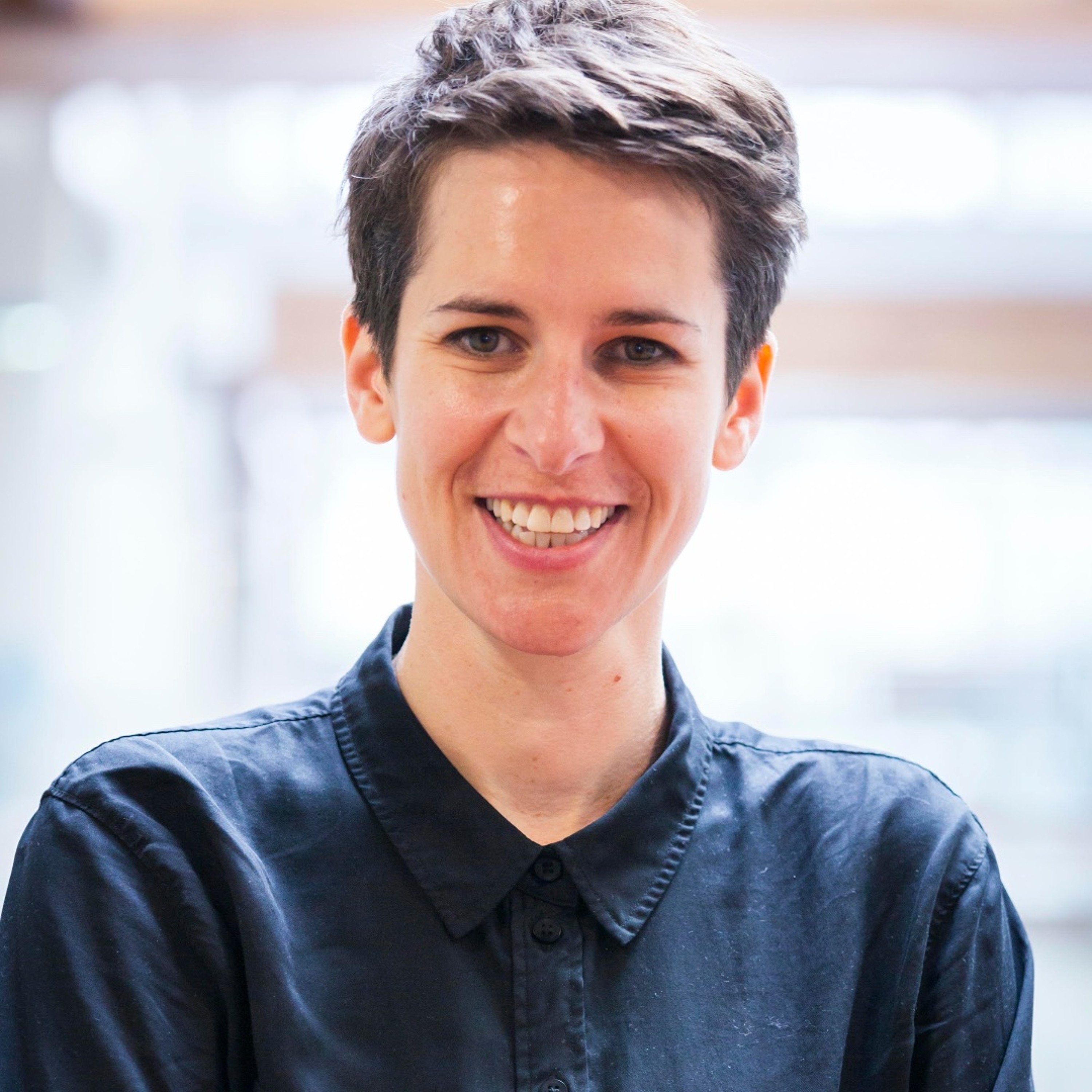
To help unpack this moment, I spoke with Régis Malet on October 29th, who has been watching this movement unfold from Bordeaux.
Régis Malet is Professor of Comparative Education at the University of Bordeaux, Associate Professor at Capital Normal University in Beijing, and teaches at Sciences Po Paris. An Honorary Member of the Academic Institute of France, he chairs the Francophone Association for Comparative Education and edits the journal Éducation Comparée.
--
freshedpodcast.com/malet
--
Get in touch!
LinkedIn: @FreshEdpodcast
Facebook: FreshEd
Email: [email protected]
Love the podcast? Become a member to support FreshEd! freshedpodcast.com/support/#join
--
In the United States, Canada, Australia, and Aotearoa/New Zealand, governments once set aside at least ninety million acres to help fund public schooling, a history that’s almost entirely missing from how we tell the story of public education, and one that can’t be separated from the dispossession of Indigenous peoples. My guest is Tamson Pietsch, who has traced this history through the archive.
Tamson Pietsch is Associate Professor at the University of Technology Sydney. Her new article is “Ninety Million Acres: Public Education and Land Endowments in Australia and the Anglo-Settler World,” published in History of Education Quarterly.
freshedpodcast.com/pietsch
--
Get in touch!
LinkedIn: @FreshEdpodcast
Facebook: FreshEd
Email: [email protected]
Love the podcast? Become a member to support FreshEd! Sign up at freshedpodcast.com/support/#join
--
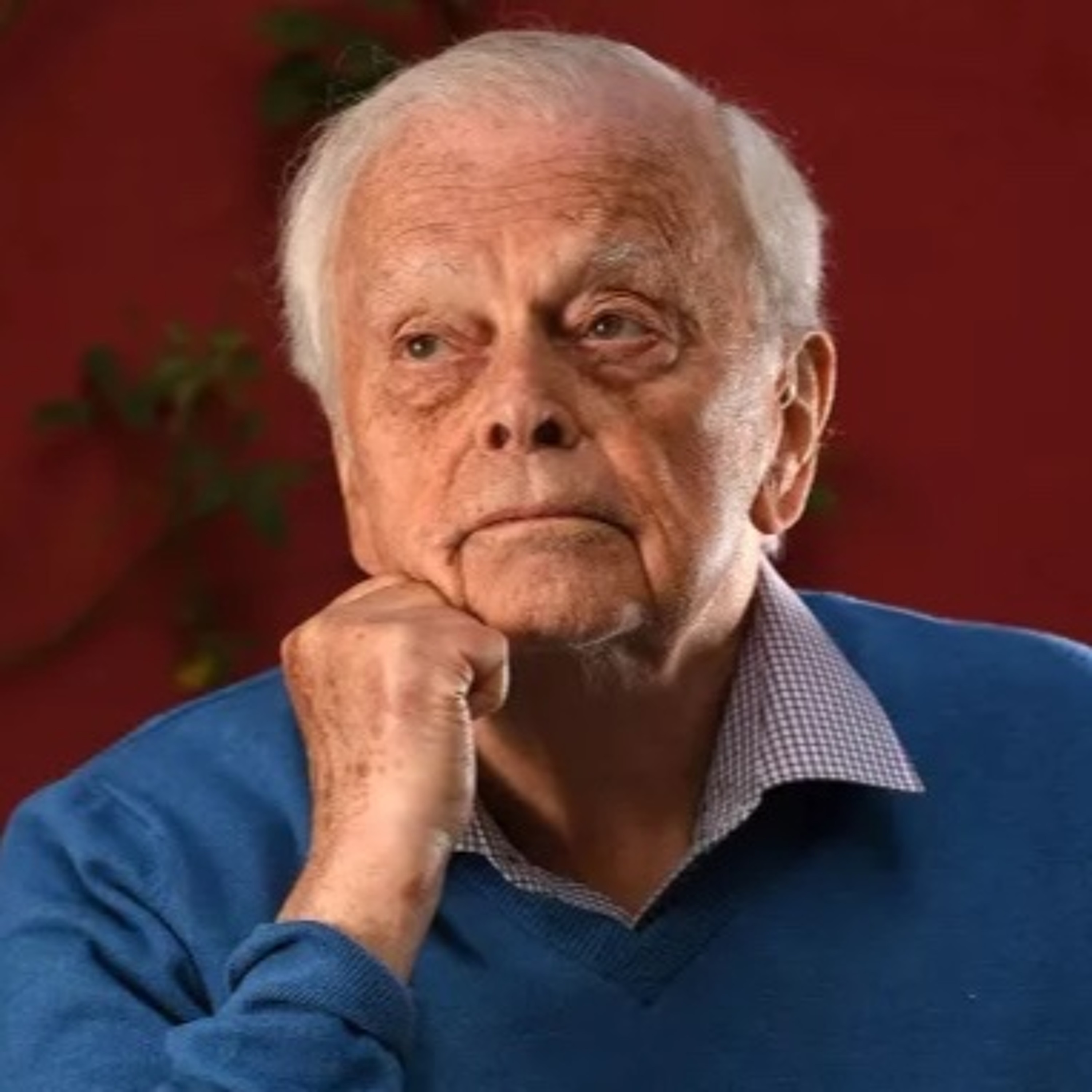
Today we talk about powerful knowledge, a concept that has sparked a major debate about what should be taught in schools. My guest is Michael Young, a professor of Sociology of Curriculum at UCL’s Institute of Education.
Michael’s work in the sociology of education has been criticized by both the Right and the Left. That’s why I wanted to sit down with him to unpack what he even means by powerful knowledge and how it applies to schools. Where did the idea come from? How has his own thinking evolved over his career?
Michael Young has worked at the Institute of Education for over 50 years. A student of Basil Bernstein, he has had a major impact on the field of sociology of education since the publication of his first book, Knowledge and Control, in 1971. Much of our conversation today focuses on his 2008 book, Bringing Knowledge Back in.
www.freshedpodcast.com/michaelyoung/
--
Get in touch!
Twitter: @FreshEdpodcast
Facebook: FreshEd
Email: [email protected]
Support FreshEd: www.freshedpodcast.com/support/

Comments

Download from Google Play

Download from App Store
 United States