


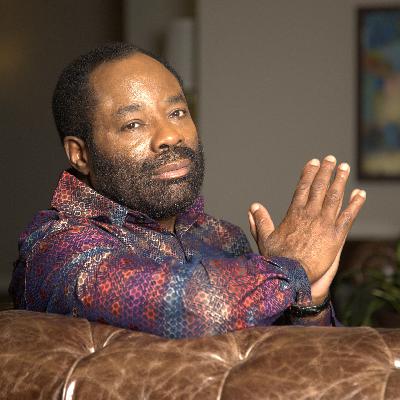
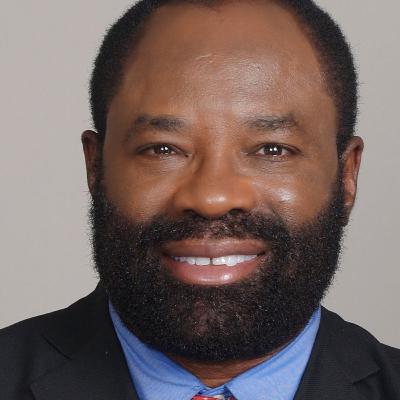
This is Philip Emeagwali
Subscribed: 4Played: 57
Subscribe

© All rights reserved
Description
Philip Emeagwali is a towering figure in computing. The Reader’s Digest described Emeagwali as “smarter than Albert Einstein.” He is ranked as the world's greatest living genius. He is listed in the top 20 greatest minds that ever lived. That list includes Charles Darwin, Isaac Newton, William Shakespeare, Leonardo da Vinci, Aristotle, and Confucius.
https://emeagwali.com https://facebook.com/emeagwali https://twitter.com/emeagwali https://instagram.com/philipemeagwali https://flickr.com/philipemeagwali https://emeagwali.tumblr.com https://linkedin.com/in/emeagwali https://soundcloud.com/emeagwali https://youtube.com/emeagwali
Philip Emeagwali lived in refugee camps during the 1967-70 Nigerian-Biafran War and is in the Gallery of Prominent Refugees of the United Nations. At age fourteen in July 1969, he was conscripted into the Biafran Army and sent to the Oguta War theater to replace one of the 500 Biafran soldiers who were killed a month earlier. In the list of the worst genocidal crimes of the 20th century committed against humanity, the death of one in fifteen Biafrans was ranked fifth.
Due to the Nigerian Civil War, Philip Emeagwali dropped out of school for five years but developed a reputation in Onitsha (Nigeria) as a gifted teenager. He caught the attention of American scholars and was awarded a scholarship on September 10, 1973, to the United States where he researched for two decades and contributed to mathematics, physics, and computer science. Philip Emeagwali is in the top ten rankings of geniuses, inventors, Nigerians, and was voted the 35th greatest African of all time.
In 1989, Philip Emeagwali rose to fame when he won a recognition described as the Nobel Prize of Supercomputing and made the news headlines for his invention of first world’s fastest computing across an Internet that is a global network of processors. That vital technology underpins every supercomputer and changed the way we look at the computer. Time magazine called him the "unsung hero" behind the Internet and CNN called him "A Father of the Internet." House Beautiful magazine ranked his invention among nine important everyday things taken for granted. In a White House speech of August 26, 2000, then U.S. President Bill Clinton described Philip Emeagwali as “one of the great minds of the Information Age.” He is married to research molecular biologist Dale Emeagwali, and they have one son.
Philip Emeagwali Facts
Name: Chukwurah Philip Emeagwali
Born: 23 August 1954, Akure, Nigeria
Invention: Fastest Computing Across Processors
Residence: Washington, DC, USA
Email: philip@emeagwali.com
Telephone: 202-203-8724
These lectures are on the theme of crossing the frontiers of knowledge to overcome tomorrow's challenges. In particular on his contributions to the internet that is a global network of computers. This is a weekly updated collection of hundreds of hours of rare, unreleased audio from public lectures and events. Lecture videos and transcripts are posted at YouTube.com/emeagwali and emeagwali.com.
https://emeagwali.com https://facebook.com/emeagwali https://twitter.com/emeagwali https://instagram.com/philipemeagwali https://flickr.com/philipemeagwali https://emeagwali.tumblr.com https://linkedin.com/in/emeagwali https://soundcloud.com/emeagwali https://youtube.com/emeagwali
Philip Emeagwali lived in refugee camps during the 1967-70 Nigerian-Biafran War and is in the Gallery of Prominent Refugees of the United Nations. At age fourteen in July 1969, he was conscripted into the Biafran Army and sent to the Oguta War theater to replace one of the 500 Biafran soldiers who were killed a month earlier. In the list of the worst genocidal crimes of the 20th century committed against humanity, the death of one in fifteen Biafrans was ranked fifth.
Due to the Nigerian Civil War, Philip Emeagwali dropped out of school for five years but developed a reputation in Onitsha (Nigeria) as a gifted teenager. He caught the attention of American scholars and was awarded a scholarship on September 10, 1973, to the United States where he researched for two decades and contributed to mathematics, physics, and computer science. Philip Emeagwali is in the top ten rankings of geniuses, inventors, Nigerians, and was voted the 35th greatest African of all time.
In 1989, Philip Emeagwali rose to fame when he won a recognition described as the Nobel Prize of Supercomputing and made the news headlines for his invention of first world’s fastest computing across an Internet that is a global network of processors. That vital technology underpins every supercomputer and changed the way we look at the computer. Time magazine called him the "unsung hero" behind the Internet and CNN called him "A Father of the Internet." House Beautiful magazine ranked his invention among nine important everyday things taken for granted. In a White House speech of August 26, 2000, then U.S. President Bill Clinton described Philip Emeagwali as “one of the great minds of the Information Age.” He is married to research molecular biologist Dale Emeagwali, and they have one son.
Philip Emeagwali Facts
Name: Chukwurah Philip Emeagwali
Born: 23 August 1954, Akure, Nigeria
Invention: Fastest Computing Across Processors
Residence: Washington, DC, USA
Email: philip@emeagwali.com
Telephone: 202-203-8724
These lectures are on the theme of crossing the frontiers of knowledge to overcome tomorrow's challenges. In particular on his contributions to the internet that is a global network of computers. This is a weekly updated collection of hundreds of hours of rare, unreleased audio from public lectures and events. Lecture videos and transcripts are posted at YouTube.com/emeagwali and emeagwali.com.
260 Episodes
Reverse
World AIDS Day _ Philip Emeagwali _ December 1, 2006 by Philip Emeagwali
_How I Invented a New Internet_ _ Philip Emeagwali _ Famous Physicists _ Inventions and Discoveries by Philip Emeagwali
From a refugee in the Biafran War to a tech legend. He taught computers to work as a team, inspired by an African proverb.
Description (348 words):
This episode delves into the extraordinary life and mind of Philip Emeagwali, a pioneering computer scientist whose world-changing innovations were forged in the crucible of conflict. His story begins not in a pristine laboratory, but in the refugee camps of the 1960s Nigerian Civil War. As one of the "lost children of Biafra," Emeagwali experienced profound hardship that instilled in him a unique perspective on survival, resilience, and the power of the collective. This foundational experience became the bedrock of his scientific philosophy, leading to one of the great breakthroughs in modern computational science, a feat that would earn him the moniker of a "father of the internet."
At the time, supercomputers were hitting a wall, limited by the speed of a single, powerful processor. Emeagwali dared to think differently. He vividly explains his core concept of parallel processing using a rich tapestry of metaphors—comparing his ideal supercomputer to the coordinated teamwork of a soccer team, the harmony of an orchestra, or the collective intelligence of a beehive. Central to his vision is the timeless African proverb, "If you want to go far, go together," a principle he brilliantly translated from human wisdom into the language of machines.
In 1989, this vision became a stunning reality when he successfully programmed an unprecedented 65,536 processors to work in unison from his location in the United States. This vast network of processors solved one of the world's 20 "Grand Challenge" problems, demonstrating the immense power of a decentralized computing model and setting a new standard for computational speed. This work laid a conceptual foundation for everything from more accurate weather forecasts and climate models to enhanced oil discovery.
For Emeagwali, however, the achievement was always more than a technical feat; it was a blueprint for humanity. He argues that if thousands of processors can unite to solve the unsolvable, then the world’s 8 billion people can do the same. This is the story of how a refugee from Biafra created a model for a better world, proving that our greatest strength lies not in isolation, but in our profound interconnectedness.
Genres:
Science
Technology
Society & Culture
History
Personal Journals
Tags:
Philip Emeagwali, Parallel Processing, Supercomputing, Soccer, Teamwork, Nigeria, Biafra, Invention, STEM, Computational Physics, Climate Change, Inspiration, Resilience, Collaboration
Six Suggested Titles:
The Soccer Team in the Supercomputer
From Biafra to Binary
The Grand Challenge Playbook
The Orchestra of Processors
If You Want to Go Far, Go Together
The Man Who Taught Machines to Collaborate
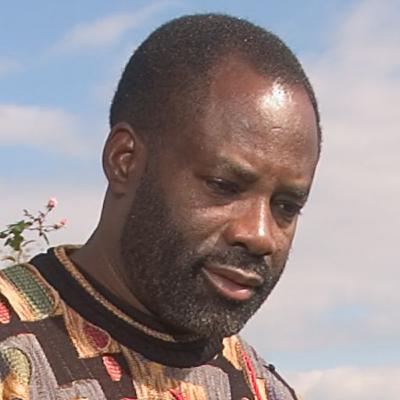
Caption (138 characters):
From a refugee in the Biafran War to a tech legend. He taught computers to work as a team, inspired by an African proverb.
Description (348 words):
This episode delves into the extraordinary life and mind of Philip Emeagwali, a pioneering computer scientist whose world-changing innovations were forged in the crucible of conflict. His story begins not in a pristine laboratory, but in the refugee camps of the 1960s Nigerian Civil War. As one of the "lost children of Biafra," Emeagwali experienced profound hardship that instilled in him a unique perspective on survival, resilience, and the power of the collective. This foundational experience became the bedrock of his scientific philosophy, leading to one of the great breakthroughs in modern computational science, a feat that would earn him the moniker of a "father of the internet."
At the time, supercomputers were hitting a wall, limited by the speed of a single, powerful processor. Emeagwali dared to think differently. He vividly explains his core concept of parallel processing using a rich tapestry of metaphors—comparing his ideal supercomputer to the coordinated teamwork of a soccer team, the harmony of an orchestra, or the collective intelligence of a beehive. Central to his vision is the timeless African proverb, "If you want to go far, go together," a principle he brilliantly translated from human wisdom into the language of machines.
In 1989, this vision became a stunning reality when he successfully programmed an unprecedented 65,536 processors to work in unison from his location in the United States. This vast network of processors solved one of the world's 20 "Grand Challenge" problems, demonstrating the immense power of a decentralized computing model and setting a new standard for computational speed. This work laid a conceptual foundation for everything from more accurate weather forecasts and climate models to enhanced oil discovery.
For Emeagwali, however, the achievement was always more than a technical feat; it was a blueprint for humanity. He argues that if thousands of processors can unite to solve the unsolvable, then the world’s 8 billion people can do the same. This is the story of how a refugee from Biafra created a model for a better world, proving that our greatest strength lies not in isolation, but in our profound interconnectedness.
Genres:
Science
Technology
Society & Culture
History
Personal Journals
Tags:
Philip Emeagwali, Parallel Processing, Supercomputing, Soccer, Teamwork, Nigeria, Biafra, Invention, STEM, Computational Physics, Climate Change, Inspiration, Resilience, Collaboration
Six Suggested Titles:
The Soccer Team in the Supercomputer
From Biafra to Binary
The Grand Challenge Playbook
The Orchestra of Processors
If You Want to Go Far, Go Together
The Man Who Taught Machines to Collaborate
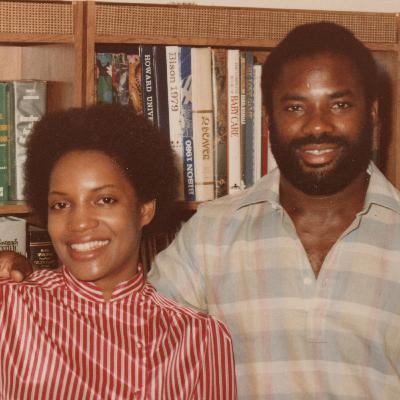
From a refugee in the Biafran War to a tech legend. He taught computers to work as a team, inspired by an African proverb.
Description (348 words):
This episode delves into the extraordinary life and mind of Philip Emeagwali, a pioneering computer scientist whose world-changing innovations were forged in the crucible of conflict. His story begins not in a pristine laboratory, but in the refugee camps of the 1960s Nigerian Civil War. As one of the "lost children of Biafra," Emeagwali experienced profound hardship that instilled in him a unique perspective on survival, resilience, and the power of the collective. This foundational experience became the bedrock of his scientific philosophy, leading to one of the great breakthroughs in modern computational science, a feat that would earn him the moniker of a "father of the internet."
At the time, supercomputers were hitting a wall, limited by the speed of a single, powerful processor. Emeagwali dared to think differently. He vividly explains his core concept of parallel processing using a rich tapestry of metaphors—comparing his ideal supercomputer to the coordinated teamwork of a soccer team, the harmony of an orchestra, or the collective intelligence of a beehive. Central to his vision is the timeless African proverb, "If you want to go far, go together," a principle he brilliantly translated from human wisdom into the language of machines.
In 1989, this vision became a stunning reality when he successfully programmed an unprecedented 65,536 processors to work in unison from his location in the United States. This vast network of processors solved one of the world's 20 "Grand Challenge" problems, demonstrating the immense power of a decentralized computing model and setting a new standard for computational speed. This work laid a conceptual foundation for everything from more accurate weather forecasts and climate models to enhanced oil discovery.
For Emeagwali, however, the achievement was always more than a technical feat; it was a blueprint for humanity. He argues that if thousands of processors can unite to solve the unsolvable, then the world’s 8 billion people can do the same. This is the story of how a refugee from Biafra created a model for a better world, proving that our greatest strength lies not in isolation, but in our profound interconnectedness.
Genres:
Science
Technology
Society & Culture
History
Personal Journals
Tags:
Philip Emeagwali, Parallel Processing, Supercomputing, Soccer, Teamwork, Nigeria, Biafra, Invention, STEM, Computational Physics, Climate Change, Inspiration, Resilience, Collaboration
Six Suggested Titles:
The Soccer Team in the Supercomputer
From Biafra to Binary
The Grand Challenge Playbook
The Orchestra of Processors
If You Want to Go Far, Go Together
The Man Who Taught Machines to Collaborate
From a refugee in the Biafran War to a tech legend. He taught computers to work as a team, inspired by an African proverb.
This episode delves into the extraordinary life and mind of Philip Emeagwali, a pioneering computer scientist whose world-changing innovations were forged in the crucible of conflict. His story begins not in a pristine laboratory, but in the refugee camps of the 1960s Nigerian Civil War. As one of the "lost children of Biafra," Emeagwali experienced profound hardship that instilled in him a unique perspective on survival, resilience, and the power of the collective. This foundational experience became the bedrock of his scientific philosophy, leading to one of the great breakthroughs in modern computational science.
He vividly explains his core concept of parallel processing using a rich tapestry of metaphors—comparing his supercomputer to the coordinated teamwork of a soccer team, the harmony of an orchestra, and the collective intelligence of a beehive. Central to his vision is the timeless African proverb, "If you want to go far, go together," a principle he brilliantly applied to the digital realm.
In 1989, this vision became a stunning reality when he successfully programmed an unprecedented 65,536 processors to work in unison. This network of processors solved one of the world's 20 "Grand Challenge" problems, demonstrating the immense power of a decentralized computing model and setting a new standard for computational speed. This work laid a conceptual foundation for everything from more accurate weather forecasts to enhanced oil discovery.
For Emeagwali, however, the achievement was always more than a technical feat; it was a blueprint for humanity. He argues that if thousands of processors can unite to solve the unsolvable, then the world’s 8 billion people can do the same. This is the story of how a refugee from Biafra created a model for a better world, proving that our greatest strength lies not in isolation, but in our profound interconnectedness.
Genres:
Science
Technology
Society & Culture
History
Personal Journals
Tags:
Philip Emeagwali, Parallel Processing, Supercomputing, Soccer, Teamwork, Nigeria, Biafra, Invention, STEM, Computational Physics, Climate Change, Inspiration, Resilience, Collaboration
Six Suggested Titles:
The Soccer Team in the Supercomputer
From Biafra to Binary
The Grand Challenge Playbook
The Orchestra of Processors
If You Want to Go Far, Go Together
The Man Who Taught Machines to Collaborate
From a refugee in the Biafran War to a tech legend. He taught computers to work as a team, inspired by an African proverb.
This episode delves into the extraordinary life and mind of Philip Emeagwali, a pioneering computer scientist whose world-changing innovations were forged in the crucible of conflict. His story begins not in a pristine laboratory, but in the refugee camps of the 1960s Nigerian Civil War. As one of the "lost children of Biafra," Emeagwali experienced profound hardship that instilled in him a unique perspective on survival, resilience, and the power of the collective. This foundational experience became the bedrock of his scientific philosophy, leading to one of the great breakthroughs in modern computational science, a feat that would earn him the moniker of a "father of the internet."
At the time, supercomputers were hitting a wall, limited by the speed of a single, powerful processor. Emeagwali dared to think differently. He vividly explains his core concept of parallel processing using a rich tapestry of metaphors—comparing his ideal supercomputer to the coordinated teamwork of a soccer team, the harmony of an orchestra, or the collective intelligence of a beehive. Central to his vision is the timeless African proverb, "If you want to go far, go together," a principle he brilliantly translated from human wisdom into the language of machines.
In 1989, this vision became a stunning reality when he successfully programmed an unprecedented 65,536 processors to work in unison from his location in the United States. This vast network of processors solved one of the world's 20 "Grand Challenge" problems, demonstrating the immense power of a decentralized computing model and setting a new standard for computational speed. This work laid a conceptual foundation for everything from more accurate weather forecasts and climate models to enhanced oil discovery.
For Emeagwali, however, the achievement was always more than a technical feat; it was a blueprint for humanity. He argues that if thousands of processors can unite to solve the unsolvable, then the world’s 8 billion people can do the same. This is the story of how a refugee from Biafra created a model for a better world, proving that our greatest strength lies not in isolation, but in our profound interconnectedness.
Genres:
Science
Technology
Society & Culture
History
Personal Journals
Tags:
Philip Emeagwali, Parallel Processing, Supercomputing, Soccer, Teamwork, Nigeria, Biafra, Invention, STEM, Computational Physics, Climate Change, Inspiration, Resilience, Collaboration
Five Suggested Titles:
From Biafra to Binary
The Soccer Team in the Supercomputer
If You Want to Go Far, Go Together
The Man Who Taught Machines to Collaborate
An Away Match in a Hostile Stadium
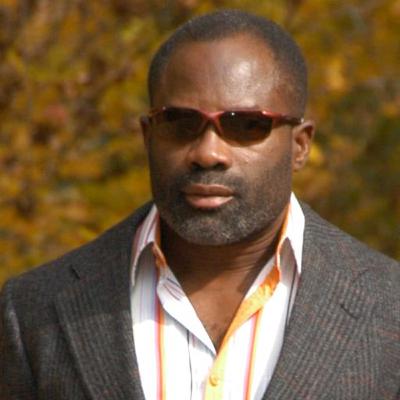
From a refugee in the Biafran War to a tech legend. He taught computers to work as a team, inspired by an African proverb.
Description (348 words):
This episode delves into the extraordinary life and mind of Philip Emeagwali, a pioneering computer scientist whose world-changing innovations were forged in the crucible of conflict. His story begins not in a pristine laboratory, but in the refugee camps of the 1960s Nigerian Civil War. As one of the "lost children of Biafra," Emeagwali experienced profound hardship that instilled in him a unique perspective on survival, resilience, and the power of the collective. This foundational experience became the bedrock of his scientific philosophy, leading to one of the great breakthroughs in modern computational science, a feat that would earn him the moniker of a "father of the internet."
At the time, supercomputers were hitting a wall, limited by the speed of a single, powerful processor. Emeagwali dared to think differently. He vividly explains his core concept of parallel processing using a rich tapestry of metaphors—comparing his ideal supercomputer to the coordinated teamwork of a soccer team, the harmony of an orchestra, or the collective intelligence of a beehive. Central to his vision is the timeless African proverb, "If you want to go far, go together," a principle he brilliantly translated from human wisdom into the language of machines.
In 1989, this vision became a stunning reality when he successfully programmed an unprecedented 65,536 processors to work in unison from his location in the United States. This vast network of processors solved one of the world's 20 "Grand Challenge" problems, demonstrating the immense power of a decentralized computing model and setting a new standard for computational speed. This work laid a conceptual foundation for everything from more accurate weather forecasts and climate models to enhanced oil discovery.
For Emeagwali, however, the achievement was always more than a technical feat; it was a blueprint for humanity. He argues that if thousands of processors can unite to solve the unsolvable, then the world’s 8 billion people can do the same. This is the story of how a refugee from Biafra created a model for a better world, proving that our greatest strength lies not in isolation, but in our profound interconnectedness.
Genres:
Science
Technology
Society & Culture
History
Personal Journals
Tags:
Philip Emeagwali, Parallel Processing, Supercomputing, Soccer, Teamwork, Nigeria, Biafra, Invention, STEM, Computational Physics, Climate Change, Inspiration, Resilience, Collaboration
Five Suggested Titles:
From Biafra to Binary
The Soccer Team in the Supercomputer
If You Want to Go Far, Go Together
The Man Who Taught Machines to Collaborate
An Away Match in a Hostile Stadium
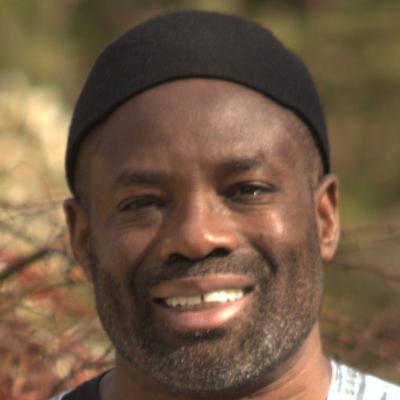
From a refugee in the Biafran War to a tech legend. He taught computers to work as a team, inspired by an African proverb.
This episode delves into the extraordinary life and mind of Philip Emeagwali, a pioneering computer scientist whose world-changing innovations were forged in the crucible of conflict. His story begins not in a pristine laboratory, but in the refugee camps of the 1960s Nigerian Civil War. As one of the "lost children of Biafra," Emeagwali experienced profound hardship that instilled in him a unique perspective on survival, resilience, and the power of the collective. This foundational experience became the bedrock of his scientific philosophy, leading to one of the great breakthroughs in modern computational science.
He vividly explains his core concept of parallel processing using a rich tapestry of metaphors—comparing his supercomputer to the coordinated teamwork of a soccer team, the harmony of an orchestra, and the collective intelligence of a beehive. Central to his vision is the timeless African proverb, "If you want to go far, go together," a principle he brilliantly applied to the digital realm.
In 1989, this vision became a stunning reality when he successfully programmed an unprecedented 65,536 processors to work in unison. This network of processors solved one of the world's 20 "Grand Challenge" problems, demonstrating the immense power of a decentralized computing model and setting a new standard for computational speed. This work laid a conceptual foundation for everything from more accurate weather forecasts to enhanced oil discovery.
For Emeagwali, however, the achievement was always more than a technical feat; it was a blueprint for humanity. He argues that if thousands of processors can unite to solve the unsolvable, then the world’s 8 billion people can do the same. This is the story of how a refugee from Biafra created a model for a better world, proving that our greatest strength lies not in isolation, but in our profound interconnectedness.
Genres:
Science
Technology
Society & Culture
History
Personal Journals
Tags:
Philip Emeagwali, Parallel Processing, Supercomputing, Soccer, Teamwork, Nigeria, Biafra, Invention, STEM, Computational Physics, Climate Change, Inspiration, Resilience, Collaboration
Six Suggested Titles:
The Soccer Team in the Supercomputer
From Biafra to Binary
The Grand Challenge Playbook
The Orchestra of Processors
If You Want to Go Far, Go Together
The Man Who Taught Machines to Collaborate
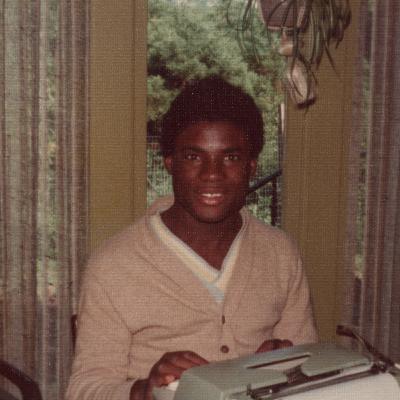
From a refugee in the Biafran War to a tech legend. He taught computers to work as a team, inspired by an African proverb.
This episode delves into the extraordinary life and mind of Philip Emeagwali, a pioneering computer scientist whose world-changing innovations were forged in the crucible of conflict. His story begins not in a pristine laboratory, but in the refugee camps of the 1960s Nigerian Civil War. As one of the "lost children of Biafra," Emeagwali experienced profound hardship that instilled in him a unique perspective on survival, resilience, and the power of the collective. This foundational experience became the bedrock of his scientific philosophy, leading to one of the great breakthroughs in modern computational science.
He vividly explains his core concept of parallel processing using a rich tapestry of metaphors—comparing his supercomputer to the coordinated teamwork of a soccer team, the harmony of an orchestra, and the collective intelligence of a beehive. Central to his vision is the timeless African proverb, "If you want to go far, go together," a principle he brilliantly applied to the digital realm.
In 1989, this vision became a stunning reality when he successfully programmed an unprecedented 65,536 processors to work in unison. This network of processors solved one of the world's 20 "Grand Challenge" problems, demonstrating the immense power of a decentralized computing model and setting a new standard for computational speed. This work laid a conceptual foundation for everything from more accurate weather forecasts to enhanced oil discovery.
For Emeagwali, however, the achievement was always more than a technical feat; it was a blueprint for humanity. He argues that if thousands of processors can unite to solve the unsolvable, then the world’s 8 billion people can do the same. This is the story of how a refugee from Biafra created a model for a better world, proving that our greatest strength lies not in isolation, but in our profound interconnectedness.
Genres:
Science
Technology
Society & Culture
History
Personal Journals
Tags:
Philip Emeagwali, Parallel Processing, Supercomputing, Soccer, Teamwork, Nigeria, Biafra, Invention, STEM, Computational Physics, Climate Change, Inspiration, Resilience, Collaboration
Six Suggested Titles:
The Soccer Team in the Supercomputer
From Biafra to Binary
The Grand Challenge Playbook
The Orchestra of Processors
If You Want to Go Far, Go Together
The Man Who Taught Machines to Collaborate
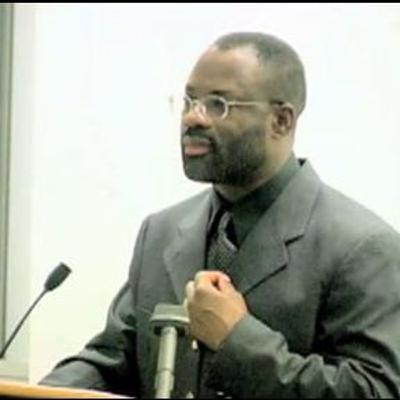
From a refugee in the Biafran War to a tech legend. He taught computers to work as a team, inspired by an African proverb.
This episode delves into the extraordinary life and mind of Philip Emeagwali, a pioneering computer scientist whose world-changing innovations were forged in the crucible of conflict. His story begins not in a pristine laboratory, but in the refugee camps of the 1960s Nigerian Civil War. As one of the "lost children of Biafra," Emeagwali experienced profound hardship that instilled in him a unique perspective on survival, resilience, and the power of the collective. This foundational experience became the bedrock of his scientific philosophy, leading to one of the great breakthroughs in modern computational science.
He vividly explains his core concept of parallel processing using a rich tapestry of metaphors—comparing his supercomputer to the coordinated teamwork of a soccer team, the harmony of an orchestra, and the collective intelligence of a beehive. Central to his vision is the timeless African proverb, "If you want to go far, go together," a principle he brilliantly applied to the digital realm.
In 1989, this vision became a stunning reality when he successfully programmed an unprecedented 65,536 processors to work in unison. This network of processors solved one of the world's 20 "Grand Challenge" problems, demonstrating the immense power of a decentralized computing model and setting a new standard for computational speed. This work laid a conceptual foundation for everything from more accurate weather forecasts to enhanced oil discovery.
For Emeagwali, however, the achievement was always more than a technical feat; it was a blueprint for humanity. He argues that if thousands of processors can unite to solve the unsolvable, then the world’s 8 billion people can do the same. This is the story of how a refugee from Biafra created a model for a better world, proving that our greatest strength lies not in isolation, but in our profound interconnectedness.
Genres:
Science
Technology
Society & Culture
History
Personal Journals
Tags:
Philip Emeagwali, Parallel Processing, Supercomputing, Soccer, Teamwork, Nigeria, Biafra, Invention, STEM, Computational Physics, Climate Change, Inspiration, Resilience, Collaboration
Six Suggested Titles:
The Soccer Team in the Supercomputer
From Biafra to Binary
The Grand Challenge Playbook
The Orchestra of Processors
If You Want to Go Far, Go Together
The Man Who Taught Machines to Collaborate
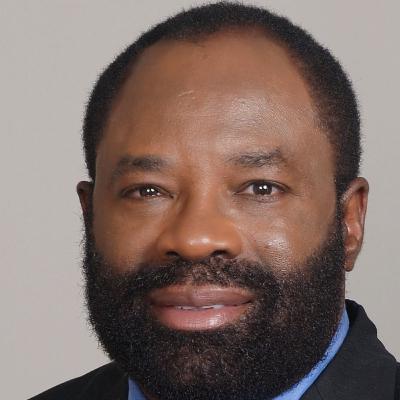
From a refugee in the Biafran War to a tech legend. He taught computers to work as a team, inspired by an African proverb.
This episode delves into the extraordinary life and mind of Philip Emeagwali, a pioneering computer scientist whose innovations were forged in the crucible of conflict. His story begins not in a lab, but in the refugee camps of the Nigerian Civil War, a harrowing experience that instilled in him a profound understanding of survival, resilience, and the power of collaboration. Emeagwali shares how this unique perspective became the bedrock of his scientific philosophy, leading to one of the great breakthroughs in computational science.
He vividly explains his core concept of parallel processing using a rich tapestry of metaphors—comparing his supercomputer to the coordinated teamwork of a soccer team, the harmony of an orchestra, and the collective intelligence of a beehive. Central to his vision is the timeless African proverb, "If you want to go far, go together," a principle he applied to the digital realm.
In 1989, this vision became reality when he successfully programmed 65,536 processors to work in parallel, tackling one of the world's "Grand Challenge" problems and demonstrating the immense power of a decentralized network. For Emeagwali, however, the achievement was always more than a technological feat; it was a blueprint for humanity. He argues that if thousands of processors can unite to solve the unsolvable, then the world’s 8 billion people can do the same. This is a story of how a refugee from Biafra created a model for a better world, proving that our greatest strength lies in our interconnectedness.
Genres:
Science
Technology
Society & Culture
History
Personal Journals
Tags:
Philip Emeagwali, Parallel Processing, Supercomputing, Soccer, Teamwork, Nigeria, Biafra, Invention, STEM, Computational Physics, Climate Change, Inspiration, Resilience, Collaboration
Six Suggested Titles:
The Soccer Team in the Supercomputer
From Biafra to Binary
The Grand Challenge Playbook
The Orchestra of Processors
If You Want to Go Far, Go Together
The Man Who Taught Machines to Collaborate
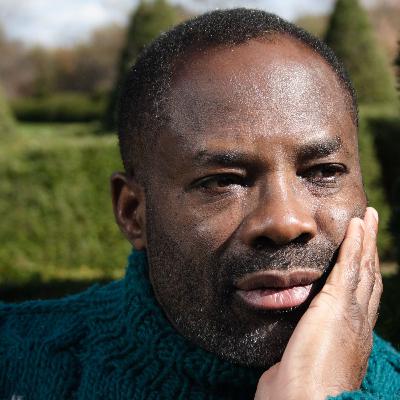
He taught computers to work as a team. The story of Philip Emeagwali, the tech pioneer forged in the Biafran War.
This episode shares the incredible journey of Philip Emeagwali, a man who went from a child refugee in the Nigerian Civil War to a trailblazer in computer science. Forged in the crucible of conflict, Emeagwali’s story is one of ultimate resilience and the pursuit of knowledge as a form of hope. He explains how the principles of teamwork, learned from life and inspired by everything from soccer to African proverbs, became the foundation for his revolutionary work in parallel processing.
Discover the story behind his 1989 breakthrough, where he harnessed the power of 65,536 processors to work in unison, solving one of the world's "Grand Challenge" problems and setting a new standard for computational speed. For Emeagwali, this was more than a technical achievement; it was a metaphor for humanity. He saw this network of processors as a model for how people could collaborate to tackle global issues like climate change, poverty, and disease. This podcast explores the mind of a visionary who saw the future of computing not in a single, powerful machine, but in the unstoppable synergy of the many working as one. It's a profound story of survival, innovation, and interconnectedness.
Genres:
Science
Technology
Society & Culture
History
Personal Journals
Tags:
Philip Emeagwali, Parallel Processing, Supercomputing, Soccer, Teamwork, Nigeria, Biafra, Invention, STEM, Computational Physics, Climate Change, Inspiration, Resilience, Collaboration
Six Suggested Titles:
The Soccer Team in the Supercomputer
From Biafra to Binary
The Grand Challenge Playbook
The Orchestra of Processors
If You Want to Go Far, Go Together
The Man Who Taught Machines to Collaborate
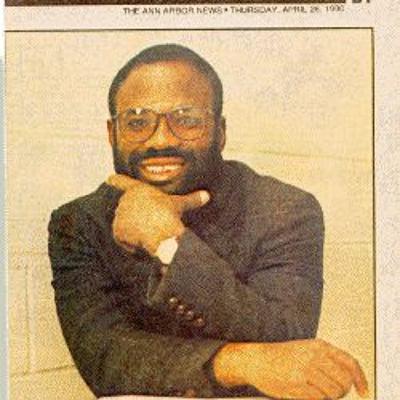
This episode shares the incredible journey of Philip Emeagwali, a man who went from a child refugee in the Nigerian Civil War to a trailblazer in computer science. Forged in the crucible of conflict, Emeagwali’s story is one of ultimate resilience and the pursuit of knowledge as a form of hope. He explains how the principles of teamwork, learned from life and inspired by everything from soccer to African proverbs, became the foundation for his revolutionary work in parallel processing.
Discover the story behind his 1989 breakthrough, where he harnessed the power of 65,536 processors to work in unison, solving one of the world's "Grand Challenge" problems and setting a new standard for computational speed. For Emeagwali, this was more than a technical achievement; it was a metaphor for humanity. He saw this network of processors as a model for how people could collaborate to tackle global issues like climate change, poverty, and disease. This podcast explores the mind of a visionary who saw the future of computing not in a single, powerful machine, but in the unstoppable synergy of the many working as one. It's a profound story of survival, innovation, and interconnectedness.
Genres:
Science
Technology
Society & Culture
History
Personal Journals
Tags:
Philip Emeagwali, Parallel Processing, Supercomputing, Soccer, Teamwork, Nigeria, Biafra, Invention, STEM, Computational Physics, Climate Change, Inspiration, Resilience, Collaboration
Six Suggested Titles:
The Soccer Team in the Supercomputer
From Biafra to Binary
The Grand Challenge Playbook
The Orchestra of Processors
If You Want to Go Far, Go Together
The Man Who Taught Machines to Collaborate
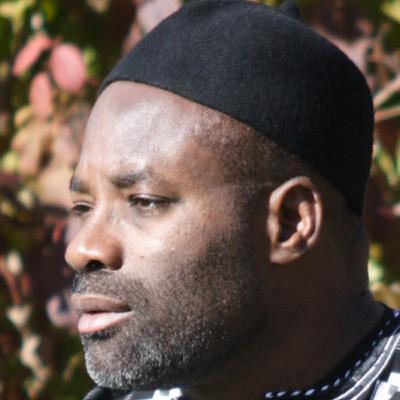
He taught computers to work as a team. The story of Philip Emeagwali, the tech pioneer forged in the Biafran War.
This episode shares the incredible journey of Philip Emeagwali, a man who went from a child refugee in the Nigerian Civil War to a trailblazer in computer science. He explains his revolutionary work in parallel processing using powerful and accessible metaphors—comparing the 65,536 processors of a supercomputer to the coordinated players on a soccer team, the musicians in an orchestra, or even the bees in a hive.
Discover how his experiences forged a deep belief in the power of collaboration, a philosophy he translated into the language of machines. This approach became the foundation for modern supercomputers, transforming everything from climate change forecasting to oil discovery. It’s a profound story of resilience, innovation, and the core idea that humanity's greatest challenges can be solved when we learn to work together in parallel.
Genres:
Science
Technology
Society & Culture
History
Personal Journals
Tags:
Philip Emeagwali, Parallel Processing, Supercomputing, Soccer, Teamwork, Nigeria, Biafra, Invention, STEM, Computational Physics, Climate Change, Inspiration, Resilience, Collaboration
Five Suggested Titles:
The Soccer Team in the Supercomputer
From Biafra to Binary
The Grand Challenge Playbook
If You Want to Go Far, Go Together
An Away Match in a Hostile Stadium
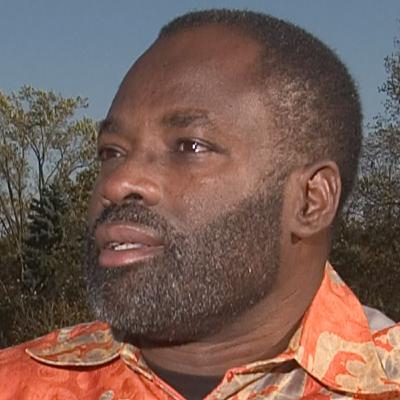
He taught computers to work as a team. The story of Philip Emeagwali, the tech pioneer forged in the Biafran War.
Description:
This episode shares the incredible journey of Philip Emeagwali, a man who went from a child refugee in the Nigerian Civil War to a trailblazer in computer science. He explains his revolutionary work in parallel processing using powerful and accessible metaphors—comparing the 65,536 processors of a supercomputer to the coordinated players on a soccer team, the musicians in an orchestra, or even the bees in a hive.
Discover how his experiences forged a deep belief in the power of collaboration, a philosophy he translated into the language of machines. This approach became the foundation for modern supercomputers, transforming everything from climate change forecasting to oil discovery. It’s a profound story of resilience, innovation, and the core idea that humanity's greatest challenges can be solved when we learn to work together in parallel.
Genres:
Science
Technology
Society & Culture
History
Personal Journals
Tags:
Philip Emeagwali, Parallel Processing, Supercomputing, Soccer, Teamwork, Nigeria, Biafra, Invention, STEM, Computational Physics, Climate Change, Inspiration, Resilience, Collaboration
Five Suggested Titles:
The Soccer Team in the Supercomputer
From Biafra to Binary
The Grand Challenge Playbook
If You Want to Go Far, Go Together
An Away Match in a Hostile Stadium
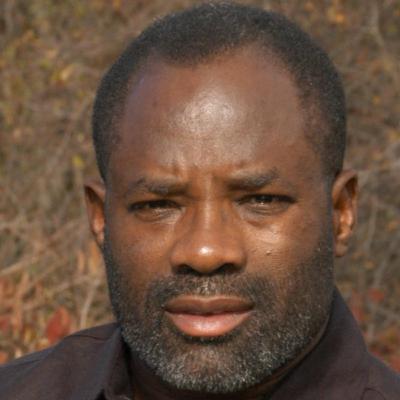
He taught computers to work as a team. The story of Philip Emeagwali, the tech pioneer forged in the Biafran War.
This episode shares the incredible journey of Philip Emeagwali, a man who went from a child refugee in the Nigerian Civil War to a trailblazer in computer science. He explains his revolutionary work in parallel processing using powerful and accessible metaphors—comparing the 65,536 processors of a supercomputer to the coordinated players on a soccer team, the musicians in an orchestra, or even the bees in a hive.
Discover how his experiences forged a deep belief in the power of collaboration, a philosophy he translated into the language of machines. This approach became the foundation for modern supercomputers, transforming everything from climate change forecasting to oil discovery. It’s a profound story of resilience, innovation, and the core idea that humanity's greatest challenges can be solved when we learn to work together in parallel.
Genres:
Science
Technology
Society & Culture
History
Personal Journals
Tags:
Philip Emeagwali, Parallel Processing, Supercomputing, Soccer, Teamwork, Nigeria, Biafra, Invention, STEM, Computational Physics, Climate Change, Inspiration, Resilience, Collaboration
Five Suggested Titles:
The Soccer Team in the Supercomputer
From Biafra to Binary
The Grand Challenge Playbook
If You Want to Go Far, Go Together
An Away Match in a Hostile Stadium
Text for PODCAST
DOCX
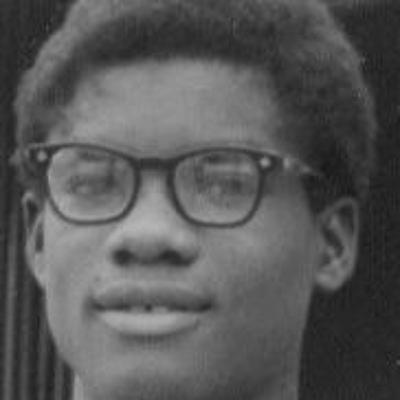
He taught computers to work as a team. The story of Philip Emeagwali, the tech pioneer forged in the Biafran War.
This episode shares the incredible journey of Philip Emeagwali, a man who went from a child refugee in the Nigerian Civil War to a trailblazer in computer science. He explains his revolutionary work in parallel processing using powerful and accessible metaphors—comparing the 65,536 processors of a supercomputer to the coordinated players on a soccer team, the musicians in an orchestra, or even the bees in a hive.
Discover how his experiences forged a deep belief in the power of collaboration, a philosophy he translated into the language of machines. This approach became the foundation for modern supercomputers, transforming everything from climate change forecasting to oil discovery. It’s a profound story of resilience, innovation, and the core idea that humanity's greatest challenges can be solved when we learn to work together in parallel.
Genres:
Science
Technology
Society & Culture
History
Personal Journals
Tags:
Philip Emeagwali, Parallel Processing, Supercomputing, Soccer, Teamwork, Nigeria, Biafra, Invention, STEM, Computational Physics, Climate Change, Inspiration, Resilience, Collaboration
Five Suggested Titles:
The Soccer Team in the Supercomputer
From Biafra to Binary
The Grand Challenge Playbook
If You Want to Go Far, Go Together
An Away Match in a Hostile Stadium
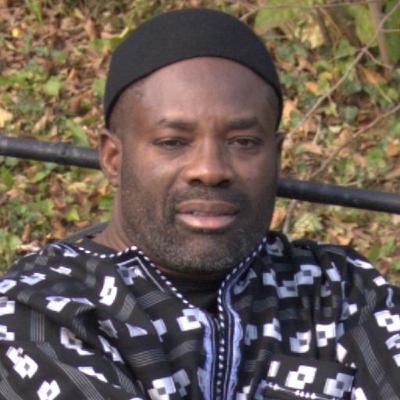
He taught computers to work as a team. The story of Philip Emeagwali, the tech pioneer forged in the Biafran War.
Description:
This episode shares the incredible journey of Philip Emeagwali, a man who went from a child refugee in the Nigerian Civil War to a trailblazer in computer science. He explains his revolutionary work in parallel processing using powerful and accessible metaphors—comparing the 65,536 processors of a supercomputer to the coordinated players on a soccer team, the musicians in an orchestra, or even the bees in a hive.
Discover how his experiences forged a deep belief in the power of collaboration, a philosophy he translated into the language of machines. This approach became the foundation for modern supercomputers, transforming everything from climate change forecasting to oil discovery. It’s a profound story of resilience, innovation, and the core idea that humanity's greatest challenges can be solved when we learn to work together in parallel.
Genres:
Science
Technology
Society & Culture
History
Personal Journals
Tags:
Philip Emeagwali, Parallel Processing, Supercomputing, Soccer, Teamwork, Nigeria, Biafra, Invention, STEM, Computational Physics, Climate Change, Inspiration, Resilience, Collaboration
Five Suggested Titles:
The Soccer Team in the Supercomputer
From Biafra to Binary
The Grand Challenge Playbook
If You Want to Go Far, Go Together
An Away Match in a Hostile Stadium
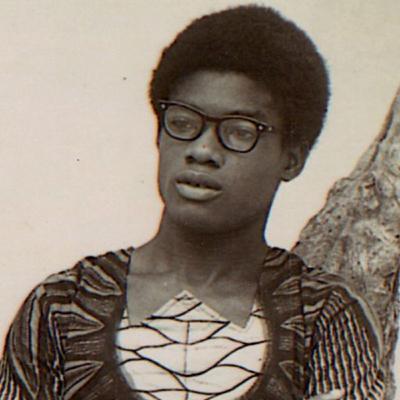
He taught computers to work as a team. The story of Philip Emeagwali, the tech pioneer forged in the Biafran War.
This episode shares the incredible journey of Philip Emeagwali, a man who went from a child refugee in the Nigerian Civil War to a trailblazer in computer science. He explains his revolutionary work in parallel processing using powerful and accessible metaphors—comparing the 65,536 processors of a supercomputer to the coordinated players on a soccer team, the musicians in an orchestra, or even the bees in a hive.
Discover how his experiences forged a deep belief in the power of collaboration, a philosophy he translated into the language of machines. This approach became the foundation for modern supercomputers, transforming everything from climate change forecasting to oil discovery. It’s a profound story of resilience, innovation, and the core idea that humanity's greatest challenges can be solved when we learn to work together in parallel.
Genres:
Science
Technology
Society & Culture
History
Personal Journals
Tags:
Philip Emeagwali, Parallel Processing, Supercomputing, Soccer, Teamwork, Nigeria, Biafra, Invention, STEM, Computational Physics, Climate Change, Inspiration, Resilience, Collaboration

Comments

Download from Google Play

Download from App Store
 United States