


 Claim Ownership
Critical Readings
Subscribed: 53Played: 2,074
Subscribe

© S. P. Cooper and CriticalReadings.com
Description
Critical Readings examines key literary texts using close reading and critical analysis, and explains these approaches in discussion. Listeners will learn about the texts themselves and about how to approach a text for critical analysis.
311 Episodes
Reverse
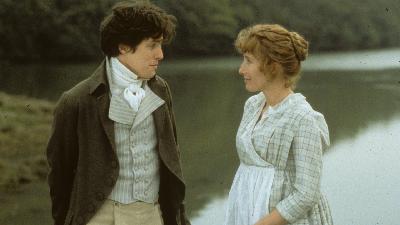
The panel discusses chapters 18–29, with a omparison of the relationship of Elinore and Edward versus that of Marianne and Willoughby, a discussion of the role of leisure or industry in happiness, and a consideration of the failures of civility on show.Continue reading
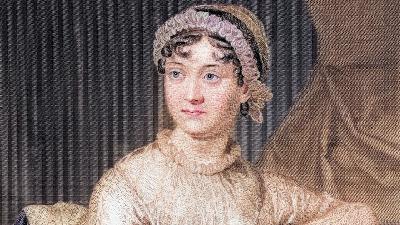
The panel discusses the first seventeen chapters of Sense and Sensibility, with special attention given to contemporary inheritance law, the character faults of the Dashwoods, and the opposition between Elinore's 'sense' and her family's 'sensibility'.Continue reading

The panel discusses Dr. Johnson's imitation of the tenth satire of Juvenal, with its message of caution about advanced age and the temptations of academic life, with special attention given to the difference lying between imitation and translation.Continue reading

The panel discusses the closing chapters—the battles against Smaug and between the five armies, and the journey home—with special attention to the influence of great wealth, the difference between leaders amongst the Lake-men, and Bilbo's significance.Continue reading
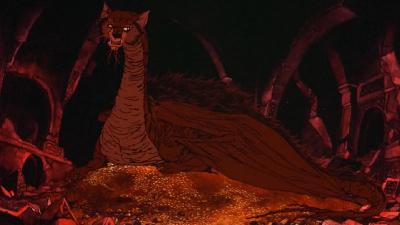
The panel discusses the party's arrival in and departure from Lake-Town, and their arrival at and infiltration of the Lonely Mountain, with special attention to the contrast between rationalism and romanticism, particularly in the Master of Lake-Town.Continue reading
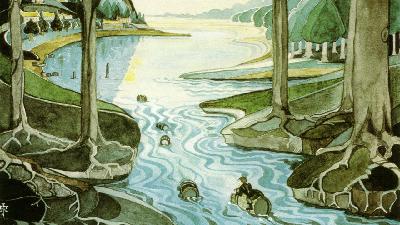
The panel reads chapters 8 and 9, with special attention to the episodic structure of the narrative, the maturation of Bilbo and his rising stature amongst the dwarves, the role of hunger and darkness in creating tension, and the timeframe of events.Continue reading
The panel discusses chapters 5–7, with examination of Tolkien's sources and the chronology of its composition, discussion about the different phases of the story's development, and a conversation about the chapter structure and roles of different races.Continue reading
The panel discusses the first four chapters of The Hobbit with special attention to the development of the story as a text, its features connecting it to the genres of fairy tales and bedtime stories, and its careful use of narrative foreshadowing.Continue reading
The panel closes out Romeo and Juliet, and the year 2025, with a discussion of Friar Laurence's cowardly culpability, Romeo's impassioned importunity, Juliet's happy dagger, Paris' finest hour, and Shakespeare's interest in people of all walks of life.Continue reading
The panel discusses the fourth act, with attention to the self-serving plan of Friar Laurence, who imperils the two lovers by avoiding more rational courses of action in favour of one which helps him avoid scrutiny for his role in their relationship.Continue reading
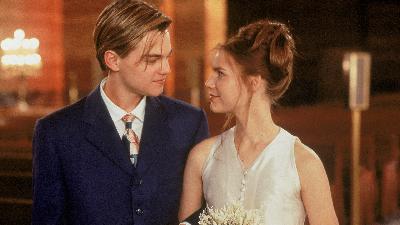
The panel discusses the third act—the 'beginning of woe'—when the drama shifts decidedly from comedy to tragedy with the departure of Mercutio and Juliet's nurse from the action, and with both Romeo and Juliet considering death rather than separation.Continue reading
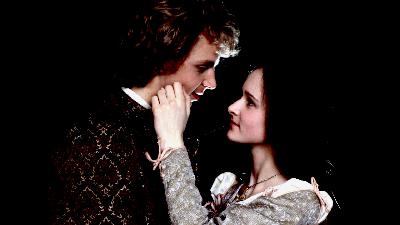
The panel discusses the second act, including the secret marriage plans facilitated by Friar Laurence, with attention given to the impetuous behaviour of Romeo and Juliet, and the dangerously enabling conduct of those around them, Mercutio excepted.Continue reading
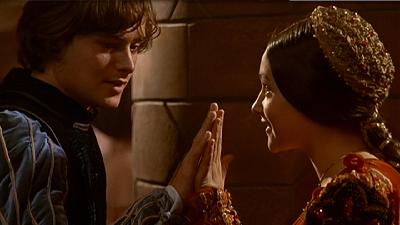
The panel discusses the genre classification of Romeo and Juliet before moving on to an examination of the poem's first act, with special attention given to the love-violence parallels, characterisation of the feuding families, and bawdy use of puns.Continue reading
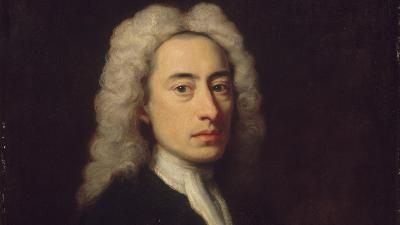
The panel concludes The Dunciad with a full reading of the standalone text that became the fourth book of the 1743 edition, before examining Pope's position within the canon of early modern literature and examining his critical appraisal of his culture.Continue reading
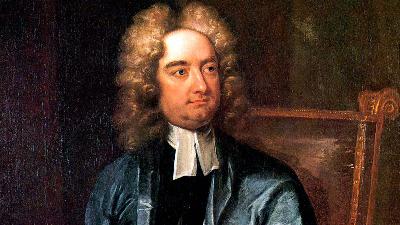
The panel reads the third book of the 1743 Dunciad, in which the poem swells to its crescendo, heaping scorn upon the agents of Dullness and the rampant spirits of ignorance and commercialism that threaten the survival of the arts from opera to poetry.Continue reading
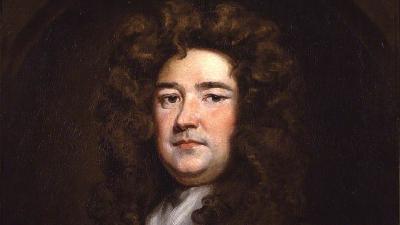
The panel discusses the second book of Alexander Pope's final Dunciad (of 1743), with attention to the historical personages who are satirised, including Flecknoe and Blackmore, and the effects that they had on later poets and on the English stage.Continue reading

The panel reads in full the first book of Pope's final version of The Dunciad, giving special attention to the various cultural references and personal depictions in the poem, along with a look at the parodic critical footnotes provided by the author.Continue reading
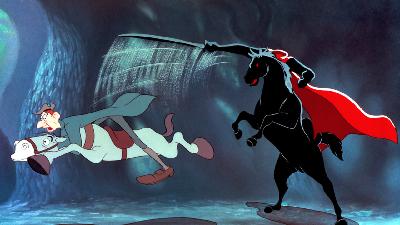
Celebrating Halloween, the panel discusses one of Washington Irving's best-known works—The Legend of Sleepy Hollow—with special attention to the role of characterisation, historical detail, and descriptive imagery in a near contemporary to Jane Austen.Continue reading
The panel discusses the concluding chapters and a series of insightful reader questions about the influence of Austen's religion, the role of romance in her novels, and her development of realistic, compelling characters with flaws and areas of growth.Continue reading

The panel discusses chapters 35–49, with special attention to the rational development of Elizabeth's appreciation of Mr. Darcy, and to Jane Austen's reformist, but not revolutionary, attitude to the social mores and expectations of Regency-era England.Continue reading

Comments

Download from Google Play

Download from App Store
 United States