


Meaningful Ideas on the Parsha
Subscribed: 3Played: 16
Subscribe

© Yaakov Meltzer
Description
A 9 minutes or less shiur on the Parsha, grounded in Chazal and the Rishonim. Goal is to show how the parsha speaks directly to our lives today. Strive to be simple enough for the busy layman, yet deep enough for the advanced Talmid Chacham at the same time.
Podcast is available on all the major platforms. Call in options: 712-432-3491 (US) or 079-574-2029(IL).
Rabbi Yaakov Meltzer is a Talmid of Yeshiva Chofetz Chaim. He has a Semicha from Rav Moshe Heinemann, and an MS in Special Education from Daemen College.
Always appreciate any feedback, email is the name of the podcast @gmail.com
Podcast is available on all the major platforms. Call in options: 712-432-3491 (US) or 079-574-2029(IL).
Rabbi Yaakov Meltzer is a Talmid of Yeshiva Chofetz Chaim. He has a Semicha from Rav Moshe Heinemann, and an MS in Special Education from Daemen College.
Always appreciate any feedback, email is the name of the podcast @gmail.com
283 Episodes
Reverse

When the Bnei Yisrael were at the Yam Suf, Chazal tell us we were being judged whether to be saved, or to be destroyed with the Mitzriyim. How could Hashem have destroyed them at that time, what would have been the point of all the miracles of Mitzrayim? Does it put more pressure on us when we are saved with the Midas HaRachamim, as opposed to the Midas Hadin?Have a Good Shabbos
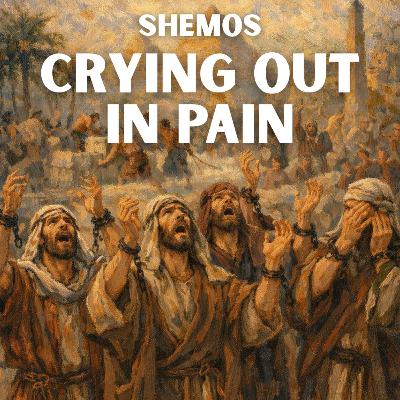
The Torah says the king of Mitzrayim died and then they cried out in pain. Why did that cause them to cry out, according to those who learn that he actually died? Was the crying in prayer to Hashem, or were the cries of suffering themselves a source of merit for us?
The Sefarim tell us that the Asara Harugei Malchus were a punishment for the sale of Yosef. But Yosef's brothers asked him for forgiveness? Was he mochel them, and if not why not? And why were there ten martyrs if only nine of the brothers were involved in the sale?Have a good Shabbos.
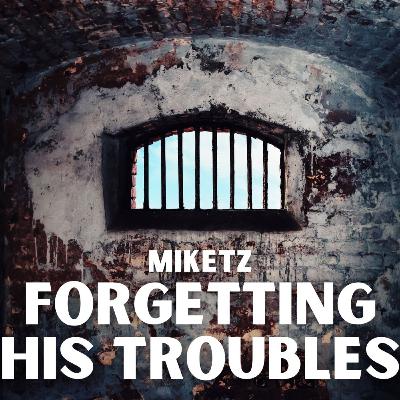
After all these years, Yosef was able to rise to power, marry, and have two sons. He named them with names that symbolize this ability to forget his troubles and be happy with what he had built. Was that all positive, or were there negative components? Have a good Shabbos and a lichtege Chanukah
Chazal say that Yaakov wanted to sit in tranquility at this point, after dealing with Eisav, Lavan, Shechem. Hashem said Tzadikim have tranquility in the next world, they should ask for it in this world? Is there something wrong with having a tranquil life? Wouldn't Yaakov only want this for Torah and Ruchniyus, what would be wrong with this desire? Some approaches to understanding a difficult Chazal.Have a good Shabbos
We find Yaakov humbling himself before Eisav, and bowing seven times. Yet we also know that one is forbidden to flatter a wicked person. Exploring the balance Yaakov strikes in his appeasement of Eisav.Have a good Shabbos
When Yaakov met Rochel, he assured her Lavan wouldn't outsmart him. He said he could be his brother in trickery. How could Yaakov the Ish Emes expect to match the one Chazal call the father of trickery? If he said he could match, how come in the end he wasn't successful and Lavan beat him?Some ideas from Rav Yaakov Kaminetzky and Rav Shalom Schwadron on the middos of Emes and Ramaos.Have a wonderful Shabbos

Why did Yaakov make Eisav swear on the sale of the Bechoros? Would Eisav honor an oath more than he worried about other Aveiros? How could Eisav sell his Bechoros, can one sell something intangible, does it work halachically? Why did Yaakov give Eisav bread when he only asked for lentils?Trying a type of Yeshivisha style this week that I haven't done before.Hope you enjoy.Have a Good Shabbos

Chazal initially describe Lot as a Tzadik, but later describe him in much less glowing terms. What was the turning point that caused the transformation, and how did it create such a big change? Also includes an explanation of why Og merited being saved from the Mabul, was excited to finally see a pshat in it.Have a good Shabbos
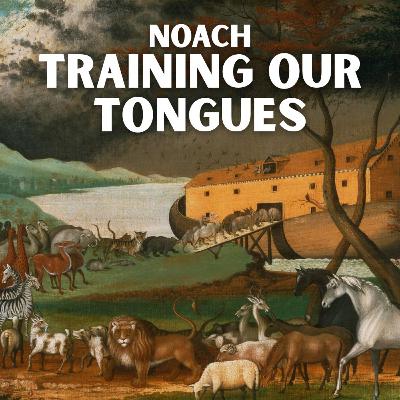
Noach was instructed to bring in 7 pairs of each Tahor animal, and 1 pair of every non-Tahor animal. Why does the Torah say it as non-tahor, the Torah uses the word Tamei to describe non kosher animals in many places? Why is it necessary to use a euphemism when speaking about an animal?Have a good Shabbos
The Mitzvah of Pru Urvu is commandment upon men, women are not obligated in this Mitzvah. Why wouldn't women be commanded in a Mitzvah they have such a strong inborn desire to fulfill?Thank you for being a listener, as we begin the 6th season of these shiurim.Have a great Shabbos.

While praying on behalf of Sedom, Avraham compares himself to dust and ashes in his humility before Hashem. The Gemara says some amazing ideas about the long term significance of this statement, and how it compares to other statements of humility in Tanach. Also discuss the classic Rav Yaakov Emden story about humility before Hashem and humility before people.Have a great Shabbos
The Mabit talks about Teshuva as coming closer to Hashem after being distanced by our sins. The Shaarei Teshuva writes that completeTeshuva requires regret, confession, and a clear commitment to change going forward. The Mabit and Rav Yisrael Salanter write that there are concepts of partial Teshuva as well. Some thoughts on the accessibility of Teshuva on our level. May Hashem help us change in these holy days.Have a G'mar Chasimah Tovah
Vayeilech begins Moshe saying farewell to the Jewish people on the last day of his life. What does the language of Vayeilech mean, where did Moshe go? What can we learn from where Moshe went on the last day of his life?Have a good Shabbos and a Gmar Chasimah Tovah
Before Rosh Hashana we focus on Teshuva and choosing the path of life. We aspire to make good choices and to associate with those who make good choices. How does internalizing Hashem's Malchus and feeling we are in His Presence help us do Teshuva, how is it a foundation of Teshuva?Have a Ksivah Vchasimah Tovah and a wonderful Shabbos.
Hi,The Torah instructs us to keep the words of the Chachamim and not deviate from their words, neither to the right nor to the left. To what extent doMitzvos DiRabanan have a status similar to a DiOraysa, that we can say a Bracha of Vtzivanu on them? In what sense are they considered even more stringent than the Dinei DiOraysa?Have a good Shabbos
We say in Kriyas Shema that one should love Hashem B'chol Meodecha. The Mishna says two pshatim in what that means, either will all your money, or with every middah that Hashem sends your way. How can we come to love Hashem in every situation?Have a good Shabbos.
The Gemara in Yoma 9b says the Mikdash Rishon was destroyed because the people did Avodah Zarah, Giluy Arayos, and Shfichas Damim. However, the Gemara in Nedarim 81a says even the Neviim couldn't figure out why it was destroyed, until Hashem revealed it was because they weren't careful about Birchas HaTorah. How do we resolve the seeming contradiction between these two Gemaras? The approaches of the Kochvei Ohr, and the Chassid Yaavetz. Have a meaningful TIsha Baav
The Torah talks about the importance of keeping our word, and taking our commitments seriously. Chazal even say for Hakadosh Baruch Hu to annul an oath due to Teshuva involves the Heavenly Bais Din. Ideas in the importance of keeping our vows, and the power of Teshuva to save King Yehoyachin from an oath of destruction.Have a good Shabbos
Hi,Chazal note the contrast between the way the people mourned for Aharon, and the way they mourned for Moshe. The main reason given is that Aharon made peace between people in dispute. What does this teach us about the different roles of Moshe and Aharon, and what can we learn from both?Have a good Shabbos

Comments

Download from Google Play

Download from App Store
 United States