


 Claim Ownership
Pánsá Pánsá Podcast
Subscribed: 0Played: 2
Subscribe

© Ms Kemi Seriki
Description
This is a podcast where we discuss the lives of African immigrants and their assimilation into Western society as they raise younger generations in a country that is quite different from their own. We also explore the experiences of children of immigrants as they balance between their heritage African and Western cultures.
We are presenting informative, interesting, and expansive dialogue about the intricate experiences of African immigrants in America.
For additional information, please log onto our website @ pansapansa.org and follow us on instagram @ pansa.pansaforum
We are presenting informative, interesting, and expansive dialogue about the intricate experiences of African immigrants in America.
For additional information, please log onto our website @ pansapansa.org and follow us on instagram @ pansa.pansaforum
86 Episodes
Reverse
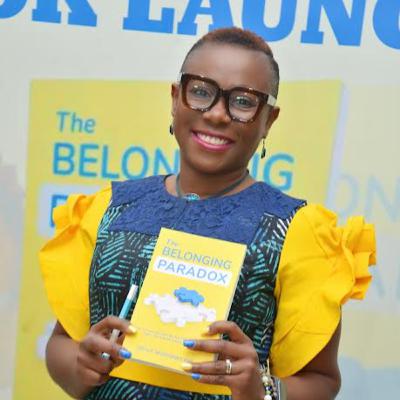
Dr. Otito Iwuchukwua is a brilliant organizational psychologist, an author, scientist, and educator. She is a member of the Department of Pharmaceutical Sciences at the College of Pharmacy and Health Sciences. She is a Pharmacist Scientist with a Ph.D. in Pharmaceutical Sciences, specialization in Drug Metabolism and Pharmacokinetics, from Temple University School of Pharmacy in Philadelphia. Dr. Iwuchukwu, PhD, is on a mission to write books that help people connect with themselves, each other, and the world around them through stories. Her latest book, The Belonging Paradox, is a personal navigator’s guide to understanding oneself in relationship to others in various life spaces. Through individual belonging stories, research insights, and incisive reflection questions, the book encourages readers to perceive belonging and then beam it out into the world. When we belong to ourselves, no matter who we are or where we are, we can let go of the stories we tell ourselves as we reframe challenging interpersonal relationships. Otito believes that belonging is both personal and collective and is not an individual mission to be conquered. We need a community to reflect belonging fully. The Belonging Paradox helps readers see, in no uncertain terms, that if we truly learn to belong to ourselves, we can offer genuine belonging to others in our lives.SummaryIn this conversation, we explored the complex experiences of African immigrants in America, focusing on themes of migration, identity, and belonging. Dr. Otito Iwuchukwua shares her personal journey, discussing the challenges of cultural shock, navigating professional spaces, and the importance of mentorship. The discussion also highlights the significance of pharmacogenomics and the role of storytelling in fostering community and understanding. Ultimately, the conversation emphasizes the need for connection, cultural exchange, and the power of belonging in shaping the immigrant experience.TakeawaysDr. Otito Iwuchukwua the importance of belonging and identity.Cultural shock is a common experience for immigrants adjusting to life in the U.S.Navigating professional spaces can be challenging for immigrants, especially in predominantly white environments.Pharmacogenomics is a field that studies how genetics affect drug responses.Mentorship plays a crucial role in the success of immigrants in their professional journeys.Racial dynamics in America can create barriers to belonging for immigrants and people of color.The Belonging Paradox explores the complexities of feeling like an outsider.Parents can help their children feel a sense of belonging by connecting them to their cultural roots.Cultural exchange and storytelling can bridge gaps between different communities.Chapters:01:20 Exploring Migration and Identity03:09 Dr. 'Otito Iwuchukwua Background and Family History05:10 Motivations for Migrating to the U.S.07:14 Emotional Aspects of Leaving Home09:08 Cultural Shock and Adjustment in the U.S.13:14 Finding Community and Belonging16:04 Professional Journey in Pharmacogenomics19:44 Understanding Genomics and Precision Medicine22:00 Navigating Challenges as a Woman of Color in Science27:31 Mentorship and Role Models in Academia29:53 Navigating Professional Identity as an Immigrant36:00 Understanding Racial Dynamics in the U.S.44:23 The Concept of Belonging55:59 Experiencing Liminal Spaces as Immigrants01:00:10 Defining True Belonging01:02:31 Nurturing a Sense of Belonging in Children01:04:21 Cultural Connection and Identity01:09:00 The Role of Home in Belonging01:12:23 Navigating Intraracial Discrimination01:15:04 Understanding Scarcity and Resource Dynamics01:18:11 Empathy and Shared Experiences01:22:15 Building Bridges Across Cultures01:26:27 The Power of Storytelling and CommunityTo furtherconnect with Dr. Iwuchukwua please visit her website @ http://www.otitoiwuchukwu.com/
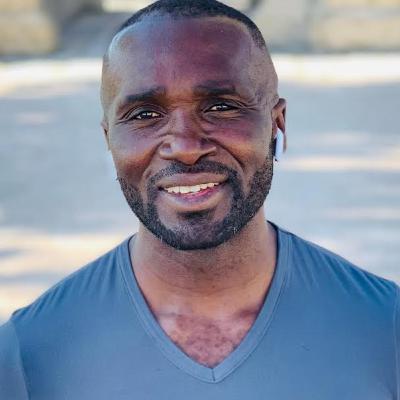
I recently came across an article Luc Olinga wrote published on Medium titled I Am Black Man. DEI Is The New Racism. Race relation in America is a sensitive topic many people do not like to engage in because they are afraid of saying the wrong thing. During our conversation, we explored many areas on this topic.Bio:Luc Olinga is a French journalist based in New York City. He worked for the French newswire Agence France-Presse (AFP), the world’s third-largest, for 15 years in Europe and the U.S. From 2014 to 2021, he served as AFP’s U.S. Business Correspondent in New York before becoming the Economics, Business, and Tech Editor for North America, based in Washington, D.C.After leaving AFP, he led tech coverage at the U.S. business news platform TheStreet. He is currently documenting the Men’s Counter-Revolution in the U.S., traveling across the country to explore the perspectives of Black men on the nation’s shifting social and political landscape. You can read his work on Medium.Born and raised in Cameroon, he later moved to Paris, France, where he spent most of his adult life.KeywordsDEI, African immigrants, cultural identity, educationinequality, race relations, storytelling, community engagement, meritocracy, personal growth, immigrant experience Summary In this conversation, Mr. Luc Olinga shares his experiencesas an African immigrant navigating cultural identity, race relations, and the complexities of diversity, equity, and inclusion (DEI) in America. He reflects on his upbringing in Cameroon, his educational journey in France, and his transition to the United States, discussing the challenges and opportunities he faced. The dialogue emphasizes the importance of community engagement, educational equality, and the need for higher expectations within the Africanimmigrant community. Olinga critiques the current DEI initiatives, arguing that they often fail to address the root causes of inequality and can sometimes perpetuate new forms of racism. The conversation concludes with a call toaction for African immigrants to take charge of their narratives and work towards empowering their communities. Takeaways DEI initiatives can sometimes perpetuate new forms of racism.Cultural identity plays a significant role in personal development.Expectations from parents and community influence children's success.Educational inequality is a root cause of broader societal issues.Community engagement is crucial for empowering African immigrants.The immigrant experience is shaped by both cultural heritage and new environments.Meritocracy must be balanced with awareness of systemic inequalities.Personal resilience is key in navigating challenges in foreign countries.The importance of storytelling in understanding cultural experiences.African immigrants often face unique challenges in the U.S. job market. Chapters: 00:53 Exploring African Immigrant Experiences in America01:20 Introduction to Olinga's Journey04:27 Childhood Memories and Cultural Reflections07:10 Navigating Education in France09:59 Experiences of Race and Identity in France13:10 Transition to the United States15:53 The Impact of African Roots on Identity18:57 Opportunities and Challenges in America21:23 Understanding DEI: A New Perspective24:44 Corruption vs. DEI: A Comparative Analysis27:33 The Misconceptions of DEI30:16 The Role of Education in Addressing Inequality33:29 The Future of DEI and Its Implications36:14 Conclusion and Final Thoughts48:16 Inequality in Education: A Root Cause51:26 The Role of Affirmative Action54:12 Challenges in the Educational System57:21 Community Engagement and Mentorship01:00:31 Breaking the Cycle of Victimhood01:02:54 Cultural Perspectives on Success01:05:58 Expectations and Community Responsibility01:09:44 The African Immigrant Experience01:15:11 Meritocracy vs. DEI: A Complex Debate
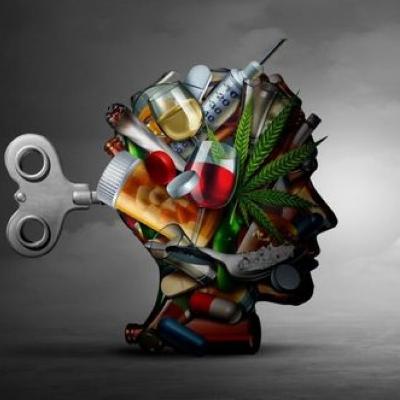
Guest: Dr. Olawale OjoAccording to an African proverb, "A wise man follows the advice of his neighbors, but a fool trusts his own illusions." The final episode on the theme of mental health discussion on the Pansa Pansa Podcast is about mental illness and addiction. Dr. Olawale Ojo is dedicated to developing innovative inpatient consult addiction services, an Intensive Outpatient Program (IOP), and a dual diagnosis outpatient clinic. His work is not just a career but a mission to transform lives and provide hope to those in need. Dr. Ojo's dedication to his patients and community is truly inspiring, making him a beloved figure in addiction psychiatry.Summary:Dr. Olawale Ojo shares his personal journey from Nigeria to the U.S., highlighting the importance of parental involvement in education, the issue of brain drain affecting Africa, and the unique challenges faced by immigrants in the American healthcare system, particularly in psychiatry and addiction treatment. This conversation delves into the complexities of mental illness and addiction within the context of African immigrant communities. See below: Takeaways:Dr. Olawale Ojo shares his journey from Nigeria to the U.S.Parental involvement plays a crucial role in children's success.Brain drain significantly impacts Africa's development.Cultural integration poses challenges for African immigrants.Educational opportunities can shape immigrant experiences.Mental health stigma exists in African communities.Addiction treatment is a vital area of focus for immigrant families.The journey to becoming a psychiatrist involves overcoming many obstacles.Understanding immigrant experiences can foster empathy and support. Mental illness is often misunderstood in cultural contexts.Cultural beliefs can hinder the recognition of mental health issues.Depression and schizophrenia are universal mental illnesses.Cultural biases affect how immigrant families perceive mental health.Parents may dismiss children's mental health struggles due to cultural beliefs.Addiction often compounds mental health challenges in youth.Early intervention is crucial for mental health issues.Cultural expectations can create pressure on immigrant children.Education about mental health is essential for immigrant communities.The relationship between parents and children is key to recognizing mental health issues. Legality of substances does not align with scientific understanding.Decriminalization of drugs is necessary but must be informed by science.Certain groups should avoid cannabis due to health risks.Addiction can manifest in various forms beyond substances.Communication within families is crucial for addressing mental health issues.Untreated addiction can lead to severe long-term consequences.Community leaders play a vital role in mental health advocacy.Education about addiction is essential for families.Behavioral addictions are increasingly recognized and need attention.Support systems are critical for individuals struggling with addiction.Chapters:00:00 Introduction to the Pansa Pansa Forum01:21 Dr. Olawale Ojo's Background and Early Life12:35 Parental Involvement and Educational Influence20:09 The Impact of Brain Drain on Africa26:41 Challenges Faced by Immigrants in America35:16 The Journey to Psychiatry and Addiction Treatment37:39 Understanding Mental Illness in Cultural Contexts49:03 Cultural Biases and Mental Health in Immigrant Families01:02:15 The Unique Pressures on African Immigrant Children01:06:25 The Interplay of Addiction and Mental Health01:15:51 The Intersection of Law and Science in Substance Use01:21:34 Understanding Addiction: Types and Impacts01:30:17 The Long-Term Effects of Untreated Addiction01:36:05 The Role of Communication in Mental Health01:46:08 Community Engagement and Mental Health AdvocacySeek help if you or someone you know is struggling with addiction and/or mental illness by calling 988 Suicide & Crisis Lifeline.
We must explore all avenues to get to the root of a problem. According to an African proverb, "A wise man follows the advice of his neighbors, but a fool trusts his own illusions." The final episode on the theme of mental health discussion on the Pansa Pansa Podcast is about mental illness and addiction. It is a delight to have Dr. Olawale Ojo as a guest to bring his expertise to our diaspora community as a psychiatrist specializing in addiction. The purpose of this episode is to elaborate on the intersection between mental illness, addiction, and cultural stigma among Africans in the diaspora and mainly how these factors affect our youth as well as family relations. In the past three episodes on mental health awareness, we have dived into the diversity of engaging topics. During our discussion, Dr. Ojo shared the story of his humble beginning, which came from dedicated parents and community mentors who empowered and believed in him. He talked about growing up in a society where mental illness is often misinterpreted and ill-treated, which he stated resulted in his interest in psychiatry. Bio:Dr. Olawale Ojo began his medical journey at Obafemi Awolowo University in Nigeria, where his passion for mental health first took root. After earning his medical degree, he embarked on an exciting adventure to Brooklyn, New York, completing his general psychiatric residency at Interfaith Medical Center. It was there that he discovered his calling in addiction psychiatry. Driven to make a meaningful impact, Dr. Ojo moved to Indiana, Indiana University (IU), to specialize in addiction psychiatry. His commitment to helping those struggling with addiction led him to his current roles as the associate program director of the IU Addiction Psychiatry treatment program and the medical director of the IU Methodist Addiction Treatment and Recovery Center (ATRC).In these roles, Dr. Ojo is dedicated to developing innovative inpatient consult addiction services, an Intensive Outpatient Program (IOP), and a dual diagnosis outpatient clinic. His work is not just a career but a mission to transform lives and provide hope to those in need. When he's not busy mentoring residents and leading community efforts related to addiction treatment and mental health awareness, Dr. Ojo enjoys spending quality time with his family and playing video games. His dedication to his patients and community is truly inspiring, making him a beloved figure in addiction psychiatry.Our conversation starts by exploring Dr. Ojo's experience as an immigrant in America, navigating an educational system quite different from Nigeria's educational system, adapting to a job that many may consider demeaning, and how these experiences shaped the person he is today. We then dived into stigma-sounding mental illness, traditional practices, and how reliance on non-scientific methods of treatment affects the long-term outcomes for individuals with mental illness. We further discuss how cultural biases on mental illness and/or parents' lack of relationship with their children within African immigrant communities may affect the recognition of the symptoms of mental illness in their children. We discussed mental illness and different types of addiction, specifically substance use, technology, gambling, and food, that may be more widespread or misunderstood in African immigrant families. Finally, we discussed solutions and resources available and how community leaders, as well as organizations, can help break the stigma around mental illness and addiction. Dr. Ojo provides extensive advice to parents who suspect their child may be struggling with mental illness and/or addiction.These excerpts offers a glimpse into our discussion on mental illness and different types of addiction, specifically substance use, technology, gambling, and food, that may be more widespread or misunderstood in African immigrant families.
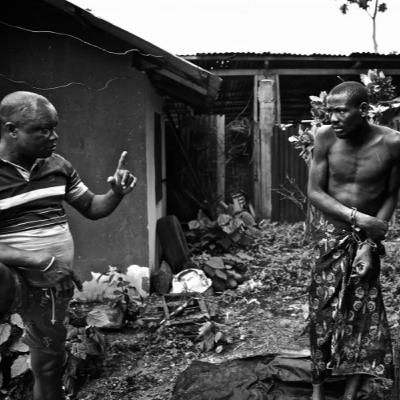
An African proverb says, "You cannot uproot the baobab tree with one hand," meaning that people's hesitancy or trust towards modernization is sometimes ingrained in the traditional belief system. One must first explore the strength or depth of the belief system. I recently came across a research publication on Pubmed titled "Indigenous Mental Healthcare and Human Rights Abuses in Nigeria. Reading this report allows me to reflect on how these beliefs and the stigma of mental illness persist among African immigrants in the diaspora, affecting seeking appropriate care. I was eager to contact the researchers of the paper, Dr. Adegboyega Ogunwale and Dr. Oladayo Bifarin, to further discuss their findings. I wanted to further explore with both guests how traditional beliefs played a role in Africans' perception and management of mental illness. I wanted to further explore how the stigma hinders patients from seeking the appropriate mental health care. Bios: Dr. Adegboyega Ogunwale is the Chief Consultant Psychiatrist at Neuropsychiatric Hospital Aro, Abeokuta, and Chair of the Emerging Forensic Systems Interest Group, International Association of Forensic Mental Health Services. Dr. Ogunwale's key areas of expertise include Forensic Psychiatry, General Adult Psychiatry, Mental Health Legislation, and Medical Law & Ethics. His research work focused on general adult psychiatry, abnormal homicide, mental health services in prison, and mental health legislation. He was awarded the Rafaelsen Young Investigator's Award of the International College of Neuropsychopharmacology in 2011 and the UK Chevening Scholarship in 2017. Dr Adegboyega Ogunwale joined the Department of Forensic & Neurodevelopmental Sciences as an MPhil/PhD student in June 2022 and is looking forward to completing his studies in 2026. Dr. Ogunwale completed his MBBS (Medicine & Surgery) at the University of Ilorin, Nigeria, and his MSc in Forensic Mental Health Research at King's College, London. Dr Ogunwale is a member of the Royal College of Psychiatrists (UK) and a fellowship with the West African College of Physicians.Dr. Oladayo Bifarin is a Clinical academic- Registered Nurse (Mental Health), Research & Effectiveness Lead at Mersey Care NHS FT, Liverpool, and a Sr. Lecturer (Mental Health Nursing). Dr. Bifarin teaches pre- and post-registration nursing. Dr. Bifarin holds PhD from the University of Bradford, United Kingdom; he earned his MSc from Edge Hill University, United Kingdom, and his BSc from Obafemi Awolowo University, Nigeria.TakeawaysCultural beliefs significantly impact mental health care in Nigeria.Stigma surrounding mental health leads to social isolation and delayed treatment.Indigenous mental health practices can offer valuable insights for care.Research is essential for understanding and improving mental health services.Gender dynamics play a crucial role in the treatment of mental health issues.Addiction often stems from a desire to numb emotional pain.Legal protections for mental health patients exist but are poorly implemented.Community engagement is vital for addressing mental health stigma.Culturally relevant approaches are necessary for effective treatment.Mental health is a critical human rights issue that requires urgent attention.Chapters00:00 Introduction to Panza Panza Forum01:19 Cultural Beliefs and Mental Health in Nigeria03:42 Guest Introductions and Backgrounds08:54 The Role of Research in Mental Health11:16 Personal Motivations for Psychiatry18:29 Human Rights and Mental Health Care21:19 Indigenous Mental Health Practices29:37 Cultural Narratives and Mental Health35:02 Stigma and Its Impact on Treatment39:45 Gender and Mental Health Abuse51:30 Addiction and Mental Health01:02:25 Legal Protections for Mental Health Patients01:11:34 Gender Dynamics in Mental Health TreatmentPhoto Time Magazine The Niger Delta, Nigeria. October 2012Journal Link:https://pmc.ncbi.nlm.nih.gov/articles/PMC10327483/
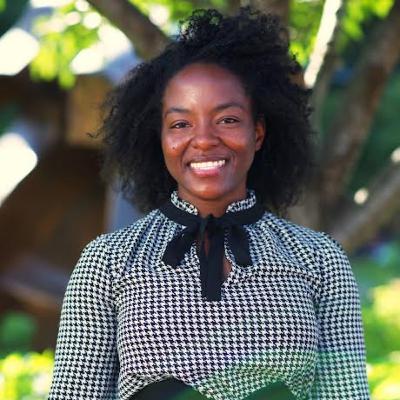
Dr. Mercedes J. Okosi practices at Columbia Health, and she joined the department in 2023. She specializes in individual and group therapy for students presenting with various diagnoses and engages in campus outreach initiatives. Dr. Okosi worked with college students experiencing depression, anxiety, ADHD, and adjustment issues. She provided individual and family therapy to high school students. She also provided therapy, developed socioemotional school interventions in Newark, and engaged in motivational interviewing for previously incarcerated college students. She has prior experience in providing psychotherapy to women experiencing trauma, substance abuse, and mood disorders and working with individuals with mood disorders, personality disorders, grief, trauma, substance abuse, and severe mental illness in both general outpatient and inpatient populations at New York City hospitals. She also became competent at facilitating both skills-focused and process groups. Dr. Okosi studied Applied Psychology at the Steinhardt School of Culture, Education, and Human Development at New York University. Unlike a traditional psychology degree, this developmental and sociocultural-focused program immersed her in foundational psychological knowledge and fieldwork opportunities to engage in clinical practice with marginalized populations in the city. Her fieldwork involved working with adolescents and young adults in a nonprofit setting dealing with mental illness, extreme poverty, immigration difficulties, and a host of other psychosocial burdens. Dr. Okosi extended herself to internships and part-time work throughout her undergraduate career to gain experience in areas including HIV+, substance abuse, and severe mental illness.Dr. Okosi received her Psy.D. in clinical psychology at Rutgers University and completed a doctoral internship at Mount Sinai St. Luke's and West Hospitals. Dr. Okosi is a bilingual (English/Spanish) New York State licensed clinical psychologist. Dr. Okosi is the clinical director of the Safe Mothers, Safe Children Initiative at NYU and owner of the private practice Growth Work Psychology Services PLLC, where she specializes in trauma. Dr. Okosi's research is at the intersection of trauma, identity, and social justice.Dr. Okosi shared personal and professional insights into her therapy field during our conversation. We discussed her rich multicultural background as a daughter of a Nigerian father and African American mother. We talked about how these two heritages shaped her childhood and navigating her career choice. Dr. Okosi offered a unique perspective on the challenges that immigrant communities face when it comes to mental health. We dived into both the stigma and the lack of awareness of mental health within immigrants' communities and other people of color. We further discussed the vital role that cultural understanding and education play in overcoming these barriers. We discussed cultural competence role in therapy and what steps to take to ensure providers are sensitive to cultural differences in their practices. In conclusion, change is possible when we continue to have these critical conversations and create spaces where mental health is essential to overall well-being, no matter where we come from.For consultation or to learn more about Dr. Okosi, pleasefollow the link below. Check your benefits!https://mentaya.com/checkbenefits/GROWTHWORKBook a call with me!https://calendly.com/drmokosi/15minMercedes J. Okosi, Psy.D.Licensed Clinical Psychologist302 5th Ave, 8FLNew York, NY 10001(646) 822.4624www.growthworkpsych.orgdrmokosi@gmail.com
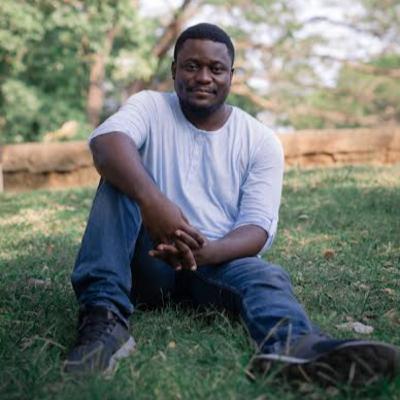
l came across Dr. Akomolafe’s profile on Facebook about a seminar he was planning on giving therapy service providers titled “Where Do We Go When Healing Becomes Ill?Navigating the Empire of Trauma”. After connecting with his website, I was incredibly impressed with his background and the life journey that shaped whom he has become today. I asked if he was open to conversation, and I wasthrilled when he accepted my invitation. The mission of this conversation was to discuss the role of African traditional belief systems in influencing the perceptions of the approach and the management of mental illness. Also, it brings the importance of mental health awareness to African immigrant communities in the diaspora. During our conversation, Dr.Akomolafe talked about his family background and how his circumstantial reference to losing his father at a young age has some influence on whom he has become today. He talked about his educational background and how earning hisPhD in clinical psychology in Nigeria shaped his understanding of traditional African belief systems as it relates to mental health. We discussed the possibility of integrating conventional African practices with Western mental health care since mental health care is openly discussed globally. For a therapist who may be working with a client who is an African immigrant, Dr.Akomolafe advises on how this therapist can navigate the intersection of traditional beliefs and modern psychological practices. Dr. Akomolafe has written award-winning books and co-authored some other books. We discussed two of his books, “These Wilds Beyond Our Fences: Letters to My Daughter onHumanity's Search for Home” and “We Will Tell Our Own Story: The Lion of Africa Speaks”. A short-form biography of Dr. Bayo Akomolafe Bayo Akomolafe (Ph.D.), rooted with the Yoruba people in a more-than-human world, is the father to Alethea Aanya and Kyah Jayden Abayomi, the grateful life-partner to Ije, sonand brother. A widely celebrated international speaker, post-humanist thinker, poet, teacher, public intellectual, essayist, and author of two books, These Wilds Beyond our Fences: Letters to My Daughter on Humanity’s Search for Home(North Atlantic Books) and We Will Tell our Own Story: The Lions of Africa Speak, Bayo Akomolafe is the Founder of The Emergence Network, a planet-wide initiative that seeks to convene communities in new ways in response to thecritical, civilizational challenges we face as a species. He hosts the post-activist course/festival/event, ‘We Will Dance with Mountains.’ He currently lectures at Pacifica Graduate Institute, California. He sits on the Board of many organizations including Science and Non-Duality (US) and Ancient. Futures (Australia). In July 2022, Dr. Akomolafe was appointed the inaugural Global Senior Fellow of the University of California’s (Berkeley) Othering and Belonging Institute. He is also the inaugural Special Fellow of the Schumacher Centre for New Economics, the Inaugural Scholar in Residence for the Aspen Institute, the inaugural Special Fellow for the Council of an Uncertain Human Future, and a Visiting Scholar at Clark University, Massachusetts, USA (2024). He has been a Fellow for The NewInstitute in Hamburg, Germany, and a Visiting Critic-in Residence for the Otis College of Art and Design, Los Angeles (2023). He received an Honorary Doctorate from the California Institute of Integral Studies (CIIS) and has been a Commencement Speaker at two university convocation events. He also received the New Thought Leadership Award 2021 and the Excellence in Ethnocultural Psychotherapy Award at the African Mental Health Summit 2022. Dr. Akomolafe is a Member of the Club of Rome, a Fellow of the Royal Society of Arts in the UK, and an Ambassador for the Wellbeing Economy Alliance. For further information www.bayoakomolafe.netwww.emergencenetwork.org
Historically, many African immigrants anticipated retiring in their respective countries of origin, and cultural bonding, familiarities, and memorable history of home usually draw this. However, the realities are more complex than anticipated, and the factors contributing to this complexity include lack of quality health care, the standard of living, and other realistic issues that may be challenging to achieve such a dream. As immigrants, planning for a future that balances the expectations and reality of aging is crucial. We must ensure that we have solid financial and health security for ourselves and our families. Such a concrete plan would not only safeguard our well-being, but it would secure a stable foundation for our children. We can avoid burdening our children or settling for a poor healthcare system with limited coverage. Mrs. Martina Asong and Mrs Ifeyinwa Dimoriaku are experts in this field to educate our community about this topic. Both guests are financial professionals working with World System Builder. A company that is dedicated to helping people build financial foundations.
Mrs. Martina Asong is a retired teacher from Cameroon. She is a widow and has two grown-up sons. She came to America in 2019 to take care of her grandchildren. She joined the Financial Literacy campaign in September 2022. She joined the campaign for two reasons. The first reason is to contribute her quota towards educating 30 million families by 2030. The second reason is to alleviate her children's financial stress and assist in sponsoring her grandchildren's education. She’s now a licensed member of the team.
Ifeyinwa Okany Dimoriaku is married and has three children. She is a Contract Manager at the Division of School Facilities, New York City Department of Education.
Her educational background is in the field of Architecture. She graduated from the University of Nigeria with a B.Sc and an M.Sc. in Architecture. After lecturing at Enugu State University of Science and Technology, she went for further studies at the University of British Columbia, Vancouver, Canada, where she obtained a Master of Advanced Studies in Architecture specializing in the Application of Computers. After her studies in Canada, she returned to Nigeria, where she taught at the University of Nigeria for a while before joining her husband in New York.
Four years ago, she joined the Financial Literacy campaign of World Financial Group/World System Builder and obtained a license as a Life and Health Insurance Agent. Her mission is to build a proper financial foundation for her family and contribute her quota to educating 30 million families by 2030.
During our conversation, both guests talked about their backgrounds and what inspired them to become an insurance agent, mainly working with immigrant families. We discussed the practical and traditional factors influencing health and life insurance choices within the African immigrant community, such as future health plans, health status, family dynamics, immigration status, socioeconomic status, language barriers, etc. We further discuss obstacles immigrant families face in navigating the U.S. health care and insurance systems. Both guests provide information about coverages that would benefit the immigrant community. Please listen and share this vital information.
WORLD SYSTEM BUILDER
https://worldsystembuilder.com/
FINANCIAL LITERACY WORKSHOP CALENDAR
https://worldsystembuilder.com/workshopcalendar/
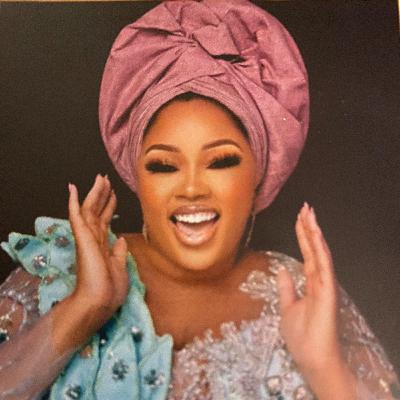
My first contact with Judith Folashade Ojo at OAN Organization of Advancement of Nigeria was years ago. Her pleasantness, sociable nature, and desire to connect with her Nigerian roots impressed me. Folashade came from two powerful heritages, African American and Nigeria, specifically Yoruba Heritage. Since I met her, she has always embraced her two heritage. For example, I was invited to Folashade's 40th birthday party, and the whole setup of the event blew me away. There were both Nigerian and African American families and friends at the party. I was blown away by the spread of Nigerian food, including jollof rice, Asaro, pounded yam, and amala, served with Gbegiri and Ewedu. This signature food specifically came from her father's hometown, Ibadan. Folashade dressed in a beautiful dress with a staple Yoruba headtie for this celebration. I have always been curious about children who grow up in a multicultural or a multiracial household. The heartfelt discussion explores the tapestry of culture through Folashade's experience that binds Nigerians and African Americans.
Bio:
Judith Ojo is the Founder and CEO of HR Media & Co., a minority women-owned HR consulting firm based in Manhattan. With over a decade of experience in HR and recruiting, Judith is dedicated to providing human-centered solutions that drive organizational success. She is also the founder of LET'S TALK ALL THINGS HR®, an educational platform designed to support businesses in navigating HR challenges.
Judith has held leadership positions across nonprofit, government, and corporate sectors. In 2022, HR Media & Co. was recognized as a Top 10 Emerging L&D company by Manage HR magazine, and in 2023, Judith earned a spot in Marquis Who's Who in America.
A strong advocate for her community, Judith has been actively involved in Brooklyn, serving as the President of Soroptimist International of NYC, where she has made significant contributions to women's empowerment and community development. Folashade is a dedicated member of OAN, an Organization of Advancement of Nigeria, and the financial secretary of the organization.
On the conversation:
Folashade founded two companies before age 40, and she continues to empower younger generations coming behind. During our conversation, we talked about Folashade's multicultural background and how her two heritage influenced her approach to her work ethic and eventually launching her own company. We discuss the challenges or advantages she encountered in her business due to her two heritages. We dived into her family dynamics and how her two heritages shaped her childhood, focusing on the traditions she grew up with. As an active member of OAN, Folashade discussed her motivation in joining the organization, and she reflected on her experience within the Nigerian community. We talked about her extended family in Nigeria and America and how these connections enriched her understanding of her heritage. We briefly discussed her father's immigrant experience and the challenges he may have faced when he first arrived in America, such as discrimination, loneliness, isolation, cultural adjustment, employment, and opportunities.
When you visit Nigeria Folashade, the Oriki below is the partial praise poetry of Ibadan that may be chant to you hopefully by professional chanter.
Ibadan people are historically known as warriors.
Oriki Ibadan
Ibadan mesi Ogo, nile Oluyole. Ilu Ogunmola, olodogbo keri loju ogun. Ilu Ibikunle alagbala jaya-jaya. Ilu Ajayi, o gbori efon se filafila. Ilu Latosa, Aare-ona kakanfo. Ibadan Omo ajoro sun. Omo a je Igbin yoo, fi ikarahun fo ri mu. Ibadan maja-maja bii tojo kin-in-ni, eyi too ja aladuugbo gbogbo logun, Ibadan ki ba ni s’ore ai mu ni lo s’ogun. Ibadan Kure! Ibadan beere ki o too wo o, ni bi olè gbe n jare olohun. B’Ibadan ti n gbonile bee lo n gba Ajoji. Eleyele lomi ti teru-tomo 'layipo n mu. Asejire lomi abumu-buwe nile Ibadan. A kii waye ki a ma larun kan lara, Ija igboro larun Ibadan.
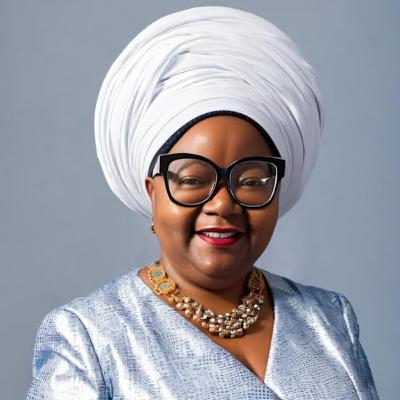
Dr. Mojúbàolú Olúfúnké Okome is a Social Scientist and a Professor of Political Science, African & Women's Studies at Brooklyn College in NYC. I recently came across the essay written by Dr. Okome titled 'African Immigration to the United States: Dimensions of Migration, Immigration, and Exile.' The essay resonates with some of my discussions on the Pansa Pansa podcast regarding the lack of research focused on African immigrants in the U.S. African immigrants are often grouped with Latino immigrants, African Americans, and other immigrant communities of color. As a result, it overlooks the unique challenges African immigrants face in America. While there are commonalities among these groups, it is essential to recognize the distinct issues that African immigrants encounter. The lack of recognition of African immigrant's experiences underscores the need for more research, and a conversation with Dr. Okome will provide a more precise explanation of this issue, engaging us in the quest for a better understanding.
Bio
Mojúbàolú Olufúnké Okome, PhD is an International Political Economist whose regional specialization is in Africa. Educated at the University of Ibadan, Nigeria, Long Island University, and Columbia University, New York, she's a Professor of Political Science at Brooklyn College, CUNY, past Women's Studies Program Director, and past Deputy Chair for Graduate Studies in Political Science at Brooklyn College. Born in Nigeria, Mojúbàolú has consulted for clients, including the UN and Commonwealth Secretariat in London. Her teaching interests focus on inclusive, equitable citizenship in globalization, democratization, and economic development. Research interests include Gender, Democracy Governance, Post-Colonialism and Modernity, Development and Citizenship in Africa, Globalization, Economic and Political Transformation, and African Diaspora Studies. She founded #BringBackOurGirlsNYC, founded and edits Ìrìnkèrindò: A Journal of African Migration. She has published seven sole-authored and edited books. The latest edited book is Para-Mallam, O., & Okome, M.O. (Eds.). (2023). Gender and Development in Nigeria: Concepts, Issues and Strategies. Kuru, Plateau State, Nigeria: NIPSS Press.
During our conversation, Dr. Okome talked about her background growing up in Lagos, Nigeria, and she detailed her college experience at the University of Ibadan when the university held the students in high esteem. She gave an account of the economic downfall in Nigeria, which resulted in many Nigerians seeking a better life in Europe and in the Western world. Dr. Okome addressed the elephant in the room, 'the brain drain.' Nigeria and other African countries continue to experience a significant brain drain, losing talented and highly educated professionals—such as herself, a political and social scientist, doctor, and engineer who could significantly contribute to the continent's development in many areas. She further explained how the IMF contributes to this economic downfall. In the writing of the essay titled 'African Immigration to the United States: Dimensions of Migration, Immigration, and Exile,' Dr. Okome shared that her personal experience as a Nigerian immigrant shaped her desire to write the essay. During our discussion, she highlighted the assumption that African immigrants are predominantly vendors or work in hair braiding businesses. She further explained how this narrative impacts the broader African immigrant community, particularly those working as professionals or pursuing education, enlightening us on the power of narratives in shaping perceptions.
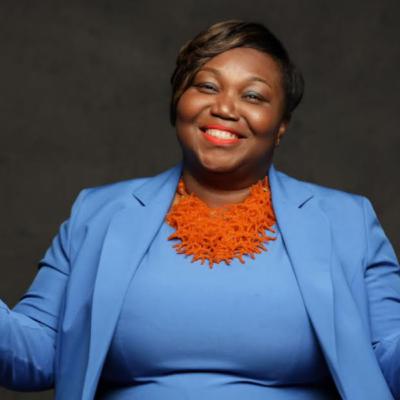
Marjorie Boafo Appiah, also known as Marjy Marj, is diverse in many areas as an author and a visionary. I recently came across Marjy's Instagram post on her publication of children's and young readers' books on immigrant experiences. The post displayed a series of children's books she wrote examining the immigrant experiences. I immediately went to her website and was impressed by her work in the United States and globally. Bio: Marjorie Boafo Appiah is a multifaceted author and visionary. With an academic background spanning the Universities of Ghana, Baltimore, and Duke University, Marjy's expertise as a management consultant is underpinned by a solid foundation of diverse educational experiences. As the founder of the Innovation Group, she has created a nurturing environment where creative ideas can blossom and grow. Marjy's dedication to promoting literacy and representation in books is evident in her tireless efforts. Her list of publications, including The Shimmigrant, Sasha Goes to America Part 1, 2, & 3, The Spelling King, Same Elephant, and The Jollof Project, is a testament to her commitment. Marjy Marj is also the host of the Humanity Chats with Marjy Podcast, where she has conversations with guests on daily issues impacting human lives. She works with communities, schools, bookstores, and publishing houses, ensuring that young readers in the United States, United Kingdom, and Ghana can access a wide range of literature. She has been recognized both locally and regionally for her skills, dedication to community work, and advocacy.Our conversation:During our conversation, we briefly discussed her childhood experience growing up in Ghana and coming to the United States. We dived deeply into the African Immigrant Experience and Black Identity. We talked about the boxing of everyone into different categories, such as identity-based on skin color, religion, sexual orientation, socioeconomic status, and many more. Immigrants always have to navigate these other categories that are foreign to them. We talked about how African immigrant families struggle when it comes to raising their children in America and the challenges our community faces when adapting to life in the U.S., especially as parents. Marji Marj's books are available worldwide at bookstores and on her website, www.marjymarj.com Her podcast, Humanity Chats with Marjy, is published on all major podcast platforms, ensuring that a global audience can access and enjoy it.
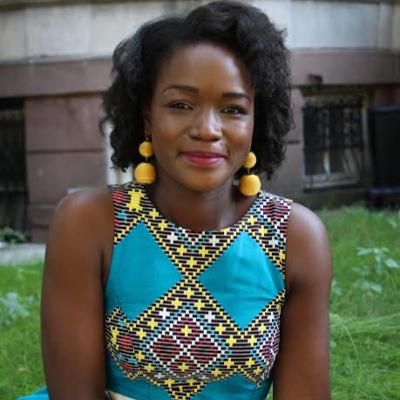
Dr. Adeodat Ilboudo, the dean of studies at Bard Early College-Manhattan, leads a tuition-free private school that offers adolescent students the opportunity to take college-level classes. This unique environment is designed to provide rigorous two-year college academic work in a supportive atmosphere, ensuring students feel reassured and confident in their educational journey. Among her various roles, she is also a College Advisor and teaches college-level biology and the Biology of Cancer.
Dr Adeodat Ilboudo holds a PhD in Biological and Health Sciences. Academic and research interests include cancer health disparities, especially in prostate cancer, the mechanisms of metastasis in solid tumors, and Hepatitis B. On her educational background, Dr. Adeodat Ilboudo holds a B.S. in Cellular Biology and Physiology from the University of Western Brittany (France) and an M.Sc in Fundamental and Applied Microbiology from the University of Western Brittany (France). She completed her PhD in Biology and Health Sciences at the University of Rennes 1 (France). She was an adjunct lecturer at the University of Rennes and a Hunter College, New York postdoctoral researcher.
I recently learned about Bard Early College. I was very excited to have her as a guest on the Pansa Pansa Podcast, sharing information about the program with listeners who may benefit from this transformative educational opportunity. Bard Early College is a beacon of hope in a world where opportunities for low-income, underrepresented, and first-generation college students are limited.
During our conversation, Dr. Ilboudo shared her experience growing up in Burkina Faso in a loving household with her parents, extended family, and community. She talked about her parents' sacrifice in sending her to study post-secondary school in France and her experience as an African student in France. Even though she experienced biases and microaggression, she would not allow such experiences to hinder her from achieving her goals. That is an inspirational story, and she stands as exemplary to many youths.
In our discussion about Bard Early College, Dr Adeodat Ilboudo provides an overview of the program and the benefits and opportunities it offers students and their families. She talks about the eligibility criteria for the program and the application process. We discussed the academic and social support services provided to underprivileged students once they are admitted. For a student or a parent interested in learning more about Bard Early College Program, Dr. Adeodat advises the prospective families to visit the website, attend information sessions, speak to program representatives, talk to current students or alums, and, importantly, evaluate academic readiness as well as interest. For listeners, please share this podcast with those who could benefit from this information.
To contact to Dr. Adeodat ilboudo email her at ailboudo@bhsec.bard.edu
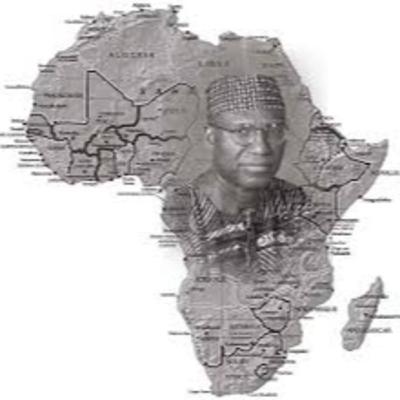
Over twenty years ago, a friend shared Dr. Fayemi's book Window to the Soul with me, and I was captivated by the beautiful pictures of African children in the book. I reached out to him to buy my copy, and the rest is history, as my family has become part of his family. When I reached out to him to share his experience as a Nigerian immigrant in America, he didn't hesitate but was gladly willing to share his experience.
Bio:
Dr. Olusegun Fayemi has made many profoundly impactful contributions to the field of medicine, photography, and AIDS activism across many parts of Africa. With decades of experience and a wealth of knowledge, Dr. Fayemi has been an accomplished pathologist in various institutions for over four decades, and he was the director of pathology at St. Mary Hospital in New Jersey. Even though Dr. Fayemi is a medical doctor, he also took a special interest in photography, focusing on social documentaries of continental Africa. In the past 4 decades, Dr. Fayemi conducted documentaries of photography of 20 countries in Africa. The collections of his photographs have been published in books, journals, magazines, and newspapers, and he is highly celebrated for his skills. Throughout this incredible journey, Dr. Fayemi is the author of three successful and highly praised books:
Balancing Acts: photographs from West Africa: Photographs of the people of the west coast of Africa--the Ivory Coast, Senegal, and Mali in particular--in daily life.
Windows to the Soul: Photographs Celebrating African Women: The photographs celebrate the lives of ordinary children of Africa and their everyday lives, they show how African children are nurtured and reared, the games they play, their adolescence and growing up years, their education and their role within their families and immediate environment
Voices from Within: photographs of African children: Photographs Celebrating African Women is a book that explores and documents the realities of women's lives from Africa south of the Sahara. Divided into seven sections: Motherhood, Home, Work, Markets, Celebration, Elderhood, Beauty and Elegance
Dr. Fayemi is also the founder of Ebenezer Foundation, a nonprofit organization. The foundation supports projects and programs that provide services for children who have become orphans due to their parent's death from aids in Africa. The foundation also assists the elderly in Africa who have been made destitute by the loss of their adult children because of AIDS.
During my conversation with Dr. Fayemi, we discussed his childhood experiences growing up in Nigeria during the colonial era before Nigeria's independence from British colonial rule in 1960 and how colonial rule shaped or impacted Nigerian's view on their identity and nationality. We discussed his family's experience as medical students in Israel in the 1960s. Dr. Ayodeji, his wife, specializes in Diagnostic Radiology and Obstetrics & Gynecology. We discuss his journey from Nigeria to the USA. What were some of his biggest challenges when he first arrived, and how did his family adapt to life in the USA. We talked about his professional responsibilities as an African immigrant, including experiencing discrimination and bias and how he handled it. We spoke about his family's parenting style and cultural Integration in America and his advice to other immigrant parents who want their children to succeed academically and professionally in today's world. One of the most essential parts of this conversation was his advice to elders of our community who have retired or are planning on retiring from their jobs.
Dr. Fayemi's journey and the insights he shared during our conversation are truly enlightening. His story is not only inspiring but also offers a wealth of wisdom for immigrant parents raising their children in today's world. I am deeply grateful for his time and the thoughtful advice he provided, which I believe will empower many in our community.
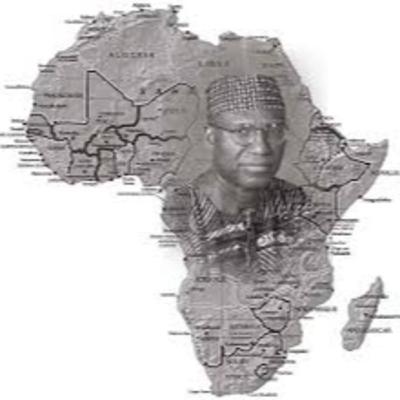
Welcome back, listeners! As we dive into this new season of Pansa Pansa Podcast. l am thrilled to share with you some captivating excerpts from my recent interview with the remarkable Dr. Olusegun Fayemi.Dr. Fayemi, an accomplished pathologist, and celebrated photographer. He has spent over four decades combining his medical expertise with his passion for documenting the social fabric of continental Africa through extraordinary lens. In this interview, he opens up about his dual career, his motivations, and the profound stories behind his stunning photographs.Dr. Fayemi’s jouney and the insights he shared during our conversation are truly enlightening. His story is not only inspiring but offers a wealth of wisdom for immigrants parents raising their children in today’s world.Please join me as l explore Dr. Fayemi’s insights on his experiences as a husband, a father, as a medical student in Israel and as a Nigerian immigrant in America.These excerpts offer a glimpse into the extraordinary life and work of Dr. Fayemi, whose journey continues to inspire and educate countless individuals, including myself. Let’s listen in and discover the unique perspectives of this incredible man.
Hello, listeners, and welcome back to another exciting season of Pansa Pansa podcast. I am thrilled to have you join me for what promises to be the most engaging and inspiring episodes of pansapansa to come. During this season l will be bringing you a series of incredible stories, thought-provoking discussions, and in-depth interviews with extraordinary guests from all walks of lives.This season marks an important shift in our focus—from exploring the intergenerational relationships between African immigrant parents and their children to delving deeper into the unique issues faced by immigrant parents.In this season, we’ll be interviewing African immigrant parents to understand their experiences, challenges, and triumphs as they navigate life in a new country. l plan to discuss a wide range of topics, including cultural adaptation, parenting in a different environment, maintaining cultural heritage, overcoming barriers and many more.My goal is to shed light on the diverse and rich stories of African immigrants, provide insights that resonate with many of you and to foster a greater understanding of the immigrant experiences. I hope these conversations will be as enlightening and inspiring for you as they are for me.I intend to have guest who embodies the resilience and adaptability that many immigrant parents exemplify. Stay tuned as l bring you heartfelt stories, practical advice, and a deep dive into the issues that matter most. there’s something for everyone.To kick off this season, it is such an honor to introduce my first guest. Dr. Olusegun Fayemi, an accomplished pathologist and a celebrated photographer who has spent over four decades capturing the essence of Africa through his lens. His journey is a testament to the power of passion and dedication, and l can’t wait to share his incredible story with you.Thank you for tuning in, and get ready for an unforgettable season of Pansapansa podcast and Let’s dive in!
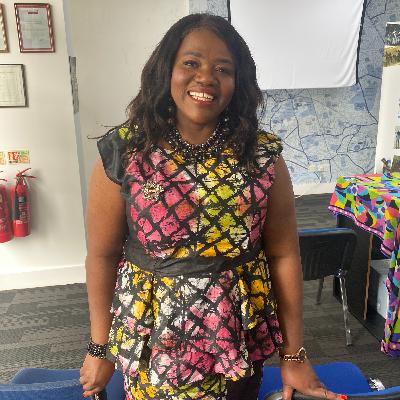
Madam Alimatu Dimonekene MBE is an award-winning women and girls' rights advocate. Madam Dimonekene is a high-profile British and Sierra Leonean award-winning Human Rights Activist, Child Protection and Safeguarding Expert, Keynote Speaker at Girl Summit in 2014, FGM Consultant, Philanthropist, and mentor. She is a member of Equality Now, an Op-ed Public Voices Fellow on Advancing the Rights of Women and Girls, and a member of the African Achievers Awards honorees. In 2023, Alimatu was honored and recognized by King Charles III as she was awarded MBE. This award was to acknowledge dedication to the prevention of violence against women and girls. This award also highlighted her tireless work in global education and crusade to eradicate female genital mutilation/cutting.
She is a tireless activist who has dedicated her life's purpose to enhancing the reproductive health rights of women and girls, especially those affected by harmful traditional practices such as female genital mutilation\cutting (FGM/C) with child and early forced marriage and exploitation.
Winner of the Rosie McGrath Activist 2018, Alimatu has also been recognized for her dedicated work by winning the African Achievers Award 2017 for her work in raising the voices of African women and girls through empowering the next generation.
She is also the founder of A Girl At A Time (SL), a leading platform to engage, empower, and educate young people about the issues of gender-based violence and advocacy.
I had the pleasure of meeting Alimatu Dimonekene coincidently when she attended Pansa Pansa's conversation and recording with Lola Aforo as a lister and a supporter of my guest. She briefly talked about her own experience with FGM and the activism she is engaged in globally on this topic. Alimatu accepted my invitation to come on the platform to discuss her experiences and educate the public about her dedication to eradicating FGM in Sierra Leone and globally.
During our conversation, Alimatu talked about her family background, her close relationship with her parents, and their opposition to FGM. She spoke extensively about her grandmother's influence, who initiated the cut against your parents' will. She shared her insight into how cultural expectations obstruct her parents' inability to protest against her grandmother's will. She further talked about the taboo imposed on the victims of FGM as they are forbidden to speak about it. Alimatu explained how this taboo created fear in her to talk about her experiences with FGM in public. Alimatu further educates the audience on the history of FGM globally, its origination and the different types of FGM performed worldwide. She further spoke about February 6th, the day that commemorates The International Day of Zero Tolerance for FGM, its history, and the impact of this day on world awareness of FGM. She discussed the physical, emotional, and psychological effects on the victims of FGM and many more.
To follow Alimatu's work, please visit her website @ https://www.agdgetitdone.co.uk/
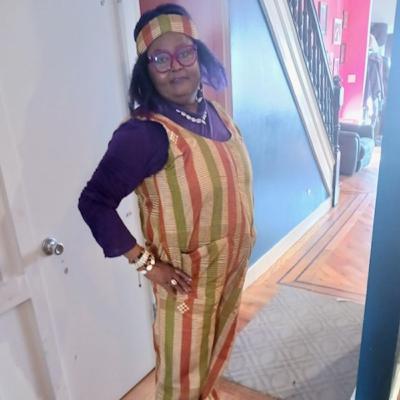
Ms. Esther Lola Aforo was born and raised in Sierra Leone. Growing up in Sierra Leone, she attended Ahmadiyya Muslim Secondary School. In her late teens, Ms. Aforo relocated to America with her husband and developed skills to work in numerous jobs. Ms. Aforo completed her undergraduate work at Florida State University and later pursued post-graduate work at Georgetown University in Washington, DC. She later relocated to Sierra Leone, worked for the University of Sierra Leone as the Public Relations Officer, and assisted students with Career Development. She worked with the Florida Department of Education, Emory University, and Georgetown University. Ms. Aforo is an educator, a feminist, a storyteller, and a researcher.
Ms. Aforo authored her life experience of childhood trauma as a victim of female genital mutilation, sexual abuse, and physical, emotional, and mental abuse growing up in Sierra Leone. The book Lupus or Me? I Chose Me! She tells her story, which creates an eye-opener into some of the deep-rooted events that describe how girls and women suffer from marginalization in Sierra Leone, including many other similar countries. Her faith in God, resilience, and braveness through these battles have equipped her to deal with lupus! Her story is one to read to understand the life of an African girl who doesn't speak as much but has so much to tell! Now that she speaks and writes about her experiences, she tells it all without fear. She is a survivor who vouches to choose herself over lupus, along with all the challenges she has been through in her life's journey.
During our conversation, Ms. Aforo shared some memories from her childhood about the abuse she experienced as a child growing up in Sierra Leone. She discussed the abuses she suffered as a child, which included sexual, emotional, physical, and mental abuse. In addition to these traumatic experiences as a child, Ms. Aforo went through the horrific ordeals of female genital mutilation (FGM), early marriage, and numerous spousal abuses, and we talked about how these traumas impacted her both physically and emotionally. We further discussed the book Lupus or Me? I Chose Me!. We spoke about many challenges and adverse experiences of young girls who grow up in a society where girls and women are marginalized. We reflected on how cultural beliefs, societal expectations, and poverty played a role in parents' decisions and the situation women found themselves in in many African countries. On a light note, we spotlighted Ms. Aforo's academic achievement despite these traumatic experiences. Ms Aforo reflected on how her background has helped build self-discipline and resiliency, the ability to overcome this adversity and adjust positively to a new life, and many more.
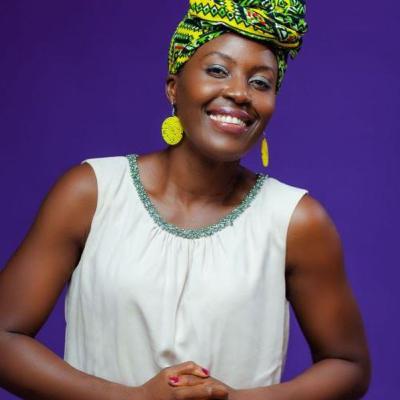
I learned about Dr. Mathero Michelle Nkhalamba on The More Sibyl Podcast. She was invited along with other experts in the field of mental health and mental illness to talk about one of the most pressing issues globally "Suicide in Preteens. I was one of the attendees, and I will say that her contribution to intergenerational trauma in African societies could be relatable to many African families in the diaspora. I was confident that she would be a perfect guest on the Pánsá Pánsá podcast to discuss intergeneration trauma further.
Dr Mathero Michelle Nkhalamba is a Clinical Psychologist based in Malawi. She holds a Philosophy and Psychology degree from the University of Malawi, earned her Master's in Clinical Psychology at Bangor University in the UK, and completed her PhD at Rhodes University in South Africa under the prestigious Beit Trust Scholarship.
She provides psychosocial support to various client groups, including students in higher education institutions, staff in international organizations working in humanitarian contexts, human rights activists, and staff supporting survivors of violence.
Dr. Nkhalamba's work with human rights activists and digital rights activists involved holding space for peer support while processing the mental health challenges of working in the human rights activist space. She also delivered talks to promote a culture of self-care in the activist community.
In her work, she uses evidence-based interventions and psychological techniques, considering the unique lived experiences of her clients. Dr Nkhalamba incorporates motivational interviewing, cognitive behavioral therapy, and solution-focused techniques, and she trained in mindfulness and trauma-informed approaches.
She has developed and delivered psycho-educational webinars and workshops on various topics, including stress management, dealing with anxiety and depression, trauma and vicarious trauma, coping skills, sleep hygiene, self-care, and other mental health topics.
Dr Mathero Michelle Nkhalamba is a chartered psychologist with the British Psychological Society (BPS) and a registered clinical psychologist with the Malawi Medical Council. She is a lecturer in psychology at the University of Malawi, and her teaching areas are Counselling Psychology, Clinical and Abnormal Psychology, Health Psychology, and Forensic Psychology.
During the conversation, we talked about mental health and mental illness and when someone should seek mental health care. We discussed the taboo associated with mental health and mental illness in many parts of the world, especially among Africans on the continent and the Africans in the diaspora, which includes immigrants and refugee families who may have gone through traumatic experiences before migration into a new country. We also talked about generational trauma and how someone can recognize that someone might be suffering from generational trauma within the family dynamics and many more.
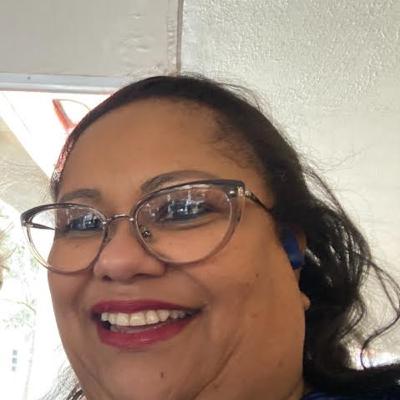
I learned about Ms. Onipede after seeing a short clip of her Instagram post on racial healing during Black History Month of 2023, and the powerful message she shared was very moving. Looking at her name, I was also interested in learning more about her family background, with a prominent last name from Lagos, Nigeria, and her advocacy for equality in America for the underserved members of society. Wanting to know more about Ms. Onipede, I went on her website to learn about her profession and what more of her expertise she could render as advice to African immigrants in the diaspora. After reading on her website that Ms. Onipede is a facilitator, keynote speaker, and consultant for organizations that are on a mission to eliminate racism, dismantle oppressive systems, and grow equitable culture, I knew that I definitely wanted her to be a guest on Pansa Pansa Podcast.
During our conversation, I learned that Ms. Onipede was biracial, born in Lagos, Nigeria, to a Nigerian father and a White American mother who identified mostly as Irish American and her father was a Polish Jew. She spent most of her formative years in Lagos, Nigeria, before relocating to America to go to college. We discussed her childhood and what it was like for her, growing up in Nigeria as a biracial child and navigating through early childhood and adolescence. We talked about her mother's adjustment in Nigeria socially, professionally, and within her husband's extended family. We discussed her adjustment after she came to the USA to attend college and how she navigated through diverse spaces and defined her identity.
We talked about her area of expertise in diversity and inclusion. Ms. Onipede is a qualified Intercultural Development Inventory (IDI) administrator and a certified Emotional Intelligence Coach. She founded The CARA Model, an integrative liberation framework that moves learners through exploring Anti-Racist and eliminating racism, dismantling oppressive systems, and growing equitable culture. This discussion extends our conversation to talk about Black Americans' historical experiences in America and African immigrant experiences. We further discussed misconceptions both groups have against each other, which led to our discussion on affirmative action as it relates to who benefits from it. We discussed Black-on-Black discrimination and how African immigrants are left out of conversations regarding race and ethnicity issues.
There may be a belief that the African immigrant population is insignificant compared to other growing immigrant communities, and many in the field of research may feel that the experiences of African immigrants may not warrant being studied. Without investigation, there would be no understanding of the immigrant experience unique to the African immigrant community in the area of adaptation to American society, and their identity may be different from or in opposition to existing racial and ethnic identity.
Bio:
Iyabo Onipede is a facilitator, speaker, and consultant who curates deep dives into the heart of inclusion, equity, and racial justice. She is an effective community builder and seasoned equity consultant committed to creating spaces of belonging.
Iyabo's work opens pathways for organizations to build just and equitable environments through education, experiential and guided self-reflection, and facilitating challenging exchanges. Her high-touch customized workshops use compassion, storytelling, and education for participants to shift identities into mutuality and accountability while creating and sustaining spaces of belonging.
A self-described "recovering attorney," she obtained a Master of Divinity from Candler School of Theology at Emory University after a 20-year legal career. When she is not consulting, writing, and playing with dogs, she has fun and inspiration with the other professional hats she wears, advancing the culture and ethic of compassion through her work at Compassionate Atlanta.
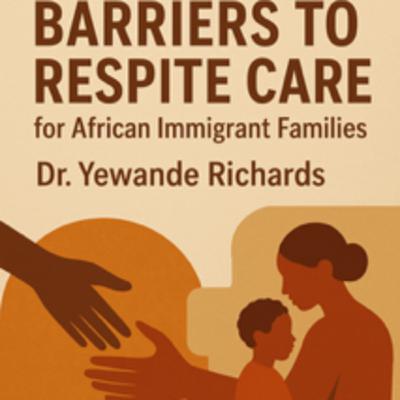
To be a parent to a child with special needs is an act of relentless love, but no parent should have to do it alone. When the systems fail to provide respite care or the services and support needed, the system dismisses the humanity of caregivers and the rights of children. Dr. Yewande Richards' advocacy is rooted in both lived experience and rigorous research. Her personal and professional experiences show that so much is at stake. What would it look like if policy truly valued the labor of mothers like her and not just in theory, but in tangible support? SummaryOur discussion delves into the importance of community engagement, the barriers to accessing services, and the need for open conversations about children of immigrants with special needs and the family dynamics. Dr. Richards shares personal anecdotes and insights from her research on African immigrant mothers and their children with special needs, emphasizing the importance of understanding and addressing the unique challenges faced by this community.Bio:Dr. Yewande Richards obtained her doctoral degree in 2024 from Walden University's School of Behavioral and Social Sciences. Her doctoral dissertation, conducted as a nationwide qualitative study, examined barriers to Respite Care Among African Immigrant Mothers of Children with Complex Needs. The purpose of this study was to understand access barriers to respite care services for these mothers and the role of race in potential disparities in access using a critical race theoretical lens. As Dr. Richards pointed out during our conversation, she was investigating this problem to help fill a knowledge gap in the human and social services fields related to identifying and tracking African immigrant children's complex health conditions and providing critically needed care and support for them and their families.Ms. Richards also holds a Master of Public Administration from New York University and a degree in Biology from Berea College. She is a mother of 3 sons, one of whom has complex needs. She enjoys quiet living, nature, the arts, and exploring various cultures. She has also been a small business owner for nearly a decade.TakeawaysThe journey from Liberia to America was influenced by a mother's foresight.Parental influence plays a significant role in shaping children's lives.Cultural differences impact emotional expression and parenting styles.Children of immigrants face unique challenges in navigating their identities.Education and social life in college can be complex for immigrant students.Research on African immigrant mothers highlights barriers to accessing services.Community engagement is crucial for addressing the needs of immigrant families.Understanding family dynamics is essential for supporting children with special needs.Mental health discussions are often stigmatized in immigrant communities.Collective action is necessary for advocating for immigrant rights and services.Chapters:00:00 Introduction to Yewanda Richards and Her Journey05:08 The Impact of Family and Cultural Background08:20 Exploring Fatherhood and Its Challenges in African Families10:59 The Immigrant Experience: Challenges Faced by Children14:03 Understanding the Parent-Child Dynamic in Immigrant Families17:04 Cultural Differences in Emotional Expression and Mental Health19:37 Navigating College Life as an Immigrant Student22:11 Research Focus: African Immigrant Mothers and Special Needs25:15 Barriers to Respite Care for African Immigrant Families30:57 Understanding Participation in Research33:33 Advocacy and Community Engagement36:01 Challenges in Research and Data Collection39:12 Family Dynamics in African Immigrant Communities41:57 Access to Healthcare and Services44:49 The Importance of Respite Care46:31 Barriers to Accessing Care49:11 The Role of Community in Research51:54 Cultural Competency and Advocacy55:26 Empowerment and Collective Action

Comments

Download from Google Play

Download from App Store
 United States