


 Claim Ownership
History Workshop Podcast
Subscribed: 60Played: 978
Subscribe

© All rights reserved
Description
Listen to leading scholars, activists and writers talk about the practice of history and reflect on the social forces that are changing our world.
89 Episodes
Reverse
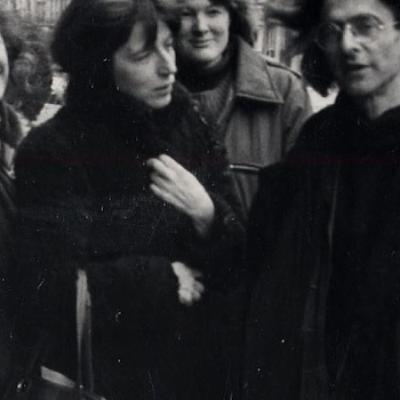
How did History Workshop Journal's editorial collective sustain its commitment to radical history over fifty tumultuous years? Sally Alexander and Jeffrey Weeks discuss.
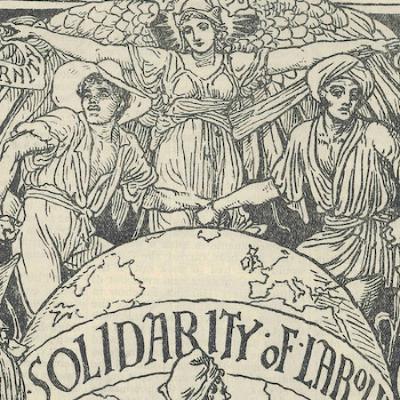
A new exhibition on 200 years of British trades union history spotlights surprising moments in the tumultuous history of workers organising for change.
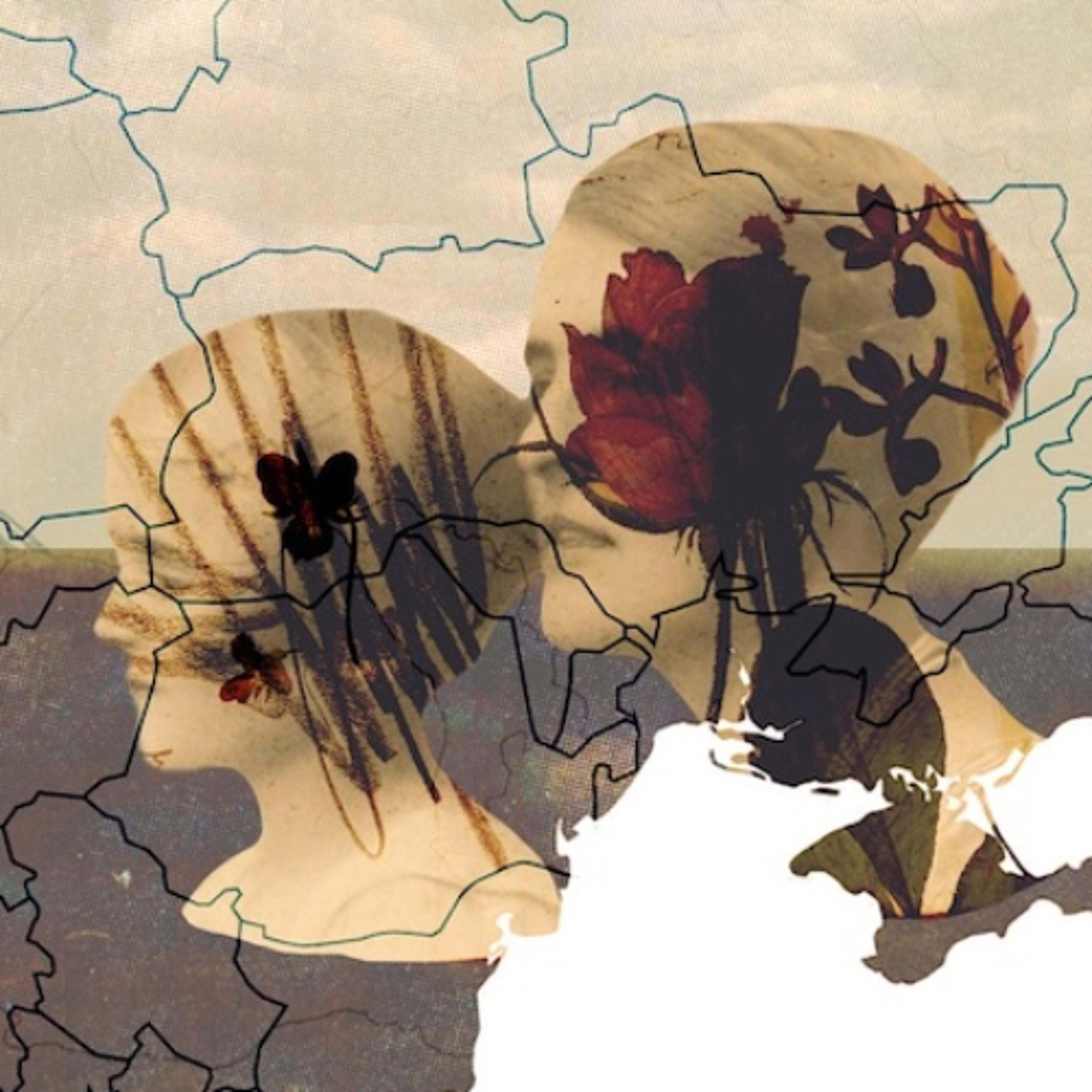
Why has Eastern Europe been absent from studies of decolonial history? Historians Oksana Dudko and Anna Hájková discuss.
How might we reassess the importance of friendship as a transformative, even revolutionary, political resource?

How has paperwork served over time as a tool for empowerment and change? A roundtable of historians, archivists, and activists explore its unexpected radical history.
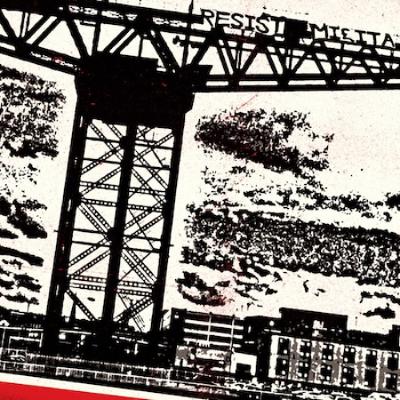
A Glasgow rock band, The Tenementals, explore what it means to create radical history in song.
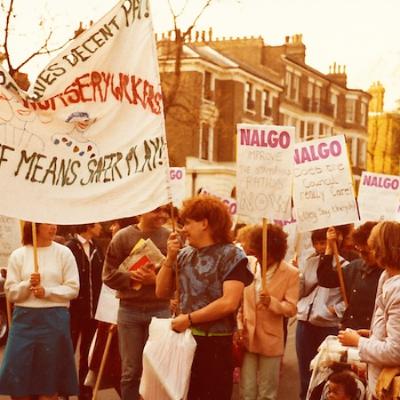
Why did 155 nursery workers employed by London's Islington Council go on strike in 1984 - and why has their story been forgotten?
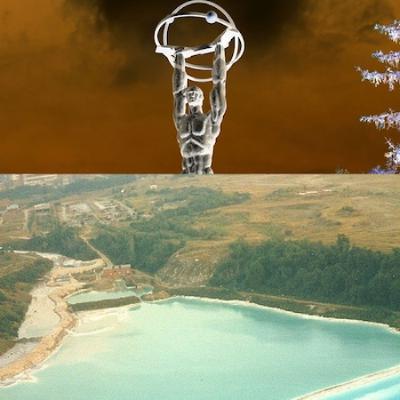
How can the visual arts shed light on the historical relationship between socialism and the natural world?

Is war innate to human psychology?
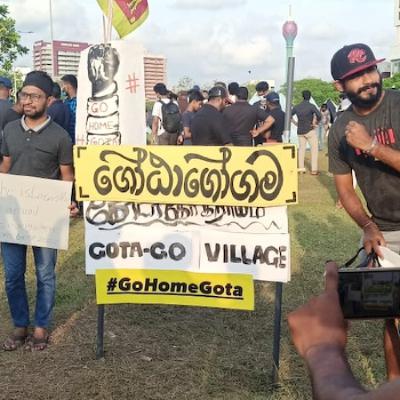
How might historians of the 2022 People's Uprising in Sri Lanka explore ongoing struggles for accountability and justice?
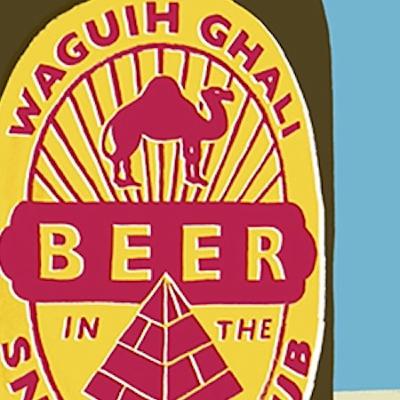
Exploring the enigma that was the Egyptian writer Waguih Ghali, author of the classic postcolonial novel Beer in the Snooker Club.
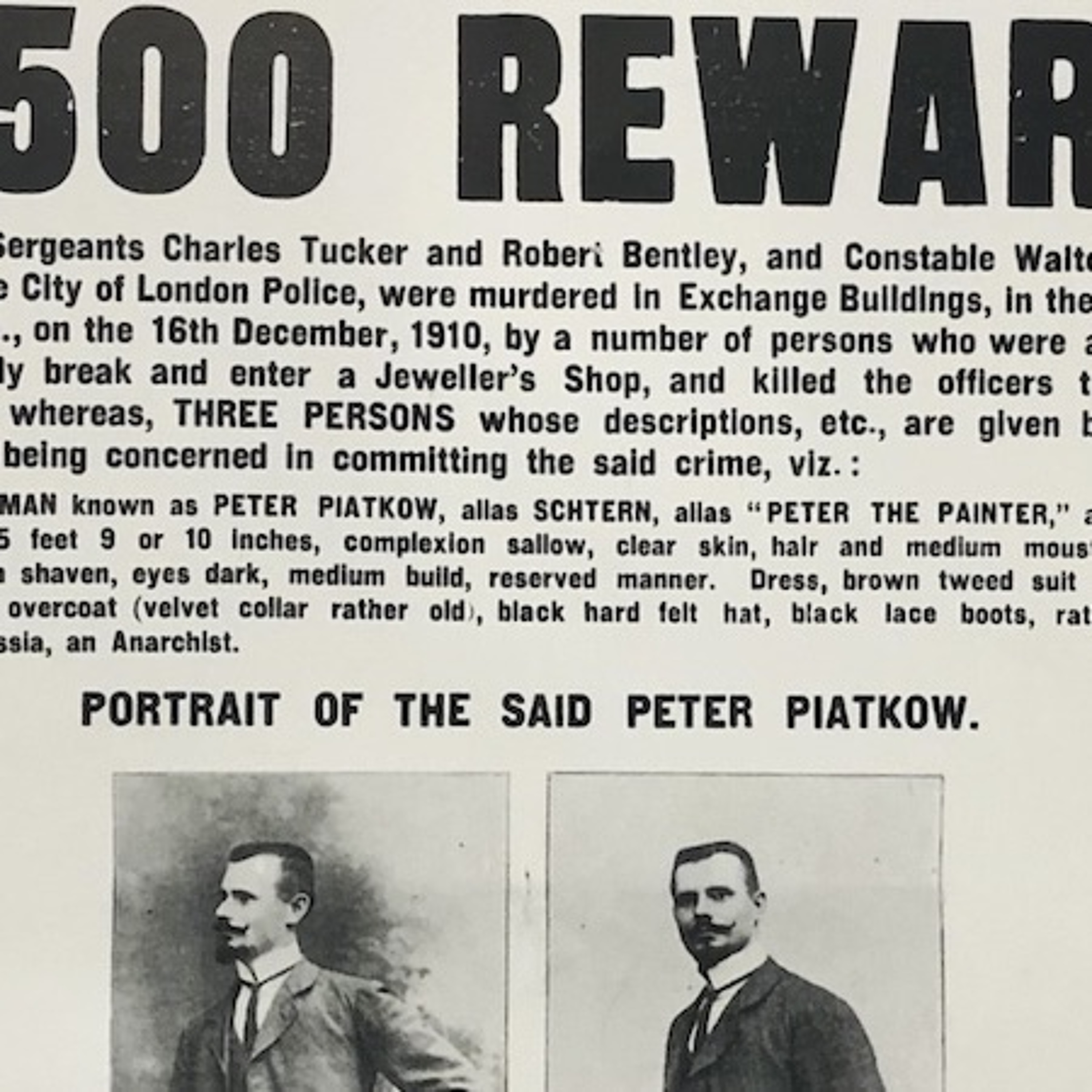
How did a 1911 East End police shootout affect the history of anarchism in London and beyond?
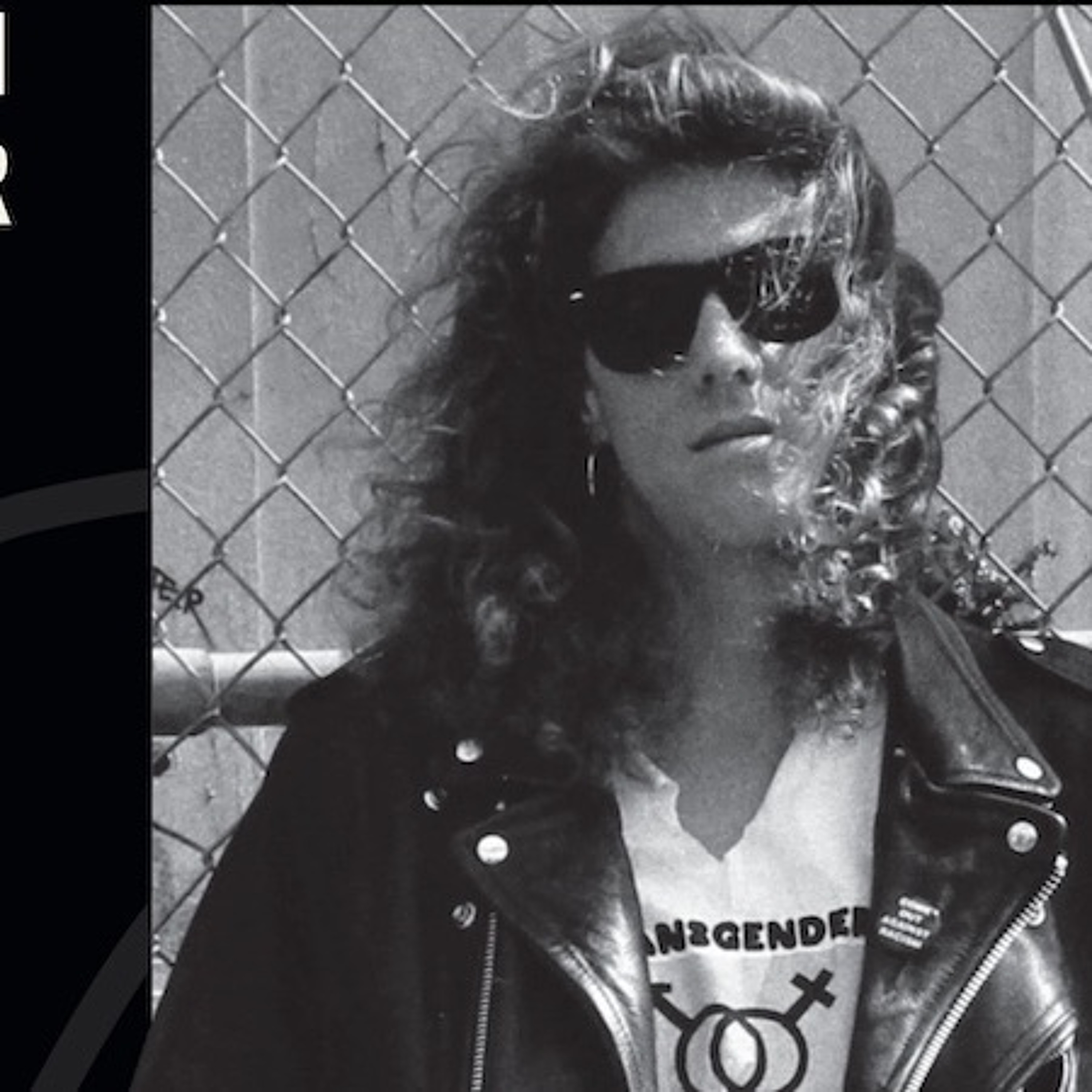
How did trans history find a foothold in the academy - and what is its future? Susan Stryker discusses with Claire Potter on this episode of the Why Now podcast.
The novelist Amitava Kumar on history, fiction, India, and ordinary lives.
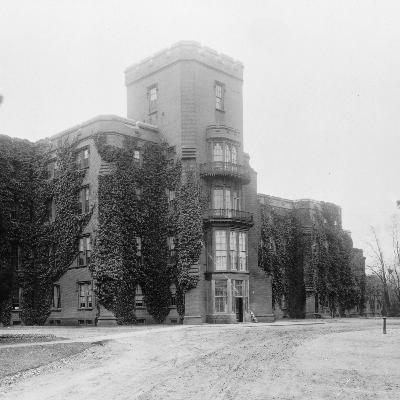
How has modern queer life been affected by its encounters with psychiatric power?
How can we investigate disability history and heritage?
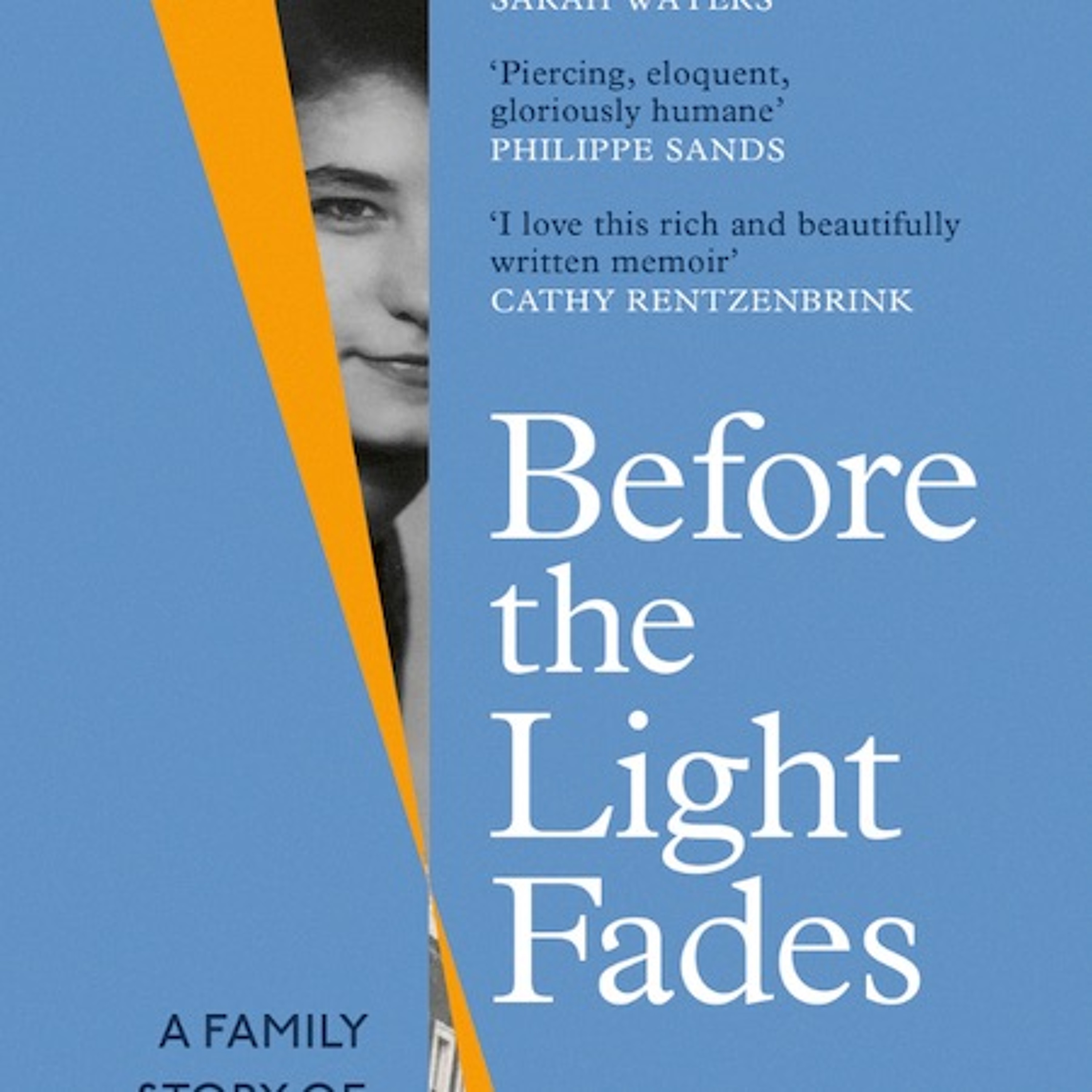
Natasha Walter on her mother's life of activism and resistance.
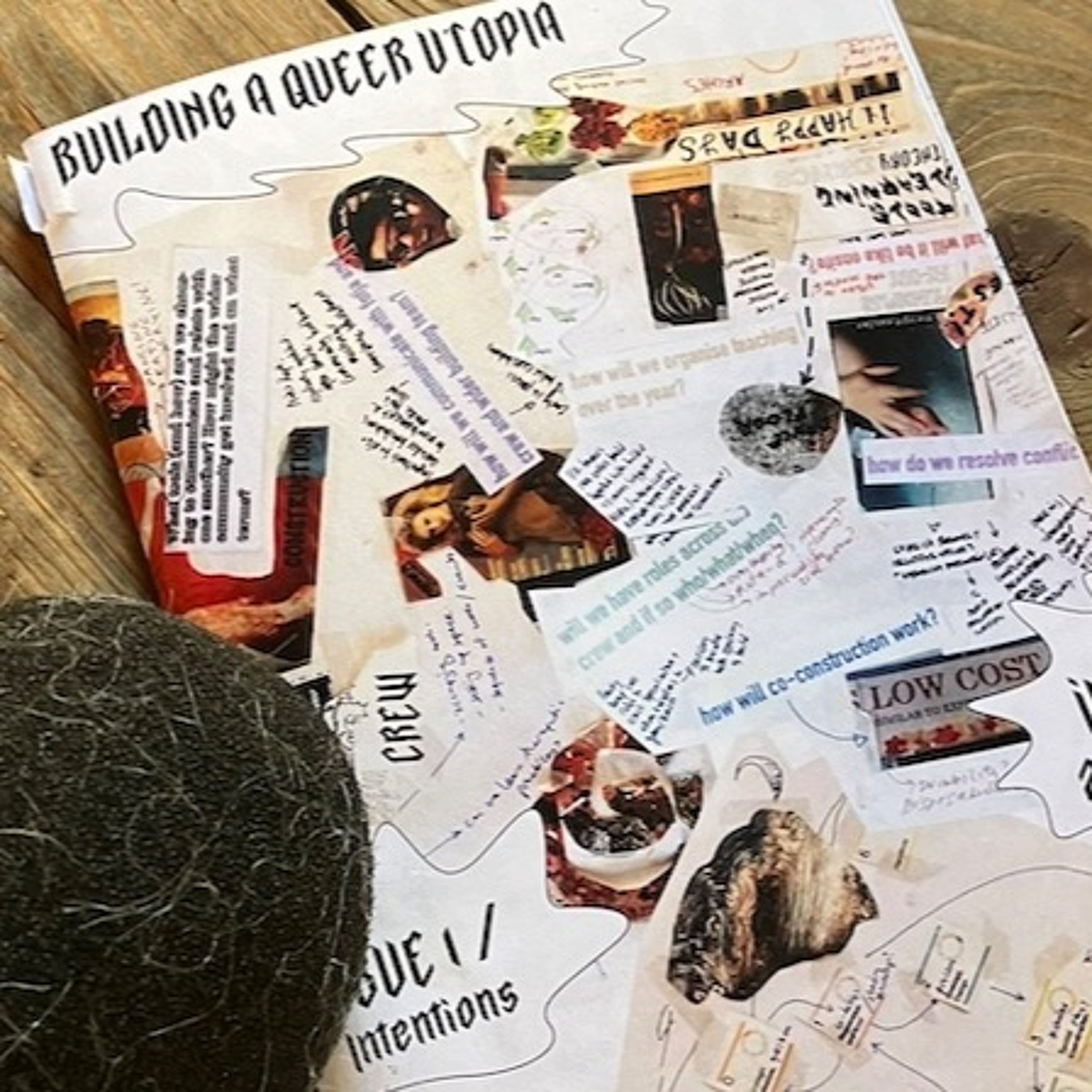
What is the future of common spaces and community gathering spots in the UK? At a time when so many spaces that once were shared are now either derelict or in private hands, when it can be difficult to find somewhere to gather with friends without buying a latte in order to do so, how might the future be different? How might we rethink our relationship with public space, the land, and each other? Those are the questions that audio producer May Robson set out to answer in a new series for BBC Sounds Audio Lab called Now Here.
What possibilities do podcasts offer as vehicles for radical history? Albert Scharenberg of the Rosalux History podcast discusses.
How might we translate the French Revolution in ways that open it up to the 21st century?


Download from Google Play

Download from App Store
 United States
keep them coming...