


Toasted Sister Podcast
Subscribed: 367Played: 3,976
Subscribe

© All rights reserved
Description
The Toasted Sister Podcast is all about Native American food, food sovereignty, people and culture. Hosted and produced by Andi Murphy, Diné journalist.
95 Episodes
Reverse

In this episode, I talk with Native chefs and restauranteurs about balancing successful business with staying true to culture, community and the Native American Food Movement. Recorded live from the first Indigenous Foodways Festival that took place at the Museum of Indian Arts and Culture in Santa Fe, New Mexico in June 2026. Guests: Johnny Ortiz-Concha (Taos Pueblo), chef and creator of the Shed in New Mexico, Alexa Numkena-Anderson (Hopi, Yakama, Cree and Skokomish), chef and owner of Javelina Indigenous Dinning in Portland, Tina Archuleta (Jemez Pueblo), chef and owner of Itality Plant Based Foods in Albuquerque, Elena Terry (Ho-Chunk), chef and founder of Wild Bearies and executive chef of the forthcoming restaurant, Tall Grass at the Madison Museum of Contemporary Art, and Crystal Wahpepah (Kickapoo), chef and owner of Wahpepah’s Kitchen in Oakland, California and author “A Feather and a Fork: 125 Intertribal dishes from an Indigenous Food Warrior.”
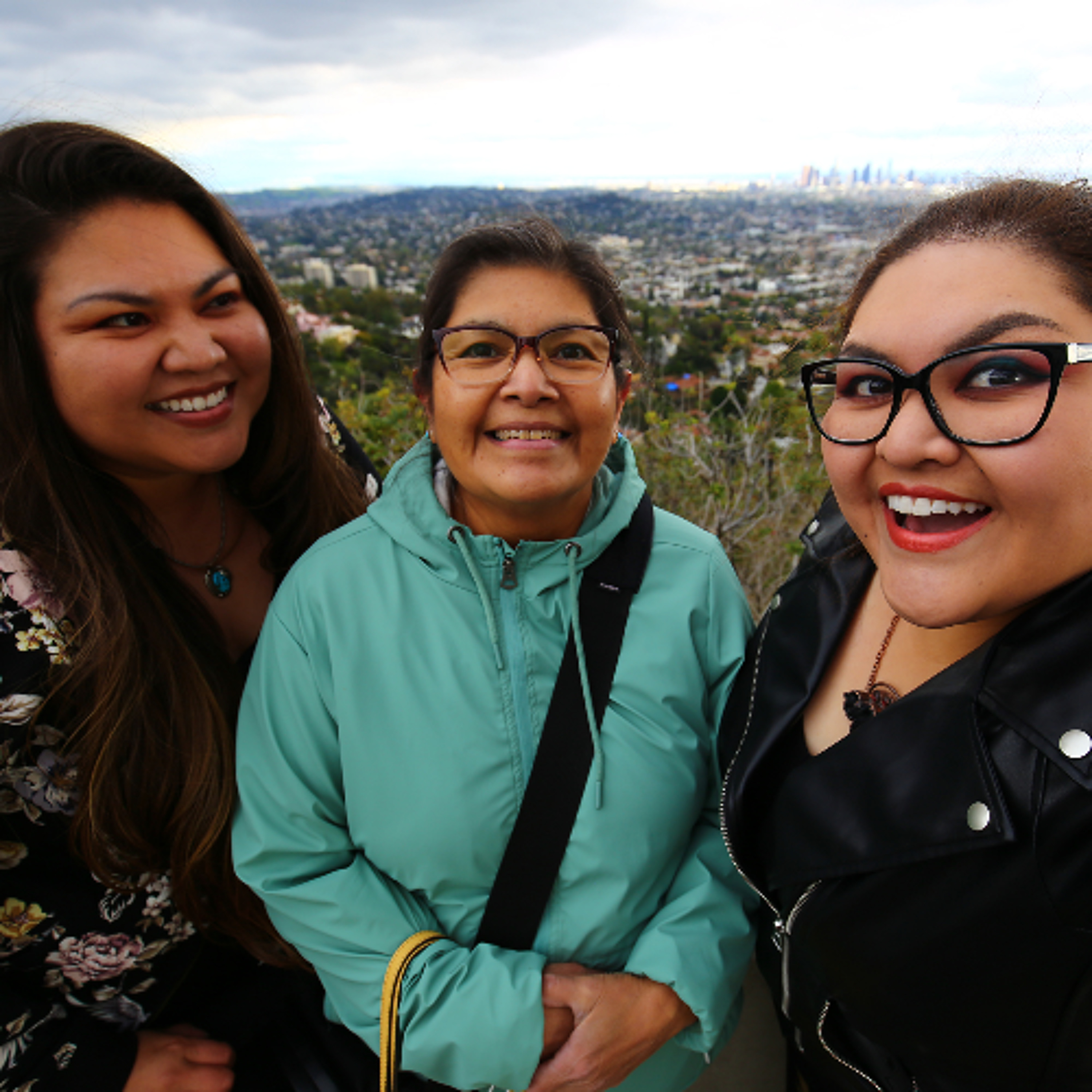
Throughout my lifetime, my mom has been sharing stories and bits and pieces of memories from her childhood in Los Angeles with me. From her youthful, innocent, perspective, east LA was a vibrant and safe place for her to grow up. She mentioned eating tacos on Olvera Street and that caught my attention because I had just read about Olvera Street in “American Tacos: A History and Guide” by José R. Ralat. Olvera Street is a pretty significant place in the history of Mexican food in LA and the United States; a bit of a controversial history, but an interesting history nonetheless.
My mom’s memory of Olvera Street helped me form an itinerary for an adventure: to go back to Olvera Street to have those same tacos and to learn about Mexican and Indigenous food there, and back to downtown Los Angeles to learn more about the generations of Native people who moved to the city—by way of the Urban Relocation program—and created an urban Native community with its own vibe and culture.
Heard:
Kathy Murphy, my mom
Dr. Alisha Murphy, my little sister
Dr. Enrique Ochoa, professor of history and Latin American Studies at California State University Los Angeles
Dr. Sarah Portnoy, producer of “Abuelita’s Kitchen” and professor in the Departments of Latin American and Iberian Studies and American Studies and Ethnicity at the University of Southern California specializing in Latinx food culture and food justice
Pamela Peters, Diné multimedia documentarian. Her film and video project is called the “Legacy of Exiled Ndnz”
Mentioned:
Las Anitas
Un Solo Sol
United American Indian Involvement
King Taco
El Tepeyac Café
Credits:
Production, hosting, engineering by Andi Murphy
Podcast intro and outro music by CW Ayon
Episode music by Blue Dot Sessions
“Cornicob”-Sugartree, “Sienna’s Regression”-Heringbone, “Sharp Lapel”-Transistor Radio, “The Queen of Cones”-Tarana, “Caravan 9”-The Caravan
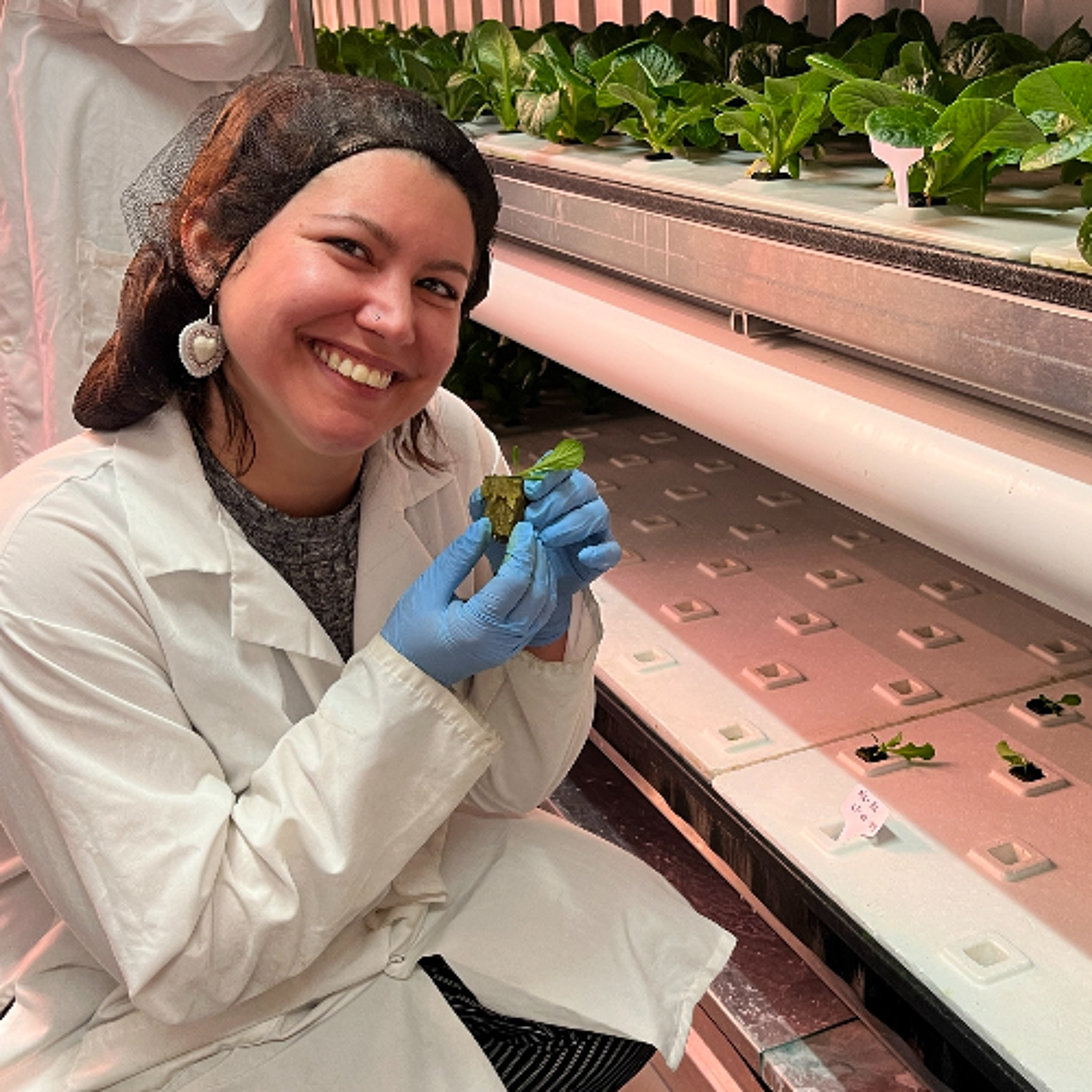
Leah Prisque is responsible for Indigenous and community relations at Growcer, a cool Canadian company that turns shipping containers into farms. She helps expand this idea to Indigenous communities, some of which are extremely remote and located in food deserts. In this episode, Leah talks with economist for the Navajo Nation, Dr. Alisha Murphy, about how these farms work.
Mentioned in the show:
Growcer: https://www.thegrowcer.ca/
Bidii Baby Foods: https://www.bidiibabyfoods.org/
The National Centre for Truth and Reconciliation: https://nctr.ca/
“The Knowing” by Tanya Talaga: https://www.harpercollins.com/products/the-knowing-tanya-talaga?variant=43103131074594
Native America Calling: https://www.nativeamericacalling.com/
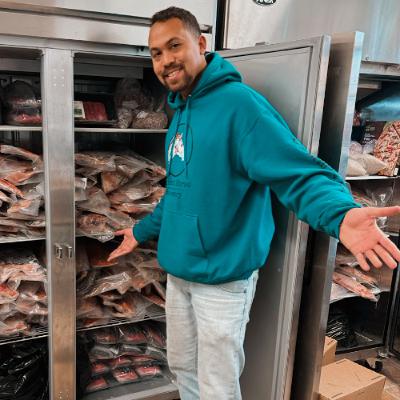
I met Lamar Minthorn (Umatilla) of Tutuilla True during my first trip to Portland at the Northwestern Native Economic Summit. He’s an incredibly positive person and an obvious hard worker. In this episode you’ll learn about how one tribal fisherman found his way into the Columbia River to carve out a salmon fish business for himself.
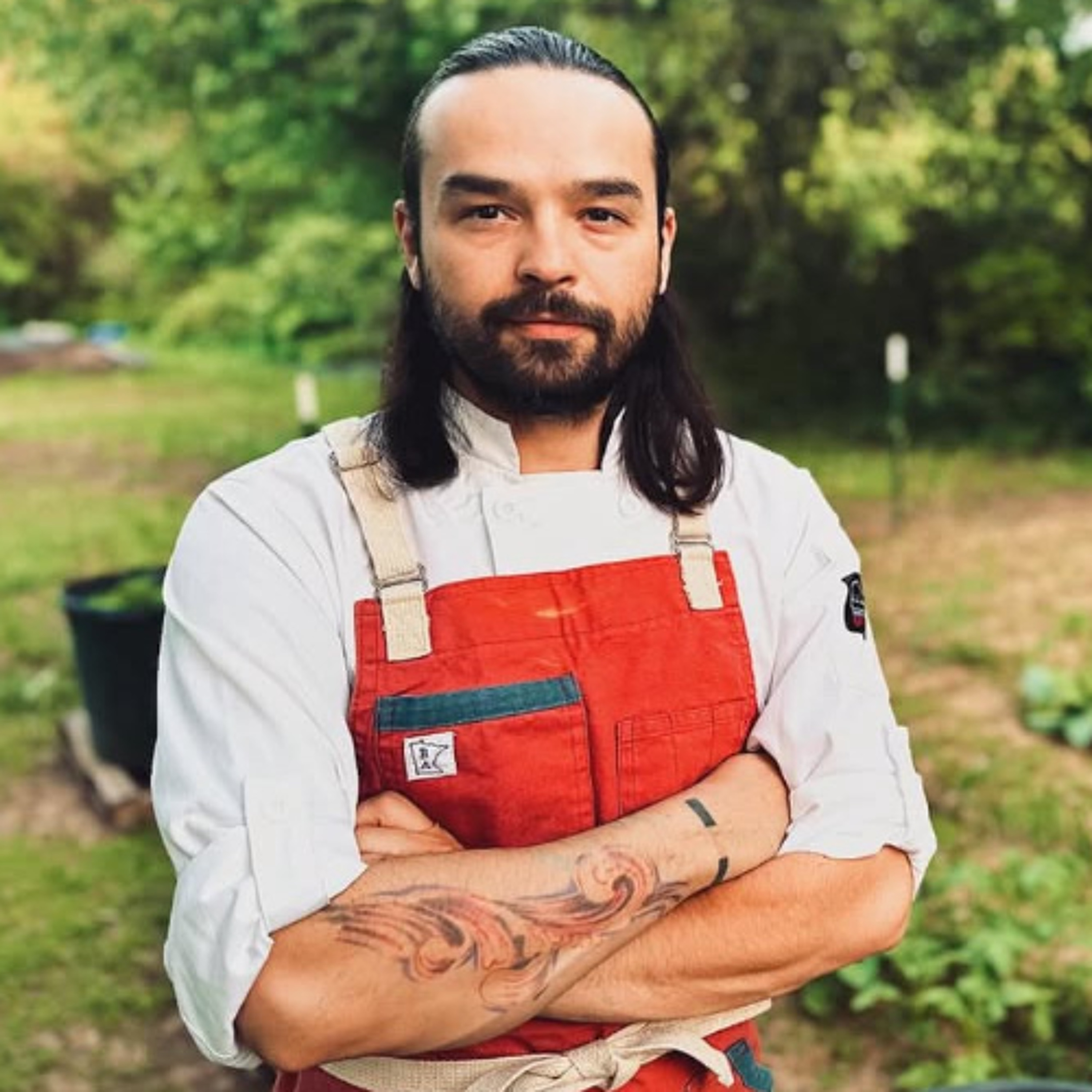
In this episode, I talk with Ojibwe chef Bryce Stevenson who is also the owner of Miijim in La Pointe, Wisconsin, an island in Lake Superior. He’s also a pretty talented poet whose work is included in the zine “Heart Rations: Indigenous Food Poetry.” Bryce is a creative guy who also takes up carpentry work during the off season, a necessity for folks who work on an island like La Pointe.
Nininjiin
A poem by Bryce Stevenson
as a bowl, hysterically
holding juice squeezed
fresh from flesh, burnt
festered, boiled
weathered, leathered
skin until muscles
cooked within. Bones
split, flavors grown no
modifier nor amplifier
in need. Too hot
my hands to carry
blistering dish, gravity
given gift - re-room
the hecatomb - a day
minus the hours
sleep & work spent
in the only room
in the house where
existence is ensured
through the destruction
of life - the results of
which, wasted.

Comments

Download from Google Play

Download from App Store
 United States