


 Claim Ownership
Maine Coast Dock Talk
Subscribed: 19Played: 144
Subscribe

© All rights reserved
Description
A podcast about commercial fishing, the people, the places, and the environment of coastal Maine.
Maine Coast Dock Talk is a project of the Maine Coast Fishermen's Association.
Maine Coast Dock Talk is a project of the Maine Coast Fishermen's Association.
37 Episodes
Reverse
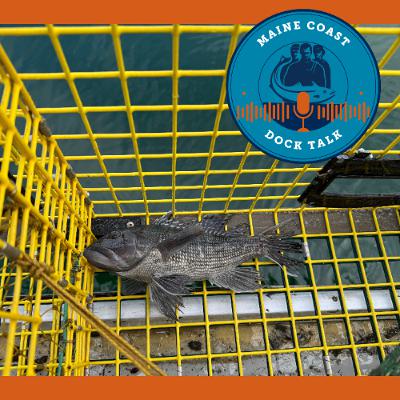
We're exploring the world of Black Sea Bass in the Gulf of Maine with Marissa McMahan. Marissa is the senior director of Fisheries at Manomet who did her PHD on black sea bass. Often used as an example of a climate "winner" in the Gulf of Maine, we know shockingly little about this species in the northern extent of its habitat. Marissa shares some of the research she has done, some information on black sea bass management, and some details on a project MCFA and Manomet are partnering on with local fishermen to collect new data on this species.
check out our blog at www.mainecoastfishermen.org for a story map of this project.
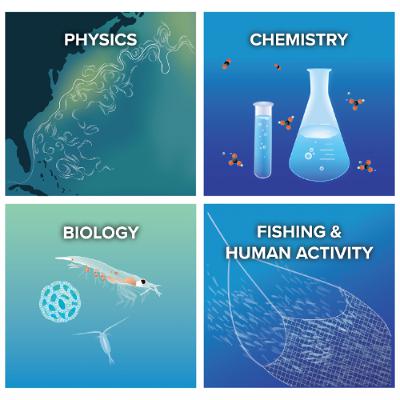
Ben Martens chats with Dr. Adam Subhas of the Woods Hole Oceanographic Institution to explore the research initiative known as the Loc-Ness project. Loc-Ness stands for Locking away Ocean Carbon in the Northeast Shelf and Slope and is testing the safety and effectiveness of ocean alkalinity enhancement to combat climate change.
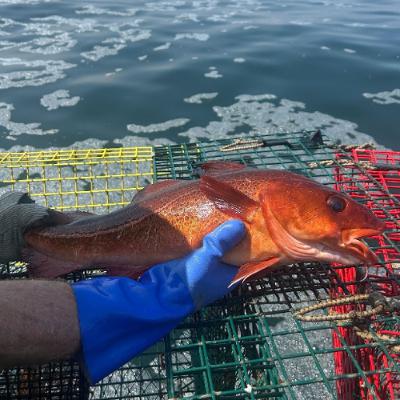
When you picture cod, you probably see an olive or silver colored fish. But Emily Coffin caught a red cod in her lobster traps and shared it with the team at MCFA. We had some questions, as did a bunch of our followers on social, so we asked Graham Sherwood of the Gulf of Maine Research Institute to join Ben Martens for a conversation about red cod.
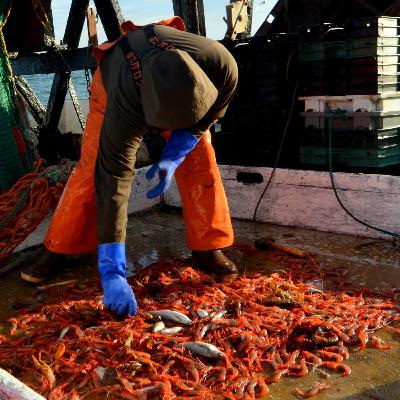
Ben Martens chats with Lulu Bates from the Department of Marine Resources (DMR) about the health and future of Maine’s northern shrimp fishery. Lulu, a marine biologist with DMR, brings a wealth of knowledge to the discussion, covering the current state of the fishery, the concerns fishermen have about the science behind it, and the challenges faced by those who love to catch or enjoy Maine shrimp.
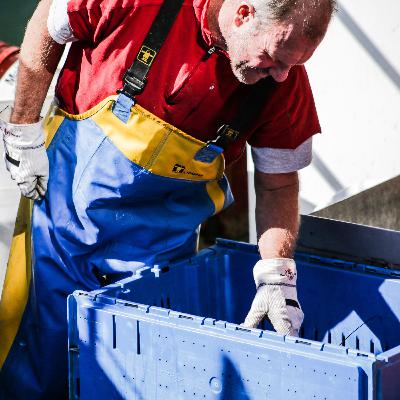
In the summer of 2024, the US Supreme Court struck down the "Chevron Doctrine" in a case brought by a group of New Jersey herring fishermen. In this episode, Ben Martens interviews Andrew (Drew) Minkiewicz, an attorney at Black Point Maritime Law, about what this might and might not mean for fisheries.

Environmental DNA, or eDNA, is a method of detecting and monitoring species by collecting their DNA from environmental samples like water, soil, or air. Ben Martens chats with Emily Pierce and Alex Ascher about their research into eDNA and the application of this emerging data collection process for Maine's fisheries. BLOG for more information https://www.mainecoastfishermen.org/post/podcast-the-opportunity-of-edna-for-maine-s-fisheries
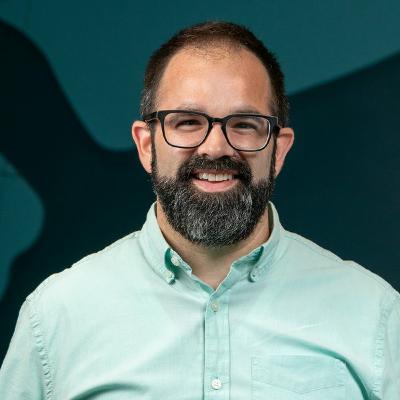
Dr. Dave Reidmiller joins the podcast to discuss a recent study out of Woods Hole Oceanographic Institution which found that the Gulf Stream is warming and weakening. Ben and Dave give an overview of the importance of the Gulf Stream, why a warming Gulf Stream is a weaker Gulf Stream, and what that could mean for the Gulf of Maine, the Atlantic Ocean, and the rest of the world.
We also throw some cold water on the “Day After Tomorrow" scenario that some alarmist publications have suggested is happening.
More Info at the MCFA Blog https://www.mainecoastfishermen.org/post/podcast-a-weakening-gulf-stream-with-david-reidmiller
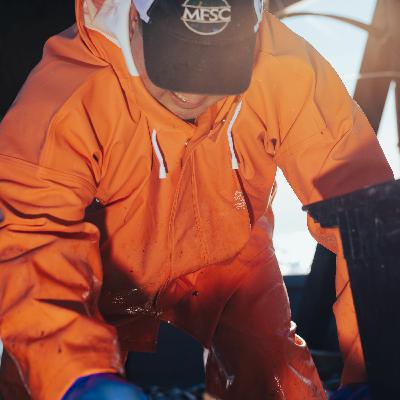
Dr. Jamie Cournane of the New England Fishery Management Council joins Ben Martens to talk haddock. The most recent stock assessment indicates that fishermen need to cut their catch by over 80% as the biomass is lower than previously thought. Dr. Cournane walks us through the stock assessment process, what might have gone wrong, and what the future looks like for this important fishery.
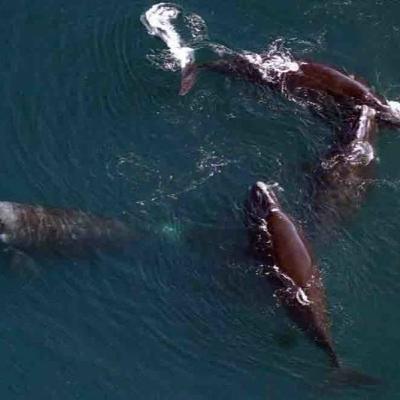
Colleen Coogan of NOAA Fisheries Greater Atlantic Regional Fisheries Office, joins Dock Talk to give an update on the Atlantic Large Whale Take Reduction Team's work to protect northern right whales. What's on the table? How is the Take Reducation Team determining "risk" to right whales? Who is ultimately making regulation decisions? And how can fishermen engage in the process?
To learn more about this issue. Listen to our previous episode Dock Talk with Patrice McCarron of the Maine Lobstermen's Association.
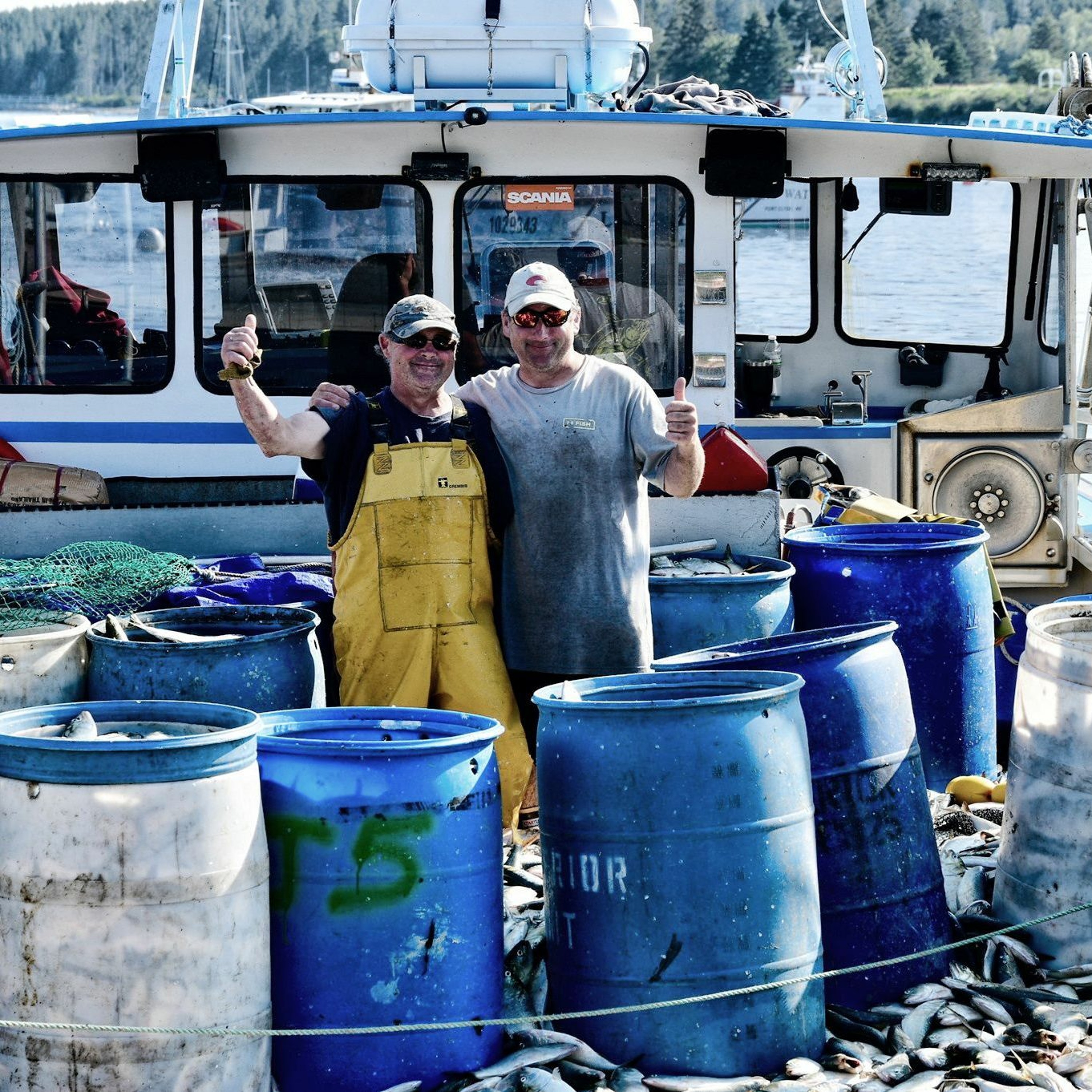
Menhaden has been referred to as the "most important fish in the sea" in reference to its role as forage in the Atlantic. Its importance to Maine's working waterfront is much more nuanced as it's only recently returned to Maine waters but has already become of outsized importance as forage and bait in the Gulf of Maine. In this episode of Maine Coast Dock Talk, Ben Martens talks with Megan Ware of the Maine Department of Marine Resources to better understand what's happening with menhaden.
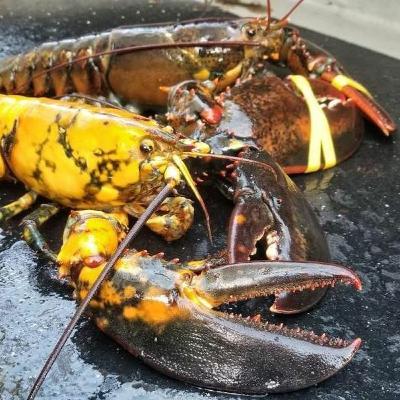
The Maine Lobstermen's Association's executive director Patrice McCarron joins Dock Talk to give an update on three lawsuits moving forward regarding the future of the commercial lobster fishery in Maine in response to a call to protect right whales.
Right whales are a critically endangered species in the Atlantic and NOAA fisheries have started to develop and implement new rules and regulations to try and protect the whales from extintion.
Environmental activists and fishing associations both have concerns about the process, and as such have filed three separate lawsuits in response to decisions that have been made and the data behind those decisions.
Patrice gives a breakdown of where we are, and some of the concerns she has for the future of the Maine lobstering community
The New Bedford Light and ProPublica recently released a special report entitled "How Foreign Private Equity Hooked New England’s Fishing Industry" written by Will Sennott.
Will Sennott joins MCFA's Ben Martens in this episode of Dock Talk to talk about his article and what it might mean for the future of New England's iconic groundfish fishery.
Find a link to the article on the MCFA blog at www.mainecoastfishermen.org
Sarah Schumann is a 15+ year veteran of the Rhode Island and Alaska seafood industries as well as a passionate advocate for the ocean ecosystems that sustain wild fisheries. In this episode of Dock Talk, Ben Martens interviews Sarah about her latest project the "Fishery Friendly Climate Action Campaign."
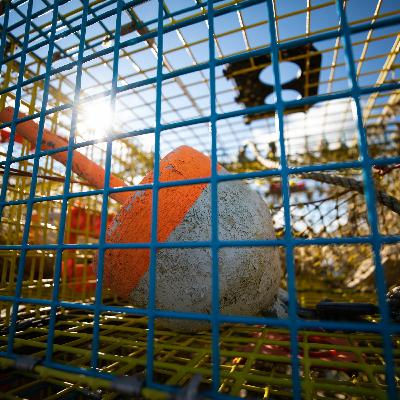
In 2021, the Massachusetts Division of Marine Fisheries in partnership with Homarus Strategies began a one-year investigation into the issues and conflicts surrounding the integration of on-call fishing gear (another term for “ropeless”) technology in New England.
MCFA's Ben Martens interviews Noah Oppenheim on the report and they dive into where the technology is, what fishermen are concerned about, and what the future looks like for implementation.
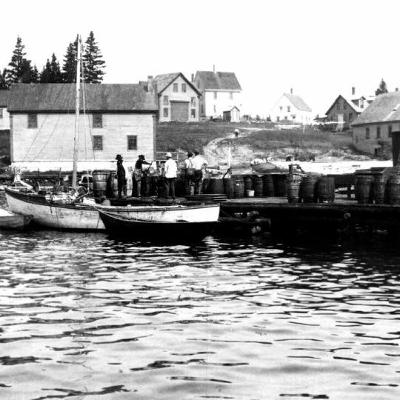
NOAA Fisheries Science Center recently released a story map titled the "Social Indicators of Gentrification Pressure" which explores how gentrification is affecting 29 fishing communities in the Northeast United States. Eight different Maine communities were highlighted in this work so we invited Matthew Cutler, PhD or Rose Jimenez, MA, MPhil to join us to chat about their work.
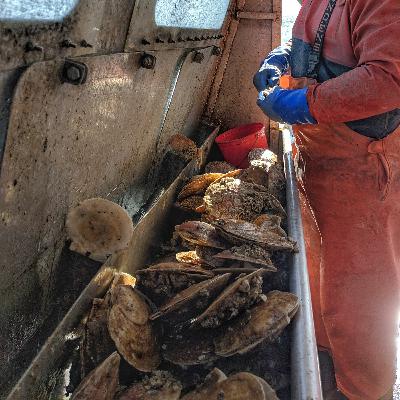
The Maine Coast Fishermen's Association has been working with scallop fishermen in the Gulf of Maine to pioneer an electronic monitoring program to collect data for the fishery. Learn more about this program and the work MCFA is doing to create a sustainable fishery for the next generation of Maine fishermen.
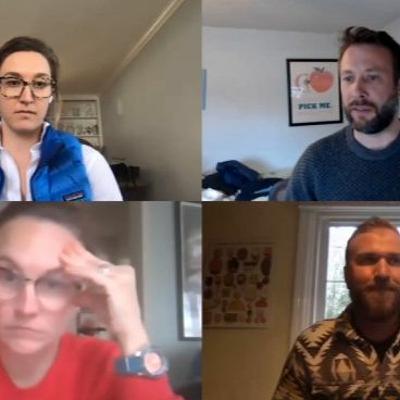
Maine Coast Dock Talk's first "Fish Wrap" dives into the concept of 30x30 and the impact that protecting 30% of the US oceans may have on fishermen. Ben Martens was joined by Leigh Habegger of Seafood Harvesters of America, Noah Oppenheim of Homarus Strategies, and Monique Coombs of the Maine Coast Fishermen's Association.
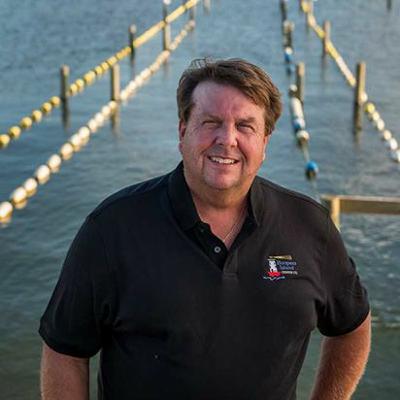
What are nutrient credits and how can they help revitalize Chesapeake Bay fishing communities while also cleaning up the bay? MCFA's Ben Martens interviews Johnny Shockley, a third-generation Maryland waterman, oyster aquaculturist, and founder of Blue Oyster Environmental about his work in creating a better future for the next generation of watermen on the Chesapeake.
We also get an update from Monique Coombs on the impacts of COVID-19 on Maine's working waterfronts.
In mid-April 2020, a federal judge ruled that NOAA fisheries had not been doing enough to protect right whales. How did we get here? What does this mean for Maine fishermen? Where do we go from here? Ben Martens interviews Patrice McCarron of the Maine Lobstermen's Association for some answers.

Maine Coast Fishermen's Association's Ben Martens talks Alan Tracy, CEO of Vessel Services. Vessel Services has a long history of supplying Maine boats with ice, fuel, and gear. In this Covid-19 free Pod, learn a little bit about how they were formed, what they are doing to evolve, and the optimism Alan feels about the future of fishing in Maine.

Comments

Download from Google Play

Download from App Store
 United States