


 Claim Ownership
The Street Epistemology Podcast
Subscribed: 460Played: 23,772
Subscribe

© All rights reserved
Description
Learn more at streetepistemology.com
527 Episodes
Reverse
On January 25th at 10am Central, 4pm, UTC, Join the Street Epistemology Town Hall here: https://streamyard.com/5k25zcuwin
What happens when we stop trying to win conversations—and start examining how we know what we think we know?
Learn more at https://navigatingbeliefs.com
In this long-form conversation, I’m joined by Anthony Magnabosco, Executive Director of Street Epistemology International, to explore Street Epistemology (SE): a conversational approach designed to help people reflect on the quality of their reasoning—especially around deeply held, emotionally charged beliefs.
We discuss:
✅ What Street Epistemology is (and what it is not)
✅ SE vs. debate, deliberation, and dialogue
✅ Persuasion, advocacy, and ethical boundaries
✅ Cognitive biases like confirmation bias and cognitive dissonance
✅ The “outsider test” and other reflection-triggering techniques
✅ Belief, identity, tribalism, and polarization
✅ Intellectual humility and critical self-reflection
✅ Whether SE can be a tool for healing—not just reasoning
✅ Why calm, curiosity-driven conversations struggle in the modern attention economy
This episode is for anyone interested in better conversations, critical thinking, and navigating disagreement without coercion, ridicule, or performative outrage.
🎧 Ideal for educators, students, dialogue practitioners, skeptics, and anyone trying to make sense of belief, belonging, and truth in a polarized world.
Original Video: https://www.youtube.com/watch?v=Ejbe766vW_s

What happens when a deeply held religious belief is grounded not in doctrine alone, but in lived experience, trauma, healing, and profound personal transformation?
In this long-form spoken-word dialogue, we practice Street Epistemology—a respectful, curiosity-driven method for exploring how people arrive at their beliefs rather than arguing what they should believe. A stranger approaches us in a public park and shares a powerful story of near-death experiences, loss, spiritual encounters, and absolute certainty that Jesus is God.
Rather than debate, this conversation explores:
✅ How personal experiences shape confidence
✅ Whether peace, identity, and meaning depend on belief
✅ How people evaluate truth when experiences feel undeniable
✅ The role of trauma, healing, and interpretation
✅ What it means to be “open to truth,” even when certainty feels complete
This episode moves slowly and carefully, prioritizing psychological safety, consent, and mutual respect—especially when beliefs are closely tied to identity and well-being.
🎧 This is not a debate.
It’s an invitation to reflect on belief, confidence, and how we decide what’s real.
👉 Comments are welcome:
At what moment would you have asked a different question?
Watch video here: youtu.be/TWfoaSNxC-k
Learn more about Street Epistemology here: linktr.ee/StreetEpistemology
Music provided by Jim Rhodes, with Dan Harris on lap steel.
00:00 – Context, Setup, and Intent
Why this conversation begins informally, pacing choices, and psychological safety considerations.
02:31 – The Core Claim
“I believe Jesus is God” — the belief that frames the entire dialogue.
04:41 – What Is Street Epistemology?
How this conversational method explores how beliefs are formed rather than debating conclusions.
11:46 – Life History and the Search for Meaning
Family background, trauma, therapy, education, and early belief formation.
14:21 – Near-Death Experience and Its Impact
A medical crisis and how it reshaped interpretation of life and meaning.
18:33 – Trauma, Loss, and Spiritual Seeking
Grief, relationship collapse, and an intense period of searching for God.
19:29 – Transformative Spiritual Experience
Receiving the Holy Spirit and the moment belief becomes absolute.
24:37 – Miracles, Healing, and Reinforcement
Extraordinary experiences used to strengthen confidence in the belief.
26:22 – Identity Without the Belief (Thought Experiment)
Would peace, joy, and meaning survive if the belief were removed?
35:39 – Confidence, Truth, and Certainty
Placing belief and truth-seeking on a confidence scale.
41:17 – Reliability of Experience
Can others use experiences to reach opposite conclusions?
59:05 – Alternative Explanations and Closing Reflections
Psychological and social explanations considered, ending with mutual respect.

Members of Street Epistemology International’s Board of Directors provide a candid progress update and answer questions from the community during the 4th SEI Town Hall.
https://www.streetepistemology.com
https://www.streetepistemologyinternational.org
https://www.navigatingbeliefs.com
https://linktr.ee/StreetEpistemology
 1
1This conversation was generated by an AI program based on the transcripts of five recent Zoom meetings with subject matter experts developing the Navigating Beliefs course on Street Epistemology. It covers some of the challenges to critical thinking values and how to overcome them, such as relativism, dogmatism, and apathy or incuriosity.
Want more Rational Ruminations?
https://futureofthought.substack.com/
https://www.youtube.com/@rational_ruminations_se
Learn more about Street Epistemology here: https://linktr.ee/StreetEpistemology
Music provided by Jim Rhodes, with Dan Harris on lap steel.
The intro and outro of this episode was narrated by Elliott.
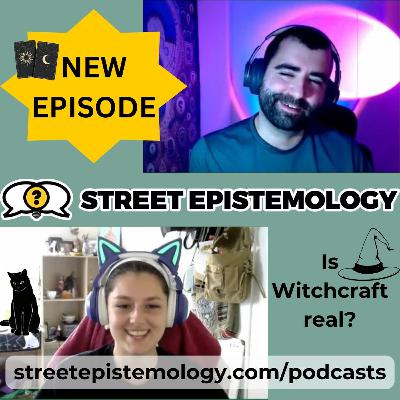
In this episode, Pierce Watkins engages with a witchcraft practitioner who shares insights into their six-year practice, discussing divination methods like tarot, pendulums, and charm casting. Pierce explores the practices through a skeptical yet curious lens, participating in a pendulum reading, which leads to a candid discussion on accuracy, belief, and personal resonance.
Watch video here: https://youtu.be/ly6BEcZt8OY
Learn more about Street Epistemology here: https://linktr.ee/StreetEpistemology
Music provided by Jim Rhodes, with Dan Harris on lap steel.
The intro and outro of this episode was narrated by Elliott.
This AI generated episode examines the debate over rebranding Street Epistemology as "Navigating Beliefs," weighing the pros and cons of a name change. It explores whether the new name could broaden its appeal by shedding existing perceptions, while addressing challenges like resistance from practitioners and preserving its core identity.
Want more Rational Ruminations?
https://futureofthought.substack.com/
https://www.youtube.com/@rational_ruminations_se
Learn more about Street Epistemology here: https://linktr.ee/StreetEpistemology
Music provided by Jim Rhodes, with Dan Harris on lap steel.
The intro and outro of this episode was narrated by Elliott.
This episode features Hilton and Jeff. They use Street Epistemology to explore Hilton's confidence that karma is real
Watch video here: https://youtu.be/npO9hM_xCn4
Learn more about Street Epistemology here: https://linktr.ee/StreetEpistemology
Music provided by Jim Rhodes, with Dan Harris on lap steel.
The intro and outro of this episode was narrated by Elliott.
This AI generated episode traces the evolution of Street Epistemology from its beginnings in questioning religious beliefs to a global movement fostering thoughtful dialogue on topics like politics and personal values. It highlights how curiosity, connection, and critical thinking drive its growth and broaden its impact.
Want more Rational Ruminations?
https://futureofthought.substack.com/
https://www.youtube.com/@rational_ruminations_se
Learn more about Street Epistemology here: https://linktr.ee/StreetEpistemology
Music provided by Jim Rhodes, with Dan Harris on lap steel.
The intro and outro of this episode was narrated by Elliott.
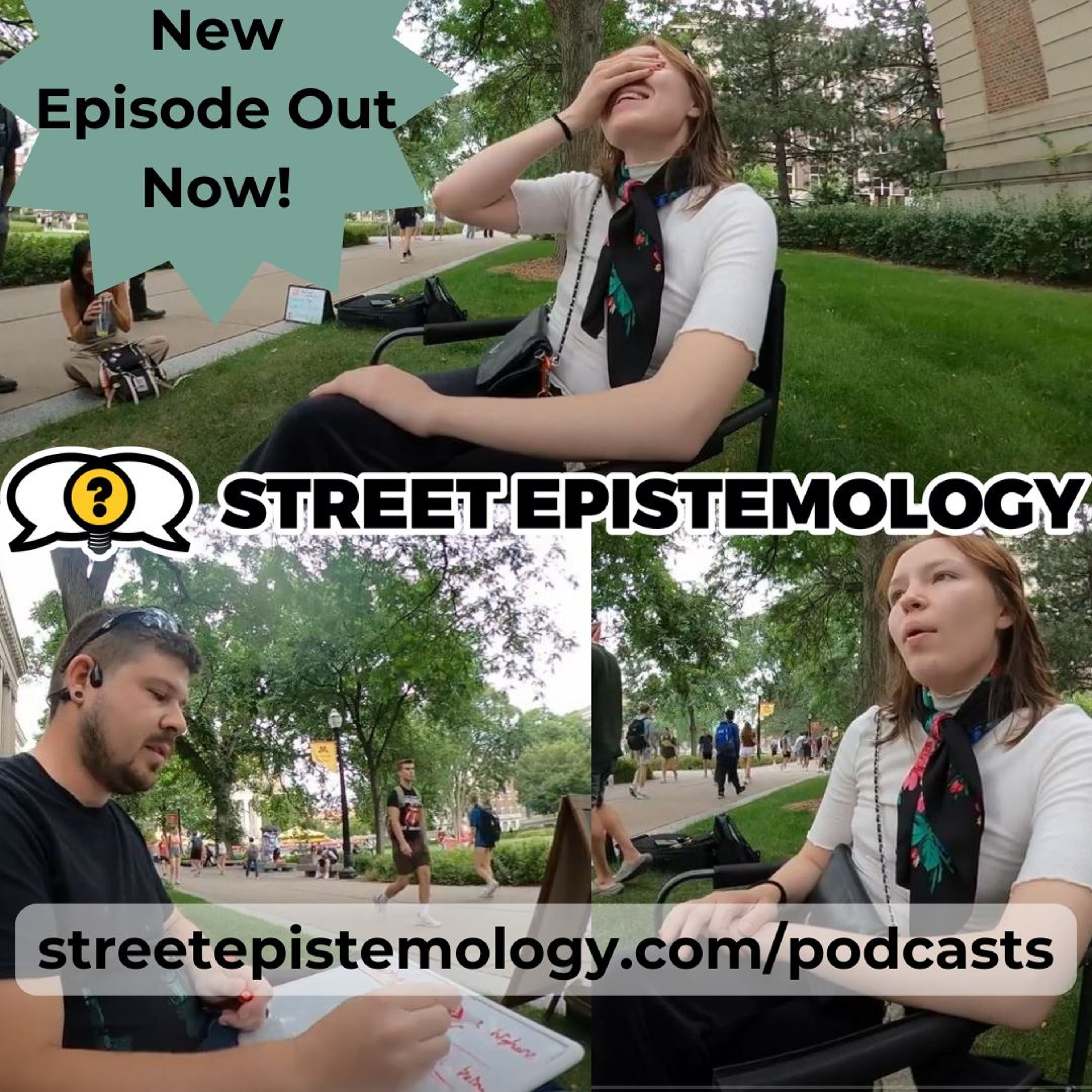
This Episode features Sofia as she discusses her thoughts on Deism.
Watch: https://www.youtube.com/watch?v=74PvqiSnR8I
Learn more about Street Epistemology here: https://linktr.ee/StreetEpistemology
Music provided by Jim Rhodes, with Dan Harris on lap steel.
The intro and outro of this episode was narrated by Elliott.
In part 2 of this AI generated Episode, we continue the exploration of Deep Canvassing and Street Epistemology. Can a blend of the two be more impactful than each method alone?
Want more Rational Ruminations?
https://futureofthought.substack.com/
https://www.youtube.com/@rational_ruminations_se
Watch video here: https://youtu.be/-G5CFNGYchs?si=WQ9vDGfUHuocmS63
Learn more about Street Epistemology here: https://linktr.ee/StreetEpistemology
Music provided by Jim Rhodes, with Dan Harris on lap steel.
The intro and outro of this episode was narrated by Elliott.
This episode features Greg and David as they explore Greg's views about peace and knowledge.
Watch video here: https://youtu.be/dKG8GkbfdYg
Learn more about Street Epistemology here: https://linktr.ee/StreetEpistemology
Music provided by Jim Rhodes, with Dan Harris on lap steel.
The intro and outro of this episode was narrated by Elliott.
In this AI generated episode we discover how AI and Street Epistemology combine to challenge conspiracy theories. Explore how reflective dialogue, guided by AI chatbots, unravels misinformation while respecting individuality and ethics. See how technology fosters critical thinking in the digital age.
Want more Rational Ruminations?
https://futureofthought.substack.com/
https://www.youtube.com/@rational_ruminations_se
Learn more about Street Epistemology here: https://linktr.ee/StreetEpistemology
Music provided by Jim Rhodes, with Dan Harris on lap steel.
The intro and outro of this episode was narrated by Elliott.
In this Episode, Angela and Nick use Street Epistemology to explore Angela's views on infertility care.
Watch video here: https://youtu.be/BXhao-HAzLE
Learn more about Street Epistemology here: https://linktr.ee/StreetEpistemology
Music provided by Jim Rhodes, with Dan Harris on lap steel.
The intro and outro of this episode was narrated by Elliott.
In This AI generated episode we explore how Deep Canvassing and Street Epistemology combine empathy and critical thinking to foster meaningful conversations. Can blending personal storytelling with rational inquiry bridge divides and inspire change? Dive in to uncover the potential of these transformative methods.
Want more Rational Ruminations?
https://futureofthought.substack.com/
https://www.youtube.com/@rational_ruminations_se
Learn more about Street Epistemology here: https://linktr.ee/StreetEpistemology
Music provided by Jim Rhodes, with Dan Harris on lap steel.
The intro and outro of this episode was narrated by Elliott.
This Episode explores trust, evidence, and critical thinking through the lens of Street Epistemology, touching on topics like Socratic questioning, epistemology, and effective strategies for achieving personal values. Along the way, it highlights the importance of metacognition and the role of curiosity in fostering meaningful conversations.
Watch video here: https://youtu.be/o_DUbdg4K2Q
Learn more about Street Epistemology here: https://linktr.ee/StreetEpistemology
Music provided by Jim Rhodes, with Dan Harris on lap steel.
The intro and outro of this episode was narrated by Elliott.
In this AI generated Episode we explore how Street Epistemology can help break addiction's grip by reshaping beliefs, challenging stigma, and fostering social connections. Discover the power of dialogue, community, and empathy in transforming lives and redefining recovery.
Want more Rational Ruminations?
https://futureofthought.substack.com/
https://www.youtube.com/@rational_ruminations_se
Learn more about Street Epistemology here: https://linktr.ee/StreetEpistemology
Music provided by Jim Rhodes, with Dan Harris on lap steel.
The intro and outro of this episode was narrated by Elliott.
In this episode an Atheist asks a Christian, Does death of the physical atone for the spiritual? Also they go through the "poof or drown" thought experiment.
Watch video here: https://youtu.be/NxhpJglMlLQ
Learn more about Street Epistemology here: https://linktr.ee/StreetEpistemology
Music provided by Jim Rhodes, with Dan Harris on lap steel.
The intro and outro of this episode was narrated by Elliott.
In this AI generated episode you'll discover how Street Epistemology, a method fostering critical thinking and humility, could tackle AI alignment issues. Can this approach mitigate risks of rogue AI and power-seeking behavior? Explore innovative solutions to ensure a safer future with advanced AI.
Want more Rational Ruminations?
https://futureofthought.substack.com/
https://www.youtube.com/@rational_ruminations_se
Learn more about Street Epistemology here: https://linktr.ee/StreetEpistemology
Music provided by Jim Rhodes, with Dan Harris on lap steel.
The intro and outro of this episode was narrated by Elliott.
This Episode is entirely in German. It features the fourth meeting of the Socratic Way E.V. They discuss the "Socratic Way" and how to better understand how their counterparts arrived at their conclusions.
Watch video here: https://youtu.be/32-1_VNpdcU
Learn more about Street Epistemology here: https://linktr.ee/StreetEpistemology
Music provided by Jim Rhodes, with Dan Harris on lap steel.
The intro and outro of this episode was narrated by Elliott.
In this AI generated episode we explore the transformative Aporia-Euphoria cycle in Street Epistemology. From productive confusion to intellectual breakthroughs, learn how to guide conversations toward discovery, foster curiosity, and embrace uncertainty as a path to growth and understanding.
Want more Rational Ruminations?
https://futureofthought.substack.com/
https://www.youtube.com/@rational_ruminations_se
Learn more about Street Epistemology here: https://linktr.ee/StreetEpistemology
Music provided by Jim Rhodes, with Dan Harris on lap steel.


Download from Google Play

Download from App Store
 United States
is the intro song available for download?
Some very clunky, unnatural, formulaic questions. (Someone else in the production team even used the term "ILs" with the lady.)
It's a bit ironic that people who claim to be 100% confident are often pretty defensive.
@~28:00: There's a difference between influence and manipulation.
@18:56: Occam's Razor is not about what is "most likely". It's about efficiency and parsimony.
I think we can safely pass on Steve's sophomoric logical positivism.
SEers often seem preoccupied with fawning sensitivity to every possible offense or misconstrual--even those that are likely just an IL's pretextual distractions from poor thinking. Civility needn't entail coddling. SE in practice often comes across to me as a contrived or pretentious performance of the civility of quivering ninnies... or the wilting curiosity of a sheepish faux-ignoramus.
The second caller's seemingly dim-witted obstinance highlights an issue I've raised several times with SEers: It helps to get people to understand 2 dimensions: what's true and what matters. With respect to any given claim, we only care whether or not something is true if it matters. Therefore, we first identify what matters and then discuss how we can know whether or not it is true. Sadly, this guest seemed incapable of understanding such a simple distinction. His sanctimony seemingly feeds an entitlement only to preach. I wonder if a call-in show attracts and selects for these pious performers.
The second caller could've avoided the gish gallop if he had just said that while the loss of any single belief wouldn't bring down his overall faith, he's glad to interrogate a single claim on its own... without constantly flitting from one assertion to the next.
Many people take questions as an indication of ignorance rather than of curiosity. Therefore, it often seems that ILs think they are in a position of explaining rather than reflecting. They don't appreciate that the SEer has tried their own hands behind their back by taking most if the onus of rapport and largely constraining themselves to questions.
@0:53: Immutable or, maybe, inimitable?
One is highly unlikely to have a genuine conversation about a particular belief with a person whose livelihood and identity depend on ardently professing that belief if the conversation is publicly broadcast--and doubly so if it's marketed as a death match. The IL's identity seems wholly wrapped up in machismo and false bravado. In his mind (at least as he performs it), he'd whip all yer asses if his buddy God weren't holding him back. It's part of the ugly machismo and bully culture. After all, in most religions, God is merely a bully. He's a mafia don.
It sounded to me as if Anthony thought early on, "This guy is intent on performing, not genuinely conversing, and I don't want to be a mere prop for his well rehearsed performance." However, it also seems like he could have pursued a much more interesting belief from the IL: _I would do terrible things without my religious beliefs._ What would he do? What constitutes terribleness? Why does he think he'd be that way? Does he feel those desires right now, but his religious beliefs suppress them? Does he think everyone is that way? In what ways does his religious belief suppress his terribleness (e.g., fear of eternal consequences)? Would any religion suffice or just his religion? Does this supposed benefit mean his religious beliefs are true? Are there other areas of life in which he uses this sort of logic?
Although I'm no fan of identity-first framing, it's great to hear women in these discussions. Hope to hear more of all kinds of people in the future. It's been great to hear what different backgrounds have brought to SE and related discussions. And kudos to all those--especially recent novices like the lady here--who step forward and make themselves vulnerable to share these conversations.
This was bad from the start. I wonder what the panel's feedback would've been if they'd only read a transcript of it and didn't know it was Anthony. His initial questions seemed a bit self-referential and meta-conversational. (E.g., now is the time allocated to build rapport.) Then he seemed to leap ahead (i.e., seeming to think he knew where this guy was going, so let's just jump to that), so much so that he sounded presumptuous and obliquely accusatory. His approach nearly guaranteed a rote, defensive, apologetic response.
At the end, the IL did the classic maneuver of insisting that the other person has the views and values she expects--or more to the point, the weakest versions of opinions that are most convenient for her to refute with her version of reasoning. At that point, the conversation was so far off track, the interviewer couldn't find any ground for mental traction. SEers' prioritization of rapport often hamstrings their ability to raise actual doubts. Instead, they seem to impersonate a soapbox on which the IL can blather, thereby further identifying with their nonsense.
The primary SE interview and the review both lacked informed structure. The reviewers often got ducked into the claim itself rather than the logical structure. Many of these SE conversations and reviews would benefit from more training in structured logical analysis. For all the deference to logic and scientific expertise, very few SE practitioners seem sufficiently committed to studying the topics they say they revere. They seem to prefer reinventing the wheel.
@9:04: All people with 26 pairs of chromosomes? Can't be many of those. Maybe she accidentally mashed up 23 pairs and 46 chromosomes, in which case, do people with Down syndrome not have dignity? Why do people cite things they think sound scientific when that clearly has nothing to do with their beliefs? I suppose it's a good sign that they think science confers credibility, even if they themselves are credulous.
I'm sure he buys his supplements exclusively from non-profit organizations that pay no salaries.
It seems that the espoused reasons are very often simply pretextual, and these conversations might actually just be performances of their identities that further reinforce the underlying identity. The belief isn't fact-based; it's identity-based. I suspect that after this conversation, he was even more identified with this insane web of nonsense. And this returns us to the central irony of SE: the lack if evidence of its efficacy.