


 Claim Ownership
Zoe Church LA
Subscribed: 2,402Played: 32,040
Subscribe

© All rights reserved
Description
Welcome to the audio podcast of Zoe Church Los Angeles lead by Pastors Chad and Julia Veach. We hope that these podcasts give you hope, faith and encouragement throughout your week. To learn more about Zoe Church visit www.zoechurch.org.
555 Episodes
Reverse

In this Vision Sunday message, Pastor Chad Veach teaches from Hebrews 11 that faith is our response to the grace Jesus has already given us. We do not believe so that God will move toward us; we respond because His grace has already come near. Through Ephesians 2:8 and Hebrews 12:2, Chad emphasizes that Jesus is the author and perfecter of our faith. God gives us faith, grows our faith, and invites us to trust Him at a deeper level—even when we struggle with doubt. As the father in Mark 9 prayed, “Lord, I do believe, but help my unbelief,” we can bring our uncertainty to Jesus and ask Him for another measure of faith.
Pastor Chad explains that faith looks different in different seasons, but it always involves trust, confidence, and belief in God. Faith means being convinced that God can do what we cannot, speaking life when circumstances look difficult, and believing His promises even before we see the outcome. He points to biblical examples like Abraham, Caleb, Joshua, Noah, and the three men in the fiery furnace to show how faith leads people to see, speak, and do what others may not. He challenges the church not to become comfortable or complacent, but to keep stepping out in faith. This includes Zoe Church’s vision to return to the Valley and launch a youth conference, reaching more people with the gospel.
The message closes with a reminder that faith walks. Faith is not simply something we receive; it is something we put into action. Whether that means reading the Bible, giving, serving, forgiving someone, or taking a step into an unfamiliar opportunity, God calls us to live by faith and not by sight. Pastor Chad encourages everyone to walk closely with Jesus, trust Him with the future, and believe for visible growth in the year ahead. The central challenge is to stop playing it safe, receive another measure of faith, and respond to God’s grace with a life of wholehearted trust and action.

In this message, Pastor Chad Veach concludes the series on trusting God with our finances by teaching the importance of putting God first in every area of life. Speaking from Malachi 3, he reminds us that God's faithfulness comes before our response: even when we are unfaithful, He remains faithful and continually invites us back into relationship with Him. Tithing, therefore, is not simply a financial practice; it is an expression of surrender and a reflection of our relationship with God. Pastor Chad explains that honoring God with our first fruits means giving Him the first and best, rather than whatever is left over after everything else has been paid.
Pastor Chad shares four key principles of the God-first life: we honor God with our first, tithing is an act of trust, Jesus teaches us to put God first, and Jesus is our redeeming sacrifice. He emphasizes that tithing is about trusting God's wisdom and provision, not trying to manipulate Him into giving us more money. It is an act of obedience that reflects our gratitude for everything God has already provided. But putting God first goes far beyond finances. Our time, relationships, words, decisions, priorities, and actions should all honor Him. Through Jesus' teaching about the Pharisees and the rich young ruler, Chad challenges us to recognize that outward religious actions mean little if our hearts are not fully surrendered to God.
The message ultimately points to Jesus as God's first and greatest gift—the Lamb of God who gave His life so that we could be made right with Him. Because God gave His very best for us, our response should be a life of wholehearted surrender: not simply giving God a portion of what we have, but allowing Him to lead every part of who we are. Pastor Chad reminds us that following Jesus comes with a cost, but that cost is our whole life, not merely 10 percent. The invitation is to move from fear to faith, from self-reliance to trust, and from putting God somewhere in our lives to making Him first in everything.

In this message, Pastor Julia Veach teaches from 2 Corinthians 9:6–11 about living a life of generosity. She explains the difference between bread and seed: bread is what God provides to sustain us, while seed is what He entrusts to us for His purposes. Sometimes we focus so much on what God has given us that we miss what He wants to do through us. Like seed stored away, our resources have potential, but they cannot produce a harvest until they are released. God has given us more than we need simply to hold onto; He wants His blessings to flow through our lives and impact others.
Pastor Julia shares four principles of generosity: God provides the seed, generosity begins in the heart, the seed is meant to be sown, and God brings the growth. Generosity is not just a financial decision; it is a heart decision rooted in gratitude, surrender, and trust. God may be asking us to give our finances, time, talents, encouragement, or willingness to serve. When our hearts are touched by God's goodness, our hands become open to share it with others. True generosity is not motivated by pressure or obligation, but by a cheerful heart that recognizes how much God has already given.
The message concludes with the reminder that we are called to plant and water, but God is the one who makes things grow. We may never see the full harvest of the seeds we plant; our generosity today may impact someone else's life or even bless generations to come. Whether through serving, encouraging, giving, or meeting a practical need, every act of generosity can become part of God's greater purpose. Pastor Julia challenges us to move beyond simply receiving God's blessings and become vessels through which His goodness reaches others. The goal is not just to be blessed, but to be a blessing—and to see our seed become someone else's thanksgiving to God.

In this message, Pastor Chad Veach teaches “Managing What Belongs to God,” emphasizing that everything we have ultimately belongs to God and is entrusted to us to steward faithfully. Using Jesus’ parable of the talents in Matthew 25, he explains that the goal is not simply to become financially responsible, but to allow our relationship with Jesus to transform how we view and manage our resources. Our money, talents, relationships, and opportunities are gifts from God, and we are accountable for how we use them. Rather than burying what God has entrusted to us out of fear or neglect, we are called to manage it wisely and faithfully. As Pastor Chad explains, “Jesus doesn’t teach me how to manage my money as much as he changes my relationship with money.”
Pastor Chad outlines four practical principles for biblical financial stewardship: know where your money is going, manage it wisely, grow it intentionally, and give generously. He encourages listeners to examine their finances honestly, create a budget, practice intentional work, and develop a long-term plan for stewardship. These practical habits are not simply about accumulating wealth; they are about aligning our finances with God’s purposes and developing a heart that reflects His generosity. He also challenges believers to recognize that their jobs, abilities, and opportunities are resources, but God is the ultimate source of everything they have.
The central message is that faithful stewardship begins with surrender to Jesus. Instead of treating our possessions as entirely our own, we should recognize that we are managing what belongs to God and will one day give an account for how we handled it. Pastor Chad challenges the church to trust God with its financial future while taking practical steps toward financial freedom, wise management, and generous living. The ultimate goal is not merely to have more money, but to become more faithful with what God has already entrusted to us. When Jesus changes our hearts, He changes our relationship with money—and our resources become tools for His purposes rather than masters of our lives.
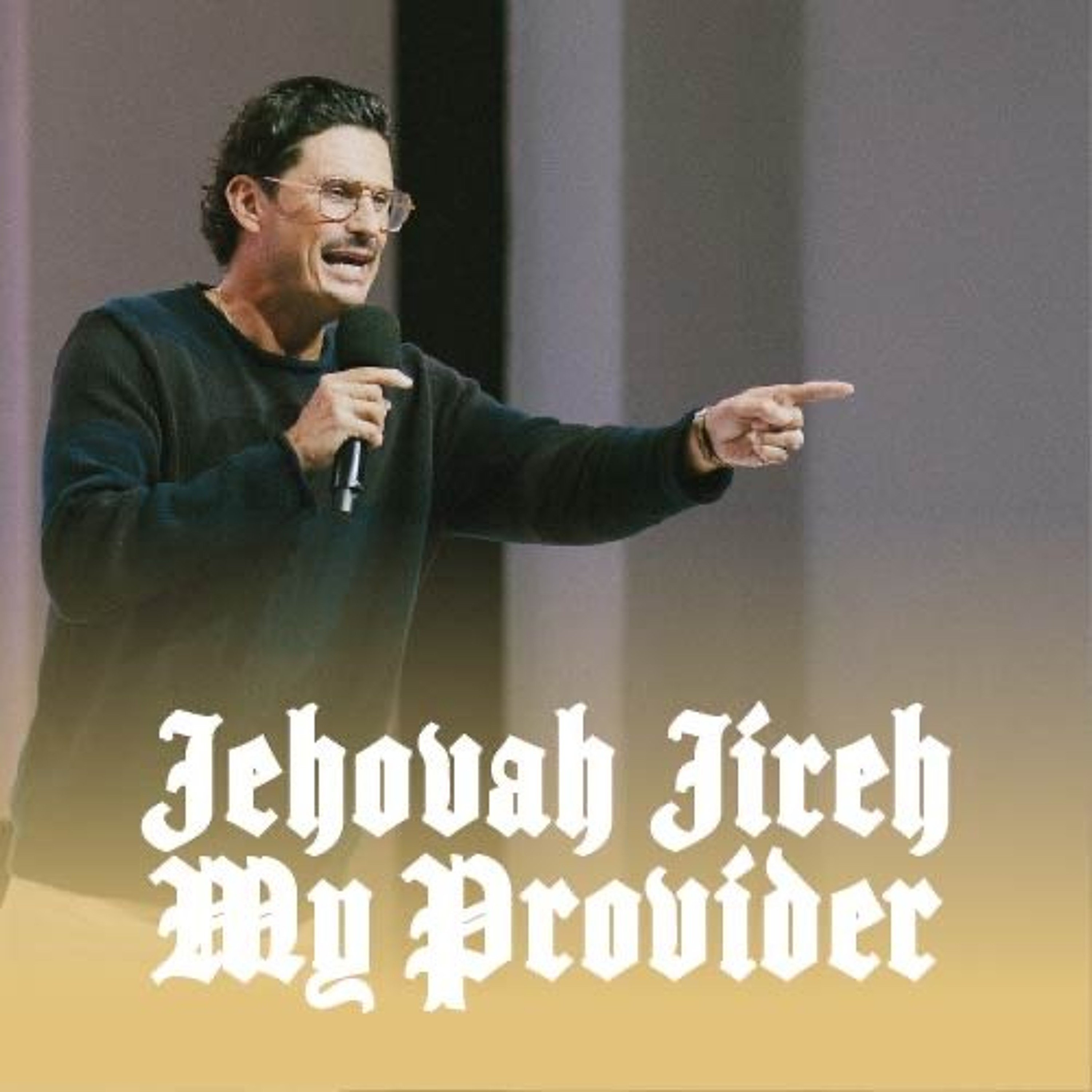
In this message, Pastor Chad Veach launches a new series titled In God I Trust with a message called “Jehovah Jireh: My Provider.” Using the story of Abraham and Isaac in Genesis 22, Pastor Chad teaches that God knows what we need before we know what we will face. Just as God provided a ram in place of Isaac, He remains faithful and trustworthy in every season of life. The message emphasizes that God is not against people having money, but He does not want money to become the thing they trust. As Pastor Chad explains, “God is not mad if you have money. He is mad if money has you.” Believers are called to trust in God’s character, faithfulness, and promises rather than relying solely on their own abilities, finances, or circumstances. today.txt
Pastor Chad shares four questions to help people strengthen their trust in God: If God can take care of creation, how much more will He take care of me? If God took care of me in the past, why wouldn’t He take care of me right now? If God is in control, why am I so worried? And if God is my provider, why did I stop depending on Him? Through Scripture and personal stories, he encourages the church to replace worry with worship and remember God’s faithfulness through every season. He reminds listeners that their jobs, paychecks, and talents are resources, but God is the source. Rather than living in anxiety about finances, believers can depend on Jehovah Jireh, trusting that He knows their needs and remains a good and generous Father. today.txt
The message concludes with a challenge to develop a healthier, more faithful relationship with money through prayer, budgeting, intentional work, practical steps toward financial freedom, and biblical stewardship. Pastor Chad encourages the church to manage money wisely, grow it intentionally, and give generously without allowing wealth to become a master. The central takeaway is that money should serve our lives, but God should lead them. When our trust is rooted in God rather than our financial circumstances, we can live with greater peace, generosity, and confidence in His provision. As Pastor Chad declares, “Money is a terrific servant. It is a terrible master.” today.txt

Comments

Download from Google Play

Download from App Store
 United States