


 Claim Ownership
Child Welfare
Subscribed: 8Played: 97
Subscribe

© All rights reserved
Description
A Podcast by the Florida Institute for Child Welfare at Florida State University
46 Episodes
Reverse
Chris DelMarco, Attorney, Legal Services of North Florida
Domestic violence (DV) and intimate partner violence (IPV) affect individuals across all demographics. Human services and law enforcement responders often encounter IPV cases and must collaborate to support survivors. Despite their shared goal of ensuring safe families and communities, these collaborations can be challenging due to differing priorities, processes, and responsibilities.
Attorney Chris DelMarco of Legal Services of North Florida specializes in representing survivors of domestic, sexual, and dating violence, as well as stalking. Her work focuses on enhancing the safety and long‑term stability of survivors and their children.
Ms. DelMarco says successful outcomes for DV survivors include:
-Ensuring that they feel heard and feel like they can return for help
-Offering supportive, nonjudgmental interactions
-Creating systems that hold perpetrators accountable—not survivors
“Domestic violence survivors really do know more about their situation than any of us ever will. They know about the danger they face. They know about what will and won’t help. They know what they need to be safer and to provide safety for their kids. We all really need to consider their knowledge, perspectives, and experiences and make sure those things are interwoven in whatever remedies we are working with them on.” Chris DelMarco
Content Note: This episode contains an in-depth discussion about domestic violence and intimate partner violence, including descriptions of abusive behavior and its emotional and psychological impacts. These topics may be distressing or activating for some listeners. If you or someone you know is experiencing violence or feels unsafe, please consider taking a break from this episode or listening with support.
For confidential help, contact:
National Domestic Violence Hotline (NDVH)
📞 Phone: 1‑800‑799‑SAFE (7233)
📱 Text: Text “START” to 88788
💬 Chat: Available at thehotline.org
https://www.thehotline.org/
https://acf.gov/fysb/ndvh
https://www.mnadv.org/get-help/24-hour-national-hotline/
National Sexual Assault Hotline (RAINN)
📞 Phone: 1‑800‑656‑HOPE (4673)
https://www.justice.gov/ovw/resources-for-survivors
Florida-Specific Domestic Violence Hotlines
Florida Statewide Domestic Violence Hotline (24/7)
📞 Phone: 1‑800‑500‑1119
📞 TTY: 1‑800‑621‑4202
https://www.fcadv.org/dv-hotline
https://www.myflfamilies.com/services/abuse/domestic-violence
https://www.fpedv.org/get-help/
The Institute honors the many ways those impacted by violence identify. For that reason, we will use the terms “victim” and “survivor” interchangeably to honor both preferences. We also recognize that professionals use different terms to describe their work in this space, including “domestic violence,” “intimate partner violence,” and “partner violence.” While each of these terms has a specific meaning, we will again use terms interchangeably for professional representation.
Just a reminder: Our guests’ opinions are their own and do not necessarily reflect the official views, policies, or positions of the Florida Institute for Child Welfare.
Tune in and subscribe to our Child Welfare podcast at http://FICW.FSU.EDU/PODCAST
The Florida Institute for Child Welfare seeks to promote safety, permanency, and well-being among children and families within the child welfare system. Learn more about our research and professional development programs at http://FICW.FSU.EDU
Connect with us on social media: @FSUChildWelfare
http://Facebook.com/FSUChildWelfare
http://Instagram.com/FSUChildWelfare
http://LinkedIn.com/company/FSUChildWelfare
Host: Dr. Lisa Magruder
Producing/Editing: David Heller, Brantley Jones, Izzy Cring
Domestic violence (DV) and intimate partner violence (IPV) affect individuals across all demographics. Human services and law enforcement responders often encounter IPV cases and must collaborate to support survivors. Despite their shared goal of ensuring safe families and communities, these collaborations can be challenging due to differing priorities, processes, and responsibilities.
Juan Carlos Areán of Futures Without Violence (https://futureswithoutviolence.org/) discusses his 35‑year career working with individuals who cause harm in intimate partner relationships. He provides training and develops curricula focusing on the intersection of fatherhood and domestic violence for organizations nationwide.
Mr. Areán says fatherhood can be a powerful influence in batterer intervention programs because many fathers who cause harm are motivated to change for the sake of their children. That has led to support programs that leverage men’s roles as fathers to encourage behavior change.
“Anyone who has worked with fathers who use violence realizes that many of them can be motivated to change when they realize the damage that they are doing to their children. So basically, through the love of their children, that's where the change can happen.” Juan Carlos Areán
Guide for fathers who want to change and heal their relationships: https://futureswithoutviolence.org/wp-content/uploads/2025/03/Father-Workbook-English-FINAL-2025.pdf
Intervention Services in Florida: https://www.myflfamilies.com/bipc
National Helpline for people who cause harm: https://acallforchangehelpline.org/
Content Note: This episode contains an in-depth discussion about domestic violence and intimate partner violence, including descriptions of abusive behavior and its emotional and psychological impacts. These topics may be distressing or activating for some listeners. If you or someone you know is experiencing violence or feels unsafe, please consider taking a break from this episode or listening with support.
For confidential help, contact:
National Domestic Violence Hotline (NDVH)
📞 Phone: 1‑800‑799‑SAFE (7233)
📱 Text: Text “START” to 88788
💬 Chat: Available at thehotline.org
https://www.thehotline.org/
https://acf.gov/fysb/ndvh
https://www.mnadv.org/get-help/24-hour-national-hotline/
National Sexual Assault Hotline (RAINN)
📞 Phone: 1‑800‑656‑HOPE (4673)
Florida Statewide Domestic Violence Hotline (24/7)
📞 Phone: 1‑800‑500‑1119
📞 TTY: 1‑800‑621‑4202
https://www.fcadv.org/dv-hotline
https://www.myflfamilies.com/services/abuse/domestic-violence
https://www.fpedv.org/get-help/
The Institute honors the many ways those impacted by violence identify. For that reason, we will use the terms “victim” and “survivor” interchangeably to honor both preferences. We also recognize that professionals use different terms to describe their work in this space, including “domestic violence,” “intimate partner violence,” and “partner violence.” While each of these terms has a specific meaning, we will again use terms interchangeably for professional representation.
Just a reminder: Our guests’ opinions are their own and do not necessarily reflect the official views, policies, or positions of the Florida Institute for Child Welfare.
Tune in and subscribe to our Child Welfare podcast at http://FICW.FSU.EDU/PODCAST
The Florida Institute for Child Welfare seeks to promote safety, permanency, and well-being among children and families within the child welfare system. Learn more about our research and professional development programs at http://FICW.FSU.EDU
Connect with us on social media: @FSUChildWelfare
http://Facebook.com/FSUChildWelfare
http://Instagram.com/FSUChildWelfare
http://Twitter.com/FSUChildWelfare
http://LinkedIn.com/company/FSUChildWelfare
Host: Dr. Lisa Magruder
Producing/Editing: David Heller, Brantley Jones, Izzy Cring
E4: Case Management and Survivor Support: Bridging Systems
Sarah Tedder, Case Manager, 4 Sisters Solutions
Domestic violence (DV) and intimate partner violence (IPV) affect individuals across all demographics. Human services and law enforcement responders often encounter IPV cases and must collaborate to support survivors. Despite their shared goal of ensuring safe families and communities, these collaborations can be challenging due to differing priorities, processes, and responsibilities.
In this episode, Sarah Tedder, a case manager with 4 Sisters Solutions, discusses the intersection of DV and child welfare. DV is a factor in many of the cases that Ms. Tedder manages, and she believes that child welfare professionals can benefit from more training on the “power-and-control dynamics” of these relationships.
She says DV survivors are too often held accountable in cases, rather than those causing harm, and there needs to be an accountability shift from focusing on what a survivor can do to protect children to emphasizing what an abuser can do to stop creating violence.
Tune in to learn her definition of success in DV cases and her specific hopes for future improvements to Florida’s child welfare system.
“I would like to see a professional being available [in the judicial process] that can provide insight into their perspective on addressing the batterers in the case, not just the survivor. But really getting somebody in there that can address the alleged perpetrator right out of the gate because that’s really where the accountability needs to start from.” Sarah Tedder
Content Note: This episode contains an in-depth discussion about domestic violence and intimate partner violence, including descriptions of abusive behavior and its emotional and psychological impacts. These topics may be distressing or activating for some listeners. If you or someone you know is experiencing violence or feels unsafe, please consider taking a break from this episode or listening with support.
For confidential help, contact:
National Domestic Violence Hotline (NDVH)
📞 Phone: 1‑800‑799‑SAFE (7233)
📱 Text: Text “START” to 88788
💬 Chat: Available at thehotline.org
https://www.thehotline.org/
https://acf.gov/fysb/ndvh
https://www.mnadv.org/get-help/24-hour-national-hotline/
National Sexual Assault Hotline (RAINN)
📞 Phone: 1‑800‑656‑HOPE (4673)
https://www.justice.gov/ovw/resources-for-survivors
Florida Statewide Domestic Violence Hotline (24/7)
📞 Phone: 1‑800‑500‑1119
📞 TTY: 1‑800‑621‑4202
https://www.fcadv.org/dv-hotline
https://www.myflfamilies.com/services/abuse/domestic-violence
https://www.fpedv.org/get-help/
The Institute honors the many ways those impacted by violence identify. For that reason, we will use the terms “victim” and “survivor” interchangeably to honor both preferences. We also recognize that professionals use different terms to describe their work in this space, including “domestic violence,” “intimate partner violence,” and “partner violence.” While each of these terms has specific meaning, we will again use terms interchangeably for professional representation.
Just a reminder: Our guests’ opinions are their own and do not necessarily reflect the official views, policies, or positions of the Florida Institute for Child Welfare.
Tune in and subscribe to our Child Welfare podcast at http://FICW.FSU.EDU/PODCAST
The Florida Institute for Child Welfare seeks to promote safety, permanency, and well-being among children and families within the child welfare system. Learn more about our research and professional development programs at http://FICW.FSU.EDU
Connect with us on social media: @FSUChildWelfare
http://Facebook.com/FSUChildWelfare
http://Instagram.com/FSUChildWelfare
http://Twitter.com/FSUChildWelfare
http://LinkedIn.com/company/FSUChildWelfare
Host: Dr. Lisa Magruder
Producing/Editing: David Heller, Brantley Jones, Izzy Cring
E3: Law Enforcement and Domestic Violence: A Collaborative Approach
Dep. Chief Maurice Holmes, Tallahassee Police Department
Domestic violence (DV) and intimate partner violence (IPV) affect individuals across all demographics. Human services and law enforcement responders often encounter IPV cases and must collaborate to support survivors. Despite their shared goal of ensuring safe families and communities, these collaborations can be challenging due to differing priorities, processes, and responsibilities.
In this episode, Deputy Chief Maurice Holmes of the Tallahassee Police Department says that throughout his career, he has seen more training to better equip officers for DV and child welfare–related responses. Today’s training recognizes DV is a complicated cycle of childhood trauma, mental illness, and patterns of harm.
While arrests rarely provide a full solution, Deputy Chief Holmes says achieving long-term success for families must include effective collaboration among community partners on interventions.
“We want to make a positive impact in children’s lives because they’re suffering trauma. We’re all working together. I just wish everyone had the mindset that we’re a team.” Dep. Chief Maurice Holmes
Content Note: This episode contains an in-depth discussion about domestic violence and intimate partner violence, including descriptions of abusive behavior and its emotional and psychological impacts. These topics may be distressing or activating for some listeners. If you or someone you know is experiencing violence or feels unsafe, please consider taking a break from this episode or listening with support.
For confidential help, contact:
National Domestic Violence Hotline (NDVH)
📞 Phone: 1‑800‑799‑SAFE (7233)
📱 Text: Text “START” to 88788
💬 Chat: Available at thehotline.org
Provides 24/7 confidential support, crisis intervention, and referrals.
https://www.thehotline.org/
https://acf.gov/fysb/ndvh
https://www.mnadv.org/get-help/24-hour-national-hotline/
National Sexual Assault Hotline (RAINN)
📞 Phone: 1‑800‑656‑HOPE (4673)
Provides confidential support for survivors of sexual assault, which often overlaps with intimate partner violence. https://www.justice.gov/ovw/resources-for-survivors
Florida Statewide Domestic Violence Hotline (24/7)
📞 Phone: 1‑800‑500‑1119
📞 TTY: 1‑800‑621‑4202
https://www.fcadv.org/dv-hotline
https://www.myflfamilies.com/services/abuse/domestic-violence
https://www.fpedv.org/get-help/
Florida Department of Children & Families (DCF) – Domestic Violence Resources
📞 Phone: 1‑800‑500‑1119
📞 TTY: 1‑800‑621‑4202
https://www.myflfamilies.com/services/abuse/domestic-violence
https://www.flfamily.org/get-help/domestic-violence/
The Institute honors the many ways those impacted by violence identify. For that reason, we will use the terms “victim” and “survivor” interchangeably to honor both preferences. We also recognize that professionals use different terms to describe their work in this space, including “domestic violence,” “intimate partner violence,” and “partner violence.” While each of these terms has a specific meaning, we will again use terms interchangeably for professional representation.
Just a reminder: Our guests’ opinions are their own and do not necessarily reflect the official views, policies, or positions of the Florida Institute for Child Welfare.
Tune in and subscribe to our Child Welfare podcast at http://FICW.FSU.EDU/PODCAST
The Florida Institute for Child Welfare seeks to promote safety, permanency, and well-being among children and families within the child welfare system. Learn more about our research and professional development programs at http://FICW.FSU.EDU
Connect with us on social media: @FSUChildWelfare
http://Facebook.com/FSUChildWelfare
http://Instagram.com/FSUChildWelfare
http://Twitter.com/FSUChildWelfare
http://LinkedIn.com/company/FSUChildWelfare
Host: Dr. Lisa Magruder
Producing/Editing: David Heller, Brantley Jones, Izzy Cring
Domestic violence and intimate partner violence (IPV) affect individuals across all demographics. Human services and law enforcement responders often encounter IPV cases and must collaborate to support survivors. Despite their shared goal of ensuring safe families and communities, these collaborations can be challenging due to differing priorities, processes, and responsibilities.
In this episode, Maria Folsom discusses her work as a victim advocate with the Leon County Sheriff’s Office. Ms. Folsom provides 24/7 support to survivors of all crimes. With 30 years of service as a victim advocate, she has experience teaching life skills to female inmates, helping others manage trauma, and supporting individuals with disabilities.
“I build rapport, and I do try to let them feel I’m on their side.” Maria Folsom
Leon County Victim Advocate Unit: https://www.leoncountyso.com/citizen-center/victim-information
Content Note: This episode contains an in-depth discussion about domestic violence and intimate partner violence, including descriptions of abusive behavior and its emotional and psychological impacts. These topics may be distressing or activating for some listeners. If you or someone you know is experiencing violence or feels unsafe, please consider taking a break from this episode or listening with support.
For confidential help, contact:
National Domestic Violence Hotline (NDVH)
📞 Phone: 1‑800‑799‑SAFE (7233)
📱 Text: Text “START” to 88788
💬 Chat: Available at thehotline.org
https://www.thehotline.org/
https://acf.gov/fysb/ndvh
https://www.mnadv.org/get-help/24-hour-national-hotline/
National Sexual Assault Hotline (RAINN)
📞 Phone: 1‑800‑656‑HOPE (4673)
Teen Dating Abuse Helpline
📞 Phone: 1‑866‑331‑9474
📞 TTY: 1‑866‑331‑8453
Florida-Specific Domestic Violence Hotlines
Florida Statewide Domestic Violence Hotline (24/7)
📞 Phone: 1‑800‑500‑1119
📞 TTY: 1‑800‑621‑4202
https://www.fcadv.org/dv-hotline
https://www.myflfamilies.com/services/abuse/domestic-violence
https://www.fpedv.org/get-help/
Florida Department of Children & Families (DCF) – Domestic Violence Resources
📞 Phone: 1‑800‑500‑1119
📞 TTY: 1‑800‑621‑4202
DCF partners with certified shelters and programs statewide and helps locate services in your area.
https://www.myflfamilies.com/services/abuse/domestic-violence
https://www.flfamily.org/get-help/domestic-violence/
The Institute honors the many ways those impacted by violence identify. For that reason, we will use the terms “victim” and “survivor” interchangeably to honor both preferences. We also recognize that professionals use different terms to describe their work in this space, including “domestic violence,” “intimate partner violence,” and “partner violence.” While each of these terms has specific meaning, we will again use terms interchangeably for professional representation.
Just a reminder: Our guests’ opinions are their own and do not necessarily reflect the official views, policies, or positions of the Florida Institute for Child Welfare.
Tune in and subscribe to our Child Welfare podcast at http://FICW.FSU.EDU/PODCAST
The Florida Institute for Child Welfare seeks to promote safety, permanency, and well-being among children and families within the child welfare system. Learn more about our research and professional development programs at http://FICW.FSU.EDU
Connect with us on social media: @FSUChildWelfare
http://Facebook.com/FSUChildWelfare
http://Instagram.com/FSUChildWelfare
http://Twitter.com/FSUChildWelfare
http://LinkedIn.com/company/FSUChildWelfare
Host: Dr. Lisa Magruder
Producing/Editing: David Heller, Brantley Jones, Izzy Cring
Domestic violence and intimate partner violence (IPV) affect individuals across all demographics. Human services and law enforcement responders often encounter IPV cases and must collaborate to support survivors. Despite their shared goal of ensuring safe families and communities, these collaborations can be challenging due to differing priorities, processes, and responsibilities.
In this episode, survivor and parent advocate Sharwline Nicholson shares her experience and advocacy work. A nationally recognized speaker, Nicholson offers invaluable insights into how systems can better support families affected by domestic violence and child welfare involvement.
“I am who I am. I speak authentically and this is my experience, and I'll share my experience.”
—Sharwline Nicholson
About Sharwline: https://iamnicholson.com/
Nicholson’s Four Factors for Judicial Consideration in Cases Involving Domestic Violence and Children: https://promising.futureswithoutviolence.org/wp-content/uploads/2025/03/Nicholsons-Four-Factors-for-Judicial-Consideration-in-Cases-Involving-Domestic-Violence-and-Children.pdf
Florida’s Professionally Mandated Reporter Course by the Department of Children and Families (DCF): https://www.myflfamilies.com/sites/default/files/PT/FlProMandatedReporter/story.html
Content Note: This episode contains an in-depth discussion about domestic violence and intimate partner violence, including descriptions of abusive behavior and its emotional and psychological impacts. These topics may be distressing or activating for some listeners. If you or someone you know is experiencing violence or feels unsafe, please consider taking a break from this episode or listening with support.
For confidential help, contact:
National Domestic Violence Hotline (NDVH)
📞 Phone: 1‑800‑799‑SAFE (7233)
📱 Text: Text “START” to 88788
💬 Chat: Available at thehotline.org
National Sexual Assault Hotline (RAINN)
📞 Phone: 1‑800‑656‑HOPE (4673)
https://www.justice.gov/ovw/resources-for-survivors
Florida-specific Domestic Violence Hotlines
Florida Statewide Domestic Violence Hotline (24/7)
📞 Phone: 1‑800‑500‑1119
📞 TTY: 1‑800‑621‑4202
https://www.fcadv.org/dv-hotline
https://www.myflfamilies.com/services/abuse/domestic-violence
https://www.fpedv.org/get-help/
Florida Department of Children & Families (DCF) – Domestic Violence Resources
📞 Phone: 1‑800‑500‑1119
📞 TTY: 1‑800‑621‑4202
DCF partners with certified shelters and programs statewide and helps locate services in your area.
https://www.myflfamilies.com/services/abuse/domestic-violence
https://www.flfamily.org/get-help/domestic-violence/
The Institute honors the many ways those impacted by violence identify. For that reason, we will use the terms “victim” and “survivor” interchangeably to honor both preferences. We also recognize that professionals use different terms to describe their work in this space, including “domestic violence,” “intimate partner violence,” and “partner violence.” While each of these terms has specific meaning, we will again use terms interchangeably for professional representation.
Just a reminder: Our guests’ opinions are their own and do not necessarily reflect the official views, policies, or positions of the Florida Institute for Child Welfare.
Tune in and subscribe to our Child Welfare podcast at http://FICW.FSU.EDU/PODCAST
The Florida Institute for Child Welfare seeks to promote safety, permanency, and well-being among children and families within the child welfare system. Learn more about our research and professional development programs at http://FICW.FSU.EDU
Connect with us on social media: @FSUChildWelfare
http://Facebook.com/FSUChildWelfare
http://Instagram.com/FSUChildWelfare
http://LinkedIn.com/company/FSUChildWelfare
Host: Dr. Lisa Magruder
Producing/Editing: David Heller, Brantley Jones, Izzy Cring
Content & Support Disclaimer: This episode features in-depth discussion of human trafficking involving children and young adults. While essential for awareness, some details may be distressing or triggering. Listener discretion is strongly advised.
In this episode, Lauren Herod speaks with three guests who lead efforts to prevent human trafficking and help victims of commercial sexual abuse in Florida.
Dr. Vicky Basra, Stephanie Burke, and Jennifer Brooks of the Delores Barr Weaver Policy Center, also known as “See the Girl,” discuss the need for more training among child welfare professionals on human trafficking. They explain how systemic gaps complicate prevention efforts and what policy changes are needed to make more progress on the problem.
Tune in to learn about their success stories with trafficking survivors, including a 13-year-old girl, and how the organization offers hope by leading with compassion, patience, and new practices backed by the latest research.
If you—or someone you know—needs help or wishes to report trafficking, here are 24/7 confidential resources:
National Human Trafficking Hotline
Phone: 1‑888‑373‑7888
Text: HELP → 233733 (“BEFREE”)
TTY (hearing impaired): 711
Email: help@humantraffickinghotline.org
Live Chat: via humantraffickinghotline.org
Child Abuse & Exploitation Specific Hotlines:
Childhelp National Child Abuse Hotline: 1‑800‑422‑4453
National Center for Missing & Exploited Children: 1‑800‑843‑5678 or report online at Cybertipline.org [youth.gov]
Florida-specific Support
Florida Abuse Hotline (for children/vulnerable adults): 1‑800‑96‑ABUSE (1‑800‑962‑2873) [myflfamilies.com], [floridahealth.gov]
Florida Human Trafficking Reporting Line: 1‑855‑FLA‑SAFE (1‑855‑352‑7233) [djj.state.fl.us], [floridahealth.gov]
Office of Human Trafficking Intervention (FL Dept. Juvenile Justice): (850) 717‑2714 [djj.state.fl.us]
Just a reminder: Our guests’ opinions are their own and do not necessarily reflect the official views, policies, or positions of the Florida Institute for Child Welfare.
Tune in and subscribe to our Child Welfare podcast at http://FICW.FSU.EDU/PODCAST
The Florida Institute for Child Welfare seeks to promote safety, permanency, and well-being among children and families within the child welfare system. Learn more about our research and professional development programs at http://FICW.FSU.EDU
Connect with us on social media: @FSUChildWelfare
http://Facebook.com/FSUChildWelfare
http://Instagram.com/FSUChildWelfare
http://Twitter.com/FSUChildWelfare
http://LinkedIn.com/company/FSUChildWelfare
Host: Lauren Herod
Producing/Editing: David Heller, Brantley Jones, Izzy Cring
Content & Support Disclaimer: This episode features in-depth discussion of human trafficking involving children and young adults. While essential for awareness, some details may be distressing or triggering. Listener discretion is strongly advised.
In this episode, Dr. Joan Reid, professor of criminology at the University of South Florida and director of the USF Trafficking in Persons Research Lab, explains how her research is helping create solutions to prevent trafficking.
Her key goals include:
- Developing more effective ways to connect trafficking survivors to services.
- Supporting child welfare professionals’ efforts to help victims and survivors.
Dr. Reid has written more than 60 articles focused on child sex trafficking in Florida, including groundbreaking research documenting a disproportionate risk of exploitation in sex trafficking among children with disabilities. Her research has been used in cases before the U.S. Supreme Court and state courts.
Tune in to learn how Dr. Reid’s research is influencing government policy and helping Florida to become a leader in data-driven policy targeting human trafficking.
Dr. Reid encourages child welfare professionals and anti-trafficking programs to contact the USF Trafficking in Persons Research Lab to learn how to better serve trafficking victims and survivors. Find resources here: https://www.usftiplab.org/resources/
If you—or someone you know—needs help or wishes to report trafficking, here are 24/7 confidential resources:
National Human Trafficking Hotline
Phone: 1‑888‑373‑7888
Text: HELP → 233733 (“BEFREE”)
TTY (hearing impaired): 711
Email: help@humantraffickinghotline.org
Live Chat: via humantraffickinghotline.org
Child Abuse & Exploitation Specific Hotlines:
Childhelp National Child Abuse Hotline: 1‑800‑422‑4453
National Center for Missing & Exploited Children: 1‑800‑843‑5678 or report online at Cybertipline.org [youth.gov]
Florida-specific Support
Florida Abuse Hotline (for children/vulnerable adults): 1‑800‑96‑ABUSE (1‑800‑962‑2873) [myflfamilies.com], [floridahealth.gov]
Florida Human Trafficking Reporting Line: 1‑855‑FLA‑SAFE (1‑855‑352‑7233) [djj.state.fl.us], [floridahealth.gov]
Office of Human Trafficking Intervention (FL Dept. Juvenile Justice): (850) 717‑2714 [djj.state.fl.us]
Just a reminder: Our guests’ opinions are their own and do not necessarily reflect the official views, policies, or positions of the Florida Institute for Child Welfare.
Tune in and subscribe to our Child Welfare podcast at http://FICW.FSU.EDU/PODCAST
The Florida Institute for Child Welfare seeks to promote safety, permanency, and well-being among children and families within the child welfare system. Learn more about our research and professional development programs at http://FICW.FSU.EDU
Connect with us on social media: @FSUChildWelfare
http://Facebook.com/FSUChildWelfare
http://Instagram.com/FSUChildWelfare
http://Twitter.com/FSUChildWelfare
http://LinkedIn.com/company/FSUChildWelfare
Host: Lauren Herod
Producing/Editing: David Heller, Brantley Jones, Izzy Cring
Content & Support Disclaimer: This episode features in-depth discussion of human trafficking involving children and young adults. While essential for awareness, some details may be distressing or triggering. Listener discretion is strongly advised.
In this episode, Dr. Charrita Ernewein, assistant professor at the University of Tampa and director of community education for the FREE Network, joins host Lauren Herod to discuss efforts to prevent human trafficking in Florida. As a destination state, Florida ranks among the highest in the nation in human trafficking rates, according to a 2024 state report.
In her role at the FREE Network, Dr. Ernewein focuses on human trafficking education, advocacy, and collaboration. She works to bring together organizations, including law enforcement and child welfare agencies, to address this persistent problem.
Her doctoral research explored ways to help survivors of human trafficking reintegrate into the community. Their key needs include long-term housing, financial support, legal assistance, and better access to health care.
Dr. Ernewein says many survivors were trafficked as children, often through familial connections. She says too many survivors are stigmatized, complicating their recovery.
Dr. Ernewein is advocating for more trauma-informed training among professionals in child welfare, law enforcement, and health care. She’s also working to expand education among families about internet crimes against children.
If you—or someone you know—needs help or wishes to report trafficking, here are 24/7 confidential resources:
National Human Trafficking Hotline
Phone: 1‑888‑373‑7888
Text: HELP → 233733 (“BEFREE”)
TTY (hearing impaired): 711
Email: help@humantraffickinghotline.org
Live Chat: via humantraffickinghotline.org
Child Abuse & Exploitation Specific Hotlines:
Childhelp National Child Abuse Hotline: 1‑800‑422‑4453
National Center for Missing & Exploited Children: 1‑800‑843‑5678 or report online at Cybertipline.org [youth.gov]
Florida-specific Support
Florida Abuse Hotline (for children/vulnerable adults): 1‑800‑96‑ABUSE (1‑800‑962‑2873) [myflfamilies.com], [floridahealth.gov]
Florida Human Trafficking Reporting Line: 1‑855‑FLA‑SAFE (1‑855‑352‑7233) [djj.state.fl.us], [floridahealth.gov]
Office of Human Trafficking Intervention (FL Dept. Juvenile Justice): (850) 717‑2714 [djj.state.fl.us]
Just a reminder: Our guests’ opinions are their own and do not necessarily reflect the official views, policies, or positions of the Florida Institute for Child Welfare.
Tune in and subscribe to our Child Welfare podcast at http://FICW.FSU.EDU/PODCAST
The Florida Institute for Child Welfare seeks to promote safety, permanency, and well-being among children and families within the child welfare system. Learn more about our research and professional development programs at http://FICW.FSU.EDU
Connect with us on social media: @FSUChildWelfare
http://Facebook.com/FSUChildWelfare
http://Instagram.com/FSUChildWelfare
http://Twitter.com/FSUChildWelfare
http://LinkedIn.com/company/FSUChildWelfare
Host: Lauren Herod
Producer: David Heller
Sound Engineer/Editor: Brantley Jones
Join us for a conversation about the complicated relationship between poverty and neglect, and how new research aims to disentangle them to improve the well-being of families. Experts Clare Anderson and Luke Waldo discuss the importance of shifting support for parents to a prevention approach and offer data-informed suggestions for best practices.
Researcher Elizabeth Curley discusses novel interventions for supporting parents and caregivers during incarceration, such as the recently developed INTER program, in this episode.
This episode explores ways to better support foster parents. Adoptive parent and former foster parent Dr. Vivian Mills shares preliminary findings from the Institute’s first foster parent survey and implications for supporting foster parent partners. Dr. Taylor Dowdy-Hazlett discusses findings from her research regarding foster parent retention.
A new partnership between Florida universities is helping child welfare professionals enhance services for mothers with substance use disorders. In this episode, experts Ellen Piekalkiewicz and Dr. Heather Howard share insights from their work with mothers with substance use disorders, including data-driven best practice recommendations for supporting these mothers.
Parents for Parents (P4P) is an innovative parent support program in the Southwest region. In this episode, GROW Center Advisory Committee member Nathan Scott explains more about the program, and Dr. Kathy Moore shares the approach to evaluation and how it can inform the next steps for the program.
During the 2022 Florida Legislative Session, the Florida Department of Children and Families was tasked with contracting for the development and implementation of the Responsible Fatherhood Initiative. Specifically, Florida Statute 409.1464 reads, in part, “The initiative must provide an opportunity for every father in the state to be able to obtain information and inspiration that will motivate and enable him to enhance his abilities as a father, recognizing that some fathers have greater challenges than others and would benefit from greater support.” In this episode, Secretary Shevaun Harris discusses the Department’s recent and planned efforts to support fathers.
In this episode, Drs. Melissa Radey and Lenore McWey discuss their research project Power of Parents in Child Protection, including the impetus for the study, the challenges encountered, and the joys of collaborating with parents on policy-driven research. Devin Coleman, fatherhood support advocate, also shares his perspective as a member of the study’s advisory committee.
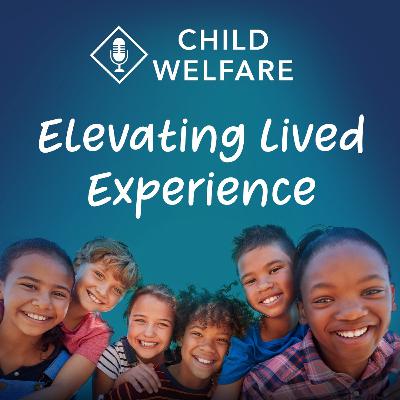
Youth participatory action research is one way in which child welfare scholars can engage youth with lived experience throughout the research process. In this episode, Dr. Lisa Magruder talks to a team that used Photovoice methodology and performance art to collect, analyze, and disseminate findings related to youths’ perspectives on the transition to independent living. Learn about the Institute-funded study, its findings, and lessons learned from the research team about meaningfully engage youth with lived experience.
HOPE Court (HOPE stands for Helping Older Teens Powerfully Engage) brings restorative justice-based court hearings and circles to youth in foster care throughout the year leading up to their 18th birthday and beyond, resulting in more community connection and increased hopefulness for our youth as they become adults. The Florida Institute for Child Welfare is currently funding an evaluation of HOPE Court in Broward County. In this episode, to Listen to Dr. Magruder discuss the exciting work with the evaluation team.
For a teen in care, turning 18 can be daunting, especially when they don’t feel adequately prepared for adulthood on their own. Caregivers and child welfare professionals are meant to support youth in developing independent life skills needed for success in adulthood. As part of SB80 in 2021, the Insitute was mandated to evaluate Florida’s approach to life skills development for youth in care. . In this episode, Dr. Lisa Magruder interviews the two lead evaluators, as well as an evaluation team member with lived experience turning 18 in care.
For youth in the foster care system, especially transition-age youth, establishing relational permanency can support youth beyond their time in care. The Selfless Love Foundation is currently piloting a relational permanency initiative, Follow the Love (FTL), with support from the Institute In this episode, Dr. Lisa Magruder interviews the FTL pilot evaluators, as well as a child welfare professional participating in the pilot in Northeast Florida.

Comments

Download from Google Play

Download from App Store
 United States