


 Claim Ownership
Deeper Look At The Parsha
Subscribed: 44Played: 3,673
Subscribe

© All rights reserved
Description
In the late 1990s Rabbi Dunner presented his own daily 2-hour radio show on London’s multiethnic station, Spectrum Radio. Tens of thousands of listeners – Jews and non-Jews alike – tuned in every day to hear Rabbi Dunner’s take on current events. In 2011 Rabbi Dunner relocated to the US and became the senior Rabbi at Beverly Hills Synagogue.
Weekly the Rabbi holds a parsha shiur that delves deeper into the Parsha of the week.
Weekly the Rabbi holds a parsha shiur that delves deeper into the Parsha of the week.
612 Episodes
Reverse
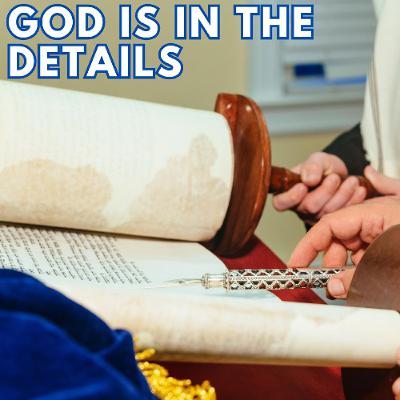
After the thunder of Sinai comes a surprising shift: damages, loans, workers’ rights, and legal liability. Why does the Torah move from revelation to regulation? Rabbi Dunner explores how lofty ideals collapse without structure, and how Judaism insists that holiness is sustained not by inspiration alone, but by disciplined attention to the smallest details of daily life.

A Don McLean concert becomes a meditation on nostalgia, inspiration, and disappointment. Rabbi Dunner reflects on what it means to watch a cultural hero age — and offers a novel insight into why the Torah follows the drama of Sinai with the unglamorous laws of Parshat Mishpatim, where faith is tested not in moments of awe, but in the demands of ordinary life.
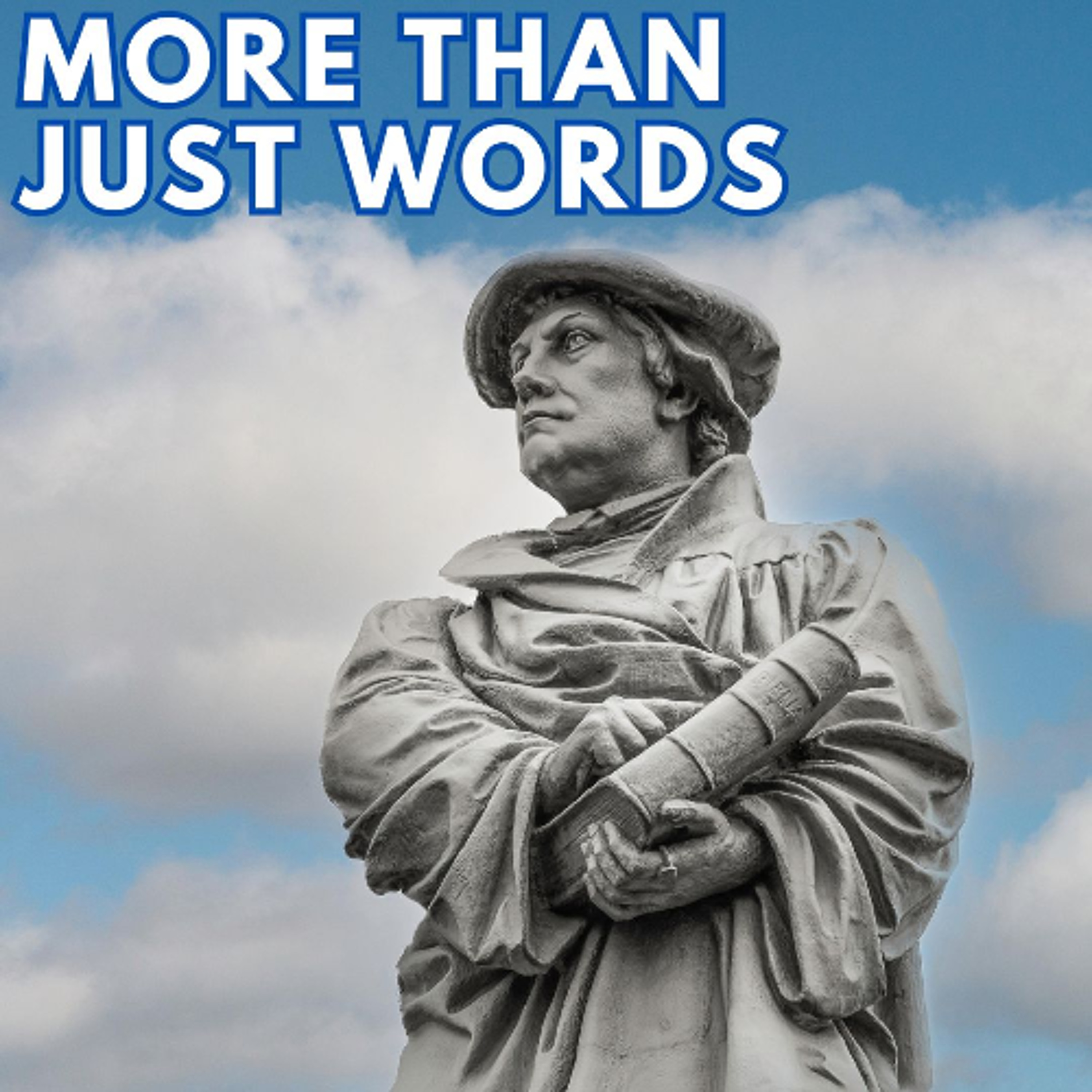
The Ten Commandments are among the most famous words in history—and among the least detailed. As Rabbi Dunner explains, this is no accident. By exploring Martin Luther’s literalism, Jewish history’s rejection of text-only faith, and the role of Torah Shebaal Peh, he shows why Judaism insists that sacred words come alive only through interpretation, debate, responsibility, and lived commitment.
Before thunder and lightning, before Anochi Hashem Elokecha, the Torah pauses for a quiet but crucial conversation. Why does a Midianite outsider notice what no one else does? And why does Sinai have to wait? Rabbi Dunner explores Yitro’s unlikely role in shaping leadership, responsibility, and the conditions that make Torah possible.
Why didn’t God take the Jewish people the shortest route out of Egypt? Rabbi Dunner focuses on the opening verse of Beshalach, exploring why detours matter, how the long road shapes resilience, and why growth often comes not from speed or even results, but from taking the longer route we didn’t plan to travel.
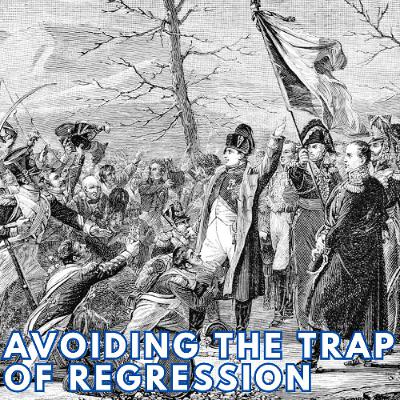
Freedom doesn’t always make people braver. Sometimes it makes them afraid. From ancient Egypt to modern politics, moments of success often trigger a dangerous instinct to retreat into familiar but destructive ideas. Drawing on history and the Torah’s account of the Red Sea, Rabbi Dunner explores why even when regression feels good, resisting it is the real test of moral maturity.

A visit to Hiroshima’s Peace Memorial Museum prompts a painful moral reckoning. Using Parshat Bo as his anchor, Rabbi Dunner examines whether decisive, devastating force is sometimes necessary to end evil. Drawing on Ramban, the Maharal, and Hiroshima itself, he challenges modern discomfort with the horrors of war—and the unsettling truth that ending evil can require unbearable, irreversible decisions, guided by moral clarity.
Why did the Exodus begin at midnight, not dawn? Drawing on Talmud, Maharal, Chassidut, Rav Kook, and the Izhbitzer, Rabbi Dunner explores how Judaism understands transformation: that the deepest changes occur in darkness, before clarity, certainty, or visible redemption — and what this teaches us about faith, growth, and living through uncertain times today.
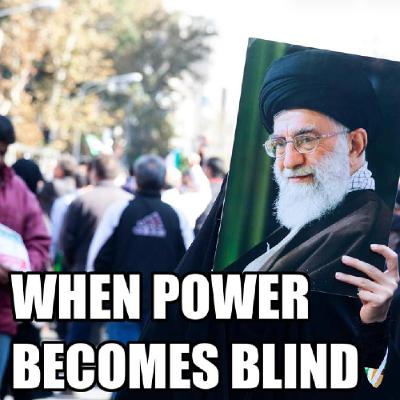
As Iran’s leaders double down on repression, the echoes from history are chilling. From Napoleon to Hitler, and Pharaoh at the beginning of Sefer Shemot, dictators consistently overestimate their power even as it erodes—until reality inevitably breaks through. Rabbi Dunner examines why tyranny so often escalates just before collapse, and how the Torah anticipated this dynamic thousands of years ago.
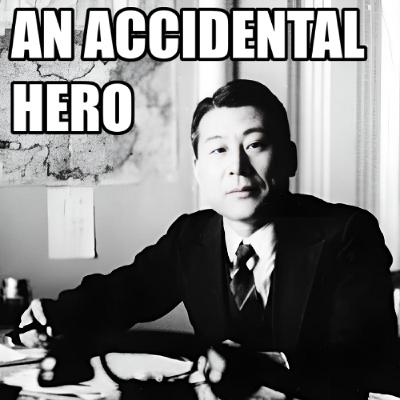
In 1940, a Japanese diplomat in Lithuania quietly chose conscience over career, saving lives he would never know. From Chiune Sugihara to the midwives of Egypt, Rabbi Dunner explores how small acts of courage by ordinary people set redemption in motion — long before heroes emerge, miracles unfold, or history reveals what those choices ultimately become.

Why do grandparents relate so differently to their grandchildren? Modern neuroscience, Chassidic thought, and Rabbi Jonathan Sacks converge on an ancient insight. In Parshat Vayechi, Yaakov blesses his grandchildren before his sons, teaching that Jewish continuity is not secured by survival alone, but by transmitting meaning, identity, and purpose across generations.
As life nears its end, clarity replaces illusion. From Beethoven and Jefferson to Steve Jobs and Isaac Newton, history shows how perspective sharpens with mortality. Parshat Vayechi captures this truth in Jacob’s final words to his sons, reminding us that legacy is not curated in real time, but revealed only when the dots of a life finally connect.
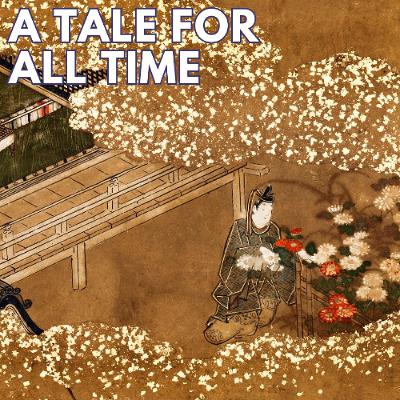
Written over two thousand years apart, the first-ever novel - written by a Japanese courtier - and the Torah’s story of Joseph converge on the same unsettling question: how should power be used? Drawing on The Tale of Genji and Parshat Vayigash, Rabbi Dunner explores influence beneath the throne, the danger of unchecked authority, and why true leadership is revealed not by domination, but by restraint.
When experts fail, it is rarely for lack of information. From the Great Storm of 1987 in England, to the 2008 financial crash, and recently Israel’s intelligence failure before October 7th, warning signs were present but misread. What makes Joseph succeed where others fail? Rabbi Dunner unravels the mystery of Joseph’s interpretation of Pharaoh’s dreams—and his uncanny ability to see the wood for the trees.
Power reveals character. From Joseph’s restraint at the height of global authority to the Chashmonaim’s uneasy legacy, Rabbi Dunner explores how Judaism measures leadership once power is achieved. Why did Chazal let the Hasmonean victories fade, but still preserve Chanukah? And what does Parshat Miketz teach us about responsibility, restraint, and the moral test of power in Jewish history today?
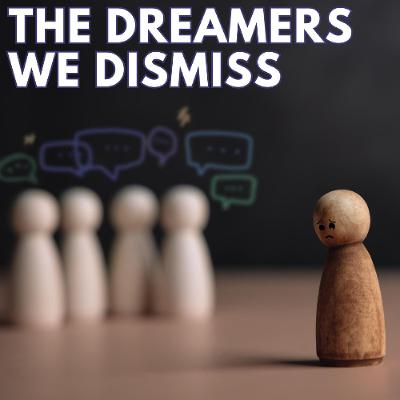
History is filled with great people dismissed as useless dreamers, only for their brilliance to be recognized later. From Lincoln to Semmelweis, John Snow to Ada Lovelace, and even Joseph in Parshat Vayeishev, we repeatedly misjudge visionaries because of our own biases. Rabbi Dunner explores how and why genius is so often hidden in plain sight — and so easily ignored.

In Parshat Vayishlach, Yaakov embraces diplomacy eith Esav while Shimon and Levi choose confrontation with Shechem. What determines the difference? Rabbi Dunner explores the Torah’s two models for responding to danger, and how these ancient principles illuminate Israel’s dilemmas today — from the Abraham Accords to October 7th. When do we make peace, and when must we wage war?

AI panic is everywhere—politicians, philosophers, and tech theorists warn that machines may soon outthink or even replace us. But a strange nighttime encounter in Parshat Vayishlach offers a radically different lens. From Jacob’s mysterious struggle emerges a timeless truth about confronting overwhelming forces, giving us a powerful lesson about the challenges of confronting AI.

The latest Ukrainian corruption scandal shows how moral collapse hides in the smallest details — a theme Rabbi Dunner sees echoed in Parshat Vayeitzei. Jacob’s true greatness appears not on a ladder to heaven but in the messy arena of daily life. Rabbi Dunner’s late father always insisted that Vayeitzei was “the most important parsha.” He may have been right.
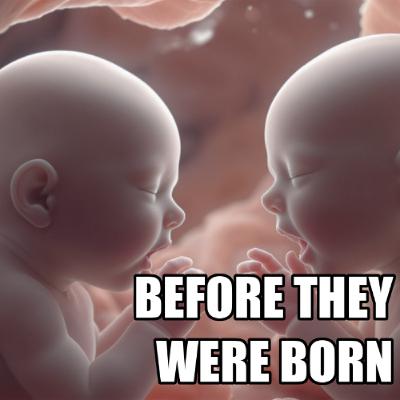
A mysterious prophecy, a violent struggle in the womb, and two utterly different sons set the stage for one of the Torah’s most profound lessons in Toldot. Rivkah must interpret God’s words, confront human complexity, and choose courage amid uncertainty. Rabbi Dunner explores destiny, free will, and the lifelong battle between the “twins” within each of us.

Comments

Download from Google Play

Download from App Store
 United States