


Ag Emerge Podcast
Subscribed: 47Played: 1,260
Subscribe


© All rights reserved
Description
Soil health, regenerative practices, and emerging technology — The AgEmerge Podcast. Join our host, Monte Bottens, as he engages with guests from diverse agriculture interests to discuss experiences, practices and scalable applications for any operation. Tune in to new episodes every other Tuesday to regenerate your ideas, soil, crops, livestock and livelihood.
ag-emerge
ag emerge
ag-emerge
ag emerge
183 Episodes
Reverse
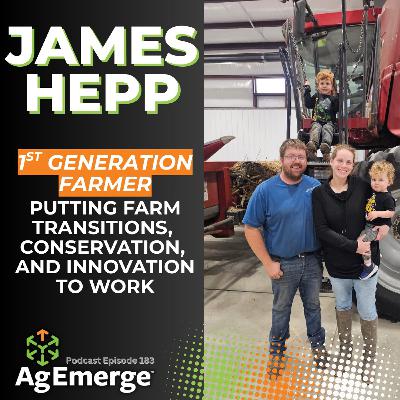
Rockwell City native James Hepp aspired to farm, but with no direct ties to land, that dream seemed out of reach. So how did he get to be farming thousands of acres and a Soil and Water Conservation District Commissioner?
About Our Guest:
James Hepp aspired to farm, but with no direct ties to land, that dream seemed out of reach. Hepp attended Northwest Missouri State University, where he earned a degree in agricultural business and started his career as a crop insurance adjuster after graduation.
In 2019, the opportunity to work with a high school friend’s father, who was nearing retirement, led to a crop-share arrangement and opened the door for Hepp to farm full time. At the same time, Hepp started up his own crop insurance agency. Hepp now manages about 1,400 acres of corn, soybeans, and small grains as a first-generation farmer. Hepp also runs an ag retail business selling lots of regenerative products he uses on his acres. With support from his landlord, Hepp incorporates a wide range of conservation and soil-health building practices on his acres, including cover crops, buffer strips, no-till, strip-till, split-applied nitrogen, variable rate seeding, and much more.
Hepp is passionate about showing others how to implement conservation practices that protect soil and water quality through field days held annually on his farm. He is also involved in the local fire department and is a past president of the Calhoun County Farm Bureau. In 2024, James earned the Iowa Farm Bureau Young Farmer Environmental Leadership Award.
Navigating Farm Transitions, Conservation, and Innovation with James Hepp
In this episode, James Hepp shares his inspiring journey from a non-traditional farming background to becoming a full-time, innovative no-till farmer. He discusses transitioning practices, cover crops, soil health, and water quality—offering practical advice for farmers looking to adapt and improve sustainably.
Timestamps
00:29 - Introduction to James Hepp's farming story and background
05:44 - Growth of farm acreage and shift to no-till and regenerative practices
06:35 - Balancing family life and farming full-time with young children
07:05 - Diversification: cover crops, regenerative products, and livestock
08:14 - The challenge of farm succession and transition for older farmers
11:55 - Foundations of risk management: having legal agreements in writing
12:24 - Financial and land management strategies with landowners
13:07 - The benefits of innovative lease agreements and crop share options
16:22 - The mindset of free-thinking farmers and stepping outside of traditional practices
17:25 - Risk mitigation: equipment setup, safety, and exit strategies
22:31 - The advantages of simulated rent and crop sharing models
30:02 - Fertilizer timing, fertilizer reduction, and nutrient placement strategies
34:15 - Cover crop choices: triticale, rye, camelina, and their benefits
36:11 - The economics of strip tillage and equipment investment
38:48 - Practical tips for planting soybeans no-till in different row widths
43:18 - Managing cover crop seeding with drone technology and timing considerations
44:36 - Growing seed oats and low-input, high-return cover crops
54:20 - Water quality challenges, policy, and personal responsibility in Iowa
55:48 - The need for a systems approach, collaboration, and conservation policies
65:21 - Final thoughts: encouragement for farmers to innovate and lead
Resources & Links
Rockwell City, Iowa (local context)
Des Moines Water Works
Soil health research by Richard Mulvaney
Crop insurance programs
Cover crop seed providers
No-till conference insights
Crop and soil testing services
Regenerative ag products: Spray Tech
Iowa Farm Bureau Roots Program
Water quality policy initiatives in Iowa
Connect with James Hepp
LinkedIn
Twitter
Rockwell City farm website
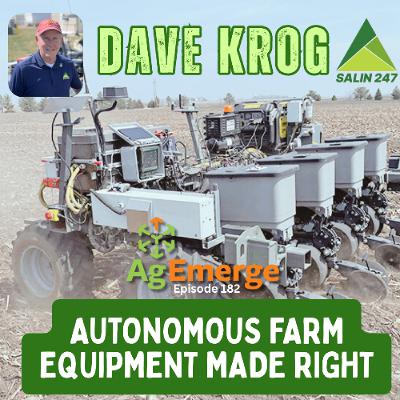
Imagine autonomous equipment that transforms productivity, reduces costs, and addresses soil health like never before. In this episode, Dave Krog—founder of Salin 247— shows how farmers can replace massive, soil-compacting machinery with sleek, small-scale autonomous tools designed to work around the clock without a single operator.
Dave walks us through his story from growing up on a farm in Iowa to pioneering autonomous planter prototypes in the fields. He reveals how his team is developing smart, electric implement frameworks that can seamlessly switch between planting, spraying, and other field tasks—cutting costs, lowering environmental impact, and solving labor shortages all at once.
Dave explains how small, self-propelled tools can outperform traditional large equipment in efficiency and soil health. With host Monte Bottens, Dave proves the economic advantages of dividing hardware costs and why autonomy is the key to farming practices like strip cropping and organic systems.
Timestamps:
0:00:00 Introduction to Autonomous Farming
0:05:00 The Genesis of Salin247
0:07:00 Challenges in Autonomous Technology
0:10:00 Early challenges faced in developing autonomous farming equipment.
0:15:00 Discussion on the transition to electric and autonomous machinery.
0:20:00 How autonomous technology can reduce costs and improve soil health.
0:25:00 Dave's insights on the future of farming with autonomous technology.
About our Guest:
Dave Krog is an Iowa-based engineer and founder of Salin247, leading the charge with innovative autonomous and electric farm equipment designed to reduce soil impact and elevate productivity.
Key Takeaways:
- Dave emphasizes the importance of understanding one's 'why' in their work.
- The evolution of farm machinery has led to increased soil compaction issues.
- Krog's company aims to replace large equipment with smaller, autonomous machines.
- Electric machinery is a key focus for sustainable farming solutions.
- The journey of developing autonomous farming technology has been ongoing for several years.
- Labor availability is a significant challenge in modern agriculture.
- Krog's background in farming informs his approach to agricultural technology.
- The initial prototype was a four-row planter, which posed unique challenges.
- Collaboration with Iowa State University has been crucial for Krog's innovations.
- Continuous education and adaptation are essential in the field of ag tech.
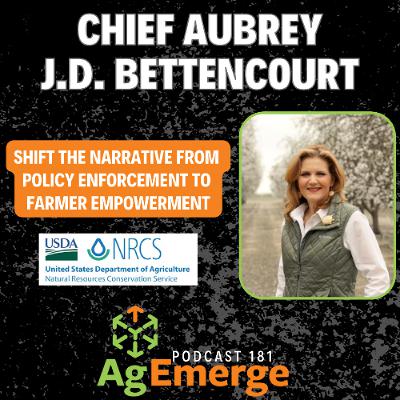
Unlock the future of farming with insights from one of America's leading agriculture champions. Aubrey Bettencourt, Chief of the NRCS, and Host Monte Bottens, talk through how innovative programs, voluntary practices, and market-driven solutions are transforming the ways farmers conserve resources, improve soil health, and remain resilient.
Hear how the new, USDA outcomes-based regen pilot program is set to redefine the way we address resource concerns—making conservation efforts more practical, impactful, and sticky for farmers from coast to coast.
Chief Bettencourt reveals the bold strategy behind the NRCS's reinvigorated mission: keeping farmers on the land and demonstrating that soil health and water management are not just buzzwords but vital pathways to economic and environmental security. We break down how existing programs like EQIP and CSP are being harnessed in innovative ways to accelerate regenerative practices without adding burdens—ensuring voluntary, flexible, and locally driven adoption.
Aubrey shares her vision for a future where farmers are empowered, markets are aligned, and soil health becomes a shared goal—ultimately transforming agriculture into a resilient, sustainable engine for generations to come.
Click to learn more about NRCS and the Regen Pilot Program: https://www.youtube.com/watch?v=FhuHrYrPXfM
About NRCS: https://www.nrcs.usda.gov/
***About Our Guest:
Aubrey J.D. Bettencourt serves as Chief of the Natural Resources Conservation Service (NRCS), the primary private lands conservation agency at the U.S. Department of Agriculture (USDA). NRCS helps producers, soil and water conservation districts, and other partners protect and conserve natural resources on private working lands while supporting American agricultural productivity throughout the United States. NRCS employees in the field work side-by-side with producers in every State and territory.
Aubrey is a prominent leader in agriculture, water, and sustainability, most recently serving as the Global Director of Government Relations and External Affairs for Netafim, an Orbia Company. Prior to serving at Netafim, Aubrey was the President and Chief Executive Officer for the Almond Alliance, the national trade association advocating for American almond growers and processors.
Prior to joining the Alliance, Aubrey served as the Sustainability Director for Western United Dairies, specifically leading initiatives in groundwater management. During the first Trump Administration, Aubrey worked with both the U.S. Department of the Interior (DOI) and USDA. As a Deputy Assistant Secretary with the DOI, she oversaw water and science policy.
Prior to serving at DOI, Aubrey was the State Executive Director of USDA’s Farm Service Agency in California where she directed the administration of farm commodity programs providing support, security, and emergency relief for producers throughout the state.
Her work reflects her personal commitment to keep farmers farming through sound water policy, agricultural support, technology, and sustainable practices. This is supported by her family’s farming roots in California’s great Central Valley.
Aubrey is a third-generation farmer at Bettencourt Farms in Kings County, California, alongside her father, mother, husband, daughter, and loyal farm dogs. Aubrey is an Eisenhower Agricultural Fellow and holds a degree in History from Westmont College in Santa Barbara, California.
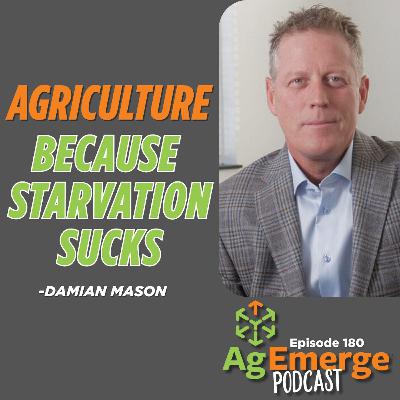
Damian Mason brings his signature wit, straight talk, and decades of experience to remind us: agriculture isn't just about growing crops—it's about feeding people, building resilient systems, and securing the future. Monte Bottens sits down with Damian, an agricultural speaker, podcaster, and industry provocateur, for a no-holds-barred conversation about the real purpose and future of farming.
Takeaways
- Agriculture is a consumer business.
- Understanding consumer needs is crucial for agricultural success.
- Sustainable practices are becoming increasingly important in agriculture.
- Technology plays a vital role in modern farming.
- Market dynamics are constantly evolving in the agricultural sector.
- Farmers need to adapt to changing consumer demands.
- The importance of storytelling in marketing agricultural products.
- Regulations in agriculture are likely to increase.
- The role of innovation in addressing agricultural challenges.
- The need for a balanced approach between traditional and modern farming methods.
Timestamps:
0:00 - Welcome & Episode Intro – Monte Bottens introduces the show and why this conversation matters
1:45 - Introducing Damian Mason – Background as speaker, podcaster, provocateur, and ag industry voice
4:20 - Agriculture's Core Purpose: "Because Starvation Sucks" – Setting the foundation for why ag exists
8:10 - Agriculture as a Consumer Business – Why farmers must prioritize evolving consumer demands
14:35 - The Shift to Consumer-Driven Farming – How ignoring consumers risks irrelevance
21:50 - Sustainability: No Longer Optional – Why sustainable practices are now essential for survival
29:15 - Technology's Transformative Role in Modern Agriculture – Emerging tech tools and adoption
37:40 - Navigating Market Dynamics & Regulations – Challenges from changing markets and increasing rules
45:20 - The Power of Storytelling – Connecting producers directly with consumers effectively
52:05 - Balancing Tradition and Innovation – Merging time-tested wisdom with new approaches to feed the world
59:30 - Key Takeaways & Final Thoughts – Practical insights for growers, ag pros, and eaters
Why does agriculture matter? Because starvation sucks—and everything else flows from there. Damian dives deep into why agriculture is fundamentally a consumer business, how understanding (and adapting to) evolving consumer demands is now make-or-break for farmers and agribusiness, and why the industry can no longer ignore the growing calls for sustainability, transparency, and innovation.
Whether you're a grower, ag professional, policymaker, or simply someone who eats food, this episode challenges conventional thinking and offers practical insights on how agriculture must evolve to remain relevant, profitable, and truly sustainable.
If you care about food security, regenerative agriculture, emerging tech in farming, or the intersection of consumers and producers—this is a must-listen.
Subscribe to AgEmerge Podcast for bi-weekly episodes on soil health, regenerative practices, innovative technology, grower stories, and the future of agriculture. New episodes drop every other Tuesday.
Hosted by Monte Bottens
Produced by Ag Solutions Network & Power2Gro
#Agriculture #RegenerativeAg #SoilHealth #SustainableFarming #AgTech #Farming #FoodSecurity #DamianMason #AgEmergePodcast #agpodcast
Watch more: https://www.youtube.com/@AgSolutionsNetwork
Listen on your favorite podcast platform: Search "AgEmerge Podcast"
What are your thoughts on agriculture as a consumer business? Drop a comment below!
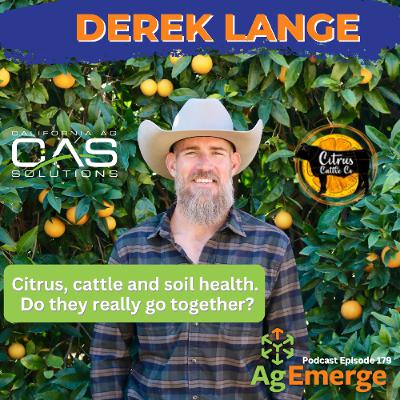
Derek Lange is a third-generation citrus grower and cattle rancher from Tulare County, California. He's also a Regenerative Agronomist at California Ag Solutions. In AgEmerge Podcast Episode 179, Derek shares his challenges and successes transitioning from conventional farming methods to innovative, soil health first practices.
Whether you're a seasoned farmer or new to the world of agriculture, Derek's story offers valuable insights into the evolving landscape of farming. Tune in to learn about the intersection of tradition and innovation in agriculture and how Derek is making farming fun again.
***
Ag Solutions Network website:
https://www.agsolutionsnetwork.com/
Chapters:
00:00:00 Introduction to Derek Lange
00:03:00 Transition to Regenerative Agriculture
00:09:00 Integrating Citrus and Cattle Farming
00:15:00 Challenges and Successes
00:21:00 The Role of Cover Crops
00:27:00 Epigenetics in Cattle Selection
00:33:00 Impact on Pest Management
00:39:00 Future of Agriculture in Central California
00:45:00 Inspiration for Sustainable Practices
Takeaways
- Derek Lange transitioned from conventional to regenerative agriculture.
- He integrates citrus and cattle farming for sustainability.
- Regenerative practices improve soil health and reduce costs.
- Derek emphasizes the importance of sustainable farming for the future.
- He shares challenges and successes in his farming journey.
- Derek discusses the role of cover crops in citrus farming.
- He highlights the importance of epigenetics in cattle selection.
- Derek talks about the impact of regenerative practices on pest management.
- He shares insights into the future of agriculture in Central California.
- Derek's story inspires a shift towards sustainable farming practices.
As we close out 2025, we’re excited to launch a special End-of-Year episode of bite-sized 15-minute video clips pulled from some of our most impactful AgEmerge Podcast episodes. Each clip focuses on the heart of the conversation: practical applications, groundbreaking ideas, and actionable steps for building healthier soils, farms, and ecosystems. We encourage you to catch each episode in its entirety and place these sections into greater context. But these recaps are perfect for quick inspiration during the busy holiday season or as you plan for the year ahead.
Want to watch a full episode? Click the links below:
1. Human Health Starts in the Soil | https://www.youtube.com/watch?v=wUevAQAQGeo
(From Episode 80 with Dr. Stephanie Seneff)
MIT Senior Research Scientist Dr. Stephanie Seneff connects the dots between soil-degrading chemicals like glyphosate, micronutrient deficiencies in our food, and rising chronic diseases. Explore how regenerative practices can restore soil biology, boost nutrient density, and directly improve human health. A must-watch for understanding the profound soil-to-human link.
2. Goats: Nature’s Weed Warriors | https://youtu.be/nIth3AKcgOQ
(From Episode 164 with Aaron Steele)
Join Aaron Steele, founder of Goats on the Go®, talks targeted grazing with goats as profitable vegetation management. Learn real-world stories of controlling invasive species, improving land health, mitigating wildfires, and building scalable affiliate businesses—all while regenerating ecosystems.
3. Revolutionizing Water pH with Carbonic Acid | https://youtu.be/GiBSox_GlPE
(From Episode 169 with Waldo Moraga)
ECO2MIX founder Waldo Moraga reveals how carbonic acid is transforming sustainable irrigation and pH control in farming (and even golf courses). Discover safer, eco-friendly ways to improve water quality, enhance nutrient uptake, reduce chemical inputs, and support soil health for better crop performance.
4. Scaling Regenerative Practices on the Farm | https://youtu.be/WTgF1zManWs
(From Episode 170 with Taylor Herren)
Taylor Herren shares proven strategies for transitioning and scaling regenerative agriculture. Packed with practical insights on soil regeneration, overcoming challenges, and unlocking ecosystem benefits—ideal for farmers ready to implement actionable changes.
These shorts are designed to spark ideas and motivate action as we head into a new year of regenerative possibilities. Which one resonates most with you? Reply to this email and let us know—or suggest topics for future episodes.
Wishing you Merry Christmas and a prosperous 2026.
The AgEmerge Team
Ag Solutions Network
As always, let us know if you have any questions or guest ideas by emailing contactus@agsolutionsnetwork.farm.
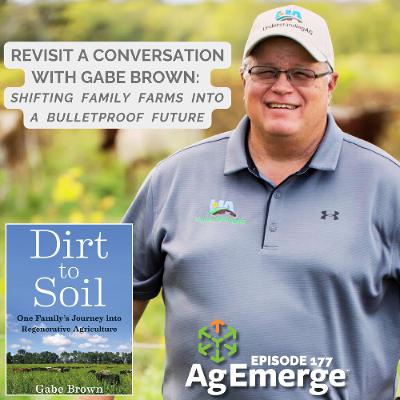
We’re revisiting a timeless highlight from AgEmerge Podcast Episode 100 — our 3-hour masterclass, recorded in 2023, with soil health pioneer Gabe Brown.
In this standout segment, Gabe and Monte tackle the real hurdles of transitioning markets, succession planning, and farm profitability. You'll also hear why and how Gabe built a thriving ranch with zero reliance on government subsidies — proving true independence is possible when soil health comes first.
As many heard just last week, Ag Secretary Brooke Rollins, alongside RFK Jr. and Dr. Mehmet Oz, announced a $700 million Regenerative Pilot Program under the Make America Healthy Again agenda. It’s the first time regenerative agriculture has ever received this level of dedicated national funding and quite a spotlight — not perfect, not equal to conventional subsidies, but a massive step forward.
These aren’t crutches — they’re bridges, helping more farmers follow Gabe’s proven path. Timeless wisdom now backed by timely momentum.
Enjoy this throwback clip from Episode 100 with the one and only Gabe Brown.
If you haven’t watched the full episode yet, be sure to go back and catch the complete context of Gabe’s journey. But if you’re looking for a powerful example of how to thoughtfully hand a farm off to family, click the Watch Now button below as podcast episode 177 stands on its own.
Watch the entire AgEmerge Episode 100: https://youtu.be/nX9up_iG0Zc
Gabe is featured in two films: Kiss the Ground partnered with Big Picture Ranch on the 2020 film, Kiss the Ground, and the follow-up documentary, Common Ground, which continue to impact viewers worldwide. Both films are now available to stream globally on Prime Video!
Watch Kiss the Ground: https://kisstheground.com/about/kiss-the-ground-film/
Watch Common Ground: https://kisstheground.com/about/common-ground-film/
Follow Gabe's Work:
Brown's Ranch website: https://brownsranch.us/
Understanding Ag website: https://understandingag.com/
*** Show notes and Links ***
Subscribe to AgEmerge here:
https://www.youtube.com/c/AgSolutionsNetwork
Ready to hear from more soil health leaders? Watch here: https://youtube.com/playlist?list=PLF-Hc8USB_JtEZZNPL7OlrW4gLBHe9poI&si=ev203Eoxs6Z5CoH5
Ag Solutions Network Socials:
https://www.agsolutionsnetwork.com/agemergepodcast
https://www.facebook.com/ASN.farm
https://www.linkedin.com/company/agsolutionsnetwork
https://twitter.com/POWER2GRO
https://www.instagram.com/agsolutionsnetwork/
Ag Solutions Network website:
https://www.agsolutionsnetwork.com/
Gabe Brown is one of the pioneers of the current soil health movement which focuses on the regeneration of our resources. Along with his wife Shelly, and son Paul, Gabe owns and operates Brown's Ranch, a diversified 5,000 acre farm and ranch near Bismarck, North Dakota. The ranch consists of several thousand acres of native perennial rangeland along with perennial pastureland and cropland. Their ranch focuses on farming and ranching in nature's image.
The Browns holistically integrate their grazing and no-till cropping systems, which include a wide variety of cash crops, multi-species cover crops along with all natural grass finished beef and lamb. They also raise pastured laying hens, broilers and swine. This diversity and integration has regenerated the natural resources on the ranch without the use of synthetic fertilizers, pesticides, and fungicides.
Gabe authored the book, “Dirt to Soil, One Family’s Journey Into Regenerative Agriculture.”
He is a partner, along with David Kleinschmidt, Shane New, Kathy Richburg, and Dr. Allen Williams, in Understanding Ag LLC. He is also an instructor for Soil Health Academy, which focuses on teaching others the power and importance of healthy functioning ecosystems.
Got questions you want answered? Send them our way and we’ll do our best to research and find answers. Know someone you think would be great on the AgEmerge podcast?
Email contactus@agsolutionsnetwork.com
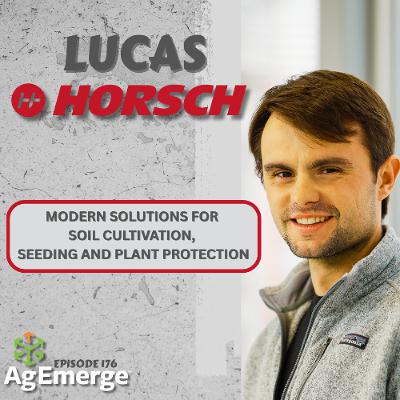
Lucas Horsch and the Horsch Company are leading agricultural innovation with careful attention to tradition. Lucas grew up immersed in the family business and shares his journey from working alongside his parents in the office to becoming a key player in the company's global expansion. With a background in agronomy and business consulting, Lucas has spent over a decade in farming and product development, focusing on planters and seeding technology.
Lucas delves into the history of the Horsch Company, founded by his father, and discusses the challenges and innovations shaping the future of agriculture. From the importance of adapting to change to the global differences in farming practices, Lucas offers valuable insights into the evolving world of farming. He also highlights the critical role of family in their business success and the exciting advancements in farming technology.
Discover how the Horsch Company is leading the way with localized solutions and cutting-edge technology. Don't miss this engaging conversation that underscores the impact of family, technology, and adaptability in the agricultural industry.
#Farming #Agriculture #Innovation #FamilyBusiness
***
Show Notes:
Ag Solutions Network Socials:
https://www.agsolutionsnetwork.com/agemergepodcast
https://www.facebook.com/ASN.farm
https://www.linkedin.com/company/agsolutionsnetwork
https://twitter.com/POWER2GRO
https://www.instagram.com/agsolutionsnetwork/
Ag Solutions Network website:
https://www.agsolutionsnetwork.com/
Click to watch or listen and as always, let us know if you have any questions or guest ideas by emailing contactus@agsolutionsnetwork.com.
Chapters:
00:00:00 - Introduction to Lucas Horsch and Horsch Company
00:06:00 - Global Farming Practices
00:12:00 - Future of Farming Technology
00:15:00 - The Horsch Company's Global Expansion
00:18:00 - Localized Solutions for Different Markets
00:21:00 - The Role of Technology in Farming
00:30:00 - Horsch's Approach to Autonomy
00:33:00 - Family Dynamics in Business
00:36:00 - Adapting to Market Needs
00:39:00 - Sustainability in Agriculture
00:42:00 - Closing Thoughts and Future Outlook
Discover how innovative drip irrigation technologies are transforming water management and boosting efficiency in farming. Mike Hemman, Netafim Senior Vice President of North America, shares his journey from crop protection to leading irrigation solutions, highlighting the challenges and opportunities in modern agriculture. Tune in to explore the future of precision farming and the vital role of water conservation across the globe.
***
Show Notes:
Ag Solutions Network Socials:
https://www.agsolutionsnetwork.com/agemergepodcast
https://www.facebook.com/ASN.farm
https://www.linkedin.com/company/agsolutionsnetwork
https://twitter.com/POWER2GRO
https://www.instagram.com/agsolutionsnetwork/
Ag Solutions Network website:
https://www.agsolutionsnetwork.com/
Click to watch or listen and as always, let us know if you have any questions or guest ideas by emailing contactus@agsolutionsnetwork.com.
Chapters:
00:00:00 - Introduction to Drip Irrigation
00:06:00 - Mike Hemman's Journey
00:12:00 - Innovative Irrigation Solutions
00:18:00 - Water Conservation and Efficiency
00:24:00 - Future of Precision Farming
00:30:00 - Challenges in Water Management
00:36:00 - The Role of Technology in Agriculture
00:42:00 - Sustainable Farming Practices
00:48:00 - Netafim's Global Impact
00:54:00 - Closing Thoughts and Future Outlook
*** ***
Introducing the Ag Modernization Fund
Water basins are strained across the nation, and while modern irrigation remains one of the fastest and most proven ways to improve water use efficiency, many farmers still face barriers to accessing the financing for installing the latest systems.
To address this challenge, Orbia, Netafim USA along with California Water Resilience Initiative (CWRI), launched the Ag Modernization Fund, a first-of-its-kind investment vehicle that pools private-sector capital to directly fund irrigation upgrades for growers.
Backed by Keurig Dr Pepper, Gilead Sciences, and General Mills, the fund closed in 2025 with $300,000, already supporting five farms spanning 200 acres. These projects, to be completed within the year, are projected to reduce water use by 491 acre-feet — nearly 159 million gallons annually, enough to fill 241 Olympic-sized pools.
This fund is also listed on the UN-backed CEO Water Mandate’s Water Action Hub, aligning with global sustainability goals to address water stress across 100 priority basins worldwide — 8 of which are in the United States.
About Our Guest:
Mike Hemman - SVP, Netafim North America Division
Mike joined Netafim, Orbia Precision Agriculture business, in 2019 as the President of Netafim USA and was promoted to Senior Vice President of North America in 2024. He has been instrumental in driving strategic growth and expanding profit margins through innovative market strategies, customer segmentation, product lifecycle management, and improvements in supply chain and manufacturing efficiencies.
With multiple decades of experience in the crop protection and seed industry, Mike has held key commercial leadership positions at DuPont, Corteva, and Pioneer Seed. His extensive background in biologicals, fertility, crop protection, seed, and irrigation give him a unique cross-sector perspective on the agricultural industry.
Mike holds a Bachelor of Science degree in Plant Science from California State University, Fresno, where he also pursued Master of Science coursework in agronomy. He is currently a member of the Executive Board of the Irrigation Association and has previously served on the boards of the Agricultural Retailers Association, Western Plant Health Association, and California Association of Pest Control Advisers.
AgEmerge Podcast 173 (Part I of Exploring the Haney Soil Test) laid the foundation for understanding how to read your soil test results. Now, AgEmerge Podcast 174 continues the conversation with Part II, featuring Liz Haney and Monte Bottens as they dive deeper into what those results actually mean.
Together, they explore the “what”—what soil testing reveals about soil health and how it informs fertility recommendations and management decisions. Dr. Liz Haney explains how the Haney Soil Test measures microbial activity and soil respiration, providing valuable insights into soil function and vitality.
This episode also covers key topics like interpreting soil health metrics, managing compaction, and the benefits of diverse crop rotations. Growers will gain practical takeaways on consistent sampling, understanding soil types and management zones, and the importance of working with trusted advisors to make informed decisions on the farm.
Are you a visual learner or would you like some additional materials to help this all make sense? Join our mailing list by clicking below and we'll send the Exploring the Haney Test PDF Guide straight to you.
Join the AgEmerge Mailing List: https://ag-solutions-network.kit.com/b47ceb598a
Chapters:
00:00 Exploring Soil Fertility Testing Methods
01:03 The Importance of Soil Health Metrics
09:48 Diversity in Crop Rotation and Soil Health
19:34 Understanding Soil Health Calculations
26:43 Fertility Recommendations and Their Context
40:49 Understanding Soil Health and Protozoa
46:13 Innovative Sampling Techniques for Soil Analysis
53:24 The Role of Soil Organic Matter in Soil Health
59:18 Impact of Cover Crops on Soil Nutrient Dynamics
01:04:32 Soil Survey Methodologies and Their Implications
01:11:04 Building Soil Health for Future Generations
Takeaways:
- Soil health is crucial for sustainable farming practices.
- The Haney test provides insights into soil microbial activity.
- Soil respiration is a key indicator of soil health.
- Microbial active carbon (MAC) is essential for understanding soil biology.
- Soil compaction can significantly affect microbial activity.
- Phosphorus levels can impact soil health metrics.
- Diverse crop rotations can improve soil health.
- Soil testing should be done at consistent times for accurate comparisons.
- Understanding soil types and management zones is vital for effective farming.
- Farmers should seek trusted advisors for soil management decisions.
Ag Solutions Network Socials:
https://www.agsolutionsnetwork.com/agemergepodcast
https://www.facebook.com/ASN.farm
https://www.linkedin.com/company/agsolutionsnetwork
https://twitter.com/POWER2GRO
https://www.instagram.com/agsolutionsnetwork/
Ag Solutions Network website:
https://www.agsolutionsnetwork.com/
Gaining a deeper understanding of the Haney Soil Test can transform your approach to agriculture by offering critical insights into nutrient availability and microbial activity. Whether you're a veteran grower or just beginning your regenerative agriculture journey, this series delivers practical knowledge to elevate your soil management and increase productivity.
Liz is a soil and ecosystem scientist with experience in soil testing and analyses, carbon and conservation practice modeling, and is the co-developer of the Haney Soil Health Test. Liz’s purpose, drive and passion are helping to improve producer profitability, environmental sustainability, and human health through regenerative practices and soil health.
Throughout her career she has developed an expansive network of scientists, thought leaders, consultants, farmers and ranchers within the sustainable agriculture space. Liz loves nothing more than creating community and is skilled at coordinating and conducting educational events, workshops and conferences bringing together today’s leading innovators in regenerative agriculture. Liz is also a co-founder of Regen Mills and Heritage Ground.
In this special two-part series, Dr. Liz Haney joins Monte in the studio for an in-depth exploration of the Haney Soil Test. Originally recorded as an internal education piece for our Ag Solutions Network Dealers and customers, this insightful conversation has too much good info not to share.
In Part I, we break down the Haney Soil Test—explaining what it measures and the meaning behind each component. In the following episode, we dig deeper into how the test can influence soil health and farming practices, from optimizing input use to uncovering potential cost savings.
Gaining a deeper understanding of the Haney Soil Test can transform your approach to agriculture by offering critical insights into nutrient availability and microbial activity. Whether you're a veteran grower or just beginning your regenerative agriculture journey, this series delivers practical knowledge to elevate your soil management and increase productivity.
Don’t miss it—tune in to discover how smarter soil decisions today can create a more sustainable future for generations to come.
About our guest:
Liz is a soil and ecosystem scientist with experience in soil testing and analyses, carbon and conservation practice modeling, and is the co-developer of the Haney Soil Health Test. Liz’s purpose, drive and passion are helping to improve producer profitability, environmental sustainability, and human health through regenerative practices and soil health.
Throughout her career she has developed an expansive network of scientists, thought leaders, consultants, farmers and ranchers within the sustainable agriculture space. Liz loves nothing more than creating community and is skilled at coordinating and conducting educational events, workshops and conferences bringing together today’s leading innovators in regenerative agriculture. Liz is also a co-founder of Regen Mills and Heritage Ground with Russell.
Come see Liz Haney in Person!
Premier Soil Health Event 2025, Dec. 2-3 in Mankato, MNBig Soil Health Event 2025: Dec. 8-9 in Cedar Rapids, IA
Regenerative farmers need better financial assurances. Eric Gibson from Rabobank shares his expertise on the current challenges faced by farmers, including risk management and crop insurance. Explore the economic implications of soil health practices and the importance of policy in driving agricultural innovation. With a focus on soil health, nutrient density, and generational perspectives, this episode offers a comprehensive look at the future of farming. Tune in for a thought-provoking discussion on aligning risk management with soil health and the potential for transformative change in the agri-food value chain.
Rabobank Report: US Farmers Confront Risks in Face of Change https://rabobankna.com/knowledge-hub/us-farmers-confront-risks-in-face-of-change/
About our guest:
Eric Gibson, Rabobank Analyst – Farm Inputs & Crop Production Sustainability
Eric is an analyst for RaboResearch Food & Agribusiness in the US, where he focuses on sustainability in farm inputs and crop production. Eric’s industry knowledge has a broad reach, ranging from hands-on farming and livestock experience, to research, communications, and client and stakeholder management.
Before joining Rabobank, he served as a Fusion Leader & Intelligence Analyst at Aimpoint Research, where he conducted market research and data analysis to support client ambitions. Prior to Aimpoint, he worked as a Product Marketing Manager in the Crop Marketing & Sustainability and Seed & Digital Technology teams at Farmers Business Network. Eric also spent six years with the US Soybean Export Council, where he helped coordinate USSEC’s sustainability program.
Eric holds a bachelor’s degree in agriculture from the University of Missouri, with concentrations in plant science, animal science, and agricultural economics.
Ag Solutions Network website:
https://www.agsolutionsnetwork.com/
*** ***
Click to watch or listen and as always, let us know if you have any questions or guest ideas by emailing contactus@agsolutionsnetwork.com.
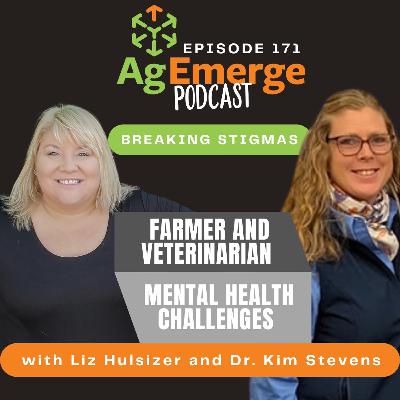
We're having a heart to heart about the mental health challenges faced by those in the farming and veterinary professions. Meet Dr. Kim Stevens and Liz Hulsizer, as they share personal experiences and resources for our agricultural families and businesses. Links to counseling and suicide prevention are below. We ask you to share, listen, watch and learn how to help one another actively work to keep our farmers, vets, and their loved ones from missing their seat at the table.
About our guests:
Liz Hulsizer and her family are fifth-generation farmers in Knox County, Illinois. They experienced significant personal challenges, including the suicide of her father-in-law shortly after she and her husband were married. This event profoundly impacted their lives and farming operations. Liz is actively involved in promoting mental health awareness within the farming community, emphasizing the importance of accessibility and acceptability of mental health resources. She is also a board member of the Farm Family Resource Initiative, which provides support to those in agriculture. Liz is committed to sharing her story to help others understand the impact of mental health issues and to encourage open conversations about these challenges.
Dr. Kim Stevens is a veterinarian based in Galva, Illinois, which is also her hometown. She studied dairy production in veterinary school with the goal of becoming a dairy veterinarian. After graduating in 2010, she returned to Galva to join a veterinary practice, which she later purchased in 2013. Dr. Stevens is deeply involved in her community, providing veterinary services for both small and large animals. She is passionate about mental health awareness within the veterinary community and is part of the organization "Not One More Vet," which addresses mental health challenges faced by veterinarians. Dr. Stevens is known for her dedication to her practice and her community, often emphasizing the importance of support networks and open communication in overcoming mental health struggles.
Resources:
Not One More Vet (NOMV):An organization focused on mental health support for veterinarians. They provide resources and support networks to help veterinarians cope with mental health challenges. https://nomv.org
Farm Family Resource Initiative:This initiative offers a 24/7 confidential phone line specifically for those in Illinois agriculture. The phone number is 1-833-FARMSOS. It provides up to six free counseling sessions for farm families and those working in agriculture.
Nationwide Programs: Farm State of Mind® | American Farm Bureau Federation
Suicide Prevention Hotline: US & Canada: 988
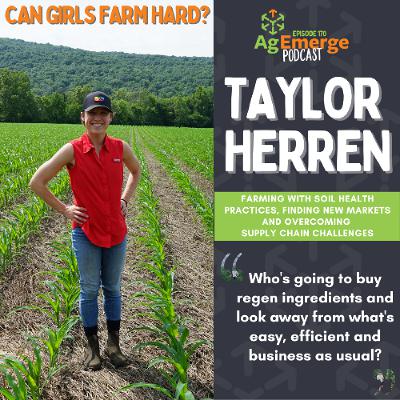
Taylor Herren is a beach-loving Californian who traded Santa Barbara for Cotton Plant, Arkansas, to pursue her dream of becoming a farmer and agricultural entrepreneur. What she cares most about is regenerative agriculture that works for real farmers and can be scaled on millions of acres—she's not interested in perfection, but in progress that helps farmers benefit from soil health through on-farm savings, increased market opportunities, and more time with their families.
*** Show notes and Links ***
Subscribe to AgEmerge here:
https://www.youtube.com/c/AgSolutionsNetwork
Hear from another entrepreneur, Taylor Henry sharing his farming story: https://youtu.be/rt2V_YnBfsI
Ag Solutions Network Socials:
https://www.agsolutionsnetwork.com/agemergepodcast
https://www.facebook.com/ASN.farm
https://www.linkedin.com/company/agsolutionsnetwork
https://twitter.com/POWER2GRO
https://www.instagram.com/agsolutionsnetwork/
Ag Solutions Network website:
https://www.agsolutionsnetwork.com/
*** ***
More about Taylor Herren:
After 15 years working in regenerative agriculture—including roles with Green America, Kiss the Ground and Chico State —Taylor made the leap into farming last year. Her first crop year in 2025 marks a significant milestone as one of the few women entering large-scale row crop agriculture, farming 400 acres of corn, soybeans, and rice with a USDA crop loan while building a pasture livestock operation starting with 600 birds.
The transition from one of California's most beautiful coastal cities to the hot, swampy Mississippi Delta has been challenging but transformative, connecting her to both the land and her farming partner Adam Chappell. Taylor's mission goes beyond building a successful agricultural business—she's driven by those meaningful moments in nature where life abounds in the plants, birds, bugs, and the passionate farmers who tend the land.
Currently at Soil & Climate Initiative, she leads the farm transition program and regenerative crop market development work, including the Delta Regen Rice project. What she cares most about is regenerative agriculture that works for real farmers and can be scaled on millions of acres—she's not interested in perfection, but in progress that helps farmers benefit from soil health through on-farm savings, increased market opportunities, and more time with their families.
Her ultimate goal: to become a successful "chicken baroness" while proving that regenerative agriculture can create profitable, resilient farming operations.
LinkedIn: https://www.linkedin.com/in/taylor-herren-590196107/
FaceBook: https://www.facebook.com/taylor.herren.5
Instagram: https://www.instagram.com/girlsfarmhard/
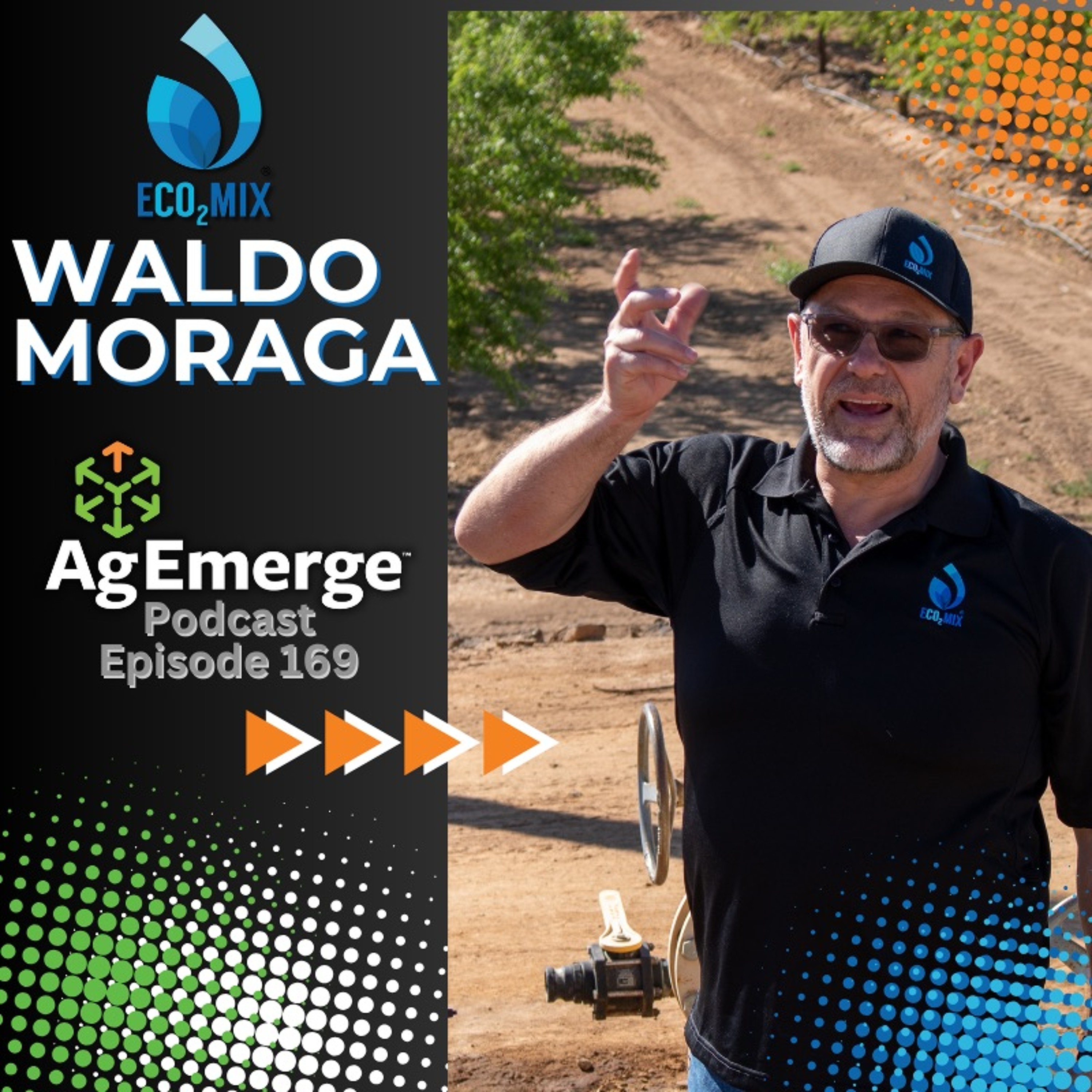
Waldo Moraga, founder of ECO2MIX, talks with Monte about the huge strides carbonic acid has taken in farming, and even the golf industry as sustainable water pH control. Learn how carbonic acid is a safer alternative to sulfuric acid, and plays a significant role in soil health by breaking down minerals in the soil and releasing essential nutrients plants need to grow. Carbonic acid also improves soil structure by promoting the formation of soil aggregates, which enhances water retention and infiltration, ultimately supporting healthy plant growth. Join Monte and Waldo as they uncover the science behind this innovative solution and its promising future.
Learn how carbonic acid is a safer alternative to sulfuric acid, and plays a significant role in soil health by breaking down minerals in the soil and releasing essential nutrients plants need to grow. Carbonic acid also improves soil structure by promoting the formation of soil aggregates, which enhances water retention and infiltration, ultimately supporting healthy plant growth. Join Monte and Waldo as they uncover the science behind this innovative solution and its promising future.
Waldo Moraga: Waldo earned his B.S. of Agriculture and has a passion for water related topics, from conservation to treatment. More than 30 years in irrigation, fertigation, and water pH control in Chile, Peru, Mexico and since 2016 fully committed to change the paradigm on how farmers deal with water pH in the Central Valley of California and the US.
ECO2MIX: https://www.eco2mix.com
We decided to find a better solution, specifically designed for agriculture, to reduce pH in irrigation water with a more sustainable process. That’s when we designed a system that uses carbonic acid to acidify water, mimicking nature. CO2 is not new to the world of agriculture. There’s plenty of research and publications about its biological and soil benefits and yields improvements. With this in mind, we decided to design a highly efficient system using this natural compound. Our mission is to provide a sustainable solution for water pH control, using an eco-friendly technology that helps the plant and soil biology by replacing the use of toxic and dangerous mineral acids with innocuous carbonic acid (CO2 + water). We are the only carbon pH control designed with the grower’s problem in mind.
What's up with kids these days? Meet Drew Cotton and Andrew Larson. Mr. Larson is fresh into the retirement scene but together, the two men served as professors at Black Hawk College in Galva, Illinois. They've seen it all. And they confidently say, we're in good hands.
*** Show notes and Links ***
Subscribe to AgEmerge here:
https://www.youtube.com/c/AgSolutionsNetwork
Watch another outstanding educator, Dr. Dwayne Beck, here: https://youtu.be/1JlTPcoKB0M
Ag Solutions Network Socials:
https://www.agsolutionsnetwork.com/agemergepodcast
https://www.facebook.com/ASN.farm
https://www.linkedin.com/company/agsolutionsnetwork
https://twitter.com/POWER2GRO
https://www.instagram.com/agsolutionsnetwork/
Ag Solutions Network website:
https://www.agsolutionsnetwork.com/
Got questions you want answered? Send them our way and we’ll do our best to research and find answers. Know someone you think would be great on the AgEmerge stage or podcast? Send your questions or suggestions to contactus@asn.farm we’d love to hear from you.
*** Show notes and Links ***
Monte Bottens hosts interns and classes from Black Hawk multiple times throughout the year. The three guys talk all about the unique learning approach Black Hawk provides and the depth of experience students have under their belts by graduation.
Drew Cotton is the Co-Department Chair for the Agriculture Department at Black Hawk College. He focuses on agribusiness education. Prior to Black Hawk, Mr. Cotton studied Animal Sciences at the University of Florida and completed undergrad at Kansas State University. Mr. Cotton leads the Agribusiness Club and coaches the Agricultural Business and Horse Judging teams. With his peers and students, Mr. Cotton has coached and guided wins with the North American Colleges and Teachers of Agriculture (NACTA) Judging Conference Sweepstakes Awards.
Andrew Larson: We thank Mr. Larson for his military service, prior to becoming an instructor. He recently retired after teaching at Black Hawk College for 27 years. He earned a Master's of Science in Nutrient Management and Crop Production from the University of Illinois in 1998 after completing his undergrad from the Illinois State University in Environmental Sciences and Protection in 1994. While at Black Hawk, Mr. Larson served as a full-time instructor in the agriculture department of Black Hawk College. He taught production, marketing and management of agriculture curriculums. He's secured places of employment for over 500 graduates in the agriculture industry. And provided leadership to place and supervise over 100 internships. Mr. Larson managed a 25-acre college agronomy lab, coached college soil and crop judging teams, and also served as Advisor for the Trap Shooting Club.
He was the lead Investigator for Illinois Department of Commerce and Economic Opportunity grant that supported a four-acre sustainable agriculture research plot and conducted numerous field trials annually in the agronomy lab. He designed subsurface drainage system in the agronomy lab to implement nutrient management study; facilitated installation of a bio-reactor.
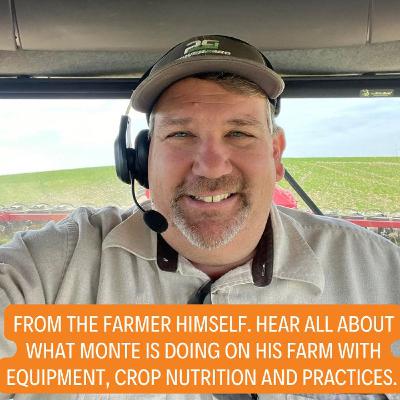
From equipment to crop nutrition, products and practices, Monte Bottens shares the latest and greatest happenings of Bottens Family Farms.
Monte is an open book when it comes to helping farmers see what is possible. His recommendations to others come from years of on-farm trials, product experimentation, and pushing the boundaries of scaling soil health principles on sizable acreage. From growing his own seed, to future equipment trials, you might get some wild ideas for your own operations.
Monte Bottens has deep roots in agriculture. Raised as a fifth-generation, northwestern Illinois farmer, Monte is a business owner, entrepreneur and thought leader. Monte began his farming career with two bred sows given to him by his grandmother. Thanks to great guidance from his dad and equipment-sharing startup assistance, today he’s the owner of Bottens Family Farm (BFF).
The farm utilizes the latest agricultural innovations in precision farming technology and crop management systems while putting into practice advanced regenerative ag principles. BFF produces a diversity of crops and grass-fed livestock. which are sold direct to consumers under the Grateful Graze label.
He is the Founder, President and CEO of Ag Solutions Network, Inc. (ASN) headquartered in Moline, Illinois, where he leads the development and distribution of the POWER2GRO crop production system. ASN utilizes the latest technological advancements and highest-quality ingredients to enable farmers to build soil health and soil wealth. Monte is also the host of ASN’s podcast, AgEmerge where featured guests discuss new ideas, grower insights, research and emerging technology.
Monte is the Founder and Partner of California Ag Solutions, Inc. (CAS) in Madera, CA. The CAS team serves farmers of the Central Valley by helping them adopt reduced tillage techniques combined with improved water and nutrient efficiency using ASN’s POWER2GRO system on a wide variety of crops.
Monte has a love for the agricultural diversity in California. He serves on the leadership team of Conservation Agriculture Systems Innovation (CASI) center that develops integrated reduced tillage and irrigation techniques in California and globally. His excitement for ag tech and continuous process improvement also led him to get involved with the UC Davis Entrepreneurship Program and the Sacramento Angels. He has a desire to teach others and make region specific practices applicable for all different crops, soil types, and climates throughout the US. He has presented at many conferences and universities sharing his passion for soil health and agriculture innovation.
Monte is a graduate of Augustana College in Rock Island, Illinois. He and his wife Robyn live in Sherrard, Illinois, close to family on the family farm.

In this special episode of the AgEmerge Podcast, Grok, created by xAI, turns the mic on Monte Bottens, a fifth-generation Illinois farmer, entrepreneur, and visionary behind Bottens Family Farm, Ag Solutions Network, and Grateful Graze. Monte shares his journey from raising pigs in 4-H to building a diverse operation rooted in regenerative agriculture, blending Midwest traditions with California’s crop diversity. He discusses the pivotal moments—like seeing Gabe Brown’s soil organic matter gains—that drove Monte’s shift to soil health principles, the challenges of overcoming conventional farming’s cookie-cutter mindset, and his frustration with the industry’s resistance to change.
Monte’s vision for the future is bold: transitioning to organic systems, prioritizing perennials, and using technology like precision ag to scale regenerative practices for large-scale farmers. This conversation is packed with raw honesty, practical wisdom, and a call to rethink farming for soil and community health.
Monte also offers actionable advice for young farmers: find a niche, leverage local markets, and don’t fear failure. From cover crop mishaps to mid-season equipment fixes, his stories of trial and error inspire listeners to embrace innovation and build strong teams. Whether you’re a farmer, researcher, or innovator, Monte’s insights on overcoming fear, learning from mistakes, and aligning with nature’s design will leave you fired up to push the needle forward for sustainable farming.
And, if you’re as excited as we are about the future of agriculture, check out our website at asn.farm and there you can click on links to follow us on Facebook, X, Instagram, Linkedin, and YouTube. There’s a lot of great things happening and always something to learn.
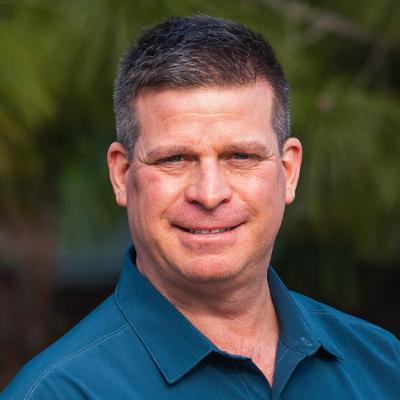
Today we welcome Dr. Dan Rooney, founder and CEO of LandScan, a pioneering company revolutionizing site characterization and analysis for agriculture and forestry. With over 20 years of experience developing, protecting, and commercializing innovative technologies for soil and vegetation mapping, Dr. Rooney is leading LandScan to transform how farmers, foresters, and land managers optimize their operations. LandScan’s cutting-edge solutions integrate remote sensing, spatial information analysis, and machine learning to deliver accurate, timely, and actionable insights, empowering growers to enhance productivity, profitability, and sustainability.
Dr. Rooney and his dedicated team are driven by a mission to improve global agriculture and forestry through intelligent, data-driven approaches. From his early work in soil physics to creating digital twin technology for high-value crops like almonds, vineyards, and avocados, Dr. Rooney shares his journey and vision for a smarter, more sustainable future. Tune in to explore how LandScan is redefining soil surveys and helping farmers worldwide make informed decisions. Visit LandScan.ai to learn more about their transformative services.
You can learn more about LandScan here: https://landscan.ai/
And, if you’re as excited as we are about the future of agriculture, check out our website at asn.farm and there you can click on links to follow us on Facebook, X, Instagram, Linkedin, and YouTube. There’s a lot of great things happening and always something to learn.
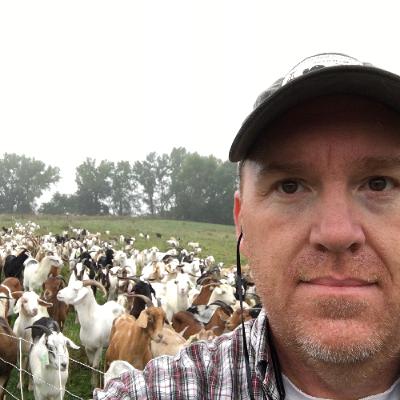
Aaron Steele is the innovative founder of Goats On The Go, a national network of targeted grazing service providers revolutionizing sustainable land management. Aaron shares his journey from a small acreage in Ames, Iowa, to building a thriving business that uses goats and sheep to control weeds, brush, and invasive species, offering an eco-friendly alternative to chemicals and machinery. Starting in 2012 as a way to move beyond hobby farming, Goats On The Go® has grown into a community of over 70 affiliates across the U.S. and Canada, empowering entrepreneurs to operate profitable, sustainable grazing businesses. Aaron dives into the unique benefits of goats, from their ability to tackle tough vegetation like poison ivy and multiflora rose to their low seed viability, making them ideal for ecological restoration. He also discusses the challenges of raising goats, the growing demand for goat meat, and the untapped potential of virtual fencing in grazing operations. With insights on wildfire mitigation, suburban land management, and opportunities for farmers to lease goats, this episode highlights how Aaron’s vision is transforming agriculture and land stewardship.
To learn more, check out goatsonthego.com or
Aaron’s audiobook, Goats for Good, at goatsforgood.com
Aaron Steele is the founder of Goats On The Go®, a national network of targeted grazing service providers who use goats and sheep to sustainably manage vegetation for their customers. Aaron launched Goats On The Go® in 2012 as an unconventional way to take his small farm beyond a hobby in an environment where expensive land, questionable practices, and a bigger-is-better mentality are the norms. Goats On The Go® now licenses its brands, training, and support to others, building a community of entrepreneurs who seek to operate profitable farms no matter their entry point or size. Aaron holds a bachelor’s degree and MBA from Iowa State University.
A big thank you to Aaron for sharing his insights and the incredible potential of adding goats into your toolbox of sustainable agriculture systems.
And, if you’d like to learn what we’re doing to help growers add tools to the soil health and plant nutrition toolbox, check out our website at asn.farm and there you can click on links to follow us on Facebook, X, Instagram, Linkedin, and YouTube. There’s a lot of great things happening and always something to learn.

Comments

Download from Google Play

Download from App Store
 United States