


 Claim Ownership
Gluten Free RN
Subscribed: 109Played: 1,617
Subscribe

© Copyright 2017
Description
Gluten Free RN, Nadine Grzeskowiak, RN BSN CEN, discusses gluten intolerance, celiac disease, the Paleo lifestyle and health.
74 Episodes
Reverse

What did we know about celiac disease in 1953? The truth is, we knew quite a bit about sensitivity to gluten 65 years ago when Matilda Babbitz's son Bobby was diagnosed with celiac disease. A nurse by profession, Matilda carefully observed her baby and kept detailed records of his reactions to foods, working with doctors to determine an appropriate diet for Bobby. Today, the Gluten Free RN is sharing an article published in the March 1953 edition of the American Journal of Nursing written by Matilda herself. She covers how Bobby presented with celiac disease at six months of age and the dramatic change in his health and behavior after a diet change. Nadine discusses the systematic approach Bobby's healthcare team took in creating a custom diet, the relationship between the baby's irritability and his inability to digest food, and his growth and development before and after treatment. She also addresses the misunderstanding that children will 'grow out of' celiac disease, explaining that we've since learned patients must adhere to a 100% gluten-free diet for life. Listen in for insight around what we can learn from past case studies of celiac disease and understand what we already knew about celiac disease back when Eisenhower was president and Gentlemen Prefer Blondes was on the big screen! What's Discussed: How Bobby presented with celiac disease at six months of age Sudden attack of diarrhea, upper respiratory infection History of GI difficulty + distended abdomen, increased gas Marked irritability, weight loss, inability to move arms/legs The dramatic change in Bobby's behavior after a diet change Symptoms of diarrhea, vomiting and weakness disappeared Irritability subsided with shift to skim milk The new pediatrician's approach when Bobby's progress stalled Shift to goat's milk, added complete multivitamin supplement The relationship between irritable behavior and the inability to digest foods Nurse/mom kept detailed records of foods eaten, reactions Bobby's growth and development before and after diagnosis Lost ability to perform gross motor activity prior to diagnosis Caught up with age group after diet change (walked at 18 months) How Bobby's mother dealt with social pressure to eat with others Replaced cookies and ice cream with sherbet and lollipops Kept away from parties so not conscious of being left out The chronic nature of celiac disease No one 'grows out of' being celiac 100% gluten-free diet for life Nadine's insight around what we knew about celiac disease in 1953 Many celiac patients unable to digest cow's milk Need supplementation with vitamins, certain fats Recognized impairment of immune system Resources 'Bobby Has Celiac Disease' in the American Journal of Nursing Connect with Nadine: Instagram Facebook Contact via Email 'Your Skin on Gluten' on YouTube Melodies of the Danube Gluten-Free Cruise with Nadine Books by Nadine: Dough Nation: A Nurse's Memoir of Celiac Disease from Missed Diagnosis to Food and Heal Subscribe to The Gluten Free RN Podcast: iTunes Stitcher Google Play

'Know your own truth and let that guide you.' How do you cut through the noise and misinformation around gluten sensitivity and celiac disease in order to make the best choices for your health and happiness? By tapping into your intuition and asking WHY when the answers don't feel right—and reaching out to the right people for support when you need it. Today, the Gluten Free RN is sharing her Top 10 Musings and Truths for health and wellbeing, empowering you to be self-protective and surround yourself with the people who genuinely care enough to speak up for—and with you. She shares the value in setting goals for your physical and mental health and taking your power back from the people who may have victimized you in the past. Nadine also encourages you to get educated and engage in critical thinking, questioning the information you are given and saying 'no' to anyone who suggests you eat gluten—even if they happen to be a doctor. Listen in to understand the idea that 'you are your own experiment' and learn to be the healthiest YOU you can be by committing to a 100% gluten-free diet! What's Discussed: Commit to being 100% gluten-free, dairy-free and ideally Paleo Focus on diet change for first year so intestines can heal Be self-protective Lose people who aren't supportive Find your tribe People who speak up for/with you, willing to change diet Set goals for what you want your life to look like Write down objectives to make real, move in that direction Be powerful (even if you don't feel it) Speak up and take power back, don't be victim Get educated and educate others Go to conferences, read and do research Don't believe everything you hear, read or say Get answers to questions, then question the answers (ask WHY) Don't eat gluten for anyone Not for friends/family, doctors or research study Be the healthiest YOU, you can be Strive for MORE health, fun, good food and information You are your own experiment Reassess and apply new information as needs change, work with team Connect with Nadine: Instagram Facebook Contact via Email 'Your Skin on Gluten' on YouTube Melodies of the Danube Gluten-Free Cruise with Nadine Books by Nadine: Dough Nation: A Nurse's Memoir of Celiac Disease from Missed Diagnosis to Food and Heal

Much existing propaganda claims that African Americans do not suffer from celiac disease. Even the Gluten Free RN was surprised to find out that her adopted daughter had a genetic predisposition to the disease back in 2006, as research available at the time regarded the HLA-DQ2 and HLA-DQ8 genes to be primarily Caucasian traits. And until we take steps to conduct a mass screening, we simply don't know how common celiac disease is among people of African descent. Today, the Gluten Free RN is exploring celiac disease in the African American population. She covers a 2006 study out of Columbia University that assessed African American celiac patients, discussing the variety of ways the subjects presented with celiac disease and the potential reasons for their poor compliance with the prescribed gluten-free diet. Nadine also considers the prevalence of celiac disease on the continent of Africa, explaining why she believes the number of celiac patients will explode with the population's growing exposure to wheat. Listen in for the Gluten Free RN's insight on other health issues that may point to undiagnosed celiac disease and learn how we can prevent celiac disease among the African American population with access to testing, social support and gluten-free food! What's Discussed: The 2006 Columbia University study of celiac disease in African Americans Identified nine patients with biopsy-proven celiac disease Presented with diarrhea, iron deficiency anemia and autoimmune disorders Why patients in the Columbia study demonstrated poor dietary compliance Expense, availability and palatability of gluten-free food Lack of symptoms at diagnosis, inaccurate dietary information Nadine's prediction around the number of celiac patients in Africa Increasing exposure to wheat will cause explosion The statistics regarding the mortality burden of celiac disease Science Daily reported estimates of 42K child deaths every year in 2011 Majority from Africa and Asia The overlap between diabetes and celiac disease Every type 1 diabetic is HLA-DQ2/8 gene carrier The health issues that may indicate undiagnosed celiac disease Type 1 diabetes, cardiac issues, stroke and heart attack Obesity (stems from lack of nutrient absorption) How to prevent celiac disease among the African American population Access to testing, social support and gluten-free food Resources: Celiac Disease and How Gluten Affects Your Skin EP011 'Your Skin on Gluten' on YouTube 'Celiac Disease in African-Americans' in Digestive Diseases and Sciences 'First Global Estimates of Coeliac Disease and Its Mortality Burden' in Science Daily Neurological Disorders Associated with Celiac Disease EP012 'Celiac Disease in the Developing Countries: A New and Challenging Public Health Problem' in the World Journal of Gastroenterology 'Systematic Review: Worldwide Variation in the Frequency of Coeliac Disease and Changes Over Time' in Alimentary Pharmacology and Therapeutics 'HLA Typing and Celiac Disease in Moroccans' in Medical Sciences 'A Historical Assessment of Sources and Uses of Wheat Varietal Innovations in South Africa' in the South African Journal of Science University of Chicago: Celiac Disease Facts and Figures 'Adult Coeliac Disease in South Africa: An Analysis of 20 Cases Emphasizing Atypical Presentations' in the South African Medical Journal 'Epidemiological and Clinical Features in Immigrant Children with Coeliac Disease: An Italian Multicentre Study' in Digestive and Liver Disease 'Prevalence of Positive Coeliac Serology in a Cohort of South African Children with Type 1 Diabetes Mellitus' in the South African Journal of Child Health ESPGHAN Goes Africa Course Connect with Nadine: Instagram Facebook Contact via Email 'Your Skin on Gluten' on YouTube Melodies of the Danube Gluten-Free Cruise with Nadine Books by Nadine: Dough Nation: A Nurse's Memoir of Celiac Disease from Missed Diagnosis to Food and Heal

Approximately 50% of ER visits are associated with abdominal pain, and the vast majority of those patients are given a diagnosis of 'abdominal pain of an unknown origin' and directed to come back if the condition gets worse. This is little comfort to people suffering from severe discomfort who need answers around the cause of their belly pain, not just medication to mask it temporarily. Could undiagnosed celiac disease be the source of their suffering? Today, the Gluten Free RN is diving into the issue of belly pain and undiagnosed celiac disease, discussing the expensive testing often conducted to determine the cause of abdominal discomfort—testing that rarely includes a celiac panel. She covers several of the common misdiagnoses of celiac patients as well as the incredibly high prevalence of abdominal pain in children. Nadine shares the case study of a child-patient who was misdiagnosed with appendicitis and the research published in Digestive and Liver Disease outlining the unnecessary surgical interventions endured by undiagnosed celiac patients. Listen in for the Gluten Free RN's advice to patients with idiopathic abdominal discomfort and learn why no one should suffer from belly pain! What's Discussed: The statistics around ER visits and abdominal pain 50% of visits associated with belly pain The most common abdominal pain diagnoses Abdominal pain of unknown ideology, idiopathic abdominal pain How patients are treated for idiopathic abdominal pain Medication, directive to return if condition gets worse The testing to find the cause of chronic abdominal pain Expensive blood workups, rarely include celiac panel How many children suffer from belly pain 30% report abdominal discomfort Nadine's patient who received a misdiagnosis of appendicitis Mother of child-patient sought second opinion prior to surgery Child didn't have appendicitis, cause of pain still unknown A research study around abdominal surgery and celiac disease Patients with celiac disease at increased risk of abdominal surgery Misdiagnosis leads to inappropriate interventions (i.e.: appendectomy) Nadine's advice for patients diagnosed with idiopathic abdominal pain Initiate clinical trail of gluten-free or Paleo diet Resources: 'Increased Rate of Abdominal Surgery Both Before and After Diagnosis of Celiac Disease' in Digestive and Liver Disease 'Screening for Celiac Disease in Children with Recurrent Abdominal Pain' in the Journal of Pediatric Gastroenterology and Nutrition 'Effect of a Gluten-Free Diet on Gastrointestinal Symptoms in Celiac Disease' in the American Journal of Clinical Nutrition 'Clinical Features and Symptom Recovery on a Gluten-Free Diet in Canadian Adults with Celiac Disease' in the Canadian Journal of Gastroenterology 'Association of Adult Celiac Disease with Surgical Abdominal Pain' in Annals of Surgery 'A New Insight into Non-Specific Abdominal Pain' in The Annals of The Royal College of Surgeons of England Connect with Nadine: Instagram Facebook Contact via Email 'Your Skin on Gluten' on YouTube Melodies of the Danube Gluten-Free Cruise with Nadine Books by Nadine: Dough Nation: A Nurse's Memoir of Celiac Disease from Missed Diagnosis to Food and Heal
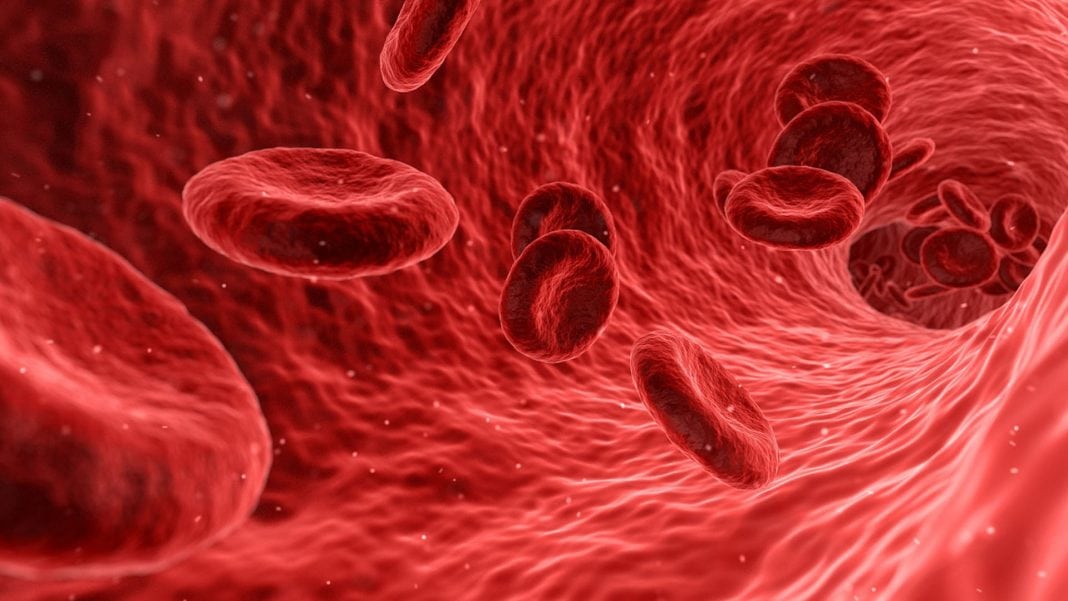
If you are being treated for a blood disorder, it is time to look deeper and explore the underlying cause. Rather than simply addressing iron- or B12-deficiency anemia in isolation, ask WHY you have a deficiency in the first place. It is possible that damage to your intestines caused by gluten is preventing your body from absorbing the nutrients necessary to grow your red blood cells and keep your immune system healthy. And anemia is not the only blood disorder associated with celiac disease and non-celiac gluten sensitivity! The Gluten Free RN is taking a closer look at the hematologic manifestations of celiac disease from anemia to hyposplenism. She explains the connection between disorders of the blood and bones, offering insight around why men with both anemia and osteoporosis are also likely to have celiac disease. Nadine discusses the danger in taking H2 blockers or proton pump inhibitors for GERD long-term, describing how those medications decrease the gastric acid necessary for breaking down food. She also addresses what you can do to identify any nutritional deficiencies in your blood and reminds us why celiac patients have difficulty absorbing the nutrients necessary to form red blood cells. Listen in to understand how the skin reflects what's happening internally and learn how to prevent a number of blood disorders with a gluten-free diet! What's Discussed: The hematologic manifestations of celiac disease Anemia secondary to malabsorption of iron, folate and vitamin B12 Thrombocytosis, thrombocytopenia, leukopenia, venous thromboembolism Hyposplenism, IgA deficiency and increased risk of lymphoma Why iron supplements didn't solve Nadine's anemia Couldn't absorb supplements due to undiagnosed celiac disease The connection between anemia, osteoporosis and celiac disease B12 forms red blood cells made in long bones The danger of taking H2 blockers and PPIs long-term Decreases levels of gastric acid necessary to liquify food Leads to bacterial overgrowth, gastritis How to uncover potential nutrient deficiencies in your blood CBC with differential (breakdown of red blood cells) The conclusions of the 2007 study in Blood Anemia and hyposplenism are most common complications of celiac disease Obtain small-bowel biopsy in all patients with iron-deficiency anemia The fat-soluble vitamins A, D, E and K Deficiency in one indicates malabsorption, potential celiac disease The connection between DH and celiac disease Skin disorders begin in intestines Resources: 'Hematologic Manifestations of Celiac Disease' in Blood Celiac Disease and Your Spleen Dr. Ben Lynch: Folic Acid vs. Folate 'The Thrombophilic Network of Autoantibodies in Celiac Disease' in BMC Medicine 'Hematologic Manifestations of Celiac Disease' in Celiac Disease— From Pathophysiology to Advanced Therapies 'Sarcoidosis, Celiac Disease and Deep Venous Thrombosis: A Rare Association' in Balkan Medical Journal 'Celiac Disease Manifesting with Deep Venous Thrombosis: A Case Report' in Govaresh 'Deep Venous Thrombosis and Bilateral Pulmonary Embolism Revealing Silent Celiac Disease' in Case Reports in Gastrointestinal Medicine 'How Often Do Hematologists Consider Celiac Disease in Iron-Deficiency Anemia?' in Clinical Advances in Hematology & Oncology 'Deep Vein Thrombosis Associated with Celiac Disease' in Bratislavske Lekarske Listy 'Celiac Disease Presenting with Immune Thrombocytopenic Purpura' in Case Reports in Hematology 'Lower Extremity Deep Vein Thrombosis Associated with Gluten-Sensitivity Celiac Disease' in Terapevticheskii Arkhiv Connect with Nadine: Instagram Facebook Contact via Email 'Your Skin on Gluten' on YouTube Melodies of the Danube Gluten-Free Cruise with Nadine Books by Nadine: Dough Nation: A Nurse's Memoir of Celiac Disease from Missed Diagnosis to Food and Heal
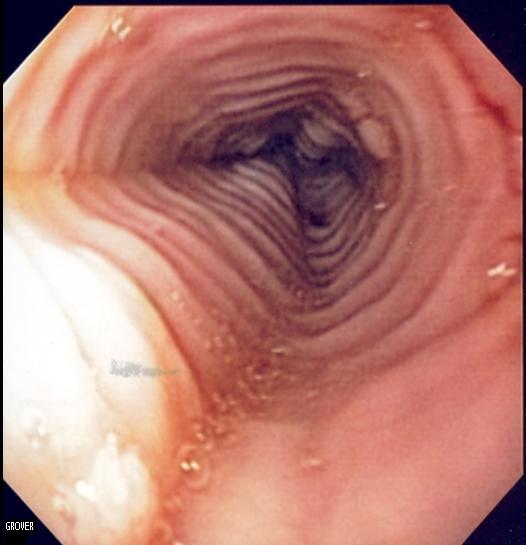
Your gastrointestinal tract is approximately 30 feet long, and it runs from your mouth all the way to the anus! We know that celiac disease can impact any part of the digestive tract. But there is another disease that wreaks havoc on the GI tract as well, a condition called eosinophilic esophagitis or EoE. The Gluten Free RN is explaining the fundamentals of eosinophilic esophagitis, from its characteristic inflammation of the esophagus and elevated eosinophils in the blood to the common symptoms of vomiting and upper abdominal pain. She walks us through the treatment for EoE, an elimination diet or steroid therapy. Nadine speaks to the research exploring a possible connection between eosinophilic esophagitis and celiac disease, citing a paper that found a higher prevalence of EoE in children with celiac disease than the general population as well as the case study of a woman with both celiac disease and elevated eosinophils in her blood. Listen in for the Gluten Free RN's insight on the best EoE clinics and physicians in the country and learn why further study is needed around EoE and celiac disease! What's Discussed: The fundamentals of eosinophilic esophagitis Allergic response to dietary antigens Causes inflammation of esophagus, increased eosinophils in blood The benefits of unsedated transnasal endoscopy for children with EoE Monitors esophageal mucosa without sedation Safer, faster and less costly Some common symptoms of eosinophilic esophagitis Vomiting, difficulty swallowing, food stuck in throat Chest pain, heartburn, upper abdominal pain The condition of achalasia Muscles of esophagus don't work appropriately Causes spasms or constriction The treatment for EoE Elimination diet (remove wheat, eggs, milk, soy, shellfish and seafood, peanuts and tree nuts) Topical or systemic steroids The potential increased prevalence of EoE in children with celiac disease 2015 paper found prevalence of 10.7% (much higher than general population) Other research articles argue no increased prevalence of EoE in CD The case study of a 30-year-old woman with celiac disease and elevated eosinophils Presented with abdominal pain and distension, vomiting and frequent bowel movement Treated with IV hydrocortisone, but developed steroid induced psychosis Nadine's insight on the best specialty clinics for EoE in the US University of Colorado (Denver School of Medicine) Pennsylvania Dr. Glenn Furuta's insight on the difficulty of diagnosing EoE Relatively new disease, tendency to diagnose based on pathology report alone Elevated eosinophils also found in GERD, inflammatory bowel disease and celiac disease Special considerations for pediatric patients with EoE Consultation with dietician Limited exposure to corticosteroids Attention to development of feeding skills Potential psychosocial, behavioral problems Resources: 'Unsedated Transnasal Esophagoscopy for Monitoring Therapy in Pediatric Eosinophilic Esophagitis' in Gastrointestinal Endoscopy 'Eosinophilic Esophagitis Associated with Celiac Disease in Children' in BMC Research Notes 'Eosinophilic Gastrointestinal Disorder in Coeliac Disease: A Case Report and Review' in Case Reports in Gastrointestinal Medicine 'Eosinophilic Esophagitis in Children and Adults' in Gastroenterology and Hepatology 'The Association Between Celiac Disease and Eosinophilic Esophagitis in Children and Adults' in BMC Gastroenterology 'Eosinophils in Gastrointestinal Disorders' in Immunology and Allergy Clinics of North America '2013 Update on Celiac Disease and Eosinophilic Esophagitis' in Nutrients 'Eosinophilic Esophagitis: New Insights in Pathogenesis and Therapy' in the World Journal of Gastrointestinal Pharmacology and Therapeutics 'Incidence and Prevalence of Eosinophilic Esophagitis in Children' in the Journal of Pediatric Gastroenterology and Nutrition 'Management of Eosinophilic Esophagitis and Celiac Disease' in Current Opinion in Pharmacology 'Increased Risk of Esophageal Eosinophilia and Eosinophilic Esophagitis in Patients with Active Celiac Disease on Biopsy' in Clinical Gastroenterology and Hepatology 'Individuals Affected by Eosinophilic Gastrointestinal Disorders Have Complex Unmet Needs and Frequently Experience Unique Barriers to Care' in Clinics and Research in Hepatology and Gastroenterology 'Eosinophilic Esophagitis and Celiac Disease: A True Association or Coincidence?' in the Journal of Pediatric Gastroenterology and Nutrition Connect with Nadine: Instagram Facebook Contact via Email 'Your Skin on Gluten' on YouTube Melodies of the Danube Gluten-Free Cruise with Nadine Books by Nadine: Dough Nation: A Nurse's Memoir of Celiac Disease from Missed Diagnosis to Food and Heal

If you're just getting used to eliminating gluten from your diet, it may feel like a burden to remove dairy as well—especially if you're a fan of comfort foods like cheese and ice cream. Why exactly do many practitioners recommend a gluten- AND dairy-free diet to patients diagnosed with celiac disease and non-celiac gluten sensitivity? The Gluten Free RN is walking us through the similarities between gliadin and casein, explaining how the proteins found in gluten, milk and cheese impact our brains. She discusses how Marsh 1 damage from celiac disease leads to an inability to break down the sugar in milk and why we crave the very foods that are making us sick. Nadine shares the story of a young man with autism whose health improved once his family went gluten-free, describing the well-documented gut-brain connection and how the right high-fat diet can repair the neurological system. Listen in for the Gluten Free RN's insight around dairy replacement options and get empowered to reclaim your health with a gluten- and diary-free diet! What's Discussed: The similarities between the gluten and casein proteins Molecularly very similar, bodies read as toxins Both capable of crossing blood-brain barrier How the casein protein impacts the brain Causes inflammation, hypoxia (decrease flow of oxygen) Brain fog, anxiety, depression, irritability and fatigue The effect of Marsh 1 damage due to celiac disease Microvilli damaged or destroyed Can't produce enzymes that break down sugar in milk How gluten and casein proteins act as exorphins Bind with opium receptors in brain Crave foods that make us sick Nadine's recommendations for dairy replacements Coconut, hemp, almond or hazelnut milk Kite Hill and NuCulture cheese options How a gluten-free diet helped a young man with autism More interaction with family, fewer GI issues High-fat diet repairs neurological system The story of Dr. Terry Wahls Diagnosed with MS, healed on gluten-free diet Resources: Aroy'd Coconut Milk Kite Hill NuCulture Foods Mary's Gone Crackers Jilz Crackers Dr. Terry Wahls' TED Talk The Wahls Protocol by Dr. Terry Wahls Dr. Terry Wahls' Website Connect with Nadine: Instagram Facebook Contact via Email 'Your Skin on Gluten' on YouTube Melodies of the Danube Gluten-Free Cruise with Nadine Books by Nadine: Dough Nation: A Nurse's Memoir of Celiac Disease from Missed Diagnosis to Food and Heal

'Globally, indigenous peoples suffer from poorer health, are more likely to experience disability and reduced quality of life, and ultimately die younger than their non-indigenous counterparts.' A UN Report on the health of indigenous peoples points to a significant problem, but the question is WHY? Why are native populations more prone to autoimmune disorders and type 1 diabetes? Why do they have a higher incidence of alcoholism and drug addiction? And why the lower life expectancy? The Gluten Free RN is exploring the role of food in health outcomes for indigenous populations around the world. She begins with an explanation of the dietary differences between hunter-gatherer and agricultural societies, discussing how native populations were exposed to the gluten in grains only when European conquerors came to occupy their lands. Nadine shares her challenge in finding information about indigenous populations and celiac disease, explaining why further study is necessary. She speaks to the highly processed nature of the commodity foods provided to Native Americans in the US and the shortcomings of Canada's Food Guide when it comes to the health of First Nations people. Listen in and learn the significance of educating indigenous populations around celiac disease and non-celiac gluten sensitivity, empowering those groups to make choices that will improve their health and quality of life! What's Discussed: The global indigenous population 370M in 70-plus countries Rich diversity of cultures The health status of indigenous populations Higher incidence of autoimmune disorders, T1D Higher prevalence of addictive disorders, cardiovascular disease Lower life expectancy, increased morbidity/mortality Why indigenous populations have more health issues Access to health care, isolation and lifestyle Food (hunter-gatherer vs. agricultural society) The lack of information around indigenous populations and celiac disease Very few studies available The impact of grains on the native population Significant change in health care outcomes, quality of life The prevalence of celiac disease in indigenous populations At least 1%, likely 3% or higher No way to know without mass screening Why eating healthy is a challenge for the indigenous population Food scarcity, desserts Reliance on commodity foods provided by government The conclusions of the Prairie Nymph blog on Canada's Food Guide Based on diet of European origins, doesn't mention celiac disease Ignores health benefits of traditional diet for First Nations people Why it's important to educate indigenous people around celiac disease Empower to make food choices with better health outcomes Resources: Guns, Germs, and Steel: The Fates of Human Societies by Jaren M. Diamond Dough Nation by Nadine Grzeskowiak USDA Commodity Supplemental Food Program 'Canada's Food Guide and Native Women' by Prairie Nymph The Sioux Chef's Indigenous Kitchen by Sean Sherman American Indian and Alaska Native Health 'Celiac Disease: A Disorder Emerging from Antiquity, Its Evolving Classification and Risk, and Potential New Treatment Paradigms' in Gut Liver 'Celiac Disease: A Life-Changing Diagnosis' in Indian Country Today 'Government Food Boxes? It's Nothing New for Native Americans' on WDET UN Indigenous Peoples Fact Sheet 'Many Native Americans Lack Access to Healthy Food, But There's a Growing Movement to Change That' in Grist 'Characteristics and Factors Related to Quality of Life in Mexican Mestizo Patients with Celiac Disease' in BMC Gastroenterology Summary of Aboriginal and Torres Strait Islander Health WHO Health of Indigenous Peoples WHO Indigenous Peoples and Substance Abuse Connect with Nadine: Instagram Facebook Contact via Email 'Your Skin on Gluten' on YouTube Melodies of the Danube Gluten-Free Cruise with Nadine Books by Nadine: Dough Nation: A Nurse's Memoir of Celiac Disease from Missed Diagnosis to Food and Heal

'It's too hard.' 'It's too expensive.' 'It's time-consuming.' 'My family won't support me.' There are lots of excuses why you can't go gluten-free or Paleo, but the Gluten Free RN argues that if it's hard, you're doing it wrong. And today, she's prepared to explain how to easily go gluten-free or Paleo and either maintain or regain your health. Nadine begins with a discussion of the connection between food and pain or discomfort. She explains how the processed, non-food that most people consume causes damage that prevents us from absorbing the nutrients our bodies need. She offers insight around where to go for gluten-free, organic food and how to jump-start a gluten-free or Paleo diet. The Gluten Free RN provides tips on taking control of your food choices, trying new foods, and gluten-free cooking—minus the cheap fillers. She also outlines a shopping list for nutrient-dense foods that will heal your leaky gut and feed your neurologic system. Listen in and learn the easy way to go gluten-free or Paleo and optimize your health! What's Discussed: The value in recognizing how you feel Shouldn't have pain, discomfort daily Underlying cause traced back to food Nadine's response to excuses for not going gluten-free No more expensive, must buy food anyway Food is medicine, good choices can improve health How to avoid non-food with empty calories Stay away from soda, sugary coffees Pass up highly processed and fast non-food The difference between organic and conventional food Conventional food—herbicides, pesticides, genetically modified Roundup causes leaky gut, even in absence of celiac disease Nadine's suggestions around where to go for gluten-free food Grocery stores that cater to gluten-free population Local food co-ops, farmers Nadine's advice for going gluten-free or Paleo Try new foods in the produce section Learn to pack simple breakfast, lunch and dinner Consider putting in garden Get re-educated, take control of food choices Replace cutting boards, toasters, etc. How to get started on a gluten-free or Paleo diet Whole30 Program (eliminate grains, sugar and dairy) Nadine's shopping list for a gluten-free diet Fruits and vegetables Nuts and seeds Meat, fish and eggs Resources: Whole Foods Natural Grocers Whole30 Midway Farms Whole30 Cookbooks Paleo Magazine Connect with Nadine: Instagram Facebook Contact via Email 'Your Skin on Gluten' on YouTube Melodies of the Danube Gluten-Free Cruise with Nadine Books by Nadine: Dough Nation: A Nurse's Memoir of Celiac Disease from Missed Diagnosis to Food and Heal

As stories about Russia continue to dominate the news cycle, you are probably familiar with the recent sanctions against the country, Vladimir Putin's reelection, and even the expulsion of Russian diplomats from the EU and US. But what do you know about celiac disease in Russia? The Gluten Free RN is taking a closer look at the limited information about celiac disease in Russia, giving us an overview of the country's size and population and the likely number of celiac cases based on the global tendency. She discusses the thriving wheat production industry in Russia as well as the gluten-containing traditional Russian diet. Nadine walks us through a presentation created by Dr. Elena Roslavtseva at the Scientific Center for Children's Health in Moscow, sharing how the diagnoses of celiac disease changed from the 1970's through the 2000's, the inconsistencies with testing for celiac disease around the nation, and the challenges of maintaining a gluten-free diet in Russia. Listen in as the Gluten Free RN covers the Journal of Immunology Research's overview of celiac disease in Russia, explaining why the reported frequency probably doesn't reflect the true prevalence and the necessity of a mass screening. What's Discussed: General information about the country of Russia Population of 144.3M Dual nation state, 185 ethnic groups Largest country by land mass Russia's thriving wheat production industry Very high, exported to Middle East and Africa Ban on genetically modified wheat The first diagnoses of celiac disease in Russia Late 1970's—1980's Cases of severe malabsorption No gluten-free foods available How celiac diagnoses changed in the 2000's Diagnosed more often, well-known in most regions Research done in many universities, med centers The Eastern European countries that have done mass screenings Romania, Slovakia, Slovenia, Estonia Why the data around celiac disease in Russia is unreliable Variation in how practitioners test for celiac disease Belarus—HLA-typing not available in most cases Latvia—mandatory screening for patients with IDDM and AIT The problems associated with celiac disease in Russia Unreliable data in absence of mass screening Gluten-containing traditional Russian food The overview presented in the Journal of Immunology Research Diagnostic tools for celiac disease in Russia vary significantly Reported frequency of 0.2-0.6%, but real rate unknown Resources: 'Coeliac Disease and Gluten Related Disorders in Russia and Former Soviet Republics' by Dr. Elena Roslavtseva 'Overview of Celiac Disease in Russia: Regional Data and Estimated Prevalence' in the Journal of Immunology Research 'Russia, Argentina and Canada Displace US, Europe in Global Wheat Trade' in agriCENSUS 'Russian Wheat Sales Expand Global Reach with Surge in Sudan' in Bloomberg 'Russia's Wheat Industry: Implications for Australia' from the Australian Export Grains Innovation Centre 'Growing Importance of Russian Milling Wheat Worldwide' from Solaris Commodities 'How an Oil Giant (Russia) Came to Dominate Wheat' in Bloomberg 'Celiac Disease in Russia and the Former Soviet Republics' in The Celiac Scene Connect with Nadine: Instagram Facebook Contact via Email 'Your Skin on Gluten' on YouTube Melodies of the Danube Gluten-Free Cruise with Nadine Books by Nadine: Dough Nation: A Nurse's Memoir of Celiac Disease from Missed Diagnosis to Food and Heal

When faced with new information, it's important to consider the source. Stop for a moment and examine whether the material is coming from someone with YOUR best interests at heart. The Gluten Free RN has just returned from the Colombia University Celiac Disease Conference, and she is breaking down the information presented to determine what's useful—and what might be tainted by the pharmaceutical or food industry agenda. Nadine begins with a workshop led by General Mills that offered some questionable information about how grains are processed at their factories and a talk led by University of Chicago faculty on the topic of a gluten challenge. She also speaks to the differences between celiac management in the US and countries with universal healthcare like Italy and Australia. Nadine covers new testing that detects gluten exposure in stool or urine and what that reveals about the systemic nature of gluten damage as well as her take on practitioners who perpetuate the myth that grains are necessary and nutritious. Listen in for the Gluten Free RN's insight around pharmaceutical treatments for celiac disease and the danger in volunteering for studies backed by drug companies. What's Discussed: The two programs available at Colombia's 2018 conference Clinical (nurses, RDs and laypeople) International (doctors, scientists, industry and VC) How celiac disease is managed in Italy Presentation by Dr. Carolina Ciacci Law mandates gluten-free options Nadine's frustration with the General Mills presentation Major sponsor of conference Claim to separate grains at factory Nadine's take on gluten-free Cheerios Should be avoided, not truly gluten-free Nadine's confusion around Dr. Bana Jabri's comments Wouldn't put 'potential celiac patient' on gluten-containing diet Did not include patients with positive antibody test but negative biopsy Why the biopsy for celiac disease is problematic Only tests one foot into duodenum GI tract is 30 feet in length Nadine's insight on a gluten-free challenge No possible benefit for patient Unnecessary, unethical The systemic nature of gluten damage New tests detect gluten exposure in stool, urine Urine test indicates passage through every system Nadine's stance on pharmaceutical treatments for celiac disease No pill or vaccine will treat or cure CD Harmful to people in studies The myth that grains are necessary and nutritious Practitioners who perpetuate are 'toeing company line' Why it's important to understand the source of your information Should be untainted by pharmaceutical money, agenda Australia's requirements for gluten-free food Standard of less than 3 ppm Resources: Celiac Symposium Program Connect with Nadine: Instagram Facebook Contact via Email 'Your Skin on Gluten' on YouTube Melodies of the Danube Gluten-Free Cruise with Nadine Books by Nadine: Dough Nation: A Nurse's Memoir of Celiac Disease from Missed Diagnosis to Food and Heal

To pierogi or not to pierogi… If you have celiac disease, there is no question that you should avoid anything made with flour or grains, no matter how delicious the dish may be. Although the Gluten Free RN has fond memories of her Polish grandmothers making traditional pastries, she contends that you don't have to eat customary Polish food to celebrate your Polish heritage. In preparation for her upcoming trip to Warsaw in July, Nadine is taking a closer look at celiac disease in Poland. She discusses a 2009 study assessing the prevalence of celiac disease in Polish children, highlighting the asymptomatic and oligosymptomatic nature of the disease and explaining her own false negative test. Listen in for the Gluten Free RN's insight around preparing for a trip to Poland, including research on the available gluten-free food and adult beverages! What's Discussed: Why Nadine is concerned about her upcoming trip to Poland Flour, grains used in cooking and baking Nadine's Polish heritage Fond memories of grandmothers making pierogi, pastries The 2009 study of celiac disease in Poland Assessed prevalence in children, only screened for IgA EmA, IgG EmA 3,235 children in Bydgoszcz tested, 25 identified (seven with Marsh III) Predominantly asymptomatic or oligosymptomatic Nadine's genetic predisposition for celiac disease HLA-DQ2.5 homozygous How Nadine is preparing for travel in Poland Aware of Polish translations for gluten-free, celiac (bezglutenowe, trzewny) Take 'rescue food' for emergencies The prevalence of celiac disease in Poland 1:100 (matches worldwide estimate) The gluten-free alcoholic beverages available in Poland Potato vodka, honey mead Nadine's caution against eating bread in Europe Wheat, grain causes damage regardless of location The overlap between autoimmune and celiac disease CD is grossly unrecognized, underdiagnosed Nadine's suggested diet for celiac patients Meat, fish and eggs Nuts and seeds Fruits and vegetables Resources: NIH Consensus Development Conference on Celiac Disease 'Screening for Celiac Disease in Poland' in the Medical Science Monitor Gluten-Free Globetrotter Blog on Poland Gluten-Free Travel in Poland—Coeliac Youth of Europe Poland Travel Guide—Coeliac UK 'Graves' Disease, Celiac Disease and Liver Function Abnormalities in a Patient—Clinical Manifestation and Diagnostic Difficulties' in ACTA Biochimica Polonica 'Neuropsychiatric Symptoms and Celiac Disease' in Neuropsychiatric Disease and Treatment 'Evaluation of HLA-DQ2/DQ8 Genotype in Patients with Celiac Disease Hospitalised in 2012 at the Department of Paediatrics' in Przeglad Gastroenterologiczny For Visitors with Coeliac Disease—Polskie Stowarzyszenie Osob z Celiakia i na Diecie Bezglutenowej Connect with Nadine: Instagram Facebook Contact via Email 'Your Skin on Gluten' on YouTube Melodies of the Danube Gluten-Free Cruise with Nadine Books by Nadine: Dough Nation: A Nurse's Memoir of Celiac Disease from Missed Diagnosis to Food and Health Activism

The Irish are known for being lucky… But does that luck hold out when it comes to celiac disease? The prevalence of celiac disease among the Iris is 1:100, about the same as the rest of the world. And if you are a redhead of Irish descent, there is a good chance that you are an HLA-DQ2 or HLA-DQ8 gene carrier. Today, the Gluten Free RN explores Irish ancestry and celiac disease, discussing how the Potato Famine led to a change in diet for much of the surviving population. She walks us through a paper published by Irish College of General Practitioners explaining the clinical presentations and complications of celiac disease. Nadine shares her experience running the Dublin marathon and the health consequences she suffered after touring the Guinness brewery. Listen in to understand the work of the Coeliac Society of Ireland and learn about the trends in celiac disease among the Irish. What's Discussed: Why red hair is associated with celiac disease Tend to be HLA-DQ2 and/or HLA-DQ8 gene carriers The prevalence of celiac disease in Irish Setters Do much better on a gluten-free/Paleo diet The Irish Potato Famine Potato-based diet, little access to grains Famine from 1845-1849 One million died, many emigrated The myth that celiac disease is more prevalent in Europe than the US 30-50% of the population carries HLA-DQ2, HLA-DQ8 gene The myth that women are more susceptible to celiac disease Statistics don't support this belief The Irish College of General Practitioners paper on celiac disease Clinical presentations, complications of celiac disease Conditions associated with increased prevalence The prevalence of celiac disease in Ireland 1:100 (matches rest of world) The appropriate testing for celiac disease and NCGS Blood test for total IgA/IgG, DGP and AGA Nadine's experience running the Dublin marathon in 1998 Extreme edema in lower extremities The information provided by the Coeliac Society of Ireland Health ramifications of undiagnosed CD Average duration from symptoms to diagnosis (nine months) Resources: 'Gluten-Sensitive Enteropathy in a Family of Irish Setters' in The Canadian Veterinary Journal 'Diagnosis and Management of Adult Coeliac Disease' in ICGP Coeliac Society of Ireland 'Prevalence and Incidence of Celiac Disease in Edinburgh and the Lothian Region of Scotland' in Gastroenterology 'Prevalence and Diagnosis' by the Coeliac Society of Ireland 'Coeliac Disease in Europe' in Alimentary Pharmacology & Therapeutics 'Escalation in the Amount of Adults Diagnosed with Coeliac Disease' in Lifestyle Health 'Gluten-Free Foods' by the Food Safety Authority of Ireland 'How Irish Diets of the Past Affect the Present' in The Irish Times 'Changes in Presentation of Celiac Disease in Ireland from the 1960s to 2015' in Clinical Gastroenterology and Hepatology 'Coeliac Disease: A Personal Perspective' in Irish Health 'Coeliac Disease: More Common Than You Think in Irish Health 'Pathology and Management of Coeliac Disease' by the Dublin Academic Medical Centre & UCD Connect with Nadine: Instagram Facebook Contact via Email 'Your Skin on Gluten' on YouTube Melodies of the Danube Gluten-Free Cruise with Nadine Books by Nadine: Dough Nation: A Nurse's Memoir of Celiac Disease from Missed Diagnosis to Food and Health Activism

It goes without saying that anyone who serves in the military needs to be healthy and strong—and that military leaders have an obligation to keep enlisted servicemen and women as safe and healthy as possible. So, it makes sense that people with food allergies (including celiac patients) are disqualified from military service, but it is less clear why celiac testing is not a part of the medical exam to qualify for enlistment. Today, the Gluten Free RN addresses the issue of celiac disease in the military. She explains the challenges of preparing gluten-free food in a mess hall setting and describes the consequences for an active duty soldier who is found to have celiac disease. Nadine shares a research study exploring celiac trends among active duty military as well as a case study around veterans and celiac disease. Listen in for insight on what's behind the increased prevalence of celiac disease among military personnel and the confirmed association between celiac disease and other complex health issues. What's Discussed: Why celiac patients are disqualified from enlisting in any branch of service Unable to provide safe food What happens to military personnel who are found to have celiac disease Will receive medical discharge The US military policy around food allergies and intolerances No accommodations made Countries that allow celiac patients to serve Israel, Finland and Scandinavia The Mayo Clinic study of celiac trends among active duty military Healthy worker population with medical diagnostic coding Incidence of celiac disease increased five-fold from 1999-2008 Combination of increased suspicion and environmental factors The challenge of preparing gluten-free food in a military setting High risk of cross-contamination A case study involving military veterans and celiac disease Confirmed association between CD and other complex issues The benefits of a gluten-free diet Preventative for autoimmune disorders, nutritional deficiencies and cancer Nadine's argument for celiac testing prior to enlistment Obligation to safety of servicemen/women Resources: Military Standards of Medical Fitness 'The Incidence and Risk of Celiac Disease in a Healthy US Adult Population' in the American Journal of Gastroenterology 'Celiac Sprue Among US Military Veterans: Associated Disorders and Clinical Manifestations' in Digestive Diseases and Sciences 'Gluten-Free Soldier in Afghanistan' in Gluten-Free Living 'Medical Mix-Up Sidelines Army Sergeant's Career' in Military Times Celiac Disease-Related Veterans Affairs Case Connect with Nadine: Instagram Facebook Contact via Email 'Your Skin on Gluten' on YouTube Melodies of the Danube Gluten-Free Cruise with Nadine Books by Nadine: Dough Nation: A Nurse's Memoir of Celiac Disease from Missed Diagnosis to Food and Health Activism
We get vaccinated to protect ourselves, to gain an immunity to a particular disease. But in the case of hepatitis B, celiac patients may come to find out that we are NOT immune—despite having done the right thing in getting a hepatitis B vaccination. Today, the Gluten Free RN is walking us through the latest research around vaccination and celiac disease. She explores the fact that celiac patients are more likely to be non-responsive to HBV than the general population, explaining the fundamentals of hepatitis B and the two main theories as to why the vaccine doesn't work for some celiac patients. Nadine shares her take on immunizations, explaining why she is a proponent of an alternate vaccination schedule for infants who may be immunocompromised. Listen in and learn how to determine whether you are truly immune to hepatitis B and protect yourself from potentially life-threatening disease! What's Discussed: The basics of hepatitis B (HBV) Viral infection that attacks liver Transmitted through blood, body fluids The prevalence of hepatitis B 257M people infected 887K deaths in 2015 The 2013 Italian study around celiac disease and the hepatitis B vaccine Number of non-responders to vaccine higher in CD patients May be genetic OR caused by gluten intake during vaccination Nadine's experience with vaccination as a child Contracted mumps despite MMR Nadine's take on vaccination Advocates for immunization to prevent disease Giving babies multiple vaccines at once may not be best The conclusion of a 2017 Italian study Administer booster shots of hepatitis B vaccine as needed Evaluate response to vaccine in newly diagnosed celiac patients Revaccinate one year after adoption of gluten-free diet The value of a hepatitis B titer Confirms whether really immune If not, test for celiac disease Resources: 'Hepatitis B Vaccine in Celiac Disease: Yesterday, Today and Tomorrow in the World Journal of Gastroenterology 'Vaccinations in Celiac Disease' in the Journal of Pediatric Gastroenterology and Nutrition 'Immune Response to Vaccines in Children with Celiac Disease' in the World Journal of Gastroenterology 'Immune Response to Hepatitis B Vaccine in Patients with Celiac Disease: A Systematic Review and Met-Analysis' in Human Vaccines and Immunotherapeutics 'Early Vaccinations are Not Risk Factors for Celiac Disease' in Pediatrics 'Gluten Intake Interferes with the Humoral Immune Response to Recombinant Hepatitis B Vaccine in Patients with Celiac Disease' in Pediatrics 'Effect of Pentavac and Measles-Mumps-Rubella (MMR) Vaccination on the Intestine' in Gut 'Normal of Defective Immune Response to Hepatitis B Vaccine in Patients with Diabetes and Celiac Disease' in Human Vaccines and Immunotherapeutics Connect with Nadine: Instagram Facebook Contact via Email 'Your Skin on Gluten' on YouTube Melodies of the Danube Gluten-Free Cruise with Nadine Books by Nadine: Dough Nation: A Nurse's Memoir of Celiac Disease from Missed Diagnosis to Food and Health Activism

When the Gluten Free RN went on a gluten-free diet 11 years ago, her thyroid settled down and the associated symptoms and disorders—Graves' disease, weight gain and hair loss—resolved. But when Nadine was inadvertently hit with gluten two years ago, several of those symptoms returned, along with a few new ones. She was losing hair and gaining water weight again. On top of that, her sinuses were congested. She developed asthma, a rash on her lower right leg and a scary case of pulmonary edema (excess fluid in the lungs). Hindsight being 20/20, Nadine realizes that her recent diagnosis of hypothyroidism is associated with that accidental gluten ingestion. Further study made it clear that there is a potential connection between her thyroid problems and pulmonary edema, as the leaky gut that comes with celiac disease can cause fluid shifts into body tissues. Today the Gluten Free RN explores the links among celiac disease, thyroid disorders and pulmonary edema. She explains the function of the endocrine system, the symptoms associated with hypothyroidism, and the diet she recommends for patients with thyroid issues. Listen in for Nadine's insight around how gluten affects the thyroid gland and why the resulting low sodium levels might trigger edema in celiac patients. What's Discussed: The function of the endocrine system Glands in body that make hormones The connection between celiac disease and thyroid disorders Thyroid especially vulnerable to gluten protein in wheat, barley, rye and oats Nadine's symptoms of hypothyroidism Lower extremity edema Congested sinuses Hair falling out Pulmonary edema Asthma Rash on leg How damp rash lotion resolved Nadine's symptoms Prescribed by acupuncturist in Chiang Mai Rash cleared, could breathe easy Symptoms returned within four weeks of return to US Nadine's thyroid-stimulating hormone (TSH) levels Within normal limits despite thyroid issues Practitioner declined to order thyroid panel The relationship between thyroid issues and edema Sodium = major electrolyte, maintains body's pH Hypothyroidism means low sodium levels Leaky gut of celiac disease leads to fluid shifts (edema) The research around thyroid disorders and celiac disease in Current Allergy and Asthma Reports Association between CD and thyroid disorders well documented Increased prevalence of autoimmune thyroiditis and Graves' disease in celiac populations The diet Nadine recommends for celiac patients with potential thyroid issues Gluten-free, dairy-free Whole food, Paleo Why patients with unexplained pulmonary edema should be tested for celiac disease AND thyroid disorders Potential connection among all three The symptoms associated with hypothyroidism Puffy face, constipation, fatigue Muscle weakness, aches and pains Irregular, delayed menstrual periods Hair loss, thinning hair Slower heartrate, hypothermia Depression, memory problems Resources: 'Pregnancy Complicated with Pulmonary Edema Due to Hyperthyroidism' in the Journal of the Chinese Medical Association 'Sleep Apnea, Hypothyroidism and Pulmonary Edema' in CHEST Journal Letters to the Editor 'Thyroid and Fluid Retention' on the Wilson's Syndrome Site 'Acute Pulmonary Edema as a First Manifestation of Hyperthyroidism in a Pregnant Woman' in Revista Medica de Chile 'Hypothyroidism and Non-Cardiogenic Pulmonary Edema: Are We Missing Something Here?' in Endocrinology, Diabetes & Metabolism Case Reports 'Celiac Disease and Autoimmune Thyroid Disease' in Clinical Medicine & Research 'Celiac Disease and Autoimmunity: Review and Controversies' in Current Allergy and Asthma Reports 'An Unusual Cause of Flash Pulmonary Oedema' in BMJ Case Reports 'Challenges in the Management of a Patient with Myxoedema Coma in Ghana: A Case Report' in Ghana Medical Journal 'Hyponatremia and the Thyroid: Causality or Association?' in the Journal of Clinical Medicine 'Interactions Between Thyroid Disorders and Kidney Disease' in the Indian Journal of Endocrinology and Metabolism Connect with Nadine: Instagram Facebook Contact via Email 'Your Skin on Gluten' on YouTube Melodies of the Danube Gluten-Free Cruise with Nadine Books by Nadine: Dough Nation: A Nurse's Memoir of Celiac Disease from Missed Diagnosis to Food and Health Activism

An estimated 50% of Americans are on some type of psychotropic drug. Half of the US population! What is causing such widespread prevalence of mental health disorders? Prescription anti-depressants and sedatives don't solve the underlying problem… So how do we get to the bottom of this? The Gluten Free RN contends that there may be a connection between mental health and undiagnosed celiac disease. Today she explains how several disorders (anxiety, depression and paranoia, among others) have been linked to gluten, discussing how a leaky blood-brain barrier can lead to hypoxia, an inflammation of the brain. Nadine walks us through the best research in mental health disorders and gluten sensitivity, sharing two landmark studies that emphasize the gut/brain connection and characterize celiac disease as primarily a neurological disorder. Nadine offers her insight around working with schizophrenic patients and the increasing number of children suffering from anxiety. Listen in to understand how gluten impacts your mental health, and learn how to eliminate brain fog, get off prescription meds, and enjoy a higher quality of life! What's Discussed: The connection between gluten and hypoxia Leaky blood-brain barrier leads to inflammation of brain, decreased oxygen flow The shocking statistics around Americans and psychotropic drugs Estimated 50% of US population on psychotropic medication The potential relationship between mental health disorders and undiagnosed celiac disease High instance of depression, anxiety, fatigue and paranoia May have difficulty sleeping, headaches or seizure disorder Nearly all experience brain fog The health consequences of undiagnosed celiac disease Malabsorption of nutrients Damaged immune system Neurological symptoms Hormonal imbalance Neurotransmitter disruption The findings of the landmark Cooke study in 1966 Ten of 16 patients with celiac disease had severe progressive neuropathy All 16 had severe malabsorption The conclusion of an editorial published in Neurology, Neurosurgery & Psychiatry Celiac disease, NCGS is primarily neurological How a gluten-free diet can resolve gastrointestinal and psychiatric symptoms Celiac disease can manifest as depression, anxiety or psychosis Research published in International Journal of Celiac Disease demonstrates gut/brain connection Nadine's experience with schizophrenia patients Majority are gene positive for HLA-DQ2, HLA-DQ8 The increasing number of children diagnosed with anxiety disorder May be caused by undiagnosed sensitivity to gluten The concept of food as medicine Body may read gluten as toxic, must remove from diet Resources: 'Gluten Sensitivity as a Neurological Illness' in the Journal of Neurology, Neurosurgery & Psychiatry 'Psychiatric Complications of Celiac Disease' in the International Journal of Celiac Disease 'Genetic Hypothesis of Idiopathic Schizophrenia: Its Exorphin Connection' in Schizophrenia Bulletin 'Markers of Gluten Sensitivity and Celiac Disease in Bipolar Disorder' in Bipolar Disorders 'Neurologic and Psychiatric Manifestations of Celiac Disease and Gluten Sensitivity' in Psychiatric Quarterly 'Neuropsychiatric Symptoms and Celiac Disease' in Neuropsychiatric Disease and Treatment Connect with Nadine: Instagram Facebook Contact via Email 'Your Skin on Gluten' on YouTube Melodies of the Danube Gluten-Free Cruise with Nadine Books by Nadine: Dough Nation: A Nurse's Memoir of Celiac Disease from Missed Diagnosis to Food and Health Activism

Two and a half years ago, Nadine was inadvertently hit with gluten—three times in a row. In the past, it had taken about ten weeks for her symptoms to resolve after an accidental exposure, but this time they stuck around. It started with feeling cold. Then she began experiencing abdominal distention and pain. Her dermatitis herpetiformis returned, she was plagued with sinus congestion, and she was gaining weight. Most concerning of all, she developed pulmonary edema, a condition caused by excess fluid in the lungs. Today, the Gluten Free RN is getting real, revealing the health struggles she has been dealing with since 2015. She explains the circumstances that led to her accidental gluten exposure and recounts the ten scary nights she spent in a recliner, forced to sit up in order to breathe. Nadine takes us along on her global search for the answers that began with a practitioner in Thailand and a tiny container of damp rash lotion, and ended with a diagnosis of myxedema from a naturopath here in the States. Nadine discusses how those three consecutive hits of gluten targeted her thyroid gland and how T3 is working to resolve her symptoms. Listen in and learn how the Gluten Free RN is reclaiming her Superwoman status and how you, too, can reach your full potential with good health and wellbeing! What's Discussed: Maslow's hierarchy of needs Physiological, safety needs must be taken care of first Difficult to achieve self-actualization with poor health Nadine's health struggle the past 30 months Inadvertently hit with gluten three times in a row Symptoms persisted past usual ten weeks Sinus congestion, DH, pulmonary edema and weight gain Nadine's search for the underlying cause Saw practitioner in Chiang Mai, damp rash lotion resolved symptoms Naturopath in Oregon diagnosed myxedema (hypothyroidism) How Nadine is reclaiming her health Taking T3 to resolve symptoms How a damaged thyroid gland impacted Nadine Affected sleep, ability to do challenging physical activity The importance of support in getting your health back Need relationships to support choices Resources: Whole30 Connect with Nadine: Instagram Facebook Contact via Email 'Your Skin on Gluten' on YouTube Melodies of the Danube Gluten-Free Cruise with Nadine Books by Nadine: Dough Nation: A Nurse's Memoir of Celiac Disease from Missed Diagnosis to Food and Health Activism

Celiac disease is messy. It can develop at any age, in any ethnicity, in both men and women, with any symptom or no symptom at all. Every patient is different, and each one presents differently. There is nothing cut and dried about celiac disease, except that a 100% gluten-free diet is necessary for healing. Nurses are in a unique position to make sense of this chaos and advocate for patients, recognizing possible celiac disease and non-celiac gluten sensitivity and recommending appropriate testing when necessary. Today, the Gluten Free RN covers the basics of celiac disease for nurses, explaining the frequency with which the disorder is misdiagnosed or goes undiagnosed for years. She walks us through the testing required for a diagnosis of celiac disease proper, who should undergo testing, and why one negative test doesn't rule out the disease. Nadine speaks to the 300-plus signs of celiac disease, reviewing the most common symptoms and the overlap between celiac disease and autoimmune disorders like type 1 diabetes. She also shares the discouraging statistics around the impact of undiagnosed celiac disease on fetal development and maternal health. Listen in to understand why Nadine encourages fellow nurses include celiac disease as part of their differential diagnosis, providing gluten-sensitive patients with a safe, gluten-free environment and a higher quality of life! What's Discussed: The frequency with which celiac disease is misdiagnosed or goes undiagnosed 94% of people with celiac disease are undiagnosed Current estimate is 3% of US population Takes average of 9-15 years for diagnosis The challenges around getting a diagnosis of celiac disease proper Requires genetic test, celiac antibody test and documented villous atrophy Celiac antibody test = 70% false negative in US The chronic nature of celiac disease Patients must go 100% gluten-free for life The 300-plus signs and symptoms of celiac disease Primarily a neurological disorder Why celiac patients must be tested for potential nutritional deficiencies May need B12, Mg RBC, D3, Zn or I supplements The detrimental impact of undiagnosed celiac disease on fetal development, maternal health 800-900% increase in miscarriage Increased risk of stillbirth, premature birth and neural defects Where gluten is hiding Medications, personal care products and food items Who should be tested for celiac disease Patients with mental health issues, developmental delays Anyone with an autoimmune disorder (e.g.: type 1 diabetes) Family members of celiac patients Why one negative test doesn't rule out celiac disease Can seroconvert at any time How a gluten-free diet can benefit children with stunted growth Growth resumes if diagnosed before epiphyseal plates seal Resources: Celiac Disease and Non-Celiac Gluten Sensitivity for Nurses Recommended Labs Recognizing Celiac Disease: Signs, Symptoms, Associated Disorders & Complications by Cleo J. Libonati Gluten Free Works PubMed Cyrex Labs Connect with Nadine: Instagram Facebook Contact via Email 'Your Skin on Gluten' on YouTube Melodies of the Danube Gluten-Free Cruise with Nadine Books by Nadine: Dough Nation: A Nurse's Memoir of Celiac Disease from Missed Diagnosis to Food and Health Activism

As we ring in the New Year, many of us take the time to jot down our aspirations for the next twelve months. What are your hopes and dreams for 2018? Health and happiness? An opportunity to travel? Stronger relationships? Whether you have big plans to hike the Grand Canyon this year, or you simply resolve to get a little more sleep, it's likely that aspects of health and wellness are a big part of your vision for 2018. The Gluten Free RN wants you to be happy and healthy in the coming year, and today she is sharing her hopes and wishes around celiac disease for 2018. Nadine offers insight on taking control of what you can, including the food you eat. She shares her wish for widespread access to high-quality food and nutritional information that is NOT influenced by corporations. She explains the need for universal healthcare, better comprehensive testing for celiac disease (performed annually), and appropriate follow-up care for patients with a celiac diagnosis. Listen in to understand why Nadine advocates for a global celiac education campaign and learn how to evaluate new information about the disease with a critical ear. Let's get happy and healthy in 2018 so that we can pursue all of our hopes and dreams! What's Discussed: Nadine's wish for health, happiness and wellness Reevaluate your choices and control what you can (sleep, food, activities) Why Nadine advocates for universal healthcare Everyone deserves access to high-quality healthcare without financial strain The need for better comprehensive testing Healthcare providers should be educated in ordering, interpreting labs Nadine's hope for worldwide knowledge of celiac disease Patients in US not diagnosed correctly for 70 years Consider mini-mass screening of patients/family The importance of accurate media coverage Stories not influenced by sponsors, pharmaceuticals, etc. Why friends and family should be tested every year Early diagnosis important Can be ruled in, not ruled out The value of nutritional information not influenced by food companies Understand where food comes from, how processed Nadine's aspiration for universal access to high-quality food Organic, whole foods with minimal processing Provides fuel today, building blocks of healing The need for appropriate follow-up care Labs to address nutritional deficiencies, associated issues Nadine's insight around celiac education Seek information, evaluate with critical ear Resources: Rotten Documentary Trailer Whole30 Nadine's Recommended Labs Columbia University Celiac Disease Center PALEOf(x) Connect with Nadine: Instagram Facebook Contact via Email 'Your Skin on Gluten' on YouTube Melodies of the Danube Gluten-Free Cruise with Nadine Books by Nadine: Dough Nation: A Nurse's Memoir of Celiac Disease from Missed Diagnosis to Food and Health Activism


Download from Google Play

Download from App Store
 United States
I'm Irish so is my husband and we live in NYC. Our daughter was diagnosed with CD and EoE 2 yrs ago. she was aged 6 at the time. Its been a tough road for her. Luckily her pediatrician is of Irish descent and was aware of celiac in Irish, she had just started in the practice, the first time seeing her she had her suspicions having listened to the symptoms, she done the testing. Her other pediatrician was thinking juvenile arthritis. I had no idea that celiac was so proment for us Irish. We are both gene carriers. Since her diagnosis other family back home who have always been "sickly" their whole lives and turns out some of them actually been diagnosed with celiac or NCGS. She made her first communion and we were supplied with GF communion host turns out there is a small % of gluten in it. She took communion twice and both times was bad for days. I have been just introduced to your pod casts and I'm loving it. Thanks very much. May the luck of the Irish be always with you. 🍀🍀🍀
This podcast has been the single best source of quality information that I have found! She is easy to listen to and explains very important medical information in a way I can truly understand so I can better help myself. Thank you so much for the time you put into this.