


 Claim Ownership
Rosenfeld Review Podcast
Subscribed: 113Played: 2,209
Subscribe

© All rights reserved
Description
Lou Rosenfeld talks with a LOT of brilliant, interesting changemakers in the UX world and beyond. Subscribe to the Rosenfeld Media podcast for a bird's eye view into what shifts UX faces, and how individuals and teams can respond in ways that drive success.
247 Episodes
Reverse
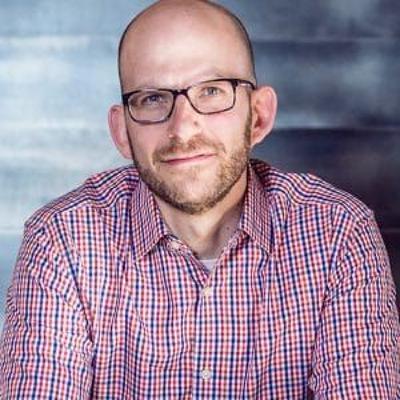
AI is reshaping product development faster than most organizations can even rethink how they work—and that gap sits at the heart of this conversation with product design guru Jeff Gothelf. Lou and Jeff explore why proven methods like Agile and OKRs so often become “process theater” instead of real change, and what it actually takes to shift organizations from output-driven cultures to outcome-driven ones.
Jeff explains that most transformations fail because incentives still reward shipping outputs, not creating real value. Meaningful change tends to emerge only in pockets led by leaders willing to experiment and treat ways of working as something to test and evolve.
They also explore how AI is shifting risk upstream—from engineering to vision, validation, and decisionmaking—making design and research more critical than ever. Along the way, they reflect on consulting as organizational therapy, the need to prove design’s value in the AI era, and why companies that relentlessly embrace new technology are best positioned to endure.

Jen van der Meer’s career path is anything but linear—spanning comparative religion, working on Wall Street, internet startups, and design education. In this thoughtful and timely conversation, Jen shares how her liberal arts background shaped her global perspective, eventually leading her to leadership roles at Frog Design, startups, and now Parsons School of Design, where she co-directs the MFA in Transdisciplinary Design.
Jen challenges designers to go beyond the narrow scope of their titles or craft. Instead of trying to “convince” other industries of design’s value, she argues that designers must step outside their professional comfort zones, learn new languages—especially finance—and see themselves as co-conspirators in systemic change.
With today’s precarious job market and the erosion of traditional design roles, Jen offers a compelling vision for designers to build collective practices, join interdisciplinary communities, and find purpose in transforming complex systems like health, energy, and finance. Her advice to students and early-career professionals? Focus on a system that needs fixing and start connecting with others who care.

AI isn’t just changing research tools—it’s reshaping how research itself happens. Lou chats with ResearchOps pioneer (and co-host of the upcoming inaugural UXR Tools Summit) Kate Towsey about the shift from linear workflows toward interconnected research systems where recruiting, knowledge management, repositories, and insights all function as part of a single ecosystem. Kate argues that future organizations will rely on “insights lakes,” structured collections of knowledge that anyone can query through AI interfaces, making research continuously accessible rather than locked behind reports.
The discussion explores how tool vendors are evolving toward integrated platforms, why taxonomy and information architecture are even more essential in an AI-driven world, and how research operations professionals are becoming critical connectors across teams and technologies. Rather than replacing researchers, AI may free them to focus on identifying knowledge gaps and proactively generating insight. Kate ultimately offers an optimistic perspective: the future favors makers and experimenters—professionals willing to play, adapt, and help shape how AI is used responsibly within research practice.

What happens when someone moves from government UX research to shaping research for the broader industry? Lou talks with Maria Rosala, Director of Research at Nielsen Norman Group, about her role, her career path, and the value of research repositories.
Maria shares what it means to lead research at NN/g and how her experience as a UX researcher in the UK Home Office shaped her perspective on research maturity and real-world practice. They explore how research repositories help organizations surface knowledge, avoid duplicate work, and support collaboration—and why people and culture remain just as important as the tools. Maria also discusses how AI could make repositories more powerful by surfacing connections and insights.

Survey research is in trouble—and Caroline Jarrett explains why. Returning to the podcast to preview the upcoming UXR Tools Summit, she and Lou Rosenfeld explore what’s really happening in the survey world and what researchers should be asking vendors right now.
They discuss collapsing response rates driven by constant, low-value feedback requests and the growing sense that many surveys are performative rather than useful. Caroline argues for fewer, smaller, more targeted surveys that respect people’s time and actually lead to change. The conversation also tackles AI in research tools, from synthetic users to automated analysis, and why human judgment still matters.
Caroline shares the key questions she plans to ask survey-tool vendors—especially around accessibility and panel management—and why researchers need better integration across tools and methods. She closes with a literacy-focused resource from the British Council tied to her passion for designing for people with low literacy.

When Dana Chisnell and Christian Crumlish took roles in U.S. federal agencies, they knew the work wouldn’t be easy. But what unfolded during their time under the second Trump administration went far beyond bureaucratic resistance. In this gripping conversation, they recount the painful dismantling of teams like 18F and the Department of Homeland Security’s Customer Experience Office—takedowns that were less about efficiency and service, and more about ideology and erasure. From executive orders scrubbing DEI language to gutting digital service teams and exfiltrating government data, they describe what it felt like to navigate a coordinated unraveling of public-serving infrastructure.
Yet out of the ashes, a new civic design seeds are taking root. Christian and Dana reflect on what it means to build systems that endure, how to design for accountability, and where the next generation of mission-driven designers, researchers, and creators might focus their efforts. There’s urgency here, but also a throughline of resolve and resilience: the belief that better government is possible—and that good people are still fighting for it.

 1
1Can AI really make us smarter, or is it just making us lazy thinkers? Lou reunites with the brilliant Chris Noessel to explore the nuanced world of AI assistants. As Chris gears up to release his third Rosenfeld book, Designing Assistant Technology: AI That Makes Us Smarter, he explains the critical differences between assistants (tools that help you do things) and agents (tools that do things for you). They discuss the implications of these models, from smart maps to inventory systems, and why most AI use cases today are assistive, not agentive.
Chris also shares how over-reliance on AI tools can lead to "cognitive debt" and de-skilling — both for individuals and entire organizations. Drawing from philosophy, pop culture (yes, even Doctor Strange), and practical design methods, Chris offers a compelling case for why designers are crucial in shaping responsible AI, and how a well-designed assistant can help without dumbing us down. It’s a smart, witty, and insightful conversation that makes a strong case for the enduring relevance of design in an AI-driven world.
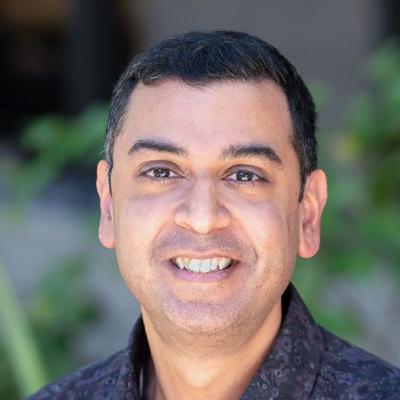
What happens when a designer starts questioning “craft” itself? In this episode of the Rosenfeld Review, Lou Rosenfeld sits down with longtime collaborator and community builder Uday Gajendar to explore his provocative new idea: “anti-craft.” Drawing on decades of experience across enterprises, startups, and academia—as well as his role curating Rosenfeld conferences—Uday shares how his thinking on design craft has evolved from statecraft, stagecraft, and tradecraft into something more contrarian and expansive.
Rather than treating craft as polish or perfection, Uday argues for looking inward—at the emotional, personal, pragmatic, and even spiritual layers that influence a designer’s work. He and Lou discuss how these hidden layers shape our taste, decisions, and impact, especially in an era where AI is transforming the practice of design. Uday makes the case for self-awareness and reflection as a way to strengthen both individual designers and teams, and hints at how his “anti-craft” framework might become a new tool for mapping the human side of design alongside its technical layers.
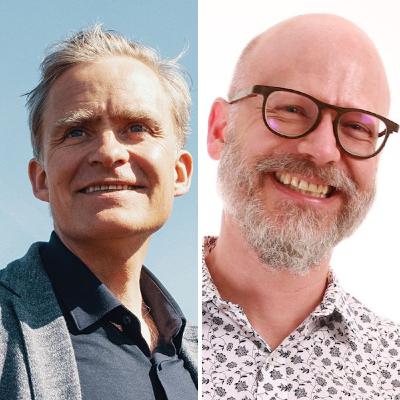
The second edition of Service Design: From Insight to Implementation, by Lavrans Løvlie, Andy Polaine, and Ben Reason isn’t just a refresh—it’s a reintroduction to a field that’s evolved significantly in the last decade. Whether you’re new to service design or a seasoned practitioner who read the first edition cover to cover, there’s something new to gain here. This second edition continues to serve as a foundational reference for teaching and learning, but now with updated language, contemporary case studies, and clearer frameworks for measuring service impact.
Lavrans and Andy join Lou in today’s episode, and they acknowledge that their original work, while groundbreaking, often painted a slightly utopian picture of design practice. This edition brings a more grounded perspective, reflecting the messy realities of organizational politics, cross-functional collaboration, and measuring the value of design. Tools like service blueprints have been sharpened, not just described—making it easier for designers to move from abstract ideas to tangible outcomes.
And for experienced professionals? You’ll find new material that helps you advocate for service design more effectively within complex organizations, alongside updated thinking on ROI, team structures, and evolving roles in product-led environments. It’s not just a book—it’s a toolkit for navigating what’s next.

frog North America's Head of Service Design, Bethany Brown, joins Lou to explore the intersection of service design, operations, and AI. With roots in industrial design and global experience across firms like EPA and Engine, Bethany brings a unique lens to tackling large-scale organizational friction.
She walks us through a real-world case study from her upcoming talk at the Advancing Service Design conference (November 19-20), where her team used service design principles to help a company identify costly operational breakdowns, before applying AI to streamline processes and improve financial outcomes. Instead of leading with technology, Bethany’s approach centers on deeply understanding human workflows, mapping them visually, and uncovering where systems are failing frontline workers.
Through this lens, “operations” becomes less about rigid systems and more about the connective tissue of a service experience. And service design becomes the glue that aligns people, technology, and strategy. It’s a talk—and a conversation—not to miss.
Plus, Bethany shares the best career advice she ever received, and pays tribute to the educator who helped her realize design is an ever-evolving discipline, not a fixed path.
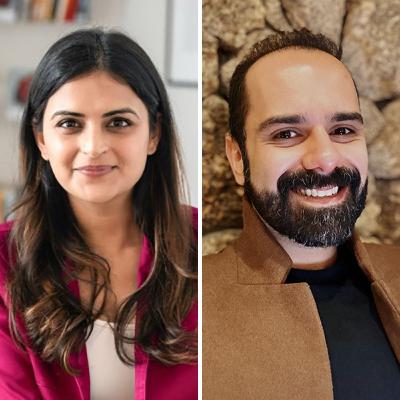
What do a Brazilian retail strategist and an Indian industrial designer have in common? A passion for transforming complex systems through service design—and a shared mission to push the profession forward. In this episode, Lou welcomes Gustavo Vieira and Shreya Dhawan, two of the curators behind the upcoming Advancing Service Design conference, for a behind-the-scenes look at how service design is evolving—and how they’re helping shape that evolution.
Gustavo shares how his early work in franchising sparked a fascination with aligning brand strategy, operations, and customer experience, eventually leading him to service design as a more holistic lens. Shreya’s journey began with product design in hospitals, where she realized the real challenge wasn’t just designing a better object—it was improving the entire system around it.
Together, they reflect on the emerging trends in the field, including the move toward systems-level thinking, new contexts like journalism and B2B, and the rich global collaboration shaping this year’s conference. The conversation is full of thoughtful insight, heartfelt reflection, and a few unexpected gifts—from Ken Wilber to Picasso.

Jen Briselli’s journey into service design didn’t start with design at all—it started in a physics classroom. From studying the fundamental workings of the universe to teaching high schoolers how to grasp complex physics concepts, Jen’s interdisciplinary curiosity has always driven her path. That same intellectual agility eventually led her to discover information design, dive headfirst into Carnegie Mellon’s legendary design program, and eventually rise to executive leadership at Mad*Pow. Now co-founder of Topology, Jen continues to explore how systems thinking, complexity science, and human-centered design intersect to build adaptive organizations.
In this episode, Jen and Lou preview her upcoming talk at Advancing Service Design 2025 and unpack why learning—not certainty—should be the North Star of design practice. She shares how service designers can operate more effectively by zooming out to see systems-level patterns and zooming back in to take practical action. From breaking down spatial and temporal complexity to explaining how constraints inhibit organizational learning, Jen reframes service design as an adaptive, constantly evolving practice. Whether you're a seasoned designer or simply service-design curious, this episode will stretch your thinking about what service design is—and what it can become.

Scott Zimmer’s career arc spans from dreaming big at Disney to reshaping design inside massive enterprises through acquisitions like Capital One (AdaptivePath) and Verizon (Moment Design)—and now, to scaling expert knowledge with AI through his startup, Tmpt.me. In this episode, Lou and Scott dig into what it takes to earn design a seat at the table, how to read a company’s culture before you join, and why expertise shouldn’t disappear when the expert leaves the room.
If you’ve ever wondered how to build design credibility in a skeptical organization, how to scale expert mentorship without burning out your top people, or how AI might actually amplify—not replace—human wisdom, this episode is for you.
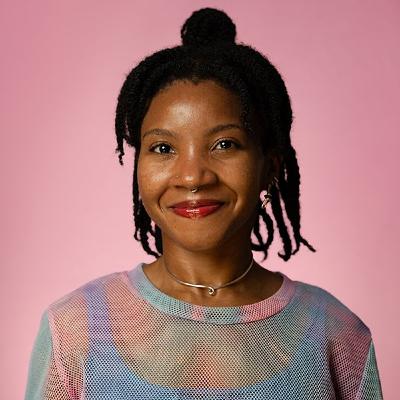
What if your next big career move didn’t involve managing people—but managing impact? Catt Small joins Lou to unpack the rise of the staff designer: a role that's redefining what senior-level growth can look like for designers who want to lead without becoming managers.
Catt shares insights from her forthcoming Rosenfeld book, The Staff Designer: Grow, Influence, and Lead as an Individual Contributor, where she draws on her own experience at companies like Etsy, Asana, and Dropbox—alongside interviews with nearly 30 other design pros—to clarify a path that’s increasingly relevant in today’s flattened organizations.
Catt explains why staff designers thrive at the intersection of strategy and execution, influence and diplomacy. Staff design isn’t about hierarchy; it’s about navigating complexity, guiding quality, and mentoring others, all without direct reports. Whether you're a senior designer wondering what’s next or a leader trying to support IC career growth, this episode reframes design leadership for the modern era.
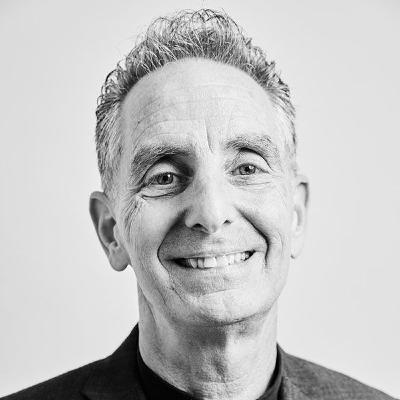
If you’ve ever felt nervous holding a mic, or wondered how seasoned speakers make it look effortless, this episode is for you. Nathan Gold, professional speaker coach, and longtime collaborator with Rosenfeld Media, has helped presenters at every level find their voice and captivate audiences.
In his conversation with Lou, Nathan reflects on over a decade of working with Rosenfeld conference presenters—researchers, design leaders, ops people, and more—as they prepare to step into the spotlight. He shares how effective communication isn’t just about slides or scripts, but about presence, intention, and treating your talk like a gift to the audience. Whether coaching polished speakers or total newcomers, Nathan’s approach is rooted in empathy, trust, and helping people show up as their most authentic selves.
From embracing improv to ditching the word-for-word script, Nathan’s advice speaks to anyone who wants to connect more meaningfully—on stage, in a meeting, or behind the camera. This episode is packed with insight for designers, leaders, and communicators of all stripes.

Design operations is increasingly about navigating a moving target. AI-infused tooling is upending established models, and the pace of change is forcing teams to rethink everything from handoffs to team dynamics to what quality even means.
As systems fracture and new patterns emerge, Ops leaders are stepping into roles that feel more like architects than managers—shaping the blueprint for how design and engineering build together in real time.
One of those leaders is Aletheia DeLivre, Senior Program Manager of Design Engineering Collaboration & Strategy at Microsoft, and a featured speaker at the upcoming DesignOps Summit. In this conversation, she and Lou unpack how AI is disrupting workflows, accelerating timelines, and reshaping power dynamics between disciplines.

What does it take to transform a century-old tech giant into a design-led organization? Doug Powell—executive coach, former IBM design leader, and featured closing speaker at this year’s Design Ops Summit—joins Lou for a wide-ranging conversation on scaling design, building community, and leading through unpredictable change.
Doug shares hard-earned lessons from IBM’s ambitious and trailblazing design transformation from the mid-twenty-teens: how centralization jump-started progress, why decentralization required careful timing, and what metrics ultimately proved design’s business value. Along the way, he offers thoughtful advice for today’s design leaders and ops pros who are navigating evolving roles and growing complexity.
Whether you’re leading a design team or supporting one behind the scenes, Doug’s insights are a must-hear for anyone shaping the future of design operations.

What do video games and world-building have in common? Everything. Lou reconnects with Cheryl Platz—author, designer, and creative director—to explore the evolving world of video game development. Cheryl shares what drew her back to the gaming industry after years in enterprise UX and voice design, and how her new book, The Game Development Strategy Guide, distills insights across disciplines to help teams build modern games that truly thrive.
The conversation ranges from the power of cross-functional collaboration to the benefits UX skills bring to game development to the monetization models shaping today’s games. Cheryl reflects on the challenges facing the industry—massive layoffs, misaligned incentives, and a lack of shared understanding—and how a more human-centered, sustainable approach could be a game changer.
Whether you're a UX professional, game developer, or just curious about what makes great video games tick, this episode offers a sharp, wide-angle view of where the field is headed.
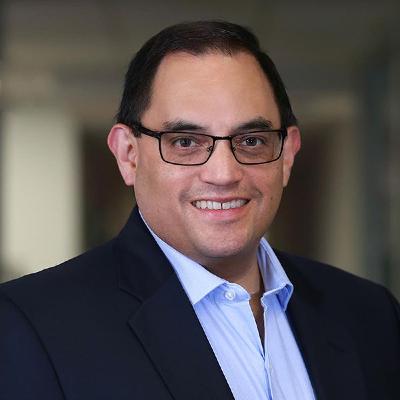
Design operations isn’t just about process—it’s about shaping better products, teams, and organizations from the inside out. José Coronado joins Lou to unpack why DesignOps deserves to be treated as a true design discipline. Drawing on his experience leading global teams at JPMorgan Chase, Target, and beyond, José shares strategies for embedding operational roles into business units, measuring impact, and scaling design without sacrificing quality.
They explore how enterprise UX has evolved since the iPhone, why service design is the right lens for thinking about internal operations, and what it takes to foster effective cross-functional collaboration. The conversation offers a preview of José’s upcoming panel at the 2025 DesignOps Summit—and plenty of practical insights for DesignOps professionals at any stage of their journey.

What happens when you combine righteous anger with unwavering hope? You get George Aye—and the “Angry Hour.”
In this lively episode, Lou Rosenfeld chats with George Aye, co-founder of Greater Good Studio, about his mission to create spaces for “pissed off optimists”—people who see the world’s injustices and refuse to give up on making things better. George shares the philosophy behind Angry Hour, a growing series of meetups uniting professionals from diverse fields around shared frustration and hope. He explains how these gatherings channel collective energy into meaningful connections, local nonprofit support, and even bigger plans like the upcoming Livid Conference—a national gathering for changemakers who are angry enough to care and optimistic enough to act.
If you’re searching for solidarity in uncertain times—or simply wondering how to turn anger into action—this conversation offers insight, inspiration, and a glimpse into a movement fueled by equal parts rage and resolve.


Download from Google Play

Download from App Store
 United States
what type of modelling with HR?