


 Claim Ownership
Now and Men
Subscribed: 54Played: 760
Subscribe

© Copyright 2026 Sandy Ruxton & Stephen Burrell
Description
What role can men play in achieving gender equality?
Why is feminism good for men?
How are rigid ideas about masculinity holding back our lives—and how are people around the world challenging them?
These are the questions at the heart of Now and Men, a podcast hosted by social researchers Dr Stephen Burrell (Lecturer at the University of Melbourne, Australia) and Sandy Ruxton (Independent Researcher and Honorary Fellow at Durham University, UK).
We explore masculinity and change in the lives of men and boys today, diving into issues such as gender-based violence, fatherhood, men’s health, politics and the environment. Grounded in feminist thinking, our conversations connect big ideas to everyday experiences—showing how gender shapes all of us, and how men can be part of building a more equal world.
At a time when regressive versions of masculinity are resurging—amplified by political leaders, online influencers, even podcasters—we spotlight the people pushing back. Each episode features inspiring voices working to engage men and boys in positive, transformative ways and imagining feminist futures.
New episodes drop every month. Follow us wherever you get your podcasts, and join us in exploring what healthy, caring, equitable paths forward can look like for men. Questions or comments? We’d love to hear from you at nowandmen@gmail.com.
Why is feminism good for men?
How are rigid ideas about masculinity holding back our lives—and how are people around the world challenging them?
These are the questions at the heart of Now and Men, a podcast hosted by social researchers Dr Stephen Burrell (Lecturer at the University of Melbourne, Australia) and Sandy Ruxton (Independent Researcher and Honorary Fellow at Durham University, UK).
We explore masculinity and change in the lives of men and boys today, diving into issues such as gender-based violence, fatherhood, men’s health, politics and the environment. Grounded in feminist thinking, our conversations connect big ideas to everyday experiences—showing how gender shapes all of us, and how men can be part of building a more equal world.
At a time when regressive versions of masculinity are resurging—amplified by political leaders, online influencers, even podcasters—we spotlight the people pushing back. Each episode features inspiring voices working to engage men and boys in positive, transformative ways and imagining feminist futures.
New episodes drop every month. Follow us wherever you get your podcasts, and join us in exploring what healthy, caring, equitable paths forward can look like for men. Questions or comments? We’d love to hear from you at nowandmen@gmail.com.
66 Episodes
Reverse
The need to engage with men and boys about issues such as consent, healthy relationships, and preventing violence and abuse is more urgent than ever at a time when world leaders such as Donald Trump and spaces like the Manosphere are projecting dominating, destructive images of masculinity around the world. This certainly applies in Canada, where the spread of far-right politics next-door in the US is having a significant impact – and where Prime Minister Mark Carney is arguably demonstrating a different kind of leadership. Our guest, Landon Kenney, is someone who is working to show that men and boys don’t have to be angry, tough and violent – and that they can work together with women, girls and gender diverse people to create a more equitable and peaceful society. He coordinates the Male Allies Program for the Sexual Assault Support Centre of the Waterloo Region in Ontario (SASC), Canada.In this episode, Landon tells us about the work that SASC and the Male Allies Program have been doing since 2008 to prevent sexual and gender-based violence with men, boys, and organisations such as Hockey Canada and the Ontario Hockey League. We discuss the importance of changing macho sporting cultures, highlighted by the sexual assault scandal in Canadian ice hockey in recent years. We also talk about hopeful shifts in cultural discourses about masculine norms, exemplified in the recent hugely popular Canadian TV series ‘Heated Rivalry’. We explore how masculinity is depicted in this powerful show, and the potential it has to help men and boys open up about intimacy, vulnerability, and sexuality.Find out more:Sexual Assault Support Centre of the Waterloo RegionSASC’s Public Education ResourcesThe Male Allies ProgramLandon KenneyEpisode timeline:IntroWhat the Male Allies Program involves (02:41-04:29)How the program was initiated by the Sexual Assault Support Centre (04:29-07:48)Landon’s own journey into this work (07:48-11:00)Being accountable to women (11:00-17:36)The impacts violence prevention work has on men and boys (17:36-21:38)How Trump has affected Canadian society and Mark Carney's response (21:38-29:17)BreakWorking to create change in ice hockey and sport (29:26-33:07)Addressing hypermasculine sports cultures (33:07-36:46)The Hockey Canada sexual assault scandal (36:46-40:40)Heated Rivalry and its portrayal of masculinity (40:40-47:09)The impact of the show on Canadian society (47:09-50:53)Professional male athletes coming out as gay (50:53-53:34)The future for profeminist work in Canada (53:34-55:42)Conclusion (55:49-01:02:36)More info:Gisèle Pelicot – ‘A Hymn to Life’Manon Garcia – ‘Living with Men’bell hooks – ‘The Will to Change’Steven Roberts – ‘Why straight men’s embrace of a queer sports romance TV show matters right now’Jacob TierneyEVAW UK: '100+ women’s rights groups warn against racist weaponisation of VAWG' Canada ‘Freedom Convoy’ protest
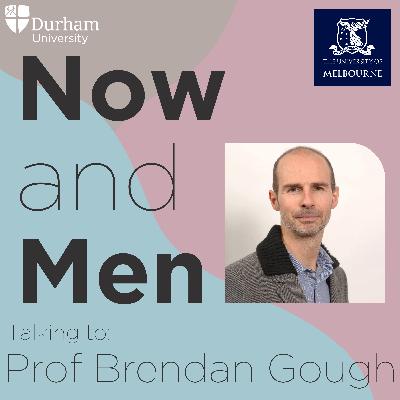
Many men are now engaging in a variety of behaviours traditionally associated with femininity – such as trying to make their bodies look good, worrying about their fertility, and opening up about their emotions. But what is driving these shifts? And to what extent do such practices challenge conventional norms of masculinity, or reinforce them? In this episode, Prof Brendan Gough discusses his wide-ranging research on contemporary constructions of masculinity. We explore the pressures patriarchal societies place on men: to be fit and healthy, lean and muscular, sexually virile, and self-reliant, and how these combine with neoliberal expectations that disciplining our bodies and having good wellbeing is an individual responsibility. We also discuss the ways in which these norms are being subtly challenged and changed, for example through efforts to encourage men to be open and honest about their feelings and struggles such as depression, and provide support to one other, including in online communities. Brendan reflects on what can help to steer this change in healthy directions – and how spaces such as the Manosphere may be exacerbating men’s insecurities about their bodies. He also considers the strengths and weaknesses of the UK government’s new men’s health strategy and health promotion efforts aimed at men.Brendan is a critical social psychologist and qualitative researcher based at Leeds Beckett University in the UK. Over several decades, he has published a wealth of research on men and masculinities, particularly in relation to health, lifestyle, and wellbeing.University profile pageLinkedIn‘Contemporary Masculinities: Embodiment, Emotion and Wellbeing’ (Palgrave Macmillan, 2018)‘(In)Fertile Male Bodies: Masculinities and Lifestyle Management in Neoliberal Times’ (with Dr Esmée Hanna, Emerald, 2022)Episode timelineIntroWhat sparked Brendan’s interest in masculinity (02:08-05:40)The positives as well as harms of online spaces (05:40-09:36)Men’s complex current relationship with gender equality (09:36-13:44)‘Healthism’ and its connections to masculinity (13:44-15:40)The use of masculine norms in health promotion (15:40-19:55)The UK govt’s men’s healthy strategy (19:55-24:29)BreakMen’s struggles with body image (24:41-28:53)How attention towards appearance is rationalised in masculine terms (28:53-32:00)‘Metrosexuality’ and grooming practices (32:00-34:01)Pressures to have a lean and muscular body (34:01-36:18)The impact of infertility on men (36:18-41:39)Men’s bodies as machines (41:39-42:34)What helps men share their experiences of depression (42:34-45:58)The use of ‘masculine capital’ to legitimise vulnerability (45:58-47:57)The value of peer support (47:57-49:45)The influence of the manosphere (49:45-51:40)Conclusion (52:12-01:00:30)More infoMargaret Wetherell and Nigel EdleyAndy’s Man ClubHybrid masculinityDr Lucy EldredMen’s Sheds UKUK Govt's Men’s Health Strategy for EnglandProf Paul GaldasLooksmaxxingDr Matthew Hall – ‘Metrosexual masculinities’Teddy BoysNew RomanticsDandiesPierre Bourdieu
Since 2021, Now and Men has been initiating conversations about changing masculinities and challenging norms. New episodes drop every month - listen wherever you get your podcasts, and share with anyone interested in men's role in gender equality!Music: 'Now is time', courtesy of Chaps' Choir and Dom Stichbury.
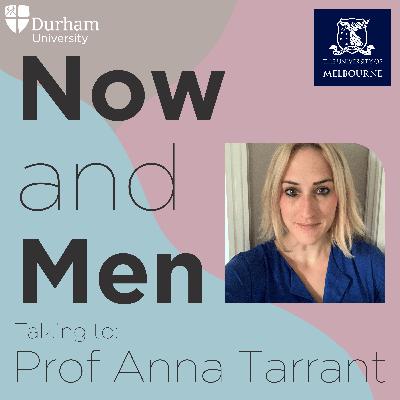
Fathers on low-incomes and young fathers are often portrayed in media and politics as ‘feckless’ and ‘failing’. Father absence is blamed for a wide range of social problems, including crime, antisocial behaviour, and poor educational outcomes. These discourses have intensified in the UK in recent months with renewed assertions about a ‘crisis of masculinity’. However, Professor Anna Tarrant’s research over many years demonstrates that most fathers, including those who are young or experiencing poverty, very much want to care for their children. Yet they face numerous structural obstacles in doing so, such as a lack of secure jobs, suitable housing, or welfare support, and being sidelined by services who may see them as inherently ‘risky’. Young fathers in particular (as with young mothers) are frequently presented as a ‘social problem’. Anna’s research challenges these unhelpful stereotypes, shining a light on the ways in which many young men and working-class fathers (as well as grandfathers, uncles, brothers, and other family members) are engaging in love and caregiving, with transformative impacts on them, their children, and their partners. She discusses what changes need to happen for policies and services to become more ‘father-inclusive’ without undermining vital support for mothers, and why this is good for gender equality and for society as a whole. Anna Tarrant is a Professor of Sociology at the University of Lincoln (UK), a UKRI (UK Research and Innovation) Future Leaders Fellow, and Director of the Centre for Innovation in Fatherhood and Family Research. She is currently the Director of the UKRI-funded Future Leaders Fellowship study, 'Following Young Fathers Further'. She has written three books: The Dynamics of Young Fatherhood (with Bren Neale, Policy Press, 2024)Men, Families and Poverty (with Kahryn Hughes, Palgrave Macmillan, 2023)Fathering and Poverty: Uncovering Men's Family Participation in Low Income Families (Policy Press, 2021)Follow Anna on LinkedInAnna is also the Director of the Father-Inclusion HubShe is also co-editor, with Linzi Ladlow and Laura Way, of the book ‘Men and Welfare’ (Routledge, 2022), in which Sandy and Stephen have a chapter on ‘Men, work, and care in the UK in the wake of COVID-19’.Episode timelineIntroNotions of a ‘crisis of masculinity’ due to fatherlessness (02:59-08:17)Obstacles low-income fathers face (08:17-11:12)Lack of housing (11:12-13:21)Why young fathers are constructed as a ‘social problem’ (13:21-17:27)Barriers to services engaging with fathers (17:27-22:12)Break How gender norms influence societal perceptions of fathers (22:22-25:10)Working with fathers who have been abusive (25:10-28:50)What a father-inclusive approach looks like (28:50-34:19)Policy change to support active fatherhood (34:19-41:38)Anna’s early research on grandfathers (41:38-48:28)The personal dynamics of research (48:28-51:22)Conclusion (51:22-59:22)More infoProf Laura King’s research on the social history of fatherhood in the UKFor Baby’s SakeCaring DadsYoung Dads’ CollectiveNorth East Young Dads and LadsDigiDadInternational Network on Leave Policies & Research‘The Vegetarian’ by Han KangMusic: 'Now is time', courtesy of Chaps' Choir and Dom Stichbury.
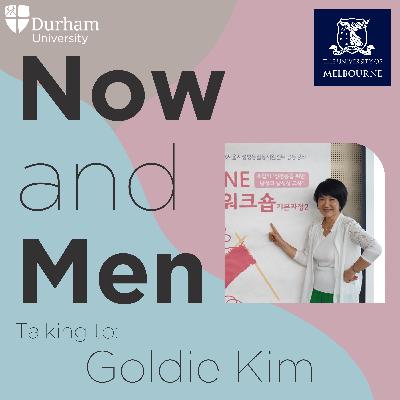
How have young feminists challenged the patriarchal culture of South Korea in recent times? How are young men reacting to the upsurge in support for feminist ideas and activism? What is the background to the dramatic conflict around gender and masculinity in the country the last few years, and how might it be resolved?Please note: This episode includes discussion about sexual violence.On 3rd December 2024, a huge political upheaval took place which drew global attention when President Yoon Suk Yeol declared martial law. But this only lasted six hours as opposition lawmakers managed to get past the police and military, gain entry to the Assembly, and pass a resolution to lift it. Young women in the so-called “cheering light brigade” and the “kisses squad” played a key part in the pro-democracy movement that grew to impeach the President, staying out in public squares in freezing temperatures to demonstrate. These events followed a long-standing backlash against gender equality in South Korea, and the gains for women’s rights made since the 1980s. Three years of Yoon’s Presidency led to a dramatic roll-back on hard-won gender equality policies. He pledged to abolish the Ministry of Gender Equality and Family, withdrew plans for a non-consensual sex law, undermined safe abortion service, and removed funding for sexuality and human rights education.These regressive moves reflect the rise of Manosphere communities over the past decade, fuelling men’s grievances against feminism and legitimising men’s violence against women in South Korea. Whilst the country leads the world in internet connectivity and hi-tech innovation, anti-feminist online spaces have become breeding grounds for various forms of digital crime, such as spy cameras in public toilets and deepfake pornography. So how have feminists been responding to this, how can solidarity be built among men and women amidst these divisions, and what lessons does this provide for gender equality advocates around the world?Our guest is Myoung Ryoon Kim (better known as Goldie). She’s an educator in the prevention of gender-based violence and an activist for gender equality. A graduate of Kyung-Hee University, Goldie has held numerous positions in South Korean NGOs working on gender issues over the past 30 years. In 2025, she became the Director of GOMA (Gender Justice Organisation for More Action) Korea, and is one of the founders and current co-coordinator of K-MEN (the newly-formed Korean MenEngage Network). She talks honestly about her personal experience of gender violence, how she became involved in this struggle, and how she maintains her motivation to continue through such difficult times.Episode timelineIntroThe social position of women in South Korea today (02:49-06:14)Femicide and the Gangnam Station Exit 10 Murder Case (06:14-09:58)‘Soranet’ and men’s violence against women online (09:58-15:29)The rise of the Manosphere and tech-facilitated abuse in South Korea (15:29-20:47)The ‘Feminist Reboot’ that has emerged in response (20:47-25:26)BreakReversals in gender equality under President Suk Yeol Yoon (25:35-28:25)Yoon’s masculinist attempt to impose martial law (28:25-31:04)The pro-democracy movement led by young women (31:04-35:33)Support for right-wing politicians among some young men (35:33-38:19)The relationship with North Korea, militarism and conscription of young men (38:19-43:25)Engaging men in gender equality in South Korea (43:25-47:00)What led Goldie to this work and what keeps her going (47:00-51:50)Conclusion (52:46-59:52)More info'A year after South Korea’s martial law crisis, the president urges unity, but the wounds are still raw''‘Men don’t know why they became unhappy’: the toxic gender war dividing South Korea'Mare of EasttownImagine ToolkitJens Van Tricht – ‘Men Need Feminism’‘Kim Ji-young, Born 1982’ by Cho Nam-Joo‘The Vegetarian’ by Han KangMusic, 'Now is time', courtesy of Chaps' Choir and Dom Stichbury.
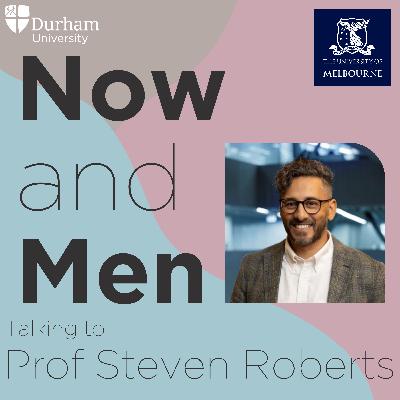
Is masculinity ‘under attack’, and are boys increasingly ‘lost’? How valid are concerns about boys’ and young men’s achievement in education? What is the impact on them – and girls and young women – of the rise of the Manosphere and right-wing populism? In this episode, Prof Steven Roberts argues that the picture is much more complicated than is often presented, with, for instance, mixed effects on different racial and class groups. He challenges the pervasive narrative that tells young men gender equality threatens their positions and that traditional gender norms must be reasserted, arguing that this backward-looking approach feeds a sense of ‘manufactured outrage’ and ‘instructed victimhood’ among men and boys. Instead, he stresses the need for an alternative discourse which embraces gender equality, builds on the under-recognised positive changes taking place in (working-class) masculinity, and provides a more hopeful vision. He suggests, for instance, that many young working-class men find ways to adapt to the shifting labour market, working in sectors which are not seen as traditionally masculine such as retail and care, and forging more complex masculine identities as a result. Drawing on his research with Dr Stephanie Wescott in schools, Steven highlights the impact of sexist and misogynistic behaviour among young men influenced by the Manosphere and the complicity and responsibility of schools, and what they should do to promote gender-based violence prevention and early intervention work and develop wider school culture, norms, and leadership. Steven also talks movingly about the sustained violence and controlling behaviour he experienced from men when growing up, the impact on his work and life, and his remarkable transition to being an academic. He draws attention to the wider implications, including, for example, how the significance and prevalence of men’s violence is often downplayed, and the importance of breaking men’s silence on this issue. Steven is a Professor of Sociology in the School of Social Sciences at Monash University in Melbourne, Australia. He has published numerous journal articles, (co-)authored three books, and edited six more about changes and continuities in boys and men's masculinity practices, and inequalities in young people’s transitions to adulthood. Steven makes regular contributions to the media and other forms of public discussion. He writes frequently, for example, for the ABC, the Conversation and Women’s Agenda, and has appeared in a raft of media outlets in print, TV and radio nationally and internationally.Steven’s profileLinkedInEpisode timelineIntroThe play Inter Alia (00:41-03:35)What drew Steven to working on masculinity (03:35-05:59)What made Steven share his experiences of men’s violence (05:59-08:43)Encouraging other men to share their stories (08:43-10:37)Sexism and misogyny in schools today (10:37-15:52)Where boys are learning this behaviour from (15:52-20:17)Manufactured outrage around young men being ‘under attack’ (20:17-23:34)The masculinist politics of ‘protecting the nation’ (23:34-28:06)The relationship between class, race, and the rise of the far-right (28:06-32:54)Changing the discourse around boys and young men (32:54-36:36)BreakThe limitations of narratives about boys’ performance at school (36:46-41:22)Wellbeing struggles among both girls and boys (41:22-43:51)The impact of domestic abuse at home on school (43:51-49:49)How personal transitions shape research interests (49:49-54:24)Working-class communities driving change and providing seeds of hope (54:24-01:00:18)Conclusion (01:00:58-01:09:24)Futher readingSteven’s review of ‘Inter Alia’‘A very personal call to action for non-violent men to denounce men’s violence’‘How the discourse on boys’ alienation is fuelled by anti-feminist agendas’‘Research exposes alarming impact of 'manfluencer' culture on Australian schools’‘The ‘March for Australia’ and the masculine politics of protection’‘‘No one knew what was happening’: New research shows how domestic violence harms young people’s schooling’‘Young Working-Class Men in Transition’ (Routledge, 2018)Raymond Williamsbell hooksAmanda Keddie and Michael Flood’s research on young men online'No room for battle of the sexes: Why boys AND girls matter' (Education Policy Institute)
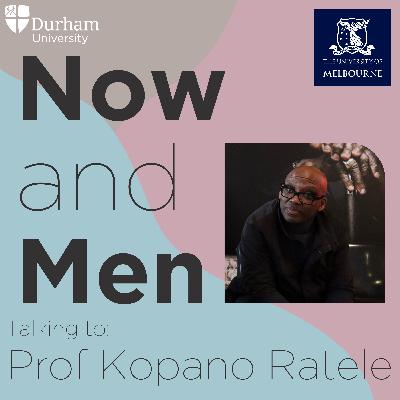
What role does love have to play in transforming men and masculinities? Why is it that so many men and boys struggle to give and receive love, yet feel great hunger for it? How should we understand the complex relationship between masculinity, love, and violence – why do men enact violence towards the people we claim to love? Why do dominant notions of masculinity often conflict with love and vulnerability? We discuss these issues with Kopano Ratele, Professor of Psychology at the University of Stellenbosch in South Africa, drawing on his recent book ‘Why Men Hurt Women and Other Reflections on Love, Violence and Masculinity’, published in 2022 by Wits University Press. Kopano puts forward honest personal reflections about his own experiences with love as a partner, father, psychologist and researcher in the field of men and masculinities.The second part of the episode explores Kopano’s vital work on critical and cultural African psychology, and the need to apply a decolonial lens to men and masculinities work. Decolonisation involves not only the process of undoing colonial rule, but also deeper shifts away from Western systems and structures of knowledge and power – including in our own psyches. Applying this approach to gender relations, Kopano highlights how a vibrant, Global South range of scholarship on men and masculinities now exists, which asks questions of dominant Western-centric frameworks. For example, he draws attention to the complex position of men of colour in Africa, who may simultaneously have some degree of male privilege, whilst also having been marginalised by colonisation. Our discussion concludes with his thoughts on the ‘softer’ masculinity displayed by South African President, Cyril Ramaphosa, and what impact his condemnation of violence against women and related policy initiatives are having on the very high levels of violence in the country. Kopano has published an extensive body of work focusing on the core themes of this episode. Alongside authoring multiple books, chapters, and journal articles, he has served as a member of the Ministerial Committee on Transformation in South African Universities, convener of the National Research Foundation’s Specialist Committee for Psychology Rating Panel, president of the Psychological Society of South Africa, and chairperson of Sonke Gender Justice.Episode timelineIntroWhy Kopano is interested in questions of love (02:30-04:39)Why so many men struggle to give and receive love (04:39-08:54)The relationship between (an absence of) love and men’s violence (08:54-13:37)Kopano’s own personal struggles with love (13:37-17:42)Opening oneself up to vulnerability (17:42-20:27)Helping men to embrace a loving masculinity (20:27-26:03)How Kopano became involved in profeminism (26:03-31:42)BreakWhy men and masculinity studies needs to be decolonised (31:53-41:56)The complexities of masculinity, race and power in Africa (41:56-48:17)Cyril Ramaphosa’s Oval Office exchange with Donald Trump (48:17-49:59)Ramaphosa’s vocal condemnation of violence against women (49:59-54:06)Pushing for deeper social change in South Africa post-Apartheid (54:06-56:01)Conclusion (56:32-01:04:45)Music, 'Now is time', courtesy of Chaps' Choir and Dom Stichbury.
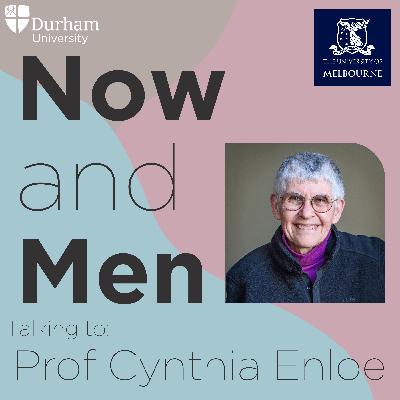
How do women and men suffer in different ways in wartime? How are distorted ideas about masculinity and femininity manipulated to promote and justify wars and recruit men to fight? What can be done to counter a return to patriarchal societies post-conflict? How are feminists responding to increasing militarisation in these dark times? Over many years, Cynthia Enloe has drawn on women’s first-hand experiences of war to show how patriarchy and militarism have become embedded in institutions and personal lives. Her analysis highlights how wartime shapes the gendered politics of issues such as marriage, family, work, childcare, food, income, prostitution, domestic violence and rape. She criticises the notion of a hierarchy of wartime suffering between women and men and draws attention to how men are coerced into being soldiers, framed as protectors of women, conscripted into militaries, and suffer death, injury and trauma in large numbers from direct wartime violence. She also shows how women’s emotional and physical labour is exploited by governments to support war-waging policies, and how different groups of women and men have tried to resist these efforts. In this episode, Cynthia reflects on these issues in particular in relation to the ongoing war in Ukraine, and the underlying patriarchal ideas and processes that perpetuate the conflict. Echoing a perceptive and long-standing theme in her work, she brings a feminist curiosity to what she sees, and encourages observers to remain attentive to the full range of questions that should be asked, rather than narrowing focus and leaping to easy assumptions. Cynthia Enloe is an activist, researcher and teacher, and still engaged - in her words - in the lifetime process of ‘becoming a feminist’. She is Research Professor at Clark University in Massachusetts and internationally renowned for her work on the interactions of feminism, women, militarised culture, war, politics, and globalised economics in countries such as Japan, Iraq, the US, Britain, the Philippines, Canada, Chile, and Turkey. She’s written 15 ground-breaking books, including her latest Twelve Feminist Lessons of War, 2023 (Footnote Press/University of California Press), for which she reads the audiobook. Among many accolades, in 2018 she was selected to be named on the Gender Justice Legacy Wall at the International Criminal Court in The Hague.Cynthia’s profile‘Twelve Feminist Lessons of War’ (UK, US, Australia)Episode timelineIntroLearning from Ukrainian feminists (01:38-10:18)The multiple roles women are expected to play during war (10:18-15:52)How even insurgent movements can foster post-war patriarchy (15:52-16:57)The insidiousness of ‘returning to normal’ (16:57-17:32)The return of the Taliban and the MAGA movement (17:32-19:25)Why women’s wars are not men’s wars (19:25-28:43)How masculinity and femininity are used to justify war (28:43-36:53)BreakPutin’s strategies to recruit Russian men to fight (37:05-43:15)Nurturing feminist curiosity (43:15-48:45)The surge in militarisation across the world (48:45-56:21)Why we need to look beyond the big leaders (56:21-01:02:33)How Cynthia became the feminist she is today (01:02:33-01:05:45)What men can do to support struggles against militarism (01:05:45-01:06:33)Conclusion (01:06:42)More infoWomen’s Perspectives in LvivMarta ChumaloNimo's War, Emma's War: Making Feminist Sense of the Iraq War, by CynthiaPutin’s payments to Russian soldiers, New York TimesThe Big Push: Exposing and Challenging the Persistence of Patriarchy, by CynthiaSeriously! Investigating Crashes and Crises as If Women Mattered, by CynthiaMusic 'Now is time' courtesy of Chaps' Choir and Dom Stichbury.
How are artificial intelligence and other technologies exacerbating misogyny and undermining women’s rights and safety? What are the emerging forms of violence against women and girls being facilitated by AI, such as deepfakes and nudify apps? What is driving so many men to view and create such material, and how is it shaping their sexual attitudes and behaviours? What actions are needed to address these harms, and by whom? For many years, Prof Clare McGlynn has been at the forefront of efforts to tackle the devastating impacts of online violence against women and to establish stronger forms of regulation. Central to her work on sexual violence are the perspectives of victims and survivors, particularly their understandings of what justice means to them. In this episode, we explore her approach to these issues and some of the challenges involved, including the masculinist dynamics of the highly profitable tech and porn companies, and obstacles in attempting to regulate the transformation of these industries in recent years. Clare also talks about recent aspects of her influential advocacy work. For example, she provided legal expertise to the successful campaign to persuade the UK Government to adopt a law criminalising the creation and solicitation of sexually explicit ‘deepfakes’. We explore too her work to reduce the easy and growing availability, and adverse impacts, of extreme and abusive pornography (including ‘strangulation porn’ and ‘incest porn’). She outlines her involvement in the campaign to tackle the harms of strangulation in mainstream pornography. We conclude by discussing with Clare what led her to focus increasingly on online and tech-facilitated harms in her work, and how her sense of responsibility and justice sustains her in continuing to research such distressing issues. Clare is a Professor of Law at Durham University, with particular expertise in the legal regulation of pornography, sexual violence and online abuse, especially image-based sexual abuse (i.e. taking, creating, and sharing intimate images without consent). In 2020, she was appointed an Honorary KC (Kings Counsel) in recognition of her exceptional work within the legal profession.Clare’s website: https://www.claremcglynn.comDurham University profile: https://www.durham.ac.uk/staff/clare-mcglynn/LinkedIn: https://www.linkedin.com/in/clare-mcglynn-32b898238/Instagram: https://www.instagram.com/claremcglynn_/Episode timelineIntroductionHow AI is deepening gender inequality (02:34-04:21)Emerging AI-driven forms of violence against women (04:21-06:08)The masculinist dynamics of the tech industry (06:08-08:52)Why attempts to regulate Big Tech have been so lacklustre (08:52-11:31)The new UK law Clare helped to introduce criminalising ‘deepfake’ images (11:31-16:44)Why the criminal law can be a useful tool for feminist campaigners (16:44-19:34)Why debates about ‘carceral feminism’ should not be reduced to either/or (19:34-24:23)Victim-survivors’ wide-ranging perceptions of justice (24:23-26:27)BreakWhat is driving so many men to engage in image-based sexual abuse (26:35-29:56)Why the online world is not simply a reflection of wider society (29:56-31:35)The role of pornography and how it’s shifted over time, e.g. ‘incest porn’ (31:35-36:55)The personal impacts of doing this research (36:55-38:25)Is porn simply giving people what they want? (38:25-40:46)How porn influences our attitudes, behaviours, and relationships (40:46-44:11)The mainstreaming of strangulation in sex (44:11-48:04)Talking to young people (48:04-52:05)What sustains Clare to keep doing this work (52:05-54:24)Conclusion (55:15-01:02:27)More infoNew ‘engaging men’ briefing paper co-authored by Stephen: https://www.endviolenceagainstwomen.org.uk/new-how-to-engage-men-in-ending-vawg/‘The New Age of Sexism’ by Laura Bates: https://www.simonandschuster.co.uk/books/The-New-Age-of-Sexism/Laura-Bates/9781471190483End Violence Against Women Coalition: https://evaw.org.uk#NotYourPorn: https://notyourporn.comSally Rees, NASUWT union: https://news.sky.com/story/upskirted-teacher-says-women-being-targeted-by-misogynistic-attitudes-in-classroom-13351789Clare’s research on ‘kaleidoscopic justice’:https://doi.org/10.1177/0964663918761200And restorative justice: https://doi.org/10.1111/j.1467-6478.2012.00579.x‘Breathless’ campaign: https://www.breathlesscampaign.com‘No One Wants to See Your D*ck’, by Jess Davies: https://www.theguardian.com/society/2025/apr/30/i-dont-date-at-all-now-one-womans-journey-into-the-darkest-corners-of-the-manosphere‘The Crimes of Digital Capitalism’, by Aitor Jiménez: https://nyupress.org/9781479821693/the-crimes-of-digital-capitalism/
Society is obsessed with masculinity, and constantly discussing how it's 'in crisis'. But how helpful are these debates? Can masculinity be reshaped as 'positive' or 'healthy' - and should that be our focus? In a challenging new paper – 'Positive humanity, when? Is masculinity worth saving?' – Dr Finn Mackay argues that policy aimed at saving men and alleviating their suffering does not address men's humanity, but is erroneously focused on 'saving' masculinity. Instead, Finn believes we should aspire to be positive, healthy people and equal human beings, without needing to have our identities as men reinforced. Rather than recycling tired biological essentialism, Finn concludes "it is time for men and women to start acting like we really believe we are not separate spheres, but on the same planet, with the same needs for love and care, the same need to matter to our communities, the same need for life". Finn advocates for a radical feminist analysis, arguing that it offers positive solutions to the problems all of us face - including men and boys.The episode discusses Finn's 2021 book 'Female Masculinities and the Gender Wars: The Politics of Sex'. Based on research they conducted on lesbian and queer masculinities in the UK, they explore the challenges and obstacles facing those who do not fit into strict boxes of sex and gender. This is particularly topical given the recent ruling by the UK Supreme Court that the terms "woman" and "sex" in the Equality Act 2010 refer only to "biological women" and "biological sex". Decrying the widespread scapegoating and demonising of trans people, Finn argues they have become easy targets for regressive gender conservatism. Finn ends by talking movingly about their personal journey from growing up in rural Scotland, to living at women's peace camps outside military bases, and the impact that feminism – especially radical feminism – has had on their life.Finn is a senior lecturer in Sociology at the University of the West of England, and they have a long history of feminist research and activism. Prior to academia, Finn was involved in education and youth work on issues including domestic violence prevention and anti-bullying. In 2004, they founded the London Feminist Network, and revived the tradition of London Reclaim the Night. Their previous book 'Radical Feminism: Feminist Activism in Movement' (2015) set out a pioneering feminist manifesto analysing the reasons for women’s oppression and what feminist activism must do to counter it.Finn's personal website: https://www.drfinnmackay.co.ukUWE profile: https://people.uwe.ac.uk/Person/FinnMackayBluesky: https://bsky.app/profile/finnfox.bsky.socialLinkedin: https://www.linkedin.com/in/finn-mackay-87a593345/‘Positive humanity, when?’ paper: https://doi.org/10.1080/09589236.2025.2502679‘Radical Feminism’ book: https://doi.org/10.1057/9781137363589‘Female Masculinities’ book: https://www.bloomsbury.com/uk/female-masculinities-and-the-gender-wars-9781350466623/Episode timelineIntro Current debates about masculinity (02:02-03:56)Is 'positive masculinity' the answer? (03:56-06:12)Why masculinity is crisis (06:12-08:59)Reinforcing gender dualisms through segregation (08:59-13:12)Boys starting school later (13:12-15:48)The allure of patriarchal norms in times of crisis (15:48-18:46)Why radical feminism offers hope to boys and men (18:46-22:45)What men can do to support radical feminism (22:45-25:40)BreakHow to define radical feminism and essentialism (25:56-33:21)Finn's research on lesbian and queer masculinities (33:21-37:09)Simultaneously identifying with and critiquing masculinity (37:09-41:57)The UK supreme court decision on 'biological women' (41:57-45:50)Trans panic and the gender equality backlash (45:50-49:49)Reconciling the divides over trans rights (49:49-55:55)Finn's personal feminist journey (55:55-01:02:20)Conclusion [Learning from radical feminism; How can men deal feminist divisions?; Patriarchy is the problem; Continuity and crisis; Men who supported the peace camps; Dismantling essentialism] (01:02:28-01:08:00)More infoJohn Stoltenberg: https://johnstoltenberg.medium.com/UK Dads' Strike: https://www.theguardian.com/money/2025/jun/11/dad-strikes-in-london-and-edinburgh-demand-better-paternity-leaveSusan Brownmiller obituary: https://www.theguardian.com/books/2025/jun/03/susan-brownmiller-obituaryUK Supreme Court ruling: https://www.theguardian.com/society/2025/apr/16/critics-of-trans-rights-win-uk-supreme-court-case-over-definition-of-woman'What does the UK Supreme Court’s gender ruling mean for trans men?': https://theconversation.com/what-does-the-uk-supreme-courts-gender-ruling-mean-for-trans-men-254868Greenham Common Women's Peace Camp: https://en.wikipedia.org/wiki/Greenham_Common_Women%27s_Peace_Camp'The origins and history of Reclaim the Night': https://mancunion.com/2022/03/20/the-origins-and-history-of-reclaim-the-night/
Why do men still benefit from higher pay, status, and power at work? What is the ideological and cultural underpinning that sustains the gendered division of labour? What are the harmful effects of workplace inequality on poverty, health, family life and women’s status? These are some of the key issues that Professor Cordelia Fine addresses in her witty and insightful new book ‘Patriarchy Inc.: What We Get Wrong About Gender Equality and Why Men Still Win at Work’, which is listed as one of the non-fiction books to read this year by the UK Financial Times. In our discussion, Cordelia draws on a wealth of evidence to explain how ‘Patriarchy Inc.’ operates, and how progress in dismantling unequal gender arrangements is stymied by two false visions: the ‘Diversity, Equality and Inclusion (DEI)’ approach, and the ‘Different but Equal’ perspective. Instead, she argues for a set of commonsense reforms which would benefit everyone. These include reorientating societies and workplaces around the assumption that most workers will have caring responsibilities; setting aside definitions of job ‘fit’ and success that exclude women and other marginalised groups; and addressing how the gender system is embedded in childhood. We also explore some of the themes from her earlier book, Testosterone Rex, which won the Royal Society Science Book Prize. The book challenges the powerful myth that men and women have evolved fundamentally different natures, and that testosterone is responsible for ‘hard-wiring’ male brains to, for example, take risks, compete, and be violent. We conclude by discussing her motivations and influences as a writer, and the role of humour in her work. Cordelia is Professor in the History and Philosophy of Science at the University of Melbourne. She was awarded the prestigious 2018 Edinburgh Medal for her work challenging gender bias in science, and was recently named as a living legend by The Australian newspaper. Buy the book: https://atlantic-books.co.uk/book/patriarchy-inc/ (UK) https://www.allenandunwin.com/browse/books/9781838953355 (Aus)Cordelia’s website: https://www.cordelia-fine.comHer University of Melbourne profile: https://findanexpert.unimelb.edu.au/profile/126041-cordelia-fineLinkedIn: https://www.linkedin.com/in/cordelia-fine-240773250/Episode timelineIntroWhy Cordelia wanted to write ‘Patriarchy Inc.’ (03:49-08:01)Why she takes issue with the ‘Different but Equal’ perspective (08:01-15:30)Why the ‘DEI’ approach is also insufficient (15:30-27:06)What her ‘Patriarchy Inc.’ approach adds (27:06-33:42)How we can foster genuine equality in the workplace and society (33:42-42:41)Break‘Testosterone Rex’ and why men’s violence can’t be reduced to biology (42:52-50:55)Fatherhood and why Patriarchy Inc. doesn't work for any of us (50:55-52:12)The use of humour in writing (52:12-55:38)What led Cordelia into researching the science of sex and gender (55:38-01:00:13)Conclusion [The nuances of DEI, Progress being non-linear, The role of trade unions, Capitalism and fatherhood, Valuing care] (01:00:22-01:06:49)
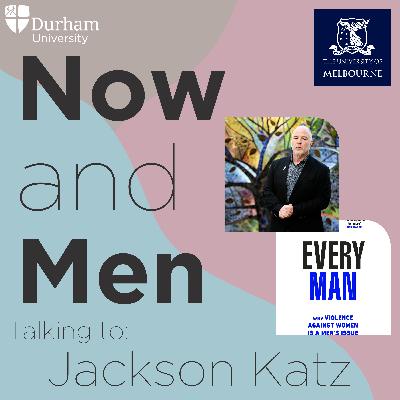
Discussions about masculinity and violence against women have exploded into the spotlight, not least because of the widely-watched Netflix drama ‘Adolescence’. More and more men are asking: Why is ending this violence an issue for me? What can I do to be part of the solution? How can I overcome the barriers holding me back from taking action, such as feelings of defensiveness? These are some of the pressing questions leading anti-violence educator and scholar-activist Dr Jackson Katz addresses in his timely new book, 'Every Man: Why Violence Against Women is a Men’s Issue, and How You Can Make a Difference'.In this episode, Jackson sets out the case for men’s involvement, and essential tools to help us contribute to preventing violence against women: from how to respond when a friend or colleague expresses misogynistic views, to changing the culture among our peers, to developing positive leadership among men on this issue. We also discuss ‘Adolescence’ and its impact on, and implications for, parents, teachers, police officers and other key figures and institutions in young men’s (and women’s) lives. We conclude by revisiting the political situation in the US, and how men are responding to the backward-looking narratives coming from figures like President Trump and Vice-President JD Vance about what ‘real men’ should be like. Jackson is an American educator, speaker and writer internationally renowned for his groundbreaking work on issues of gender, race, and violence. His TEDx Talk 'Violence against women - it's a men's issue' has been watched 5.5 million+ times. He co-founded the pioneering gender violence prevention programme, Mentors in Violence Prevention (MVP), which was the first large-scale prevention initiative in sports culture and all branches of the US military, and has been rolled out in schools across the US and parts of the UK. Jackson’s book ‘Every Man’ is now available in the UK through Penguin, and will be published in the US by Bloomsbury in Sept 2025: https://www.penguin.com.au/books/every-man-9780241672662Find out more about Jackson’s work: https://www.jacksonkatz.comHis writing for Ms Magazine: https://msmagazine.com/author/jkatz/Follow him on LinkedIn: https://www.linkedin.com/in/jackson-katz-ph-d-b7785b3/Instagram: https://www.instagram.com/jacksontkatzWatch his TEDx Talk, ‘Violence against women – It’s a men's issue’: https://youtu.be/KTvSfeCRxe8Episode timeline:IntroductionJackson’s views on ‘Adolescence’ and its impact (02:26-06:53)Showing the series in schools (06:53-10:11)Why Jackson wrote ‘Every Man’, and the difficulties of getting a book on this topic published (10:11-14:52)Why men might respond defensively, and how to move past that (14:52-20:52)The positive impacts of feminism on Jackson’s own life (20:52-27:29)BreakThe bystander approach and what it looks in practice (27:36-35:26)Its use in settings such as the military, and a different kind of leadership (35:26-43:52)Masculinity in the Trump 2.0 presidency, and signs of resistance (43:52-53:47)Why men need to face our fears of being ‘unmanned’ (53:47-56:54)Conclusion [The lessons of ‘Adolescence’; The responsibility we all have; Addressing it in schools] (57:02-01:06:30)More info:Gareth Southgate’s Dimblebly Lecture: https://www.theguardian.com/football/2025/mar/19/gareth-southgate-rails-against-callous-toxic-influencers-in-dimbleby-lectureMichael Kaufman – The triad of men’s violence: https://michaelkaufman.com/articles-2/Terry Real – ‘I don’t want to talk about it’: https://terryreal.com/books/Sandy Ruxton – ‘Masculinity, intimacy, and mourning: A father’s memoir of his son killed in action in world War II’: https://doi.org/10.3390/genealogy4020059Mentors in Violence Prevention: https://mvpstrat.comJackson Katz – ‘Bystander Training as Leadership Training’: https://doi.org/10.1177/1077801217753322Young Men’s Research Initiative: https://youngmenresearchinitiative.substack.com
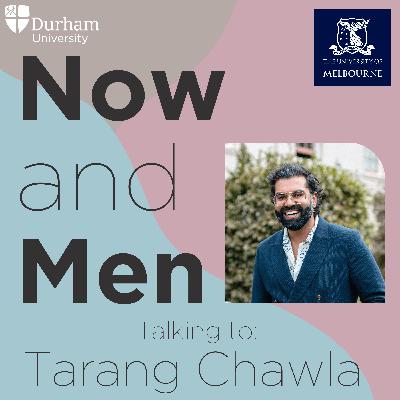
Tarang Chawla knows firsthand the devastating impacts of men’s violence, and the ripple effects it sends through families and communities – including on other boys and men. This is what led him to set up Not One More Niki, in memory of his younger sister Nikita who was murdered by her partner in 2015. Tarang is one of Australia’s most well-known and outspoken male advocates against gender-based violence. He talks to us about where he thinks Australian society needs to go from here in its efforts to end men’s violence against women, after a year in which a series of terrible murders brought this onto the agenda in a way not seen before. We also discuss the position of gender equality and masculinity in the upcoming Australian federal election, including on issues such as ‘law and order’; coming to terms with racism and colonialism in Australia and the UK; and why understanding boys’ and men’s experiences of race and class can help us to reach out to them more meaningfully. Tarang is an award-winning speaker, writer, advocate, and recovering lawyer. Among other things, he is a Commissioner at the Victorian Multicultural Commission, and a sessional academic at Monash University and the University of Melbourne. He also wrote, produced and hosted the first two series of the acclaimed podcast There's No Place Like Home.Tarang’s website: https://tarangchawla.comInstagram: https://www.instagram.com/tarangchawlaLinkedIn: https://www.linkedin.com/in/tarangchawla/Facebook: https://www.facebook.com/tarangchawlaonlineNot One More Niki: https://www.instagram.com/notonemorenikiThere’s No Place Like Home: https://www.futurewomen.com/theresnoplacelikehome/Episode timelineIntro and acknowledgement of countryTarang’s journey into working to end men’s violence against women (03:17-06:28)Media portrayals of men who use violence (06:28-10:49)Talking about the ripple effects of men’s violence (10:49-14:04)The obstacles of masculine expectations (14:04-16:15)Men’s experiences of child sexual abuse (16:15-21:30)Being a spokesperson on these issues as a man (21:30-27:42)BreakThe impact of recent high-profile murders of Australian women (27:53-32:17)Debates about prevention work in Australia (32:17-36:35)Masculinity in the upcoming Australian election (36:35-39:09)Discourses about being ‘tough on crime’ (39:09-43:00)The pushback against equity and diversity initiatives (43:00-46:06)Racism in Australia (46:06-49:12)Understanding men and boys’ own experiences of marginalisation (49:12-54:43)Conclusion [Addressing sexism and racism simultaneously; Punitive responses to crime; Coming to the terms with British colonialism] (56:06-01:02:09)More info“Earlier this month, it was announced that former AFL player Ben Cousins will join the Seven Network’s commentary team” https://www.smh.com.au/national/ben-cousins-new-tv-job-is-offensive-to-women-20250314-p5ljni.html“Locking up young people might make you feel safer but it doesn’t work, now or in the long term” https://theconversation.com/locking-up-young-people-might-make-you-feel-safer-but-it-doesnt-work-now-or-in-the-long-term-237742 “Who is the new leader of the Liberal party Peter Dutton?” https://www.sbs.com.au/news/article/who-is-the-new-leader-of-the-liberal-party-peter-dutton/vwj0p6nyy“Voice referendum normalised racism towards Indigenous Australians, report finds” https://www.theguardian.com/australia-news/2025/mar/06/voice-referendum-normalised-racism-towards-indigenous-australians-report-findsThank you to Dom Stichbury and Chaps Choir for providing our new music with their song 'Now is time' https://www.facebook.com/ChapsChoir/
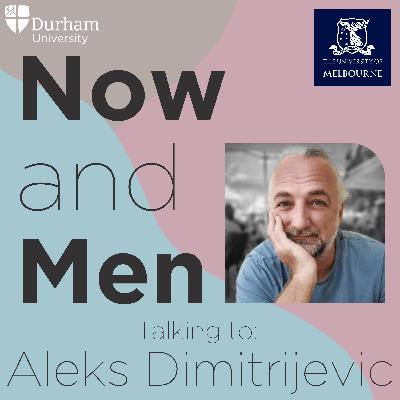
The backlash against gender equality, or what its advocates describe with terms such as 'gender ideology' and 'wokeism', is reaching an ever-rising crescendo in Europe and countries across the globe. It poses a major threat to the hard-won achievements of the feminist movement. But what are the forces pushing the 'anti-gender movement' – and how should we respond to it? How is it manifesting itself differently in different countries, and how are politicians exploiting it? How is it seeking to antagonise men's insecurities, whilst offering few solutions to the problems they face? And what can organisations working with boys and men, and each of us as individuals, do in this critical moment? Expert Aleks Dimitrijevic provides us with vital insights. Aleks is the co-founder and president of Men Against Violence in Malta, and a member of the Steering Committee of MenEngage Europe. He talks to us about how Malta was until recently the only country in the EU to completely outlaw abortion, how activists are continuing to struggle to lift the draconian restrictions against it, and the personal challenges he and his family have faced for campaigning in this area.Men Against Violence: https://www.facebook.com/profile.php?id=100068193336893Men 4 Dem project: https://www.men4dem.eu/MenEngage Europe: https://menengage.org/region/europe/Thank you to Dom Stichbury and Chaps Choir for our new podcast music, with their song 'Now is time' https://www.facebook.com/ChapsChoir/Episode timelineIntroductionGender (in)equality in Malta (02:12-05:17)The struggle to lift Malta’s abortion ban (05:17-08:01)Religious obstacles (08:01-10:39)Personal challenges Aleks and his family have faced (10:39-15:04)What is backlash? (15:04-17:05)Key issues for the 'anti-gender' movement (17:05-20:17)Resistance to preventing violence against women (20:17-26:13)The weaponisation of men’s issues (26:13-29:08)The 'men’s rights' movement (29:08-38:15)BreakRight-wing populism and the mainstreaming of the 'anti-gender' movement (38:18-44:53)What people working with boys and men can do about it (44:53-48:27)Who is funding the backlash (48:27-51:36)Communicating in a language men and boys understand (51:36-55:47)Conclusion [Connections with climate denial; Struggles on the left; Parallels with the 1930s; Majority opinion; Building the next generation of activists] (55:47-01:02:24)More info‘‘Women are treated like walking incubators’: Malta’s fight for abortion’ https://www.theguardian.com/world/2022/jun/19/the-fight-for-abortion-in-malta‘Malta to allow abortion but only when woman’s life is at risk’ https://www.theguardian.com/world/2023/jun/28/malta-to-allow-abortion-but-only-when-womans-life-is-at-riskILGA – “For the seventh year in a row, Malta continues to occupy the number one spot on the Rainbow Europe Map, with a score of 92%” https://www.ilga-europe.org/report/rainbow-europe-2022/Women’s Rights Foundation https://www.wrf.org.mtSusan Faludi, ‘Backlash’ https://susanfaludi.com/backlash.htmlSusan Faludi, ‘Stiffed’ https://susanfaludi.com/stiffed.htmlAgnieszka Graff and Elżbieta Korolczuk, ‘Anti-Gender Politics in the Populist Moment’ https://www.routledge.com/Anti-Gender-Politics-in-the-Populist-Moment/Graff-Korolczuk/p/book/9780367679507European Parliamentary Forum https://www.epfweb.org
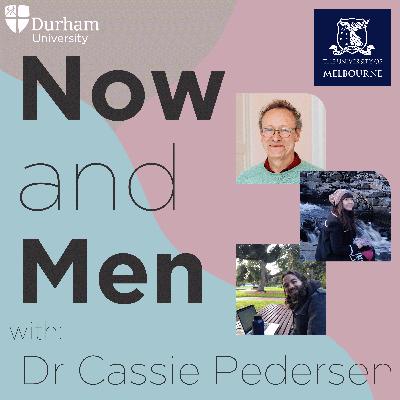
Masculinity is playing a significant yet under-discussed role in harms against animals and the environment. From hunting, to meat-eating, to driving fast cars, to burning fossil fuels, ‘man’s’ domination of nature is closely connected to gender inequality and masculine norms. In this 50th episode special, we discuss with Dr Cassie Pedersen why we urgently need to break down stereotypes suggesting that it is ‘feminine’ to care for nature, and help boys and men to embrace our interdependence with the world around us. We ask: Do environmental and animal activism challenge gender norms? What can each of us do in our own everyday lives? And how is ecofeminism relevant to men and boys? This is based on a new paper by Cassie and Stephen in the Journal of Criminology, ‘From men's violence to an ethic of care: Ecofeminist contributions to green criminology’.Then, in part two, with Cassie’s help, we review the first 50 episodes of Now and Men. What have been our highlights so far? What directions should the podcast take in the future? And how do we face up to the increasingly authoritarian and destructive times we are living in? Join us in reflecting on the personal and political issues the podcast has explored over the last 3+ years, and what it has taught us about masculinity and allyship today.Dr Cassie Pedersen is a Lecturer in Criminology and Criminal Justice at Federation University (Australia). Her background is in philosophy, with her PhD being on the theory of trauma, and her current work focuses predominantly on green criminology and harms against non-human animals.Read the paper: https://doi.org/10.1177/26338076241293145A recent piece by Stephen and Cassie, ‘It’s time to recognise the role masculinity is playing in the climate crisis’: https://pursuit.unimelb.edu.au/articles/its-time-to-recognise-the-role-masculinity-is-playing-in-the-climate-crisisCassie’s profile: https://federation.edu.au/institutes-and-schools/ieac/staff-profiles/staf-profiles/cassie-pedersenLinkedIn: https://www.linkedin.com/in/cassie-pedersen-a30406153/Episode timelineIntroductionMen’s violence and environmental destruction (01:46-05:01)Green criminology and ecofeminism explained (05:01-07:28)The relationship between masculinity and violence against animals (07:28-10:47)Why an ethic of care offers an alternative (10:47-14:16)The impact of ecofeminism on Cassie and Stephen (14:16-19:51)Broadening what we mean by activism (19:51-25:19)The gendered dynamics of environmentalism (25:19-31:52)BreakStandout episodes of Now and Men (31:57-36:56)The most significant issues we have and should cover (36:56-44:28)Bizarre and unusual podcast experiences (44:28-48:40)Gender, podcasting, and allyship (48:40-52:26)Episodes we’ve particularly enjoyed (52:26-54:07)What we’ve learned (54:07-56:51)Inspiring figures of 2024, and messages to take away (56:51-01:02:59)EndMore infoPetra Kelly: https://en.wikipedia.org/wiki/Petra_KellyCarol Adams: https://caroljadams.comLiz Kelly: https://en.wikipedia.org/wiki/Liz_Kelly‘Hottest year on record sent planet past 1.5C of heating for first time in 2024’: https://www.theguardian.com/environment/2025/jan/10/world-temperature-in-2024-exceeded-15c-for-first-time‘World’s richest use up their fair share of 2025 carbon budget in 10 days’: https://www.theguardian.com/environment/2025/jan/10/worlds-richest-use-up-their-fair-share-of-2025-carbon-budget-in-10-daysRupert Read: https://rupertread.netClimate Majority Project: https://climatemajorityproject.comRaewyn Connell, ‘A whole new world: Remaking masculinity in the context of the environmental movement’: https://doi.org/10.1177/089124390004004003Jimmy Carter Ted Talk: https://youtu.be/wfW3aZCFfLA?feature=sharedJackson Katz, ‘Jimmy Carter was one of the world’s leading anti-sexist men’: https://jacksonkatz.substack.com/p/jimmy-carter-was-one-of-the-worlds‘Nine apologises for using digitally altered image of Animal Justice Party MP Georgie Purcell’: https://www.abc.net.au/news/2024-01-30/victorian-mp-georgie-purcell-altered-image/103403664
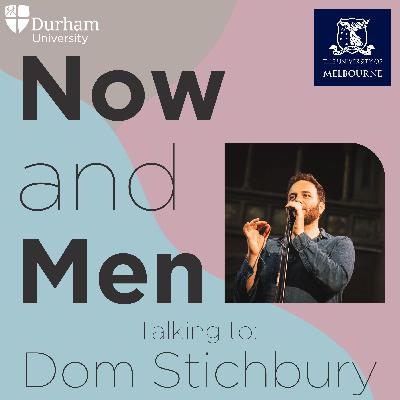
Why have male voice community choirs become more popular in the UK and beyond in recent years? How are they playing with norms of masculinity? Why is it that choirs often struggle to recruit men? What impact can they have on men’s lives and wellbeing? How are they helping men to connect and find community? And can they help us to build gender equality? In our Christmas Special for 2024, we explore these issues and more with Dom Stichbury.Dom is a choir director, singer, songwriter, arranger, and group singing advocate. He’s the founder and artistic director of London-based groups Chaps Choir and Bellow Fellows, one half of vocal duo Ben and Dom (who do shows and run workshops around the UK), and a member of Oaken (a quartet of singers and choir leaders). He also performs with the Australian-based Spooky Men's Chorale.The episode features recordings of three Chaps Choir’s performances:‘Alilo’: https://soundcloud.com/chapschoir/sets/chaps-choir-live-union-chapel‘Now is time’: https://open.spotify.com/track/3eVsnZrmVwM0asAJOxwCub‘Drop of shanty’: https://open.spotify.com/track/0GB0HIzocneuONyhxehdIw?si=c0fb1d6bc2bd4344Find out more about Dom’s work:http://www.dominicstichbury.comhttp://www.chapschoir.comhttps://www.bellowfellows.comhttps://www.benanddom.comhttps://www.oakenharmony.comhttps://spookymen.comEpisode timeline:‘Alilo’ + Intro (00:00-02:27)The story of Chaps Choir and Bellow Fellows (02:27-04:32)The wider phenomena of male voice community choirs (04:32-06:01)International examples and subverting masculinity (06:01-07:24)Recruiting men (07:24-09:52)How the groups have shifted (09:52-11:54)The benefits of being part of a choir (11:54-16:25)Becoming more attuned with our bodies (16:25-18:00)Differences between mixed and men’s groups (18:00-20:04)Making groups inclusive (20:04-22:53)Encouraging people to sing together in settings like prisons (22:53-25:13)Why men are less likely to join choirs (25:13-29:00)Football chanting (29:00-31:14)Expressing emotion and vulnerability (31:14-35:52)‘Now is time’ (32:34-36:52)The potential for choirs to promote change (36:52-39:42)Which groups of men (don’t) take part (39:42-44:25)Bringing a diverse group together (44:25-46:15)Forging friendships and community (46:15-48:15)Singing during Covid-19 (48:15-50:39)How Dom started singing (50:39-53:40)‘Drop of shanty’ (53:17-55:05)Conclusion (54:32-01:01:25)More info:The Best Sing Since Sliced Bread: https://www.bestsingsince.co.ukHuutajat: https://www.huutajat.org/en/Research by Emily Falconer - ‘In harmony or out of tune: Affective and emotional geographies of all-male choirs in London, UK’: https://doi.org/10.1016/j.emospa.2022.100925Singing in the Shed: https://www.singingintheshed.co.ukPhilip Read: https://www.philipread.net/Blokefest: https://www.blokefest.netManchoir: http://manchoir.co.uk‘True colours’, Manchoir: https://youtu.be/8tioUZghMQY‘Will you still love me tomorrow’, Bellow Fellows: https://youtu.be/qgRuVkmwXrIFind a choir: https://www.naturalvoice.net'Glorious Rabble', Extinction Rebellion: https://www.youtube.com/watch?v=u1Qmiyn68Es
What do we know about men’s friendships, and why have their social networks declined in the past 30 years? Why do so many find it hard to cultivate emotionally supportive friendships with each other? Why is it that men are more at risk of loneliness and social isolation than women? What are the impacts of this, both for men themselves and the women they are close to? And what can we do about it?In this episode, Dr Angelica Ferrara discusses these issues and more, drawing upon her recent article (with Dylan Vergara) ‘Theorizing mankeeping: The male friendship recession and women’s associated labour as a structural component of gender inequality’. The authors argue that fewer close relationships between men may cause some to rely heavily on relationships with women, especially romantic relationships, for emotional support. This may increase the emotion work women do to support men, through a phenomenon Angelica and Dylan label as ‘mankeeping’ - which can in turn contribute to gender inequity.Angelica is a postdoctoral scholar at Stanford University’s Clayman Institute for Gender Research, and a visiting fellow at the London School of Economics. She is trained as a developmental and social psychologist, and her work seeks to understand how gender ideologies shape behaviour and relationships. She’s currently working on a book called ‘Men Without Men’, about boys’ and men’s friendships throughout history and across cultures.Angelica’s profile: https://gender.stanford.edu/people/angelica-puzio-ferraraLinkedIn: https://www.linkedin.com/in/angelica-puzio-ferrara-phd-3231b6211/Twitter: https://x.com/angeliferraraRead the paper: https://doi.org/10.1037/men0000494On the media coverage it has received: https://www.linkedin.com/posts/angelica-puzio-ferrara-phd-3231b6211_mankeeping-slides-activity-7265003061960445952-U6l7/Episode timelineIntroductionThe male friendship recession (02:32-04:39)Differences among men (04:39-07:36)Why friendships are so important (07:36-10:33)The impact of masculine norms on men’s friendships (10:33-14:03)Changes with ageing and retirement (14:03-19:18)Why men’s social settings sometimes don’t help (19:18-21:18)How mankeeping works (21:18-25:16)Its impacts on women (25:16-27:30)Why boys have just as much capacity for relationships (27:30-32:08)BreakHow society needs to change (32:12-37:06)Creating spaces for men to connect (37:06-39:56)Men on their own (39:56-41:29)What individual men can do (41:29-46:03)Why we need to support others (46:03-48:29)The significance of touch (48:29-50:38)What led Angelica to this research (50:38-54:25)Conclusion [Personal struggles with conforming to masculine norms and building close friendships with men; The need to reach out; Fears of rejection; Totalitarianism and a sense of abandonment; Far-right exploitation of men's isolation] (54:25-01:03:57)More infoHarvard Study of Adult Development: https://www.adultdevelopmentstudy.orgCarolyn J. Rosenthal, ‘Kinkeeping in the familial division of labor’: https://doi.org/10.2307/352340Niobe Way, ‘Deep Secrets’: https://www.hup.harvard.edu/books/9780674072428Judy Chu, ‘When Boys Become Boys’: https://nyupress.org/9780814764800/when-boys-become-boys/Niobe Way et al, ‘“It might be nice to be a girl... Then you wouldn't have to be emotionless”: Boys' resistance to norms of masculinity during adolescence’: https://doi.org/10.1037/a0037262Hannah Arendt, ‘The Origins of Totalitarianism’: https://www.penguin.com.au/books/the-origins-of-totalitarianism-9780241316757
With the US presidential election fast approaching, and the unexpected entry of Kamala Harris into the race, gender issues are central to the debate. Polls suggest women are more likely to vote Democrat, and men – including young men – more likely to vote Republican. A particular focus of both campaigns is on seeking to win men over, drawing upon different cultural narratives of masculinity. How is the Trump/Vance campaign drawing on masculinist and misogynistic discourses to appeal to those men who feel marginalised and resentful of women’s gains? How are the Harris/Walz campaign seeking to promote a ‘new masculinity’, where men can be both steady and strong, tender and vulnerable? In this episode, we explore with Rob Okun how this contemporary contest reflects shifting notions of masculinity over the past 50 years in the US. In particular, we discuss reproductive rights after the Roe vs Wade protection of the right to abortion was overturned by the Supreme Court in 2022, and the ways in which increasing numbers of men are acting in support of women’s right to choose. We also talk with Rob about his longstanding involvement in the US profeminist men’s movement, and how becoming a father was a key factor in his own journey to activism and engagement. Rob is perhaps best known for being the editor and publisher from 1996 to 2023 of Voice Male magazine, covering topics including men’s violence, fatherhood, men’s health, and LGBTQIA+ issues, both in the US and internationally. He is also the editor of an excellent book, ‘Voice Male: The Untold Story of the Profeminist Men’s Movement’. He is a former executive director of the Men’s Resource Center for Change, which was one of the earliest men’s centers in North America. He continues to speak at colleges and universities around the US, and writes for newspapers and websites such as Ms. Magazine.Rob’s personal website: https://robokun.netVoice Male magazine: https://voicemalemagazine.orgFacebook: https://www.facebook.com/voicemalemagazineRob’s writing for Ms. Magazine: https://msmagazine.com/author/robokun/The 'Voice Male' book: https://shop.nextgenmen.ca/products/voice-male-the-untold-story-of-the-pro-feminist-mens-movement-by-rob-a-okunEpisode timelineIntroThe impact of Hurricane Helene in North Carolina (02:22-07:11)The potential significance of having a woman of colour as president (07:11-13:08)The ‘gender split’ in voting patterns (13:08-17:11)How Trump and Vance have been exploiting some men’s grievances (17:11-24:44)A ‘new masculinity’ among the Democrats? (24:44-29:58)BreakRob’s journey In the US profeminist men’s movement (30:05-40:29)How Voice Male developed over time (40:29-45:38)How Rob sees his role in the movement now (45:38-51:18)What he thinks Americans should do ahead of the election (51:18-54:17)Conclusion [Comparing with Jackson Katz interview; The Man Card film; ‘Tampon Tim’; Democrat leaders still needing to emphasise their toughness; Trump targeting young men; the US being a centre-left country; The impact of fatherhood; Overlaps in activism] (54:22-01:00:37)ExplainersPatti Smith - ‘People have the power’ https://www.youtube.com/watch?v=y6Wz3i_BYUcMen4Choice https://www.men4choice.orgWhite Dudes for Harris https://whitedudesforharris.comAndrew Yarrow, ‘Man Out’ https://rowman.com/ISBN/9780815732754/Man-Out-Men-on-the-Sidelines-of-American-LifePeter Thiel https://en.wikipedia.org/wiki/Peter_ThielThe Electoral College https://en.wikipedia.org/wiki/United_States_Electoral_CollegeMenEngage Alliance https://menengage.orgSteven Botkin https://www.mergeforequality.org/trainers/Next Gen Men https://www.nextgenmen.caGloria Steinem https://en.wikipedia.org/wiki/Gloria_SteinemKamala Harris v Brett Cavanagh https://www.youtube.com/watch?v=b6g-zycRv8QThe Man Card documentary https://www.themancardmovie.com‘Men’s Activism to End Violence Against Women’ https://policy.bristoluniversitypress.co.uk/mens-activism-to-end-violence-against-women
Despite the growth of discourses around ‘involved fatherhood’ and ‘work-family balance’, parenting remains highly challenging and inequitable, with expectations of parents intensifying and much of the load continuing to fall on mothers. This is despite men demonstrating in a variety of settings their capacity to engage in caregiving just as effectively as women. So what can we can do to make it easier for men to take up care work in its different forms, and to support parents with raising children and building gender equity in the home? Prof Tina Miller discusses over two decades of research she has conducted on family life with parents, including a recent study on the experiences of Syrian refugee fathers in the UK and Sweden. This provides a very different picture of the struggles faced by refugees from the negative portrayals that habitually dominate media narratives. Also, Now and Men now has a Facebook page! Follow us at https://www.facebook.com/nowandmenTina is a Professor of Sociology at Oxford Brookes University, UK. She has been an expert advisor to the World Health Organisation, thinktanks and political parties in the UK and EU. Profile: https://www.brookes.ac.uk/profiles/staff/tina-millerTwitter: https://x.com/proftinamillerLinkedIn: https://www.linkedin.com/in/tina-miller-8784a322/She has published several books on parenthood with Cambridge University Press.Motherhood: Contemporary Transitions and Generational Change (2023): https://www.cambridge.org/au/universitypress/subjects/sociology/sociology-gender/motherhood-contemporary-transitions-and-generational-changeMaking Sense of Parenthood: Caring, Gender and Family Lives (2017): https://www.cambridge.org/au/universitypress/subjects/sociology/sociology-gender/making-sense-parenthood-caring-gender-and-family-livesMaking Sense of Fatherhood: Gender, Caring and Work (2010): https://www.cambridge.org/au/universitypress/subjects/sociology/sociology-general-interest/making-sense-fatherhood-gender-caring-and-workMaking Sense of Motherhood: A Narrative Approach (2005): https://www.cambridge.org/au/universitypress/subjects/sociology/sociology-general-interest/making-sense-motherhood-narrative-approachTina has also authored/presented a series of BBC Radio 4 Analysis programmes.What's changing about childbirth: https://www.bbc.co.uk/programmes/m001n2h0Why do we assume women care?: https://www.bbc.co.uk/programmes/m001f53pModern parenting: https://www.bbc.co.uk/programmes/m000k2tvEpisode timelineIntroductionSyrian refugee dads: Representation v reality (02:15-06:33)How services treat refugee mothers and fathers (06:33-09:53)Differences in refugee experiences in Sweden/the UK (09:53-12:42)Syrian dads’ relationships with Western notions of ‘involved’ fatherhood (12:42-15:21)Tina’s experience of interviewing refugee families (15:21-21:16)First-time fathers in the UK (21:16-30:24)Transitions in parenting (30:24-34:19)BreakThe intensification of parenthood (34:25-38:09)Illusions of work-family balance (38:09-42:40)How we can get men more involved (42:40-45:26)Older men’s caregiving (45:26-48:22)Recruiting more men to the social care sector (48:22-53:10)The beginnings of Tina’s career in the Solomon Islands and Bangladesh (53:10-56:32)Conclusion - Class inequities and parenting; Different family types; Ken Loach’s ‘The Old Oak’; Climate change and refugees; The riots and refugee ambivalence about sharing their stories; Shifting the discourse on migration (56:32-01:03:53)ExplainersEdgar’s Mission: https://edgarsmission.org.au‘Men and Welfare’ book: https://doi.org/10.4324/9781003178811Damascus Rose Kitchen, Oxford: https://www.damascusrosekitchen.org‘The Old Oak’ film: https://en.wikipedia.org/wiki/The_Old_Oak
For one turbulent week at the end of July this year, serious rioting broke out across around 20 towns and cities in England and Northern Ireland. Rioters attacked homes and businesses owned by immigrants, and set fire to accommodation housing asylum-seekers. The riots began near Liverpool after the horrific murder of three young girls in a neighbouring town, about which far-right supporters spread false claims online that the perpetrator was a Muslim migrant or asylum-seeker.Whilst some women were involved, the vast majority of the rioters were men. So how should we understand the place of masculinities and misogyny in these events, and in extreme movements more generally? What should we make of the response of the authorities, focused largely on criminality, arrests, and imprisonment? How significant is the subsequent upsurge in anti-racism rallies across the country, which heavily outnumbered the far-right rioters?We talk to Dr Elizabeth Pearson about her recent book ‘Extreme Britain: Gender, Masculinity and Radicalisation’, which explores misogyny and masculinities in relation to the far-right (English Defence League, Britain First, and For Britain) and the Islamist group al-Muhajiroun. The book is based on interviews with figures including Anjem Choudary, Tommy Robinson, Jayda Fransen, and Anne Marie Waters. Elizabeth argues that radicalisation is a ‘masculinity project’ for those who get involved in extremism – both for those on the far-right, and those in Islamist groups.Elizabeth is a Senior Lecturer in Criminology at Royal Holloway, University of London. She is also an Associate Fellow at the Royal United Services Institute (RUSI) for Defence and Security Studies. Prior to academia, she worked as a radio journalist for the BBC.Profile: https://pure.royalholloway.ac.uk/en/persons/elizabeth-pearsonTwitter: https://x.com/lizzypearsonLinkedIn: https://www.linkedin.com/in/elizabeth-pearson-3572a117/Elizabeth’s ‘Extreme Britain’ book: https://www.hurstpublishers.com/book/extreme-britain/She also co-authored ‘Countering Violent Extremism: Making Gender Matter’ (2020): https://link.springer.com/book/10.1007/978-3-030-21962-8Her Conversation piece about the riots: https://theconversation.com/the-hypermasculine-far-right-how-white-nationalists-tell-themselves-they-are-protecting-women-and-children-when-they-riot-236250Her writing for RUSI: https://rusi.org/people/pearsonEpisode timelineIntroduction (00:00-02:37)Elizabeth’s feelings as she saw the riots unfold (02:37-05:42)Government and public responses to the riots (05:42-09:30)Discourses about ‘protecting’ women and girls (09:30-14:41)Connections between misogyny, domestic abuse, and extremism (14:41-19:06)Men's responses (19:06-23:55)Break (23:55)Why extremist radicalisation is a ‘masculinity project’ (24:00-27:45)Similarities and differences between the far-right and Islamist extremism (27:45-33:37)Elizabeth’s experience of conducting her research (33:37-39:40)Women’s place in the far-right (39:40-49:11)What got Elizabeth involved in this area of research (49:11-54:12)Conclusion [The counter-protests; addressing the root causes; links between the mainstream and far-right; exploitation of working-class men; protest masculinity; engaging with people across divides] (54:12-01:02:29)ExplainersMore info at Hope Not Hate: https://hopenothate.org.uk/case-files-hub/Tommy Robinson: https://en.wikipedia.org/wiki/Tommy_RobinsonAndrew Tate: https://en.wikipedia.org/wiki/Andrew_TateNigel Farage: https://en.wikipedia.org/wiki/Nigel_FarageGreggs: https://en.wikipedia.org/wiki/GreggsAnjem Choudary: https://en.wikipedia.org/wiki/Anjem_Choudary‘Home Grown’ by Joan Smith - https://www.hachette.co.uk/titles/joan-smith/home-grown/9781787476066/Prevent Strategy: https://en.wikipedia.org/wiki/CONTESTUCL ‘Grievance’ research team: https://www.grievance-erc.comProf Joel Busher: https://pureportal.coventry.ac.uk/en/persons/joel-busherEnglish Defence League: https://en.wikipedia.org/wiki/English_Defence_LeagueBritain First: https://en.wikipedia.org/wiki/Britain_FirstFor Britain: https://en.wikipedia.org/wiki/For_Britain_Movement Al-Muhajiroun: https://en.wikipedia.org/wiki/Al-MuhajirounJayda Fransen: https://en.wikipedia.org/wiki/Jayda_FransenAnne-Marie Waters: https://en.wikipedia.org/wiki/Anne_Marie_WatersBoudica: https://en.wikipedia.org/wiki/BoudicaPegida: https://en.wikipedia.org/wiki/Pegida

Comments

Download from Google Play

Download from App Store
 United States