


 Claim Ownership
Learning Stories
Subscribed: 4Played: 38
Subscribe

© Abhishek Ashok Shetty
Description
This is an audio and video podcast, where I interview professionals from a diverse set of backgrounds. Each guest profiled has a story to share about how they acquired a set of skills and knowledge in a creative and innovative manner. In the process, I hope to uncover a new understanding of learning as narrated and imagined by our guests. Through these conversations, I hope to create a kinder more empathetic version of the Internet where we hold space for each other and understand the years of effort, sacrifice, learning and love that goes into building a meaningful career in any field.
95 Episodes
Reverse
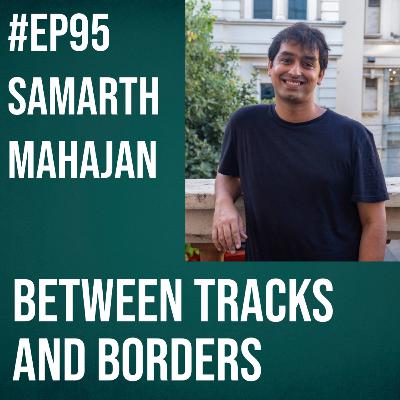
On Episode 95 of #LearningStories, I chat with Samarth Mahajan. He is a Mumbai-based filmmaker, passionate about telling human stories that remain invisible to the mainstream. His work includes two national award-winning documentaries - the 2022 feature "Borderlands" explores lives defined by India's borders, and the 2018 film "The Unreserved" captures stories from general compartments of Indian Railways. Samarth's films have screened across six continents to favorable reviews and received broadcast and theatrical releases in India. His projects have featured in major film markets, including the Marché du Film, the business counterpart of the Cannes Film Festival. Recognized by IIT Kharagpur as a Young Alumni Achiever, Samarth's commercial collaborations include brands like Vice Studios, Applause Entertainment, and Discovery+. He is currently working on his debut fiction short. You can find Samarth on Youtube and IMDB. Show Chapters(00:02) - Podcast Introduction (00:20) - Guest Background(01:50) - What has filmmaking taught you about human beings(02:20) - "Storytelling is about understanding our place in the world"(02:40) - "I really admire resilience shown in difficult situations"(03:00) - What has story telling shown me as a filmmaker?(03:40) - "I also understood how we are all connected"(04:00) - Why create films around universal themes?(06:00) - What stories did you love as a child and teenager?(06:50) - "My father loved eating good food and watching films"(07:00) - My relationship to films and books as a young person(07:30) - "Lagaan made me fall in love with cinema and was magical"(08:20) - "I loved reading encyclopedias and books about space and dinosaurs"(09:30) - "I still do not read a lot of fiction"(09:38) - "Most of my fiction work is around fantasy themes"(10:30) - Who was Samarth till the age of 25?(11:00) - "I spent five years doing a B.Tech/M.Tech at IIT Kharagpur"(11:30) - "Two years studying for JEE in Chandigarh was quite difficult"(11:40) - "I come from Dinanagar in Gurdaspur District in Punjab"(12:15) - "My childhood was quite sheltered and in a small town"(13:00) - "I thought I will clear JEE and my life will be set"(13:10) - Experience as a student for 5 years at IIT Kharagpur(15:00) - How stories can shape your thinking as a young person in India?(17:00) - How engineering shaped your approach to filmmaking?(18:00) - "All filmmakers are very unique in their approach"(21:00) - Experience watching films at MAMI Film Festival in Mumbai(25:15) - Experience studying Liberal Arts for 2 years at Ashoka University(29:50) - Building strong relationships with editors and cinematographers(30:00) - Meeting Ashay Gangwar, Producer and CEO of Camera and Shorts(32:00) - Meeting Anadi Athaley, Editor of 'Borderlands' and 'The Unreserved'(33:00) - "We had nine hours of footage for a ten minute film"(34:40) - Meeting Omkar Divekar, Cinematographer of 'Borderlands'(36:00) - How much raw footage do you capture for your films?(38:00) - What are your memories and experiences of traveling on trains in India?(46:00) - What are your memories and experiences of living in a border town in India?(54:00) - Working on my first fiction feature film(55:30) - Documentary Film Recommendation(56:30) - Fiction Feature Film Recommendation(57:30) - TV Show Recommendation(58:00) - Food Recommendation(59:30) - Closing NotesShow LinksSamarth's Website - https://samarthmahajan.in/bio'Borderlands' (2022) - https://www.youtube.com/watch?v=6KKDkFo1IQ8&t=1s'The Unreserved' (2018) - https://www.youtube.com/watch?v=fWvoCicq9eo&t=1s'Kazwa' (2015) - https://www.youtube.com/watch?v=6hnX97HV7ucShow Description#LearningStories is an audio and video show where we interview a diverse set of #learners from the 21st century. Each guest profiled here has a unique story to share about how they acquired a set of valuable #skills and #knowledge in a creative and innovative manner.
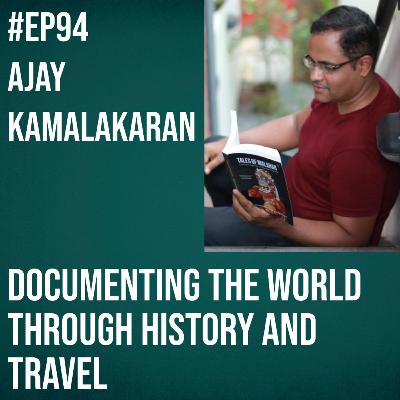
On Episode 94 of #LearningStories, I chat with Ajay Kamalakaran. He is an independent journalist and writer with a special interest in Russia and the Soviet Union. He has lived in Russia and the US and is now based in Mumbai. Ajay is the author of four books including: 'Globetrotting for Love and Other Stories from Sakhalin Island' (2017), 'A Week in the Life of Svitlana' (2019), 'Colombo: Port of Call' (2026). His articles regularly appear on Russia Beyond, Manorama Online, Scroll and other publications. You can find Ajay on Goodreads. Show Chapters(00:02) - Podcast Introduction (00:20) - Guest Background(02:50) - Stories from your Childhood(03:40) - "I was born here in Bombay"(03:50) - "When I was quite young we moved to the US"(05:00) - My love for basketball and the New York Yankees(08:20) - What did you study at university?(09:40) - "I first wanted to be a lawyer"(10:00) - "You could chose between Science, Arts and Commerce in India"(10:50) - "I always enjoyed writing as a student"(11:30) - "I was told writing is a hobby and not a profession(11:40) - "I studied banking and finances for my masters"(12:10) - "I did not want to live my father's dream"(12:30) - "I wanted t interact with people from different parts of the world"(13:00) - "I decided to take the plunge and do journalism full time"(13:40) - How did you acquire the skills and knowledge to become a journalist/writer?(15:20) - Why did you want to move away from big cities?(15:30) - What motivated you to learn Russia and move to the Russian Far East?(16:00) - "There was an oil boom in Sakhalin Island and lots of expat families moved there"(16:50) - "I started working for an English language newspaper(17:30) - "I was also freelancing for the wire services"(17:50) - "I edited that English newspaper in Sakhalin Island for four years"(18:40) - "In America, I was the Indian Kid. In India, I was the American Kid"(19:40) - The cultural, social and political history of Sakhalin Island(28:00) - What was your experience as a journalist and editor in Sakhalin Island for 4 years?(32:00) - "There would be months where the only space I spoke English was at work"(33:40) - Why did you chose to write fiction to talk about your experience in Sakhalin Island?(35:00) - The experience of working on a translation of my book into Russian(37:20) - What was your experience working on your second work of fiction?(43:15) - The challenges of writing fiction(44:15) - Why writing is always a work in progress?(46:00) - "Colombo is a home away from home for me"(47:20) - Why did you want to write a book about Colombo(48:30) - "I started reading about famous people that lived and travelled to Colombo"(50:40) - What is the timeline you explore in your book about Colombo?(54:00) - Exploring the golden era of steamships and ocean travel in this book(57:00) - The elements of Malayali culture in Colombo(58:10) - The idea of slow travel(58:30) - "It is about being where you are completely"(59:40) - "I believe I am a traveller and rarely a tourist anywhere(1:00:15) - Book and Film Recommendations(1:03:30) - Closing NotesShow LinksAjay's Author Website - https://www.ajaykamalakaran.com/Book Recommendation 1 - https://www.goodreads.com/book/show/54906247-the-amur-river?ref=nav_sb_ss_5_13Book Recommendation 2 - https://www.goodreads.com/book/show/52319117-upon-a-sleepless-isle?ref=nav_sb_ss_1_19Film Recommendation - https://www.imdb.com/title/tt0071411/Show Description#LearningStories is an audio and video show where we interview a diverse set of #learners from the 21st century. Each guest profiled here has a unique story to share about how they acquired a set of valuable #skills and #knowledge in a creative and innovative manner.
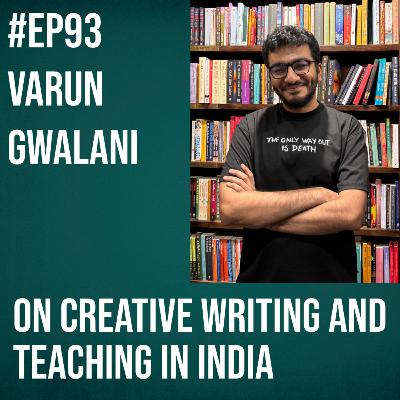
On Episode 93 of #LearningStories, I chat with Varun Gwalani. He is an author and teacher. He is a 7 time published author whose books span a variety of genres and stories. He has been teaching English and Creative Writing for nearly a decade now. He mentors young authors. He is a mental health advocate who has a TEDx talk on OCD. Finally he runs interactive murder mystery games that have been popular across the country. In this conversation we chat about his creative process and his advice for budding young authors in India. You can find Varun on Goodreads, Amazon and Instagram. Show Chapters(00:02) - Podcast Introduction (00:20) - Guest Background(02:10) - "I was the one always reading a book"(02:20) - "There was a sense of loneliness growing up"(02:40) - "Writing became an outlet for my emotions"(02:50) - When was the first time your writing was recognized?(03:40) - How did you develop the habit of reading as a student?(05:00) - What was your experience studying English Literature at university?(05:15) - On choosing to study the arts(05:45) - Why I found literature fascinating?(06:20) - "I like understanding how the human mind works"(07:10) - "We are one story in the book of humanity and we are all of it"(07:15) - "We are all different but we are all also connected"(09:00) - What was your experience publishing your first book in India?(10:20) - Why writers need to be critical about their work?(10:40) - "So much of writing is about rewriting your work"(12:00) - How do you decide what story idea to convert into a novel?(13:50) - The story behind my second novel (16:00) - "You should write what is meaningful to you and what matters to you"(17:00) - What is your relationship to the characters in your stories?(18:40) - "If I am not emotionally invested in my character than my readers won't be"(19:20) - "Writing needs to interest me"(19:40) - How writers create stories as architects and gardeners?(20:10) - My creative process as a writer(21:00) - The skills of a writer(21:10) - "I taught in a school for 2 years"(21:30) - Writing a story for teenagers and young adults(22:17) - Writing a story set during the pandemic(23:45) - How do your personal biases and experiences come into your stories?(26:00) - "Writers must listen non jugdementally and approach stories with sensitivity"(26:40) - Writing a story set inside a cult(28:00) - The role of sensitivity reader and beta readers(28:30) - Writing about difficult and challenging topics (29:40) - The role and responsibility of the reader (30:22) - Are the author's opinions the same as the character's opinions?(31:22) - How author's market their books today in India?(32:32) - Responding to reader feedback as an author(33:52) - The reality of being an author of English fiction in India(34:00) - Why people are reading more?(35:10) - The challenges of marketing and selling your book in India(36:00) - Can artists find a balance between business and creativity?(37:20) - The process of creating murder mystery games for general audiences(40:00) - What was your experience teaching English and Creative Writing?(42:40) - How does a writer read? Who are your favourite writers?(46:40) - Closing Notes and Connecting with VarunShow LinksVarun on Linktree - https://linktr.ee/varungVarun on Goodreads - https://www.goodreads.com/author/show/7307603.Varun_GwalaniVarun on Amazon - https://www.amazon.in/stores/Varun-Gwalani/author/Varun on Instagram - https://www.instagram.com/authorvarungwalani/Show Description#LearningStories is an audio and video show where we interview a diverse set of #learners from the 21st century. Each guest profiled here has a unique story to share about how they acquired a set of valuable #skills and #knowledge in a creative and innovative manner.
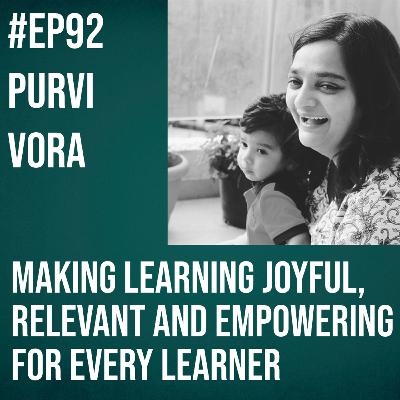
On Episode 92 of the #LearningStories podcast I chat with Purvi Vora. She has a P.hD. in Science Education from Teachers College at Columbia University. She has worked in the education sector for close to a two decades. She started her career teaching science and media literacy in an inner city school in Manhattan. She moved to India in 2007 and joined the Akanksha Foundation as a school leader for charter school in Mumbai. She later worked at the American School of Bombay as the Community and Social Responsibility coordinator supporting K-12 teachers at the school in implementing service projects. She also taught science in 7th grade at the school. With her business partner, Sangita Kapadia, Purvi setup Reniscience Education LLP a coutique education consulting firm and think tank born out of a desire to promote learning that is empowering, joyful and relevant to the 21st century learner. You can find Purvi on Linkedin and learn about their work and impact at reniscienceeducation.com. Show Chapters(00:05) - Podcast Introduction (00:40) - Guest Background(02:50) - Stories from your childhood(03:00) - "I'm a Mumbai girl"(03:10) - "I went to girls school in Prabhadevi"(03:30) - "There were 60 students in each class"(03:40) - "School was all about friends and not learning(04:00) - Memories of my teachers(05:10) - Getting into trouble at school(06:10) - Learning and exposure at home (06:30) - "I grew up in a very open minded home"(06:45) - "I had lots of friends and lived in a large society(08:00) - Love for reading and books (08:50) - What kinds of free play do you remember engaging with as a student?(11:00) - Experience in high school and college(12:40) - What were the first books you loved reading as a young person?(16:40) - Helping my son become a reader as a parent in Mumbai(19:00) - Learning in high school(19:30) - "I loved geography and did not like commerce(20:00) - "I studied Science in Grade 11 and 12"(20:10) - What subject did you study in university as an undergraduate student and why?(21:10) - "I always wanted to teach and decided to go abroad for studies"(21:30) - What subject did you study in university as a graduate student and why?(22:00) - Why did you decide to pursue a P.hD. in Science Education?(22:40) - "Biology is my favourite science and Evolution is my favourite topic"(24:00) - The two best classes I ever took were...(25:00) - Experience studying microbiology at Rutgers University for 3 years?(26:00) - What was the topic of your microbiology master's thesis?(27:00) - What was your experience pursuing a P.hD. in Education for 5 years?(32:00) - What was your experience teaching in classrooms in New York?(34:00) - What were the findings of your P.hD. thesis?(40:00) - Experience as a school leader at a charter school in Mumbai for 4 years(45:00) - Learning from other teachers and school leaders(46:00) - Tapping into the funds of knowledge in the community(51:00) - The mistakes I made as a school leader(51:50) - What was your experience working at a private school in Mumbai?(1:01:00) - Why did you decide to start an education consulting firm?(1:02:40) - Our first clients and projects as education entrepreneurs in India(1:06:00) - What is City as Lab (project based learning program in India?)(1:10:40) - Learning as a parent (1:13:40) - Goals as an educator and entrepreneur for the coming ten years(1:16:00) - Book Recommendations(1:19:00) - Closing NotesShow LinksPurvi on Linkedin - https://www.linkedin.com/in/purvi-vora-76690a20/Reniscience Education Website - https://reniscienceeducation.com/about/City as Lab Website - https://cityaslabindia.org/what-is-cal/Show Description#LearningStories is an audio and video show where we interview a diverse set of learners from the 21st century. Each guest profiled here has a unique story to share about how they acquired a set of valuable skills and knowledge in a creative and innovative manner.
On Episode 91 of the #LearningStories podcast we chat with Gopal MS. He is an advertising professional and photographer. His online project is called 'Mumbai Paused', and it documents Mumbai's streets and life through photography, shared across online platforms and social media using his phone and camera. Before 2009, he documented the streets of Bangalore on a blog called 'Which Main? What Cross?'. His project is driven by a daily habit where he walks the streets, takes public transport, and sometimes visit interesting corners of the city to shoot pictures of whatever catches his eye. He then posts them on Instagram with relevant hashtags. He also features them on his blog and creates photo essays on Substack to place the images in larger contexts. Additionally he makes digital zines and photo books available online. You can find him on Instagram, Blogger and Substack. Show Chapters(00:05) - Podcast Introduction (00:30) - Guest Background(02:40) - Childhood Stories(02:55) - "I'm originally from Bangalore"(03:20) - "My father had a public sector job"(03:25) - "My mother was a housewife"(03:45) - "Bangalore was very cosmopolitan"(04:00) - What was your relationship to books as a student?(04:50) - Why did you love listening to the radio?(05:40) - Why did you love reading magazines as a student?(06:30) - "Everybody was supposed to become an engineer"(07:30) - What was it like growing up in Bengaluru in the 1980s and 1990s?(08:45) - On spending time outdoors(09:00) - What were your favourite television shows?(09:50) - "I learned Hindi by watching a lot of Doordarshan"(10:50) - "During a test match all of Bengaluru came to a stand still"(12:50) - The economic realities of India(17:00) - What were the most popular advertisements in the 80s and 90s?(17:50) - "There were lots of jingles in advertisements"(19:20) - "I also used to collect and cutout ads a lot"(19:40) - "Print Ads influenced me"(20:50) - What killed advertising?(21:40) - The story of Campa Cola(23:00) - Where does the money go in advertising agencies today?(24:00) - What did you study in college and university?(25:00) - "I wanted to study History"(25:10) - "I took up Science in junior college"(25:10) - "I studied hotel management at the under graduate level"(27:00) - "I was lost for several years and the Internet saved me"(27:10) - What was your first blog and online project?(28:00) - Why did you move to Mumbai to become a copywriter?(31:50) - Training to become an advertising professional and photographer(34:00) - The stories behind your photography projects(34:20) - Learning photography within an ad agency(35:00) - "I came to Bombay from Bangalore in 2000"(35:10) - Early days in advertising in Mumbai(36:50) - "My wife gifted me a digital camera in the mid 2000s"(37:50) - "I used to shoot pictures on the way to work"(39:00) - "I started posting Mumbai Paused photos on Instagram in 2011"(40:10) - On finding your voice as a photographer(41:10) - "Clicking photos became a habit"(42:10) - "I loved gathering and recording information"(45:10) - "My photographs are about ordinary and daily things(51:00) - Talking about Gopal's Photographs(1:09:15) - Book Recommendation(1:10:15) - Podcast Recommendation(1:11:00) - Film Recommendation(1:12:00) - Photographer Recommendations(1:17:00) - Go Hallu Hallu Project Story(1:21:00) - Closing NotesShow LinksMumbai Paused on Instagram - https://www.instagram.com/mumbaipaused/Mumbai Paused on Substack - https://mumbaipaused.substack.com/archiveMumbai Paused - https://mumbaipaused.blogspot.com/Which Main? What Cross? - https://mainsandcrosses.blogspot.com/Photo Credit Island Hopping, 2011, Gopal MSShow Description#LearningStories is an audio and video show where we interview a diverse set of learners from the 21st century. Each guest profiled here has a unique story to share about how they acquired a set of valuable skills and knowledge in a creative and innovative manner.
On Episode 90 of the #LearningStories podcast we chat with Prachi Gohil. Prachi is a technology consultant by profession and a humanist at heart. Born and brought up in Mumbai, she has lived in New York City, Seattle, Raleigh, Bengaluru and Pune. A self-taught writer, an avid reader and a budding patron of the arts, she believes creativity is deeply embedded in the human consciousness. She hosts silent readings at Fictionary Bandra and curates art crawls for creative communities in Mumbai. She’s been working on the manuscript for her debut non-fiction book, “To Wonderland”, a collection of essays, poems and short stories delving into the identity of a young woman navigating the modern world of interconnected digital and analog experiences. You can find her on Instagram, Linkedin and Substack. Show Chapters(00:05) - Podcast Introduction (00:30) - Guest Background(01:20) - On her debut non fiction book(01:55) - Stories from your childhood(02:00) - "Mumbai is my favourite city"(02:45) - "I have a sister who is an architect"(02:50) - "There was not too much social media back in the day"(03:10) - "We had a lot of free time in the afternoons after school"(04:50) - On my family environment(05:40) - "I expressed my creativity through words"(06:00) - On making space for creativity and free play(07:50) - Growing up around readers and languages at home(08:50) - "We always had books which were age appropriate at home"(09:30) - "We were told stories in English, Marathi and Gujarati"(10:20) - Books I loved from a young age(18:00) - Studying Engineering and Marketing as a university student(18:10) - "Teenage years are always a really rough time"(18:30) - "I liked Mathematics and the Pure Sciences"(19:20) - "Programming has an element of creativity"(19:40) - My experience as an engineering student for 4+ years(20:50) - "I got to learn programming and a lot of it was self taught(21:00) - "Classroom education was not as exciting for me"(21:30) - Exploring jobs and internships after my undergraduate degree(22:25) - Starting a creative consultancy business after college(23:00) - My first internship experience (23:20) - "My non-paid internship turned into a full time advertising job opportunity"(24:00) - Why I was curious about digital marketing?(24:30) - My gap year and exploring freelance writing (25:00) - Pursuing graduate studies at NYU in integrated marketing(25:50) - Experience living and studying in New York City(27:00) - Creativity in the arts and sciences(29:30) - Balancing work and hobbies as a working professional(31:50) - "On Sundays, I started a ritual of writing a blog"(32:10) - "I maintained a blog called, 'Simply Prachi' for a long time"(32:30) - Writing to understand my different identities, relationships and life experiences(34:20) - Experience living and working in Seattle(36:00) - Growing up in the age of social media(37:00) - How Instagram and Twitter has changed over time?(38:00) - How technology shaped my relationships?(40:00) - "I have recorded these experiences over time in my blog and letters"(42:50) - Moving back to India and living in different cities(43:00) - Technology and the illusion of connection(44:00) - Living in Bengaluru and Pune during the digital revolution in India(45:20) - How technology can impact your dating life?(48:30) - How technology helps you as a reader?(51:00) - How technology helps you as a writer?(57:00) - On nurturing book and art communities in Mumbai(1:02:10) - Book Recommendation(1:03:30) - Film Recommendation(1:04:30) - Art Recommendation(1:05:30) - Closing NotesShow LinksPrachi's Website - https://www.prachigohil.com/Show Description#LearningStories is an audio and video show where we interview a diverse set of learners from the 21st century. Each guest profiled here has a unique story to share about how they acquired a set of valuable skills and knowledge in a creative and innovative manner.
 1
1On Episode 89 of the #LearningStories podcast we chat with Uday Khambadkone. He was born and raised in Mumbai. He discovered his passion for photography while pursuing an Engineering degree in the United States. An accidental encounter with a dark room course in Irving, Texas sparked a journey that has led to more than two decades in documenting cultures and social causes around the world. You can find him on Substack and Linkedin. Show Chapters(00:05) - Podcast Introduction (00:30) - Guest Background(02:25) - Stories from your childhood(02:35) - "I had a younger brother"(02:45) - "Both my parents used to go to work"(03:10) - "We spent a lot of time in my grandmother's place"(03:45) - What was your relationship with your brother?(04:20) - The cabinet incident at home(05:00) - What do you remember of your school days?(05:40) - "I was not a very studious student"(05:50) - "I did not enjoy history and geography"(06:00) - "I liked math and science"(06:17) - "I also enjoyed baking"(07:00) - What kind of books do you like reading now?(08:00) - My 8th grade math teacher(08:40) - Breaking down radios at home with my brother(10:00) - What were your memories of studying engineering as a student?(10:20) - "I always like to try different things to solve problems"(11:00) - The experience of writing and submitting an academic paper(12:45) - Experience as a graduate student in the US(14:00) - The transition from digital signal processing to telecommunication(15:20) - What were your early years as an engineer in the US like for you?(16:30) - The positive and negative aspects of moving to a new country(17:30) - "I went with a very open mind"(18:00) - "I did not experience too much discrimination"(21:40) - The many narratives and stories of a place(22:55) - What was your experience learning photography at a community college?(23:45) - "I took photography classes in that community college for 6+ years"(24:50) - "In the US, lots of working professionals do courses at community colleges"(25:30) - Who were your first photography teachers?(27:20) - How did you work with your community college to create photography courses?(28:00) - The difference between learning to be an engineer and a photographer(29:00) - "I never looked at photography as a professional endeavor"(30:00) - Why photography was not a viable career option?(31:00) - "I was using my job to fund my love for photography"(32:00) - How did social media change photography?(32:40) - "Instagram is quite limiting as a platform"(33:10) - Why do photographers need to study the work of other photographers?(34:10) - Advice for newer generation of photographers(37:35) - How to find your voice as a photographer?(37:55) - Stories behind the Photography Project in Ecuador(42:10) - Stories behind the Photography Project in Mexico(43:10) - Stories behind the Photography Project in Bosnia(45:00) - How your lived experience influences your photography?(46:30) - How we remember the stories of our life?(47:10) - How we present our lives on social media?(48:00) - Researching the people in my photos(50:20) - Stories behind capturing photos of a mother (53:35) - The value of family photographs(1:00:15) - Why print photographs and the dangers of digital photos?(1:01:20) - How loved ones capture your photos?(1:04:20) - The photographers legacy collective(1:07:00) - Learning from street photographers you admire(1:11:00) - Closing NotesShow LinksUday's Website - https://udaykhambadkone.com/'Chalo Chalo Click' Substack Newsletter - https://chaloclickclick.substack.com/aboutUday on Linkedin - https://www.linkedin.com/in/udaykhambadkone/Show Description#LearningStories is an audio and video show where we interview a diverse set of learners from the 21st century. Each guest profiled here has a unique story to share about how they acquired a set of valuable skills and knowledge in a creative and innovative manner.
On Episode 88 of the #LearningStories podcast we chat with Shruti Sah. She is an entrepreneur, documentary film maker, branding professional, community builder and baker. She completed an undergraduate degree in English Literature at Delhi University, followed by a graduate degree in Mass Communication at Christ University. She then spent eight years in the corporate world as a branding, PR and communication professional. During this time she also started building and working on projects that brought people together around food, books and public spaces. Theses projects include the Third Base Bakery, Bookmark Dating App and Pint of View Club. Apart from these projects she co-founded, Cubbon Reads and steered the silent reading movement across the globe with 120+ chapters in 70+ cities. She also works independently as a documentary film maker. In this episode we spoke about her professional journey and stories from her childhood and college years that shaped her thinking over time. You can find her on Instagram and Linkedin. Show Chapters(00:05) - Podcast Introduction (00:30) - Guest Background(01:10) - Stories from your childhood(01:15) - "I was quite a rebel kid"(02:00) - "Me and my sister learned Bharatnatyam from a young age"(04:00) - How did you develop a passion for baking from a young age?(06:10) - What made you chose English Literature as a college major?(09:10) - What was your experience studying Mass Communication at Christ University?(11:10) - Taking a career break to explore other projects and interests(12:00) - How did you learn documentary film making from scratch as an adult?(13:00) - How did you grandfather influence and shape your thinking?(16:00) - My first childhood business project of selling toffees(18:20) - How did your parents influence and shape your thinking?(20:20) - My childhood friends and nurturing those bonds(21:20) - "Allahabad was a very small town and everyone knew everyone then"(22:00) - Memories of Early Life in Allahabad(27:10) - What was your experience studying English Literature at Delhi University?(28:10) - "Allahabad and Delhi are very different cities"(29:10) - On college friendships(31:10) - "English Literature does not offer you a clear career path"(32:10) - What extra curricular activities were you involved in at Delhi University?(34:10) - What books do you remember reading and studying at university?(38:10) - What was your experience in the corporate world for eight years?(39:10) - "I knew I get bored and could not do the same thing for long"(40:10) - "I worked at Edelman in Gurgaon for three years(41:10) - What was your experience working in a Public Relations roles for 3 years?(43:10) - What was your experience working as a Brand Strategist at LBB?(47:00) - What was your experience working as brand manager for 3 years?(48:00) - "I had a lot of work life balance and explored other projects during this time"(50:00) - What is the story behind Cubbon Reads?(54:50) - Why did people from other cities want to recreate Cubbon Reads?(55:50) - The power of silent reading communities(58:20) - "Bringing people together brings me so much joy"(58:40) - The story behind my home bakery project (59:15) - The story behind the Bookmark Dating App(59:35) - "I love talking to people and meeting new people(1:02:40) - Documentary Film Recommendations(1:09:30) - Book Recommendation(1:11:30) - Closing NotesShow LinksShruti on Linkedin - https://www.linkedin.com/in/shrutisah/Shruti on Instagram - https://www.instagram.com/shrutisah/Third Base Bakery - https://www.instagram.com/thirdbase.bakery/Cubbon Reads - https://www.instagram.com/cubbonreads/Pint of View - https://www.instagram.com/pintofview.club/Bookmark App - https://www.instagram.com/bookmarkappco/Show Description#LearningStories is an audio and video show where we interview a diverse set of learners from the 21st century.
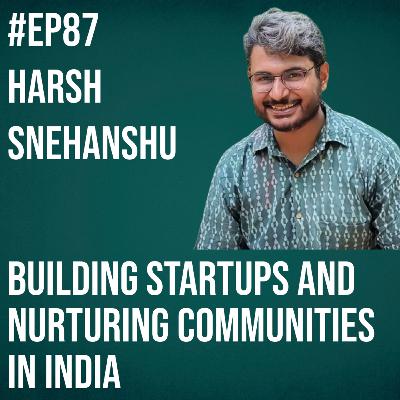
On Episode 87 of the #LearningStories podcast we chat with Harsh Snehanshu. He is a technology entrepreneur and community builder. He built Your Quote which was India's largest writing platform that is home to over 7 millions writers and 200 million posts. He also built the Bookmark Dating App. Apart from startups he co-founded, Cubbon Reads and steered the silent reading movement across the globe with 120+ chapters in 70+ cities. Of late he is scaling his newest community, Pint of View - a lecture series movement in bars and pubs across the world. You can find him on YourQuote, Instagram and Linkedin. Show Chapters(00:05) - Podcast Introduction (00:30) - Guest Background(02:00) - "My father worked in SBI and we moved around a lot"(02:20) - "Eventually we settled in Dhanbad (Jharkhand)"(03:30) - What was your favourite subject at school?(05:00) - When did you decide to become an engineer?(06:05) - "A lot of the learning in high school was curiosity driven"(08:20) - What was the influence of your father (banker) on your journey?(12:20) - What was the influence of your mother (academic) on your journey?(13:50) - "When you merge creativity with enterprise it is magical"(16:30) - How did you crack the IIT JEE entrance exam?(21:00) - How to critique your ideas?(23:00) - What was your experience studying at IIT Delhi?(28:50) - How did you publish your first book in college?(29:50) - "In my third year I was making 3-4 lakhs as royalties from book sales"(30:40) - "I studied Engineering Physics for 4 years at IIT Delhi(31:00) - Why did you love reading biographies of scientists?(32:00) - Why did you love reading biographies and books by saints?(36:40) - What was your relationship to books as a student(38:55) - The importance of believing in yourself as a creator(39:45) - The letter feature on Bookmark Dating App(41:10) - Why Cubbon Reads got such a positive response?(41:40) - "I want to solve for myself and then others"(42:00) - The benefits of reading literary fiction(43:00) - Why I believe my core skillset is writing?(45:00) - "Startups and Publishing were on the rise in the 2010's"(46:00) - How did you write and publish four books right out of college?(48:00) - How do I make money from my one-liners and #WittyShit?(49:30) - The story behind the T-Shirt Startup I co-founded in college(51:00) - How did books shape your thinking?(54:00) - Why you wanted to study the arts after engineering?(57:00) - How did you fund your plan to travel around India for a year?(59:45) - What places did you visit when you travelled around India for a year?(1:02:00) - Dealing with a health crisis as a young adult(1:04:00) - What was your experience as a student at Young India Fellowship?(1:08:30) - What was your experience working as a full time journalist?(1:12:30) - "Your Quote was not my first startup idea"(1:14:00) - How did you deal with startup failures?(1:14:30) - How did you create and build YourQuote?(1:19:25) - What were your struggles with YourQuote?(1:21:40) - Why entrepreneurs and creators have to be critical by default?(1:28:00) - The story behind Cubbon Reads(1:34:00) - The problem with Engineering Graduates(1:36:00) - Love for bird watching(1:38:00) - How you think about startups and communities?(1:45:00) - Love for old cars(1:49:00) - Closing NotesShow LinksHarsh on Instagram - https://www.instagram.com/harshsnehanshu/Harsh on Linkedin - https://www.linkedin.com/in/harshsnehanshu/Harsh on Goodreads -https://www.goodreads.com/author/show/3404537.Harsh_SnehanshuPint of View Club - https://www.instagram.com/pintofview.club/Cubbon Reads - https://www.instagram.com/cubbonreads/Your Quote - https://www.yourquote.in/Bookmark App - https://www.instagram.com/bookmarkappco/Pretty Old Cars - https://www.instagram.com/prettyoldcars/Show Description#LearningStories is an audio and video show where we interview a diverse set of learners from the 21st century.
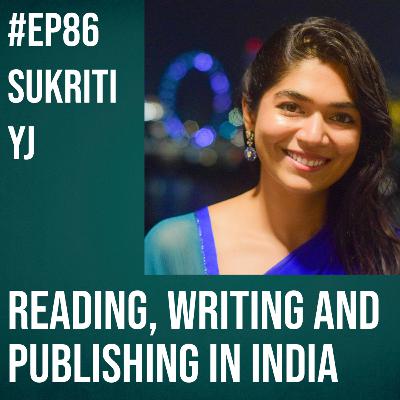
On Episode 86 of the #LearningStories podcast we chat with Sukriti YJ. She is an author, screenwriter and webcomic producer based in Mumbai. Her indie production company is called Unibrow Stories. Sukriti's three novels include the, 'Gold Digger' (an action adventure set in Bihar), 'Beta Builder' (a sci-fi novella set in Mumbai) and 'The Lehenga Games' (a treasure hunt through India's fashion history). Her webcomic, 'Love on a Visa', a campus rom-com between an Indian girl and a Korean boy is ongoing on Webtoon and Tapas, earning 20,000 views. You can find her on Instagram @suki_unibrow. Show Chapters(00:05) - Podcast Introduction (00:20) - Guest Background(01:50) - Stories from your childhood(02:00) - "I grew up in a family full of teachers"(02:25) - "A lot of people loved reading at home"(03:20) - What were the first books you loved reading?(07:10) - What subjects did you love learning at school?(08:05) - "I did not want to become a writer until I tried out other fields"(09:50) - What were the first writing assignments you remember enjoying as a student?(11:30) - What was your experience studying Literature in the IB Curriculum?(13:50) - How did your high school teachers shape your thinking about reading and writing?(16:00) - The Power of Stories(17:50) - What was your experience as a student at London School of Economics?(20:50) - Advice for anyone going abroad(22:00) - Learning from other cultures and contexts(25:40) - The co-curricular life of a university student(27:50) - Why did you decide to pursue an MFA in Creative Non Fiction in New York?(28:40) - "I took a year off after my first degree"(28:50) - What is Creative Non-Fiction?(30:30) - On peers in a writing program(31:30) - What did you like about living in New York?(33:30) - What kinds of writing assignments do you complete in an MFA program?(33:40) - "There were lectures, seminars and workshops(34:00) - What were your favourite courses in the MFA program?(36:00) - What was special about learning how to write in a writing workshop?(40:00) - Why 'Lehenga Games' took me seven years to complete?(42:00) - How 'Gold Digger' took me three months to write(45:00) - How did you navigate the early years of your career after your university years? (45:10) - "The long term dream was to be a famous and popular writer"(45:30) - "My ghostwriting job after university paid really well"(46:00) - "I spent 2 years working and researching my novel when I moved to Denver, Colorado"(48:10) - What are the S.P.I.C.E. trades?(51:10) - How to introduce yourself as a creative professional?(53:10) - How to talk about finances as a creative professional?(55:55) - Why did you start, 'Unibrow Stories' (a creative studio for modern Indian novels, webcomics, and screenplays)?(57:00) - Navigating legal rights and distribution as a creative professional(59:00) - "Indian stories that are not very high brow or low brow"(1:00:00) - Why all our stories have screenplay adaptations(1:00:30) - "I would love to produce these for Youtube or Instagram"(1:03:30) - The Economic Realities of Writing and Publishing in India (1:05:00) - "Scrolling is now our Dickens"(1:10:00) - What did you learn about Indian textiles while researching for, 'The Lehenga Games'?(1:17:00) - Book Recommendations(1:20:00) - Closing NotesShow Links1. Unibrow Stories Website - https://www.unibrowstories.com/2. Unibrow Publications - https://www.unibrowstories.com/novels3. Sukriti on Instagram - https://www.instagram.com/suki_unibrow/4. Sukriti on Linkedin - https://www.linkedin.com/in/sukriti-yj-1820201b/5. 'The Lehenga Games' Book - https://amzn.in/d/dvXjqqX6. 'Gold Digger: Treasure of Son Bhandar' Book - https://amzn.in/d/aXq8EOi7. 'Beta Builder: Mumbai in the Metaverse' Book - https://amzn.in/d/88mhBEh8. 'Love on a Visa' Webcomic - https://www.webtoons.com/en/canvas/love-on-a-visa/list?title_no=10017179. SPICE Trades Newsletter - https://spicetrades.substack.com/
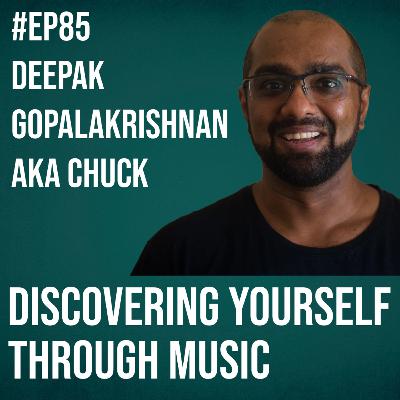
On Episode 85 of the #LearningStories podcast we chat with Deepak Gopalakrishnan. He is a marketing consultant, strategy guy, entrepreneur, podcaster and writer. He runs a strategy studio called Rough Paper. He also co-founded 6% Club a creator coaching program for working professionals. He was the host of 3 podcasts and writes 2 newsletters. He writes the, 'Things of Internet' newsletter where he explores topics are the intersection of technology, culture and humanity. He also loves music. In this episode we spoke about his early years in Bahrain, transitioning from engineering to communications and the purpose of content projects. We also spoke about how you can discover parts of yourself through music. Timestamps(00:05) - Podcast Introduction (00:20) - Guest Background(01:45) - What was it like to grow up in Bahrain in the middle east?(02:20) - "I spent a lot of time on my own in those early years"(03:00) - "My love for music started in Bahrain because we did not have cable"(03:50) - What were the first songs you loved listening to as a student?(04:10) - What was your relationship to sports as a student?(04:30) - The Story of Cable TV, Sachin Tendulkar and the Electronic Repair Shop(06:30) - "Life had a slow pace in the Gulf"(07:00) - What were your memories of reading comic books as a student?(08:30) - How did you navigate the transition from Bahrain to Cochin?(12:30) - What was your first content project?(13:00) - "I used to love cartooning and drawing"(16:30) - The purpose and importance of content projects(19:30) - What is the acid test for content projects?(21:00) - Why do people remember stories?(23:00) - Why did you study engineering and communications in university?(23:10) - "I got into engineering because of chemistry and a secure future job"(23:45) - "Sometime during engineering I learned about advertising"(25:00) - What was your experience as an engineering student?(27:00) - What was your experience at MICA as a graduate student?(27:40) - Why is happiness what you make of it?(30:00) - How has your relationship to music changed over time?(31:40) - "Music is helping me figure out everything else in life"(32:10) - What was the impact of learning Carnatic Music for 8 years?(33:00) - "My love for melody came from that early experience"(34:00) - How did popular music enter your life?(34:30) - "I started listening to English songs in college"(34:45) - "When you play an instrument, you start listening to music differently"(36:10) - Why was it magical to make music as a college student?(36:30) - What was the role of live concerts and better audiophile gear?(37:00) - How to think about the music you love?(39:20) - "I felt this compulsion to keep up with a lot of music"(42:00) - How letting go helped you rediscover a love for music?(47:00) - How music changed your internal algorithm for life?(56:00) - Watching 'Blackstrat Blues' play live(58:50) - Why listen to music that moves you?(1:01:10) - Music and Identity in your 20's, 30's and 40's(1:04:00) - "I am deeply fascinated by how technology impacts culture"(1:07:30) - What you love about, 'Opeth'?(1:13:20) - What you love about, 'The Beatles'?(1:16:00) - What is Rough Paper (brand consulting)?(1:18:00) - What is The 6% Club (coaching for creators)?(1:24:00) - Closing NotesLinksChuck's Website - https://www.chuckofalltrades.in/about-meRough Paper Website - https://www.roughpaper.in/The 6% Club Website - https://www.thesixpercent.club/Chuck on Instagram - https://www.instagram.com/chuckofalltradesChuck on Linkedin - https://www.linkedin.com/in/chuckofalltrades/ 'Things of Internet' Newsletter Archives - https://thingsofinternet.substack.com/archive'Simblified' Podcast - https://www.chuckofalltrades.in/simblified'Getting Meta' Podcast - https://www.chuckofalltrades.in/getting-meta-podcast'The Origin of Things' Podcast - https://www.chuckofalltrades.in/the-origin-of-things
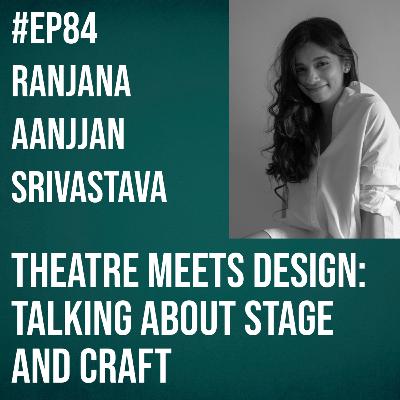
On Episode 84 of #LearningStories we chat with Ranjana Aanjjan Srivastava on Theatre and Design. She has 14 years of live theatre experience and 7 years of work experience in the design industry. As a graphic designer and visual consultant she has worked with brands like Asian Paints, Catrol, Lakme Fashion Week, Papa Johns, Pedigree and Whiskas. She also grew up immersed in the world of theatre as a young child and has acted in over 200 live performances of plays like Shatranj Ke Mohre, Drishtidaan, Bilquis Begum Ka Baada and Ek Aur Dronacharya. She has also shown her versatility as an actor through music videos and print work. In this episode we spoke about her childhood influences, life as a theatre actor and her experiences working on brand campaigns as a designer. Timestamps(00:10) - Podcast Introduction (01:10) - Guest Background(03:00) - Who was Ranjana as a student?(03:50) - What subjects did you find interesting in school?(05:15) - Why did you like History as a subject?(08:00) - What was it like growing up in a family that worked in the arts?(09:50) - "I always wanted to explore the things I could be good at"(10:00) - How I thought about choosing my career?(11:00) - "I did my first audition for a street play at St. Xaviers"(11:35) - "I used to attend a lot of theatre rehearsals growing up"(12:00) - What was different about acting as a career?(13:00) - "As an actor I use my inferences from life experiences and observations"(13:10) - How to find your space and voice as an actor?(15:10) - What is the purpose of theatre as an art form?(15:40) - What is the story of the Indian People's Theatre Association (IPTA)?(17:15) - "'Natak' is audio and visual combined"(18:05) - "Empathy is one of the most important things for an art form"(18:35) - What is the responsibility of an artist?(19:30) - How has theatre changed in the modern times(21:30) - "The audience will connect with your heart and soul"(22:30) - The skills of theatre actors(23:15) - What have you learned from other theatre actors and theatre directors?(25:30) - What did I learn from Aanjjan Srivastava?(27:00) - What did I learn from observing M.S. Sathyu's set designs?(28:35) - What did I learn from observing Naseeruddin Shah's plays?(32:00) - What was your experience as a student at St. Xaviers and KC College?(32:20) - What degree and specialization did you complete in college?(32:40) - "St. Xaviers gave me my knack for acting"(32:50) - "KC gave me my early experiences in design"(33:20) - "You study 36 different subjects over 3 years in the BMM program"(34:00) - How did you learn about design in college?(35:00) - "I would take up design projects from agencies and peers"(35:20) - How did you apply your design skills in the world of theatre?(42:30) - What professional experiences did you acquire after university?(43:30) - What was your experience working on a food festival campaign?(46:20) - "Alignment and Harmony is important for any campaign"(48:45) - What are the different kinds of design professionals?(55:20) - How to study and acquire skills in the field of design?(58:20) - What are your favourite brands and products as a designer?(1:01:10) - "Good designers focus on functionality and aesthetics"(1:01:40) - What are some roles you have worked on as an actor in plays?(1:03:00) - How do you prepare for a play as an actor?(1:08:50) - What are the three main jobs of an actor?(1:13:00) - Challenges of the acting profession(1:17:45) - Recommendations and Closing NotesLinksRanjana on Instagram - https://www.instagram.com/ranjana.aanjjan/Ranjana on Linkedin - https://www.linkedin.com/in/ranjana-aanjjan-srivastava-332797b8/IPTA Mumbai Plays - http://iptamumbai.com/PlaysRecommendation 1 - https://www.goodreads.com/book/show/382702.On_ActingRecommendation 2 - https://www.goodreads.com/book/show/237328.The_Art_of_ActingRecommendation 3 - https://www.imdb.com/title/tt21818816/
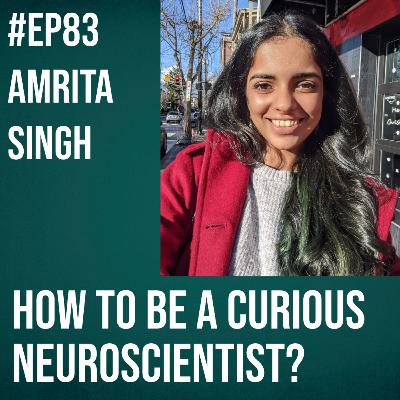
On Episode 83 of #LearningStories we chat with Amrita Singh. Amrita is a neuroscientist; she earned a PhD from Johns Hopkins University in 2023 and currently works at as a clinical research scientist. She has always been interested in writing. She runs a blog called 'Learning To Be Happy' where she writes about various topics of interest including, but not limited to, popular science and mental health. She is also working on writing fiction. Since April 2023, she has volunteered for CEGIS, an organization that aims to improve the governance of Indian states. She loves playing board games, singing, and dabbling in all kinds of art. In this episode we spoke about her childhood influences, life as a scientist and her love for reading and writing. Timestamps(00:10) - Podcast Introduction (01:10) - Guest Background(02:40) - How has your perspective on Science changed as a neuroscientist?(03:25) - "I wanted to be a scientist from a very young age" (03:30) - "My parents are both scientists"(03:32) - "I grew up on a university campus in Mumbai"(04:15) - What were your earliest memories of neuroscience in a lab?(05:30) - "In college I got much more interested in the biology of the brain"(05:50) - What are some challenges of working in academia?(08:30) - "There is a lot of pressure to publish papers for any individual scientist"(10:45) - How to make science fun, accessible and engaging for children?(15:30) - How can parents help their children develop an excitement for Science?(16:00) - "A lot of kids in schools develop a very negative association of Science"(16:05) - "Science is difficult because they don't understand the fundamentals"(17:00) - "Kids are naturally curious"(19:00) - How can libraries or museums inspire children(19:40) - "I remember going to Nehru Planetarium as a child to see the dome with stars"(20:30) - What were the first books you loved reading as a student?(21:30) - "I read voraciously as a kid"(23:00) - Why were you obsessed with the Harry Potter Series?(24:00) - What were two books you loved reading as a young adult?(25:00) - What was your relationship to libraries as a student?(25:40) - "In college and during my PhD reading took a hit(26:00) - How audiobooks got you out of a reading slump?(27:00) - Why is reading as an adult much more difficult(28:30) - What did you like about, 'Name of the Wind' by Patrick Rothfuss?(29:00) - What keeps you motivated to read as an adult(30:00) - How do you discover and find new books to read?(33:00) - How did you discover 'Persepolis' by Marjane Satrapi and Vincent Paronnaud?(34:10) - "I have read several books by authors from different nationalities"(35:10) - "I get recommendations from my book club here in New York"(39:10) - When did you first start writing? What did you write about?(41:00) - "A bunch of us kids decided to write a storybook(42:00) - "I liked writing short stories and essays"(44:00) - How did you end up enrolling in an online writing course?(45:00) - "In 2023 the way to write is to create a Substack(46:00) - What were the stories behind your first essays on Substack?(49:50) - "I love writing and now it is the best part of my week"(52:00) - Why did you write an essay on music lyrics?(58:00) - What is the connection between art and neuroscience?(1:02:50) - What is the evolutionary purpose of art?(1:07:00) - Podcast and Music Recommendations(1:09:00) - Tell us about your work with public policy and governance(1:13:00) - Closing NotesLinksAmrita on Linkedin - https://www.linkedin.com/in/amrita-singh-5546568b/Amrita on Instagram - https://www.instagram.com/amoose_art'Learning to be Happy' Substack - https://learningtobehappy.substack.com/DescriptionThis is an audio and video show where we interview a diverse set of learners from the 21st century. Each guest profiled here has a unique story to share about how they acquired a set of valuable skills and knowledge in a creative and innovative manner.
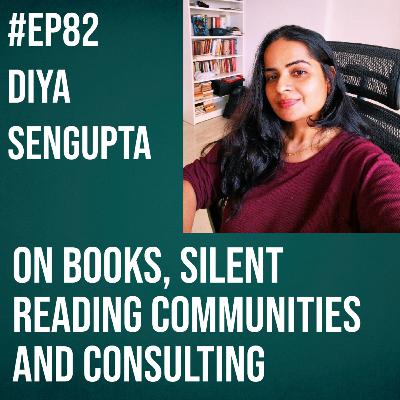
On Episode 82 of #LearningStories we chat with Diya Sengupta. Diya is the founder and co-curator of Juhu Reads, a silent reading community in Mumbai. She is also a Sustainability Strategy leader in a global strategy and consulting firm. She was born in Durgapur in West Bengal. She grew up across mining towns in Bengal, Bihar, Jharkhand, Madhya Pradesh, and Uttar Pradesh owing to her father's transfer prone job with Coal India Limited. Her reading and writing comes from fond memories of growing up in India's hinterlands. She is an avid reader and passionate book reviewer. In this episode we spoke about her childhood, her love for books and how she nurtured and built a silent reading community in the fast paced city of Mumbai. Timestamps(00:10) - Podcast Introduction (01:10) - Guest Background(02:00) - About Juhu Reads(03:30) - Stories from your Childhood(03:38) - "I am always happy to talk about books and childhood"(03:58) - "I grew up in small mining towns"(04:00) - What did your parents do?(04:35) - What did your grand parents do?(04:45) - "I was born in Durgapur, West Bengal"(04:50) - "I spent the first seven years of my life in Asansol, West Bengal"(05:30) - What were your first memories of books as a child?(05:55) - "My parents were both avid readers of Bangla and English Literature"(07:40) - "I remember climbing mango and guava trees with my books"(08:45) - What did your mother and father love reading?(10:30) - "My parents had a large home library"(12:40) - What were your memories of growing up in small mining towns as a teenager?(16:57) - "I would have to buy books from larger cities"(17:40) - "I moved to Calcutta for further education at the age of 17"(19:00) - What did you decide to study in high school and university?(19:32) - "If I chose Arts I would be looked down on as Science was prioritized"(22:22) - "I completed my Bachelor in Commerce from University of Calcutta"(23:00) - "I moved to Mumbai for a finance job in the mid 2000s(23:30) - How did you transition into a career in the field of sustainability? (24:30) - "In between I took a year off to complete an executive MBA"(26:30) - What were your memories of living & working in Mumbai in the 2000s and 2010s?(29:45) - What is your idea of home?(32:30) - "I am a country and provincial girl at heart"(34:00) - What is the day to day life of a consultant?(37:00) - How reading fiction can help you professionally(39:00) - What is a silent reading community? What are its origins?(41:00) - What is the story of Juhu Reads and its readers?(43:30) - What were some challenges you faced in the first few months of Juhu Reads?(47:20) - What were some joyful stories of readers you meet at Juhu Reads?(52:40) - What are some book recommendations?(53:00) - "Since 2022, I developed an interest in contemporary Indian writers"(53:50) - Why read, 'The Firebird' by Saikat Majumdar?(54:10) - Why read, 'A Speck of Coal Dust' by Rohit Manchanda?(54:55) - Why read, 'The Last Song of Dusk' by Siddhant Dhanvant Sanghavi?(55:35) - Why read, 'Blue Women' by Anukriti Upadhyay(56:00) - How I write book reviews? Why they matter(59:20) - How has reading added value to your life?(01:02:00) - Closing NotesLinks1. Diya on Linkedin - https://www.linkedin.com/in/diya-sengupta-410b5213/2. Juhu Reads Instagram Page - https://www.instagram.com/juhureads/3. Author Page on Scroll.in: https://scroll.in/author/238534. Article on Juhu Reads 100th session - https://www.mid-day.com/lifestyle/culture/article/world-book-day-2025-its-100-how-mumbais-silent-reading-communities-continue-to-engage-readers-23525485DescriptionThis is an audio and video show where we interview a diverse set of learners from the 21st century. Each guest profiled here has a unique story to share about how they acquired a set of valuable skills and knowledge in a creative and innovative manner.
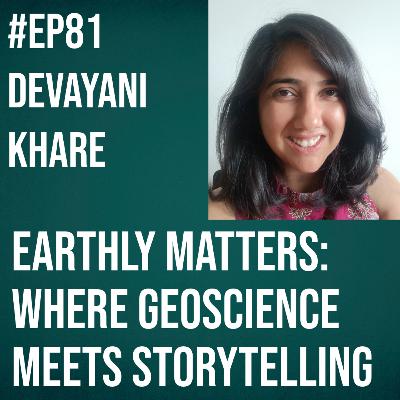
On Episode 81 of #LearningStories we chat with Devayani Khare. She is a communications consultant and geomorphologist. Through her career in communications, she has worked in fields as diverse as fundamental biology, translational research, biodiversity and conservation, and even as a travel writer. At present, she is an environmental advocacy communicator for an organisation called Break Free From Plastic. For the past 4 years, she has also been running a newsletter called Geosophy, that explores geoscience topics. She has always believed that landscapres contain clues to the past and present. You can find her on Linkedin and Substack. Timestamps(00:10) - Introduction and Background(02:00) - Stories from your Childhood(02:10) - "As a child, I guess I was just as wild and curious"(02:20) - "My school campus was very far away from the city"(03:10) - "The school was very experimental and hands on"(03:40) - What are your earliest memories of learning geography in school?(05:30) - What was your experience in high school?(06:20) - "I did not study geography in 11th and 12th"(06:40) - What subjects did you want to study in university?(07:20) - When did you choose to specialize in geography?(08:40) - What is involved in the study of geography at university?(08:50) - "At the undergraduate level it is focused on human geography"(09:20) - "At the master's level I studied geomorphology"(10:30) - How do you define geography?(11:20) - "Geography is a snapshot of everything related to landscapes"(13:30) - How is geographical information used in a government and industry context?(18:00) - What are some examples of geo heritage sites around the world?(20:50) - What bodies regulate geological and geo heritage sites around India?(23:00) - How to transition from academic to on the job learning?(23:30) - "It was difficult to find jobs after my degree in Geography"(25:00) - Working for the Western Ghats Biodiversity Portal in Pondicherry(25:30) - "Communications was the common theme across all my jobs"(28:00) - Job of a communications consultant on a day to day basis(33:00) - What is the story behind the 'Geosophy' newsletter?(39:00) - How do you research and write your essays and articles?(40:10) - Writing about geo heritage sites in India(42:50) - "Sometimes it takes me 10-20 hours of research for one piece"(43:00) - "With geography there are no definite answers"(45:00) - On the Lonar crater in Maharashtra(45:30) - On the Gandikotta fort in Andhra Pradesh (see article linked below)(48:30) - On the Geosophy Bookshelf and Book Recommendations(51:40) - How to teach children Geography in our schools?(56:30) - What have you learned and observed from your travels as a geomorphologist?(1:01:00) - Closing NotesLinksDevayani's Website - https://www.devayanikh.com/Devayani on Linkedin - https://www.linkedin.com/in/devayani-khareGeosophy Newsletter Archives - https://substack.com/@geosophy/posts
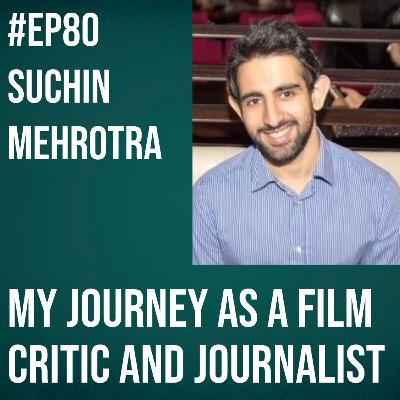
On Episode 80 of #LearningStories, I interviewed Suchin Mehrotra. Suchin is a critic and film journalist who covers streaming for The Hollywood Reporter India. He's also the host of The Streaming Show podcast on his own YouTube channel, and has written for publications like Film Companion, News9 and The Hindustan Times among others. An unabashed mainstream cinema junkie, he sincerely believes that movies and storytelling can change the world. You can find him on Instagram, Spotify and Youtube. Timestamps (00:10) - Introduction and Background (02:10) - Stories from your Childhood(02:15) - “I moved between Mumbai, Bengaluru and London”(02:50) - “My dad was a lawyer and mom was a housewife”(03:20) - Where did you complete your schooling?(03:40) - What did you study at university? (03:45) - Why did you study economics at university?(04:20) - “I worked in banking for 2 years in London”(06:30) - What are some key childhood and teenage memories with films?(08:00) - When did you realize you loved movies a bit more than just another hobby?(09:03) - What happened when you watched ‘Haider’ in 2014?(09:20) - “I just wanted to write about this movie”(09:50) - “I used to watch, ‘The Front Row’ with Anupama Chopra.”(10:40) - “I then started a blog on films”(11:50) - What are some observations on film journalism in India?(12:00) - “I believe Film Journalism is an art form”(12:30) - “Film Culture in India is insane”(12:50) - On Film Journalism in the west(13:40) - “There are few publications that take films seriously in India”(14:50) - “Scroll, The Hindu, Mint, Frontline have good writing on films”(15:20) - What have you learned from other film journalists in your trade? (16:20) - Difference between trade journalists, film journalists and film critics?(18:10) - “Anupama Chopra and Baradwaj Ranjan are the north stars for most critics”(18:30) - On Rahul Desai’s film criticism(18:50) - On Uday Bhatia’s film criticism(19:07) - On Gayle Sequeira’s film criticism(19:20) - On Pratyush Parasuraman’s film criticism(19:40) - On Vishal Menon’s film criticism(20:20) - On Sidhant Atlakha’s film criticism(20:40) - On David Ehrlich’s film criticism(21:45) - How did you transition from banking in London to journalism in Mumbai?(22:40) - “There are few courses on film criticism”(23:40) - “Film Critics need to love films, love writing and love writing about films”(25:00) - What happens to the film critic in the world of social media?(26:00) - What was your experience being a freelance film journalist?(26:50) - “For a year, I just watched films every Friday and wrote about each film”(29:00) - How do film reviews change in the video and print form?(32:00) - How can publications support film critics?(34:00) - The pressure of earning a living as a film journalism(34:20) - On the star rating system of reviewing films(35:00) - How film reviews affect films in India?(39:30) - How film critics can throw light on the work of other technicians in the film industry?(41:40) - What was your experience as a programme coordinator at the MAMI film festival?(43:35) - On the role of film festivals for independent and world cinema(48:10) - On the era of streaming and the rise of OTT shows in India(49:10) - “The finest story telling in India is on the streaming space”(59:10) - Film and Show RecommendationsLinksSuchin’s Reviews on The Hollywood Reporter India - https://www.hollywoodreporterindia.com/author/suchin-mehrotraSuchin’s Reviews on Instagram - https://www.instagram.com/suchin545Suchin’s Reviews on Youtube - https://www.youtube.com/@suchinmehrotraStreaming Show Playlist - https://bit.ly/thestreamingshowDescriptionThis is an audio and video show where we interview a diverse set of learners from the 21st century. Each guest profiled here has a unique story to share about how they acquired a set of valuable skills and knowledge in a creative and innovative manner.
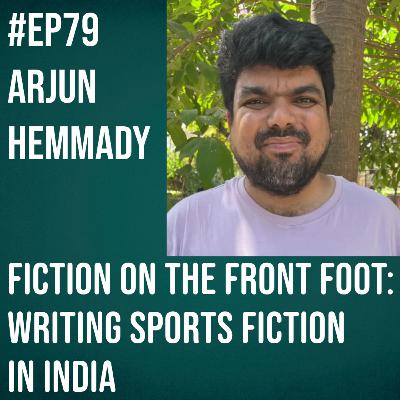
On Episode 79 of #LearningStories we chat with Arjun Hemmady. Arjun is a full time treasury finance professional, two time published author and freelance sports journalist. His most recent bestselling sports based fiction novel is called, 'Captain Khadoos'. This book explores themes like mental health, training time and media attention in the life of an athlete. Arjun is also an avid memer. He enjoys guiding and mentoring aspiring authors. You can find him on Instagram and Linkedin. Timestamps(00:10) - Introduction and Background(02:10) - Stories from your Childhood(02:14) - "I was encouraged to read from a very young age"(02:20) - "My grandfather had got the world book encyclopedia for us as children"(02:40) - "My grandmother was a librarian"(03:00) - What are your earliest memories as a reader?(04:10) - What did you study in high school and university?(04:20) - "My day job involves managing money and forex exchanges"(04:40) - "I did a Bachelor in Commerce and MBA degree"(05:35) - How did you write and publish your first book?(06:30) - "I had this strong urge to tell and write this story"(06:50) - "I would write stories for my school and community magazine"(07:20) - "I did not know much about publishing before releasing my first book"(07:50) - What are some common mistakes first time authors make?(08:40) - "I edited my second book everyday for three months"(09:35) - "I always take time to encourage and guide new authors"(10:10) - What are finances and costs involved in publishing a book in India?(10:20) - Why is it hard to make a living as a writer in India?(11:10) - What are some frustrations in the life of an author?(11:25) - "Being an author is a lonely journey"(11:37) - "Authors will face a lot of failures"(12:48) - "Writers should find joy in getting their story into the world"(13:00) - What are the methods of publishing a book in India?(13:30) - "Most big publishing houses need a literary agent to back your book"(14:50) - What is the marketing process for an author in India?(19:40) - On getting feedback from readers(22:50) - On the sports fiction genre in India(23:30) - On how sports fiction is connected to the real world(24:30) - "I used to play cricket a lot in my colony"(24:40) - "The first tournament I remember watching was the 1996 world cup"(25:00) - What was your experience as an Indian cricket fan?(26:50) - "Sports has always been there for me since a young age"(27:30) - "The main character Suraj Bhatkal talks openly about mental health struggles"(28:00) - Who are your favourite cricketers?(32:30) - How athletes navigate media attention, lack of privacy and fandom?(34:00) - "Athletes can be lonely and find it hard to trust others"(36:20) - "Athletes have to focus on things that are in their control"(37:00) - How to face criticism as an author?(38:50) - How do you design the book cover and promotional material for a book?(41:00) - Why you chose to write your book in English?(41:05) - "I know English more than my mother tongue"(42:30) - How has reading helped you navigate personal challenges and setbacks?(44:00) - On thinking and mental health(45:40) - "Sticking to a daily routine helps with mental health struggles"(46:30) - How to support a friend that is struggling with their mental health?(47:00) - On dealing with emotions in your life(48:50) - "Sometimes you have to pat yourself on the back"(49:55) - "Everyone is struggling with something"(51:00) - Book Recommendations(53:00) - Closing Notes
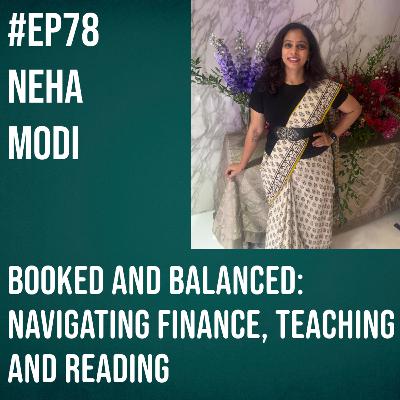
On Episode 78 of #LearningStories we chat with Neha Modi. Neha is a Chartered Accountant by profession and an academician and book blogger by passion. While teaching was her childhood dream, it only truly called out to her after a brief stint in the corporate world. She soon transitioned to academia, joining a Management Institute as a finance faculty. Motherhood brought with it new priorities, and for over a decade, Neha worked with a private coaching setup. Three years ago, she took the leap to start her own private tuitions from home—a venture driven by a simple yet powerful idea: to support students who struggle in traditional classroom settings. Her sessions offer more than just academic guidance; they’re built around boosting confidence and nurturing individuality. When she’s not teaching, Neha is immersed in the world of books. A thriller before bedtime is her non-negotiable brain workout, and her book blog is a vibrant expression of that love. She curates book recommendations, creates engaging literary content, and connects with fellow bibliophiles who share her passion for reading. You can find her on Instagram. Timestamps(00:10) - Introduction and Background(02:50) - Stories from your Childhood(02:55) - "I grew up in Jaipur"(03:10) - "My mom used to save money to buy books for us"(03:40) - "My father loves reading too"(04:00) - "It is like a mini book club at home"(04:50) - What was your experience at school?(05:45) - What was your school library experience like as a student?(06:20) - "Our librarian had to tell me to read books a little slow"(07:15) - What languages you spoke at home?(07:20) - "In school and home we spoke English"(08:40) - What was your high school experience?(08:50) - "My father was a chartered accountant"(09:30) - "I told my father I wanted to pursue fashion designing"(10:53) - What was your experience training to be a chartered accountant?(12:25) - "It took me five years to complete my CA training and exams"(14:50) - On choosing between the corporate world and teaching?(14:57) - "Teaching came very naturally to me"(15:10) - What were your first teaching experiences and memories?(16:55) - "I worked in a management institute for three years"(18:30) - "I took a break when I became a mother"(18:50) - "I started working in a private coaching setup"(19:00) - What was your experience as a tutor for over 10 years?(20:00) - When did you start your own tutoring business and academy?(20:10) - "I got my first student because of my son"(21:00) - Building trust in the tutoring business(21:50) - "You want to work with students that are really struggling"(22:50) - What are some stories of good teaching from your journey?(28:20) - How do you build strong relationships with your students and parents?(30:00) - How to slowly encourage and build the reading habit in children?(32:10) - How to encourage young readers in the digital age?(32:20) - Do you read in front of your kids?(33:10) - "In our house we have a one hour daily limitation on technology use"(33:40) - "Replace mall visits with book purchases"(35:00) - How do parents access age appropriate books for their children?(37:40) - "Bookstores do book swaps and book readings for children"(41:00) - What are the various phases of your life as an adult reader?(41:20) - "I used to do reading challenges with children"(42:40) - What was your experience as a book instagrammer?(45:00) - How does reading bring joy to your life?(45:10) - "You understand other people's point of view after reading"(45:30) - "Reading also brings people together"(49:00) - Book Recommendation 1 (Thrillers)(49:30) - Book Recommendation 2 (Young Adult Book/ Historical Fiction)(50:10) - Book Recommendation 3 (Thriller/Illustrated Book)(50:50) - Book Recommendation 4 (Historical Fiction)(51:40) - How do you discover and find new books?(53:10) - What is your advice for new book instagrammers?(55:50) - Closing Notes
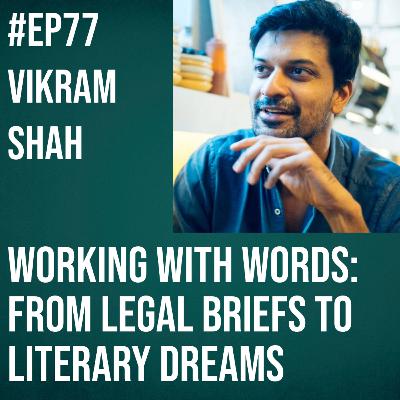
On Episode 77 of #LearningStories we chat with Vikram Shah. Vikram is an independent editor and writer. He has previously worked as an associator editor at narrative journalism magazine FiftyTwo, as a copy editor at Mint Lounge and as a commercial lawyer at the firm Herbert Smith Freehills Kramer. He has also co-researched and co-written a non-fiction podcast called ‘Barefoot Boys’, about the football club Mohan Bagan’s unlikely win in a colonial football tournament. One of his short stories has been published in Mint Lounge and another is forthcoming in an anthology published by the administrators of the Deodar Prize for short fiction. You can find him on Substack and Linkedin.Timestamps(00:10) - Introduction and Background(02:45) - Stories from your Childhood(04:10) - "I grew up in Mumbai"(04:20) - "Both my parents are doctors"(06:00) - "I loved the Social Sciences"(06:15)- "I loved learning about different places"(06:45) - On Anthony Bourdain's Television Shows(08:30) - On travelling with my parents in the summers(09:30) - On my love for sports and football(10:15) - On quizzing(14:00) - What is your relationship to books?(14:20) - "I was always a very interested reader as a kid"(14:35) - "I used to get really excited about school book fairs"(15:00) - On 'The Count of Monte Cristo' by Alexander Dumas(18:00) - On 'Midnight's Children' by Salman Rushdie(21:00) - On 'Chinaman: The Legend of Pradeep Mathew' by Shehan Karunatilaka(24:00) - On 'Sly Company of People who Care' by Rahul Bhattacharya(25:18) - "I used to read a lot in college"(25:30) - On meeting authors in bookstores in London(26:50) - On reading books about places you visit(27:50) - "Over the last couple of years I haven't read as much"(31:43) - On being a law student(32:08) - "I did a five year law course at the National Law School in Bengaluru"(32:45) - What was defining about studying law in Bengaluru?(33:00) - "In the first few years you study a lot of Social Science subjects"(35:30) - On constitutional law(36:50) - On the socratic mode of learning in law classrooms(37:10) - On how parents can influence your career decision(40:30) - On your linguistic and cultural identity(42:40) - "Kutchi is my father's language and Tamil is my mother's language"(43:20) - "We spoke Hindi or English at home"(44:20) - "My mother's father grew up in Kerala"(44:30) - "I grew up with a cosmopolitan view of cities and cultures"(46:30) - "I am curious about this country and the way it works"(48:00) - Why did you transition from law to journalism and writing?(49:25) - "There was always a sense that I wanted to work with words"(49:40) - "I rarely read or write for leisure"(50:00) - What was your first writing assignment?(52:20) - On jobs to pay bills versus work that fuels your creativity(54:00) - On your early writing jobs(1:00:00) - On writing about Virat Kohli's cricket career(1:14:00) - On writing a spy story titled, 'Kukri'(1:26:00) - Film Recommendations(1:29:30) - Television Show Recommendation(1:32:30) - Podcast Recommendation(1:34:50) - Musician Recommendation(1:36:00) - Closing Thoughts Guest Image Credit M.S. Gopal from Mumbai Paused
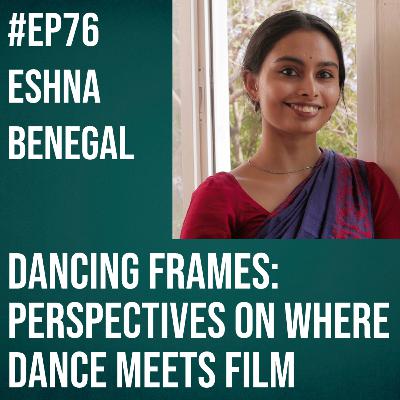
On Episode 76 of #LearningStories we chat with Eshna Benegal. For Eshna, dance is her first love and everything else comes secondary. She has been training in two forms of Indian classical dance, Odissi and Kathak, for the last 17 years. She works as a freelance writer and video editor by day, and a dance teacher and practitioner by night. Her formal training is in filmmaking and her Substack, the Deep Cut, is a place where she combines her two loves of film and dance. The platform is a space where she analyses, critically appreciates and fangirls over dance on screen. This year, her obsession with dance becomes official as she prepares to do her masters in the field of dance research. She hopes that through her research and her physical practice she can explore how dance can create meaning off the stage and how the form can be a space where all man-made boundaries can come to rest. You can find her on Substack, Youtube and Instagram. Timestamps:(00:10) - Introduction and Background(02:30) - What are your earliest memories of dance?(02:53) - "Dance is one of my favourite things in the world"(03:00) - How did Bollywood influence your love and passion for dance?(03:40) - "There is this joy of moving to music"(04:30) - What dance forms did you first learn?(04:45) - "I started training for dance at the age of 10"(04:50) - "My mother first put me in a music class"(05:35) - "In school I was constantly being picked for the dance groups"(06:00) - "I realized dance makes my brain sing"(06:05) - What are the common Indian dance forms?(06:30) - How did you find your first dance teacher?(07:00) - "I started with Odissi and then also started Kathak six years laters"(08:00) - What are the eight Indian classical dance forms? (Manipuri is the eighth one)(08:40) - "Each dance form is different based on the region they come from"(08:50) - "Many dance forms originated in temples"(09:00) - How is Kathak different from the other dance forms?(09:20) - What is the importance of the Natyashastra to Indian dance traditions?(09:50) - "All these dance forms are made to tell stories"(10:00) - What is the difference between narrative and non narrative dance?(10:30) - "In Bharatnatyam you will hear Carnatic Music"(10:35) - "In Kathak you will hear Hindustani Music"(10:40) - How is Indian dance different from Western dance? (11:55) - What is Odissi and what is its historical relevance to Orissa?(13:40) - "Dance was like the theatre of that age"(14:15) - What was the experience of watching dance performance in ancient royal courts?(14:50) - "Dance was a way for people to commune to enjoy art"(14:58) - "In the classical world there is a problem with the word entertainment"(16:00) - Was dance used to comment about social and political realities of the time?(16:40) - "Dance research was not very well documented"(18:30) - What was the importance of religion, royalty and language in dance?(21:30) - What were you curious about at school apart from dance?(21:50) - "I went to an alternative education school in Bengaluru"(22:30) - "My school would push us to question things"(24:30) - What is the relationship between authority, teaching and art?(25:50) - "I was very curious and enjoyed learning"(26:40) - "I studied psychology, biology, history and art in high school?"(27:00) - What can dance teach you about the world?(29:00) - Why did you study film making for four years at university?(32:00) - How was film and dance connected for you as an artist?(32:40) - "I wanted to write or edit films in the long term"(33:00) - What films did you watch at film school?(35:00) - What films would you recommend to other film lovers?(40:00) - What is unique about story telling in India?(43:00) - How stories change in different contexts and mediums?(45:00) - Tell us about your creative projects (youtube channel, podcast, newsletter)?(50:12) - Why do you write about dance in cinema in your newsletter?(55:00) - Closing Thoughts

Comments

Download from Google Play

Download from App Store
 United States