


 Claim Ownership
Cornerstone West Los Angeles » Sermons
Subscribed: 234Played: 922
Subscribe

© 2026 Cornerstone West Los Angeles
Description
Sunday Morning teachings from Cornerstone Church West Los Angeles located in West Los Angeles, CA. Visit us at cornerstonewla.org. Email info@cornerstonewla.org
447 Episodes
Reverse

Jesus calls Christians to an upside down kind of life in how we treat other people. The world lives by law, and the law always leads to judgment. But in Christ we live by the gospel, and in the gospel we can see one another, and ourselves, through God's eyes.Application Questions:1. What does judging look like in your life?2. How do you see the world living by "the law"?3. Why is it so counter-intuitive to live by the gospel?4. How do you see pride and insecurity in your heart and life? How can you find your security in Christ?

John's gospel opens with a stunning prologue, bringing us all the way back to before time began. This is where the story of Jesus begins, and John forces us to reckon with the fact that Jesus of Nazareth, fully human, was also fully God. This is the miracle of miracles, and means Jesus can show us what God is like, be the authority over our lives that we need, and rescue us that we might live forever with God. Application Questions: 1. Why is it so important to John that we understand Jesus as fully God? What would we lose if Jesus was just a very godly human being? 2. Why does John want us to think of Jesus as the word of God? 3. How can Jesus, as fully God, give you direction, purpose, and meaning in your life in a way other things can’t?4. What does it mean that to you that Jesus came to rescue you, not just inspire you? How can that change your perspective on your life this week?
As we prepare to celebrate Christmas we consider what the mystery of the incarnation: that the God of the universe became a human. How do we respond to such a glorious reality? And how does that response shape our Christmas celebrations?Application Questions: 1. What is one way you can spend time meditating on the reality of the incarnation this week?2. What false Gods do you need to let go of as you respond to Christ in worship?3. How might your Christmas celebrations look different if you were to reflect the incarnation in your relationships with others?

As we finish our series on the attributes of God, we come to a central truth: the one God exists eternally in three persons, the Father, Son, and Holy Spirit. The doctrine of the Trinity challenges our minds but it can also bring awe and joy to our hearts. Because he is triune, God is overflowing with love, life, and goodness. This means reality is about love, not power, and that Christianity is ultimately an invitation into the love and glory God has in himself. Application Questions: 1. What is your experience with the doctrine of the Trinity? How have you thought about it in the past?2. What difference does it make that God is triune? 3. How can you enjoy the triune God in prayer, Bible reading, and more this week?
God's faithfulness is directly related to His promise-making and promise-keeping. He voluntarily limits Himself by making covenants with His people. These covenants define the relationship His people have with Him, and they show that He is a God who makes glorious promises, and keeps those promises. We can have confidence that He will keep His promises because of the blood of Jesus.Application Questions: 1. What is a "covenant" and why does it matter for how we relate to God?2. How is it shocking that the eternal, infinite God of the universe makes promises to His people?3. Why are the promises of God essential for your life?4. How does the New Covenant in the blood of Jesus give you confidence that God will always keep His promises?5. How can the promises of God anchor your soul this week?
Just as God is holy, good, and loving, God is just. His righteous character means he brooks no evil, shows no partiality, and overlooks no injustice. Peter tells us that one day God's justice will come to cleanse the earth and expose our deeds. And yet he says that judgment day can be a day to look forward to! We all long for justice, and yet can't face it ourselves without being consumed. But in Christ we see the judge who came to be judged for us, so we can make it through judgement day to a renewed heaven and earth with him.Application Questions: 1. How do you respond to the idea that God is just? What questions or reactions do you have? 2. Why do some people find God's justice a reason for hope? 3. How does Christ allow us to long for judgment day instead of recoil in fear? 4. How might God's justice change the way you react to the circumstances in your life now?
"Good" is such a mediocre word, we can often misunderstand what it means that God is good. But when we open our Bibles and consider God's goodness we see that all the beautiful aspects of his character flow from it. It's not just that God is good. Our greatest joy and only hope are in the fact that is perfect goodness.Application Questions: 1. How do you tend to define "goodness"? Is it rooted in God or your own ideas?2. What are some big moments in life in which you have seen God's goodness/kindness?3. What are some small moments in life in which you have seen God's goodness/kindness?4. What are some ways you have seen God's goodness/kindness in creation?5. How does the gospel prove the perfect nature of God's goodness?6. What are a few ways you would treat others differently if you were more consistently living out God's goodness toward them?
If you had to pick one word to describe God, the Bible would tell you to use the word "holy." God's holiness is a way of talking about the all the things that set him apart. God's holiness means his power, goodness, and love, are a purer, richer, and deeper than any other. Isaiah encounters God's holiness and finds himself transformed. By looking at Isaiah's experience, we learn what it means to encounter God ourselves. Application Questions: 1. The word "holiness" means different things to different people. How have you understood the idea of holiness in the past? 2. Have you ever felt overwhelmed and undone by God's holiness? What led to those experiences? How did you respond to them? 3. How do you understand the relationship between God's holiness and God's mercy? 4. What about God's holiness makes you holy? Have you seen that at work in your own life?
God speaks and the universe is created. His Word is a manifestation of His power- it accomplishes His will, and there is no insecurity or uncertainty. God's power is infinite and gracious, and He chooses to use His power for our good.Application Questions: 1. What are some ways you see your own heart drawn towards earthly power?2. What insecurities do you see in your own heart and life regarding power/getting what you desire?3. How does God's power induce fear? How does God's power induce hope and peace?4. What is gracious about God's power?5. How can God's gracious and infinite power embolden you and strengthen you in suffering?
Thinking about the nature of God can make him feel distant. When we realize that he is transcendent, sufficient, and eternal it's hard to think of him as close. But, the eternal God is not far away, but is always fully present with us. And recognizing his presence changes everything.Application Questions: 1. Do you constantly recognize that God is with you, or do you often slip into a functional Deism (believing he is far away)? And why do you think that is?2. Do you tend to think of God as always fully present with you? Or do you think of him as possibly being distracted? How does that change how you live?3. Does the thought that God is fully with you initially bring you comfort, fear, or both? Why?4. How might you follow David's example in praying a prayer of confession in light of God's constant presence?
One of the most comforting attributes of God is that he is unchanging. Unlike everything else in creation, God is perfectly stable, never wavering, never shifting, a rock that will never fail. James finds this truth very practical for dealing with the realities of life. In suffering and struggle, it's God's unchanging goodness that anchors us in the storm.Application Questions: 1. How does the idea of an unchanging God comfort you? How does it challenge you? 2. How do you think about the gifts in your life? How might they point you to God?3. What about God's stability makes the gospel more comforting and more joyful?
We are working through the attributes of God, and this week we come to God's eternity. God is "from everlasting to everlasting." He stands above time, with no beginning and no end. Compared to God's eternity, we realize how temporary we are, and how all the things we put our hopes in will fade. When we understand that God is eternal, we will treat the past, the present, and the future differently, because Christ holds all of our time in his hands in love.Application Questions: 1. Have you ever thought about God's eternity? How might it change your perspective on things in your life now? 2. Why does the psalmist focus so much on the brevity of life? Do you resonate with what he is saying? 3. How have you put your hope in temporary things? 4. How is the gospel richer and more beautiful knowing that Christ is eternal yet stepped into time for us?
Exodus 3 is the place where someone first asks God for his name. What do we learn about from this encounter? First, we learn that God is knowable—he is not an impersonal force, but a God with a name. Second, we find he is all sufficient. Everything in existence depends on God, but he depends on nothing; we can offer him nothing, he gives us everything. Finally, we find a radical love. When the all sufficient God desires to know you, it's can't be because you offer him something. It must be pure love, which we see in its fullness in Jesus Christ.Application Questions: 1. How have you experienced the difference between knowing about God and knowing God? 2. How does God's sufficiency feel humbling you? How does God's sufficiency feel freeing to you? 3. How does God's sufficiency make his love more striking—especially when seen in the death of Christ?
We are in a series on the attributes of God, and this morning we look at God's transcendence. When we talk about God, we're talking about someone who is bigger than we realize, above and outside of the created world. This means he is radically different from us. He is infinite, limitless, and endless. Surprisingly, it's these lofty ideas about God that are the most important for shaping our lives here—particularly because he does not stay high and distant, but comes close in love through Jesus Christ. Application Questions: 1. How does the transcendence of God adjust the way you've thought about God up until now? 2. How does the transcendence of God help you see the power and beauty of the gospel? 3. How does the transcendence of God meet you in the struggles you face today?
We are starting a new series on the attributes of God: who is He? What is He like? And it makes sense to begin with his reality, the fact that he really does exist. The natural world provides clues that point to God's existence, and our own hearts add clues as well. Yet the Bible suggests that we all have a complex relationship with these clues. One part of us experiences them deeply, while another part fights against them. Ultimately it is the gospel of Jesus Christ that can reconcile us to ourselves and show us the grace and love of the God who is there. Application Questions: 1. How have you experienced the clues of God's reality, either in the created world or in the human heart? 2. What reaction do you have to the idea that God exists? What do you think motivates that reaction?3. How does the gospel make God's existence good news? 4. How would your life be different if you kept God's reality in mind throughout your day?
As we look to a new series on the attributes of God, we start with a questions: how do we know what God is like in the first place? Much of our lives is based on what we think about God, but how do we know? In Psalm 19, David celebrates the God who speaks—in the natural world, and in the scriptures, and in our own hearts.Application Questions: 1. How have you experienced the "silent" word of God in the natural world? What has it communicated to you?2. Why is the "silent" word of nature not enough? Why do we need a spoken word?3. What about scripture stands out to you from Psalm 19:7-11? Can you relate to how David talks about scripture here?4. Have you experienced the "searching" word of God? How can that lead you to the gospel more this week?

What is the Church? God's Word makes it clear that the Church is God's people, redeemed from every tribe, tongue, people, and nation. Why does God build His Church this way? Because when we are united in Him across all the dividing lines of the world, it shows how glorious Christ is.Application Questions: 1. In your mind, what is the Church?2. How does the Church being from every tribe, tongue, people, and nation impact your view of the Church?3. In what ways is your view of God too small?4. How does God's grace speak to His purposes for the church?5. What are some ways you can cultivate unity at Cornerstone across dividing lines?
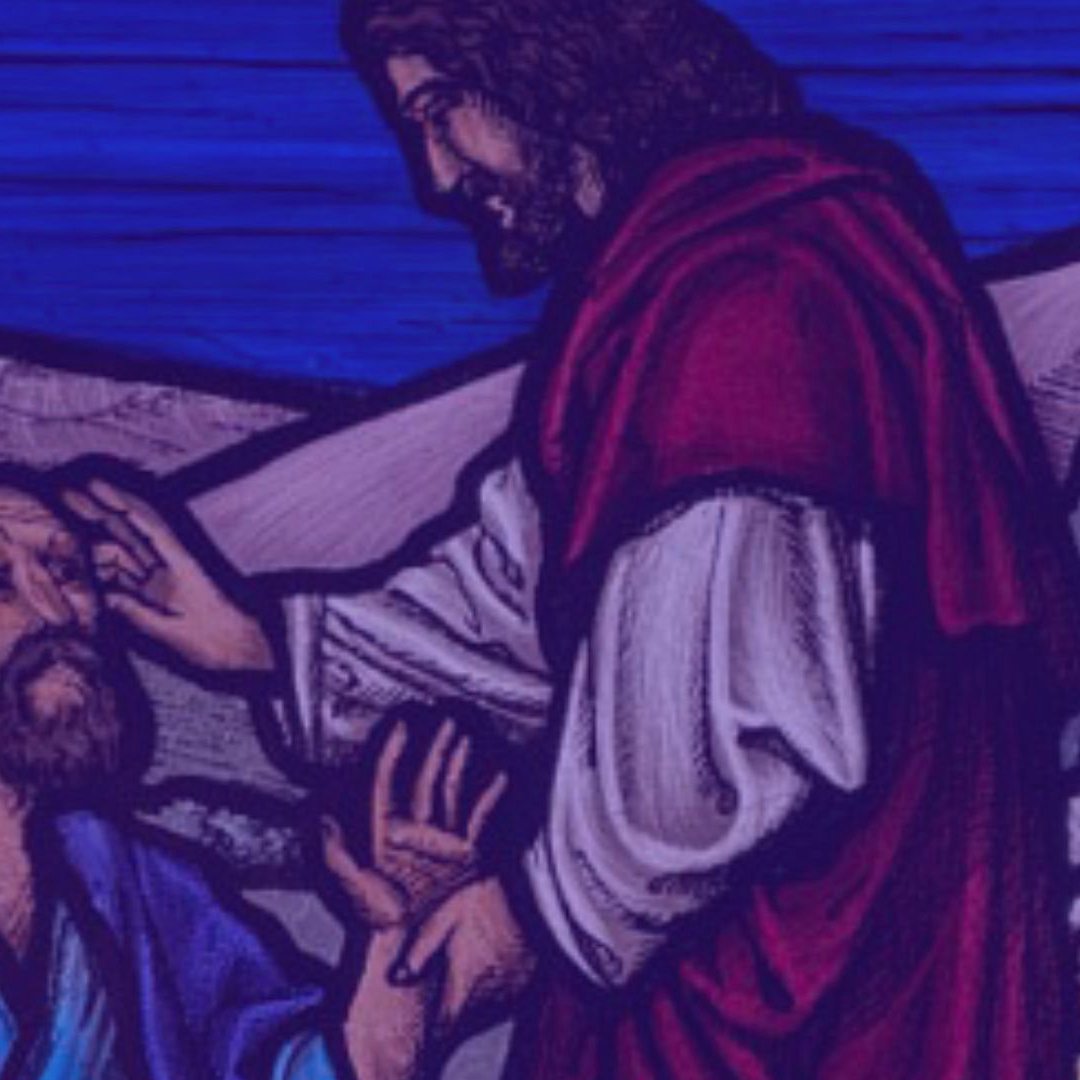
Jesus' kingdom is a kingdom of power and authority, grace and mercy, love and compassion. When he reveals himself to us it leaves us not just acknowledging that he is the one true King, but wanting him to be our King. And as our king he has sent us to proclaim his kingdom that all those around us might come to know him too.Application Questions: 1. What initially comes to mind when you think of the concept of a "kingdom"?2. What does Jesus revelation of himself through his life and death teach you about the nature of his kingdom?3. Are you looking to recognize big movements of God and participate in them by the power of his Spirit? How might you grow in sensitivity?4. Are you looking for opportunities to proclaim God's Kingdom even in inconvenient moments? How might you grow in awareness?5. Are you looking for opportunities to proclaim God's Kingdom through his provision for daily needs? How might prayer help fuel the proclamation of the kingdom in each of these contexts?
When Jesus brings healing to two very different people, he teaches us a lesson on faith. Faith doesn't begin with a certain personality or set of experiences. It always begins with a desperate realization that the world can't save you, and coming to Jesus as someone who can. From there, Jesus cultivates our faith in the same way he does with the woman and Jairus. He changes our focus, so that our faith becomes about him and not what he can give us. And he comforts our fears, so that our faith isn't about getting control, but giving control to him. In both healings, we see Jesus as the one who delivers us to true life, hope, and peace, through his own death and resurrection.Application Questions: 1. How have you experienced what Jairus and the woman experienced—that the world can't save you?2. Is your faith characterized by need, or something else?3. How have you come to Jesus for something, and found him showing you someone?4. When have you struggled with God's timing? How can the gospel comfort and embolden you to trust him regardless?
Jesus has the power to calm storms. But, what does that mean for your life? Through two different but related stories Jesus shows us how we can trust him whether the storms in our lives are raging around us or inside of us.Application Questions: 1. What are the external storms you have experienced or are experiencing?2. What are the internal storms you have or are experiencing?3. Do you tend to respond to storms with weak or obedient faith? What are some examples?4. How does remembering who Jesus is strengthen your faith when it's weak?

Comments

Download from Google Play

Download from App Store
 United States