


 Claim Ownership
Arash's World Podcast
Subscribed: 2Played: 30
Subscribe

© Copyright 2021 All rights reserved.
Description
This podcast is affiliated with the blog Arash's World dealing with existential issues and solutions in health and wellness, psychology, and philosophy. By providing reviews on books alongside exclusive, insightful & thought-provoking interviews with health & wellness experts, renowned psychologists & psychotherapists as well as global thought leaders and life coaches, we put together and forge individual holistic paths toward health, happiness, and wellbeing in your personal & professional life!
199 Episodes
Reverse

In this episode, I have the great pleasure of speaking with Kasia Van Schaik, a writer, professor, and artist, discusses the central themes of her book/memoir “Women among Monuments: Solitude, Permission, and the Pursuit of Female Genius.” We explore what it means to live a creative life, especially as a woman, and the ongoing search for permission both societal and self-given to pursue artistic fulfillment. We touch on the historical invisibility of women among cultural “monuments,” referencing literary figures like Virginia Woolf, which highlights the persistent relevance of these questions today.
We also delve into the concept of the “art monster” - artists who prioritize their work above all else, sometimes at the expense of others - and examine the tension between creative ambition and personal happiness. Kasia reflects on the importance of balancing solitude and community for creativity, the role of memory and memoir in shaping narrative, and the evolving language around gender and genius.
We conclude with insights on self-permission, the value of boundaries, and the subjective nature of genius, encouraging everyone to embrace their creative impulses without waiting for external validation and to follow their heart and dreams regardless.

In this episode, I have the pleasure of speaking with Darla Nelson, a Christian life coach and the author of “I’m Fine. Really?: Moving from Stress and Anxiety to Peace and Calm.” We discuss how the phrase “I’m fine” often masks deeper struggles, and on the importance of being honest with ourselves and others about our true feelings. Furthermore, we explore vulnerability, especially in close relationships, and recognize that sharing our stories can create meaningful connections and reduce stress.
Although being vulnerable can be difficult, particularly for men, opening up to others is important for growth. In addition, setting boundaries and practicing forgiveness are essential for our well-being, and we are responsible for our responses to life’s events even when circumstances are beyond our control.
The power of gratitude and the need to shift from a scarcity mindset to one of abundance can also increase to a more fulfilling life. This can be achieved by small, intentional changes, such as practicing self-kindness and embracing gradual progress and can lead to greater peace and authenticity. In fact, health is multidimensional, and nurturing our emotional and spiritual selves is just as important as physical exercise.
As we consider and appreciate the value of learning from life’s challenges, and as we continue being honest with ourselves and allow ourselves to make mistakes, we foster resilience, deeper connections, and a more compassionate approach to ourselves and others and feel truly “fine” in our skin.

In this episode, I have the great pleasure of speaking with behavioral expert, certified dementia practitioner and trainer Lisa Skinner about her book “Truth, Lies, and Alzheimer’s: Its Secret Faces.” We dive into the complexities of Alzheimer’s and dementia, challenging the common myths that surround these conditions while also acknowledging that Alzheimer’s and dementia are often misunderstood, with many people, even professionals, mistakenly believing they are just a normal part of aging (they are not).
That said, we also touch upon the differences between normal forgetfulness and signs and symptoms of dementia and note that occasional memory lapses are indeed a normal part of aging and should not be a cause for concern. However, when memory issues become frequent and start to impact daily life, it would be recommended to seek help.
Lisa explains that dementia is caused by over 100 different brain diseases but that a diagnosis does not mean life is over. We explore how people living with dementia, as well as their families and caregivers, can still find meaning, purpose, and joy within a diagnosis. We can help our loved ones live meaningful lives by focusing on person-centered care, validating their experiences, and not simply trying to “correct” them. When we focus on the individual rather than just the disease, we can help people live well for many years, provided we have the right knowledge, skills, and strategies.
When it comes to risks, there are significant differences between modifiable and nonmodifiable factors. While we cannot change our age or genetics, we can reduce our own risk by managing health factors like heart disease, sleep, and diet. Most importantly, with the right approach, there is hope and quality of life for those affected by dementia as we can help them live meaningful lives while at the same time supporting each other through the challenges and uncertainties that come with these difficult conditions.

In this episode, I have the great pleasure of speaking with veterinarian, author, surfer, and lifelong wellness advocate Dr. Doug Coward as he shares his remarkable journey from wildlife medicine to holistic pet care. We talk about his book, Healing Both Ends of the Leash, and how real food, compassion, and individualized care can transform the health of both pets and their humans.
In fact, a simple shift from processed food and kibble to fresh, whole ingredients can lead to dramatic recoveries and healing in animals and their human counterparts in a number of diseases and health conditions, including autoimmune disorders.
We also explore the deep connection and symbiosis between people and their pets, highlighting how kindness and attention to individuality are powerful forms of medicine. Doug shares stories of families who embraced holistic nutrition, explains the science behind kindness affecting our DNA, and touches upon the parallels between parenting children and raising animals.
From the challenges of training stubborn breeds to the joy of seeing pets thrive, this is more than a guide for pet lovers; it’s a call to rethink health for all and to keep in mind that wellness is a shared journey and one that benefits sentient beings on both ends of the leash.

In this podcast, I have the great pleasure of speaking with Siri Hustvedt, a best-selling writer, novelist, and scholar who has received the 2025 Sigourney Award for her innovative and outstanding contributions to the field of psychoanalysis.
We explore how psychoanalytic concepts, particularly those of Sigmund Freud and D.W. Winnicott, inform Hustvedt's work and personal life as well as the role of therapy in personal transformation, the importance of narrative in psychiatry, and the limitations of the biomedical model in treating mental health.
We also talk literature and philosophy, and the profound influence fiction can have on our lives as well as the tremendous impact Danish existential philosopher Kierkegaard has had on both of our lives. Siri draws a distinct line between articulating ideas versus living and embodying truths and how this can lead to an uplifting and liberating experience.
Finally, Siri discusses her approach to teaching psychiatric residents through literature and narrative, emphasizing how patient stories and doctors' personal experiences influence treatment outcomes. She highlights the importance of considering patients' holistic experiences and how narrative-based approaches can offer more comprehensive treatment and be fundamental for healing and growth.
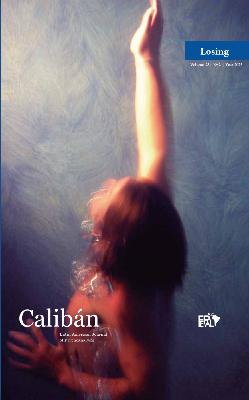
In this episode, I have the great pleasure of speaking with Silvana Rea, associate editor of the Latin American psychoanalytic journal Caliban, which has been one of the recipients of the prestigious 2025 Sigourney Award. As Silvana explains the journal’s mission is to advance Latin American psychoanalytic thought through a multilingual platform balancing Portuguese and Spanish and embracing diverse cultural perspectives.
In fact, themes for each edition emerge from collaborative brainstorming whereas the journal’s “Caliban on Tour” initiative brings psychoanalytic ideas to public forums and cultural institutions and crosses borders and transcends boundaries. The journal’s name “Caliban” inspired by Shakespeare symbolizes resistance to colonial influences, and upcoming editions focus on topics such as loss and emptiness.
Silvana highlights Caliban’s commitment to disseminating psychoanalytic thought in Spanish, Portuguese, and English, emphasizing the unique cultural and historical backgrounds of Latin American countries, especially Brazil’s distinct colonial and indigenous influences. For instance, the current edition explores the Brazilian concept of “saudade” (nostalgia or homesickness), featuring contributions from historians and a discussion of “banzo,” a disease affecting enslaved people in Brazil.
All in all, the journal welcomes contributions from various fields, hence reflecting a kaleidoscope of perspectives with the aim of fostering dialogue and understanding through psychoanalysis both in traditional settings as well as within and from open and truly diverse spaces.

In this episode, I have the great pleasure of talking with bestselling author and forensic psychologist S. A. Stolin who shares insights into her personal journey and creative process as an author. At 82, Stolin emphasizes the importance of lifelong contribution and transformation, drawing from her experiences as an actress, psychologist, and writer.
Moreover, she discusses how her background in forensic psychology informs her character development, highlighting the value of communication and emotional depth in relationships. We also touch on themes of self-acceptance, healing through creativity, and the significance of embracing new opportunities at any age.
S. A. Stolin’s latest book is The Doc’s Christmas Miracle and it is basically a Hallmark romance but with a twist. The story follows two doctors who must collaborate to save a struggling clinic, leading to both romantic and professional challenges. A unique element is the “memory machine,” which not only aids Alzheimer’s patients but also helps solve a mystery, adding a suspenseful twist to the romance.
Finally, Stolin reflects on the transformative power of hope, miracles, and partnership, noting that the book aims to bring joy and comfort to readers, especially during the holiday season. We conclude with thoughts on authenticity, trust, and the evolving nature of storytelling in contemporary life.
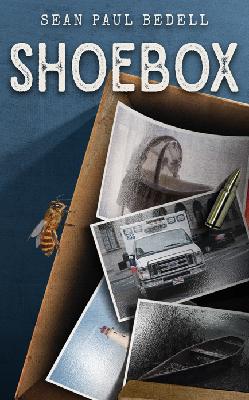
In this episode, I have the great pleasure of speaking with Sean Paul Bedell, whose experiences as a paramedic and fire service captain deeply inform his writing. Sean discusses how his novel "Shoebox" captures the gritty realism of a first responder’s life, blending personal and professional challenges with moments of hope and resilience. Through our discussion, we recognize the emotional complexity faced by those in high-stress roles and the importance of storytelling in processing trauma and connecting with others.
We also delve into the nuanced role of community and the barriers to expressing vulnerability, especially in traditionally male-dominated professions. By sharing anecdotes and insights, we highlight how "Shoebox" not only entertains but also sheds light on mental health, the impact of trauma, and the power of communication. Ultimately, we find that through open dialogue and creative expression, we can foster understanding, growth, and healing for ourselves and our communities.

En nuestra entrevista del ganador del Premio Sigourney 2025, María Luisa Silva relata la transformación de la revista Calibán, órgano oficial de la Federación Latinoamericana de Psicoanálisis, que en 2012 adquirió una identidad editorial propia y una voz distintiva y creando una nueva personalidad.
De hecho, el nombre "Calibán", inspirado en el personaje de Shakespeare, simboliza el impulso de dar autonomía y voz al psicoanálisis latinoamericano, diferenciándolo del pensamiento europeo y resaltando la riqueza cultural y diversidad de la región. La revista aborda temas sociales y clínicos desde una perspectiva abierta y sensible a la cultura, reflejando la complejidad y belleza de Latinoamérica.
Además, María Luisa Silva destaca la estructura colaborativa y dialogante de Calibán, que involucra a un equipo amplio y entusiasta, con contribuciones de distintas disciplinas. Los números recientes han tratado temas como la seducción, la pérdida y la vida cotidiana, explorados tanto desde el ámbito clínico como cultural. La revista se publica en español y portugués, con ediciones digitales en inglés, y realiza giras y actividades en varios países para fomentar el diálogo y acercar el psicoanálisis a la comunidad.
Finalmente, se mencionan iniciativas para apoyar a jóvenes analistas y los reconocimientos obtenidos, subrayando el compromiso de Calibán con la apertura y el desarrollo del psicoanálisis latinoamericano.

In this episode, I have the great pleasure of speaking with award-winning filmmaker Nick Davis about his fascinating and moving documentary This Ordinary Thing. Nick Davis shares the inspiration behind the film’s title and its focus on the everyday heroism of ordinary people who risked everything to help others during one of history’s darkest chapters.
Through vivid storytelling and personal anecdotes, he explores how acts of courage, often seen as extraordinary, were simply “what you did” for those who chose to help, which raises the question: why didn’t everyone do this so-called ordinary thing?
With the film’s unique blend of archival footage, cinematic techniques, and performances by renowned actors, we see these harrowing true stories of the Holocaust come to life with immediacy and emotional depth.
Finally, the filmmaker gives us behind-the-scenes glimpses into the challenges and rewards of assembling a cast, the importance of highlighting the daily realities of those involved, and the universal humanity at the heart of these narratives thus offering an inspiring look at the resilience, ingenuity, and compassion that can shine through during moments of adversity and in the face of pure evil.

In this episode, I have the great pleasure of talking to world-renowned social psychologist, professor, and bestselling author Dr. Roy F. Baumeister about his book, The Science of Free Will: Bridging Theory and Positive Psychology.
Dr. Baumeister explains that while philosophers have long debated whether free will can exist in a deterministic universe, psychology approaches the question differently. He emphasizes that the human mind possesses a unique system for controlling action, allowing us to simulate multiple futures, make long-term plans, and alter our present behavior based on anticipated outcomes, which are abilities that set us apart from other animals.
Our discussion then delves into the nuances of free will, highlighting that it is not an all-or-nothing phenomenon but that it exists on a continuum. Dr. Baumeister shares research showing that some choices are “freer” than others, and that self-control is a finite resource, closely linked to our ability to make decisions.
Furthermore, we explore the moral and societal implications of free will as our legal and ethical systems presuppose that individuals can act differently in the same situation, making accountability and responsibility possible. Dr. Baumeister also touches on the importance of self-control as a trait, likening it to a muscle that can be strengthened with practice, and notes its role in personal success and well-being.
Finally, we reflect on culture, gender, and the holistic nature of human experience. Dr. Baumeister explains how cultural and social factors shape aspects of our lives, such as sexuality, and how self-control interacts with these influences. He also addresses the interplay between mind and body, the value of live social interaction, and the ongoing dialogue between philosophy and psychology. Ultimately, our conversation underscores the empowering belief that, while not absolute, free will enables us to shape our lives, take responsibility for our actions, and find meaning in our choices.

In this episode, I have the pleasure of speaking with lawyer, judge, and Professor Brian Muldoon about his fascinating novel, The Luminous One: The Making of a Messiah. We talk about the so-called "lost years" of Jesus, the 18-year gap in the Gospels between Jesus’ childhood and the start of his ministry. Brian’s novel imaginatively fills this gap, following a young Yeshua (Jesus) as he journeys from Palestine to India and China, encountering diverse spiritual traditions and formative experiences that shape his later teachings.
The story traces Yeshua’s escape from a troubled home life, his compassionate outreach to the marginalized Dalits in India, and his participation in significant historical events such as the Fourth Buddhist Council in Kashmir. Through these adventures, Yeshua is exposed to Buddhist, Hindu, and other mystical philosophies, which influence his evolving understanding of spirituality. Brian weaves together historical fact and fiction, using these imagined travels to explain how Jesus might have developed his more radical ideas about compassion, nonviolence, and the nature of God.
We also explore the human side of Jesus, emphasizing his sense of humor, charisma, and capacity for joy, which are traits that are often overlooked in traditional portrayals. Moreover, we reflect on how Jesus’ teachings challenged the rigid orthodoxy of his times, advocating for a more inclusive and open-minded spirituality. We then highlight that the real message of Jesus lies in the ongoing journey of self-discovery and connection with others.
Beyond the novel, Brian shares insights from his work in law and mediation, drawing parallels between spiritual growth and conflict resolution. He advocates for deep listening, compassion, and the courage to confront difficult truths, skills essential both in personal relationships and in broader societal healing. Finally, Brian reflects on balancing his roles as a legal professional and writer and offers us a preview of his next literary project that shall explore the concept of fifth-dimensional consciousness wrapped in a detective mystery.

In this episode, I have the great pleasure of speaking with my friend and fellow writer Pat Sullivan about her witty workplace satire In the Frame. Her book is set in a fictional Toronto Art Gallery called Toronto Art Gallery (TAG) and offers a behind-the-scenes look at the art world. Instead of the usual and commonplace art world tropes of heists and forgeries, Pat’s book draws on her own gallery experience to reveal the real-life tensions, mishaps, and personalities that animate and often complicate working at such institutions.
The story follows four central characters including a director, two curators, and an educator as they navigate the chaos leading up to a high-stakes gala fundraiser. Pat explores different workplace conflicts, from power struggles and artistic ambitions to burnout and the challenge of pleasing donors, staff, and the public. The novel also shines a light on the unsung heroes of the gallery, such as technical assistants, and highlights the complex balancing act required to keep a cultural institution thriving.
Pat also shares insights into her writing process, the importance of context in art appreciation, and the therapeutic value of turning real-life frustrations into readable and relatable fiction. She offers practical advice for aspiring writers, emphasizing perseverance, adaptability, and the realities of both traditional and self-publishing as well as how AI cannot replace works of art.
In fact, In the Frame promises readers a smart, humorous, and authentic glimpse into the art world’s backstage drama, perfect for anyone curious about what really happens when the gallery doors close. It makes me appreciate not only art more but also the amount of work and effort that go into the upkeep and maintenance of an art gallery.

In this episode, I have the great pleasure of speaking with Brad Buchanan, a retired English professor and now a full-time writer, who has faced significant personal challenges, including surviving two bouts of blood cancer and a difficult stem cell transplant. These experiences have profoundly shaped his perspective and writing, leading him to manage a chronic illness while continuing to pursue his passion for literature.
We discuss his novel, Spy’s Mate, which draws deeply from his love of chess and history. The story follows a young grandmaster navigating the perilous world of Soviet chess, where KGB manipulation and surveillance were ever-present. In the Soviet Union, chess was more than a game—it was a propaganda tool, and those who didn’t conform faced severe consequences. Through his protagonist Yasha, loosely inspired by Garry Kasparov, Brad explores themes of outsider status, resilience, and the struggle against a system determined to control its brightest minds.
The novel also delves into the broader context of Cold War espionage, drawing parallels between the strategic thinking required in chess and the high stakes maneuvering of spies. As Yasha rises through the ranks, he encounters not only fierce competition but also the shifting political landscape of the collapsing Soviet Union. The story takes readers into the back rooms of Soviet bureaucracy, highlighting power struggles and the emergence of figures like Gorbachev and Putin, all set against the backdrop of a society in flux.
Beyond the intrigue and historical drama, “Spy’s Mate” weaves in personal relationships and emotional depth, including Yasha’s bond with his mother and a romantic subplot that adds complexity to his journey. Brad aims to make chess visually engaging by including diagrams and structuring the novel with action and dialogue, much like a screenplay. Ultimately, he hopes readers find both excitement and humanity in the story, and perhaps even see it adapted for the screen one day.

In this episode, I have (yet again!) the great pleasure of speaking with licensed therapist and pilot Michaela Renee Johnson on her book 7 Primal Wounds: Break the Patterns Keeping You Stuck and its connection to aviation.
Michaela recounts the challenges and emotional highs she experienced during her 13-day journey across the country for her aeronautical book tour in a vintage warbird by the name of Scarlett. Not only is she using the adventure as both a literal and metaphorical vehicle for spreading her message, but it also underscores and ties in with the book’s core and central themes.
In fact, the analogy of flying can help us better understand psychological patterns. For instance, people may get “stuck in holding patterns” in life, much like planes circling an airport, and how recognizing these patterns is the first step toward change. She draws on psychological theories such as transactional analysis and attachment theory to explain how early life experiences create “primal wounds” that shape adult behavior.
Moreover, she offers practical advice for becoming aware of these unconscious beliefs, encouraging us to notice our bodily reactions when triggered and to identify which “primal responder” (be it child, teenager, or parent) is influencing our actions at a given moment. This self-awareness can help us break negative cycles and make more empowered choices.
Finally, Michaela discusses how her framework applies to relationships and personal growth. She emphasizes that most conflicts are not about surface issues but about deeper wounds and unmet needs. By understanding and communicating these underlying patterns, individuals and couples can transform their interactions and foster healthier connections. And writing a book on these findings and observations is not only helpful for us but also therapeutic for the author herself.

In this episode, I have the great pleasure of speaking with Aymie Daniels, Managing Director of Prophet Source and author of An American Awakening: The Interdependent Relationship of Spirituality and Mental Health about her transformative journey of spiritual healing.
Aymie shares her insights on the inherent connection between spirituality and mental health, opens up about her personal awakening—a process she describes as “leveling up in consciousness”—and how it led her from darkness and substance abuse to a life of purpose and healing. Her story inspires and underscores resilience and finding hope even in the most turbulent times.
In her book, she explores how spiritual experiences can be both ineffable and life changing. She discusses the importance of holistic approaches to mental health, advocating for transparent information and diverse paths to healing that go beyond pharmaceuticals. Moreover, she managed to look at the bigger picture by moving beyond the “why me” mentality, embracing the law of accountability, and accepting the necessity of making conscious choices to move forward.
Finally, we talk about the challenges faced by those who experience spiritual emergencies, including societal stigma and the limitations of traditional mental health labels. Aymie shares how finding community with others who have undergone similar awakenings has been vital to her journey, and why she believes that embracing our spiritual nature—however we define it—is essential for true well-being.

In this episode, I have the great pleasure of speaking with Dr. Rehman Yousuf Abdulrehman, a clinical psychologist and the author of the best-selling novel Jinn in the Family. We explore jinn folklore with a focus on cultural identity and mental health diagnosis and practice, and how writing fiction can serve as a form of therapy and creative fulfillment.
The novel centers around jinn, supernatural beings from Islamic and Zanzibar folklore, often misunderstood in Western culture as mere "genies." Jinn are described as beings created from smokeless fire, distinct from angels and humans, possessing free will and capable of good or evil. This nuanced portrayal challenges the typical Western dichotomy of good versus evil by presenting them as complex characters with motivations shaped by their experiences.
Although the novel is presented as a ghost story, it also serves as a metaphor for diaspora identity, cultural heritage, and trauma alongside occasional potential clashes with a predominantly Western scientific paradigm. As a result, the book invites readers to re-evaluate and perhaps even question certain traditional notions of good and evil.
Moreover, Dr. Abdulrehman emphasizes the importance of openness to different cultural perspectives, particularly in mental health, where misdiagnosis can occur due to cultural misunderstandings. He advocates for integrating Eastern philosophies and traditional knowledge hand-in-hand with Western scientific approaches. The novel also addresses the need for diverse cultural narratives in literature, especially those from non-Eurocentric backgrounds, to enrich global storytelling while also providing a colorful metaphor for understanding inner and psychological differences and variations between individuals that have a range of diverse experiences.

In this podcast, I have the great pleasure of speaking with Laura Ranieri Roy, an Egyptologist and the founder of Ancient Egypt Alive on pretty much everything under the sun regarding ancient Egyptian history and culture from bent pyramids to great pharaohs, the role of women in society while also giving us glimpses into everyday family life of back then.
Laura talks about King Sneferu’s pyramid innovation likening his leadership and vision to Elon Musk’s SpaceX. There seems to be – for better or for worse – no alien involvement in their design and construction as they were built using conscripted labor from across Egypt, with workers receiving food, housing, and medical care in exchange for their participation in what was considered a prestigious project.
We also discuss the ancient Egyptians' beliefs about the afterlife and their focus on ensuring eternal life through elaborate rituals and monuments. Laura explains that Egyptians loved life but were concerned about continuing it in the afterlife, describing rituals like the "opening of the mouth" ceremony to animate the senses of mummies and statues. She notes that the enduring legacy of pharaohs like Ramses the Great and Tutankhamun demonstrates their success in achieving an afterlife, as their names continue to be remembered thousands of years later.
Moreover, Laura talks about the historical significance of several powerful women in ancient Egypt, beginning with Akhenaten who portrayed himself as both male and female. She explains how Cleopatra VII was known for her intelligence and charisma rather than traditional beauty. Laura also highlights Hatshepsut as a notable queen who ruled as pharaoh by assuming male attributes and characteristics and mentions that Nefertiti and other women held significant power in ancient Egypt alongside the worship and celebration of powerful goddesses like Isis with possible connections to Mary.
Finally, we also explore the lives of common people in ancient Egypt, with Laura providing insights into daily life, agriculture, and social structures. While Egyptians experienced difficult periods during intermediate periods between kingdoms, they generally lived well during kingdom periods, with a multicultural society that varied in appearance from Mediterranean to darker skin tones in the south. As Laura explains, Ancient Egypt Alive offers everything from lectures and talks to curated and immersive tours for anyone interested.

In this episode, I have the great pleasure of speaking with Governor General’s Awards Finalist Merilyn Simonds about her book "Walking with Beth: Conversations with my Hundred-Year-Old Friend," which explores her friendship with Beth, a now 105-year-old occupational and art therapist. The book delves into themes of ageism, resilience, and joy, capturing the essence of their conversations and shared experiences.
In fact, Merilyn has “dabbled all over the place” with an expansive and diverse writing career that spans over 40 years during which she has published 22 books in a variety of genres, from straight nonfiction to creative nonfiction, essay, memoir, short fiction, long fiction, children's book, and history.
Merilyn shares her background, growing up in Brazil and Canada, and how these cross-cultural perspectives and experiences have shaped her love for language and culture. She also talks about the challenges of writing about personal and sensitive topics, such as her illness and Beth's role in caring for her, while maintaining honesty and respect for boundaries. As she documents and explores the insights of her centenarian friend, Merilyn also challenges ageist stereotypes and offers different, more realistic and empathetic portrayals of older women.
Moreover, we touch upon the impact of the COVID-19 pandemic during the writing process. For instance, Beth, being immune compromised, had to develop routines and create art during this period of isolation. Merilyn praises Beth's resilience and positivity and talks about the precautions they both took to stay safe while maintaining their friendship, their walks and conversations during this challenging time.
Finally, we talk about Merilyn's lifelong passion for writing and other creative pursuits. She describes her writing process as one of curiosity and continuous learning, likening it to the mindset of a 5-year-old. This approach keeps her engaged and motivated despite the challenges. Merilyn's conversations with Beth reveal the importance of resilience, and the ability to stay present and grateful, and not be swayed or distracted by a focus on the past or the future.

In this episode, I have the great pleasure of speaking with Dr. Amy Albright, the CEO and co-founder of Holon, who shares her unique perspective on mental health, wellness, and well-being. Dr. Amy describes herself as an academic who loves science but also embraces the mystical aspects of life. She emphasizes the importance of understanding the interconnectedness of all things and how this holistic view can lead to a better world. Dr. Amy's approach combines ancient wisdom with modern technology, creating a comprehensive framework for addressing various aspects of human life.
One of the key topics discussed is the role of neurofeedback therapy in enhancing mental health and well-being. Dr. Albright explains how advanced technology can help individuals achieve a state of coherence in their brains, leading to improved focus, reduced stress, and a greater sense of fulfillment. She highlights the importance of addressing and (re)calibrating both the neurological and emotional aspects of well-being, emphasizing that true transformation requires a holistic approach.
Dr. Amy also delves into the concept of overperformance and the detrimental effects it can have on mental health. She discusses how societal pressures to constantly push and achieve can lead to burnout and a sense of inadequacy. By using neurofeedback therapy and other advanced techniques, individuals can learn to balance their drive for success with the need for relaxation and recovery, which is crucial for maintaining long-term mental health and well-being.
Throughout the podcast, Amy's passion for creating a better world shines through. She speaks about the importance of aligning one's actions with one’s true purpose and the positive impact this can have on both individuals and society as a whole. By fostering a sense of interconnectedness and embracing both scientific and spiritual perspectives, Amy believes that we can unlock our full potential and create a more harmonious and fulfilling life and ponders “what's it like to no longer be imprisoned to the idea structure of who you think you are? And to slip into the bigger, truer version of who you think you are, or the bigger and truer version of what freedom feels like as it courses through your body.”

Comments

Download from Google Play

Download from App Store
 United States