


 Claim Ownership
Mental Health Trailblazers: Psychiatric Nurses Speak Up
Subscribed: 20Played: 126
Subscribe

© 2025 MFP at ANA
Description
The groundbreaking journeys of psychiatric mental health nurses are featured in this podcast brought to you by the Minority Fellowship Program at the American Nurses Association. Follow these outstanding behavioral health nurses in their quest to meet the urgent and unmet needs of underserved communities across America.
Funding for this podcast was made possible (in part) by Grant# 1H79SM090074-01 from SAMHSA. The views expressed by the speakers and host do not necessarily reflect the official policies of the Department of Health and Human Services nor does mention of trade names, commercial practices, or organizations imply endorsement by the U.S. government.
Funding for this podcast was made possible (in part) by Grant# 1H79SM090074-01 from SAMHSA. The views expressed by the speakers and host do not necessarily reflect the official policies of the Department of Health and Human Services nor does mention of trade names, commercial practices, or organizations imply endorsement by the U.S. government.
68 Episodes
Reverse
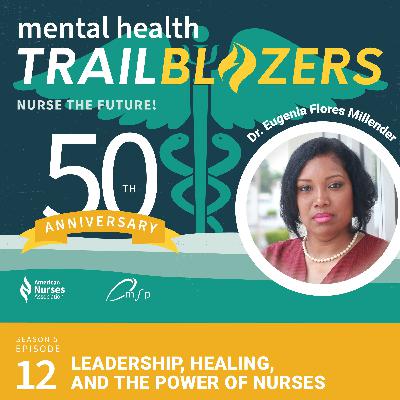
Dr. Eugenia Flores Millender traces a path from a young nurse searching for her voice to a force reshaping psychiatric-mental health care. An Afro-Indigenous Latina from Panama, she brings lived experience to the front lines of innovation—championing culturally grounded care, trauma-informed healing, and data-driven solutions. Today, she is a national and international leader advancing mental-health equity, building systems that meet communities where they are, and setting a new standard for how mental health care is delivered.She calls on nurses to claim their rightful role not only as part of the conversation, but as architects, leading AI and digital-health design and shaping the systems that will define mental-health care for generations, nationally and globally.Authentic, hopeful, and filled with hard-earned wisdom, this conversation is a moving reflection on what it means to nurse the future — with courage, compassion, and purpose.Learn more about Dr. Eugenia Flores Millender at https://emfp.org/about-us/national-advisory-committee/eugenia-millenderNurses can earn free Continuing Nursing Education (CNE) credits for listening to this episode. Full details will be announced at the end of the season.
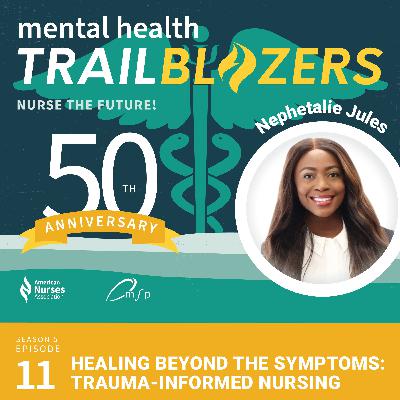
From her early nursing experiences in Tampa, Florida, to her advocacy for culturally responsive and compassionate care, Nephetalie shares how listening with empathy—and asking, “What happened to you?” instead of “What’s wrong with you?”—can change everything.Discover how nurses can break cycles of trauma, address stigma in communities of color, and bring healing to both patients and themselves through mindfulness, empathy, and advocacy. Nephetalie also discusses how technology and telehealth can integrate trauma-informed practices and what it means to “nurse the future” in today’s rapidly evolving mental health landscape.Tune in for a heartfelt conversation that reminds us that every patient’s story matters—and that healing begins with understanding.Learn more about Nephetalie Jules at https://emfp.org/mfp-fellows/nephetalie-julesNurses can earn free Continuing Nursing Education (CNE) credits for listening to this episode. Full details will be announced at the end of the season.
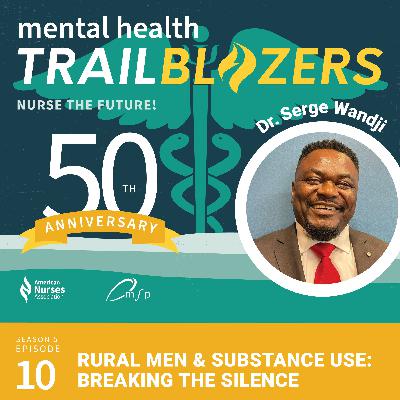
Substance use disorder is one of the most pressing health challenges in rural America. According to the Health Resources & Services Administration (HRSA), nearly 65% of all federally designated primary care shortage areas are in rural communities, and more than 60% of mental health professional shortage areas are rural as well (HRSA, March 31, 2025). These provider shortages are persistent and growing, leaving millions of Americans without timely or reliable access to behavioral health services—even as rural communities continue to experience high rates of substance use and related harms.In this episode of Mental Health Trailblazers: Psychiatric Nurses Speak Up!, Dr. Serge Wandji, MFP at the American Nurses Association alumnus and nurse scientist, shares with host Indrias Kassaye how his early research uncovered the struggles of rural Black men living with addiction. Today, his work expands to underserved communities across the rural South, showing how untreated substance use destabilizes families, harms children, and weakens entire communities.Dr. Wandji discusses why behavioral health must be integrated into primary care, how nurses and behavioral health specialists can apply research to real-world rural settings, and the importance of community-driven, culturally grounded approaches to recovery. According to Dr. Wandji, breaking the silence around substance use in rural America is the first step toward building healthier, more resilient communities.Learn more about Dr. Serge Wandji at https://emfp.org/mfp-fellows/serge-wandjiFor more information on access to care and mental health professional shortages, visit:https://bhw.hrsa.gov/sites/default/files/bureau-health-workforce/state-of-the-primary-care-workforce-report-2024.pdfhttps://data.hrsa.gov/Default/GenerateHPSAQuarterlyReporthttps://data.hrsa.gov/topics/health-workforce/nchwa/ahrfNurses can earn free Continuing Nursing Education (CNE) credits for listening to this episode. Full details will be announced at the end of the season.
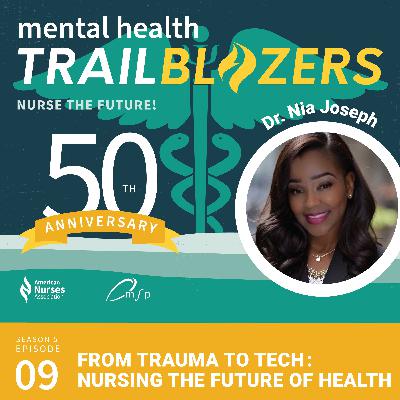
From tackling intergenerational trauma with Bowenian Family Therapy, to confronting bias in reproductive health, to exploring how climate change and artificial intelligence shape pediatric mental health, Dr. Josiah is redefining what compassionate, culturally responsive care looks like.Listeners will hear how her journey from home health aide to nursing scholar fuels her passion for justice, how she’s pioneering simulation-based training for crisis response, and how her nurse-led EBAN Wellness Initiative, a community mental health program she designed to integrate nutrition, movement, and emotional wellness for children and families in underserved communities, is transforming community health from the ground up.Whether you’re a nursing student, a mental health professional, or simply curious about how we can build systems that honor culture, equity, and humanity, this episode offers hope, insight, and a roadmap for the future of care.Learn more about Dr. Nia Josiah at https://emfp.org/mfp-fellows/nia-a-josiahNurses can earn free Continuing Nursing Education (CNE) credits for listening to this episode. Full details will be announced at the end of the season.
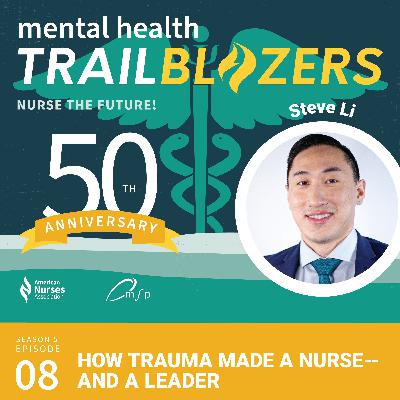
Tune in as Steve discusses:How community saved his life — and how he's paying it forwardThe mental health toll of immigration-related traumaWhy culturally competent care and bilingual nursing matterWhat the U.S. can learn from global mental health systemsThe power of nursing in advocating for equity and justiceThis is more than a conversation — it's a call to action for nurses, policymakers, and advocates to lead with empathy, cultural understanding, and courage.Listen now and discover how Steve Li is nursing the future with heart, advocacy, and grit.Learn more about Steve Li at https://emfp.org/mfp-fellows/steve-liNurses can earn free Continuing Nursing Education (CNE) credits for listening to this episode. Full details will be announced at the end of the season.
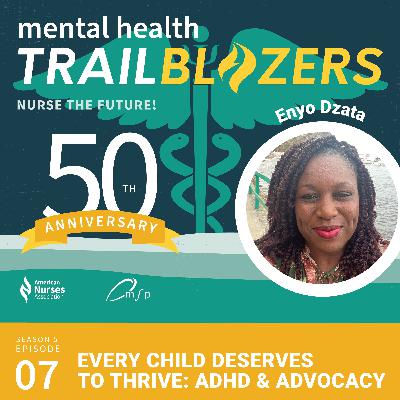
Discover how she navigates the complexities of diagnosing and treating ADHD, anxiety, and trauma, the disparities in care that leave many children unseen, and the role nurses play in ensuring no student “falls through the cracks.” Whether you’re a nursing student, educator, parent, or advocate, this conversation is a masterclass in compassionate, culturally responsive, and evidence-based care.Listen now and learn how early intervention, family engagement, and nurse-led advocacy can transform a child’s life — and their future.Learn more about Enyo Dzata at https://emfp.org/mfp-fellows/vivian-dzata Nurses can earn free Continuing Nursing Education (CNE) credits for listening to this episode. Full details will be announced at the end of the season.
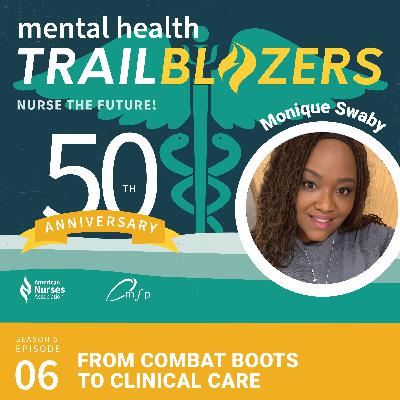
From her firsthand experiences in the military to her work at the VA and Department of Defense, Monique shares deeply personal and professional insights on the urgent mental health needs of veterans, military families, and underserved communities. She opens up about how her own experiences with intimate partner violence and traumatic brain injury shaped her nursing journey—and why she believes psychiatric nurses must lead the charge in dismantling stigma, improving access to care, and making behavioral health support culturally relevant and family-centered.Whether you’re a nursing student, behavioral health professional, or policymaker, this is a must-listen conversation about resilience, purpose, and reimagining care for those who serve.Learn more about Monique Swaby at https://emfp.org/mfp-fellows/monique-swabyNurses can earn free Continuing Nursing Education (CNE) credits for listening to this episode. Full details will be announced at the end of the season.
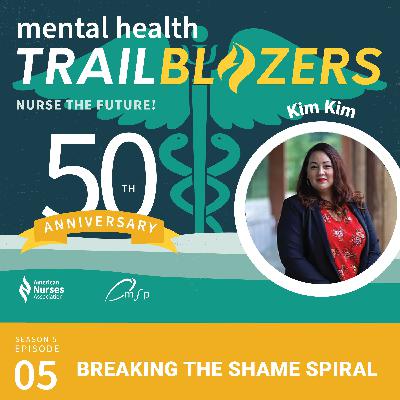
Kim shares her deeply personal journey from being a young caregiver for her daughter and mother to becoming a nationally recognized nurse educator and advocate. Along the way, she opens up about confronting diabetes distress, navigating intergenerational trauma, and breaking through the stigma and shame that often surround chronic illness—especially in medically underserved communities.Listeners will learn how mental health support, community-informed approaches, and compassionate nursing care can transform lives—not just for individuals living with diabetes, but for their families and support networks as well.Whether you’re a nursing student, behavioral health provider, diabetes educator, or someone caring for a loved one, this episode offers insight, healing, and hope.Tune in to hear how Kim Kim is reimagining care, advocating for mental health for all, and building a future where no one has to navigate chronic illness alone.Learn more about Kim Kim at https://emfp.org/mfp-fellows/kim-kimNurses can earn free Continuing Nursing Education (CNE) credits for listening to this episode. Full details will be announced at the end of the season.
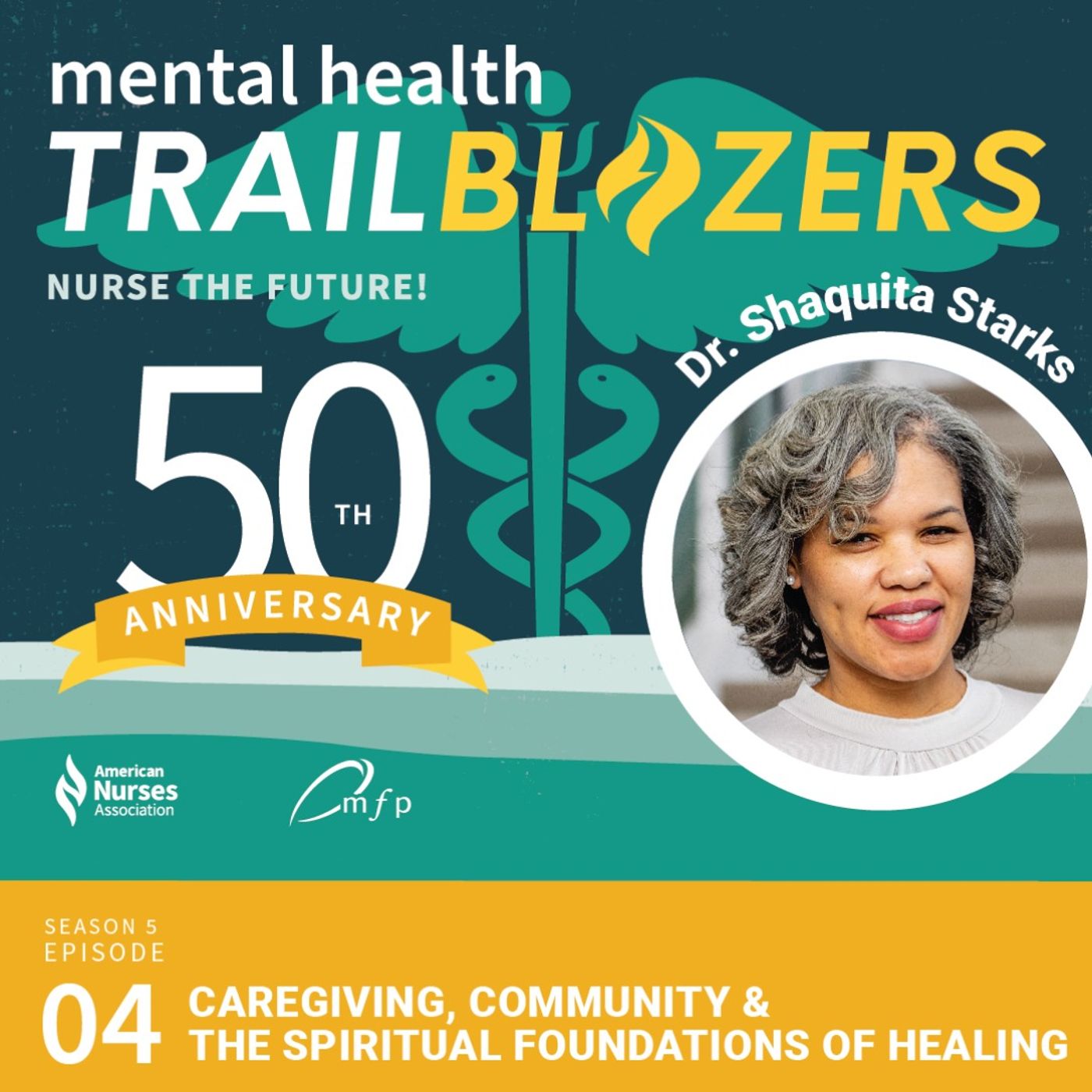
In this episode you will hear:Why so many caregivers fall through the cracks when it comes to mental health supportHow stress and trauma show up differently in different communities—and why we need better tools to recognize itWhat it means to bring faith, ritual, and spirituality into the healing processHow nurses and future mental health professionals can show up with compassion, curiosity, and cultural humilityWhat it looks like to truly see your patients—not just their symptomsDr. Starks is proof that there's more than one way to care—and that healing is about more than just medication and diagnosis. It’s about listening, respecting people’s full humanity, and tapping into what already keeps them strong.Whether you’re a nursing student, an aspiring therapist, someone who’s been through hard things and exploring your own path to healing or supporting a loved one, or just curious about what real, inclusive care looks like—this conversation will stay with you.Dr. Starks’ insights are a reminder that care doesn’t have to look one way—and that honoring the whole person is essential to helping them heal.Nurses can earn free Continuing Nursing Education (CNE) credits for listening to this episode. Full details will be announced at the end of the season.
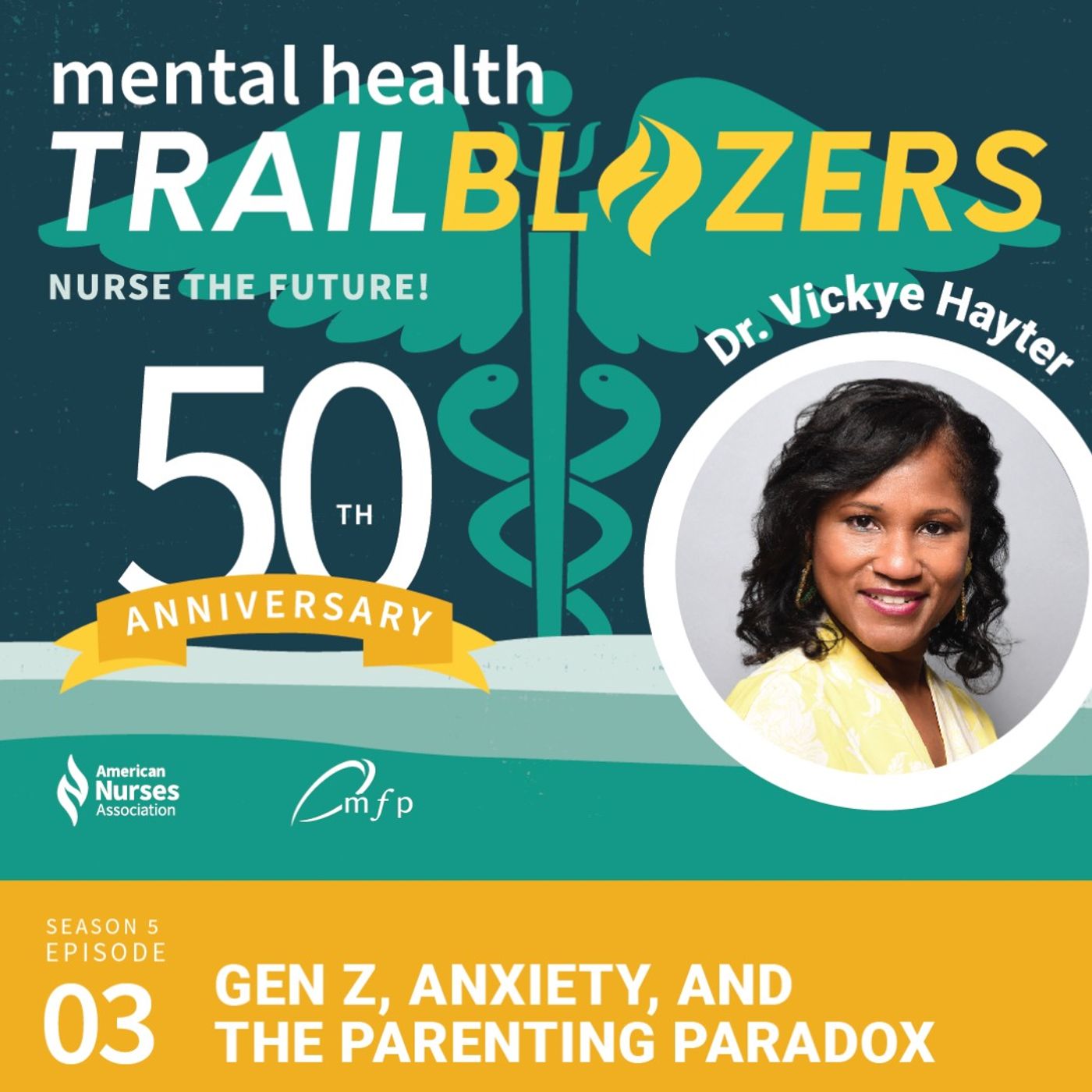
Listen now to discover why healing starts at home—and how nurses can lead the way in helping a generation reclaim connection and resilience. Nurses can earn free Continuing Nursing Education (CNE) credits for listening to this episode. Full details will be announced at the end of the season.Learn more about Dr. Vickye Hayter at https://emfp.org/mfp-fellows/vickye-hayter
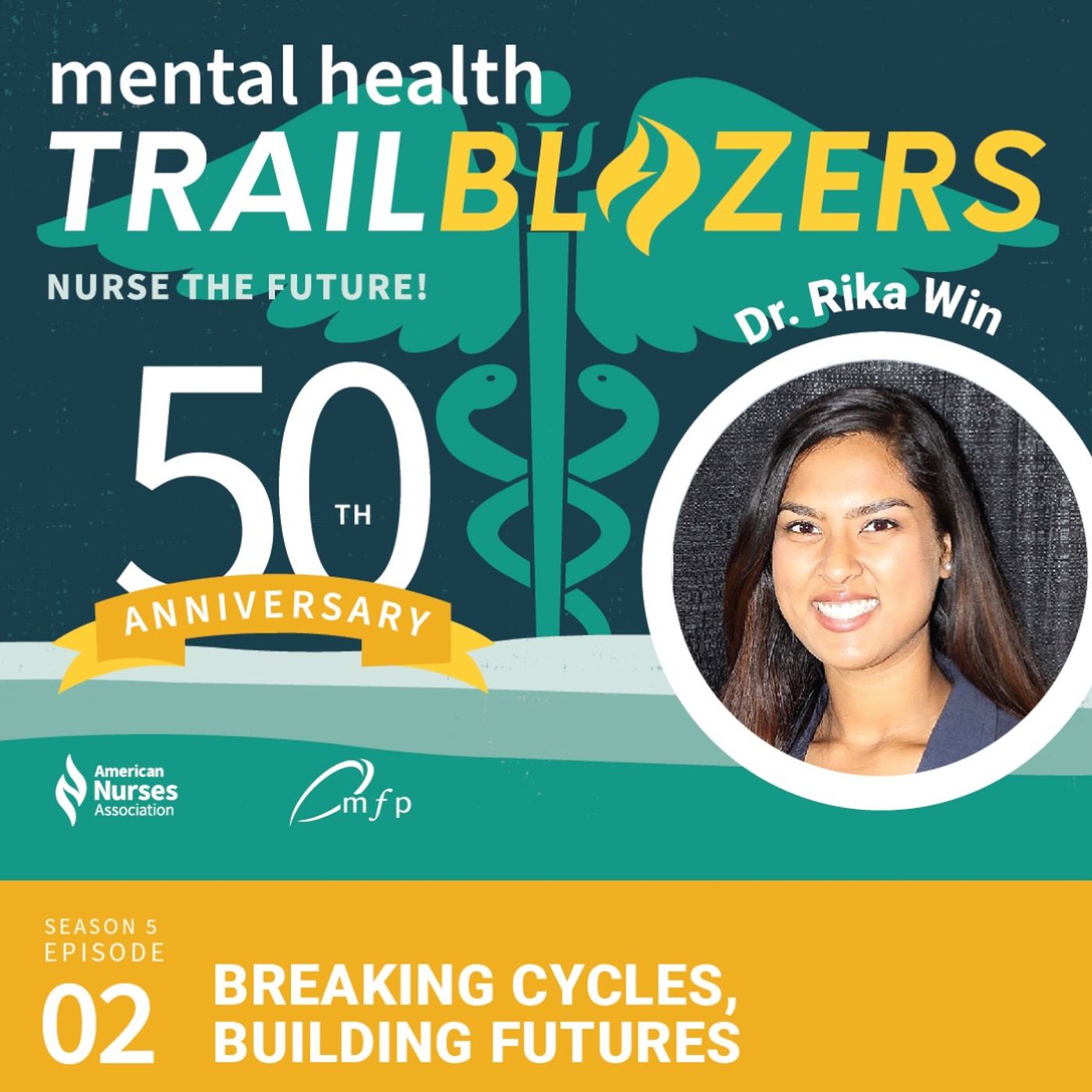
Drawing from her personal experience navigating the U.S. health care system as a child refugee and her professional practice working with underserved, immigrant, and unhoused populations, Dr. Win speaks candidly about the mental health toll of displacement, family separation, and systemic barriers to care. She shares how screening for adverse childhood experiences (ACEs), implementing trauma-informed protocols, and creating community-based support systems can break generational cycles of trauma and behavioral health challenges, and support family healing.From pediatric patients navigating life without deported parents to her pilot work establishing mindfulness and parenting support groups in shelters, Dr. Win details the practical interventions and policy shifts needed to make behavioral health more accessible and responsive. Her passionate advocacy for refugee and immigrant mental health — coupled with her call for self-care and sustainability among providers — offers invaluable insights for nurses, mental health professionals, and policymakers alike.As part of Season 5’s Nurse the Future theme, this conversation spotlights the essential leadership role psychiatric nurses play in reshaping behavioral health systems for a more equitable and inclusive tomorrow. Tune in for a powerful conversation that highlights the enduring strength of refugee families, the transformative power of culturally informed psychiatric care, and the critical responsibility nurses carry in building futures—one success story at a time. Nurses can earn free Continuing Nursing Education (CNE) credits for listening to this episode. Full details will be announced at the end of the season. Learn more about Dr. Rika Win at https://emfp.org/mfp-fellows/rika-w-kemp
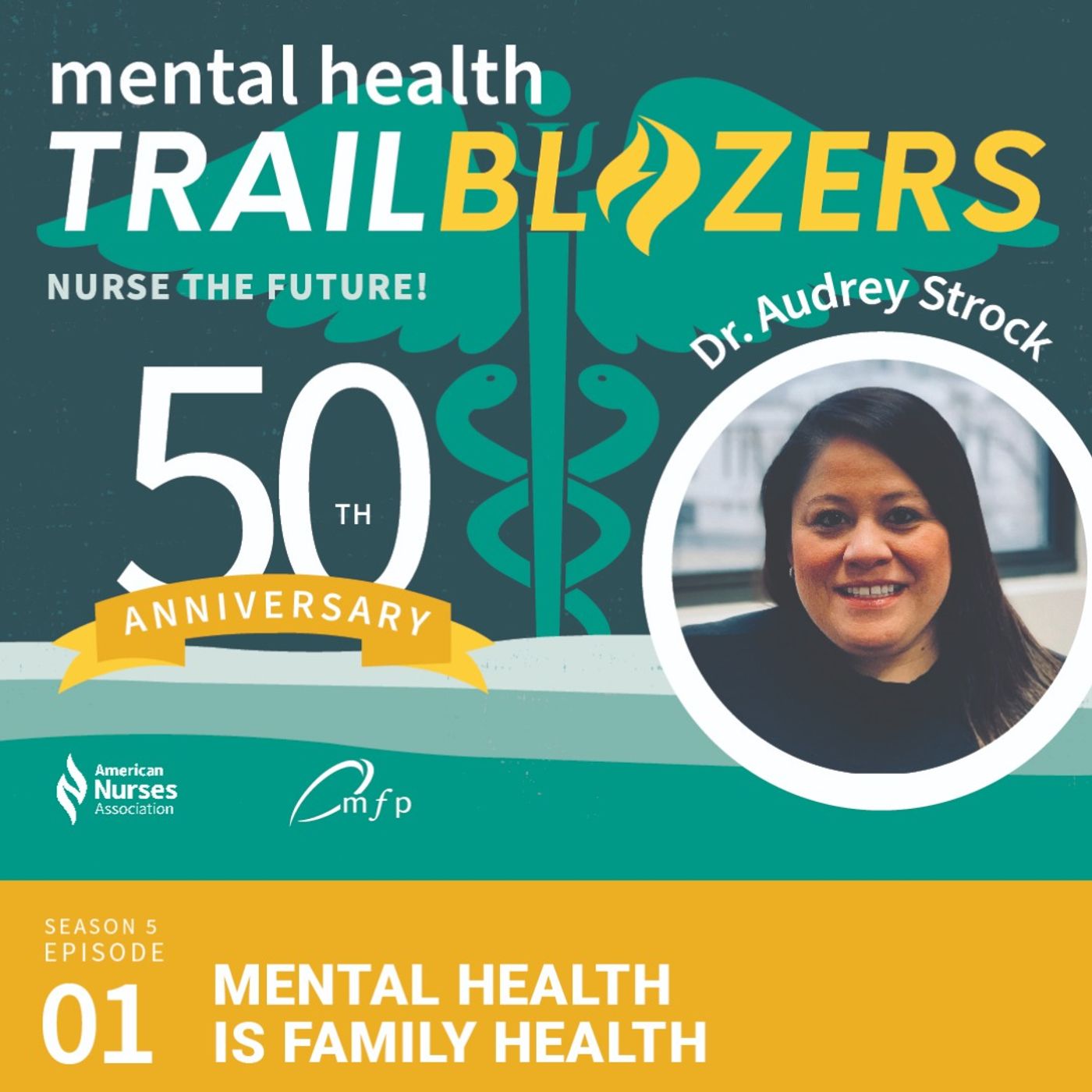
Why You Should Listen:If you care about the mental health of young people, families, or underserved communities—or you're a nurse, student, or health professional wondering how to make real impact—this episode is your guide for purpose-driven practice.Dr. Audrey Strock’s story is not just inspiring; it’s deeply instructive. She shows us what it looks like to turn lived adversity into advocacy, how to build a mental health practice rooted in empathy and excellence, and why culturally responsive, trauma-informed care is not a trend—it’s a necessity.Listeners will walk away with:Hope: That meaningful change is possible—even in under-resourced settings.Insight: Into what’s broken in our systems, and what’s working on the ground.Fuel: To be bold, bring your full self to the table, and nurse the future.Nurses can earn free CNE credits for listening—details coming at the end of the season!Learn more about Dr. Audrey Strock at https://emfp.org/mfp-fellows/audrey-strock
Through dynamic conversations with visionary psychiatric nurses, we’ll explore:The rising mental health challenges facing young people and their caregiversBold, culturally responsive strategies to close care gapsThe pioneering role of psychiatric nurses leading transformative changePlus: Nurses can earn FREE Continuing Nursing Education (CNE) credits just by listening.Subscribe now at emfp.org, follow us on YouTube @mfpana, and join us as we reimagine what mental health care can—and should—be. Bold voices. Big ideas. Real impact.
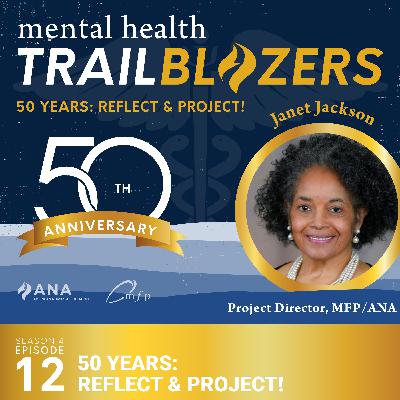
In the season 4 finale of Mental Health Trailblazers, Psychiatric Nurses Speak Up! host Indrias Kassaye sits down with two pivotal figures behind the Minority Fellowship Program (MFP) at the American Nurses Association: Janet Jackson, Project Director, and Samuel Suraphel, Digital Program Manager. Often working behind the scenes, Janet and Samuel are the program's driving force, tirelessly steering its mission to support psychiatric mental health nurses from underrepresented backgrounds and advance psychiatric mental health care for diverse communities. Throughout this engaging and heartfelt conversation, Janet reflects on the personal stories that connected her to MFP’s mission and shares how she helped transform the program from a state of disarray to a thriving support system for behavioral health nurses. Samuel offers his unique insights into the program’s evolution, highlighting the growing interest among young nurses in psychiatric mental health and the shift in perceptions within the field. Together, they celebrate MFP’s achievements and lay out an ambitious vision for the future, including expanding outreach to high schools, building career pathways, and enhancing digital engagement to reach broader audiences. Join us for this inspiring episode that not only honors the MFP’s remarkable 50-year legacy but also looks ahead with optimism to the next generation of mental health care providers. As Janet, Samuel, and Indrias celebrate this milestone, they leave us with a powerful reminder: mental health care is essential, and the mission continues.Listen in to this uplifting conversation and discover the dedication, heart, and leadership propelling MFP’s mission forward. Free CNE Credits available for listening! Don’t miss this chance to earn continuing education credits while learning from influential voices in nursing today. Tune in to this and all episodes of season 4, celebrating “50 Years: Reflect & Project!” and the lasting impact of the SAMHA Minority Fellowship Program at the American Nurses Association.CNE information:An email will be sent to you at a later date with instructions on how to claim CNE credit.The American Nurses Association is accredited as a provider of nursing continuing professional development by the American Nurses Credentialing Center’s Commission on Accreditation.
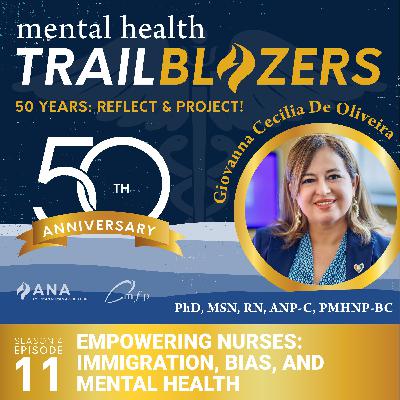
In this inspiring episode of Mental Health Trailblazers: Psychiatric Nurses Speak Up, host Indrias Kassaye welcomes Dr. Giovanna de Oliveira, an alumna of the Minority Fellowship Program at the American Nurses Association and Associate Professor at the University of Miami School of Nursing and Health Studies. Dr. de Oliveira shares her journey from Peru to the U.S., where she discovered her passion for nursing, inspired by the compassionate care of Filipino nurses and her pediatrician father. Over her 28-year career, Dr. de Oliveira has evolved into a psychiatric mental health nurse scientist, deeply committed to addressing mental health disparities in underrepresented communities, particularly among Hispanic populations. What are the unique mental health challenges facing immigrant communities in the U.S., and how can nurses address them? How are young Hispanic children and adolescents coping with the pressures of immigration, and what can we do to address their growing mental health needs? In this powerful conversation, Dr. de Oliveira reflects on her experiences with racism after immigrating to the U.S. and how she overcame challenges to build a successful career in nursing. She candidly shares how those early encounters with discrimination shaped her understanding of cultural sensitivity and fueled her commitment to providing compassionate, culturally competent care. Dr. de Oliveira also addresses the mental health impact of immigration policies on communities in South Florida, highlighting the trauma, anxiety, and feelings of isolation that many immigrants face. She discusses the rising mental health needs among Hispanic youth, including issues like self-mutilation and substance abuse, as well as the importance of nurses advocating for systemic change to better support immigrant and minority populations. Whether you're a nursing student, healthcare professional, or mental health advocate, this episode offers a compelling look at the resilience needed to overcome adversity and the critical role nurses play in transforming care for underserved populations. Don't miss it! Free CNE Credits available for listening! Don’t miss this chance to earn continuing education credits while learning from influential voices in nursing today. Tune in to this and all episodes of season 4, celebrating “50 Years: Reflect & Project!” and the lasting impact of the SAMHA Minority Fellowship Program at the American Nurses Association.CNE information:An email will be sent to you at a later date with instructions on how to claim CNE credit.The American Nurses Association is accredited as a provider of nursing continuing professional development by the American Nurses Credentialing Center’s Commission on Accreditation.Learn more about Dr Giovanna de Oliveira at https://emfp.org/mfp-fellows/giovanna-c-de-oliveira
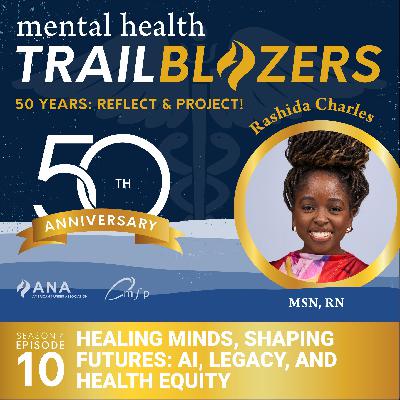
In this episode of Mental Health Trailblazers: Psychiatric Nurses Speak Up! host Indrias Kassaye welcomes Rashida Charles, PhD candidate at the University of Pennsylvania School of Nursing, and doctoral fellow in the Minority Fellowship Program at the American Nurses Association. Rashida shares her journey from a first-generation Haitian-American background to her role as a trailblazing nurse scientist, shedding light on how her community roots and lived experiences shape her passion for health equity, particularly for Black men and marginalized groups.Rashida opens up about her unique path to psychiatric nursing—a field she chose after witnessing health disparities firsthand as an AmeriCorps health coach. From her early aspirations to become a doctor to finding her calling in nursing, Rashida emphasizes the impact of her Haitian heritage and the struggles she faced as a first-generation college student. She dives deep into her research on the links between mental and physical health, especially how societal issues like racism and systemic inequalities lead to adverse health outcomes in communities of color.In a thought-provoking discussion, Rashida and Indrias explore the transformative potential of AI in healthcare (and real life pitfalls), along with the ethical considerations that come with it. Rashida highlights the importance of having diverse voices—especially nurses—in policy discussions around AI development to prevent unintended consequences, such as biases in data use and patient care. Together, they envision a future where AI can be harnessed to enhance patient engagement while acknowledging the challenges of safeguarding mental health in the digital age.Together, Indrias and Rashida explore the critical role of the Minority Fellowship Program in advancing culturally responsive mental health care and discuss the urgent need for diverse perspectives in healthcare policy-making. Rashida's resilience shines as she reflects on the legacy of her family and the importance of representation and community support. This episode is a heartfelt celebration of overcoming barriers, redefining success, and the powerful influence of nurses in shaping the future of mental health care.Listen now to discover how Rashida’s journey underscores the importance of mental health professionals who not only understand but reflect the communities they serve. Free CNE Credits available for listening! Don’t miss this chance to earn continuing education credits while learning from influential voices in nursing today. Tune in to this and all episodes of season 4, celebrating “50 Years: Reflect & Project!” and the lasting impact of the SAMHA Minority Fellowship Program at the American Nurses Association.CNE information:An email will be sent to you at a later date with instructions on how to claim CNE credit.The American Nurses Association is accredited as a provider of nursing continuing professional development by the American Nurses Credentialing Center’s Commission on Accreditation.Learn more about Rashida Charles at https://emfp.org/mfp-fellows/rashida-charles. Rashida Charles is also Sr. Clinical Instructor, Washington Squared Program, George Washington University & Medstar Washington Hospital Center, and Associate Professor, Advanced Research Methods, The State University of Haiti
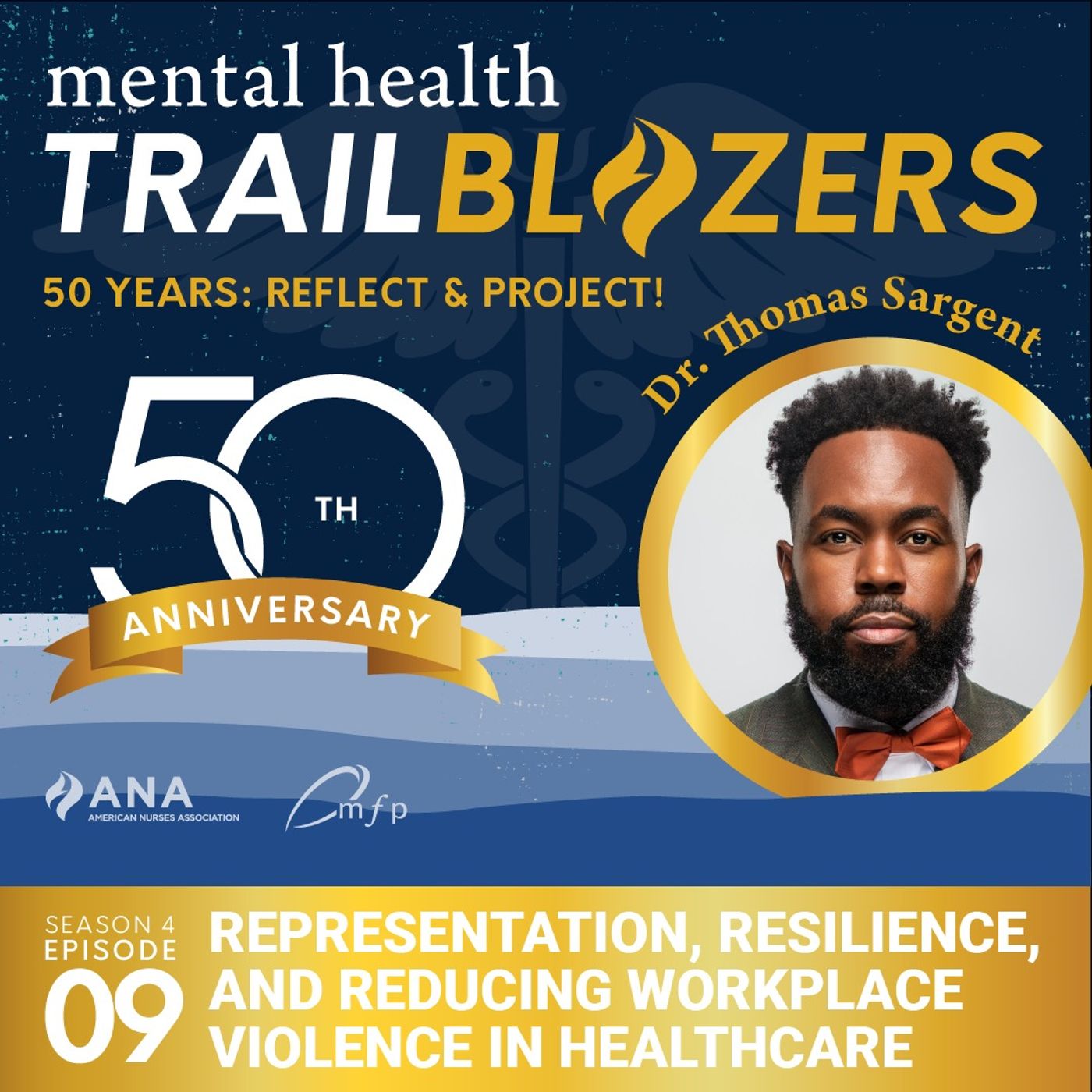
In this inspiring episode of Mental Health Trailblazers: Psychiatric Nurses Speak Up, host Indrias Kassaye chats with Dr. Thomas Sargent, a two-time Minority Fellowship Program (MFP) alumnus, whose journey from an unexpected nudge into nursing to becoming a Doctor of Nursing Practice (DNP) is nothing short of remarkable. Dr. Sargent shares his personal story of breaking through the barriers of a predominantly white, female-dominated profession as an African American male nurse practitioner.Throughout the episode, Dr. Sargent reflects on his experiences—never seeing Black male nurse educators during his studies—and how that absence motivated him to push harder and reach higher. He also dives into his groundbreaking work in addressing workplace violence in healthcare. His research reveals how trauma-informed care and cultural humility are critical to reducing incidents of violence and creating safer environments for healthcare providers. With healthcare workers facing an alarming rate of workplace violence, Dr. Sargent's efforts are not only timely but essential.Dr. Sargent also opens up about the deeply personal connections he forms with patients, including Black men who find comfort and trust in seeing a provider who understands their unique experiences. His work in treating underserved populations, breaking down the stigma around mental health, and advocating for cultural competence in care is both inspiring and vital.Whether you're a healthcare professional, a student, or someone passionate about diversity in healthcare, this episode offers an inside look at how one nurse is making a difference. Dr. Sargent also shares his experiences as an educator, helping shape the next generation of nurses and the vital role the MFP played in his success.Free CNE Credits available for listening! Don’t miss this chance to earn continuing education credits while learning from influential voices in nursing today. Tune in to this and all episodes of season 4, celebrating “50 Years: Reflect & Project!” and the lasting impact of the SAMHA Minority Fellowship Program at the American Nurses Association.CNE information:An email will be sent to you at a later date with instructions on how to claim CNE credit.The American Nurses Association is accredited as a provider of nursing continuing professional development by the American Nurses Credentialing Center’s Commission on Accreditation.Learn more about Dr. Sargent at https://emfp.org/mfp-fellows/thomas-sargent

In this episode of Mental Health Trailblazers: Psychiatric Nurses Speak Up, host Indrias Kassaye is joined by Alice Dressler, a doctoral fellow in the Minority Fellowship Program (MFP), as they discuss her journey to becoming a psychiatric nurse practitioner. This conversation takes place in the context of the 50-year anniversary of the MFP at the American Nurses Association, offering a unique perspective from a current fellow on the continuing importance of the program in addressing unmet behavioral health needs in underserved communities.Alice shares her story of immigrating to the U.S. in 2017 and how her early life experiences, being born under China’s one-child policy and adopted as an infant, shaped her commitment to healthcare. Initially trained as a civil engineer, Alice decided to pursue nursing after witnessing the mental health struggles of patients and healthcare workers during the pandemic. Now working in Colorado, she serves low-income women and children from minority backgrounds, focusing on mental health care for those with significant trauma histories.In a particularly powerful segment, Alice reflects on how the rise of anti-Asian sentiment during the pandemic marked her first experience with racism. This personal encounter profoundly deepened her empathy for patients who face racism regularly, giving her a new understanding of how racial discrimination impacts mental health. Her insights underscore the critical need to consider these factors when providing care to underserved populations.Alice also highlights how the Minority Fellowship Program has been instrumental in her professional development, providing a sense of community and support that reignited her passion for nursing. The program has empowered her to think beyond direct patient care, inspiring her to consider research and policy work aimed at reducing mental health disparities in marginalized communities.This episode offers a thoughtful exploration of how personal experience, cultural competence, and programs like the MFP are essential in addressing the behavioral health needs of underserved populations. Alice’s journey provides valuable insights for healthcare professionals and advocates alike.Learn more about Alice Dressler at https://emfp.org/mfp-fellows/alice-dressler Bonus: Earn Free CNE Credits!Nurses can earn Continuing Nursing Education (CNE) credits by listening to this episode. CNE information:An email will be sent to you at a later date with instructions on how to claim CNE credit.The American Nurses Association is accredited as a provider of nursing continuing professional development by the American Nurses Credentialing Center’s Commission on Accreditation.

In this special episode, recorded during the MFP's 2024 Summer Intensive Training Institute in Washington, D.C., host Indrias Kassaye brings together an accomplished panel of MFP alumni to celebrate the program's 50-year legacy and explore the future of psychiatric and mental health care for underserved communities.Join us as Dr. John Lowe, Dr. Eugenia Millender, Dr. Rosa Gonzalez-Guarda, Dr. Mary Lou de Leon Siantz, Dr. Kalisha Bonds-Johnson, and Dr. LaKeetra Josey share their journeys, groundbreaking research, and the profound impact they’ve had on the lives of those they serve. Dr. Lowe reflects on a powerful moment when a young Native American man, whom he had mentored through the Talking Circle intervention, crossed paths with him years later in Washington, D.C., having become a successful law student and intern on Capitol Hill—a testament to the life-changing influence of culturally tailored interventions.Dr. Millender discusses how her research on cumulative trauma and stress has not only advanced our understanding of cardiovascular disease but also empowered communities to confront and address the long-term impacts of these stressors. She recalls the personal transformation she experienced through the MFP, which expanded her worldview and deepened her commitment to addressing health inequities, particularly within indigenous and Latino communities.Dr. Gonzalez-Guarda shares how her upbringing in Miami initially sheltered her from the broader inequities faced by immigrant communities—a realization that later fueled her passion for health equity. Her work, now recognized with a new grant for a community trial, focuses on preventing systemic health outcomes in Latino immigrant families, emphasizing the importance of cultural strengths in overcoming societal stressors.Dr. Mary Lou de Leon Siantz speaks movingly about her lifelong dedication to the mental health and reproductive health of migrant children and adolescents. She reflects on her pioneering work as the first national mental health coordinator for the Migrant Head Start program and her ongoing commitment to advocating for immigrant children at the U.S. border.Dr. Kalisha Bonds-Johnson offers insight into her research on African American adult daughters caring for parents with cognitive impairments. Drawing from her own life experiences, she highlights the importance of culturally tailored support systems for these caregivers, whose challenges often go unrecognized. Her work, supported by a prestigious NIH K award, exemplifies the critical need for research that addresses the unique needs of underserved populations.Dr. LaKeetra Josey discusses how the MFP transformed her approach to leadership and clinical practice, empowering her to create innovative mental health care solutions tailored to the needs of diverse communities. From establishing a practice in the Dominican Republic serving U.S. veterans to integrating mental health services in schools, Dr. Josey exemplifies the impact of culturally responsive care in improving mental health outcomes.The journeys of these distinguished guests exemplify the mission of the SAMHSA Minority Fellowship Program at the American Nurses Association to address substance use disorder and mental health care disparities affecting racial and ethnic minorities. Through their research, clinical practice, and advocacy, they have each contributed to reducing these disparities by developing and implementing culturally relevant interventions that resonate deeply with the communities they serve. Their work underscores the importance of addressing the unique challenges faced by underserved populations, from systemic inequities to the need for culturally sensitive care.Throughout the episode, the importance of storytelling emerges as a powerful theme. The panelists emphasize how sharing narratives—whether it’s their own or those of the individuals and communities they serve—can bridge understanding, inspire action, and drive meaningful change. They highlight how the Minority Fellowship Program has equipped them not only with the skills to conduct groundbreaking research but also with the ability to become advocates, and tell the stories that humanize their work, make it accessible to a broader audience and inspire new generations of psychiatric mental health nurses.This episode captures the spirit of the MFP family—a powerful community of leaders dedicated to advancing mental health equity. Through their personal anecdotes, these trailblazing nurse scientists not only highlight their professional achievements but also share the deep, personal connections they’ve made with those they serve, and the transformative experiences that shaped their visions for the future.Tune in for a rich discussion that both honors the past and looks boldly to the future, envisioning new frontiers in mental health care, from addressing the needs of indigenous populations to exploring the possibilities for nurse scientists in outer space. This is an episode you won't want to miss! Bonus: Earn Free CNE Credits!Nurses can earn Continuing Nursing Education (CNE) credits by listening to this episode. CNE information:An email will be sent to you at a later date with instructions on how to claim CNE credit.The American Nurses Association is accredited as a provider of nursing continuing professional development by the American Nurses Credentialing Center’s Commission on Accreditation.

In this episode of Mental Health Trailblazers, Psychiatric Nurses Speak Up, host Indrias Kassaye welcomes Dr. Willa Doswell, a distinguished Associate Professor in the Department of Health Promotion and Development at the University of Pittsburgh School of Nursing. As one of the earliest fellows of the Minority Fellowship Program (MFP) at the American Nurses Association, Dr. Doswell shares her inspiring journey into psychiatric mental health nursing—a path she was drawn to by a profound experience that highlighted the critical importance of mental health care.Reflecting on 50 years of the MFP, Dr. Doswell discusses the evolving landscape of mental health care for communities of color, highlighting the persistent challenges and the program's significant impact in preparing nurses to address these issues. She also delves into her personal and professional experiences, offering insights into the importance of mentorship, the ongoing need for diversity in nursing, and the crucial role nurses can play in policy discussions to advocate for underrepresented communities.Dr. Doswell also shares a deeply personal story about her granddaughter’s challenging pregnancy, which brought her face-to-face with the complexities of reproductive health care in today’s political climate. This experience reinforced her commitment to advocating for compassionate and culturally sensitive care, particularly in maternal mental health.Join us for a compelling conversation as Dr. Doswell offers a candid look at the past, present, and future of mental health nursing, sharing her thoughts on the legacy of the MFP and the vital work that still lies ahead, including nurturing pathways to the profession for students from underrepresented racial and ethnic minority communities.This episode is a must-listen for nursing students, professionals, and anyone interested in understanding the intersections of mental health, race, and advocacy in nursing.Bonus: Earn Free CNE Credits!Nurses can earn Continuing Nursing Education (CNE) credits by listening to this episode. CNE information: Free CNE credits are available for listening to the podcast at https://www.nursingworld.org/continuing-education/MHTP-S4-E1-6/. The American Nurses Association is accredited as a provider of nursing continuing professional development by the American Nurses Credentialing Center’s Commission on Accreditation.Learn more about Dr. Doswell at https://emfp.org/mfp-fellows/willa-m-doswellFor more information on how to encourage high school students to consider nursing school, visit https://nursejournal.org/articles/ways-high-school-students-can-prepare-for-a-career-in-nursing/

Comments

Download from Google Play

Download from App Store
 United States