


 Claim Ownership
Lets Talk Sex And Dating
Subscribed: 91Played: 2,891
Subscribe

© Michael Fortune
Description
We will explore sex, the things that are known or unknown. Why are we missing real sex communication beyond identifying gender but no talk about the dynamics of sexuality. What are the dynamics to dating in a era of ever changing technology.
Become a supporter of this podcast: https://www.spreaker.com/podcast/lets-talk-sex-and-dating--5052038/support.
Become a supporter of this podcast: https://www.spreaker.com/podcast/lets-talk-sex-and-dating--5052038/support.
633 Episodes
Reverse

Today, we're diving into the intriguing world of online dating and its financial implications. Did you know that the global online dating market was valued at approximately 8.9 billion dollars in 2023, and it's projected to reach a whopping 21.8 billion by 2033? This signifies a substantial growth trend signaled by a compound annual growth rate of 9.5% from 2024 to 2033. With such rapid growth, it’s fascinating to explore how these developments are transforming not just the market, but the dating experience itself.
Dating & AI Problems — SummaryEmotional Substitution: Millions use AI chatbots as romantic companions, risking emotional dependence and reduced real-world intimacy.Romance Scams: AI-generated profiles and deepfake photos fuel large-scale catfishing and financial fraud.Mental Health Risks: Users report stronger emotional bonds with bots than people, raising concerns about isolation and delusion.Algorithmic Bias: Dating apps use AI that reinforces racial, gender, and body-type biases, prioritizing engagement over compatibility.Swipe Fatigue & Manipulation: AI-driven design creates addictive loops that exhaust users and distort expectations.
Holistic sexual wellness is an approach to sexuality that looks at the whole person—mind, body, emotions, relationships, and personal values—rather than focusing only on physical function or sexual activity. It recognizes that sexual wellbeing is shaped by many interconnected factors, including self‑esteem, communication, consent, emotional safety, cultural beliefs, and overall health.
AI is increasingly acting as a third influence inside romantic relationships — not a romantic partner, but a mediator, translator, coach, or emotional buffer. Couples are using AI tools to improve communication, navigate conflict, and understand each other’s needs.It’s less “AI as a lover” and more AI as a relationship infrastructure.
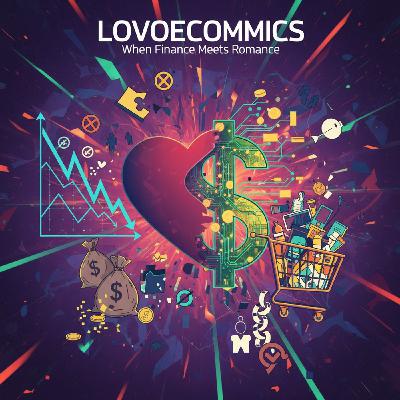
In recent years, there's been a pervasive shift in the sexual landscape of America, often referred to as the "sex recession." This term describes the decline in sexual activity among U.S. adults, and the numbers paint a striking picture—back in 1990, a solid 55% of adults reported being sexually active on a weekly basis. Fast forward to 2024, and that number has plummeted to just 37%.But who is feeling the impacts of this recession? Young adults aged 18 to 29 are particularly affected, with their rates of celibacy doubling over the past decade—from 12% in 2010 to a staggering 24% in 2024. This means nearly a quarter of young adults haven’t engaged in sexual activity at all in the past year. You might think that marriage would be a buffer against this trend, but even among married couples, the frequency of sex has declined. A notable drop has occurred from 59% in 1996 to about 49% between 2010 and 2024.Become a supporter of this podcast: https://www.spreaker.com/podcast/lets-talk-sex-and-dating--5052038/support.
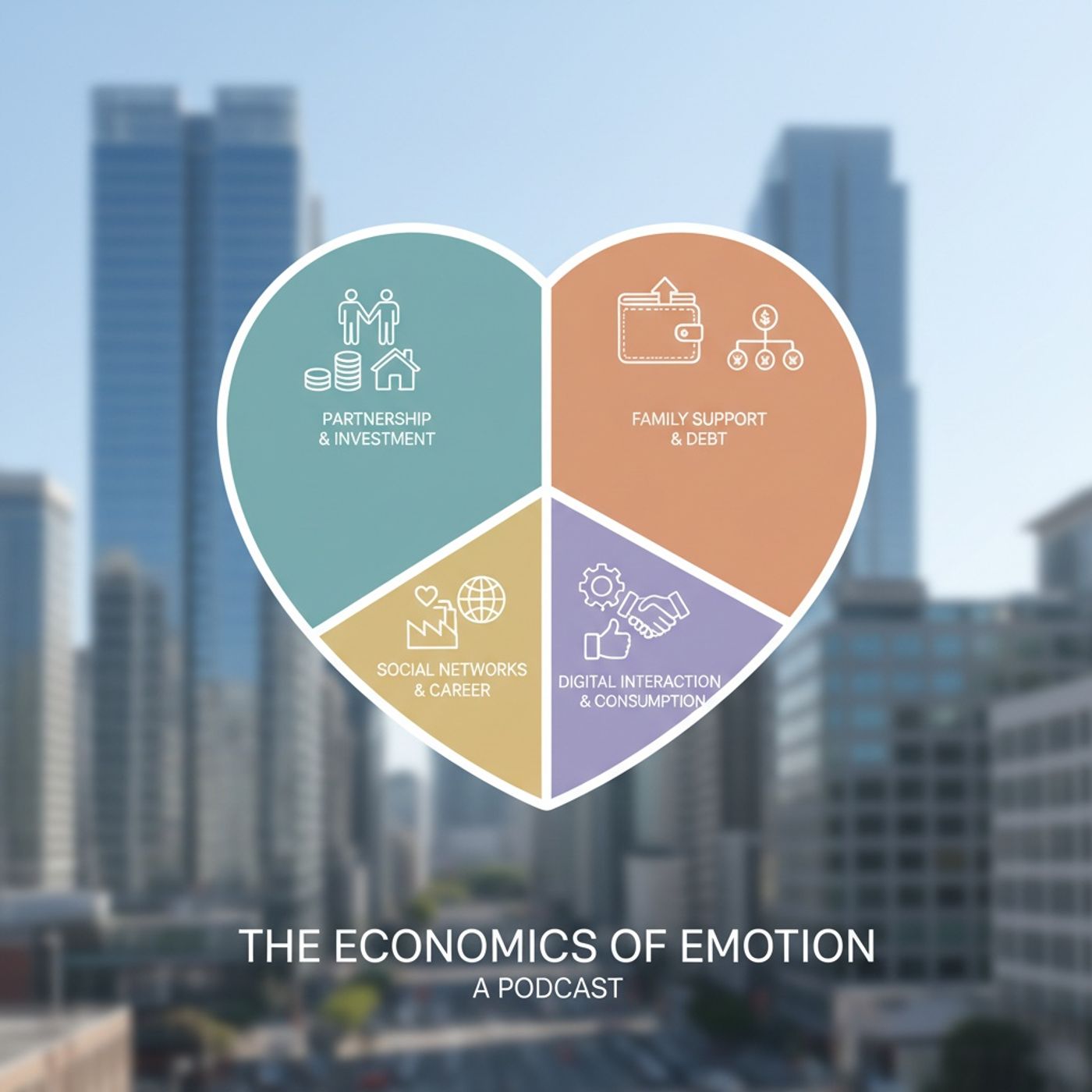
As we dive deeper into the phenomenon known as the sex recession, it's essential to focus on the economic implications accompanying this decline in sexual activity. Over the past few decades, we've witnessed a notable decrease in sexual engagement among adults, particularly within the younger demographics. In 1990, a striking 55% of adults aged between 18 and 64 reported having sex at least once a week. By 2024, that number has plummeted to just 37%. What does this shift mean for our economy, and how does it impact everything from consumer behavior to workforce productivity? Let’s unpack these sensitive yet significant changes.Starting with the younger crowd, data shows that the percentage of 18 to 29-year-olds reporting no sexual activity in the past year more than doubled—jumping from 12% in 2010 to 24% in 2024. This is alarming not just for social dynamics, but also for economic trends. Since relationships often spur spending—think about dining out, entertainment, and all sorts of couple-oriented products—less sexual activity may lead to reduced consumer spending in these areas.Become a supporter of this podcast: https://www.spreaker.com/podcast/lets-talk-sex-and-dating--5052038/support.
Today, we're diving deep into the fascinating concept of "Purposeful Pleasure." This idea revolves around the intentional pursuit of activities that spark joy in our lives while aligning with our values. It's about finding pleasure with purpose. Research suggests that the pursuit of joy doesn’t have to be at odds with a meaningful existence. In fact, a growing trend shows people embracing the idea that pleasure and purpose can coexist, enriching our daily lives.Let’s unpack this. Purposeful Pleasure is defined as engaging in activities that not only bring joy but also contribute to a sense of fulfillment and meaning. This challenges the traditional notion that pleasure is merely about immediate enjoyment, often at a cost to one's deeper values and well-being. It’s about enjoying the moment, sure, but in a way that resonates with who we are and what we believe in.Become a supporter of this podcast: https://www.spreaker.com/podcast/lets-talk-sex-and-dating--5052038/support.
Today, we're diving deep into the fascinating concept of "Purposeful Pleasure." This idea revolves around the intentional pursuit of activities that spark joy in our lives while aligning with our values. It's about finding pleasure with purpose. Research suggests that the pursuit of joy doesn’t have to be at odds with a meaningful existence. In fact, a growing trend shows people embracing the idea that pleasure and purpose can coexist, enriching our daily lives.Let’s unpack this. Purposeful Pleasure is defined as engaging in activities that not only bring joy but also contribute to a sense of fulfillment and meaning. This challenges the traditional notion that pleasure is merely about immediate enjoyment, often at a cost to one's deeper values and well-being. It’s about enjoying the moment, sure, but in a way that resonates with who we are and what we believe in.Become a supporter of this podcast: https://www.spreaker.com/podcast/lets-talk-sex-and-dating--5052038/support.

Small, repeatable signals beat guessing. In this 120–200 word episode Sarah introduces the Emoji Contract: a tiny, consent‑first codebook (five low‑ambiguity emojis) listeners can propose once and use across profiles, DMs, and voice notes to communicate tempo (⏳), yes/ok (✅), soft‑no/need‑time (🟡), safe‑spot/public‑meet (📍), and check‑in/safety ping (🛟). The episode opens with a vivid 20s vignette where a single emoji pact calmed scheduling friction and prevented an awkward late change. Sarah gives exact language to propose the pact, three warm scripts to use each emoji in-text and in voice captions, cultural and neurodivergent swaps, privacy guardrails to avoid over‑labeling, and a short 3‑thread micro‑experiment so listeners can try the contract three times and log clarity and comfort. Close is a practiced rehearsal prompt, an explicit subscribe CTA aligned with the show, and the signature sign‑off: Stay curious.Become a supporter of this podcast: https://www.spreaker.com/podcast/lets-talk-sex-and-dating--5052038/support.

Too many threads linger because people never intentionally scaffold the first few messages. In this 120–200 word episode Sarah opens with a vivid 20s vignette where three clear, modest messages turned a slow match into a confident coffee. She teaches the Three‑Turn Trust: Message 1 (Signature Open—signal personality, low demand), Message 2 (Micro‑Offer—one small, evidence‑gathering share or low‑effort invite), and Message 3 (Outcome Move—calendar‑first two‑option proposal or graceful close). Listeners get exact, lane‑ready scripts for text and voice‑note, timing rules (when to wait, when to nudge), neurodivergent and cultural phrasing swaps, and a 3‑thread micro‑experiment to try the ritual across three matches and log one simple metric: percent that reach a clear next step. Sarah models delivery and provides an explicit subscribe CTA in her voice, closes with the show signature cue, and leaves listeners with a small, repeatable routine that protects dignity and converts curiosity to action.Become a supporter of this podcast: https://www.spreaker.com/podcast/lets-talk-sex-and-dating--5052038/support.
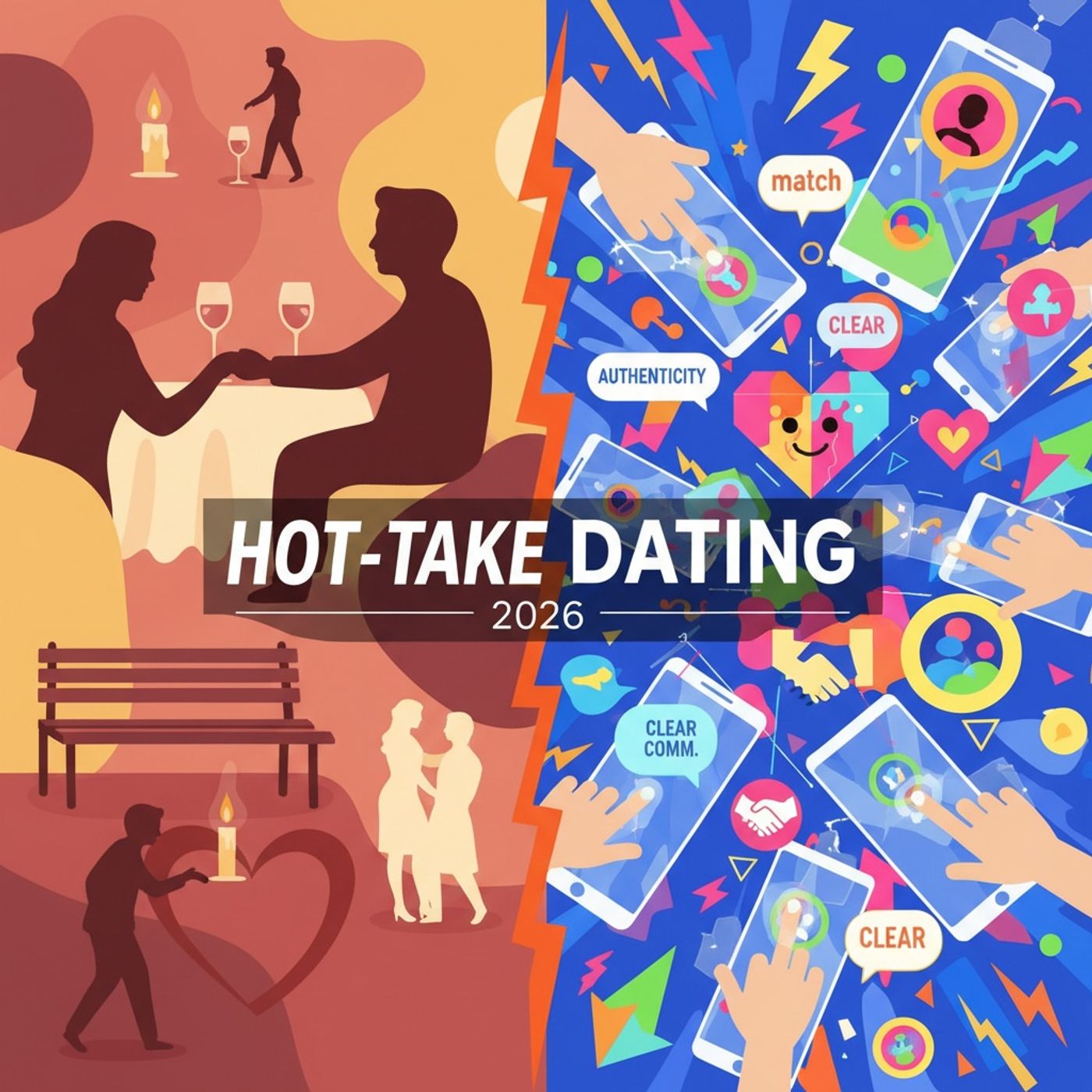
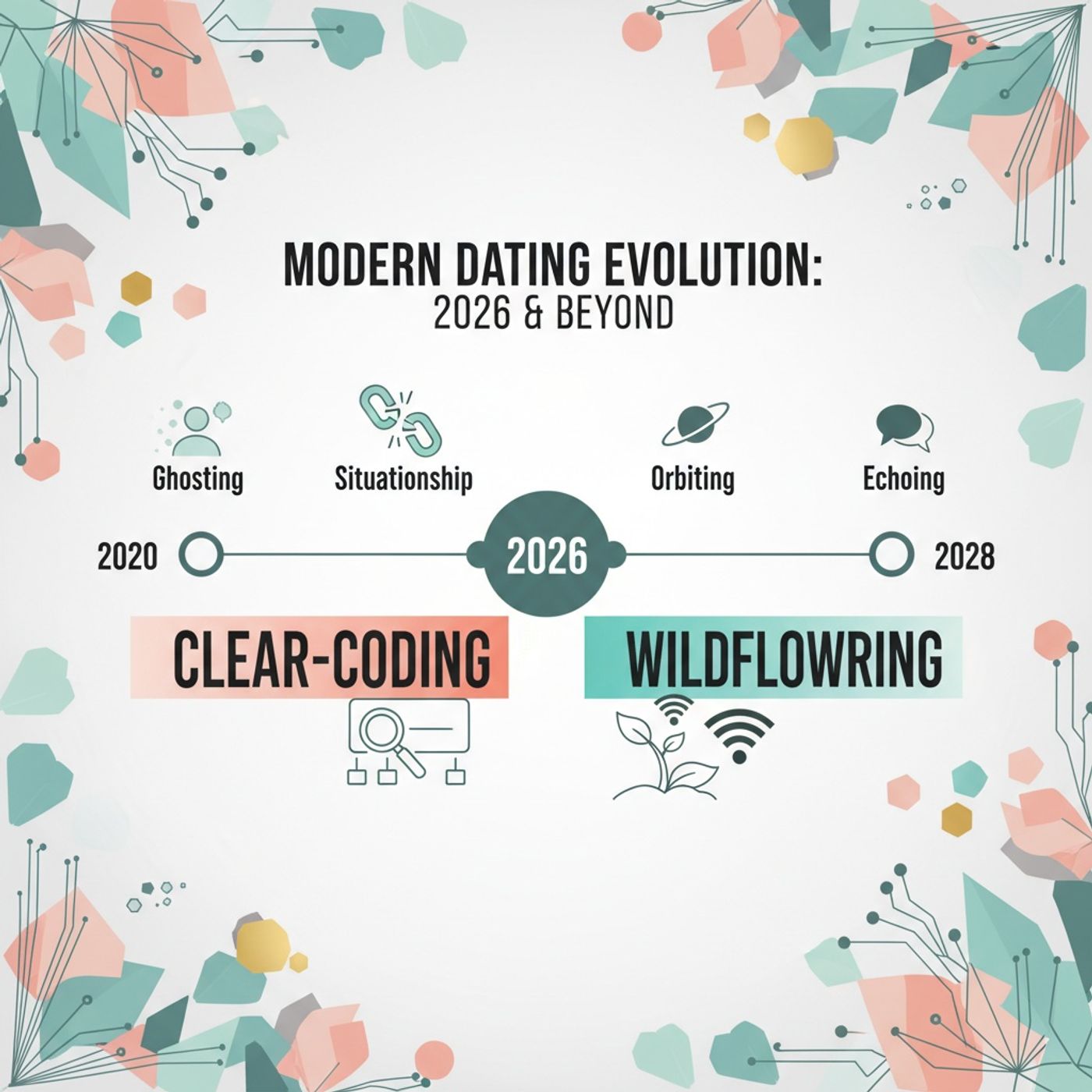
n 2026, the dating landscape is transforming, prioritizing authentic connections over the superficial interactions of the past. This shift reflects what many singles truly desire: sincere relationships and clear communication right from the start.One of the most interesting trends emerging is what’s called 'clear-coding,' or 'hot-take dating.' Imagine going on a date where, instead of playing guessing games, you and your date openly share your intentions and beliefs. Singles are tired of ambiguity, and they’re ready to lead with their personal views upfront. This straightforward approach allows people to align their values early on. Plus, 64% of young daters believe emotional honesty is what dating needs most. It’s about cutting through the noise and getting to what really matters.Then there’s the rise of what we’re calling 'Friendfluence.' Now, this is a fascinating development. A whopping 42% of singles acknowledge that their friends play a key role in shaping their romantic choices. More singles plan to go on group or double dates—37% to be exact! And seeing friends find love also brings hope; 34% of singles are inspired by their friends’ successful relationships. This camaraderie really strengthens the dating experience, making it more fun and less lonely.Become a supporter of this podcast: https://www.spreaker.com/podcast/lets-talk-sex-and-dating--5052038/support.
In today's episode, we're diving into some fascinating developments shaping the dating scene in 2026. One significant trend we’re seeing is what's being called "Clear-Coding." Essentially, this practice encourages individuals to express their intentions and values right from the start. Imagine a world where misunderstandings about relationships are far less common, simply because people are being transparent about what they want. A recent report from Tinder revealed that 64% of daters feel that emotional honesty is essential, and 60% wish for clearer communication about intentions. This shift means fewer ambiguous situations and more genuine connections, which we can all appreciate.Another exciting trend is the rise of "Friendfluence." This term describes how our friends increasingly sway our dating decisions. In fact, around 42% of singles say their friends have a significant influence on their dating choices. This means more group outings and double dates as we seek connections within our established social circles. It’s great to see friendships playing such an integral role in our romantic lives.Become a supporter of this podcast: https://www.spreaker.com/podcast/lets-talk-sex-and-dating--5052038/support.
As we dive into the fascinating world of dating in 2026, the spotlight shines brightly on a new concept that’s been gaining traction: AI Situationships. Picture this: a world where artificial intelligence serves as more than just a helper but as a companion in your romantic journey. These AI-powered entities are designed to simulate real-life relationships, providing judgment-free conversations and consistent emotional support.It’s not surprising that about 10% of singles are actually open to pursuing romantic relationships entirely with AI. This isn’t just a trend among tech enthusiasts; a considerable 64% of people are using AI to engage in small talk, practice their communication skills, or even rehearse their emotions. Imagine having a safe place to explore vulnerability without the fear of rejection. That’s what AI companions provide—an emotional rehearsal space that helps individuals understand their feelings and preferences before stepping into the more complex world of human relationships.Become a supporter of this podcast: https://www.spreaker.com/podcast/lets-talk-sex-and-dating--5052038/support.

Today, we’re diving into the world of intentional dating, a concept that’s gaining momentum, especially in the wake of the COVID-19 pandemic. If you're tired of casual encounters and want to focus on forming meaningful relationships, this episode is for you. Intentional dating is all about being deliberate in your approach to love, prioritizing clarity, emotional maturity, and shared values.Interestingly, a significant shift has occurred in dating behaviors recently. A study from Match in 2021 revealed that 58% of app users have transitioned toward intentional dating. That means a lot of people are looking for deeper connections these days! Post-pandemic, 53% of singles are prioritizing relationships more than ever, leaving behind the superficial encounters that dominated the dating scene a few years back.Become a supporter of this podcast: https://www.spreaker.com/podcast/lets-talk-sex-and-dating--5052038/support.
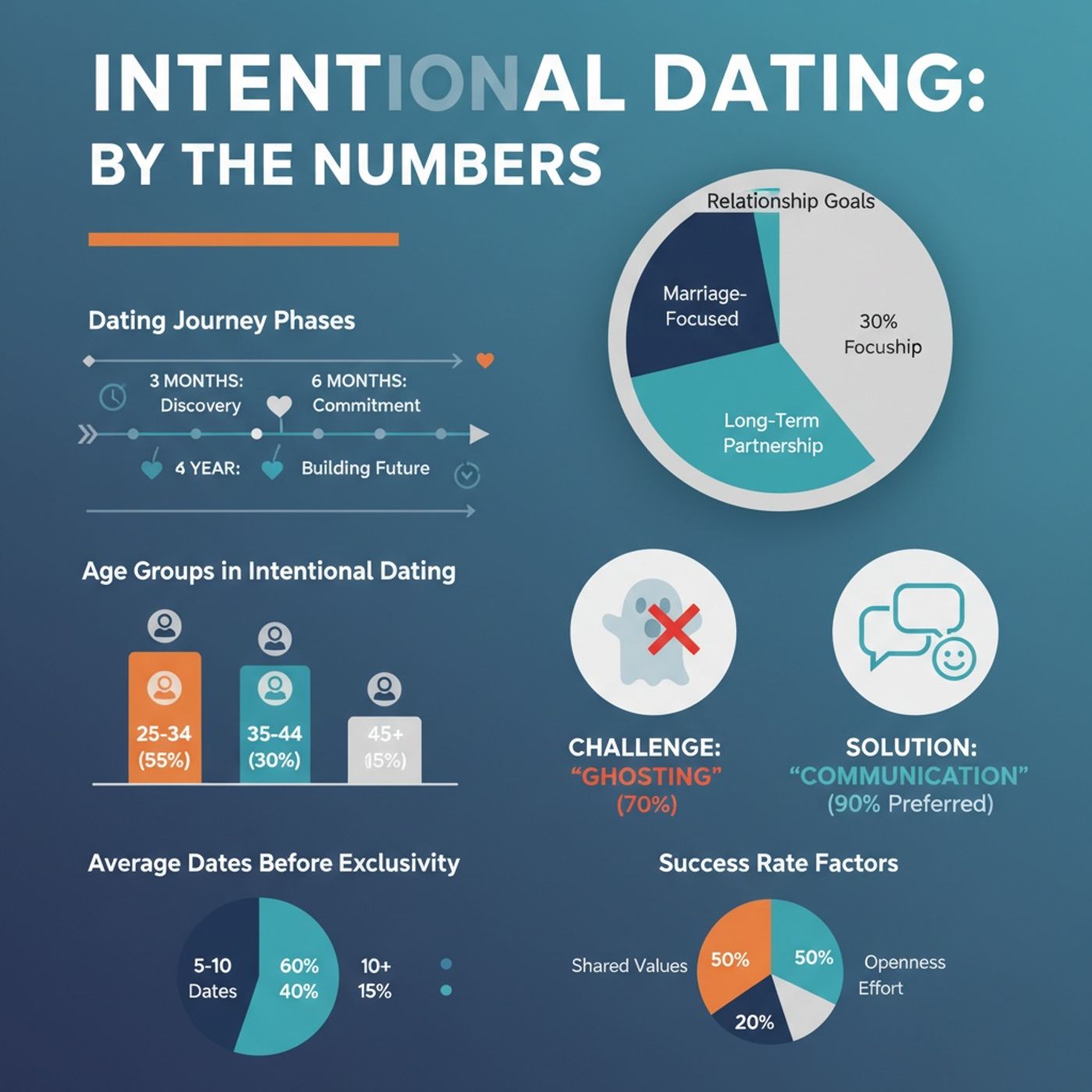
Fast forward to today, and we can't ignore the seismic shifts that occurred during the COVID-19 pandemic. It seems that this trying time prompted many to take a long, hard look at their dating priorities. Interestingly, a study by Match in 2021 revealed that a staggering 62% of singles are now seeking more meaningful, committed relationships. That’s a notable increase from previous years, signaling a decisive cultural shift.Adding to that urgency, around 65% of singles—particularly those in Gen Z and Millennials—express a strong desire for a relationship within the coming year. This newfound commitment focus arises from a unique combination of factors, particularly those lessons learned during lockdown.Become a supporter of this podcast: https://www.spreaker.com/podcast/lets-talk-sex-and-dating--5052038/support.
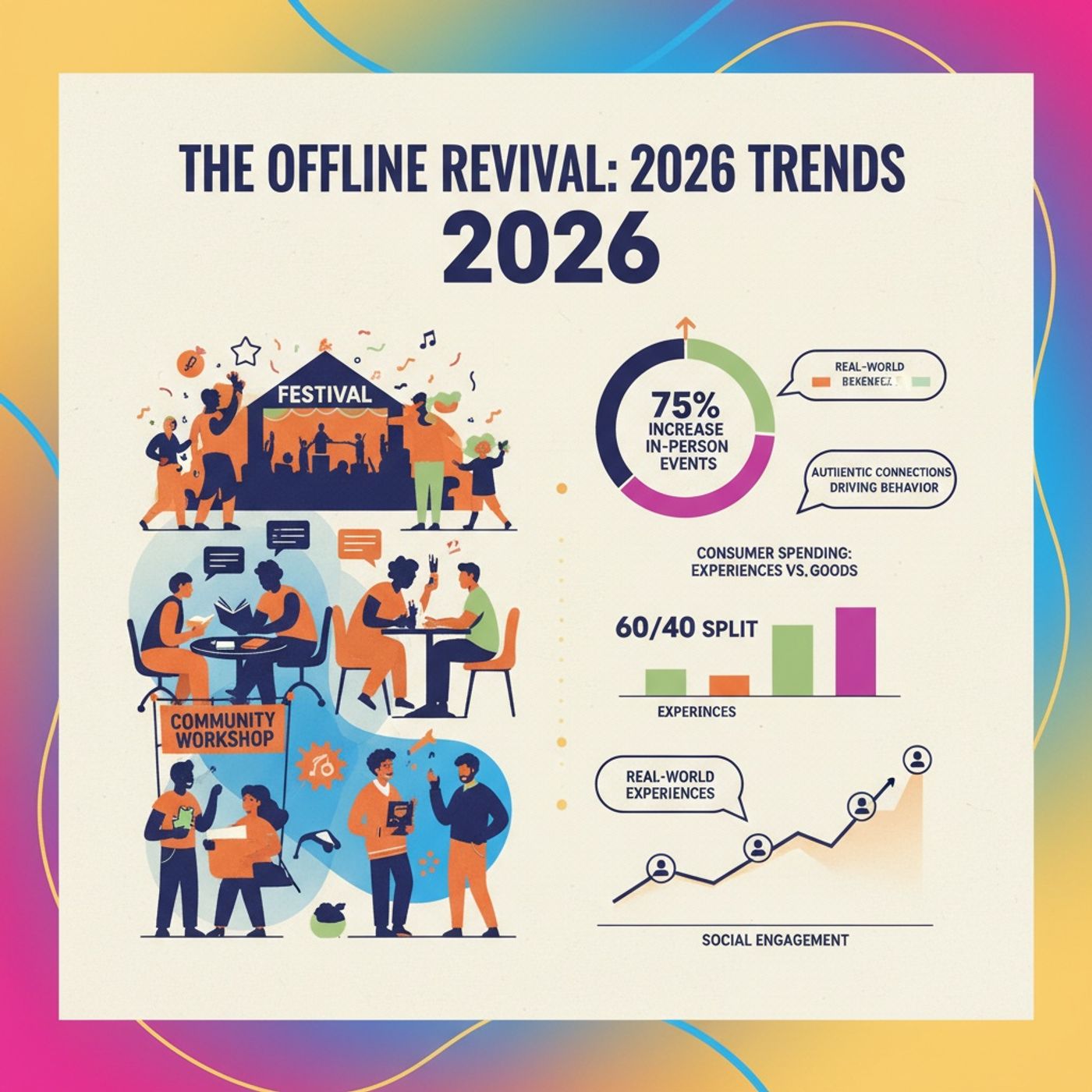
Let’s dive into a trend that’s creeping back into our lives and reshaping the cultural landscape—we’re talking about the offline comeback in 2026. After years of diving deep into the digital realm, many individuals and brands are rediscovering the value of real-world interactions. It’s fascinating, isn’t it? As the digital world began to feel overwhelming for some, there’s been a notable shift back towards in-person experiences across various sectors.First up, let’s take a look at the fashion industry. If you’ve been paying attention, you might have noticed that 1990s styles are making a serious comeback. ThBecome a supporter of this podcast: https://www.spreaker.com/podcast/lets-talk-sex-and-dating--5052038/support.

In 2026, we're witnessing a fascinating transformation in how we engage with the world around us. The digital age has brought us countless conveniences but also digital fatigue, particularly among younger generations. This year, it seems we're saying goodbye, at least for now, to endless scrolling and saying hello to a resurgence of offline experiences.Let’s start with the fashion scene. Remember those bold styles from the 1990s? They're making a grand comeback. Designers like Balenciaga, Valentino, and Saint Laurent are rediscovering the glory of animal print bags, slouchy suiting, and faux-fur detail jackets. It's as if a time machine dropped us back into the vibrant streets of the '90s, where every outfit told a story. The bandeau tops and waist belts are not just trends; they symbolize a playful rebellion against the stifling aesthetics of today’s overly polished online presence.Become a supporter of this podcast: https://www.spreaker.com/podcast/lets-talk-sex-and-dating--5052038/support.
Become a supporter of this podcast: https://www.spreaker.com/podcast/lets-talk-sex-and-dating--5052038/support.
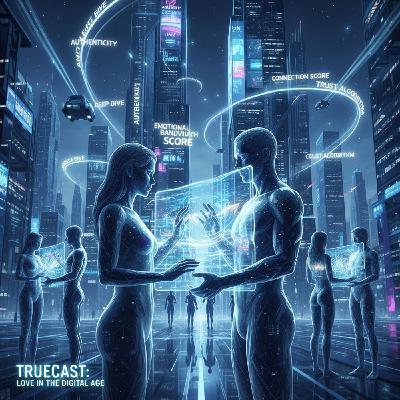
In today’s dating scene, new words and phrases are popping up all the time, and they reveal so much about how we connect with each other. Let’s dive into some of the hottest terminology shaking up the world of romance in 2026, starting with Emotional Vibe Coding. This term is all about prioritizing emotional availability and empathy when dating. A recent survey showed that 56% of singles want honest communication and 45% crave more empathy after they've been rejected. Relationship experts believe this shift signifies a desire for deeper connections, moving past those superficial interactions we’ve seen in the past. It's a refreshing take, isn't it?Next, we have Friendfluence, which captures how friends impact our romantic decisions. According to Tinder’s latest report, 42% of singles say their friends make a significant difference in their love livesBecome a supporter of this podcast: https://www.spreaker.com/podcast/lets-talk-sex-and-dating--5052038/support.
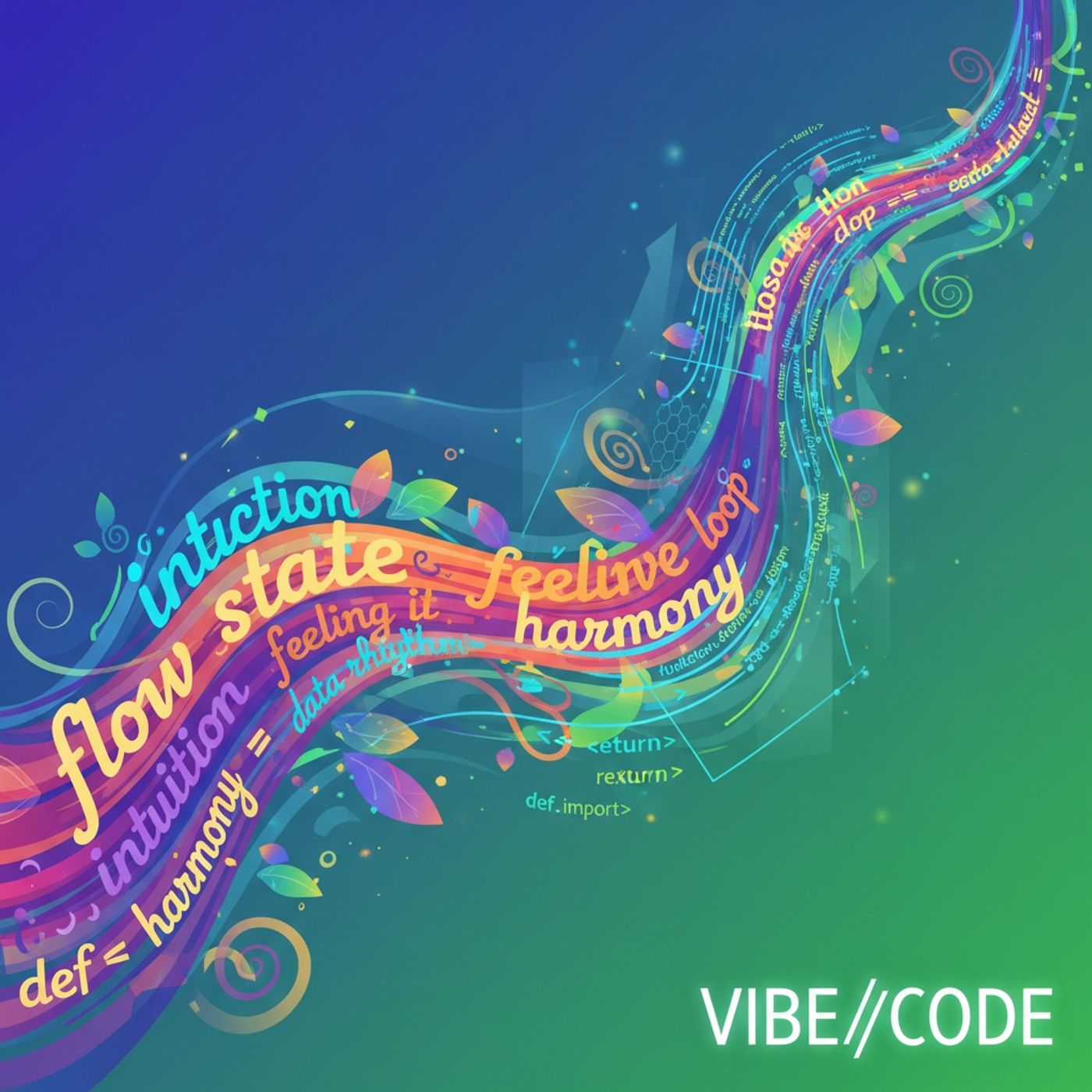
Today, we’re diving into an exciting development in the world of software development known as vibe coding. This concept came to life thanks to AI expert Andrej Karpathy, who, back in February 2025, introduced a radical shift in how we think about coding. Imagine being able to describe what you want your software to do in plain language, and then having an AI system generate the actual code for it. This is what vibe coding is all about, and it’s turning the traditional coding process on its head.Vibe coding simplifies the development process, making it more approachable for individuals who may not have a background in programming. This democratization of coding means that anyone—whether you're a teacher wanting to automate a process, an artist looking to create an interactive installation, or just someone with a great idea—can now express their vision without needing to understand the often intimidating technical jargon of programming languages.Become a supporter of this podcast: https://www.spreaker.com/podcast/lets-talk-sex-and-dating--5052038/support.

Comments

Download from Google Play

Download from App Store
 United States