


 Claim Ownership
New Thinking for a New World - a Tallberg Foundation Podcast
Subscribed: 19Played: 620
Subscribe

© Tällberg Foundation
Description
Aiming to provoke people to think — and therefore act — differently about the global issues that are shaping their future, the Tällberg Foundation is sharing some of its conversations in podcast form. The podcast invites you to hear from leaders from different sectors and geographies as they explore issues that are challenging and changing our societies.
257 Episodes
Reverse
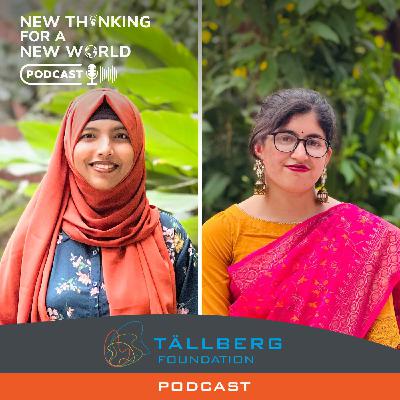
Democracy may be struggling across much of the world, but Bangladesh offers a rare counterexample. In the summer of 2024, a student-led movement forced out the long-ruling government of Sheikh Hasina. Less than 20 months later, the country conducted elections widely described as mostly free, fair, and peaceful—leading to a democratically elected government replacing the interim administration led by Nobel laureate Muhammad Yunus.
In this episode, Aysha Siddiqua Tithi and Umama Fatema—leaders of Students Against Discrimination and central figures in the revolution—share what it took to organize, mobilize, and persist. They reflect on the risks they faced, the hopes that sustained them, and what democracy’s revival in Bangladesh might signal for a world increasingly skeptical of democratic governance.
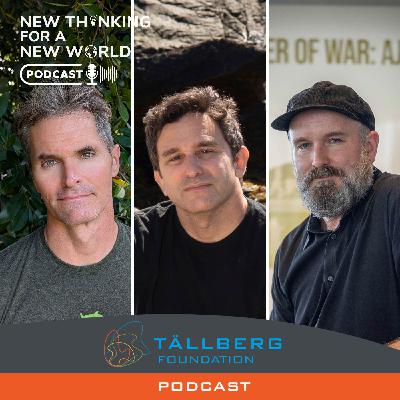
What does great leadership look like today? In this special episode, we bring together the 2025 Tällberg-SNF-Eliasson Global Leadership Prize laureates: Rhett Ayers Butler, founder of Mongabay; Bryan Doerries, founder of Theater of War Productions; and David Gruber, founder of Project CETI. Moderated by Helena Nilsson, Prize jury member and Deputy CEO of the MiL Institute, the conversation spans journalism, art, and science—revealing how curiosity, creativity, and moral courage can reshape how we confront global challenges. Together, these leaders demonstrate that meaningful leadership transcends politics and borders, grounded instead in universal values and persistent commitment to making the world better.
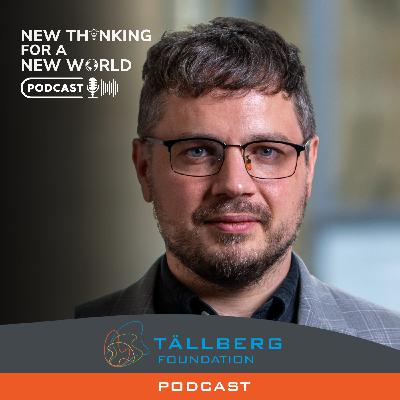
Much of the world’s attention remains fixed on Iran, Israel, and the Palestinian question. But another rivalry is quietly reshaping Middle Eastern politics: Saudi Arabia versus the United Arab Emirates. Once close partners, the two Gulf powers now find themselves moving from cooperation toward competition—and perhaps even confrontation. In this episode, Professor Rob Geist Pinfold explores what is driving the shift, what is at stake for regional leadership, and how Crown Prince Mohammed bin Salman and Sheikh Mohammed bin Zayed are maneuvering for influence. While definitive answers may be premature, informed analysis reveals why this evolving relationship matters far beyond the Gulf.
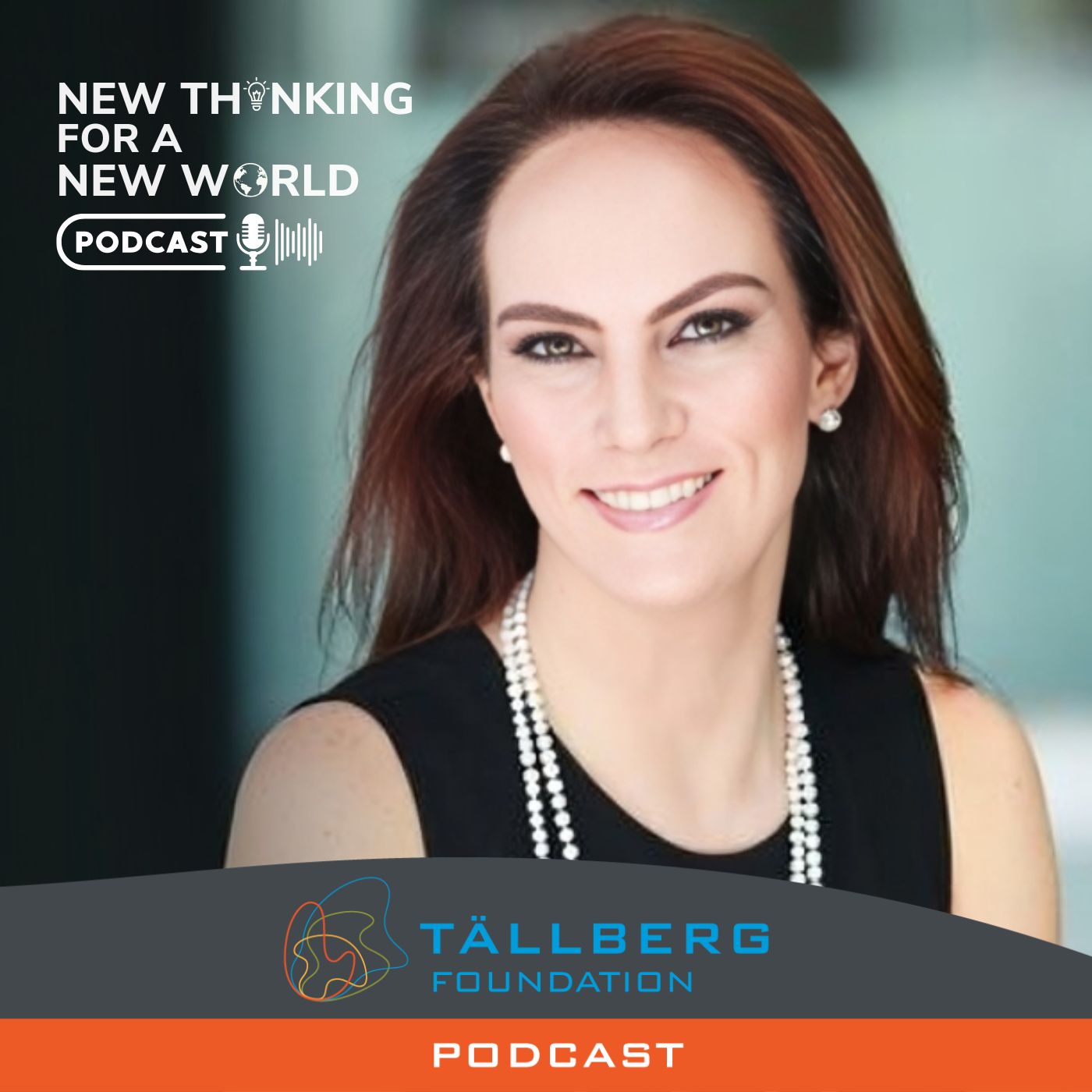
As the world braces for another difficult year, a single global event promises to capture the attention of billions: the FIFA World Cup, co-hosted by Canada, Mexico, and the United States. In this episode, New Thinking for a New World takes a detour from geopolitics and climate to explore how an event of this scale actually comes together. Gabriela Cuevas—an experienced Mexican political leader—has the daunting task of coordinating Mexico’s role in a 104-match tournament watched around the globe. She joins the podcast to discuss the logistical, political, and cultural challenges of hosting the world’s most popular sporting event—and the opportunities it creates for countries and communities alike.
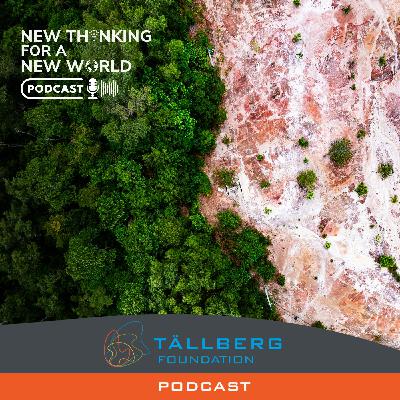
For decades, warnings about the destruction of the Amazon and Congo rainforests have grown louder, even as meaningful action has lagged behind. International summits and political declarations continue, but the forests edge closer to dangerous tipping points. In this episode, we ask whether a different approach is needed. Dr. Gladys Kalema-Zikusoka, Dr. Fernando Trujillo, and Sam Muller bring perspectives shaped by hands-on experience in conservation, science, justice, and governance. Together, they argue that protecting the world’s great rainforests is not only an environmental challenge, but also one of equity, economic development, and power—and that lasting solutions are more likely to emerge from the ground up than from global pledges alone.
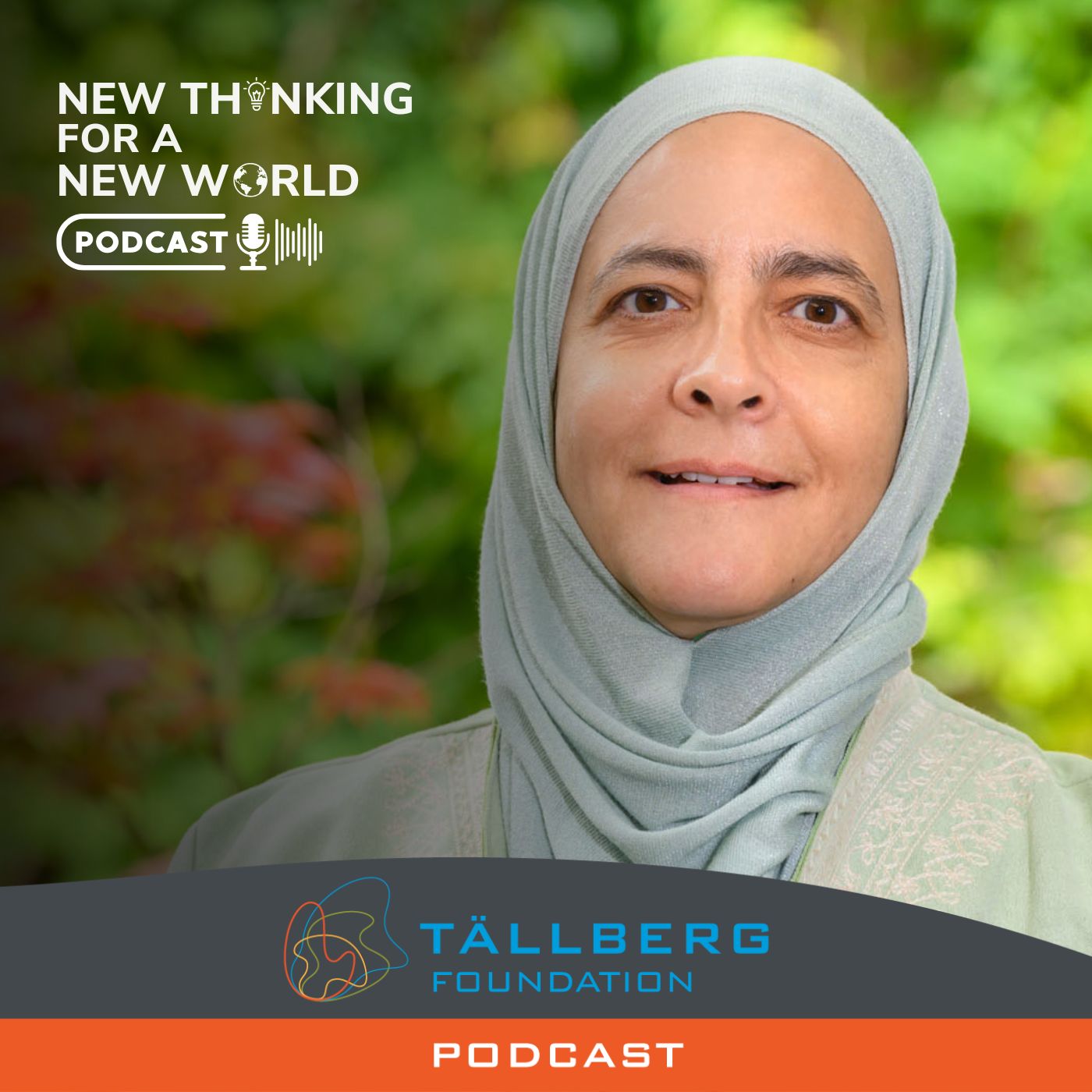
The world is entering a new era of conflict: more violent, more fragmented, and with more civilians caught in the crossfire than at any time since World War II. But the consequences of war may extend far beyond the battlefield. Rana Dajani, Jordanian molecular biologist and long-time member of the Tällberg network, is part of a research team uncovering how traumatic violence might alter gene expression and affect not only survivors but also their children and grandchildren. In this episode, she explains the emerging science behind intergenerational trauma and explores what these findings could mean for societies living through—and after—conflict.
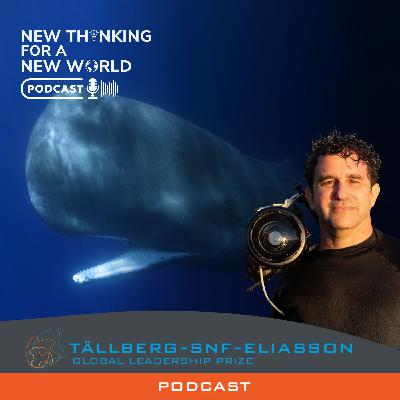
Sperm whales are among the most extraordinary creatures on the planet—massive, deep-diving, highly social, and constantly communicating. David Gruber, marine biologist and founder of Project CETI, leads a global team of scientists using cutting-edge technology to decode the vocalizations of these remarkable animals. A 2025 Tällberg-SNF-Eliasson Global Leadership Prize winner, Gruber explains how understanding whale communication isn’t about speaking to them, but about learning how they see and interact with the world we share. In this episode, he discusses the science, wonder, and purpose behind CETI—and what unlocking whale language could mean for humanity.
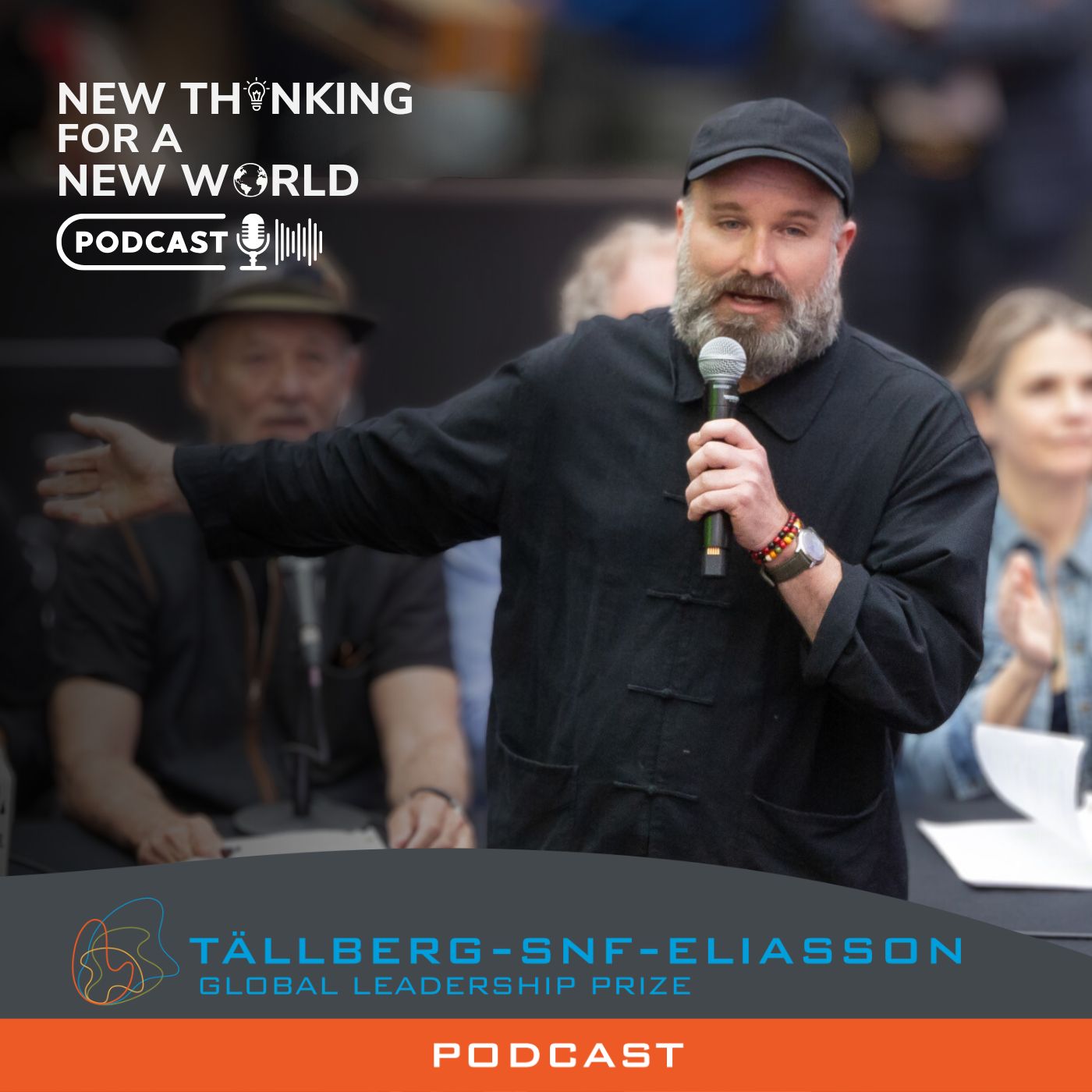
For thousands of years, Greek tragedies have helped people make sense of fear, grief, conflict, and the complexities of being human. Bryan Doerries—co-founder and Artistic Director of Theater of War Productions and a newly selected Tällberg-SNF-Eliasson Global Leadership Prize winner—has spent nearly two decades bringing these timeless texts to contemporary audiences. In this episode, he reflects on how classical stories open space for empathy, dialogue, and healing in the 21st century. By stripping away the myth that our struggles are unique to our time, Doerries helps reveal what connects us across cultures and generations.
Climate change is accelerating, but reliable information about what is really happening on the ground is still far too rare. Rhett Ayers Butler—founder of Mongabay and a 2025 Tällberg-SNF-Eliasson Global Leadership Prize winner—has built one of the world’s most trusted platforms for independent environmental journalism. In this episode, he explains why empowering communities with accurate reporting, elevating local and Indigenous voices, and grounding public debate in science are essential to driving meaningful environmental action. His work shows how journalism, done right, can inform, inspire, and help protect both people and the planet.
“May you live in interesting times,” goes the old saying—and for Colombia, these are indeed interesting times. The country faces rising political violence, institutional strain, and the possibility of a constitutional crisis. In this episode, Paula Moreno—former Minister of Culture and founder of Manos Visibles—explores what leadership looks like when everything seems uncertain. Drawing on her experience in government, civil society, and cultural transformation, Moreno offers a perspective rooted in courage, inclusion, and integrity. Her reflections extend beyond Colombia, revealing what it means to lead in an era defined by complexity and change.
Thirty years after the United Nations first called for global action on climate change, progress remains painfully slow. Year after year, world leaders meet, make promises, and defer real solutions. Why? Because top-down global governance continues to fail in a world divided by power, politics, and inequality. In this episode, Linwood Pendleton, Global Coordinator of the Ocean Knowledge Action Network, argues that it’s time to look elsewhere for answers. Drawing on his work with Indigenous academics, ocean scientists, and local communities around the world, he explains why true progress depends on wisdom from the ground up. Hope, he insists, lies not in endless summits—but in reconnecting with knowledge systems that already know how to live in balance with the planet.
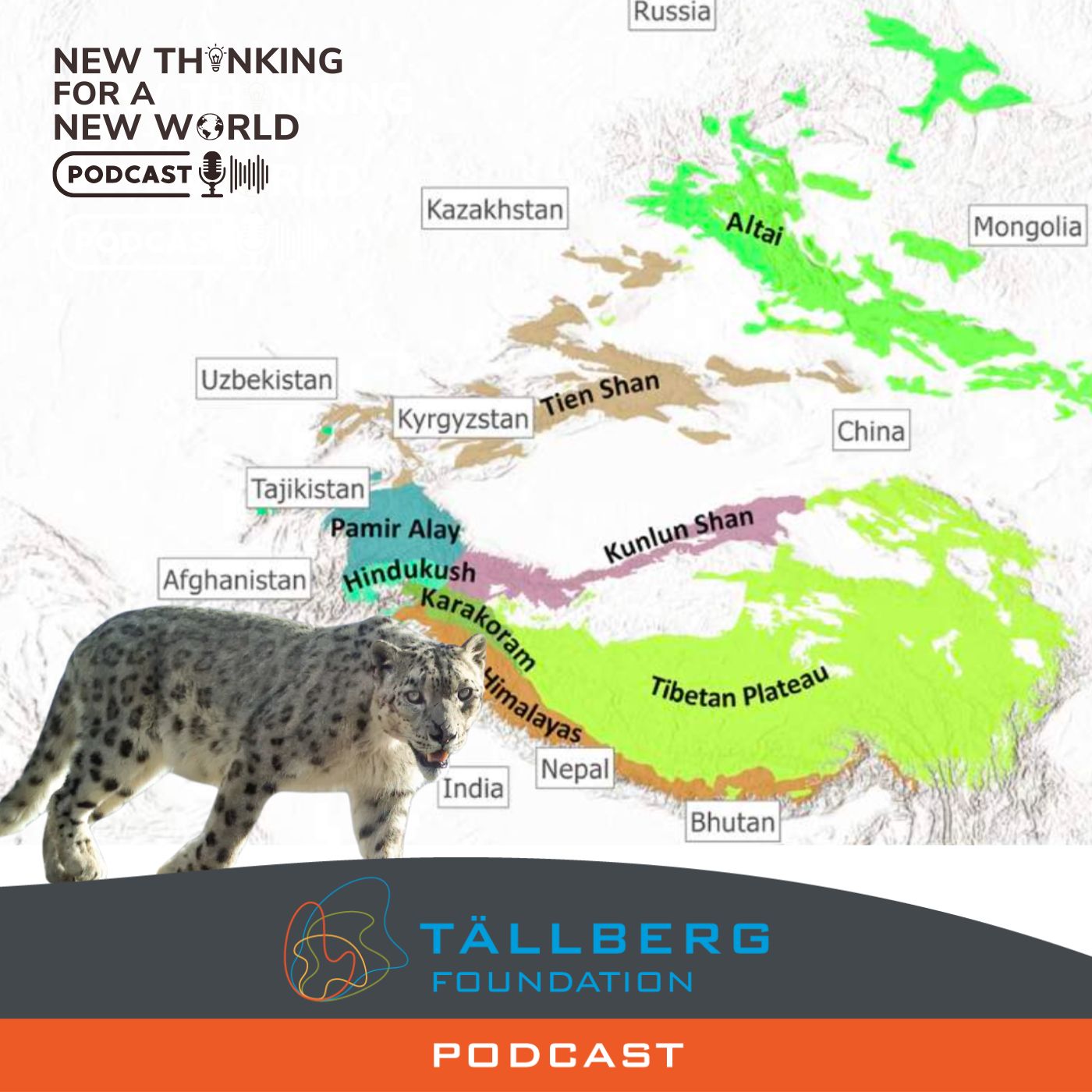
The snow leopard, a mysterious and endangered big cat, roams the High Himalayas across a dozen countries—many of them rivals in politics, religion, and ideology. Yet these nations have found rare common ground: protecting this remarkable animal. In this episode, Dr. Charu Mishra, Executive Director of the Snow Leopard Trust, explains how a shared commitment to conservation has become a bridge for peace and cooperation in one of the world’s most fragile and contested regions. From climate change to border conflicts, the Himalayas mirror global challenges—but Mishra’s story reveals that even amid tension and competition, shared humanity and ecological interdependence can inspire collaboration. His work offers a model for how protecting nature can also protect people.
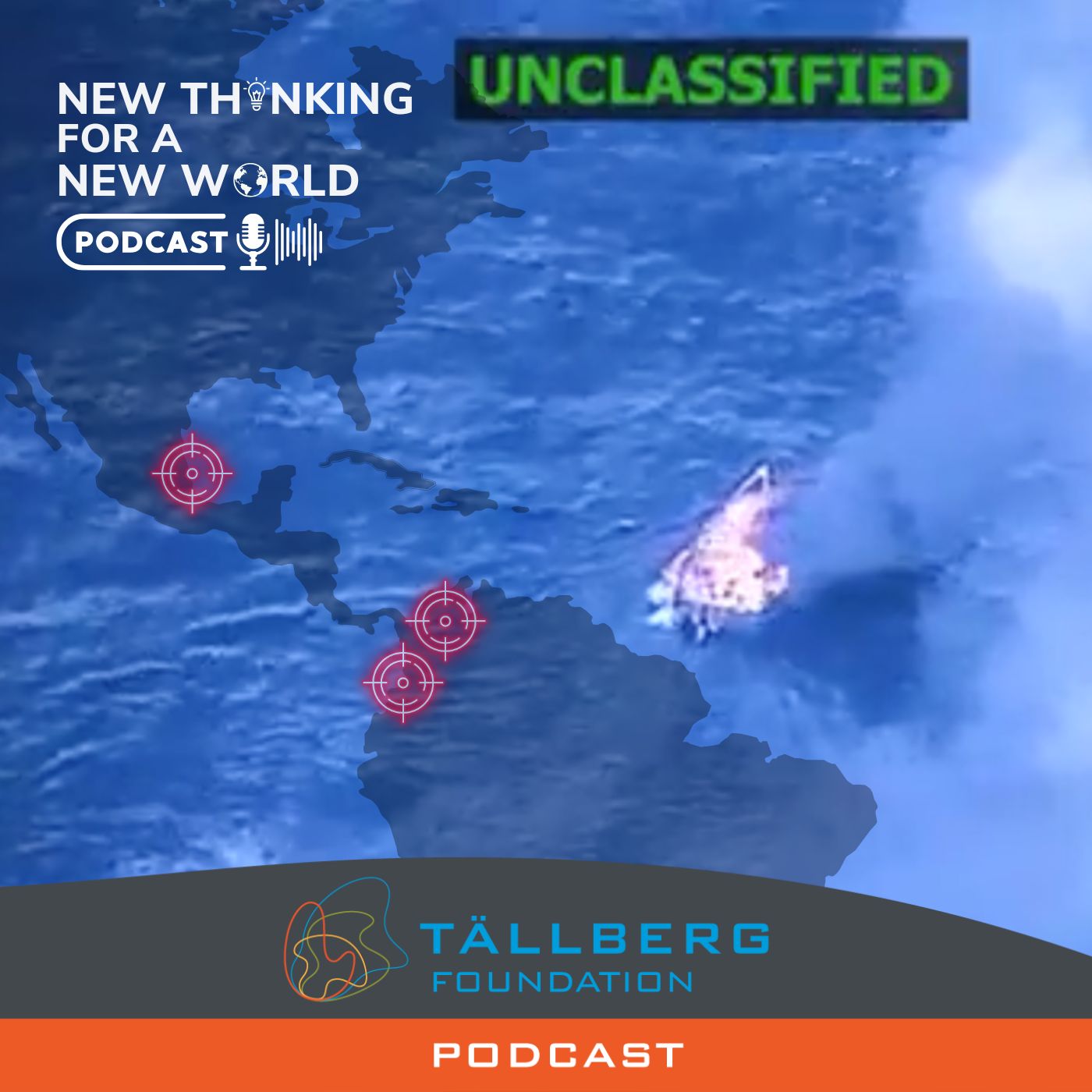
What happens when a failed War on Drugs collides with a War on Terror? President Donald Trump has rebranded drug cartels as terrorist organizations, blowing up “go-fast” boats in the Caribbean, putting a $50 million bounty on Venezuela’s president, and deploying major military force to the region. Is this truly about national security—or the start of a new forever war? Host Alan Stoga explores these questions with Chris Dalby, Director and Founder of World of Crime, and Professor Clionadh Raleigh, President and CEO of ACLED.

In the second half of this two-part conversation, host Alan Stoga continues his discussion with journalist Francesca Borri, former Iranian diplomat Hossein Mousavian, and Hebrew University lecturer Abraham Silver. Together they probe deeper into the aftermath of the recent war, the fragility of the ceasefire, and the broader question of whether Iran and Israel are on the path to peace—or simply preparing for the next conflict.

Six weeks after Iran and Israel fought a brief but intense 12-day war, a fragile ceasefire holds—but for how long, and at what cost? In this two-part conversation, host Alan Stoga is joined by journalist Francesca Borri, former Iranian diplomat Hossein Mousavian, and Hebrew University lecturer Abraham Silver to unpack what really happened, what it means for the region, and whether peace is possible—or if this was just the first of many wars to come.
👉 This conversation is published in two parts. You are listening to Part One.

The Congo Basin, the world’s second-largest rainforest, is vital to global climate health. But unlike the Amazon, its biggest threat isn’t farming—it’s the demand for minerals driving the Green Transition. Could the race to electrify the world cost us the Congo?
Jaap van der Waarde, WWF’s Conservation Director for the region, explores how the demand for rare minerals risks tipping the Basin’s fragile ecosystem—and what must change to protect it.

Can profit and planet go hand in hand? As public climate financing falls short, attention turns to the private sector. But can businesses do good for the environment while still making a return?
Tânia Trindade of SODEFOR, a forestry company managing a million hectares in the Congo River Basin, believes they can. She shares how the company balances sustainability and profit in one of the world’s most vital ecosystems—and why private capital may be essential to the climate fight.
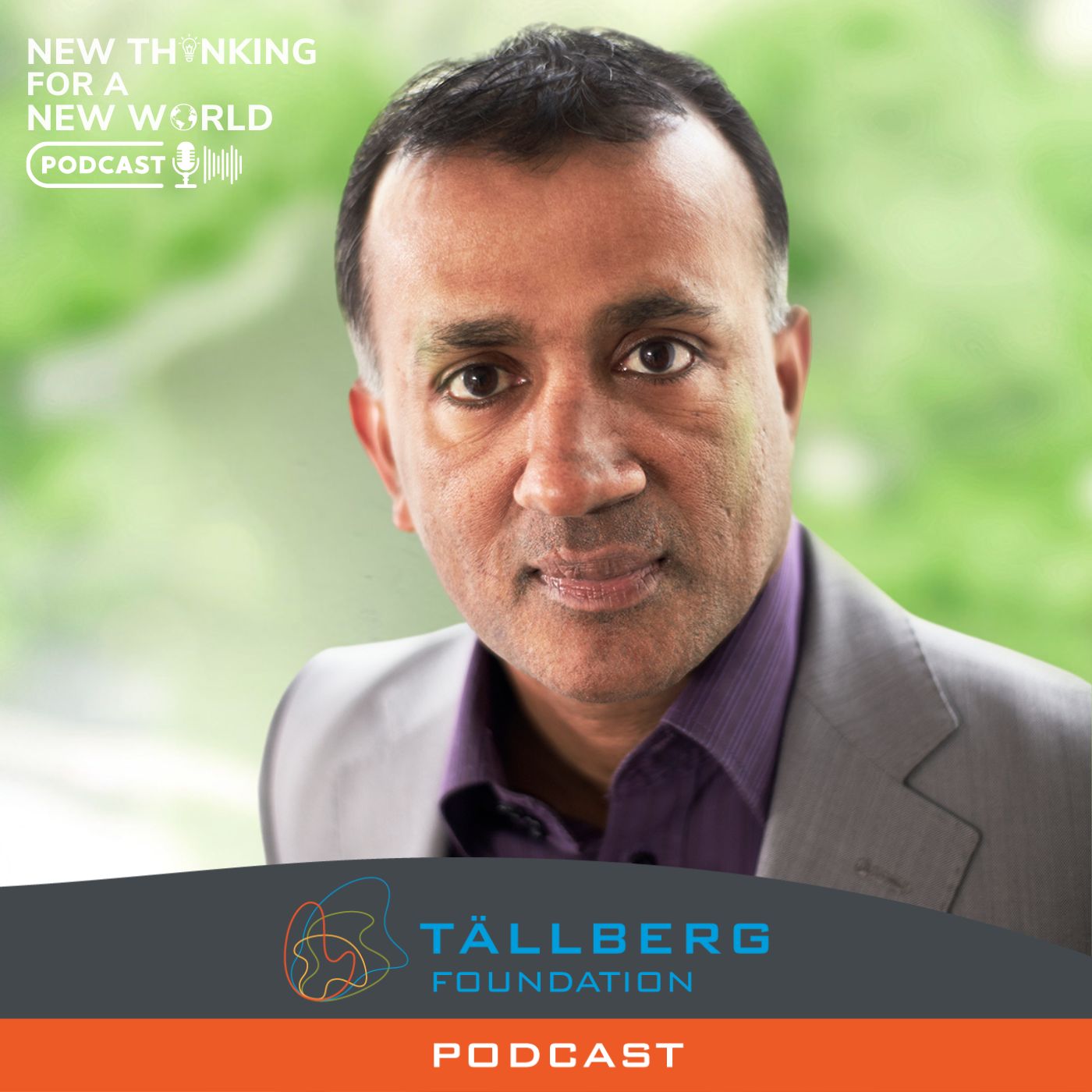
We’re living through a moment of global upheaval—where the old order is crumbling, and the future feels dangerously uncertain. At the heart of this instability is the evolving, uneasy relationship between the U.S. and China: two powers with the ambition and capacity to shape whatever comes next, yet with fundamentally different worldviews.
In this episode of New Thinking for a New World, we hear from Chandran Nair, founder of the Global Institute for Tomorrow, a Pan-Asian think tank. Speaking from an Asian perspective, Nair argues that China may be more clear-eyed than the West about how the world should work. Is he right? Listen and decide for yourself.
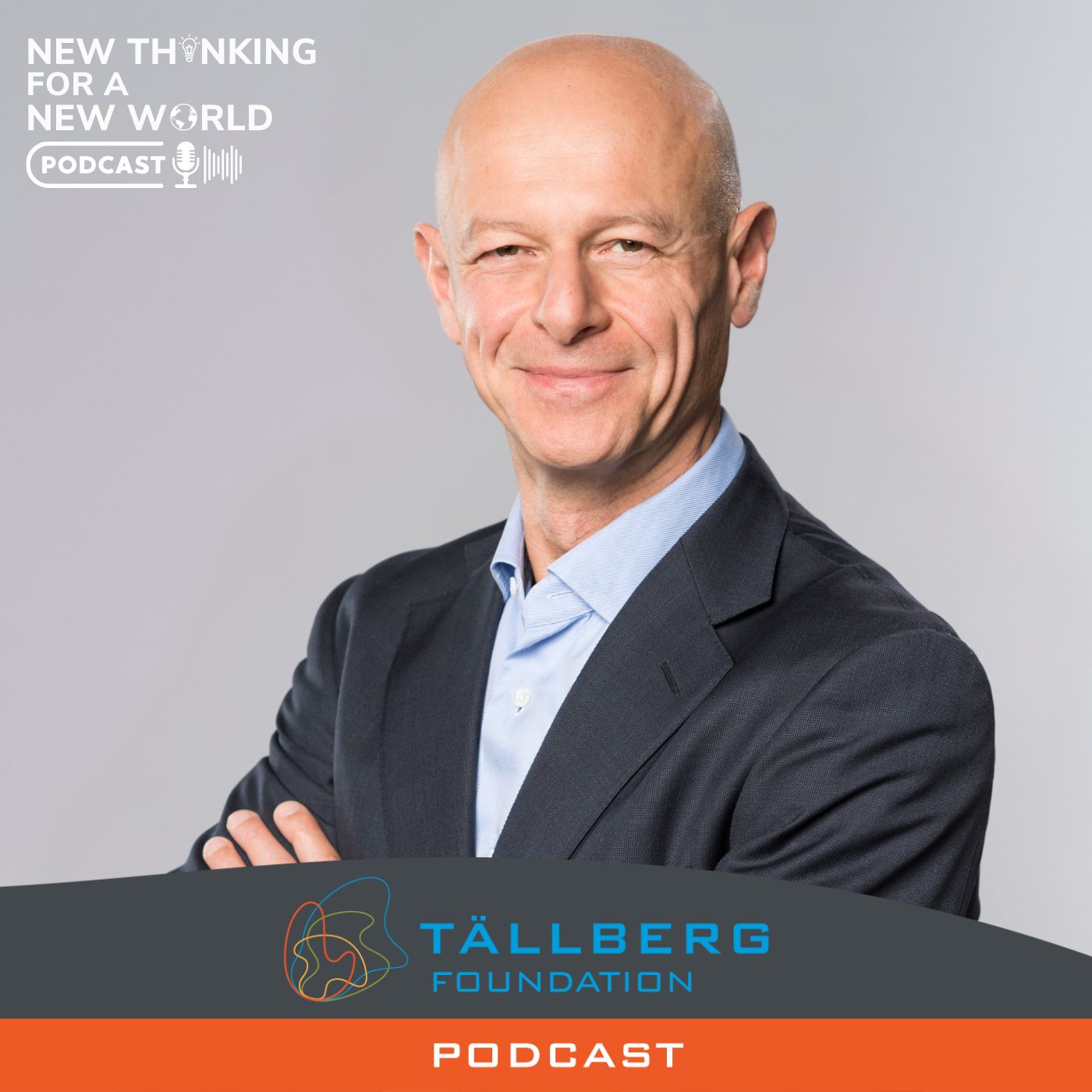
President Trump’s trade war, regulatory overhaul, and fiscal shake-up aim to rewire the U.S. and global economies. Can it work—or backfire? Economist Marco Annunziata, former Chief Economist at GE, joins host Alan Stoga to explore the promises and pitfalls of Trumponomics—and what it might mean for your job, savings, and future.
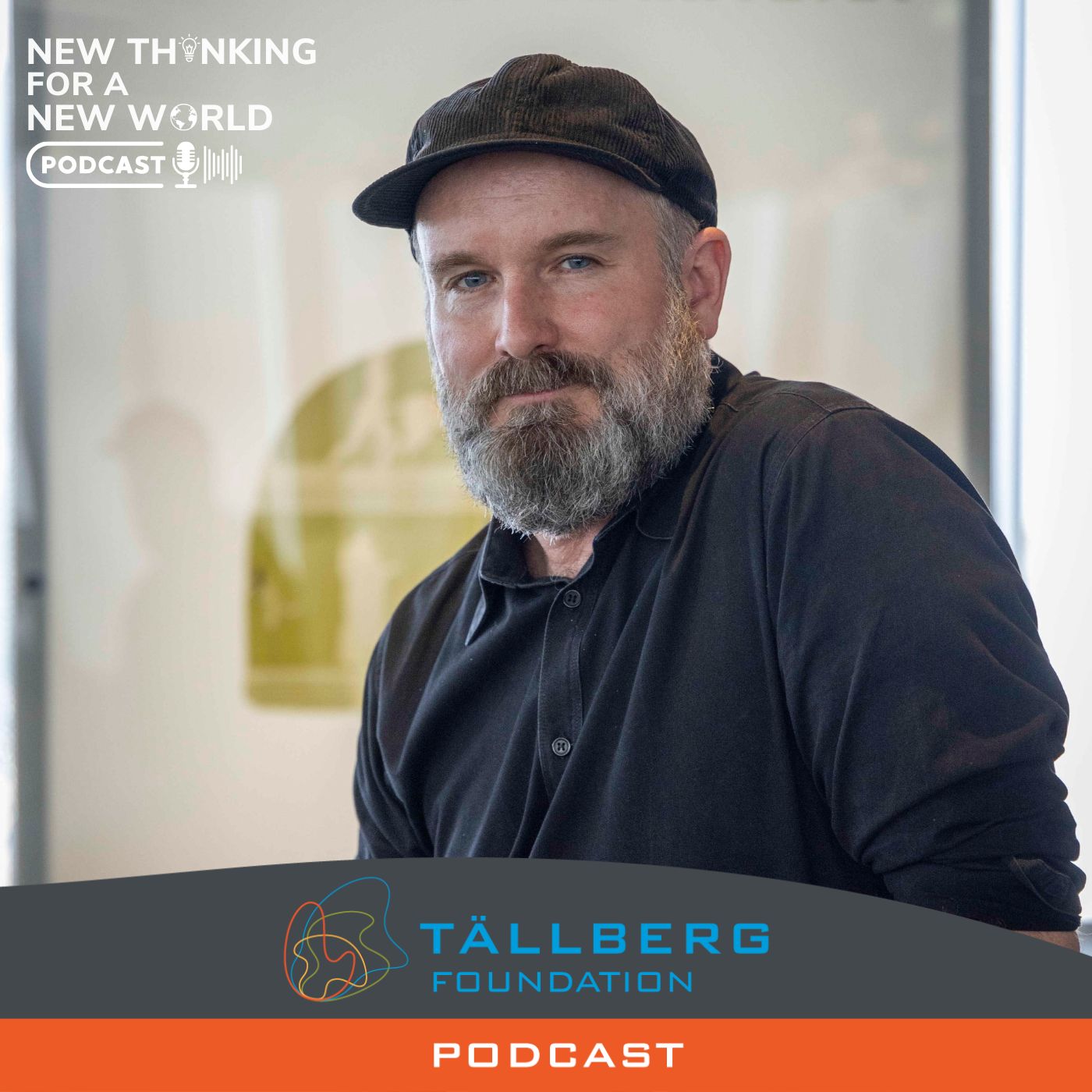
Great art is timeless—it reveals how we think and why we act. What if classics like Greek tragedy or Shakespeare were used to explore today’s challenges—racism, war, corruption? That’s what Bryan Doerries and Theater of War have done for nearly 20 years. The results are healing, raw, and real. Listen as Bryan shares how personal loss led him to reimagine an ancient art form for modern times.

Comments

Download from Google Play

Download from App Store
 United States