


 Claim Ownership
Top Floor
Subscribed: 1,187Played: 3,252
Subscribe

Copyright © Top Floor Podcast
Description
Top Floor is a weekly podcast with tangible tips and excellent stories from the experts and characters who elevate hospitality. Host and elevator operator Susan Barry explores the idea that everything is marketing in the hotel business.
Our interviews with creators, thought leaders and hospitality groundbreakers are designed to provide practical tactics that hoteliers, restaurateurs and travel mavens can use to promote their businesses. Along the way, we answer burning marketing questions submitted on the Emergency Call Button and share the funniest, craziest, just-plain-weirdest stories down at the Loading Dock.
Need to press the Emergency Call Button? Or have a story to share at the Loading Dock? Reach us at 850.404.9630 to be featured in a future episode.
Our interviews with creators, thought leaders and hospitality groundbreakers are designed to provide practical tactics that hoteliers, restaurateurs and travel mavens can use to promote their businesses. Along the way, we answer burning marketing questions submitted on the Emergency Call Button and share the funniest, craziest, just-plain-weirdest stories down at the Loading Dock.
Need to press the Emergency Call Button? Or have a story to share at the Loading Dock? Reach us at 850.404.9630 to be featured in a future episode.
239 Episodes
Reverse

Chris Russell is a hospitality executive and CEO of Spire Hospitality, known for building and scaling hotel management companies from the ground up. A Culinary Institute of America graduate who pivoted from the kitchen to operations, he's spent decades shaping teams, launching platforms, and leading growth across the industry. Susan and Chris talk about career choices, company building, and culture shifts. What You'll Learn • How a potato-peeling job sparked a career pivot • Why "builders vs. maintainers" think differently about growth • Why chasing knowledge beats chasing money • How hospitality offers unmatched upward mobility • How tech is reshaping hiring (and what's getting lost) • Why attitude still matters more than experience • How to balance hustle with real work-life boundaries • Why job-hopping too early can stall your growth • How to ask for more without sounding entitled • Why self-promotion is a skill you can't ignore • How success is shifting from hours worked to impact made • Why the future requires both tech skills and human touch *** Our Top Three Takeaways 1. Build for Learning, Not Just Advancement Chris's career wasn't driven by titles or salary bumps, but by what each role could teach him. He intentionally chose opportunities that expanded his skill set, even when they paid less. That mindset compounded over time into leadership readiness and ultimately a CEO role. 2. Hospitality's Biggest Problem Is a Perception Gap The industry offers massive upward mobility and diverse career paths, but it does a poor job of selling that story. Long hours and outdated perceptions overshadow the reality that hospitality includes roles across finance, tech, HR, sales, and more. The result is a talent pipeline problem that needs attention. 3. The Future Requires Balancing Tech with Humanity Technology and AI will play a bigger role in hiring and operations, but they risk stripping out the human qualities that define hospitality. Chris highlights a growing tension: efficiency vs. connection. The winners will be those who embrace tech while preserving attitude-driven hiring and genuine guest experience. Chris Russell on LinkedIn https://www.linkedin.com/in/chrisrussellspire/ Spire Hospitality https://spirehotels.com/
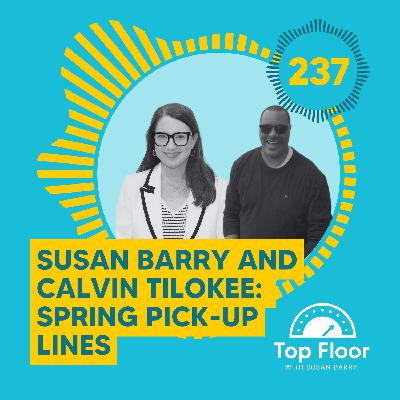
This is probably the weirdest episode yet. For seven minutes, Susan talks about not being a team player and why personal development is suspect. Then, she joins Calvin Tilokee for a joke-off of Spring-themed pick-up lines for hoteliers. Are you scratching your head in confusion? Good! *** Susan Barry on LinkedIn https://www.linkedin.com/in/susandbarry/ Top Floor on LinkedIn https://www.linkedin.com/company/top-floor-podcast Calvin Tilokee on LinkedIn https://www.linkedin.com/in/calvintilokee/ UN 2026 World Inequality Report - Gender Inequality https://wir2026.wid.world/insight/gender-inequality/ The Leadership Reset: Why Women in Hospitality Are Done With Endurance as a Career Strategy by Emily Goldfischer https://www.hertelier.com/post/women-hospitality-leadership-report Benchmarking Diversity 2025: Representation in Hotel Leadership from Penn State https://hhd.psu.edu/sites/default/files/hospitality-management-hm/shm/hospitality-management-hmshm-representationinhotelcompanyleadership2025pdf.pdf
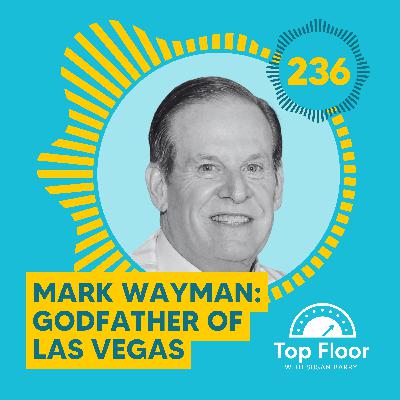
Mark Wayman is a longtime executive recruiter and former tech-to-gaming industry insider known for building one of the most powerful networks in Las Vegas. He unpacks how careers evolve across industries and why relationships, not resumes, drive success. Susan and Mark talk about networking nuance, hiring honesty, and hospitality hustle. • Why relationships beat talent in hiring decisions • Why hosting beats attending networking events • How casinos decide who gets VIP treatment • Why casinos prioritize marketing over technology • The real reason Vegas hasn't modernized like hotels • Why gaming careers depend on integrity and loyalty • What makes Las Vegas a "small town in disguise" • The biggest lies candidates tell (and why it matters) • Why high-paying jobs are getting harder to land • The origin story behind "Godfather of Las Vegas" • How giving back builds long-term influence *** Our Top Three Takeaways 1. Relationships drive everything Mark is unequivocal: careers are built through relationships, not résumés. He notes that 85% of jobs come through professional networks and even hiring decisions at the highest levels often favor familiarity over pure qualifications. 2. Discipline and positioning matter more than perfect timing From building a 6–12 month emergency fund to being selective about roles, Mark emphasizes control over your circumstances. His philosophy: financial discipline creates career freedom, and career freedom allows better decision-making. 3. The gaming industry runs on yield, not sentiment Casinos operate with ruthless clarity: customers are segmented by value, and resources are allocated accordingly. High-value players get everything; low-value ones are ignored. This highlights a broader business truth: not all customers (or opportunities) are equal. The smartest operators understand where value is created and focus their energy there. Mark Wayman on LinkedIn https://www.linkedin.com/in/markwaymanlv/ Cayuga Hospitality Consultants https://cayugahospitality.com/
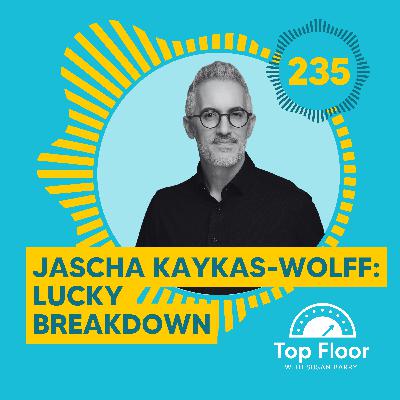
Jascha Kaykas-Wolff is the CEO of Visiting Media and a longtime tech leader who has helped shape digital marketing at companies like Yahoo, Microsoft, BitTorrent, and Mozilla. Raised in a socialist collective outside Eugene, Oregon, by a pioneering rock concert promoter, he grew up thinking deeply about systems, autonomy, and how teams work together. Susan and Jascha talk about AI acceleration, authentic leadership, and agile innovation. What You'll Learn • Breaking into hospitality tech by showing up, meeting operators, and building real relationships • How growing up in a collective shaped a leadership philosophy of autonomy and accountability • The difference between meritocracy and psychological safety in organizations • How data and conviction helped pitch Bill Gates and Steve Ballmer • The surprising leadership lesson hidden in a mustard stain • Why curiosity—not credentials—is the most valuable career skill today • Practical ways hospitality professionals can start experimenting with AI immediately • Using AI to research guests, build microsites, and automate everyday work • How Visiting Media uses real-world capture plus AI to power hospitality sales • The importance of "trust but verify" in an AI-generated world • Why the next five years may bring a renaissance of independent hospitality businesses *** Our Top Three Takeaways 1. Great leaders create environments where ideas feel safe to share Jascha argues that true meritocracy rarely exists in organizations, but leaders can still create conditions that allow good ideas to surface. The key is psychological safety: team members must feel comfortable proposing ideas, even imperfect ones, without fear of ridicule or punishment. When people feel safe to contribute, ideas improve through collaboration, and organizations ultimately make better decisions. 2. AI is today's version of the early internet—curiosity is the most important skill Jascha draws a strong parallel between the current AI moment and the late-1990s internet boom. Just as many experts dismissed the internet back then, many companies today restrict or underestimate AI. His advice is simple: start experimenting now, whether you're a front desk agent researching VIP guests or a marketer building quick microsites, because the professionals who develop AI fluency early will have a major advantage in the next five to ten years. 3. AI may level the playing field between independent hotels and large brands One of Jascha's predictions for hospitality is that AI will enable a renaissance of independent operators. Historically, large brands and management companies had an advantage because they controlled marketing resources and technology. AI tools are lowering those barriers, enabling smaller properties to build software, marketing assets, and digital experiences quickly and cheaply. Jascha Kaykas-Wolff on LinkedIn https://www.linkedin.com/in/kaykas/ Visiting Media https://visitingmedia.com/ Cayuga Hospitality Consultants https://cayugahospitality.com/
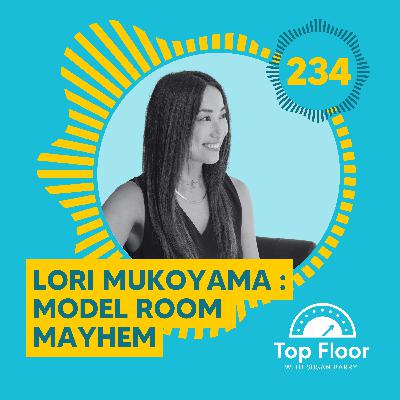
Lori Mukoyama is a Design Principal and Global Hospitality Leader at Gensler, shaping hotel experiences across cities from Chicago to Tokyo. With a background in boutique retail and large-scale hospitality design, she focuses on the tactile and emotional details that shape guests' experience of a space. Susan and Lori talk about design details, destination differences, and the future of guest experience. What You'll Learn • What designers actually control in a hotel, from doorknobs to pillows • Why "15 feet and down" shapes the entire guest experience • When hotel design should feel nothing like your own home • How hospitality design differs across the U.S., Latin America, and Japan • Why historic hotel renovations are booming right now • Smart ways brands balance global standards with local culture • How remote work is changing the layout of hotel rooms • Why giving designers time to create a concept story matters • How designing for a "guest muse" transforms spaces and furniture choices • The coming shift toward multi-generational hotel room design • Why sustainability innovation is the hospitality industry's next big challenge *** Our Top Three Takeaways Great hotel design happens "15 feet and down." While architecture shapes the overall building, the details closest to the guest create the emotional experience. Designers focus on the elements people physically interact with — floors, furniture, materials, lighting, and textures — because those are what guests touch, hear, and notice as they move through the space. These tactile details ultimately shape the hotel's feel. Global hotel brands succeed when they combine standards with local culture. Brand standards provide a framework, but the most compelling hotels interpret those standards through local context. Designers use local materials, cultural references, and regional inspiration to create spaces that feel authentic rather than generic. The goal is to keep the brand direction while ensuring each hotel reflects its city and community. Hotel design is evolving around new ways people travel and work. Remote work and blended travel have changed how guest rooms are designed. Desks are increasingly positioned to face the room instead of the wall, with lighting and acoustics designed to support video calls and longer stays. Hotels are also expanding into experience-driven spaces like wellness areas and social saunas, reflecting the idea that "offline" experiences are becoming a new form of luxury. Lori Mukoyama on LinkedIn https://www.linkedin.com/in/lori-mukoyama-4a71a57/ Gensler https://www.gensler.com/expertise/hospitality Gensler's annual Design Forecast identifies the top trends shaping the future of the built environment in the age of rapid technological and environmental transformation. You can learn more and download this year's report here. [https://www.gensler.com/publications/design-forecast/2026] Cayuga Hospitality Consultants https://cayugahospitality.com/ Hive Marketing https://www.hive-marketing.com/
Kurt Oleson is the Chief Operating Officer and co-owner of Custom Channels, a Denver-based company delivering fully licensed, human-curated music solutions for hotels and restaurants. A classically trained pianist turned music technologist, he helped build early music-recommendation algorithms before joining his company. Susan and Kurt talk about licensing landmines and algorithmic ethics. What You'll Learn: • Why playing Spotify in your restaurant could cost you $10,000 per song • How performance and composition licenses protect artists • How following "passion-adjacent opportunities" can shape an unexpected career • The upside and ethical gray areas of algorithm-driven music discovery • Why human-curated playlists still outperform AI in hospitality settings • How tempo, energy, and traffic patterns should shape your daily music flow • How many songs you actually need to avoid repetition • Why commoditizing music undermines its impact on your brand *** Our Top Three Takeaways Music isn't background noise—it's a business tool. When aligned with traffic patterns, brand identity, and desired guest behavior, audio can increase dwell time, improve turnover, and even become a profit center. Playing unlicensed music is a massive legal and financial risk. One audit could mean fines of up to $10,000 per song, making proper licensing non-negotiable for hospitality operators. Human-curated music is still a competitive advantage. AI can assist with scheduling and context triggers, but brand-aligned, emotionally intelligent curation drives better guest experiences. Kurt Oleson on LinkedIn https://www.linkedin.com/in/kurtoleson1/ Custom Channels https://www.custom-channels.com/ Cayuga Hospitality Consultants https://cayugahospitality.com/ Hive Marketing https://www.hive-marketing.com/ ***Ad Giveaway*** Enter here! https://www.topfloorpodcast.com/win
Leora Lanz is an associate professor at Boston University's School of Hospitality Administration and a former global marketing leader who helped grow HVS from seven offices to forty worldwide. After decades in destination marketing, hotel operations, and consultancy, she turned her classroom casework into two books on developing a marketing mindset. Susan and Leora talk about critical thinking, conscious marketing, and career courage. What You'll Learn: • Why you need to "know enough to be dangerous" in digital marketing • What crisis communication in hotels teaches about compassion • Why today's marketing funnel feels more like a pinball machine • Why hospitality and marketing are fundamentally the same • How to shift from "you should" to "we will" with owners • When the ROI of a hospitality degree really kicks in • How set-jetting and streaming shows shape travel trends • Why wellness, sustainability, and community are marketing power plays • Why career reinvention requires courage and community *** Our Top Three Takeaways Marketing Is a Mindset, Not a Tactic Marketing isn't about flashy campaigns or one-hit wonders. It's about critical thinking, strategic planning, and starting with clear goals and KPIs. Everyone in hospitality (not just the marketing team) needs to think this way to build real, lasting impact. Shift from "You" to "We" Great marketing happens when teams act as true partners, not outside advisors. Saying "we" instead of "you" creates a sense of shared ownership and stronger alignment with stakeholders. That mindset builds trust, buy-in, and better results. Hospitality Is a Competitive Advantage Hospitality is more than an industry; it's a philosophy that can differentiate any business. Purpose-driven marketing rooted in wellness, sustainability, and community creates deeper, more meaningful connections. The future depends on honoring both emerging talent and seasoned voices while keeping that purpose front and center. Leora Lanz on LinkedIn https://www.linkedin.com/in/leorahalpernlanz/ Buy the Books http://www.tinyurl.com/MarketingMindsetseries Cayuga Hospitality Consultants https://cayugahospitality.com/ Hive Marketing https://www.hive-marketing.com/ ***Ad Giveaway*** Enter here! https://www.topfloorpodcast.com/win
Travis Burns is Executive Vice President of Business Development at Remington Hospitality, where he's helping scale the company's third-party management platform. A former aerospace professional turned hotelier, he walked into the Hyatt Regency Tulsa Downtown asking for any job, and built a career spanning sales, operations, and investment strategy. In this episode, he unpacks profit over prestige, luxury's lift, and gut-driven growth. • Why GOPPAR matters more than RevPAR • How to win the GOP war—even if you lose the STR report battle • What your business mix really costs you (and why it matters) • How to know when saying yes is a trap • The intuition advantage in a world drowning in data • Why being first isn't always best in hotel innovation • The real driver behind luxury's post-COVID surge • Why great luxury GMs still have to obsess over labor and cost control • Why new capital—not institutions—may drive 2026 transactions • The one change Travis would make to the industry overnight *** Our Top Three Takeaways Revenue Without Profit Is a Mirage One of the clearest themes in this conversation is Travis's insistence that top-line performance is meaningless without margin discipline. He pushes owners and operators to look beyond RevPAR and focus on GOPPAR, emphasizing that not all revenue is created equal once costs are accounted for. The real work, he argues, is understanding *how* revenue is generated and being willing to sacrifice headline wins in favor of long-term profitability. The K-Shaped Recovery Is Reshaping Hotel Strategy Travis offers a grounded explanation for why luxury and upper-upscale hotels continue to outperform other segments. It's not that affluent travelers are price-insensitive; it's that post-COVID travelers are taking fewer trips and assigning more value to each one. When travel becomes part of the story rather than just a place to sleep, guests are willing to pay more, as long as luxury remains distinctive and doesn't slide into sameness. Say Yes, but Know When and Why On careers and leadership, Travis reframes the familiar advice to "say yes" with an important caveat: every investment of time and effort should come with an exit strategy. Early-career hustle only works when it leads somewhere, whether that's growth, learning, or the next opportunity. Without a clear payoff, ambition turns into exploitation, and knowing the difference is a critical leadership skill. Travis Burns on LinkedIn https://www.linkedin.com/in/travis-burns/ Remington Hospitality https://www.remingtonhospitality.com/ Cayuga Hospitality Consultants https://cayugahospitality.com/ Hive Marketing https://www.hive-marketing.com/ ***Ad Giveaway*** Enter here! https://www.topfloorpodcast.com/win Other Episodes You May Like: 212: Hotel Meth Takedown with Debbie Feldman https://www.topfloorpodcast.com/episode/212 181: Smoky Light Pole with Tommy Beyer https://www.topfloorpodcast.com/episode/181 107: Trash Can Fire with Tracy Prigmore https://www.topfloorpodcast.com/episode/107
Susan Barry is the founder of Hive Marketing and the host of Top Floor, bringing hotel sales, marketing, and ownership-side perspectives to the mic. In this solo episode, she reintroduces herself to new listeners from Hotel Online and HFTP and zooms out on a timely industry controversy to ask a much bigger question about power, history, and responsibility in hospitality. This episode is short and sweet, much like Susan. How Susan went from English major to hotel exec to founder and podcaster Why "hotels should stay out of politics" is a myth How hotels shape tax, labor, and zoning policy Why hotels are natural hubs for political activity How history proves hotels become power centers in crises How hotels can be tools of refuge or control What the Minnesota ICE controversy really exposes How brand power works in an asset-light hotel model *** Our Top Three Takeaways 1. Hotels are never "apolitical," even when they claim to be. The episode argues that hotels are inherently political because they operate at the intersection of real estate, labor, capital, and public visibility. From lobbying on taxes and visas to hosting political events and managing labor relations, hotels participate in politics constantly—whether or not they acknowledge it. 2. History shows hotels repeatedly become power centers during moments of crisis. Across wars, genocides, and social movements, hotels have functioned as command centers, sanctuaries, negotiation hubs, and tools of control. Examples from World War II, the Rwandan genocide, and the U.S. Civil Rights Movement illustrate how hotel spaces and staff actions can enable resistance, protection, or oppression depending on who holds power. 3. Modern brand–owner dynamics turn "neutral" decisions into political acts. In today's asset-light model, brands wield enormous influence through flags, loyalty systems, and distribution, while owners carry the financial risk. When a brand intervenes or withdraws, it is making an economic and political judgment that can instantly reshape a property, raising hard questions about authority, accountability, and local decision-making. Susan Barry on LinkedIn https://www.linkedin.com/in/susandbarry/ Hive Marketing https://www.hive-marketing.com/ Cayuga Hospitality Consultants https://cayugahospitality.com/ Female Founders in Hospitality https://femalefoundersinhospitality.com/ Other Episodes You May Like: 99: Believers to Church https://www.topfloorpodcast.com/episode/99 91: Pool Heat Miser https://www.topfloorpodcast.com/episode/91 71: Public Restroom Couple https://www.topfloorpodcast.com/episode/71 64: Roman Bird Murmuration https://www.topfloorpodcast.com/episode/64 59: Cat Hair Pants https://www.topfloorpodcast.com/episode/59
Tracy Stuckrath is the founder of thrive! meetings & events, where she helps planners, venues, and chefs stop accidentally poisoning their guests (a low bar, but here we are). After being diagnosed with a food allergy and realizing she couldn't safely eat at her own events, Tracy built a mission around safer, more inclusive hospitality, and later launched the "Eating at a Meeting" podcast during COVID. Susan and Tracy talk about safety, systems, and signage. • Simple tools that actually make event planning smoother • How Tracy's career pivots happened without a "master plan" • The moment she realized the industry wasn't feeding people safely • Why the people who "get it" fastest usually have restrictions themselves • How kitchens and front-of-house accidentally play telephone with allergens • Why labeling food lowers liability instead of raising it • The top nine allergens that cause most reactions • How food allergies and celiac can count as disabilities under the ADA • Why smaller, more intentional menus may beat endless buffet chaos • What the future of event menus could look like: fewer surprises, clearer trust • The one phrase Tracy wants the industry to stop saying immediately *** Our Top Three Takeaways 1. Inclusive food practices are a business decision, not just a courtesy. Treating food allergies and dietary restrictions seriously reduces risk, builds trust, and makes events more accessible and welcoming. When guests feel safe eating, they participate more fully and remember the experience for the right reasons, which directly impacts brand perception and loyalty. 2. Most food-allergy failures aren't about ingredients — they're about communication breakdowns. Problems usually happen when information gets lost between sales, planners, kitchens, and front-of-house teams. Clear systems, standardized language, and consistent labeling matter more than heroic last-minute fixes. Inclusion fails when teams don't talk to each other. 3. Smaller, more intentional menus outperform "abundance." The future of event food is fewer choices that are clearly labeled, thoughtfully designed, and easy to trust. Guests don't want endless options they can't safely eat. They want a handful of well-considered ones that reflect care, place, and purpose. Tracy Stuckrath on LinkedIn https://www.linkedin.com/in/tracystuckrath/ thrive! meetings & events https://thrivemeetings.com/ Other Episodes You May Like: 151: Rolls Royce Chauffeur with Ali Krupnik https://www.topfloorpodcast.com/episode/151 185: Squash Milk with Steve Fortunato https://www.topfloorpodcast.com/episode/185 13: Canned Good Centerpieces with Jana Robinson https://www.topfloorpodcast.com/episode/13
Christine Malfair is a lifelong hotelier turned independent-hotel marketing fixer, with a career spanning cruise ships, GM roles, and 15 years building Malfair Marketing as an early "remote fractional CMO." She helps independent hotels cut through AI noise and get found by guests and machines without losing their minds. Susan and Christine talk about clarity, consistency, and competitive courage. • Employee use of ChatGPT and real risks to proprietary hotel data • Guardrails for AI use inside hotel teams without banning innovation • Remote hotel leadership before "remote" was normal • Building a marketing function when no department exists • "AI-ready" as an ecosystem, not a shiny new tool • Why vague hotel language disappears in AI discovery • Team buy-in as the difference between tech adoption and rebellion • AI as an intermediary, not a channel • Why independent hotels can win without the biggest budgets • Standing tall in what guests already love you for *** Our Top Three Takeaways AI rewards clarity, not complexity Being "AI ready" isn't about adopting new tools or chasing the latest platform. It's about tightening what already exists. Hotels that are specific, consistent, and clear across their websites, listings, reviews, and social content will be easier for AI to understand and recommend. Generic language and inconsistencies create friction and invisibility. 2. Simple systems outperform heroic effort Christine's experience, from cruise ships to strata hotels, reinforces the same truth. Well-designed systems reduce chaos and conflict, even in complex environments. The same applies to marketing and AI. Progress comes from manageable, repeatable steps, not massive overhauls or one-time pushes. 3. Differentiation matters more than budget AI acts like a digital intermediary, deciding what gets surfaced and why. In that environment, sameness is a liability. The independent hotels that win won't be the ones with the most spend or the most content. They'll be the ones that are clear about who they are, what guests love about them, and how they stand apart. Christine Malfair on LinkedIn https://www.linkedin.com/in/christine-malfair/ Malfair Marketing https://malfairmarketing.com/ Other Episodes You May Like: 69: Our First AI Guest with Josiah Mackenzie https://www.topfloorpodcast.com/episode/69 127: Job Interview Subterfuge with Michael Goldrich https://www.topfloorpodcast.com/episode/127 71: Public Restroom Couple with Susan Barry https://www.topfloorpodcast.com/episode/71
Gary Brown is a former attorney and CPA who ditched billable hours for buildings, turning a brotherly townhouse-flipping side hustle into Furnished Quarters, one of the largest corporate housing providers in the U.S. He leads a service-first operation across major markets like New York, Boston/Cambridge, and the Bay Area, blending tech, design, and a very real "stuff breaks at 3am" mindset. Susan and Gary talk about service, standards, and survival stories. • Why corporate housing is hospitality first and real estate second • Service recovery that actually keeps clients calm when everything goes sideways • Move-in magic that prevents the "week one complaint festival" • Inspection systems that catch tiny problems before guests do • Communication rhythms that build trust when lights go out or floods happen • Setting expectations for big-city living without scaring people off • Relationship selling that lands major accounts and keeps the pipeline moving • Conference strategy that works pre-event, not just at the cocktail hour *** Our Top Three Takeaways 1. Corporate housing succeeds or fails on service, not real estate. While the apartment itself is the barrier to entry, Gary is clear that it represents only a small fraction of what defines a great stay. The real differentiator is hospitality-level service: constant communication, fast problem resolution, and setting expectations when things inevitably go wrong. Corporate housing, in his view, should be run like a 24/7 hospitality operation, not a passive real estate business. 2. The first day of a stay determines everything that follows. Move-in is the most critical moment in the guest experience. Furnished Quarters invests heavily in inspections, buffer days between stays, detailed arrival instructions, and proactive outreach after arrival. Many complaints can be avoided entirely by over-preparing for that first impression and by addressing small issues before they turn into frustration. 3. Strong relationships and preparedness outperform tactics in sales and growth. Whether discussing conferences, entertainment clients, or long-term partnerships, Gary emphasizes that success comes from relationship selling and advance work. Deals are rarely made by chance. They are built through consistent presence, pre-scheduled meetings, local involvement, and long-term commitment to the market. This same mindset applies operationally when things go wrong: recovery and trust-building matter more than perfection. Gary Brown on LinkedIn https://www.linkedin.com/in/gary-brown-b324512/ Furnished Quarters https://www.furnishedquarters.com Other Episodes You May Like: 76: Liquid Closing Dinner with Derrick Barker https://www.topfloorpodcast.com/episode/76 26: Responsible for the Weather with Robyn Joliat https://www.topfloorpodcast.com/episode/26 70: Beach House Ghost with Emmanuel Guisset https://www.topfloorpodcast.com/episode/70
Stacy Garcia is a designer, entrepreneur, and trend forecaster known for bold patterns and a sharper-than-average crystal ball. She built a multimillion-dollar textile studio serving hospitality and residential design worldwide. Susan and Stacy talk about palette, pattern, and personalization. • The secret life of hotel lobby books • Why surface pattern design trains you to think bigger than walls • Analog printing's quiet comeback and why faster sometimes beats newer • How digital manufacturing unlocked murals, customization, and creative freedom • Why "home away from home" might be the wrong goal for hotels • How QVC teaches you to sell in 30 seconds or less • The real shift away from millennial gray toward warmth and richness • Why design fads age badly in hotels, and what to do instead • The future: opulent heritage, jewel tones, and warmth *** Our Top Three Takeaways 1. Hospitality design should create fantasy, not mimic home Hotels succeed when they offer guests something they cannot or would not do at home. From the early days of themed Las Vegas hotels to today's boutique and luxury properties, the goal is escapism, inspiration, and emotional impact rather than comfort-driven familiarity. The "home away from home" mindset limits creativity and dilutes value, especially when guests are paying premium rates for a distinct experience. 2. Design decisions should allow for evolution, not permanence Hospitality spaces live longer than most design trends. The strongest properties are designed with flexibility in mind, allowing certain elements to evolve over time without requiring a full renovation. By identifying areas that can be refreshed, remerchandised, or reinterpreted as guest expectations shift, hotels can stay current while protecting long-term investment and brand consistency. 3. Color is the most powerful, cost-effective design lever Color is the first thing people register in a space and has a deep psychological impact. Hospitality is moving away from the long era of gray and blue toward warmer neutrals, earth tones, jewel tones, and heritage-inspired palettes. While the industry moves more slowly than residential, thoughtful use of color can create an immediate emotional impact without requiring a major capital investment. Stacy Garcia on LinkedIn https://www.linkedin.com/in/stacygarcia/ Stacy Garcia Design Studio https://stacygarciainc.com/ LebaTex https://www.lebatex.com/ Other Episodes You May Like: https://www.topfloorpodcast.com/episode/27

Kipp Lassetter is a former ER physician turned health-tech founder, hotel owner, and gas-station-barbecue legend who now runs RBN, a luxury real estate referral and rewards platform. He's on the show to unpack how he thinks about building and selling businesses, turning "boring" transactions into unforgettable experiences, and why the right real estate agent matters more than any points haul. Susan and Kipp talk about loyalty and rewards. • What really connects ER medicine, healthcare IT, hotels, and a gas-station-turned-destination barbecue joint • Why Kipp bought a "bad" gas station and the mindset he used to turn it into a must-visit moneymaker • A simple framework for deciding when to hold a business for cash flow versus when to sell and move on • How RBN quietly taps a standard real estate referral fee and turns it into "guilt-free" reward points for buyers and sellers • What RBN is learning about keeping rewards meaningful in an era of overcrowded lounges and points inflation • How AI will supercharge loyalty with hyper-personalized offers and smarter "gamification" of points for both brands and members *** Our Top Three Takeaways 1. RBN turns real estate transactions into meaningful, high-value rewards. Kipp explains that RBN uses the agent referral fee to give buyers and sellers a massive amount of reward points—often enough for a safari, Japan trip, or other bucket-list travel. The model reframes home buying as a chance to earn "guilt-free" experiential rewards rather than just a stressful financial transaction. 2. A great real estate agent matters more than any number of points. A core philosophy of RBN is that no reward can overcome a bad real estate experience. The company puts significant emphasis on vetting and selecting top-performing agents first; the points are "icing on the cake," not the main event. 3. The future of loyalty is hyper-personalized, AI-driven experiences. Kipp predicts that AI will rapidly transform loyalty programs by tailoring offers to individual members—think curated experiences based on personal interests, bucket-list items, and dynamic point optimization. He also notes the challenge of welcoming new members without making elite status feel unattainable. Kipp Lassetter on LinkedIn https://www.linkedin.com/in/kipp-lassetter-md-1aa499b/ RBN Rewards https://www.rbnrewards.com/ Other Episodes You May Like: 27: Fast Food Sushi with Lenny Moon https://www.topfloorpodcast.com/episode/27 61: Rainy Day Payoff with Peter Van Dorn https://www.topfloorpodcast.com/episode/61 16: Duke Cookie Face with Nick Shelton https://www.topfloorpodcast.com/episode/16
Steven Rubin is the CEO of Collared Martin Hospitality, the management company behind Faraway Hotels, with a career that's zigzagged from overnight manager at a 600-room Marriott in 1999 New York City to revenue strategy trailblazer and culture-first leader. He's helped open and grow iconic lifestyle hotels at Kimpton, led across operations, asset management, and hospitality tech, and now steers an independent, experience-obsessed brand expanding from Nantucket and Martha's Vineyard into Sag Harbor and Jackson Hole. Susan and Steve talk about muses, markets, and management—brand-building. What You'll Learn About: • How to think about the "best" path to GM in different segments, from luxury F&B to commercial • What overnight shifts in late-90s New York teach you about composure, guest recovery, and not losing your mind • Why Steven moved from front desk chaos to revenue zen, and how that one decision rewired his whole career • Why Collared Martin is betting on high-barrier leisure markets like Nantucket, Martha's Vineyard, Sag Harbor, and Jackson Hole • The madness and method of onboarding 26 tech systems in a brand-new management company • How Faraway's fictional female muses shape design, rituals, and guest touchpoints in each destination • Where AI can actually enhance a stay (hello, smarter pre-arrival notes) and where lazy prompts will absolutely backfire • The one thing Steven would change about hotel management companies: caring more loudly, clearly, and courageously *** Our Top Three Takeaways 1. Leadership Begins With Self-Awareness and Empathy Steven's stories from overnight relocations in New York City to his Kimpton-era emotional intelligence training highlight one central theme: great hospitality leadership starts with understanding people. His guiding principle, "seek first to understand, then to be understood," shapes how he handles guests, conflict, and his executive team's two-word check-ins. This human-centered approach influences Collared Martin Hospitality's culture and his belief in caring deeply for employees and guests. 2. Place-Based Storytelling Creates Brand Magic The Faraway brand's muses, fictional women inspired by each destination, guide design, rituals, service cues, and even pre-arrival moments. This narrative framework ensures that each hotel feels rooted in its location rather than created from a template. Steven's examples, including Susan Bloomfield, the pirate captain in Nantucket, show how authentic local storytelling can inform guest experience without becoming cheesy or generic. 3. Seasonal Markets Require Creative Multi-Sensory Training and Talent Strategies Operating in high-barrier leisure destinations means rebuilding teams every year. Steven is developing a multi-sensory training model that blends visual, auditory, kinesthetic, and cognitive learning to rapidly onboard seasonal staff from around the world. His openness about still learning, experimenting, and adjusting systems, including onboarding 26 technology platforms in a single month, offers practical ideas for hotels that work with seasonal labor or rapid openings. Steven Rubin on LinkedIn https://www.linkedin.com/in/stevenmrubin/ Collared Martin https://www.collaredmartin.com/ Other Episodes You May Like: 193: Room for Trouble with Scott Roby https://www.topfloorpodcast.com/episode/193 183: Bathtub Disaster with Sloan Dean https://www.topfloorpodcast.com/episode/183 150: Wedding Wing Man with Jen Barnwell https://www.topfloorpodcast.com/episode/150
Franck Desplechin is a French-born chef turned luxury hotel food and beverage executive, with roots in Michelin-starred kitchens and brands like St. Regis and Auberge Resorts. After running iconic properties (including a wild Sedona chapter with his wife as co-leaders), he launched a nationwide task force and consulting practice and distilled his "chef mindset" leadership style into a book. Susan and Franck talk about building healthy, high-performing teams in high-pressure environments. What You'll Learn About: • Lessons from a 15-year-old apprentice about reliability, humility, and showing up that still matter in the C-suite • Navigating partnership when you and your spouse run the hotel together without killing each other (or the vibe) • How COVID, quarantine, and a pregnant partner forced a workaholic to completely rearrange his priorities • What the "chef mindset" really is and how to use adversity, rejection, and pressure as a leadership training ground • Spotting when your culture is out of balance between guest experience and employee experience • Rethinking "we have jobs because we have guests" and flipping it to a culture-first, people-first philosophy • What task force really looks like behind the scenes and how elite consultants show up differently than the average fill-in • Serving what the property needs vs pushing what you think they should fix as an external expert • Meetings that should absolutely die and how to spot the recurring time-wasters with zero impact • Simple daily rituals that build loyalty, like the 15-minute "hello tour" that makes your team feel seen • Where luxury F&B is headed next and why fewer, better outlets may beat "infinite options" for modern travelers *** Our Top Three Takeaways 1. Leadership in luxury F&B is shaped early, and built on discipline, humility, and constant learning. Franck traces his approach to leadership back to the foundations laid in Michelin-starred kitchens: showing up on time, staying coachable, being reliable, and remaining a lifelong student of hospitality. These habits, formed at age 15, still anchor his leadership today. 2. Task force success hinges on humility, flexibility, and meeting properties where they are. High-performing task force leaders don't walk in trying to fix everything. They focus on what the hotel truly needs, adapt to existing team culture, assess emotional dynamics, and provide continuity during leadership gaps. Ego and personal agenda have no place in effective interim leadership. 3. Luxury F&B's future is fewer outlets, sharper concepts, and deeper employee focus. Franck predicts a shift away from sprawling multi-outlet hotels toward tighter, more exceptional concepts, because guests increasingly value quality over variety and seek local experiences. He also argues that employee satisfaction should be measured and prioritized with the same rigor as guest satisfaction, because the guest experience depends on it. Franck Desplechin on LinkedIn https://www.linkedin.com/in/franck-desplechin/ Franck's Website https://www.cheffranck.com/ Other Episodes You May Like: 08: King Sheet Parachute with Justin Genzlinger https://www.topfloorpodcast.com/episode/08 174: Apron on a Fence with Mitch Prensky https://www.topfloorpodcast.com/episode/174 185: Squash Milk with Steve Fortunato https://www.topfloorpodcast.com/episode/185
Christin Marvin is a hospitality lifer who's opened 13 restaurants, run high-performing teams from the Broadmoor to booming Denver concepts, and survived both burnout and a failed ownership venture. Today she's an author and host of the Restaurant Leadership Podcast, helping operators master openings, ownership, and operator optimization. Christin and Susan talk about leadership, systems, and sustainable growth. What You'll Learn About: Why "tour guide" servers beat order-takers every time and how that shapes guest loyalty What 13 restaurant openings will teach you about systems, creativity, and controlled chaos How a failed French concept exposed dangerous blind spots around ego, pricing, and ignoring guest feedback The difference between promoting loyal people and intentionally building the leadership team your business actually needs What Christin's "Independent Restaurant Framework" is and how it helps owner-operators scale without burning out A simple, scrappy way to build a training program even if you feel like you have zero time and zero HR department The tiny 15-minute weekly habit that improves retention, surfaces problems early, and makes your team feel genuinely seen What owners get wrong about "not being able to find good people" and how to actually develop the ones you already have Why in-person dining experiences are about to matter more than ever in a tech-obsessed, convenience-driven world *** Our Top Three Takeaways 1. Sustainable restaurant growth requires systems—not loyalty alone. Christin stresses that independent operators often scale based on emotion and loyalty, but true success comes from intentionality: hiring for the right roles, building systems, developing people, and removing ego from decision-making. Loyalty without structure is expensive and risky; systems create stability and scalability. 2. Owners who succeed are the ones willing to ask for help and confront what's not working. She sees a clear divide in the industry: burned-out long-timers vs. newer operators who admit gaps, seek guidance, and make data-driven decisions. Progress begins when owners get honest about their shortcomings and stop trying to be experts in everything. 3. Training and people development are non-negotiable for retention and guest experience. Post-pandemic staffing requires intentional training—even simple, imperfect programs created by lead staff. Christin recommends weekly 15-minute one-on-ones as a powerful retention tool and argues that leaders must slow down, listen, and invest in people if they want to keep talent and deliver great hospitality. Christin Marvin on LinkedIn https://www.linkedin.com/in/christin-marvin/ Solutions by Christin https://christinmarvin.com/ Other Episodes You May Like: 221: Unsubtle Resignation with Brady Lowe https://www.topfloorpodcast.com/episode/221 129: Boo-Boo Sugar with Jason Brooks https://www.topfloorpodcast.com/episode/129 85: Fake Wedding Officiant with Michael Cecchi-Azzolina https://www.topfloorpodcast.com/episode/85
Brady Lowe is a connector, educator, and experience-maker who founded Taste Network and the nonprofit Piggy Bank, spending more than two decades building unforgettable collaborations between chefs, farmers, hotels, and brands. Through his Next 10 coaching and accelerator hub, Brady helps hospitality founders design smarter events, deeper guest relationships, and sustainable revenue with a focus on pairings, playbooks, and pre-visit engagement. Susan and Brady chat during this special in-person episode, recorded at The Pub at EAV. • How to use Facebook groups, comments, and DMs to attract sports fans and turn them into faithful regulars • Why "11 to 35 micro-interactions" often have to happen before a guest spends a dollar with you • Ways to make your social media as personal and welcoming as your host stand or bar top • The origin story of Taste Network and how a single wine-and-cheese pairing can shape an entire career • How to think about guest engagement as "relationship currency" that carries your brand through tough times • What a strong pre-visit engagement sequence looks like for restaurants, hotels, and bars • Practical examples of surprise-and-delight moments that guests can replicate at home and rave about for months • How to turn recipes, rituals, and house favorites into high-value digital giveaways that build your email list • Why most hospitality social media fails (and what to ask your social media person about actual revenue) • How to download your Instagram data and use AI to audit what's working and who your real audience is • What to expect from the 2026 World Cup in terms of premium experiences, demand, and guest expectations • The key non-negotiables Brady uses to design memorable F&B experiences: surprise, emotional sequencing, and human connection *** Our Top Three Takeaways 1. Engagement before the visit is the new battleground for hospitality success. Brady argues that guest engagement must begin long before someone walks through the door. Restaurants and hotels should treat Instagram and their websites as extensions of the front door—places where you start building relationship equity. A simple "hello," a thoughtful comment, or an acknowledgment of someone's interaction can fundamentally shift how guests perceive your brand once they arrive. Most brands post but don't connect, and that is the biggest miss today. 2. Hospitality operators need training, tools, and intentionality around social media—and most don't have it. He's adamant that restaurants and hotels rarely train their teams to engage digitally. Social media isn't just a marketing channel; it's a hospitality channel. He encourages leaders to audit their digital presence, use tools like ChatGPT to evaluate Instagram data, create value-focused lead magnets (recipes, techniques, guides), and measure whether social efforts actually drive revenue. Without this skill set, the business model is incomplete. 3. First-time "transformational moments" are at the heart of memorable hospitality. From his earliest career epiphany—watching a guest have a life-changing food experience—to building Taste Network and Next 10, Brady centers everything around delivering unforgettable moments. His non-negotiables: surprise, carefully sequenced emotional storytelling, and genuine human connection. These principles apply whether you're designing an event, launching a restaurant, or building community—and they're key to earning loyalty and sustaining brands through peaks and valleys. Brady Lowe on LinkedIn https://www.linkedin.com/in/tastenetwork/ Taste Network https://tastenetwork.com/ The Pub at EAV https://www.eavpub.com/ Other Episodes You May Like: 129: Boo-Boo Sugar with Jason Brooks https://www.topfloorpodcast.com/episode/129 86: Fist Bump Welcome with Mary Mattson-Quagliana https://www.topfloorpodcast.com/episode/86 85: Fake Wedding Officiant with Michael Cecchi-Azzolina https://www.topfloorpodcast.com/episode/85
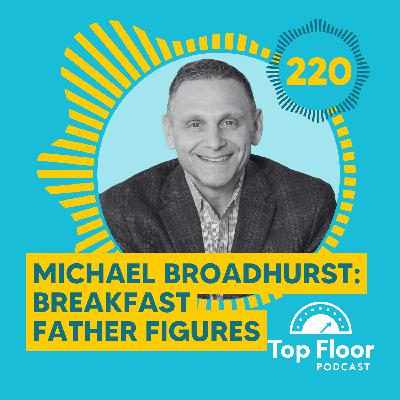
Michael Broadhurst is the Chief Operating Officer at StepStone Hospitality, a lifelong hotelier who sprinted from dish pit to nightclub manager to senior posts with Marriott, Starwood, Crestline, and Crescent. He opened the Westin Reston, later led the Westin Arlington Gateway, and built a reputation for turnarounds driven by culture, coaching, and cross-discipline training. Susan and Michael talk about teams, transitions, and top-line revenue. What You'll Learn About: • Why quick, personal, and approachable service beats fancy food every time • How learning Rooms turbocharges a hotel career • The Westin Arlington Gateway story—and how to revive a once-beloved flagship • Culture first: rebuilding teams before chasing scores and stars • When to walk away from an owner deal and the integrity lines you don't cross • Why management-company churn is rising, and how to avoid becoming a commodity • A step-by-step takeover playbook that calms nerves and kills rumors • Sales x Ops, not Sales vs Ops • The full-service future: experiential stays, destination F&B, and activated spaces • Solving owner–brand–operator misalignment *** Our Top Three Takeaways 1. Culture Comes First in Turnarounds When taking over a newly transitioned or underperforming hotel, Michael's first priority is always stabilizing the team and rebuilding culture. He emphasizes transparency, reassurance, and respect, meeting with associates early to address fears about job security, benefits, and pay. His philosophy mirrors the Marriott fundamental: take care of your associates, and they'll take care of your guests. 2. Integrity and Fit Matter More Than Growth Michael insists that StepStone walks away from deals that don't align with their values. He's clear that integrity and impact outweigh expansion, rejecting "numbers on paper" deals or partnerships without shared ethics. His approach to ownership relationships is built on honesty, ROI clarity, and long-term collaboration. He'd rather under-promise and over-deliver than chase short-term wins. 3. The Future of Full-Service Hotels Is Experiential Looking ahead, Michael predicts that full-service hotels will survive by becoming destinations, not just places to stay. Success will depend on differentiated experiences like vibrant F&B concepts, live entertainment, wellness and fitness activation, and localized service that connects emotionally with guests. He believes traditional "three-meal" models are obsolete; the new era of full service is about lifestyle, energy, and creating a sense of place that guests (and locals) seek out. Michael Broadhurst on LinkedIn https://www.linkedin.com/in/michael-broadhurst-13626b5/ StepStone Hospitality https://www.stepstonehospitality.com/ Other Episodes You May Like: 202: Casino Money Bag with Liz Dahlager https://www.topfloorpodcast.com/episode/202 193: Room for Trouble with Scott Roby https://www.topfloorpodcast.com/episode/193 112: No 7 AM Breakfasts with Leticia Proctor https://www.topfloorpodcast.com/episode/112
In this special episode of Top Floor, Susan talks with three founders whose products made this year's Hospitality Holiday Gift Guide. Michael Albert from Hotel Humor, Megan Grant Pederson from Cherish Tours, and Jim Higley from Puffer Hug each share the story behind their companies and why their creations make meaningful gifts for hoteliers, travelers, and hospitality pros. Tune in for cozy ideas, thoughtful experiences, and hospitality-themed treats for everyone on your list. Michael Albert on LinkedIn https://www.linkedin.com/in/michael-a-albert/ Hotel Humor https://hotelhumor.com Megan Grant Pederson on LinkedIn https://www.linkedin.com/in/megan-grant94/ Cherish Tours https://www.gocherishtours.com/ Jim Higley on LinkedIn https://www.linkedin.com/in/jimhigley/ Puffer Hug https://pufferhug.com/

Comments

Download from Google Play

Download from App Store
 United States