


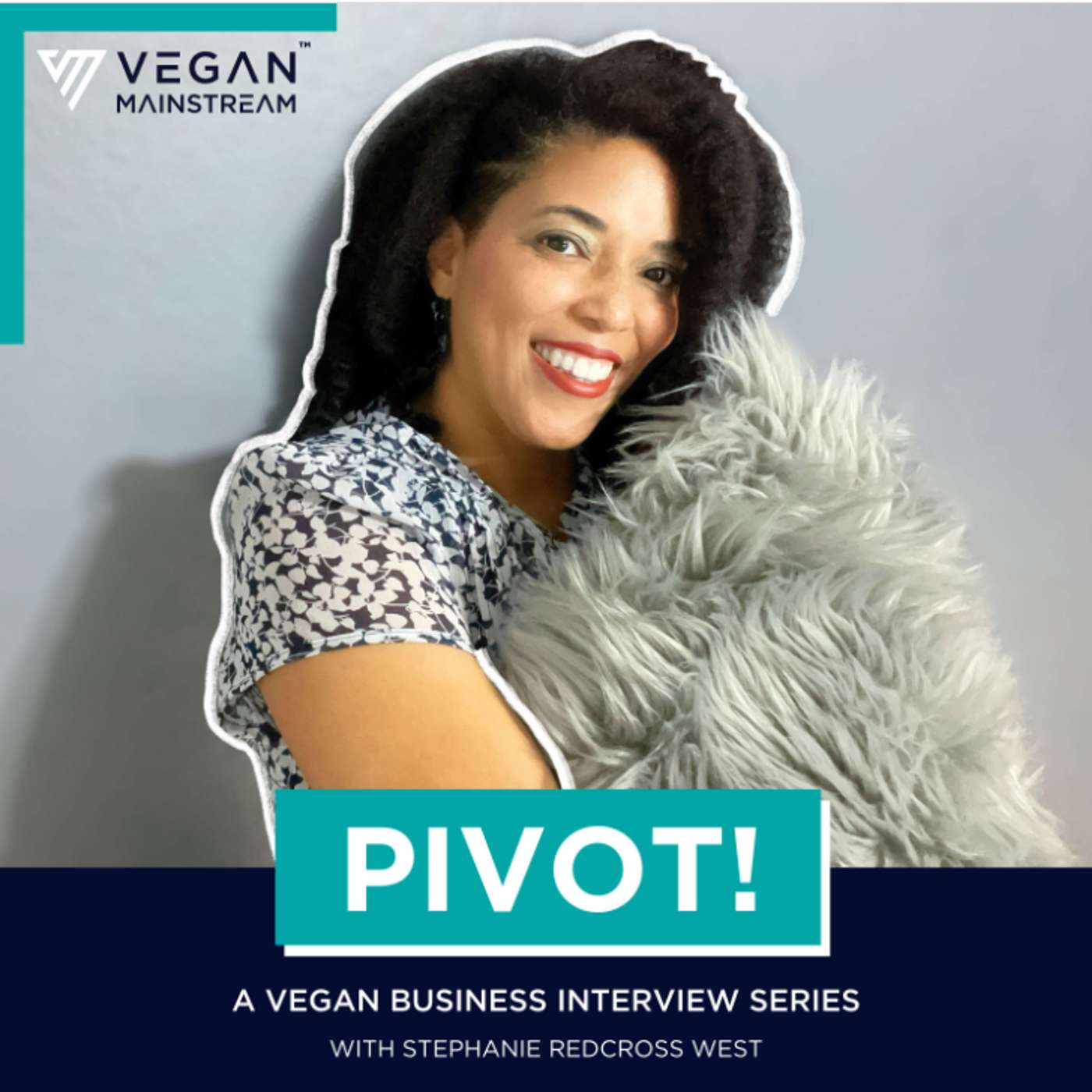
Pivot! A Vegan Business Interview Series
Subscribed: 11Played: 36
Subscribe

© 2022 Vegan Mainstream
Description
We live in fast-paced times, and in an ever-changing marketplace business owners must be able to adapt readily. The Pivot podcast, hosted by Stephanie Redcross West, features interviews with successful vegan business owners, keeping you up-to-date on topical issues & how the pros are handling them.
135 Episodes
Reverse
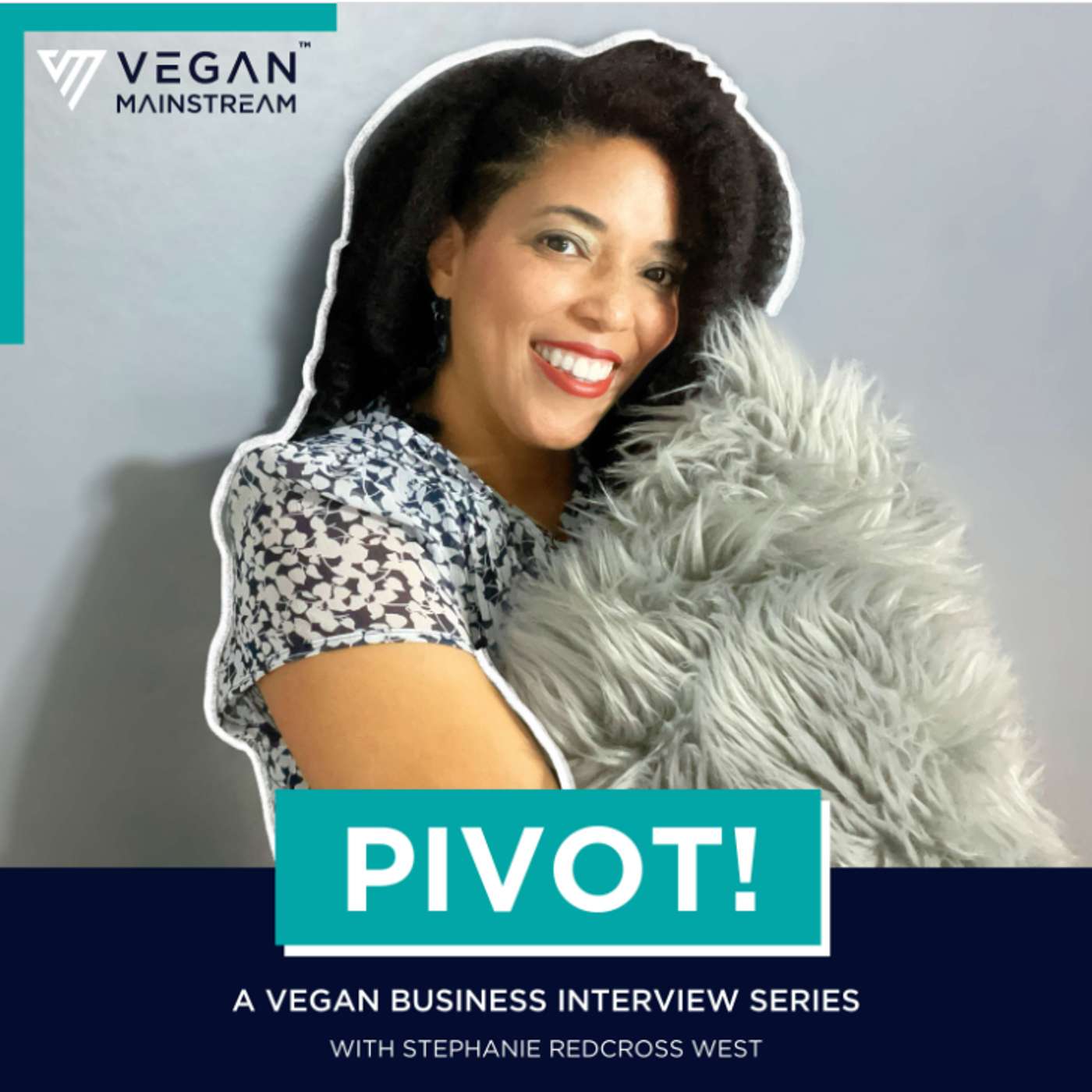
Chef Ed Harris grew up in the Caribbean and South America, raised in a family where food was everything. His grandmother made breads, wines, and cheeses from scratch, and his mother's kitchen was the heart of the home. That upbringing sparked a passion that took him to New York City, where he trained in some of the city's finest kitchens, including Jean-Georges, Buddakan, and River Cafe, and eventually won Food Network's Chopped competition.But it was a family movie night watching "What The Health" that changed everything. What started as a one-week experiment became a full commitment to plant-based living, and a new mission: showing people how to make vegetables shine rather than treating them as an afterthought.Today, Chef Ed consults for major hotel brands including Hyatt and Marriott, runs The Plant-Based Kitchen Lab community, develops specialty spice lines and cookbooks, and helps chefs and food entrepreneurs build sustainable businesses beyond the traditional kitchen.In this episode of Pivot Podcast, Chef Ed shares what it really takes to make plant-based cooking bold, accessible, and full of flavor — and what the restaurant industry still gets wrong about it.You’ll learn about:How a family documentary night changed the way Chef Ed cooks and eats permanentlyWhy homemade meat substitutes beat processed supermarket options every timeWhat higher-end restaurants are doing right with plant-based menusHow to make vegetables the star of the plate, not a side thoughtThe business side of plant-based cooking: consulting, community building, and creating multiple income streams as a chefGuest Linkshttps://knifenspoon.com/Social Media@ChefEdHarrishttps://www.instagram.com/chefedharris/https://www.linkedin.com/in/chefedharris/https://www.facebook.com/profile.php?id=100063766615743https://www.youtube.com/@ChefEdHarrisMemorable Quote"Nothing that happens right now determines your end goal. Keep moving forward, understand your why, and everything will fall into place."Show Notes👨🍳 [02:31] Growing up in a family where food was everything✈️ [04:20] Traveling the world to learn: Cooking as a way of understanding culture🥬 [08:45] His mission: making vegetables the star of the plate🎤 [12:14] Why mushrooms are underrated👥 [15:22] Building a community: The Plant-Based Kitchen Lab 📦 [19:01] Consulting for Hyatt, Marriott, and beyond🌱 [23:44] Creating curricula and workshops to help hospitality employees understand and promote plant-based options🏪 [24:40] The vision: a grab-and-go vegan bodega concept in the Caribbean💫 [26:22] For anyone new to plant-based living: Be kind to yourself 🔥 [30:20] The mushroom that converts even the biggest skeptics
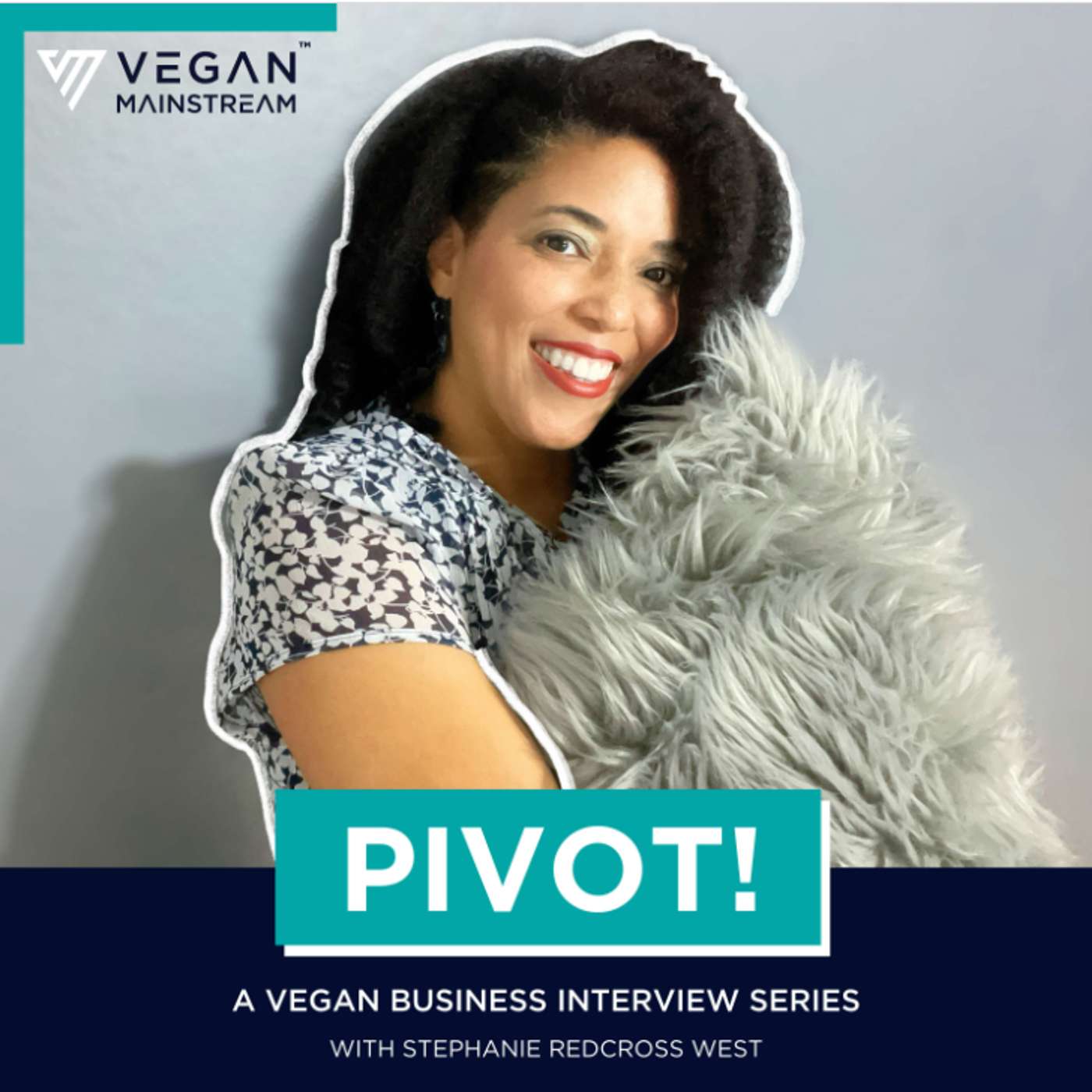
Karina Inkster is a fitness and nutrition coach, TEDx speaker, and author of five books. She’s been vegan for 23 years. As the founder of K.I. Health & Fitness, she leads a small team of coaches who work entirely online with vegan clients across the globe–helping them build strength and health habits they’ll still hold at the age of 103. Karina is known for her practical, no-nonsense approach to plant-based fitness: no before-and-after photos, no 30-day challenges, no “clean eating” language, and no diet culture. Instead, her focus is on sustainable, individualized strength training and nutrition coaching built specifically for plant-based athletes, whether they're chasing long-term bone density or simply trying to get comfortable in a gym.In this episode of Pivot Podcast, Karina shares how she went from an hourly in-person trainer in 2013 to running a fully online coaching business in 2017, a shift she describes as the moment she felt like she was truly running a business. She talks about why vegan nutrition can't simply mirror omnivorous plans, how she thinks about long-term vs short-term fitness goals, and why niching down to vegan clients was one of the smartest business decisions she ever made.You’ll learn aboutThe real difference between vegan nutrition and standard fitness coaching approachesHow she transitioned from hourly in-person training to a scalable online modelWhy Karina doesn't use before-and-after photos, and what she does insteadThe 80/20 framework she uses to help clients eat sustainably without constant food trackingWhy specificity in your niche is one of the most powerful marketing tools availableHow she balances running a coaching business with a parallel career in musicGuest Linkshttps://www.karinainkster.comSocial Media@karinainksterhttps://www.instagram.com/karinainksterhttps://www.facebook.com/karinainksterhttps://www.youtube.com/channel/UCDM78CSF2AjCww1h05opDawMemorable Quote“There's nothing wrong with having aesthetic goals. We're all human. We all want to look great. But if that's the only reason we're doing fitness, it generally doesn't lead to consistency or long-term results.”Show Notes🏋🏻♀️ [02:08] Building a fully online vegan fitness coaching business with a global client base⚕️ [04:42] Why the focus is on long-term health, not just aesthetics.📌 [08:07] Why vegan nutrition can't simply mirror standard fitness coaching approaches.🧿 [11:28] What does eating in a way that supports your goals actually look like?⚙️ [16:09] How to adjust your environment to make healthy habits easier.🌍 [19:28] Going fully online in 2017: The shift that made the business truly scalable.🚩 [23:39] Why she is very critical of the fitness industry.🥗 [27:24] Why she went vegan for ethics, not health, and why that distinction matters.🎙️ [32:26] The No BS Vegan podcast: The best way to learn about her approach
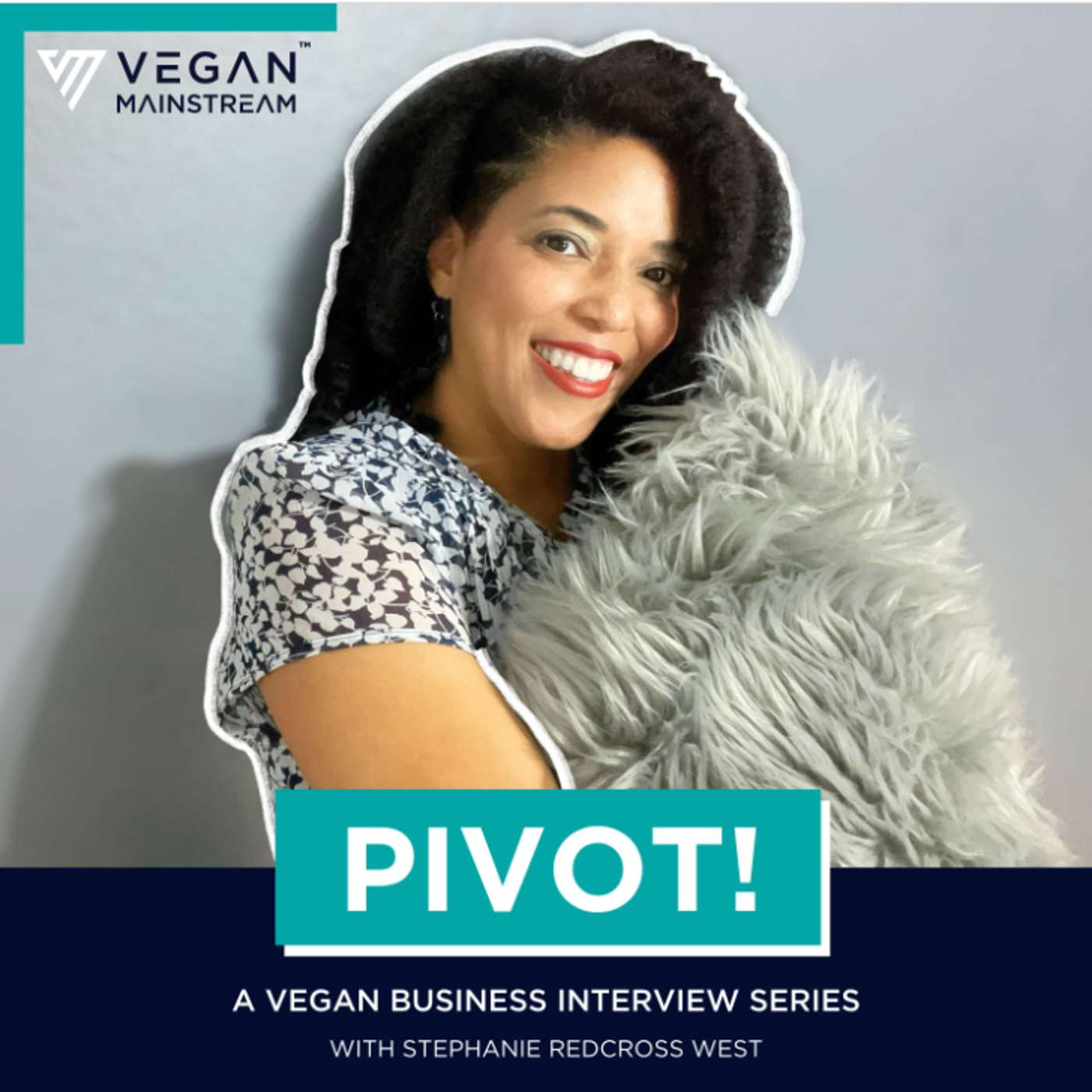
Alicia Lai spent over 20 years in sustainable fashion–including founding Bourgeois Bohème, a vegan shoe brand built on innovative materials. She was deeply committed to ethical production, personally vetting factories in Portugal and sourcing materials that minimized environmental impact. But after 15+ years of running the brand, the constant pressure to compromise on sustainability standards pushed her to make a difficult decision: close the business she had built and start over. What came next wasn’t a retreat–it was a return to her values. Now, she runs hands-on sewing, mending, and Sashiko-inspired stitching workshops. Her work now focuses on behaviour change, inclusion, and showing that sustainable living happens one small, practical action at a time. In this episode, Alicia shared what it really means to pivot–not as starting over, but as going deeper into what matters most. You’ll learn aboutHow to know when a business that looks successful on the outside no longer aligns with your valuesWhy making compromises in production can erode the mission you started withWhat a real pivot looks like, and why it's often about returning to your values, not abandoning themWhy behaviour change matters as much as product innovation in the sustainability movementGuest Linkshttps://www.bboheme.comSocial Mediahttps://www.instagram.com/boboheme/https://www.linkedin.com/in/aliciatclai/https://www.facebook.com/bboheme/https://x.com/homeMemorable Quote"Fashion is a statement. When you choose to stitch and mend what you already own, you're making a stand against what's happening in the fashion industry today."Show Notes👡 [02:23] From vegan shoe brand to slow fashion advocate: Alicia's 20-year journey.🧵 [07:10] What is Sashiko? The Japanese art of stitching and mending explained.⏸️ [10:12] Why giving yourself permission to pause is the first step toward sustainable living.⟲ [15:33] The reset we all need — and why we reach for our phones instead.🧶 [17:18] Visible mending as a form of self-expression and resistance.🙇 [20:23] How slow craft creates space for creativity and mindfulness.💫 [25:29] Behaviour change over product change: why loving what you do matters.🤝 [29:18] Building community through craft — and what comes next.
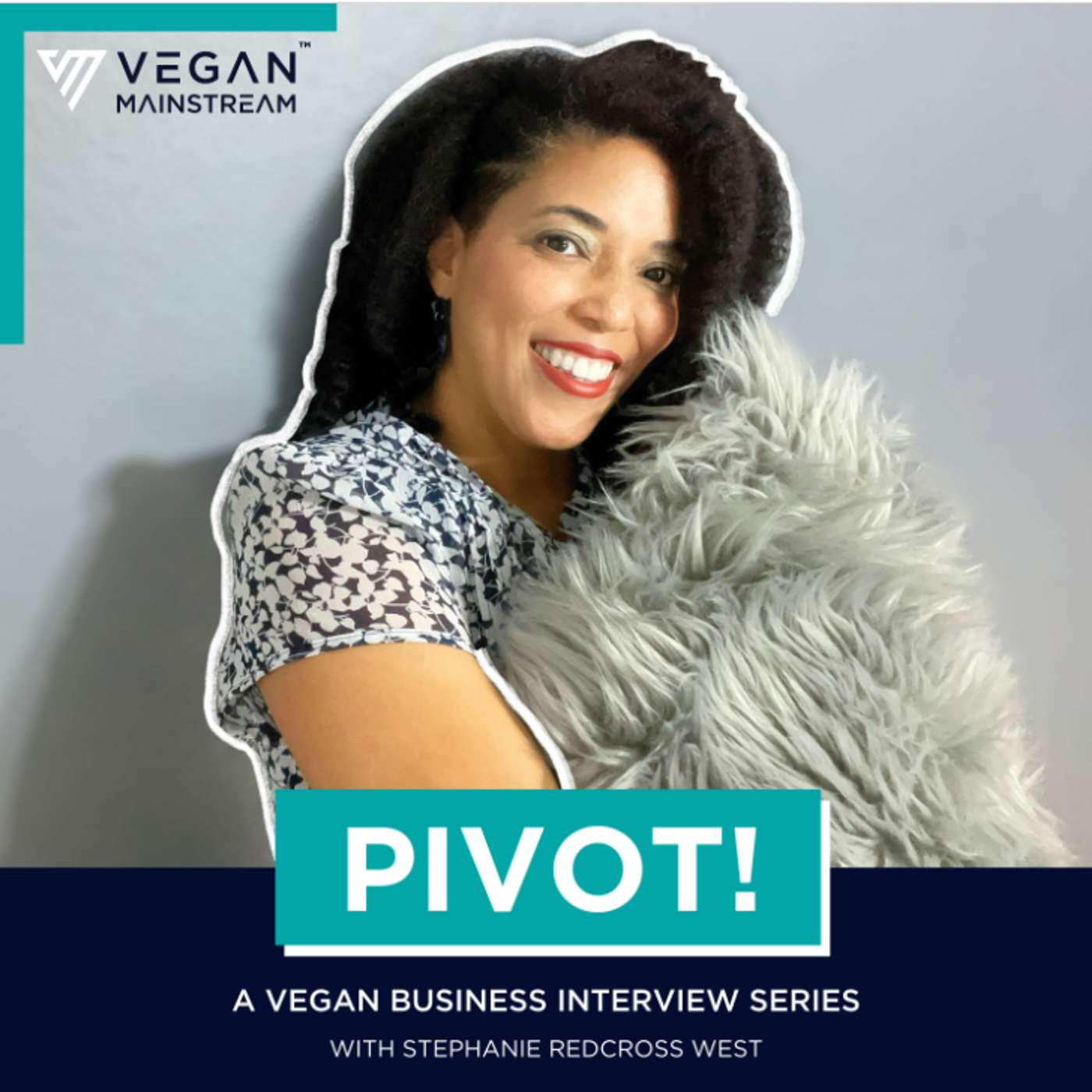
Juliette Arnold is the co-founder of Plant Based Strategies, a consultancy helping restaurants and food businesses successfully develop and scale plant-based offerings. A longtime vegan advocate, she spent over a decade building community through grassroots initiatives like the Biggest Little Plant Pod and co-organizing the Vegan Chef Challange in Reno. But she noticed a gap: restaurants wanted to participate in the plant-based movement, but many struggled with execution–menu development, staff training, and profitability. That’s when she shifted from advocacy to industry transformation. In this episode, Juliette shares how she went from reading The China Study 16 years ago to building a business that helps restaurants make plant-based dining profitable and accessible. She talks about identifying the real pain points in the hospitality industry, the importance of training and community, and how real change happens when you connect vision, industry, and community. You’ll learn aboutHow to identify a gap in the market and build a business that solves a real industry problemWhy restaurants want to go plant-based but struggle with executionThe difference between grassroots advocacy and systemic industry change, and why you need bothHow to make plant-based offerings profitable for restaurants (not just appealing to customers)Guest Linkshttps://www.plantbasedstrategies.comSocial Mediahttps://www.instagram.com/plant.based.strategies/https://www.facebook.com/people/PlantBasedStrategies/100093201350569/Memorable Quote“There is a demand. People are curious about flavors. People want to be a little bit healthier. Flexitarianism is on the rise completely. So it's a lot of different things. It's about the menu. It's about training the staff and understanding when somebody says–Oh, I'm vegan–you don't offer them butter on the table.”Show Notes📋 [02:11] Juliette helps restaurants successfully develop plant-based menus.🍓 [05:59] Why people want to go out and eat good (plant-based) food.🗺️ [07:14] How a vegan hospitality consultant helps you navigate the business.🌟 [11:21] Why having customer experience and business training matters.🏷️ [16:47] Why “good food is just good food”: it doesn't have to be labeled.🔄 [20:41] Her approach: revisiting and understanding the restaurant’s unique challenges.🤝 [24:48] Building a global network of vegan hospitality consultants to scale impact.❤️ [27:17] Following your passion as a journey.…Thanks for listening to Pivot, our vegan business interview podcast. If you are feeling inspired but not quite sure where to start, we’ve got you covered! Check out our online courses and free resources at veganmainstream.com.Loved this conversation? Explore more inspiring stories from vegan entrepreneurs on the Pivot Podcast at https://veganmainstream.com/podcast/pivot-a-vegan-business-interview-podcast/. You never know which story will spark your next breakthrough.Ready to turn inspiration into action? If you're serious about growing your vegan business and want to talk through how we might work together, book a discovery call at https://veganmainstream.com/support/discovery-call/. These aren't free advice sessions – they're real conversations for people ready to invest in their growth.Want to learn more first? Join our next live webinar at https://veganmainstream.com/resources/webinars/ and get practical tools you can use right away.
Brenda Workman is a professional speaker, Food for Life instructor, and founder of the Plant-Based Cooking Academy. After 16 years at a local private university, she launched a speaking business around intentional living. But a personal health transformation completely changed her mission. Now she speaks to organizations about plant-based wellness, teaches cooking classes online and on-air (her weekly segment “Whip It Up Wednesdays” airs on WDTV in West Virginia), and trains other educators through her Academy. Her goal: to scale impact in a state where plant-based living still feels like a hard sell. In this episode of Pivot Podcast, Brenda shares how she pivoted her business to meet her community’s deepest needs, the challenges of introducing plant-based living in West Virginia, and how she built a scalable model that lets her create real impact. You’ll learn about:How a personal health transformation can completely pivot your business—and why your story matters more than your credentialsWhy storytelling (not preaching) is the most powerful tool for introducing plant-based living in resistant communitiesThe difference between being "busy" and being profitable—and how to build a business you can sustain long-termHow to scale your impact beyond yourself: Brenda's model of teaching trainers instead of doing all the work personallGuest Linkswww.brendaworkmanspeaks.comSocial Media:https://www.instagram.com/brendaworkmanspeaks/https://www.facebook.com/brendaworkmanspeaks/https://www.youtube.com/@brendaworkmancooksplantsMemorable Quote“I was raised in West Virginia, and I ate meat at every meal. My staple was biscuits and gravy. That's how I grew up. But I learned that changing my food made all the difference in my health.” Show Notes💥 [02:25] How Brenda built her professional speaking business around intentional living.💫 [04:27] How she went through a health transformation and started a plant-based diet.😌 [07:40] The emotional moment she stopped taking statins after 25 years.🌿 [10:34] Why she strategically uses “plant-based” instead of “vegan”.📣 [14:37] Why storytelling is the most powerful tool for change❌ [19:17] The early entrepreneurial mistakes she made🔄 [23:12] How she restructured her business to be sustainable long-term🧏🏻♀️ [26:11] How she is helping people by listening to their needs.👨💻 [31:21] Why “busy is not always better.”🧱 [35:27] The slow cultural shift in West Virginia: resistance is real, but the walls are coming down.…Thanks for listening to Pivot, our vegan business interview podcast. If you are feeling inspired but not quite sure where to start, we’ve got you covered! Check out our online courses and free resources at veganmainstream.com.Loved this conversation? Explore more inspiring stories from vegan entrepreneurs on the Pivot Podcast at https://veganmainstream.com/podcast/pivot-a-vegan-business-interview-podcast/. You never know which story will spark your next breakthrough.Ready to turn inspiration into action? If you're serious about growing your vegan business and want to talk through how we might work together, book a discovery call at https://veganmainstream.com/support/discovery-call/. These aren't free advice sessions – they're real conversations for people ready to invest in their growth.Want to learn more first? Join our next live webinar at https://veganmainstream.com/resources/webinars/ and get practical tools you can use right away.

Comments

Download from Google Play

Download from App Store
 United States