


 Claim Ownership
Elevated Access | The Inside Story
Subscribed: 1Played: 61
Subscribe

© 2026 LandSolutions LP
Description
Welcome to Elevated Access, a podcast about the access required for energy and infrastructure developments across North America.
Join me, Chad Hughes, as we meet with those at the top of their field whose experiences have helped shape the energy and infrastructure landscape – leaders who get access.
Whether you’re a business leader, project developer, or professional who has been part of the access journey, or simply interested in what enables development, this podcast sheds light on the depth of care and attention that goes into securing access for development – and just how big of an undertaking it is.
Join me, Chad Hughes, as we meet with those at the top of their field whose experiences have helped shape the energy and infrastructure landscape – leaders who get access.
Whether you’re a business leader, project developer, or professional who has been part of the access journey, or simply interested in what enables development, this podcast sheds light on the depth of care and attention that goes into securing access for development – and just how big of an undertaking it is.
44 Episodes
Reverse
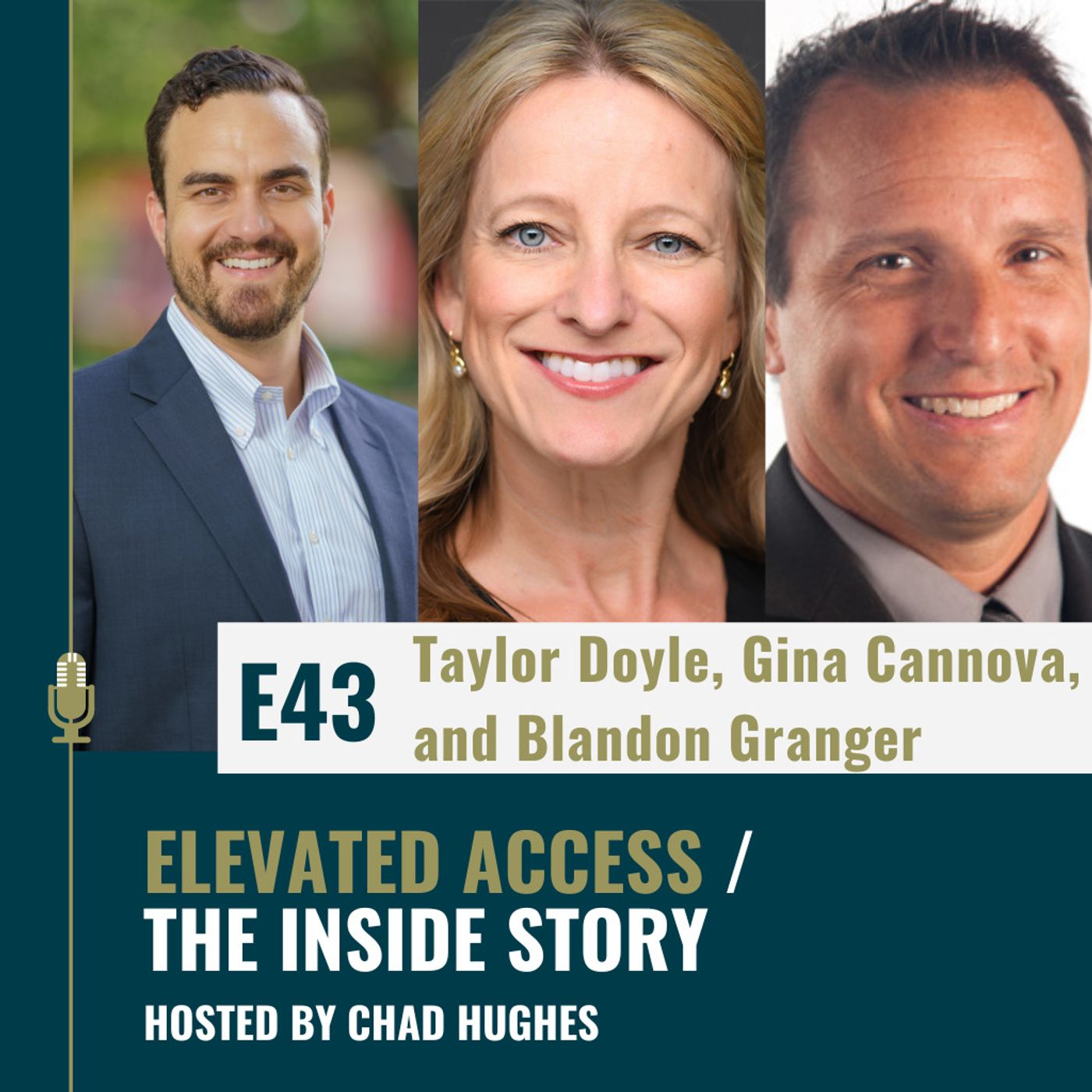
In this special mini episode of Elevated Access, host Chad Hughes welcomes Blandon Granger, Chair of the International Electric and Utility Committee, along with Gina Cannova and Taylor Doyle, to spotlight the upcoming IEUC Symposium taking place April 9, 2026, in New Orleans. The conversation centers on the mission of the International Electric and Utility Committee within the International Right of Way Association and its role in advancing technical knowledge, education, and networking opportunities for professionals in electric, telecommunications, water, sewer, and natural gas sectors.
The group discusses the expanding demand for electric transmission projects, data center development, and grid modernization, all of which are driving new right of way challenges and opportunities. Gina outlines the educational lineup, featuring speakers from Encore, Xcel Energy, Duke Energy, SMUD, and leading industry attorneys. Topics include legal risk where construction meets right of way, federal utility relocation guidelines, infrastructure project conflicts, asset management, and real-world case studies covering eminent domain, mineral rights, conservation, and large-scale transmission development. Blandon and Taylor highlight the networking, dining, and entertainment opportunities in the host city of New Orleans. From the historic hotel located in the heart of the French Quarter to delicious local cuisine, the visit will be one to remember.
Beyond the educational and cultural content, attendees will meet peers across the electric and utility sectors. With registration nearing capacity and sponsorship opportunities limited, the committee emphasizes early registration. Scholarships are also available for utility professionals seeking support to attend. For those involved in electric transmission, land acquisition, regulatory compliance, infrastructure planning, and right of way project delivery, this IEUC Symposium offers both timely education and meaningful industry connection.
“Anybody that wants to stay ahead of trends, learn best practices, and connect with peers that are shaping the future of electric utilities in the right of way space should be there.” – Blandon Granger
For more information on the IRWA SPARK event in New Orleans on April 9, 2026, visit LinkedIn
___
About Taylor Doyle:
With a multifaceted career and roles spanning from Project Manager to General Counsel to Business Development Lead, Taylor's insights into the Energy Industry are both deep and broad. Taylor is passionate about his current position managing Doyle's Business Development Department. He loves to meet and connect with fellow industry professionals and find ways to work together in improving America's energy infrastructure. As a licensed attorney in both Louisiana and Illinois, Taylor's core legal proficiencies include crafting client agreements, ensuring regulatory compliance, and steering corporate governance frameworks. Further, Taylor holds a Bachelor’s Degree in Leadership Studies and is enthusiastic about his team members’ development and helping Doyle employees be better leaders. In 2017, he moved from New Orleans to Chicago, so feel free to ask him about the city, except for how cold it gets. (His Southern spirit is still in denial that winter is coming every year). When Taylor is not working, he enjoys cooking, volunteering in his community, and exploring Chicago with his wife, daughter, and dog.
Taylor Doyle on LinkedIn
Website: DoyleLandServices.com
About Gina Cannova, MAI, SR/WA, R/W-AC:
Ms. Cannova is the Senior Managing Director for the O’Brien Right of Way Valuation Public sector, overseeing Transportation and Water projects, as well as Electric. She has managed and appraised numerous right-of-way projects on both transportation and utility projects over the past decade, including a 300-mile HVTL project on the West Coast. She has extensive knowledge of performing complex assignments for eminent domain in all types of real estate and has testified in over 150 Special Commissioners’ hearings in various counties within the state of Texas.
Prior to re-joining O’Brien Right of Way, Ms. Cannova was the Senior Director within the Infrastructure Practice Group for Valuation & Advisory at Cushman and Wakefield, and prior to that she was the Managing Director for Transportation at O’Brien Right of Way Valuation.
She also serves on the Planning & Zoning Commission for the City of Southlake, the Board for Chapter 36 International Right of Way Association (IRWA), the Board for the IRWA International Electric & Utility Committee, and is an approved IRWA PEAK Instructor.
Gina Cannova on LinkedIn
Website: obrien-row.com
About Blandon Granger, SR/WA:
Blandon Granger is Supervisor of Real Estate Services at Sacramento Municipal Utility District (SMUD), the sixth-largest publicly owned electric utility in the United States. With over 25 years of experience in public infrastructure real estate, Blandon specializes in electric utilities and telecommunications, managing critical land rights that support renewable energy, thermal and hydro generation, electric and gas transmission, distribution, and utility operations. He currently serves as Chair of the International Right of Way Association’s International Electric and Utilities Committee (IEUC) and has a long-standing commitment to advancing technical knowledge, education, and best practices within the utility right of way industry. Blandon also served on the City of Roseville Public Utilities Commission, providing strategic guidance on utility policy and regulatory compliance.
Blandon Granger on LinkedIn
Website: smud.org
---
Chad Hughes | CEO, Entrepreneurial Leader, Author: website |linkedin Hosted by Simplecast, an AdsWizz company. See pcm.adswizz.com for information about our collection and use of personal data for advertising.
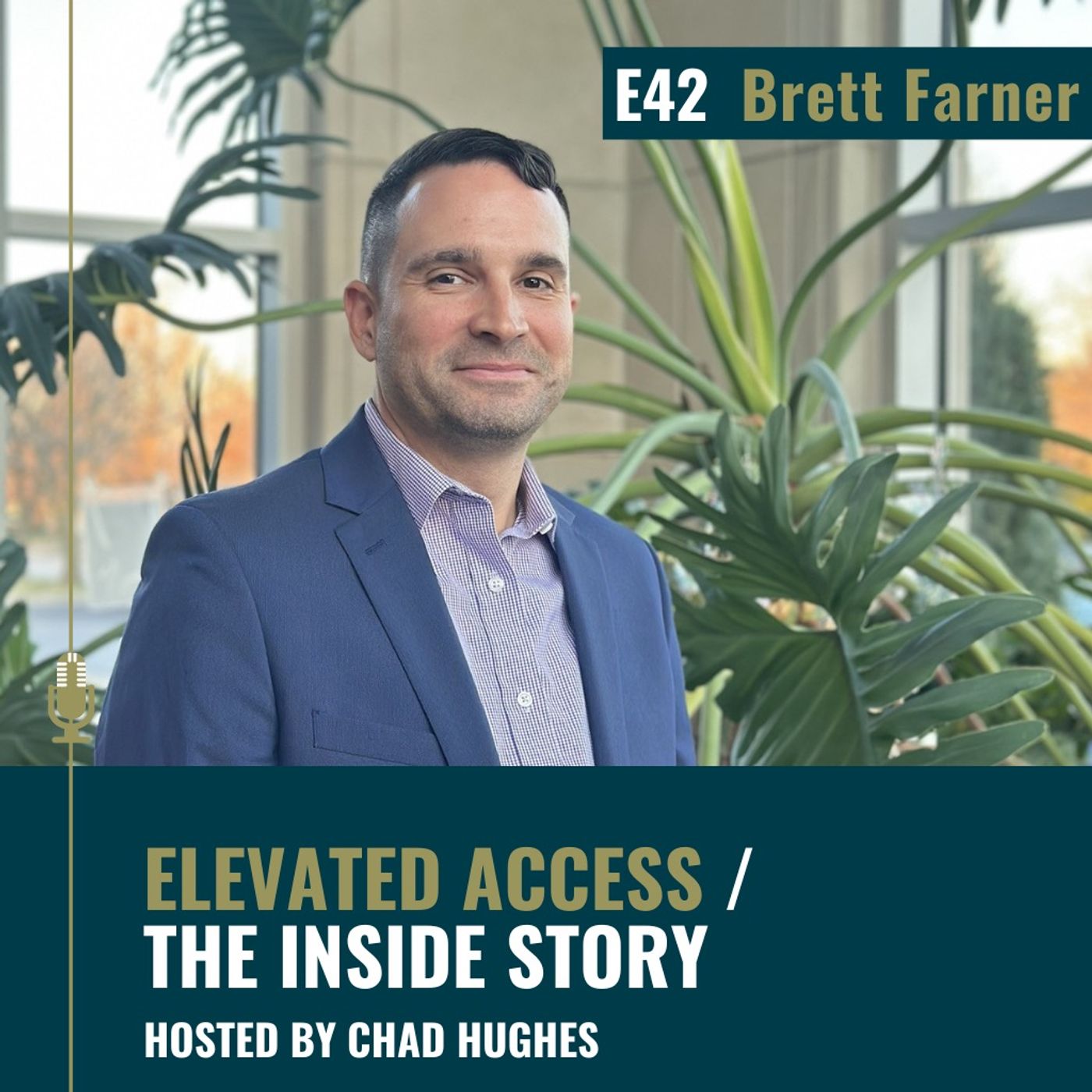
In this episode of Elevated Access, host Chad Hughes sits down with industry leader Brett Farner to explore the amazing and varied opportunities in the right of way and utility real estate profession. With a 17-year career spanning Ameren, Invenergy, and now a new leadership role at Toth & Associates, Brett shares a deeply insightful journey through utility infrastructure, electric transmission development, land acquisition, technology modernization, competitive transmission, and right of way leadership. Brett’s experiences offer a rare inside look at the soft skills, strategic thinking, and mindset needed to succeed in the profession.Brett emphasizes the career-defining importance of staying curious, asking questions, seeking mentorship, and being unafraid to take on work that no one has attempted before. From shoreline permitting at Lake of the Ozarks to navigating intense public opposition on the 100-mile Mark Twain Transmission Project, Brett discusses the nuances of building stakeholder trust. He shares how transparency, fair market valuation, and genuine listening transformed a highly opposed project into a success delivered ahead of schedule.Brett encourages newcomers to see the profession as a long-term, rewarding career path. He emphasizes that this profession desperately needs new talent, and the upward mobility is tremendous for those who lean into learning and leadership. With advice for newcomers and seasoned professionals alike, he encourages listeners to stay open-minded, stay curious, invest in their development, and recognize the essential role real estate plays in the success of every infrastructure project.“If I see something that could be better, I’m not just going to point it out—I’m willing to carry the load to make the improvement.” - Brett FarnerAbout Brett Farner: Brett Farner is an accomplished leader in the utility real estate and right of way industry, recognized for his ability to develop strategic direction, drive innovation, and deliver complex infrastructure projects. With nearly two decades of experience, Brett has consistently demonstrated expertise in property acquisition, transmission development, and organizational leadership across the energy sector.In his current role as Manager of ROW and Real Estate Acquisition at Toth & Associates, Brett oversees all aspects of right of way acquisition and real estate strategies for complex development projects. He is responsible for ensuring compliance, optimizing processes, and fostering collaborative partnerships with stakeholders to support the successful delivery of large-scale infrastructure initiatives.Prior to joining Toth & Associates, Brett served as Director of Transmission Development at Invenergy LLC, a leading global developer of sustainable energy solutions. There, he led teams executing land campaigns for major HVDC transmission projects, managed budgets exceeding $100M, and implemented visionary organizational plans to support the organization’s strategic growth in emerging markets.Earlier in his career, Brett spent 15 years at Ameren Corporation, a Fortune 500 energy company, where he advanced through multiple leadership roles. As Manager of Real Estate, he directed a property portfolio in excess of $1B, spearheaded a $12.1M customer affordability initiative, and managed technology-driven improvements to enhance operational efficiency. His tenure also included oversight of large-scale transmission projects, including the Mark Twain Transmission Project, where he was the lead for real estate on routing, public engagement, property acquisition, and construction support.Brett holds a Master of Business Administration (MBA) from Webster University and a Bachelor of Science in Business Administration (BSBA) from the University of Missouri, with emphases in finance, banking, and real estate. He earned the prestigious Senior Right of Way Professional (SR/WA) designation from the International Right of Way Association (IRWA) and has served in numerous leadership roles within the organization, including Past International Director and Chapter President. He also contributed as a past member of the Board of Trustees for the Right of Way International Education Foundation (RWIEF), is a frequent industry speaker and has been published in Right of Way Magazine.Known for his strategic vision, collaborative leadership, and commitment to excellence, Brett continues to champion innovation and professional development within the utility and real estate sectors.---Chad Hughes | CEO, Entrepreneurial Leader, Author: website | linkedinBrett Farner | Manager of ROW and Real Estate Acquisition | Toth & Associates: linkedin Hosted by Simplecast, an AdsWizz company. See pcm.adswizz.com for information about our collection and use of personal data for advertising.
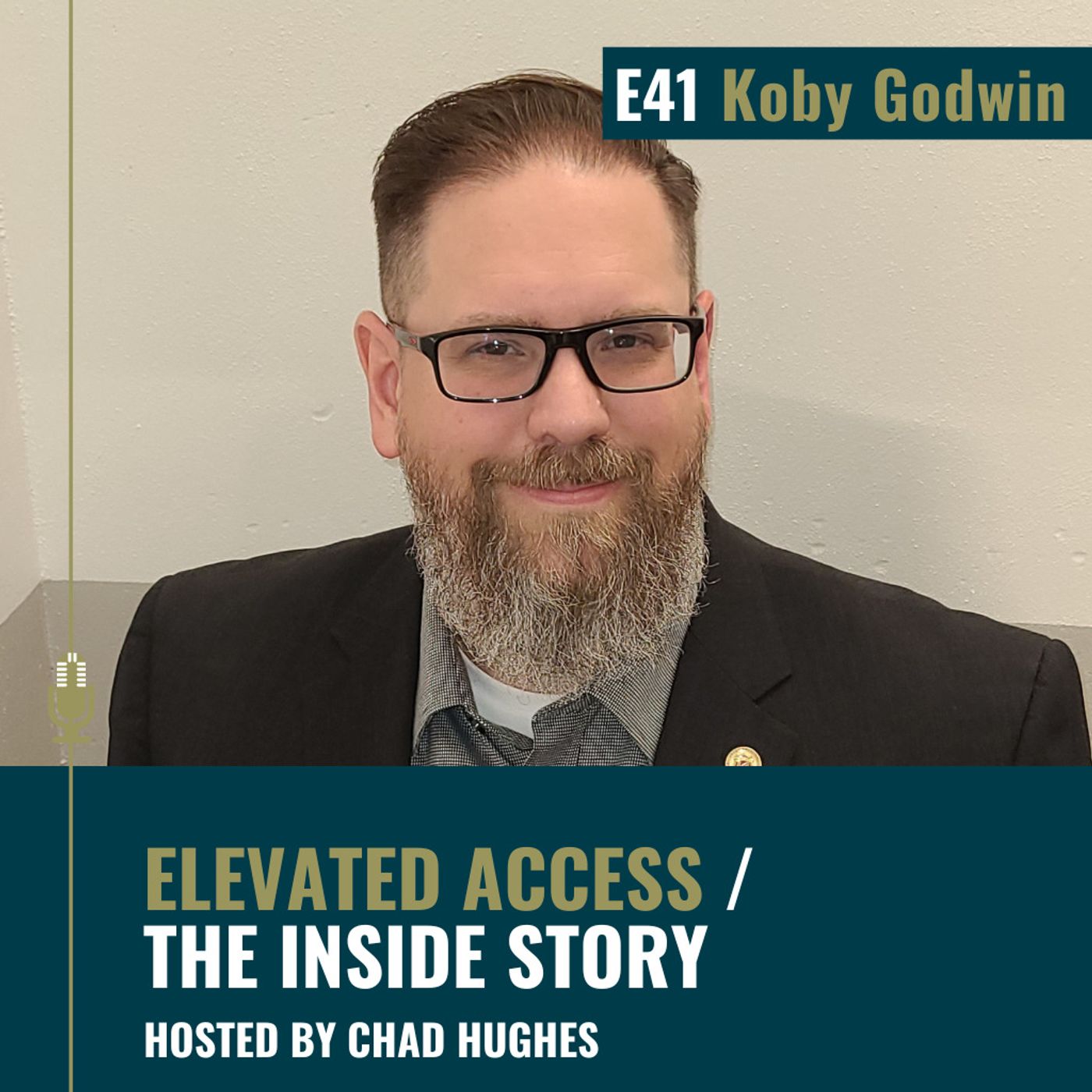
In this episode of Elevated Access, Chad Hughes is joined by IRWA President Koby Godwin for a deep dive into his journey through the International Right of Way Association and the path that led him to his top leadership role. Koby’s career began in urban and regional planning with the Alberta government, then evolved into a passion for the right-of-way industry, association involvement, and professional development. Chad and Koby discuss his early exposure to IRWA meetings, the value of education, mentorship, and building long-term relationships across the profession.Koby shares the personal and professional barriers he faced along the way, including overcoming a fear of public speaking, managing growing leadership responsibilities, and finding work-life balance while navigating career transitions. He reflects on the impact of volunteer service and how IRWA provided opportunities to stretch his skills beyond his day job in land acquisition, surplus property disposition, and infrastructure planning. Chad finds that Koby’s insights offer practical takeaways for right-of-way professionals and those looking to enter the profession.Koby discusses his future top priorities as IRWA President, including strengthening mentorship programs, expanding industry partnerships, and elevating recognition of the SR/WA designation across North America. With IRWA membership growing and new education initiatives underway, he shares why now is a pivotal time for professionals to get involved and make the most of the association. This episode is packed with valuable perspective and actionable advice for those in the right-of-way profession or anyone wanting a behind-the-scenes look at how the IRWA operates.“The way we work has changed. With people remote and disconnected, mentorship is harder. But that makes it even more important.” - Koby GodwinAbout Koby Godwin:Koby Godwin is the current International President of the International Right of Way Association, stepping into the role in June of 2025. The IRWA is a global, member-led organization of dedicated professionals within the right of way industry. The IRWA’s purpose has always been to improve people’s quality of life through infrastructure development. They provide invaluable connections and education through its network of over 8000 members across 15 countries. One of the main goals for his tenure as President is to increase awareness of the IRWA, it’s educational programs and improving member benefits.He has been a member of the IRWA for 18 years and has been a part of leadership is his local chapter, region as well as being a conference co-chair for the 2018 conference in Edmonton. He decided to become more involved in leadership once he realized the global experience he could gain by becoming more involved in the association. Koby Godwin has worked with Alberta Infrastructure for 19 years, starting as a Land Planning Technologist before moving into his current positions as a Property Agent with Acquisitions, Sales and Development disposing of surplus government land. In his position he has dealt with sale of small parcels of land to local landowners, to multimillion dollar dispositions to large corporations. In the due diligence of surplus parcels, he works with various other government departments and reviews all aspects of the sale, including environment site assessments, appraisals, historical land use, encumbrances, easements as well as any other items that may relate to land use and rights. Prior to his time in Government, he worked as a drafting technologist doing land planning and engineering design for various engineering companies. He was born and raised in the Edmonton area and has been married to his wife for almost 25 years and they have two children attending the University of Alberta. He graduated from the Urban and Regional Planning Drafting Technology program at NAIT in 1996. Outside of work and the IRWA he enjoys sketching, game design and playing board games, as well as playing hockey, curling and axe throwing.---Chad Hughes | CEO, Entrepreneurial Leader, Author: website |linkedinKoby Godwin |IRWA President: website | linkedin__ Hosted by Simplecast, an AdsWizz company. See pcm.adswizz.com for information about our collection and use of personal data for advertising.
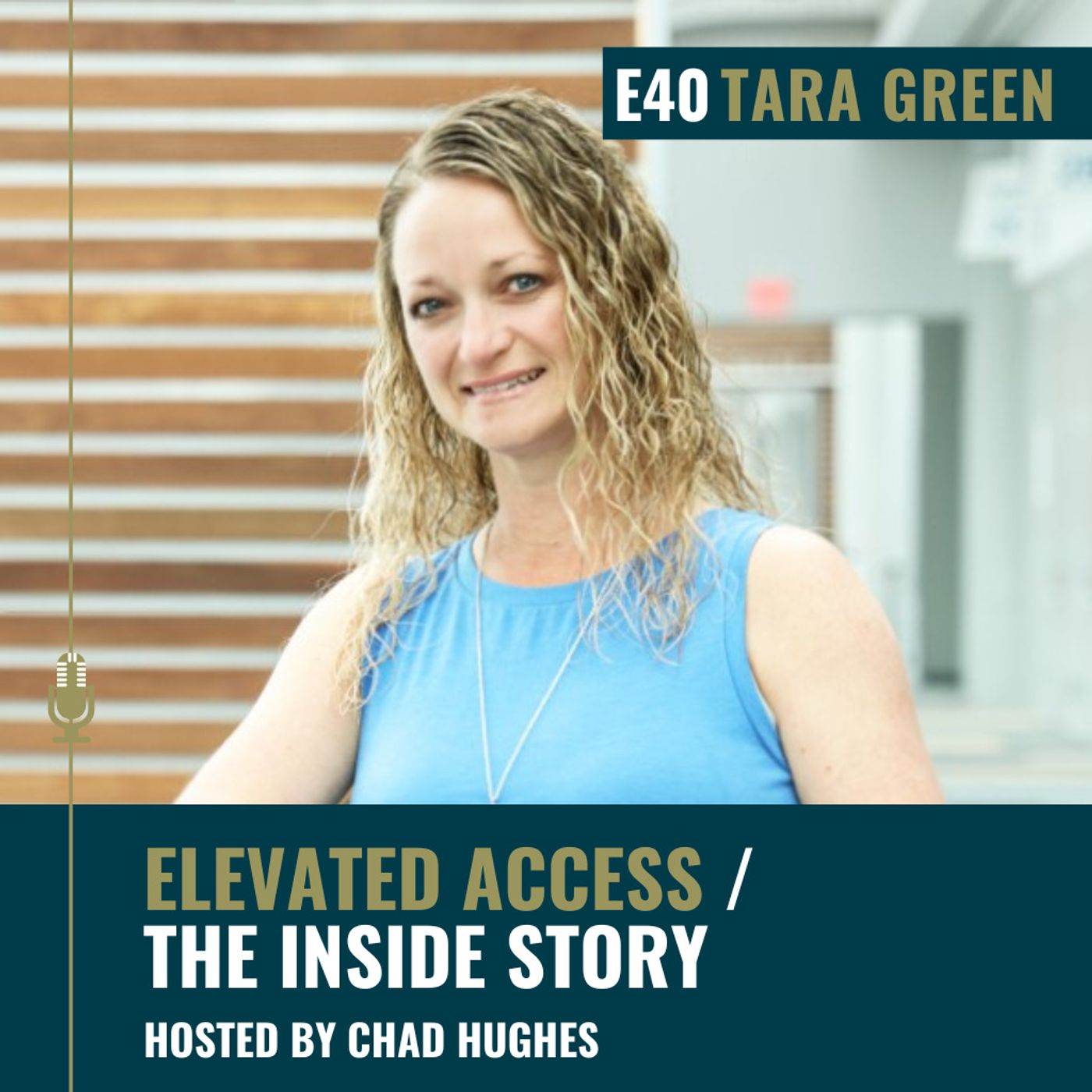
In this episode, Chad Hughes is joined by Tara Green, a Real Estate Specialist with Ameren Corporation, to discuss the innovative approaches she introduced to Ameren for engaging with landowners. Tara’s experience has taught her strategies, effective communication, and the importance of consistency in messaging and teammates. She shares sound advice and is very encouraging to those who may have an interest in joining the industry.Tara lets Chad in on her career journey from a small-town childhood in Illinois to leading real estate and transmission routing projects at Ameren. She was influenced by her father’s work in the electric utility sector and through his stories developed keen respect for landowners and rural communities. This respect shaped her empathetic approach to easement acquisition and project development. One of the key focuses of Chad and Tara’s conversation is Tara’s creation of “impacted landowner meetings,” which are collaborative, community-style assemblies that replace traditional door-to-door negotiations. Through these meetings, Ameren was able to build trust, maintain consistent messaging, and address landowner concerns directly through subject matter experts in every area. Tara emphasizes communication, respect for landowners, and consistency from project conception through construction as critical components of success. “I noticed that there weren't many people sensitive to the landowner receiving the information. And I said, well, as a negotiator, my main job is to take very complicated, maybe scary information, simplify that in a way that normal people understand what's going on, and they're not fearing it. If I can keep it simple and give them the facts that they need to make an educated decision, I've done my job.” - Tara GreenAbout Tara Green:Tara Green grew up with country surroundings in the rural community of Staunton, Illinois, and began her real estate career when she graduated from Staunton High School. Throughout her childhood, her dad, Rollie Lorenz, worked for Union Electric Company (now Ameren) as a design draftsman focused on electric schematics for substation and energy centers. She continued her real estate career by earning a bachelor's degree in business management and maintains her Managing Broker Real Estate License for Illinois.Green spent the first 5 years learning about title searching and real estate ownership rights at Community Title & Escrow in Illinois. Over the next decade, she utilized her Illinois Real Estate Broker's license to partner with commercial, industrial, and investment companies to create jobs and support economic development in Southwestern Illinois. She served as the commercial property manager for Bandwidth Exchange Buildings, two data center carrier hotels located in downtown St. Louis, as the Information Technology industry grew in the Metro St. Louis region. This experience in effective customer service, through quality client relationships, has laid the foundation for her continued success in the real estate network.Tara's awareness of the manufacturing and industrial processes, the need for redundant and reliable energy, and the long-term needs of commercial and industrial companies introduced her to the utility sector in early 2014 when she began supporting Ameren Illinois as a member of their Real Estate Department. Her Ameren Illinois journey began in natural gas pipeline and distribution electric projects along with logistics lead for emergency storm response. Over the next several years, Tara designed and implemented a sustainable railroad permitting strategy for processing and training utility, contractor, and railroad companies to work together as partners. In 2016, Tara advanced to a lead real estate position serving electric transmission leading the vegetation reclamation program and the fiber communication installation and maintenance program (Intelligrid Program) across the existing transmission and distribution facilities in Missouri and Illinois to ensure the reliability of its infrastructure.Currently, she manages multiple certificated greenfield electric transmission projects to serve transmission utility business partners across Ameren's service territory. As a Real Estate Specialist, Tara is responsible for planning, executing and completing real estate scope requirements for large-scale electric transmission construction greenfield certificated utility projects on behalf of Ameren's operating companies. Tara is responsible for coordinating and managing all real estate matters connected to transmission line projects including surveys, market studies and appraisals, public process and testimony, acquisition of land rights and permits, access determination for construction and maintenance support, damage settlements, and eminent domain. Her daily responsibilities include providing written and in-person testimony for the Illinois Commerce Commission (ICC) public process, consultant and landowner relationship management, preparing and negotiating legal instruments for the acquisition of easements, leases, consent and crossing agreements, railroad and highway right of entry permits, construction-related property damages and project forecasting.Tara serves as an active member of Chapter 37 of the International Right of Way Association (IRWA) for Chapter 37 and is Region 3 Vice Chair for the 2025 - 2027 term. ---Chad Hughes | CEO, Entrepreneurial Leader, Author: website | linkedinTara Green | Real Estate Specialist, Ameren Corporation: website | facebook Hosted by Simplecast, an AdsWizz company. See pcm.adswizz.com for information about our collection and use of personal data for advertising.
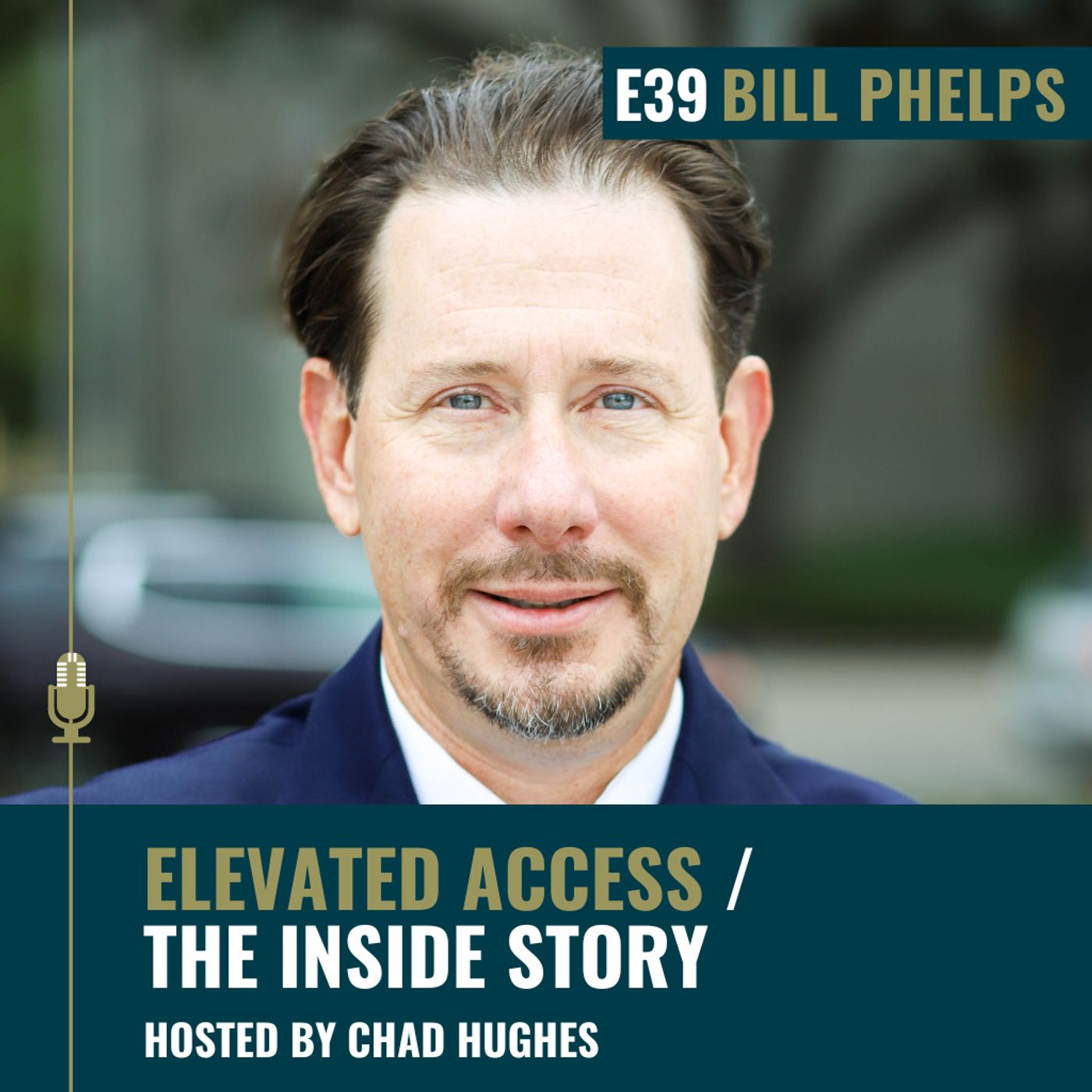
In this episode, Chad Hughes welcomes William Phelps, Land Specialist for Grid United, to the show to talk about his career and the right-of-way and land industry at large. William details the journey he took in different aspects of his career that led to his current position and the lessons he learned along the way. He highlights interpersonal skills and a more holistic approach to land acquisition as part of the joys of his profession, as he and Chad explore what it means to be in land for Grid United. William identifies three key components in the work he does in the land industry. The first is money, the second is having a readable document that is fair and equitable for landowners, and the third is the placement of the linear structure through the land - does it work for the landowner? To ensure these components are all addressed, he recommends that anyone in the industry surround themselves with smart people and be adept at community alignment. Chad and William discuss the specific details and requirements for electric transmission lines, making the country more efficient, renewable power sources, and the career opportunities that exist in the land industry. They discuss how social media plays into overall perceptions of the industry and even how Hollywood representations like the show Landman affect how people view things. William’s advice to anyone considering entering the industry is to be surrounded by smart people, be driven, and enjoy the challenges because it’s anything but boring. “And I think the the approach that we have, that the community engagement is so, so critical to our success as right of way agencies, right of way managers and so forth, because it is so impactful when Farmer Jones or Rancher Jones goes to church and he's sitting beside the county commissioner, whom we met with two weeks ago, and he says, Hey, did you hear about this power line project? Yeah. And they say the same thing. They have the same story. That is so impactful. And it gives you, on the land side, it gives you so much credibility.” - William PhelpsAbout William Phelps:As a Land Specialist, Bill Phelps oversees all land and right-of-way activities for Grid United, to ensure budget, process, and staffing fulfill the land needs for the company’s over 1,100 miles of acquisition across six states. With over 30 years of experience in managing land acquisition, permitting, survey work, and community relations support, Bill applies his deep understanding of landowner and project needs to all phases of project development. Having completed multiple linear projects without invoking eminent domain, Bill maintains an exceptional track record of success in upholding the fair and equitable treatment of all involved along the route, underpinned by his extensive field experience and communication skills.Bill holds a Bachelor of Science in Agriculture (Animal Science/Pre-Vet) from the University of Kentucky.---Chad Hughes | CEO, Entrepreneurial Leader, Author: website |linkedinBill Phelps |Land Specialist, Grid United: linkedin | website Hosted by Simplecast, an AdsWizz company. See pcm.adswizz.com for information about our collection and use of personal data for advertising.
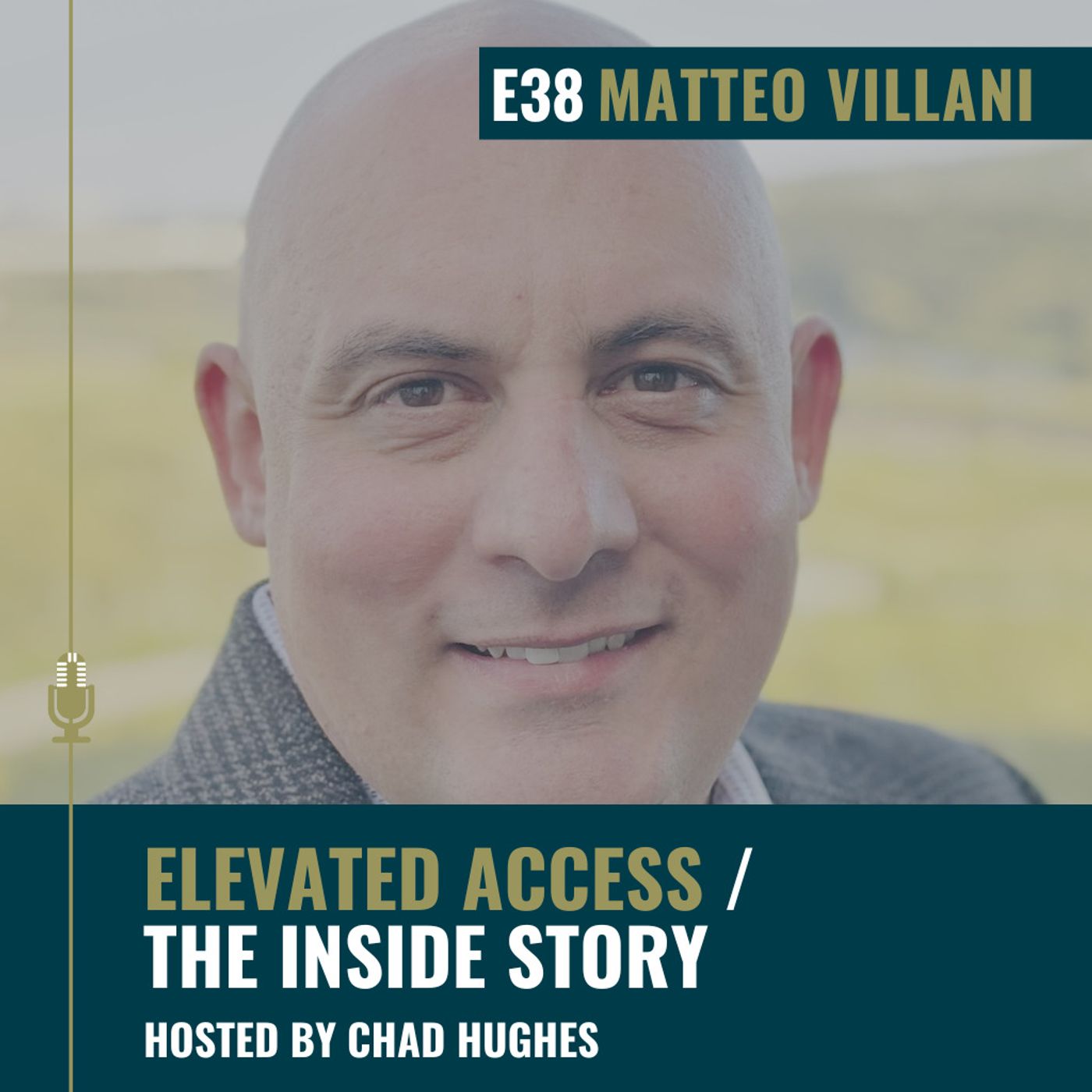
In this episode, Chad Hughes welcomes Matteo Villani, President of 3 Peaks Land & Engagement Inc, to the show to explore the regulatory environment in British Columbia and the complexity of navigating the Indigenous communities, the environmental and regulatory needs, and the agricultural land reserve restrictions in order to access land for oil and gas assets. Matteo takes us through his twenty year career in the industry and speaks from his experience working in BC. With a landman father, Matteo was exposed to the industry early. The stories he heard from his father and father’s colleagues impressed upon him the idea of landmen as problem solvers which gave him a fascination with the industry. Out of university he secured an internship program at Shell Canada and started his career in a research team exploring northern Canada, the Beaufort Sea area. His career would then lead him to Enbridge Energy and finally to Crew Energy. Matteo defines the layers of British Columbia’s regulatory system for Chad, starting with the Agricultural Land Reserve. An environmental report including soil examination, wildlife concerns, and even an archaeological assement, related to the Heritage Conservation Act, are all required. He explains the complexities of First Nations consultation as well. Matteo and Chad discuss the skills Matteo learned early in his career that assisted in working in BC, different regulation requirements in BC jurisdictions, and how to manage internal relationships within a company navigating a complex system. Matteo’s insight and advice are valuable and shed light on what is needed for a successful venture in BC land. “I really could take some of the skills that I learned, particularly at, you know, the kitchen table and with communities across Canada. It's really honing in on that listening skill and making sure that you understand what the issues are and not assume what the issues are.” - Matteo Villani---Chad Hughes | CEO, Entrepreneurial Leader, Author: website |linkedinMatteo Villani | President of 3 Peaks Land & Engagement Inc: linkedin__ Hosted by Simplecast, an AdsWizz company. See pcm.adswizz.com for information about our collection and use of personal data for advertising.
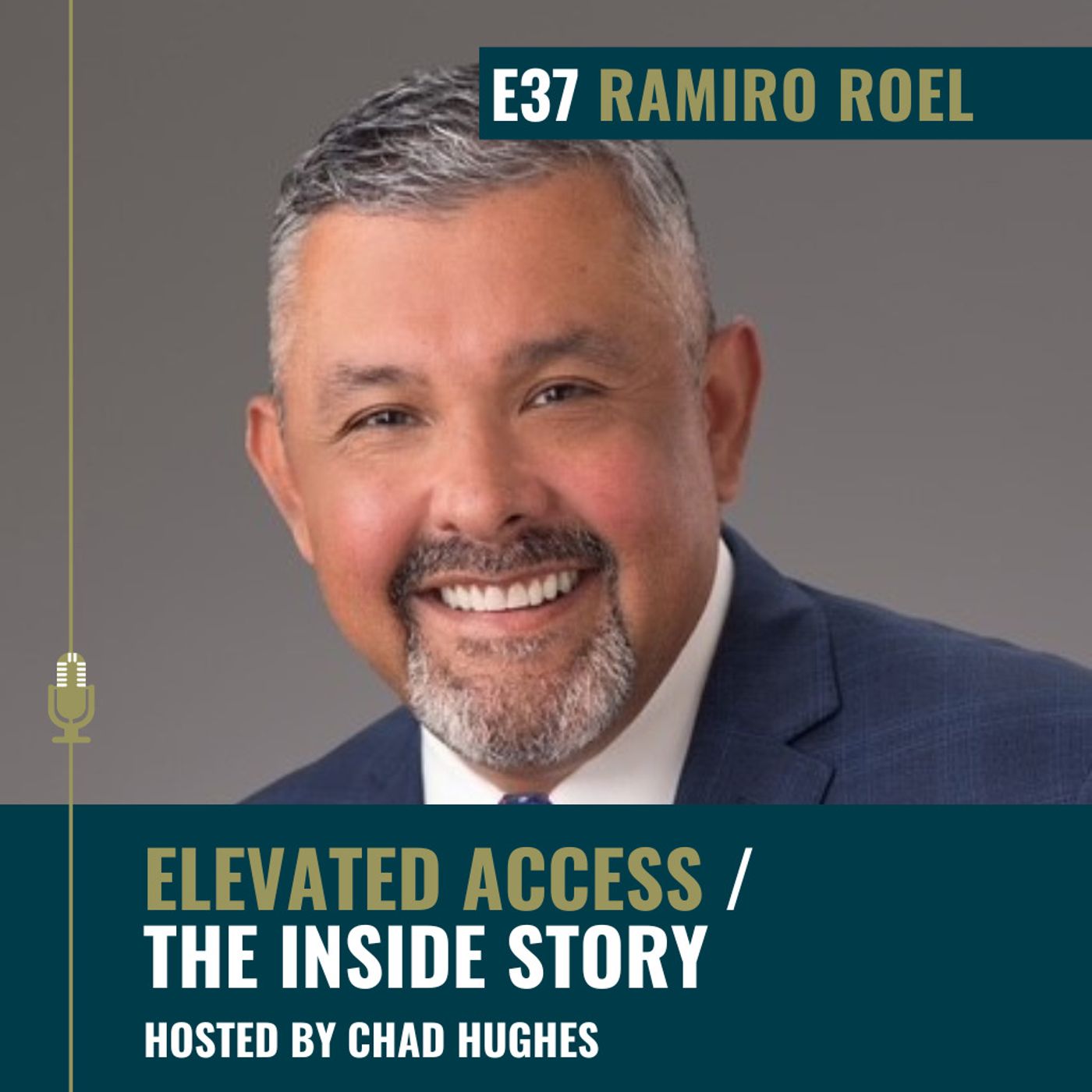
In this episode, Chad Hughes welcomes Ramiro Roel, Senior Manager of Development at Leeward Renewable Energy, to the show to discuss his current position in being a key part of getting site control for Leeward’s renewable developments across the US. They explore Ramiro’s upbringing and how the relationships built in his early career influenced his work journey. Ramiro talks about many aspects of renewable energy, his expertise, and some of the reasons he hears for people rejecting renewables. Ramiro was born and bred in Texas and grew up around the oil and gas sector. He tells Chad about the relationships he formed in the early days working on his dad’s ranch that still inform some of his work today. He names some of the influential people who helped shape his early career in Field Services and the lessons learned then that he’s always followed. Chad and Ramiro explore renewable energy at depth, from the false narratives that people believe about renewables to the specific work Ramiro does in his current position at Leeward Renewable Energy. He describes his process of listening to landowners and learning from their concerns so he can be transparent about what the process is about. Chad hears the guiding principles that have led Ramiro throughout his career and solicits advice from him for anyone looking to get into the land profession. The conversation highlights how relationships drive careers and the opportunities inherent in renewable resources. “I want to try to get them to understand, to better have a situation as to where we're coming from. We're not the big bad wolf. We're trying to come in and actually create energy for those folks that absolutely need it, and so if there's something that we can do about it, then obviously that's something where we step in and explain and lay all our cards out on the table. This is why we're here. This is what I'm trying to do.” - Ramiro RoelAbout Ramiro Roel:With an extensive background in land management and real estate within the energy sector, Ramiro Roel’s focus centers on leveraging project planning, development and supervisory skills to advance renewable energy initiatives. Leading Greenfield development campaigns, his role is pivotal in expanding renewable energy projects through expert lease negotiations and strategic project planning. Ramiro’s recent tenures at Kinder Morgan, Inc., and Buckeye Partners have honed his expertise in lease negotiations and stakeholder management, ensuring smooth project progression and sustainable land use.Ramiro’s team's efforts in focusing on alternative energy solutions reinforce a commitment to environmental stewardship and community engagement. Proficient in Spanish, he bridges communication gaps, fostering inclusive collaboration across diverse teams and international projects. At the core of his professional mission lies a dedication to optimizing land resources for the energy transition, with every successful negotiation reflecting this steadfast goal.---Chad Hughes | CEO, Entrepreneurial Leader, Author: website |linkedinRamiro Roel |Sr. Manager Development, Leeward Renewable Energy: website | linkedin Hosted by Simplecast, an AdsWizz company. See pcm.adswizz.com for information about our collection and use of personal data for advertising.
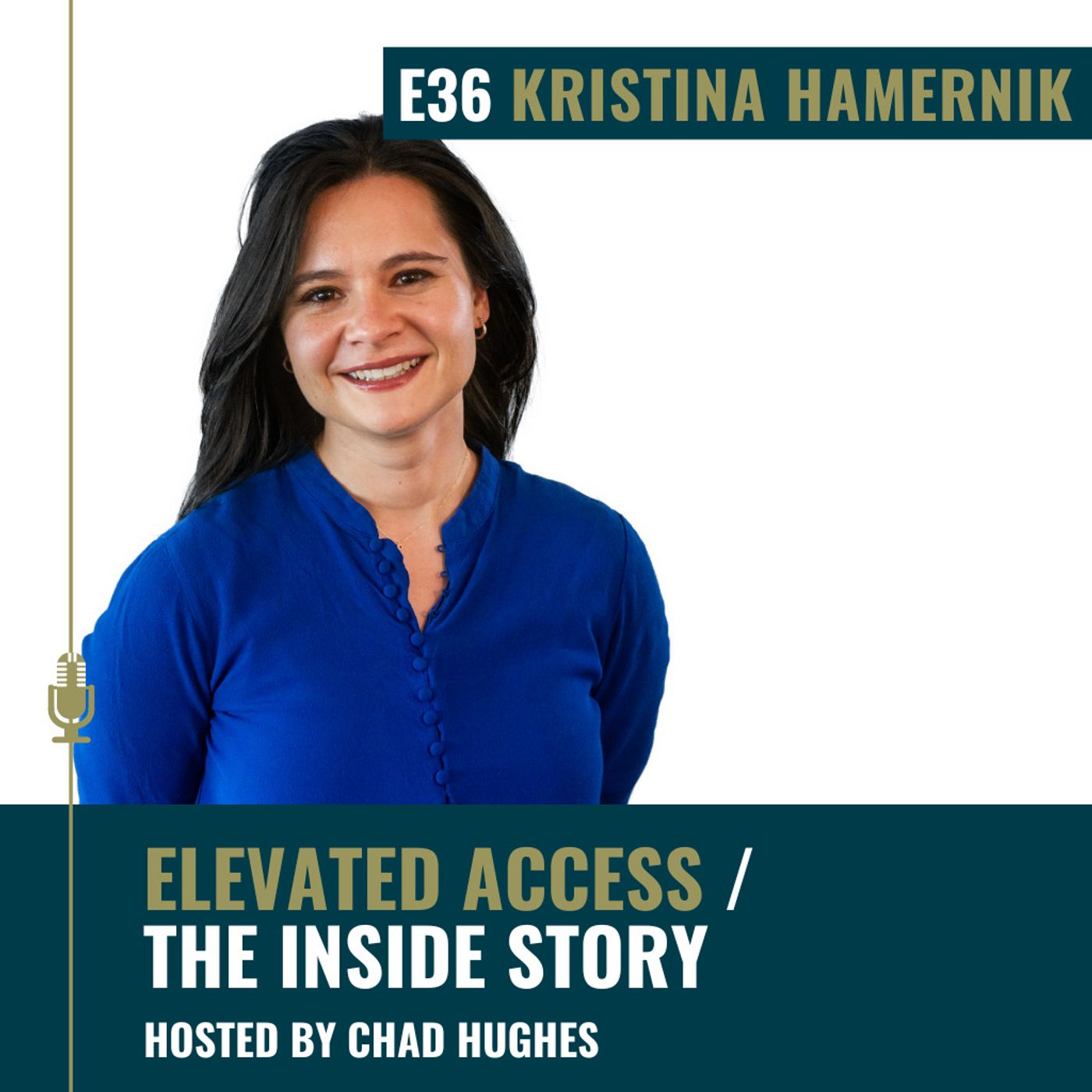
In this episode, Chad Hughes welcomes Kristina Hamernik, Energy Storage Development Manager at Innergex, to the show to talk about land access and stakeholder engagement from the developer perspective. Kristina talks about the personal experience she had living abroad that led her to study renewable energy. She shares her career journey since then, her philosophy, and how the technology being used to develop battery storage sites is changing. It was the experience of living abroad in Krakow, Poland and developing allergic reactions to the smog while running that led Kristina to research clean air and into getting her Masters at Sciences Po in France. Her career has led her through Public Energy where shse was focused on diversifying energy mixes and fossil fuel dependant remote locations to her position with Innergex today. She tells Chad about her experiences working with land professionals and hearing landowner stories early on in her work. Chad and Kristina dive into the very human element of land development projects, the company perspective of not just generating revenue but focusing on people and prosperity and ensuring a benefit to the planet, and what factors can cause land owners to back away from projects being discussed. Kristina also explains what battery energy storage looks like and her role in working to develop and expand the adoption and understanding of the advantages of energy storage. This episode highlights work in the renewable space and the vital importance of the human element of the land piece. “... energy storage is moving fast, and it's exciting because it's moving quickly, which might be a cause for concern, but I have to say, this industry is so quick on adopting lessons learned. There are so many success cases. And then there are cases where there's definitely things to be taken for the future and adopting different measures. And I think principally everything is health and safety. That's the crux of it. But it's an industry where best practices are advancing so, so quickly because the lessons learned are being adopted and taken very seriously, which is really exciting. And then when you combine that with decreasing price trends because of increased demand, for example, these projects are commercially viable.” - Kristina HamernikAbout Kristina Hamernik:While living abroad, a personal experience served as the catalyst for Kristina’s career change and dive into the energy industry. She is passionate about the opportunities for enhancing energy security while adopting clean energy solutions. Kristina has worked as a business and early-stage project developer for renewable energy solutions for remote regions and islanded diesel power grids and included work on projects for remote mining operations, Northern communities, post-natural disaster grid reconstruction and modular renewable solutions for military applications. Kristina’s current role is Development Manager for Energy Storage at Innergex, where she is driven by the opportunities and benefits of wide-spread adoption of energy storage across Canada and internationally. Based out of Montreal, Kristina is enjoys being active outdoors during all-seasons with a love for cross country and downhill skiing, hiking as well as regularly practicing kickboxing. She is currently training for her first triathlon.---Chad Hughes | CEO, Entrepreneurial Leader, Author: website |linkedinKristina Hamernik |Energy Storage Development Manager, Innergex: website | linkedin Hosted by Simplecast, an AdsWizz company. See pcm.adswizz.com for information about our collection and use of personal data for advertising.
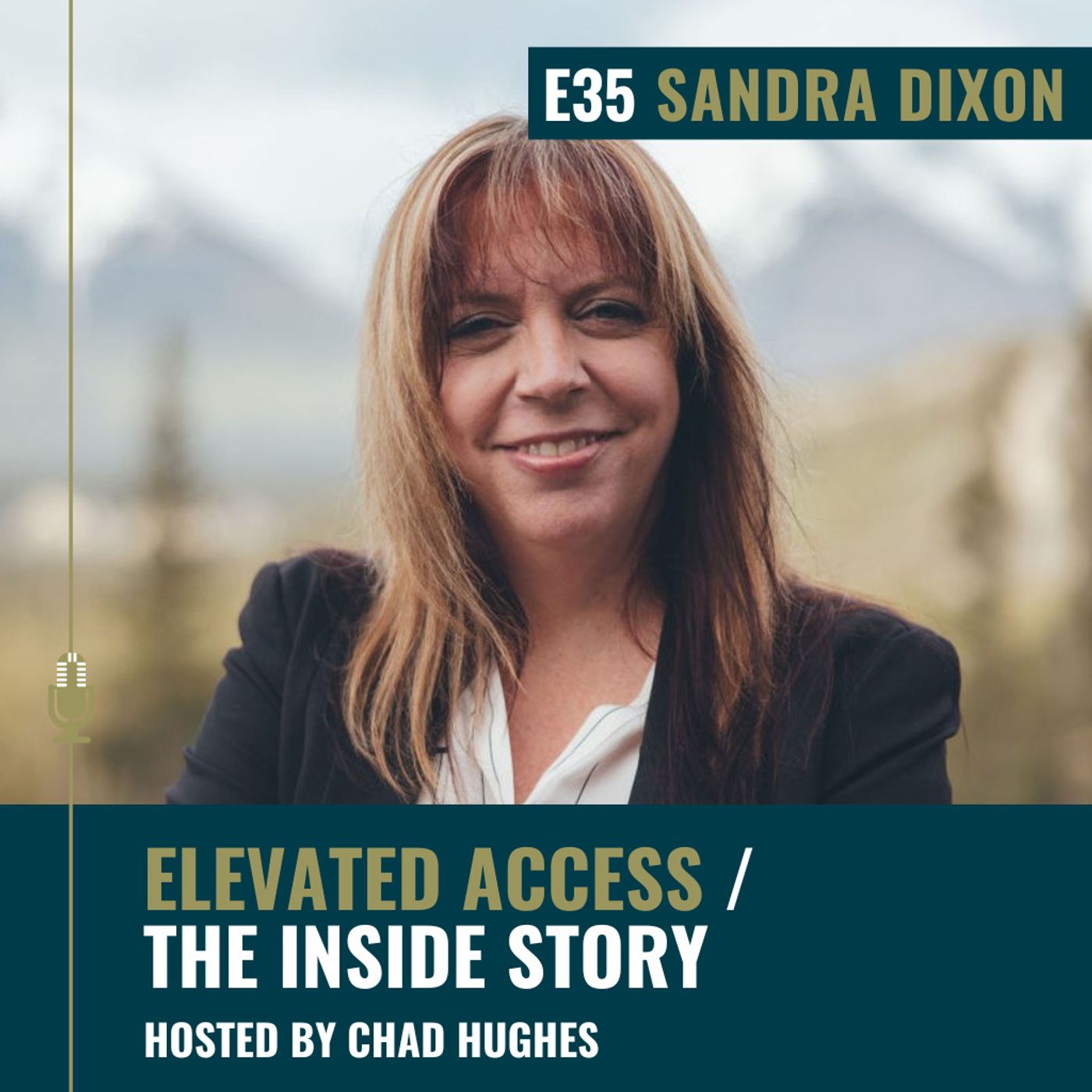
In this episode, Chad Hughes talks with Sandra Dixon, Supervisor of Western Canada Gas at Enbridge and President of the Canadian Association of Land and Energy Professionals (CALEP). Sandra discusses how she came to her role in CALEP in 2019 and what it entails. The conversation looks at the scarcity of resources in terms of new people entering the land industry, how the roles and titles have changed, and the challenge of providing education and awareness about opportunities in the land profession. Three areas of education are highlighted: awareness, recruitment, and training. Chad and Sandra address the specifics of all three and how CALEP is involved. Sandra addresses the need to change awareness of the industry by adjusting the perception of the roles as being just oil and gas-centric. She also discusses how much of the work is networking and face-to-face relationships, which are not where the younger generations have their strengths due to their greater online focus. Chad and Sandra examine how potential recruits can come from people making career transitions, the types of former jobs that are a good base for heading into the land industry, the challenges around maintaining and creating higher education training for land professionals, and what people can expect to see from CALEP in the coming year. Sandra shines an insightful light on challenges and potential in the land industry and the role of CALEP within it.“So yeah, there's definitely been a decline [in association enrollment] and we want to change that. But we have to make ourselves relevant. We have to have the education component put in play. And I would also suggest that we have to be piloting work programs, those types of aspects where we can get people some experience and exposure to what we're doing. I think that's super important.” - Sandra DixonAbout Sandra Dixon:Sandra is an accomplished Land Management Professional and the Supervisor of the Lands & Right-of-Way Western Canada Operations Team at Enbridge. In her role, she is crucial in delivering leadership, mentorship, and support for land management activities across Western Canada, with specialized expertise in British Columbia land matters. With a strong background in land management, stakeholder engagement and regulatory affairs, Sandra excels in building and maintaining relationships with stakeholders, landowners, government agencies and regulatory bodies.At Enbridge, Sandra provides expert counsel, leadership, and support to her team of regional Land Agents, overseeing land management activities in Alberta and British Columbia to ensure operational success. She plays a pivotal role in advancing regional core projects and associated operational programs. Additionally, Sandra manages the annual development of community and stakeholder engagement plans and is instrumental in shaping the strategic direction of her operational areas. Her active involvement in planning and development of teams, as well as task groups, underscores her commitment to Enbridge's objectives.Sandra has consistently demonstrated a strong commitment to volunteering her time and engaging with industry initiatives. Beyond her role at Enbridge, she actively mentors and supports others, contributing to the ongoing exchange of knowledge and fostering professional development. As President of the Canadian Association of Land and Energy Professionals (CALEP), a non-profit professional association for Land Agents in Canada, Sandra plays a pivotal role in public and government relations. She is dedicated to establishing the highest professional and ethical standards for Land Agents, while also promoting education and training to set clear expectations for those who interact with stakeholders. Sandra’s leadership and contributions make her a distinguished figure in her field.---Chad Hughes | CEO, Entrepreneurial Leader, Author: website |linkedinSandra Dixon |Enbridge / CALEP President: website | linkedin Hosted by Simplecast, an AdsWizz company. See pcm.adswizz.com for information about our collection and use of personal data for advertising.

Chad Hughes welcomes Andrew Fulford, Surface Land Manager of Birchcliff Energy, to the show to talk about Birchcliff’s unique culture and his thirty-plus-year career. Andrew, who got into the industry by going to Olds College in what was then called the Land Agent Program, got offered his role at Birchcliff twelve years ago, and he reflects on changes in his career and the industry while offering advice to newcomers in the surface land business. Andrew discusses how the always-changing industry offers a lot of opportunity for growth in a career due to the progress and new skill sets required with the shifts. He says it does lead to being a bit of a jack of all trades and includes project management as one of his roles now. One of the things he learned very recently was the role of Indigenous relations when he not only needed to understand the new consultation regulations, but also become immersed in Indigenous history and culture so he could adapt to their way of doing business. Chad and Andrew talk about company culture and what makes Birchcliff so unique and positive. Andrew highlights the relationships frontline people form with communities and the smooth communication they develop. He reflects on how much things have changed in the industry and how the training now would be substantially different than when he first started. His advice to people looking for a career in the industry is to learn about the whole industry, not just land.“... when you first get into the surface land business, if you're passionate about it … I say to people, go to where you will learn the most. Go to those. Look for those places where you will gain the most skills and diverse skills. Don't just focus on one. It may not be the best-paying job that you take off the start, but it's probably the one that's where you're going to learn the most, and it's probably going to take you away from home for longer periods of time. I spent a good part of the first part of my career, you know, behind the wheel of a vehicle and sometimes away from home for 1 to 2 weeks at a time… but I'll tell you what. It paid off in spades towards the latter part of my career. And the skills that I built and the understanding that I had about the business when I did that.” - Andrew FulfordAbout Andrew Fulford:Andrew is the Surface Land Manager for Birchcliff Energy, responsible for surface land access, community and stakeholder engagement, indigenous relations and managing a team of 5 surface professionals.He graduated Olds College in 1986 with a Land Agent diploma and over the next dozen years worked as a consulting landman for several land brokers and a royalty trust company. In the late 90’s he moved “in-house” to the role of Senior Surface Landman for PanCanadian Petroleum, a major exploration and production company which later merged with Alberta Energy Corp. to become into EnCana Corporation. Here he managed a one of the surface land teams focused on Coal Bed Methane development in southern Alberta. In 2012 he moved to his present role at Birchcliff Energy Ltd. an intermediate oil and natural gas company based in Calgary with operations focused on the Montney/Doig resources play in north western Alberta.With over 35 years in the land industry, he has been involved with a diverse variety of projects across all 4 western provinces including acquisition of linear right of ways for powerlines, natural gas and telecom, wellsites, gathering systems and gas processing facilities, freehold and crown mineral land projects, stakeholder and indigenous relations and crown surface land disposition acquisitions.He has worked with the Southern Alberta Institute for Technology to help update and develop their Surface Land Management Course which he also taught for a number of years and has also developed and taught short courses for CAPL and CAPLA (now CALEP and LEMAC) over the past 15 years.Additionally, he has volunteered on various industry committee which presently include the CALEP – Field Acquisition Management Committee and the Olds College, Surface Land Management Program - Industry Advisory Committee.---Chad Hughes | CEO, Entrepreneurial Leader, Author: website |linkedinAndrew Fulford |Surface Land Manager, Birchcliff Energy: website | linkedin Hosted by Simplecast, an AdsWizz company. See pcm.adswizz.com for information about our collection and use of personal data for advertising.

Chad Hughes invites James Thurston, a longtime friend and experienced land agent, to the show to discuss insights on their generation and its alignment with the industry. James Thurston reflects on his journey, emphasizing the importance of networking and building relationships during his time in the land agent program. He shares how chance and curiosity led him to the field, working on the Alliance pipeline and later in various locations across Western Canada.James explores the unique characteristics of his and Chad’s generation, shaped by a lack of parental presence during childhood, fostering resilience, self-sufficiency, and a nomadic mindset. He highlights the generation's ability to adapt to industry changes, particularly during the boom in coal bed methane, and how they navigated through subsequent challenges like the 2008 financial crisis and the fracking revolution. Despite the positive traits, James acknowledges the downsides, such as reluctance to ask for help and potential loneliness.Chad and James touch on the evolution of the land agent role, from individual well projects to centralized pad locations and a shift to Crown land. James emphasizes the importance of adaptability and problem-solving in the ever-changing industry. Their conversation reveals the unique characteristics of their generation and its impact on their successful navigation through the dynamic landscape of land agency.“... if I didn't know the answer, I really made a conscious effort to seek it out. And it was a lot harder back then. As you remember, we didn't have the internet like we do now. We didn't have access to information, but I did have a large network of friends from Olds. And, you know, I leaned on that. … we had to all kind of learn from each other, you know, there was a lot of talk. There was a lot of consensus. There was a lot of sitting at a table and working things out and bouncing ideas off each other and really being open to that idea that not every problem has a simple solution.” - James ThurstonAbout James Thurston:For nearly 23 years, James has journeyed through Western Canada acquiring land and overseeing large-scale acquisitions. His path started in Camrose, Alberta, where he joined a small but busy land broker. Over the course of five years, he dedicated himself to acquiring hundreds of upstream projects. It was a time of growth and development, both personally and professionally. But when the call of opportunity beckoned, James found himself in Calgary. There, he took on the role of an in-house landman at Penn West overseeing large-scale drilling programs in West Central Alberta. As the company underwent transitions, James recognized the need for a new path and that journey brought him to Shell in 2014. He’s been able to leverage his skills and knowledge and enjoy a successful career at Shell during an ever-changing time.James is also a proud husband and father of four young children who keep him on his feet and have helped him grow as a person and as a project manager and landman.---Chad Hughes | CEO, Entrepreneurial Leader, Author: website |linkedinJames Thurston | Discipline Lead, Surface Land, Shell Canada: website | linkedin Hosted by Simplecast, an AdsWizz company. See pcm.adswizz.com for information about our collection and use of personal data for advertising.

Host Chad Hughes welcomes Blandon Granger, Supervisor of Real Estate Services for the Sacramento Municipal Utility District (SMUD), to the show. Blandon has been in the energy industry at SMUD for the past seventeen years and supervises asset management and complex acquisitions. He talks with Chad about the impacts of EV charging and urban development on his role. Blandon explains that SMUD has a “very aggressive” zero carbon plan and by 2030 wants all their energy to be from clean sources. He talks about how SMUD approaches that goal by developing themselves as well as partnering with developers with similar goals. Renewable energy and green initiative projects come with their own challenges that Blandon describes for Chad.Chad and Blandon discuss how the real estate development deals are made, how SMUD is a public agency with an elected board of directors, how the green energy shift comes with decarbonization and the impacts of urban and residential growth on how his department operates. EV charging especially has come with its own challenges and Blandon addresses this and more with Chad in this eye-opening interview. “So, you know, a big concern, I think, anywhere is wiping out [agriculture] lands for these solar projects. Agriculture is a big customer for us. I mean, you know, we've got agricultural customers, it's a part of our heritage in the valley here. I don't think SMUD really wants to be going out there and just decimating significant farmlands and so forth. So the thought is you would bring in compatible type of AG uses. So what we've seen so far is mainly grazing. Sheep are great. They don't bother or destroy the facilities.” - Blandon GrangerAbout Blandon Granger:At SMUD, Blandon Granger manages all real estate activities of the nation’s sixth-largest publicly owned electric utility. With an annual budget of $1.6 billion, SMUD is a leader in renewable technologies and developing energy projects. Blandon’s group provides services for acquisition, management and disposition of all land rights necessary to operate an electrical utility with generation, transmission, distribution, retail, and administrative facilities. Blandon has also served on the City of Roseville Public Utilities Commission since 2012 and is responsible to the city council for recommendations on policies concerning evaluation, operations, and compliance with state and federal rules and regulations relating to the city's utilities within the city limits. Blandon has achieved the International Right of Way Association's (IRWA) Senior Agent (SR/WA) designation and serves on IRWA's International Electric and Utilities Committee and is the past chair of the Asset Management Committee. ---Chad Hughes | CEO, Entrepreneurial Leader, Author: website |linkedinBlandon Granger | Supervisor of Real Estate Services at SMUD: website | linkedin Hosted by Simplecast, an AdsWizz company. See pcm.adswizz.com for information about our collection and use of personal data for advertising.

Host Chad Hughes welcomes Jennifer Tidmarsh, Vice President of Indigenous Relations & Partnerships with Ontario Power Generation, to the show. Jennifer talks about the development of small modular reactors in the nuclear space and the challenges surrounding presenting those solutions to the community.Jennifer explains some of the public perceptions around nuclear power that have been shaped by events like Three Mile Island, Fukushima, and Chernobyl, and even pop culture references like the nuclear power plant in The Simpsons. Her work involves a lot of education around changing those perceptions and explaining the new initiatives in place for nuclear waste management. Chad and Jennifer discuss the Indigenous community's concerns about the storage and handling of nuclear waste, specific facts about nuclear waste, the complex regulatory process for it, and the value of nuclear energy for the future. Jennifer sheds light on the environmental assessments that go into nuclear power generation and how the OPG works to alleviate negative perceptions of nuclear overall and educate the public on safeties in place.“But really the perception has been we want more information about nuclear as a whole, not just those little snippets of, okay, here's the permit we need for this, for the reactor. It's where does nuclear fit into the Ontario grid, and why are you doing this? So we've spent a lot of time really talking about, you know, pathways to decarbonization, which was a report that was put out by the IESO. And you know what, the fact that we need generation and why do we need generation and what's the plan going forward. And so that's been, you know, us doing a lot of that groundwork. And we have had pushback. You know, I can't sugarcoat it all, right?” - Jennifer TidmarshAbout Jennifer Tidmarsh:With a strong background in the energy sector, Jennifer has worked with various organizations, associations, regulated and unregulated businesses, Indigenous communities, governments, and ministerial departments. Prior to becoming the Vice President of Indigenous Relations and Partnerships at Ontario Power Generation, Jennifer was the President of Transmission in Canada for NextEra Energy, the largest renewables developer in North America. In addition to business development in Canada, Jennifer also led the development and construction of the East West Tie transmission project in Northwestern Ontario, which went into service in March 2022. The East West Tie project is proud to have an equity partner in six First Nations communities, as well as training and employing a large Indigenous workforce in the region.---Chad Hughes | CEO, Entrepreneurial Leader, Author: website |linkedinJennifer Tidmarsh | Vice President, Indigenous Relations & Partnerships: website | linkedin | opg instagram Hosted by Simplecast, an AdsWizz company. See pcm.adswizz.com for information about our collection and use of personal data for advertising.

Host Chad Hughes welcomes Pablo Gutiérrez, Managing Director of O’Gorman&Hagerman professional services firm, to the show to talk about what it’s like to acquire land access and engage with the public in Mexico. O’Gorman&Hagerman started in corporate law but moved to provide agrarian services which is where they now specialize. Pablo explains that Mexico has public and private property, just like the US and Canada, but they also have ejidos and communities which are social property mainly in rural areas which are under agrarian law. He explains how different states have different regulations for the various property types and what it’s like to navigate the complex system of authorities governing land rights.Chad and Pablo discuss the complexities of the differing information systems mapping each property type, the process required to assess routes and gain access, and how he and his firm would go about appraising and negotiating compensation. Pablo shares a lot of information about the Mexican right of way system and describes the kind of development with the most activity there. This episode sheds a lot of light on the differences and also similarities between our system and that of Mexico.“... safety is one of our main concerns as a company. It's a very tough one to solve because you don't actually know who to trust. And in each community, you don't know at the onset who's there. We have a team of social experts that through these interviews, try to understand what's happening on the field, who's there, who has interests, who are the leaders, what are they doing if there is organized crime there, and at what level? What do they control if they have contact with the lands or not? So we try to know where we're going. But there are many things that are not apparent, that you cannot see. And that's one, I would say, main risk. And the other is we just have many roads and many areas in Mexico that that are just dangerous at some hours or times or, you know, that you don't want to be on the wrong moment at the wrong time” - Pablo GutiérrezAbout Pablo Gutiérrez:Pablo Gutiérrez de la Peza. Lawyer, MBA and Managing Partner of O’Gorman&Hagerman, a medium-sized law and professional services firm specializing in Lands, Permits and Social Licenses for infrastructure projects in Mexico. Pablo leads a team of high-performance multidisciplinary teams that have successfully acquired the Right of Way for some of the most complex and challenging projects in Mexico. He is a member of the IRWA International Committee.---Chad Hughes | CEO, Entrepreneurial Leader, Author: website |linkedinPablo Gutiérrez | Managing Director at O’Gorman&Hagerman: website | linkedin | email Hosted by Simplecast, an AdsWizz company. See pcm.adswizz.com for information about our collection and use of personal data for advertising.

Host Chad Hughes welcomes Robert McCallum, President of McCallum Environmental, to the show. Robert has been working in the environmental consulting industry for over 25 years and he specifically brings his experience in working across varied Canadian provincial jurisdictions to the conversation.Robert is a professional biologist registered in Alberta and though he started his career in oil and gas, in 2003 he was pulled into a renewable energy project and has been working in the renewable space since. His company is called into projects to do environmental assessment work; looking at birds, wetlands, watercourses, and land use habitat. Chad and Robert discuss how Robert’s experience in the practical side of the industry helps him communicate the regulatory processes to clients, how the regulatory boards differ from province to province, the lengthy time frames involved in obtaining permitting approvals, and how to balance project and client needs against environmental requirements. Robert’s insight sheds light on how provincial regulations are the same in spirit but very different in process and execution, something to always consider when working across jurisdictions. “And you can't really take the approach that one thing is more important than the other or one thing is just going to be a token effort at the end of this and we can just move forward with it. So you really need to have it all lined up in the beginning and then you can check them off. Oh yeah, that's not going to be applicable. We don't need to worry about it. We've had the Department of National Defense come back and say that's going to interfere with our radars and no, you can't have turbines there. Now, the Department of National Defense doesn't have the authority to say you can't have radars there. But when the regulatory agency hears the Department of National Defense doesn't want turbines, that holds a lot of weight” - Robert McCallumAbout Robert McCallum:Robert has been working in the regulatory consulting industry and has worked throughout Canada with a variety of industries and people for over 25 years. He has learned that no matter the industry or location, Project Management is about people. Working as a team, having fun, and enjoying the accomplishment of a successful project.He has extensive project management experience in an owner and consulting environment and he understands and can articulate technical, business and project management functions associated with project development and execution. Robert understands typical owner-company project sanctioning / funding cycles and business drivers. He has a demonstrated ability to adjust Project Management approaches to meet the requirements of projects with varying scopes, complexity, risk, constraints, etc. while understanding the implications of process variance. He also has extensive planning, regulatory, construction and commissioning planning and execution experience.What sets Robert apart is both his responsiveness and ability to bring a big-picture approach to all the assessments he is part of. This comes from working on projects through assessment, permitting, construction monitoring, operations monitoring, and reclamation. ---Chad Hughes | CEO, Entrepreneurial Leader, Author: website |linkedinRobert McCallum | Project Management, Environmental Consulting and Assessment, President at McCallum Environmental Ltd: website | linkedin | email Hosted by Simplecast, an AdsWizz company. See pcm.adswizz.com for information about our collection and use of personal data for advertising.

Chad Hughes is joined by Senior Real Estate Infrastructure Advisor Gordon MacNair. Gordon has spent time with the RWA and worked across more than six countries. He shares advice along with the similarities and differences between the jurisdictions.Gordon worked in the BC Ministry of Highways and later for Ontario Hydro, among other companies in his career, which has given him great experience in acquiring land for major land assemblies. It was when he was working for the City of Ottawa that he became heavily involved with the International Railway Association as a volunteer before moving up to become the international president. In his presidential capacity, he has worked alongside people from the UK, Australia, South Africa, Nigeria, Mexico, the US, and Canada.Chad and Gordon discuss the similarities in the industry that exist across different countries and how the work is handled. Gordon also explains the significant differences between the varied jurisdictions, with a not insignificant difference being in terminology. Gordon shares which differences he sees as positives that he’d like to see adopted elsewhere, differing safety and risk situations, and some key lessons he has learned that he imparts as solid advice to those looking to similarly work internationally.“In the past, whenever I think about land assembly, I think you're putting together land for subdivisions or it's for commercial development, industrial development, residential development or whatever. But a lot of countries, especially the UK as well as Australia, they refer to land assembly in terms of you're putting projects together for your infrastructure real estate, whether it's the highways or whether it's the hydro lines or transmission lines, whatever the case may be. So again, a little nuance there with regards to the difference when you're talking about terminology.” - Gordon MacNairAbout Gordon MacNair:Gordon E. MacNair is a Senior Real Estate Infrastructure Advisor employed with MacNair Consulting Inc. His former position was with the City of Ottawa as the Director of the Corporate Real Estate Office where his team oversaw all real estate matters for the City of Ottawa. He is also a certified lecturer for the IRWA and the AIC and has published numerous articles on infrastructure real estate matters. Gord served as the International President of the IRWA and is currently serving as the Chair of the International Relations Committee. Mr. MacNair has taught courses and seminars on infrastructure real estate issues throughout Canada and the United States as well as Australia, South Africa, and the UK.Episode Clarification Notes:Title clarification: Gordon was the Real Estate Manager, not Property Manager as stated. He started off as a Property Agent, then was promoted to Real Estate Manager.Job clarification: Gordon served as the COO (Chief Operating Officer) of Ottawa Community Lands Development Corporation, not with the COO as stated.Andrea Carolan clarification: Gordon worked with Andrea, not for her as stated.Book clarification: A book was mentioned as being by Dr. James McKellar but James is not a Dr (PhD), he is a Professor. The book is by Professor James McKellar. Gordon served as the COO (Chief Operating Officer) of Ottawa Community Lands Development Corporation, not with the COO as stated.---Chad Hughes | CEO, Entrepreneurial Leader, Author: website |linkedinGordon MacNair | Senior Real Estate Infrastructure Advisor at MacNair Consulting Inc: linkedin Hosted by Simplecast, an AdsWizz company. See pcm.adswizz.com for information about our collection and use of personal data for advertising.
Chad Hughes is joined by Tim Robillard, Vice-Presisdent of Engagement & Operations for Communica Public Affairs, to discuss the energy transition. Tim draws from his background and experience to talk about how the energy transition may create new interests or concerns for stakeholders in the future.Tim has been in the energy industry in various roles for over 25 years. He got his start in peer mediation programs in high school which taught him the value of people talking things through. Mediation and dispute resolution is in his nature, his calling. He believes there is a regulatory backdrop to all healthy dialogue between stakeholders, communities, and industry players.Chad and Tim Robillard talk about the one time he was arrested at an open house for a coal mine project, the different skill sets he draws on in his current work, the human component of the energy industry, how regulatory bodies tie back to the people, and his forecast for the future of the industry. Tim has a keen way of connecting the dots between ideals and issues, and he understands the need for an empathetic human connection in the work that he does, as well as a recognition of regulatory changes. “There are human needs that need to be met, and there are ways in which energy companies try and meet those needs. Getting there is the tricky part, and that's where folks like us can come in.” - Tim RobillardAbout Tim Robillard:Tim brings over 20 years of Energy Industry public affairs and engagement experience in both Canada and the US to his role as Senior Manager, Engagement at Communica. Known for his diverse leadership and conflict management skills, Tim has led hundreds of teams in a wide variety of energy sector projects in different regulatory jurisdictions through the lifecycle of an asset.Tim has been an active member on the CER Land Matters Group and was a designer & implementer of Alternative Dispute Resolution Programs for the CER, AER and BC OGC. Tim is Chartered Mediator with the ADR Institute of Canada and has mediated hundreds of energy industry and public disputes, enabling him and Communica to support their clients to better navigate through complex work and enable better Indigenous and stakeholder relationships with companies.Tim has a Master of Laws degree from Osgoode Hall Law School and ensures that our clients work always has the best chance of permitting success with a balance of meaningful stakeholder involvement that enhances understanding, trust and a company’s reputation in the community.---Chad Hughes | CEO, Entrepreneurial Leader, Author: website |linkedinTim Robillard | Vice-President, Engagement & Operations - Communica : website | linkedin Hosted by Simplecast, an AdsWizz company. See pcm.adswizz.com for information about our collection and use of personal data for advertising.

Chad Hughes welcomes Jeff Burke - Environment, Land and Emissions Governance for TC Energy - to the show to talk about non-technical risk across jurisdictions. Jeff addresses common challenges that can be expected whether you’re in Canada, the US, or Mexico, and shares great advice for land access professionals.Jeff started out in construction and maintenance projects for a Canadian national railway company. Through that he gained an understanding of the ways in which industry impacts land owners, which ultimately led him into his land career. With his current company, TC Energy, whom he’s been with for over ten years, he has worked in and around land, and in Indigenous relations and environmental regulatory roles.Chad and Jeff Burke talk about how the pandemic changed communication, the relational skill set required to work in the land industry, evaluating risks in terms of land rights, and the commonalities in the disciplines that apply regardless of jurisdiction. Jeff’s advice on managing non-technical risk and how to get a project out of the gate is born from vast experience. His insight will prove valuable to anyone working in land access or project development careers.“And, you know, the relationship management and the ability to form relationships, specifically with landowners, is a critical piece. I look for this in all of the people that do our work. It is absolutely necessary that you have the ability to build those relationships, be relatable, show empathy, communicate effectively, etcetera.” - Jeff BurkeAbout Jeff Burke:Jeff Burke has been with TC Energy since 2013 and has held various management positions, including in Land, Indigenous Relations, Environment and Regulatory affairs. He is currently the Director of Environment and Land Governance, overseeing enterprise level requirements, risk management and strategy for the Environment and Land functions. Over his career, he has been deeply involved in leading the acquisition and management of land rights, and landowner engagement across North America.---Chad Hughes | CEO, Entrepreneurial Leader, Author: website |linkedinJeff Burke | Director - Environment, Land and Emissions Governance for TC Energy: website | linkedin Hosted by Simplecast, an AdsWizz company. See pcm.adswizz.com for information about our collection and use of personal data for advertising.

Jon Lovink, Western Canada’s most experienced media coach, joins Chad Hughes on the show to talk about trust and the media. Jon has a program called CRED which is effective for building trust in scenarios from one-on-one conversations to crisis or media. He gets into details with Chad.Jon describes how he started in news, first as a reporter and eventually as a senior producer for CBC News, which led him to coaching. His speciality, what his company focuses on, is media coaching. At its core, Jon says media training is all about overcoming people’s fear of public speaking. There is an added level of overcoming distrust in the media right now, and Jon shares insight on that.Chad and Jon Lovink talk about shaping the headlines in communications, building trust through verbal and body language, controlling the outcome of interviews, and Jon’s CRED program. Jon breaks down CRED into C for concern, R for responsiveness, E for expertise, and D for dedication. He and Chad examine how these work into different situations and help prepare you for speaking about a crisis. Jon has a wealth of experience and his stories and insights are light bulb moments on how to handle media.“It really is about shaping the outcome, it's about taking charge of the engagement with reporters. And you know, knowing how to… be outcome oriented.” - Jon LovinkAbout Jon Lovink:Jon Lovink is Lovink Media Inc’s president, senior coach and counsel. He has 20 years of intensive media and spokesperson training and counsel experience across Canada and the US. Few media trainers in Canada can lay claim to his combination of years of media and crisis communications training and counsel experience with his 20 years of background in the trenches of day-to-day news and current affairs operations. His work as a communications strategist puts him in contact with the news media on a weekly basis and he is thoroughly familiar with the current trends in print, radio and TV and social media.From communications strategy to research to reporting, news assignment to line-up, hiring to editorial decision-making, Jon has worked in all areas of news operations. This adds significant authenticity and relevance to the training and counsel he provides.In addition, Jon has worked outside the news business as a Director of Communications for three large national organizations and has won an International Association of Business Communicators Gold Quill Award and the American Marketing Association’s Masters of Marketing Award. He served on the Board of the Canadian Public Relations Society as well as other not-for- profit Boards He is a graduate of Queens University and UBC.---Chad Hughes | CEO, Entrepreneurial Leader, Author: website |linkedinJon Lovink | Media Coach / President of Lovink Media Inc: website | linkedin | “on being credible” by jon lovink Hosted by Simplecast, an AdsWizz company. See pcm.adswizz.com for information about our collection and use of personal data for advertising.

Chad Hughes welcomes Charles Neustaedter, the Realty Section Manager at the City of Surrey in BC, to the show to discuss negotiations. Their conversation covers different types of negotiating as well as the importance of preparation in determining the right approach to use. When Charles started at the City of Surrey in 1993, things were very different. He has seen a lot of growth in both the city and technology surrounding his job through the years. He also credits his time with the City as providing him with great mentors. One of the things Charles stresses is the need for a rapport with people, being able to form a relationship.Chad and Charles talk about different negotiation approaches, using the “funnel technique” to handle a difficult situation, why Charles works to find commonality between himself and the property owner, and the necessity of time to forge a successful negotiation. Charles advises that training never ends, that there is never a time to stop finding tools to aid in your work. This is a very insightful interview on the ins and outs of making deals with people in a respectful and successful manner.“... I always have the philosophy that there's no stupid question. And so even at the risk of perhaps being a bit self-deprecating, I'll ask the question anyways. Because I just have this desire to understand and if I have that understanding, then I can certainly share that with someone whose property is being impacted. And I would also suggest [that] your communication skills are hugely important as well.” - Charles NeustaedterAbout Charles Neustaedter:As of 2022, Charles Neustaedter has twenty-nine years of experience at the City of Surrey in the Real Estate Division. He manages two sections in the Real Estate Division: Property Acquisition Section (civil works projects) and the Conveyancing Section.Charles is conversant in civil design and assisting with solutions to mitigate property impact. He is keenly interested in a collaborative problem solving approach with a servant leadership mindset. He truly considers working with Civil Engineers, Appraisers, Lawyers and Property Owners to achieve consensual settlements for capital projects of great importance. Charles works at building relationships as he believes that to be imperative to success.---Chad Hughes | CEO, Entrepreneurial Leader, Author: website |linkedinCharles Neustaedter | Realty Section Manager at City of Surrey: website | linkedin Hosted by Simplecast, an AdsWizz company. See pcm.adswizz.com for information about our collection and use of personal data for advertising.

Comments

Download from Google Play

Download from App Store
 United States