


 Claim Ownership
The Neurodivergent Connection / The Curious Storyteller
Subscribed: 31Played: 522
Subscribe

© Copyright 2024 All rights reserved.
Description
Reid Miles Podcasts
Two shows. One curiosity-driven mission: telling human stories that matter.
Hosted by Reid Miles, this podcast feed is home to two distinct but connected conversations.
The Neurodivergent Connection centers neurodivergent voices lived experience, late diagnosis, advocacy, creativity, and the realities of navigating a world not built for autistic minds. These episodes focus on understanding, accessibility, and belonging, grounded in honesty and real conversation rather than clinical distance.
The Curious Storyteller began as a celebration of remarkable people and the stories that shaped them. It has since evolved into deeper, reflective conversations about identity, resilience, reinvention, and the quiet moments that change us. Guests include creators, athletes, leaders, and thinkers not to be interviewed, but to be heard.
Both shows share the same foundation: unscripted conversations, emotional intelligence, and curiosity over performance. This isn’t about polished success stories or neat conclusions — it’s about connection, reflection, and telling the truth while the story is still being written.
Hosted on Ausha. See ausha.co/privacy-policy for more information.
381 Episodes
Reverse
How John Kippen Stopped Hiding and Turned His Difference Into StrengthWhat happens when the thing I want to hide becomes the very thing that helps someone else feel seen?In this episode, I sit down with John Kippen for a deeply human conversation about identity, grief, disability, and what it takes to return to life after everything changes. After brain tumor surgery left one side of John’s face paralyzed, he spent 12 years avoiding the world. Then, little by little, he found his way back through magic, storytelling, and honest connection.We talk about the fear of being judged, the quiet pain of isolation, and the moment John realized people were connecting with his heart, not just his appearance. He also shares how one unexpected encounter changed the direction of his life, why “I’m possible” means more than a clever phrase, and what we miss when we keep waiting to feel ready.John Kippen is a magician, speaker, author, and coach who helps people move past limiting beliefs and stop hiding from their own lives.If you’ve ever felt different, overlooked, or unsure how to step back into the world, I think this conversation will stay with you.Timestamps0:02 - I welcome John and we go back to life before his diagnosis1:28 - John shares the life-saving surgery that changed everything5:00 - What 12 years of hiding really looked like7:00 - The restaurant moment that shifted how John saw himself11:59 - How magic helped him return to the world17:49 - Why John teaches people to “tiptoe” out of their comfort zone22:39 - A performance that revealed his deeper purpose37:08 - We discuss fear, self-judgment, and getting out of your head45:49 - John explains how telling his story gave him ownership74:03 - His message for anyone hiding because they feel different76:47 - What “magic” means to John nowJohns Links:Website:johnkippin.comBook:Playing the Hand You’re Dealt — available on AmazonAffiliate: https://shop.adhddd.com/NEURODIVERGENT_CONNECTIONListen in, then tell me what part of John’s story spoke to you most.#DisabilityAwareness #Neurodiversity #Resilience #MentalHealth #PersonalGrowthHosted by Reid Miles.Conversations unfold naturally — no scripts, no rush.🎧 Subscribe wherever you listen to podcasts🌐 More about the show and past episodes: https://podcast.ausha.co/neurodivergantconnection-thecuriousstroyteller📩 Guest inquiries & media: [email protected] on Ausha. See ausha.co/privacy-policy for more information.
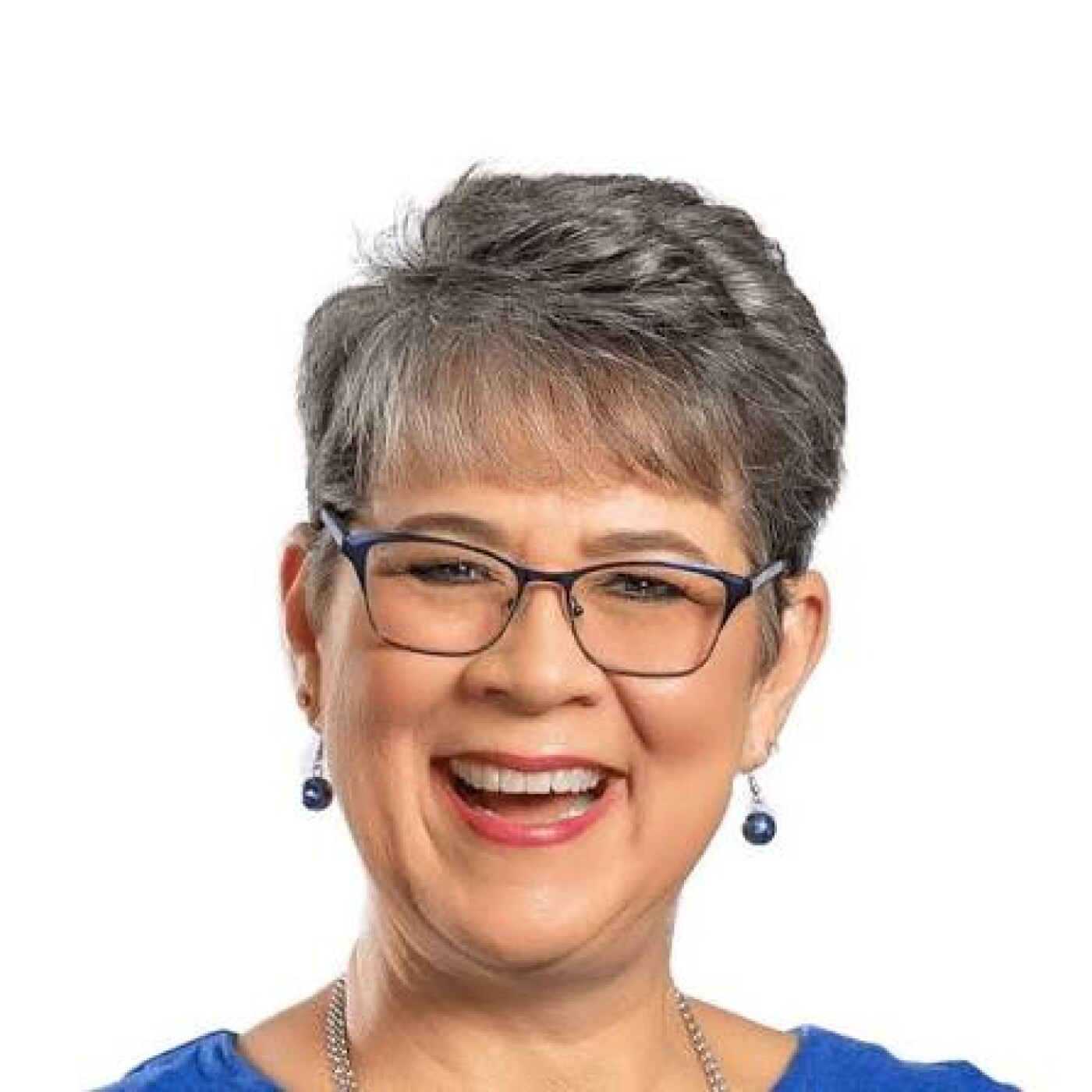
How Childhood Messages Quietly Shape Confidence in Neurodivergent LivesWhat if the voice holding you back isn’t really yours? In this episode, I sit down with Cheryl Jones to talk about the beliefs we carry for years without even noticing.We talk about dyslexia, masking, self-doubt, rejection, and the quiet ways neurodivergent people can start shrinking themselves to fit other people’s expectations. Along the way, I share parts of my own experience with memory, processing, and growing up misunderstood. Cheryl also opens up about the message a teacher gave her as a child that stayed with her far longer than it should have.Together, we explore how to tell the difference between a real barrier and a belief that’s keeping you stuck, why “just think positive” often falls flat, and what it can look like to build confidence without becoming someone else. Cheryl also shares a few of the practices she uses to help people change old thought patterns and relate to themselves in a kinder, more honest way.About the guest: Cheryl Jones is a speaker, author, and coach who helps people work through fear, self-doubt, and the inner stories that can keep them feeling small.Timestamps0:02 - I welcome Cheryl Jones and we begin with her story9:33 - The childhood message Cheryl had to question years later14:48 - What an “invisible ceiling” looks like in real life18:34 - How neurodivergent kids carry limiting messages into adulthood21:28 - Real barriers vs. limiting beliefs25:38 - Masking, confidence, and staying true to who you are31:22 - Why comparing yourself to others can keep you stuck34:15 - What emotional self-mastery actually means44:51 - Bridging the gap between knowing and believing54:05 - One small step to start changing your relationship with fearCheryl's Links:Website: https://www.simplythebestresults.comInstagram: Cheryl C Jones 1YouTube: Cheryl C JonesAffiliate: https://shop.adhddd.com/NEURODIVERGENT_CONNECTIONIf this conversation speaks to you, listen to the full episode and share it with someone who needs the reminder that they’re not broken—they may just need a different way forward. #Neurodivergent #ADHD #AutismAwareness #MentalHealth #SelfConfidenceHosted by Reid Miles.Conversations unfold naturally — no scripts, no rush.🎧 Subscribe wherever you listen to podcasts🌐 More about the show and past episodes: https://podcast.ausha.co/neurodivergantconnection-thecuriousstroyteller📩 Guest inquiries & media: [email protected] on Ausha. See ausha.co/privacy-policy for more information.
Why So Many Adults with ADHD Look Fine on the Outside but Feel Exhausted InsideWhat happens when someone seems successful at work, yet feels like they’re barely holding life together behind closed doors?In this episode, I sit down with Dr. Jenni Byrne to talk about the hidden side of ADHD in adults, especially in professionals who’ve learned how to cope, mask, and push through for years. We get into why so many people are missed, why late diagnosis can bring both relief and grief, and why the phrase “if only” carries so much pain.I’m also sharing a conversation that will feel deeply familiar to many parents, caregivers, educators, and neurodivergent adults: the moment when things finally start to make sense. You’ll hear why success can hide suffering, how workplaces still get ADHD wrong, and what it can look like when someone stops blaming themselves and starts understanding their brain.About the GuestDr. Jenni Byrne is a psychiatrist, author, and ADHD specialist who works with adults, including high-achieving professionals. She brings both clinical experience and personal insight as a parent of a neurodivergent child.Key Timestamps0:22 - How Dr. Jenni Byrne began working with adults with ADHD5:16 - What hidden struggle looks like for professionals9:07 - Signs people may notice in themselves12:52 - A real example of outward success and private chaos21:46 - What HR teams need to understand about neurodiversity25:38 - The meaning behind a lifetime of “if onlys”38:01 - The grief that can come with a late diagnosis42:27 - Why “too high functioning” is so harmful52:55 - Why so many women are diagnosed later in life66:11 - What to do if this conversation sounds like youResources mentioned in this episode:Website:constellationpllc.comYouTube:Dr. Jenni ByrneLinkedIn:Dr. Jenni ByrneResource guide: Free ADHD resources available on Dr. Jenni Byrne’s websiteAffiliate: https://shop.adhddd.com/NEURODIVERGENT_CONNECTIONIf this episode speaks to you, listen through and share it with someone who needs language for what they’ve been carrying.#ADHDInAdults #NeurodivergentConnection #LateDiagnosis #Neurodiversity #ADHDAwarenessHosted by Reid Miles.Conversations unfold naturally — no scripts, no rush.🎧 Subscribe wherever you listen to podcasts🌐 More about the show and past episodes: https://podcast.ausha.co/neurodivergantconnection-thecuriousstroyteller📩 Guest inquiries & media: [email protected] on Ausha. See ausha.co/privacy-policy for more information.
What If Divorce Isn’t the Worst Thing for a Child?When I sat down with Kim Korven, we got into a question that stops a lot of people cold: what if it’s not divorce that hurts children most, but the conflict they live inside?In this conversation, I explore Kim’s personal story of marriage, separation, parenting, and what changed when the tension at home finally eased. We talk about the signs her son was carrying more than adults realized, why some behaviors were misunderstood, and how one hard choice opened the door to a more peaceful future.Then the conversation takes an unexpected turn. Kim shares years of research into the lives of women in her family line whose stories were shaped by survival, silence, motherhood, and the law. Their records leave behind just enough to raise bigger questions about marriage, mental health, family systems, and what children carry across generations.About The GuestKim Korven is a divorce coach, former lawyer, and speaker who helps parents keep children at the center of separation decisions. Her work focuses on reducing conflict and creating healthier family transitions.If you’ve ever wondered what kids really need during separation, or how family patterns keep echoing long after the facts are gone, this episode will give you a lot to think about.Timestamps0:02 - I welcome Kim Korven and ask about the moment she knew divorce might create a better life7:34 - We talk about the early signs her son was struggling12:44 - Kim shares how sensory processing shaped parenting and school choices17:50 - What changed for her son after the separation22:28 - We unpack what people often get wrong about children and divorce26:00 - Kim introduces the family history that changed how she sees marriage and survival37:00 - Allison’s story raises questions about law, poverty, and choice43:38 - Catherine’s story reveals how a woman could disappear inside her own family51:27 - Margaret’s story shows both courage and heartbreak57:09 - What these stories ask us to reconsider about motherhood and family59:18 - Where to find Kim onlineKim's Links:Website: kimkoven.comLinkedIN: https://www.linkedin.com/in/kim-korven/Affiliate: https://shop.adhddd.com/NEURODIVERGENT_CONNECTIONListen in, and if this conversation speaks to you, share it with someone who needs a more compassionate way to think about divorce, neurodivergent children, family conflict, and healing.#DivorceAndChildren #FamilyConflict #ParentingSupport #MentalHealthAwareness #GenerationalTraumaHosted by Reid Miles.Conversations unfold naturally — no scripts, no rush.🎧 Subscribe wherever you listen to podcasts🌐 More about the show and past episodes: https://podcast.ausha.co/neurodivergantconnection-thecuriousstroyteller📩 Guest inquiries & media: [email protected] on Ausha. See ausha.co/privacy-policy for more information.
What I Wish More Parents Knew After an Autism DiagnosisWhen a child is diagnosed autistic, a lot can hit at once: fear, guilt, grief, confusion, and a hundred questions about what comes next. In this conversation, I sit down with Kristina and Herb Everett to talk about those first hard moments and what they learned raising their son through them.We talk about the emotional weight many parents carry in silence, why behavior is often communication, and how easy it is for schools, systems, and even loving adults to miss what a child is really trying to say. I also get into the gap between meaning well and actually helping in ways a child can feel.What stayed with me most is this: support doesn’t start with having all the answers. It starts with listening, noticing, and giving both your child and yourself more grace than you think you need.If you’ve ever wondered whether you’re helping, pushing too hard, or missing something important, this episode will give you a lot to think about. And there’s one part near the end about acceptance that I think many families need to hear.About the GuestsKristina and Herb heagh Avritt are the couple behind Vibrant Family Education. Kristina spent 27 years in the classroom, and together they now help families think differently about education, support, and connection for children with unique learning and communication needs.Key Timestamps0:17 - Kristina shares her first feelings after her son’s autism diagnosis4:58 - The moment autism changed how they understood their son8:02 - What they would tell parents in those early, overwhelming days10:01 - What raising an autistic child taught beyond any classroom15:47 - Burnout, overstimulation, and what many kids carry home from school22:10 - The pressure families put on kids and the cost of getting it wrong34:47 - Early school challenges, IEP struggles, and missed support44:12 - The hard balance between protection and independence56:30 - How parents can support without asking a child to be someone else59:34 - What real acceptance looks like in everyday life78:09 - What they want every newly diagnosed family to hearTheir Links: Vibrant Family Education:https://vibrantfamilyeducation.comYou can find them all over the socials under their name. Show Affiliate: https://shop.adhddd.com/NEURODIVERGENT_CONNECTIONIf this episode speaks to you, listen through and share it with a parent, educator, or caregiver who needs the reminder that they’re not alone.#AutismSupport #NeurodivergentFamilies #ParentingAutism #SpecialEducation #NeurodiversityHosted by Reid Miles.Conversations unfold naturally — no scripts, no rush.🎧 Subscribe wherever you listen to podcasts🌐 More about the show and past episodes: https://podcast.ausha.co/neurodivergantconnection-thecuriousstroyteller📩 Guest inquiries & media: [email protected] on Ausha. See ausha.co/privacy-policy for more information.

Comments

Download from Google Play

Download from App Store
 United States