


 Claim Ownership
BackTable ENT
Subscribed: 50Played: 2,489
Subscribe

© All rights reserved
Description
The BackTable ENT Podcast is a resource for otolaryngologists to learn tips, techniques, and practical advice on all things ear, nose, and throat. Tune in to the BackTable ENT Podcast every week for candid conversations about rhinology, laryngology, otology, and head and neck surgery.
268 Episodes
Reverse

Anaphylaxis doesn’t always look like hives and swelling. In up to 20% of cases, the skin is completely clear, making the diagnosis easy to miss. On this episode of the BackTable ENT & Allergy Podcast, Dr. Basil Kahwash speaks with Dr. Payel Gupta, allergist and immunologist at Mount Sinai in New York City, about how to recognize and manage anaphylaxis.
---
Get the BackTable apphttps://www.backtable.com/app
---
Timestamps
00:00 - Introduction02:02 - Defining Anaphylaxis and Key Signs04:09 - Anaphylaxis Versus Shock05:54 - Diagnostic Pitfalls12:43 - Epi First Epi Fast32:33 - ER Or Observe42:31 - Allergy Testing Limits47:16 - New Anaphylaxis Therapies51:34 - Public Awareness and Advocacy01:02:55 - Final Pearls and Wrap up
---
More about this episode
Dr. Gupta and Dr. Kahwash first define anaphylaxis and review common diagnostic pitfalls, including absent skin findings, overlap with asthma, atypical presentations, delayed reactions, and the effects of beta-blockers. Dr. Gupta emphasizes the importance of early treatment with intramuscular epinephrine. Antihistamines and steroids are discussed as adjunctive therapies and the episode reviews the risk and management of biphasic reactions. The conversation also covers optimal timing for tryptase testing, post-reaction counseling, evolving guidance on emergency department referral, and appropriate timing for allergy testing after a reaction. Dr. Gupta discusses emerging options such as intranasal epinephrine and the use of omalizumab to increase reaction thresholds in food allergy. The episode concludes with a discussion of public misconceptions around the term “allergy,” barriers to appropriate care, and Dr. Gupta’s advocacy and educational work.
---
Resources
Dr. Payel Gupta https://www.zocdoc.com/doctor/payel-gupta-md-facaai-571583
What makes butterfly cartilage tympanoplasty such an elegant solution for pediatric eardrum perforations? In this episode of the BackTable ENT Podcast, Dr. Sean Evans of Children’s Healthcare of Atlanta joins hosts Dr. Ashley Agan and Dr. Gopi Shah to discuss the evaluation and management of pediatric tympanic membrane perforations, with a focus on the butterfly cartilage tympanoplasty technique
---
SYNPOSIS
Dr. Evans describes his practice and reviews common etiologies of tympanic membrane perforations. He outlines his approach to the clinical workup and patient counseling, including the role of audiograms, careful otoscopic examination, and selective use of laboratory studies and CT imaging in patients with chronic otorrhea or suspected cholesteatoma. The discussion also addresses timing and age considerations for repair, as well as strategies for managing chronic drainage. Dr. Evans also discusses his evaluation of patient selection criteria and operative technique for butterfly cartilage tympanoplasty. He shares practical insights on surgical steps, technical pearls and pitfalls, postoperative care, recovery expectations, potential risks, coding considerations, and approaches to revision surgery.
---
TIMESTAMPS
00:00 - Introduction 02:35 - When to Repair Perforations 10:36 - Physical Exam, Audiogram, & Treatment Decisions18:06 - Butterfly Graft Candidacy20:42 - Step by Step Butterfly Technique25:52 - Butterfly Technique Pearls and Pitfalls29:16 - Example Case Video and Indications35:12 - Restrictions, Pain, & Recovery37:10 - Risk Factors and Complications40:09 - Revision Timing and Failure Modes42:37 - Final Pearls and Wrap Up
---
RESOURCES
Dr. Sean Evans https://med.emory.edu/directory/profile/?u=SSEVAN3

Recurrent respiratory papillomatosis (RRP) has long been managed with repeated surgical debulking, sometimes requiring dozens of procedures over a lifetime. In this episode of BackTable, Dr. Aaron Friedman and guest host Dr. Stephen Schoeff discuss a major shift in care: immune-directed therapy targeting HPV 6 and 11.
---
SYNPOSIS
Dr. Friedman reviews the recent FDA approval of the Precigen product PAPZIMEOS (August 2025), a therapeutic vaccine designed to stimulate HPV-specific T-cell responses. Clinical trial data show that about half of treated adults required no additional surgeries over the following year, with many responders maintaining durable benefit for years. The conversation also covers traditional management strategies, adjuvant therapies like bevacizumab, HPV vaccination, and the evolving algorithm for adult RRP care.
---
TIMESTAMPS
00:00 - Introduction02:13 - RRP Patient Types and Symptoms05:06 - Adult vs Juvenile Transmission10:46 - When to Escalate Treatment15:40 - Immunotherapy 18:55 - Trial Enrollment, Results and Dosing Rules26:17 - Durable Long Term Response30:47 - Who Should Get Treated32:34 - Logistics And Public Perception37:50 - Future Research And Prevention
---
Recurrent Respiratory Papillomatosis Foundation Position Statement on the Management of Adults With RRPhttps://pubmed.ncbi.nlm.nih.gov/41543033/
Dr. Stephen Schoeffhttps://healthy.kaiserpermanente.org/washington/clinicians/stephen-schoeff-6848607
Dr. Aaron Friedman https://www.uchealth.com/en/provider-profiles/friedman-aaron-d-1609057587

Not every airway is a tonsil problem. Pediatric obstructive sleep apnea is often more nuanced than it appears, requiring thoughtful evaluation beyond routine surgery. In this episode of the BackTable ENT Podcast, pediatric otolaryngologist Dr. Tali Lando discusses managing pediatric obstructive sleep apnea (OSA) with hosts Dr. Gopi Shah and Dr. Ashley Agan.
---
SYNPOSIS
Dr. Lando shares insights into her clinical practice, outlining a systematic approach to diagnosing and treating pediatric OSA, and emphasizing the value of sleep endoscopy. She explores the spectrum of interventions from adenoidectomy and tonsillectomy to complex airway evaluations and surgical management, while highlighting the roles of sleep studies, obesity, and emerging therapies such as hypoglossal nerve stimulation. Dr. Lando also reflects on balancing a busy clinical career with family life and discusses her two books, Hell & Back: Wife & Mother, Doctor & Patient, Dragon Slayer and Breathless: Surgical Tales from the Brink (and Back).
---
TIMESTAMPS
00:00 - Introduction06:21 - When Noisy Breathing Signals More Than Tonsils10:01 - When to Add DISE: Combining T&A with Airway Evaluation18:08 - Turbinates, Septum and Nasal Valve Matter22:03 - Red Flags in Clinic29:12 - When Surgery Helps and When It Doesn’t41:33 - Sleep Studies43:09 - Down Syndrome and OSA55:19 - Finding Hidden Sites of Airway Collapse01:06:13 - Hypoglossal Nerve Stimulation and Advanced Options
---
RESOURCES
Dr. Tali Lando https://www.wmchealth.org/physician-locator/tali-lando-1548383763?address_id=413 About Dr. Tali – Dr. Tali Lando

Only 7–10% of patients who qualify for cochlear implants actually receive one. Why are so many older adults missing out on life-changing hearing care? In this episode of the BackTable ENT Podcast, guest hosts Dr. Joe Walter Kutz and Dr. Brandon Isaacson are joined by Dr. Cameron Wick of University Hospitals Cleveland Medical Center to discuss cochlear implantation in the elderly population.
---
SYNPOSIS
The doctors explore common barriers to cochlear implantation, persistently low referral rates, and the substantial benefits these devices can offer older adults. Dr. Wick shares insights from his recent study on patients in their 80s and 90s, highlighting meaningful improvements in speech perception and overall quality of life. The conversation also addresses surgical considerations, postoperative care, the importance of timely intervention, and updated Medicare guidelines.
---
TIMESTAMPS
00:00 - Introduction 02:52 - Risks and Benefits of CI in Older Adults11:57 - Handling Anticoagulation During CI Surgery13:59 - Post-Surgery Expectations and Balance Issues16:35 - Next Day Activation and Surgical Considerations19:17 - Assessing Patient Suitability for Cochlear Implants22:45 - Setting Patient Expectations for Cochlear Implants23:39 - Barriers to Cochlear Implant Access28:07 - Importance of Early Identification and Referral31:47 - Postoperative Rehabilitation and Patient Support39:30 - Concluding Thoughts and Acknowledgements
---
RESOURCES
J. Walter Kutz, M.D.https://utswmed.org/doctors/joe-kutz/
Brandon Isaacson, M.D.https://utswmed.org/doctors/brandon-isaacson/
Cameron Wick, MDhttps://www.uhhospitals.org/doctors/Wick-Cameron-1063737799

At what point does a “routine” sinus or ear infection become a warning sign of immunodeficiency? In this episode of the BackTable ENT Podcast, board-certified allergist-immunologist Dr. Basil Kahwash explores the intersection of immunodeficiency and otolaryngology with Dr. Lauren Gunderman, a pediatric immunologist at Seattle Children’s Hospital. Learn why ENTs should remain vigilant for underlying immune disorders, and how to manage suspected immunodeficiency.
---
SYNPOSIS
The conversation reviews common signs and symptoms of immunodeficiency, key elements of the diagnostic workup, and when ENT physicians should consider referral to immunology. Dr. Kahwash and Dr. Gunderman discuss the role of family history and genetics, as well as current management strategies, including antibiotic use, immunoglobulin replacement therapy, and lifestyle modifications. Throughout the episode, Dr. Gunderman emphasizes the importance of multidisciplinary collaboration between otolaryngologists and immunologists to improve outcomes for patients with recurrent or severe infections.
---
TIMESTAMPS
00:00 - Introduction 02:45 - Understanding Immunodeficiency in ENT08:20 - Common Immunodeficiencies and Indicators11:02 - Basic Immunology Refresher22:13 - Initial Diagnostic Workup25:05 - Challenges in Allergy and Immunology Testing27:57 - When to Refer to an Immunologist34:01 - Antibiotic Stewardship in Immunodeficient Patients46:07 - Advances in Diagnosing Immunodeficiency50:31 - Final Thoughts and Takeaways
---
RESOURCES
Lauren Michelle Gunderman, MDhttps://www.seattlechildrens.org/directory/lauren-michelle-gunderman/
Can one surgical approach reduce postoperative bleeding, shorten recovery, and save hundreds of dollars per case? In this episode of the BackTable ENT Podcast, Dr. Stephen Chorney, pediatric otolaryngologist at the University of Texas Southwestern Medical Center, joins hosts Dr. Ashley Agan and Dr. Gopi Shah to discuss the benefits and techniques of coblation intracapsular tonsillectomy. Drawing from his extensive clinical experience and findings from his recent Triological thesis, Dr. Chorney reviews the cost effectiveness of coblation intracapsular tonsillectomy compared to traditional extracapsular approaches.
---
This podcast is supported by:
Smith+Nephew
https://www.smith-nephew.com/en-us/health-care-professionals/products/ear-nose-and-throat/coblation-technology-for-adenotonsillectomy#overview
---
SYNPOSIS
The conversation highlights key advantages of coblation intracapsular tonsillectomy, including lower postoperative bleeding rates, reduced pain, faster recovery, and meaningful economic benefits. Dr. Chorney also shares practical pearls on surgical technique with coblation, equipment settings, and postoperative care, making this episode a valuable resource for surgeons considering or already performing intracapsular tonsillectomy.
---
TIMESTAMPS
00:00 - Introduction03:34 - Intracapsular Tonsillectomy: Training and Adoption08:46 - Patient Selection and Surgical Techniques15:50 - Postoperative Care and Pain Management37:26 - Understanding Post-Workout Pain and Recovery38:13 - Comparing Surgical Tools: Microdebrider vs. Coblator38:54 - Visual Cues and Techniques in Tonsillectomy39:22 - Challenges and Solutions in Tonsillectomy Procedures46:37 - Case Studies and Video Demonstrations56:12 - Cost-Effectiveness of Intracapsular Tonsillectomy01:07:19 - Conclusion and Final Thoughts
---
RESOURCES
Dr. Stephen Chorney https://utswmed.org/doctors/stephen-chorney/
Trio Thesis https://onlinelibrary.wiley.com/doi/full/10.1002/lary.32448

When allergy meds aren’t enough, how do you choose the form of immunotherapy that will work best for your patient? Board-certified allergist-immunologist Dr. Nikhila Schroeder and host Dr. Basil Kahwash answer that question and more in this episode of the BackTable ENT Podcast.
---
SYNPOSIS
Dr. Schroeder shares her path from an engineering background to becoming a board-certified pediatric and adult allergist-immunologist, offering insight into how that perspective shapes her approach to patient care. The discussion focuses on the nuances of sublingual immunotherapy (SLIT) versus subcutaneous immunotherapy (SCIT), including administration, efficacy, safety, and patient adherence challenges. They also explore how immunotherapy can modulate the immune system and provide long-term symptom relief. Dr. Schroeder concludes by sharing her vision for the future of allergy immunotherapy, highlighting the accessibility and growing potential of SLIT. This episode offers ENT specialists a practical overview of why understanding and integrating allergy-immunotherapy can benefit both their practice and their patients.
---
TIMESTAMPS
00:00 - Introduction05:01 - History and Evolution of Immunotherapy10:36 - Mechanisms of Immunotherapy14:59 - Subcutaneous Immunotherapy: Process and Benefits19:52 - Sublingual Immunotherapy: Process and Benefits27:56 - Comparing Subcutaneous and Sublingual Immunotherapy34:14 - Efficacy Comparison: Allergy Shots vs. SLIT39:51 - Patient Adherence and Treatment Choices41:58 - Contraindications for Allergy Immunotherapy48:58 - Long-term Benefits of Immunotherapy59:26 - Key Takeaways for ENT Professionals
---
RESOURCES
Dr. Nikhila Schroeder https://allergenuityhealth.com/about-us/

Think beyond the esophagus. Up to 75% of eosinophilic esophagitis (EoE) patients have ENT-relevant atopic disease that is often best managed with a multidisciplinary approach. Get caught up on best practices in EoE diagnosis and treatment with this episode of the BackTable ENT Podcast, featuring dual board-certified gastroenterologist and allergist-immunologist Dr. John Leung and host Dr. Basil Kahwash.
---
SYNPOSIS
The discussion covers the definition, symptoms, and diagnosis of EoE, highlighting the role of food and environmental allergies. Dr. Leung and Dr. Kahwash cover diagnostic techniques like endoscopy and emerging non-invasive methods, as well as various treatment options including dietary modifications, pharmacology, and biologics. The doctors also emphasize the importance of multidisciplinary collaboration between gastroenterologists, allergists, and otolaryngologists to provide optimal care for patients with EoE.
---
TIMESTAMPS
00:00 - Introduction 03:13 - Understanding Eosinophilic Esophagitis (EoE)05:45 - EoE Symptoms and Diagnosis08:41 - Role of ENT in EoE Diagnosis11:32 - Diagnostic Criteria for EoE16:34 - Treatment Options for EoE20:55 - Role of Allergists and Environmental Allergies23:24 - Pharmacological Management of EoE29:38 - Complications and Risks of EoE36:21 - Follow-Up Endoscopies and Surveillance40:34 - Future Directions in EoE Management45:21 - Conclusion and Final Thoughts
---
RESOURCES
Dr. John Leunghttps://www.bostonspecialists.org/dr-leung-full-profile
The best approach to sinus surgery is the one tailored to the patient in front of you. In this episode of the BackTable ENT podcast, guest host Dr. Satyan Sreenath, rhinologist and Assistant Professor at Indiana University, and Dr. Dennis Tang, rhinologist and Assistant Professor at Cedars-Sinai, discuss advanced surgical techniques and post-operative management strategies in Functional Endoscopic Sinus Surgery (FESS).
---
SYNPOSIS
The conversation covers the latest practices in intraoperative maneuvers, the use of bioabsorbable materials, and the contentious topic of middle turbinate resections. They review patient cases, surgical approaches, and provide insights into optimizing patient outcomes. Additionally, they emphasize the importance of individualized care tailored to specific chronic sinusitis phenotypes and patient-specific factors.
---
TIMESTAMPS
00:00 - Introduction 03:28 - Case Study #1: CRSsNP with Nasal Congestion 04:59 - Factors Influencing Minimal vs. Maximal Surgery 14:23 - Case Study #2: Severe Nasal Polyposis27:56 - Debating the Use of Packing in Sinus Surgery40:24 - Scrutinizing Overhead Costs in Patient Care42:45 - FESS Postoperative Care 43:54 - Evolving Biomaterials in Sinus Surgery49:46 - The Debate on Middle Turbinectomy50:46 - Middle Turbinate Management Strategies01:13:17 - Concluding Thoughts on Surgical Practices
---
RESOURCES
Dr. Satyan Sreenath https://iuhealth.org/find-providers/provider/satyan-b-sreenath-md-1821999
Dr. Dennis Tanghttps://www.cedars-sinai.org/provider/dennis-tang-3316614.html

When should an antibiotic allergy actually be tested? In this episode of the BackTable ENT Podcast, guest host Dr. Basil Kahwash, an allergist and immunologist at Ohio ENT & Allergy, sits down with Dr. Cosby Stone, an allergist and immunologist at Vanderbilt University Medical Center, to discuss antibiotic allergies and how to distinguish true allergies from intolerances.
---
SYNPOSIS
Dr. Stone breaks down common misconceptions around antibiotic allergies, with a focus on penicillin and cephalosporins. The conversation explores how these allergies are evaluated, including when skin testing is appropriate, why inaccurate allergy labels matter, and how confirmed allergies should be managed long term. They also dive into more advanced topics such as drug desensitization, current research in the field, and where the future of drug allergy evaluation is headed.
---
TIMESTAMPS
00:00 - Introduction 01:03 - Understanding Antibiotic Allergies07:28 - The Importance of Accurate Allergy Diagnosis10:55 - Key Questions for Diagnosing Allergies17:10 - Implementing Allergy Testing in Healthcare Settings19:06 - Identifying Severe Allergic Reactions26:31 - Interpreting Allergy Skin Testing Procedures33:17 - Penicillin and Cephalosporin Cross-Reactivity37:15 - Drug Desensitization: Indications and Process40:30 - Prognosis and Long-Term Outcomes of Drug Allergies47:22 - Conclusion and Final Thoughts
---
RESOURCES
Dr. Basil Kahwash https://www.ohioentandallergy.com/physicians/basil-kahwash-md/
Dr. Cosby Stonehttps://www.vanderbilthealth.com/doctors/stone-cosby

“This is the kind of conversation I wish I heard earlier in training.” If you’re thinking about private practice at all, you’ll want to hear this episode of the BackTable ENT Podcast. Private practice otolaryngologist Dr. Caleb Masterson joins host Dr. Ashley Agan for a conversation about what modern ENT private practice can look like when autonomy, leadership, and patient experience take priority.
---
SYNPOSIS
Dr. Masterson shares his journey from academic medicine to establishing his own private practice, highlighting his motivations for seeking autonomy and the challenges he faced. The discussion covers the importance of creating a patient-centered experience, innovating during the COVID-19 pandemic, and the significance of developing strong leadership within a practice. Dr. Masterson also shares his entrepreneurial ventures, including the creation of a coffee shop within his clinic and the development of an allergy engagement mobile app to enhance patient care.
---
TIMESTAMPS
00:00 - Introduction 01:40 - Journey to Private Practice06:36 - COVID-19 Impact and Adaptation09:37 - Building a Successful Team16:37 - Financial Strategies in Private Practice27:59 - Creating an Exceptional Patient Experience30:05 - Community Involvement and Unexpected Outcomes39:53 - The Importance of Autonomy in Healthcare48:41 - Developing Resources for Healthcare Providers51:17 - Innovations in Patient Experience
---
RESOURCES
Dr. Caleb Mastersonhttps://www.bnbsinusandallergy.com/team-members/caleb-masterson

How can your clinical experience translate into industry leadership? In this episode of the BackTable ENT Podcast, otolaryngologist Dr. Karen Hoffmann at Piedmont ENT in Atlanta joins hosts Dr. Gopi Shah and Dr. Ashley Agan to discuss the many opportunities for industry involvement within otolaryngology.
---
SYNPOSIS
Dr. Hoffmann shares her extensive experience in otology and rhinology, highlighting her involvement in clinical trials, public speaking, and industry collaborations. The discussion focuses on the vast opportunities available for ENTs in industry, addressing how clinical experience can translate into meaningful contributions beyond traditional practice. Dr. Hoffmann offers insights on balancing clinical practice with industry work, the importance of gender diversity in advancing medical tools and practices, and the potential for future innovations in ENT driven by women in the field.
---
TIMESTAMPS
00:00 - Introduction02:31 - Opportunities for ENTs in Industry08:43 - Balancing Career and Family16:39 - Navigating Industry Partnerships21:39 - Addressing Criticism in Medicine25:09 - Getting Started with Clinical Trials in Private Practice28:57 - The Role of Mentorship and Networking36:13 - The Importance of Women in Medicine42:10 - Future Opportunities for Women in ENT
---
RESOURCES
Dr. Karen Hoffmannhttps://www.piedent.com/about-us/providers/karen-hoffmann
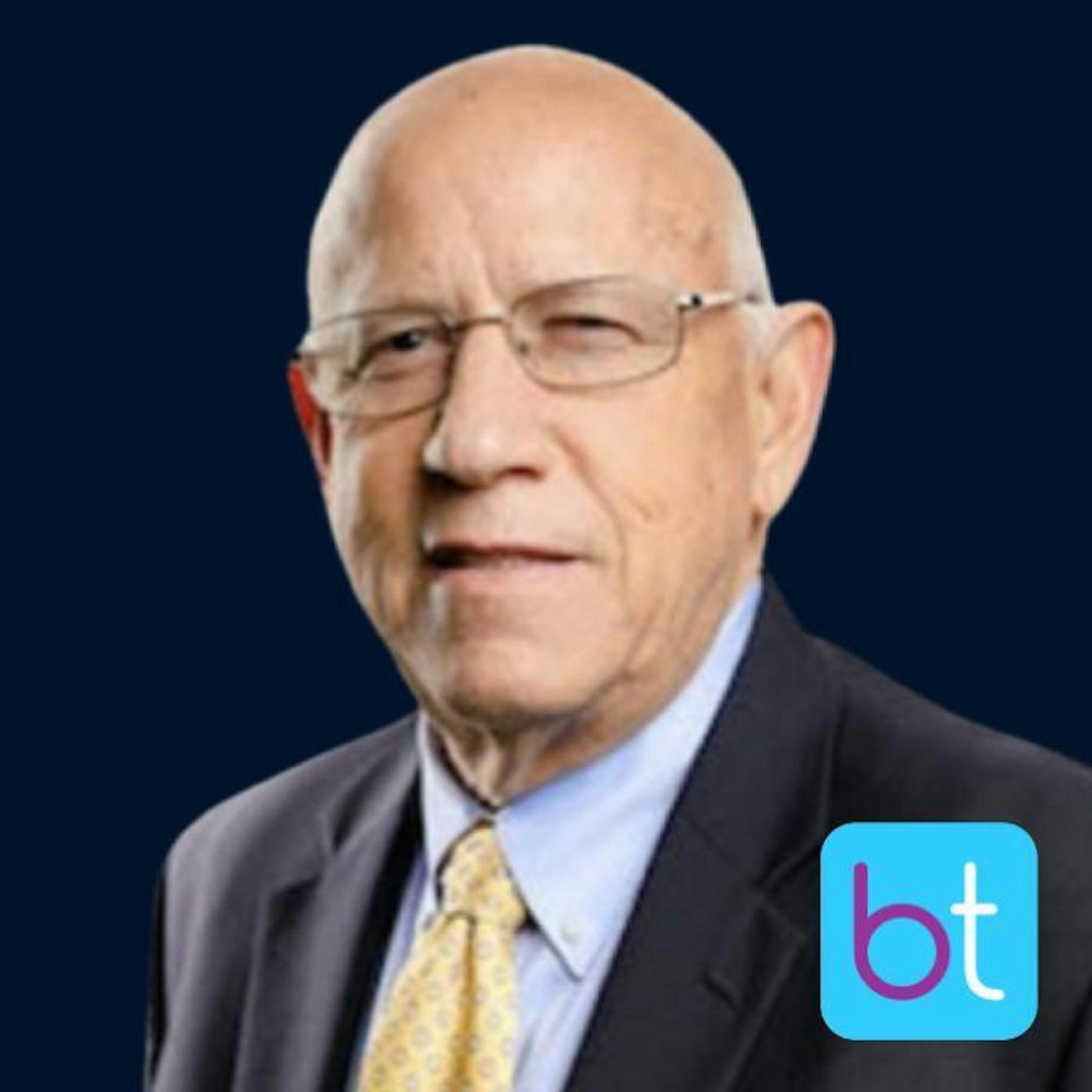
Ever wondered what a high-powered healthcare executive thinks physicians should know about money, leadership, and career longevity? This episode of BackTable ENT features an especially engaging conversation with Bob Glazer, a recently retired healthcare executive, who shares his wisdom on achieving financial and personal abundance with guest host Dr. Ayesha Khalid.
---
SYNPOSIS
The discussion covers Bob’s extensive career in healthcare administration to key financial strategies for otolaryngologists, including tax planning and long-term financial management. Mr. Glazer emphasizes the importance of balancing career ambitions with personal life, planning for different stages of one's professional journey, and exploring entrepreneurial ventures. With practical advice on leadership, maintaining work-life balance, and continuous self-improvement, Mr. Glazer offers invaluable guidance for both young practitioners and seasoned professionals in healthcare.
---
TIMESTAMPS
00:00 - Introduction02:53 - The Importance of Tax Planning for Physicians06:50 - Navigating Early Career Financial Decisions11:40 - Building a Strong Professional Reputation14:51 - The Seven-Year Itch: Seeking New Challenges23:59 - Understanding Risk Tolerance26:25 - Balancing Work and Life as an Otolaryngologist29:37 - Retirement and Rediscovering Hobbies32:36 - Leading Yourself and Crafting Your Life35:37 - Data-Driven Leadership and Career Advice38:43 - Final Takeaways
---
RESOURCES
Robert Glazerhttps://www.askascent.com/page/RobertGlazerbio

Does tongue tie impact pediatric sleep disordered breathing? In this episode of the Back Table ENT Podcast, otolaryngologist Dr. Brennan Dodson and speech language pathologist Allegra Bereszniewicz discuss tongue-tie and the pediatric airway with hosts Dr Ashley Agan and Dr. Gopi Shah.
---
SYNPOSIS
The discussion covers the anatomy and pathophysiology of tongue tie, surgical techniques for its release, and the importance of pre- and post-operative myofunctional therapy. They delve into patient selection, the impact of tongue tie on sleep-disordered breathing, and contrasting surgical methodologies, including frenuloplasty. The episode also features an insightful case study with visuals, examining Dr. Dodson's surgical approach in detail. Additionally, they touch on insurance considerations and the challenges within current medical practice regarding tongue tie diagnosis and treatment. Check out detailed surgical techniques at the end with case presentations!
---
TIMESTAMPS
00:00 - Introduction01:29 - Understanding Tongue Tie and Pediatric Airway06:17 - The Role of Myofunctional Therapy10:37 - Scientific Evidence and Research on Tongue Tie15:52 - Clinical Approaches and Patient Evaluations35:00 - Pre-Op and Post-Op Procedures39:02 - Post-Surgery Recovery and Exercises40:32 - Surgical Techniques and Tools44:31 - Post-Operative Care and Pain Management48:59 - Patient Selection and Considerations01:02:41 - Sleep Studies and Outcome Measures01:12:30 - Incision Techniques and Dissection Tools01:17:24 - Closure and Post-Operative Care01:23:51 - Innovations and Techniques in Surgery01:28:09 - Final Thoughts
---
RESOURCES
Dr. Brennan Dodson https://www.bridgerent.com/
Allegra Bereszniewicz MS, CCC-SLPhttps://grospeech.com/about/
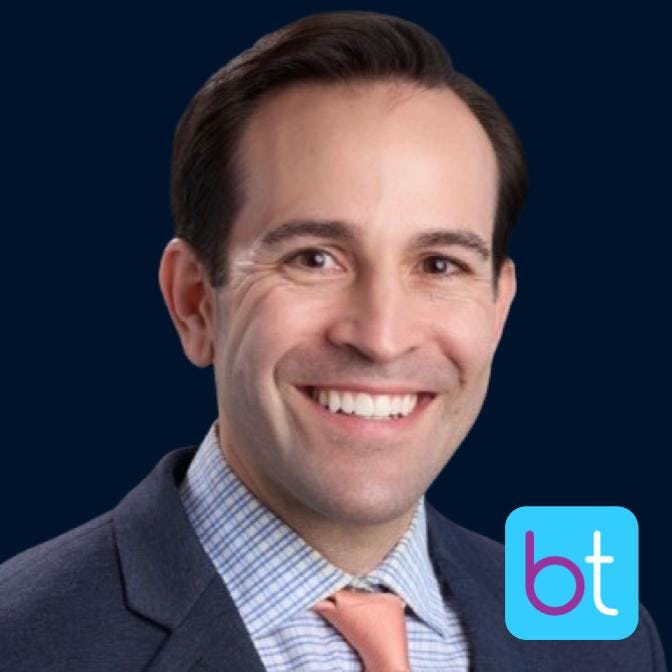
From asymptomatic dimples to chronic infections—here’s how experts navigate the spectrum of preauricular pits. In this episode of the Back Table ENT podcast, pediatric otolaryngologists Dr. Eric Gantwerker and Dr. Eric Berg discuss the surgical management of Preauricular Pits with host Dr. Gopi Shah.
---
SYNPOSIS
The conversation covers the etiology of preauricular pits, their presentations, decision-making for excision, surgical techniques, post-operative management, recurrence, and valuable tips in preauricular pit management. The doctors also touch upon collaboration with facial plastics and the importance of communication with families.
---
TIMESTAMPS
00:00 - Introduction 03:11 - Common Presentations & Management of Preauricular Pits06:17 - Differential Diagnoses and Imaging13:56 - Surgical Considerations and Techniques18:51 - Managing Recurrent Infections19:07 - Skin Flap Techniques19:55 - Excising Chronic Wounds23:07 - Post-Op Management24:46 - Revision Surgery Insights29:08 - Final Tips and Pearls
---
RESOURCES
Dr. Eric Gantwerker https://www.northwell.edu/find-care/find-a-doctor/dr-eric-alan-gantwerker-md-ms-1144482662
Dr. Eric Berg https://www.wellstar.org/physicians/eric-berg-md

Are you a med student with an upcoming away rotation? Get a head start with this episode of the BackTable ENT Podcast. Dr. Viraj Shah, a PGY-4 ENT resident at UT Southwestern and guest host Dr. Quynh-Chi Dang, PGY-1 at UC Davis Medical Center, discuss how to succeed on away rotations.
---
SYNPOSIS
They cover the basics of away rotations, factors to consider when applying, and effective strategies for excelling both in the operating room and within the residency team. Additionally, they delve into the importance of networking, securing recommendation letters, and making a positive impression through situational awareness and preparation. Personal anecdotes and practical tips make this a valuable listen for medical students gearing up for their rotations.
---
TIMESTAMPS
00:00 Introduction 02:33 Diving into Away Rotations05:20 Factors to Consider for Away Rotations22:54 Handling Away Rotation Offers28:33 Succeeding in the OR34:30 Navigating OR Dynamics40:49 Securing Recommendation Letters46:11 Onsite Interviews: Preparation and Presentation50:48 Housing for Away Rotations56:03 Final Tips: Observing Team Dynamics and Being Proactive
---
RESOURCES
Chi Danghttps://health.ucdavis.edu/otolaryngology/our-team/residents.html
Viraj Shah https://www.utsouthwestern.edu/departments/otolaryngology/education-training/residency-program/residents/

From misdiagnosed asthma to anxiety-related breathing issues, inducible laryngeal obstruction is often hiding in plain sight. In this episode of the BackTable ENT Podcast, Dr. Steven Sims from Rush University Medical Center discusses contemporary care for inducible laryngeal obstruction (ILO) with guest host Dr. Stephen Schoeff.
---
SYNPOSIS
The discussion elaborates on the evolution of the nomenclature surrounding vocal cord dysfunction and the clinical challenges in diagnosing and managing ILO. Dr. Sims shares his approach to patient evaluation, various presentations, and targeted treatment strategies, including the use of neuromodulators, speech pathology, and nerve blocks. He also delves into trauma-informed care, particularly focusing on patients with adverse childhood events and their impact on laryngeal function. The episode highlights the importance of an interdisciplinary approach, especially the role of speech pathologists in treating this complex condition.
---
TIMESTAMPS
00:00 - Introduction 01:39 - Understanding Inducible Laryngeal Obstruction04:53 - Patient Presentation and Evaluation07:51 - Management Strategies and Patient Care09:06 - Trauma and Mental Health Considerations19:27 - Interdisciplinary Approach and Additional Testing23:52 - Understanding Subglottic Stenosis and Asthma27:08 - The Role of Botox in Treatment31:49 - Biofeedback and Patient Empowerment34:25 - Exercise-Induced Laryngeal Obstruction39:05 - Advanced Treatment Approaches and Challenges41:06 - Conclusion and Final Thoughts
---
RESOURCES
Dr. Stephen Schoeff https://www.enthealth.org/find-ent/stephen-s-schoeff/
Dr. H, Steven Sims https://doctors.rush.edu/details/22035

When treating head and neck cancer, how can you tell the difference between true disease progression and pseudoprogression? In this episode of the BackTable Podcast, we discuss the practical implementation of the KEYNOTE-689 trial published in the New England Journal of Medicine, which demonstrated the benefit of adding neoadjuvant and adjuvant immunotherapy to standard head and neck cancer care. Our tumor board panel includes Dr. Mihir Patel, a head and neck surgeon from UNC Chapel Hill, Dr. Siddharth Sheth, a head and neck medical oncologist from UNC, Dr. Jennifer Johnson, a professor of medical oncology and otolaryngology at Sidney Kimmel Comprehensive Cancer Center, and Dr. Adam Luginbuhl, a head and neck surgical oncologist at Thomas Jefferson University.
---
SYNPOSIS
The doctors address the trial's practical implications, patient selection, case management, dealing with tumor progression, and the integration of multidisciplinary care. They also emphasize the importance of communication, real-world application of trial protocols, and the potential benefits and challenges of such therapies.
---
TIMESTAMPS
00:00 - Introduction03:18 - Discussing the New Indication for Immunotherapy11:42 - Challenges and Practical Implementation22:48 - Managing Tumor Progression: A Case Study28:07 - Exploring Treatment Options: Surgery vs. Chemotherapy36:46 - Operational Challenges and Future Directions43:58 - Concluding Thoughts and Future Directions
---
RESOURCES
Keynote 689https://www.nejm.org/doi/full/10.1056/NEJMoa2415434

Comments

Download from Google Play

Download from App Store
 United States