DiscoverWild Fish and Game Podcast
Wild Fish and Game Podcast

Wild Fish and Game Podcast

Author: Harvesting Nature

Subscribed: 72Played: 2,289
Share

Description

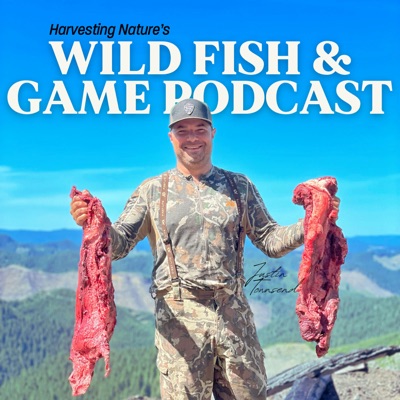
Join Justin Townsend and the Harvesting Nature Crew as they guide you through the world of cooking wild fish and game meat, their adventures to obtain food, and the lessons learned along the way. They are also frequently joined by some of the most influential people in the world of wild food to dive deep into food conversation to positively promote the lifestyle of harvesting, cooking, and eating wild food.

Harvesting Nature is a media outlet with the main focus to educate and inspire those wishing to live the outdoor lifestyle with a focus of hunting, foraging, and fishing for food. Follow along with us as we help you Find your Wilderness.

Please reach out with questions and comments to whatscooking@harvestingnature.com

255 Episodes
Reverse
Summary This conversation explores the complex perceptions surrounding invasive species, examining why some are celebrated while others are vilified. The discussion delves into cultural, economic, and ecological factors that shape public opinion, highlighting the role of narratives and emotional responses in determining the status of various species. The hosts also reflect on the implications of these perceptions for wildlife management and conservation efforts. - ⁠⁠⁠⁠⁠⁠⁠⁠Leave a Review of the Podcast⁠⁠⁠⁠⁠⁠⁠⁠ - ⁠⁠⁠⁠⁠⁠⁠⁠Buy our Wild Fish and Game Spices⁠⁠⁠⁠⁠⁠⁠⁠ ⁠⁠⁠⁠⁠⁠⁠⁠The Art of Venison Sausage Making⁠⁠⁠⁠⁠⁠⁠⁠ Links: Invasive Species Shirts and Stickers Takeaways: Invasive species are often judged through cultural, economic, and ecological lenses. Public perception can overshadow actual ecological impacts of species. Some introduced mammals are celebrated while others are seen as pests. Birds face an identity crisis as some are revered while others are loathed. Fish species are often categorized as beloved or villainous based on public sentiment. Utility and economic value play significant roles in species perception. Narratives surrounding species can influence their acceptance or vilification. Once labeled as invasive, species struggle to change public perception. Cultural traditions can shape how we view certain species. It's important to question our biases towards invasive species. Chapters: 00:00 The Villainization of Invasive Species 03:04 Cultural and Economic Perspectives on Invasive Species 04:53 Mammals: Heroes and Villains 22:33 Birds: The Identity Crisis of Invasive Species 26:45 The Journey of Feral Chickens 33:38 The Double Standard of Fish Species 41:10 Perception and Acceptance of Invasive Species 46:25 Conservation and Culinary Solutions Keywords: Invasive species, ecology, culture, hunting, perception, mammals, birds, fish, conservation, wildlife management Learn more about your ad choices. Visit megaphone.fm/adchoices
Summary In this conversation, Justin Townsend and Adam Berkelmans explore the creative and experimental aspects of cooking, particularly focusing on unique roasts that combine various meats. They discuss the idea of a 'Frankenstein roast' and encourage adventurous cooks to embrace the unexpected in their culinary endeavors. - ⁠⁠⁠⁠⁠⁠⁠Leave a Review of the Podcast⁠⁠⁠⁠⁠⁠⁠ - ⁠⁠⁠⁠⁠⁠⁠Buy our Wild Fish and Game Spices⁠⁠⁠⁠⁠⁠⁠ ⁠⁠⁠⁠⁠⁠⁠The Art of Venison Sausage Making⁠⁠⁠⁠⁠⁠⁠ Links: Adam’s Guide to Making a Venison Sirloin Tip Roast Brad Trumbo’s Guide to Making a Sous Vide Venison Roast Dustyn Carroll’s Recipe for a Slow Cooked Venison Shoulder Roast with Veggies Justin’s Guide for Making a Neck Roast in the Slow Cooker Chase Waller’s Wine-Braised Antelope Shoulder Roast Recipe Justin’s Indigenous-Inspired Recipe for Juniper Braised Arm Roast with Wild Mushrooms and Hominy Justin’s Guide to Making the Best Mississippi Pot Roast from Scratch - No Store-Bought Fillers! Justin’s Citrus Smoked and Braised Venison Shanks Natalie Auer’s Marry-Me Venison Shank Osso Buco Don’t Forget New Years! Justin’s Hoppin John with Venison Shank Amanda Altman’s Venison Wellington Recipe Jeff Benda’s Jackalope Wellington Recipe, Made with Pronghorn and Jackrabbit Brandon Dale’s Beer Can Smoked Venison Crown Roast Recipe Adam’s Guide to Making a Turducken Brandon Dale’s Teriyaki Glazed Duck Quincy Milton’s Smoked Duck with Apple Maple Mop Sauce Amanda Altman’s Spicy Pomegranate Glazed Duck Adam’s Guide to Spatchcocking, Dry-Brining, and Roasting a Turkey to Perfection Matt Dollenbacker’s Recipe for Smoked Carp Dip Dustyn Carroll’s Recipe for Mushroom Stuffed Venison Tenderloin Adam’s Recipe for Seared Mallard Breasts with Stewed Plums Danielle Prewet’s Dijon Roasted Hungarian Partridges Justin’s Wild Turkey Breast Kiev Adam’s German Christmas Goose Breast for Two Recipe Justin’s Roasted Quail with Corn Bread Stuffing Adam’s Beer-Braised Goose Legs on Egg Noodles with Red Cabbage Ben Burgholzer’s Pan Roasted Halibut Over Wild Mushroom Risotto Lindsey Bartosh’s Venison Steaks with Whiskey Cream Sauce Justin’s Seared Duck Breast with Pumpkin Cream Rigatoni Lindsey Bartosh’s Pheasant Pumpkin Cornbread Stuffing Gunnar Emberg’s Wild Game Sausage Stuffing Adam’s Hen of the Woods and Wild Rice Autumn Salad Adam’s Baked Wild Mushroom Rice Adam’s Baked Black Walnut Brie in Puff Pastry Adam’s Guide to Making Your Own Spruce Tip Syrup Brandon Dale’s Recipe for Wild Sumac Negronis Takeaways: Culinary experimentation can lead to unique and memorable dishes. Combining different meats can create exciting flavor profiles. Creativity in the kitchen is essential for culinary growth. Not every experiment will succeed, but the journey is valuable. Embracing the unexpected can lead to culinary fame. Beginners should start with simpler recipes before experimenting. The concept of a 'Frankenstein roast' embodies kitchen creativity. Cooking is as much about science as it is about art. Adventurous cooking can inspire others to try new things. Every great chef has had their share of kitchen failures. Keywords: Cooking, culinary experimentation, roast, kitchen science, venison, elk, antelope, caul fat, creativity in cooking Learn more about your ad choices. Visit megaphone.fm/adchoices
Summary In this episode, Justin Townsend and Adam Berkelmans dig into the ancient first bite traditions of hunting—those raw, fire-lit moments when hunters taste the animal they’ve just harvested. They explore the history, meaning, and modern interpretations of eating heart, liver, or tenderloin in the field, weaving in cultural rituals, practical cooking tips, and stories that reveal why this primal meal still matters today. - ⁠⁠⁠⁠⁠⁠Leave a Review of the Podcast⁠⁠⁠⁠⁠⁠ - ⁠⁠⁠⁠⁠⁠Buy our Wild Fish and Game Spices⁠⁠⁠⁠⁠⁠ ⁠⁠⁠⁠⁠⁠The Art of Venison Sausage Making⁠⁠⁠⁠⁠⁠ Links: The Perception of the Environment The Best Venison Heart Recipe: Japanese-Inspired Heart Skewers Curried Steak and Kidney Pie Making Memorable Meals in the Field Egyptian Duck Liver Sandwiches (Kebda Eskandarani) Takeaways: The first bite after a hunt is more than a meal, it’s a moment of gratitude, connection, and respect for the animal and the land. Across time and cultures, hunters have shared this ritual, turning survival into ceremony and instinct into reverence. Ancient traditions from the Arctic to Africa reveal that eating first is both a form of nourishment and a homage to the hunt itself. The practice carries four meanings: practicality, honor, connection, and gratitude. Organ meats, such as heart and liver, spoil quickly, making them both a practical and symbolic choice for the first meal. The act of eating first honors the hunter’s effort and courage while recognizing the life taken. It also deepens the connection between hunter, animal, and environment, reminding us that hunting is part of a shared cycle. Gratitude transforms the meal into a moment of reflection, reinforcing respect over pride. Modern hunters continue the ritual through simple, fire-cooked meals in the field. A tenderloin or heart sizzling over a campfire carries as much meaning today as it did thousands of years ago. These first meals are often cooked with minimal tools—just salt, oil, and flame, proving that simplicity carries the most authenticity. A fresh-cut organ or tenderloin eaten outdoors becomes a lasting memory of the hunt and a story worth retelling. The episode also explores how social media and trophy photos can blur the line between respect and display. Cooking in the field brings the focus back to purpose, humility, and connection instead of validation. Adam and Justin share their own first-bite experiences, from heart skewers to quick tenderloin tacos, proving that ritual and flavor can coexist. They encourage hunters to start or revive their own first-bite traditions, turning every harvest into a meal that matters. Keywords: Gall, taste, unconventional flavors, food science, culinary exploration Learn more about your ad choices. Visit megaphone.fm/adchoices
In this conversation, Justin Townsend and Adam Berkelmans explore the haunting aspects of wild food, sharing real-life horror stories that highlight the dangers of foraging and hunting. They discuss the importance of caution, the role of superstitions and cultural taboos in hunting practices, and how these beliefs often stem from historical survival strategies. The conversation delves into the intersection of science and folklore, emphasizing the need for respect towards nature and the lessons learned from past generations. - ⁠⁠⁠⁠⁠Leave a Review of the Podcast⁠⁠⁠⁠⁠ - ⁠⁠⁠⁠⁠Buy our Wild Fish and Game Spices⁠⁠⁠⁠⁠ ⁠⁠⁠⁠⁠The Art of Venison Sausage Making⁠⁠⁠⁠⁠ Articles: The Little Dangers Alpha-Gal Syndrome: The Red Meat Allergy from a Tick Bite Takeaways: There's something ancient about the fear we feel in the dark woods. Real stories of misidentification, misfortune, and mystery exist in wild food. One error in the wild can end everything. Ciguatera poisoning is a hidden danger in seemingly perfect fish. The wilderness doesn't need monsters to strike fear into you. Superstitions and rituals in hunting can provide a sense of control. Cultural taboos often have roots in survival science. The wild has rules that are written in blood, not ink. Respect for nature is crucial for survival in the wild. The importance of caution cannot be overstated when foraging or hunting. Chapters: 00:00 The Ancient Fear of the Dark Woods 01:03 Real Wild Food Horror Stories 02:10 Tales of Misfortune and Mystery 05:39 The Hidden Dangers of the Wilderness 09:34 Superstitions and Rituals in Hunting 10:48 Cultural Beliefs and Food Traditions 15:59 The Influence of Nature on Hunting Practices 22:22 The Influence of Moon Phases on Hunting 24:21 Rituals and Superstitions in Hunting 27:28 Cultural Taboos and Their Origins 30:22 Survival Science Behind Food Taboos 33:29 The Thrill of Dangerous Foods 36:23 Respecting Nature and Ancestral Knowledge 39:21 The Importance of Caution in the Wild 41:43 Spooky Stories from the Field Keywords: Wild food, hunting, folklore, superstitions, nature, food safety, horror stories, cultural taboos, survival, respect for nature Learn more about your ad choices. Visit megaphone.fm/adchoices
This episode explores the world of invasive edible plants and fungi, focusing on species like garlic mustard, kudzu, Japanese knotweed, and burdock. The hosts discuss their origins, ecological impacts, and how to responsibly forage and prepare these plants for sustainable meals. The conversation emphasizes the importance of proper identification and safety when foraging, while also sharing cooking tips and recipes. In this conversation, Justin Townsend and Adam Berkelmans delve into the world of foraging and cooking with invasive species. They explore the culinary potential of burdock, dandelions, Himalayan blackberries, and golden oyster mushrooms, discussing their flavors, nutritional benefits, and recipes. The discussion emphasizes the importance of culinary conservation and how foraging can contribute to ecosystem health. - ⁠⁠⁠⁠Leave a Review of the Podcast⁠⁠⁠⁠ - ⁠⁠⁠⁠Buy our Wild Fish and Game Spices⁠⁠⁠⁠ ⁠⁠⁠⁠The Art of Venison Sausage Making⁠⁠⁠⁠ Recipes: Wild Greens Mac and Cheese Stuffed Kudzu Leaves Barbecue Dolmas Stuffed with Bacon Beef and Cheese Japanese Knotweed Cake with Streusel Topping Summer Wild Vegetable TempuraHow to Make Dandelion Jelly Dandelion and Zucchini FrittersStewed Dandelion Greens with Chickpeas and ‘NdujaVenison Steak with Blackberry Sauce and Corn Salad Cacio e Pepe with Wild Pork Sausage and Oyster Mushrooms Takeaways: Invasive plants can be turned into sustainable meals. Garlic mustard is edible at every stage of growth. Kudzu grows rapidly and is edible in various forms. Japanese knotweed can be used in desserts and jams. Burdock root is rich in fiber and antioxidants. Proper identification is crucial when foraging. Invasive species can have significant ecological impacts. Foraging can help control invasive plant populations. Cooking with invasive plants can be delicious and eco-friendly. Community resources and local foraging groups are invaluable. Burdock requires effort to harvest but is versatile in cooking. Dandelions are nutritious and can be used in various dishes. Young dandelion leaves are best for salads, while mature ones are great sautéed. Dandelion jam is a delightful treat reminiscent of sunshine. Himalayan blackberries are delicious but invasive, dominating the West Coast. Eating invasive species is a form of stewardship for the land. Culinary conservation encourages conscious eating and seasonal food sourcing. Chapters: 00:00 Introduction to Invasive Edibles 01:20 The Impact of Invasive Plants 03:15 Garlic Mustard: The Ecological Villain 11:25 Kudzu: The Vine That Ate the South 18:00 Japanese Knotweed: A Destructive Invader 25:11 Burdock: The Versatile Root Vegetable 27:36 Exploring Burdock: A Culinary Gem 30:00 Dandelions: The Ubiquitous Superfood 39:41 Himalayan Blackberries: A Sweet Invasive Delight 45:01 Golden Oyster Mushrooms: A Culinary Invasion 50:02 Culinary Conservation: Eating for the Ecosystem Keywords: Invasive plants, edible plants, foraging, ecological eating, sustainable meals, garlic mustard, kudzu, Japanese knotweed, burdock, wild foods, burdock, dandelion, Himalayan blackberry, golden oyster mushroom, invasive species, culinary conservation, foraging, wild food, sustainability, nutrition Learn more about your ad choices. Visit megaphone.fm/adchoices
In this conversation, Justin and Adam explore the world of casseroles, focusing on their historical roots, techniques for making them, and how to incorporate wild game and foraged ingredients. They discuss the importance of moisture balance, layering, and toppings in creating the perfect casserole, as well as share creative recipes and the concept of side sauces to enhance the dish. - ⁠⁠⁠Leave a Review of the Podcast⁠⁠⁠ - ⁠⁠⁠Buy our Wild Fish and Game Spices⁠⁠⁠ ⁠⁠⁠The Art of Venison Sausage Making⁠⁠⁠ Recipes: Wild Game Cast Iron Enchiladas Curried Venison Hunter’s Pie Pork and Chanterelle Casserole French Onion Chicken of the Woods Casserole Smoked Gouda, Ham, Potato, and Leek Casserole Takeaways: Casseroles are a comforting dish with deep historical roots. Moisture balance is crucial for a successful casserole. Layering ingredients properly enhances flavor and texture. Wild game can add unique flavors to casseroles. Mushrooms can serve as a meat substitute in casseroles. Wild rice is an excellent base for casseroles. Season every layer of the casserole for balanced flavor. Casseroles can reflect seasonal ingredients and foraging. Creative toppings add texture and visual appeal to casseroles. Side sauces can elevate the casserole experience. Chapters: 00:00 The Comfort of Casseroles 02:45 Historical Roots of Casseroles 05:33 Casserole Techniques and Tips 11:42 Incorporating Wild Game into Casseroles 17:48 The Role of Sauces and Seasoning 29:21 Casserole Techniques and Tips 32:10 Incorporating Game Birds in Casseroles 34:29 Wild Fish in Casseroles 36:36 Using Wild Mushrooms Creatively 41:43 Wild Edibles and Seasonal Ingredients 43:52 Key Takeaways for Perfect Casseroles 45:02 Recipe Highlights and Innovations Keywords: Casseroles, wild food, cooking techniques, comfort food, historical recipes, wild game, culinary tips, casseroles recipes, food history, foraging Learn more about your ad choices. Visit megaphone.fm/adchoices
Summary: This episode delves into the world of invasive birds, exploring their ecological impact and culinary potential. Justin and Adam discuss various species, including rock doves, Eurasian collared doves, songbirds, and waterfowl like snow geese and mute swans. They share insights on cooking techniques, flavor profiles, and sustainable practices for harvesting these birds. The conversation emphasizes the importance of viewing invasive species as a resource and encourages listeners to experiment with historical recipes and modern cooking methods. - ⁠⁠⁠Leave a Review of the Podcast⁠⁠⁠ - ⁠⁠⁠Buy our Wild Fish and Game Spices⁠⁠⁠ ⁠⁠⁠The Art of Venison Sausage Making⁠⁠⁠ Recipes: Breaking Up with Dove Poppers: Why It’s Time to Move On Buttermilk Fried Dove & Waffles with Spicy Bourbon Maple Syrup Retro Recipe: Sous Vide Peking Dove with Pickled Veggies Sweet and Spicy Jalapeño Quail or Doves Roasted Doves and Maitake with Poblano Cream Sauce on Grits Tandoori Dove with Cilantro-Yogurt Sauce Takeaways: Invasive species can be a resource if harvested responsibly. Rock doves and Eurasian collared doves are common invasive birds in North America. Both doves are edible and can be prepared in various ways. Cooking techniques vary based on the age and type of bird. Songbirds like house sparrows and starlings are often overlooked as food sources. Mute swans are invasive and can be managed through hunting. Snow geese are abundant and provide high-quality meat. Cooking methods for waterfowl include roasting, braising, and grinding for sausage. Upland birds like pheasants are often introduced and considered game birds. Historical recipes can provide inspiration for cooking invasive species. Chapters: 00:00 Introduction to Invasive Species and Their Culinary Potential 02:53 Doves: The Rock Dove and Eurasian Collared Dove 05:55 Flavor Profiles and Cooking Techniques for Doves 08:44 Exploring Other Invasive Birds: Songbirds and Their Edibility 11:25 Harvesting and Cooking Techniques for Songbirds 14:36 Creative Recipes for Dove and Songbird Dishes 17:27 Culinary Traditions and Historical Context of Eating Invasive Birds 32:05 Exploring Urban Wildlife: Pigeons and Sparrows 34:03 The Invasive Mute Swan: A Threat to Native Species 34:29 Snow Geese: Conservation and Culinary Delights 38:20 Canada Geese: The Resident vs. Migratory Debate 41:31 Flavor Profiles of Waterfowl: Snow Geese vs. Canada Geese 46:07 Cooking Techniques for Waterfowl: From Plucking to Braising 51:17 Upland Birds: A Culinary Perspective 53:49 Peacocks: The Ornamental Bird with Culinary Potential 57:39 Final Thoughts on Invasive Birds and Cooking Techniques Keywords: Invasive species, hunting, cooking, doves, pigeons, songbirds, waterfowl, recipes, ecological impact, sustainable eating Learn more about your ad choices. Visit megaphone.fm/adchoices
Summary In this episode of the Wild Fishing Game Podcast, hosts Justin Townsend and Adam Berkelmans explore the concept of breakfast, emphasizing the importance of incorporating wild foods into morning meals. They delve into the history of breakfast, personal cooking preferences, and the art of sausage making, while also discussing creative ways to prepare hashes, pancakes, and grits. The conversation highlights international breakfast inspirations and encourages listeners to think outside the box when it comes to their breakfast choices. Takeaways Real breakfast is about wild ingredients and creativity. Breakfast has evolved from a necessity to a modern concept. Historical breakfasts varied greatly by culture and class. Sausage making allows for creativity with wild game. Bacon can be challenging to make with wild game. Breakfast hashes can incorporate a variety of wild ingredients. Pancakes and breads can be made with wild flours. Grits and porridge are versatile breakfast options. International breakfasts offer unique flavors and ideas. Incorporating wild foods into breakfast enhances nutrition and flavor. Chapters 00:00 The Essence of Real Breakfast 02:46 Historical Perspectives on Breakfast 05:55 Modern Breakfast Trends and Personal Preferences 07:47 The Art of Breakfast Sausage 08:14 Exploring Bacon: Tradition and Innovation 10:14 Curing Techniques and Wild Game Utilization 26:22 The Great Meat Debate 27:24 Exploring Corning Techniques 29:14 Creative Hash Recipes 34:25 Pancakes and Breads: Wild Variations 41:13 Grits and Porridge: A Breakfast Staple 47:23 International Breakfast Inspirations 52:28 Incorporating Wild Foods into Breakfast Keywords wild food, breakfast, cooking techniques, sausage making, historical breakfast, creative recipes, international cuisine, breakfast hash, pancakes, grits Learn more about your ad choices. Visit megaphone.fm/adchoices
Summary: In this episode of the Wild Fishing Game Podcast, hosts Justin Townsend and Adam Berkelmans explore the culinary potential of invasive species in America's waterways. They discuss various invasive fish and crustaceans, including carp, lionfish, catfish, snakeheads, and rusty crayfish, highlighting their impact on ecosystems and how they can be transformed into delicious meals. The conversation emphasizes the importance of public awareness and consumption in controlling invasive populations, while also sharing tips and recipes for preparing these often-overlooked species. - ⁠⁠⁠⁠Leave a Review of the Podcast⁠⁠⁠⁠ - ⁠⁠⁠⁠Buy our Wild Fish and Game Spices⁠⁠⁠⁠ ⁠⁠⁠⁠The Art of Venison Sausage Making⁠⁠⁠⁠ Links: How to Make Smoked Carp Dip and Silver Carp Salad Swiss Chard Wrapped Grouper Lemon Peppered Yellowtail with Sauteed Spinach Snakehead Ceviche Watercress and Crawfish Salad Lionfish and Chips Shirt - Eat More Invasive Species Takeaways: Invasive species can be delicious if prepared correctly. Carp, once seen as a nuisance, can be a culinary delight. Blue catfish are invasive but can be a tasty meal. Snakeheads are aggressive predators that threaten local ecosystems. Rusty crayfish compete with native species and disrupt habitats. Cooking methods for invasive species can vary widely. Public awareness and consumption can help control invasive populations. Rebranding invasive species can change public perception. Eating invasive species is a step towards conservation. Chapters: 00:00 Invasive Species: A Culinary Opportunity 01:04 Understanding Carp: The Invasive Problem 12:12 Lionfish: The Destructive Marine Invader 23:16 Blue Catfish: A Growing Concern 28:24 Exploring Catfish: Preparation and Recipes 30:57 The Northern Snakehead: An Ecological Threat 38:06 Culinary Adventures with Snakehead Fish 38:37 The Green Crab: Invasive Species and Culinary Uses 46:14 Rusty Crawfish: Impact and Delicious Dishes Keywords: Invasive species, carp, lion fish, catfish, snakehead, rusty crayfish, culinary opportunities, fishing, conservation, recipes Learn more about your ad choices. Visit megaphone.fm/adchoices
Summary: In this episode, Justin Townsend and Adam Berkelmans explore the world of steak, delving into its primal allure, historical significance, and the value of wild game steaks. They discuss various cuts of meat, cooking techniques, and the debate surrounding the best cuts. The conversation also touches on marination and the best cooking methods, emphasizing the importance of flavor and texture in preparing steaks. In this conversation, Justin Townsend and Adam Berkelmans delve into the intricacies of cooking steak, discussing various techniques, cookware options, and flavor enhancements. They emphasize the importance of mastering searing, the benefits of cast iron, and the nuances of grilling versus broiling. The duo also shares insights on sauces and seasonings that can elevate the steak experience, concluding with practical tips for achieving the perfect steak. - ⁠⁠⁠Leave a Review of the Podcast⁠⁠⁠ - ⁠⁠⁠Buy our Wild Fish and Game Spices⁠⁠⁠ ⁠⁠⁠The Art of Venison Sausage Making⁠⁠⁠ Links: Venison Steak with Blackberry Sauce and Corn Salad Venison Steaks with Whiskey-Rosemary Cream Sauce and Mushrooms Creamy Cajun Steak and Wild Mushrooms Venison Cube Steak Sandwich with Poblano-Lime Chimichurri Moose Steak with Truffled Beurre Blanc and Potato Crisps Podcast Episode 163: Butchering and Cooking the Neck and Denver Steak Takeaways: Steak is a primal food with deep historical roots. Wild game steaks provide a sustainable and flavorful alternative to conventional beef. Understanding the anatomy of the animal helps in selecting the best cuts. Leg steaks are often a result of lazy butchering practices. The backstrap is one of the most prized cuts due to its tenderness. Cooking in stainless steel or cast iron enhances the flavor through the Maillard reaction. An excellent sear and browning is crucial for steak. Cast iron pans retain and evenly distribute heat well. Always preheat your pan to avoid food sticking. Grilling requires two heat zones for optimal cooking. Let your steak rest to redistribute juices. Sauces should enhance, not cover up the meat's flavor. Brown butter is a simple yet effective sauce. Experiment with different cooking methods for steak. Avoid overcooking steak in sous vide to prevent mushiness. Quality seasoning enhances the steak without overpowering it. Chapters: 00:00 The Primal Allure of Steak 01:54 A Historical Perspective on Steak 06:29 The Value of Wild Game Steaks 07:42 The Debate: Are Steaks the Best Cuts? 10:01 Understanding Different Cuts of Steak 19:14 Cooking Techniques for Perfect Steaks 24:54 Marination: To Soak or Not to Soak? 30:07 Cooking Methods: Stainless Steel vs. Cast Iron 32:24 Mastering the Art of Searing and Cooking Techniques 34:26 The Benefits of Cast Iron Cookware 36:08 Exploring Cooking Methods: Broiling vs. Grilling 39:40 Grilling Techniques for Perfect Steaks 45:52 Sauces and Seasonings: Enhancing Steak Flavor 51:57 Final Thoughts on Cooking Steaks Keywords: Learn more about your ad choices. Visit megaphone.fm/adchoices
Summary: In this episode, we explore the culinary potential of invasive reptiles and amphibians, discussing species such as iguanas, pythons, bullfrogs, and turtles. The conversation delves into the ecological impact of these species, legal and ethical considerations for harvesting them, and various cooking methods and recipes. The hosts emphasize the importance of sustainable eating practices and the role of invasive species in wildlife management. - ⁠⁠Leave a Review of the Podcast⁠⁠ - ⁠⁠Buy our Wild Fish and Game Spices⁠⁠ ⁠⁠The Art of Venison Sausage Making⁠⁠ Links: Coconut Mango Iguana Tacos Is Python Good Table Fare? Rattlesnake Soup…Yes, I said rattlesnake New Iguana Taco T-Shirts and Stickers: Eat More Invasive Species Chapters: 00:00 Introduction to Invasive Species Cuisine 01:43 Exploring Iguanas: History and Impact 13:44 The Burmese Python: A Culinary Challenge 25:38 Cooking Techniques and Recipes for Invasive Species 26:51 Exploring Edible Amphibians and Their Risks 28:36 The American Bullfrog: Invasive Species and Culinary Delights 32:06 Frog Hunting Adventures and Culinary Experiences 37:12 Turtle Hunting: Stories and Culinary Insights 41:40 Red-Eared Sliders: Invasive Species and Culinary Potential 45:59 Culinary Recipes and Community Engagement Keywords: Invasive species, cooking, reptiles, amphibians, iguanas, pythons, bullfrogs, turtles, sustainable meals, wildlife conservation Learn more about your ad choices. Visit megaphone.fm/adchoices
Summary: This conversation explores the rich history and cultural significance of kebabs, delving into their evolution from ancient cooking methods to modern interpretations. The hosts share tips and tricks for making perfect kebabs, including skewer selection, marinating techniques, and cooking methods. They also discuss the incorporation of wild game and fish into kebab recipes, highlighting the versatility and adaptability of this beloved culinary tradition. The episode concludes with a variety of delicious kebab recipes that celebrate the flavors of the wild. - ⁠⁠Leave a Review of the Podcast⁠⁠ - ⁠⁠Buy our Wild Fish and Game Spices⁠⁠ ⁠⁠The Art of Venison Sausage Making⁠⁠ Recipe Links: Tikka Swordfish Kabobs ⁠The Best Venison Heart Recipe: Japanese-Inspired Heart Skewers⁠ Nigerian Suya – Grilled Meat Skewers Wild Turkey Souvlaki with Tzatziki Buffalo Turkey Sausage Turkey Spiedie Sandwich Takeaways: The kebab has ancient roots and is a universal cooking technique. Kebabs can be made with a variety of wild ingredients. Choosing the right skewers is crucial for even cooking. Soaking wooden skewers prevents burning during grilling. Lean, fast-cooking cuts are best for kebabs. Marinades enhance flavor and tenderness of the meat. Kebabs can be cooked over open flames for a smoky flavor. Different cooking methods can be used for kebabs, including grilling and broiling. Incorporating wild game and fish adds unique flavors to kebabs. Kebabs are a cultural bridge, connecting ancient traditions to modern cooking. Chapters: 00:00 The Kebab: A Culinary Journey Through Time 03:00 The Historical Roots of Kebabs 08:49 Choosing the Right Skewers for Kebabs 18:06 Selecting the Best Proteins for Kebabs 23:19 Marinating Techniques for Flavorful Kebabs 27:02 Meat Preparation and Marinades 29:05 Optimal Cooking Methods for Kebabs 33:50 Incorporating Wild Game and Fish into Kebabs 41:28 Delicious Recipes for Skewers 52:36 Final Thoughts on Skewers and Cooking Keywords: Kebab, cooking, wild game, recipes, grilling, history, tips, techniques, outdoor cooking, food culture Learn more about your ad choices. Visit megaphone.fm/adchoices
Summary: In this engaging conversation, Justin Townsend, Adam Berkelmans, and Joe Cermele explore the vibrant world of fishing culture, storytelling, and the experiences that shape a fishing writer's journey. They discuss the importance of community, the role of food in fishing adventures, and the humorous misadventures that often accompany fishing trips. The conversation culminates in a fun game of 'Fish Tale or Fish Fail,' testing their knowledge of fishing-related facts and stories. In this engaging conversation, Joe Cermele and Justin Townsend explore various aspects of fishing, from trivia about unique fish species to personal anecdotes about family fishing adventures. They discuss favorite fish to catch and eat, the joys of foraging, and the importance of gear while sharing humorous stories and insights. The conversation wraps up with thoughts on future projects and the significance of enjoying the fishing experience without superstitions. - ⁠Leave a Review of the Podcast⁠ - ⁠Buy our Wild Fish and Game Spices⁠ ⁠The Art of Venison Sausage Making⁠ Guest: Instagram Cut & Retie Podcast Takeaways: Fishing stories often focus on experiences rather than the catch. Self-deprecation and calamities make fishing stories relatable. Fishing culture includes everyone, from casual anglers to seasoned pros. The essence of fishing lies in the community and shared experiences. Food plays a significant role in fishing culture, often overshadowing the catch. Writing about mundane fishing trips can be just as impactful as grand adventures. Building in time to explore local culture enhances fishing trips. Fishing is about the journey, not just the destination. Catch and release is a valid practice in fishing, unlike hunting. Snakehead fish can survive out of water for days. The sarcastic fringe head is a unique and aggressive fish. Dried cod heads are a common snack in Norway, but not commonly chewed. Joe's favorite fish to catch is whatever he's currently fishing for. Toe-tog, or blackfish, is one of Joe's favorite fish to eat. Family fishing adventures create lasting memories. Stinging nettle can be a nutritious addition to fish dishes. Avoid making fishing gear lucky to prevent loss and disappointment. Joe is a forager first, angler third, enjoying the outdoors. Joe is always looking for new projects and opportunities in fishing. Chapters: 00:00 Introduction to Fishing Culture and Storytelling 02:52 The Journey of a Fishing Writer 05:55 Memorable Fishing Experiences and Misadventures 08:51 The Essence of Fishing Stories 11:41 The Role of Food in Fishing Culture 14:45 Catch and Release vs. Harvesting Fish 17:47 The Community of Fishing Culture 26:18 Exploring the Local Culture During Outdoor Trips 30:13 Fishtail or Fish Fail: A Fun Game of Fishing Facts 40:42 Favorite Fish: Catching vs. Eating Preferences 44:19 Adventurous Eating: Kids and Their Culinary Preferences 48:46 Foraging Adventures: Discovering Nature's Bounty 51:36 The Stinging Nettle: Nature's Spa Treatment 56:52 Superstitions and Gear Confessions in Fishing 59:19 Future Projects and Podcasting Journeys Keywords: Fishing culture, storytelling, fishing experiences, fishing misadventures, food in fishing, fishing community, fishing stories, fishing writer, fishing podcast, fishing game, fishing, fish trivia, unique fish species, family fishing, foraging, fishing gear, fishing adventures, fishing podcasts, fishing tips, fishing stories Learn more about your ad choices. Visit megaphone.fm/adchoices
Summary: This conversation explores the hunting, cooking, and ecological impact of invasive species, focusing on nutria, audad, and European hares. The hosts discuss the history of these species in the U.S., their effects on local ecosystems, and the potential culinary uses of their meat. They emphasize the importance of hunting as a conservation strategy and the need to shift cultural perceptions around consuming invasive species. This conversation explores the ecological and culinary implications of invasive species, focusing on the European hare, feral horses, and wild pigs. The discussion highlights the challenges these species pose to native ecosystems and agriculture, while also considering the potential benefits of hunting and consuming them as a means of conservation. The hosts delve into cultural attitudes towards eating these animals, particularly horses, and advocate for a shift in perspective towards invasive species as a valuable food source. - ⁠⁠⁠⁠⁠⁠Leave a Review of the Podcast⁠⁠⁠⁠⁠⁠ - ⁠⁠⁠⁠⁠⁠Buy our Wild Fish and Game Spices⁠⁠⁠⁠⁠⁠ Takeaways: Wild pigs are tough, smart, and destructive. Nutria were introduced for fur farming and became invasive. Nutria cause significant damage to wetlands and crops. Hunting nutria can aid in conservation efforts. Nutria meat is lean and has a mild flavor. Cultural stigma exists around eating invasive species. Audad are invasive and threaten native species. Audad meat varies in flavor based on age and diet. European hares compete with native species for resources. European hare meat is dark, lean, and flavorful. European hares were introduced to the US for hunting and have become invasive. Feral horses are not native to North America and compete with native wildlife. Eating horse meat is culturally accepted in many countries but controversial in the US. Wild pigs are highly adaptable and cause significant ecological damage. Hunting invasive species can aid in conservation efforts and provide food security. Culinary traditions around invasive species can help shift public perception. The management of feral horses is costly and politically sensitive. Wild pigs offer a nutritious and flavorful alternative to domestic pork. Cultural attitudes towards eating certain animals can hinder conservation efforts. Engaging in culinary conservation can benefit both ecosystems and communities. Chapters: 00:00 Introduction to Invasive Species Hunting 05:04 The Nutria: History and Impact 09:49 Culinary Uses of Nutria 12:12 Conservation Efforts and Community Involvement 12:49 The Audad: An Invasive Challenge 21:08 Culinary Potential of Audad 22:04 The European Hare: An Overview 28:57 Culinary Insights on European Hare 29:56 The European Hare: An Invasive Species 36:07 Feral Horses: Cultural and Ecological Dilemmas 45:06 The Controversy of Eating Horses 52:57 Wild Pigs: Culinary Conservation and Management Keywords: Invasive species, hunting, nutria, audad, European hare, conservation, culinary uses, wildlife management, ecological impact, sustainable food, European hare, feral horses, invasive species, culinary conservation, wild pigs, hunting, ecology, food security, animal welfare, wildlife management Learn more about your ad choices. Visit megaphone.fm/adchoices
Summary: In this episode of the Wild Fish and Game podcast, Justin is joined by Rikki, Adam Steele, and Chris Whonsetler to discuss their experiences at the Backcountry Hunters and Anglers annual rendezvous in Missoula, Montana. They share highlights from the event, including their participation in a cooking competition and the various dishes they prepared. The conversation also includes audience questions about cooking techniques, wild game preparation, and personal experiences in hunting and cooking. They reflect on the importance of public lands and the community built around wild food. - ⁠⁠⁠⁠⁠⁠Leave a Review of the Podcast⁠⁠⁠⁠⁠⁠ - ⁠⁠⁠⁠⁠⁠Buy our Wild Fish and Game Spices⁠⁠⁠⁠⁠⁠ Links: Okayest Cook Website Okayest Cook YouTube Okayest Cook Podcast Email: Whatscooking@harvestingnature.com Takeaways: The rendezvous was a great opportunity to connect with old friends and meet new ones. Cooking competitions highlight the creativity and skills of chefs in the wild food community. Using local ingredients can enhance the flavors of dishes prepared for large groups. Braising is an effective technique for cooking tougher cuts of meat like shanks. Engaging with the audience through questions can lead to insightful discussions about food and cooking. The camaraderie among chefs at the event fosters a supportive environment for learning and sharing. Public lands play a crucial role in food security and recreation. Cooking with wild game requires understanding the unique flavors and textures of different meats. The importance of mentorship in the culinary and hunting communities is emphasized. The hosts encourage listeners to get involved with organizations that support public lands and wild food. Chapters: 00:00 Introduction and Setup 01:18 Rendezvous Overview and Highlights 02:24 Field Table Cooking Competition 05:08 Cook-Off Experience and Insights 08:12 Food Presentation and Judging Criteria 11:07 Audience Questions and Answers 17:06 Cooking Techniques and Tips 19:49 Favorite Wild Game Recipes 24:59 Final Thoughts and Conclusion Keywords: Podcast, cooking, wild game, food competition, hunting, rendezvous, culinary skills, audience questions, food preparation, public lands Learn more about your ad choices. Visit megaphone.fm/adchoices
In this conversation, Justin Townsend, Adam Berkelmans, and Hank Shaw explore the themes of the borderlands, focusing on the intersection of Mexican and American cuisine. They discuss the inspiration behind Hank's book 'Borderlands', the cultural identity shaped by the border, and the importance of food as a means of storytelling and building empathy. The conversation also delves into surprising culinary discoveries, essential cooking techniques, and ingredients that define the unique flavors of the borderlands. In this engaging conversation, the speakers explore the intricate connections between migration, culinary heritage, and the evolution of Mexican cuisine. They discuss the importance of indigenous crops, the process of researching recipes, and the cultural significance of various dishes. The conversation also touches on travel safety in Mexico, the necessity of language skills in border communities, and the key takeaways from a new cookbook that aims to celebrate Northern Mexican food. The speakers emphasize the adaptability of recipes and the respect for culinary traditions, while also promoting the upcoming book tour and events. - ⁠⁠⁠⁠⁠Leave a Review of the Podcast⁠⁠⁠⁠⁠ - ⁠⁠⁠⁠⁠Buy our Wild Fish and Game Spices⁠⁠⁠⁠⁠ Links: Instagram New Cookbook! Book Tour To The Bone Substack Native Seed Search Takeaways: The borderlands represent a unique blend of Mexican and American cultures. Hank Shaw's journey into the borderlands began with his move to Sacramento. Culinary identity is shaped by the seamless integration of languages and cooking techniques. Food serves as a bridge to foster understanding and empathy across cultures. The book 'Borderlands' aims to immerse readers in the beauty and complexity of the region. Surprising culinary techniques and wild food presence are prevalent in the borderlands. Char and fire play a crucial role in the cooking methods of the region. Pounding ingredients for sauces enhances flavor and texture compared to blending. Mexican oregano differs significantly from standard oregano in flavor and use. Tepary beans and blue corn are examples of region-specific ingredients with cultural significance. Migration patterns may have influenced culinary traditions. Indigenous crops are vital for local gardening. Researching recipes involves deep historical understanding. Northern Mexican cuisine deserves more recognition. Traveling in Mexico requires awareness of safety. Language skills enhance cultural experiences in borderlands. Tex-Mex cuisine can be authentic and delicious. Culinary traditions evolve through cultural exchanges. Cooking is a communal and cultural event. The cookbook encourages creativity and adaptability in cooking. Chapters: 00:00 Exploring the Borderlands: A Culinary Journey 02:12 Inspiration Behind 'Borderlands' Book 06:26 Cultural Identity and Culinary Fusion 09:21 Building Bridges Through Food and Storytelling 13:00 Surprising Discoveries in the Borderlands 19:11 Culinary Techniques and Tools from the Borderlands 26:00 Essential Ingredients for Borderlands Cuisine 33:54 Migration and Culinary Heritage 34:56 Gardening and Indigenous Crops 36:37 Researching Recipes and Culinary Traditions 39:30 Top Culinary Destinations in Mexico 41:42 The Art of Mexican Cooking 43:10 Travel Safety and Security in Mexico 47:13 Cultural Respect and Language in Borderlands 48:01 Key Takeaways from the Cookbook 54:37 The Evolution of Mexican Cuisine 55:43 Book Promotion and Upcoming Events Keywords: Borderlands, Mexican-American cuisine, culinary journey, Hank Shaw, food culture, wild food, cultural identity, storytelling, cooking techniques, essential ingredients, migration, culinary heritage, indigenous crops, recipes, Mexican cuisine, travel safety, cultural respect, cookbook, gardening, food traditions Learn more about your ad choices. Visit megaphone.fm/adchoices
Summary: In this episode, Justin Townsend and Adam Berkelmans dive deep into the art and evolution of the burger, with a special focus on wild game and foraged ingredients. They trace the burger’s origins from the Mongol Empire to today’s gourmet variations, highlighting its transformation from a humble meal to a canvas for culinary creativity. The duo explores essential burger-building techniques—from selecting the right protein, bun, and fat content to grinding meat, shaping patties, and using fillers and binders for optimal texture. They also emphasize the importance of resting the meat and choosing toppings that balance flavor and texture. Personal preferences and inventive recipes take center stage, with a playful twist as they create wild burgers using unconventional ingredients. Throughout, the conversation celebrates experimentation and encourages listeners to explore the endless possibilities of burger-making. - ⁠⁠⁠⁠⁠Leave a Review of the Podcast⁠⁠⁠⁠⁠ - ⁠⁠⁠⁠⁠Buy our Wild Fish and Game Spices⁠⁠⁠⁠⁠ Links: Moroccan Style Lake Trout Burger Seared Tuna Burger Moose Burgers on Bannock Buns Havarti Stuffed Venison Burgers Takeaways: Wild burgers made from venison, bear, or foraged ingredients offer a unique, pride-filled twist on tradition. Fat content and fillers are key to achieving juicy, well-textured patties, especially with lean wild game. Toppings can elevate or detract from flavor—balance, texture, and order all matter. Cooking methods, grinding, and resting techniques significantly impact taste and moisture. The burger has evolved from Mongol roots to a global icon, now reinvented with gourmet ingredients and creative twists. Experimentation with styles, toppings, and sliders leads to fun and flavorful discoveries. Chapters: 00:00 Introduction to Wild Burgers 01:29 Exploring Wild Ingredients 02:26 The History of the Burger 10:02 The Evolution of the Burger 12:26 The Wild Burger Build Off 22:24 Crafting the Perfect Burger: Ingredients and Techniques 24:46 Building Better Burgers: Choosing the Right Bun 27:49 Selecting the Right Protein for Wild Game Burgers 31:21 The Importance of Fat in Burger Making 34:11 Fillers and Binders: Enhancing Burger Texture 37:37 Grinding and Shaping: The Foundation of a Great Burger 40:58 Cooking Techniques: Searing vs. Grilling Burgers 43:52 Final Touches: Toppings and Resting Your Burger 46:40 The Art of Burger Toppings 52:50 Unusual Burger Toppings and Personal Preferences 59:36 Burger Cooking Techniques and Styles 1:03:34 Creative Burger Recipes and Innovations Keywords: Wild burgers, venison, bear, trout, foraged toppings, burger history, burger evolution, wild game, cooking techniques, grilling, burger recipes, unique recipes, burger making, burger styles, burger build-off, flavor balance, protein selection, burger ingredients, food conservation, culinary tips, burger toppings, cooking methods Learn more about your ad choices. Visit megaphone.fm/adchoices
Summary: In this episode, the hosts explore the connection between outdoor activities and health, focusing on the concept of social prescribing. Julia Hotz, a journalist and author, discusses her research on how movement, nature, art, service, and belonging contribute to mental and physical wellbeing. Through real-life examples, the conversation highlights the therapeutic benefits of engaging with nature and community, particularly in the context of mental health recovery. In this conversation, Julia Hotz discusses the profound impact of nature on health and well-being, exploring historical and modern examples of social prescribing. She emphasizes the importance of movement, art, and community in enhancing mental health, particularly in the context of the COVID-19 pandemic. The discussion highlights the need to reconnect with nature, revive play-based childhoods, and the therapeutic benefits of engaging in outdoor activities such as hunting and foraging. Hotz advocates for a holistic approach to health that incorporates these elements into our daily lives. - ⁠⁠⁠⁠⁠Leave a Review of the Podcast⁠⁠⁠⁠⁠ - ⁠⁠⁠⁠⁠Buy our Wild Fish and Game Spices⁠⁠⁠⁠⁠ Links: Instagram The Connection Cure Takeaways: Outdoor pursuits like hunting and fishing can enhance health. Social prescribing connects health professionals with community activities. The five core ingredients of social prescribing are movement, nature, art, service, and belonging. Nature has significant mental health benefits, reducing stress and improving mood. Real-life examples show how fishing can aid in mental health recovery. Engaging with nature can lead to faster recovery in healthcare settings. Social connections formed through shared activities can be profound. The economic growth in Japan had social implications that affected mental health. Health problems can arise from disconnection from nature. Government campaigns have successfully encouraged nature engagement. Returning to nature can improve mental health and well-being. Social prescribing is gaining traction in modern healthcare. Community and service enhance our connection to the world. Nature-based activities can combat attention fatigue. Reviving play-based childhoods is vital for future generations. Chapters: 00:00 The Healing Power of Nature and Outdoor Pursuits 05:20 Understanding Social Prescribing 11:38 The Five Core Ingredients of Social Prescribing 14:36 Real-Life Examples of Social Prescribing 20:02 The Connection Between Nature and Mental Health 24:11 Historical Context of Outdoor Activities and Mental Wellbeing 26:07 The Health Crisis and Nature's Solution 28:11 Modern Campaigns for Nature Engagement 29:58 Reviving Play-Based Childhoods 33:43 The Power of Movement and Social Prescriptions 39:22 Connecting with Nature through Hunting and Foraging 45:27 The Role of Art in Well-Being 47:44 The Importance of Service and Community Keywords: Health, outdoor pursuits, social prescribing, nature, mental health, wellbeing, community, movement, art, belonging, health, nature, social prescribing, movement, art, community, mental health, childhood, hunting, well-being Learn more about your ad choices. Visit megaphone.fm/adchoices
Summary: Justin Townsend and Adam Berkelmans explore the world of wild tacos, delving into their history, cultural significance, and the creative possibilities they offer. From the origins of corn and the nixtamalization process to the modern taco renaissance, the discussion highlights how tacos have evolved and adapted over time. They also share fun anecdotes and engage in a playful game of Taco Truth or Dare, before concluding with practical tips on making fresh tortillas at home. Justin and Adam then dig into the world of tacos, discussing their preferences for corn versus flour tortillas, exploring various taco fillings from common to wild game, and sharing tips on how to choose the right wild food for tacos. Finally, they provide delicious taco recipes, including unique options like iguana tacos, and emphasize the importance of crafting the perfect taco experience. The discussion is filled with culinary insights, personal anecdotes, and a passion for food culture. - ⁠⁠⁠⁠Leave a Review of the Podcast⁠⁠⁠⁠ - ⁠⁠⁠⁠Buy our Wild Fish and Game Spices⁠⁠⁠⁠ Links: Ancho Venison Shank Tacos Grilled Antelope Tacos with Avocado Cream Sauce Fish Head Tacos Coconut Mango Iguana Tacos Blackened Alligator Tacos with Maque Choux Salsa and Remoulade Sauce Frijoles y Quelites with Lamb's Quarters Takeaways: Wild tacos celebrate the harvest and creativity. Tacos can be made with a variety of proteins, including wild game. Nixtamalization is crucial for making nutritious tortillas. Tacos have deep historical roots tied to corn cultivation. The evolution of tacos reflects cultural adaptation and resilience. Modern tacos are experiencing a renaissance with a focus on wild foods. Tacos can be a platform for seasonal and foraged ingredients. Making tortillas from scratch enhances the taco experience. Flour tortillas are better suited for heartier fillings than corn tortillas. Tacos are a fun and approachable way to enjoy wild food. Corn tortillas are generally preferred for grilled meats. Flour tortillas are favored for breakfast tacos and quesadillas. Homemade tortillas enhance the flavor and functionality of tacos. Wild game can be used for a variety of taco fillings. Carnitas can be made from any big game animal. Taco consistency is key; cut ingredients into small pieces. Don't waste legs from game animals; they make great tacos. Experiment with different wild foods for unique taco flavors. Iguana can be a substitute for chicken in recipes. Enjoy the process of making tacos and eat what you love. Chapters: 00:00 The Essence of Wild Tacos 03:04 The Historical Roots of Tacos 06:07 Cultural Evolution and Adaptation of Tacos 12:05 The Taco Renaissance and Wild Food Movement 14:58 Taco Truth or Dare: A Fun Exploration 24:02 Crafting the Perfect Tortilla 29:28 Taco Preferences: Corn vs. Flour 34:00 Exploring Taco Fillings: From Common to Wild 45:12 Choosing the Right Wild Food for Tacos 50:58 Delicious Taco Recipes: From Shanks to Iguanas 01:03:03 Final Thoughts on Taco Crafting Keywords: Wild tacos, taco history, nixtamalization, cultural evolution, wild food movement, taco recipes, tortilla making, sustainable eating, foraging, culinary creativity, tacos, corn tortillas, flour tortillas, taco fillings, wild game, taco recipes, cooking tips, food culture, culinary techniques, foraging Learn more about your ad choices. Visit megaphone.fm/adchoices
Summary: In this engaging conversation, Justin and Nate explore the world of fishing and cooking, sharing personal anecdotes and culinary adventures. Nate discusses the origins of his YouTube channel, Shorelunch with Nate P, which aims to make fishing and cooking accessible to everyone. They delve into quirky recipes, the importance of embracing failures in the kitchen, and the culinary potential of invasive species. The episode features a fun game of 'Bait or Plate,' where they evaluate various fish for their culinary value. The conversation also touches on the camaraderie found within the fishing community and the importance of sustainable practices. Justin and Nate explore a variety of topics ranging from tattoo stories and fishing myths to urban fishing adventures and cooking confidence. They share personal anecdotes, culinary tips, and the importance of community engagement in the fishing and cooking world. The discussion culminates in a fun game of 'Hook, Line, or Liar,' where they share fishing stories, one true and one false, inviting listeners to guess which is which. The episode emphasizes the joy of fishing, cooking, and connecting with others. - ⁠⁠⁠Leave a Review of the Podcast⁠⁠⁠ - ⁠⁠⁠Buy our Wild Fish and Game Spices⁠⁠⁠ Links: Shorelunch: The Fail Episode Louisiana Gar Balls Nate Pischke Instagram Shorelunch YouTube Takeaways: Nate started Shore Lunch to make fishing and cooking accessible. The concept of 'kiss and release' promotes conservation. Natural selection plays a role in wildlife encounters. The importance of trying new recipes, even in the wild. Invasive species can be delicious and should be considered for cooking. Fishing is about the experience, not just the catch. Cooking failures can lead to creative solutions. Nate emphasizes making cooking fun and approachable. The ethics of fishing include avoiding waste and respecting ecosystems. Catfish are apex predators in their environments. Fishing communities foster friendships and connections. Culinary possibilities exist for often overlooked fish species. Raw freshwater fish can pose health risks. The debate on invasive species continues in fishing circles. Cooking can be forgiving; failure is part of the process. Sharing stories fosters connection and engagement. Chapters: 00:00 Introduction to Shore Lunch with Nate P 03:32 Nate P's Origin Story 06:23 Quirky Cooking Adventures 10:01 Natural Selection and Cooking Failures 12:57 Rapid Fire: Bait or Plate Game 18:43 Invasive Species and Culinary Opportunities 19:35 The Debate on Rough Fish 20:11 Understanding Ancient Fish: Bofin and Gar 21:22 The Ethics of Fishing: Waste and Conservation 22:38 Exploring Culinary Possibilities: Gar and Bofin 23:41 Catfishing Adventures: Lore of the Red River 24:50 The Apex Predator: Catfish in Ecosystems 25:51 Fishing in the Potomac: Blues and Flatheads 26:51 The Potomac's Fishing Community: Ernie the Hog Snatcher 28:51 Touring the East Coast: Fishing Experiences 30:14 Culinary Adventures: Mahi-Mahi and Beyond 31:54 Friendship and Connection in the Fishing Community 33:20 Cooking Competitions: Jerked Alligator and More 35:33 The Sea Robin: A Unique Catch 36:41 Raw Freshwater Fish: A Cautionary Tale 39:16 Barracuda and the Risks of Eating Fish 40:53 Tattoo Tales and Fishing Myths 44:04 Urban Fishing Adventures 49:01 Cooking Confidence and Culinary Tips 56:11 Fishing Stories: Hook, Line, or Liar? 01:05:13 Final Thoughts and Community Engagement Keywords: Fishing, cooking, Shore Lunch, Nate P, culinary adventures, invasive species, fishing techniques, cooking failures, natural selection, food culture, fishing, conservation, catfish, bofin, gar, culinary, Potomac, fishing community, friendship, raw fish, fishing, cooking, urban fishing, culinary tips, tattoo stories, fishing myths, confidence in cooking, fishing stories, community engagement, wild game Learn more about your ad choices. Visit megaphone.fm/adchoices
loading
Comments (1)

Grant Hevrin

I'm not sure what the science is behind it, but somehow the deep reverb of his voice also stimulates my taste buds. Wonderful listen, 10/10.

Dec 24th
Reply
