


Laughingmonkeymusic
Subscribed: 5Played: 120
Subscribe

© Shawn Ratches
Description
Hi welcome to Laughingmonkeymusic a show that explores all genres of music. As someone with autism, I bring a unique perspective to my interviews, aiming to create an authentic and engaging experience for both artists and listeners.Thanks for listening!
586 Episodes
Reverse
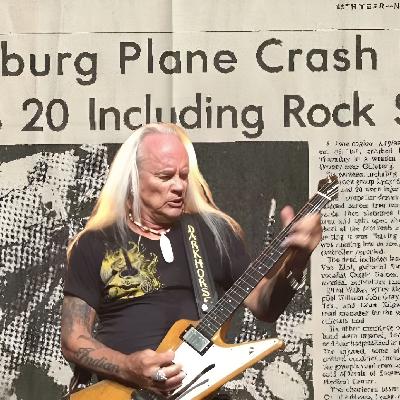
view whole interview herehttps://youtu.be/SW9GaCSJMhgSupport this podcast at — https://redcircle.com/laughingmonkeymusic/exclusive-content

In this captivating episode, Prince Stash, an insider with a unique perspective on rock history, takes the stage to correct the inaccuracies presented in the documentary *Catching Fire*, which explores the life of the iconic Anita Pallenberg. Known for her deep ties to the Rolling Stones and her relationship with Brian Jones, Anita has been the subject of countless stories, but as Prince Stash reveals, some of the facts have been misrepresented, particularly in the timeline of her meeting and involvement with Brian.Prince Stash offers a rare behind-the-scenes perspective on the moments leading up to and following Anita’s initial meeting with Brian Jones, clearing up the misconceptions that have become embedded in the rock 'n' roll narrative. Drawing from his personal knowledge and the experiences of those who were there, Stash corrects the chronology of events, offering listeners a more accurate and nuanced understanding of Anita’s journey and her impact on the Rolling Stones during their formative years. He also delves into Anita’s complex role within the band's dynamic, exploring how her relationship with Brian not only influenced his personal life but also shaped the band's music, creative process, and the infamous rock 'n' roll scene of the 1960s. Stash gives a fresh perspective on how Anita’s presence altered the trajectory of the Stones, often overshadowing the more subtle details that were crucial to their evolution during that period.The episode also touches on the broader legacy of Anita Pallenberg, examining her place in music history, her personal struggles, and her role as a muse and cultural icon. Prince Stash challenges some of the romanticized accounts of her life, offering listeners a more grounded, accurate portrayal of the woman behind the myth, while providing insightful commentary on the intersection of fame, love, and artistic expression within the world of rock.Through this conversation, Stash offers fans of the Rolling Stones, music lovers, and documentary buffs alike a deeper understanding of one of rock history's most fascinating figures. His corrections to the timeline presented in *Catching Fire* reveal a side of Anita Pallenberg and Brian Jones that is often overlooked, shedding light on the true nature of their relationship and the untold stories that have shaped their place in history.Whether you're a die-hard Rolling Stones fan or someone interested in the complexities of rock 'n' roll culture, this episode is a must-listen for anyone who wants to uncover the real story behind Anita Pallenberg, Brian Jones, and the rich history of the Rolling Stones.Support this podcast at — https://redcircle.com/laughingmonkeymusic/exclusive-content

In this quick but insightful clip, Sonia Anubis reveals the reasons behind her departure from Burning Witches and her exciting move to Cobra Spell. She shares what motivated her to make the change, what attracted her to Cobra Spell, and how this new chapter is shaping her musical journey.Get a glimpse into Sonia’s decision-making process and what fans can expect from her fresh start with Cobra Spell!Support this podcast at — https://redcircle.com/laughingmonkeymusic/exclusive-content
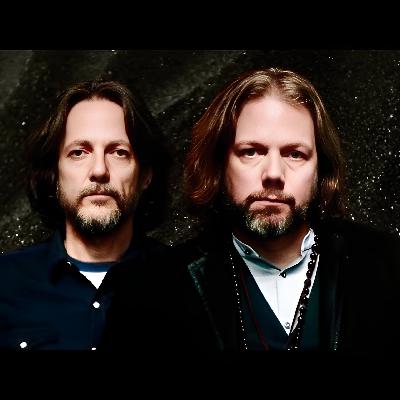
Monky Bite - Mini Interview ClipSupport this podcast at — https://redcircle.com/laughingmonkeymusic/exclusive-content
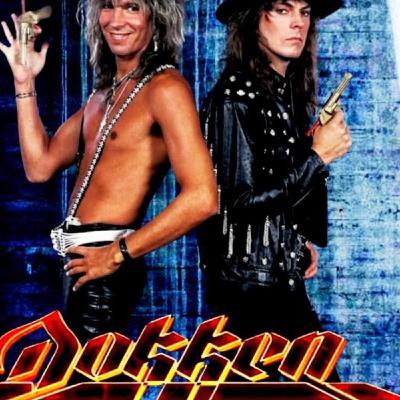
Munky Bite - Mini Interview ClipSupport this podcast at — https://redcircle.com/laughingmonkeymusic/exclusive-content
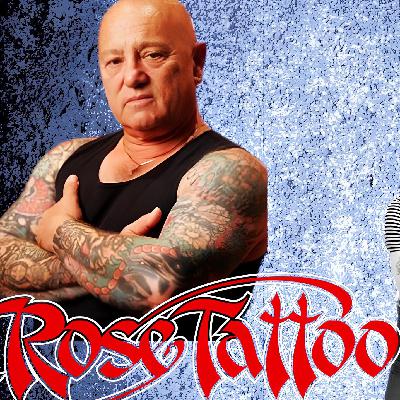
Munky Bite - Mini Interview ClipSupport this podcast at — https://redcircle.com/laughingmonkeymusic/exclusive-content

Munky Bite - Mini Interview ClipSupport this podcast at — https://redcircle.com/laughingmonkeymusic/exclusive-content

Steve Albini (1962-2024) was an influential American musician, audio engineer, and record producer known for his work with groundbreaking bands and his distinctive recording style. Born in Pasadena, California, and raised in Montana, Albini became involved in the punk rock scene as a teenager before studying journalism at Northwestern University. Throughout his career, he founded and performed in several notable bands including Big Black, Rapeman, and Shellac. As an audio engineer, Albini worked on acclaimed albums for artists like the Pixies, PJ Harvey, and Nirvana, known for his analog recording techniques and preference for capturing a raw, live sound. In 1997, he founded Electrical Audio recording studio in Chicago, where he recorded thousands of albums. Albini was outspoken in his views on the music industry, advocating for artists' rights and criticizing exploitative practices. He refused to take royalties on albums he worked on, instead charging a flat fee for his services. This approach, along with his technical skill and dedication to artistic integrity, made him a sought-after engineer for both established and up-and-coming acts. Throughout his career, Albini remained committed to the DIY ethos of punk rock, valuing artistic independence and rejecting mainstream commercial pressures. His influence extended beyond his own music to the many artists he recorded and the broader independent music scene. Albini passed away on May 7, 2024, at the age of 61, leaving behind a legacy as a musician, engineer, and advocate for artistic authenticity in the music industry.Support this podcast at — https://redcircle.com/laughingmonkeymusic/exclusive-content
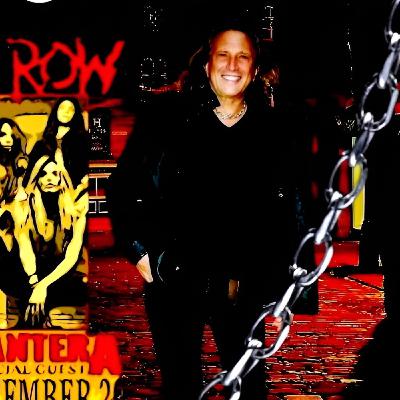
In this compelling and in-depth episode, Rob Affuso, the legendary drummer of Skid Row, offers a fascinating look into his career, his time with one of the most influential hard rock bands of the 80s and 90s, and his complex yet unforgettable relationship with former frontman Sebastian Bach. Rob reflects on the early days of Skid Row and the incredible chemistry that led to their rise in the music scene, detailing what it was like to create some of the most iconic rock anthems of the era.The conversation delves into the thrills and challenges of playing live, with Rob reflecting on Skid Row’s explosive shows and the energy they brought to the stage. He shares the highs of performing in front of tens of thousands of screaming fans, the adrenaline rush that comes with those unforgettable moments, and the challenges of maintaining that energy night after night on tour. Rob gives listeners a rare look into the inner workings of Skid Row's live performances, sharing stories about the most memorable shows and the bond that formed between the band and their fans.Rob also takes us behind the scenes in the studio, revealing the process of recording some of Skid Row’s classic albums. He talks about the creative decisions, the collaboration with other band members, and the hard work that went into capturing the raw energy that defined their sound. From the initial concept to the final product, Rob explains how Skid Row’s music came to life and how they worked to preserve the integrity of their sound, even as the music industry changed around them.As someone who has been a central part of the hard rock world, Rob also discusses how he’s evolved as a musician, the lessons he's learned, and how he continues to push his creative boundaries. The episode touches on the ongoing journey of being a musician, how he’s stayed connected to his roots, and what the future holds for him both personally and professionally.Whether you're a lifelong Skid Row fan or simply interested in the stories behind some of the most iconic rock music of the era, this episode offers a rare and candid look at the life of Rob Affuso. From his time with Skid Row to his experiences with Sebastian Bach, the recording process, and the electrifying live shows, Rob shares insights into a career that has spanned decades of rock history. Tune in for this unforgettable conversation with one of hard rock’s true legends.Support this podcast at — https://redcircle.com/laughingmonkeymusic/exclusive-content
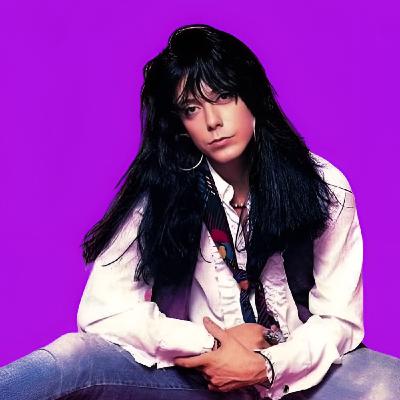
Former guitarist of Faster Pussycat talks about his years in the band.Support this podcast at — https://redcircle.com/laughingmonkeymusic/exclusive-content
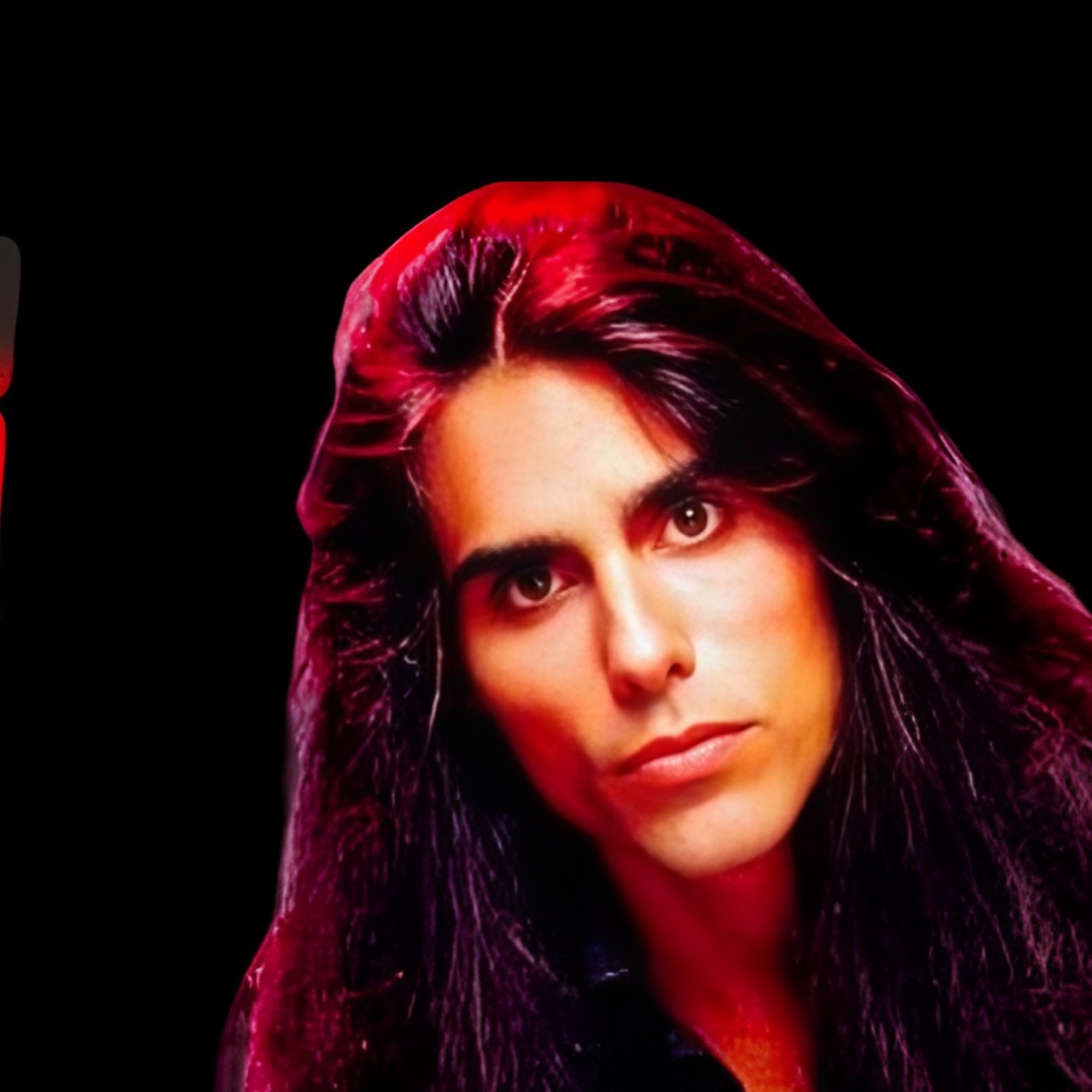
In this rare and exclusive interview, Greg Steele, former guitarist of Faster Pussycat, takes us through the band’s history and offers rare insights into the making of their first three albums. He discusses the formation of the band, the struggles, and triumphs they faced during their journey in the gritty '80s and '90s rock scene.We dive into the making of *Faster Pussycat's* self-titled album, *Wake Me When It’s Over*, and *House of Pain*, as Greg breaks down the creative process, memorable moments, and the challenges they encountered along the way. Greg also opens up about some of the band's most iconic songs like “Your So Vain” and “Whipped,” revealing the stories behind their creation and the impact they had on their career.The interview also covers the personal side of the band’s history, from Greg moving to LA to meeting Taime, to their eventual breakup, and how they all remain friends despite the ups and downs. Greg reflects on how the band dealt with getting dropped from their label and the lessons learned through it all.Support this podcast at — https://redcircle.com/laughingmonkeymusic/exclusive-content
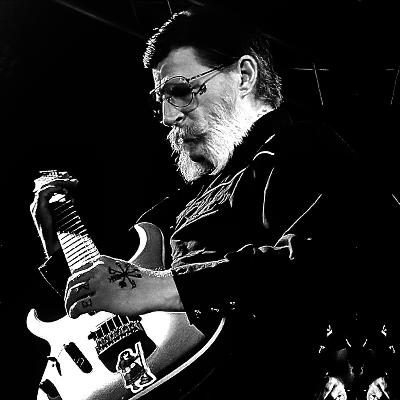
Dylan Carlson is an American guitarist, composer, and producer best known as the founder and sole constant member of Earth, one of the most influential bands in experimental heavy music. Formed in Seattle in 1989, Earth helped define drone metal, emphasizing sustained tones, repetition, minimalism, and immense weight through restraint rather than speed.Earth’s early releases—most notably Earth 2: Special Low Frequency Version—became foundational works in drone, doom, and experimental metal, shaping generations of artists across heavy, ambient, and avant-garde music. Following a long hiatus, Carlson reactivated Earth in the 2000s with a broadened sonic palette, incorporating Americana, desert blues, western themes, and cinematic atmosphere, while maintaining the band’s signature gravity and patience.Under Carlson’s direction, Earth remains a continually evolving project, balancing amplification and space with precision and intention.New Earth music is currently in progress and expected in 2026, and the band is scheduled to tour Europe in January and February 2026. • Earth (official Bandcamp): https://earthsl.bandcamp.com • Dylan Carlson: https://en.wikipedia.org/wiki/Dylan_Carlson • Earth: https://en.wikipedia.org/wiki/Earth_(American_band)Support this podcast at — https://redcircle.com/laughingmonkeymusic/exclusive-content
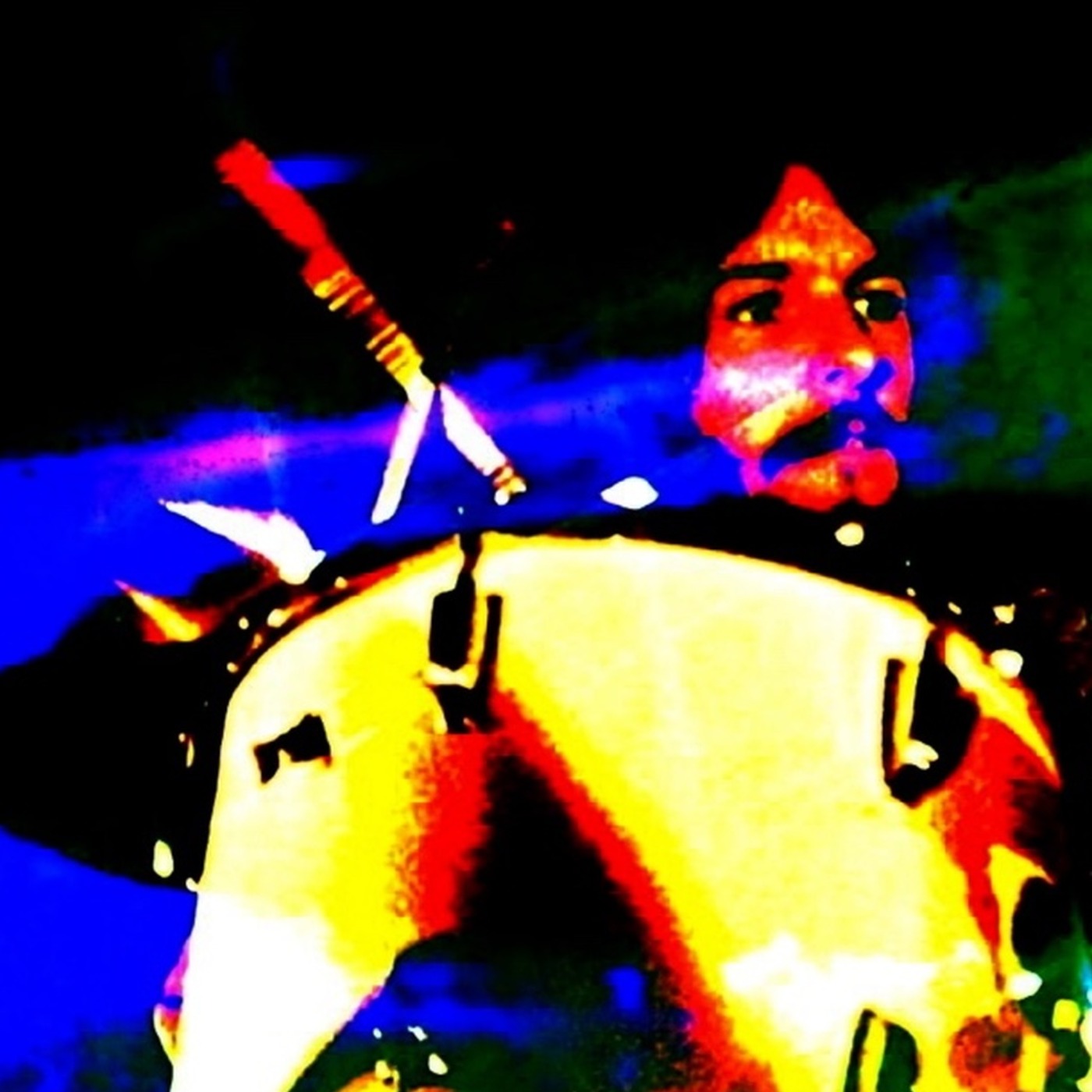
Jerry Shirley is a founding member and the rhythmic backbone of Humble Pie, one of the most influential British rock bands to emerge from the late 1960s. Formed in 1969 by Steve Marriott (Small Faces), Peter Frampton, Greg Ridley, and Shirley, Humble Pie blended hard rock, blues, soul, and boogie into a powerful, unpretentious sound that helped define the era’s heavier side of British rock.From the outset, the band stood apart for its raw energy and musicianship, rejecting psychedelic excess in favor of groove-driven, blues-based rock. Their early albums, including As Safe As Yesterday Is and Town and Country, laid the foundation, but it was their relentless touring and explosive live performances that truly cemented their reputation.That reputation peaked with the iconic live album Performance: Rockin’ the Fillmore (1971), widely regarded as one of the greatest live rock records of all time. Powered by Steve Marriott’s ferocious vocals and Jerry Shirley’s thunderous, no-frills drumming, the album captured Humble Pie at full force—loud, soulful, and uncompromising.As drummer and co-founder, Jerry Shirley played a central role in shaping the band’s sound. His style combined power with feel, anchoring the band’s blues-rock swagger while allowing room for improvisation and dynamic shifts. Beyond his work behind the kit, Shirley has remained the principal custodian of the Humble Pie legacy, guiding later incarnations of the band and preserving its musical integrity.Despite lineup changes and long hiatuses, Humble Pie’s influence has endured, inspiring generations of hard rock and blues-rock artists. The band’s catalog remains a touchstone for musicians seeking authenticity, groove, and emotional grit over polish.Today, Jerry Shirley and Humble Pie are remembered not just for their classic recordings, but for embodying a spirit of rock ’n’ roll rooted in honesty, sweat, and soul—music meant to be played loud, felt deeply, and delivered without compromise.Support this podcast at — https://redcircle.com/laughingmonkeymusic/exclusive-content
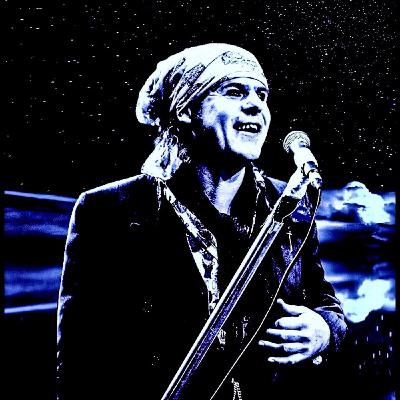
Spike (Jonathan Gray) is the unmistakable voice and frontman of The Quireboys, one of Britain’s most enduring and characterful rock ’n’ roll bands. Formed in London in the mid-1980s, The Quireboys emerged from the same gritty pub-rock and glam-soaked scene that fed bands like Hanoi Rocks and The Dogs D’Amour, blending classic Rolling Stones swagger with blues, soul, and hard-earned street romance.Originally breaking through under the name The Queerboys, the band quickly gained a reputation for explosive live shows and raw authenticity. Their 1990 debut album A Bit of What You Fancy, produced by Mike Fraser, became a defining release of the era, spawning fan favorites such as “Hey You,” “7 O’Clock,” and “I Don’t Love You Anymore.” The album achieved international success, cementing the band’s place alongside the late-’80s hard rock movement while retaining a distinctly British identity.Spike’s voice—gravelly, soulful, and deeply expressive—has always been the band’s signature. Equal parts Rod Stewart rasp and blues shouter grit, his delivery carries both celebration and heartbreak, perfectly suited to the band’s songs of love, excess, survival, and regret. Unlike many contemporaries, The Quireboys leaned heavily into melody and storytelling, drawing as much from Faces, The Stones, and classic soul as from hard rock.Throughout multiple lineup changes and shifting musical climates, Spike has remained the constant force, guiding The Quireboys through decades of touring, recording, and reinvention. Albums such as Bitter Sweet & Twisted, This Is Rock ’n’ Roll, St. Cecilia, and White Trash Blues reaffirmed the band’s commitment to roots-driven rock with modern edge, while continued live performances across Europe and beyond have sustained a loyal global following.In addition to his work with The Quireboys, Spike has released solo material and collaborated with numerous artists, further showcasing his range as a songwriter and frontman. His career reflects longevity built not on trends, but on conviction—classic songs, lived-in performances, and a refusal to sanitize rock ’n’ roll.Today, Spike and The Quireboys stand as survivors of their generation: a band that never chased reinvention for its own sake, instead choosing to refine and deepen a sound rooted in honesty, swagger, and soul. Their legacy is one of resilience, authenticity, and an unbroken connection to the spirit of rock ’n’ roll.https://www.spikequireboys.com/Support this podcast at — https://redcircle.com/laughingmonkeymusic/exclusive-content
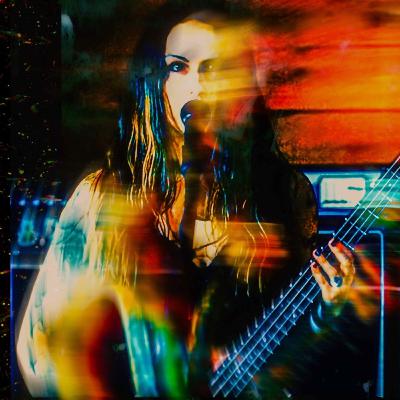
n this episode, I sit down with one of doom’s most influential voices, Scott “Wino” Weinrich, along with his wife and creative partner Sharlee, for an in-depth conversation covering everything they have happening right now and what’s coming next.We dive into The Obsessed's past & ongoing current tour in 2026, how the band is performing, what fans can expect from the setlist, and the renewed fire driving the group forward. Wino also opens up about his new solo album, the writing process behind it, and how his approach to songwriting continues to evolve after decades at the front of heavy music.Sharlee joins in to talk about the latest on Ritual Arcana — their dark, atmospheric, and deeply personal musical project. They share updates on new music, recording plans, upcoming videos, and the possibility of future touring together.From their creative chemistry to their shared vision for Ritual Arcana, the conversation gives a rare look at how their partnership fuels the art.Scott “Wino” Weinrich is a cornerstone of American doom and heavy rock.Frontman for The Obsessed, founding member of Spirit Caravan, icon of Saint Vitus, and a prolific solo artist, Wino’s impact spans more than four decades. His unmistakable guitar tone, spiritual lyricism, and uncompromising commitment to underground music have influenced generations of bands across doom, stoner, punk, and metal.More From Wino & The ObsessedOfficial Site: https://www.theobsessed.comBandcamp: https://theobsessed.bandcamp.com
Support this podcast at — https://redcircle.com/laughingmonkeymusic/exclusive-content
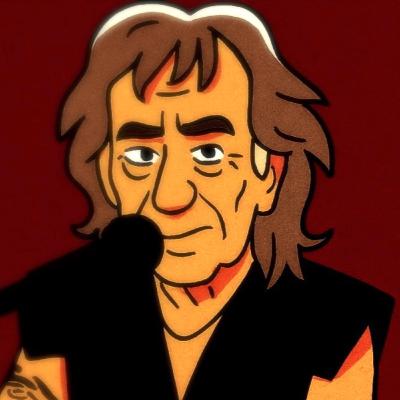
Albert Bouchard isn’t just a drummer — he’s one of the core architects behind Blue Öyster Cult’s most influential era, a songwriter whose creative fingerprints shaped the band’s identity. As a founding member, Albert helped steer BÖC from underground New York rock circles into one of the most inventive hard-rock bands of the 1970s and early ’80s. His approach blended precision, theatricality, and an unusual sense of melody and mood, creating drum parts that didn’t just drive the songs — they defined them.He co-wrote some of the band’s most iconic material, including “(Don’t Fear) The Reaper,” “Cities on Flame with Rock & Roll,” and deep-cut fan favorites that helped establish BÖC’s blend of mysticism, sci-fi, humor, and hard rock. Albert worked closely with producer/manager Sandy Pearlman, whose “Imaginos” universe — a sprawling mythos tying together historical fiction, occult symbolism, and cosmic warfare — became a major creative engine for the band. Albert was one of the chief interpreters of Pearlman’s vision, translating the Imaginos lore into real, playable rock music.After parting ways with Blue Öyster Cult in the mid-1980s, Albert stayed relentlessly creative. He worked as a producer, multi-instrumentalist, teacher, and collaborator — and eventually revisited the Imaginos saga on his own terms. Between 2020 and 2023, he released the acclaimed Re Imaginos trilogy, re-imagining Pearlman’s mythic storyline with a combination of fresh arrangements, deep storytelling, and some of the most expressive vocals and drumming of his career. These albums connected the past and present, proving Albert’s artistic voice is as sharp and imaginative as ever.Today, Albert Bouchard is recognized as a musician who didn’t just play in a legendary band — he helped build one. His contributions to Blue Öyster Cult’s sound, the Pearlman mythos, and the evolution of hard-rock storytelling continue to inspire fans, musicians, and scholars of rock history. Whether behind the kit, behind the pen, or behind an entire conceptual universe, Albert remains one of rock’s most fascinating and inventive thinkers.
Support this podcast at — https://redcircle.com/laughingmonkeymusic/exclusive-content

In this deep dive conversation with Dweezil Zappa, we explore the creative journey behind his album Via Zammata, one of the most personal and stylistically adventurous projects of his career. Dweezil walks through the origins of the record, the stories behind key songs, and how the music reflects both his own artistic evolution and the influence of his legendary family’s musical legacy.We discuss the writing and recording process in detail, including how he approached melody, arrangement, and texture across the album. Dweezil explains how the project allowed him to blend rock, instrumental sophistication, and unexpected musical turns while still staying true to his own identity as a guitarist and composer. He also opens up about the emotional and conceptual threads that tie the album together, giving listeners a rare inside look at how Via Zammata took shape.The conversation goes beyond the music as Dweezil reflects on creative independence, navigating expectations, and the balance between technical mastery and storytelling. His insight offers a fresh appreciation for the album, revealing both the craft behind it and the personal meaning infused into the songs.This deep dive gives fans—both long-time followers and new listeners—an opportunity to understand Via Zammata from the inside out, straight from the artist who built it. It highlights Dweezil’s unique voice as a musician and the thoughtful vision that continues to shape his work.
Support this podcast at — https://redcircle.com/laughingmonkeymusic/exclusive-content
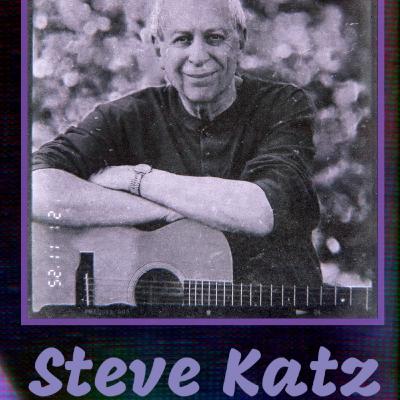
Steve Katz is an American guitarist, singer, songwriter, and producer whose career runs through some of the most important corners of 1960s and 1970s rock. Growing up in New York, he gravitated to the Greenwich Village folk scene as a teenager, learning from major figures in the acoustic blues and folk world. That grounding in traditional music gave his playing a strong sense of melody, dynamics, and feel that carried into his later electric work. Rather than chasing virtuoso flash, Katz developed into a musician whose parts always serve the song.His first notable recordings came with the Even Dozen Jug Band, but he really came into focus with The Blues Project. In that band he played guitar, sang, and contributed original songs, helping to blend folk, blues, and the emerging psychedelic sound. The Blues Project’s willingness to stretch out musically, while still holding on to roots material, was a good fit for Katz’s background. His role was often to glue the music together: rhythm work, smart voicings, and lines that threaded between vocals and lead instruments.Katz’s best‑known work arrived when he became a founding member of Blood, Sweat & Tears. In the original lineup and on the album “Child Is Father to the Man,” he played guitar, sang, and wrote material that helped shape the band’s distinctive mix of rock, soul, and jazz‑inflected horn arrangements. His guitar parts in this context are understated but essential, leaving room for brass and vocals while adding texture and groove. Even when he stepped forward as a singer or songwriter, the overall impression is of a musician deeply committed to ensemble playing.Beyond his role as a guitarist, Katz built a substantial career behind the glass as a producer and in record‑label work. He produced notable albums for artists like Lou Reed and Elliott Murphy, bringing a player’s perspective into the studio and focusing on capturing strong performances. Later, he worked in A&R and as an executive, as well as producing albums for the Irish band Horslips, which connected his folk background with Celtic rock. This combination of performing, writing, producing, and talent development gives his résumé a breadth that many guitarists never attempt.In more recent years, Steve Katz has continued to perform, often in intimate “songs and stories” formats where he mixes playing with anecdotes from his long career. He has also written and spoken about his experiences in the music business, reflecting on everything from the Greenwich Village days to arena‑level success. For current information on his projects, performances, and background, see his website: https://stevekatzmusic.wordpress.com/
Support this podcast at — https://redcircle.com/laughingmonkeymusic/exclusive-content
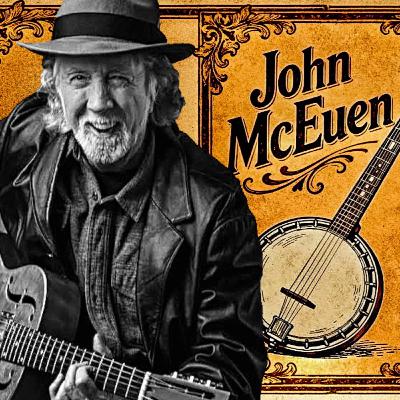
ohn McEuen is a Grammy-winning multi-instrumentalist, producer, author, and a founding member of the legendary Nitty Gritty Dirt Band, a group that helped bridge bluegrass, folk, and country-rock for mainstream audiences starting in the 1960s. Over a career spanning more than six decades, he has performed thousands of shows, contributed to dozens of albums, and become one of the most influential acoustic musicians in American roots music. His work on banjo, guitar, mandolin, and fiddle has shaped how generations hear traditional music reimagined for modern ears.In 1971, McEuen was the driving force behind the landmark triple album “Will the Circle Be Unbroken,” which brought the Nitty Gritty Dirt Band together with icons like Earl Scruggs, Doc Watson, Mother Maybelle Carter, Roy Acuff, and others for historic cross-generational sessions in Nashville. That project has been recognized as one of the most important country and bluegrass albums ever recorded, helping introduce younger audiences to the classic repertoire and artists who defined American roots music. The album’s legacy later inspired his detailed book on the making of those sessions, further cementing his role as both participant and historian of that moment.Beyond the Dirt Band, John has built a rich solo career with multiple albums that showcase his “String Wizard” reputation, blending instrumental firepower with storytelling and cinematic arrangements. His discography includes acclaimed projects like “Made in Brooklyn,” which earned major Americana honors, as well as collaborations with artists ranging from Steve Martin to John Carter Cash and Martha Redbone. As a producer, he also earned a Grammy for Steve Martin’s “The Crow,” highlighting his skill on both sides of the glass.McEuen is also an author and storyteller, with his memoir “The Life I’ve Picked” tracing his journey from Southern California kid to hall-of-fame banjo player working with legends like Linda Ronstadt, Willie Nelson, Johnny Cash, the Allman Brothers, and Bob Dylan. His more recent book and projects around “Will the Circle Be Unbroken” revisit those sessions with photos, stories, and reflections that bring fans right into the circle of players. Onstage and on the page, he brings the same mix of humor, detail, and lived history that makes him such a compelling guest for any music podcast.John’s contributions have been recognized with inductions into the American Banjo Museum Hall of Fame and the Traditional Country Music Hall of Honor, along with multiple Grammy, CMA, and ACM honors across his career. He continues to tour, record, and create new projects, bringing stories and songs from more than fifty years on the road to audiences around the world. To learn more, check out his music, books, and tour dates at: https://johnmceuen.net
Support this podcast at — https://redcircle.com/laughingmonkeymusic/exclusive-content
dUg Pinnick remains one of the most distinctive voices in modern rock and metal, and in this conversation we dig into both his creative present and his long, winding history. We open with his newest work — a brand-new solo album that he’s just wrapped — and the candid way he describes the vibe behind it. Pinnick talks about chasing raw energy, leaning into funk-heavy grooves and hard-rock punch, and blending the influences that have lived inside him since he first picked up a bass. He’s honest about the process too: he writes constantly, piling up countless demos over the years, and chooses the ones that speak loudest when it’s time to make a record.That creative overflow is something that’s defined his entire career. Born Douglas Pinnick in Illinois and raised in the Midwest, he cut his teeth in gospel, soul and R&B long before the rock world found him. Music became both a refuge and a compass, and by the late ’70s he crossed paths with Ty Tabor and Jerry Gaskill — the partnership that would become King’s X. Their chemistry was instant and undeniable. After years grinding on the Texas club circuit under different names, the band finally broke through in the late ’80s with a sound nobody else had: thick grooves, big harmonies, spiritual introspection, and Pinnick’s unmistakable voice tying it all together.King’s X went on to release a run of genre-defining albums across the ’80s, ’90s, and 2000s, influencing everyone from Pearl Jam to Dream Theater. Their catalog — from Gretchen Goes to Nebraska to Dogman to Ear Candy — built their reputation as one of the most respected musicians’ bands in rock. Pinnick talks about that legacy with both pride and humility, acknowledging how many artists cite them as a foundation while also admitting the band has always followed its own compass regardless of commercial trends.Today, he’s in a full creative swing again with his latest solo album completed and out in the world. He describes it as loose, funky, riff-driven, and honest — everything he enjoys about working alone, where he can chase any idea without compromise. He hints that if the stars align he’d love to bring some of the material to the stage, but he’s not pressuring himself with a schedule. For now, he’s simply enjoying making music that feels alive.And looking ahead, there’s real motion in the King’s X camp. All three members have talked about recording again, and Pinnick confirms they’ve been exchanging ideas and discussing a new album with an eye toward 2026. Nothing is locked in — King’s X will only release something if it feels meaningful — but the desire is there, and the songs are beginning to take shape. For fans, that’s enough to spark real hope. Between renewed solo energy and the possibility of another King’s X record, dUg Pinnick is entering yet another inspired chapter of a career that refuses to slow down.
Support this podcast at — https://redcircle.com/laughingmonkeymusic/exclusive-content

Comments

Download from Google Play

Download from App Store
 United States