


 Claim Ownership
Campaign Chemistry
Subscribed: 13Played: 290
Subscribe

Description
On Campaign Chemistry, a podcast from Campaign US, we pick the brains of creative alchemists, business wizards and marketing geniuses behind the world’s greatest brands.
287 Episodes
Reverse
Soccer in America is no longer just "the sport of the future" — it is the business of the present. With the 2026 FIFA World Cup on the horizon, the landscape of fandom, brand partnerships and consumer behavior is shifting beneath our feet.
In this special episode, recorded live at our annual Campaign Convene conference that took place on February 25, 2026, we step inside "The Business of Sports" featuring MLS CMO Radhika Duggal, BetMGM CMO Casey Hurbis and Havas Play North America SVP, sports marketing Jeff Gagne. Guest-hosted by MM+M managing editor Jack O’Brien, the group dissects how they are preparing for a "category-changing" moment in U.S. history.
From the record-breaking opening weekends of the MLS to the strategic education of “newbie” sports bettors, the conversation provides a peek under the hood into how leagues are leveraging global hype to build local loyalty, and why the next two years will be the most critical window for sports marketers in a generation.
The takeaways
The growth of soccer in America is tied to historical milestones and current events. The 2026 World Cup is seen as a category-changing moment for soccer in America, especially for the MLS.
A significant influx of new bettors is expected to enter the sports betting landscape during the World Cup. Education is key to navigating the betting landscape effectively.
Influencer marketing is becoming increasingly important for sports brands to effectively reach wider audiences.
Collaborative marketing strategies between brands and sports leagues can enhance consumer engagement.
The future of sports betting in the U.S. looks promising, with continued growth expected.
The sound bite
"The World Cup is a category-changing moment."
campaignlive.com Music - Take you Out by Lucid Tides, courtesy of Triple Scoop. What we know about advertising, you should know about advertising. Start your 1-month FREE trial to Campaign US. Hosted by Simplecast, an AdsWizz company. See pcm.adswizz.com for information about our collection and use of personal data for advertising.
What happens when a Puerto Rican superhero steps off the page and into the heart of a social movement?
For Edgardo Miranda-Rodriguez, creating La Borinqueña wasn't just about drawing capes and powers; it was about addressing a profound void in the stories we tell. As a graphic novelist and advocate, Miranda-Rodriguez has woven the real-world struggles, culture and resilience of Puerto Rico into a narrative that resonates across generations.
In this episode, we explore the intersection of art, empathy and philanthropy. Miranda-Rodriguez shares how his commitment to authenticity has led to over a quarter of a million dollars in grants for Puerto Rican nonprofits and why he believes artists have a responsibility to be champions of diversity. The conversation also discusses the similarities with Bad Bunny’s role in mainstream culture and seamlessly incorporates Puerto Rican narratives into his music in a similar fashion.
From the dominance of manga in the West to the ethics of brand collaborations and the importance of maintaining independence, Miranda-Rodriguez provides a master class in connecting with the Latino community and using storytelling as a vehicle for genuine social change.
The sound bite
"I follow the news. I follow the stories."
The key takeaways
To move beyond performative representation, storytellers must immerse themselves deeply in the culture. Miranda-Rodriguez is constantly listening to local news, debates and public radio such as Radio Universidad to stay in tune with the latest in Puerto Rico. Marketers trying to reach specific communities must immerse themselves in that culture rather than relying on surface-level assumptions.
Purpose and profit do not have to be mutually exclusive. Social responsibility shouldn't be an afterthought or a PR stunt to make a company look “less greedy.” Miranda-Rodriguez uses an entrepreneurial and philanthropic model where a portion of sales directly funds the La Borinquena Grant Awards to support nonprofits.
Embrace nuanced intersectionality. The Latino community is not a monolith; it includes Asian, African, mestizo and white backgrounds. Miranda-Rodriguez intentionally designed his main character to be a Gen Z Afro-Latina to counter Eurocentric media portrayals and represent the underrepresented.
Integrate real-world issues organically. Miranda-Rodriguez weaves actual social and economic issues — such as climate change, privatization and the Jones Act — naturally into his superhero plots. Brands should align with social causes in a way that feels organic to their narrative rather than forcing a heavy-handed history lesson.
Partner strictly on shared ethical values. When choosing brand collaborations, Miranda-Rodriguez requires partners to have an ethical approach and to embrace equity organically. He protects his IP by rejecting lucrative offers from brands that approach him with disingenuous motives.
Create mutually beneficial synergies in collaborations. A successful partnership elevates both parties. The Chocolate Cortés Campaign featured La Borinqueña on its wrappers, while the comic highlighted the chocolate brand's farm-to-table practices and charitable foundation.
Adapt to audience shifts while keeping your core identity. Recognizing that younger generations (Gen Z and Gen Alpha) gravitate toward manga over traditional Western comics, Miranda-Rodriguez adapted his work into a "manga criolla" format. He leveraged his own experience with manga and its role in Puerto Rican culture and history to seamlessly connect both worlds.
Acknowledge and leverage your privilege. Miranda-Rodriguez openly acknowledges his "light skin privilege" as a lighter-complexioned Puerto Rican man, using his platform to champion diversity and push narratives of equity not often seen in mainstream media. Marketers should assess their brand's position and leverage it to uplift marginalized voices.
Authenticity doesn't require a massive corporate budget. A multibillion-dollar corporation is not vital to produce high-value, impactful content. An independent, small studio can create authentic stories and secure mainstream coverage by being unique, accessible and deeply connected to its mission.
campaignlive.com Music - Take you Out by Lucid Tides, courtesy of Triple Scoop. What we know about advertising, you should know about advertising. Start your 1-month FREE trial to Campaign US. Hosted by Simplecast, an AdsWizz company. See pcm.adswizz.com for information about our collection and use of personal data for advertising.
In an industry often obsessed with the next quarterly report, Rethink has built a legacy by focusing on “good, not growth.”
This week, Campaign sits down with Rethink global chief strategy officer and partner Sean McDonald for a dive into an agency culture that prioritizes independence and a fierce commitment to creative excellence.
From the iconic It Has to be Heinz campaign to the genius of the Doritos collaboration with Walton Goggins to sliding in Canada’s DMs on behalf of IKEA, McDonald shares how a "people-first" philosophy actually drives better business results. We dive into the "media plan as a trampoline" concept, the importance of inclusive creative processes with clients and why maintaining a healthy work environment isn't just a perk — it’s the secret sauce behind some of the world's most awarded work.
The sound bite
"We set the standard in this industry."
The key takeaways
Replace "be brave" with confidence building. Ad agencies should abandon the self-indulgent sales tactic of asking marketers to "be brave.” Instead, agency partners must build client confidence by deeply understanding their internal operations, specific needs and legal boundaries.
Prioritize sustainable agency "good" over rapid "growth.” Pursuing top-line revenue by accepting misaligned clients can damage an ad agency's core culture. Agencies must have the confidence to decline projects that conflict with their mission, which protects the team and paves the way for stronger, long-term brand partnerships.
Consider a "relationship accelerator" format for client onboarding. Successful partnerships require a transparent, therapy-style onboarding session before executing campaigns similar to how Rethink begins new client relationships. Uncovering why the client chose the agency, past agency failures and client pet peeves preemptively prepares both parties for inevitable future challenges.
Pitch iterative concepts instead of polished decks. Agencies should avoid presenting massive, finalized pitch decks. Instead, present strategic hypotheses as conceptual "shallow holes" and collaborate directly with clients to refine ideas without wasting resources on early-stage polish.
Leverage the media plan as a creative trampoline. Simply fulfilling a media plan takes client budgets for granted. Marketing teams should use the media plan as a launchpad to generate cultural impact, constantly seeking innovative ways to outperform the initial media investment.
Adopt a "go then grow" model for real-time marketing. To capitalize on cultural moments, launch a limited minimum viable product to test audience interest. Agencies can scale based on demand, similar to launching the "Seemingly Ranch" condiment as a limited release before securing mass retail distribution initiated by Walmart.
Identify the shared belief between brand and consumer. A brand declaring its own superiority aka “it has to be us” is not enough True strategic success requires uncovering a shared belief and identifying the specific, authentic reasons why target audiences feel compelled to choose the product.
Build pre-existing trust for agile campaign execution. Lightning-fast, real-time marketing — like altering beer cans to react to a viral sports moment seen in the Coors Lights Out execution — demands rapid navigation of legal and sponsorship constraints. This agility is only possible when ad agencies and brands have established years of mutual respect and trust.
Embrace humility and peer review in marketing strategy. Elite strategic minds avoid working in silos or pretending to have all the answers. Leveraging rigorous peer review and team collaboration eliminates the pressure of "knowing," uncovers comprehensive insights and prevents culturally insensitive missteps.
Recruit ad agency talent with a strong "bullshit meter.” When scaling marketing teams, prioritize candidates who are authentic, honest and willing to challenge mistakes. Combining this straightforwardness with a genuine drive to set industry standards cultivates an unstoppable agency culture, according to McDonald.
campaignlive.com Music - Take you Out by Lucid Tides, courtesy of Triple Scoop. What we know about advertising, you should know about advertising. Start your 1-month FREE trial to Campaign US. Hosted by Simplecast, an AdsWizz company. See pcm.adswizz.com for information about our collection and use of personal data for advertising.
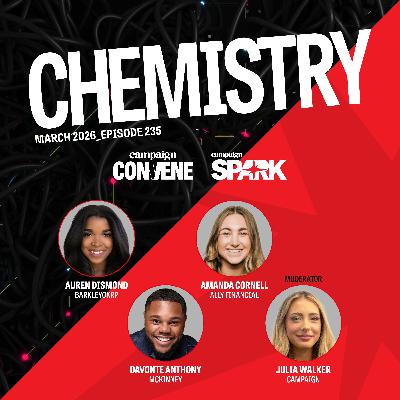
Who are the newest marketers changing the game and what do they have to say about the industry?
Last week, Campaign celebrated its first Spark Awards, an initiative to spotlight emerging marketers with under five years of experience who demonstrate creativity, agility and new perspectives. From scripting segments of NBC’s Saturday Night Live 50th Anniversary Special to writing and art-directing Nickelodeon’s Emmy-winning 2023 worldwide rebrand spot, Spark’s 2026 honorees show promise of sparking industry change.
In this conversation from Campaign’s annual Convene conference, reporter Julia Walker sits down with Davonte Anthony from McKinney, Lauren Dismond from BarkleyOKRP and Amanda Cornell from Ally Financial gives us a look at the inspirations and challenges established marketers should be aware of, should they want to lend a hand down to those emerging in the industry.
campaignlive.com Music - Take you Out by Lucid Tides, courtesy of Triple Scoop. What we know about advertising, you should know about advertising. Start your 1-month FREE trial to Campaign US. Hosted by Simplecast, an AdsWizz company. See pcm.adswizz.com for information about our collection and use of personal data for advertising.
This week, we revisit a conversation from last August when we first sat down with Justin Thomas-Copeland, who was in his first 100 days as the new CEO of the 4As. We get to catch up with Thomas-Copeland again at our annual Convene conference on February 25th in NYC for the highly anticipated session, State of the Nation.
In this conversation, the new CEO discusses his transition into leadership and his vision for the future of the advertising organization that services ad agencies. He discusses the need for agility in serving members, with a focus on developing next-gen talent, driving human ingenuity, enhancing community engagement and lastly, leveraging technology to better deliver 4As offerings.
Thomas-Copeland also shares his take on the future of awards in the industry, the impact of entertainment and influencers on the ad industry and what brands he thinks are driving the future of marketing.The Takeaways
Grace is essential when transitioning into new positions, especially in leadership roles.
Talent development, incorporating technology and community engagement are amongst the key focuses for the 4As moving forward.
Copeland aims to foster a culture of human ingenuity within the industry. Agencies need safe spaces to learn and grow, especially in the age of AI.
Talent management is a key concern for agencies.
Brand building must adapt to new consumer behaviors. There used to only be ad agencies to execute brand messaging; today, there are a variety of services and specialized agencies to choose from.
Technology is reshaping the competitive landscape.
Awards need to evolve with industry standards and the incoming wave of new creatives who care less about awards and more about brand purpose and effectiveness.
The entertainment industry and the creator economy are changing marketing dynamics.
campaignlive.com Music - Take you Out by Lucid Tides, courtesy of Triple Scoop. What we know about advertising, you should know about advertising. Start your 1-month FREE trial to Campaign US. Hosted by Simplecast, an AdsWizz company. See pcm.adswizz.com for information about our collection and use of personal data for advertising.
The countdown is on. With only two weeks to go until Campaign Convene, marketers are getting their passes ready for Campaign’s one-day conference in New York City. In this episode, editor Luz Corona sits down with Campaign data journalist Cecilia Garzella to peel back the curtain on the programming and themes defining this year’s gathering for marketing and advertising professionals.They dive into a jam-packed agenda featuring 11 high-impact sessions, ranging from the “State of the Nation” to complex legalities of bold, innovative campaigns to the possibilities of AI in marketing. It’s not just about the big names, though; it’s about the next generation of big names. The duo discusses the inaugural Spark Awards, celebrating 20 honorees who represent the most vibrant emerging talent in the field today, to be celebrated during a reception following the conference.This year’s theme, Rewired for Relevance, was created to inform marketers on major industry challenges and drive inspiration to keep brands and marketers at the forefront of creativity and innovation. Key topics include AI, sports, the creator economy and more.Registration is open now — head over to campaignUSconvene.com to secure your tickets and join us in NYC.Interested in reading up on the speakers, topics and brands featured in the lineup? Check out past coverage that paved the way to this year’s Campaign Convene for a preview.
campaignlive.com Music - Take you Out by Lucid Tides, courtesy of Triple Scoop. What we know about advertising, you should know about advertising. Start your 1-month FREE trial to Campaign US. Hosted by Simplecast, an AdsWizz company. See pcm.adswizz.com for information about our collection and use of personal data for advertising.
In an industry often obsessed with the "new," Arnold stands as a titan with an 80-year legacy. However, staying relevant for nearly a century requires more than just history; it requires strong commitment in maintaining relationships and building trust with clients.In this episode, Arnold CEO George Sargent joins host Emma Thumann to pull back the curtain on how the agency fosters a culture where it’s "safe to be brave." From the recovery of the post-pandemic landscape to balancing the integration of AI without losing the human spark, George explores why curiosity remains the most valuable asset for any marketer. We dive into the resurgence of humor in advertising, the necessity of in-person chemistry for building trust and why the most successful creative solutions are born from deep, long-term partnerships. Whether you’re a seasoned leader or emerging talent, George’s insights on leadership and adaptability offer a masterclass in navigating the shifting tides of modern marketing.
campaignlive.com Music - Take you Out by Lucid Tides, courtesy of Triple Scoop. What we know about advertising, you should know about advertising. Start your 1-month FREE trial to Campaign US. Hosted by Simplecast, an AdsWizz company. See pcm.adswizz.com for information about our collection and use of personal data for advertising.

Liquid I.V. wants you to “take a look at your pee” this Super Bowl and beyond.The powdered hydration brand appeared last night on America’s “biggest stage,” a la singing toilets, to encourage viewers to pay attention to the major signs of dehydration, particularly during bathroom breaks.On this episode of Campaign Chemistry, Liquid I.V. CMO Stacey Andrade-Wells joins immediately after the Big Game to give us a behind-the-scenes look at the brand’s journey to its big Super Bowl debut. The sound bite"Could I have imagined that I would be putting singing toilets on the Super Bowl? No, certainly not.”
campaignlive.com Music - Take you Out by Lucid Tides, courtesy of Triple Scoop. What we know about advertising, you should know about advertising. Start your 1-month FREE trial to Campaign US. Hosted by Simplecast, an AdsWizz company. See pcm.adswizz.com for information about our collection and use of personal data for advertising.
On February 8, “the world will dance” to Bad Bunny’s Super Bowl halftime show. But for the Hispanic and Latino community, the sight of a global superstar — with a Spanish-only album currently dominating the charts and, most recently, the Grammy Awards — performing on America's “biggest stage” holds a different meaning against the backdrop of a volatile anti-immigrant climate.In this episode, host Luz Corona sits down with Orcí CEO Marina Filippelli and EchoCultura Consulting founder Michael León-Rivera to discuss the cultural weight of Bad Bunny’s performance at the Super Bowl and his recent Grammy wins, framing him as a symbol of the “contradictions in Puerto Rican identity.” The group also digs into a ThinkNow study regarding the impact of immigration raids on Hispanic consumer behavior as the sobering data demonstrates the decline of “The American Dream” and how it has led to shifts in shopping habits, including a decrease in in-store visits due to fear and community tension.Lastly, the group provides insight into how they are staying grounded as Hispanic leaders while navigating a polarizing news cycle.The sound bite“The consumers are much more complicated than we make them. We want them to fit within our psychographics, but we need to remember that many Hispanics live in mixed-status households." The key takeawaysWhile anyone can buy media reach, real brand love and loyalty are built through actions, respect and a deep understanding of what the consumer is facing.Turning away from multicultural consumers because the conversation feels “too complicated” is dangerous. Inaction allows competitors to capture the loyalty of rising generations such as Gen Z.Brands should focus on making progress rather than achieving “perfection.” Moving forward with small, honest actions aligned with core values is more effective than remaining frozen in fear.Recent data shows a sharp decline in patriotism and optimism among U.S. Hispanics. Marketers must recognize that the traditional “American Dream” narrative may no longer resonate as it once did.Socio-political events, such as immigration raids, directly influence shopping habits. Fear can lead to a reduction in in-store visits and a general pullback in economic spending.There is often a tension between corporate shareholder priorities and a brand’s mission. Marketers must navigate these “internal contradictions” to ensure the brand’s public image remains human-centric.Multicultural marketing is not Illegal. Despite the current political climate and fears of backlash, it is critical to remember that specifically targeting and supporting multicultural communities is a legitimate and necessary business practice.Figures such as Bad Bunny serve as a “pedestal” for the community. When a trusted voice speaks on values like love and empathy, it carries more weight than a traditional brand message.Hispanic households are frequently multi-generational. Younger, more socially conscious members often influence the shopping patterns and brand perceptions of the entire household.In a volatile news cycle, consumers want to feel understood. Approaching marketing with empathy and compassion helps brands maintain a connection even when consumers feel insecure or unsure about the future.The reference links =Immigration Raids Impact Study by ThinkNowStanding Together: An Evening of Solidarity Fundraiser on February 20, 2026Thought leadership from Rivera:The Curious Case of Puerto Rico Within the Marketing LandscapeWhat Brands Can Learn From the Power of Latinx Superheroes More Than Family and Soccer: Why HHM Campaigns Can Feel HollowCampaign US Super Bowl coverage
campaignlive.com Music - Take you Out by Lucid Tides, courtesy of Triple Scoop. What we know about advertising, you should know about advertising. Start your 1-month FREE trial to Campaign US. Hosted by Simplecast, an AdsWizz company. See pcm.adswizz.com for information about our collection and use of personal data for advertising.
In an era where consumer attention is more fractured than ever, the traditional "ad" is no longer the cure-all for a brand's woes. This week, BBDO Worldwide's Nancy Reyes, global president and CEO, and Chris Beresford-Hill, global chief creative officer, join Campaign Chemistry to pull back the curtain on the agency's next chapter.Following a whirlwind of acquisitions and industry shifts, the leadership duo discuss the much-needed evolution from "creative department" to "business partners." They dive deep into the necessity of upskilling talent for the AI age, the reality of dwindling brand loyalty and why the most successful creatives of the future will be the ones who understand the ins and outs of the client’s business. The sound bite"Creatives need to think beyond just making campaigns."The key takeawaysCreativity should solve business problems, not just create ads.Understanding how a business makes money is crucial for success in advertising, especially when working at ad agencies.The future of advertising requires a blend of creativity and business acumen.Brand loyalty is diminishing in a fragmented market.Emerging talent should focus on being business-minded to thrive in the industry.
campaignlive.com Music - Take you Out by Lucid Tides, courtesy of Triple Scoop. What we know about advertising, you should know about advertising. Start your 1-month FREE trial to Campaign US. Hosted by Simplecast, an AdsWizz company. See pcm.adswizz.com for information about our collection and use of personal data for advertising.
What does it take to lead one of the most prestigious award brands in the creative world? For CEO Nicole Purcell, it’s based on humility and hospitality. Purcell joined Prometheus Global Media 15 years ago to lead the annual event and has since transformed the Clios into a multi-industry powerhouse spanning sports, music, health and entertainment along with creating rich content that highlights today's creatives. In this episode, Purcell discusses her "hospitality first" leadership style — inspired by Danny Meyer’s Setting the Table — and why she believes every CEO must be a creative at heart. She also gives us an exclusive look at the upcoming Clio Creators Awards, the brand's new venture into the influencer space, and explains why, in an AI-driven world, physical experiences and human connection are more valuable than ever.
campaignlive.com Music - Take you Out by Lucid Tides, courtesy of Triple Scoop. What we know about advertising, you should know about advertising. Start your 1-month FREE trial to Campaign US. Hosted by Simplecast, an AdsWizz company. See pcm.adswizz.com for information about our collection and use of personal data for advertising.
We often talk about creators as artists or entertainers, but the reality in 2026 is much simpler: Creators are small business owners. In this episode, Tim Sovay, chief partnerships officer at global influencer marketing platform CreatorIQ, breaks down the monumental shift from simple influencer posts to complex creator commerce. The conversation explores why micro-influencers are seeing a resurgence in a world craving authenticity, and why legacy brands such as Gap are finding new life through creator partnerships. Brands face an equally significant challenge: shifting their focus away from “celebrity” influencers and instead identifying the micro-communities that are the true source of strong engagement.Sovay also dives into the logistical hurdles facing the industry — specifically the “messy middle” of marketing workflows — and how AI is poised to streamline everything from discovery to payments. The sound bite"Every brand became an e-commerce brand overnight."The takeawaysMicro-influencers are gaining traction again due to their higher engagement rates.Brands need to integrate creator marketing into their overall strategies.The constant delay of creator payments are impacting creators’ businesses.AI will play a crucial role in streamlining marketing workflows.Brands must focus on building long-term relationships with creators, versus one-off projects.The rise of creator commerce is reshaping marketing strategies.Understanding ROI is essential for both brands and creators.Legacy brands such as Gap are making a comeback in the creator space.
campaignlive.com Music - Take you Out by Lucid Tides, courtesy of Triple Scoop. What we know about advertising, you should know about advertising. Start your 1-month FREE trial to Campaign US. Hosted by Simplecast, an AdsWizz company. See pcm.adswizz.com for information about our collection and use of personal data for advertising.
When it comes to the world of outdoor apparel, the marketing landscape can often feel like a "sea of sameness" — with endless shots of conquering mountain peaks and intense, solitary struggles against the elements. But for Columbia Sportswear, the outdoors isn't just about survival; it's about enduring conditions that'll warm your heart to great experiences while keeping bodies warm (or cool) in the process.In this episode, Matt Sutton, SVP and Global Head of Marketing at Columbia Sportswear, joins us to dissect the legacy brand's massive relaunch, its first in over ten years. We dive into the company's rich history, rooted in resilience and founded by a family escaping Nazi Germany, and how that grit translates into their modern day movements. Matt explains the strategic pivot to inject humor and irreverence back into their campaigns to cut through the noise, the challenges of maintaining brand identity in a changing climate, and how they are gearing up for the 2026 Winter Olympics with the US curling team.Get cozy and have a listen.
campaignlive.com Music - Take you Out by Lucid Tides, courtesy of Triple Scoop. What we know about advertising, you should know about advertising. Start your 1-month FREE trial to Campaign US. Hosted by Simplecast, an AdsWizz company. See pcm.adswizz.com for information about our collection and use of personal data for advertising.
As the curtain closes on 2025, the marketing and advertising landscape looks fundamentally different from what it did 12 months ago. It was a year where “impossible” comebacks became reality — led by the butter-soaked resurgence of Red Lobster — and where the “creative agency of record” model was tested by bold new partnerships such as JCPenney and Mischief.In this special year-end wrap-up, the Campaign US editorial team dives deep into the stories that moved the needle. From the legal battles over AI in Hollywood to the investigative ripples caused by the Cannes awards fallout, we examine the moments that sparked debate in the C-suite and the Slack channels alike. We also take a hard look at the evolving creator economy, the shifting value of industry awards and the resilience of the workforce amidst a year of significant layoffs. The sound bite"2026 is going to be a busy year."The articlesThe Social Skinny: Disney, Universal become first Hollywood giants to file AIFrom a popular CEO to viral seafood boils: The story behind Red Lobster’s biz comebackIn the post-bankruptcy chapter of its story, JCPenney names Mischief as its new creative agencyHavas and World Vision’s Lessons of Shame under scrutiny after Cannes Lions winOmnicom completes acquisition of IPG, creating world’s largest ad holding company‘Tracking Bad Bunny’ team hopes Grand Prix win inspires people to find Puerto RicoREVEALED: The most-awarded brands, campaigns and agencies across the worldZulu Alpha Kilo’s new promo, even hardened criminals draw the line at fake case studiesAnomaly’s parody-style ‘Greatest Hits’ ad to woo intern applicants is a bangerInside the creator economy's late payment crisisIn new Sweethearts campaign, till death do us part no longer holds weightCampaign US unveils new editorial team under leadership of Luz CoronaThe takeawaysAI's impact on the entertainment industry is significant.Red Lobster's comeback highlights the power of marketing on the bottom line.JCPenney's partnership with Mischief signifies a new direction in bold partnerships.Controversies surrounding awards are reshaping industry standards.Creators are increasingly taking control of their narratives.The importance of ethical practices in advertising is growing.Self-deprecating humor in ads resonates with audiences.2026 promises to be another transformative year for the industry.
campaignlive.com Music - Take you Out by Lucid Tides, courtesy of Triple Scoop. What we know about advertising, you should know about advertising. Start your 1-month FREE trial to Campaign US. Hosted by Simplecast, an AdsWizz company. See pcm.adswizz.com for information about our collection and use of personal data for advertising.
Home. It’s a simple word, but it holds a lot: safety, stability, a foundation for the future. Habitat for Humanity has spent nearly 50 years building homes and communities across the globe, impacting millions of lives. Despite its history and extensive reach, the organization is focused on ensuring its message remains clear, accessible, and inspiring to new audiences. This effort is critical as Habitat for Humanity sets an ambitious goal: to help 50 million more people in the next three years.This week, we talk with Amy Dunham, chief communications officer at Habitat for Humanity International, about the major brand refresh designed to combat misconceptions and broaden the understanding of their global mission. Dunham shares why "participation is a superpower," how the org uses emotional storytelling to convey the true meaning of home, and the unique challenges and deep rewards of leading communications for a nonprofit facing complex issues like the global housing crisis. The sound bite"Housing insecurity can happen in a flash."The takeawaysHabitat for Humanity has been around for almost 50 years, helping 65 million people.The organization works in over 60 countries, focusing on various housing-related issues.The brand refresh aims to clarify misconceptions about Habitat's work, particularly that it gives away homes.Emotional storytelling is crucial in connecting with audiences about the importance of home.The nonprofit sector faces unique challenges, including funding and measuring social impact.The organization is focused on helping 50 million people over the next three years.
campaignlive.com Music - Take you Out by Lucid Tides, courtesy of Triple Scoop. What we know about advertising, you should know about advertising. Start your 1-month FREE trial to Campaign US. Hosted by Simplecast, an AdsWizz company. See pcm.adswizz.com for information about our collection and use of personal data for advertising.
Pinterest’s VP of global creative explains why trend fatigue is real, the mainstream is fading and what brands need to understand about how people are discovering — and reshaping — culture today.The era of one-size-fits-all trends is over. What’s replacing it is more personal, more emotional and far less interested in mass appeal. As Xanthe Wells, Pinterest’s VP of global creative, explains, today’s audiences aren’t chasing what’s popular — they’re curating what actually resonates.In this episode of Campaign Chemistry, Wells joins us to discuss Pinterest Predicts 2026, the platform’s annual report forecasting what’s coming next based on insights from more than 600 million monthly users. We explore why nonconformity, emotional comfort and grounded optimism are shaping the next wave of culture — and what trends such as Glitchy Glam, Cabbage Crush and Laced Up reveal about how people are using inspiration as a form of self-preservation rather than self-promotion.The conversation also digs into what this shift means for advertisers. With trends moving faster but lasting longer, Wells shares how brands can use predictive insights not to chase hype, but to show up earlier and more authentically — meeting audiences with intention instead of manufactured FOMO.
campaignlive.com Music - Take you Out by Lucid Tides, courtesy of Triple Scoop. What we know about advertising, you should know about advertising. Start your 1-month FREE trial to Campaign US. Hosted by Simplecast, an AdsWizz company. See pcm.adswizz.com for information about our collection and use of personal data for advertising.
For years, the advertising industry has been obsessed with "purpose." It was the golden ticket for brands looking to connect with a younger, more conscious generation. But somewhere along the way, the message got muddied by empty promises and shiny PR campaigns that lacked real-world substance. According to Amy Williams, the founder and CEO of Good Loop, that version of purpose-led marketing is officially dead. In this episode of Campaign Chemistry, Amy joins us to chart the path forward. She shares her journey from a disillusioned ad creative to the founder of a B Corp that has raised millions for charity by reimagining the value exchange between brands and consumers. We dive into Good Loop’s groundbreaking partnership with IAS to tackle the industry’s carbon footprint, the reality of "greenwashing," and why she believes LinkedIn has become the most underrated tool for business growth. The sound bite"Purpose-led marketing is dead."
campaignlive.com Music - Take you Out by Lucid Tides, courtesy of Triple Scoop. What we know about advertising, you should know about advertising. Start your 1-month FREE trial to Campaign US. Hosted by Simplecast, an AdsWizz company. See pcm.adswizz.com for information about our collection and use of personal data for advertising.
For years, the retail playbook was simple: Cut the price, drive the sale. But in the age of AI, the playbook is changing every day.And while Black Friday and Cyber Monday (BFCM) are still the biggest shopping days of the year, the strategies driving them are shifting beneath retailers' feet as brands try to keep up with the rapidly evolving consumer habits fueled by technological advancements.In this episode, we sit down with Jamie Domenici, CMO of Klaviyo, a marketing platform for e-commerce businesses, to dive into the evolving consumer psyche, explaining how customers are moving beyond just chasing discounts. She details the immediate, massive impact of agentic AI on consumer habits, forcing brands to be quicker, smarter and more adaptable than ever before. Domenici outlines how businesses must shift their focus from single-transaction sales to building deep, lasting customer relationships through personalization tactics and make an effort to gain a deep understanding of what truly drives purchase decisions in the new era of retail.The key takeawaysAI is transforming the shopping experience, making it more personalized and efficient.Consumers are spending earlier this holiday season, indicating a shift in shopping habits.Based on consumer behavior, brands are moving away from deep discounts and focusing on building customer loyalty.Brands must capture every interaction with customers to enhance their shopping experience.The pandemic significantly accelerated the shift toward digital shopping and consumer engagement.Creative marketing and brand identity remain crucial in a world increasingly driven by AI.Consumers are spending more time on product views, demonstrating a focus on purchase consideration before the final transaction.The future of retail will be shaped by how well brands adapt to AI and consumer expectations.
campaignlive.com Music - Take you Out by Lucid Tides, courtesy of Triple Scoop. What we know about advertising, you should know about advertising. Start your 1-month FREE trial to Campaign US. Hosted by Simplecast, an AdsWizz company. See pcm.adswizz.com for information about our collection and use of personal data for advertising.
This week, we revisit our conversation with Asha Shivaji, the CEO of SeeMe Index, a platform that uses AI to score brands’ purposes, ads and products on identity and inclusivity. SeeMe Index’s COO and cofounder, Jason Klein, recently spoke at Haymarket’s AI Deciphered panel on AI, ethics and marketing. Shivaji shares her journey from digital marketing to founding a company focused on inclusive marketing. She discusses the importance of measuring inclusivity in brands, the role of AI in uncovering insights and the evolving conversations around diversity in the beauty industry, an observation she noted during her time working in the beauty space. Shivaji reflects on the lessons learned throughout her entrepreneurial journey, all the way from taking the leap to what she wished she knew when she first began her career.
campaignlive.com Music - Take you Out by Lucid Tides, courtesy of Triple Scoop. What we know about advertising, you should know about advertising. Start your 1-month FREE trial to Campaign US. Hosted by Simplecast, an AdsWizz company. See pcm.adswizz.com for information about our collection and use of personal data for advertising.
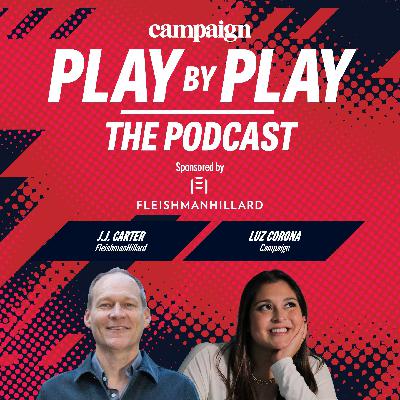
Few things unite the world like sport. Global sporting events like the Super Bowl, FIFA World Cup and Olympic & Paralympic Games represent high-stakes marketing battlegrounds where brands not only compete for relevance, trust and eyeballs, but for ways to drive tangible business impact. In today’s complex operating environment, a modern approach is required that puts communications at the center to drive positive storytelling that excites and unites stakeholders while also protecting reputation.J.J. Carter is President and CEO of FleishmanHillard and a trusted advisor to brands in their biggest moments and on the largest global stages. J.J. will join us to discuss what communications at the core of sports sponsorships means and the evolving role that comms is playing in helping brands multiply ROI for their global investments and moments under the brightest lights.
campaignlive.com Music - Take you Out by Lucid Tides, courtesy of Triple Scoop. What we know about advertising, you should know about advertising. Start your 1-month FREE trial to Campaign US. Hosted by Simplecast, an AdsWizz company. See pcm.adswizz.com for information about our collection and use of personal data for advertising.

Comments

Download from Google Play

Download from App Store
 United States