


 Claim Ownership
RadioMoLI
Subscribed: 9Played: 133
Subscribe

© Museum of Literature Ireland
Description
Broadcasting from the Museum of Literature Ireland, RadioMoLI is a digital radio station of Irish literature.
41 Episodes
Reverse

For centuries, romance fiction by Irish writers from Lady Morgan to Marian Keyes has told the story of characters in love. Yet romance remains a target for public condemnation and critical contempt, in part because these popular novels have been written largely by and for women. In summer 2025, the Museum of Literature Ireland launched the exhibition Happy Ever After: Falling in Love with Irish Romance Fiction to showcase the unique character of Irish romance fiction.In this series of interviews, Prof. Paige Reynolds (College of the Holy Cross) speaks with Irish writers who focus on romance in their fiction. The conversations reveal that the term “romance fiction” remains a vexed one. They also confirm that this genre, which promises the familiar satisfaction of a happy ending, valuably introduces – and sometimes forecasts – revolutionary personal and social changes. By featuring characters who overcome internal and external barriers to happiness, Irish romance fiction voices aspirations for personal fulfillment and a better society.The second episode in a series, Prof. Paige Reynolds is joined by Naoise Dola, author of Exciting Times and The Happy Couple. Discussing queer love in Irish romance fiction, marriage as an influence in Irish culture and literature and much more, this expansive interview explores how themes of love shape representation in contemporary literature.Produced with the support of the Edward Callahan Support Fund for Irish Studies and the J. D. Power Center for the Liberal Arts at the College of the Holy Cross; and the Arts Council / An Chomhairle Ealaíon. MoLI’s digital programme is supported by Ebow Digital.Producer Benedict Schlepper-ConnollySound Engineer Caterina Schembri
MoLI’s award-winning learning programme reaches thousands of young people and adults every year, through onsite tours and workshops, online workshops to schools across the island, volunteer and work experience programmes, and through targeted work with communities. In this conversation, we take a look under the hood of the museum’s learning department to find out more about the intention and realities of making all of this happen. Jennie Ryan, Head of Learning and Community at MoLI, and Lily Cahill, the museum’s Learning Manager, join MoLI’s Benedict Schlepper-Connolly to discuss how learning and the museum’s mission are interconnected, bringing a lightness of touch to our learning programmes, the importance of people-centred learning, and how learning itself can be seen as a radical act.MoLI’s learning programme is delivered with the support of many sponsors and partners, including Maples Group, AerCap, the Arts Council / An Chomhairle Ealaíon, Dublin City Council, UNESCO City of Literature, ALL Funding and UCD All.
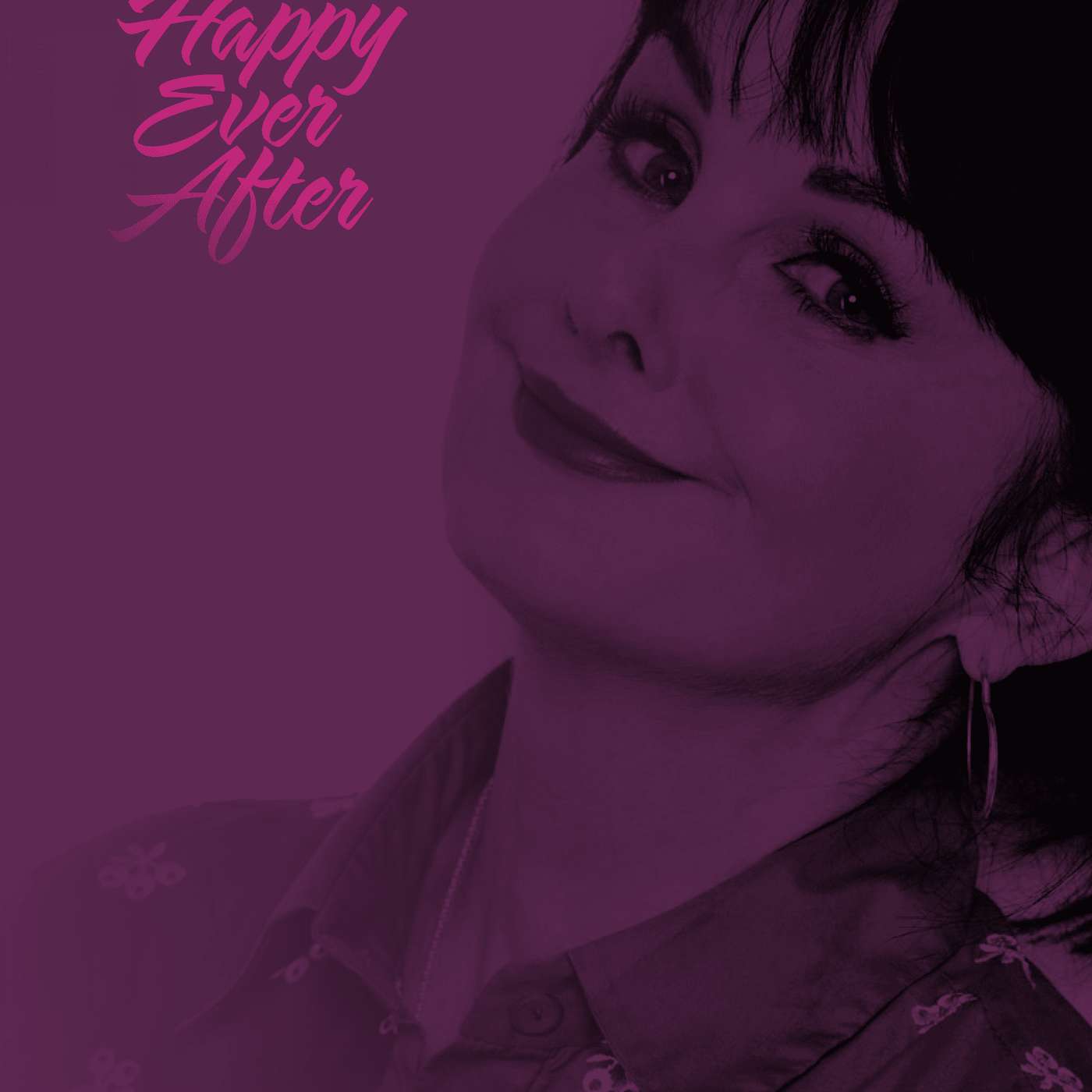
For centuries, romance fiction by Irish writers from Lady Morgan to Marian Keyes has told the story of characters in love. Yet romance remains a target for public condemnation and critical contempt, in part because these popular novels have been written largely by and for women. In summer 2025, the Museum of Literature Ireland launched the exhibition Happy Ever After: Falling in Love with Irish Romance Fiction to showcase the unique character of Irish romance fiction.In this series of interviews, Prof. Paige Reynolds (College of the Holy Cross) speaks with Irish writers who focus on romance in their fiction. The conversations reveal that the term “romance fiction” remains a vexed one. They also confirm that this genre, which promises the familiar satisfaction of a happy ending, valuably introduces – and sometimes forecasts – revolutionary personal and social changes. By featuring characters who overcome internal and external barriers to happiness, Irish romance fiction voices aspirations for personal fulfillment and a better society.In the first episode of the series, we feature Irish writer Marian Keyes, an award-winning novelist and essayist, whose books have sold over 40 million copies worldwide and been translated into 36 languages. Her novels centered on the Walsh family, and its five sisters, recently has been adapted into a television series The Walsh Sisters. In this in-depth interview, Keyes and Reynolds discuss a range of topics from Keyes’ canny use of the flashback to her strategies for writing novels linked in a series.
The 2025 Dedalus Lecture, an annual lecture held at MoLI on Bloomsday, 16 June, was delivered by the novelist, essayist and critic Naoise Dolan. In her lecture, titled ‘The Exophonic Ulysses’, Dolan will wove insights about multilingualism with an understanding of Joyce as a linguist – his love of Italian, French and Latin, and his more fraught relationship with Irish, before offering a broader reflection on adventures in multilingual writing.2Naoise Dolan is an Irish writer born in Dublin. She studied at Trinity College, followed by a master's in Victorian literature at Oxford. She writes fiction, essays, criticism and features for publications including the London Review of Books, the Guardian and Vogue. Dolan’s debut novel Exciting Times was published by W&N in the UK and by Ecco in the US in 2020, and became a Sunday Times bestseller, widely translated and optioned for TV. She has been shortlisted and longlisted for several prizes, including the Women's Prize for Fiction, the Dylan Thomas Prize and the Sunday Times Young Writer of the Year Award. Dolan’s second novel The Happy Couple was published in 2024.
Running at MoLI across the weekend of 7-9 June 2024, HOMESWEETHOME was a multidisciplinary festival circling the theme of home. Taking place across the museum’s exhibitions and historic house, and with programmes designed for all ages, the festival will explore new perspectives on the central question of ‘What is home?’ through talks, discussion, performances, music, workshops, food, and more.In the festival’s opening event, titled Remembering Home, writer and documentary maker Manchán Magan led a conversation reflecting on memory and home, featuring poet Nidhi Zak/Aria Eipe, writer Melatu Uche Okorie and fiddle player Caoimhín Ó Raghallaigh.HOMESWEETHOME was presented as part of ULYSSES European Odyssey, an epic project across 18 cities producing artistic responses to social and cultural themes identified in James Joyce’s Ulysses. Find out more at ulysseseurope.eu
The Museum of Literature Ireland celebrated the relaunch RadioMoLI with a special event held at the museum on 25 September 2025.A vast and ever-growing digital archive for Irish literature, RadioMoLI features hundreds of audio recordings, video and images, all of which are free and accessible. First launched in February 2019 – several months before the museum opened its doors for the first time – the platform has been completely redesigned and rebuilt, to create an open and vital new home for literature on a national and international scale.RadioMoLI will continue to grow its collection, combining in-house productions and live broadcasts with media from partners in the Irish literature community. A vast archive, the collection includes podcasts, lectures, readings, discussion, commissioned films, digital exhibitions and much more. Highlights include the MoLI-produced Writer Presents series, in-depth interviews with contemporary writers such as Anne Enright and Frank McGuinness, or the museum’s long-running Past/Present/Pride series.To celebrate an exciting future for RadioMoLI, the museum hosted a rich evening of discussion, reading and song. Presented at the museum with both a live audience and streamed online, the event features musicians Julia Spanu (song) and Elsa Kelly (harp); writer Henrietta McKervey; and a panel discussion about the art of digital storytelling including Sinéad Clandillon (Head of Content, Ebow Digital), Jennifer Forde (producer of West Cork, Havana Helmet Club), Zoë Comyns (producer of The Prompt, Marconi and Me), David Douglas (MD, Ebow Digital) and Benedict Schlepper-Connolly (MoLI).Words on the Waves was presented in partnership with Ebow Digital.
Books and their Makers is a new podcast series on RadioMoLI exploring the stories behind the books we read. Featuring conversations with authors, editors, publishers, agents, and translators, and highlighting the many crucial behind-the-scenes activities and workers involved in bringing writing to publication. The series is presented by Dr Tim Groenland, School of English, Drama and Film, UCD, and supported by the project The Publishing Infrastructures of Contemporary Anglophone Literature, funded by Taighde Éireann / Research Ireland. MoLI’s digital programme is supported by Ebow, the Digital Agency.
The 2024 MoLI Christmas Ghost Story is a live recording from the launch of MoLI Edition’s new publication, A Visit from the Banshee, edited by Katie Mishler, and produced by the Museum of Literature Ireland in collaboration with the UCD Centre for Cultural Analytics. Across the half-hour recording, you will hear extracts from three stories featured in the book, alongside live music and sound design by Seán Mac Erlaine. In Oein DeBhairduin’s story ‘Hungry Grass / Crōlušk sirk', performed by Nuala Hayes, a mother seeks to appease a sinister spirit by offering bread. In Melatu Uche Okorie’s story, “Guardians of the Land”, performed by Demi Isaac Oviawe, a young warrior, faces the ghostly Warriors Past of Ikenga in a trial of endurance. And in ‘Buille Luath an Luain agus Buille Déanach an tSathairn’ – a story collected by Peig Sayers, translated here by Éilís Ní Dhuibhne, and performed by Nuala Hayes, a grieving farmer's son encounters a mysterious old woman who performs terrifying nightly rituals.A visit from the banshee is available from the MoLI shop now. Visit moli.ie/banshee for details.Producers Prof. Gerardine Meaney, Dr. Katie Mishler, Dr. Jenny Knell and Benedict Schlepper-ConnollyRecording engineer Simon CullenEdit and mixing engineer Seán Mac Erlaine Series music Benedict Schlepper-ConnollyThe MoLI Christmas Ghost Story is part of a project that has received funding from the European Research Council (ERC) under the Horizon 2020 research and innovation programme (Grant agreement No. 884951). This recording was produced in collaboration with UCD Centre for Cultural Analytics and VICTEUR. VICTEUR: European Migrants in the British Imagination: Victorian and Neo-Victorian Culture uses big data to trace the rich and dynamic cultural impact of migration on the cultural identity of both migrant and host communities in the historical long-term. For more visit CCA dot UCD dot IE / VICTEURMoLI’s digital programme is supported by Ebow, the digital agency.
RadioMoLI’s Writer Presents series invites writers to produce a radio programme focussing on and exploring a chosen subject that is close to their heart. This edition of Writer Presents, ‘Dublin We Were’, was written and is read by David Hayden.David Hayden was born in Ireland and lives in England. His writing has appeared in A Public Space, Zoetrope All-Story, The Dublin Review, AGNI, New York Tyrant and The Georgia Review. He is the author of three collections of short stories Darker With the Lights On (Carcanet/Transit), Unstories and Six Cities, and a novel titled All Our Love.Producers Benedict Schlepper-Connolly & Ian DunphyRecording Engineer Justin Brand at NRSIX Studio, NorwichAdditional Field Recordings Ian DunphyEdit and Mix Ian DunphySeries Music Benedict Schlepper-ConnollyThis programme was created with the support of the Arts Council / An Chomhairle Ealaíon, and the Display Europe Project of the European Cultural Foundation, funded by the European Union. MoLI’s digital programme is supported by ebow, the digital agency.Views and opinions expressed are those of the author(s) only and do not necessarily reflect those of the European Union or the Directorate General for Communications Networks, Content and Technology. Neither the European Union nor the granting authority can be held responsible for them.
RadioMoLI’s Writer Presents series invites writers to produce a radio programme focussing on and exploring a chosen subject that is close to their heart. In the final episode within this three-part edition of Writer Presents, author Jan Carson speaks with poet and editor Sarah Hesketh, discussing the specificities of writing about dementia. They explore the process of finding balance between creative freedom and the responsibility of respect authors and artists carry in their endeavour to show the truth of the illness.Jan Carson is a writer and community arts facilitator based in East Belfast. Her books include Malcolm Orange Disappears, Postcard Stories, The Fire Starters (EU Prize for Literature, 2019), The Raptures and Quickly, While They Still Have Horses. Carson has been shortlisted for the Sean O’Faolain Short Story Prize, the BBC National Short Story Prize and the An Post Irish Short Story of the Year Award, and in 2016 she won the Harper’s Bazaar Short Story Prize. Her work has appeared in journals such as Banshee, The Tangerine, Winter Papers and Harper’s Bazaar and on BBC Radio 3 and 4. Carson specialises in arts engagement with older and people living with dementia and was part of an AHRC-funded research project at Queen’s University Belfast exploring the representation of Dementia in literature. jancarson.co.ukWriter Presents is produced with the support of the Arts Council / An Chomhairle Ealaíon. MoLI’s digital programme is supported by Ebow, the digital agency.Written and presented by Jan Carson.Produced by Benedict Schlepper-Connolly and Ian DunphyRecorded and mixed by Ian DunphySeries music composed by Benedict Schlepper-ConnollySeries music performed by Benedict Schlepper-Connolly & Nathan Sherman
RadioMoLI’s Writer Presents series invites writers to produce a radio programme focussing on and exploring a chosen subject that is close to their heart. In this continuation of a three-part edition of Writer Presents, author Jan Carson speaks with theatre maker and playwright Caoileann Curry-Thompson, discussing their own familial experiences with dementia and the effect the illness has had on their creative works. Carson and Curry-Thompson explore the stigma that surrounds dementia as well as the nuances of literary possibility with the illness. Jan Carson is a writer and community arts facilitator based in East Belfast. Her books include Malcolm Orange Disappears, Postcard Stories, The Fire Starters (EU Prize for Literature, 2019), The Raptures and Quickly, While They Still Have Horses. Carson has been shortlisted for the Sean O’Faolain Short Story Prize, the BBC National Short Story Prize and the An Post Irish Short Story of the Year Award, and in 2016 she won the Harper’s Bazaar Short Story Prize. Her work has appeared in journals such as Banshee, The Tangerine, Winter Papers and Harper’s Bazaar and on BBC Radio 3 and 4. Carson specialises in arts engagement with older and people living with dementia and was part of an AHRC-funded research project at Queen’s University Belfast exploring the representation of Dementia in literature. jancarson.co.ukWriter Presents is produced with the support of the Arts Council / An Chomhairle Ealaíon. MoLI’s digital programme is supported by Ebow, the digital agency.Written and presented by Jan Carson.Produced by Benedict Schlepper-Connolly and Ian DunphyRecorded and mixed by Ian DunphySeries music composed by Benedict Schlepper-ConnollySeries music performed by Benedict Schlepper-Connolly & Nathan Sherman
RadioMoLI’s Writer Presents series invites writers to produce a radio programme focussing on and exploring a chosen subject that is close to their heart. In the first episode of a three-part edition of Writer Presents, author Jan Carson speaks with Dr Jane Lugea of Queen’s University Belfast, exploring the complexities of writing from the perspective of a person with dementia, and how the use of language is key in depicting an accurate portrait of the illness. Carson and Lugea unpack the ethics of writing about and from the position of dementia patients, discussing the importance of representing lived experience in text.Jan Carson is a writer and community arts facilitator based in East Belfast. Her books include Malcolm Orange Disappears, Postcard Stories, The Fire Starters (EU Prize for Literature, 2019), The Raptures and Quickly, While They Still Have Horses. Carson has been shortlisted for the Sean O’Faolain Short Story Prize, the BBC National Short Story Prize and the An Post Irish Short Story of the Year Award, and in 2016 she won the Harper’s Bazaar Short Story Prize. Her work has appeared in journals such as Banshee, The Tangerine, Winter Papers and Harper’s Bazaar and on BBC Radio 3 and 4. Carson specialises in arts engagement with older and people living with dementia and was part of an AHRC-funded research project at Queen’s University Belfast exploring the representation of Dementia in literature. jancarson.co.ukWriter Presents is produced with the support of the Arts Council / An Chomhairle Ealaíon. MoLI’s digital programme is supported by Ebow, the digital agency.Written and presented by Jan Carson.Produced by Benedict Schlepper-Connolly and Ian DunphyRecorded and mixed by Ian DunphySeries music composed by Benedict Schlepper-ConnollySeries music performed by Benedict Schlepper-Connolly & Nathan Sherman
MoLI, in collaboration with the UCD Centre for Cultural Analytics, presents its fourth annual Christmas Ghost Story: ‘Number Ninety’ (1895) by Bithia May Croker, performed by Ned Dennehy.For years, agents have attempted to secure a lease for Number Ninety, a desirable family mansion, at almost no cost. Long rumoured to be haunted, it has never found a long-term tenant.Sceptic John Hollyoak sets out to prove that ghosts do not exist. He will spend the night in Number Ninety, with no soul but his dog for company. Will ghostly companions intrude upon his solitude, and will he live to tell the tale? Executive Producer Professor Gerardine MeaneyProducers Dr Katie Mishler & Benedict Schlepper-ConnollyAdditional mixing, sound design & music Seán Mac ErlaineSeries music Benedict Schlepper-ConnollyThis project has received funding from the European Research Council (ERC) under the European Union’s Horizon 2020 research and innovation programme (grant agreement No 884951). This project is supported by Insight SFI Research Centre for Data Analytics. To learn more about VICTEUR: European Migrants in the British Imagination: Victorian and Neo-Victorian Culture, please visit cca.ucd.ie/victeur. MoLI’s digital programme is supported by Ebow, the digital agency.
RadioMoLI’s Writer Presents series invites writers to produce a radio programme focussing on and exploring a chosen subject that is close to their heart. In the fourth episode of Writer Presents, writer, journalist and photographer Sally Hayden speaks to Gulwali Passarlay, Suad Aldarra, Helon Habila, Jane Grogan and Seán Columb about the role of storytelling in shaping our understanding of migration.Sally Hayden is an award-winning journalist and photographer currently focused on migration, conflict and humanitarian crises. She has worked with VICE, CNN International, the Financial Times Magazine, TIME, the Thomson Reuters Foundation, BBC, the Washington Post, the Irish Times, the Guardian, the New York Times, among many others. Sally has reported from many countries across the globe, including Nigeria, Iraq, Syria, Sudan, Lebanon, Jordan, DR Congo, Panama, Cambodia, Liberia, Kenya, Uganda, Somalia, Niger and Sierra Leone. Her writing has been translated into nine languages and she has appeared as a TV and radio guest. Sally has a law degree from University College Dublin and an MSc in International Politics from Trinity College, Dublin, where her thesis was on post-conflict societies and theories of civil war resolution. Her first book, My Fourth Time, We Drowned was published in 2022.Writer Presents is produced with the support of the Arts Council / An Chomhairle EalaíonResearched and presented by Sally HaydenProduced by Benedict Schlepper-Connolly and Ian DunphyEdited and Mixed by Ian DunphyMusic composed by Benedict Schlepper-ConnollyMusic performed by Benedict Schlepper-Connolly and Nathan Sherman
RadioMoLI’s Writer Presents series invites writers to produce a radio programme focussing on and exploring a chosen subject that is close to their heart. In the third episode of Writer Presents, writer and zine creator Sarah Maria Griffin looks at the importance of zines to her throughout her life and guides the listener through creating a zine of their own.Sarah Maria Griffin is from Dublin. She is the author of the novels Spare and Found Parts, and Other Words For Smoke. She also makes zines.Writer Presents is produced with the support of the Arts Council / An Chomhairle Ealaíon.Researched and presented by Sarah Maria GriffinProduced by Benedict Schlepper-Connolly and Ian DunphyEdited and Mixed by Ian DunphyMusic composed by Benedict Schlepper-ConnollyMusic performed by Benedict Schlepper-Connolly and Nathan Sherman
The Folklore Society of Ireland Annual Lecture 2023This bi-lingual lecture, co-hosted by MoLI and An Cumann Le Béaloideas Éireann / The Folklore of Ireland Society, focused on St Brigid’s Day Traditions on Inis Meáin. The lecture was given by journalist and broadcaster Aedín Ní Thiarnaigh who has carried out extensive fieldwork and research on Inis Meáin on the celebration of St Brigid’s Day. Ní Thiarnaigh explored Inis Meáin’s unique landscape and its effect on the people and culture, as well as looking as traditions such as the Brídeog and rare variations on the St. Bridget’s Cross.
To celebrate the unveiling of a George Moore bust at the museum, we were joined for an afternoon of panel discussions and presentations exploring the varied and multicoloured life of this most singular Irish writer through music, architecture, visual art and conversation. Guest speakers included Katherine McSharry (Acting Director, National Library of Ireland), Robert O’Byrne (writer and historian), Maeve Casserly (historian), Prof. Adrian Frazier (NUI Galway), Dr Mary Pierse, Prof. Harry White (UCD) and Kayla Kennedy (violinist)Recorded in MoLI’s Old Physics Theatre, 25 November 2022.
MoLI presents the third annual MoLI Christmas Ghost Story: ‘Hertford O’Donnell’s Warning’ (1867) by Charlotte Riddell, performed by Kathy Rose O’Brien, in an edited and abridged form.Surgeon Hertford O’Donnell is a rising star at Guy’s Hospital, London, known for his steady hand and unshakeable bravery. In his personal life, however, the eccentric and lonely Irishman has a less than sterling reputation. All alone on Christmas Eve, he receives an unexpected visit from Ireland. Estranged from his family for over twelve years, the O’Donnell banshee visits him in his Soho townhouse, bringing tidings of death and retribution for the past. Will Hertford O’Donnell survive the night, or does the banshee cry for him? Producers Dr Katie Mishler, Ian Dunphy, Benedict Schlepper-ConnollySound Ian DunphyScript Dr Katie Mishler Sound Design Ian Dunphy & Benedict Schlepper-ConnollyMusic Benedict Schlepper-ConnollyThis recording has been kindly supported by the European Research Council Victeur project, with thanks to Professor Gerardine Meaney, UCD School of English, Drama and Film and the INSIGHT Centre for Data Analytics. Research for this recording is provided by Dr Katie Mishler, National Endowment for the Humanities Fellow, Keough-Naughton Institute for Irish Studies, University of Notre Dame and Dr Maria Mulvaney, Lecturer, UCD Centre for Cultural Analytics. Visit ghostlyirishfictions.com for more about Dr Maria Mulvaney’s work on the Irish ghost story.
In the fifth episode of Past/Present/Pride, Dr Paul D’Alton speaks to writer and poet Seán Hewitt, on the eve of the publication of his new memoir, All Down Darkness Wide. Seán Hewitt was born in 1990. His debut collection, Tongues of Fire, is published by Jonathan Cape. He is a book critic for The Irish Times and teaches Modern British & Irish Literature at Trinity College Dublin. His debut collection, Tongues of Fire, won The Laurel Prize, and was shortlisted for The Sunday Times Young Writer of the Year Award, the John Pollard Foundation International Poetry Prize, and a Dalkey Literary Award.
Every Life is Many Days is a podcast about James Joyce and his family in the contemporary novel. Presented by Professor Anne Fogarty of the School of English, Drama and Film at UCD and Director of the UCD James Joyce Research Centre, the podcast looks at how the many gaps between Joyce the man and Joyce the writer have in recent years been movingly explored in a number of novels that think about his life in very different ways.In this episode, writer Nuala O’Connor discusses her novel Nora, the challenges of writing a historical figure as a fictional character, and much more.Nuala O’Connor was born in Dublin in 1970 and lives in County Galway. Her fifth novel NORA (Harper Perennial/New Island, 2021), about Nora Barnacle, wife and muse to James Joyce, was named as a Top Ten historical novel by the New York Times in 2021. Nuala is editor at flash fiction e-journal Splonk. nualaoconnor.com

Comments

Download from Google Play

Download from App Store
 United States