


 Claim Ownership
Hormone Prosperity Podcast with Dr. Kyrin Dunston
Subscribed: 129Played: 4,843
Subscribe

© Kyrin Dunston MD 2018-27. All rights reserved.
Description
How are women over 40 like us actually keeping weight off, energy up, our minds and moods clear and our health in amazing shape? How do we balance our hormones so that we can feel great in our own skin, be who we really want to be and fulfill all of our dreams in this life? The truth is...most of us aren’t. I spent years frustrated with the failure of my OBGYN training to actually provide successful solutions to the health challenges most women face after 40. After discovering the truth about women’s health and learning the language of hormones, something not taught in medical school, I finally lost 100 pounds and healed myself from chronic fatigue and a host of other health problems. But how do other women learn the language of hormones to experience the same success? This podcast is here to give you the answer. Join me as I help you understand why hormone imbalance is at the root of your overweight, fatigue, irritability, brain fog and really all of your health concerns. Learn how to speak the language of hormones and get tangible strategies on ways you can work through the same hormone challenges we all face. My name is Dr. Kyrin Dunston. Welcome to the Hormone Prescription Podcast.
See acast.com/privacy for privacy and opt-out information.
288 Episodes
Reverse
Are you waking up exhausted, no matter how many hours you’ve slept? Do you find yourself wondering why your once-sharp brain feels foggy and why simple tasks take so much energy? You’re not alone. This week on The Hormone Prosperity Podcast, Dr. Kyrin dives into the real reasons behind extreme exhaustion during menopause and after hysterectomies—and what you can do to reclaim your vitality.
Episode Highlights
Why Menopause Fatigue Is More Than Just Aging
Dr. Kyrin explains why hormonal poverty is not "just a part of getting older" and explores the critical differences between gradual hormonal decline and the sudden hormonal drop caused by hysterectomies. Discover why your exhaustion might be a direct signal from your body that hormonal imbalances need attention.
Beyond Estrogen, Progesterone, and Testosterone
Think fatigue is only about sex hormones? Think again. Dr. Kyrin reveals how cortisol, thyroid, and insulin levels play a significant role in your energy levels, mood, and even sugar cravings.
Surgery as a Hidden Trigger
The invisible trauma of surgeries like hysterectomies often goes unaddressed, but the effects linger. Learn how surgical stress, anesthesia, and antibiotics impact your body long after you’ve been discharged.
Practical Solutions for Hormonal Poverty
Dr. Kyrin doesn’t just highlight the problem—she provides actionable steps. From identifying hidden hormonal imbalances to understanding what traditional doctors often miss, Dr. Kyrin guides you toward hormonal prosperity.
What You’ll Take Away
An understanding of hormonal poverty and why it includes more than just menopause.
Insight into why your exhaustion, mood swings, and lack of restorative sleep might not just be “in your head.”
Practical, easy-to-follow steps to help you regain energy.
A supportive reminder that what you’re experiencing is not normal—and that you do have the power to feel better.
Your Call to Action
Take the Free Hormonal Poverty Quiz
Could you be in hormonal poverty? Find out in just 90 seconds!
👉 CLICK HERE to take the quiz and assess where you stand.
Help Other Women Get Their Bliss Back
Enjoyed this episode? Please share it with a friend who’s also struggling with hormonal imbalance or midlife metabolic mayhem. Together, we can help more women reclaim their vitality and health. Don’t forget to leave us a review or rating—your support helps build this empowering community!
No one deserves to live in hormonal poverty. 🛑 Drop the disempowering question, “What’s wrong with me?” and start asking, “What would hormonal prosperity do?” (#WWPD)
Catch the full episode now and start crafting the vibrant, healthy life you deserve.
✨ Listen Now ✨
Podcast Episode Transcript:
Dr. Kyrin Dunston (00:00):
Are you feeling extremely exhausted in menopause? Maybe after a hysterectomy or without one? Here I lay out what's going on. Why are you fatigued with hormonal poverty and mostly what to do about it. Greetings friend. Welcome to the Hormone Prosperity Podcast with me, the hormone prosperity coach, Dr. Kyrin. Here's where intelligent women over 40 go to get credible guidance and inspiration on getting out of hormonal poverty and into hormonal prosperity and the joy and vitality that brings. Go from asking disempowering questions like, what's wrong with me? To ask empowering questions like, what would hormonal prosperity do? Hashtag wwhpd, join me as we dive into today's episode and get started on your journey off the couch, into your genes and back into life, because bliss is your birthright and a healthy body filled with hormonal prosperity is the vehicle that gets you there. Welcome. Let's get started.
Dr. Kyrin Dunston (01:09):
Jump into the maze. Question. Hi there. I'm new here, but I had a hysterectomy last December, so I was thrown into menopause pretty quickly. I'm 53 by the way. The hot flashes, I worried about the constantly cold feet I wasn't prepared for, but the thing that's killing me is I get spells of extreme exhaustion all in caps, like, I'm too tired to talk kindly. Who else can relate? One minute I'm fine. And then the next, I feel like I haven't slept in a week. It's causing me to make mistakes at work and become irritable with my hubby. Sometimes I go to bed and sleep for hours and still feel tired when I get up. Other times I'm dying to sleep and I just can't. I have an appointment with the doctor to discuss HRT next week, but I haven't really found anyone who is suffering from the same thing.
Dr. Kyrin Dunston (01:50):
This is driving me crazy and I have so much I want to do and no energy to do it. The other night I was all caps too tired to order takeout. That's tired, may, and then last night I ate all of the large bounty batter, extreme blizzard. I don't normally do that. So I love this question. May you point out a bunch of different things. So many of you probably have had hysterectomies where they took your ovaries out, threw you into menopause immediately, sometimes at a young age, in your thirties, forties. And it can be extremely disturbing. You know, there's the old adage, how do you eat an elephant? One bite at a time. And unfortunately, because most women go through perimenopause in a very piecemeal state, right? Little by little by little, our hormones are declining, declining, declining, declining into hormonal poverty.
Dr. Kyrin Dunston (02:42):
We're descending. We don't really notice what's happening until it's too late. And then we don't have that extreme comparison to I was normal. One day I went to the hospital, I had a hysterectomy, and then a few weeks later I was down here. So when it happens, very gradually we come to believe the insanity that this is normal for our age. So may you really highlight this discrepancy, and I wanna point it out for anybody watching, because whether you're in the extreme discrepancy category where you had your ovary surgically removed and you get it, something's wrong. And this is related to my hormones. That's actually what I love about this question. There's no question in your mind, this is related to my female hormones, I had my hysterectomy but I'm gonna shed some more light on that 'cause it might be other hormones too. Whereas the women who go gradually into hormonal poverty don't have that quick discrepancy.
Dr. Kyrin Dunston (03:39):
And so they're scratching their head thinking, my extreme exhaustion, most women who didn't have surgical ovary removal don't get it, that it's related to hormonal poverty and menopause. And so they're all over the internet searching for why, why am I so extremely fatigued? But you get it. So I wanna cue the women in who are searching for that to know that this is related to the hysterectomy. So that's the first thing. The other thing is that yes, this can be related to your sex hormones, estrogen, progesterone, testosterone. But when I hear someone with extreme exhaustion, excuse me, more, what I think about is insulin, cortisol, and thyroid, the other hormones, and why do I think about them? So surgery is a huge stress on your body. It your body cans consider surgery life-threatening. You know, on some level you are anesthetized, but your subconscious mind is still picking up information during surgery.
Dr. Kyrin Dunston (04:48):
And they've even done studies where they've given messages to people through their ears during surgery. And some of the information has been retained consciously after the surgery. So even though you are in a subconscious anesthetized state, your body still registers that someone came at you with a knife and cut you open that you were traumatized. So that in itself is traumatic. Plus the antibiotics that they give you before and after the anesthetic compounds are fat soluble, highly volatile, highly toxic, and have to be processed by your liver and kidneys and excreted. And that can take a long time. So that's traumatic. Being out of your own environment in the hospital environment is very traumatic. So it is a trauma to your body. You might not register it that consciously, but your body registers it subconsciously as a trauma, meaning your cortisol is triggered and activated in huge extreme ways, nevermind the blood flow changes.
Dr. Kyrin Dunston (05:56):
There's so many changes that your body undergoes when you are having an organ removed. We've come to normalize it in mainstream western society. Oh, I just had surgery. I just had a hysterectomy. Right? In fact, it's the most common surgery, probably second only to cesarean section is hysterectomy in the United States anyway, and in most westernized countries. So we've normalized it that this traumatic experience, it's just a normal everyday thing, and it is not to your body. So you need to be looking may at your cortisol. Cortisol probably has taken a hit when your cortisol takes a hit, your insulin takes a hit and insulin regulates your blood sugar. Hence the I ate the whole large brownie batter, extreme blizzard that's gonna make you crave sugar. And both of cortisol and insulin being out of balance are going to pull on your thyroid and pull your thyroid off too.
Dr. Kyrin Dunston (06:58):
Even if you don't have a thyroid problem, it can pull it off just enough so that you become extremely exhausted. You mentioned irritability, making mistakes at work. You still feel tired after sleep. Sleep is not restorative. So you've got to look at all the seven main metabolic hormones is what it's to say, right? Hormone poverty is not just about your sex hormones, estrogen, progesterone, testosterone, and this is for all of you with fatigue. If you're over 40, even those of you younger than 40, you need to discover are you in hormonal poverty? And if so, which hormones are involved and address all of the problems. So I'm glad you have an appointment with your doctor to talk about HRT, that's one component. But most likely, if your doctor is traditionally trained in mainstream corporate medicine, they're not going to look at your
Is sagging labia holding you back? You’re not alone—and there’s hope.
Aging brings unexpected changes, including to our pelvic floor health. But here’s the good news—today’s episode of The Hormone Prosperity Podcast dives into accessible ways to reclaim your confidence, energy, and vitality.
Dr. Kyrin breaks down the surprising reasons why pelvic floor muscles weaken as we age, how it impacts your labia, energy, intimacy, and yes—even urinary incontinence. She also sheds light on how addressing these issues can elevate your sense of power and well-being.
Discover the magical potential of the jade egg practice (spoiler alert: it’s more than just a gemstone!) and other simple exercises that can help restore muscle strength, energy flow, and that sense of you that may have felt lost.
💡 What you’ll learn in this episode:
Why 3 in 4 midlife women experience pelvic health and energy issues—and what to do about it.
How pelvic floor exercises can address sagging labia, improve arousal, and even reduce pelvic pain.
How sexual energy is your body's most powerful resource for total vitality.
What the jade egg practice is and why it could be a game changer for your health.
The importance of asking empowering questions like, What would hormonal prosperity do?
✨ Don’t miss this empowering discussion where science meets self-discovery.
Your Call to Action
Take the Free Hormonal Poverty Quiz
Could you be in hormonal poverty? Find out in just 90 seconds!
👉 CLICK HERE to take the quiz and assess where you stand.
Help Other Women Get Their Bliss Back
Enjoyed this episode? Please share it with a friend who’s also struggling with hormonal imbalance or midlife metabolic mayhem. Together, we can help more women reclaim their vitality and health. Don’t forget to leave us a review or rating—your support helps build this empowering community!
No one deserves to live in hormonal poverty. 🛑 Drop the disempowering question, “What’s wrong with me?” and start asking, “What would hormonal prosperity do?” (#WWPD)
Catch the full episode now and start crafting the vibrant, healthy life you deserve.
✨ Listen Now ✨
Podcast Episode Transcript:
Dr. Kyrin Dunston (00:00):
Erin says, what about her sagging labia as she's aging, what is going on? Find out how this little device might help with that, and also with your energy too. Greetings friend. Welcome to the Hormone Prosperity podcast with me, the hormone prosperity coach, Dr. Kyrin. Here's where intelligent women over 40 go to get credible guidance and inspiration on getting out of hormonal poverty and into hormonal prosperity and the joy and vitality that brings. Go from asking disempowering questions like, what's wrong with me? To asking empowering questions like, what would hormonal prosperity do? Hashtag wwhpd, join me as we dive into today's episode and get started on your journey off the couch, into your genes and back into life because bliss is your birthright and a healthy body filled with hormonal prosperity is the vehicle that gets you there. Welcome. Let's get started.
Dr. Kyrin Dunston (01:07):
So Jean asks, says, good grief. What has my life come to that? I'm typing this on the internet. Anyone else finding their outer labia sagging? I'm on estrogen, prometrium, alpha femme, loving it, but just the last month or so, it's like my outer labia are just drooping to the point. If I sit down, suddenly there's a vague sound of clapping flesh. If I walk around the house without undies, I can literally feel them. She says, with five E's. And not in a good way anyone. I'm not general generally concerned about the appearance, but rather the unexpected feeling and change. So Erin, I love this question because you're not alone and it speaks to the pelvic floor sagging, which can actually happen in women as we age if we don't do something to strengthen it. And this actually helps to boost your energy because your main power source is your dantian down here in your belly and your lower belly, which includes your pelvic area.
Dr. Kyrin Dunston (02:15):
And if you're not doing something to work those muscles in that area, guess what happens? Droop, sagging, drooping, labia, the sound of flesh, the uncomfortable feeling. And then also when it comes to sexual intimacy, a lot of women will complain about they feel inhibited sexually because they feel self-conscious about how their labia are appearing. Maybe that's you. So it's a common thing. I'm going to be teaching soon about how you use this magical device gem to work the muscles in the pelvic floor to help bring muscular integrity back to those tissues so that you can resolve that sagging labia. And maybe you've got urinary incontinence, which is contributed to by the same problem. Maybe you have difficulties with pelvic pain. Maybe you have difficulties with becoming aroused, achieving orgasm. Maybe you're having difficulties just with your energy. Really, three out of four women as they age, have that, well, yes, it's about your mitochondria and it's about your hormones, but it's also about your energy source that you're given.
Dr. Kyrin Dunston (03:30):
When you're born, you're given a certain amount of energy. And when all that energy is gone, that's your end of game time up. And so you can actually work to replenish that energy, particularly by using the sexual energy, which is the most powerful form of human energy that we've got. We can tap into that and we can use it to replenish our physical energy that we have for everything that we wanna do in life, right? We wanna go travel, we want to learn how to salsa dance. We want to learn how to knit. We wanna go be with our families and friends. We wanna do all the things on our bucket list. So I'm gonna be teaching you in the coming weeks and months how to harness that energy using various practices, one of which is with this beautiful egg, it's called the jade egg practice.
Dr. Kyrin Dunston (04:25):
But this one's not jade. It's actually a different gemstone. You can use different gemstones that have certain powers that will imbue to you. And I can help you how to know how to pick the right gemstone to use for you, the right size egg, how to use it. That's a big question. I know a lot of people aren't using it correctly. I wasn't initially told how to use it correctly. And maybe you have never heard of it and you're like, what ki I don't know what you're talking about. So I'll teach you for all different levels how to use this effectively to work on your energy in your dentin, support the muscles help your labia stop from drooping. Thanks so much for the question, Erin. It's a fabulous, fabulous question. Look forward to hearing more from you and submitting your questions. I love answering them. Thanks so much for joining me. It's Dr. Kieran.
Dr. Kyrin Dunston (05:30):
Thank you so much for joining me on your journey from hormonal poverty into the promised land of hormonal prosperity. Loved today's episode. Share it with someone you care about, love the show. Consider writing a review and help other women find it too. Remember, we're all in this together right now. There are well over 100 million women suffering in hormonal poverty without answers. Please be of service by sharing, rating and reviewing the show. Help us reach at least 1 million of these women this coming year from one previously suffering woman to another. I thank you. See you next week.
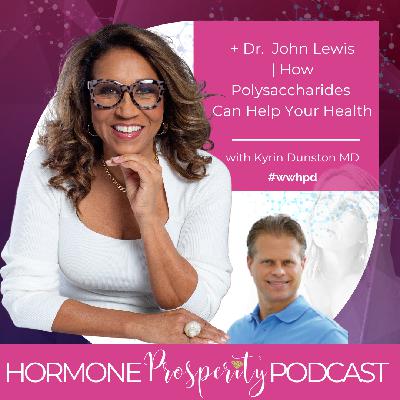
This week on The Hormone Prosperity Podcast, Dr. Kyrin welcomes renowned researcher and nutrition expert Dr. John E. Lewis for a riveting, science-backed (but totally relatable) conversation about how polysaccharides—complex plant sugars—could be the key to reducing inflammation, boosting brain health, and reclaiming your vitality in midlife.
💡What You’ll Learn in This Episode:
Why “all sugar is bad” is a myth—and a harmful one
How plant-based polysaccharides from aloe vera and rice bran act as supercharged cell communicators
The shocking lack of nutrition research (and why Big Pharma wants to keep it that way)
What “food as medicine” really means in a toxic, overly processed food system
The difference between eating for taste vs eating for health (and how most of us are doing it wrong)
How Daily Brain Care, Dr. Lewis’s polysaccharide-powered supplement, has helped improve sleep, energy, immune balance, and mental clarity—even in Alzheimer’s patients
👩⚕️Why This Matters for Midlife Women:
If you’re experiencing:
Mysterious weight gain (hello, “menopot”)
Brain fog and fatigue that just won’t lift
Reliance on caffeine to get going and wine to wind down...
You’re not alone, and you’re not broken. Dr. John and Dr. Kyrin break down how fueling your body with the right sugars—the kind that communicate with your cells, not sabotage them—can help you ditch hormonal poverty for good.
🍽️Big Takeaway:
“You are what you eat, and if you eat garbage, your cells become garbage—and garbage cells can’t heal anything.”
—Dr. John E. Lewis
Whether you lean toward a carnivore, vegan, or somewhere-in-between diet, Dr. John’s message is clear: the key is quality, not dogma. And yes—your health can dramatically improve when you start eating what your genes, cells, and immune system actually recognize as real food.
🔬About Our Guest:
Dr. John E. Lewis, PhD, is the founder of Dr. Lewis Nutrition and an internationally recognized clinical researcher with decades of experience in physiology and plant-based nutrition. His breakthrough studies on polysaccharides have shown powerful results in chronic diseases like Alzheimer’s, MS, HIV, and more.
Tune in Now and Take the First Step
Your health deserves clarity, truth, and transformation. Don’t miss this empowering episode of the Hormone Prosperity Podcast! Click play to listen, learn, and discover how this unconventional approach may be the missing key to your midlife health.
👉 Subscribe and listen on your favorite podcast platform now!
► Daily Brain Care supplement by Dr. Lewis Nutrition → www.drlewisnutrition.com
👉 Subscribe to the Hormone Prosperity Podcast and the Hormone Prosperity Coach YouTube channel for more inspiring content and actionable advice.
Hormone Prosperity Coach
https://www.youtube.com/c/KyrinDunstonMD
Hormone Prosperity Podcast
https://bit.ly/thehormoneprescriptionpodcast
Together, we’ll empower each other to ask the right questions and find answers that lead to lasting health and happiness. Let's stop the madness and start a movement towards hormonal prosperity! 🌟
❓HAVE A QUESTION and want my advice? You're invited to write to me at hello@kyrindunstonmd.com.
I select e-mails with a clear question around hormone poverty (such as symptoms of Midlife Metabolic Mayhem, diseases caused or exacerbated by hormonal poverty, accelerated aging, early death, etc.) and achieving hormone prosperity using the two hormone prescriptions needed (one written and the other not) that are of reasonable length and detail and of interest to significant numbers of the audience. I regret I'm not able to answer all messages sent. I appreciate your willingness to contribute to the community.
Podcast Episode Transcript:
Dr. Kyrin Dunston (00:00):
What does it really mean to let food be thy medicine and medicine be thy food? How do you navigate that in this day and age with all the complex dietary information? My guest today is gonna help shed some light on your dietary quandaries. Are all Sugars bad? GRE greetings, friend. Welcome to the Hormone Prosperity Podcast with me, the hormone prosperity coach, Dr. Kyrin. Here's where intelligent women over 40 go to get credible guidance and inspiration on getting out of hormonal poverty and into hormonal prosperity and the joy and vitality that brings. Go from asking disempowering questions like, what's wrong with me, to asking empowering questions like, what would hormonal prosperity do? Hashtag ww HPD. Join me as we dive into today's episode and get started on your journey off the couch, into your genes and back into life, because bliss is your birthright and a healthy body filled with hormonal prosperity is the vehicle that gets you there.
Dr. Kyrin Dunston (01:05):
Welcome. Let's get started. Hi everybody. Welcome back to another episode of the Hormone Prosperity Coach. Thank you so much for joining me today. As we dive into another episode, talking about your nutritional inputs. There is so much nutritional information out there in this day and age, many of it conflicting, and you are probably confused about which path to go on for your nutritional needs. And I know you're probably not getting supported by your HMO providers because that's not a part of our education. Nutrition really isn't. We're basically taught in, I was as a board certified, O-B-G-Y-N, you get enough calories and you don't want, it's all about calories. And you just want a variety of foods in the sad diet, standard American diet. So that's what I taught for many decades, and that ended me up with midlife metabolic many, he 243 pounds, chronic fatigue, fibromyalgia, depression, anxiety, hair falling out, no sex drive, brain foggy, you know, all the symptoms because many of you have them too.
Dr. Kyrin Dunston (02:18):
And so I've been on a journey for over a decade to heal myself, which has happened and I have lost a hundred pounds and kept it off for over a decade. So I like to bring you guests who can help inform your journey. I don't really believe there's one diet that's right for everyone. We're gonna talk about that during this episode. We're gonna talk about why all sugars are not bad, why you actually need sugar, and what to do about it. We're gonna even touch on the carnivore diet some more, and something called polysaccharides, which you may or may not be familiar with. So we're gonna talk about this in detail to give you some more inputs into your hormone prosperity journey so you can get to the hormone prosperity that you deserve. I'll tell you a little bit about Dr. John Lewis and then we'll get started.
Dr. Kyrin Dunston (03:08):
So, John E. Lewis PhD is the founder and president of Dr. Lewis Nutrition. He has a long track record as a scientist, author, speaker at events all over the world. He has a passion for educating others about the value of nutrition, exercise, and health through his own experiences and knowledge of eating a whole food plant-based diet for over 27 years, taking certain key dietary supplements and a rigorous daily exercise training program. He's done lots of research in the area of nutrition, which is kind of rare these days. We're gonna talk about why that is. You need to understand that. And please help me welcome Dr. John E. Lewis to the
Dr. John Lewis (03:49):
Show. Thank you for having me. It's my pleasure to be here.
Dr. Kyrin Dunston (03:52):
So I'd love to talk about nutrition for women over 40. We do, women over 40 are very interested in that because we know that it contributes to our hormonal poverty and our symptoms of midlife metabolic mayhem. So always interested in learning about new perspectives, helping everybody understand the different options available for diet. I am of the belief that there might not be one diet that's right for everyone. We have very unique biochemical individuality, so I like to give people more information to help them put it in their bodies and decide what resonates as being right for them. And you come Dr. John from a physiology background, and now you're very passionate about teaching others about nutrition and kind of a whole foods plant-based diet. How did you become so interested in nutrition as a physiologist?
Dr. John Lewis (04:51):
That would go all the way back to my bodybuilding days. I got into drug-free competitive bodybuilding as a college student. I was looking for something else to do after high school to do something competitive and bodybuilding. I mean, some people refer to it as a sport. I don't, to me it's more of a physical activity that has sort of an artistic component to it. But to me it's not a sport. It doesn't matter how strong you are or how fast you run or how high you can jump, it's about what you look like on a stage if you take it to that level. But I didn't really appreciate nutrition up to that point in my life, quite frankly. I ate for, for taste lit, which I think most Americans, if not most, every person on the whole planet does. Most people don't eat for health.
Dr. John Lewis (05:35):
And I came from a family that, again, I, I had no health role models at all. We just all ate for, you know, taste. But when I got into bodybuilding, it, regardless of whether you take drugs or not, which I didn't, you still have to be very systematic and really take it as, as like a professional approach, if you will, even if you don't make any money on it, which <laugh>, I didn't do that either. And that was part of the reason why I decided to to not do that very long. But it, it, I always credit bodybuilding for shifting my mindset from just eating, you know, basically just for taste, for eating for a purpose. And once I realized pretty quickly that I was never gonna make a living as a bodybuilder. I was never gonna take drugs. I didn't wanna take those long-term risks that I shifted my focus more from a, let's call it a physical sports performance perspective, to a health perspective.
Dr. John Lewis (06:31):
And I still, my exercise trainin
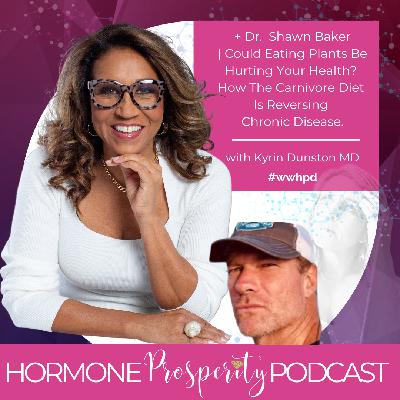
Have you been told to eat more plants to be healthy, only to feel worse, not better? What if the advice you’ve been following isn’t serving you at all—in fact, what if it’s actually harming your health? It’s a bold idea, but one that today’s guest, Dr. Shawn Baker, breaks down with science, expertise, and real-life transformations.
Dr. Shawn Baker isn’t just anyone. He’s the Co-Founder of Revero, an orthopedic surgeon, a world-renowned expert in treating chronic disease through medical nutritional therapy, an Amazon best-selling author, world champion athlete, international speaker, podcast host, and a trusted consultant. Oh, and did we mention? He’s one of the world’s leading advocates for the carnivore diet—a way of eating that’s helping reset health for so many, particularly midlife women like you.
What You’ll Learn in This Episode:
Are plants what they seem? Dr. Baker dives into the surprising ways plant-based diets can trigger inflammation and other health challenges—especially in midlife women.
The carnivore diet explained—what it is, how it works, and the science behind why it’s reversing chronic disease and reigniting the health of so many.
Real stories, real results—hear inspiring stories of women who’ve transformed their health by adopting a carnivore lifestyle.
Hormones, weight, and energy—discover how this diet can support hormonal balance, sustainable weight management, and vitality in your middle years.
Practical advice just for you—Dr. Kyrin and Dr. Baker offer actionable tips to help you start implementing the carnivore diet today with confidence.
Why This Episode is a Game-Changer for Midlife Women
Struggling with chronic inflammation, weight changes, or hormonal imbalance? Feel like nothing works, no matter how “healthy” you eat? This episode might just be the light at the end of the tunnel. Dr. Kyrin and Dr. Baker explore how the carnivore diet restores health through simplicity and science, challenging conventional “healthy eating” norms. Wondering if cutting plants from your diet could actually be the answer? You’re not alone, and you’re about to find out why this approach is turning heads—and changing lives.
Tune in Now and Take the First Step
Your health deserves clarity, truth, and transformation. Don’t miss this empowering episode of the Hormone Prosperity Podcast! Click play to listen, learn, and discover how this unconventional approach may be the missing key to your midlife health.
👉 Subscribe and listen on your favorite podcast platform now!
► Revero & Carnivore Diet by Dr. Shawn Baker
👉 Subscribe to the Hormone Prosperity Podcast and the Hormone Prosperity Coach YouTube channel for more inspiring content and actionable advice.
Hormone Prosperity Coach
https://www.youtube.com/c/KyrinDunstonMD
Hormone Prosperity Podcast
https://bit.ly/thehormoneprescriptionpodcast
Together, we’ll empower each other to ask the right questions and find answers that lead to lasting health and happiness. Let's stop the madness and start a movement towards hormonal prosperity! 🌟
❓HAVE A QUESTION and want my advice? You're invited to write to me at hello@kyrindunstonmd.com.
I select e-mails with a clear question around hormone poverty (such as symptoms of Midlife Metabolic Mayhem, diseases caused or exacerbated by hormonal poverty, accelerated aging, early death, etc.) and achieving hormone prosperity using the two hormone prescriptions needed (one written and the other not) that are of reasonable length and detail and of interest to significant numbers of the audience. I regret I'm not able to answer all messages sent. I appreciate your willingness to contribute to the community.
Podcast Episode Transcript:
Dr. Kyrin Dunston (00:00):
Would you follow the advice of a doctor who said you should only eat meat in order to be healthier? Here's one who's got the data indicating that you should consider doing just that.
Dr. Kyrin Dunston (00:12):
Greetings friend, welcome to the Hormone Prosperity Podcast with me, the hormone prosperity coach, Dr. Kyrin. Here's where intelligent women over 40 go to get credible guidance and inspiration on getting out of hormonal poverty and into hormonal prosperity and the joy and vitality that brings. Go from asking disempowering questions like, what's wrong with me? To ask empowering questions like, what would hormonal prosperity do? Hashtag WW HPD. Join me as we dive into today's episode and get started on your journey off the couch, into your genes and back into life because bliss is your birthright and a healthy body filled with hormonal prosperity is the vehicle that gets you there. Welcome. Let's get started.
Dr. Kyrin Dunston (01:01):
Hi everybody. Welcome back to another episode of the Hormone Prosperity Podcast. Thank you so much for joining me today as we talk to Dr. Shawn Baker about a very interesting and controversial topic. I'd love to hear your thoughts on this about the carnivore diet. Dr. Baker is an orthopedic surgeon. He is a champion athlete, international speaker, author, podcast host consultant. He's got a huge social media following where he primarily teaches and is a proponent of the carnivore diet. He has an upcoming company getting ready to launch that will assist people in reversing chronic disease and inflammation, partly using the carnivore diet and other tools. And he'll tell you a little bit about that. And on the show he's joining me today because I had heard about the carnivore diet, but I really hadn't had anyone on the show to talk about it. Some of you have asked me about it and I've just said I'm not an expert in it.
Dr. Kyrin Dunston (02:08):
I can't, I can't comment. But it did kind of go against my sense of being correct and it just sounded not correct. But we talk about in the episode how your belief system is really something pretty solid. It can prevent you from being open to new, particularly around your health, but new information that might benefit you. So I'm a big proponent of having an open mind in every area. I wanted to have Dr. Shawn on to open my eyes and my ears to the truth and he cites on a really powerful studies that have been done, including at Harvard, that have documented the wow extreme strength of the carnivore diet in reversing chronic disease and inflammation in very impactful ways. Individual and collective societal level. I think you're gonna wanna hear about this because he is probably speaking to you too. We all in the list have some degree of chronic inflammation and disease or we're working on it whether we know it or not.
Dr. Kyrin Dunston (03:19):
Hopefully you are taking steps to get yourself tested and not guessing and just thinking because your mainstream doctor pokes you and listens to your lungs every year and does some blood week work and says you're fine, that you're actually means you're optimally healthy. 'cause It doesn't mean that. And if you have been listening to me long enough, you know that's a fact. So I'll tell you a little bit about Dr. Baker and then we will jump in with him. He's a medical doctor and like I said, orthopedic surgeon, world-leading authority on treating disease with medical nutritional therapy. Amazon bestselling author, world champion athlete, international speaker podcast host consultant and his company is Rivero. He'll tell you a little bit more about that. He's a proponent of the carnivore diet and educates people on social media about this powerful tool to reverse and heal chronic inflammation and disease. Welcome Dr. Shawn to the show.
Dr. Shawn Baker (04:11):
Thank you for letting you have the opportunity to speak to your audience. Appreciate it.
Dr. Kyrin Dunston (04:14):
You have so much experience in so many areas that you could speak to. But what really intrigued me about having you on the show was to talk about a topic that I heard you talking on J'S podcast about, which is the carnivore diet. I have a lot of women who ask me about the carnivore diet and I'm not an expert in why people are proponents of, well I know they say decrease inflammation is one of the biggest things. And I actually know a woman who killed herself. She has a very famous TED talk that they didn't publish <laugh> where she talked about healing herself. I believe it was an autoimmune disease using the carnivore diet and they did not publish it, but she was able to get a copy and publish it and it's very popular and helped a lot of people. So there is I think, some validity to it and I'd like to dive in with you because women have the question, well, why might I consider a carnivore diet? What would I get out of that as a physician, it's not really something that we are taught as physicians as being a healthy, balanced, rounded diet in this what I call the sad diet standard American diet. So how did you come to be a proponent of the carnivore diet and see that it had usefulness?
Dr. Shawn Baker (05:31):
Yeah, first I think the person referring to is named Mikala Fields. She had ju juvenile, rheumatoid arthritis, ended up with a hip replacement of knee report or an ankle replacement like as a teenager. She clearly had issues and, and she was having some depression and anxiety and used the diet to put that into remission. Basically, she saw me on Joe Rogan's podcast way back about seven, eight years ago and then I inspired her and so on and so forth. But my own personal experience was, I'm almost 60 now and when I was in my forties, my health was not quite where I wanted it to be. Sorry, I was an athlete. I've been a world champion athlete, I've been a world champion in three different sports now. So I've been athletic my whole life and pet competed, trained. Even while I was practicing as a surgeon, I still made the time to to train, but my health was not where I wanted it to be.
Dr. Shawn Baker (06:16):
And so I said, lemme just play more with nutrition. And I went on this low fat calorie restricted diet, lean protein, lots of vegetables thing that you might normall
Hey there, fabulous midlife women! Have you been feeling like your health questions are met with band-aid solutions that just don’t cut it? You’re not alone. High blood pressure and its “quick fixes” are just one of the many symptoms of midlife metabolic mayhem that are holding back so many women like you from living a vibrant life filled with joy.
On this episode of the Hormone Prosperity Podcast, Dr. Kyrin tackles a relatable question from Madison—one that could be your very own. Madison’s high blood pressure is “sort of managed” by medication, but poor sleep, anxiety, weight gain (oh, the weight gain!), and other pesky perimenopause symptoms just won’t back down. Sound familiar?
Dr. Kyrin takes you on a deep and empowering dive into exactly what’s behind high blood pressure—not just what mainstream medicine says, but what functional, energetic, and hormonal perspectives reveal. She covers everything from how stress and your sympathetic nervous system wreak havoc to how unresolved emotions like frustration and resentment could be physically impacting your heart health.
Spoiler alert? It’s not just about salt or genetics. And no, more meds aren’t the only answer. Let's rewrite your health story from the root cause upward, together.
If you’re tired of temporary fixes and ready to understand how to unlock real hormonal prosperity, this episode is for you.
What You’ll Learn in This Episode
Why mainstream medicine focuses on genetics and sodium for hypertension but misses the bigger picture.
How your sympathetic nervous system amplifies high blood pressure—and how to calm it down.
The connection between high blood pressure, hormonal imbalance, and symptoms like poor sleep, anxiety, and weight gain.
The energetic perspective behind heart health—hint, it’s not just about the numbers on the BP monitor.
Key Takeaways
High blood pressure is often driven by stress and an overactive sympathetic nervous system—aka, your fight-or-flight response—not just your salt intake.
Functional medicine focuses on why your body is sounding the alarm, not just masking symptoms with medications.
Emotional imbalances like frustration and resentment could be straining your heart—literally. Addressing unresolved emotions may be just as important as addressing physical symptoms.
Hormonal imbalances during perimenopause can create a vicious cycle of symptoms that make high blood pressure worse, but you can break the loop!
Your Call to Action
Take the Free Hormonal Poverty Quiz
Could you be in hormonal poverty? Find out in just 90 seconds!
👉 CLICK HERE to take the quiz and assess where you stand.
Help Other Women Get Their Bliss Back
Enjoyed this episode? Please share it with a friend who’s also struggling with hormonal imbalance or midlife metabolic mayhem. Together, we can help more women reclaim their vitality and health. Don’t forget to leave us a review or rating—your support helps build this empowering community!
No one deserves to live in hormonal poverty. 🛑 Drop the disempowering question, “What’s wrong with me?” and start asking, “What would hormonal prosperity do?” (#WWPD)
Catch the full episode now and start crafting the vibrant, healthy life you deserve.
✨ Listen Now ✨
Podcast Episode Transcript:
Dr. Kyrin Dunston (00:00):
Coming up, what is high blood pressure really, and should it be treated with a medication? Or what would it look like if we treated the underlying cause of it and didn't take the medication as a part of treating our hormonal poverty? Stay tuned next as we unpack this important topic.
Dr. Kyrin Dunston (00:20):
Greetings friend. Welcome to the Hormone Prosperity Podcast with me, the hormone prosperity coach, Dr. Kyrin . Here's where intelligent women over 40 go to get credible guidance and inspiration on getting out of hormonal poverty and into hormonal prosperity and the joy and vitality that brings. Go from asking disempowering questions like, what's wrong with me? To asking empowering questions like, what would hormonal prosperity do? Hashtag ww HPD. Join me as we dive into today's episode and get started on your journey off the couch, into your genes and back into life because bliss is your birthright and a healthy body filled with hormonal prosperity is the vehicle that gets you there. Welcome. Let's get started.
Dr. Kyrin Dunston (01:12):
Hey everybody, welcome back to another episode of the Hormone Prosperity Couch. Thank you so much for joining me. As we dive into talking about Madison's question about high blood pressure and perimenopause and hormone therapy, she says, Hey folks, is there anybody here who had high blood pressure and went on HRT? My blood pressure is sort of, sort of managed by meds, but not super great. So she has uncontrolled hypertension, but my peri symptoms like poor sleeping and anxiety, can't be making it any better. Oh, and weight gain. The weight gain. And now I know a lot of you can relate. Weight gain is the symptom that makes women crazy more than anything else. It was true for me when I was in the perimenopause, and I know it's true for about 60% of you. By the time we're 50, 60% of us are overweight or obese by the time we're 60, it's three out of four of us.
Dr. Kyrin Dunston (02:05):
Maybe you can relate. And other symptoms she mentioned, a midlife metabolic mayhem, peri symptoms, poor sleeping and anxiety, very common. Definitely in the top five, the poor sleeping, the lack of energy, the anxiety sometimes depression also. So this is a great question, Madison. So let's dive into this. So number one, let's talk about high blood pressure from a mainstream perspective and from a functional, energetic perspective. So blood pressure is determined by the force with which your heart pumps blood out of it to make it all circulate through your circulatory system, all the way around your body, to your toes, to your brain cells, to your eyeballs, to your stomach, everywhere, right? That's what determines your blood pressure, the pumping force of your heart. If your heart stops pumping, you stop living, you un alive, right? So it's crucial. Now, what causes high blood pressure in a perfectly healthy human being, we need to go back to the beginning because mainstream medicine would have you believe pretty much that it's genetic or it's, it's the amount of salt that you're consuming.
Dr. Kyrin Dunston (03:21):
Those are the two reasons that mainstream medicine says for most cases of high blood pressure or hypertension. And they're gonna counsel you to avoid salt in your diet. Now, mind you, they're talking about NACL sodium chloride, which is table salt. They are not talking about sea salt, which is potassium has potassium, not sodium. So it's sodium. That's the culprit, not potassium. You need potassium and you need chloride. Also. You need sodium too, just not too much of it. And the way we eat these days, a lot of processed foods have so much of the sodium in them that that's what makes us sick with high blood pressure. So they're gonna counsel you to change your diet, cut the salt, but if that doesn't work, they're going to put you on a medication, a first line anti-hypertensive medication to drop your blood pressure, which has variable success.
Dr. Kyrin Dunston (04:19):
Usually people have progressively worse hypertension and they have to go on stronger and stronger medications, multiple medications, and they get monitored for the consequences of high blood pressure, which can include damage to your eyes, to your brain, to your heart, to all the organs in your body because every organ is supplied by blood vessels. So if they're getting too much blood pressure coming in, it's damaging them. Think of like you use your water, pick in your mouth to clean your teeth. It's very gentle sprout. If you took a fire hose and trying to clean your teeth, well, you would blow your head off with a fire hose, right? So you understand what I'm talking about. Now you say so from a mainstream perspective, that's what's going on. But from a functional perspective, we actually know and, and from an energetic, I'll get to that in a second.
Dr. Kyrin Dunston (05:12):
We know that what makes your blood pressure go up naturally in your body, the sig signal to your heart to increase the pressure is your sympathetic nervous system. So your sympathetic nervous system is part of your autonomic nervous system. Think automatic that has your sympathetic nervous system. Parasympathetic two branches, your sympathetic, think of, I call it the halt, big, strong, run, fast, lift, hard, do hard things, fights, right? So all the blood goes to your arms and legs, your periphery, you're not thinking you're in survival mode. Fight, flight, freeze spa is another one of those four Fs. That's the whole that's sympathetic nervous system raises blood pressure raises, respiratory rate raises, all these things. Parasympathetic nervous system is the opposite. Think of the Buddha. Mm, parasympathetic is lower blood pressure, lower respiratory rate, blood to the center, to your heart and lungs, abdomen and organs to nourish, digest your food, nourish your organs, heal you healing open only happens in a parasympathetic dominant state.
Dr. Kyrin Dunston (06:26):
So in order to have hypertension, you have a supertone hyper tone sympathetic nervous system that's on alert. This means stress. Sympathetic nervous system triggers when your cortisol stress hormone triggers. So it means you have a lot of unresolved stress in your body that is causing the tone of your heart and your blood vessels to be hypertonic, pump fat, blood fast, hard, and damage all the other arteries in your body. So the really, the correct way from a functional perspective to fix your blood pressure is not to give you a drug that stops your blood vessels from clamping down and make forces them to relax. But it's to find the reason why your sympathetic nervous system is so hypertonic and calm it down. Doesn't that make sense? <Laugh>, you find the
Are you finding yourself avoiding kisses, hugs, or even the thought of intimacy with your partner? Do you feel like your personality has shifted since menopause, making you more independent but less connected?
You’re not alone, and you’re not imagining things. But here’s the truth—it doesn’t have to be this way.
Welcome back to The Hormone Prosperity Podcast with me, Dr. Kyrin, your trusted hormone prosperity coach. In this empowering episode, we’re answering a candid and relatable question from Tiffany about losing that spark of intimacy and connection in midlife. Together, we’ll unpack myths, reveal truths, and equip you with the guidance you need to not just survive this stage of life—but thrive.
What You’ll Learn in This Episode:
Why libido is essential, not optional: Discover why your sex drive is one of the most powerful indicators of your overall health and vitality.
The myths we’ve been sold: Find out why the belief that losing your sex drive is “normal” after 40 is a damaging lie—and how societal norms perpetuate this misconception.
The secrets of cultivating vitality: Learn about Master Mantak Chia’s teachings on preserving and transforming sexual energy (Jing) into Qi—a powerful force to rejuvenate your body, mind, and spirit.
Unpacking "common vs. normal": Just because many women experience midlife symptoms like low libido, hair loss, weight gain, and exhaustion doesn’t mean it’s something you have to accept.
Empowering questions, powerful results: Shift from asking “What’s wrong with me?” to “What would hormonal prosperity do?” (#WWHPD).
Practical steps to finding your spark: Identify what’s holding you back, learn how to address unresolved health issues, and explore the energetic and functional practices to reclaim your vitality.
The ripple effect of intimacy: How rediscovering passion with your partner can increase love and positive energy in your family, community, and even the world.
Episode Highlights:
This episode is packed with game-changing insights and practical solutions tailored to empower midlife women. You'll feel understood, inspired, and equipped with supportive tools to reclaim the passion and intimacy that’s your birthright.
From Master Mantak Chia’s wisdom on multiple orgasms (yes, really!) to understanding how healing your Jing benefits your entire life, you’ll leave this episode ready to take action.
Your Call to Action
Take the Free Hormonal Poverty Quiz
Could you be in hormonal poverty? Find out in just 90 seconds!
👉 CLICK HERE to take the quiz and assess where you stand.
Help Other Women Get Their Bliss Back
Enjoyed this episode? Please share it with a friend who’s also struggling with hormonal imbalance or midlife metabolic mayhem. Together, we can help more women reclaim their vitality and health. Don’t forget to leave us a review or rating—your support helps build this empowering community!
No one deserves to live in hormonal poverty. 🛑 Drop the disempowering question, “What’s wrong with me?” and start asking, “What would hormonal prosperity do?” (#WWPD)
Catch the full episode now and start crafting the vibrant, healthy life you deserve.
✨ Listen Now ✨
Words to Keep Close to Heart:
“Just because something is common, doesn’t mean it’s normal. You don’t have to settle. Bliss, vitality, and intimacy are your birthright—go reclaim them!”
Podcast Episode Transcript:
Dr. Kyrin Dunston (00:00):
Are you hating, kissing and other sexual things with your partner right about now? If so, this is definitely part of hormonal poverty and we need to have a serious talk. The health consequences are devastating of having no libido and what this means for your health and your vitality and your life. Up next,
Dr. Kyrin Dunston (00:24):
Greetings friend. Welcome to the Hormone Prosperity Podcast with me, the hormone prosperity coach, Dr. Kyrin. Here's where intelligent women over 40 go to get credible guidance and inspiration on getting out of hormonal poverty and into hormonal prosperity and the joy and vitality that brings. Go from asking disempowering questions like, what's wrong with me, to asking empowering questions like, what would hormonal prosperity do? Hashtag ww HPD. Join me as we dive into today's episode and get started on your journey off the couch, into your gene and back into life, because bliss is your birthright and a healthy body filled with hormonal prosperity is the vehicle that gets you there. Welcome. Let's get started.
Dr. Kyrin Dunston (01:16):
Hey everybody. Welcome back to another episode of the Hormone Prosperity Coach. We're gonna answer Tiffany's question today about, she says, fully in menopause now, hate kissing. Anyone else moods. Just curious. Have heard others complain about zero interest in sex? Definitely have that issue. Poor husband kissing now just completely grosses me out and hubby kisses a lot. His dental health is excellent, takes great care of his teeth slash gums. It's just gross. It's so surprising how much my personality has changed since menopause arrived. I'm not snugly where I used to hold hands. Sit next to hug, touch all the time now. No thanks. Please give me space. I've talked to hubby about how I've changed since and he understands, but I do miss how I was in that way. I do like now how I feel way more independent and give less about what others think.
Dr. Kyrin Dunston (02:10):
I was a people pleaser for sure before. Anyway, just wondering if anyone else is grossed out by certain things. Now, I love this question, Tiffany <laugh>. I absolutely love this question. So this was me back in my forties when I was going through the change. And here I am ob, GYN and midlife and all my patients are at midlife with the same problems. And I didn't, I felt the same way. I didn't wanna kiss, I didn't wanna, I didn't want anything to do with sex. I didn't wanna ever have sex again. In fact, I told my husband, maybe you can relate. Go get a girlfriend. I'm not doing that <laugh>, it's not funny really. But I did say that. And every woman who would come see me in their forties and fifties and beyond would say the same thing. I don't care if I ever have sex again.
Dr. Kyrin Dunston (02:58):
And maybe you're there. So let's talk about this. I love this question. So why is this so vital in the West? We very much take it for granted as a fact of life that we are going to lose our sex drive as we age. Whether you believe it or not, there is a part of you, whether you admit it or not, that probably believes this. And we foster this belief among each other as women by believing that there are no answers. There was menopause the musical a a few years ago where they had musical numbers. It did traveled all around the world, I think musical numbers about menopause. And I didn't see it, but a friend of mine who's a colleague also went and saw it and she said, Kyrin, all these women were in this theater with their friends. They give you a fan when you walk in the door before you go to your seat.
Dr. Kyrin Dunston (03:54):
And they're fanning themselves and they have songs about how we're just fat and sexless and we wind up with coffee and wind down with wine. And we, we just, that's all we have to look forward to in life. And we just make the best of it. And chocolate makes us happy. And we fan ourselves. And she said, they're all laughing. And I, I'm crying tears. Were rolling down my face. And I would've been crying too if I had been there because it's insanity. What we women have been told to accept as the truth about our health that is nothing but pure lies. We can and should have an excellent, healthy sex drive and sex life throughout our lifespan. In fact, our sex drive is in my opinion, one of the best, if not the best barometers of our overall health. Don't tell me your temperature, your blood pressure, your weight to your pulses, your respiratory rate, all these things.
Dr. Kyrin Dunston (04:52):
That's nice. Tell me what your sex drive is doing and I'll tell you how healthy you are. And it really should be va vavo at every age. And in fact, so I'm here at Dow Garden at a DAOs retreat learning from Master Montauk Chia, and I've now become a certified associate instructor to start teaching the practices. Why is this important? He is one of the teachers of these philosophies and practices that help women to preserve and cultivate their life force energy that heals their body, their chi, but their jing also, which is their sexual force energy. And how to turn that into q that helps and nourishes your body. You have a fountain ever giving fountain of this coming to you. So if you're not experiencing it as a drive to sexuality, something is wrong. And it means that you're losing Qi life force.
Dr. Kyrin Dunston (05:54):
And when all your qi life force is gone, guess what time's up. And that is the ending date on your tombstone. The day that you die when you have no more chi life force. So this is crucial. It is vital. And and master chia says menopausal women, super woman super superwoman. We shouldn't only be having one orgasm, we should be having multiple orgasm. That's one of the things that he teaches, is the techniques for how do women do that with or without a partner. So within the next year, I'll be rolling out programs to teach you how to do these things. Yay. along with other energy practices we should be having multiple orgasms and how these orgasms take this jing sexual energy and you can create she vital life force energy to heal your brain and your body and your organs and store it to use for energy.
Dr. Kyrin Dunston (06:50):
How does that sound to go do all the things you wanna do. Like go to musicals and go to plays and hang out with your friends and travel. So menopausal woman superwoman and you should be hot superwoman, really, Tiffany. So this is something that we women in the west really take for granted that we're going to lose our sex drive and then we think it's no big deal 'cause all our friends are experiencing tha
Ever find yourself lying awake at night, heart racing for no reason? Or maybe you’ve noticed your heart skipping beats out of the blue? If you’re in midlife or menopause, this episode is for you. 💗
Join Dr. Kyrin as she tackles Trina’s important question about irregular heartbeats during menopause. Could these unsettling symptoms be connected to low hormone levels? And more importantly, are they warning signs of something bigger?
Here’s What You’ll Learn in Today’s Episode:
Why irregular heartbeats during menopause deserve your full attention—not just your worry.
The role estrogen and other key hormones play in protecting your heart (and how hormonal imbalances could be contributing to your symptoms).
Why mainstream medicine might dismiss your symptoms and how to advocate for yourself.
The “hidden” dangers of hormonal poverty and the steps you can take to shift into hormonal prosperity.
Dr. Kyrin shares her own story of struggling with irregular heartbeats, how mainstream medicine failed to provide answers, and the holistic steps she took to restore her vibrant health. Spoiler alert—it’s not about masking symptoms; it’s about addressing the root cause. 💡
Key Takeaways:
Hormones matter: Did you know low estrogen during menopause can alter how your heart functions?
Mainstream medicine isn’t enough: Traditional tests may miss functional issues that could jeopardize your heart health.
Empower your health: Make proactive choices to move out of hormonal poverty and unlock hormonal prosperity.
This episode is packed with actionable advice to help you tune into your body, identify red flags, and take the steps you need to thrive.
Your Call to Action
Take the Free Hormonal Poverty Quiz
Could you be in hormonal poverty? Find out in just 90 seconds!
👉 CLICK HERE to take the quiz and assess where you stand.
Help Other Women Get Their Bliss Back
Enjoyed this episode? Please share it with a friend who’s also struggling with hormonal imbalance or midlife metabolic mayhem. Together, we can help more women reclaim their vitality and health. Don’t forget to leave us a review or rating—your support helps build this empowering community!
No one deserves to live in hormonal poverty. 🛑 Drop the disempowering question, “What’s wrong with me?” and start asking, “What would hormonal prosperity do?” (#WWPD)
Catch the full episode now and start crafting the vibrant, healthy life you deserve.
✨ Listen Now ✨
Podcast Episode Transcript:
Dr. Kyrin Dunston
Coming up next. Irregular heartbeat in menopause. Are they related? And could this be signs of bigger trouble to come find out Next.
Dr. Kyrin Dunston
Greetings friend. Welcome to the Hormone Prosperity Podcast with me, the hormone prosperity coach, Dr. Kyrin. Here's where intelligent women over 40 go to get credible guidance and inspiration on getting out of hormonal poverty and into hormonal prosperity and the joy and vitality that brings. Go from asking disempowering questions like, what's wrong with me? To asking empowering questions like, what would hormonal prosperity do? Hashtag ww PD. Join me as we dive into today's episode and get started on your journey off the couch, into your genes and back into life, because bliss is your birthright and a healthy body filled with hormonal prosperity is the vehicle that gets you there. Welcome. Let's get started.
Dr. Kyrin Dunston
Hey everybody, it's Dr. Kyrin. Welcome back to another episode of the Hormone Prosperity Coach. So glad that you're joining me today as we dive into a question from Trina who says another symptom post menopause. Anyone else experience irregular heartbeat with menopause? It scares me. It should scare you, Trina. This is big, huge problem. It's not uncommon though, one of those 60 plus symptoms of midlife metabolic mayhem that we women might have to contend with. So with estrogen dropping progesterone, dropping testosterone, dropping oftentimes cortisol dysfunction, insulin dysfunction, thyroid, DHEA, right? These are the seven main metabolic hormones we've got to contend with that inform hormonal poverty or hormonal prosperity and inform all our cells and all our systems to be healthy and thriving and growing and healing or deteriorating and cause getting ready to cause us problems that we may not know about it yet. So estrogen in particular, but all of these hormones have a role in every cell, in every system in your body, including your arteries that carry the blood throughout your body, from your heart to every cell in your brain, to every cell in your feet, to every cell in your precious abdominal cavity, chest cavity, everywhere, very intimately involved with artery function.
Dr. Kyrin Dunston
This is why menopause is associated. So lack of estrogen is associated with increased risk of the number one cause of death of women over 50, which is heart disease and heart attack. We're all worrying about breast cancer over here. Meanwhile, our body is like, Hey, pay attention to your heart and you're having an irregular heartbeat. So this could be a sign, Trina, that your arteries around your heart are being affected and it could be affecting the conduction system in your heart. Your heart is an electrical apparatus. Yep, it's electrical and that's why it has this internal electrical system that causes it to pump, pump, pump every day of your life. It pumps from about five weeks of birth. We can see it on an ultrasound all the way till you take your last breath, and then usually even a little bit farther if you haven't died from a heart attack, it still will pump depending on the cause of death.
Dr. Kyrin Dunston
It does its job. Sun, moon, shine. It doesn't care rainy, sunny deadlines. It doesn't. It just pumps. It does its job well, it needs to be nourished properly. And one of the things it needs is estrogen, but it also needs all the other hormones probably that your doctor isn't talking to you about that I wanna make sure you know about your insulin, thyroid, cortisol, DHEA, progesterone, testosterone. Your heart depends on all of these. So you need to go to your doctor. You need to start at least probably with an EKG. Now, I'm not your doctor. And this is just for educational purposes. So anything that you have a health concern about, please go see your doctor. What we do here is not, does not replace medical advice. So you need to talk with your doctor about what you're having. They probably will start with your evaluation with an EKG electrocardiogram to see if there are any abnormalities.
Dr. Kyrin Dunston
But if not, they'll probably put you on a Holter monitor to track your heartbeats over a 24 hour period and then have a reading to see if maybe there's something they missed on the EKG. 'cause The EKG is only for a few seconds in time. The Holter monitor is about 24 hour period, or they might do a echocardiogram to look at how your heart is functioning, how the ventricles are emptying, are they emptying properly? Is the blood flowing through your heart properly? Or they might do other imaging tests depending on what they find might send you to a cardiologist. But this is something that should scare you, Trina. Thank you for sharing it. So if you haven't already, you need to talk to your doctor about this as quickly as possible and get it evaluated. Now, let's say they evaluate you and they don't find anything and they say, we're going to check you again in six months, Trina, you're good and you're still feeling this <inaudible>.
Dr. Kyrin Dunston
I have to say that I had that too <laugh> when I was in the perimenopause and weighed 243 pounds, had chronic fatigue, fibromyalgia, depression, anxiety, irritable bowel gastritis. I had so many things, my health was a mess. And I had that too. And I told my doctor and they sent me for the Holter and the cardiogram and all this, and they didn't find anything. And when I realized that I was in hormonal poverty and I had so many inputs causing my body to be in hormonal poverty that I teach you about in my hormone bliss challenge when I corrected them all, it went away. It went away naturally because nothing happens in your body without a reason. But when you don't look at your health from a functional or energetic perspective, which are higher levels, I'll say energetic is up here, then there's functional anatomic is down here, and mainstream medicine is really looking for have you had a heart attack that we missed and did, did part of your ventricle wall die?
Dr. Kyrin Dunston
So now you're having a car anatomic cardiac problem, or maybe it's disrupted the electrical conduction system in your heart. So they're looking for anatomic problems or they're looking for, do you have a partial occlusion of one of the arteries feeding blood to your heart, another anatomic problem? And pretty much if it's not an anatomic problem or a conduction problem in that electrical system, which is usually due to an anatomic problem, then they're gonna say, we don't know. We don't know why you have it. And that was the case for me. And when I fixed my hormonal poverty, I stopped having that. Now, I'm not gonna say that that's gonna happen for you. I'm not your doctor. You need to go to your doctor and talk about that. But yes, Trina, thanks for the question. Anybody else? Irregular heartbeat, talk to your doctor about it, get it checked out.
Dr. Kyrin Dunston
But if they tell you it's nothing what they're really saying, you need to understand what mainstream doctors are saying to you. It's nothing that we can find with the tests that we have to look for anatomic problems. We don't look for a lot of the functional problems that could be contributing to this bi hormonal poverty. So you might have a problem there. Go find a doctor who can help you with that, like me and my colleagues who have done training in anti-aging, metabolic and functional medicine and energy medicine also. So start to listen, really listen to what your $30 H-M-O-P-P-O copay doctors are telling you, be
Welcome to another energizing and empowering episode of The Hormone Prosperity Podcast with Dr. Kyrin! This week, we’re tackling a pressing question from our listener, Mavic, who’s confused about the various ways to dose Hormone Replacement Therapy (HRT).
Are you wondering if that HRT pill, patch, or cream is the best choice for your body? Curious about the hidden risks of oral estradiol or why your patch might be causing skin irritation? Dr. Kyrin breaks it all down with heartfelt clarity and solid science, as she explains why the method you use to dose hormones can spell the difference between prosperity or problems for your body.
What You’ll Learn in This Episode:
The First Pass Effect: Find out why oral estradiol and testosterone are problematic—hint, it’s harming more than helping by overloading your liver.
Better Dosing Methods: Discover why transdermal creams are the healthier alternative to patches, and how compounded bioidentical hormones can open up new possibilities for vitality.
Progesterone Done Right: Why oral progesterone is Dr. Kyrin’s go-to method for stress relief and sleep enhancement—but only when it’s crafted properly!
Myth-Busting Mainstream HRT: Are you still trusting the advice of a general physician or weekend-trained bioidentical hormone practitioner? Learn what to look for in a credentialed HRT expert.
The all-important balance of estradiol and estriol to protect your health and happiness.
Why This Episode Matters
Hormones hold the key to midlife joy, vitality, and a stronger, healthier you—yet too many women are left confused by mainstream advice or trapped in hormonal poverty. Dr. Kyrin’s insights will help you leave behind one-size-fits-all solutions and make confident, informed decisions about your HRT treatment.
Empower Your Journey
Dr. Kyrin invites every intelligent woman to stop settling for "good enough." This episode gives you the knowledge to question your current treatments, explore more effective options, and step into the hormonal prosperity you deserve!
Your Call to Action
Take the Free Hormonal Poverty Quiz
Could you be in hormonal poverty? Find out in just 90 seconds!
👉 CLICK HERE to take the quiz and assess where you stand.
Help Other Women Get Their Bliss Back
Enjoyed this episode? Please share it with a friend who’s also struggling with hormonal imbalance or midlife metabolic mayhem. Together, we can help more women reclaim their vitality and health. Don’t forget to leave us a review or rating—your support helps build this empowering community!
Podcast Episode Transcript:
Dr. Kyrin Dunston (00:00):
Coming up next, could your hormone dosing route be putting you at risk for greater problems? Find out next.
Dr. Kyrin Dunston (00:11):
Greetings friend. Welcome to the Hormone Prosperity Podcast with me, the hormone prosperity coach, Dr. Kyrin. Here's where intelligent women over 40 go to get credible guidance and inspiration on getting out of hormonal poverty and into hormonal prosperity and the joy and vitality that brings. Go from asking disempowering questions like, what's wrong with me? To asking empowering questions like, what would hormonal prosperity do? Hashtag WW HPD. Join me as we dive into today's episode and get started on your journey off the couch, into your genes and back into life because bliss is your birthright and a healthy body filled with hormonal prosperity is the vehicle that gets you there. Welcome. Let's get started.
Dr. Kyrin Dunston (01:01):
Welcome back to another episode of the Hormone Prosperity Coach. As we dive into talking about a question from Mavic, who wants to know about different dosing routes for HRT, which is a question that I see often, a lot of you are confused about. Should using a patch, should I be using a cream, a pill, a shot? Oh, like a pellet? What should I be doing? So let's dive into this question that Mavic proposed. She says, what's the latest on oral versus patches versus gels? For HRTI was initially prescribed patches, but that horribly irritated my skin. The adhesive question mark. So I'm on oral estradiol and progesterone, but are these oral pills less effective? I'm wondering about trying gels or spray that I've read a bit about in case the oral isn't as helpful pro slash protective. So thank you for this question, Mavic, I love it.
Dr. Kyrin Dunston (01:55):
There is so much to dive into here for all of you, hormone seekers, hormone finders, hormone users because oh, so much to dive into. So the first thing I'm gonna like circle with my red pen, the things that really catch my attention that are crucial alerts that need to be addressed. So number one is you say, I'm on oral estradiol and progesterone, oral progesterone, no problem. Cool. That's my favorite way, way to dose it for women, because it help can help with anxiety. When it goes through the gastrointestinal tract, it stimulates the nerves and neurotransmitters that go directly to your brain. Your gut is your second brain and it helps your GABA nerve neurotransmitter, which is your calm anti-anxiety, and it helps with sleep, love, progesterone, orally. Now estradiol or any estrogen orally or testosterone, no step away from the oral estradiol, the oral testosterone.
Dr. Kyrin Dunston (03:02):
Why? Because when you take estradiol or testosterone orally and it goes into your gastrointestinal tract, there's something that happens called the first pass effect. First pass effect, where these hormones go into the bloodstream that go right to your liver through the portal vein. They go from the gastrointestinal tract, collects the blood in the veins, and then it goes right up to your liver, the portal vein into your liver. Now your liver is the main sanitation department or detox central for almost everything in your body, most things, and especially your sex hormones. So you have a flood of sex hormones, estradiol and testosterone coming to the liver. And what that does is it overloads your detox profile and it causes biochemical changes that can actually increase your risk for well heart disease for one, but other health problems as well. And we call that the first pass effect you do.
Dr. Kyrin Dunston (04:10):
It doesn't happen with progesterone. So you do not want to take estrogen or testosterone in an oral capsule. Why? It's still on the market. I don't know. Now I say I don't know, but why? If you wanna ask anything about the pharmaceutical industry and why it's allowed, it's always a for-profit motive <laugh>, because a lot of women are not comfortable with the idea of using a patch. And that's really the only other route that we have right now for estrogen, for women that's commercially prepared by one of the big pharma companies. So that's an aside. You wanna step away from the oral estrogen and testosterone. It can contribute to all kinds of hepatic and systemic problems. So one thing you said is you were horribly irritated with the patches by your skin. The adhesive. Yes. The adhesive is made up of chemicals, primarily petrochemicals that come from fuel.
Dr. Kyrin Dunston (05:09):
Most of the medical industry's products, even the medications that we take are made and synthesized from petrochemical byproducts. You probably didn't know that. And that actually was part of the inception of the big pharma industry many decades ago was Rockefeller and a bunch of these other wealthy magnets had all this petroleum leftover byproducts and they were wondering what to do with it. And some genius scientists came up with, oh, we can use it to manufacture pharmaceuticals, <laugh>. And so that was one of the reasons why the pharmaceutical industry at its inception grew so rapidly because they had to use up these very cheap products. So anyway, I'm off on a tangent back to the estradiol. So adhesive, using the patches, the adhesive can be irritating to people and probably to more people than admit or realize it. They tell you to rotate the location of your patch every time you place it.
Dr. Kyrin Dunston (06:14):
So that probably is to minimize the chemical sensitivity reaction of your skin. A healthy normal reaction to a toxic substance, albeit a mildly toxic substance for most people, most people will react to some type of bandage that has a petrochemical byproduct in it. It's not a naturally occurring substance. So I'm not surprised that you had that. I've had that with a lot of patients too. I love the transdermal creams. That's my first choice for estradiol for women. Because usually there is no sensitivity. They put it in an organic hypoallergenic base without perfumes, dyes, or petrochemical additives. So I, it's a rare, rare patient whoever has a reaction to the transdermal cream. Now it sounds like you're working with a mainstream doctor because they've put you on an estradiol pill and a progesterone pill that you're taking two of in the morning, that's for sure a mainstream medical prescription because that's what I used to prescribe when I didn't know what I know now.
Dr. Kyrin Dunston (07:28):
So they're probably not comfortable or versed in prescribing transdermal cream. So you'll need to find a doctor who knows and is trained in prescribing dosing transdermal creams and the management and proper testing of it. You cannot follow cream dosing with blood tests. You can't follow any of these sex hormones dosing with blood tests. Let's just put it there. And the only way that mainstream doctors know to test anything if they know to test sex hormones is in blood tests and they will be incorrect. So you're going to need find someone who is trained, and I don't mean someone who went and took a weekend course. You need to actually check, did they do a fellowship in functional medicine, anti-aging medicine? Did they do on a naturopathic medicine? What is their training? You really gone are the days when you can just go to someone who says, oh, I do bioidenticals.
Dr. Kyrin Dunston (08:24):
And you're, you're knowing that you're getting the highest level
Is your favorite glass of wine doing more to your body than you think? It’s time to find out.
This week on the Hormone Prosperity Podcast, Dr. Kyrin dives into an often-overlooked yet essential topic for midlife women — the connection between wine consumption and hormonal health. Sparked by a brilliant question from Alicia, a 51-year-old listener navigating hormone replacement therapy (HRT), this episode unpacks the complex relationship between alcohol, gastrointestinal health, and hormonal balance.
Grab your favorite cup of tea (or rethink that Chardonnay 🤔) and join us as we explore how that glass of wine might be silently impacting your hormones.
Here’s what’s brewing in this episode:
Alicia’s Story
What caused post-wine symptoms like diarrhea? Is it the wine, hormones, or something more? Dr. Kyrin uses Alicia's experience to address a question many of us have wondered about but were too unsure to ask.
Hormonal Poverty and Prosperity
Why just focusing on estrogen and progesterone isn’t enough. Dr. Kyrin explains how hormonal balance is influenced by insulin, thyroid, cortisol, and even your digestive health.
The Hidden Power of Your Gut
Did you know that your gastrointestinal health is the foundation of your hormone health? Learn how functional stool testing differs from the traditional approaches and why it’s key to unlocking hormonal prosperity.
The Wine Dilemma
Does wine disrupt hormonal harmony? Discover how alcohol impacts your body’s ability to properly detoxify and balance your sex hormones.
Practical Next Steps
Dr. Kyrin shares actionable advice on proper hormone testing, the importance of addressing your gut health, and how hormonal prosperity can help you regain control over your midlife well-being.
This episode is for YOU if…
You’re over 40 and navigating hormone imbalances.
You enjoy a glass (or two) of wine but wonder if it’s doing more harm than good.
You’re tired of “cookie-cutter” approaches to menopause and want a comprehensive plan tailored to your body.
You’re ready to move from hormonal poverty to hormonal prosperity.
🎧 Tune in now to discover how your gut, your hormones, and that beloved glass of wine are interconnected. Don’t miss this eye-opening and empowering conversation with Dr. Kyrin, designed to help you take charge of your health!
Your Call to Action
Take the Free Hormonal Poverty Quiz
Could you be in hormonal poverty? Find out in just 90 seconds!
👉 CLICK HERE to take the quiz and assess where you stand.
Join the Hormone Bliss Challenge
Want step-by-step guidance from Dr. Kyrin? The Hormone Bliss Challenge will walk you through actionable steps to rebalance your body, reclaim your sleep, and say hello to vitality.
👉 CLICK HERE to join today.
Help Other Women Get Their Bliss Back
Enjoyed this episode? Please share it with a friend who’s also struggling with hormonal imbalance or midlife metabolic mayhem. Together, we can help more women reclaim their vitality and health. Don’t forget to leave us a review or rating—your support helps build this empowering community!
Podcast Episode Transcript:
Dr. Kyrin Dunston (00:00):
It's Dr. Kyrin. And in this episode we're going to answer a question by Alicia who is wondering if wine is messing with her hormones. And I love this question because it can apply if you're not doing anything to try to address your hormonal poverty. Wine can mess with your hormones. We're gonna talk about why, and it can apply if you are doing something to manage your hormonal poverty and get to hormonal prosperity. So we're gonna talk about both of these and it definitely applies to you because a large majority of people in western nations actually consume alcohol. So it's an important question for us women over 40 to ask, is wine messing with our hormones? <Laugh>? Here's the answer. So Alicia writes, I'm 51-year-old female. I just started HRT. She's using an estradiol patch and a progesterone oral daily. She's sleeping better and has more energy and she thinks her mood is better overall.
Dr. Kyrin Dunston (01:03):
She takes magnesium malate at night and she takes two progesterone at night. Last night she had two glasses of wine this morning she had diarrhea. Could this be caused by the wine? Is it common? Please help. I love this question. So let's talk first about somebody who's already addressing some of their hormonal poverty, poverty issues. So Alessia, if you're watching, you are addressing some, I heard you me mention estradiol and I heard you mention progesterone. So yay you. And there are other issues that go into creating hormonal poverty that you might not know about that could predispose you to having diarrhea when you consume wine and be contributing to your hormonal poverty. Because if you're only looking at two hormones, estrogen and progesterone, you're missing the point of hormonal poverty, which is not only about estrogen and progesterone. Mainstream medicine would have you believe that it's pretty much only about estrogen.
Dr. Kyrin Dunston (01:58):
And a few select doctors who are in the know will know that progesterone is a part of that too. But the large majority of them won't know that insulin, thyroid, cortisol, DHEA, are involved with creating hormonal poverty and that these hormones like cortisol, are directly informed by other parts of your health, namely your gastrointestinal health. Yep, I said it. Most of you don't think that your GI tract has anything to do with your hormones. And what I wanna tell you is that your GI tract is the center of your body, literally and figuratively is the center of your hormonal health. It is the main pillar of health for women's hormones. So when you're talking about diarrhea, that's a gastrointestinal problem. What does it have to do with hormones? Well, part of what you need to have done as a proper evaluation for hormonal poverty is a functional gastrointestinal evaluation. That's not a regular
Dr. Kyrin Dunston (02:59):
Stool test that looks for specific parasites and bacteria and viruses that can infect humans that mainstream medicine would recognize and treat with antibiotic or an antiviral or an anti parasitic medication. But this includes a functional evaluation of your gastrointestinal tract. How much inflammation do you have going on in there? Or is your body overgrown with abnormal bacteria and undergrown with healthy bacteria? You might know as probiotics. Do you have enough prebiotics? How are your digestive enzymes doing? How are your bile acids doing? How is your body digesting food processing it? Is it not processing fats properly? Proteins, carbohydrates? It's really a functional evaluation. Mainstream medicine is very focused on anatomic problems in the gastrointestinal system. So if you have a functional problem like irritable bowel syndrome or IBS is the most common one I used to have that, then they're just gonna go based on symptoms.
Dr. Kyrin Dunston (04:09):
They're not really going to do any other diagnostic tests 'cause they don't know about functional stool testing or food sensitivity testing. They're gonna skip over it. Then they're gonna go looking for an anatomic problem by doing a endoscopy or imaging study of the upper or lower gastrointestinal tract. Maybe you've had that. I had that and they put a scope down when I weighed 243 pounds and looked at my stomach and, oh, you have gastritis. Well, that's all they found. And they put me on high powered proton pump inhibitors. Maybe you're there too. Well that stops you from digesting your food. So it actually causes more problems downstream. But that's a whole other topic. So back to the functional stool testing. They might in mainstream medicine, scope you from the bottom. They did that to me looking for Crohn's, ulcerative colitis. They might do a biopsy and they might look for celiac disease a genetic sensitivity to gluten.
Dr. Kyrin Dunston (05:07):
But if you don't have any of these anatomic problems, they might look for gallstones, right? Or fatty liver. They're pretty much gonna say, Hmm, well you have irritable bowel and they're gonna give you a medication that calms down the muscle of gastrointestinal tract. And when your bowel is less spastic, they're gonna claim victory. But what you need to know is that there are problems happening at a sub anatomic level, at a functional level that can predispose you to hormonal poverty, to immune system dysfunction, and to getting diarrhea whether or not you are taking hormones. So Alicia, I like this question because it's interesting that you, it sounds like you believe that you, your progesterone and estrogen have something to do with the diarrhea.
Dr. Kyrin Dunston (05:57):
And what I'm here to tell you is it doesn't, okay? You have a gastrointestinal problem that is functional, right? That's pretty much most often what causes diarrhea less often. It's an anatomic problem like Crohn's or ulcerative colitis or diverticulitis. And the wine is a toxicant. It is a solvent that is a poison. If you drink enough, it will kill you and it doesn't actually take that much to kill a human being. So it's a poison. We just don't drink enough of it usually to kill us. We just drink little bits and then we wonder why we have a problem, which is kind of a conundrum, but it kills cells in the gastrointestinal lining. It clogs up your liver from processing these hormones. So here's where there can be an interaction between alcohol and estrogen, progesterone and other sex hormones is that your liver is the main processing plant or sanitation department for these sex hormones.
Dr. Kyrin Dunston (07:02):
Meaning it has the job of packaging them up and getting rid of them through the stool. So alcohol actually is also metabolized by some of the same enzymes in the liver. So if your liver is busy detoxifying alcohol that you've drunk, and that's from wine, beer, hard alcohol, vodka, tequila, it doesn't matter what type of alcohol, it's all processed through the same
 1
1Have you been told your depression is random? That it just came out of nowhere?
Maybe your doctor prescribed synthetic hormones to manage your heavy periods or irregular cycles, and now… things just feel off. You're questioning, “What’s wrong with me?” even though your life looks great on paper.
This week on the Hormone Prosperity Podcast, Dr. Kyrin dives into why depression, anxiety, weight gain, and other midlife struggles often aren’t the isolated issues they seem to be—and why a simplistic approach to “hormone problems” might be actually making things worse.
What You’ll Learn in This Episode:
It’s Not Just About Sex Hormones
While estrogen, progesterone, and testosterone are critical to your physical and emotional wellbeing, they’re just one piece of a much bigger hormonal puzzle. Insulin, thyroid, cortisol, DHEA, and even oxytocin all play a role in your mood, energy, and vitality.
Why Synthetic Hormones Fall Short
Mainstream solutions like progestin IUDs and birth control pills don’t address the root causes of hormonal poverty—in fact, they can suppress your body’s natural systems and create more problems like depression, low libido, or fatigue.
Symptoms Are Signposts, Not Problems
Just like water on your bathroom floor isn’t the problem—it’s a sign of a leak—heavy periods or mood swings are symptoms, not root issues. Treating symptoms alone won’t bring you the health and joy you deserve.
The Path to Hormonal Prosperity
With proper testing, a holistic approach, and the right guidance, you can uncover the deeper issues behind hormonal imbalances and take action to reclaim the vibrant, joy-filled life you’re meant to have.
Your Call to Action
Take the Free Hormonal Poverty Quiz
Could you be in hormonal poverty? Find out in just 90 seconds!
👉 CLICK HERE to take the quiz and assess where you stand.
Join the Hormone Bliss Challenge
Want step-by-step guidance from Dr. Kyrin? The Hormone Bliss Challenge will walk you through actionable steps to rebalance your body, reclaim your sleep, and say hello to vitality.
👉 CLICK HERE to join today.
Help Other Women Get Their Bliss Back
Enjoyed this episode? Please share it with a friend who’s also struggling with hormonal imbalance or midlife metabolic mayhem. Together, we can help more women reclaim their vitality and health. Don’t forget to leave us a review or rating—your support helps build this empowering community!
Podcast Episode Transcript:
Dr. Kyrin Dunston (00:00):
It's a sex hormone problem, but it is not just a sex hormone problem. And that's what I wanna educate you about so that you're not looking in the wrong place for the answers that you're never gonna find. Greetings friend. Welcome to the Hormone Prosperity Podcast with me, the hormone prosperity coach, Dr. Kyrin. Here's where intelligent women over 40 go to get credible guidance and inspiration on getting out of hormonal poverty and into hormonal prosperity and the joy and vitality that brings. Go from asking disempowering questions like, what's wrong with me? To asking empowering questions like, what would hormonal prosperity do? Hashtag wwp d, join me as we dive into today's episode and get started on your journey off the couch, into your genes and back into life because bliss is your birthright and a healthy body filled with hormonal prosperity is the vehicle that gets you there. Welcome. Let's get started.
Dr. Kyrin Dunston (01:07):
Great question from Christine about use of the progestin IUD to control menstrual symptoms and it causing depression. Maybe you've had that problem. Maybe you can relate. When I practiced mainstream gynecology, progestin containing IUDs like the marina, were standard of care to use to help control women's abnormal bleeding with their menses, particularly in the perimenopausal period. So right before you go through menopause, one of the main symptoms of midlife metabolic mayhem caused by hormonal poverty is irregular, prolonged pain, painful bleeding. And standard of care for that in mainstream medicine is some type of hormonal suppression using synthetic artificial hormones like the birth control pill or the maneuvering or implants or progestin containing IUD. So I used to use those as part of my mainstream practice routinely, but depression was often the side effect. And maybe you are on some type of hormonal suppression in the perimenopausal period, not realizing you are in hormonal poverty and you are experiencing depression too.
Dr. Kyrin Dunston (02:26):
So I wanna talk to you about what exactly is happening that's causing the depression. No, you didn't all of a sudden get a mood disorder out of nowhere. Most of these women will tell me, I don't have any reason to be depressed. My life is actually pretty good. I have everything that I want and need. I have great relationships, I love my job, but I just feel depressed for no reason. I can't tell you how many times I have heard that complaint when I practice mainstream medicine. And so what is happening here is that these artificial synthetic hormones, whatever form they come in, are used to shut down the brain's signaling to the ovaries to make their naturally occurring hormones, right? Estrogen, progesterone, testosterone that keep you healthy, your neurotransmitters balanced, keep you happy, no anxiety, no depression, and feeling good and joyful in your life.
Dr. Kyrin Dunston (03:27):
So if this is shut down, sure it stops your uterus, ovaries from functioning and your uterus. So the outward sign of that function, the bleeding goes away. And most women will become what we call amenorrheic, meaning no periods when they are suppressed with these medications that are given in a certain way, like continuous birth control pills or the implants or the ring or the progestin containing IUD. So your doctor suppresses your uterus from bleeding and then claims victory. Oh, you're not bleeding, symptom is gone and you actually claim victory too. You think it's great, but then, oh, what's wrong with me? I'm depressed. Well, I actually, when I practice, mainstream medicine would draw women's hormone levels just to see where they were. And a lot of these women that were experiencing depression using these hormonal methods were in the menopausal level. So I would sometimes have 20 and 30-year-old women with menopausal women's hormone levels and that what was causing was what was causing their depression.
Dr. Kyrin Dunston (04:38):
So in perimenopause, if that's you that can be contributing to your depression and way better with a functional energetic approach, is to do the proper testing and look at what are your specific levels of your three types of estrogen, estro, estradiol, estriol, your naturally occurring progesterone, which is not in those medications and your testosterone because that's equally important for women, especially for their neurotransmitter function, for their dopamine, the get up and go drive initiative in life. Neurotransmitter is often primarily regulated by your testosterone levels. So super important for women too. Well, these synthetic hormones are suppressing all of that. You're going to get depressed. I'd say it's the rule rather than the exception. So if you do the proper test and you look at your specific levels of those sex hormones, that's one piece of the puzzle. But like I teach women in my hormone bliss challenge, it's not just about sex hormones.
Dr. Kyrin Dunston (05:46):
We doctors teach women to hyperfocus on, oh, it's sex sex hormones. It's a sex hormone problem. But it is not just a sex hormone problem. And that's what I wanna educate you about so that you're not looking in the wrong place for the answers that you're never gonna find your whole life. Because that's actually what I see is most women never truly find the answers, never experience the health and life joy and vitality that's possible for them because they don't have the proper information. And it is my mission in life to make sure that you have the proper information. There are so many other hormones in your body. So namely, you probably have heard of insulin, thyroid, cortisol, DHEA, there's oxytocin, there are growth hormone. There's so many other hormones that go into making you hormonally prosperous or hormonally impoverished and causing depression, anxiety, or not causing joy and vitality.
Dr. Kyrin Dunston (06:53):
So you need way more tests than just your sex hormones tested. And if you don't wanna have the side effects, like depression would just be one of them. Other side effects women will get when they have their menses suppressed with these synthetic hormones is no libido, difficulty to orgasm. These are some very common ones. Anxiety is another one. People will gain weight. That's huge. Brain fog fatigue. So 60 plus symptoms of midlife metabolic mayhem caused by hormonal poverty might not be your naturally occurring hormonal poverty. It might be due to the treatment that you're getting from your mainstream doctor. So I love this question because it really highlights that if you go after symptom management for your symptoms of midlife metabolic mayhem using mainstream medicine and synthetic hormones, you actually might be causing more problems for yourself. Sure, your periods have stopped, but if you're experiencing depression, anxiety, weight gain, fatigue, then that's a problem for you living your life.
Dr. Kyrin Dunston (08:07):
And also it's increasing your risk for other diseases. Seven out of 10 of the main causes of death are increased by being in hormonal poverty. So don't fall for the mainstream lie that just because you got rid of the symptom, you've created health, you have not created health or vitality, all you've done is gotten rid of the symptom. So I want you to stop looking at symptoms as if they are the problem themselves and start looking at symptoms as if they are the signpost pointing to the problem. You know, if you're a tourist and you go to a city, a lot of the cities,
Have you noticed your hair thinning, becoming brittle, or seemingly refusing to grow? You're not alone, and it's not just about your hair. This week on The Hormone Prosperity Podcast, Dr. Kyrin shatters the myth that hair issues are purely cosmetic and dives deep into the systemic imbalances that could be wreaking havoc on midlife women’s health.
Abby shared her story this week—her hair has become so thin that even her hairdresser hesitates to cut it. Despite trying hair vitamins, special shampoos, and unique pillowcases, she’s still frustrated and seeking answers. Sound familiar? If so, this episode is for you.
Beyond the Hairbrush
Dr. Kyrin reveals a profound truth many doctors overlook—struggles with hair are often the symptom of something much bigger. It's not just your hair. Every cell and every system in your body could be waving a red flag that points to "hormonal poverty," a condition that affects your vitality, confidence, and long-term health.
Hair is the canary in the coal mine, signaling global systemic dysfunction. While mainstream doctors might treat hair loss as a minor inconvenience, Dr. Kyrin shows why it's crucial to dig deeper and uncover the root cause—what she calls the "root and soil" problem.
Signs You’re Experiencing More Than Just a ‘Hair Problem’
Dr. Kyrin explains that hair loss often goes hand-in-hand with other seemingly unrelated issues, which she terms "midlife metabolic mayhem," including:
Poor sleep quality
Fatigue, even after rest
Brain fog or difficulty concentrating
Weight gain
Gastrointestinal discomfort
She encourages listeners to assess the entire picture of their health instead of hyper-focusing on individual symptoms.
What Your Doctor Might Be Missing
Traditional medicine tends to treat symptoms rather than searching for underlying causes. Many doctors aren't trained to connect issues like hair loss with deeper hormonal imbalances. But Dr. Kyrin flips the script, guiding you on how to look beyond the surface for answers.
She uses the analogy of a tree—your hair might be the wilting leaves, but the problem lies in the roots and the soil. By tackling the foundational health issues, you don’t just fix your hair; you heal from the inside out.
Your Call to Action
Take the Free Hormonal Poverty Quiz
Could you be in hormonal poverty? Find out in just 90 seconds!
👉 CLICK HERE to take the quiz and assess where you stand.
Join the Hormone Bliss Challenge
Want step-by-step guidance from Dr. Kyrin? The Hormone Bliss Challenge will walk you through actionable steps to rebalance your body, reclaim your sleep, and say hello to vitality.
👉 CLICK HERE to join today.
Help Other Women Get Their Bliss Back
Enjoyed this episode? Please share it with a friend who’s also struggling with hormonal imbalance or midlife metabolic mayhem. Together, we can help more women reclaim their vitality and health. Don’t forget to leave us a review or rating—your support helps build this empowering community!
Podcast Episode Transcript:
Dr. Kyrin Dunston (00:00):
When you have a skin hair nail problem, it is indicative of global systemic dysfunction coming from serious root and soil problems that need to be identified. 'cause It's not only your hair that's being affected, I promise you it's every cell in every system in your body. Greetings friend, welcome to the Hormone Prosperity Podcast with me, the hormone prosperity coach, Dr. Kyrin. Here's where intelligent women over 40 go to get credible guidance and inspiration on getting out of hormonal poverty and into hormonal prosperity and the joy and vitality that brings. Go from asking disempowering questions like, what's wrong with me? To asking empowering questions like, what would hormonal prosperity do? Hashtag ww HPD. Join me as we dive into today's episode and get started on your journey off the couch, into your gene and back into life, because bliss is your birthright and a healthy body filled with hormonal prosperity is the vehicle that gets you there. Welcome. Let's get started.
Dr. Kyrin Dunston (01:12):
In this video, we're gonna answer Abby's question, which is a wonderful question that I get. So often. She's saying that her hair stopped growing when she went into menopause and she's really struggling. So much so that her hairdresser, the last time she went for her hair, told her she was uncomfortable cutting Abby's hair because it had become so thin and sparse and wasn't growing that she wasn't willing to do it. And she's extremely frustrated. She says she takes hair vitamins, she sleeps on a special pillow case. She uses very special shampoo and conditioner, and she takes extra special care of her curly hair. Where are my curly hair girls? Because curly hair is a little bit more fragile, it becomes knotted and tangled. But even if you have straight hair, if you have fine hair, even if you have traditionally thick hair, it can get thinner and sparser and stop growing as you go into perimenopause and menopause.
Dr. Kyrin Dunston (02:16):
So I love this question. Thank you Abby. We're gonna tackle this. So lack of hair growth, hair loss, sparse hair, this is a huge problem. That is one of the symptoms of midlife metabolic mayhem that you might have experienced or maybe someone you know and love is experiencing. And as Abby pointed out, she talked to her doctor about this, maybe you have too. And her doctor basically just scratches their head and doesn't have any answers for her. That used to be me when I practiced mainstream medicine as well, because we are not really taught about hair and, and as a gynecologist or a GP or internal medicine practitioner, that's not really our main concerns. It's considered more cosmetic. And so it's not something that's focused on. But as a woman myself, I know how important your hair is to your sense of wellbeing and how good you feel in your skin, your quality of life, how you present yourself and your confidence, right?
Dr. Kyrin Dunston (03:21):
We all know that for women and men and, and also that it is very important. So let's dive into this. What is your doctor missing? So what your doctor is missing. So first I would say to you, Abby, that probably hair loss or hair sparsity, lack of hair growth is not your only problem. So I like to say when I help women identify what's causing their hormonal poverty at any age is you've got to get honest with yourself. And this is actually the first chapter in my book. You gotta get honest because it's never one health problem. And the reason why it's important to identify all the symptoms of midlife metabolic mayhem that you're having is because if you don't identify all the symptoms, you won't come to the right conclusion about the cause of those symptoms. We talked in another video about how the symptoms of midlife metabolic mayhem are actually the signposts pointing to the problem.
Dr. Kyrin Dunston (04:27):
They are not the problem themselves. So you've got one symptom signpost pointing hair loss to certain types of hormonal poverty. But what are your other signposts telling you? Probably, I would bet, you know, I say that symptoms of midlife metabolic mayhem like ants at a picnic, there's never one, right? You're at a picnic. There's never just one ant at the picnic. You see one, you know, there are hundreds more somewhere, right? That's just how ants at a picnic are, and that's how symptoms of midlife metabolic mayhem are. But I find that most women get so hyper-focused on the one problem that's causing them the most distressed at the moment, and they become myopic and don't see or talk to their doctor about the others. Now, there may not be any point in talking to your mainstream doctor about the other symptoms because they don't have the lens that, that I've been taught to look at these problems and to look down into the soil for the root cause that's causing all the leaves and branches of the tree or different ones, right?
Dr. Kyrin Dunston (05:36):
So one of your leaf and branch problems is you have a hair problem. What are on your other leaf and branch problems, right? Do you have difficulty sleeping? Are you sleeping all night but you're waking up and you're not rested or you want a nap in the afternoon or you're needing coffee, caffeine in the morning, you've become caffeine dependent. Or maybe on another branch you've got gastrointestinal problems that you don't even think are related to your hormones, but they are secret, they are. So maybe you're going to the gastroenterologist because you have irritable bowel and you don't know if you're gonna poop seven times in one day or not for seven days, right? So these are all your leaf and branch problems, but what I help you do is go down the chunk of the tree into the roots and the soil. These are all the causes of all your leaf and branch problems, right?
Dr. Kyrin Dunston (06:27):
Because if a tree has a problem, the symptoms are gonna be in the leaves and branches, but the cause is going to be in the roots and the soil. So you, your mainstream doctor probably isn't gonna see it that way because that's not how they're taught. They're taught what is the symptom? What's the diagnosis? What drug do I need to give? What surgery do I need to do? It's kind of like a reflex. Like when the doctor hits your knee with the reflex hammer, your foot kicks out. So you tell your doctor the symptoms and then they treat the symptoms, but they don't have a drug for your hair symptom, right? So that's why they kind of scratch their head and go, maybe your doctor has kind of looked that way at you. But what I wanna tell you is if you have symptoms, there is always a reason why.
Dr. Kyrin Dunston (07:14):
Do not take no for an answer and just keep digging until you find the doctor who can help you, who knows how to go down into the soil and the roots and fix it. So you've got to Abby, identify and everybody else. What are all the other symptoms you have? Maybe you've got a fatigue problem, a sleep problem, a weight
Welcome to The Hormone Prosperity Podcast with Dr. Kyrin Dunston, your guide to moving from hormonal poverty to hormonal prosperity. This episode dives into the often-overlooked struggles of midlife women navigating the turbulent waters of hormonal imbalances and metabolic mayhem—and the surprising connection between sarcasm and hopelessness.
Dr. Kyrin starts by unpacking sarcasm’s deeper meaning (did you know the word literally means “to tear the flesh”?). Sarcasm can be a subtle weapon women use against themselves when they feel powerless or unheard, especially when dealing with frustrating symptoms like fatigue, brain fog, weight gain, and mood swings. Using this as a lens, Dr. Kyrin addresses a real question from a listener, Jenny, who sarcastically lists her midlife symptoms and wonders whether estrogen cream will fix them. Dr. Kyrin’s answer? No—and here’s why.
This episode challenges the reductionist “symptom-fixed-by-one-thing” approach to health. Dr. Kyrin explains why a holistic, multifactorial approach to hormonal health is the ultimate key to achieving vitality, balance, and freedom. She also shares her personal transformation from morbid obesity and chronic fatigue to thriving hormonal prosperity, offering so much hope for women who feel stuck, broken, or frustrated with conventional medicine.
If you’ve been accepting hormonal poverty as your fate, this episode will inspire you to reclaim your birthright to hormonal prosperity. Stop asking, “What’s wrong with me?” and start asking, “What would hormonal prosperity do?” (WWHPD). Tune in now for actionable tips, candid insights, and an invitation to design the thriving health story you deserve.
What You’ll Learn in This Episode
How sarcasm can reveal deeper feelings of hopelessness about your health—and why it’s time to shift to self-compassion.
The all-too-common symptoms of midlife metabolic mayhem, from fatigue and brain fog to weight issues.
Why estrogen cream (or any single-solution approach) won’t fix your health woes—and what you really need to do instead.
The truth about hormonal poverty versus hormonal prosperity—and why mainstream medicine is failing midlife women.
How to recondition your perspective and uncover the roots of your symptoms for sustainable healing.
Why you deserve so much more than symptom management—and how to start your transformation today by understanding your holistic health.
Join the Conversation
Have sarcasm and self-deprecation crept into your health story? Were you surprised to learn how they might signal hopelessness? Share your reflections and stories with Dr. Kyrin and the Hormone Prosperity community. Your voice matters, and we’d love to hear your thoughts!
Your Call to Action
Take the Free Hormonal Poverty Quiz
Could you be in hormonal poverty? Find out in just 90 seconds!
👉 CLICK HERE to take the quiz and assess where you stand.
Join the Hormone Bliss Challenge
Want step-by-step guidance from Dr. Kyrin? The Hormone Bliss Challenge will walk you through actionable steps to rebalance your body, reclaim your sleep, and say hello to vitality.
👉 CLICK HERE to join today.
Help Other Women Get Their Bliss Back
Enjoyed this episode? Please share it with a friend who’s also struggling with hormonal imbalance or midlife metabolic mayhem. Together, we can help more women reclaim their vitality and health. Don’t forget to leave us a review or rating—your support helps build this empowering community!
Quotes to Inspire You
“Sarcasm is one of the most hostile forms of violence—it’s using words to cut someone. And when you turn it on yourself, it’s a sign that you’ve lost hope.”
“Mainstream medicine thrives on the reductionist model—but your body doesn’t work like that. It’s time to reject quick fixes and focus on multifactorial solutions for true healing.”
“You have a birthright. Hormonal prosperity is waiting for you. It's time to reclaim it.”
Tune into this empowering episode and begin the new chapter in your midlife health story today!
Podcast Episode Transcript:
Dr. Kyrin Dunston (00:00):
Also sarcasm means to tear the flesh. And it's actually one of the most hostile forms of violence that can be rendered without a physical weapon on someone. It's using words to cut someone.
Dr. Kyrin Dunston (00:15):
Greetings, friend. Welcome to the Hormone Prosperity Podcast with me, the hormone prosperity coach, Dr. Kyrin. Here's where intelligent women over 40 go to get credible guidance and inspiration on getting out of hormonal poverty and into hormonal prosperity and the joy and vitality that brings. Go from asking disempowering questions like, what's wrong with me? To asking empowering questions like, what would hormonal prosperity do? Hashtag wwhp d, join me as we dive into today's episode and get started on your journey off the couch, into your genes and back into life, because bliss is your birthright and a healthy body filled with hormonal prosperity is the vehicle that gets you there. Welcome. Let's get started.
Dr. Kyrin Dunston (01:06):
We're going to talk about many of the myriad symptoms of midlife metabolic mayhem that a viewer named Jenny wrote in about and in a somewhat sarcastic tone. So I wanna talk about that too. If you started to be sarcastic and make fun about your symptoms of midlife metabolic mayhem caused by hormonal poverty because you feel so helpless that you don't have any other ability to cope with it, rather than make fun of yourself, that's one thing I wanna address because you're not alone. And the other is she's in perimenopause and she's asking if an estrogen cream will help with her symptoms, her urinary symptoms of incontinence, her mood symptoms. She has symptoms in so many different areas, weight gain, low energy, forgetting words and actual people frequent ut eyes hemorrhoids. And after, in her question she actually said hemorrhoids, like LOL and the fun things like forgetting words and actual people.
Dr. Kyrin Dunston (02:18):
So I can tell from your question, Jenny, and maybe this is you watching that this has been going on for a while and you're not getting the answers from your medical providers that are supporting and nurturing you and creating the health and vitality that you're seeking and you're feeling pretty hopeless. How do I know this? And this is for all of you watching because you're, you're venting sarcasm at your self. So, so sarcasm means to tear the flesh and it's actually one of the most hostile forms of violence that can be rendered without a physical weapon on someone. It's using words to cut someone. And when you turn it on yourself and you're saying you have these symptoms, not I have these symptoms, I need help, please, but you're actually saying these symptoms with LOL, the fun using it sarcastically of these symptoms of midlife metabolic mayhem, then I know when you start venting that sarcasm at yourself, that you're in a pretty hopeless place.
Dr. Kyrin Dunston (03:32):
And maybe that's you watching, you have plenty of other things that you could be doing with your free time rather than searching on YouTube or on podcasts for videos to help you answer your health questions as a woman at midlife then to be doing this right? That means you're in a pretty hopeless, desperate, confused position that you really shouldn't have to be in. And we women have come to accept that we are not going to get the answers to our biggest health concerns from our doctors. So much so that we've stopped advocating for ourselves and stopped demanding our birthright to get appropriate medical care that helps us identify hormonal poverty and get out of hormonal poverty into hormonal prosperity. So I wanted to highlight this person's question because I know she's not alone. And I know just by the fact that you're here watching this video, that you are included in this too.
Dr. Kyrin Dunston (04:44):
You're feeling pretty helpless. And so I wanna say, I'm glad you're here because this is where help lives. This is where hope lives. I am you <laugh>. I'm not only a board certified O-B-G-Y-N, but I am where you, I was where you are now. And now I'm on the other side with vitality and hormonal prosperity and getting to live out hashtag wwp d what would hormonal prosperity to do? And I am here to help guide you to the other side so that you can experience what is possible for you and what you deserve in terms of your health. So I love this question because it really highlights the pain that many of you are experiencing, but also gives me the opportunity to highlight the hope that is available to you. So back to the original question, will an estrogen cream help all these myriad symptoms? And the short answer is no way.
Dr. Kyrin Dunston (05:51):
Why? Because you're looking at your health from a symptom management perspective. It's not your fault. We doctors have taught you this. We have taught you these lies. We have taught to you to treat your health in a very reductionist fashion that is symptom drug. And then when the symptom goes away, victory symptom, drug, victory, symptom surgery, victory, we have taught you to have this mentality. And it is wrong. It's downright wrong. The truth about how your health works, you have such a beautiful complex system of health, particularly your hormones, which are the communicators in your body, which tell all your cells and systems how to function is that there is no one input for one problem and one solution. It does not work that way in nature. It doesn't work that way in your body, which is a part of nature. It does not work that way with your health.
Dr. Kyrin Dunston (06:56):
Now, mainstream medicine has you believe that it works that way because that is the belief system and the foundation of mainstream medicine. It was made to prove that symptom drug or surgery reduction or removal of symptom victory. So we've taught you that it's not your fault, but I wanna shake you awake and say, if that's how you're treating your health, you wi
Have you been tossing and turning at night, watching the clock tick forward, and dreading another day of fatigue? If you’re a woman over 40, you’re not alone. Sleep disturbances are one of the 60+ symptoms of midlife metabolic mayhem caused by what Dr. Kyrin calls “hormonal poverty.” But here’s the tricky part—you may not even realize you’re in it.
On this episode of the Hormone Prosperity Podcdast, your hormone prosperity coach, Dr. Kyrin, dives deep into the hidden dangers of hormonal poverty and why addressing only your sex hormones might not be enough to fix that elusive good night’s sleep.
Episode Highlights
Beyond Sex Hormones
Did you know hormonal poverty isn’t just about estrogen and progesterone? Dr. Kyrin explains how neglected hormones like insulin, cortisol, thyroid, and even oxytocin play a vital role in achieving restorative sleep. Spoiler alert—it’s all connected!
Sleep & Hormonal Poverty
Hear Claudia’s story—a listener who takes an estrogen patch, progesterone, and magnesium, yet still only manages five hours of sleep each night. Frustrated, she sent in a question that many of us can relate to, and Dr. Kyrin uncovers why more holistic hormonal support is often the missing piece.
The Importance of Multifactorial Solutions
Hormonal poverty often stems from multiple systems in your body being out of sync—digestive health, toxicity levels, and even mitochondrial function can all impact your sleep. Dr. Kyrin offers practical advice to balance these areas and foster what she calls hormonal prosperity.
Mindset Shift
Say goodbye to disempowering questions like, “What’s wrong with me?” Instead, start asking empowering ones like, “What would hormonal prosperity do?” (#WWHPD) Dr. Kyrin inspires listeners to reframe their approach to midlife health and take control.
How to Take Action Today!
If this episode strikes a chord, it’s time to deepen your journey from hormonal poverty to prosperity. Here’s how to start right now:
Take the Free Hormonal Poverty Quiz
Could you be in hormonal poverty? Find out in just 90 seconds! CLICK HERE to take the quiz and assess where you stand.
Join the Hormone Bliss Challenge
Want step-by-step guidance from Dr. Kyrin? The Hormone Bliss Challenge will walk you through actionable steps to rebalance your body, reclaim your sleep, and say hello to vitality. CLICK HERE.
Engage with the Podcast Community
Share your sleep struggles or success stories in the comments section—we’re all in this together.
Share the Love
Loved the episode? Help spread the message by sharing it with a friend, writing a review, or posting your thoughts on social media. There are over 100 million women suffering in silence—your review may help others discover solutions they’ve been searching for.
Final Thoughts
This isn’t just about better sleep—it’s about reclaiming your health, vitality, and joy. Your bliss is your birthright, and a healthy body charged with hormonal prosperity is your way there. Until next time, peace, love, and hormones, y’all.
Podcast Episode Transcript
Dr. Kyrin Dunston (00:00):
This is the danger zone when you don't know that you're in hormonal poverty because you are going to suffer the consequences of being in hormonal poverty even though you don't know it. Greetings friend. Welcome to the Hormone Prosperity Podcast with me, the hormone prosperity coach, Dr. Kyrin. Here's where intelligent women over 40 go to get credible guidance and inspiration on getting out of hormonal poverty and into hormonal prosperity and the joy and vitality that brings. Go from asking disempowering questions like, what's wrong with me? To asking empowering questions like, what would hormonal prosperity do? Hashtag ww HPD. Join me as we dive into today's episode and get started on your journey off the couch, into your genes and back into life, because bliss is your birthright and a healthy body filled with hormonal prosperity is the vehicle that gets you there. Welcome. Let's get started.
Dr. Kyrin Dunston (01:04):
Great question about sleep, Claudia. How many of you are having problems sleeping over 40? Or maybe you're younger than 40? It's one of the most common problems or symptoms of midlife, metabolic mayhem, the 60 plus symptoms caused by hormonal poverty, and you are already on hormone, so you're addressing one part of your hormonal poverty problem. But what I would say to you, so Claudia wrote in saying that she was on a, an estrogen patch and taking high doses of progesterone orally and magnesium glycinate, but she still could only sleep for five hours. She said her hot flashes were better and other symptoms of menopause perimenopause, but that she could only get five hours of sleep. And it was driving her insane. She said, this is BS and maybe this is you too. And what I want to alert you to, if this is you, if you're having sleep problems that remain untreated because you're in hormonal poverty or you're on hormonal placement therapy, maybe taking magnesium or other sleep aids, and you're still not sleeping well, what you need to understand is that hormonal poverty is not only about sex hormones, that's number one.
Dr. Kyrin Dunston (02:24):
So if you're on an estrogen patch, you're on an estrogen pill, you're addressing your progesterone because that's neglected by most mainstream doctors. They say you don't need it, but that's not true. It's a whole other topic. She's actually on progesterone and probably some of you can relate to that. You're using estrogen and progesterone and maybe other sleep age, and you still can't get good solid, deep restorative sleep. So hormonal poverty is not only about sex hormones and if you only address your sex hormones and not women reach out to me all the time who are getting their sex hormones addressed and still are in hormonal poverty and they don't know it, this is the danger zone when you don't know that you're in hormonal poverty because you are going to suffer the consequences of being in hormonal poverty even though you don't know it. So there are other hormones, right?
Dr. Kyrin Dunston (03:22):
Insulin, thyroid, cortisol, DAGA, oxytocin, so many other hormones, growth hormone. There are actually hundreds of hormones, and most women at midlife and beyond are in hormonal poverty with all of their hormones. So this is why you're not experiencing deep, prolonged restorative, continuous sleep that nourishes your health, your body, your mind, your soul, your spirit. So number one, it's not only about sex hormones and what happens is like the woman who reached out you know, it sounds like she's been working with her doctor and she's just not getting the results. So you need to get out of her hormonal poverty and you need to understand all the hormones that go into that, all the factors. There could be a toxicity problem, a gastrointestinal problem contributing to that, a mitochondrial problem. So all the systems in your body fund this hormonal prosperity that allows you to sleep.
Dr. Kyrin Dunston (04:34):
Sleep is one of the multifactorial activities of your body. It takes lots of healthy inputs into your body to give you healthy sleep, but many of them are hormonal. And so when your sleep is disrupted, that is a sign you're in hormonal poverty. Even if you're addressing the sex hormones, you've gotta address the other hormones. So if you think this could be you, I invite you to take my quiz on. Could it be hormonal poverty? It's free. You can follow the instructions below, just type quiz if it's, if there's a comment section or DM me quiz, and we'll send you a link to take the quiz. It takes probably 60, 120 seconds, and that'll give you a good idea. And if you wanna go deeper, join me for my Hormone Bliss challenge because I will take you through the exact steps that I use to get out of hormonal poverty and that I've helped thousands of other women use to also identify and get out of hormonal poverty. Hopefully this helps answer your question. It was a great question. Sleep is a huge problem for women over 40, so if this is you, invite you to join me. Thanks so much for joining me. I'll see you next time. Until then, peace, love, and hormones. Y'all,
Dr. Kyrin Dunston (06:04):
Thank you so much for joining me on your journey from hormonal poverty into the promised land of hormonal prosperity. Loved today's episode. Share it with someone you care about, love the show. Consider writing a review and help other women find it too. Remember, we're all in this together right now. There are well over 100 million women suffering in hormonal poverty without answers. Please be of service by sharing, rating and reviewing the show. Help us reach at least 1 million of these women this coming year from one previously suffering woman to another. I thank you. See you next week.
Have you found yourself forgetting a close friend’s name, or even fumbling to recall your own address? That unsettling brain fog isn’t just "getting older"—it could be a sign of something deeper. Welcome to this episode of The Hormone Prosperity Podcast, where I, Dr. Kyrin, your trusted Hormone Prosperity Coach, uncover the hidden culprit behind these frustrating moments of forgetfulness—hormonal poverty.
Key Highlights You Won’t Want to Miss
💡 What Brain Fog REALLY Means: Forgetting words, losing focus, or constantly feeling mentally “off” aren’t just random occurrences. They’re signs of a larger issue—midlife metabolic mayhem caused by hormonal imbalance. Discover how this phenomenon plays out in perimenopause and menopause and why so many women over 40 experience it.
🌿 Hormonal Poverty Explained: What is hormonal poverty, and how does it affect not only your cognition but your overall health? I coined this term to shine a light on the under-discussed yet vital role of sex hormones, insulin, cortisol, and thyroid hormones in maintaining your mental clarity, energy, weight, and vitality.
🚨 The Untold Risk: Did you know hormonal poverty can increase the chances of developing Alzheimer's and other life-altering diseases? I even share the heart-wrenching story of my own mother, whose battle with severe Alzheimer’s was painfully linked to decades spent in hormonal poverty without treatment.
🩺 The Medical Blind Spot: Why do mainstream medical practices fail to diagnose or treat hormonal poverty? Learn the difference between “normal” lab results and optimal function—and why settling for “normal” leaves you far from thriving.
✨ Empowerment Through Action: I’ll equip you with steps to assess your hormonal health and introduce tools to actively reclaim your wellness. Take the quiz to uncover if you’re in hormonal poverty and join my 7-day Hormone Bliss Challenge to start your path to vibrant health today.
👩🔬 Your Roadmap to Hormonal Prosperity: It only takes small but specific changes to go from “barely surviving” to fully thriving. No more blaming it on age—get ready to take control of your health!
Why You’ll Love This Episode
Midlife doesn’t need to be a period of decline—it can be a time of vitality, clarity, and joy if you give your body the hormonal support it needs. With 60+ symptoms of hormonal imbalance negatively impacting millions of women, this is a conversation that mainstream medicine just isn’t having… but YOU deserve to have.
This episode is about more than just identifying a problem—it’s about empowering you to take action, feel supported, and understand you’re not alone.
Take Control of Your Health Today
✅ Step 1: Take my 2-minute quiz to determine if you could be in hormonal poverty.
✅ Step 2: Join the 7-day Hormone Bliss Challenge where I guide you through actionable steps to reclaim your energy, focus, and vitality.
👉 Take the Quiz and Start the Challenge Here
Share the Love!
Know someone who could benefit from this episode? Send it their way! Together, we can help over 100 million women move from hormonal poverty into hormonal prosperity.
💖 Loved this episode? Leave a review and help more midlife women discover this life-changing information.
Here’s to a life full of peace, love, and hormones—because bliss is your birthright.
Podcast Episode Transcript:
Dr. Kyrin Dunston (00:00):
And maybe this has happened to you. You see a friend in the street, you've known them for years, you know, you know their name, but all of a sudden you can't think of what is her name. And you get all tense and feel embarrassed, right? If that's you, you're not alone. That is one of the 60 plus symptoms of midlife, metabolic mayhem and hormonal poverty. Greetings, friend. Welcome to the Hormone Prosperity Podcast with me, the hormone prosperity coach, Dr. Kyrin. Here's where intelligent women over 40 go to get credible guidance and inspiration on getting out of hormonal poverty and into hormonal prosperity and the joy and vitality that brings. Go from asking disempowering questions like, what's wrong with me? To asking empowering questions like, what would hormonal prosperity do? Hashtag ww PD. Join me as we dive into today's episode and get started on your journey off the couch, into your genes and back into life, because bliss is your birthright. And a healthy body filled with hormonal prosperity is the vehicle that gets you there. Welcome. Let's get started.
Dr. Kyrin Dunston (01:14):
So brain fog is a great question in menopause and perimenopause, a woman wrote in saying that she was trying to pick up her prescription at the pharmacy, and the woman at the counter asked her for her address, and she was fumbling and bumbling because she couldn't even remember her own address. And maybe this has happened to you. You see a friend in the street, you've known them for years, you know, you know their name, but all of a sudden you can't think of what is her name. And you get all tense and feel embarrassed, right? If that's you, you're not alone. That is one of the 60 plus symptoms of midlife, metabolic mayhem and hormonal poverty that can occur after the age of 40 or even before the age of 40. And it can make your life extremely difficult to live and just complete activities of daily living, things that you do every single day.
Dr. Kyrin Dunston (02:12):
And so what's going on here? You go to your doctor and you say, oh, I'm forgetting things, right? Maybe they run some tests to see if you have mild cognitive impairment, early cognitive impairment, and they say that, oh, you're fine. 'cause You're worried about Alzheimer's, and nobody ever says to you, oh, well maybe you have hormonal poverty because they probably don't know that term. It's actually a term that I coined to help women understand what's happening to them as they age with their health. With the 60 plus symptoms of midlife metabolic mayhem that can lead to disease, seven of out of 10 of the top 10 causes of death are increased by being in hormonal poverty. And this is something your doctor's not talking to you about. That's why I'm talking to you about it. And if you wanna know if this is you, you can take my quiz that I developed to help you understand.
Dr. Kyrin Dunston (03:06):
Could you be in hormonal poverty? Your brain actually depends on not only your sex hormones, estrogen, progesterone, and testosterone, but all of your hormones to be optimized to function normally. Some of you know that my mom has severe Alzheimer's disease and that she was the healthiest person I knew and that the only risk factor she had for getting Alzheimer's disease was that she was in hormonal poverty for three decades without treatment because her doctor didn't believe in hormone therapy. Not only that so estrogen, progesterone, testosterone, but she probably had undiagnosed insulin, cortisol, thyroid issues because her doctor didn't go by the standards that I use to diagnose disease where there's hypofunction. You might not have an actual disease that your mainstream doctor identifies, but you can have suboptimal function. And if you are not functioning optimally, this is what you need to understand.
Dr. Kyrin Dunston (04:15):
This is going to cause you to have hormonal poverty and brain fog, forgetfulness, lack of clarity, right? So you're the one at the pharmacy, can't remember your own address, you can't remember your lifetime friend's name. And so I want to, I really see my mission in life as awakening women to this truth, because what you're getting at your mainstream doctor's office is not the truth, right? They're gonna listen to your heart, listen to your lungs, they're gonna do blood work, most of which you don't know what it is. You're just gonna say, oh, my doctor said my blood work was fine. And what you don't realize is that they're telling you you don't have a disease or disease from a mainstream medical perspective, but they are not looking for optimal function. And the difference between having a disease and having suboptimal function is night and day.
Dr. Kyrin Dunston (05:14):
It's the difference between you living your life optimally right brain on all cylinders. Click, click, click. You can remember things, you are focused and you take action in your life and you get the outcomes that you want. Your weight is where you want your energy is where you want your sex drive, your hair, your digestion. You don't have arthritis or myalgias pain in your muscles. You don't have the 60 plus symptoms of midlife metabolic mayhem, right? That's optimization. But how most people, most women over 40 in the western world are living is with chronic conditions that are medicated. Now, some women will tell me, well, I don't have high blood pressure. And I'll say, well, what medications are you on? And then they'll list their medications, one of which is an anti-hypertensive medication. And I say, but I thought you said you don't have high blood pressure or hypertension.
Dr. Kyrin Dunston (06:07):
And they'll say, oh, I don't. My medication controls it, so I don't have that problem. And what you don't understand is no, you still have hypertension and you're still subject to the consequences of hypertension just over a slower and longer period of time, right? Medications that control symptoms do not fix the symptoms and don't obviate you from having or opt you out from having the consequences of that, like increased risk of heart disease, increased risk of stroke, and all the other consequences of high blood pressure. So don't fall for mainstream medical practices of only diagnosing disease, only giving medications or doing surgery to control disease. This will never get you health optimization. It will never reduce your risk of seven out of the top 10 causes of death. It won't get you health optimization. I will leave you in midlife metabolic mayhem with the symptoms like brain frog, like the person who asks this question and not living life optimally.
Dr. Kyrin
Are you thriving, or just surviving in your midlife health? If you’ve been struggling with low energy, unexplained weight gain, mood swings, or "midlife metabolic mayhem," you’re not alone—but you deserve better.
In this episode, Dr. Kyrin introduces the empowering concept of Hormonal Prosperity, a state of thriving health where your hormones supply everything your body needs for optimal function. Much like financial prosperity, hormonal prosperity provides you with "hormonal savings" to fund not just survival, but vitality, strength, and joy in your daily life.
Dr. Kyrin shares profound insights, personal stories, and holistic strategies to help women transform their health journeys and reclaim their vitality.
What You’ll Learn in This Episode:
The difference between hormonal poverty and hormonal prosperity and why it matters.
How to start asking "why" questions to uncover the root cause of your symptoms.
The crucial connection between hormones, metabolism, and weight normalization.
Why common medical approaches often fall short and how to take charge of your health.
Explore the concept of the hormonal spectrum and why it’s more helpful than traditional diagnoses.
Dr. Kyrin’s personal breakthrough and how it inspired her to transform women’s health care.
Simple steps to identify hormonal imbalance and reclaim your midlife vitality.
Hormonal prosperity is not just about fixing symptoms—it's about empowering your body to thrive. If you’re ready to leave the prescription tango behind and step into a life of energy, balance, and joy, this episode is for you.
🔗 Tune in now to discover how to move from hormonal poverty to hormonal prosperity. Remember to subscribe so you never miss an episode!
👉 Subscribe to the Hormone Prosperity Podcast and the Hormone Prosperity Coach YouTube channel for more inspiring content and actionable advice.
Hormone Prosperity Coach
https://www.youtube.com/c/KyrinDunstonMD
Hormone Prosperity Podcast
https://bit.ly/thehormoneprescriptionpodcast
Together, we’ll empower each other to ask the right questions and find answers that lead to lasting health and happiness. Let's stop the madness and start a movement towards hormonal prosperity! 🌟
❓HAVE A QUESTION and want my advice? You're invited to write to me at hello@kyrindunstonmd.com.
I select e-mails with a clear question around hormone poverty (such as symptoms of Midlife Metabolic Mayhem, diseases caused or exacerbated by hormonal poverty, accelerated aging, early death, etc.) and achieving hormone prosperity using the two hormone prescriptions needed (one written and the other not) that are of reasonable length and detail and of interest to significant numbers of the audience. I regret I'm not able to answer all messages sent. I appreciate your willingness to contribute to the community.
What if your hormones were quietly cutting your lifespan short? Hormonal poverty impacts more than just your mood or energy levels—it's deeply linked to your overall health, longevity, and quality of life.
Join Dr. Kyrin as she takes you on an eye-opening exploration of the third consequence of hormonal poverty—a shortened lifespan. Did you know that women in hormonal poverty live 1-2 years less on average? If you’ve been trying to "balance" your hormones without looking at the full picture, this episode is a wake-up call you can't afford to miss.
Dr. Kyrin unpacks:
Why hormonal poverty involves a domino effect across multiple hormones, not just one.
The vital role hormones play in cellular communication, metabolism, and repair.
How actuarial studies highlight the link between hormonal poverty and a shorter lifespan.
The disconnect between available research and practical healthcare—you aren’t hearing this at your doctor’s office.
Why correcting hormonal poverty can extend your life and boost your health.
✨ Empower yourself with today’s science and start asking the right questions about your health and longevity. Listen now to the full episode.
👉 Subscribe to the Hormone Prosperity Podcast and the Hormone Prosperity Coach YouTube channel for more inspiring content and actionable advice.
Hormone Prosperity Coach
https://www.youtube.com/c/KyrinDunstonMD
Hormone Prosperity Podcast
https://bit.ly/thehormoneprescriptionpodcast
Together, we’ll empower each other to ask the right questions and find answers that lead to lasting health and happiness. Let's stop the madness and start a movement towards hormonal prosperity! 🌟
❓HAVE A QUESTION and want my advice? You're invited to write to me at hello@kyrindunstonmd.com.
I select e-mails with a clear question around hormone poverty (such as symptoms of Midlife Metabolic Mayhem, diseases caused or exacerbated by hormonal poverty, accelerated aging, early death, etc.) and achieving hormone prosperity using the two hormone prescriptions needed (one written and the other not) that are of reasonable length and detail and of interest to significant numbers of the audience. I regret I'm not able to answer all messages sent. I appreciate your willingness to contribute to the community.
On this eye-opening episode of The Hormone Prosperity Podcast, Dr. Kyrin dives into the second consequence of hormonal poverty: disease. If you think symptoms like irregular periods, fatigue, or mood swings are just inconvenient hassles, think again. Those “pesky” symptoms? They’re actually gifts—your body’s way of signaling that something deeper needs attention.
🎙️ Episode Highlights:
Ever heard of “midlife metabolic mayhem”? Dr. Kyrin breaks down how those 60+ symptoms of hormonal imbalance aren’t just annoying—they’re the prelude to more serious health challenges.
Learn why suppressing symptoms with medication won’t address the root cause. Spoiler alert—it’s like putting duct tape on a leaky pipe.
Discover how unbalanced hormones are connected to Alzheimer’s, heart disease, breast cancer, and even macular degeneration—and how proactive care can reduce your risks.
Dr. Kyrin introduces “flex hormones” and explains their holistic (and life-saving!) impact throughout your body, from brain health to bones.
A touching story about a colleague highlights why ignoring symptoms is a gamble you shouldn’t take.
💡 The key takeaway? Your symptoms are not the problem—they’re the clues. Addressing hormonal poverty now means reaping the benefits of hormonal prosperity later. It’s about thriving, not just surviving.
🎧 Hit play and empower yourself with the knowledge to take action today.
👉 Subscribe to the Hormone Prosperity Podcast and the Hormone Prosperity Coach YouTube channel for more inspiring content and actionable advice.
Hormone Prosperity Coach
https://www.youtube.com/c/KyrinDunstonMD
Hormone Prosperity Podcast
https://bit.ly/thehormoneprescriptionpodcast
Together, we’ll empower each other to ask the right questions and find answers that lead to lasting health and happiness. Let's stop the madness and start a movement towards hormonal prosperity! 🌟
❓HAVE A QUESTION and want my advice? You're invited to write to me at hello@kyrindunstonmd.com.
I select e-mails with a clear question around hormone poverty (such as symptoms of Midlife Metabolic Mayhem, diseases caused or exacerbated by hormonal poverty, accelerated aging, early death, etc.) and achieving hormone prosperity using the two hormone prescriptions needed (one written and the other not) that are of reasonable length and detail and of interest to significant numbers of the audience. I regret I'm not able to answer all messages sent. I appreciate your willingness to contribute to the community.
Are you feeling stuck with symptoms like fatigue, weight gain, or mood swings? You’re not alone—and it’s not your fault.
This week on The Hormone Prosperity Podcast with Dr. Kyrin, we’re unraveling the mystery of midlife metabolic mayhem, a key consequence of hormonal poverty that affects far more women than you might think. Whether you’re in your twenties, forties, or beyond, this episode will explain why your metabolism feels “broken” and how hormones play a pivotal role in extracting the energy your body desperately needs.
Dr. Kyrin dives into the science of metabolism—breaking down how it works, why extreme weight-loss methods fail, and how hormonal imbalance could be sabotaging your health. From weight struggles to insomnia, hair loss, mood issues, and beyond, Dr. Kyrin explains the root causes of your symptoms and why they’re actually gifts pointing you towards what needs attention.
Key takeaways from this episode:
What hormonal poverty is and how it disrupts your metabolism.
Why traditional solutions like starvation diets and gastric bypass often fail.
The signs of midlife metabolic mayhem (and yes, they’re more common than you think).
Why understanding and addressing hormonal poverty can help you achieve manageable weight loss, better sleep, renewed energy, and vibrant health.
What it really takes to achieve hormonal prosperity—and why that’s the key to thriving in midlife and beyond.
If you’re tired of the frustration, the self-blame, and feeling like you’re fighting against your body, this episode will empower you with the knowledge you need to reclaim your health and vitality.
👉 Subscribe to the Hormone Prosperity Podcast and the Hormone Prosperity Coach YouTube channel for more inspiring content and actionable advice.
Hormone Prosperity Coach
https://www.youtube.com/c/KyrinDunstonMD
Hormone Prosperity Podcast
https://bit.ly/thehormoneprescriptionpodcast
Together, we’ll empower each other to ask the right questions and find answers that lead to lasting health and happiness. Let's stop the madness and start a movement towards hormonal prosperity! 🌟
❓HAVE A QUESTION and want my advice? You're invited to write to me at hello@kyrindunstonmd.com.
I select e-mails with a clear question around hormone poverty (such as symptoms of Midlife Metabolic Mayhem, diseases caused or exacerbated by hormonal poverty, accelerated aging, early death, etc.) and achieving hormone prosperity using the two hormone prescriptions needed (one written and the other not) that are of reasonable length and detail and of interest to significant numbers of the audience. I regret I'm not able to answer all messages sent. I appreciate your willingness to contribute to the community.
Join Dr. Kyrin as she uncovers the little-known but widespread issue of hormonal poverty. This episode takes a deep dive into why midlife women often feel dismissed in the healthcare system and what that means for their overall well-being.
Picture this: you're visiting your doctor, listing a stream of troubling symptoms—fatigue, low libido, mood swings, and more. Your doctor, barely glancing up, diagnoses you with menopause and hands you a prescription as a solution. Sound familiar? Dr. Kyrin challenges this narrative, urging women to reclaim control over their health by asking the 'why' behind their symptoms rather than just accepting a prescription.
What You Will Learn:
Understanding Hormonal Poverty: Discover how this hidden epidemic affects countless women and why it's often overlooked.
Questioning the Medical Model: Learn why the current healthcare approach might be more focused on business than holistic healing.
The Importance of 'Why': Empower yourself by shifting from what’s wrong to why it’s happening.
Identifying Symptoms: See your symptoms as signposts to the underlying issues rather than problems to suppress.
Lifestyle Application: Connect various facets of your life to better understand your health and well-being.
Reflect on how hormonal poverty resonates with your personal health narrative and share your story with our community. Start asking yourself "why," and take proactive measures toward better health.
Want to explore more? Tune into upcoming episodes as we unravel the complexities of midlife metabolic mayhem!
👉 Subscribe to the Hormone Prosperity Podcast and the Hormone Prosperity Coach YouTube channel for more inspiring content and actionable advice.
Hormone Prosperity Coach
https://www.youtube.com/c/KyrinDunstonMD
Hormone Prosperity Podcast
https://bit.ly/thehormoneprescriptionpodcast
Together, we’ll empower each other to ask the right questions and find answers that lead to lasting health and happiness. Let's stop the madness and start a movement towards hormonal prosperity! 🌟
❓HAVE A QUESTION and want my advice? You're invited to write to me at hello@kyrindunstonmd.com.
I select e-mails with a clear question around hormone poverty (such as symptoms of Midlife Metabolic Mayhem, diseases caused or exacerbated by hormonal poverty, accelerated aging, early death, etc.) and achieving hormone prosperity using the two hormone prescriptions needed (one written and the other not) that are of reasonable length and detail and of interest to significant numbers of the audience. I regret I'm not able to answer all messages sent. I appreciate your willingness to contribute to the community.
In this transformational episode of The Hormone Prosperity Podcast, Dr. Kyrin opens up about her personal "rebirth" and shares her compelling story of overcoming hormonal poverty—a struggle that resonates with countless midlife women.
From battling severe health challenges to finding rejuvenation through functional medicine, Dr. Kyrin's narrative is both a testament to resilience and an invitation for you to explore what's possible for your own health and well-being.
What You'll Learn:
Identify Hormonal Poverty: Understand what hormonal poverty is and how it impacts your health.
Empowering Questions: Discover the right questions to ask to lift yourself from hormonal poverty.
Root Cause Resolution: Learn about functional medicine approaches that target the root causes of your symptoms.
From Crisis to Clarity: Hear Dr. Kyrin's inspiring TEDx talk insights on transitioning from hormonal poverty to prosperity.
Practical Solutions: Gain actionable tools and knowledge to reclaim your energy and vitality.
Episode Highlights:
Dr. Kyrin's eye-opening TEDx talk experience
The realization of hormonal poverty in modern women's health
How asking the right questions leads to empowering answers
The vision for hormonal prosperity and its impact on life fulfillment
Are you ready to transform your health? Discover the tools and insights to break free from hormonal poverty and step into a life of well-being.
👉 Subscribe to the Hormone Prosperity Podcast and the Hormone Prosperity Coach YouTube channel for more inspiring content and actionable advice.
Hormone Prosperity Coach
https://www.youtube.com/c/KyrinDunstonMD
Hormone Prosperity Podcast
https://bit.ly/thehormoneprescriptionpodcast
Together, we’ll empower each other to ask the right questions and find answers that lead to lasting health and happiness. Let's stop the madness and start a movement towards hormonal prosperity! 🌟
❓HAVE A QUESTION and want my advice? You're invited to write to me at hello@kyrindunstonmd.com.
I select e-mails with a clear question around hormone poverty (such as symptoms of Midlife Metabolic Mayhem, diseases caused or exacerbated by hormonal poverty, accelerated aging, early death, etc.) and achieving hormone prosperity using the two hormone prescriptions needed (one written and the other not) that are of reasonable length and detail and of interest to significant numbers of the audience. I regret I'm not able to answer all messages sent. I appreciate your willingness to contribute to the community.


Download from Google Play

Download from App Store
 United States
I absolutely love this podcast! I have yet to listen to one that I don't find useful. Now that I'm in my 40s and I know there is a different way to approach aging, I'm so happy to have found Dr. Kyrin because she brings to light that there's hope in dealing with our hormones. I love that she is "woke" as a doctor by profession, to share this info with others and help people see that traditional medical is more about making a system than treating a root cause. thank you Dr Kyrin for all you do to help women. Chandra