


 Claim Ownership
Tech Life
Subscribed: 9,922Played: 183,991
Subscribe

© (C) BBC 2026
Description
Tech Life discovers and explains the ways technology is changing our lives, wherever we are in the world. We meet the people with bright ideas for rethinking the way we work, learn and play, and get hands-on with the products they dream up. We hold tech giants to account for their huge power to affect our lives, and ask who wins, and who loses, in the technology transformation. Tech Life is your guide to a future being made, and remade, at lightning speed in front of our eyes.
351 Episodes
Reverse

Can we trust AI? Its answers are not always correct. And it only knows what it's been trained on, so some of its responses can contain bias. Tech experts offer us some solutions.Also this week: digital twinning is helping the restoration of a three hundred year old palace. And the joy of mundane video gaming!Presenter: Shiona McCallum
Producer: Tom Quinn(Image: A person is typing on a laptop computer. Digital icons for AI, ticks (checkmarks) and warning signs float above the keyboard. Credit: Getty Images)
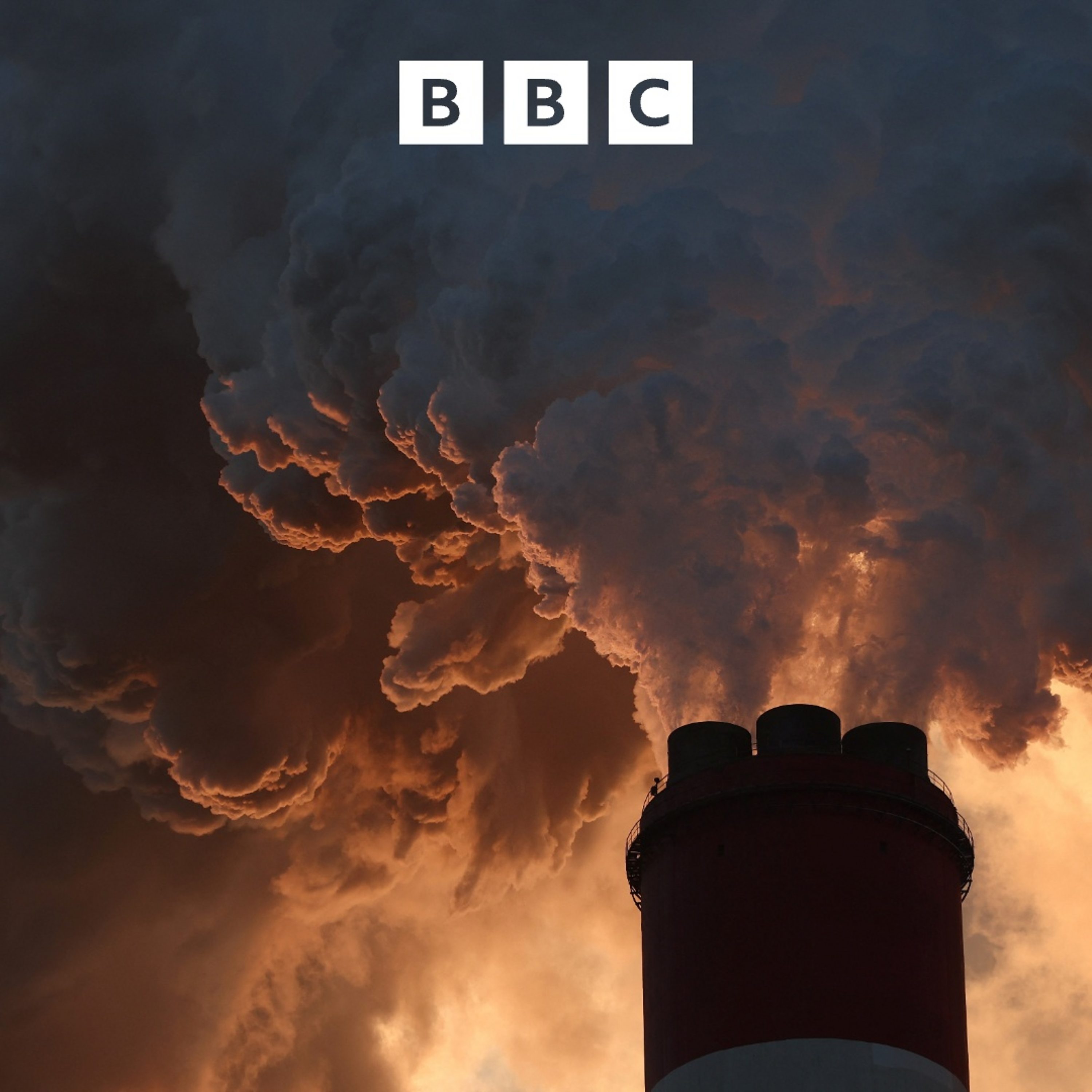
Climate change is making devastating extreme weather more common. Tech Life's Yasmin Morgan-Griffiths explores the science that could help communities take polluters to court.Also this week: we look at whether the boom in AI is causing a boom in electronic waste. And as astronauts head back to the Moon, we meet a veteran NASA space robot that's on a mission to return home.Presenter: Chris Vallance
Producer: Tom Quinn(Photo: Smoke billows from a chimney at a coal-fired power station in Eastern Europe. The light of the sun is obscured by the dense dark smoke clouds. Credit: Reuters)

Humans are returning to the Moon - hear all about it on the BBC’s space podcast. 13 Minutes Presents: Artemis II is following Nasa’s mission to loop around the Moon, with a new episode every day. Starts on Monday 30 March 2026. Search for 13 Minutes Presents: Artemis II wherever you get your BBC podcasts. Follow or subscribe now so you don’t miss an episode.
Nasa plans to return to the Moon for the first time in more than half a century. Its Artemis II mission aims to send four astronauts to loop around the Moon. They are planning to go further from Earth than any human in history.
The story of Artemis II will be told by space scientist, Maggie Aderin and British astronaut, Tim Peake, with regular guest, US space journalist Kristin Fisher.
13 Minutes is the BBC’s space podcast, telling epic space stories, including the first Moon landing, Apollo 13 and the space shuttle. Theme music by Hans Zimmer and Christian Lundberg and produced by Russell Emanuel, for Bleeding Fingers Music.

 1
1We discuss how AI could help health professionals work better, detect diseases earlier and even change the way people around the world look after themselves. Also this week: Shiona McCallum interviews a businesswoman who is trying to make female health tech more accessible and affordable. And we have a good news story that originated on the darker side of the internet.Presenter: Shiona McCallum
Producer: Tom Quinn(Image: A photo of a female doctor sitting at a desk in a hospital lab. She is using AI technology on a laptop computer. Credit: Getty Images)
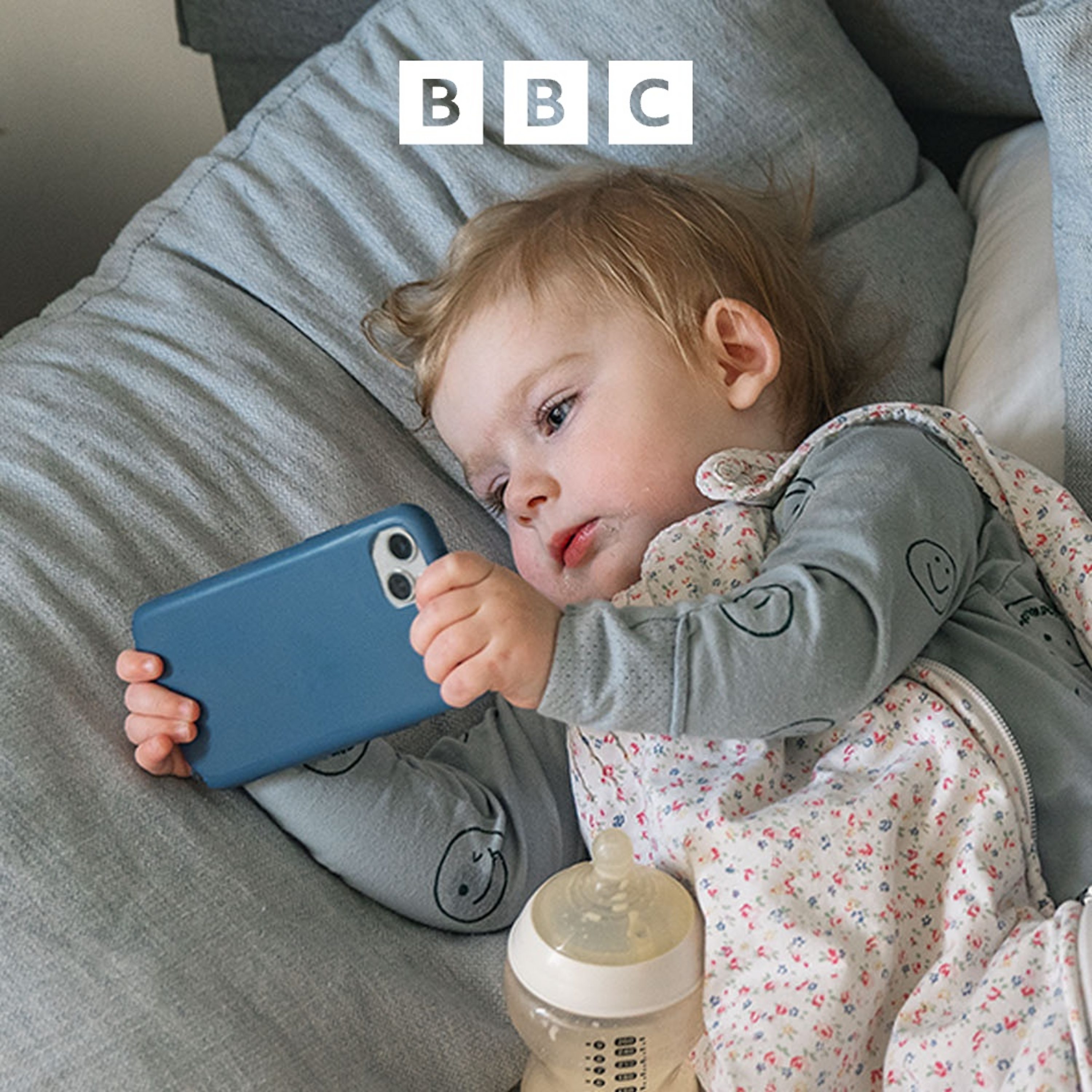
We dig through the evidence on the effect of screen time on babies and young children, with the help of some parents and experts. And after hearing our story of a woman who got her voice back with the help of AI, a listener got in touch to tell us his own moving story of hearing his father’s voice for the first time in 50 years.Producers: Imran Rahman-Jones and Vuyelo Ndlovu
Presenter: Shiona McCallum(Image: A baby holds a smartphone, looking at the screen while lying in bed. Credit: Getty Images.)

Behind some OnlyFans models making money from chatting to paying subscribers is the unseen human labour people who pretend to be the models and chat on their behalf. We speak to a woman in the Philippines about her jobs as a “chatter’. Also on the programme, scientists using AI to help advance their research. And the White House has been cutting real footage from the war with Iran with clips from video games. We analyse their strategy.Presenter: Shiona McCallum
Producer: Imran Rahman-Jones

Quantum computing promises revolutionary new discoveries. But tech revolutions can be messy. Is now the time to start thinking about how we ethically use quantum machines?Also, we find out how glass can be turned into useful data storage that will last for thousands of years. And what can science fiction tell us about our spacefaring future? Presenter: Chris Vallance
Producer: Tom Quinn(Photo: An image of a quantum computer inside a high-tech facility. The computer has metallic silver and gold-coloured tubing to assist in cooling. Credit: Getty Images)

AI tech is giving people their lost voices back. We chat to Yvonne Johnson, who has motor neuron disease. She's lost much of her ability to speak. But artificial intelligence is helping Yvonne to be heard again, with her own voice.Also this week: we discuss AI and the price of memory chips with a big computer manufacturer. And video gaming is booming in Africa.Presenter: Shiona McCallum
Producer: Tom Quinn(Image: A photo of Yvonne Johnson. She is smiling directly at the camera. Credit: Portrait Of A Voice.)

We chat to NVIDIA about AI chat and how to make it sound more human. Explore making and breaking an emotional connection with AI. And new tech is helping stroke survivors.Presenter: Chris Vallance
Producer: Tom Quinn(Photo: A digital screen shows an icon of a chatbot with text inviting users to ask it anything and a finger pressing on the screen. Credit: Getty Images)

Is this the year when smart glasses become mainstream? Whether you need spectacles for your vision, or wear sunglasses, tech firms are hoping you'll buy their latest devices. Tech Life's Alasdair Keane has road tested some of the latest wearables on the market.From smart glasses to smart bricks! It's been a childhood favourite for decades, and now Lego is packing its colourful plastic with lights, sensors and sound synthesisers. Shiona McCallum plays with the new tech.And we hear from a Hong Kong tech company that's developing AI for neglected languages, starting with Cantonese.Presenter: Shiona McCallum
Producer: Tom Quinn(Image: A photo of Mark Zuckerberg, the CEO of Meta. He is wearing dark-rimmed smart glasses. Credit: Reuters.)
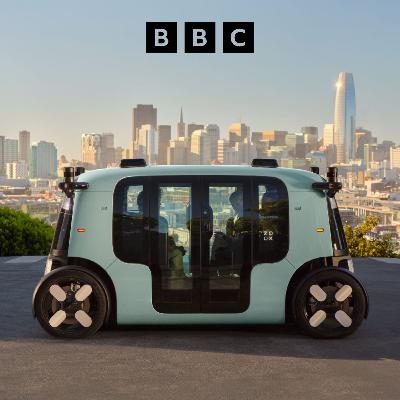
Autonomous taxis are already part of everyday life in some cities. What will it be like when self-driving car tech gets up to full speed ? And we find out how scientists are using quantum sensing technology to peer inside soldiers' brains on the firing range.Presenter: Chris Vallance
Producer: Tom Quinn(Image: A Zoox robotaxi containing passengers is stationary on a road. The skyscrapers of San Francisco are in the background. Credit: Zoox, Inc.)
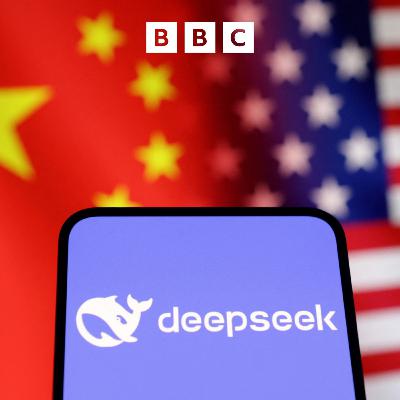
The launch of China's DeepSeek AI tool a year ago sent shockwaves through US markets and Silicon Valley. But now Chinese AI tech is being used by more and more US companies. Our North America Technology Correspondent, Lily Jamali, tells us about it.Also this week: shoppers in Denmark are using mobile phone apps to boycott some goods from overseas. And we road-test an exoskeleton taking the physical effort out of long outdoor walks.Presenter: Shiona McCallum
Producer: Tom Quinn(Image: An image of a mobile phone displaying the DeepSeek name and logo on the screen. In the background are flags of China and the United States of America. Credit: Reuters.)

We all want to stay fit and healthy. But how can technology help ? Shiona McCallum discusses new health tech on display at the world's biggest consumer electronics trade show. And if you own cryptocurrency - beware. Thieves could be targeting you. The BBC's Cyber Correspondent, Joe Tidy, joins us to explain more.Presenter: Shiona McCallum
Producer: Tom Quinn(Image: A photo of Shiona McCallum wearing an LED face mask. The room is dark and the transparent face mask covers Shiona's face. The light emitting from the mask gives Shiona's face a red glow. Credit: BBC.)
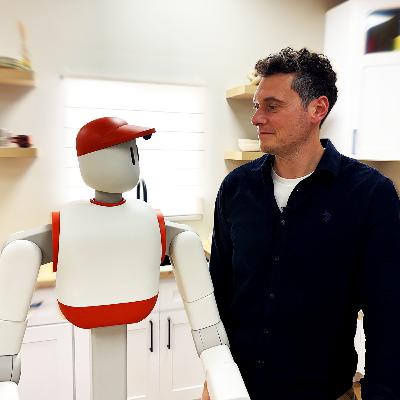
How close are we to humanoid robots in the home? A flurry of new robots, designed to look like us, have been revealed recently, with many in Silicon Valley excited that this is the next big leap in AI. But many humanoid robots still struggle with the basics, such as picking up a glass or watering a plant. The BBC’s cyber correspondent Joe Tidy meets some of these robots and asks: Will we really let them into our homes in the next few years?Presenter: Chris Vallance and Joe Tidy
Producers: Tom Quinn and Imran Rahman-Jones(Photo: Joe Tidy looks at a white humanoid robot wearing a red baseball cap, looking back at him, inside a domestic kitchen setting)

For our first episode of 2026, Tech Life looks forward to the rest of the year, and beyond. What are the latest consumer gadgets on display at a huge electronics trade show in Las Vegas ? How will assistive technology, designed to help people with disabilities, change this year ? What should we be looking out for in the world of gaming ? And we ask a futurologist to predict how tech will help us buy things from retailers over the next decade.Presenter: Chris Vallance
Producers: Tom Quinn & Imran Rahman-Jones(Image: A computer-generated image of a circuit board, with “2026” shown in neon numbers in the centre. Credit: Getty Images)

A selection of our favourite stories in 2025. From bringing back extinct species to AI at a royal palace. And you tell us about the tech that's made a difference to your life.Presenter: Chris Vallance
Producers: Tom Quinn and Imran Rahman-Jones(Image: A young woman sits at a desk. A laptop computer is open on the desk. The number 2025 is projected in front of her, and she points to it with her index finger. Credit: Getty Images)
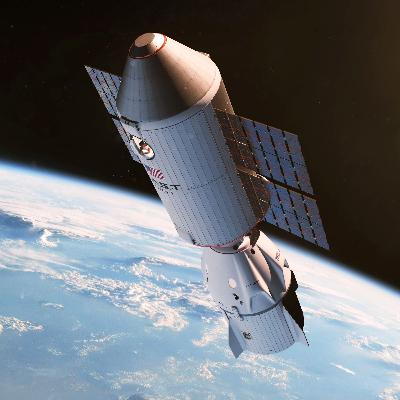
A company called Vast hopes to put Haven-1 into orbit in 2026. If successful, it'll be the world's first commercial space station. We speak to the company's CEO, Max Haot.Also on Tech Life this week: find out about robots in Japan that will help people cope with dementia. And the local language avatar providing growing tips to farmers in Africa.Presenter: Shiona McCallum
Producer: Tom Quinn(Image: A future illustration of the commercial space station Haven-1 in orbit above Planet Earth. It is docked with a Dragon spacecraft. Credit: Vast.)

A study found AI chatbots can persuade us with fake facts. We explore what this means for politics. Then we speak to author of The Web Beneath the Waves, Samanth Subramanian, about the importance of undersea cables. Plus: The scientists working together with nuns to save salamanders in a lake in Mexico.Presenter: Chris Vallance
Producer: Imran Rahman-Jones
Editors: Monica Soriano & Tom Singleton(Image: A colourful composite of a woman with her chin resting on her hands, looking confused. Behind her is an illustration of a laptop. Credit: Getty Images)

Twitch streamer QTCinderella talks about the unwelcome attention she receives in real life. Shiona McCallum reports on robotics for offshore wind farms. And polar rover tech.Presenter: Shiona McCallum
Producer: Tom Quinn(Image: A photo of Twitch streamer QTCinderella attending TwitchCon 2024 in San Diego, USA. She is standing in front of a TwitchCon backdrop and logo. She is smiling at the camera. Credit: Getty Images.)

We’re all about AI today. As AI-generated music tops US charts, a musician explains how he uses AI in the songwriting process. A fashion house explains how they use it to help sizing issues. And with the festive season approaching, there is a warning over its use in children’s toys.Presenter: Shiona McCallum
Producer: Imran Rahman-Jones
Studio manager: Nolwenn Movallali(Image: Manon Dave wearing a baseball cap, a white T-shirt and jeans, sitting on a stage wearing a head mic. He is gesturing with his hands mid-sentence. Credit: Getty Images.)


Download from Google Play

Download from App Store
 United States
This process is relevant for many areas of business. When planning group tours, manually checking airline and hotel availability was exhausting. Scraping travel data allowed us to compare routes much faster. My advice is to monitor not only prices but also baggage rules and hidden fees. Here you can learn more about the features of travel industry data scraping https://groupbwt.com/industry/travel-and-hospitality/ . Travelers notice transparency more than small savings. Good data helps build better packages.
keep going ❤🌺
🔴💚Really Amazing ️You Can Try This💚WATCH💚ᗪOᗯᑎᒪOᗩᗪ👉https://co.fastmovies.org
Its amazing and for more details about tent you may visit: https://tentpick.com/how-to-keep-your-tent-dry-inside/
I can't download this episode.
no need to look for tech news on TV or internet if we are following this podcast, great work guys bringing the subject experts, round up of popular tech news :- )